Dragonkin: The Banished similar games & best alternatives
Should you play it?
The draconic threat is once again upon us. Legendary heroes rise up to face the legions from the depths. Tame your wyrmlings, create unique power builds with the Ancestral Grid, expand your city and destroy the Dragons!
What works
- Unique and deep skill hex grid system
- Engaging combat and progression
- City building and pet customization
- Good value for price
- Active and responsive developers
Things to keep in mind
- Early access with some bugs and balancing issues
- Some map backtracking and large zones
- Graphics and sound need polish
- Loot drop rates and itemization could improve
- Some frustrating enemy mechanics (stuns, invulnerable mobs)
What to play next
Top picks
Games that feel the closest overall
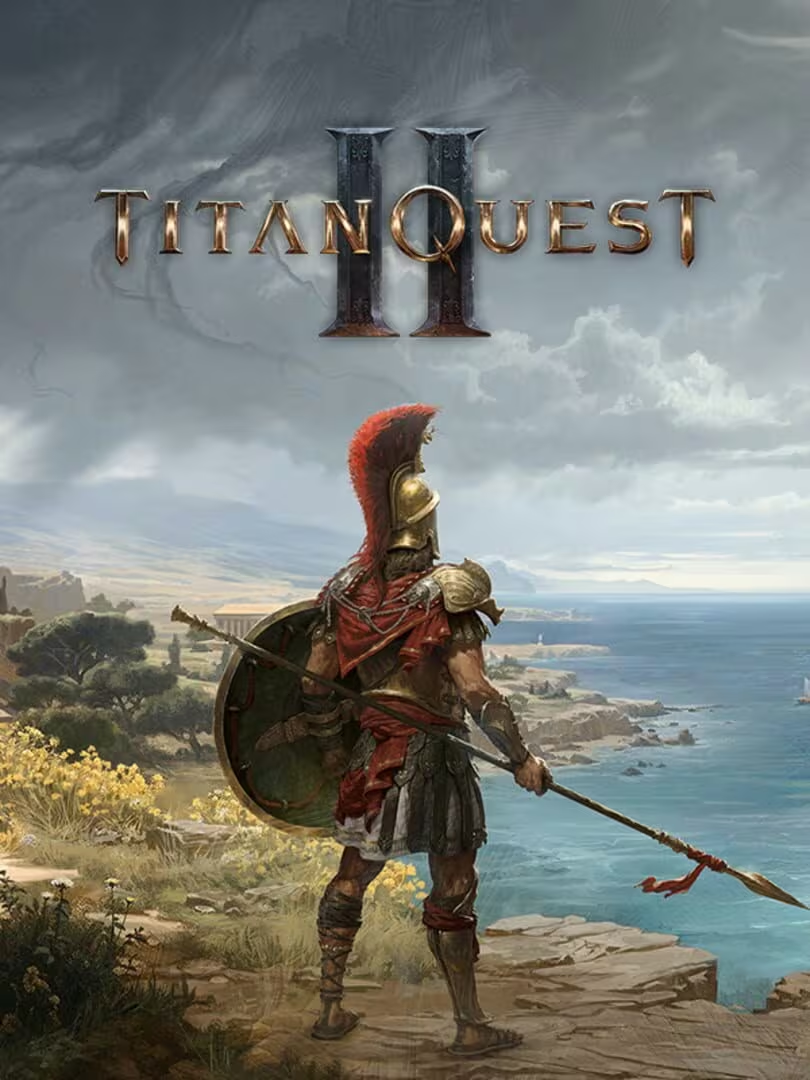
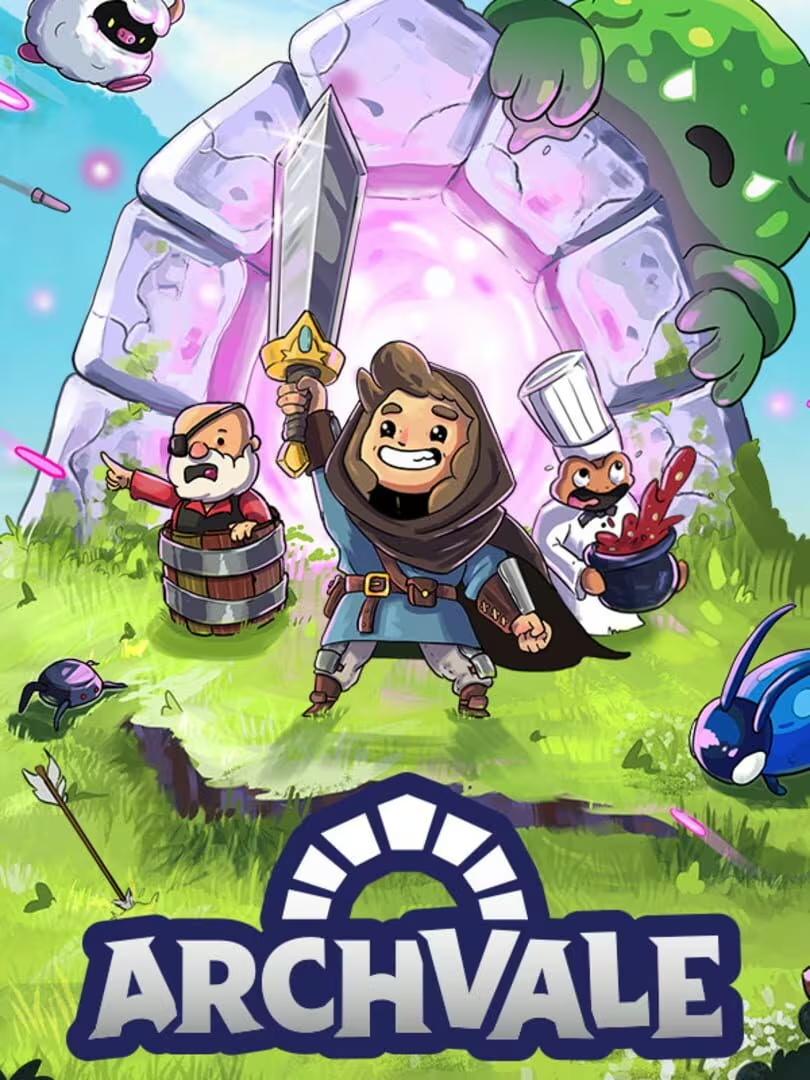
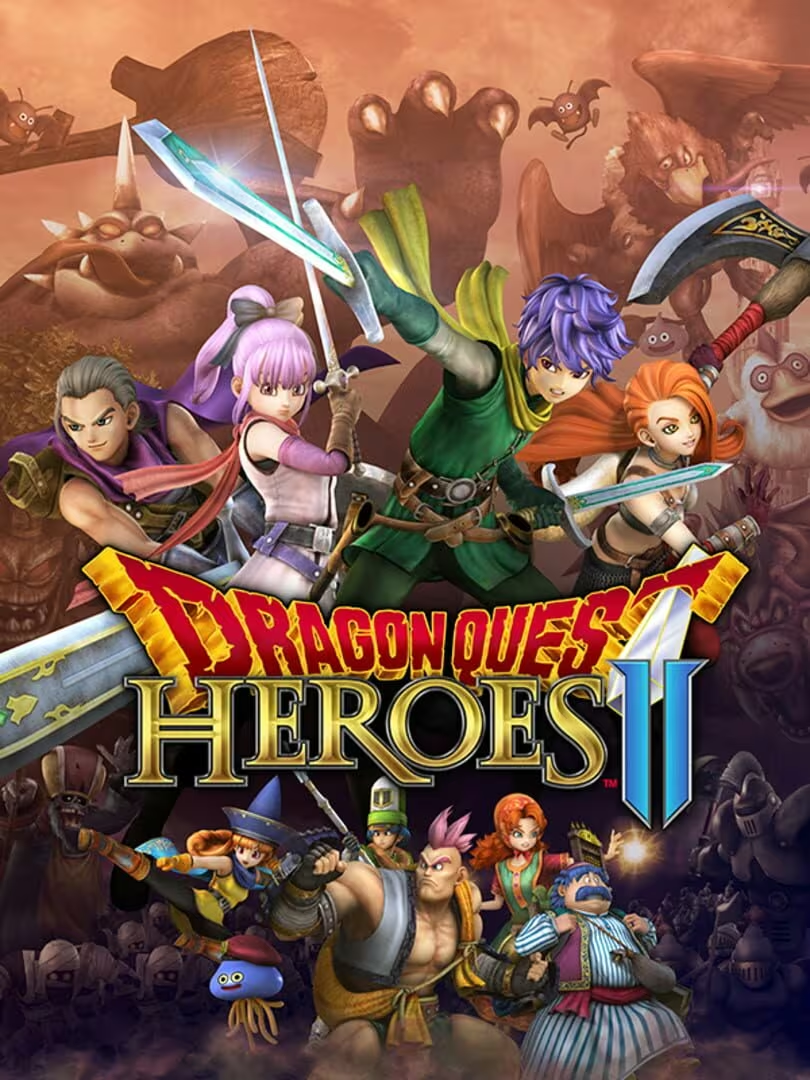
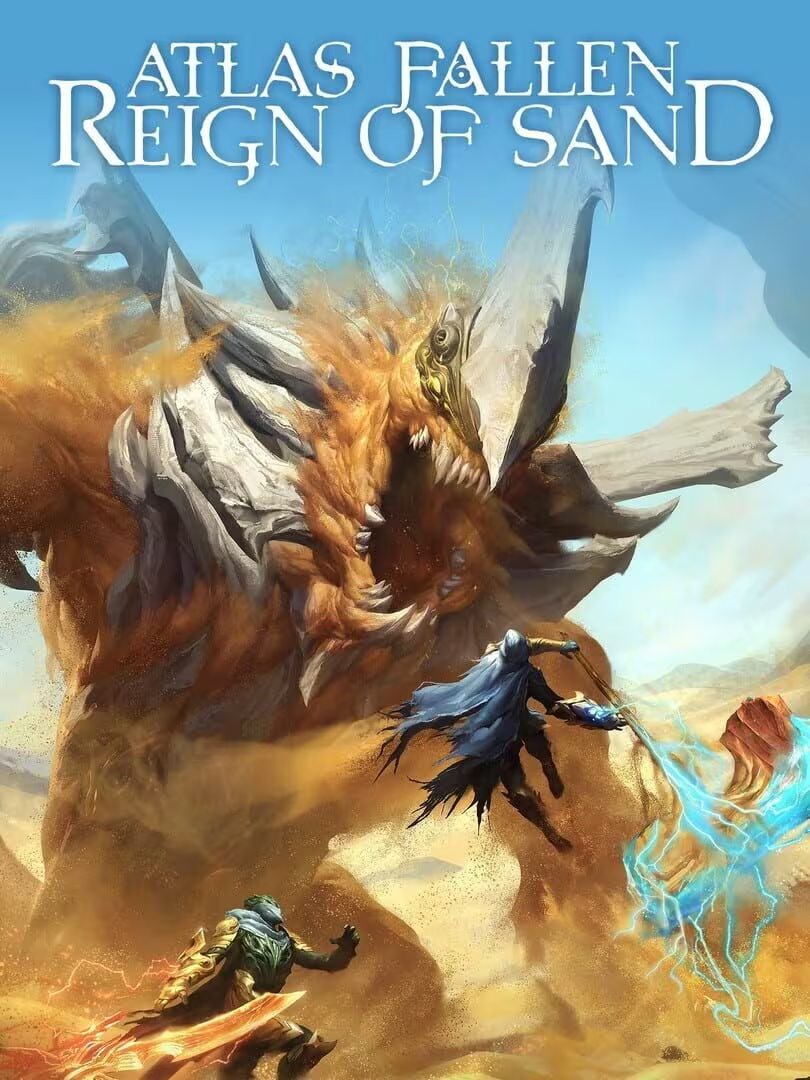
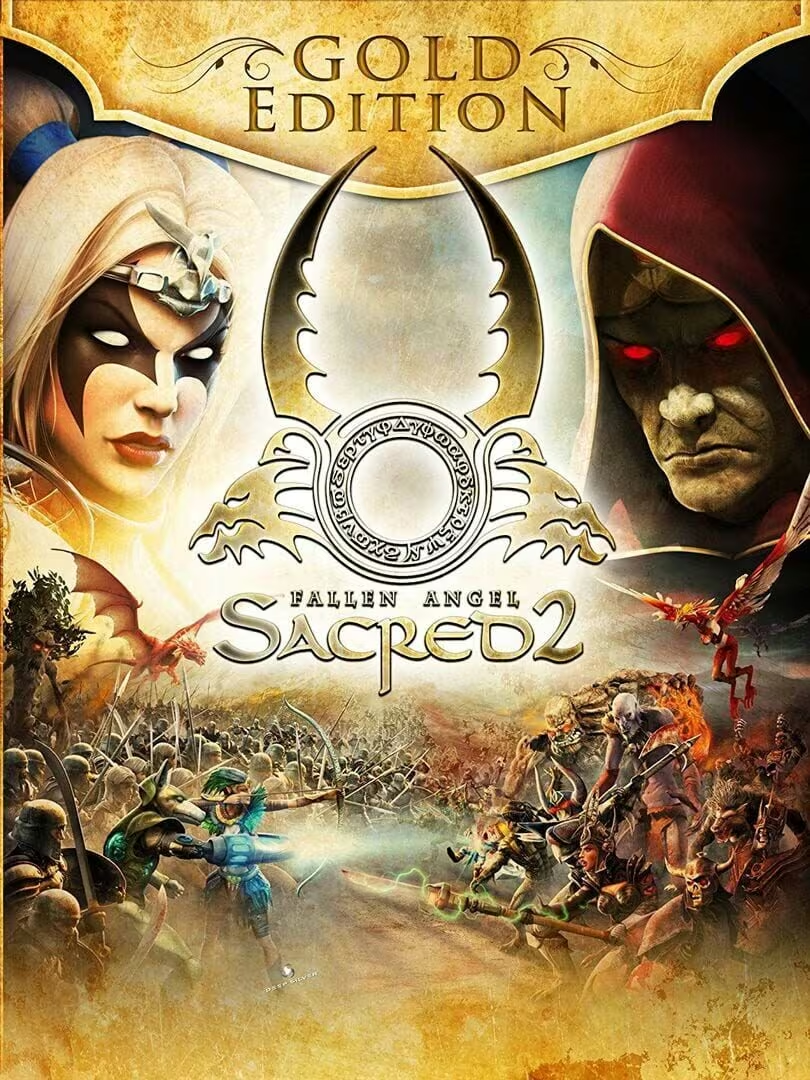
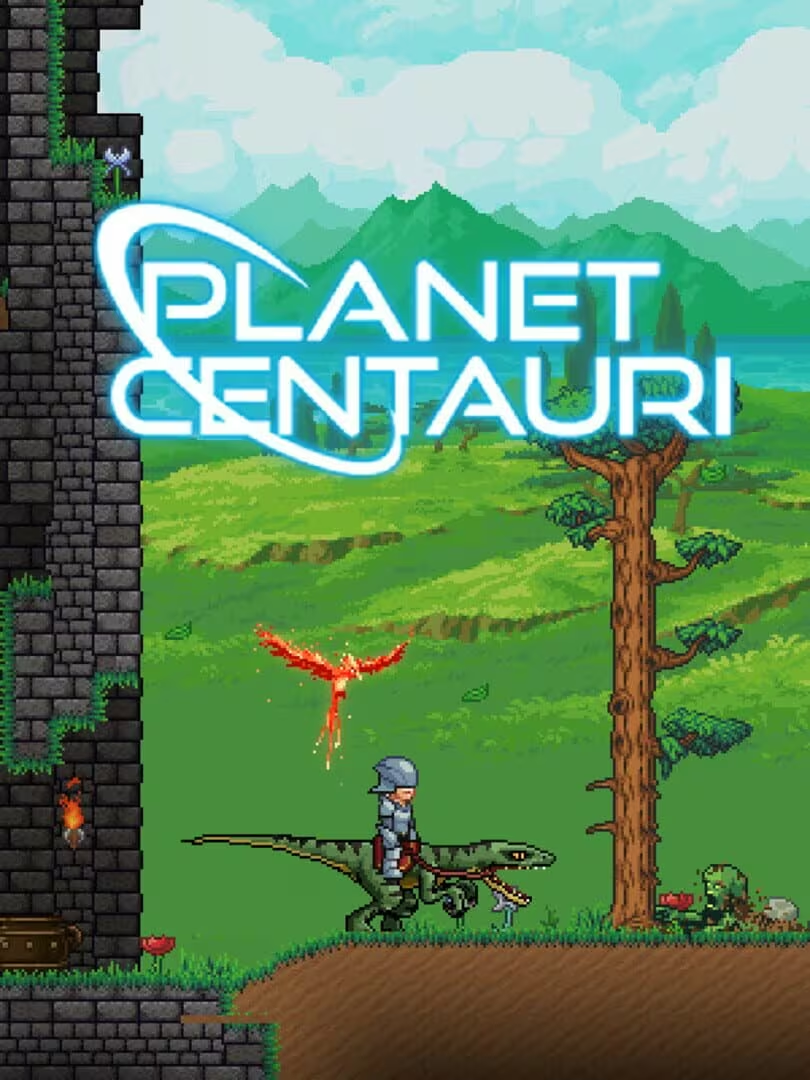

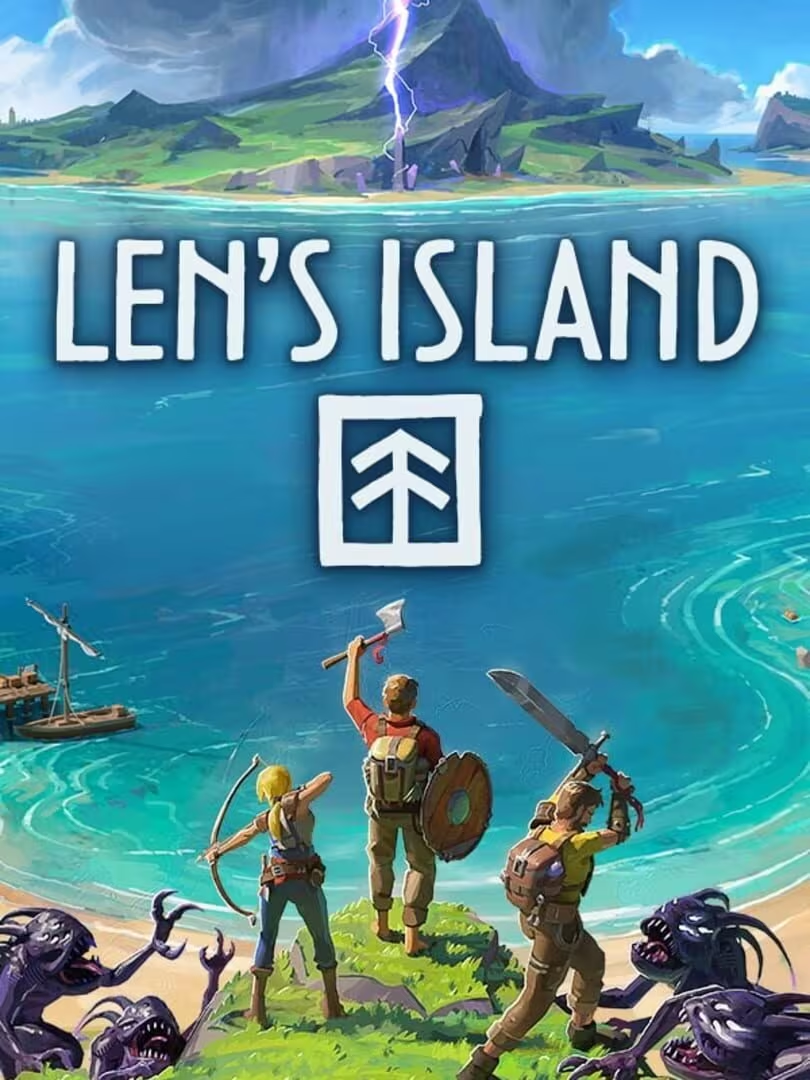
Hidden Gems
Less popular games with surprisingly high similarity
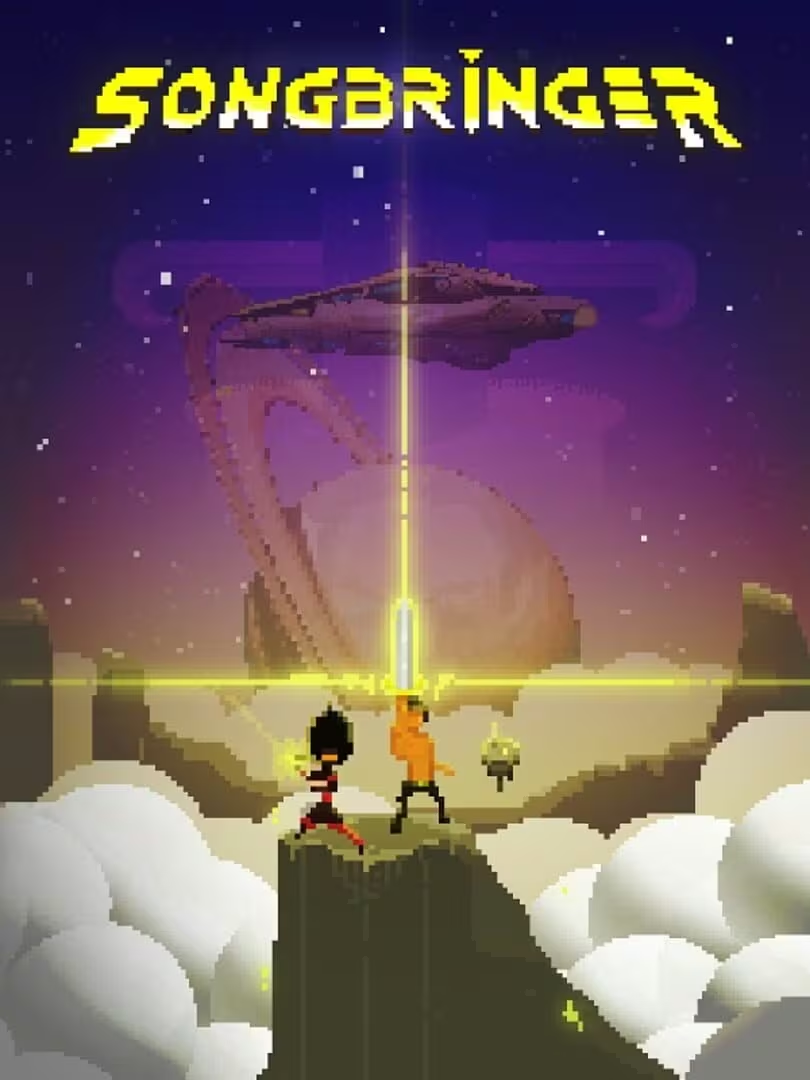
If you liked…
Recommendations by what you enjoyed most
Similarity map
Explore nearby similar games and see why they’re close.
Dragonkin: The Banished: A very typical example of its motivational profile. Motivations that often define this kind of title include Cooperation, Fellowship, Intimacy, Leadership. Here, the score leans higher than usual among comparable games on Creativity. It leans lower than usual among comparable games on Intimacy, Leadership.
Why this game works
A motivational profile of the game, with the closest similar game for each player motivation.
-
Autonomy
Game with the same Autonomy vibe
4"Players have freedom to customize characters, choose skills, stats, and build strategies with many options."
 Swords and Sandals Immortals
"Players have freedom in skill customization via the unique hex grid system and can freely respec skills and stats; city building and character progression offer personal control."
-
Competence
Game with the same Competence vibe
3"Combat requires skill, strategy, and preparation, especially on higher difficulties; some players find it challenging and rewarding."
 The Witcher 2: Assassins of Kings Enhanced Edition
"Combat is described as fluid and satisfying with skill challenges; some difficulty tuning issues noted but overall players feel effective as they progress."
-
Competition
Game with the same Competition vibe
-3"Focus is mostly on cooperative and solo play with personal progression; leaderboards or ranked competitive modes are not emphasized."
 Firefighting Simulator: Ignite
"Focus is primarily on solo or cooperative play with no strong emphasis on ranked modes or leaderboards; endgame content is more about personal progression."
-
Continuation
Game with the same Continuation vibe
4"Players report habitual play, long sessions, and returning frequently due to engaging gameplay and progression."
 GWENT: The Witcher Card Game
"Many players report long play sessions, habitual play, and returning to the game repeatedly due to engaging skill systems and city progression."
-
Cooperation
Game with the same Cooperation vibe
2"Game supports multiplayer co-op and cooperative activities, but many players also enjoy solo play."
 Pumpkin Days
"Game supports multiplayer co-op and city building with friends, but much content is also solo; cooperation is present but not dominant."
-
Creativity
Game with the same Creativity vibe
5"Highly creative build system with unique skill trees per skill, extensive crafting options, and player-driven gear customization."
 Last Epoch
"Highly creative skill system with hex grid allowing complex build customization; city building and pet customization add to creative expression."
-
Domination
Game with the same Domination vibe
-4"Interactions emphasize cooperation and shared progression; no evidence of dominance or power imposition over others."
 9th Dawn III
"Interactions emphasize shared progression and cooperation; no evidence of dominance or power imposition over others."
-
Escapism
Game with the same Escapism vibe
4"Players use the game as a relaxing, immersive fantasy experience to escape real life stress."
 Crowntakers
"Players use the game as a relaxing, immersive fantasy experience to escape real life; many mention stress relief and immersion in the world."
-
Expectation
Game with the same Expectation vibe
-4"Players engage voluntarily out of personal interest and enjoyment; no reports of obligation or pressure to play."
 FurryFury: Smash & Roll
"Players engage voluntarily out of personal interest and enjoyment; no reports of obligation or pressure to play."
-
Experimenting
Game with the same Experimenting vibe
5"Strong emphasis on trying new builds, skill combos, and glyph arrangements; encourages tinkering and creative exploration."
 Ghostlore
"Strong emphasis on experimenting with skill combinations, builds, and pet abilities; players enjoy tinkering with the hex grid and character setups."
-
Exploration
Game with the same Exploration vibe
3"Large world with many locations and secrets to discover; some players note the world can feel empty but exploration is still rewarding."
 Airship: Kingdoms Adrift
"Players explore a large world with distinct zones and secrets; some complaints about map size and backtracking but exploration is a motivator."
-
Expression
Game with the same Expression vibe
3"Customization of villages, buildings, and some character options allow personal expression, though character creation is limited."
 Sengoku Dynasty
"Customization of characters, pets, and city building allows for personal expression though character creation options are limited."
-
Fantasy
Game with the same Fantasy vibe
5"Strong fantasy setting with monsters, magic, and mythical lore; immersive fictional narrative."
 The Witcher 3: Wild Hunt
"Strong fantasy setting with dragons, magic, and mythical creatures; immersive lore and story elements reinforce imaginative fiction."
-
Fellowship
Game with the same Fellowship vibe
2"Community and multiplayer co-op exist, but many players focus on solo play; social connection present but limited."
 Thea 2: The Shattering
"Community and multiplayer co-op exist but many players also enjoy solo play; some social connection but not a primary focus."
-
Growth
Game with the same Growth vibe
4"Players learn complex systems, improve city management skills, and progress through ranks and unlocks."
 Pax Augusta
"Players report learning complex systems, improving builds, and progressing through skill mastery and city upgrades."
-
Health
Game with the same Health vibe
-4"Typical sedentary ARPG gameplay with no physical activity or health-related features."
Ghostlore
"Typical sedentary ARPG gameplay; no physical activity or health-related features noted."
-
Idle
Game with the same Idle vibe
-3"Requires focused attention during combat and management; not designed for idle play."
 Cult of the Lamb
"Requires active engagement and focus; combat and skill management demand attention rather than idle play."
-
Intimacy
Game with the same Intimacy vibe
-4"Social interactions are limited to cooperative gameplay; no evidence of close personal relationships or emotional sharing."
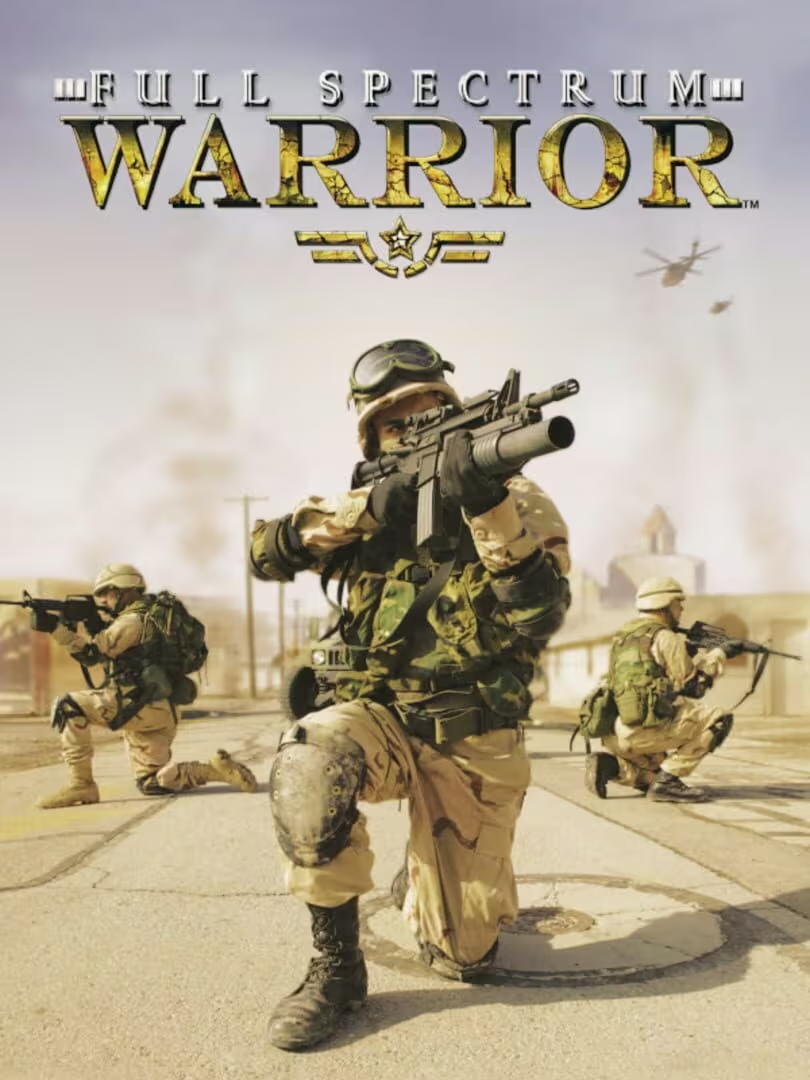 Full Spectrum Warrior
"Social interactions are limited to cooperative gameplay; no evidence of close personal relationships or emotional sharing."
-
Leadership
Game with the same Leadership vibe
-3"Players cooperate as equals; no leadership or authoritative roles indicated."
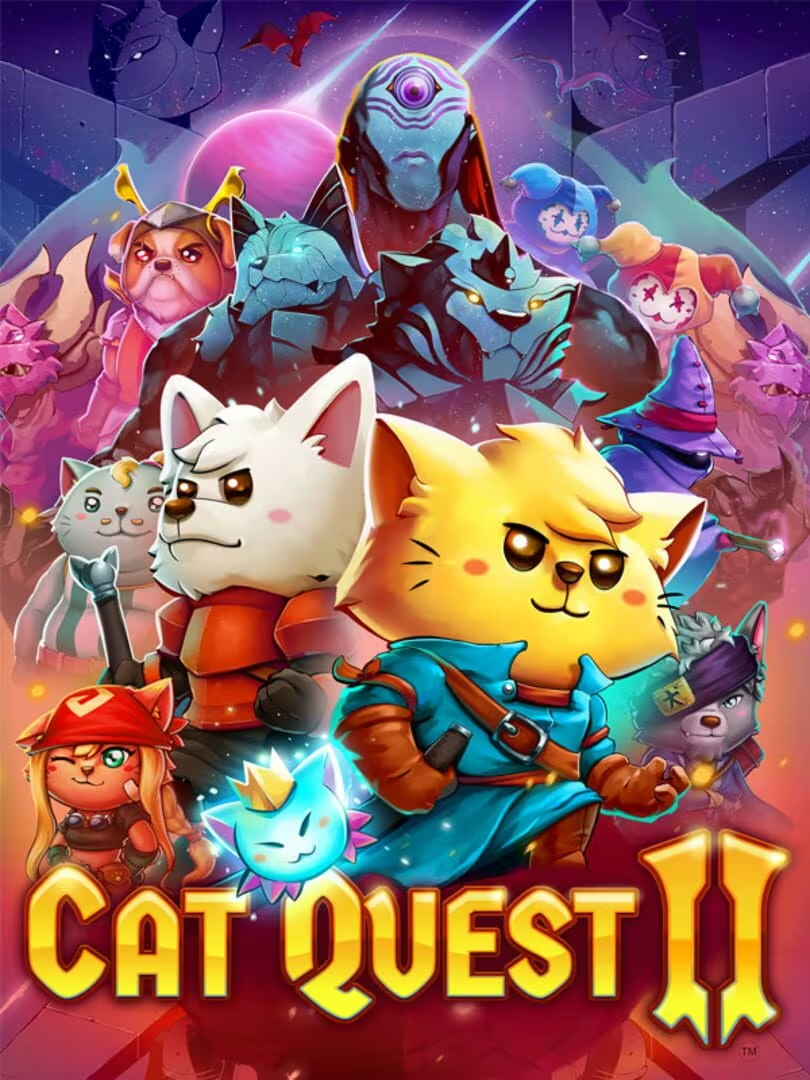 Cat Quest II
"Players participate cooperatively but no strong leadership or authoritative roles are described."
-
Progression
Game with the same Progression vibe
4"Strong progression through leveling, gear upgrades, pet development, and unlocking new content."
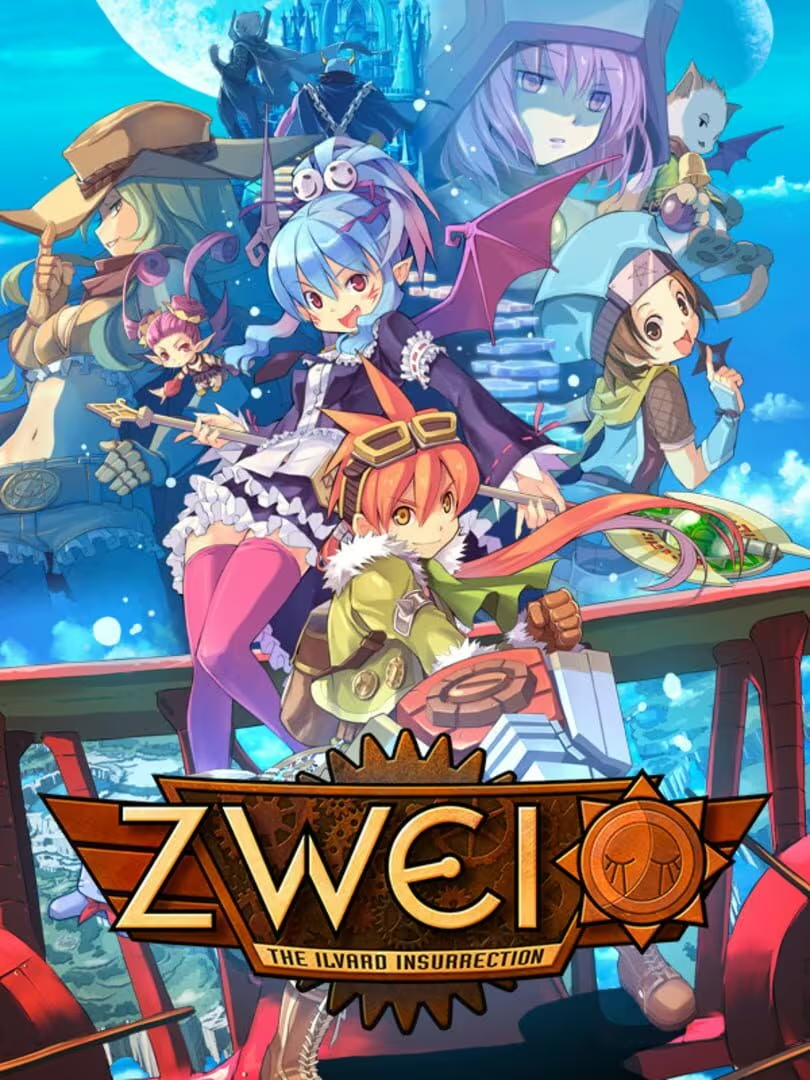 Zwei: The Ilvard Insurrection
"Strong emphasis on accumulating gear, skill upgrades, city development, and pet progression."
-
Relaxation
Game with the same Relaxation vibe
3"Players find the game relaxing and enjoyable, though some difficulty spikes add tension."
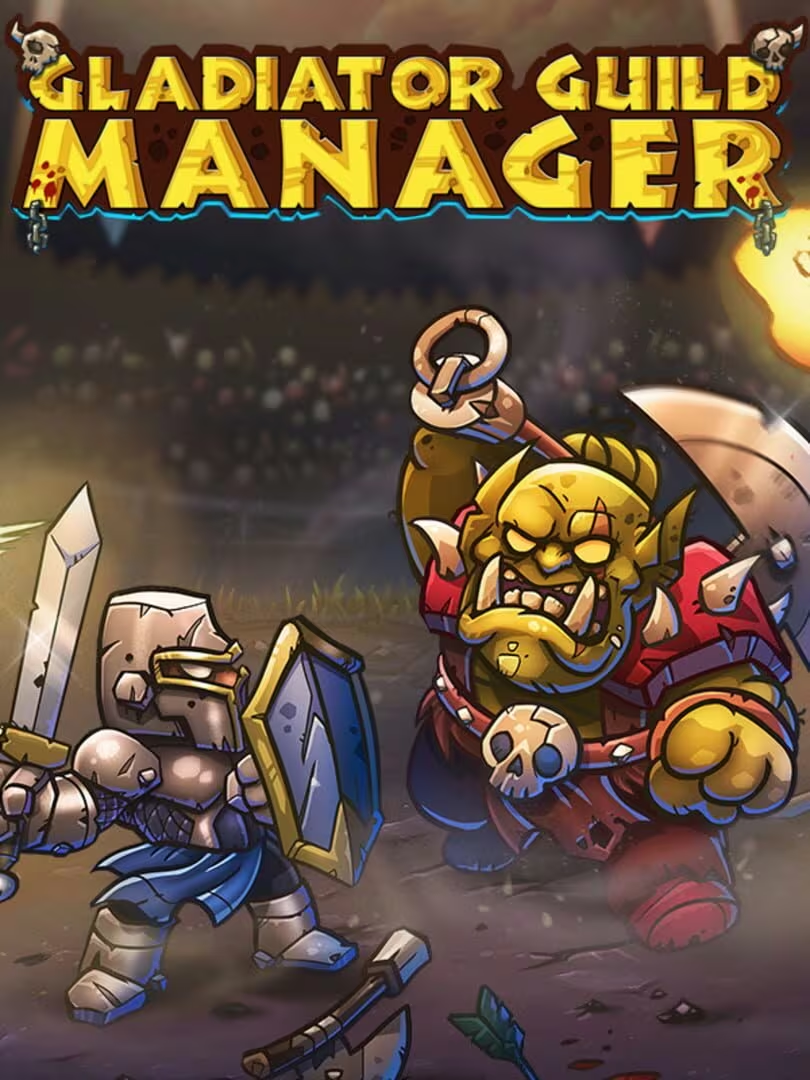 Gladiator Guild Manager
"Some players find the game relaxing and enjoyable; others note occasional frustration with difficulty spikes but overall flow is positive."
-
Sensation
Game with the same Sensation vibe
3"Visual and auditory feedback with colorful effects and sounds provide sensory stimulation and enjoyment."
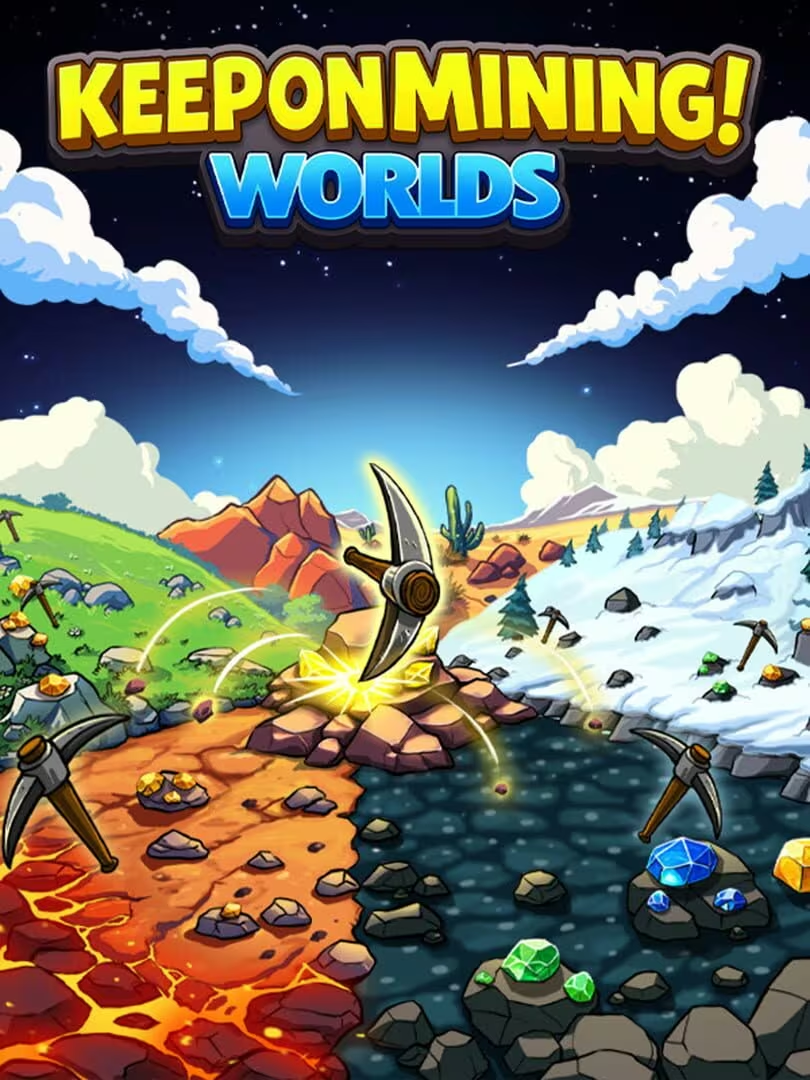 Keep on Mining! - Worlds
"Visual and auditory effects are praised; some feedback and sound design improvements desired but sensory stimulation is present."
-
Status
Game with the same Status vibe
-3"No social status or recognition systems; focus is on personal achievement without external validation."
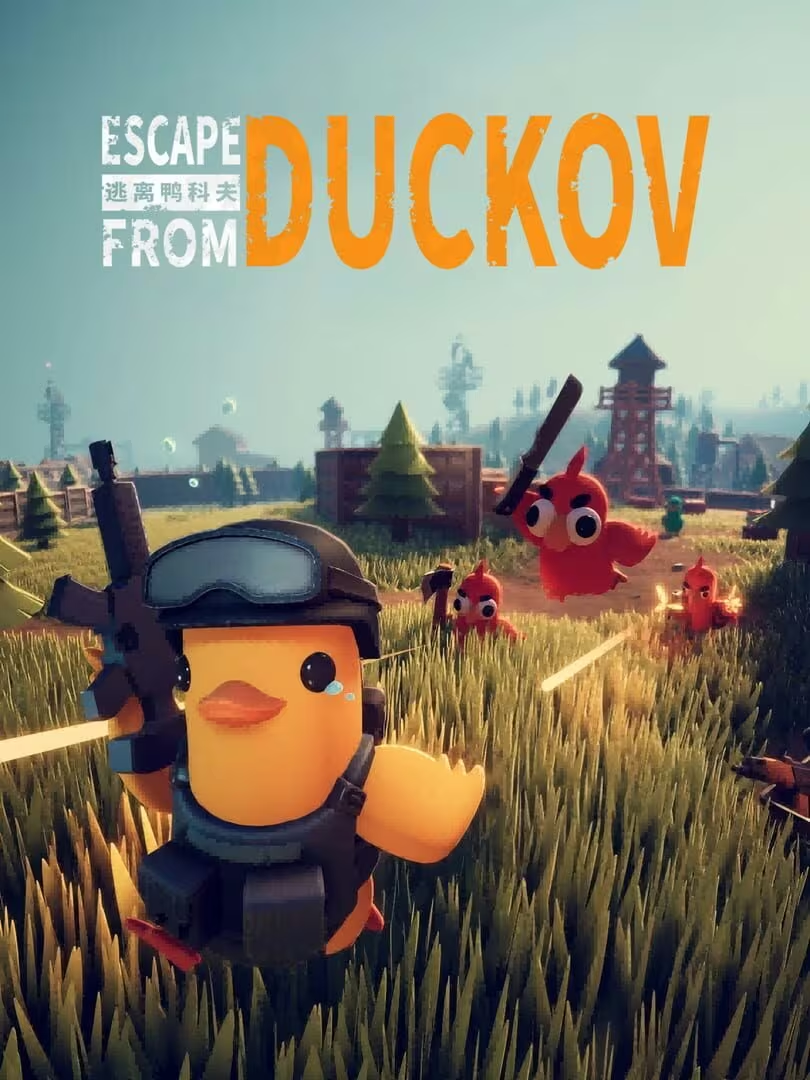 Escape From Duckov
"No strong social status or recognition systems; focus is on personal achievement rather than external validation."
-
Story
Game with the same Story vibe
3"Narrative and lore are present and appreciated by players, adding immersion."
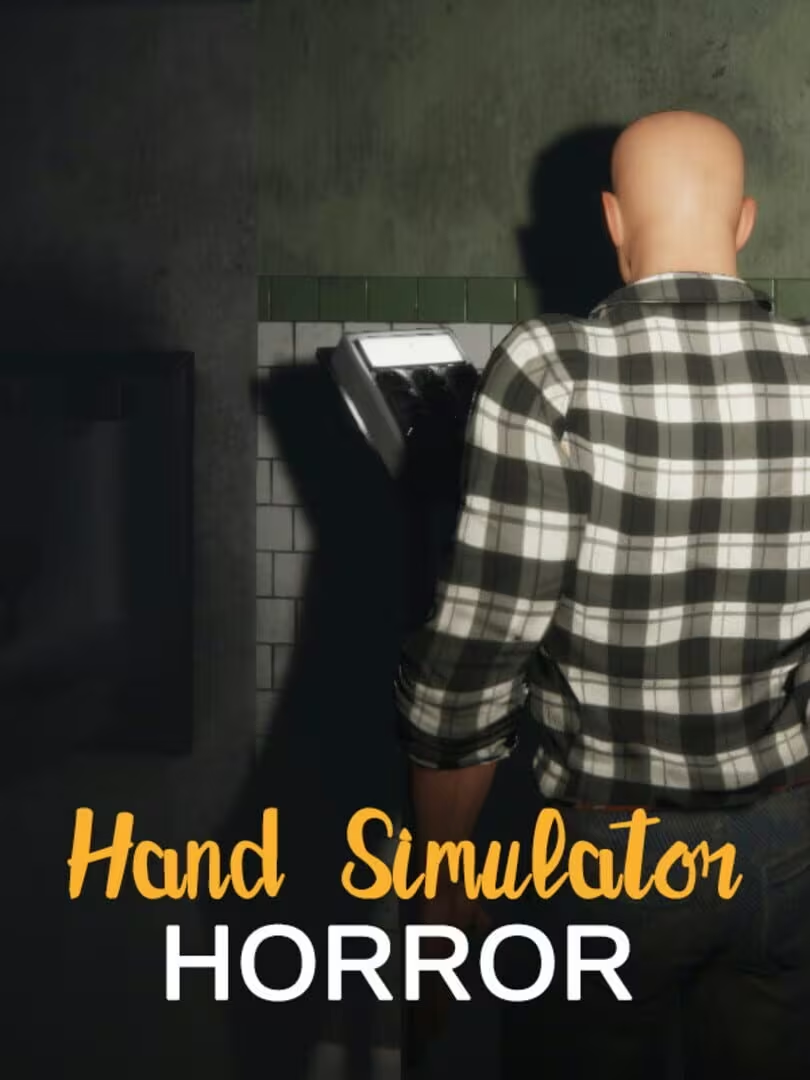 Hand Simulator: Horror
"Story and lore are present and engaging for many players; narrative immersion is a positive aspect though some find it short."
-
Strategy
Game with the same Strategy vibe
4"Combat and skill customization require planning and tactical thinking."
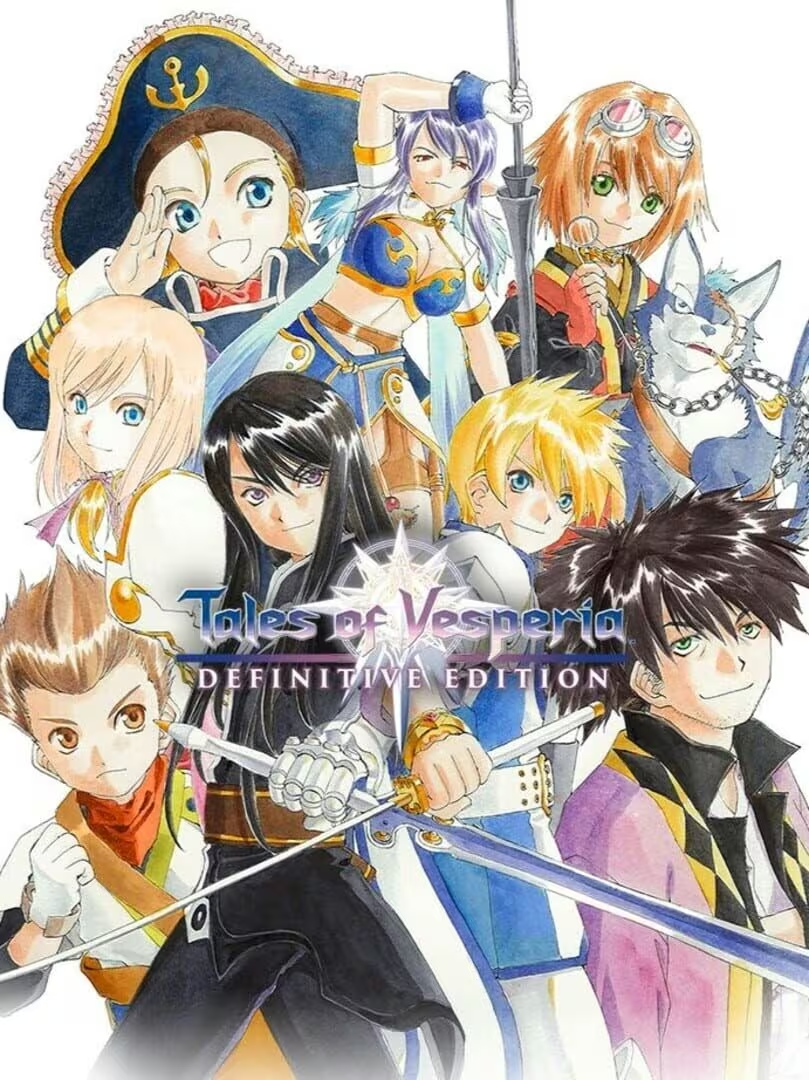 Tales of Vesperia: Definitive Edition
"Skill grid and build customization require strategic thinking and planning; combat involves pattern recognition and tactical decisions."
-
Thrill
Game with the same Thrill vibe
2"Challenging levels and boss fights create moments of tension and relief, offering some thrill."
 Kaze and the Wild Masks
"Some thrill from challenging combat and boss fights; not a dominant motivator but present."
-
Value
Game with the same Value vibe
4"Players feel the game offers good value for price with many hours of content and replayability."
 Contraband Police
"Players feel the game offers good value for price with many hours of content and replayability."
-
Violence
Game with the same Violence vibe
3"Combat involves defeating monsters with various weapons and skills; typical ARPG violence without excessive gore."
Ghostlore
"Combat involves defeating enemies and bosses; typical ARPG violence but not excessively emphasized."
-
Survival
Game with the same Survival vibe
2"Players manage health and avoid death in combat; survival elements present but not dominant focus."
 THE FINALS
"Players manage health and avoid death in combat; survival elements exist but are not extreme or primary focus."
Last update: 01/06/2026