Five Nights at Freddy's 4 similar games & best alternatives
Should you play it?
In this last chapter of the Five Nights at Freddy's original story, you must once again defend yourself against Freddy Fazbear, Chica, Bonnie, Foxy, and even worse things that lurk in the shadows.
What works
- Intense horror atmosphere
- Innovative audio-based gameplay
- Challenging and rewarding
- Deep and intriguing story
- Good value for price
Things to keep in mind
- High difficulty and frustration
- Repetitive mechanics
- Performance issues reported
- No multiplayer or social features
- Some players find audio cues hard to hear
What to play next
Similar games, hidden gems, and fresh directions from this game.
Top picks
Games that feel the closest overall

Hidden Gems
Less popular games with surprisingly high similarity
If you liked…
Recommendations by what you enjoyed most
Similarity map
Explore nearby similar games and see why they’re close.
Five Nights at Freddy's 4: Less representative of its motivational profile, with noticeable differences. Motivations that often define this kind of title include Expression, Fellowship, Cooperation, Status. It leans lower than usual among comparable games on Relaxation, Exploration, Creativity.
Why this game works
A motivational profile of the game, with the closest similar game for each player motivation.
-
Autonomy
Game with the same Autonomy vibe
3"Players control their actions by managing cameras, doors, and lights strategically to survive, showing personal decision-making and resource management."
 Five Nights at Freddy's
"Players control their own actions directly, moving to doors and deciding when to flash light or close doors based on audio cues, showing personal freedom in decision-making."
-
Competence
Game with the same Competence vibe
4"The game requires skillful timing, observation, and resource management to survive increasing difficulty nights, providing a challenging test of player competence."
Five Nights at Freddy's
"The game requires skillful listening, timing, and quick reactions to survive, with increasing difficulty and challenges that test player competence."
-
Competition
Game with the same Competition vibe
-3"Focus is on personal survival and progression rather than competing against others; no mention of leaderboards or ranked modes."
 FLATHEAD
"Focus is on individual survival and personal mastery rather than competing against others; no mention of leaderboards or ranked modes."
-
Continuation
Game with the same Continuation vibe
4"Many reviews express strong attachment, long play sessions, and habitual play; some mention addiction and life changes due to the game."
 Barji Kart
"Many reviews mention habitual play, repeated attempts to overcome difficult nights, and strong attachment to progressing through the story."
-
Cooperation
Game with the same Cooperation vibe
-4"Gameplay is primarily solo, focusing on individual tasks and survival without cooperative multiplayer elements."
 Five Nights At Floppa
"Gameplay is solitary, focused on individual survival in a single-player environment with no cooperative mechanics."
-
Creativity
Game with the same Creativity vibe
-2"Gameplay follows a fixed pattern of monitoring and reacting with limited room for creative play, though players can develop personal strategies."
Five Nights at Freddy's
"Gameplay follows established patterns of listening and reacting; limited player creativity or modification of game elements."
-
Domination
Game with the same Domination vibe
-4"Interactions are mostly management-focused without exerting control over other players; no evidence of dominance or power over others."
 Movies Tycoon
"Interactions are not about exerting control over others but about personal survival; no evidence of dominance or power over other players."
-
Escapism
Game with the same Escapism vibe
4"Players use the game as a fun distraction blending relaxation and horror, escaping real life through immersive atmosphere."
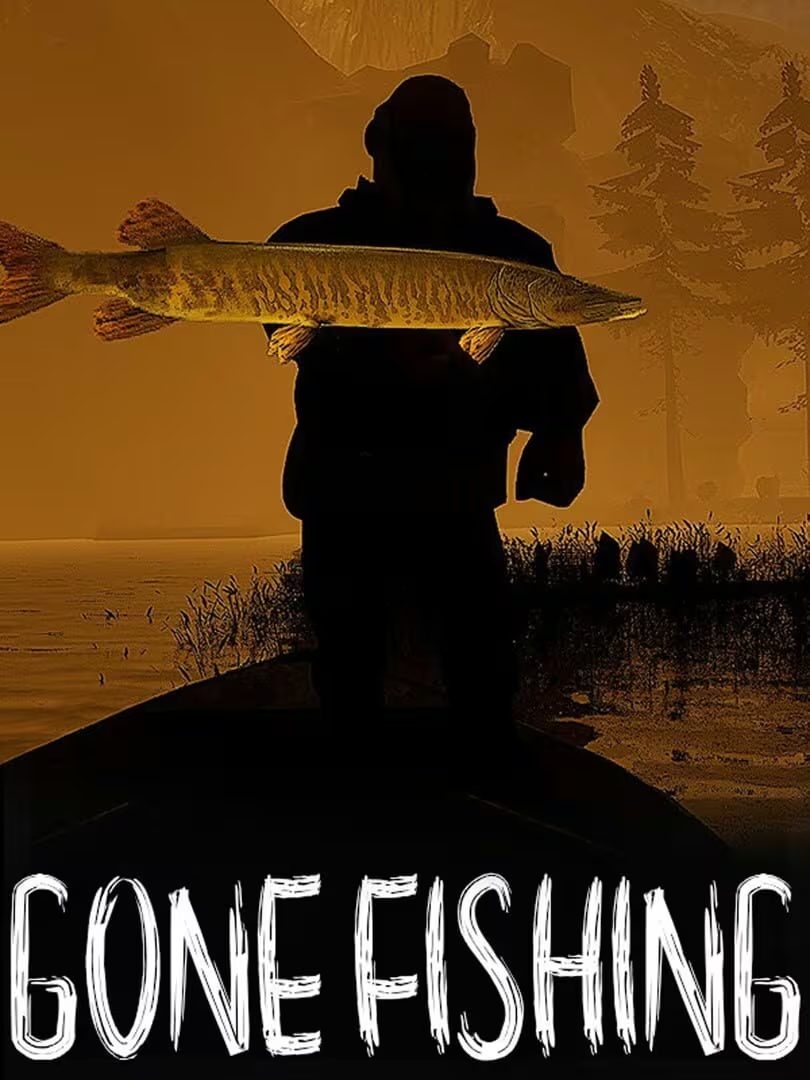 GONE Fishing
"Players use the game to experience intense fear and distraction from real life, often playing in dark or quiet environments to immerse themselves."
-
Expectation
Game with the same Expectation vibe
-4"Players engage voluntarily out of interest in horror and story, not obligation."
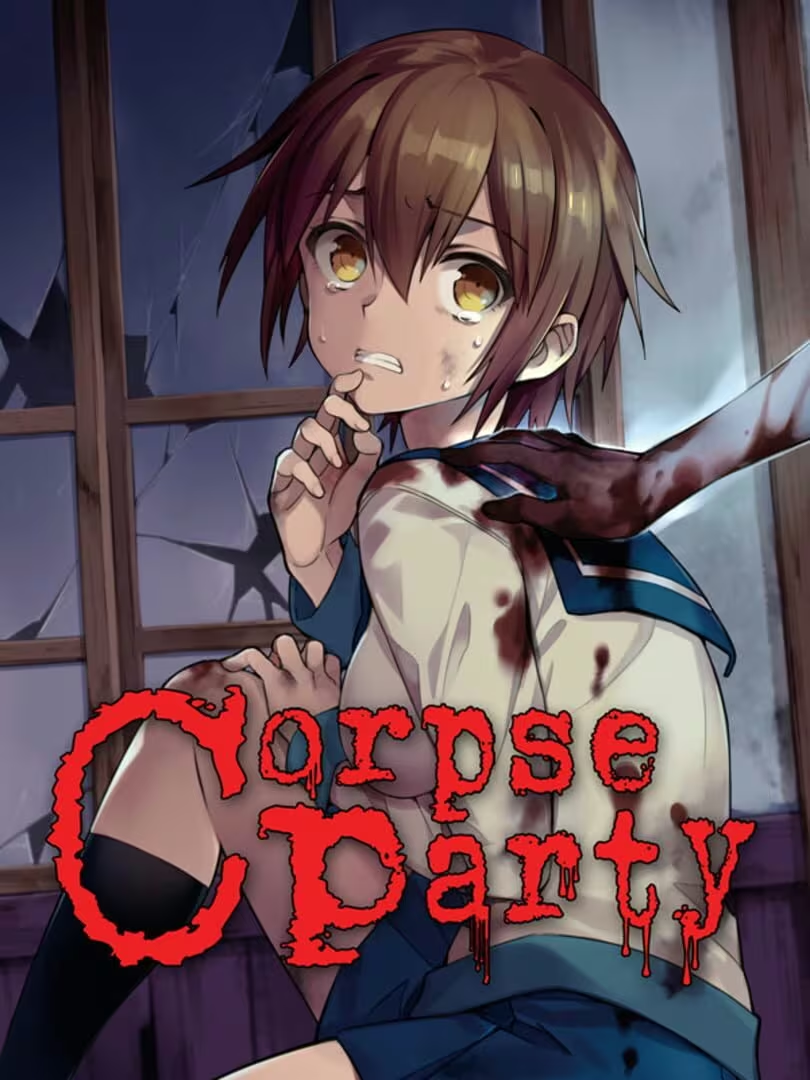 Corpse Party
"Players engage voluntarily out of interest and personal desire to experience the horror and story, not out of obligation."
-
Experimenting
Game with the same Experimenting vibe
2"Players experiment with different ambient sound mixes and timer settings, though core mechanics are stable and routine."
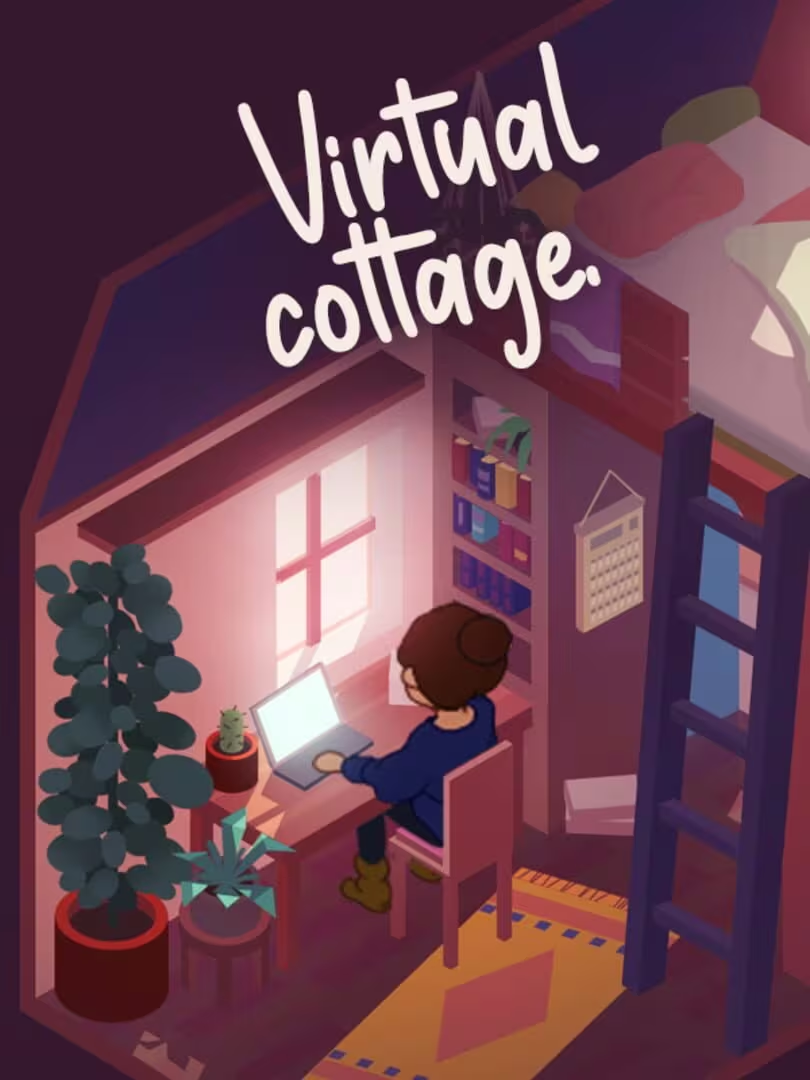 Virtual Cottage
"Players experiment with audio cues and timing strategies to survive, but core mechanics remain consistent without radical novelty."
-
Exploration
Game with the same Exploration vibe
-3"The game is set in a fixed environment with limited new areas to discover; exploration is minimal."
 The Boba Teashop
"The game is set in a single room with fixed locations; exploration is limited and not a primary focus."
-
Expression
Game with the same Expression vibe
-4"No character customization or environment modification; presentation is standardized."
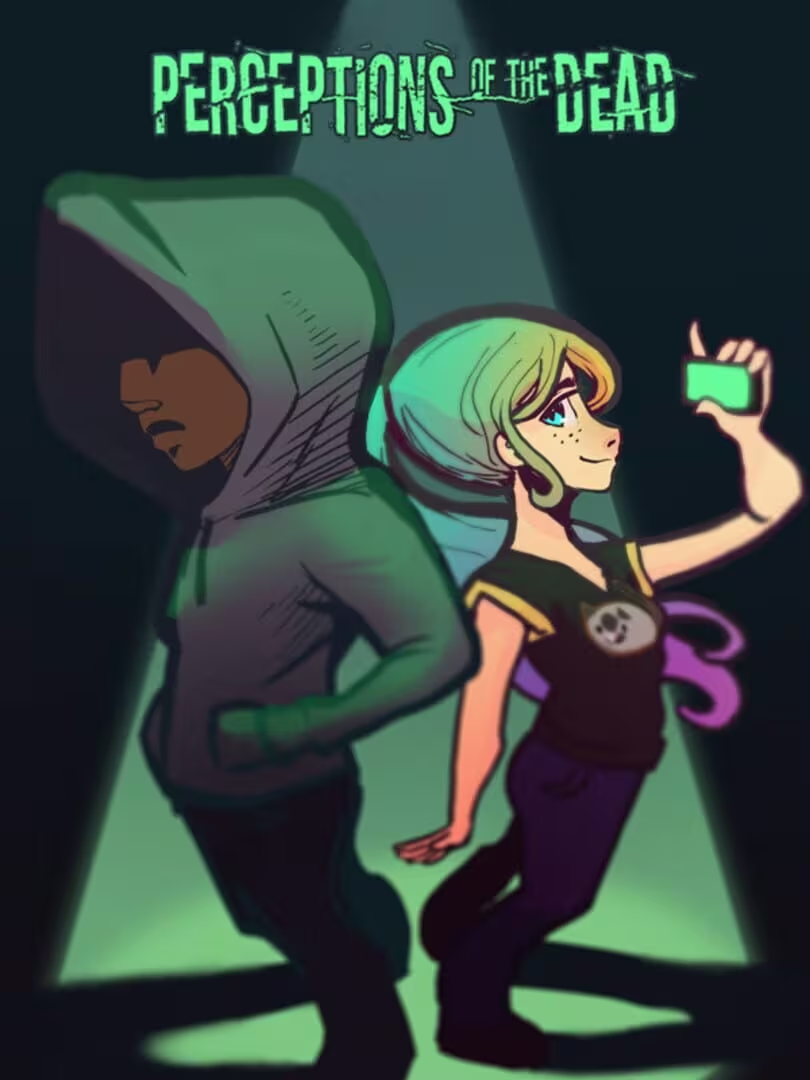 Perceptions of the Dead
"No character customization or environment modification; presentation is standardized."
-
Fantasy
Game with the same Fantasy vibe
4"The game features fictional animatronics, horror themes, and supernatural elements, providing an imaginative horror experience."
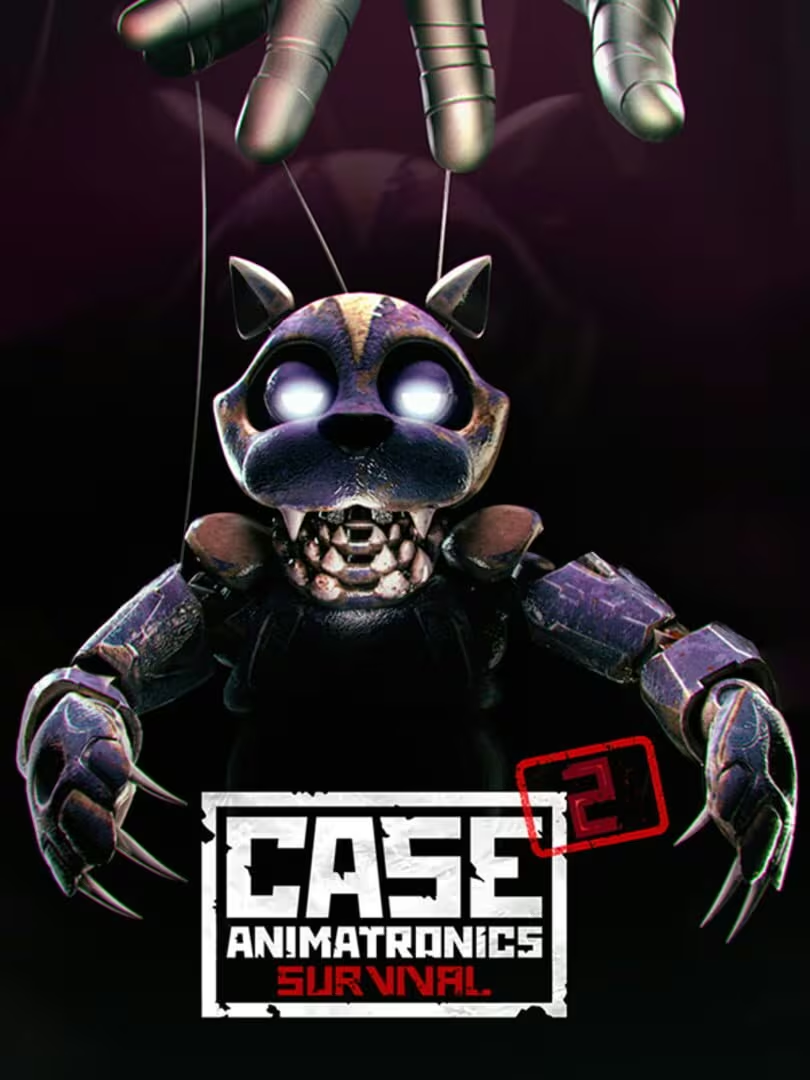 CASE 2: Animatronics Survival
"The game features nightmare animatronics and a fictional horror story, immersing players in an imaginative and terrifying scenario."
-
Fellowship
Game with the same Fellowship vibe
-4"The experience is solitary with minimal social interaction or community involvement during gameplay."
 Phoenix Wright: Ace Attorney Trilogy
"The experience is solitary with minimal social interaction or community involvement during gameplay."
-
Growth
Game with the same Growth vibe
3"Players develop skills in timing, observation, and strategy to improve performance."
 Death Coming/死神来了
"Players develop listening skills, timing, and strategies to improve performance and progress through increasingly difficult nights."
-
Health
Game with the same Health vibe
-5"Game involves sedentary play with no physical activity or health-related benefits."
 Welcome to the Game
"The game involves sedentary play with no physical activity or health-related benefits."
-
Idle
Game with the same Idle vibe
-4"Requires sustained attention and focus; players must continuously engage with environment and threats."
 Amnesia: The Dark Descent
"Requires constant attention and focus to survive; players cannot engage passively or in short bursts without risk."
-
Intimacy
Game with the same Intimacy vibe
-4"No evidence of close social relationships or emotional sharing; focus is on individual gameplay."
 Sang-Froid - Tales of Werewolves
"No evidence of close social relationships or emotional sharing; gameplay is individual and isolated."
-
Leadership
Game with the same Leadership vibe
-5"No leadership or group management roles; players act independently without guiding others."
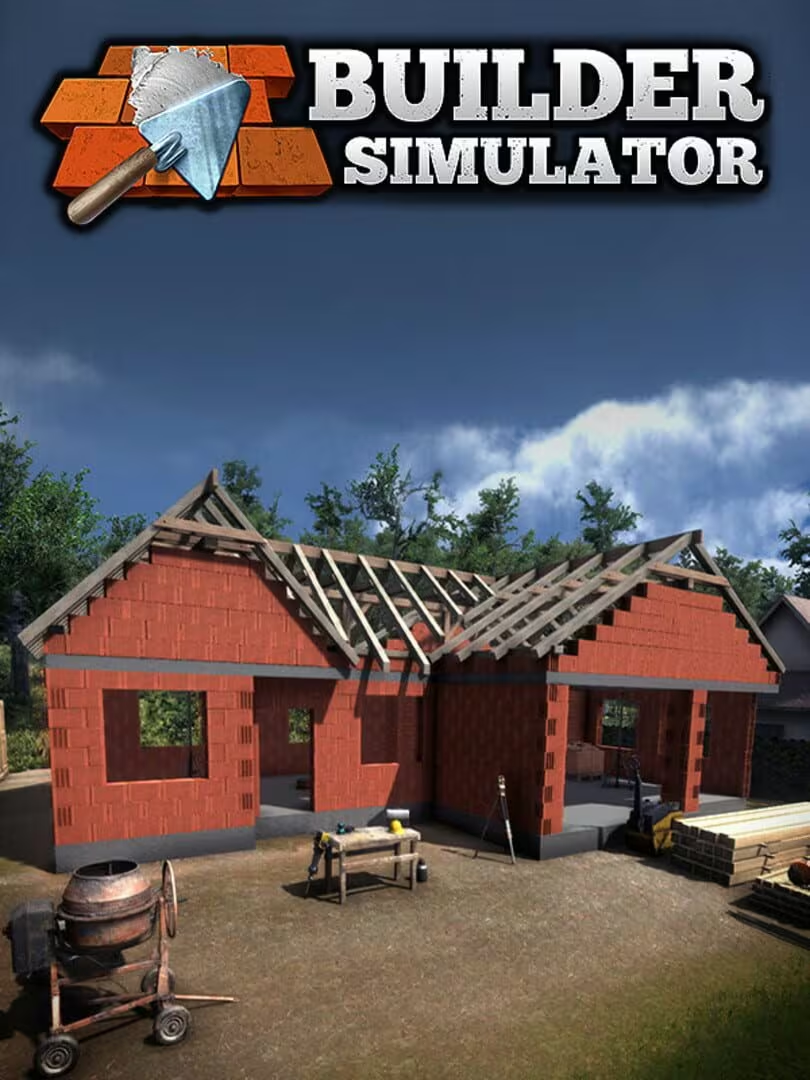 Builder Simulator
"No leadership or group management roles; players act independently without guiding others."
-
Progression
Game with the same Progression vibe
3"Progression through levels and unlocking new challenges provides a sense of advancement."
 THOTH
THOTH
"Progression through nights and unlocking challenges reflects accumulation of experience and advancement."
-
Relaxation
Game with the same Relaxation vibe
-4"Game induces tension, fear, and stress rather than relaxation or flow."
Welcome to the Game
"The game induces sustained tension, fear, and stress rather than relaxation or flow."
-
Sensation
Game with the same Sensation vibe
4"Strong sensory stimulation through audio cues, jump scares, and atmospheric visuals create emotional excitement."
Five Nights at Freddy's
"Strong sensory stimulation through audio cues, sudden jumpscares, and intense atmosphere create emotional excitement."
-
Status
Game with the same Status vibe
-4"Achievements and progress are personal with minimal social recognition or status."
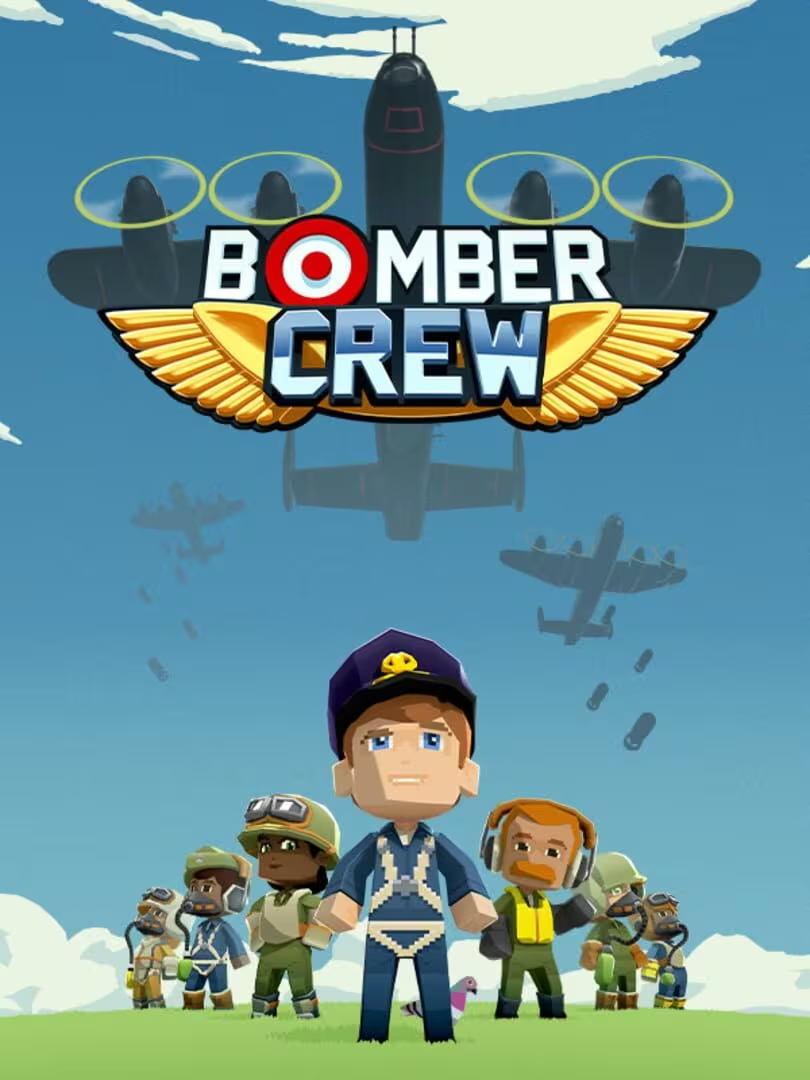 Bomber Crew
"Achievements and progress are personal with minimal social recognition or status gain."
-
Story
Game with the same Story vibe
4"The game features a narrative with dual perspectives and unfolding mystery, engaging players in story immersion."
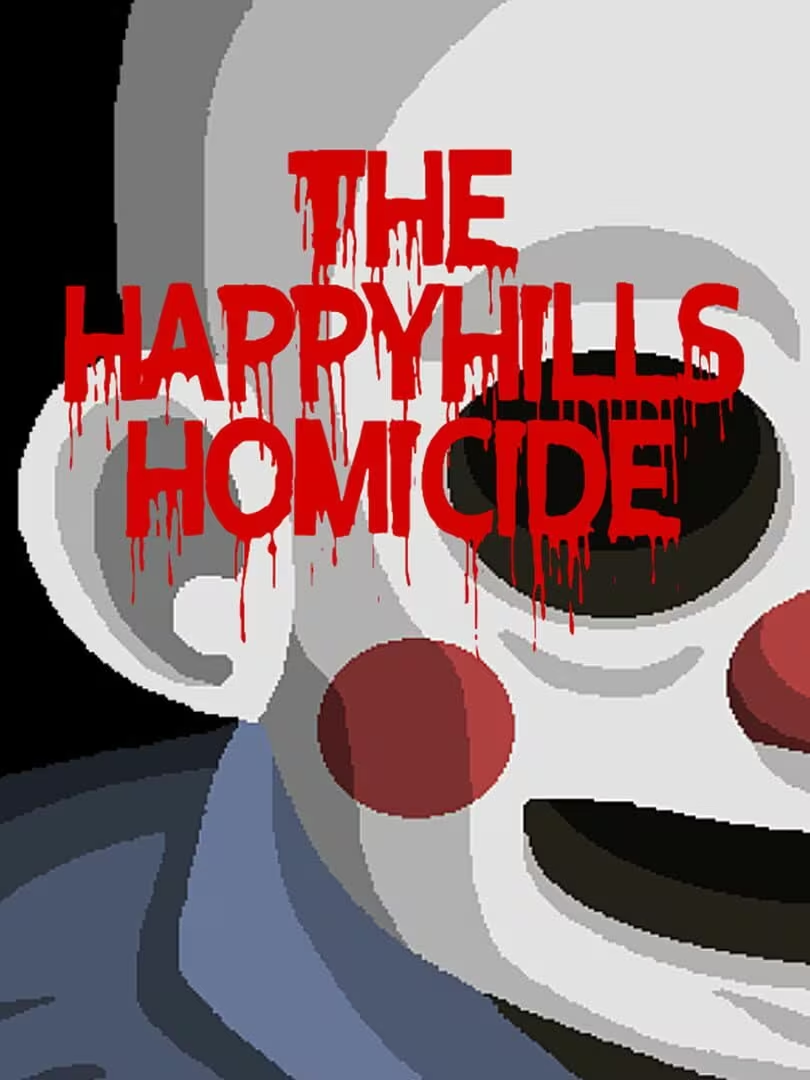 The Happyhills Homicide
"The game features a deep, mysterious narrative revealed through minigames and lore, engaging players in story immersion."
-
Strategy
Game with the same Strategy vibe
4"Players must use planning, timing, and resource management to survive, requiring analytical thinking and problem solving."
Five Nights at Freddy's
"Players must use careful listening, timing, and planning to survive, requiring analytical thinking and problem solving."
-
Thrill
Game with the same Thrill vibe
5"Game delivers strong suspense, tension, and jump scares, creating a thrilling experience."
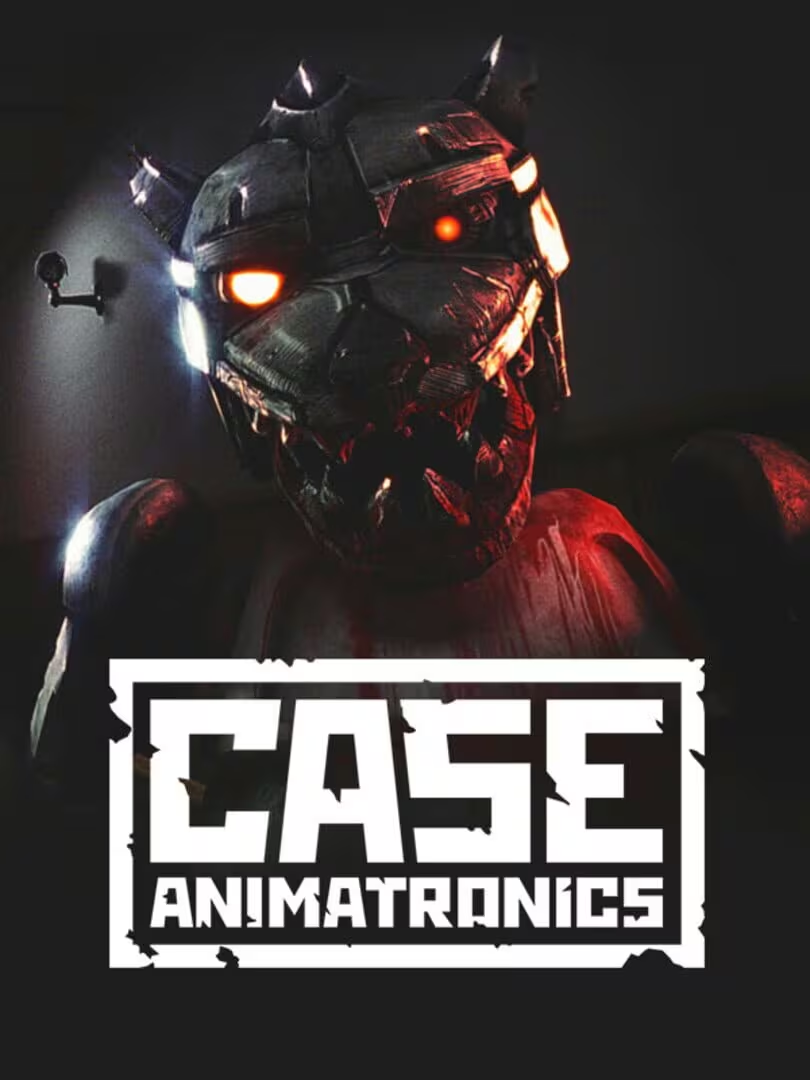 CASE: Animatronics
"The game delivers high suspense, fear, and relief from jumpscares, providing a thrilling experience."
-
Value
Game with the same Value vibe
3"Players feel the game offers good value for price, especially given content and replayability."
 Thief Simulator 2
"Players feel the game offers good value for its price due to content, challenge, and replayability."
-
Violence
Game with the same Violence vibe
4"Gameplay centers on avoiding deadly animatronics and surviving attacks, involving combat-like tension."
 Ultimate Custom Night
"The game centers on combat-like survival against hostile animatronics with frequent jump scares and death scenes."
-
Survival
Game with the same Survival vibe
5"Core gameplay centers on avoiding death and managing survival threats."
 Card Survival: Tropical Island
"Core gameplay is about avoiding death by managing threats and reacting to dangers, emphasizing survival."
Last update: 01/06/2026