Knights of Pen and Paper 2 similar games & best alternatives
Should you play it?
Prepare to inhabit a world of chivalry, class warfare and off-beat pop references. Knights of Pen & Paper 2 is a turn-based, retro style, pixel-art adventure full of danger, intrigue, death, and saving throws!
What works
- Humorous and witty writing
- Good character customization and party building
- Engaging turn-based combat
- Nostalgic d&d style fantasy setting
- No pay-to-win or microtransactions in steam version
Things to keep in mind
- Repetitive combat and grindy dungeons
- Short main story length
- Limited replayability after full completion
- Some ui and quality of life issues
- Dlc content locked behind paywall
What to play next
Similar games, hidden gems, and fresh directions from this game.
Top picks
Games that feel the closest overall
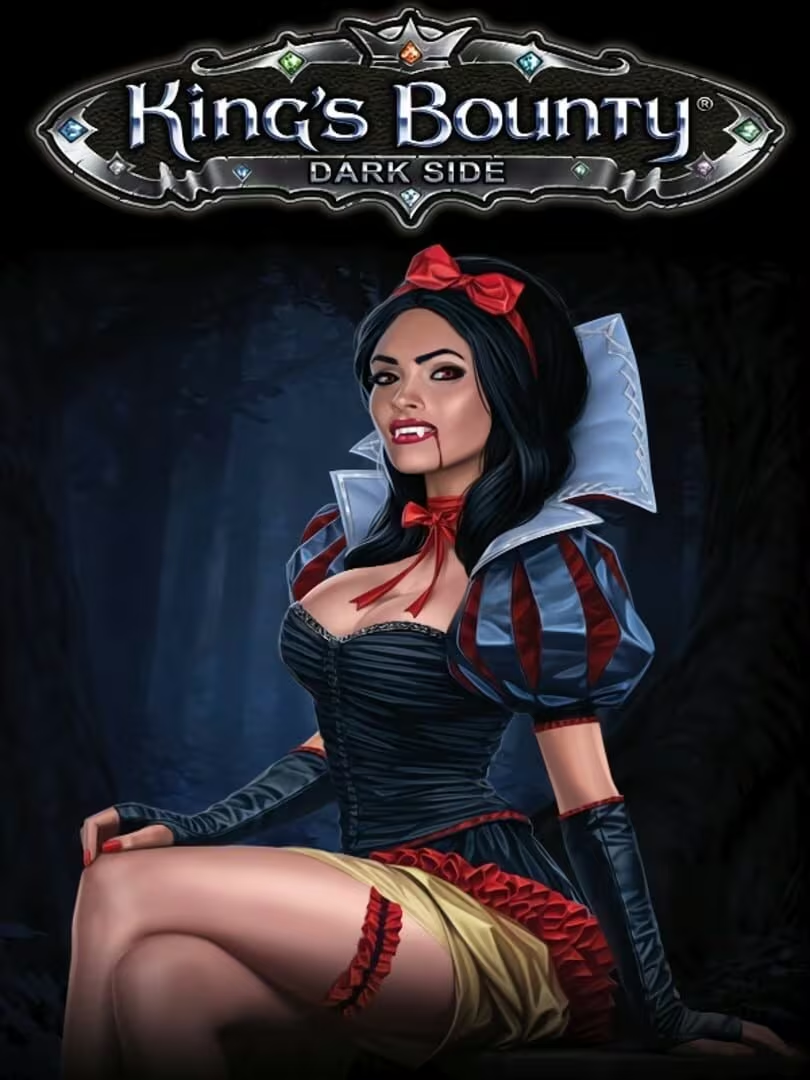
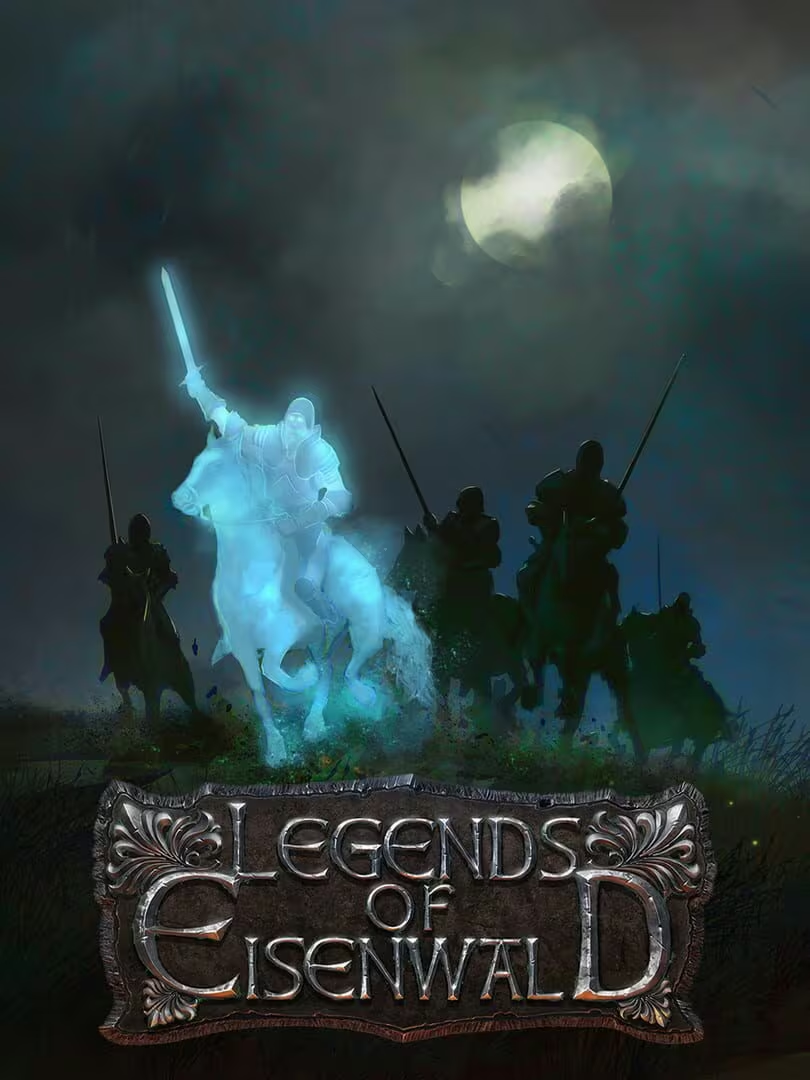
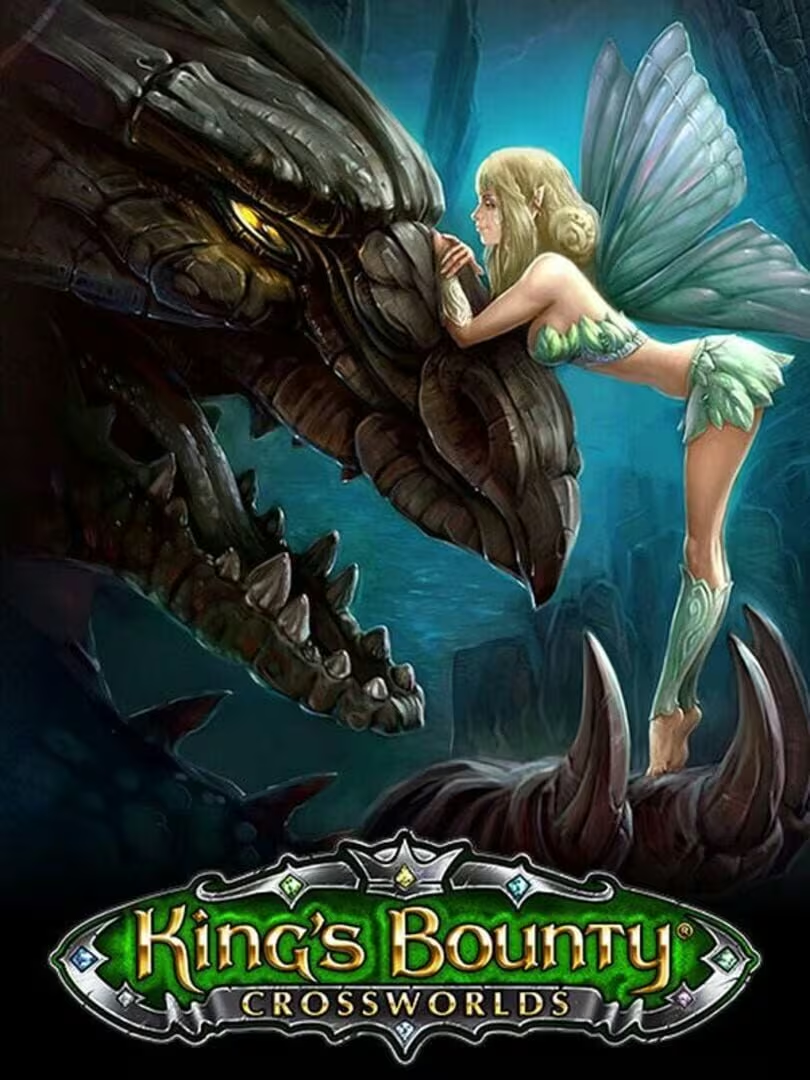


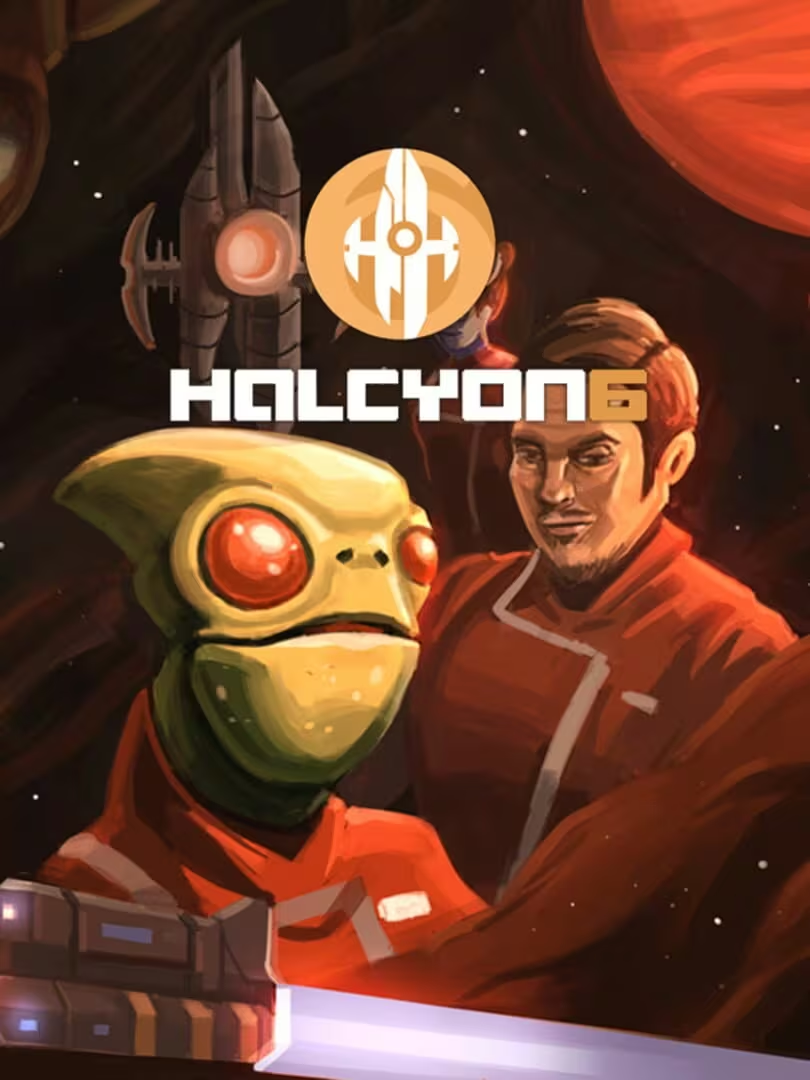
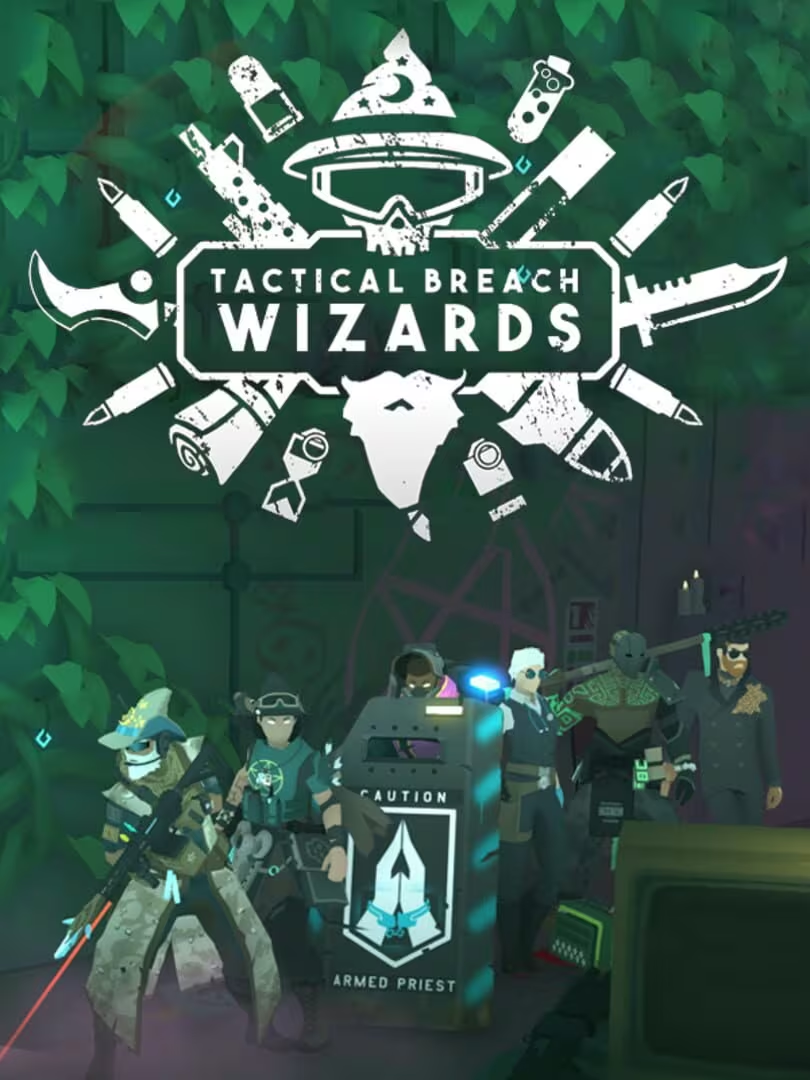
Hidden Gems
Less popular games with surprisingly high similarity
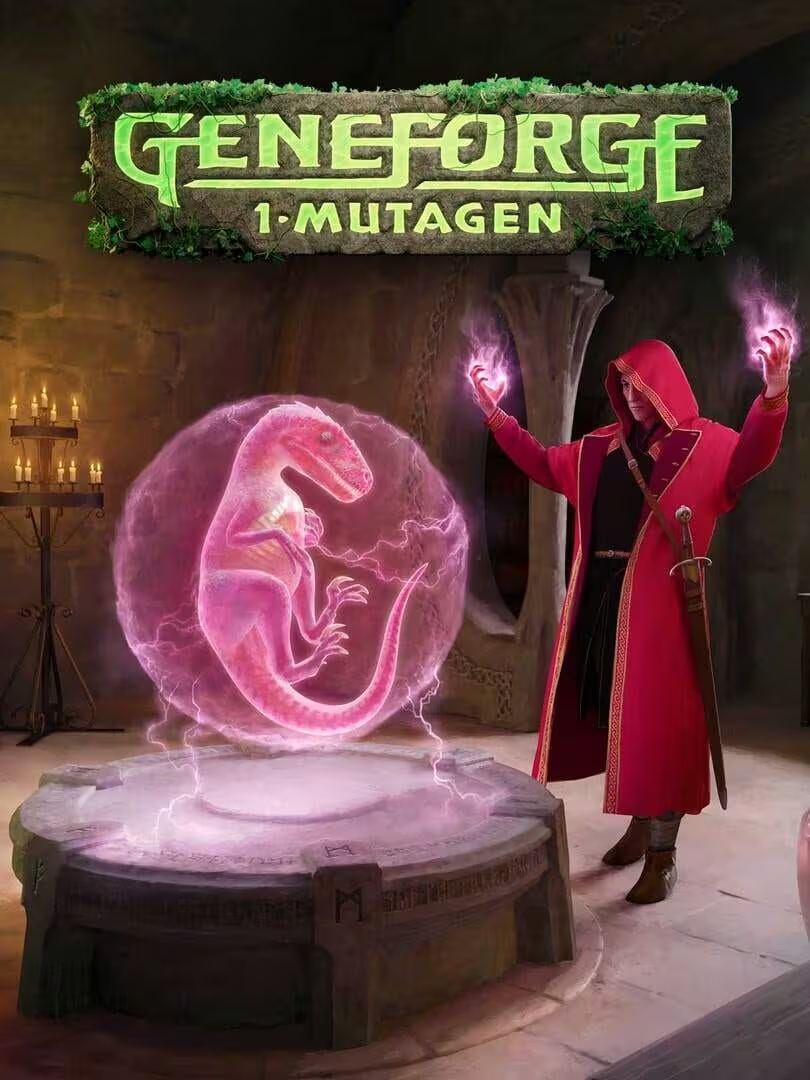
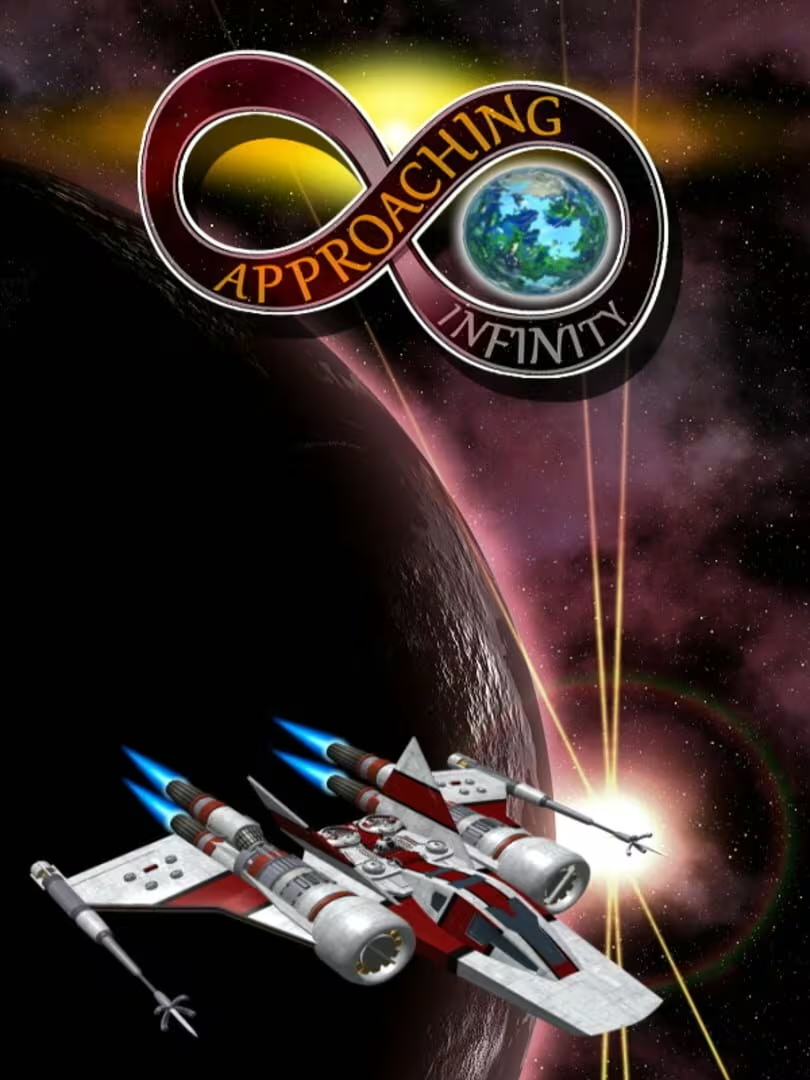
If you liked…
Recommendations by what you enjoyed most
Similarity map
Explore nearby similar games and see why they’re close.
Knights of Pen and Paper 2: A very typical example of its motivational profile. Motivations that often define this kind of title include Fellowship, Violence, Survival, Cooperation. Here, the score leans higher than usual among comparable games on Leadership, Relaxation. It leans lower than usual among comparable games on Thrill.
Why this game works
A motivational profile of the game, with the closest similar game for each player motivation.
-
Autonomy
Game with the same Autonomy vibe
4"Players can freely create and customize their party, choose skills, equipment, and strategies, allowing significant control over gameplay decisions."
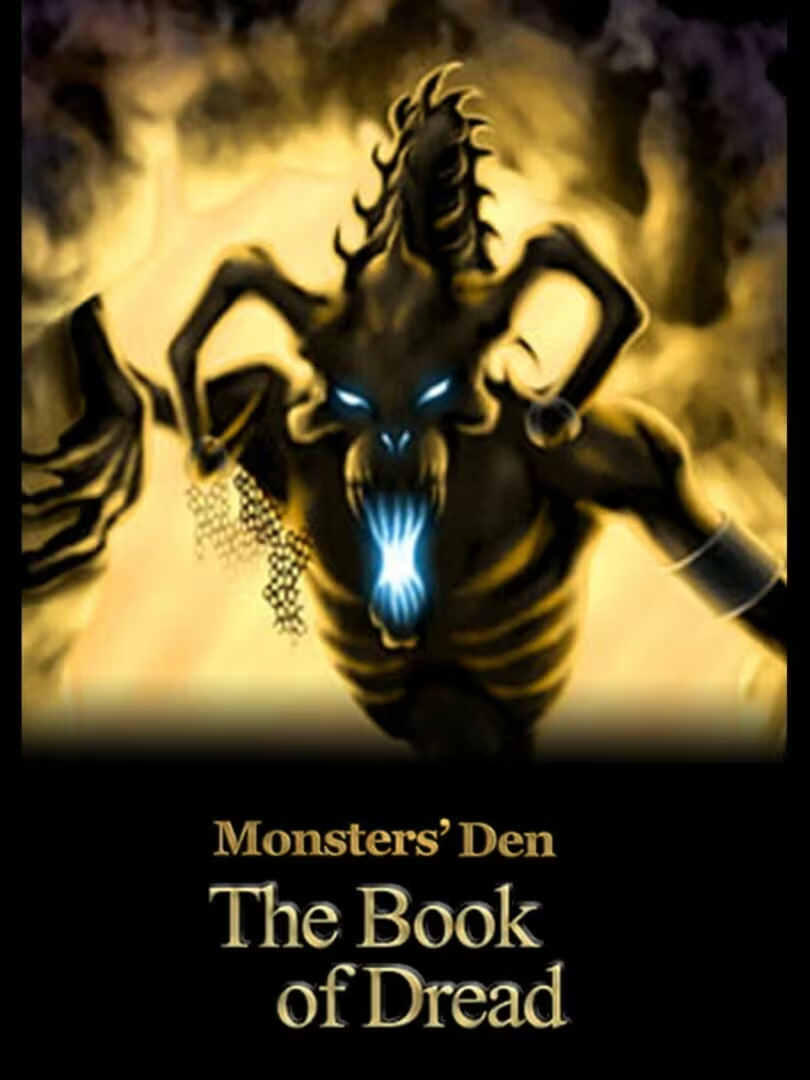 Monsters' Den: Book of Dread
"Players can customize party composition, choose classes, races, and gear, and make decisions in quests and exploration, allowing significant control over gameplay."
-
Competence
Game with the same Competence vibe
3"Combat involves tactical turn-based decisions and character progression requiring skill and strategy."
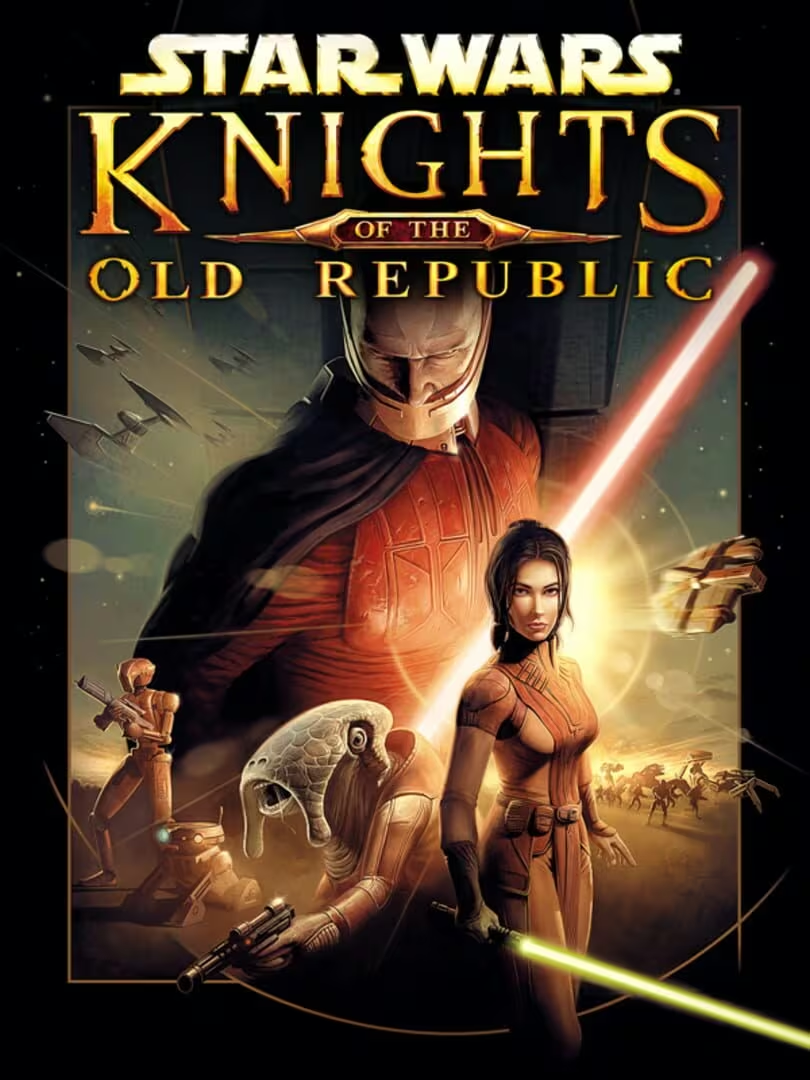 STAR WARS™ Knights of the Old Republic™
"Combat involves turn-based strategy with skill investment and character builds; some players mention challenge and strategic depth, though overall combat is accessible."
-
Competition
Game with the same Competition vibe
-4"Single-player focused with no multiplayer or ranked modes; emphasis on personal progression and self-set goals rather than comparison with others."
 HOLE
HOLE
"Game is single-player focused with no multiplayer or ranked modes; emphasis on personal progress and self-set goals without social comparison."
-
Continuation
Game with the same Continuation vibe
3"Players report multiple playthroughs, experimenting with builds and tactics, indicating habitual engagement."
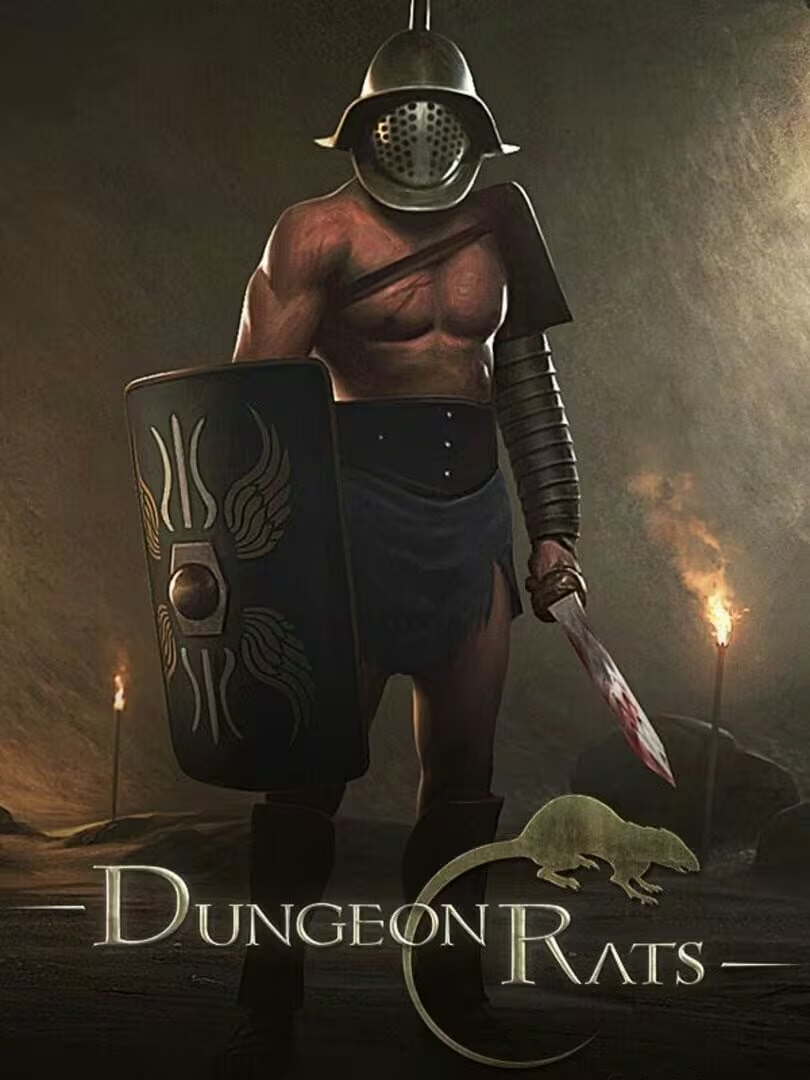 Dungeon Rats
"Players report multiple playthroughs, experimenting with party builds and DLC content; some grindiness encourages habitual play, though some find it repetitive."
-
Cooperation
Game with the same Cooperation vibe
-5"Single-player experience focused on managing own party; no multiplayer or cooperative gameplay."
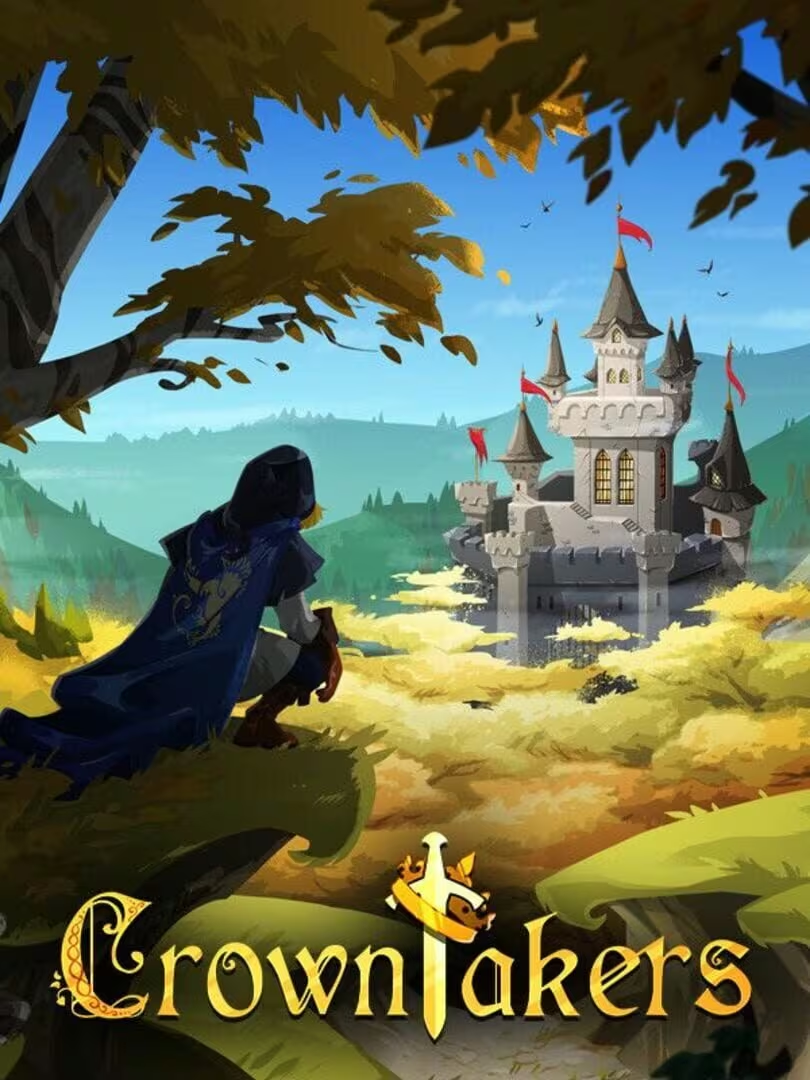 Crowntakers
"Entirely single-player experience focused on managing own party; no multiplayer or cooperative gameplay elements."
-
Creativity
Game with the same Creativity vibe
4"High customization in character builds, spells, and equipment; players experiment with abilities and party composition."
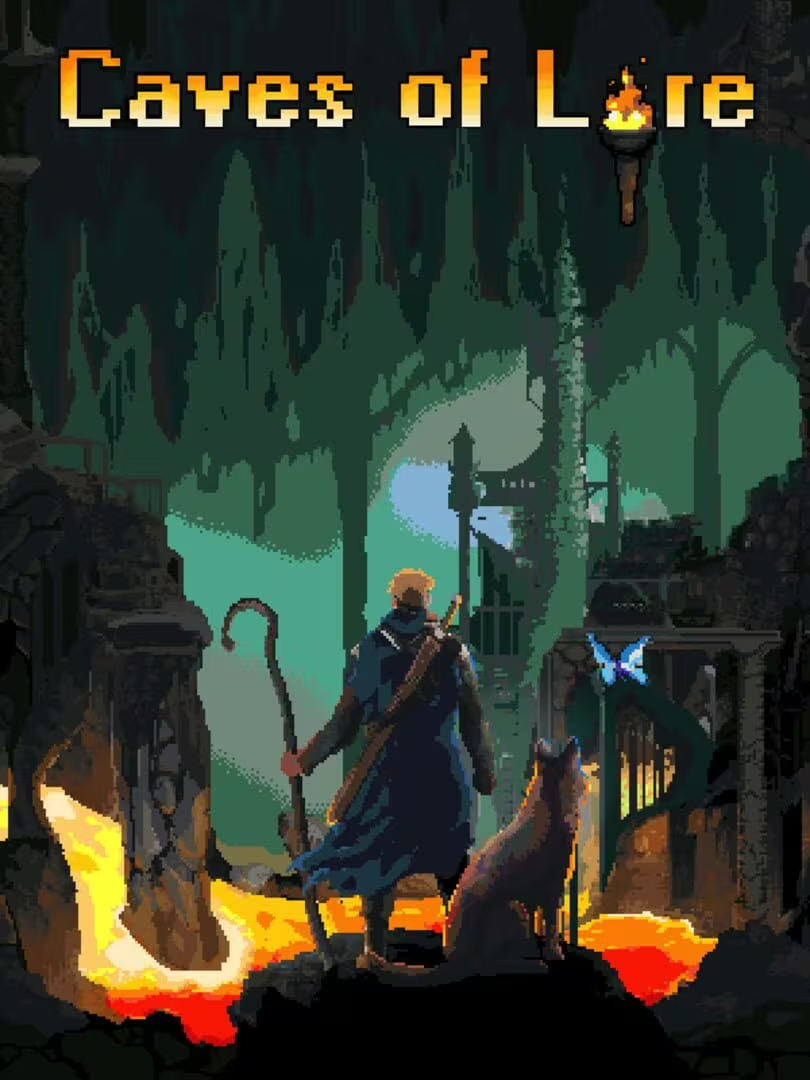 Caves of Lore
"High customization in character creation (race, class, player type), skill builds, gear crafting, and party composition encourages creative experimentation."
-
Domination
Game with the same Domination vibe
-5"No evidence of exerting control or superiority over others; interactions are solo and cooperative dominance is absent."
 Derail Valley
"No evidence of exerting control or superiority over others; interactions are solo and cooperative dominance is not present."
-
Escapism
Game with the same Escapism vibe
4"Players enjoy the humorous fantasy world as a lighthearted escape from reality, with jokes and parody providing distraction and stress relief."
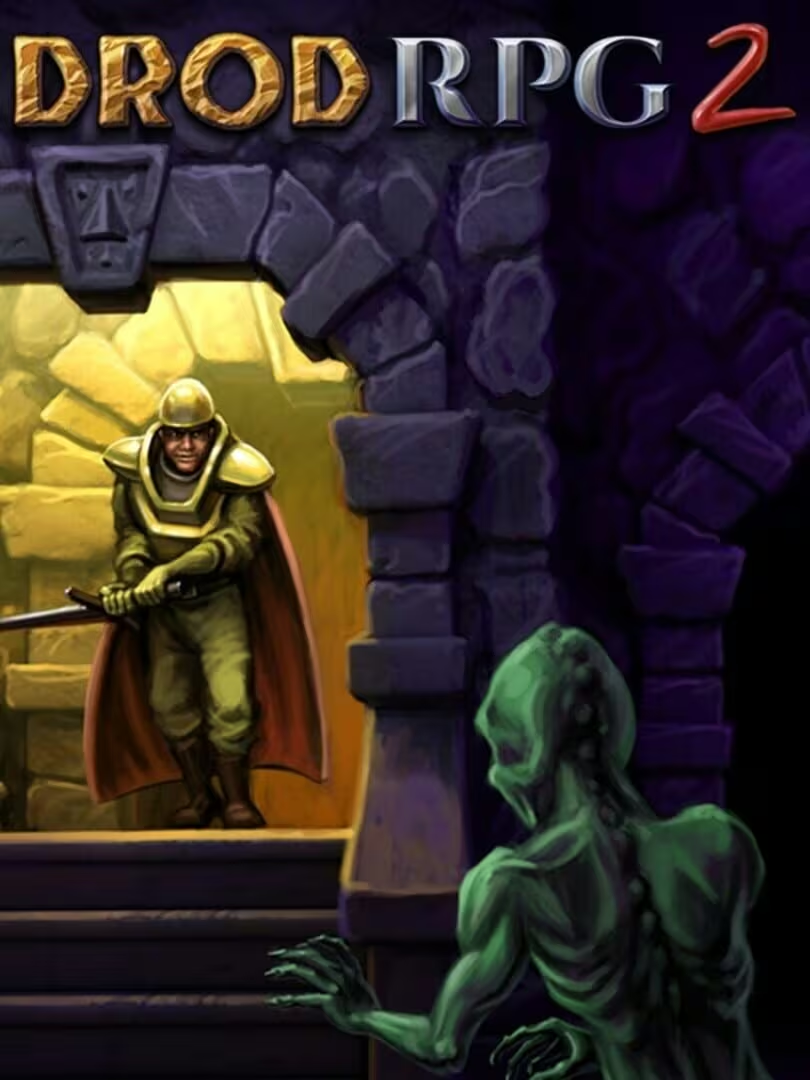 The RPG
"Players enjoy humorous, lighthearted fantasy setting with pop culture references, providing distraction and stress relief from real life."
-
Expectation
Game with the same Expectation vibe
-4"Players engage voluntarily for fun and nostalgia; no indication of obligation or pressure to play."
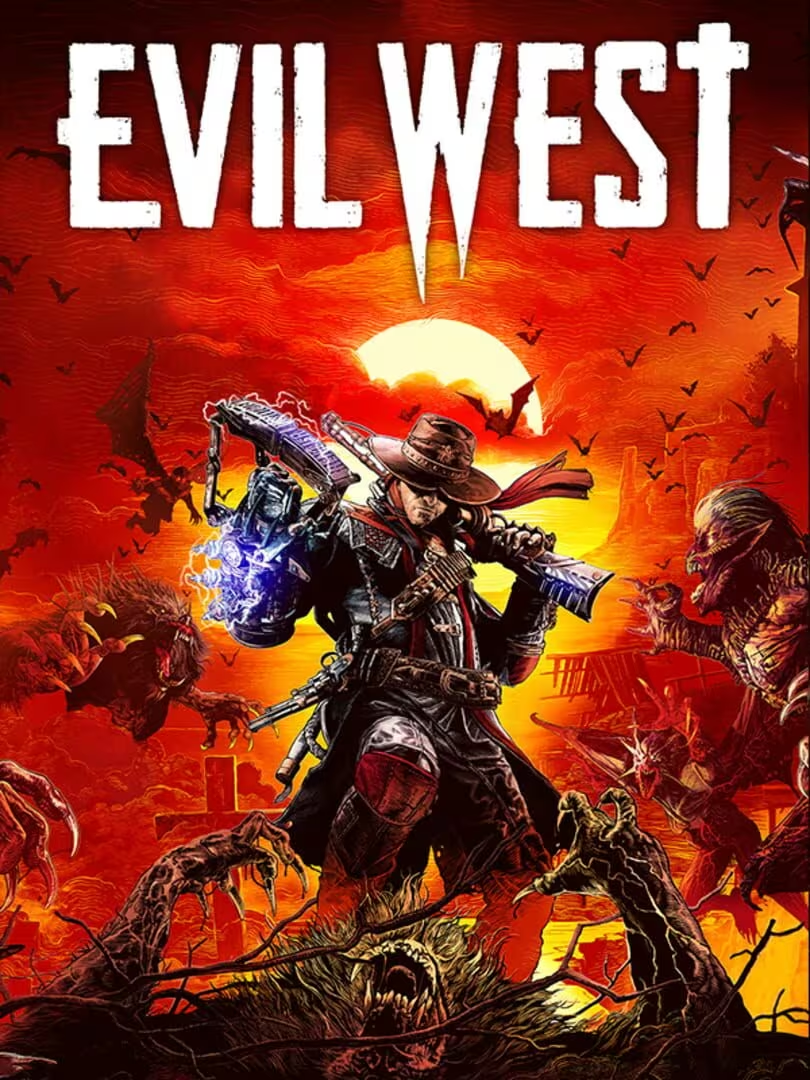 Evil West
"Players engage voluntarily for fun and nostalgia; no indication of obligation or pressure to play."
-
Experimenting
Game with the same Experimenting vibe
4"Players explore many mechanics, combos, and character builds; encourages trying new strategies."
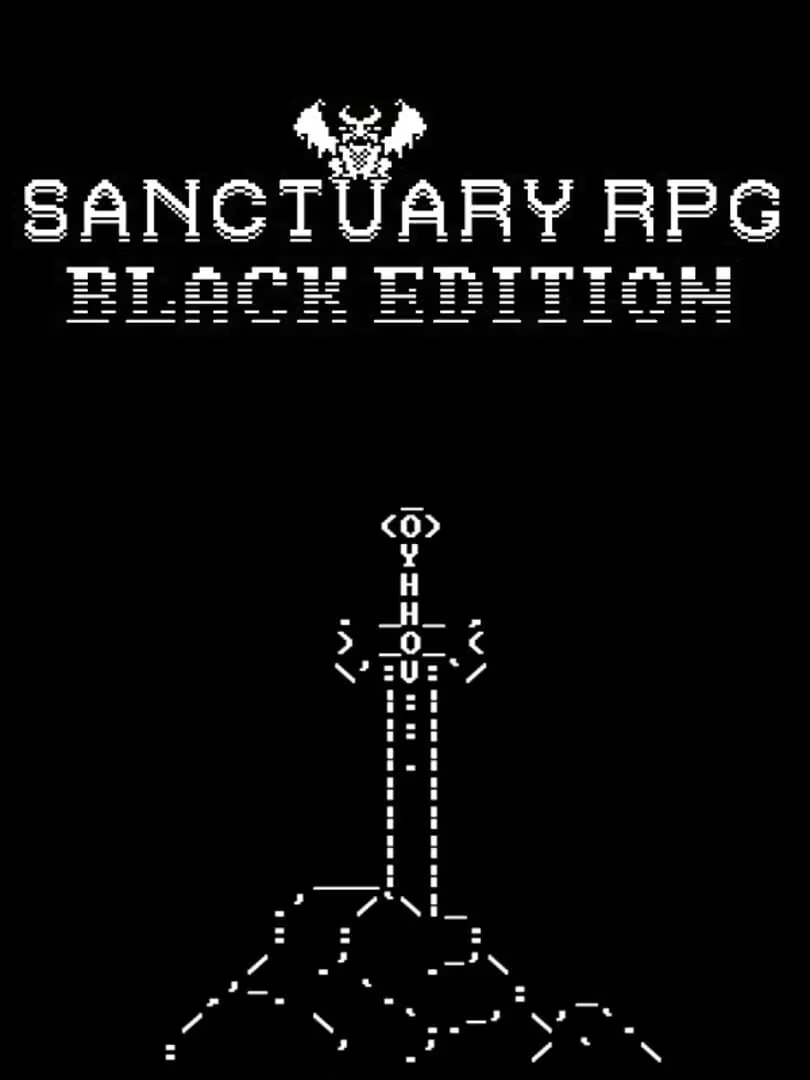 SanctuaryRPG: Black Edition
"Encouraged by multiple party builds, character combinations, and skill distributions; players enjoy trying new strategies and setups."
-
Exploration
Game with the same Exploration vibe
2"Procedurally generated dungeons and item discovery encourage some exploration, though environments are similar across runs."
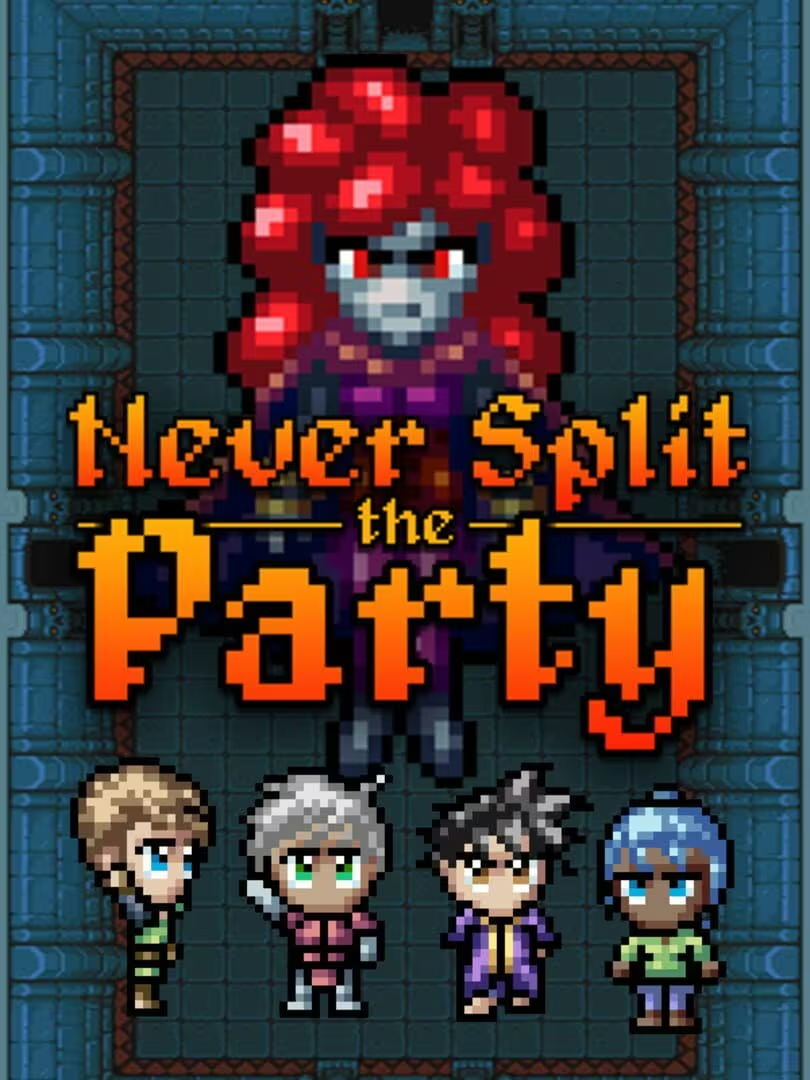 Never Split the Party
"Exploration includes traveling between locations and dungeon delving with some procedural elements, though environments can be repetitive."
-
Expression
Game with the same Expression vibe
3"Customization options for character appearance and room personalization allow for player self-expression."
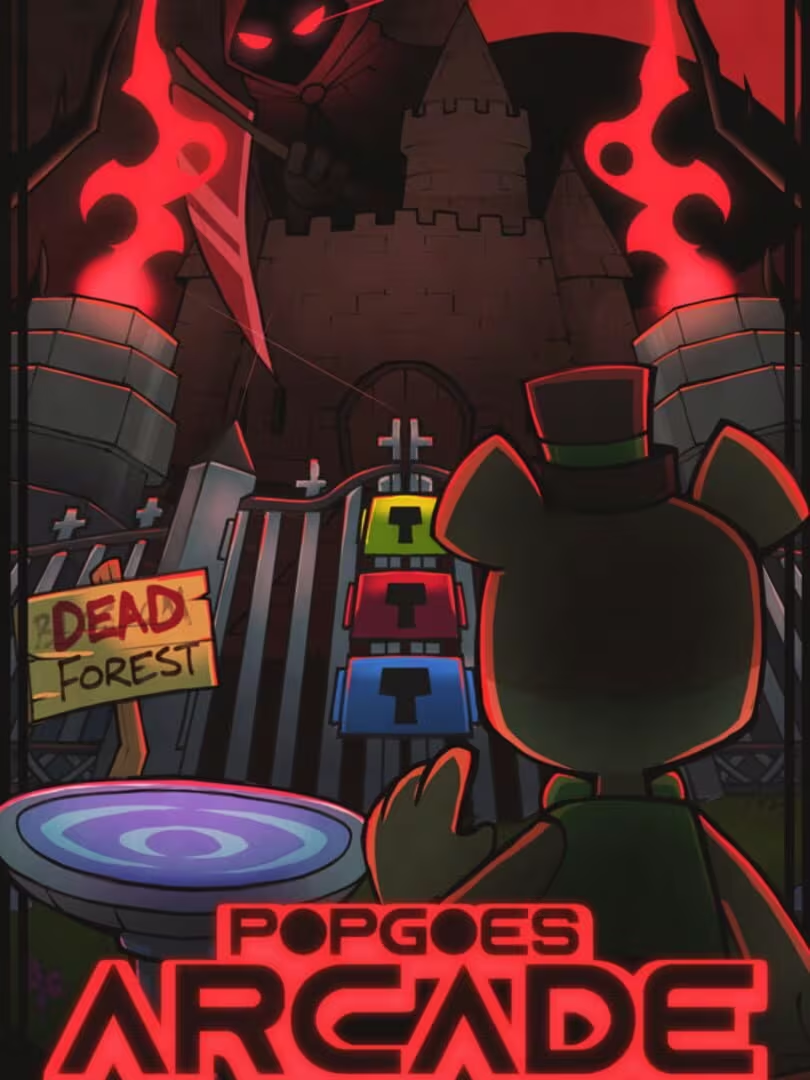 POPGOES Arcade
"Customization of characters and game room environment allows for player self-expression and personalization."
-
Fantasy
Game with the same Fantasy vibe
5"Strongly rooted in imaginative D&D fantasy setting, mythology, and roleplaying elements."
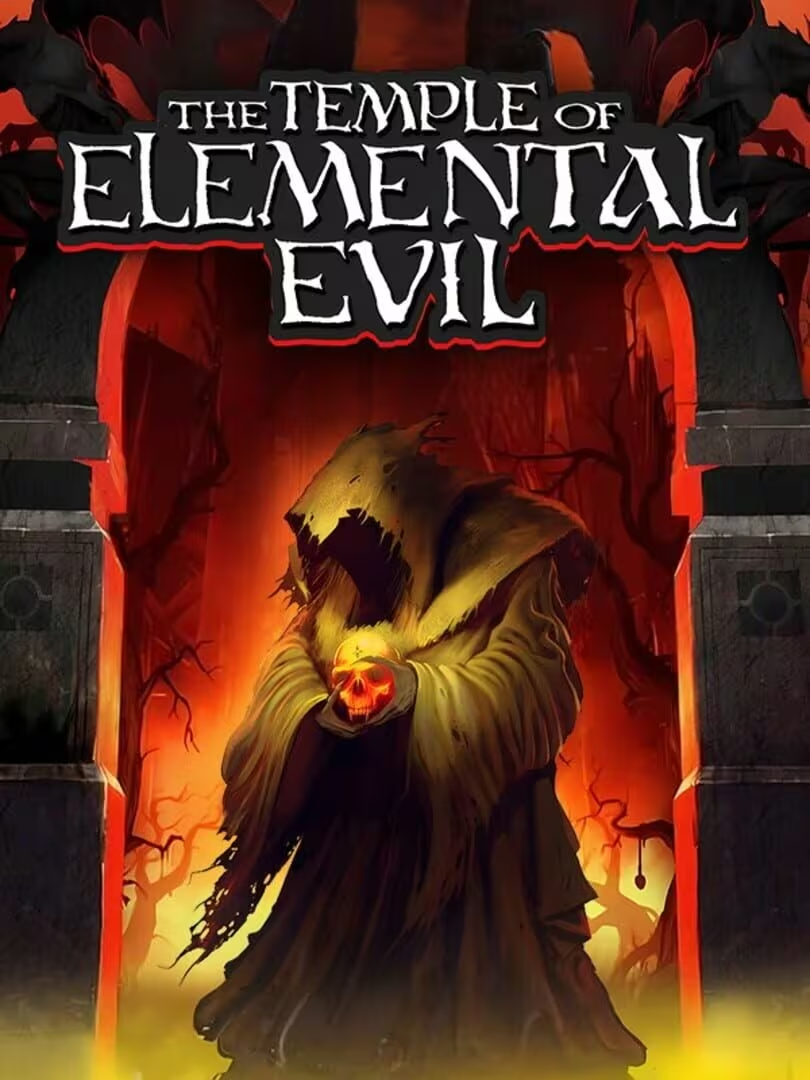 The Temple of Elemental Evil
"Strongly rooted in imaginative fantasy with D&D style roleplaying, mythical creatures, and humorous fictional storytelling."
-
Fellowship
Game with the same Fellowship vibe
-4"Minimal social connection; primarily single-player experience with limited community interaction."
 FATE: Reawakened
"Minimal social connection; single-player experience with limited community interaction."
-
Growth
Game with the same Growth vibe
4"Players develop characters through leveling, skill acquisition, equipment upgrades, and strategic learning."
 Epic Battle Fantasy 4
"Players develop characters through leveling, skill investment, and gear progression; some learning curve in strategy and party optimization."
-
Health
Game with the same Health vibe
-5"No physical activity involved; typical sedentary gameplay."
 Magic Research
"No physical activity involved; typical sedentary gameplay."
-
Idle
Game with the same Idle vibe
-3"Requires active engagement; some players mention grinding but overall continuous focus is needed."
 Ikonei Island: An Earthlock Adventure
"Requires player attention during combat and decision making; some players mention grind but overall engagement is active."
-
Intimacy
Game with the same Intimacy vibe
-5"No evidence of forming close social relationships; interactions are limited to gameplay mechanics."
 Flesh Eaters
"No evidence of forming close social relationships; interactions are with game characters only."
-
Leadership
Game with the same Leadership vibe
3"Players manage and direct a party of characters, making strategic decisions and guiding actions."
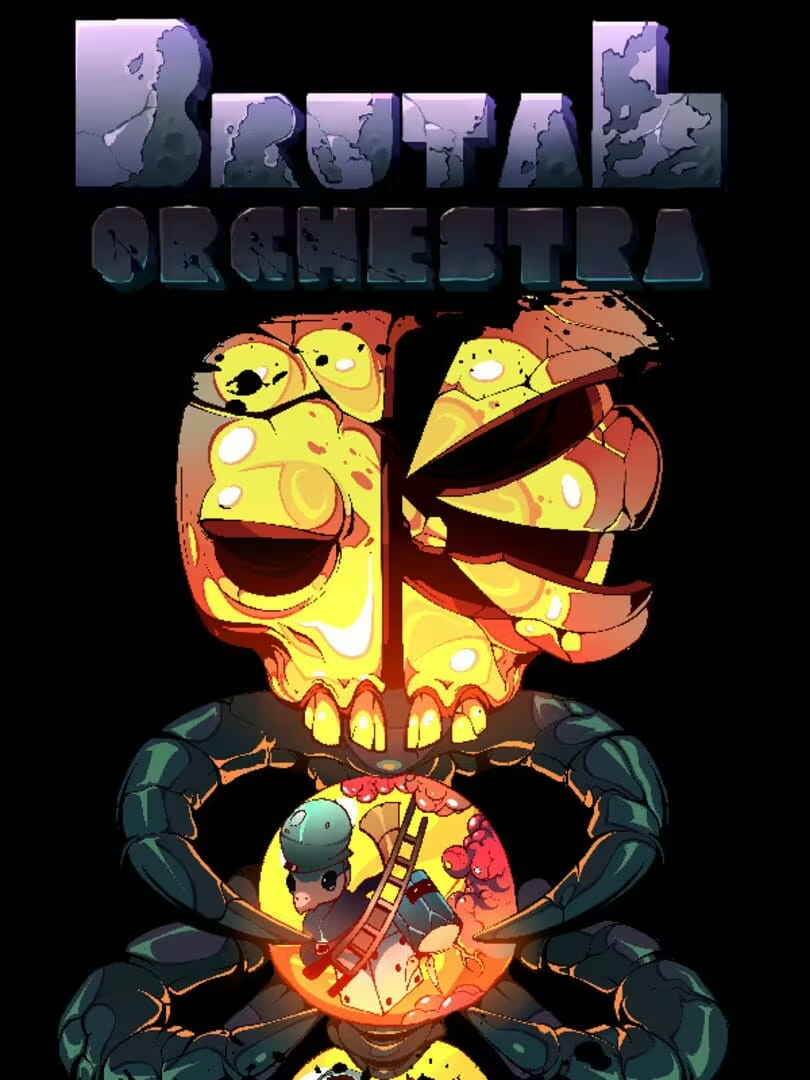 Brutal Orchestra
"Players manage and direct their party, making strategic decisions and guiding character development."
-
Progression
Game with the same Progression vibe
4"Strong emphasis on leveling up, acquiring items, crafting, and unlocking new abilities."
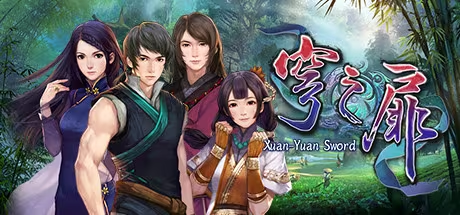 Xuan-Yuan Sword: The Gate of Firmament
"Strong emphasis on leveling up, acquiring items, unlocking classes, and crafting to enhance party power."
-
Relaxation
Game with the same Relaxation vibe
3"Humorous and lighthearted gameplay provides relaxation and laughter, balancing challenge with fun."
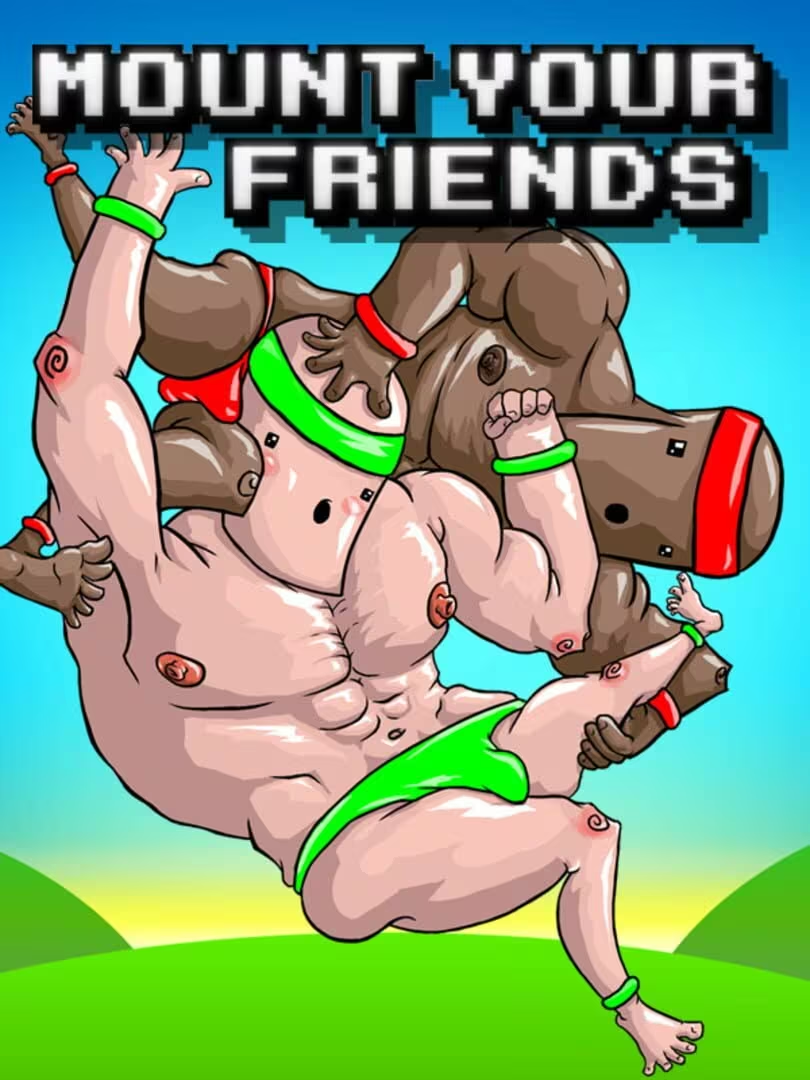 Mount Your Friends
"Humorous writing and turn-based gameplay provide a balance of challenge and flow; some players find it relaxing and enjoyable."
-
Sensation
Game with the same Sensation vibe
2"Retro pixel art and music provide moderate sensory stimulation and charm."
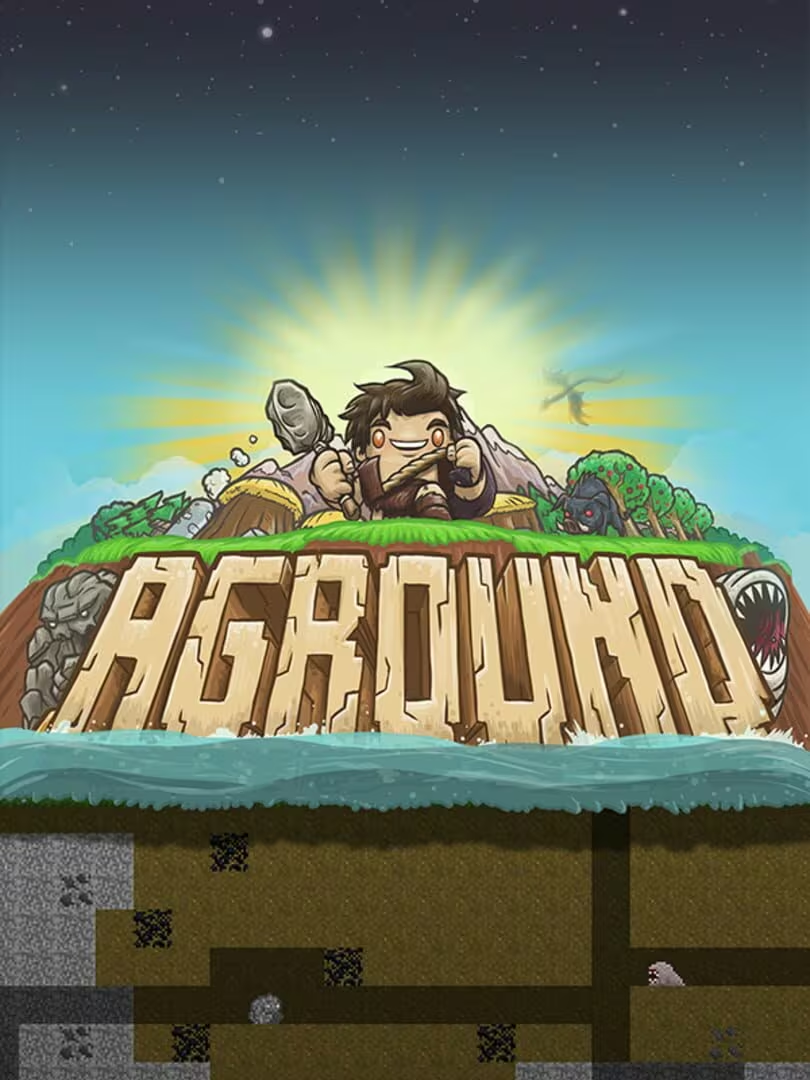 Aground
"Pixel art and music provide moderate sensory stimulation; not highly intense but pleasant and fitting the retro style."
-
Status
Game with the same Status vibe
-4"No social status or recognition systems; achievements are personal and not socially evaluated."
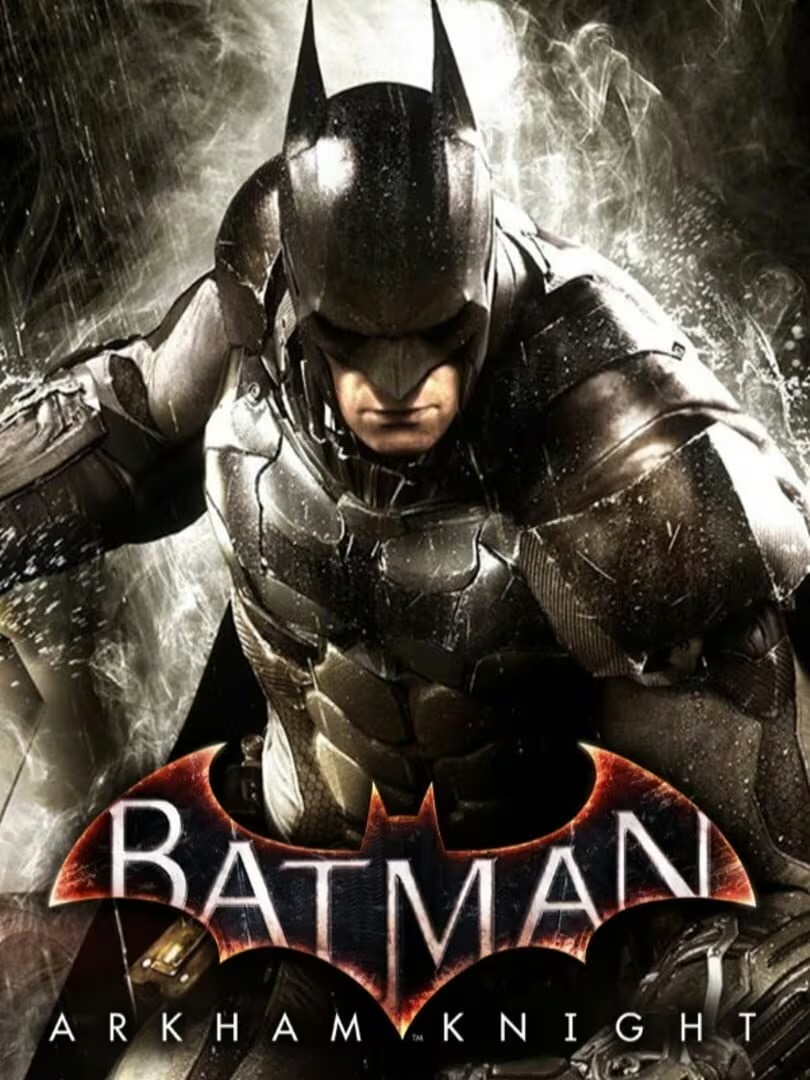 Batman™: Arkham Knight
"No social status or recognition systems; achievements are personal and not socially evaluated."
-
Story
Game with the same Story vibe
3"Engaging narrative with humorous dialogue and references, though story is linear and quest-driven."
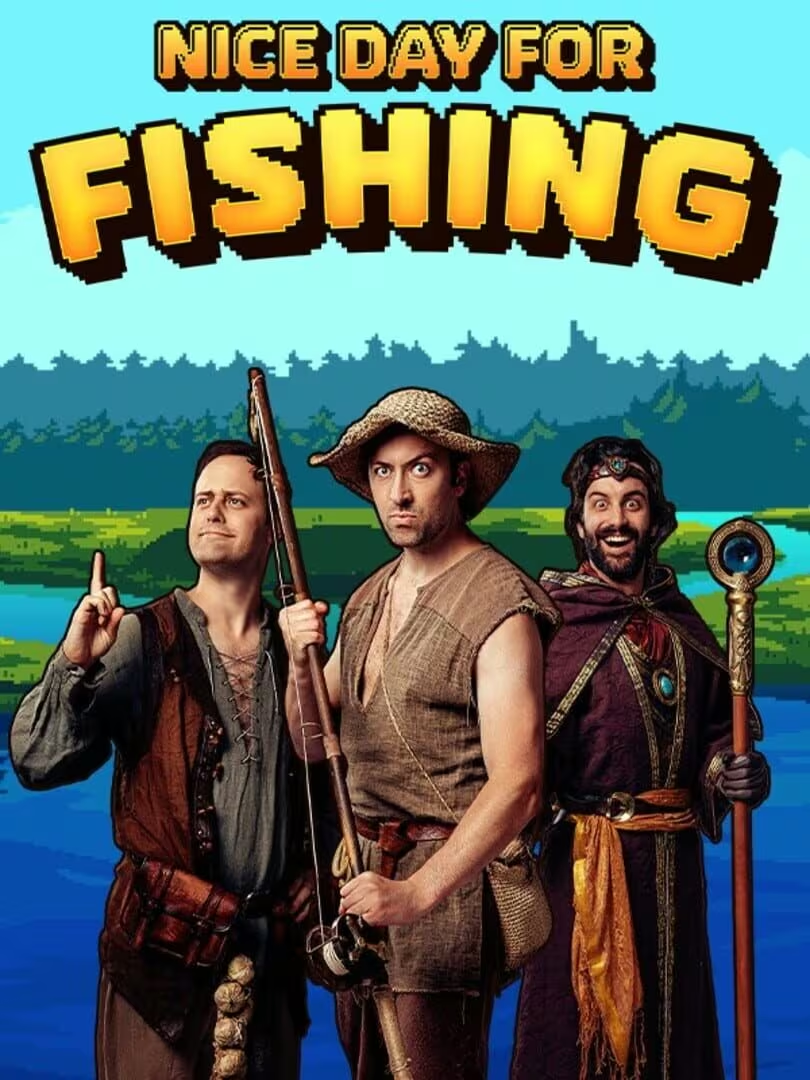 Nice Day for Fishing
"Narrative with humorous dialogue, pop culture references, and quest-driven plot; story is engaging though not deeply complex."
-
Strategy
Game with the same Strategy vibe
4"Combat and party building require planning, problem solving, and tactical decision-making."
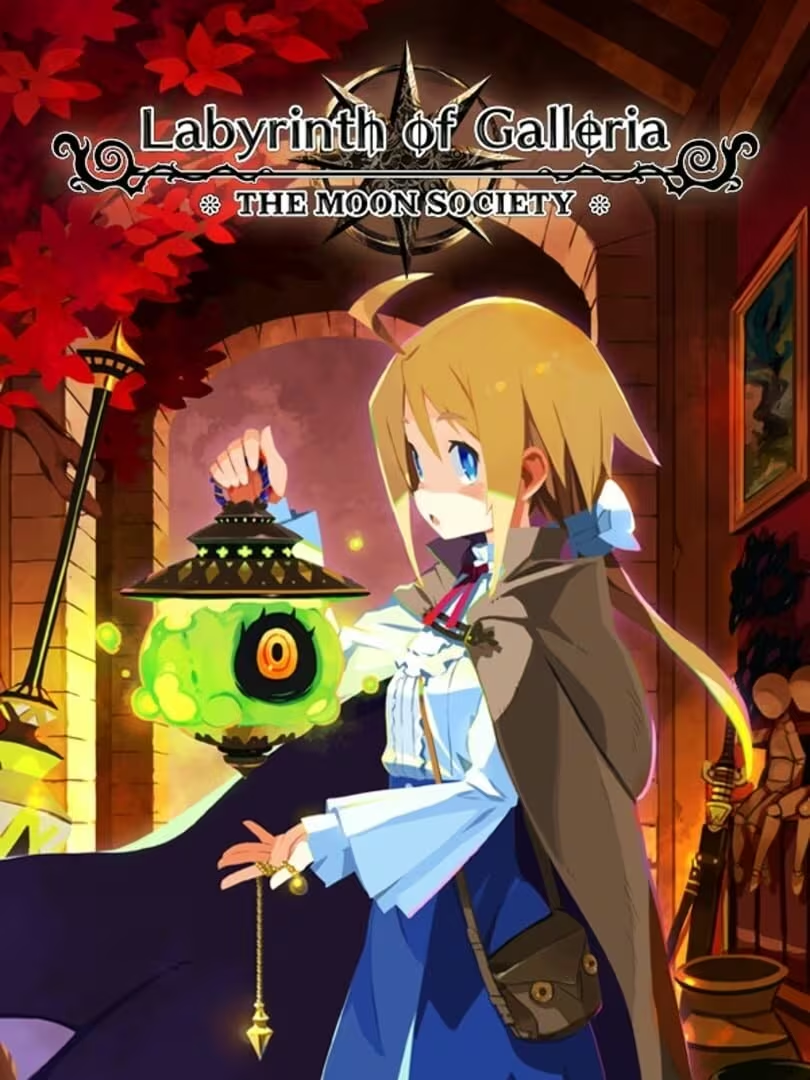 Labyrinth of Galleria: The Moon Society
"Combat and party building require planning, skill allocation, and tactical decision making."
-
Thrill
Game with the same Thrill vibe
1"Some tension in combat and dungeon exploration, but overall a low-risk, calm experience."
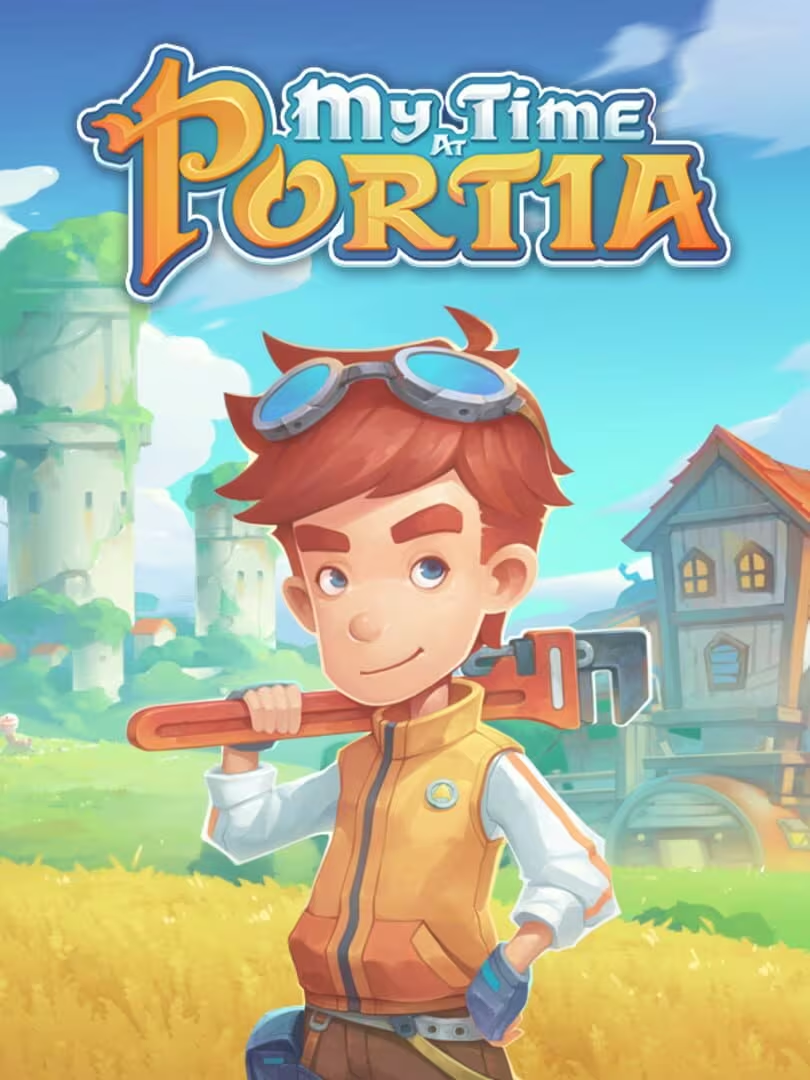 My Time at Portia
"Some tension in combat and dungeon exploration, but overall experience is lighthearted and controlled."
-
Value
Game with the same Value vibe
3"Players report good value especially when purchased on sale; content and replayability justify cost."
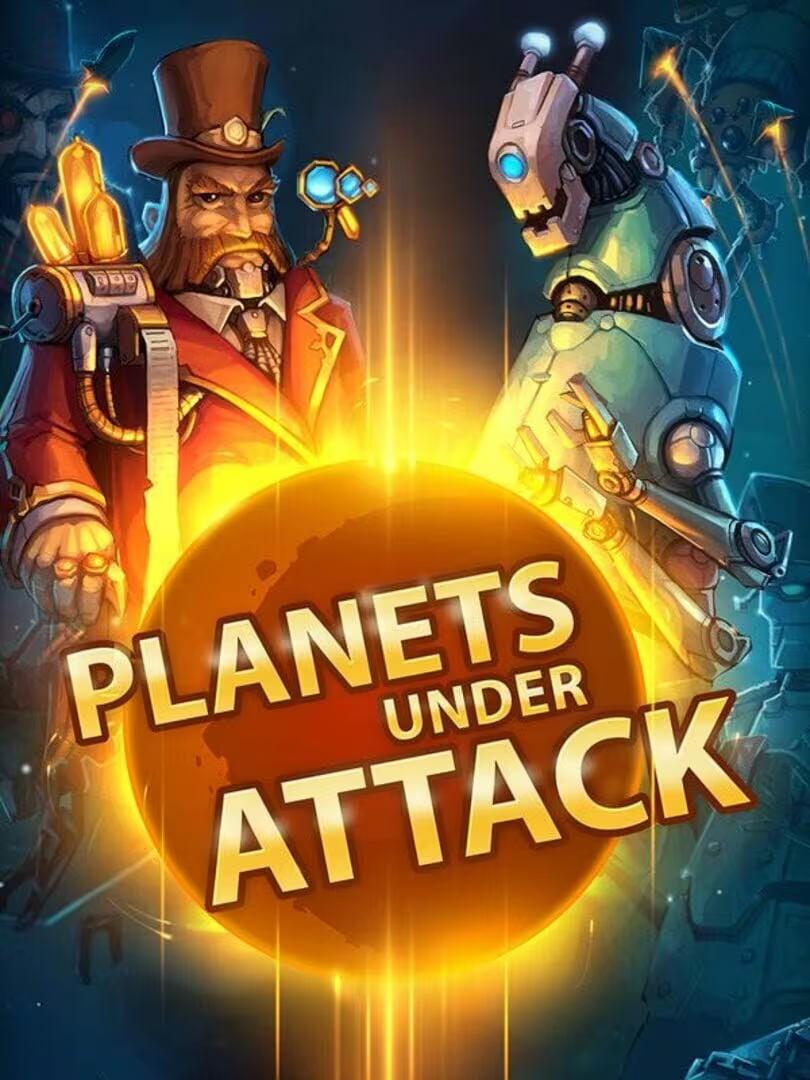 Planets Under Attack
"Players report good value especially when purchased on sale; content and humor justify the cost."
-
Violence
Game with the same Violence vibe
3"Combat involves turn-based battles with attacks and magic, but violence is stylized and not graphic."
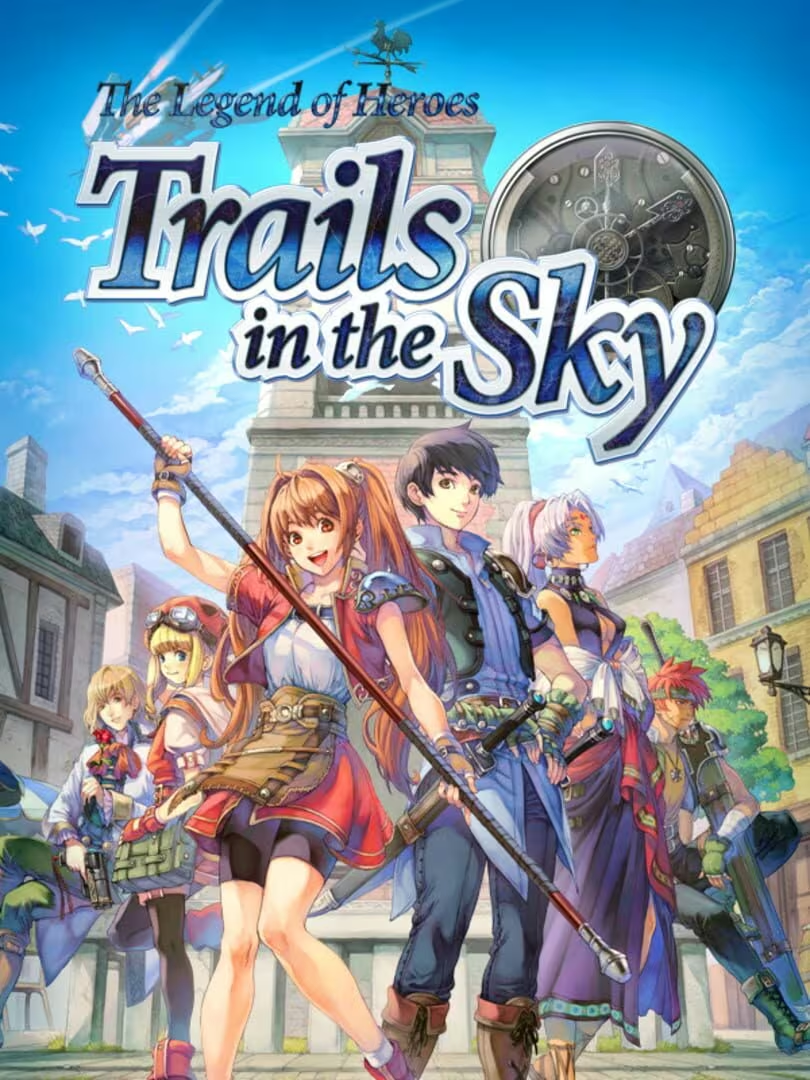 The Legend of Heroes: Trails in the Sky
"Combat involves turn-based battles with attacks and damage; violence is cartoonish and not graphic."
-
Survival
Game with the same Survival vibe
2"Players manage health and resources to survive battles; some challenge in avoiding defeat."
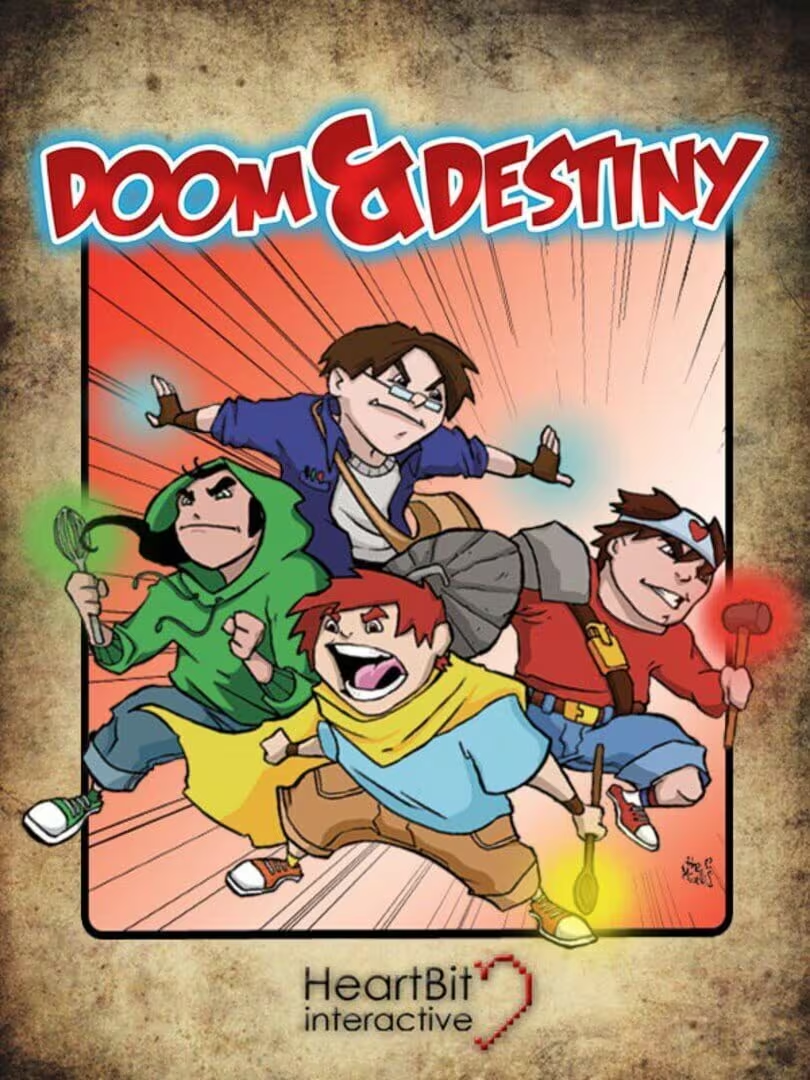 Doom & Destiny
"Players manage health and resources to avoid defeat; some challenge in overcoming threats but not extreme survival focus."
Last update: 01/06/2026