Magrunner: Dark Pulse similar games & best alternatives
Should you play it?
Magrunner: Dark Pulse is an action-puzzle game in which technology confronts the Cthulhu Mythos, penned by H.P. Lovecraft. Equipped with your Magtech glove, you must harness the ability to magnetically polarize and manipulate objects in the environment to survive and surpass challenging puzzles.
What works
- Challenging and original magnetic puzzles
- Immersive lovecraftian sci-fi atmosphere
- Good graphics and sound design
- Solid single-player puzzle platformer
- Reasonable game length and value
Things to keep in mind
- Weak and confusing story
- Frustrating platforming sections late game
- Some unintuitive puzzle mechanics
- Lack of polish in animations and voice acting
- No multiplayer or social features
What to play next
Similar games, hidden gems, and fresh directions from this game.
Top picks
Games that feel the closest overall
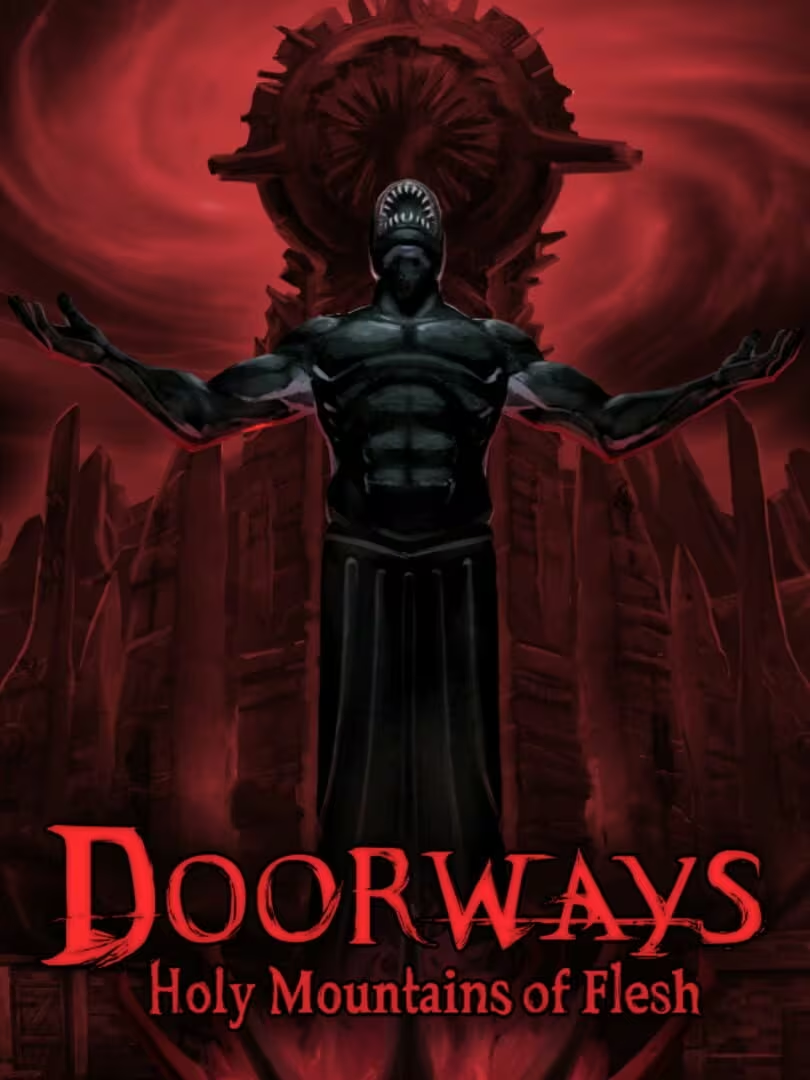
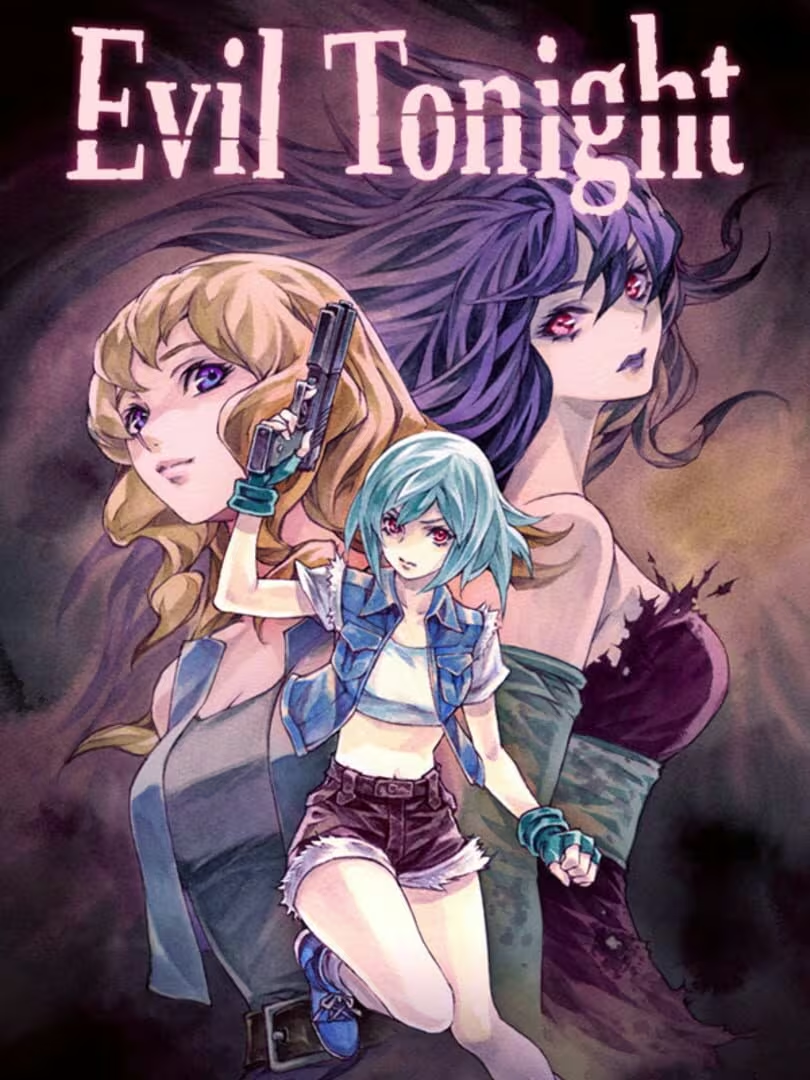

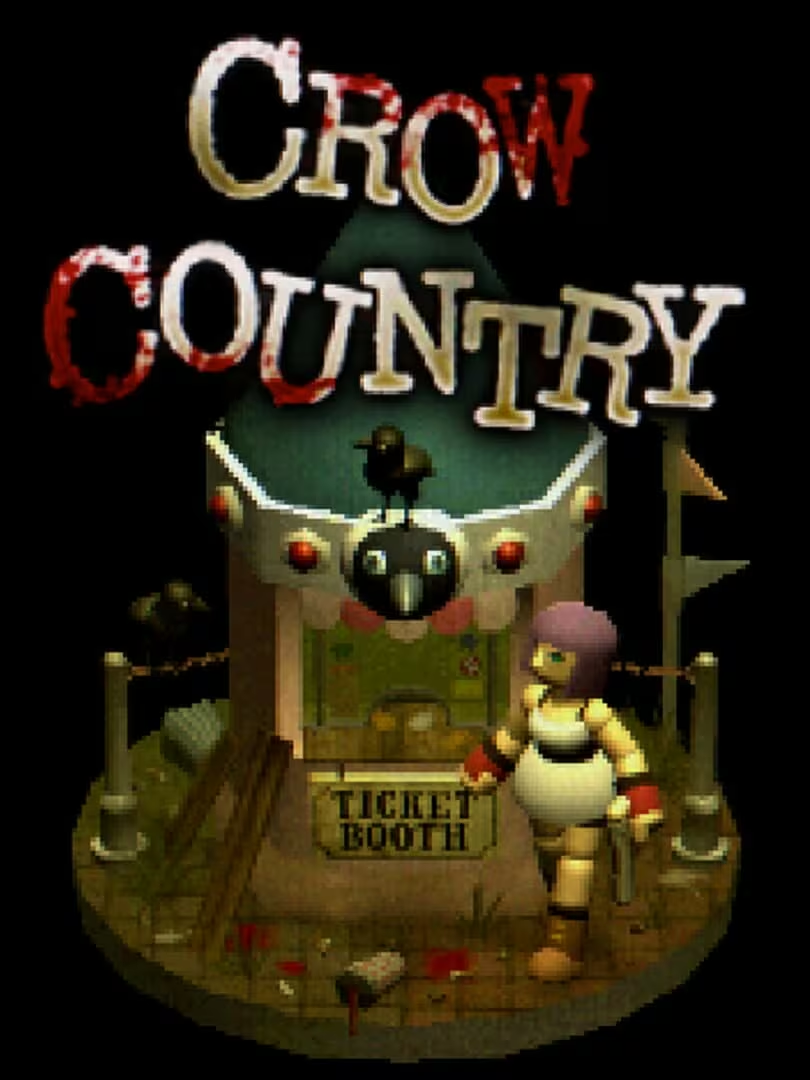
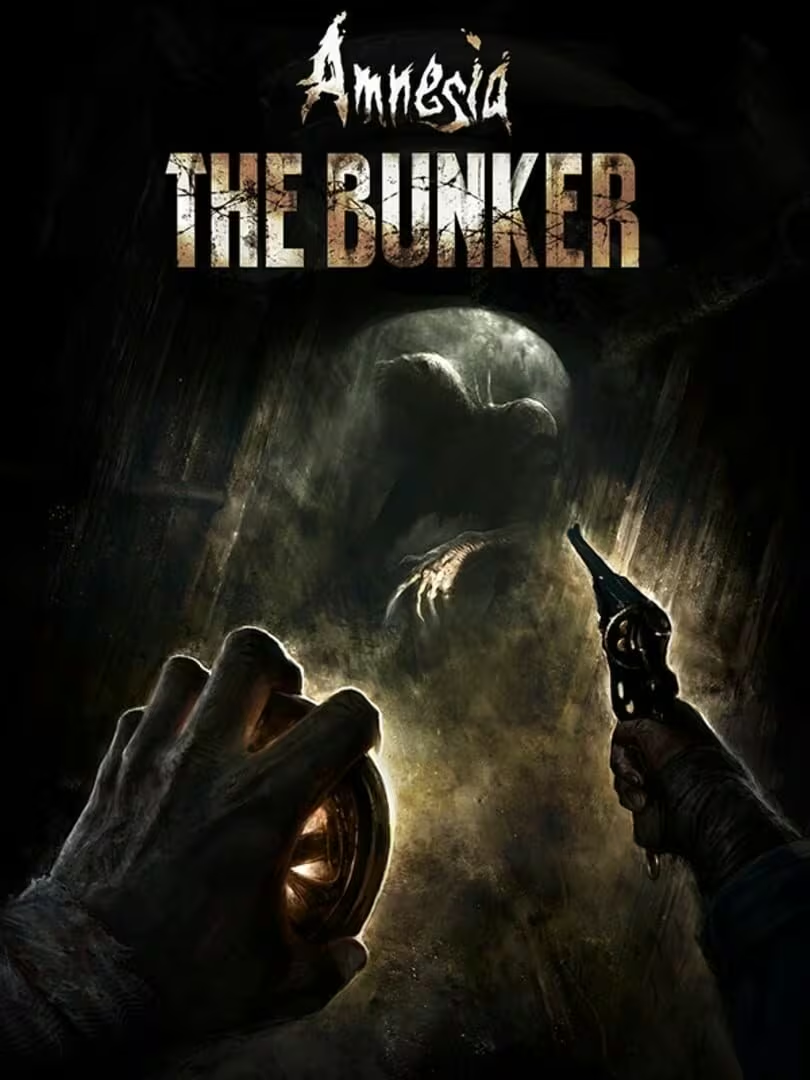
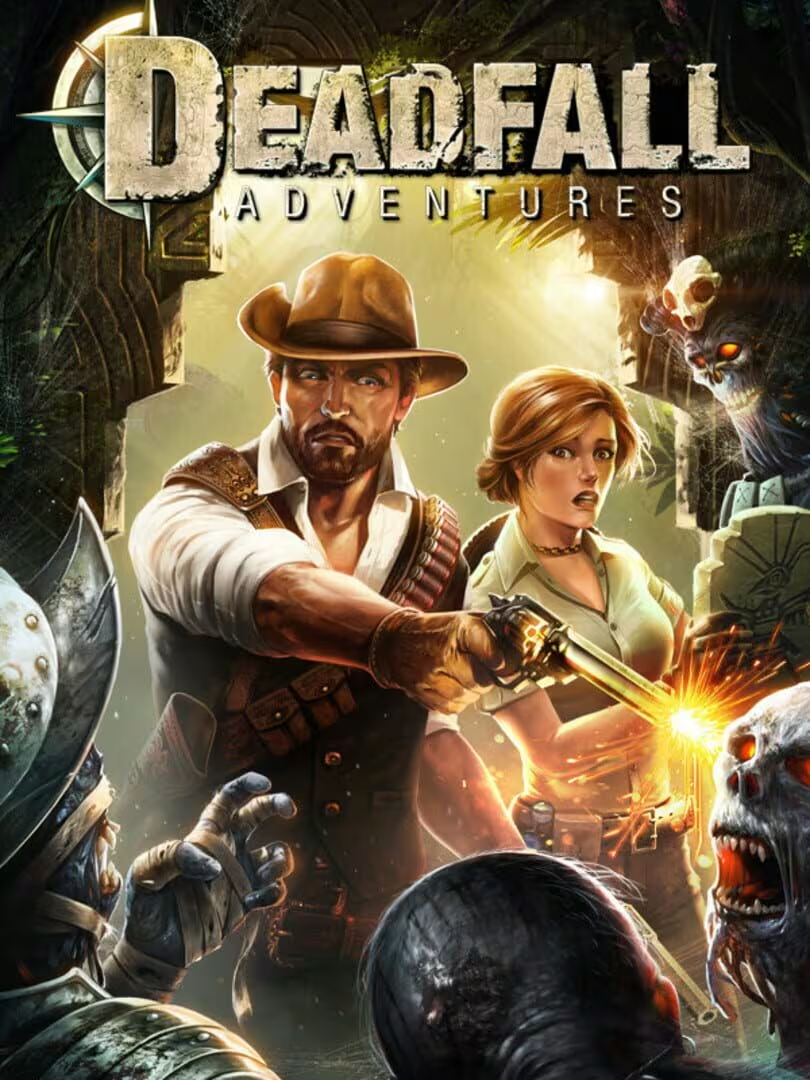
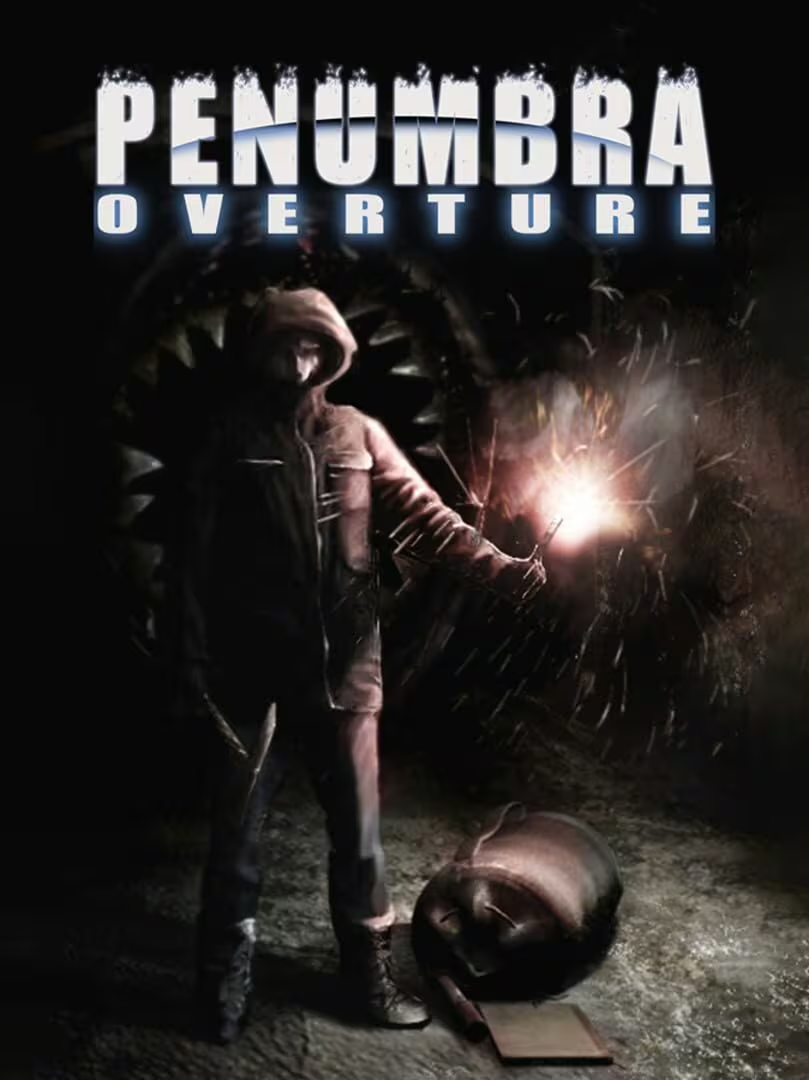
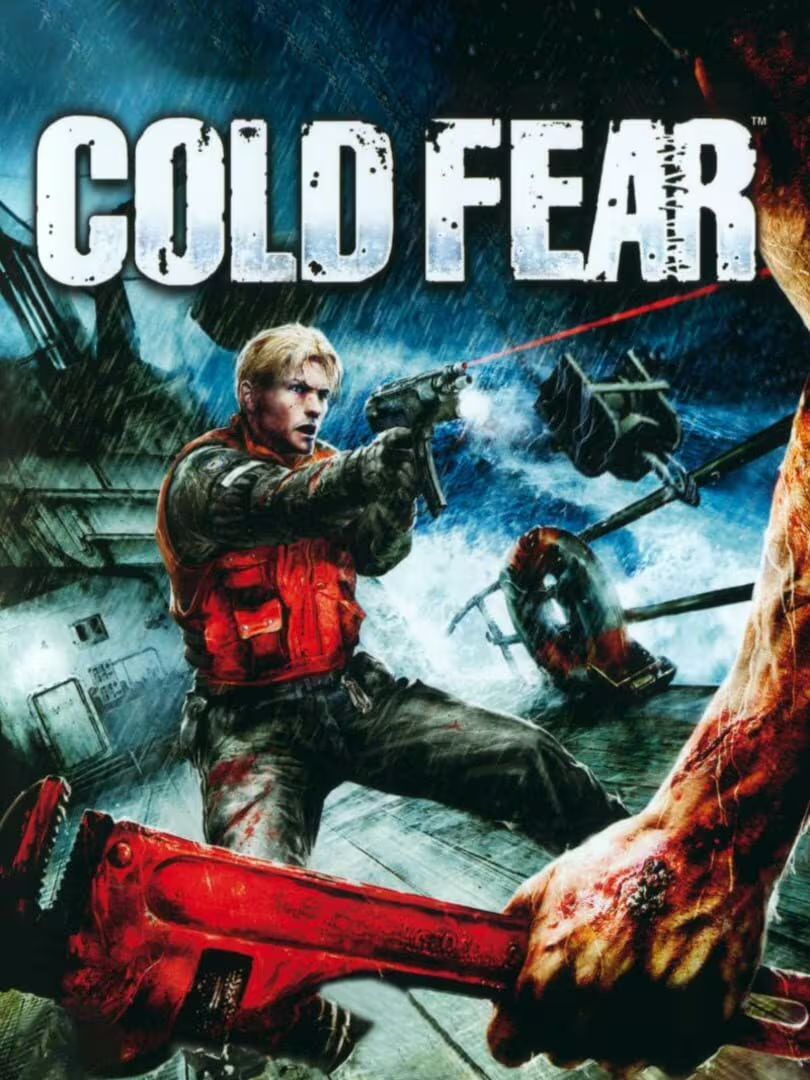
Hidden Gems
Less popular games with surprisingly high similarity
If you liked…
Recommendations by what you enjoyed most
Similarity map
Explore nearby similar games and see why they’re close.
Magrunner: Dark Pulse: Broadly representative of its motivational profile, with a few distinct shifts. Motivations that often define this kind of title include Expression, Fellowship, Cooperation, Status. Here, the score leans higher than usual among comparable games on Strategy, Creativity, Growth.
Why this game works
A motivational profile of the game, with the closest similar game for each player motivation.
-
Autonomy
Game with the same Autonomy vibe
4"Players have freedom to solve puzzles in multiple ways, can skip puzzles, and explore mechanics at their own pace."
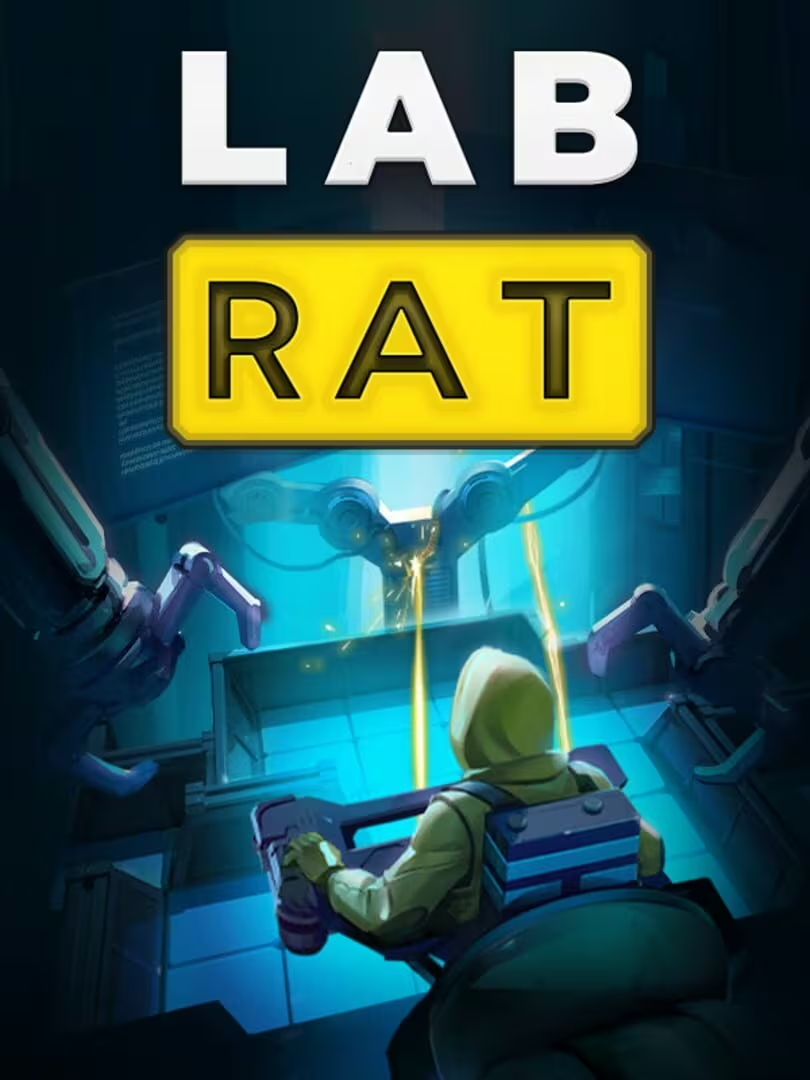 Lab Rat
"Players have freedom to solve puzzles in multiple ways using magnetic mechanics and explore levels at their own pace."
-
Competence
Game with the same Competence vibe
4"Challenging puzzles requiring skill, experimentation, and problem solving; rewarding mastery and learning."
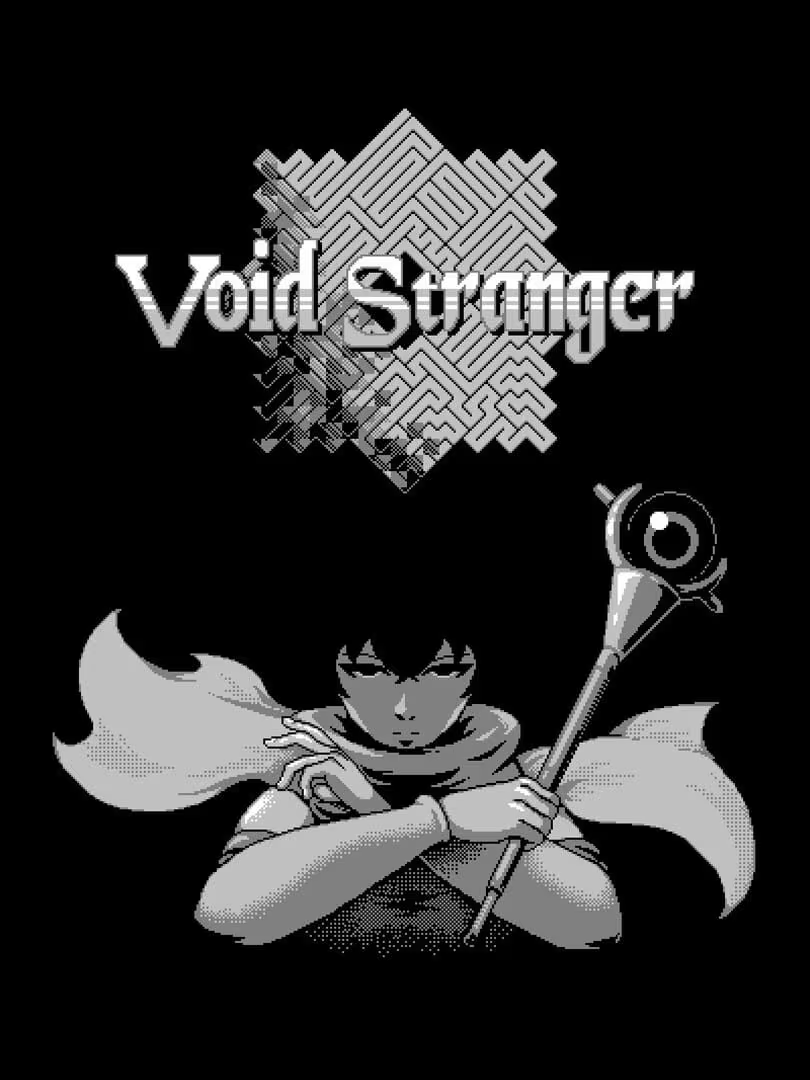 Void Stranger
"Challenging puzzles requiring skillful manipulation of magnetic fields and platforming, with a steep learning curve."
-
Competition
Game with the same Competition vibe
-4"Focus is on individual puzzle solving and personal progress without competitive elements or leaderboards."
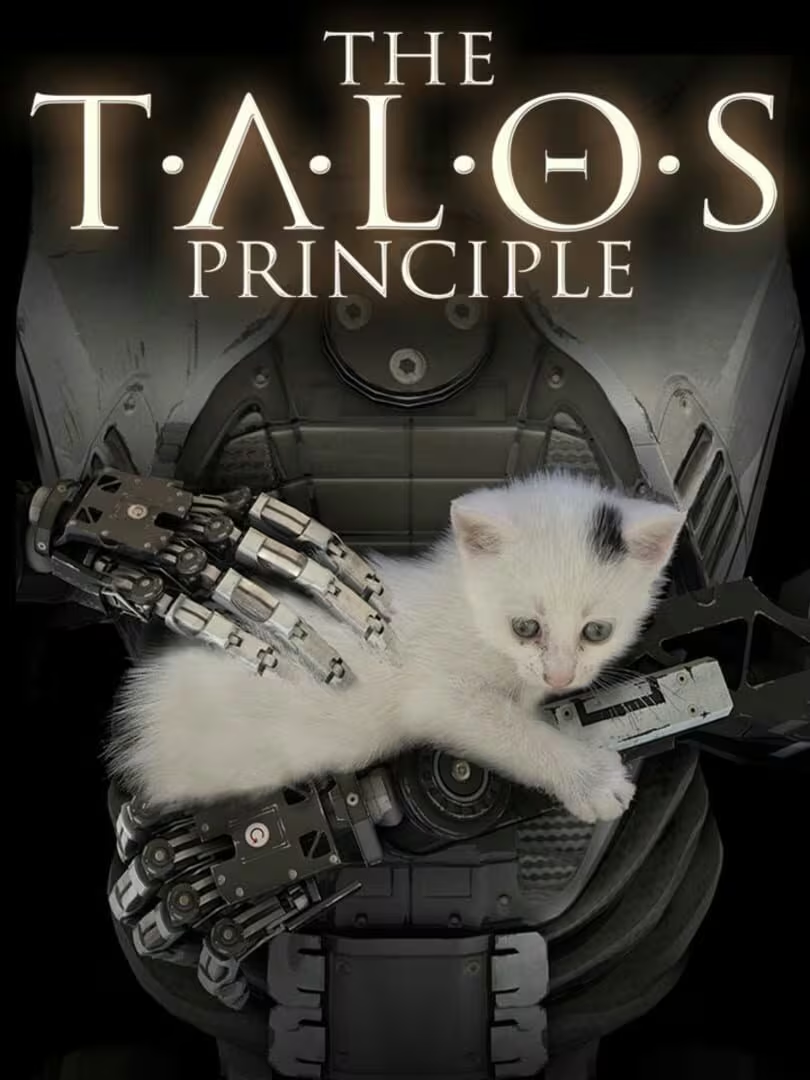 The Talos Principle
"Focus is on individual puzzle solving and personal progress without competitive elements or leaderboards."
-
Continuation
Game with the same Continuation vibe
2"Players engage in multiple short puzzle sessions; some find it addictive, others stop after completion."
 hocus
hocus
"Players often engage in long sessions to solve puzzles, but some find later levels frustrating and may quit early."
-
Cooperation
Game with the same Cooperation vibe
-5"Single-player experience with no multiplayer or cooperative gameplay."
 PolyPine
"Single-player experience with no multiplayer or cooperative gameplay."
-
Creativity
Game with the same Creativity vibe
3"Players creatively solve puzzles using magnet mechanics; some puzzles allow multiple solutions."
 Mind Over Magnet
"Players experiment with magnetic fields and multiple puzzle solutions, though within designed constraints."
-
Domination
Game with the same Domination vibe
-5"No social dominance or power over others; purely individual puzzle solving."
 Q.U.B.E. 2
"No social dominance or power over others; purely individual puzzle solving."
-
Escapism
Game with the same Escapism vibe
3"Atmospheric and immersive gameplay provides a relaxing escape from real life."
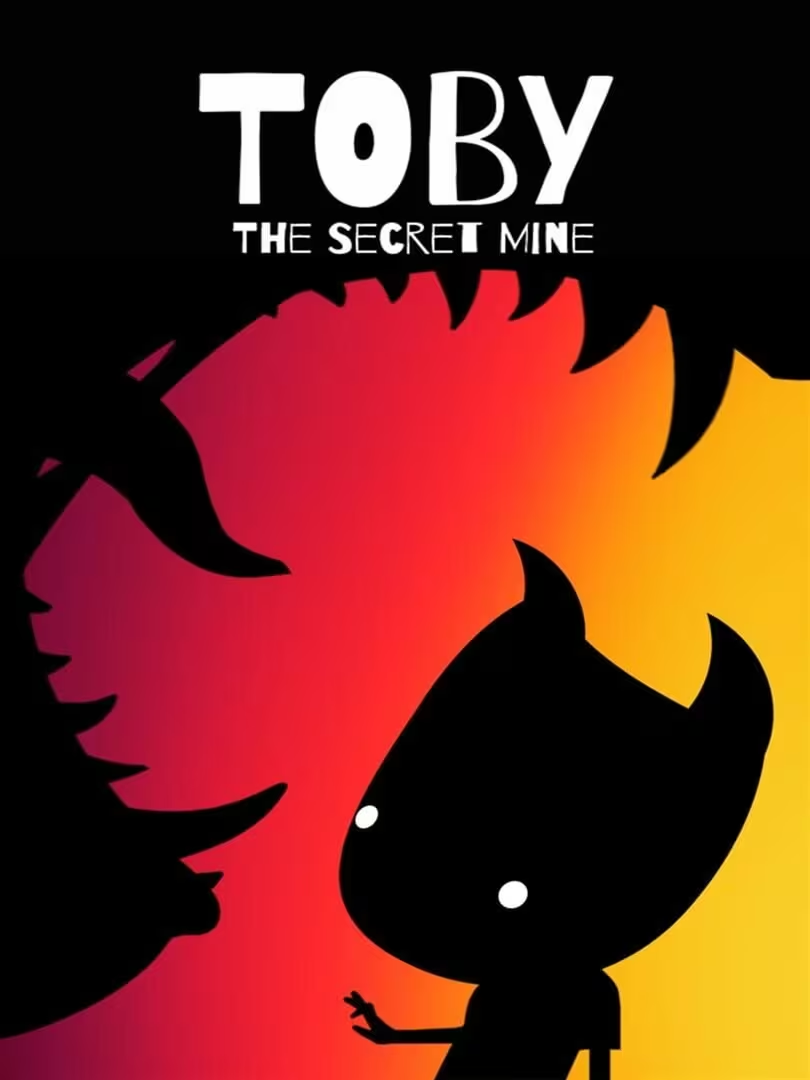 Toby: The Secret Mine
"Immersive sci-fi and Lovecraftian atmosphere provides escapism from real life."
-
Expectation
Game with the same Expectation vibe
-3"Players engage voluntarily out of interest in story, puzzles, and atmosphere"
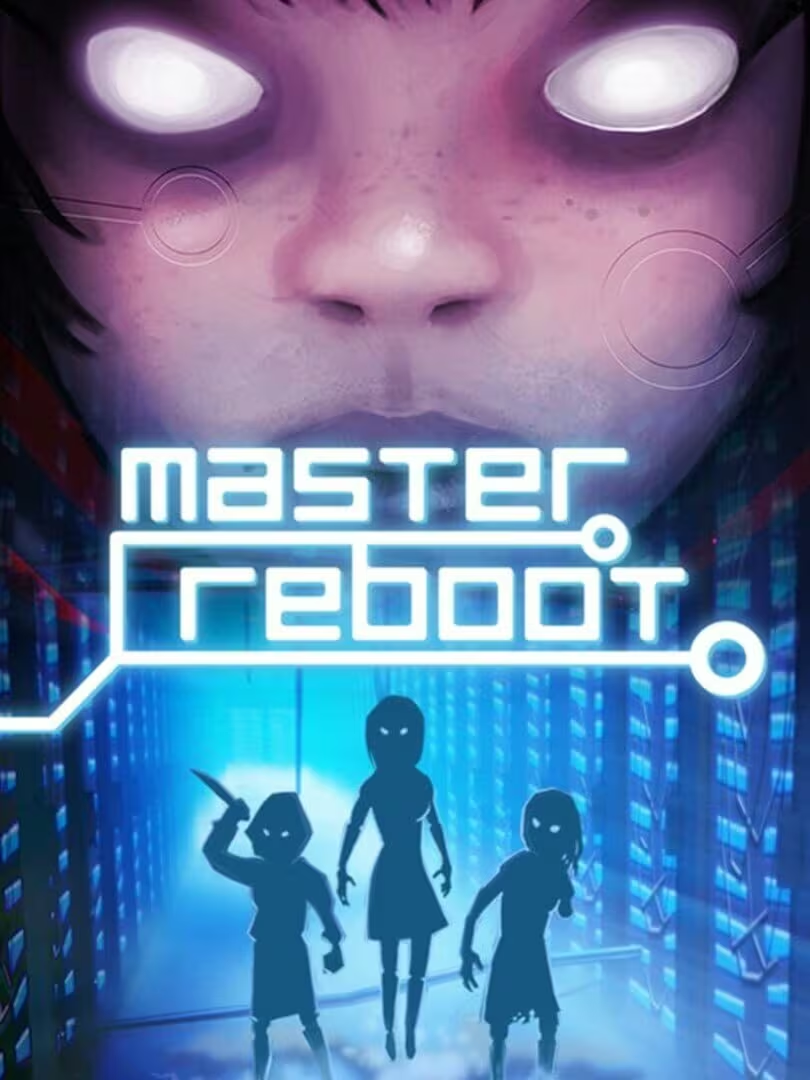 Master Reboot
"Players engage voluntarily for intrinsic interest in puzzles and story."
-
Experimenting
Game with the same Experimenting vibe
3"Players explore unique mechanics and puzzle solutions, encouraging experimentation within the game."
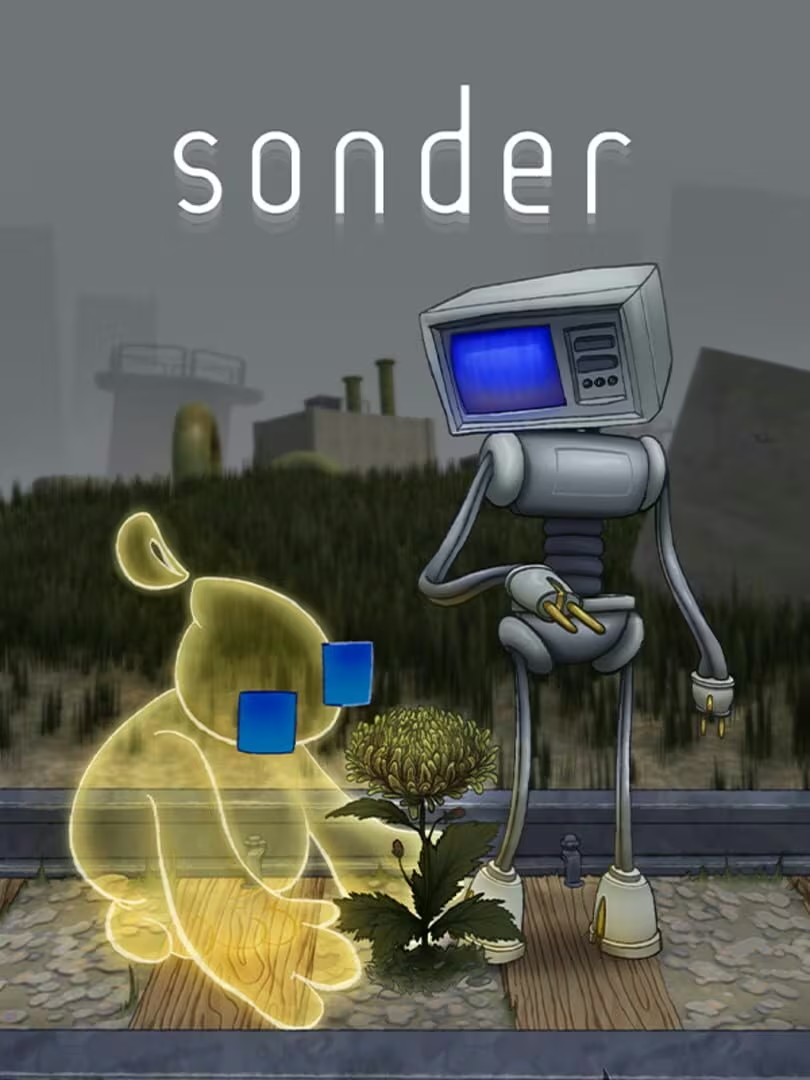 Sonder
"Players try new mechanics and puzzle approaches, discovering solutions through experimentation."
-
Exploration
Game with the same Exploration vibe
2"Some discovery of new puzzle rooms and story elements, though mostly within a defined environment."
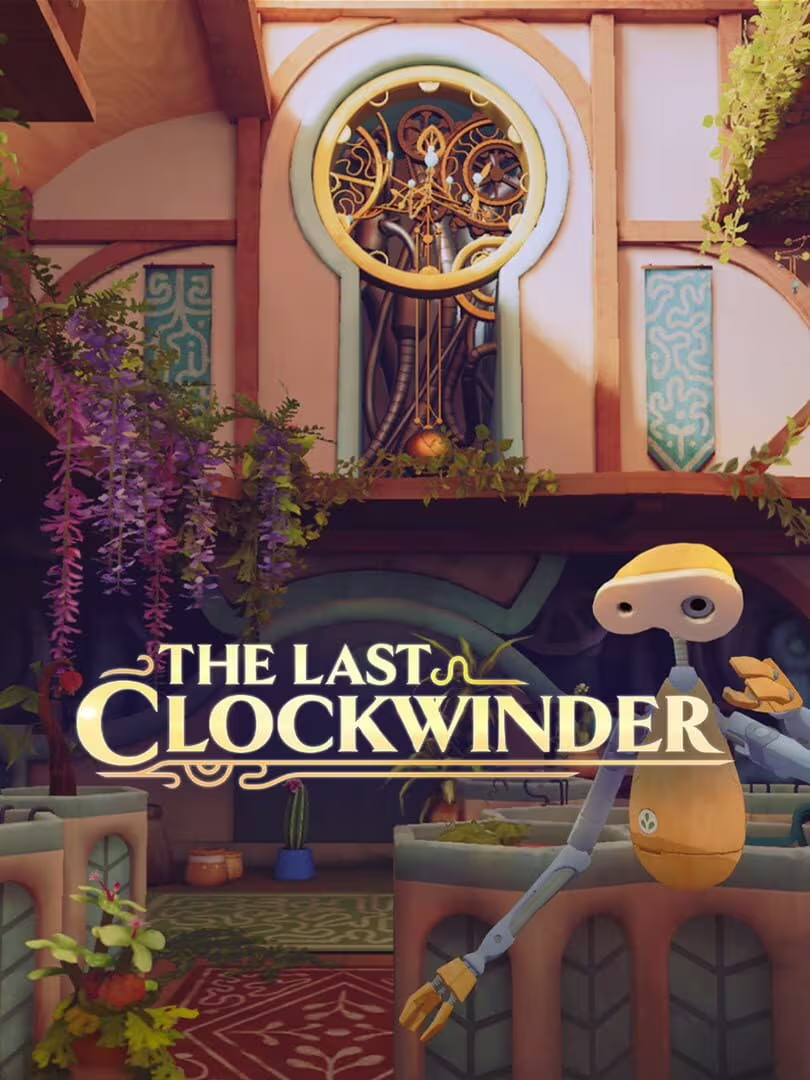 The Last Clockwinder
"Some exploration of environments and hidden puzzle elements, though mostly within set puzzle rooms."
-
Expression
Game with the same Expression vibe
-4"Limited customization or self-expression; players use predefined environments and characters."
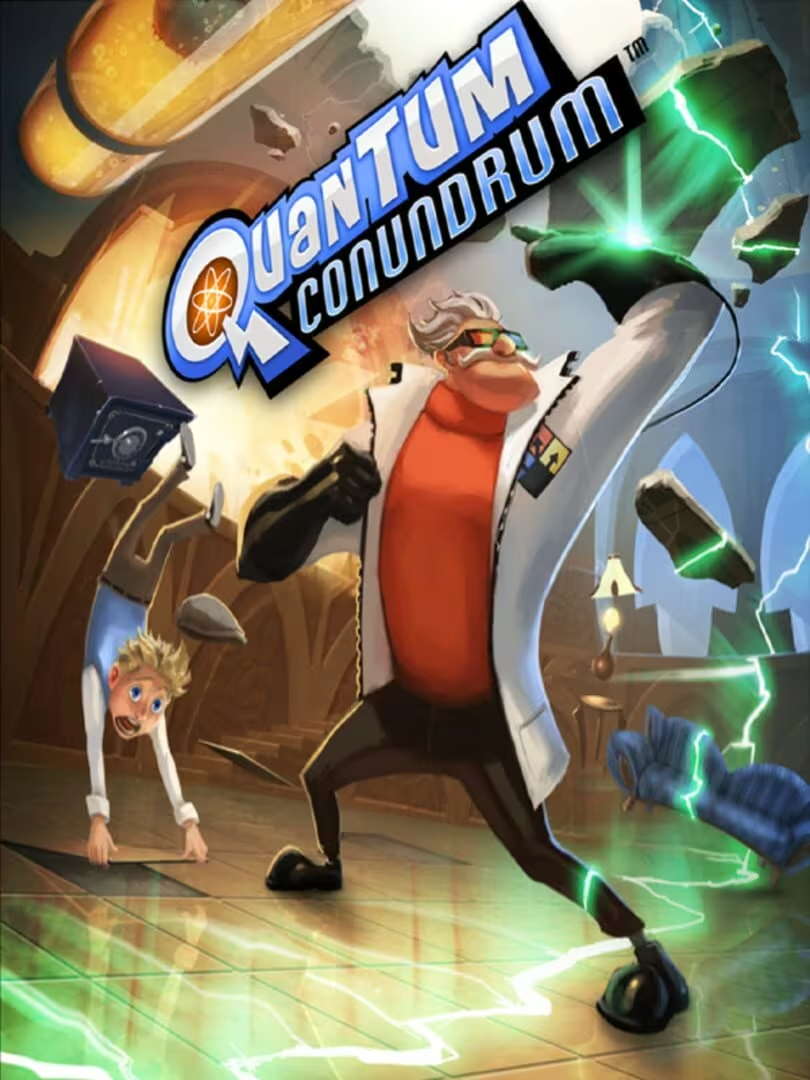 Quantum Conundrum
"Limited customization or self-expression; players use predefined characters and environments."
-
Fantasy
Game with the same Fantasy vibe
4"Strong Lovecraftian and sci-fi horror themes create an imaginative, fictional experience."
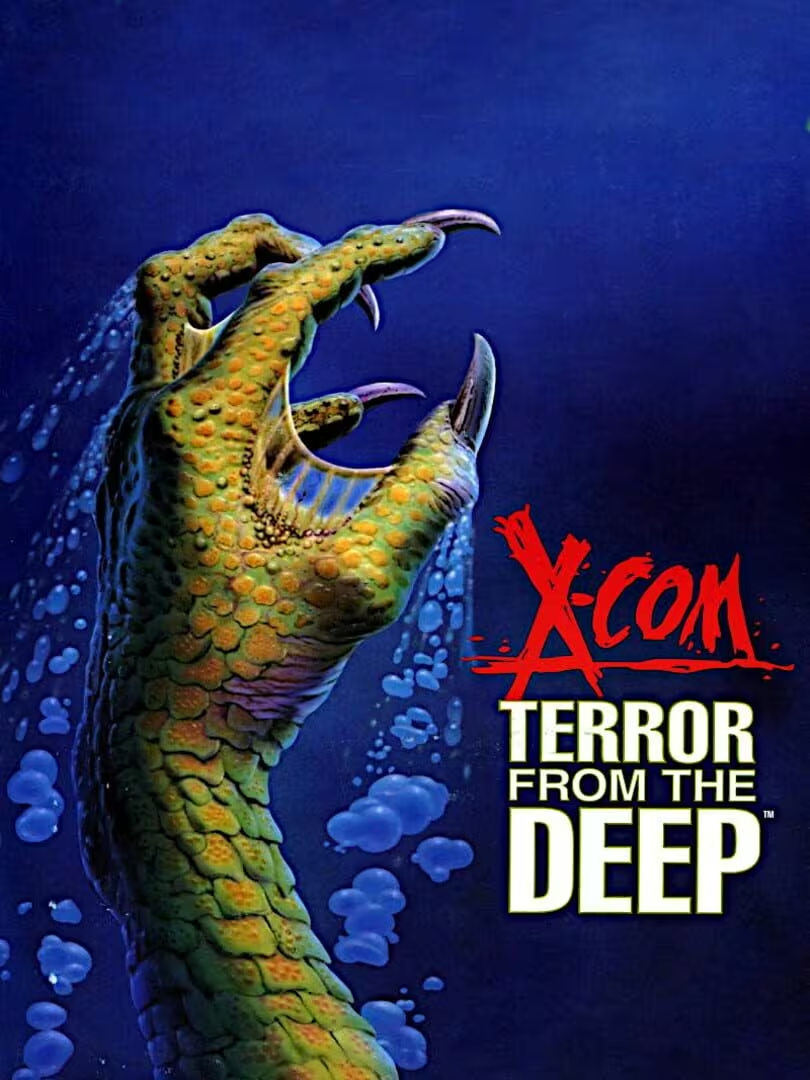 X-COM: Terror From the Deep
"Strong Lovecraftian horror and sci-fi themes create an imaginative fictional experience."
-
Fellowship
Game with the same Fellowship vibe
-5"No community or social interaction features; strictly single-player."
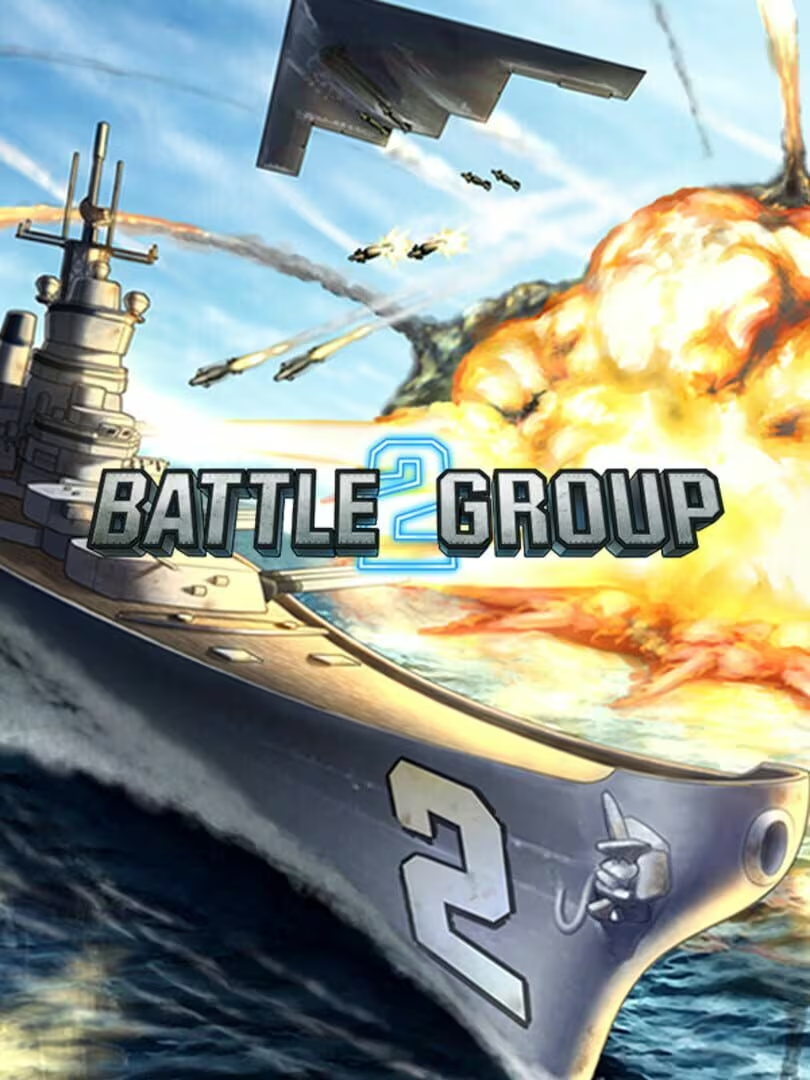 Battle Group 2
"No community or social interaction; strictly single-player."
-
Growth
Game with the same Growth vibe
4"Players develop problem-solving skills and learn new mechanics progressively."
Lab Rat
"Players develop problem-solving skills and learn complex mechanics progressively."
-
Health
Game with the same Health vibe
-5"Sedentary gameplay with no physical activity involved."
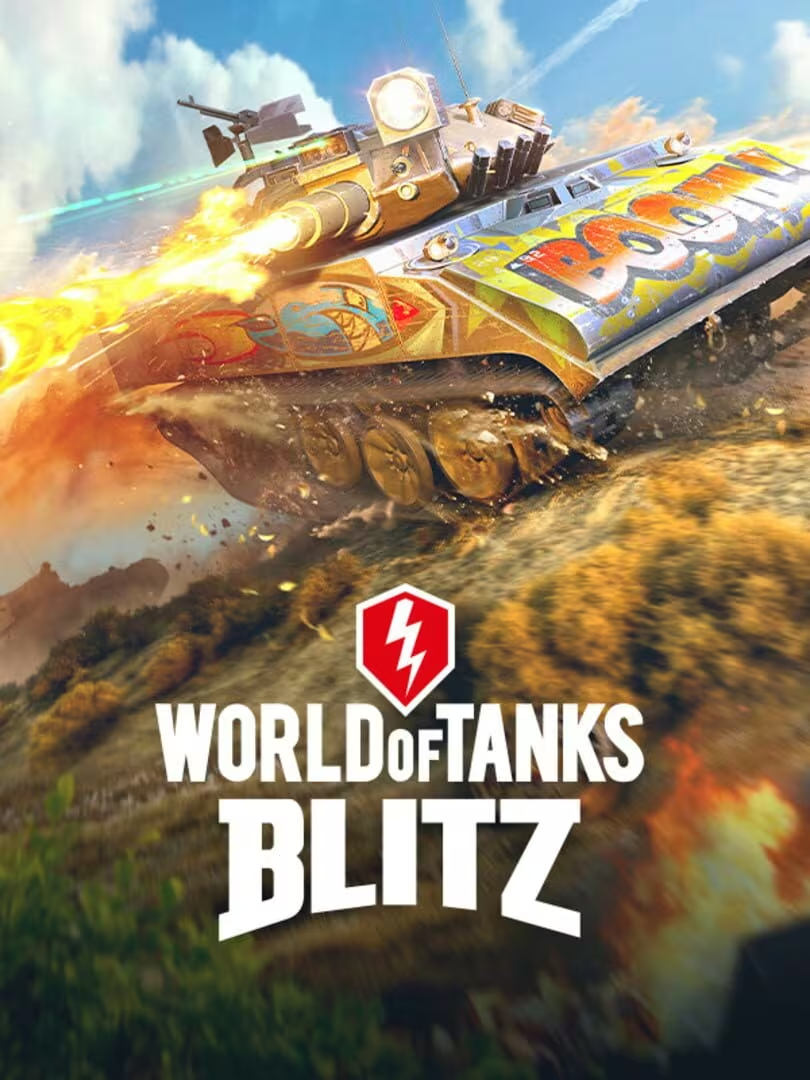 World of Tanks Blitz
"Sedentary gameplay with no physical activity involved."
-
Idle
Game with the same Idle vibe
-3"Requires focused attention and continuous engagement to solve puzzles."
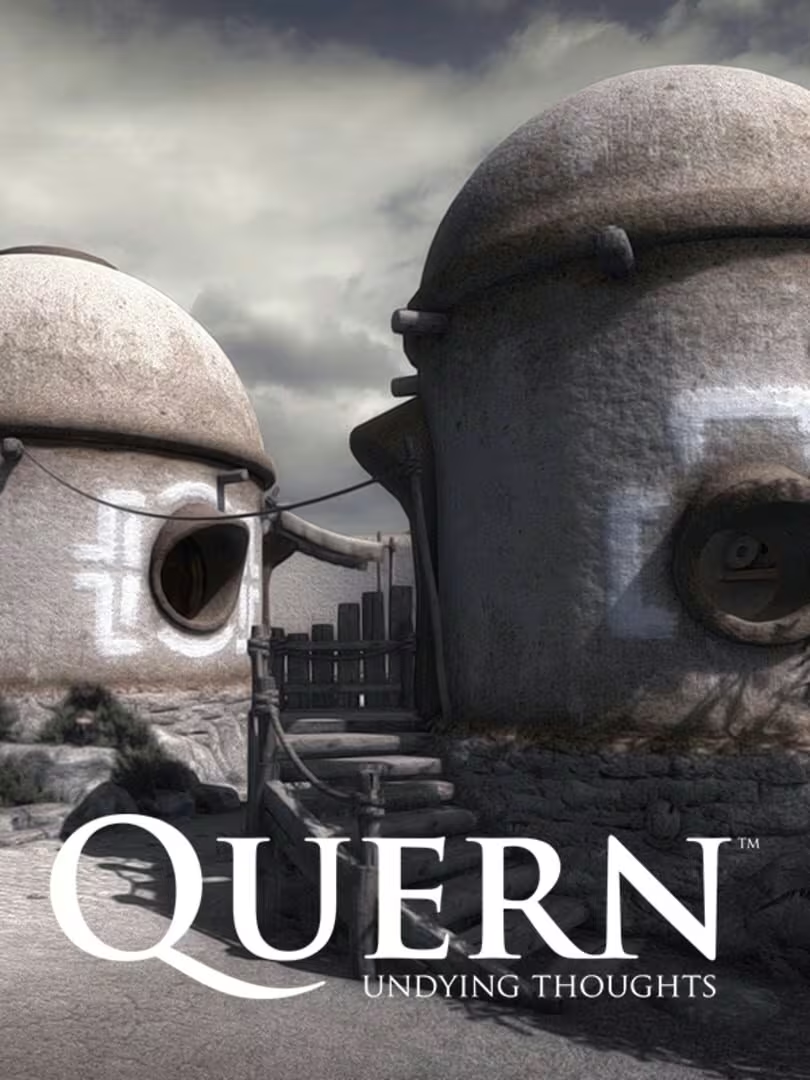 Quern - Undying Thoughts
"Requires focused attention and continuous engagement to solve puzzles."
-
Intimacy
Game with the same Intimacy vibe
-5"No social or emotional relationships formed; solitary experience."
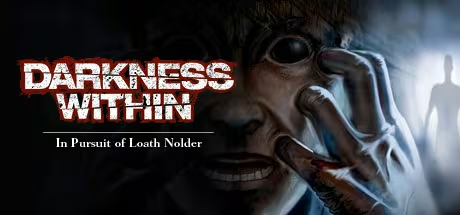 Darkness Within 1: In Pursuit of Loath Nolder
"No social or emotional connections formed; purely solitary experience."
-
Leadership
Game with the same Leadership vibe
-5"No leadership or group management elements."
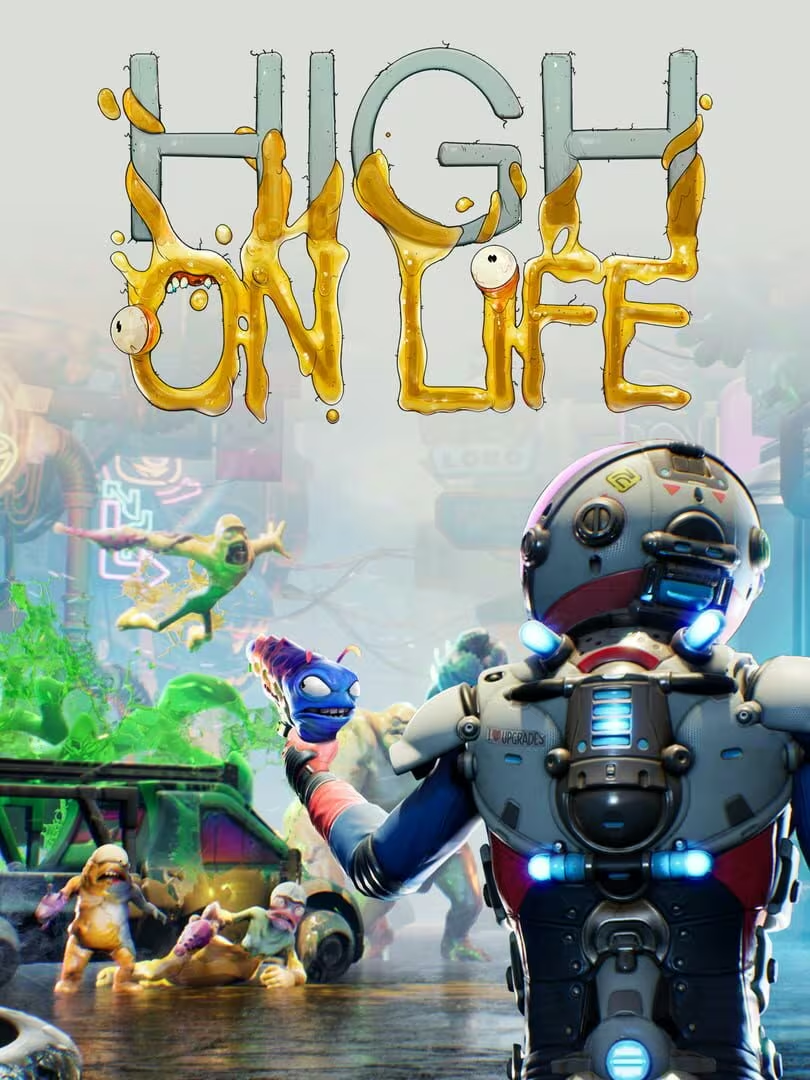 High On Life
"No leadership or group management elements."
-
Progression
Game with the same Progression vibe
3"Players progress through levels and puzzles, unlocking new challenges and story elements."
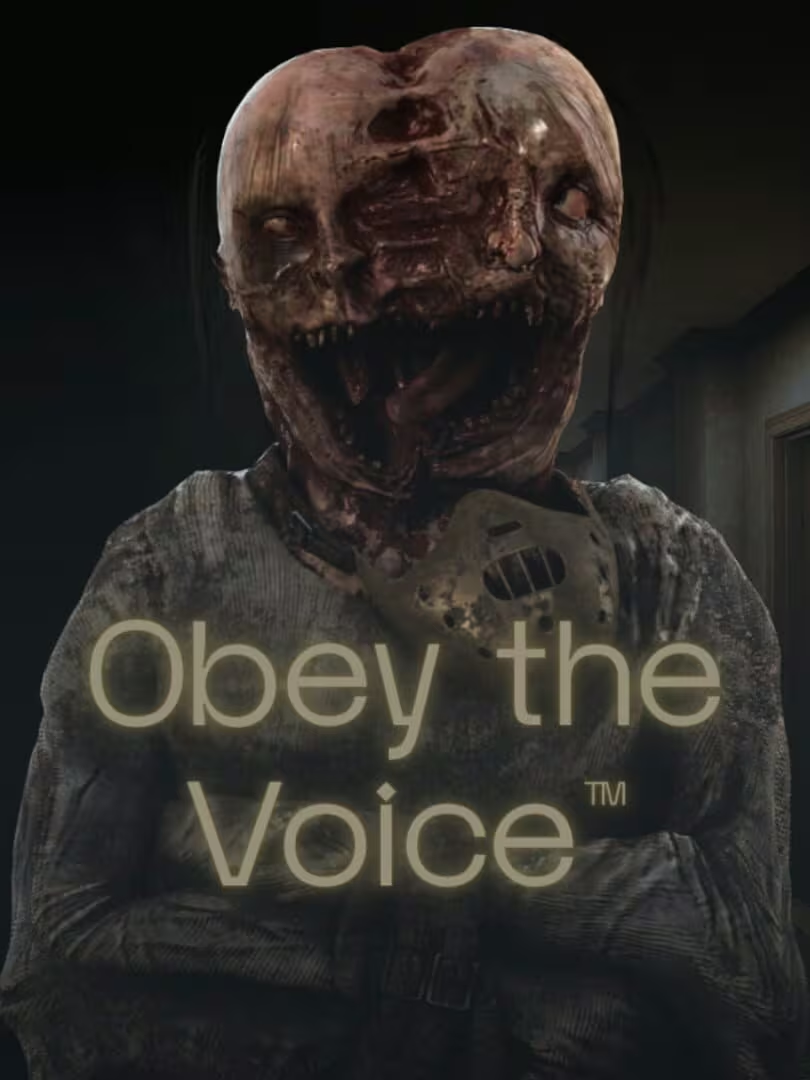 Obey the Voice™
"Players progress through levels and unlock new mechanics and story elements."
-
Relaxation
Game with the same Relaxation vibe
-1"While some find it relaxing, timed puzzles and potential frustration create moments of tension."
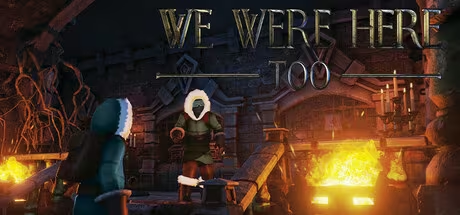 We Were Here Too
"Some tension and frustration in difficult puzzles, but also moments of flow and satisfaction."
-
Sensation
Game with the same Sensation vibe
2"Good atmospheric audio and visuals provide sensory stimulation, though not extreme."
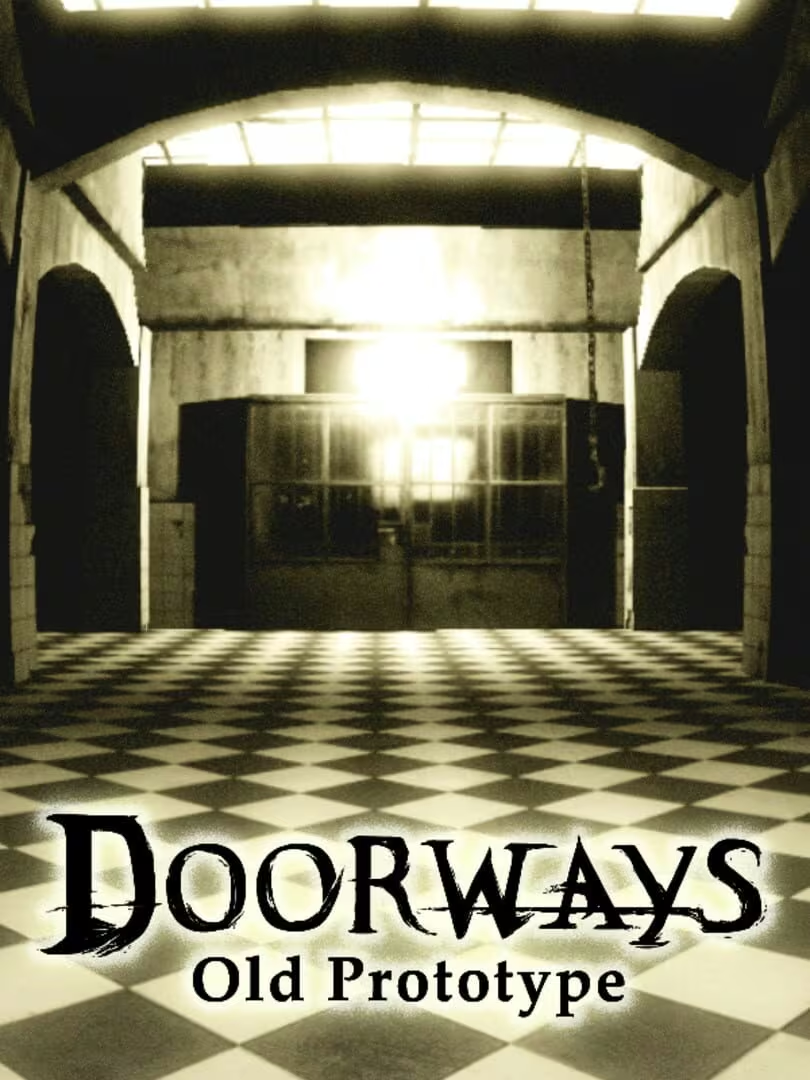 Doorways: Old Prototype
"Visual and atmospheric effects provide sensory stimulation, though not extreme."
-
Status
Game with the same Status vibe
-5"No social recognition or status systems."
 Alan Wake
"No social recognition or status systems."
-
Story
Game with the same Story vibe
3"Engaging narrative with Lovecraftian themes and multiple endings, though some find it minimal or underdeveloped."
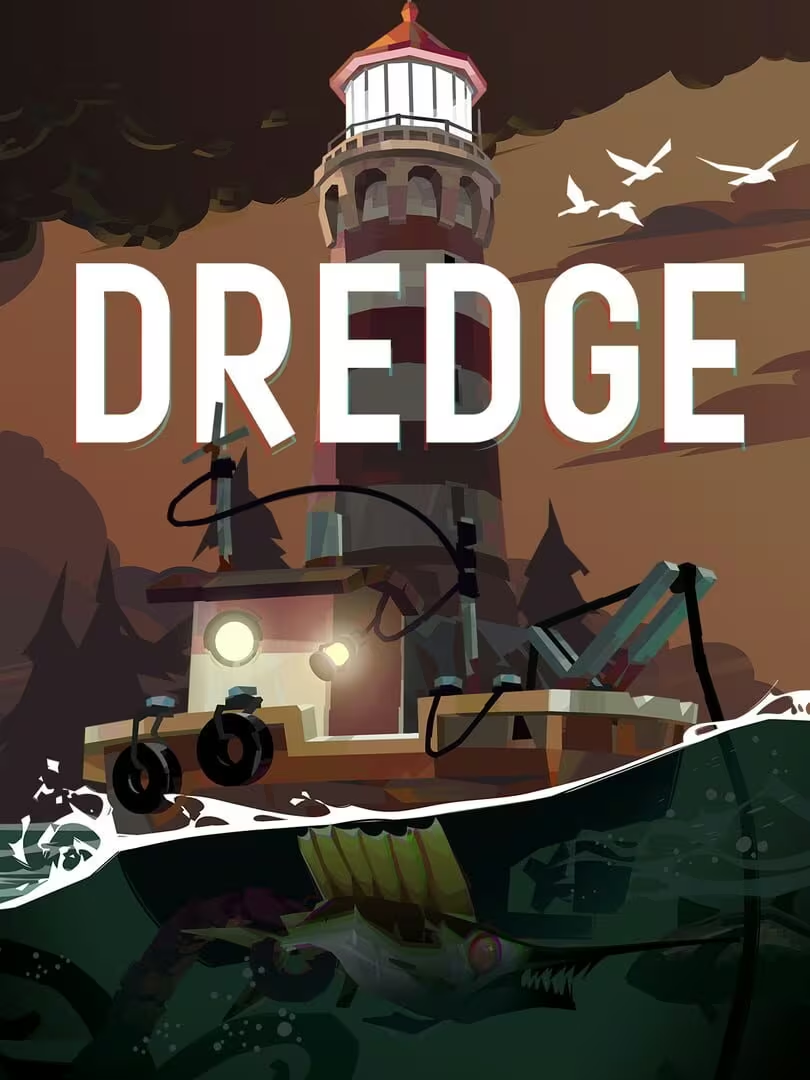 DREDGE
"Narrative with Lovecraftian themes adds immersion, though story is considered weak or secondary."
-
Strategy
Game with the same Strategy vibe
4"Requires logical thinking, planning, and problem solving to complete puzzles."
 Cube Escape Collection
"Requires logical thinking, planning, and problem solving to complete puzzles."
-
Thrill
Game with the same Thrill vibe
2"Some suspense and tension from mystery and timed puzzles, though not extreme."
 The Samaritan Paradox
"Some suspense and tension from timed puzzles and monster encounters."
-
Value
Game with the same Value vibe
3"Good value for price, especially on sale; short but satisfying gameplay for cost."
 AtmaSphere
"Good value for price, especially on sale, with satisfying gameplay length."
-
Violence
Game with the same Violence vibe
1"Some combat-like elements with monsters and deaths, but no graphic violence; more focused on puzzle interaction."
 Goosebumps: The Game
"Some combat elements against monsters, but mostly puzzle-focused with limited violence."
-
Survival
Game with the same Survival vibe
2"Gameplay includes avoiding a pursuing monster in some puzzles, adding survival elements."
 Labyrinthine Dreams
"Occasional threats and need to avoid monsters add survival elements to gameplay."
Last update: 01/06/2026