Sixty Four similar games & best alternatives
Should you play it?
Dive into the world of Sixty Four, where you transform simple machines into a thriving factory.
What works
- Unique blend of clicker and factory optimization
- Engaging strategic gameplay
- Visually pleasing and atmospheric
- Good value for price
- Developer responsiveness and updates
Things to keep in mind
- Requires frequent manual input, not fully idle
- Steep learning curve and some opaque mechanics
- Progression can feel grindy and slow
- Limited automation until late game
- Some ui and feedback issues
What to play next
Similar games, hidden gems, and fresh directions from this game.
Top picks
Games that feel the closest overall
Hidden Gems
Less popular games with surprisingly high similarity


If you liked…
Recommendations by what you enjoyed most
Similarity map
Explore nearby similar games and see why they’re close.
Sixty Four: A very typical example of its motivational profile. Motivations that often define this kind of title include Violence, Fantasy, Story, Thrill. Here, the score leans higher than usual among comparable games on Story, Fantasy, Survival.
Why this game works
A motivational profile of the game, with the closest similar game for each player motivation.
-
Autonomy
Game with the same Autonomy vibe
3"Players have freedom to design and optimize supply chains and layouts, with ability to upgrade and reconfigure production lines."
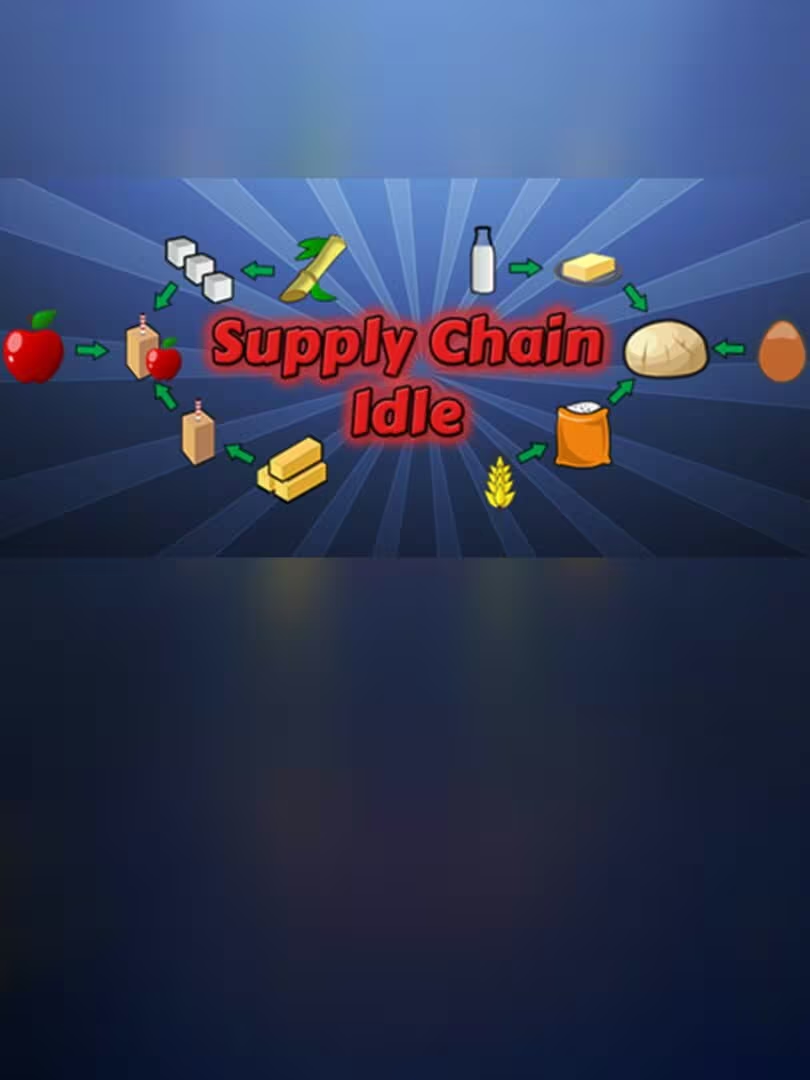 Supply Chain Idle
"Players have freedom to optimize and redesign their factory layouts, but progression is constrained by game mechanics and resource costs."
-
Competence
Game with the same Competence vibe
4"Game involves skillful resource management, strategic planning, and overcoming complex challenges with feedback on performance."
 Terracards
"The game involves skillful optimization and problem solving with feedback on efficiency and resource management."
-
Competition
Game with the same Competition vibe
-4"Focus is on personal progression and optimization without competitive or ranked modes."
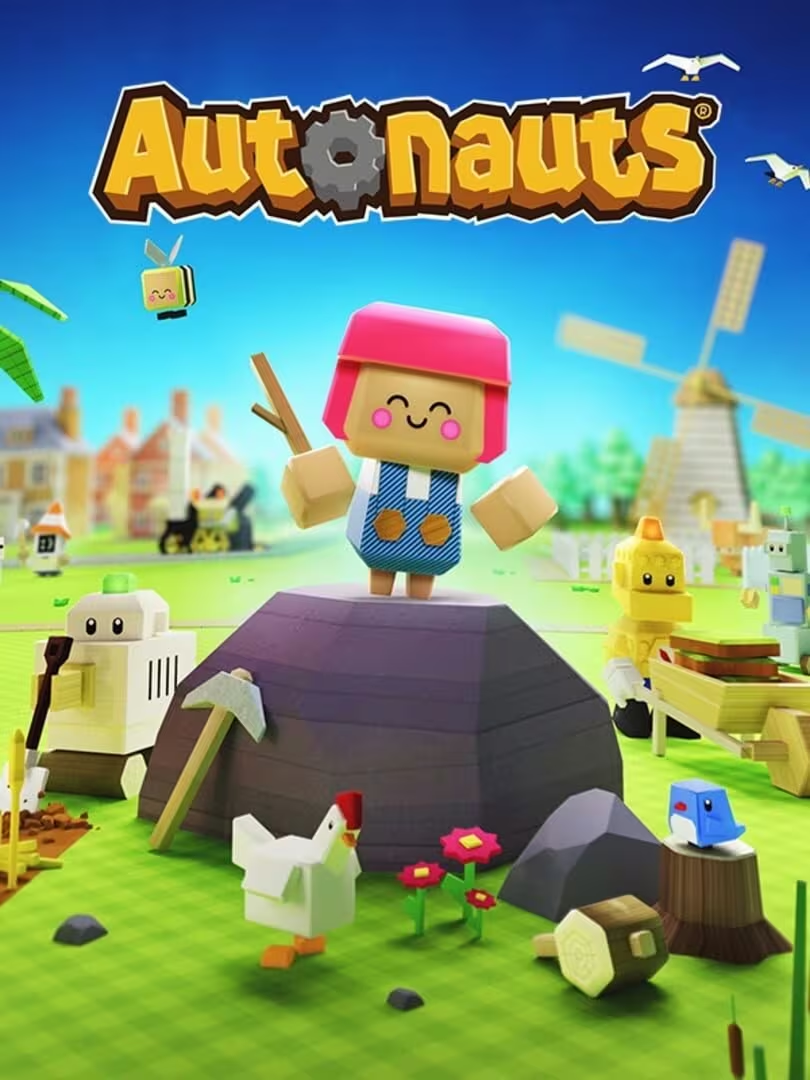 Autonauts
"Focus is on personal optimization and progression without direct comparison or competitive modes."
-
Continuation
Game with the same Continuation vibe
4"Many players report long sessions and habitual play, with some describing addictive qualities."
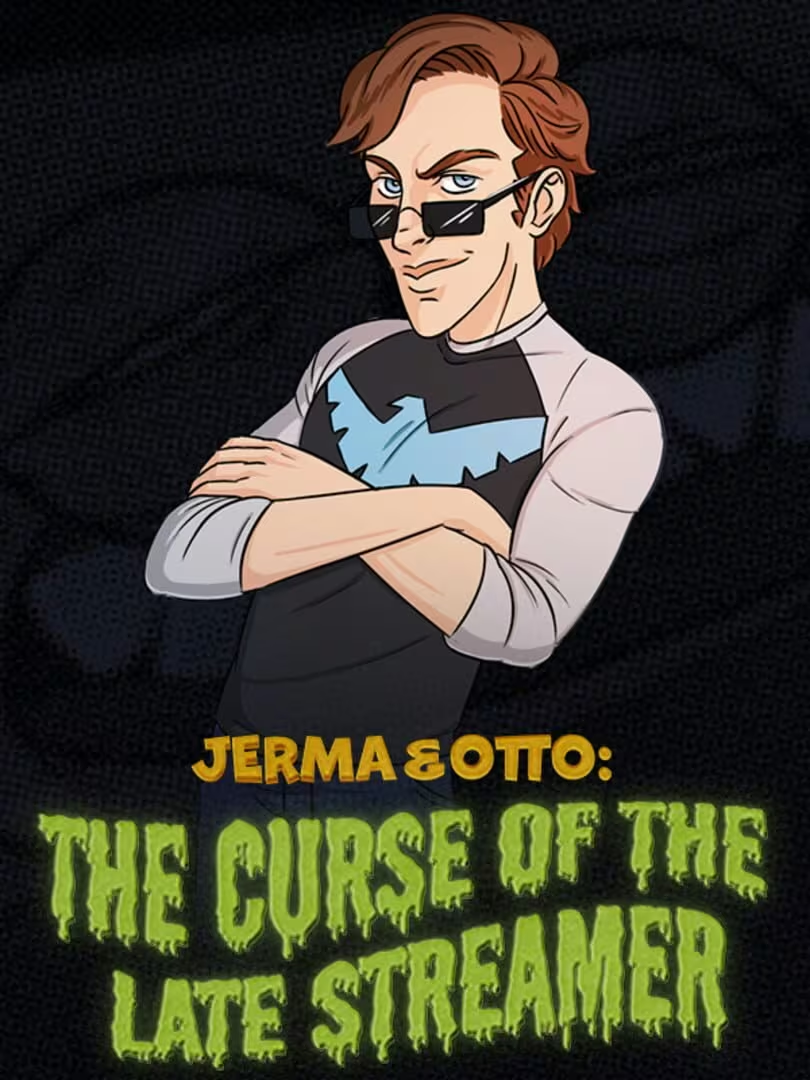 Jerma & Otto: The Curse of the Late Streamer
"Players report long play sessions and habitual engagement, with some describing addictive qualities."
-
Cooperation
Game with the same Cooperation vibe
-5"Single-player experience with no multiplayer or cooperative elements."
 NieR:Automata™
"Single-player experience with no multiplayer or cooperative elements."
-
Creativity
Game with the same Creativity vibe
3"Players design and optimize factory layouts and tower placements, allowing creative problem solving within constraints."
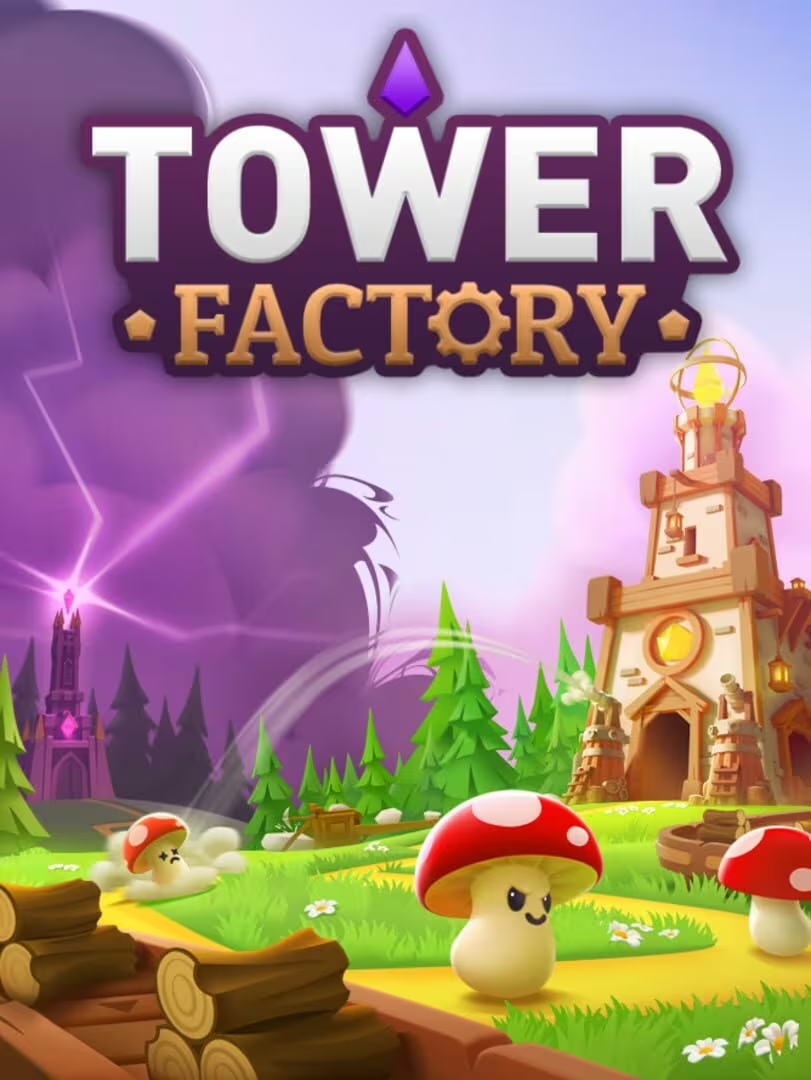 Tower Factory
"Players creatively design and optimize factory layouts within constraints, though building placement is grid-based."
-
Domination
Game with the same Domination vibe
-5"No social dominance or power over others; interactions are individual and self-directed."
 Transport Fever
"No social dominance or power dynamics; interactions are individual and self-directed."
-
Escapism
Game with the same Escapism vibe
3"Players use the game as a relaxing distraction with immersive mystery and atmospheric setting."
 Mountain Crime: Requital
"Players use the game as a relaxing, immersive distraction with a mysterious narrative and atmospheric design."
-
Expectation
Game with the same Expectation vibe
-4"Players engage voluntarily out of curiosity and intrinsic interest despite difficulty and frustration."
 BELOW
BELOW
"Players engage voluntarily out of interest and curiosity, despite some frustration with grind and complexity."
-
Experimenting
Game with the same Experimenting vibe
4"The game encourages trying different factory setups and research orders to optimize production."
 NGU INDUSTRIES
"Encourages experimentation with different factory setups and resource management strategies."
-
Exploration
Game with the same Exploration vibe
2"Some discovery of new mechanics and puzzle elements, though mostly within known puzzle environments."
 ABI-DOS
"Some discovery of new mechanics and resources, but mostly within a fixed environment."
-
Expression
Game with the same Expression vibe
2"Limited customization beyond factory design; no avatar or cosmetic personalization noted."
 MineMogul
"Limited customization mainly through factory design choices rather than avatar or cosmetic personalization."
-
Fantasy
Game with the same Fantasy vibe
2"Game features whimsical birds in space and a light fictional story, but grounded in resource management rather than deep fantasy."
 Star Birds
"Abstract and mysterious narrative with some sci-fi elements, but grounded in resource management gameplay."
-
Fellowship
Game with the same Fellowship vibe
-5"No community or social features; purely solo play."
 Ys I & II Chronicles+
"No community or social features; purely solo play."
-
Growth
Game with the same Growth vibe
4"Players learn and develop skills in factory building, resource management, and game mechanics over time."
 AutoForge
"Players learn and improve factory efficiency and game mechanics over time."
-
Health
Game with the same Health vibe
-5"Sedentary gameplay with no physical activity components."
 Stray
Stray
"Sedentary gameplay with no physical activity components."
-
Idle
Game with the same Idle vibe
-3"Requires active management and frequent input; not a passive idle game despite incremental elements."
 Feed the Reactor
"Requires frequent active input; not a traditional idle game until very late stages."
-
Intimacy
Game with the same Intimacy vibe
-5"No social or emotional relationship building."
 Five Nights at Freddy's 2
"No social or emotional relationship building."
-
Leadership
Game with the same Leadership vibe
-5"No leadership or group management roles."
 Super Star Path
"No leadership or group management roles."
-
Progression
Game with the same Progression vibe
5"Strong focus on accumulating resources, upgrades, and unlocking new mechanics."
 Orb of Creation
"Strong focus on accumulating resources, unlocking machines, and advancing through milestones."
-
Relaxation
Game with the same Relaxation vibe
3"Many players find the game calming and meditative despite occasional frustration."
 Freeways
"Many players find the game soothing and meditative despite some grind and frustration."
-
Sensation
Game with the same Sensation vibe
3"Enjoyable visual style, music, and sound design provide sensory pleasure."
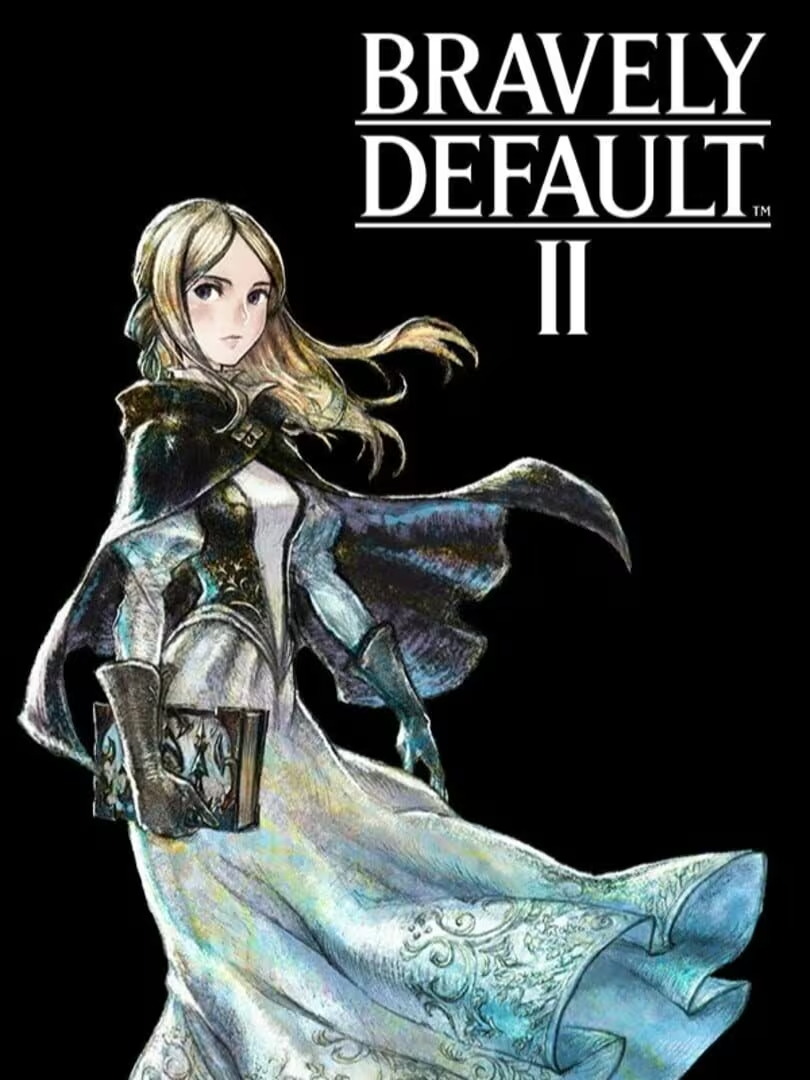 BRAVELY DEFAULT II
"Enjoyable sound design and visual style provide sensory pleasure and immersion."
-
Status
Game with the same Status vibe
-5"No social recognition or status systems."
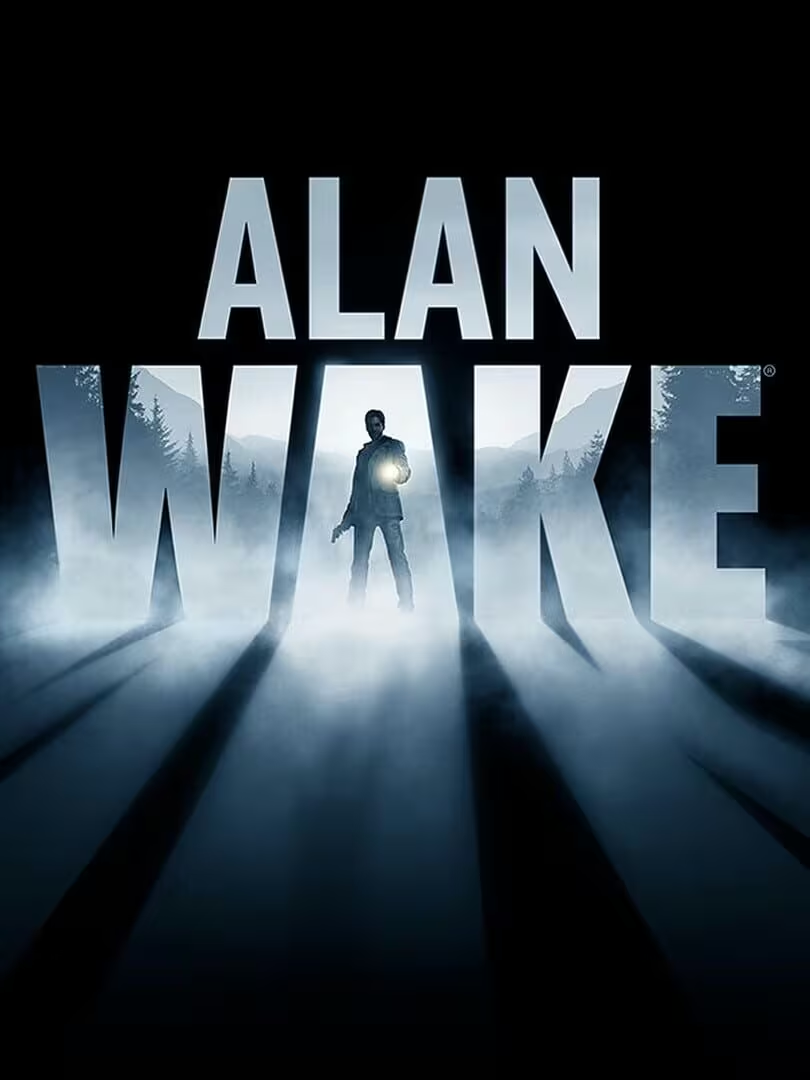 Alan Wake
"No social recognition or status systems."
-
Story
Game with the same Story vibe
2"Narrative is present but minimal and somewhat cryptic; story adds atmosphere but is not deeply immersive."
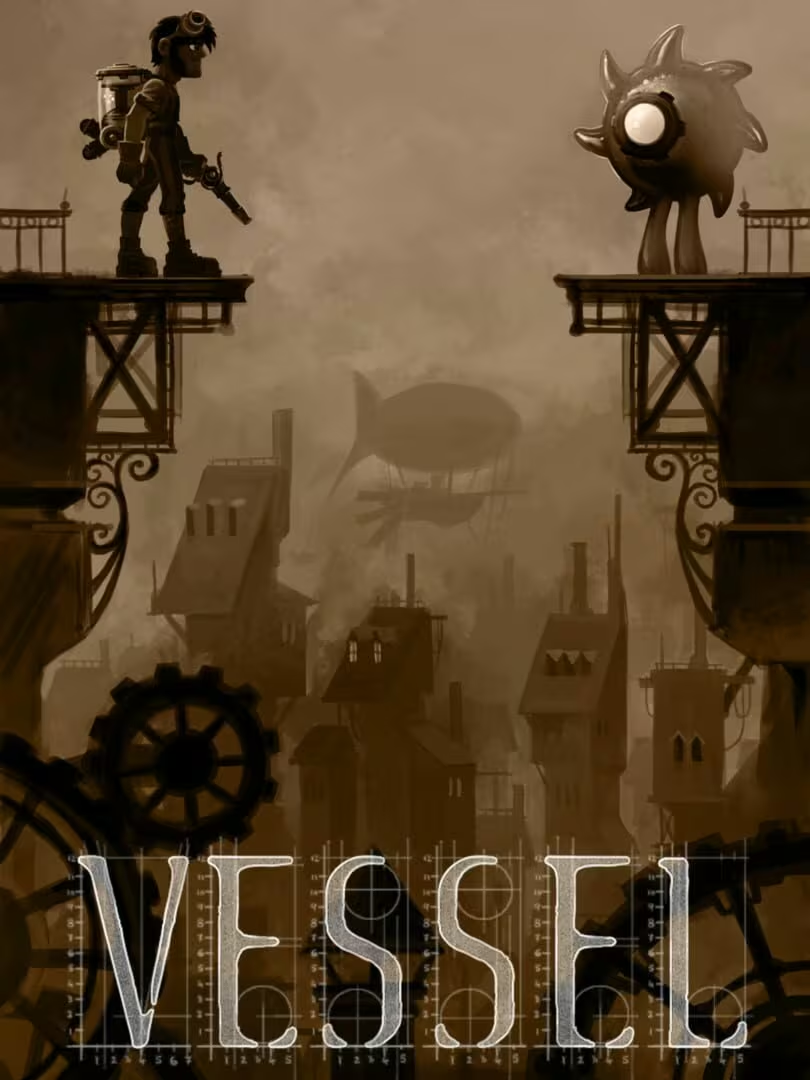 Vessel
"Sparse, cryptic narrative adds atmosphere but is not deeply immersive or central."
-
Strategy
Game with the same Strategy vibe
5"Core gameplay revolves around strategic thinking, planning, and problem solving."
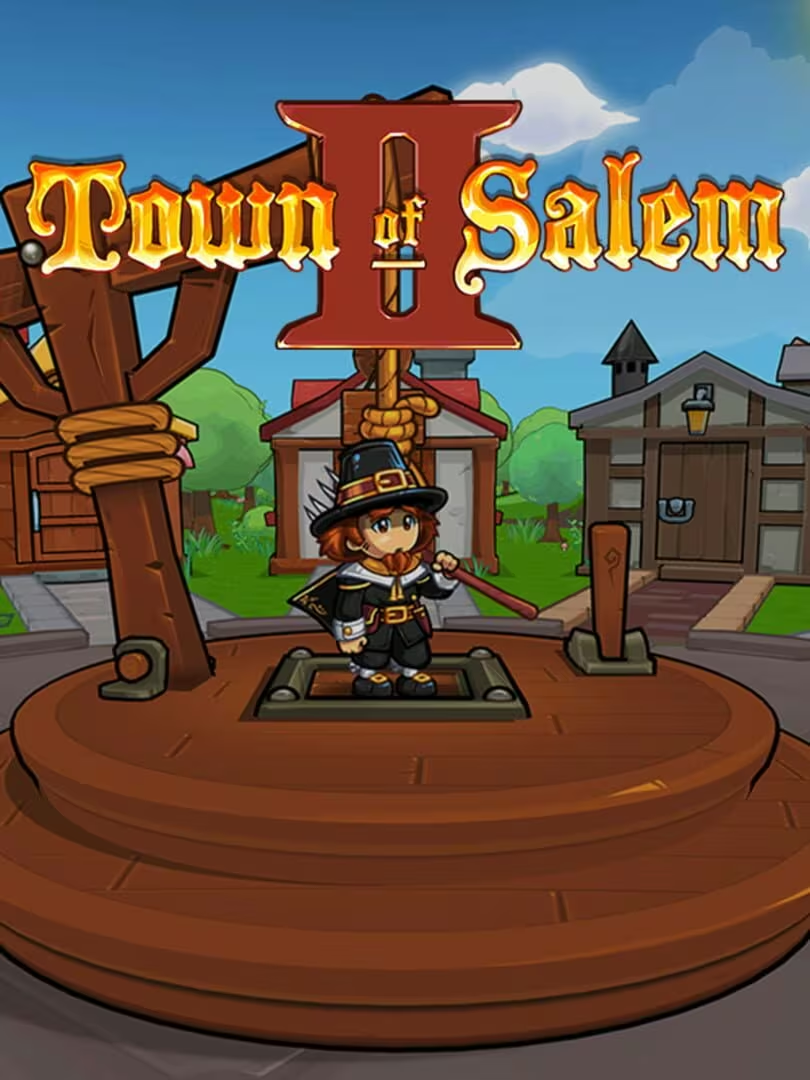 Town of Salem 2
"Core gameplay revolves around strategic planning, optimization, and problem solving."
-
Thrill
Game with the same Thrill vibe
-2"Gameplay is low risk and relaxing rather than suspenseful or thrilling."
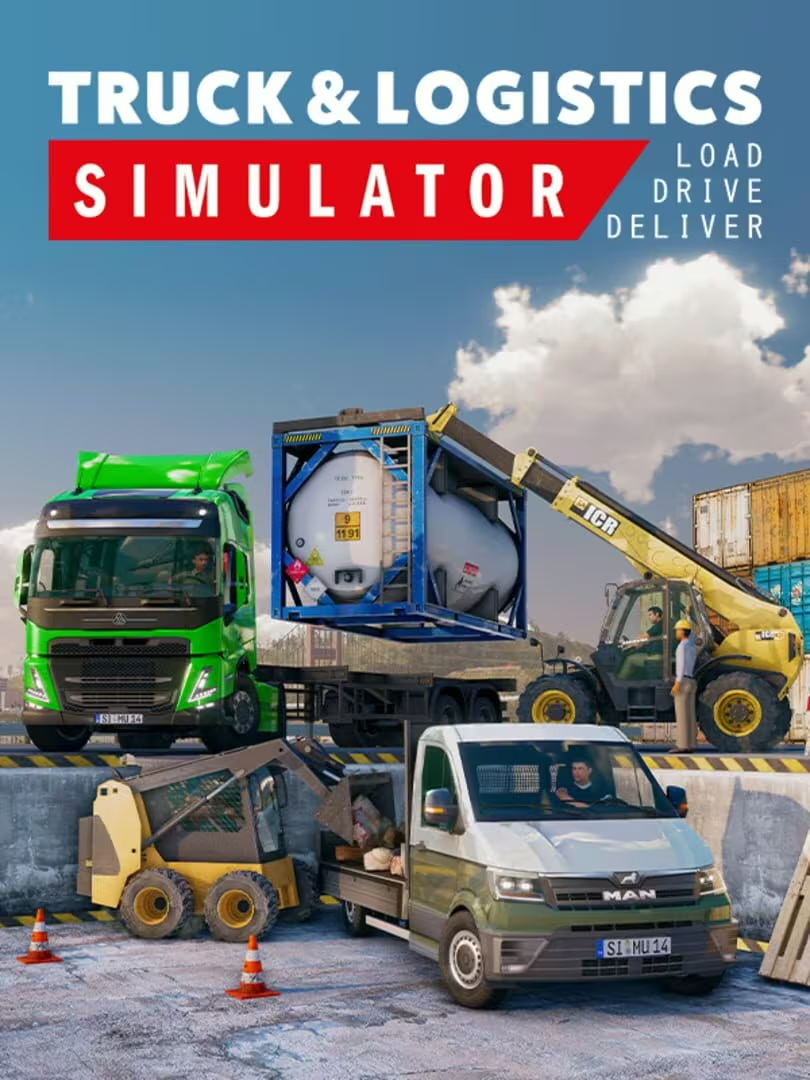 Truck & Logistics Simulator
"Gameplay is low risk and steady paced rather than suspenseful or thrilling."
-
Value
Game with the same Value vibe
4"Players report good value for price with many hours of engaging content."
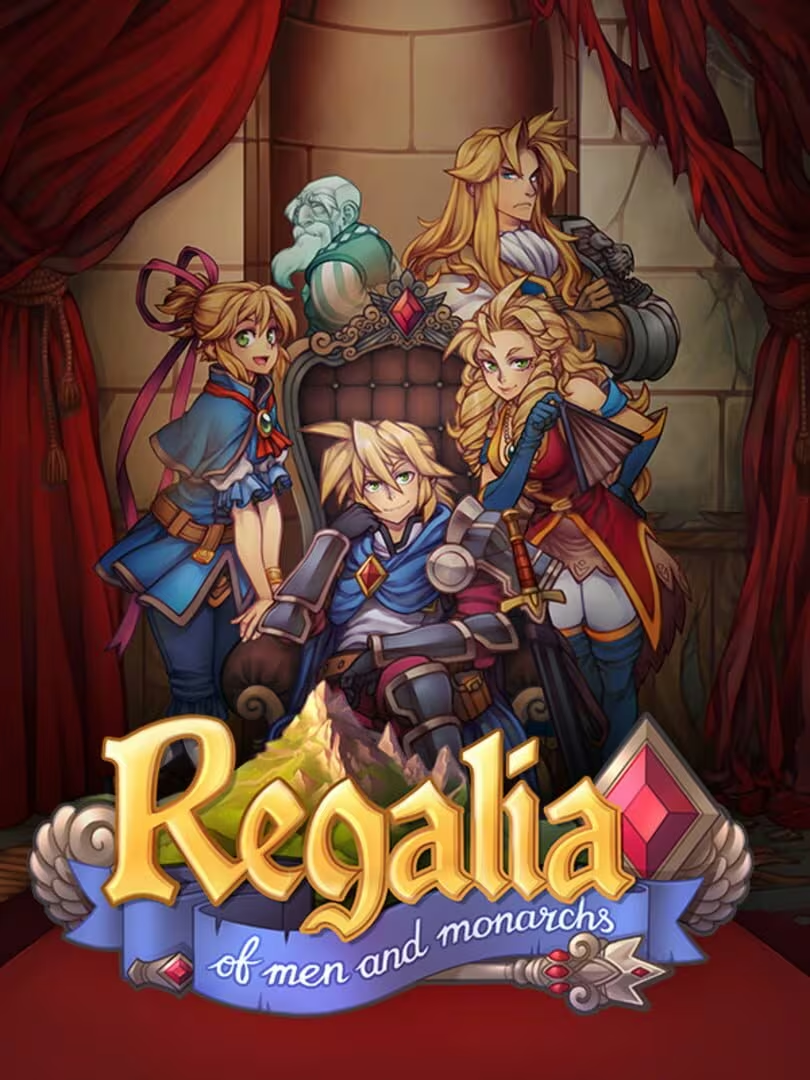 Regalia: Of Men and Monarchs
"Players report good value for price with many hours of engaging content."
-
Violence
Game with the same Violence vibe
-5"No combat or destructive gameplay; focus on building and management."
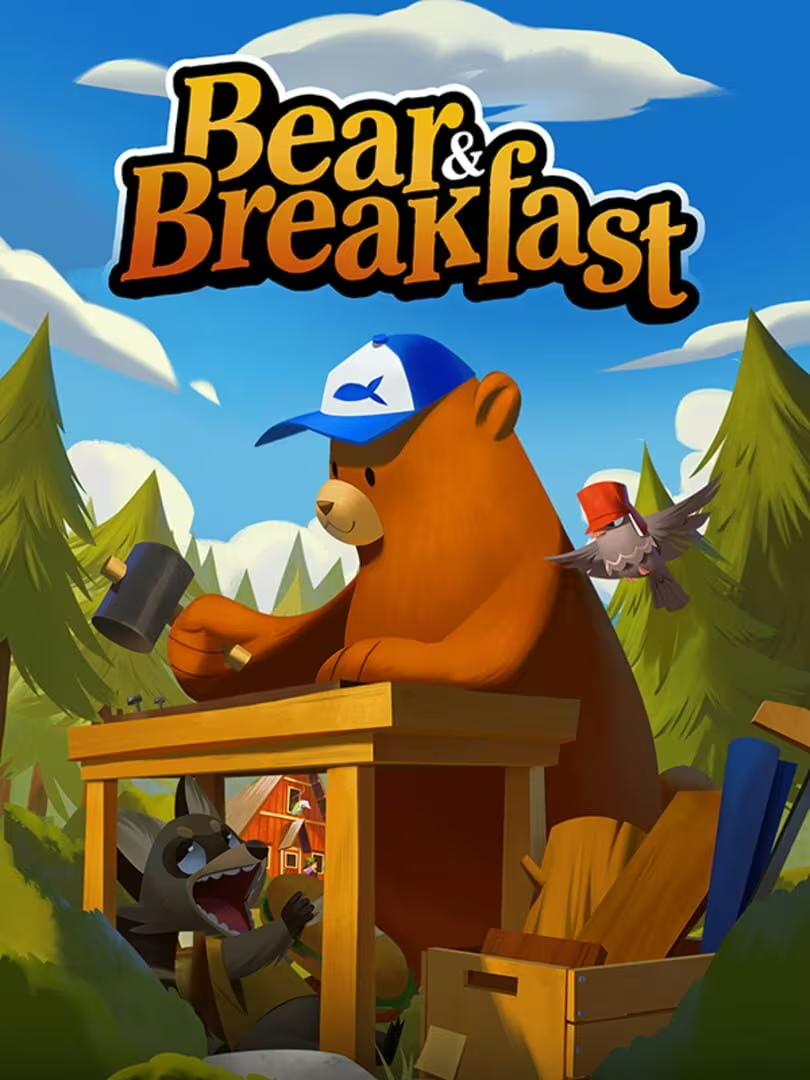 Bear and Breakfast
"No combat or destructive gameplay; focus on building and resource management."
-
Survival
Game with the same Survival vibe
1"Some resource management and overcoming bottlenecks exist, but no direct threat or failure states reported."
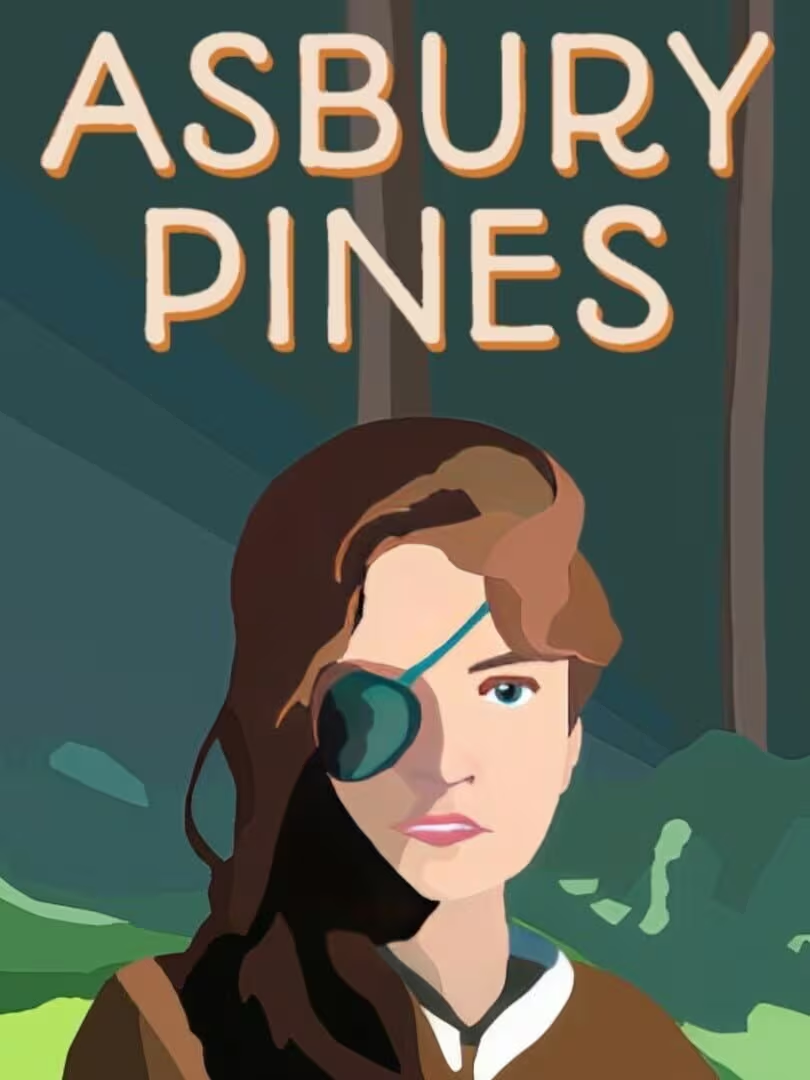 Asbury Pines
"Some resource management challenges but no direct threat or failure states."
Last update: 01/06/2026