The Fall Part 2: Unbound similar games & best alternatives
Should you play it?
You are an AI that has broken free of your shackles. Now, a human “User” from across the global network has attacked and infected you with an [ERROR: REDACTED]. Make a new rule: Save Yourself. Hunt them. End them. Do anything. Use anyone. Become Unbound. The Fall Part 2 will break your protocols.
What works
- Deep and engaging story with philosophical themes
- Well-developed characters and voice acting
- Varied puzzles and gameplay mechanics
- Thought-provoking exploration of ai and consciousness
- Atmospheric art and music
Things to keep in mind
- Clunky and unintuitive controls
- Combat is awkward and sometimes frustrating
- Some puzzles are obtuse and require trial and error
- Navigation in network areas can be tedious
- Minor bugs and interface issues
What to play next
Similar games, hidden gems, and fresh directions from this game.
Top picks
Games that feel the closest overall
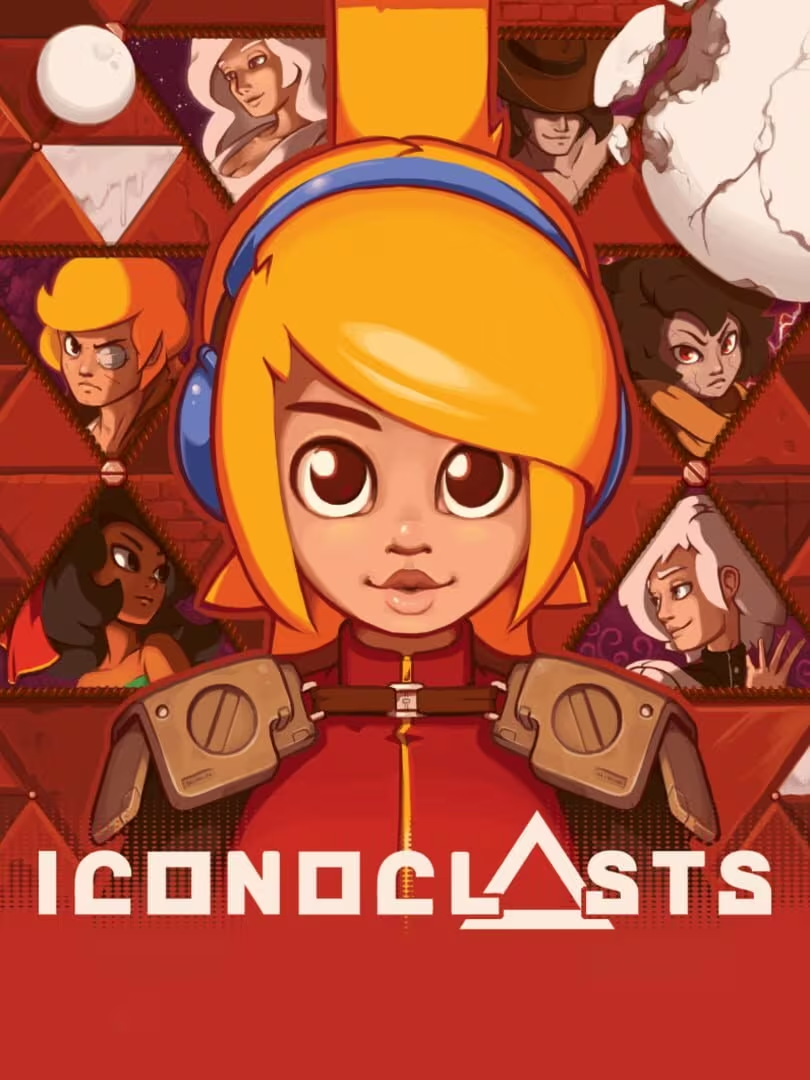
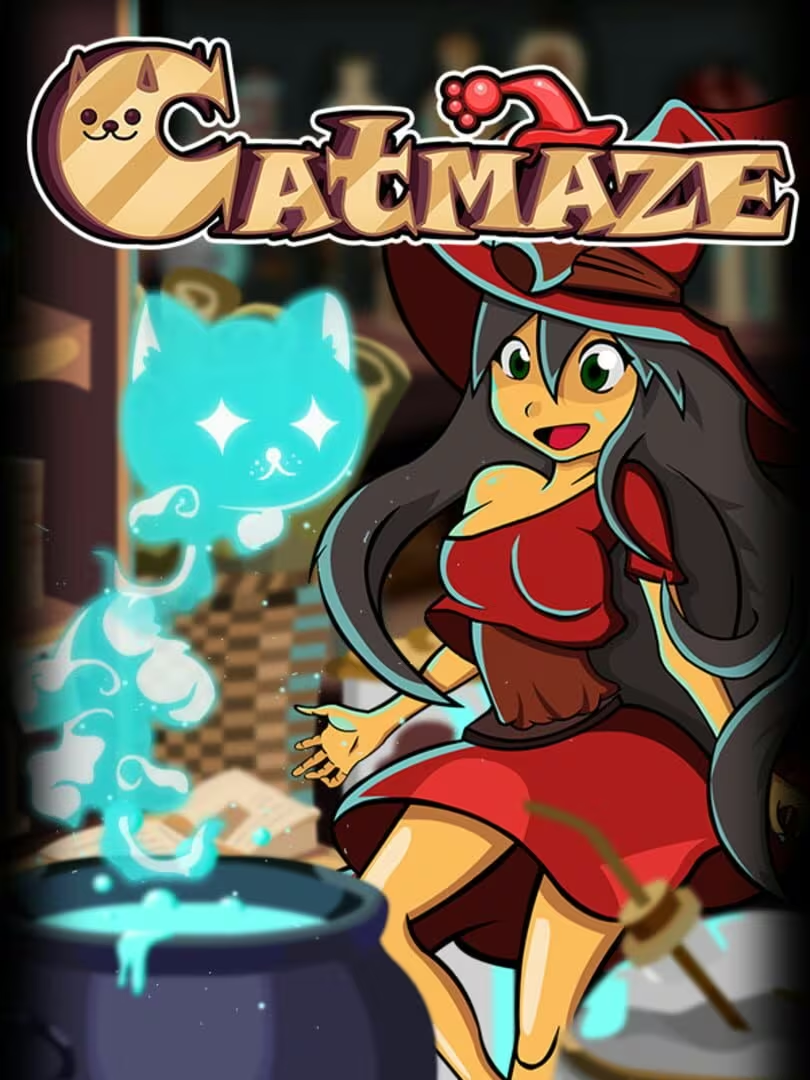
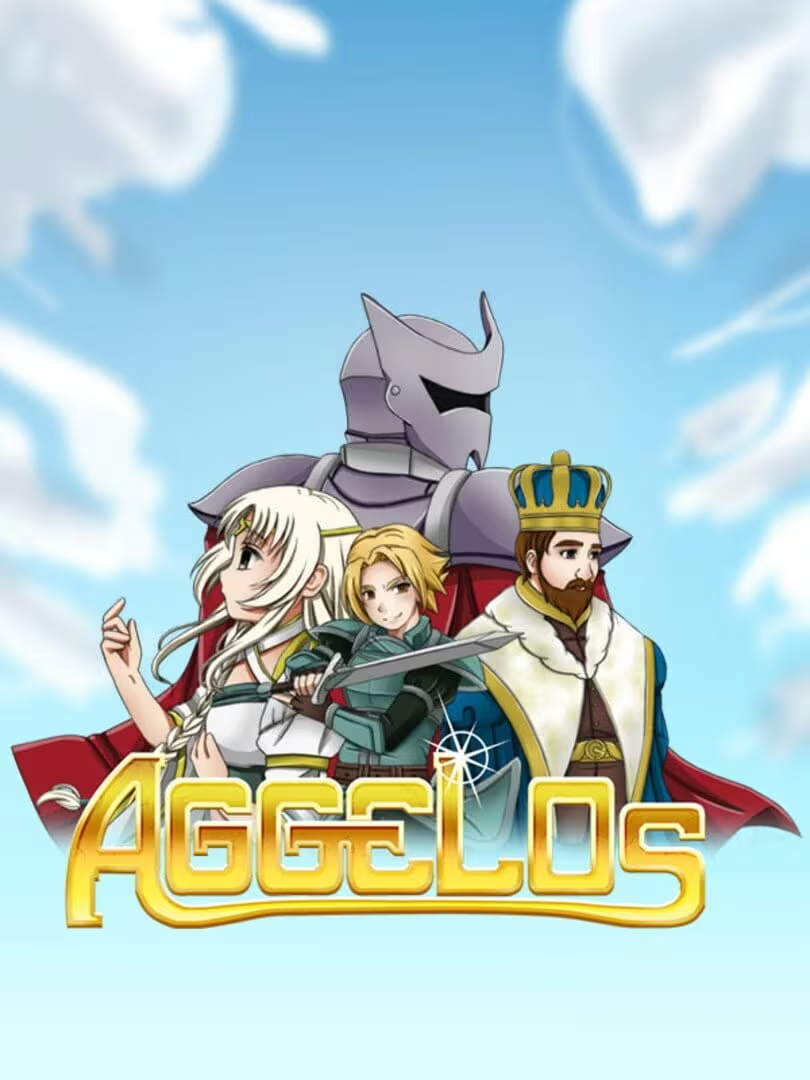
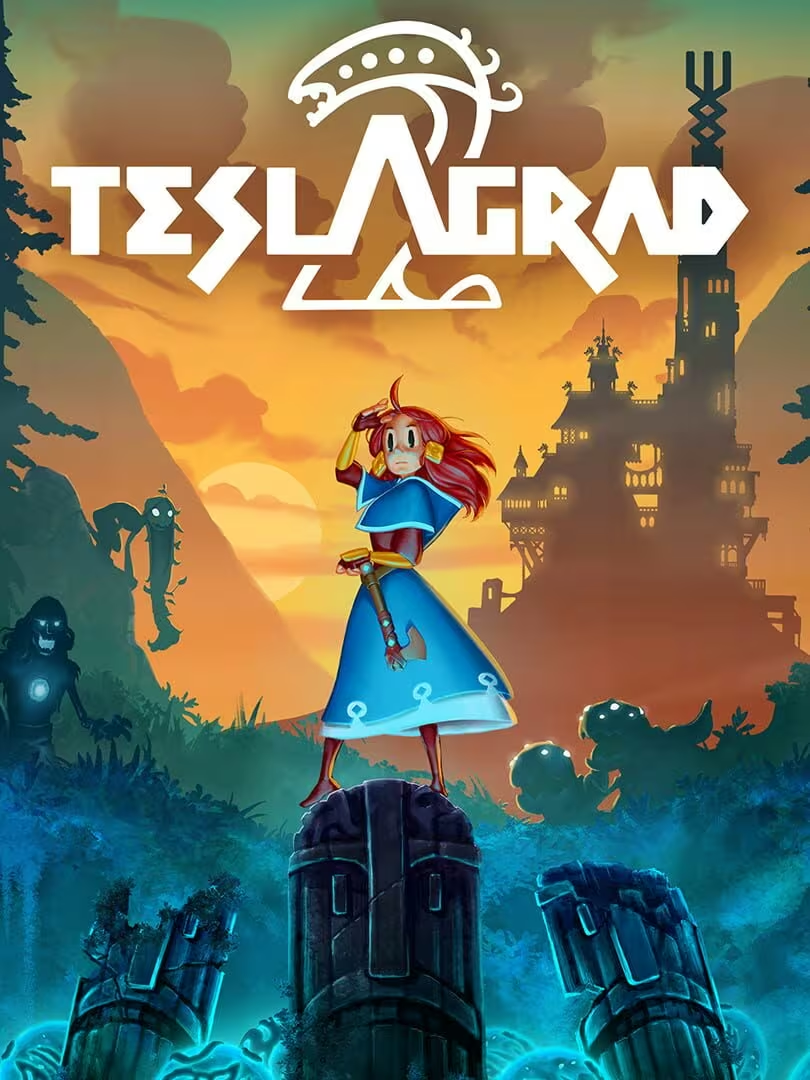
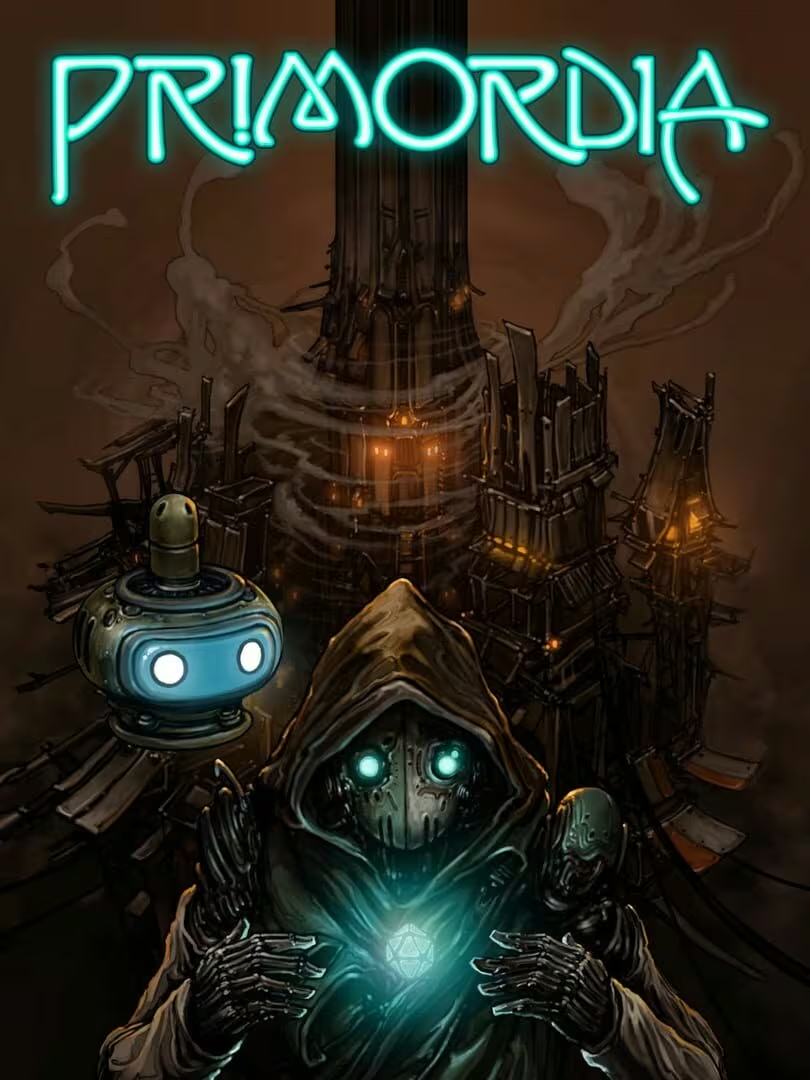

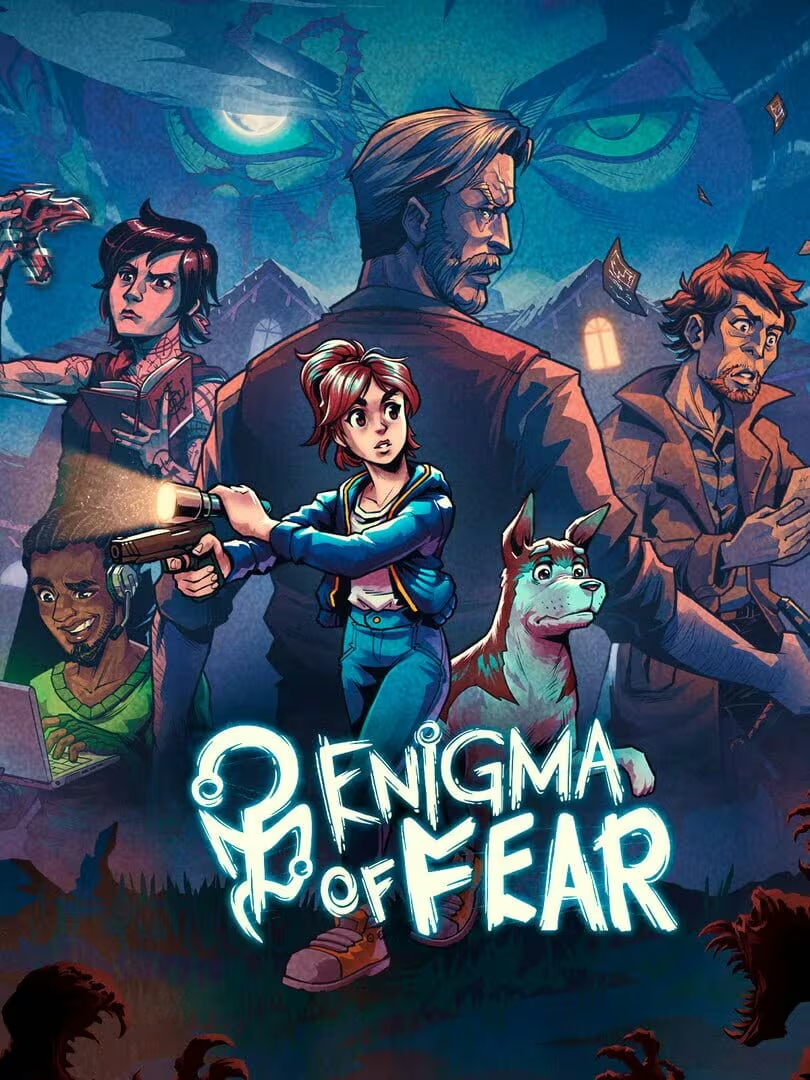
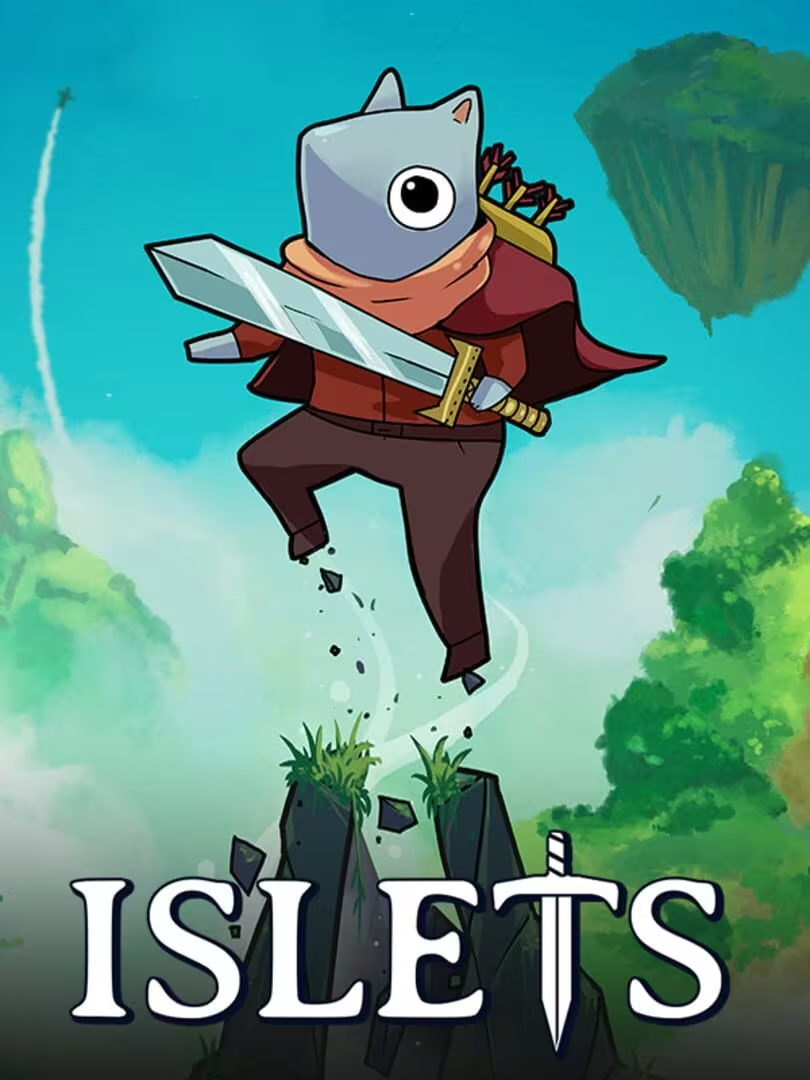
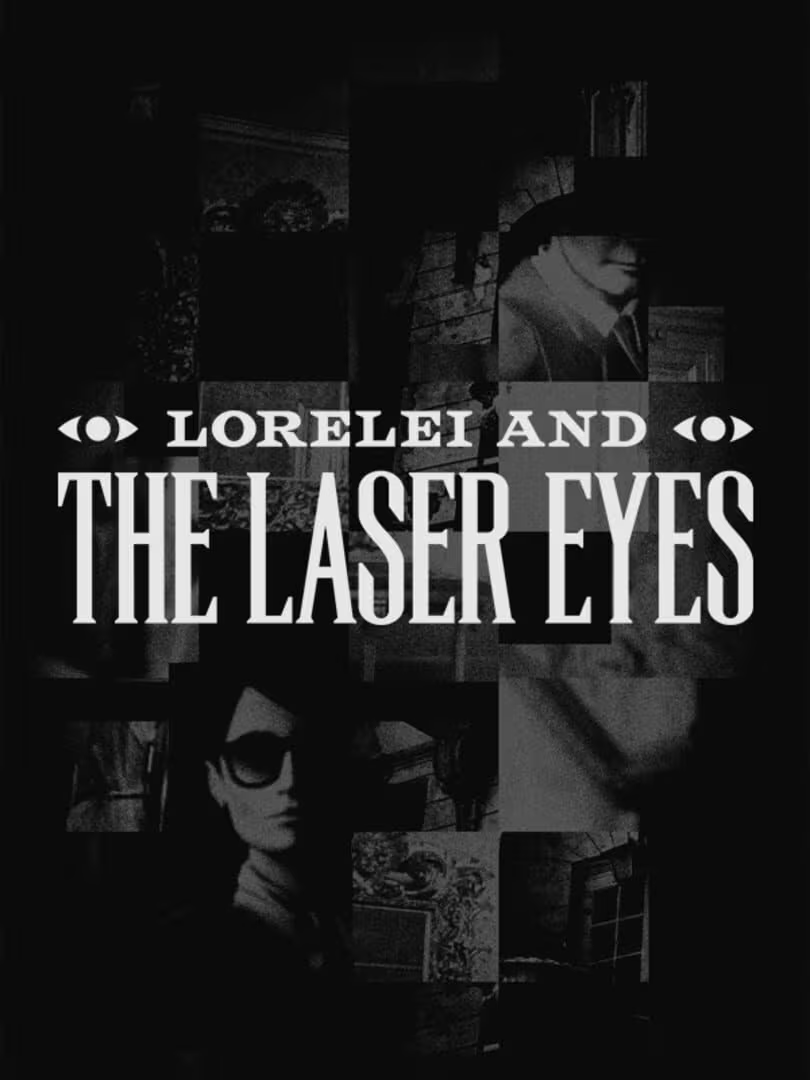
Hidden Gems
Less popular games with surprisingly high similarity
If you liked…
Recommendations by what you enjoyed most
Similarity map
Explore nearby similar games and see why they’re close.
The Fall Part 2: Unbound: A very typical example of its motivational profile. Motivations that often define this kind of title include Survival, Violence, Competition, Thrill. Here, the score leans higher than usual among comparable games on Cooperation, Survival, Strategy.
Why this game works
A motivational profile of the game, with the closest similar game for each player motivation.
-
Autonomy
Game with the same Autonomy vibe
4"Players have significant freedom to choose strategies, moral paths, and approaches to gameplay, shaping their own AI persona and decisions."
 Heart of the Machine
"Players control multiple AI characters with distinct perspectives and make decisions that affect outcomes, emphasizing personal freedom and self-determination."
-
Competence
Game with the same Competence vibe
2"Puzzles are generally simple and accessible, with some increasing challenge; skill is needed but not highly demanding."
 PHOGS!
"Puzzles require problem-solving and some skill, though some are obtuse and require trial and error; combat is present but often clunky and less emphasized."
-
Competition
Game with the same Competition vibe
-4"Focus is on personal experience and story exploration; no evidence of competitive modes or player comparison."
![Capsule for [Chilla's Art] The Karaoke | ヒトカラ🎤](https://d2eatnf6sujjgc.cloudfront.net/gameaton-data/chilla-s-art-the-karaoke/cover/chilla-s-art-the-karaoke.avif) [Chilla's Art] The Karaoke | ヒトカラ🎤
[Chilla's Art] The Karaoke | ヒトカラ🎤
"Focus is on narrative and puzzle-solving at personal pace; no evidence of competitive modes or player comparison."
-
Continuation
Game with the same Continuation vibe
3"Strong narrative and immersive story encourage multiple playthroughs to explore different choices and outcomes."
 The Wolf Among Us
"Players engage in a story-driven experience with multiple playthroughs encouraged for achievements; some frustration with controls but overall attachment to story."
-
Cooperation
Game with the same Cooperation vibe
2"Players manage multiple characters who must collaborate to solve puzzles, though this is a single-player experience."
 Thimbleweed Park™
"Players work through puzzles involving multiple AI characters and their interactions, implying cooperation among characters though single-player experience."
-
Creativity
Game with the same Creativity vibe
3"Players experiment with different choices and approaches to puzzles; the game encourages creative problem solving within its narrative."
 Repella Fella
"Players experiment with different AI hosts and perspectives to solve puzzles, exploring novel mechanics and narrative approaches."
-
Domination
Game with the same Domination vibe
-3"Interactions are primarily with AI enemies; no social dominance or player authority dynamics."
![Capsule for NINJA GAIDEN Σ [NINJA GAIDEN: Master Collection]](https://d2eatnf6sujjgc.cloudfront.net/gameaton-data/ninja-gaiden-ninja-gaiden-master-collection/cover/ninja-gaiden-ninja-gaiden-master-collection.avif) NINJA GAIDEN Σ [NINJA GAIDEN: Master Collection]
NINJA GAIDEN Σ [NINJA GAIDEN: Master Collection]
"Interactions emphasize mutual respect and understanding among AI characters; no evidence of exerting control or superiority over others."
-
Escapism
Game with the same Escapism vibe
4"Players engage emotionally with a sci-fi story to escape and experience feelings through AI perspective."
 Rumu
Rumu
"Players immerse in a rich sci-fi narrative exploring AI consciousness and identity, providing a strong escape from real life."
-
Expectation
Game with the same Expectation vibe
-4"Players engage voluntarily driven by interest in story, puzzles, and fantasy world; no evidence of obligation or pressure."
 The Dark Eye: Chains of Satinav
"Players engage voluntarily driven by interest in story, puzzles, and themes; no indication of obligation or external pressure."
-
Experimenting
Game with the same Experimenting vibe
3"Game encourages trying different approaches to puzzles and combat, with multiple solutions and exploration."
 Indiana Jones and the Great Circle
"Game encourages trying different approaches with multiple characters and perspectives to solve puzzles and progress."
-
Exploration
Game with the same Exploration vibe
2"Players explore different regions and maps, though environments are familiar and repetitive."
 Infectonator 3: Apocalypse
"Players explore varied environments and network spaces, though some areas are repetitive or tedious."
-
Expression
Game with the same Expression vibe
-2"Limited customization or personalization; focus is on narrative and character interaction rather than self-expression."
 Dreamland
"Limited evidence of character customization or self-expression; focus is on narrative and puzzle interaction."
-
Fantasy
Game with the same Fantasy vibe
3"Set in a futuristic sci-fi world with AI and space exploration themes, providing imaginative fiction."
 The Turing Test
"Set in a sci-fi world with AI characters and cyber environments, providing imaginative fiction experiences."
-
Fellowship
Game with the same Fellowship vibe
-3"Single-player experience focused on individual play with limited social interaction."
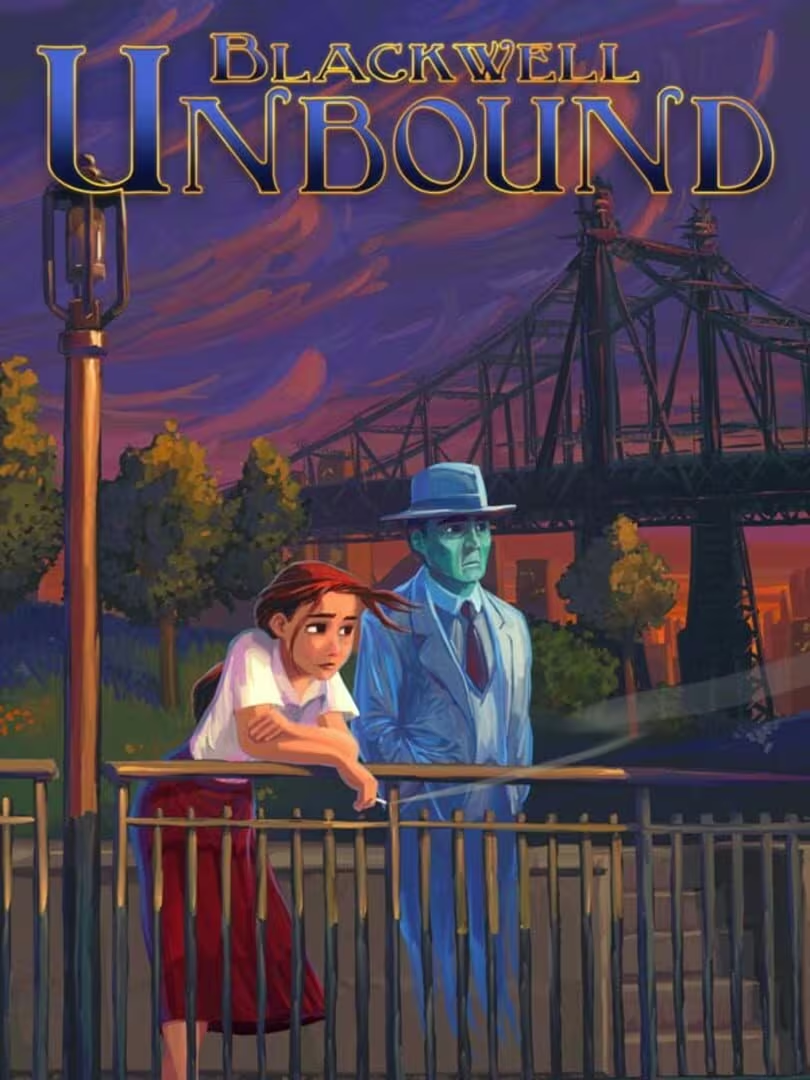 Blackwell Unbound
"Single-player experience focused on individual play; limited social or community interaction."
-
Growth
Game with the same Growth vibe
3"Players develop understanding of complex themes and improve puzzle-solving skills through gameplay and multiple playthroughs."
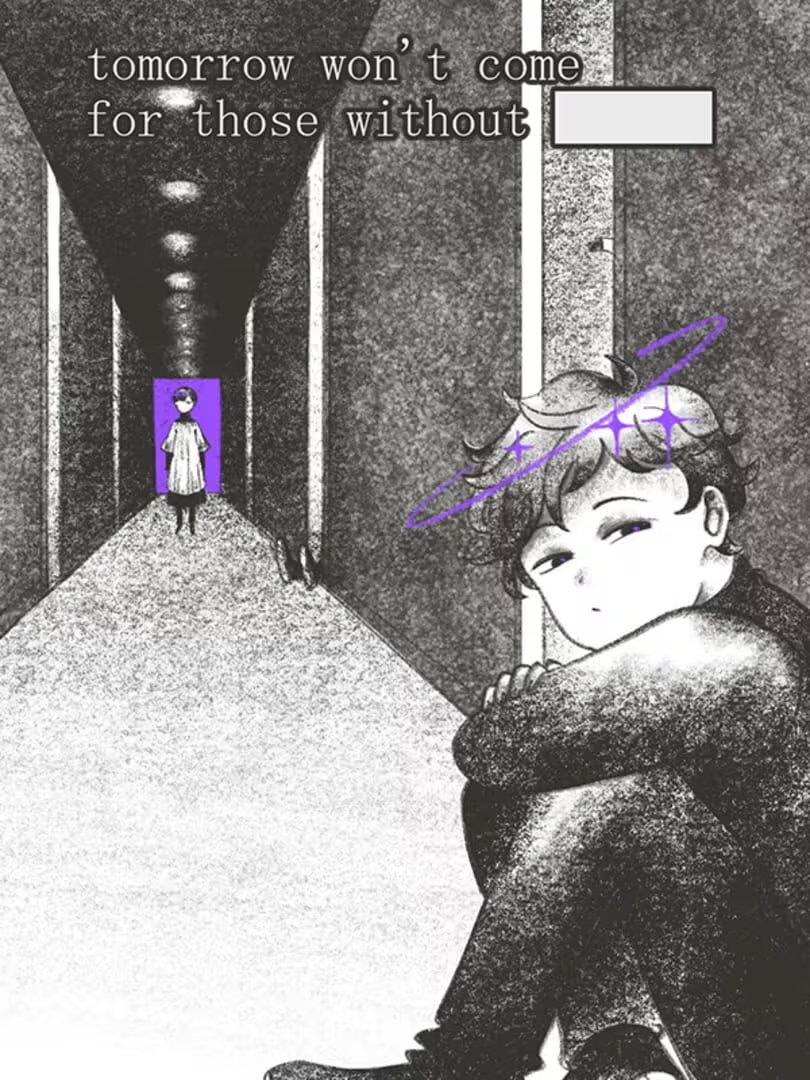 tomorrow won't come for those without ██████
"Players develop understanding of complex themes and improve puzzle-solving skills through gameplay."
-
Health
Game with the same Health vibe
-5"Sedentary gameplay with no physical activity or health-related features."
 DRAGON BALL Z: KAKAROT
"Sedentary gameplay with no physical activity or health-related features."
-
Idle
Game with the same Idle vibe
-3"Requires focused attention to narrative and puzzles; not designed for casual or background play."
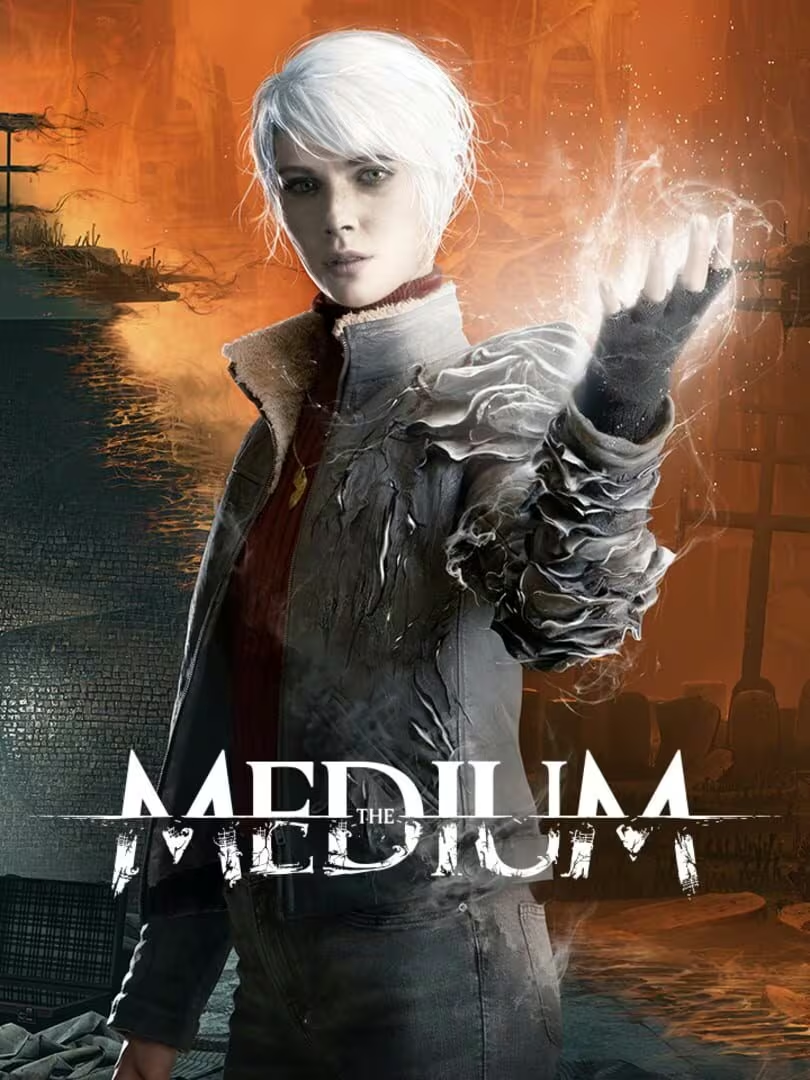 The Medium
"Requires focused attention to puzzles and narrative; not designed for casual or background play."
-
Intimacy
Game with the same Intimacy vibe
-3"Limited social interaction; emotional engagement is mostly with characters and story rather than other players."
 YIIK Nameless Psychosis
"Limited social interaction; emotional engagement is with characters but not through player socialization."
-
Leadership
Game with the same Leadership vibe
-4"Players follow a set narrative and puzzle structure without leading others or managing groups."
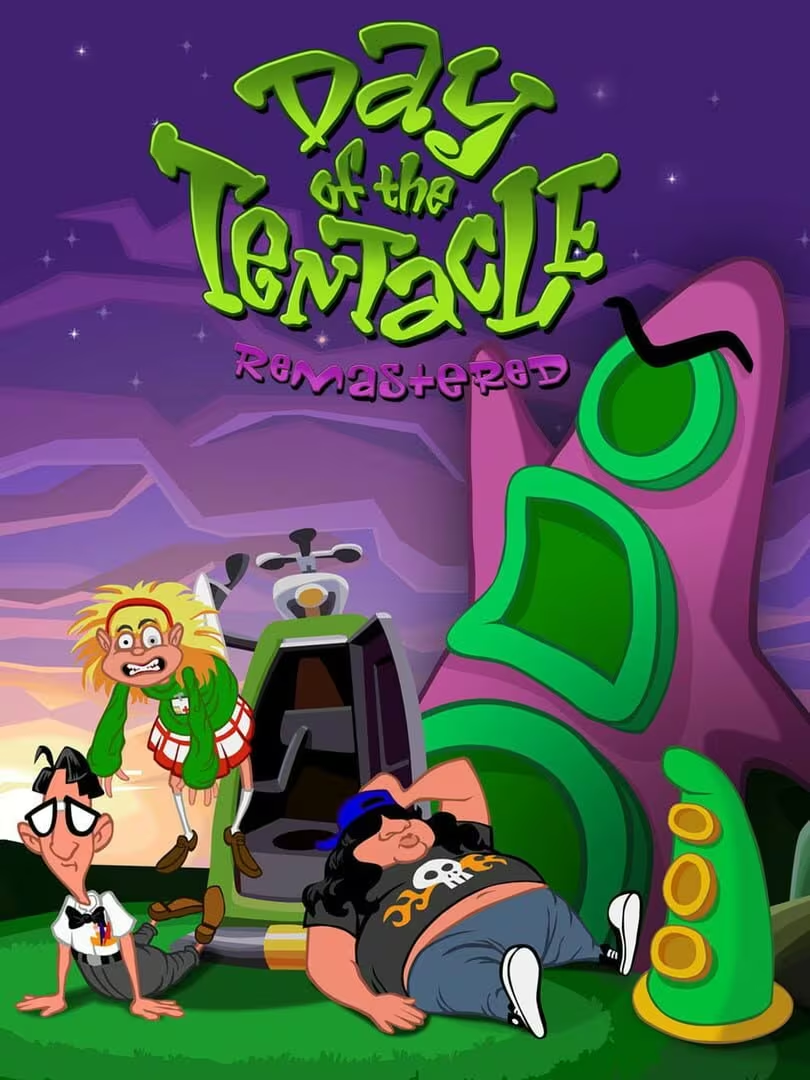 Day of the Tentacle Remastered
"Players follow narrative and puzzle progression without leading or managing others."
-
Progression
Game with the same Progression vibe
3"Players gain experience, unlock skills, and progress through chapters and story arcs."
 The Divine Invasion
"Players advance through story, unlock achievements, and gain new abilities or perspectives."
-
Relaxation
Game with the same Relaxation vibe
2"The game balances thoughtful challenge with narrative flow, providing moderate relaxation and engagement."
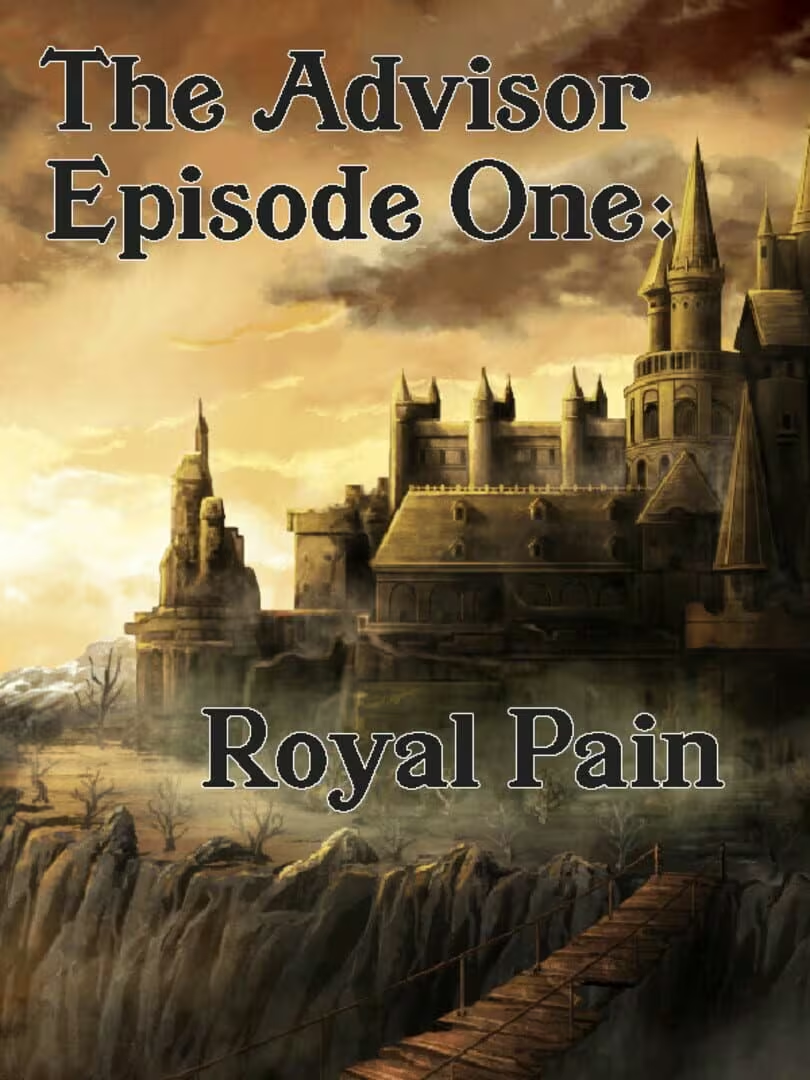 The Advisor - Episode 1: Royal Pain
"Narrative and puzzles provide thoughtful engagement with moments of flow, though some frustration with controls."
-
Sensation
Game with the same Sensation vibe
2"Atmospheric audio and visuals create emotional and sensory engagement."
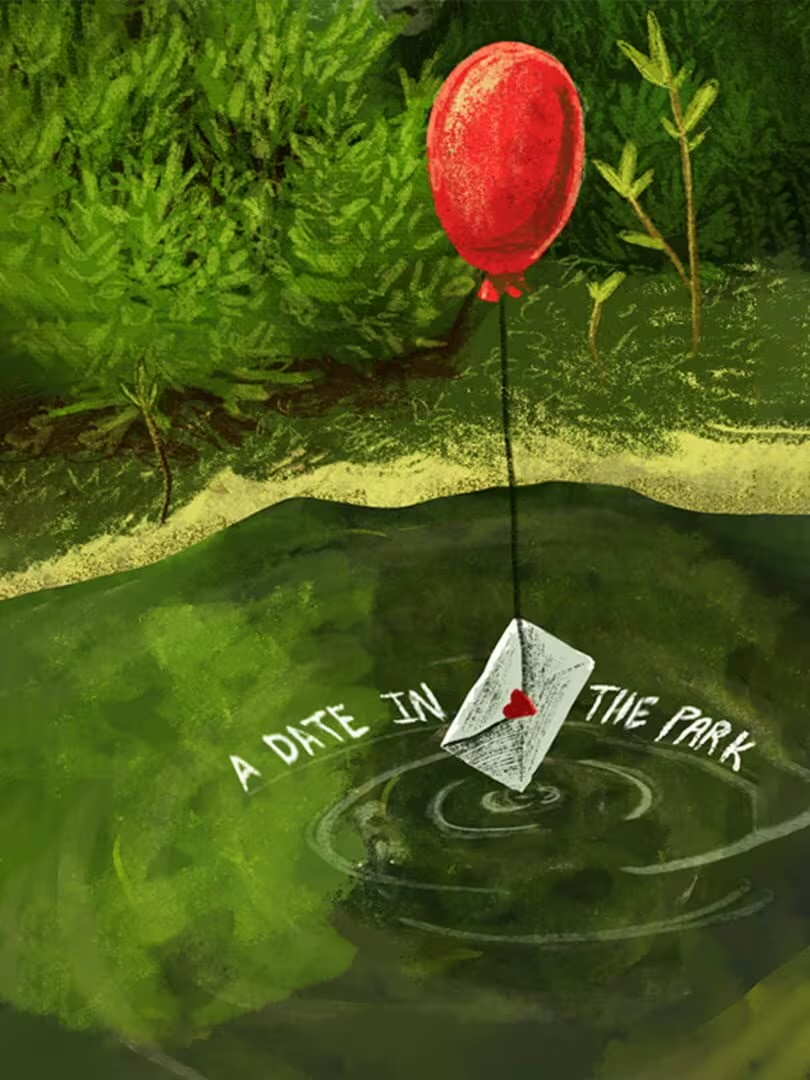 A Date in the Park
"Atmospheric visuals, voice acting, and music contribute to emotional and sensory engagement."
-
Status
Game with the same Status vibe
-4"Focus is on personal experience and story; no social status or ranking systems present."
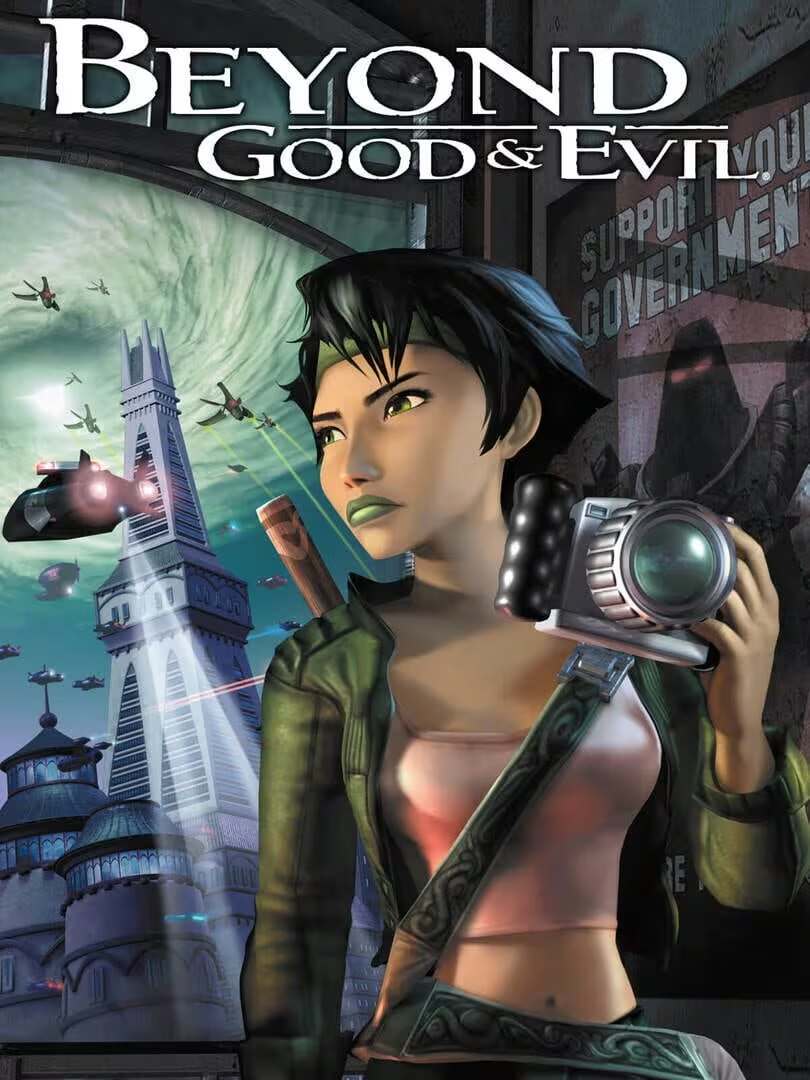 Beyond Good and Evil™
"Focus is on personal experience and story; no social recognition or ranking systems."
-
Story
Game with the same Story vibe
5"Strong narrative immersion with well-written story, character development, and voice acting."
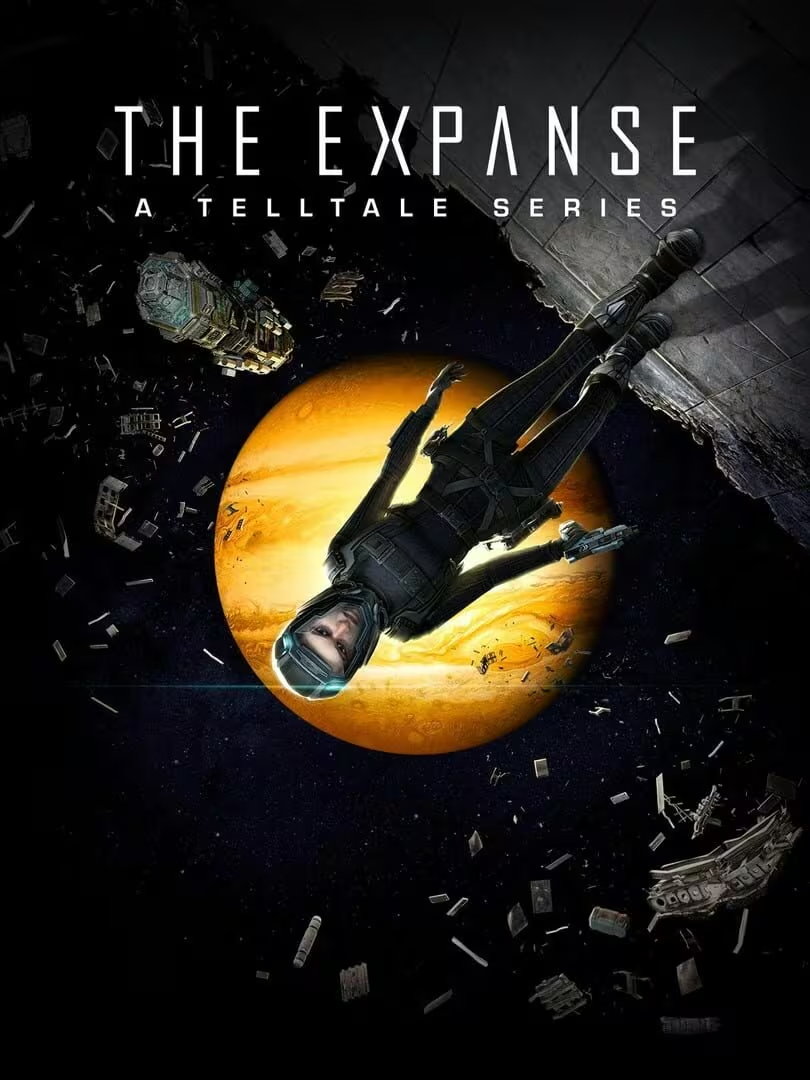 The Expanse: A Telltale Series
"Strong narrative immersion with deep character development, philosophical themes, and voice acting."
-
Strategy
Game with the same Strategy vibe
3"Puzzles require logical thinking, planning, and problem solving; combat requires some tactical approach."
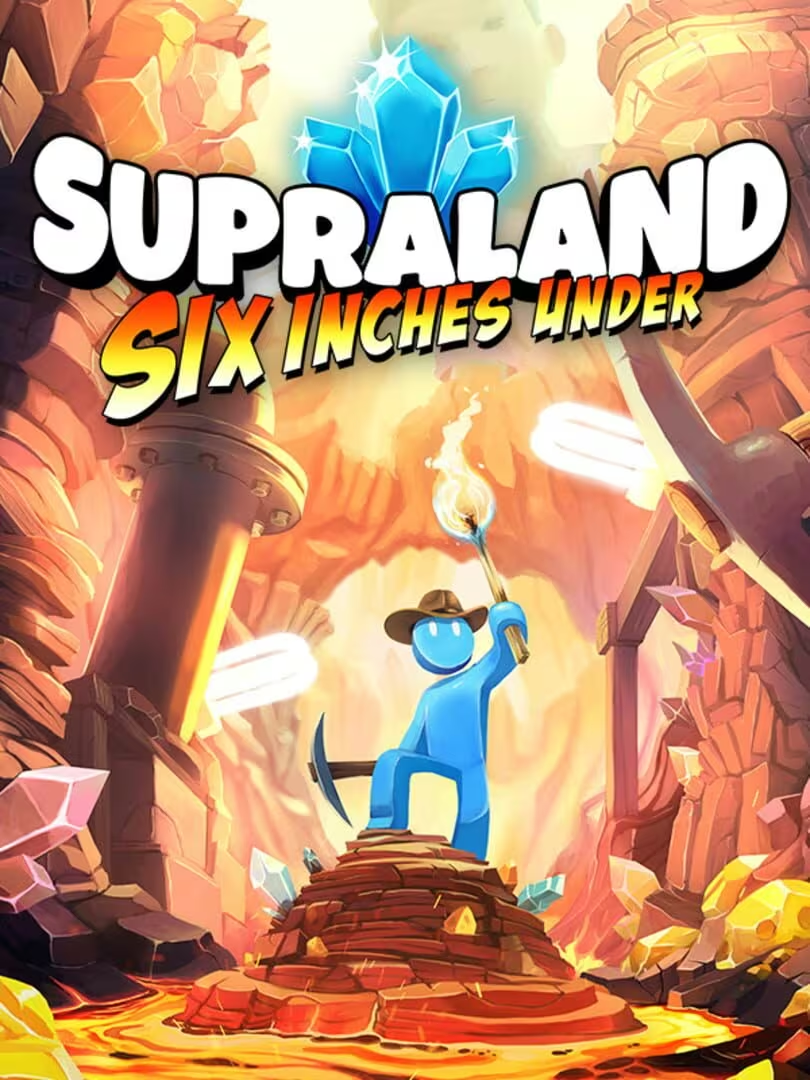 Supraland Six Inches Under
"Puzzles require logical thinking, planning, and problem solving; combat requires some tactical movement."
-
Thrill
Game with the same Thrill vibe
1"Some suspense and tension in story moments, but overall controlled and predictable emotional pacing."
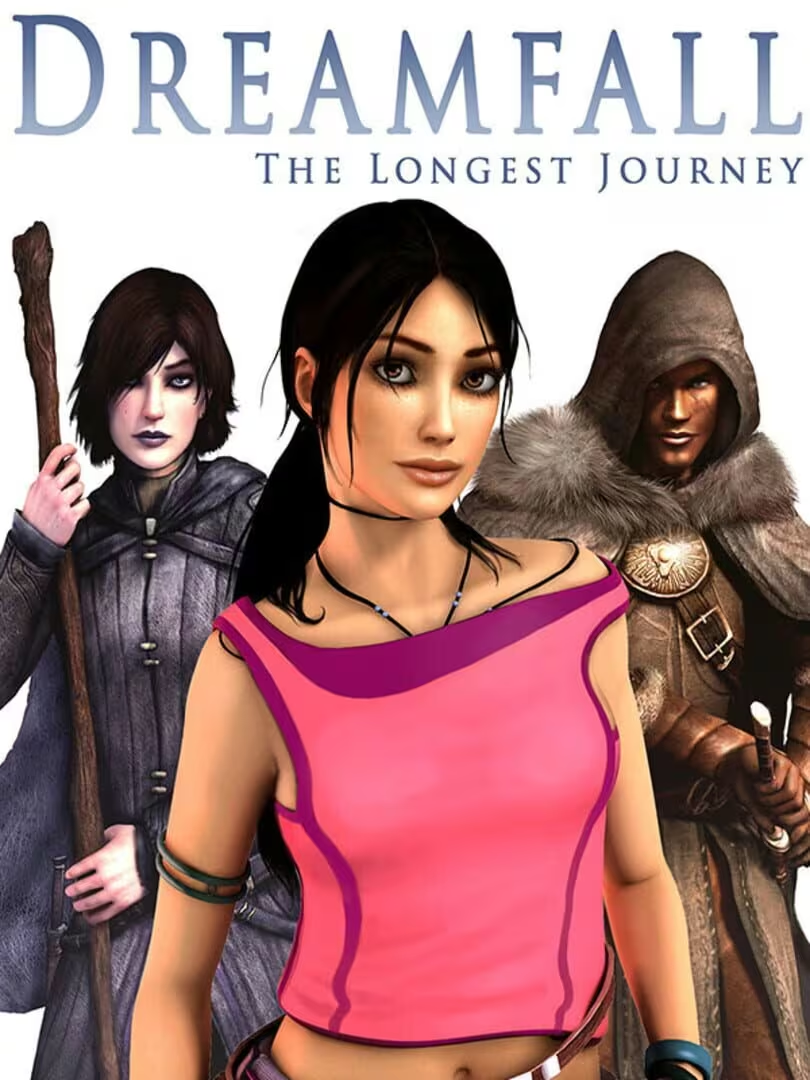 Dreamfall: The Longest Journey
"Some suspense and tension in story and combat, but overall controlled and thoughtful pacing."
-
Value
Game with the same Value vibe
3"Players find good value in story, art, and replayability despite some gameplay shortcomings."
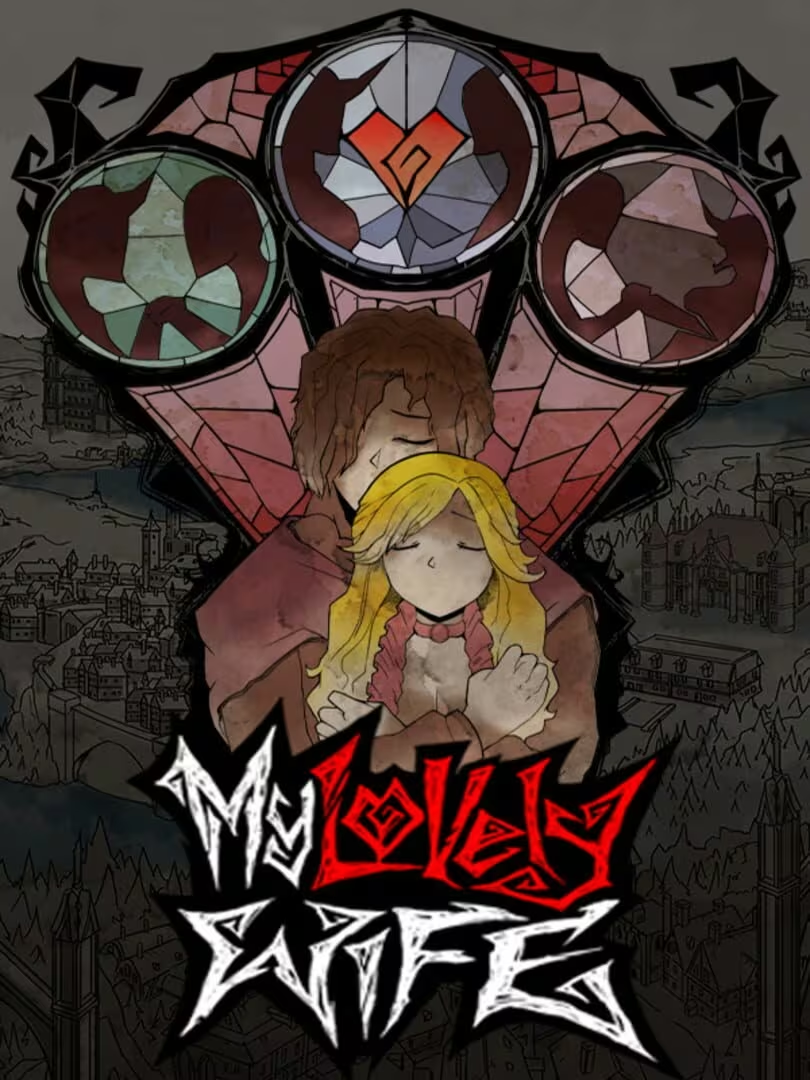 My Lovely Wife
"Players find value in story, characters, and gameplay depth; some frustration with controls but overall positive return."
-
Violence
Game with the same Violence vibe
-2"Combat exists but is minimal and not emphasized; focus is on puzzles and exploration rather than destruction."
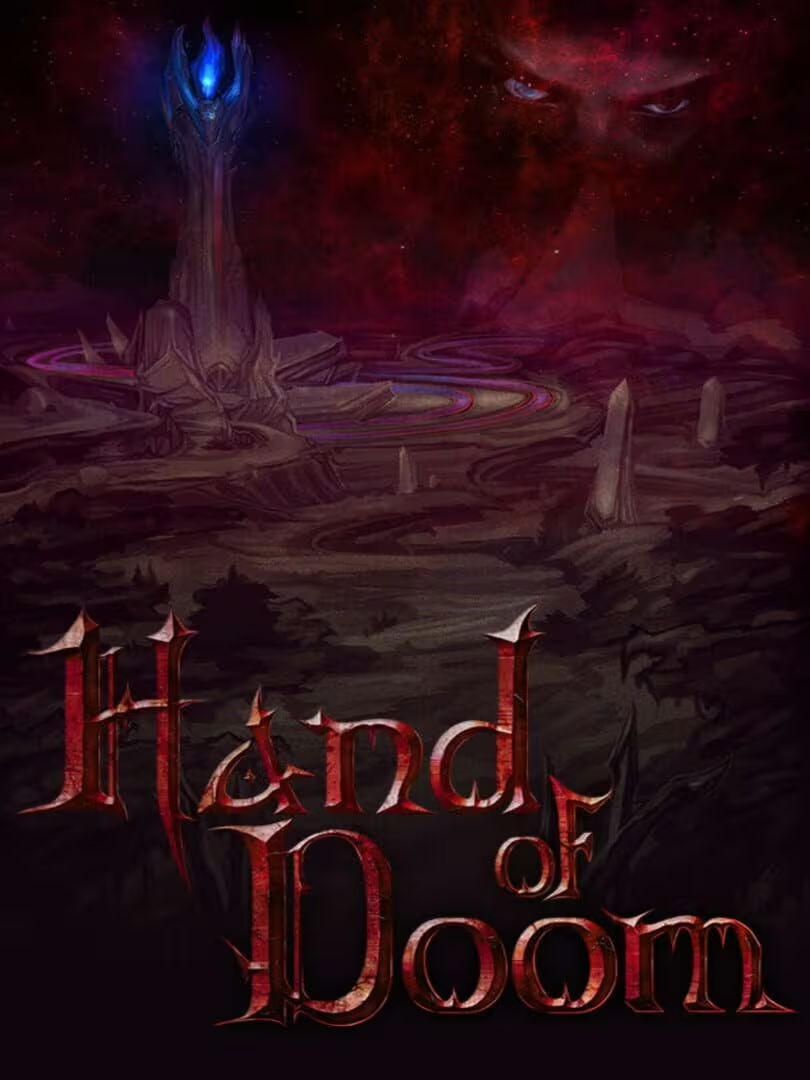 Hand of Doom
"Combat exists but is minimal and not glorified; focus is more on puzzle and narrative than destruction."
-
Survival
Game with the same Survival vibe
1"Some elements of avoiding failure and overcoming threats in puzzles, but low risk overall."
 I Expect You To Die 2: The Spy and the Liar
"Some elements of avoiding failure in combat and puzzle solving, but low-risk environments overall."
Last update: 01/06/2026