The TakeOver similar games & best alternatives
Should you play it?
The Takeover is a side-scrolling beat'em up inspired by 90's classics such as Streets of Rage and Final Fight. Battle solo or alongside a friend in local co-op while listening to awesome tunes from Little V Mills, Richie Branson, James Ronald and industry legend Yuzo Koshiro!
What works
- Faithful homage to classic beat 'em ups
- Responsive and satisfying combat
- Varied characters and combo system
- Great soundtrack including yuzo koshiro track
- Local co-op and frequent updates
Things to keep in mind
- Lack of online multiplayer
- Some technical bugs and crashes
- Limited content and replayability
- Boss fights can be repetitive and unchallenging
- Animation and visual style divisive
What to play next
Similar games, hidden gems, and fresh directions from this game.
Top picks
Games that feel the closest overall
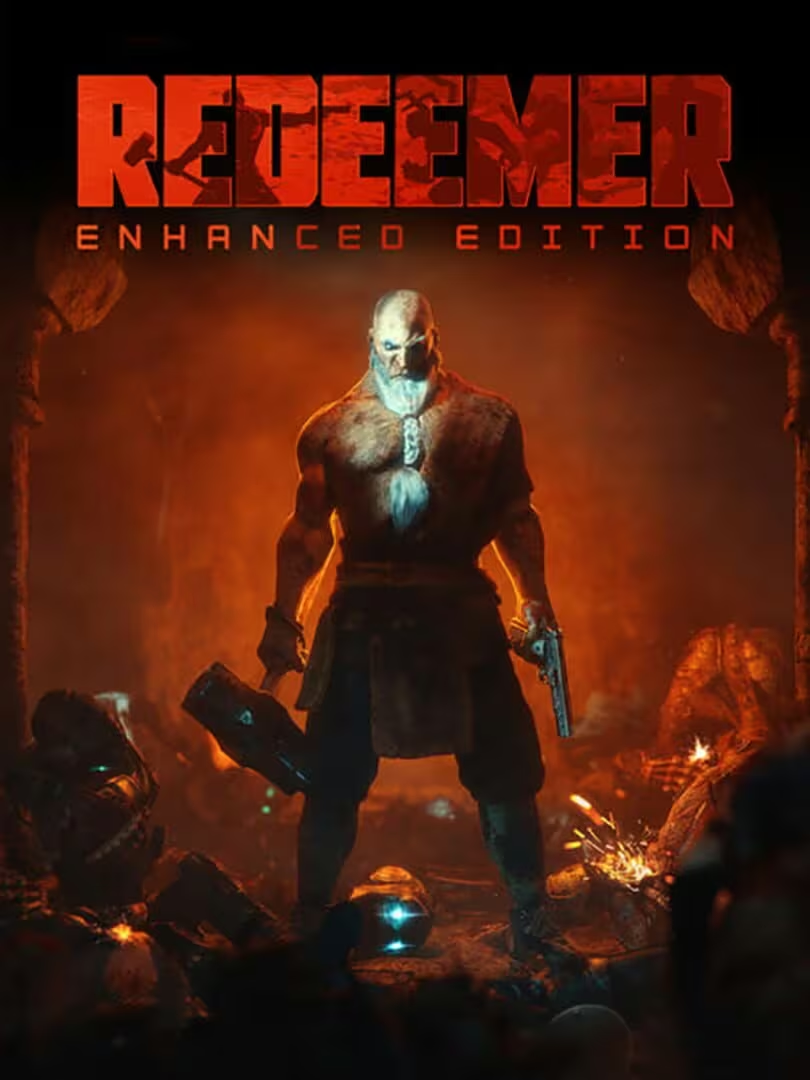

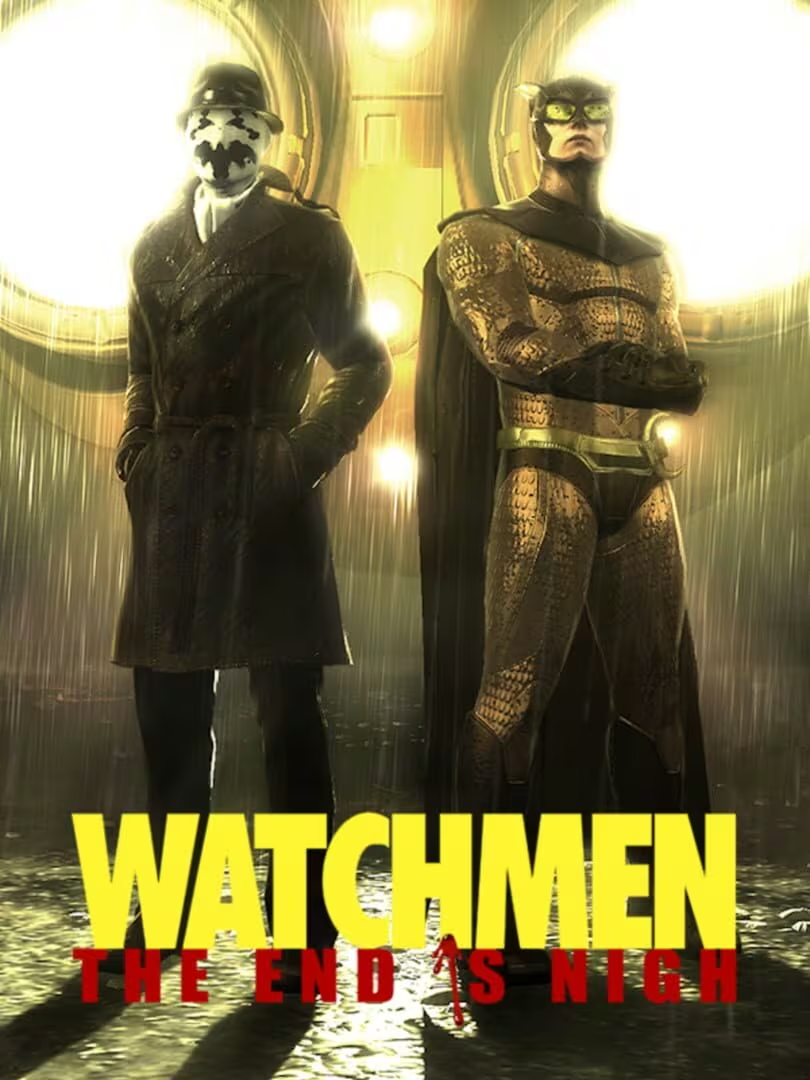
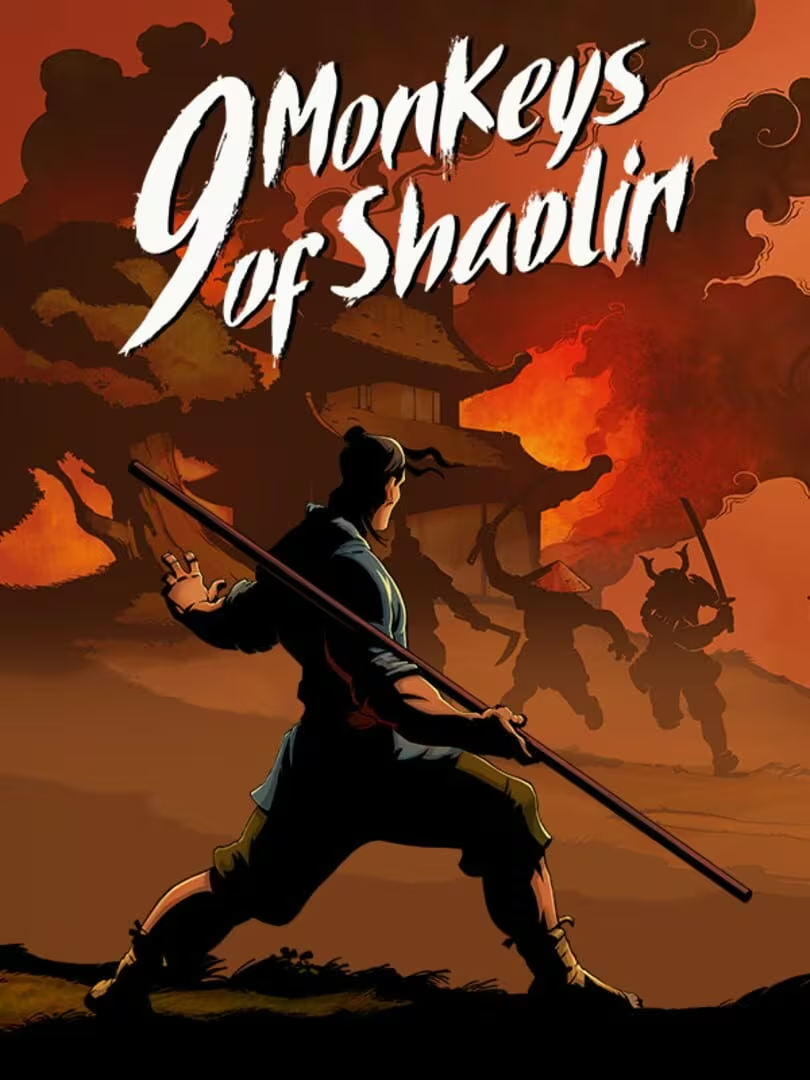
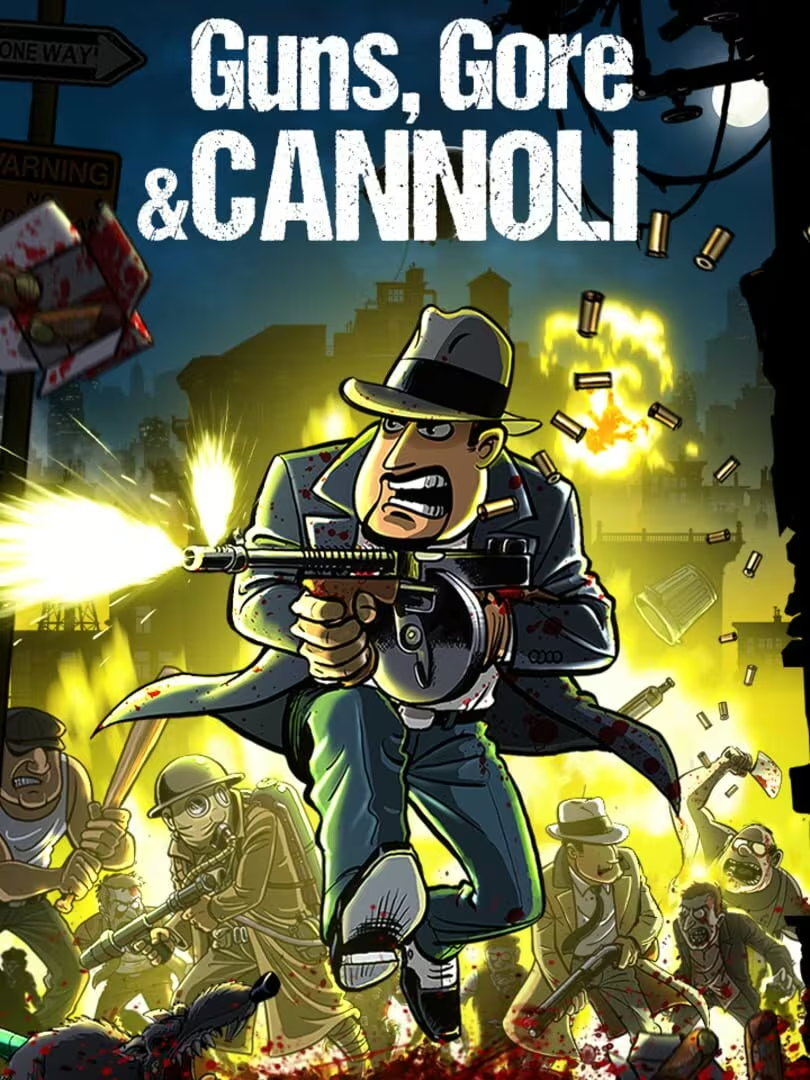
Hidden Gems
Less popular games with surprisingly high similarity

If you liked…
Recommendations by what you enjoyed most
Similarity map
Explore nearby similar games and see why they’re close.
The TakeOver: Broadly representative of its motivational profile, with a few distinct shifts. Motivations that often define this kind of title include Expression, Fellowship, Cooperation, Status. Here, the score leans higher than usual among comparable games on Cooperation, Fellowship, Expression.
Why this game works
A motivational profile of the game, with the closest similar game for each player motivation.
-
Autonomy
Game with the same Autonomy vibe
3"Players can choose different characters with unique abilities and weapons, and can experiment with play styles, indicating moderate player control over actions."
 Madballs in Babo:Invasion
"Players choose among multiple characters with unique abilities and can decide their combo strings and use of ranged weapons, indicating moderate control over actions."
-
Competence
Game with the same Competence vibe
3"Combat requires skillful dodging and weapon use; bosses have learnable patterns; some difficulty spikes noted."
 Guns of Fury
"Combat requires skillful combo chaining, timing, and use of special moves; some players note difficulty spikes and boss challenges."
-
Competition
Game with the same Competition vibe
-3"Focus is on single player or local co-op play without online ranked modes or leaderboards; emphasis on personal progress and enjoyment."
 Fist Puncher
"Focus is on single-player or local co-op play without ranked modes or leaderboards; emphasis on personal progression and enjoyment."
-
Continuation
Game with the same Continuation vibe
2"Players report replayability through multiple characters, difficulty levels, and co-op mode, encouraging extended play sessions, though some find content limited."
 Fortified
"Players report replaying for different characters and modes; some mention limited content but frequent updates encourage continued play."
-
Cooperation
Game with the same Cooperation vibe
3"Supports local co-op and remote play; multiplayer is enjoyable though limited and sometimes buggy."
 Bunhouse
"Supports local co-op and Remote Play; cooperative play enhances enjoyment though no online multiplayer is available."
-
Creativity
Game with the same Creativity vibe
1"Some expression through character choice and playstyle variation, but gameplay follows established fighting game structures with limited creation or customization."
 SAMURAI SHODOWN V SPECIAL / サムライスピリッツ零スペシャル
"Players can mix punches and kicks for combos and choose different characters, but gameplay largely follows classic beat 'em up formulas."
-
Domination
Game with the same Domination vibe
-4"Interactions are balanced and cooperative; no evidence of power imposition or dominance over others."
 GTFO
GTFO
"Interactions are balanced and cooperative; no evidence of power imposition or dominance over others."
-
Escapism
Game with the same Escapism vibe
4"Players use the game as a nostalgic escape and stress relief, immersing themselves in classic arcade fighting experiences."
 MARVEL vs. CAPCOM Fighting Collection: Arcade Classics
"Players use the game as a nostalgic and stress-relieving beat 'em up experience, escaping real life through arcade-style action."
-
Expectation
Game with the same Expectation vibe
-4"Players engage voluntarily out of interest and nostalgia; no indications of obligation or external pressure."
 SaGa Frontier Remastered
"Players engage voluntarily out of interest and nostalgia; no indications of obligation or external pressure."
-
Experimenting
Game with the same Experimenting vibe
2"Some experimentation with character moves and item builds, but largely follows known beat 'em up patterns."
 Scott Pilgrim vs. The World™: The Game – Complete Edition
"Some experimentation with combo variations and use of ranged weapons; however, largely follows established beat 'em up routines."
-
Exploration
Game with the same Exploration vibe
1"Some discovery of new levels, modes, and hidden minigames, but mostly structured progression through known stages."
 One Finger Death Punch 2
"Game features varied stages and bonus levels, but mostly linear progression with limited discovery."
-
Expression
Game with the same Expression vibe
1"Limited character customization mostly through selection; no deep avatar personalization."
 LEGO® Pirates of the Caribbean: The Video Game
"Character selection and minor combo customization allow some expression, but no deep avatar personalization."
-
Fantasy
Game with the same Fantasy vibe
2"Game features exaggerated violence and cartoonish voxel characters, providing a fictional and stylized experience."
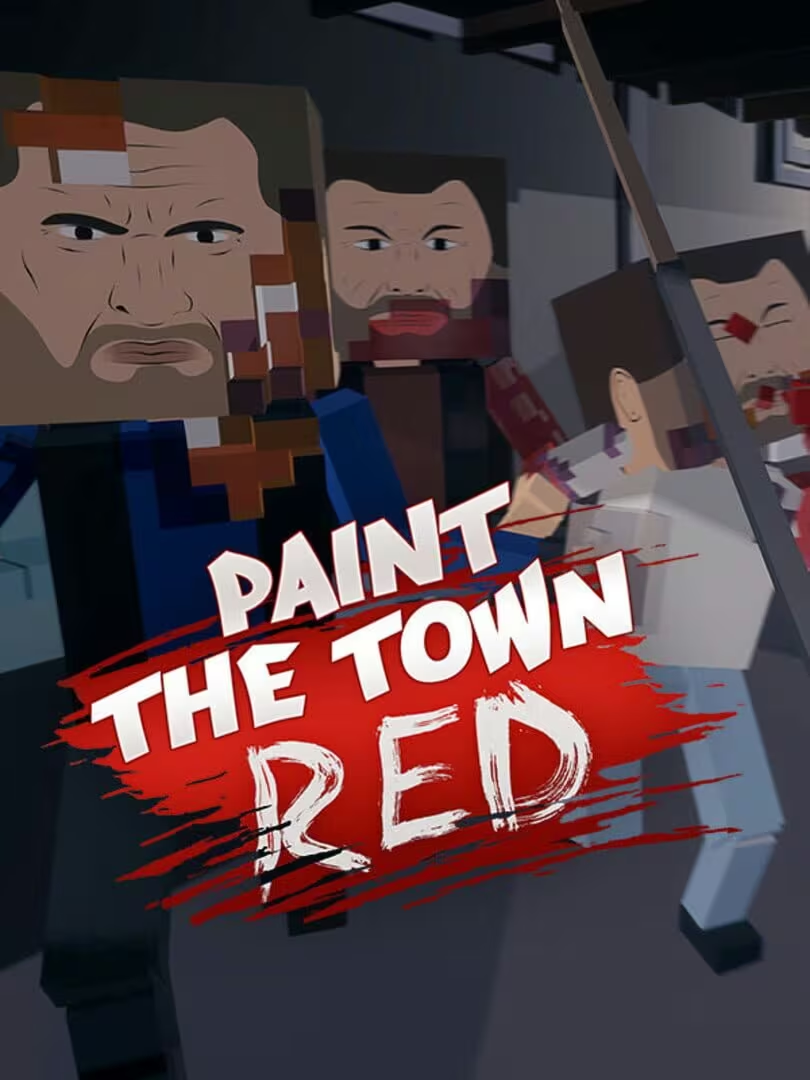 Paint the Town Red
"Game features exaggerated, stylized characters and some supernatural enemies, blending realistic and fictional elements."
-
Fellowship
Game with the same Fellowship vibe
2"Local co-op and community modding support foster some social connection; no online community features."
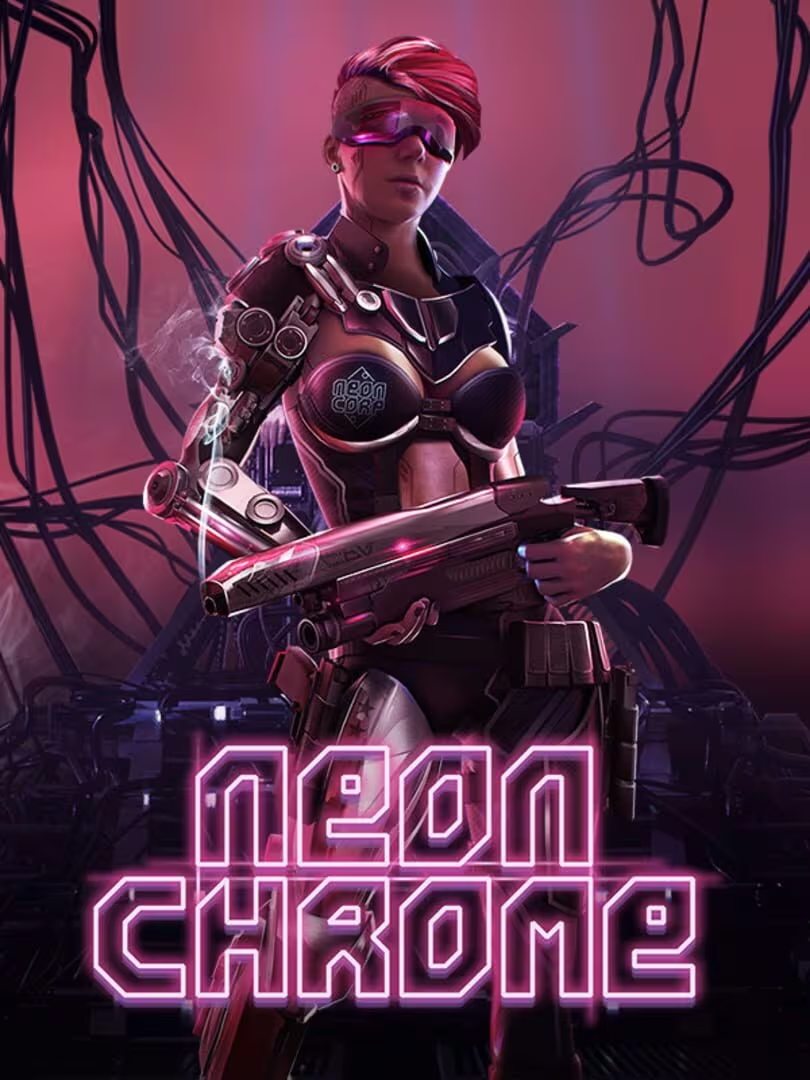 Neon Chrome
"Local co-op and community engagement through updates foster some social connection, though online interaction is limited."
-
Growth
Game with the same Growth vibe
2"Players develop skill through learning combat mechanics but no character progression system."
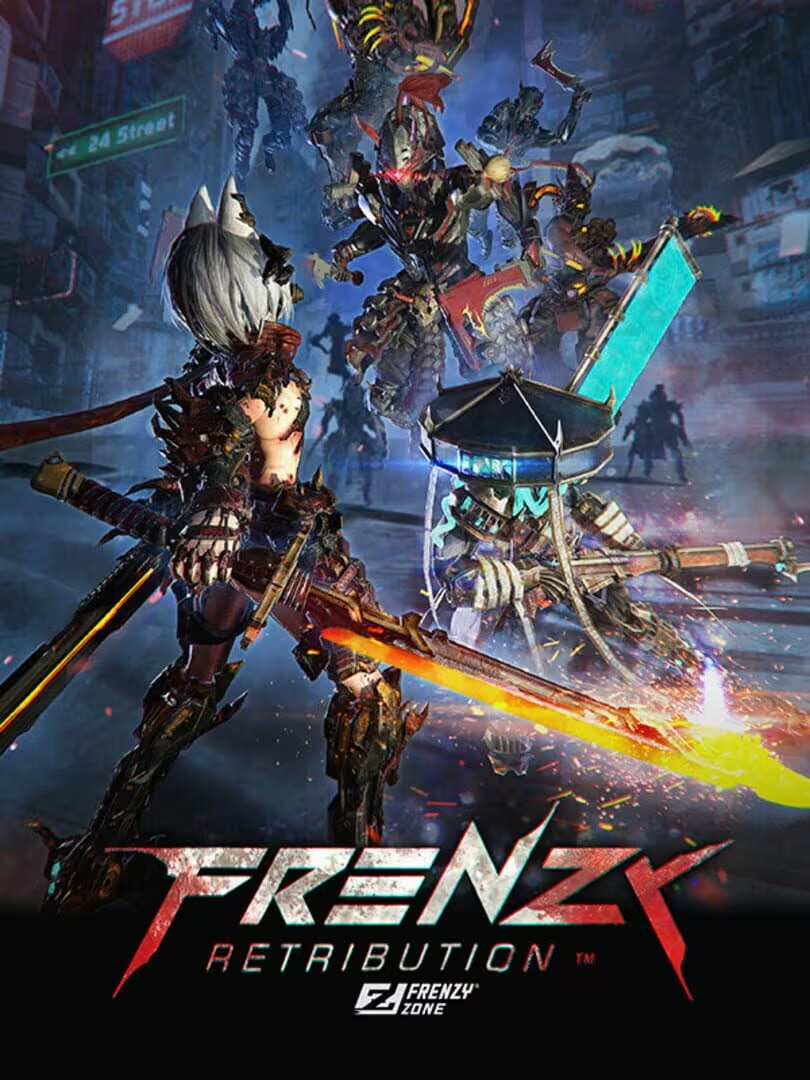 Frenzy Retribution
"Players learn combos and improve skills; however, no character leveling or progression systems are present."
-
Health
Game with the same Health vibe
-5"Sedentary gameplay typical of beat-em-ups; no physical activity or health promotion."
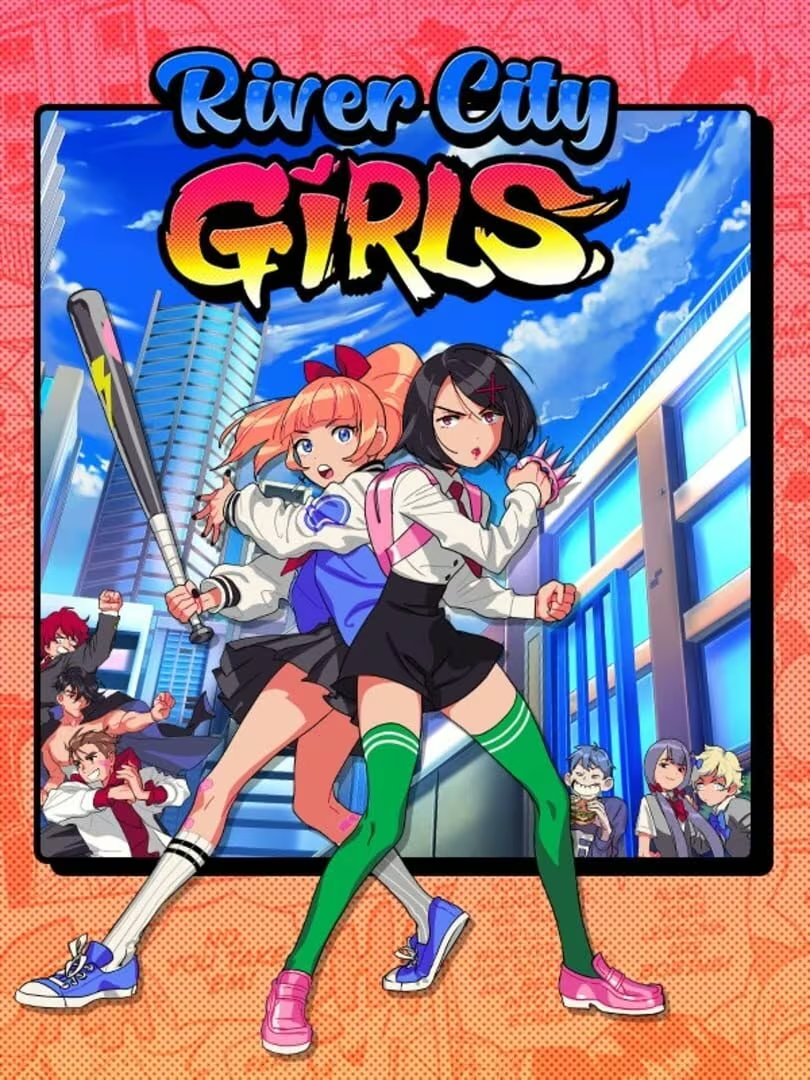 River City Girls
"Sedentary gameplay typical of beat 'em ups; no physical activity or health-related features."
-
Idle
Game with the same Idle vibe
-3"Requires focused attention and continuous engagement during combat; not suited for idle or background play."
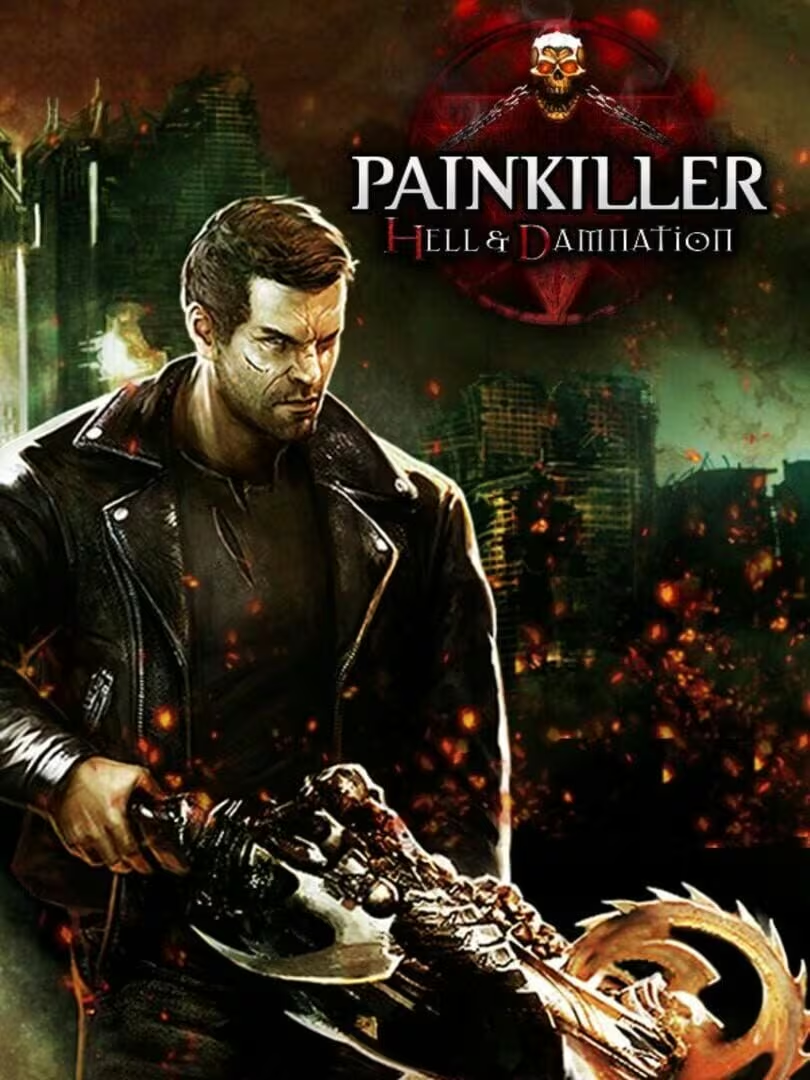 Painkiller Hell & Damnation
"Requires continuous attention and active engagement during combat; not suited for background or idle play."
-
Intimacy
Game with the same Intimacy vibe
-3"Social interaction is limited to local co-op without deeper emotional or relationship-building elements."
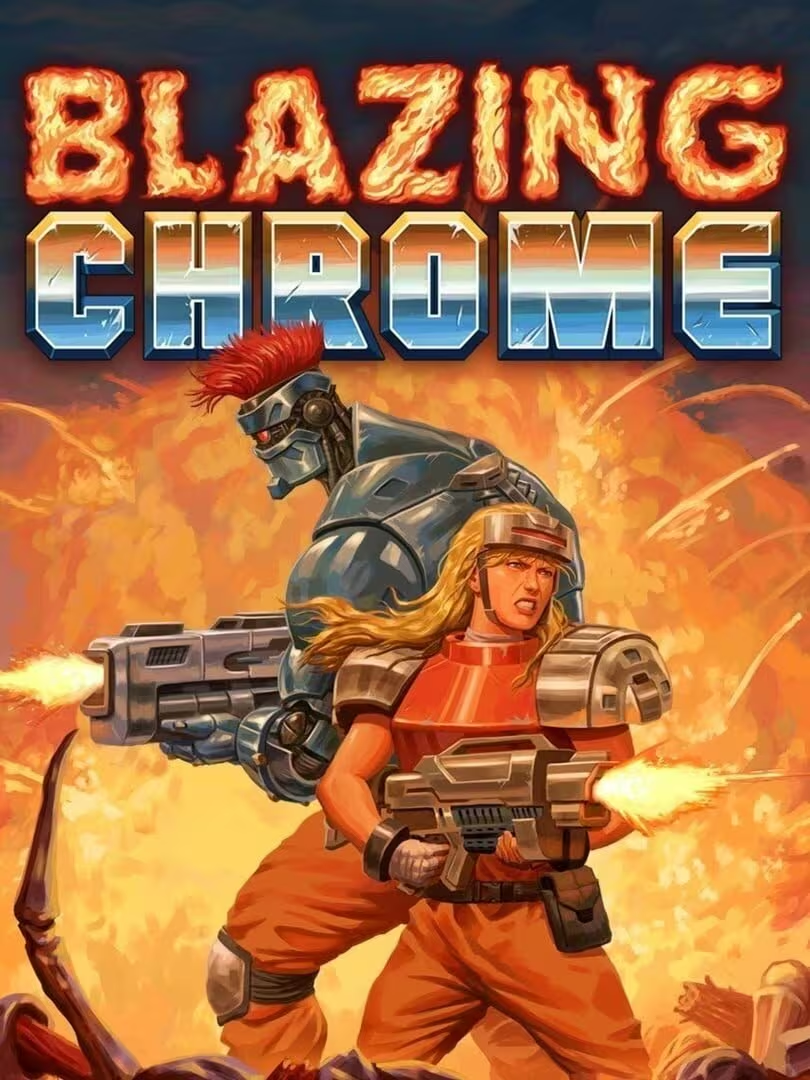 Blazing Chrome
"Social interaction is limited to local co-op with friends; no deeper emotional or relationship-building features."
-
Leadership
Game with the same Leadership vibe
-4"Gameplay focuses on individual or cooperative play without leadership or authoritative roles."
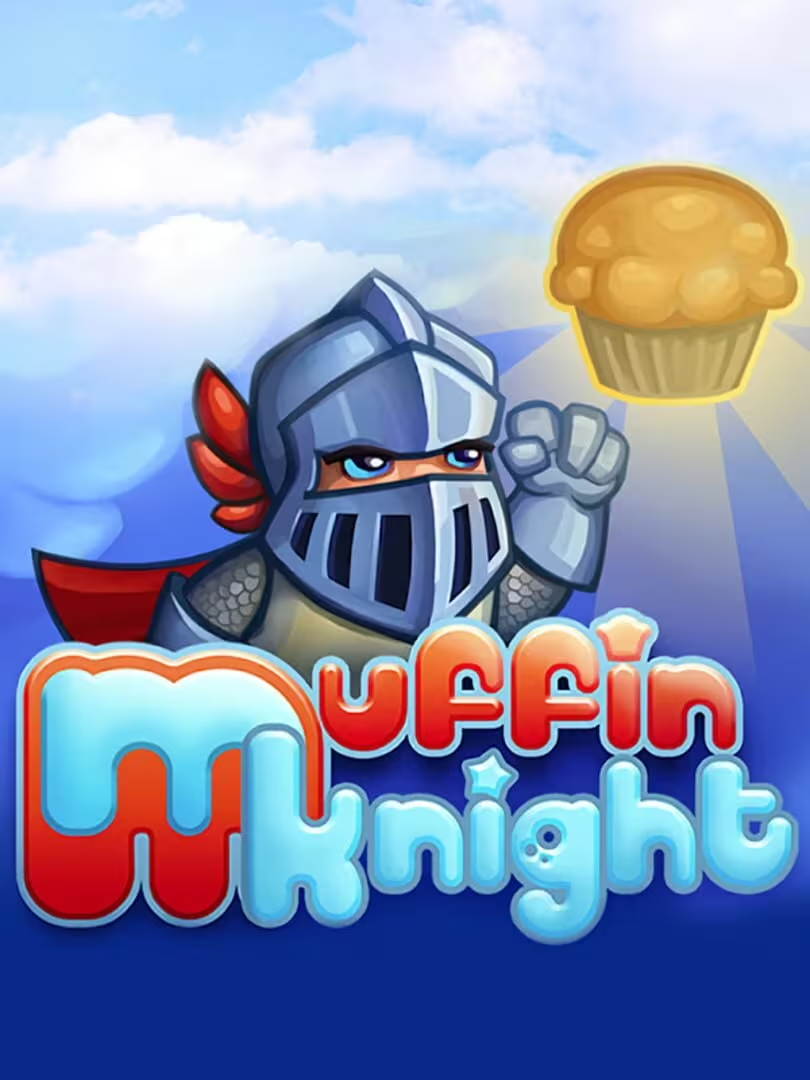 Muffin Knight
"Gameplay focuses on individual or cooperative play without leadership or management roles."
-
Progression
Game with the same Progression vibe
2"Players collect weapons and ammo and progress through levels, but no complex upgrade systems."
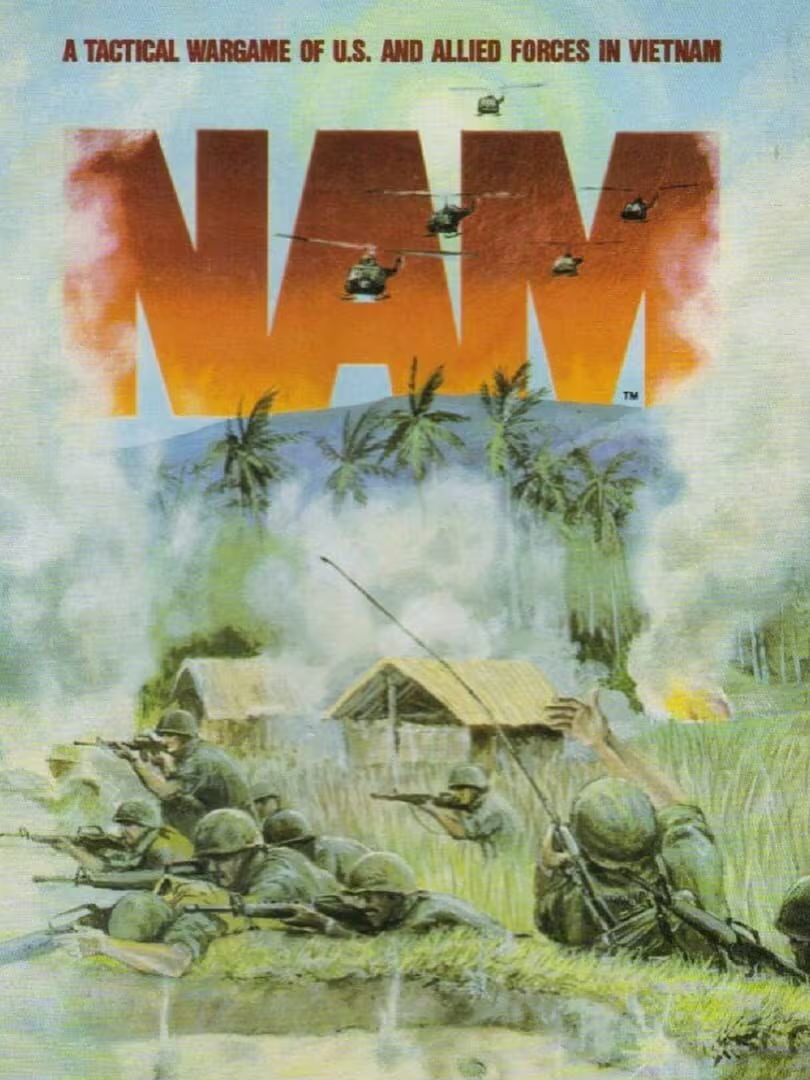 NAM
NAM
"Players unlock characters and modes; collect ammo and points, but no deep upgrade or leveling system."
-
Relaxation
Game with the same Relaxation vibe
2"Game provides enjoyable flow and nostalgic relaxation, though some tension exists in combat challenges."
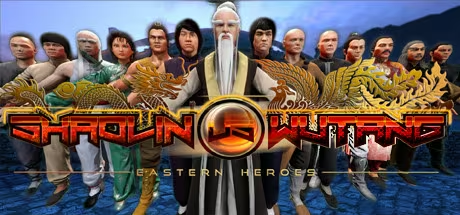 Shaolin vs Wutang
"Game offers satisfying combat flow and nostalgic enjoyment, though some difficulty spikes create tension."
-
Sensation
Game with the same Sensation vibe
3"Bright visuals, sound effects, and music provide sensory stimulation and excitement."
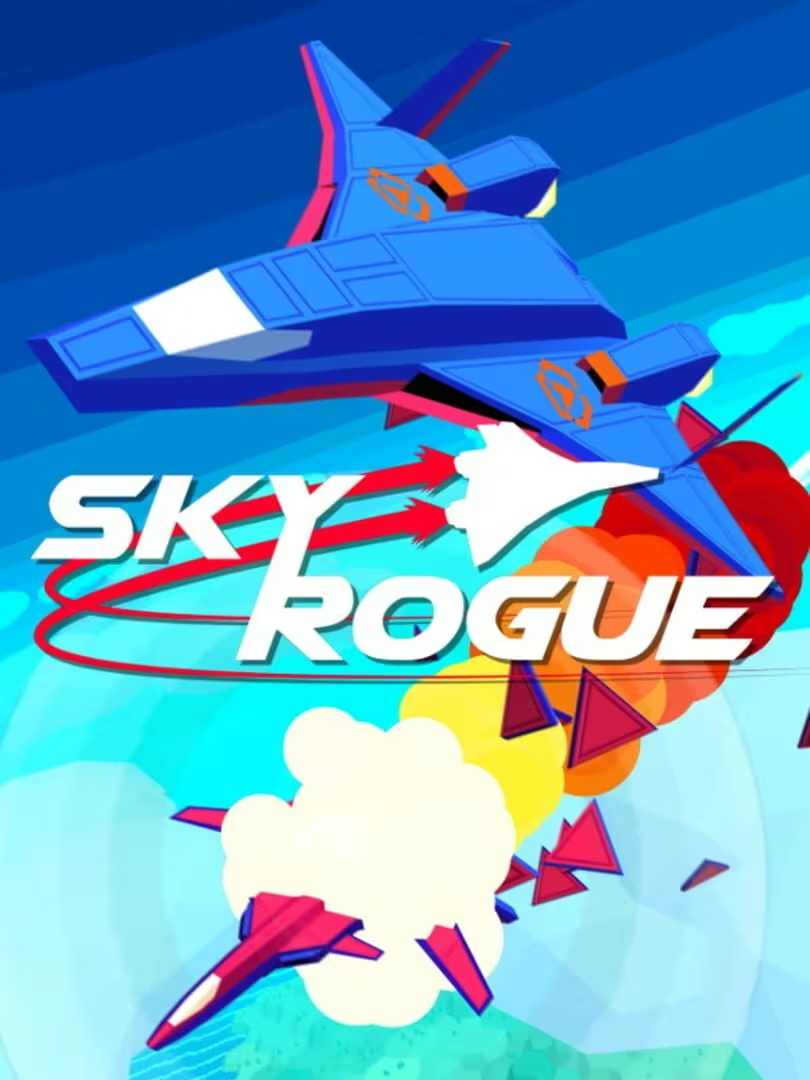 Sky Rogue
"Bright visuals, impactful sound effects, and energetic music provide strong sensory stimulation."
-
Status
Game with the same Status vibe
-3"No online leaderboards or social recognition systems; focus on individual achievement."
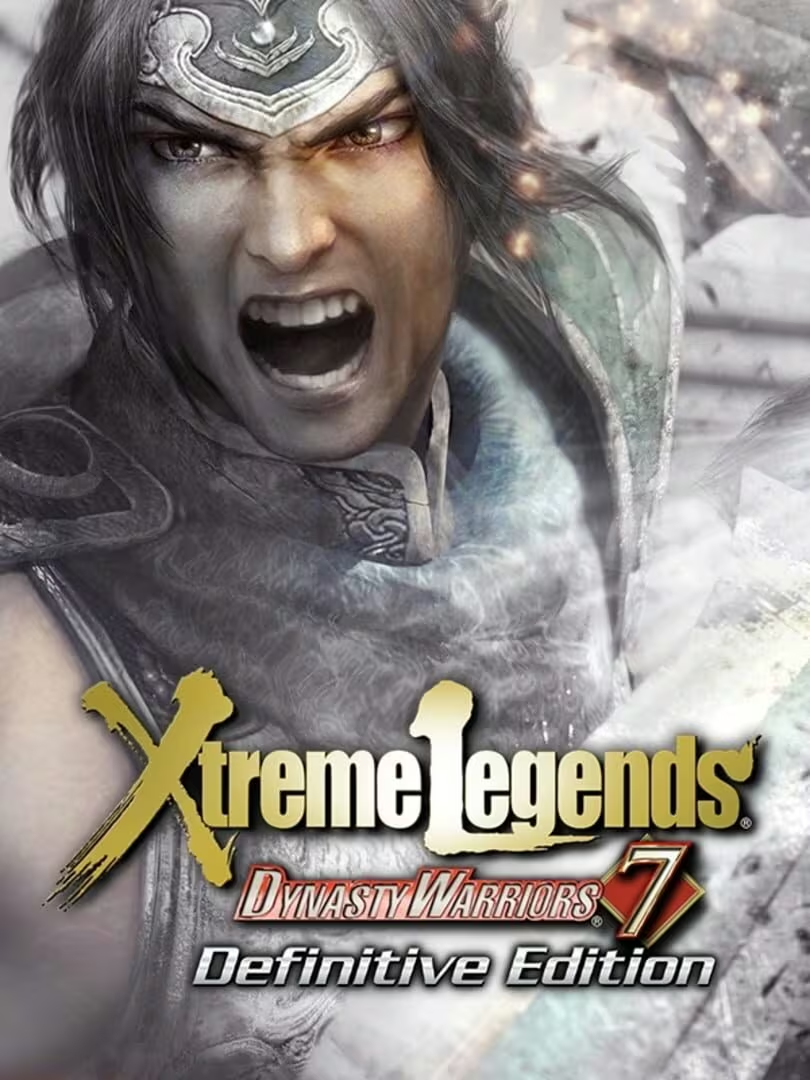 DYNASTY WARRIORS 7: Xtreme Legends Definitive Edition
"No online leaderboards or social recognition systems; focus is on personal achievement."
-
Story
Game with the same Story vibe
2"Narrative is light and simple but present with character interactions and cutscenes."
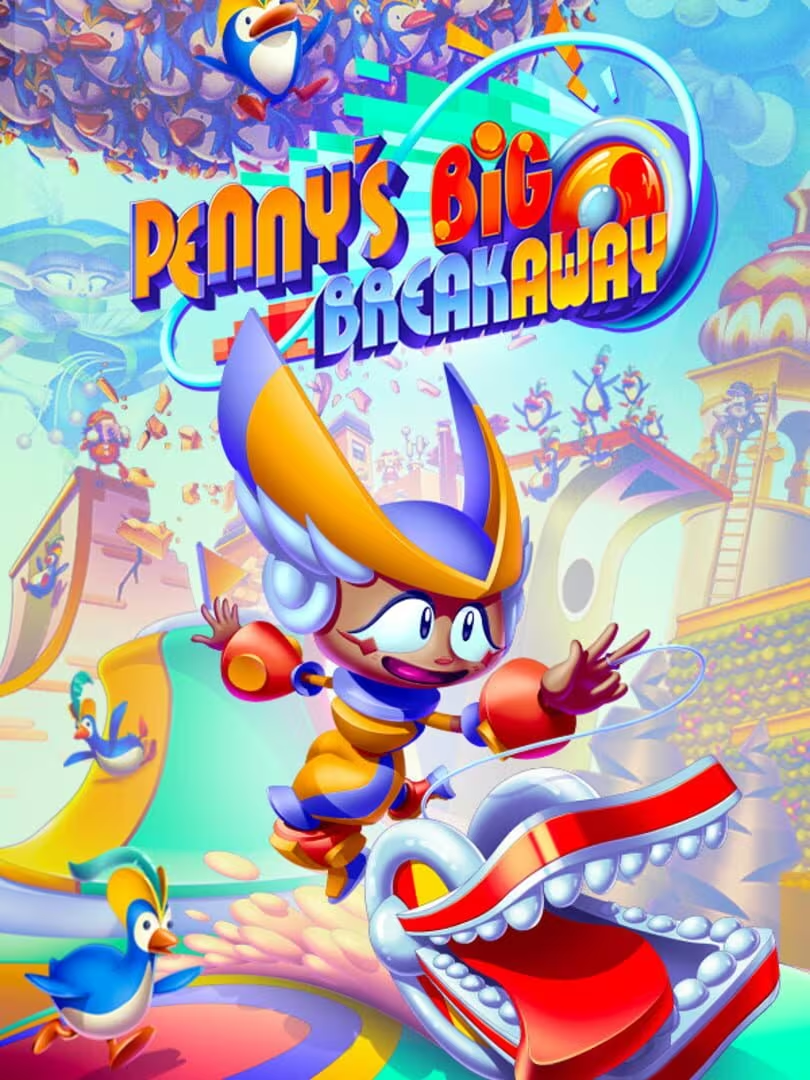 Penny’s Big Breakaway
"Narrative is simple and presented via comic-style cutscenes; story adds context but is not deeply immersive."
-
Strategy
Game with the same Strategy vibe
2"Requires some planning in character switching and puzzle solving; combat is mostly straightforward but boss fights need tactics."
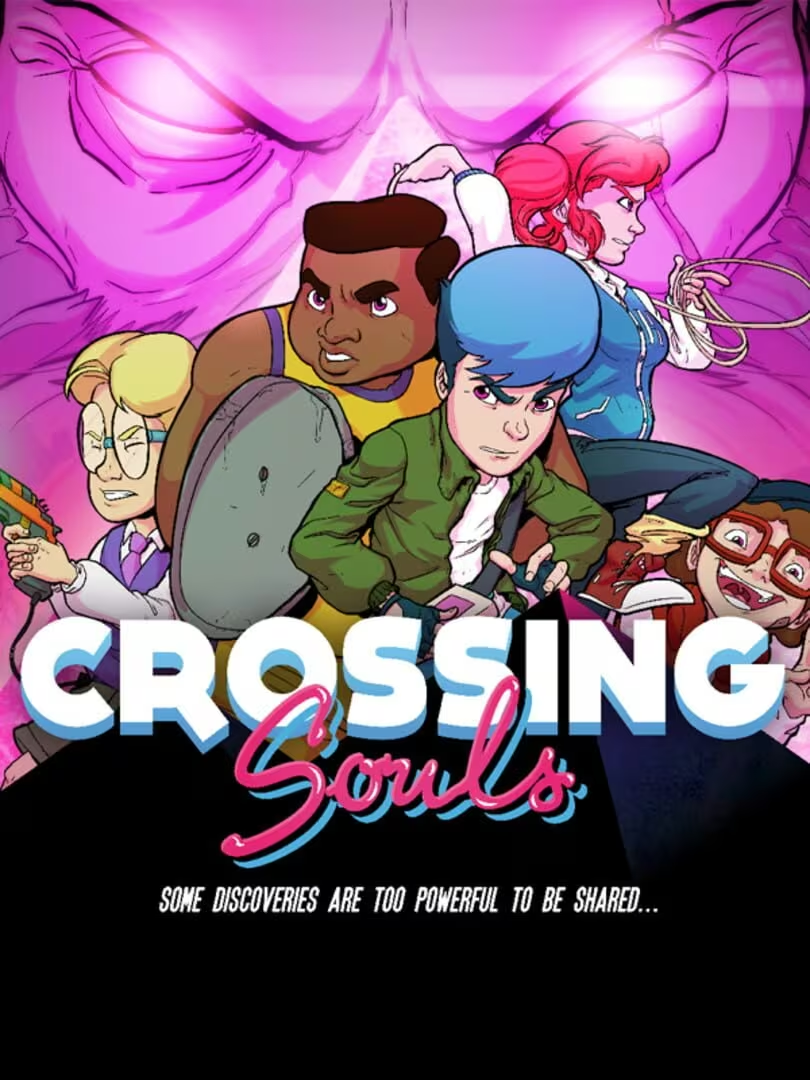 Crossing Souls
"Requires planning combos and managing resources like ammo and rage meter; boss fights require some tactics."
-
Thrill
Game with the same Thrill vibe
2"Combat and boss encounters provide moments of tension and excitement, though some frustration noted."
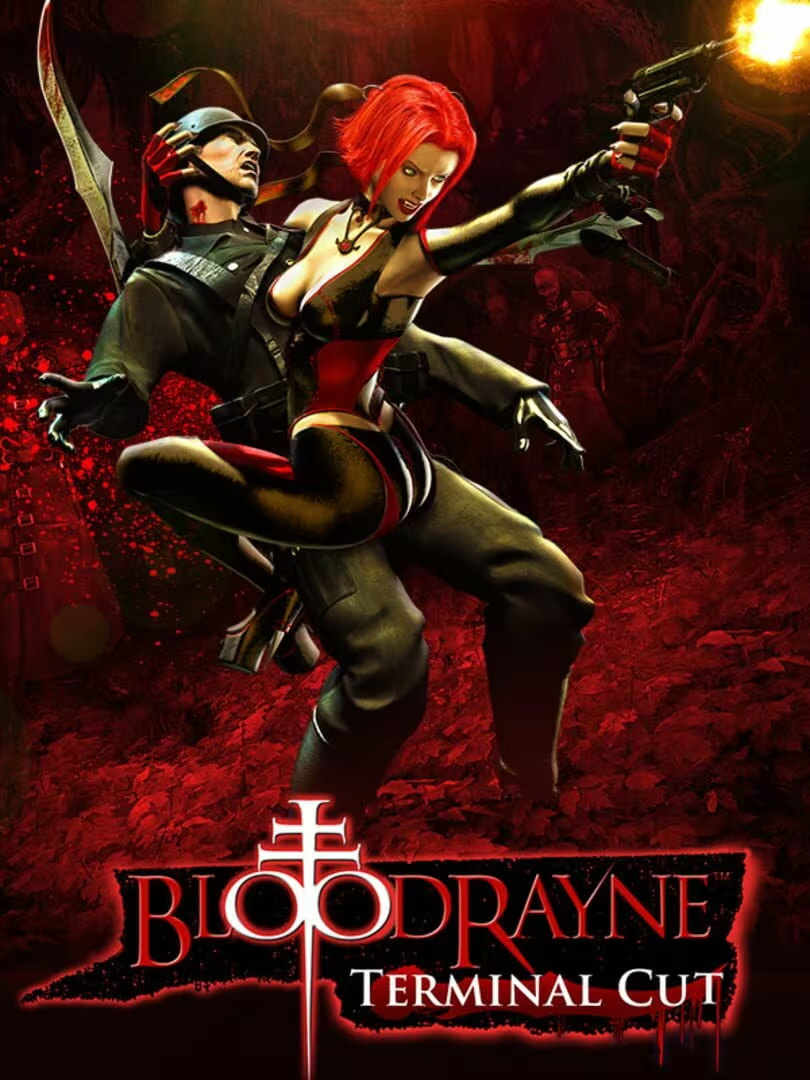 BloodRayne: Terminal Cut
"Combat and boss encounters provide moments of tension and excitement, though some find bosses repetitive."
-
Value
Game with the same Value vibe
3"Players find good value especially on sale, enjoying hours of gameplay and ongoing updates."
 Overdungeon
"Players find good value especially on sale; frequent updates add content and improve experience."
-
Violence
Game with the same Violence vibe
4"Core gameplay involves melee combat, punching, kicking, and using weapons to defeat enemies."
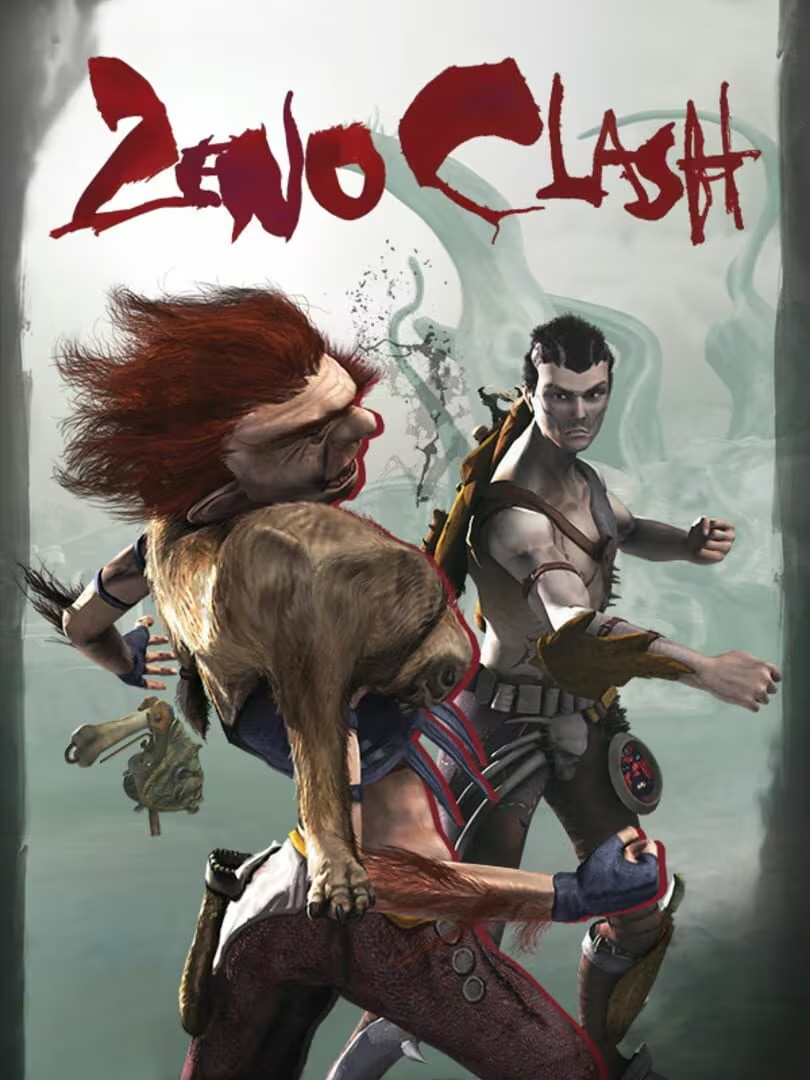 Zeno Clash
"Core gameplay centers on combat, punching, kicking, and using weapons to defeat enemies."
-
Survival
Game with the same Survival vibe
2"Players must manage health and ammo to survive waves of enemies and boss fights."
 Monument
"Players must avoid damage and manage health and ammo to survive waves and bosses."
Last update: 01/06/2026