TTV2 similar games & best alternatives
Should you play it?
TTV2 is an arcade retro hardcore maze wanderer minigame, sequel to Trip to Vinelands.
What works
- Challenging and skill-based gameplay
- Fast-paced and intense experience
- Unique visual and audio style
- Good value for price
- High replayability for mastery seekers
Things to keep in mind
- Limited variety and repetitive levels
- Minimal narrative or progression depth
- No multiplayer or social features
- Can be frustrating due to difficulty
- Lack of customization or creative elements
What to play next
Similar games, hidden gems, and fresh directions from this game.
Top picks
Games that feel the closest overall



Hidden Gems
Less popular games with surprisingly high similarity
If you liked…
Recommendations by what you enjoyed most
Similarity map
Explore nearby similar games and see why they’re close.
TTV2: Less representative of its motivational profile, with noticeable differences. Motivations that often define this kind of title include Expression, Fellowship, Cooperation, Status. It leans lower than usual among comparable games on Story, Creativity, Exploration.
Why this game works
A motivational profile of the game, with the closest similar game for each player motivation.
-
Autonomy
Game with the same Autonomy vibe
3"Players control precise movements and timing to navigate levels, requiring personal skill and decision-making."
 Blaite
"Players control their movement freely to navigate through levels, requiring personal decisions on timing and direction."
-
Competence
Game with the same Competence vibe
4"The game is challenging, requiring quick reflexes and skillful aiming; players report a steep difficulty curve and rewarding mastery."
 QUICKERFLAK
"The game is challenging and tests player skill, reflexes, and memorization, rewarding mastery and precision."
-
Competition
Game with the same Competition vibe
-3"Focus is on personal achievement and completion rather than direct competition or leaderboards."
 Bloo Kid 2
"Focus is on personal achievement and progression rather than direct competition or leaderboards."
-
Continuation
Game with the same Continuation vibe
3"Players report habitual play, repeated runs, and desire to improve and explore more"
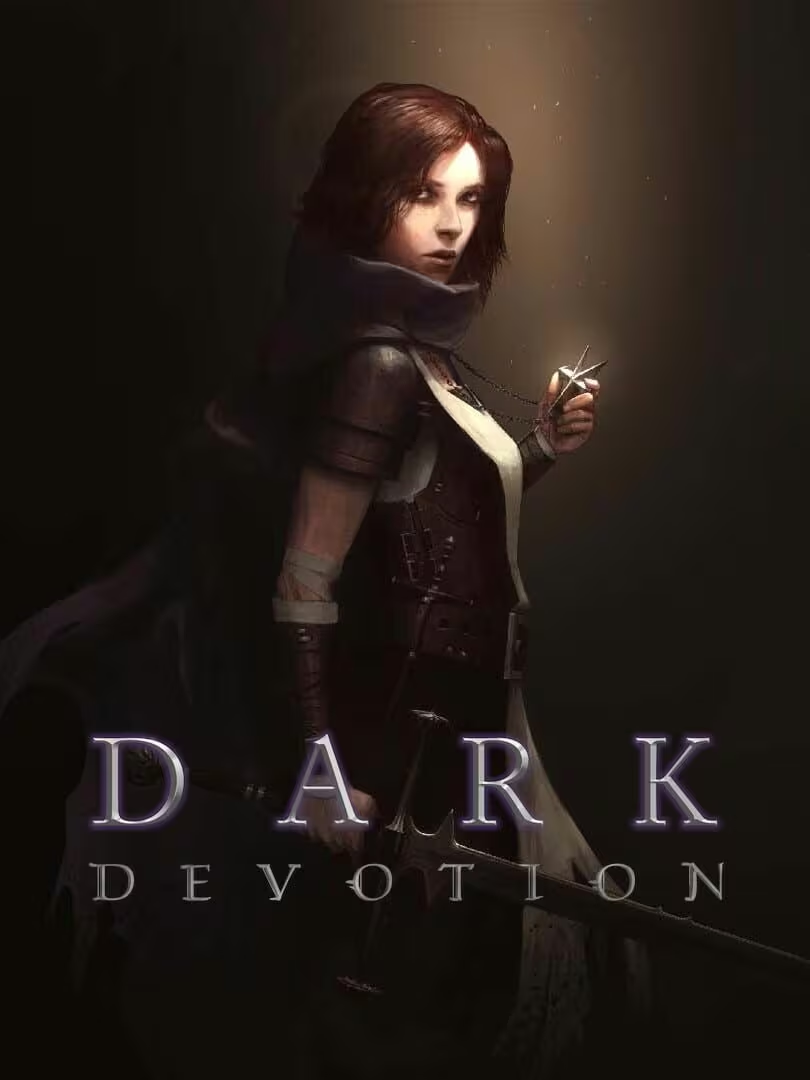 Dark Devotion
"Players often engage in repeated runs and attempts to improve, showing habitual play and replayability."
-
Cooperation
Game with the same Cooperation vibe
-5"The game is a single-player experience with no cooperative or multiplayer elements."
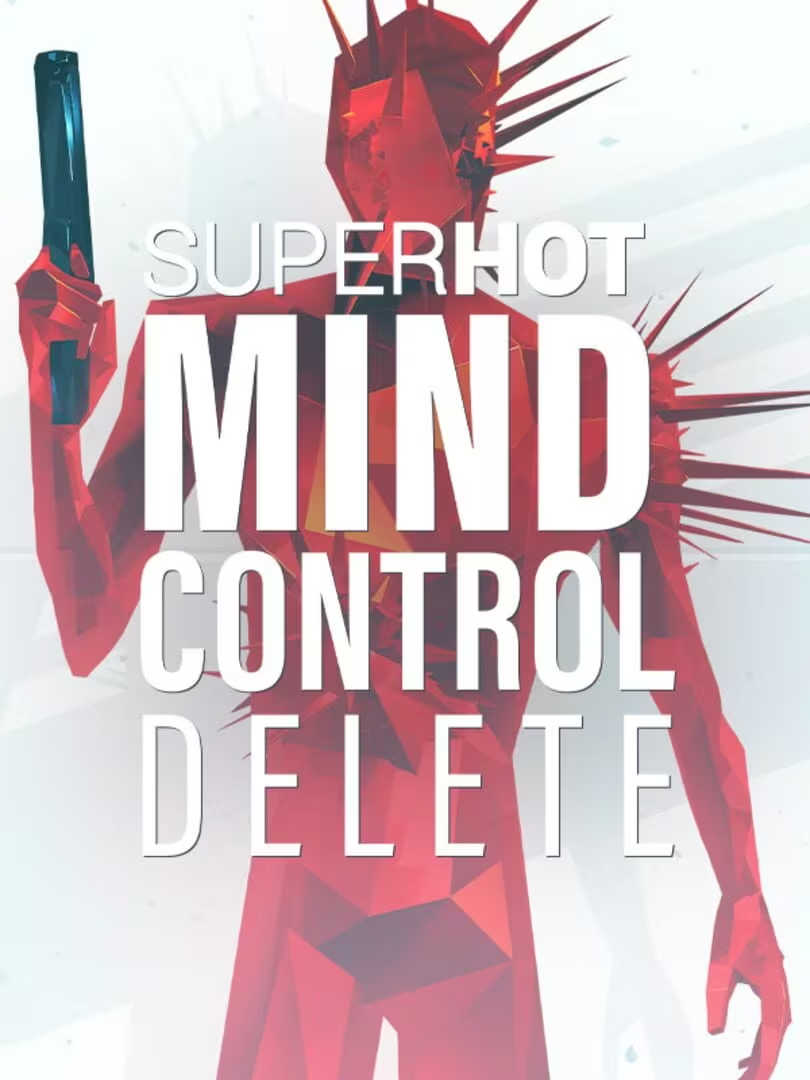 SUPERHOT: MIND CONTROL DELETE
"The game is a single-player experience with no cooperative or multiplayer elements."
-
Creativity
Game with the same Creativity vibe
-4"Gameplay involves dodging preset obstacles with minimal variation; no building or customization is present."
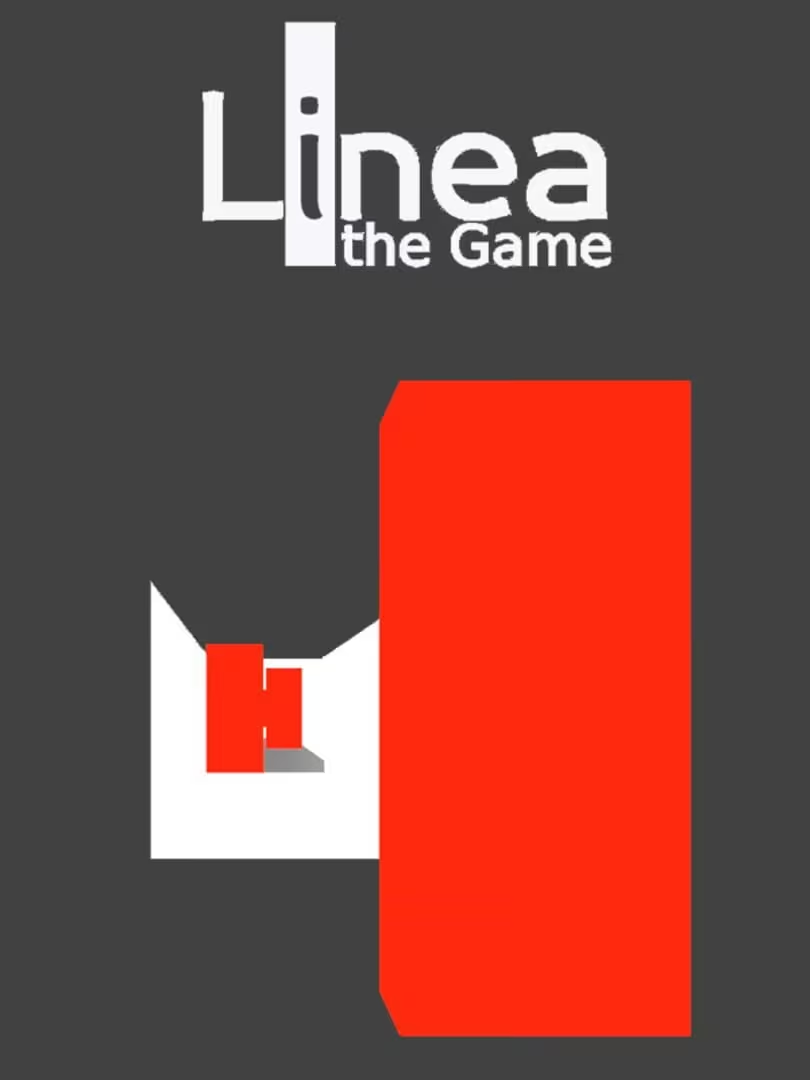 Linea, the Game
"Gameplay follows a fixed pattern of dodging obstacles with minimal customization or creative input."
-
Domination
Game with the same Domination vibe
-5"No elements of exerting control over others; purely individual challenge."
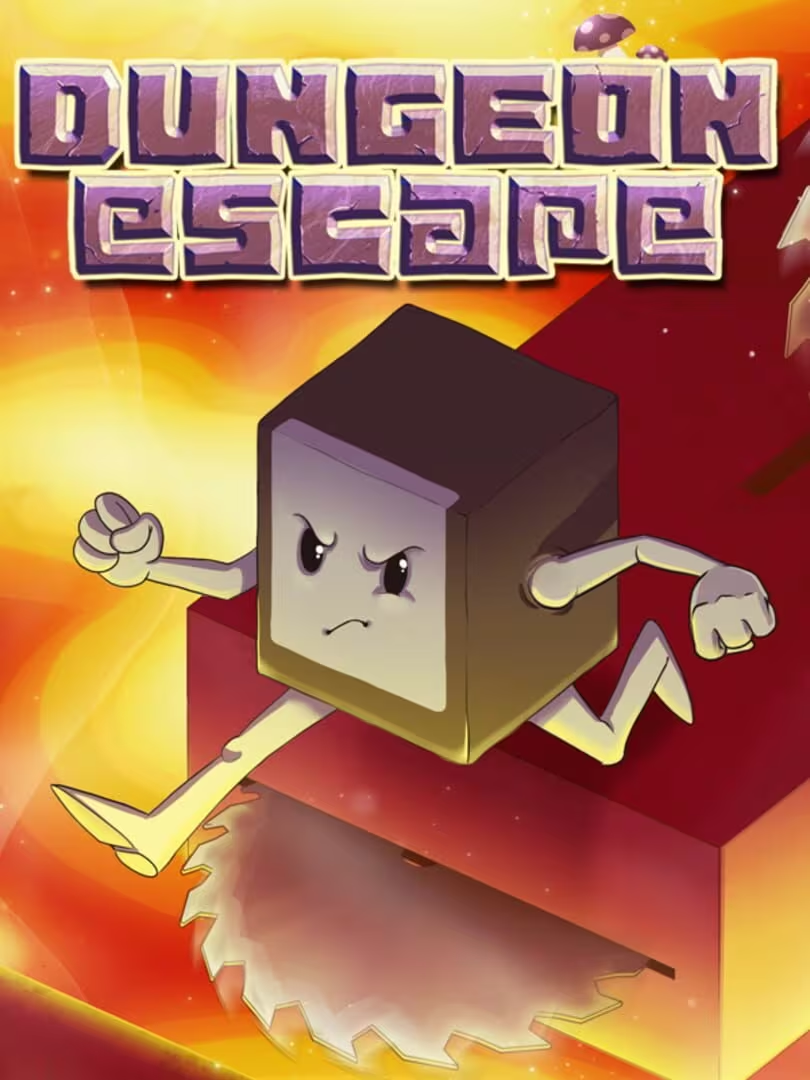 Dungeon Escape
"No elements of exerting control over others; purely individual challenge."
-
Escapism
Game with the same Escapism vibe
4"Players use the game as a fast-paced, intense distraction and stress relief from real life."
 RIVE
RIVE
"Players use the game as a fast-paced distraction and stress relief, escaping real-life concerns."
-
Expectation
Game with the same Expectation vibe
-4"Players engage voluntarily for intrinsic enjoyment and challenge, not out of obligation."
 Slipways
"Players engage voluntarily for intrinsic enjoyment and challenge, not out of obligation."
-
Experimenting
Game with the same Experimenting vibe
-2"Gameplay is repetitive with limited novelty; players mostly follow established routines and strategies."
 Barro Racing
"Gameplay is largely repetitive with limited novelty, though some players explore patterns and timing."
-
Exploration
Game with the same Exploration vibe
-3"Levels are mostly similar and repetitive; limited discovery or new areas."
 12 Labours of Hercules
"Levels are mostly variations on known patterns with limited discovery or new areas."
-
Expression
Game with the same Expression vibe
-5"No character customization or personalization options."
 MOMO.EXE
"No character customization or visual personalization options."
-
Fantasy
Game with the same Fantasy vibe
1"Abstract and surreal setting with a stylized character, but no deep narrative or roleplaying."
 Trip to Vinelands
"Abstract and stylized setting with a surreal protagonist, but minimal narrative or roleplay."
-
Fellowship
Game with the same Fellowship vibe
-5"No social or community features; purely solo play."
 CARRION
"No social or community features; purely solo play."
-
Growth
Game with the same Growth vibe
3"Players improve skills and timing through repeated attempts and learning level layouts."
 Mechanic Escape
"Players improve skills and mastery through repeated attempts and learning level patterns."
-
Health
Game with the same Health vibe
-5"Sedentary gameplay with no physical activity or health-related features."
 DRAGON BALL Z: KAKAROT
"Sedentary gameplay with no physical activity or health-related features."
-
Idle
Game with the same Idle vibe
-3"Requires focused attention and continuous engagement due to fast-paced gameplay."
 Lethal League Blaze
"Requires focused attention and continuous engagement due to fast-paced, punishing gameplay."
-
Intimacy
Game with the same Intimacy vibe
-5"No social or emotional connections formed through gameplay."
 Nodebuster
"No social or emotional connections formed through gameplay."
-
Leadership
Game with the same Leadership vibe
-5"No leadership or group management elements."
 High On Life
"No leadership or group management elements."
-
Progression
Game with the same Progression vibe
2"Progression through levels and achievement collection provides a sense of advancement."
 aMAZE
aMAZE
"Progression is measured by advancing through levels and achieving completion milestones."
-
Relaxation
Game with the same Relaxation vibe
-3"Gameplay is tense, fast, and challenging, creating sustained pressure rather than relaxation."
 Aliens versus Predator Classic 2000
"Gameplay is tense and stressful rather than relaxing, with high pressure and rapid pace."
-
Sensation
Game with the same Sensation vibe
3"Vibrant visuals, fast movement, and energetic soundtrack provide strong sensory stimulation."
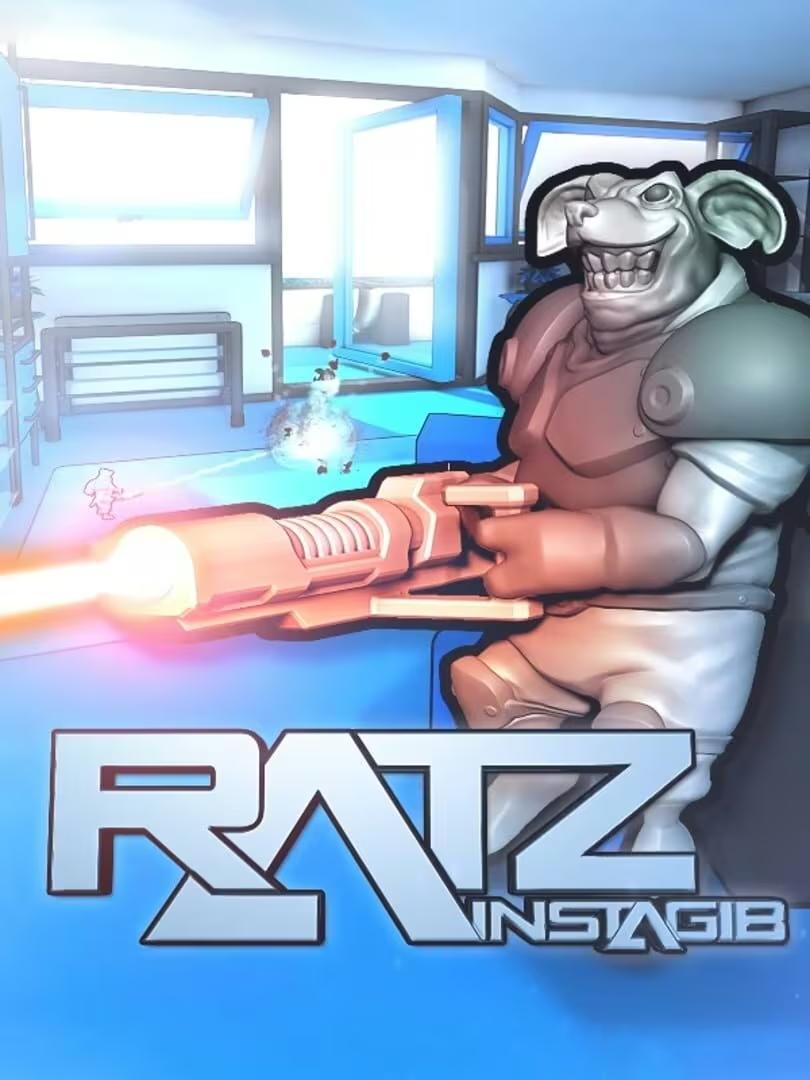 Ratz Instagib
"Strong sensory stimulation from intense visuals and dynamic, heavy soundtrack."
-
Status
Game with the same Status vibe
-4"No social recognition or ranking systems; achievements are personal."
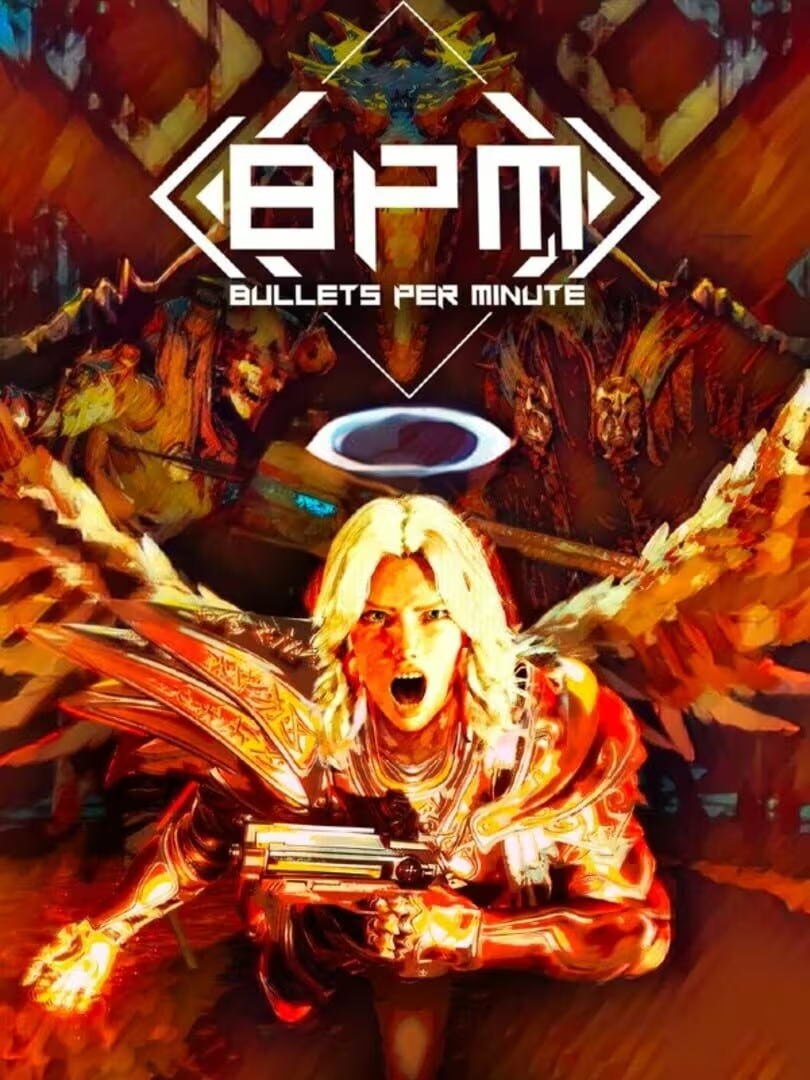 BPM: BULLETS PER MINUTE
"No social recognition or ranking systems; achievements are personal."
-
Story
Game with the same Story vibe
-4"Minimal narrative or plot; gameplay is context-free and focused on mechanics."
 Max Manos
"Minimal narrative or plot; gameplay is context-free and abstract."
-
Strategy
Game with the same Strategy vibe
2"Requires timing and pattern recognition but limited complex planning or problem solving."
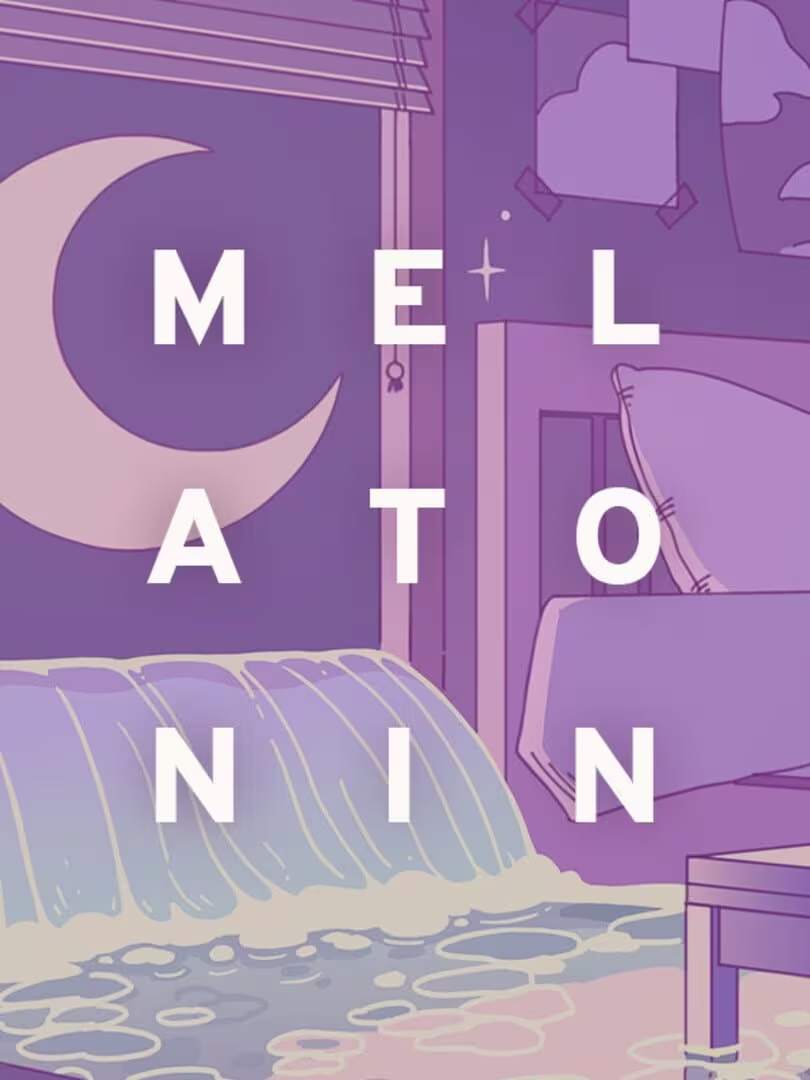 Melatonin
"Requires quick thinking and pattern recognition, but limited long-term planning or complex problem solving."
-
Thrill
Game with the same Thrill vibe
4"High tension and suspense from fast-paced, punishing gameplay and risk of failure."
 64.0
64.0
"High suspense and tension from fast-paced, punishing gameplay and risk of instant failure."
-
Value
Game with the same Value vibe
4"Players generally perceive good value for the low price and amount of gameplay."
 Fidget Spinner
"Players perceive good value for the low price and short, intense gameplay sessions."
-
Violence
Game with the same Violence vibe
3"Gameplay involves combat with enemies and environmental hazards causing character deaths."
 1001 Spikes
"Gameplay involves avoiding deadly hazards and instant death, implying violent consequences."
-
Survival
Game with the same Survival vibe
4"Core gameplay revolves around avoiding death and surviving increasingly difficult enemies."
 In Death
"Core gameplay revolves around avoiding death and surviving through increasingly difficult levels."
Last update: 01/06/2026