Voyager-19 similar games & best alternatives
Should you play it?
A short horror game where you control a decaying spacecraft exploring distant star systems.
What works
- Strong atmospheric and audio design
- Unique cosmic horror concept
- Immersive tension and suspense
- Intuitive but clunky controls add to immersion
- Affordable price for the experience
Things to keep in mind
- Very short playtime with limited replayability
- Tedious power management and menu navigation
- Lack of varied gameplay or multiple endings
- Minimal interaction with 3d environment
- Some players find controls frustrating near the end
What to play next
Similar games, hidden gems, and fresh directions from this game.
Top picks
Games that feel the closest overall


Hidden Gems
Less popular games with surprisingly high similarity
If you liked…
Recommendations by what you enjoyed most
Similarity map
Explore nearby similar games and see why they’re close.
Voyager-19: Less representative of its motivational profile, with noticeable differences. Motivations that often define this kind of title include Expression, Fellowship, Cooperation, Status. It leans lower than usual among comparable games on Violence, Continuation, Experimenting.
Why this game works
A motivational profile of the game, with the closest similar game for each player motivation.
-
Autonomy
Game with the same Autonomy vibe
3"Players have control over ship management, sail adjustment, engine operation, and puzzle solving, allowing freedom in how to operate the vessel."
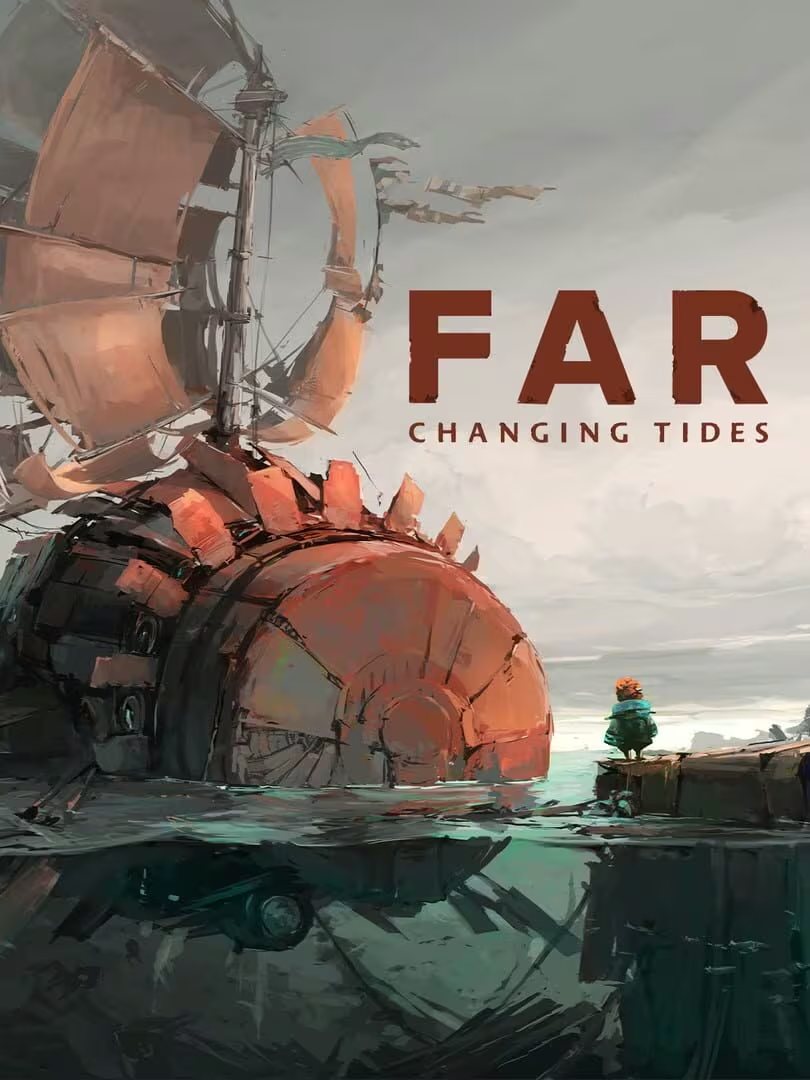 FAR: Changing Tides
"Players manage ship systems and power allocation manually, requiring active decision-making and control."
-
Competence
Game with the same Competence vibe
2"Gameplay involves some skill in navigation and puzzle solving, but overall tasks are straightforward and not highly challenging."
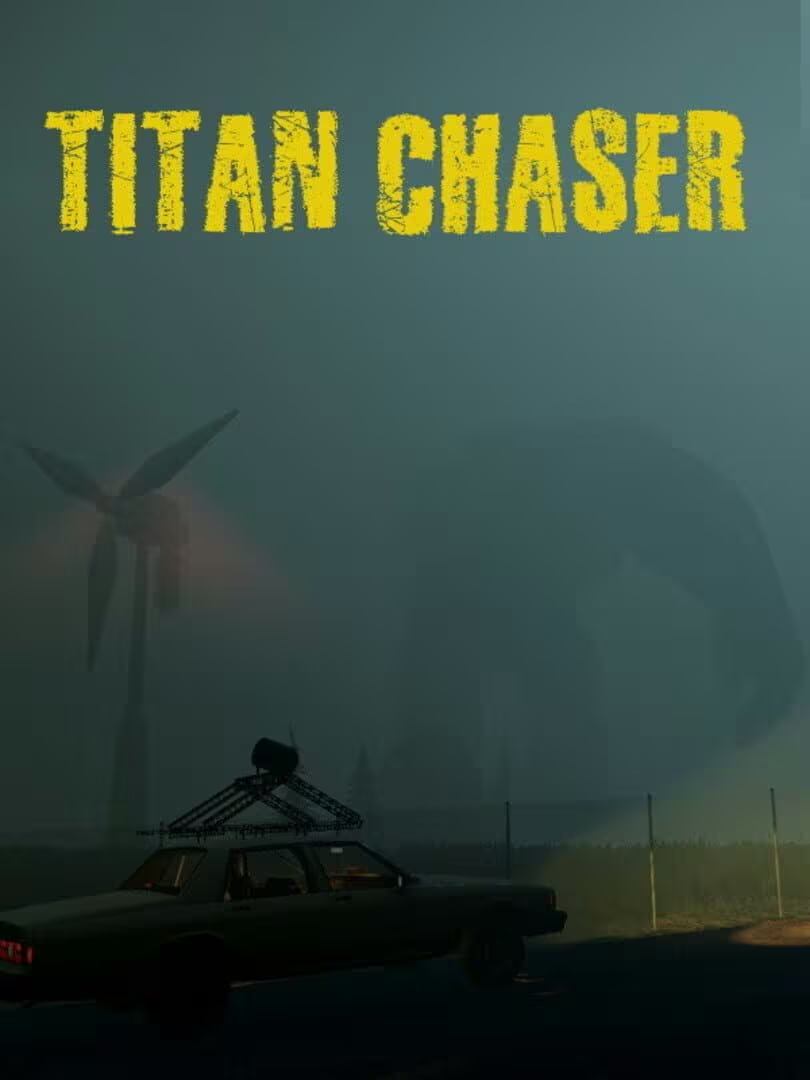 Titan Chaser
"Gameplay involves skillful navigation of menus and power management, though some find it tedious rather than challenging."
-
Competition
Game with the same Competition vibe
-5"No competitive elements; focus is on solo exploration and personal experience."
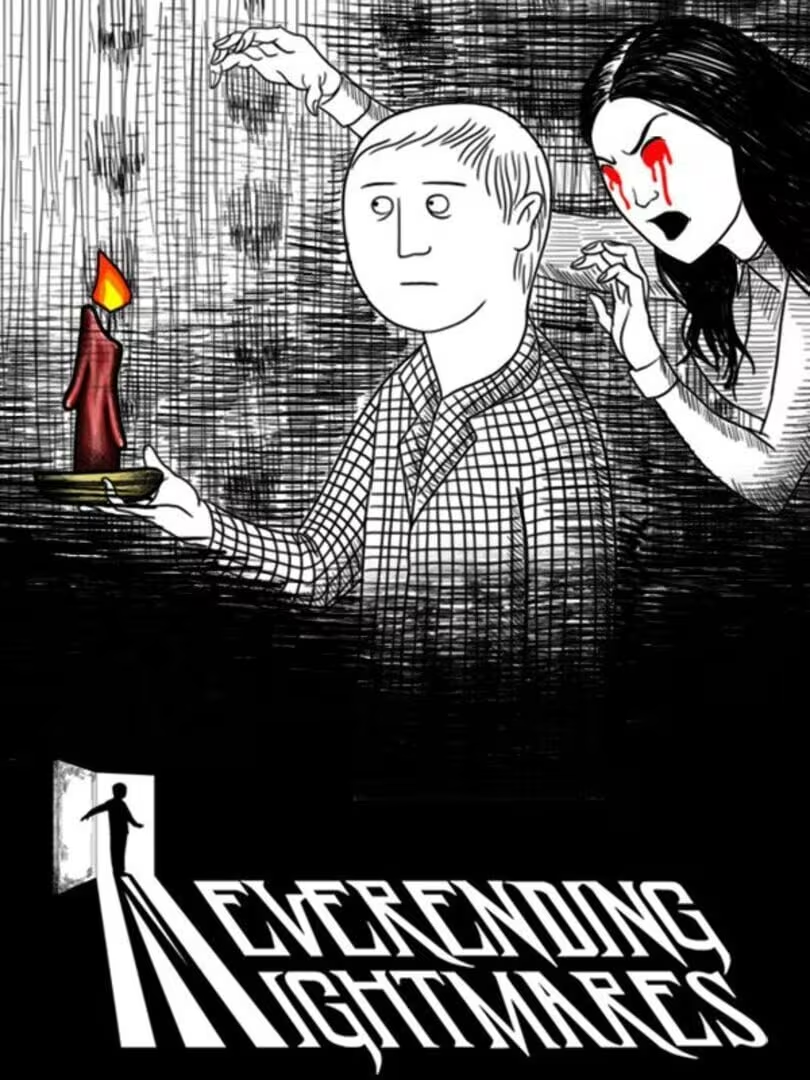 Neverending Nightmares
"No competitive or ranked elements; focus is on solo exploration and personal experience."
-
Continuation
Game with the same Continuation vibe
-3"Very short game (~15-30 minutes) with limited replayability; players generally do not engage in long or habitual sessions."
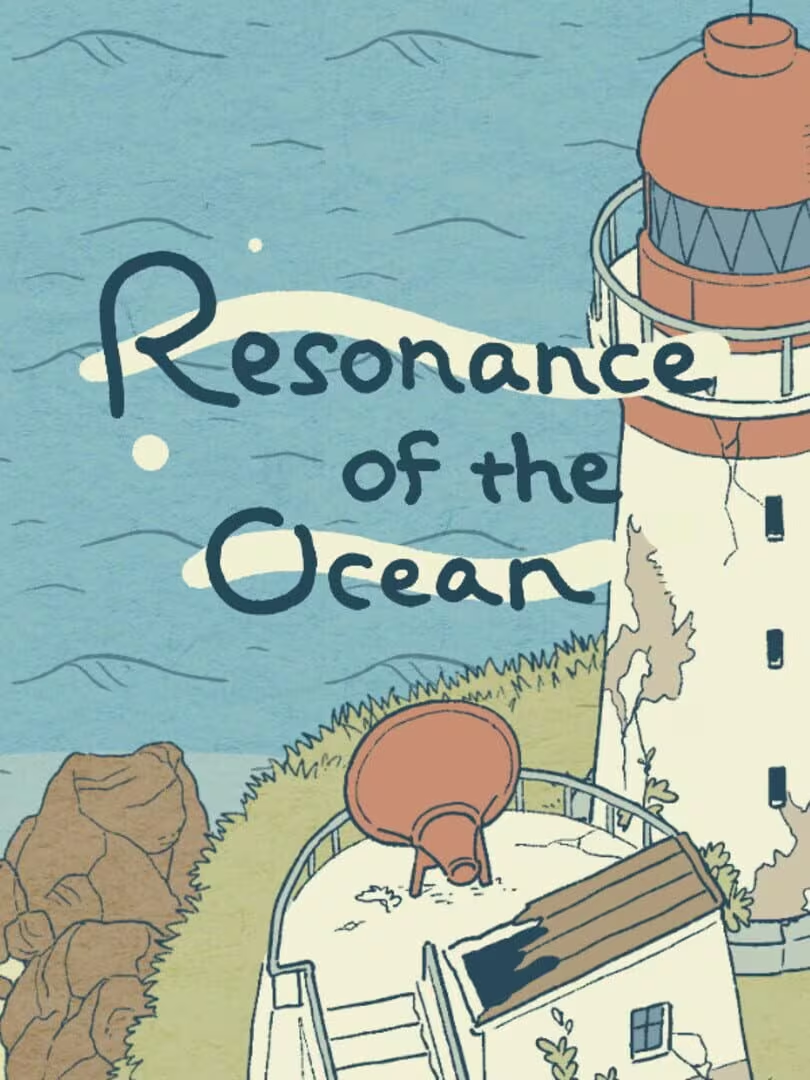 Resonance of the Ocean
"Short playtime (~40-60 minutes) with limited replayability; players generally do not engage in long or repeated sessions."
-
Cooperation
Game with the same Cooperation vibe
-5"Entirely single-player experience with no multiplayer or cooperative elements."
 MiSide
"Entirely single-player experience with no multiplayer or cooperative elements."
-
Creativity
Game with the same Creativity vibe
1"Limited creative freedom beyond tactical decisions; gameplay follows structured missions with some strategic variation."
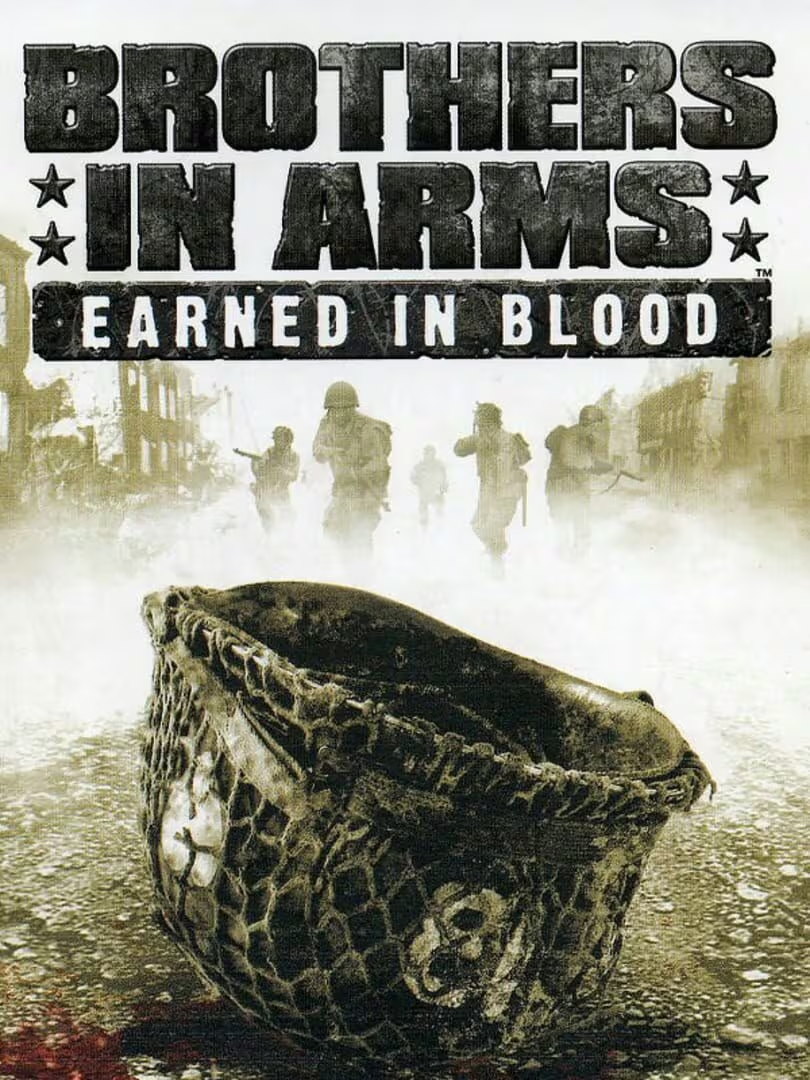 Brothers in Arms: Earned in Blood™
"Some freedom in managing power and navigation, but overall gameplay follows a fixed sequence with limited creative expression."
-
Domination
Game with the same Domination vibe
-5"No elements of exerting control over others; purely individual experience."
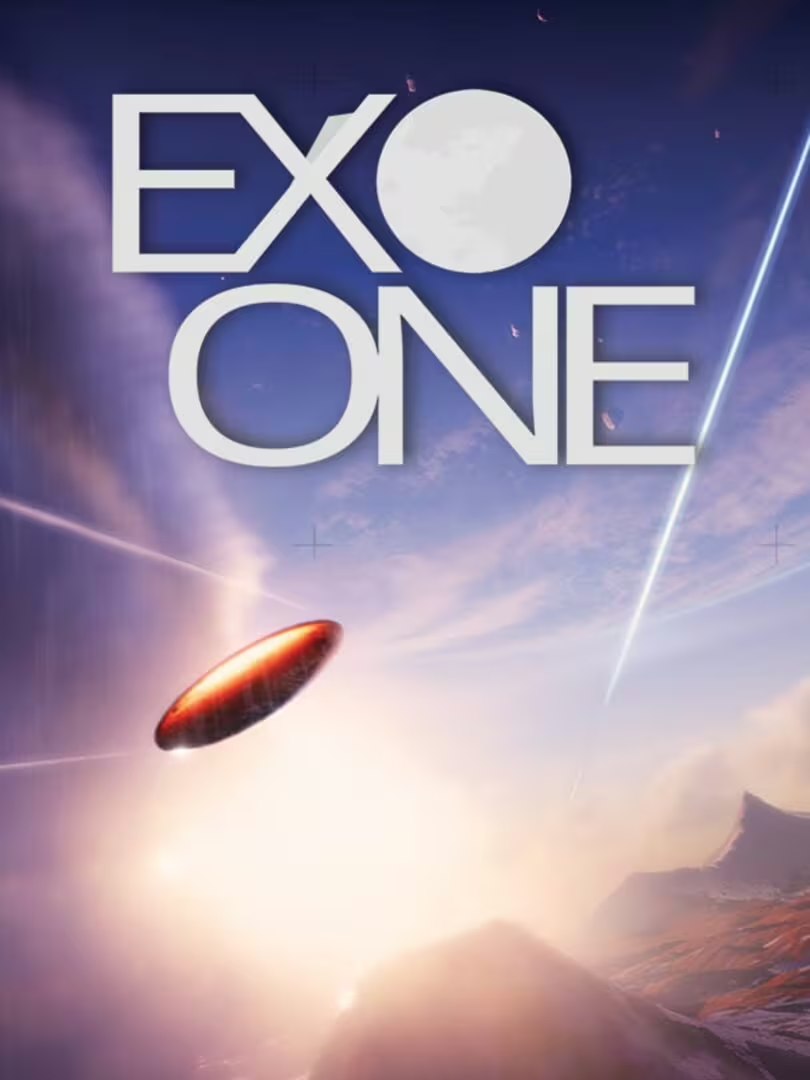 Exo One
"No elements of exerting control over others; purely individual experience."
-
Escapism
Game with the same Escapism vibe
4"Strong atmospheric horror and psychological themes provide immersive escape from reality."
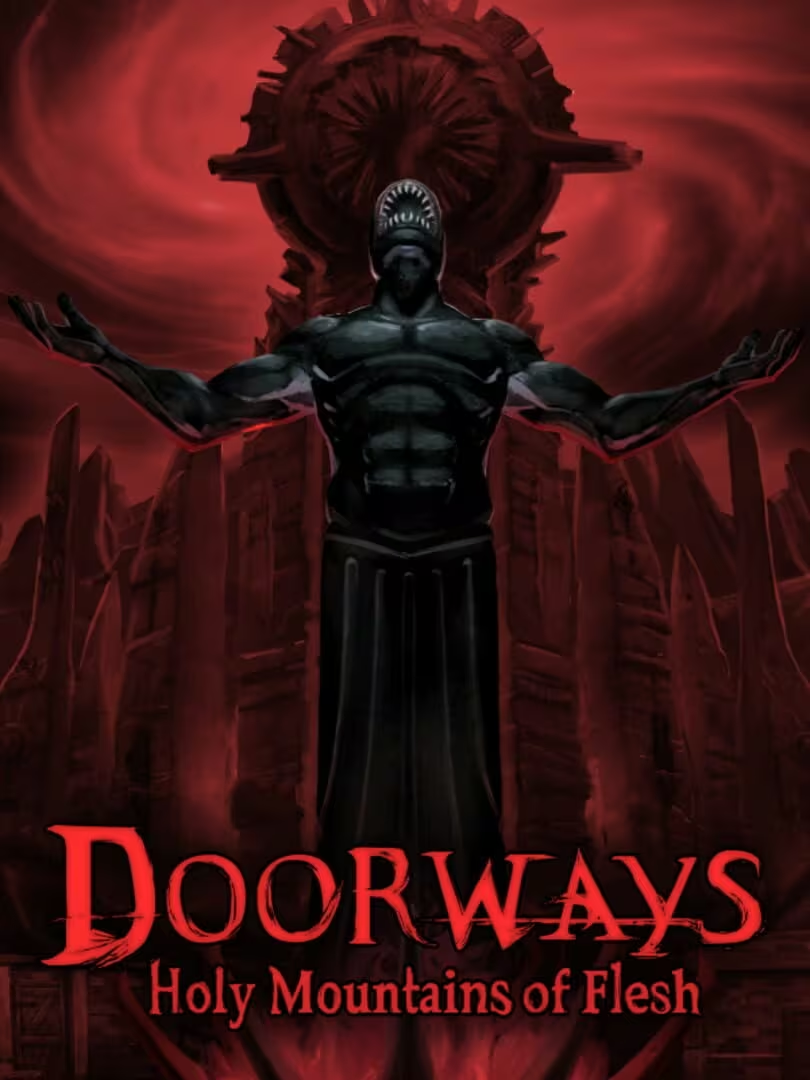 Doorways: Holy Mountains of Flesh
"Strong atmospheric horror and isolation themes provide immersive escape from reality."
-
Expectation
Game with the same Expectation vibe
-4"Players engage voluntarily for intrinsic interest in horror and exploration, not out of obligation."
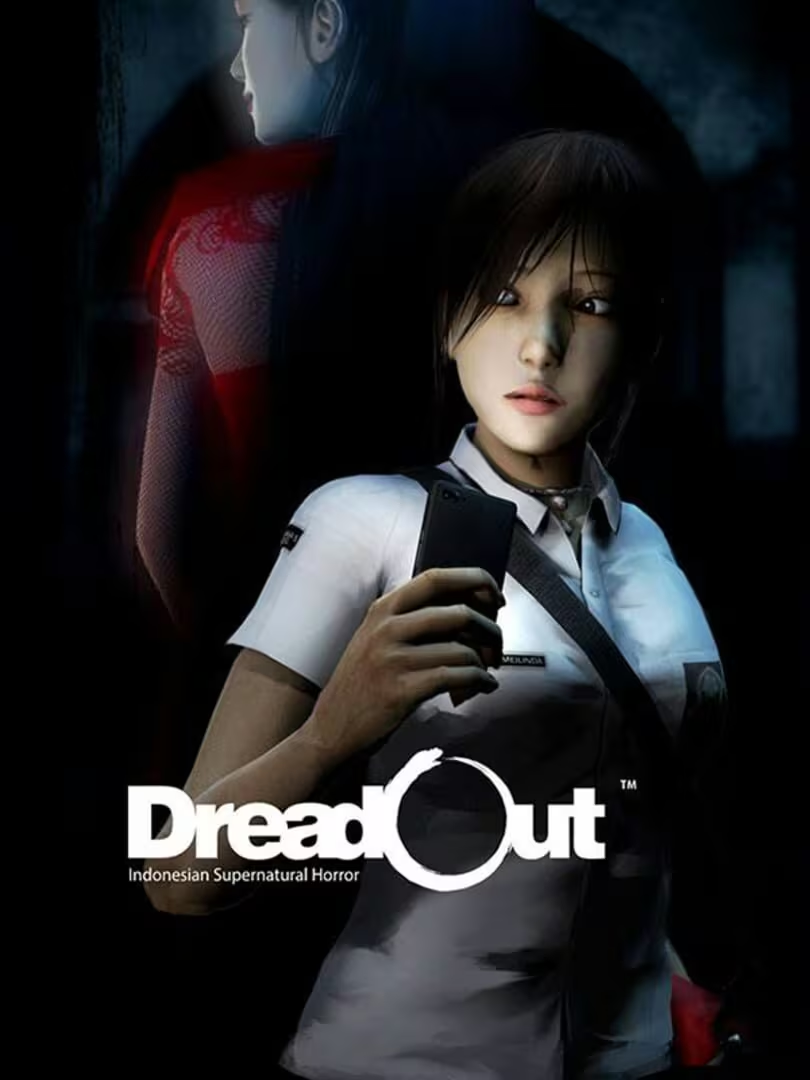 DreadOut
"Players engage voluntarily out of interest in cosmic horror and exploration, not due to obligation."
-
Experimenting
Game with the same Experimenting vibe
-1"Some exploration and puzzle solving, but mostly following established paths and routines."
 Amenti
"Some minor experimentation with power management and navigation, but mostly following established routines."
-
Exploration
Game with the same Exploration vibe
3"Exploration of multiple planets, moons, and star systems is a core feature, though space is somewhat limited."
 Solar Nations 2
"Exploration of different star systems and planets is central, though environments are limited and scripted."
-
Expression
Game with the same Expression vibe
-4"No character customization or avatar personalization; presentation is standardized."
 Max Payne
"No character customization or avatar personalization; presentation is standardized."
-
Fantasy
Game with the same Fantasy vibe
3"Analog horror and sci-fi elements create an imaginative, fictional setting with surreal and cosmic horror themes."
 Cave Crawler
"Cosmic horror and sci-fi themes create an imaginative, fictional experience."
-
Fellowship
Game with the same Fellowship vibe
-5"No social or community features; entirely solo play."
 Katana ZERO
"No social or community features; entirely solo play."
-
Growth
Game with the same Growth vibe
1"Some learning involved in mastering ship controls and combat, though limited progression systems currently."
 The Orville - Interactive Fan Experience
"Some learning curve in managing ship systems and controls, but limited skill development overall."
-
Health
Game with the same Health vibe
-5"Sedentary gameplay with no physical activity involved."
 World of Tanks Blitz
"Sedentary gameplay with no physical activity involved."
-
Idle
Game with the same Idle vibe
-3"Requires attention to navigation and resource management; not suitable for passive or background play."
 RymdResa
"Requires focused attention on menu navigation and power management; not suitable for passive or background play."
-
Intimacy
Game with the same Intimacy vibe
-5"No social interactions or relationship building."
 The House of Da Vinci
"No social interactions or relationship building."
-
Leadership
Game with the same Leadership vibe
-5"No leadership or group management roles."
 Boxes: Lost Fragments
"No leadership or group management roles."
-
Progression
Game with the same Progression vibe
2"Ship upgrades and resource accumulation provide a sense of progression alongside story advancement."
 OPUS: Echo of Starsong - Full Bloom Edition
"Progression through missions and story, with gradual loss of ship power and increasing difficulty."
-
Relaxation
Game with the same Relaxation vibe
-2"Tense and suspenseful atmosphere creates anxiety rather than relaxation."
 Fears to Fathom - Home Alone
"Tense and anxiety-inducing atmosphere with moments of suspense; not primarily relaxing."
-
Sensation
Game with the same Sensation vibe
3"Eerie sound design and atmospheric visuals provide sensory stimulation and emotional engagement."
 Dark Fall: The Journal
"Strong audio-visual atmosphere and eerie sound design provide sensory stimulation and emotional engagement."
-
Status
Game with the same Status vibe
-5"No social recognition or status systems."
 Alan Wake
"No social recognition or status systems."
-
Story
Game with the same Story vibe
4"Narrative and lore are central, with mystery and unfolding plot driving engagement."
 Andy's Apple Farm
"Narrative and lore are central, with unfolding mystery and cosmic horror elements."
-
Strategy
Game with the same Strategy vibe
1"Some strategic tuning and driving decisions, but overall straightforward gameplay."
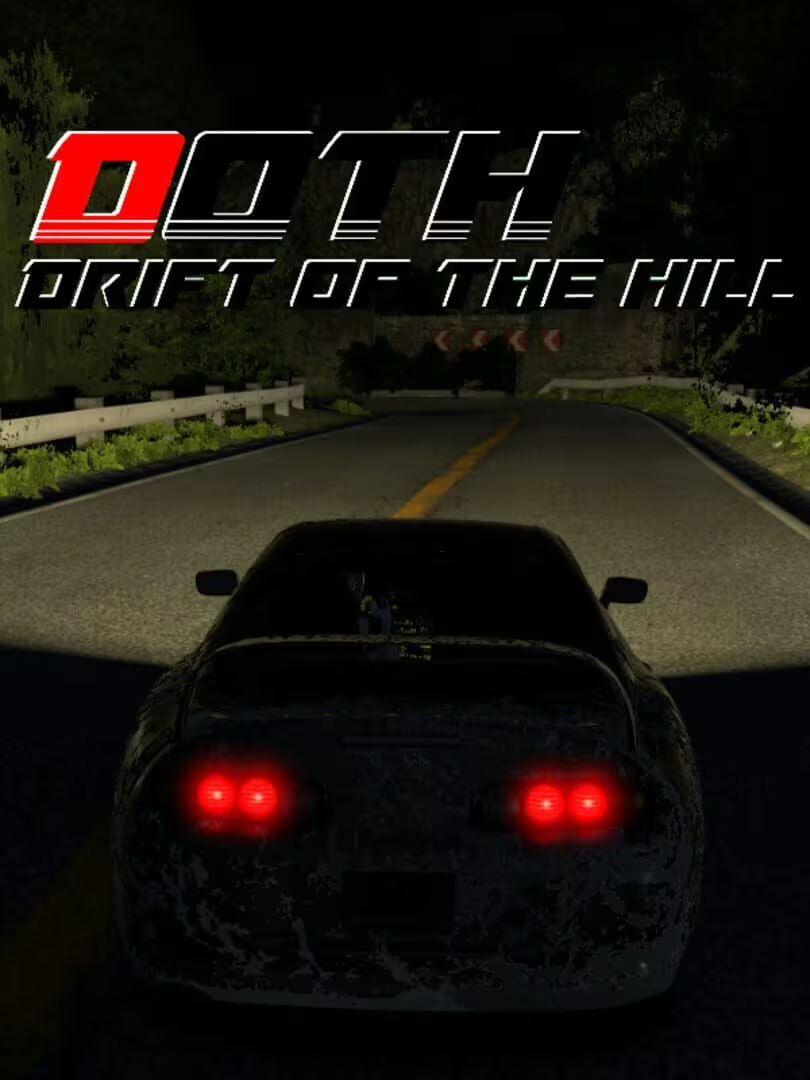 Drift Of The Hill
"Some strategic power management and navigation decisions, but overall straightforward gameplay."
-
Thrill
Game with the same Thrill vibe
3"Builds suspense and unease through atmosphere and occasional scares, though lacks intense or frequent jump scares."
![Capsule for [Chilla's Art] The Ghost Train | 幽霊列車](https://d2eatnf6sujjgc.cloudfront.net/gameaton-data/chilla-s-art-the-ghost-train/cover/chilla-s-art-the-ghost-train.avif) [Chilla's Art] The Ghost Train | 幽霊列車
[Chilla's Art] The Ghost Train | 幽霊列車
"Builds suspense and tension through atmosphere and limited scares."
-
Value
Game with the same Value vibe
3"Generally considered good value for price given quality of experience, though short length noted."
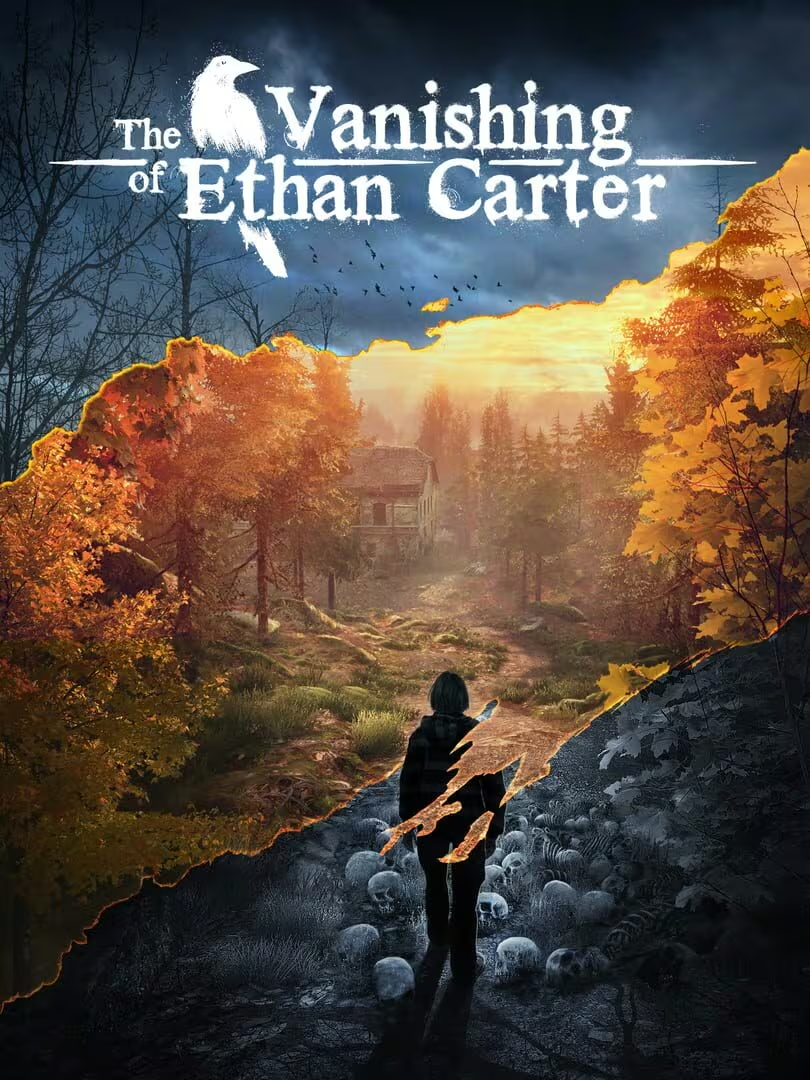 The Vanishing of Ethan Carter
"Generally considered good value for price given the unique experience, despite short length."
-
Violence
Game with the same Violence vibe
-5"No combat or destructive gameplay elements."
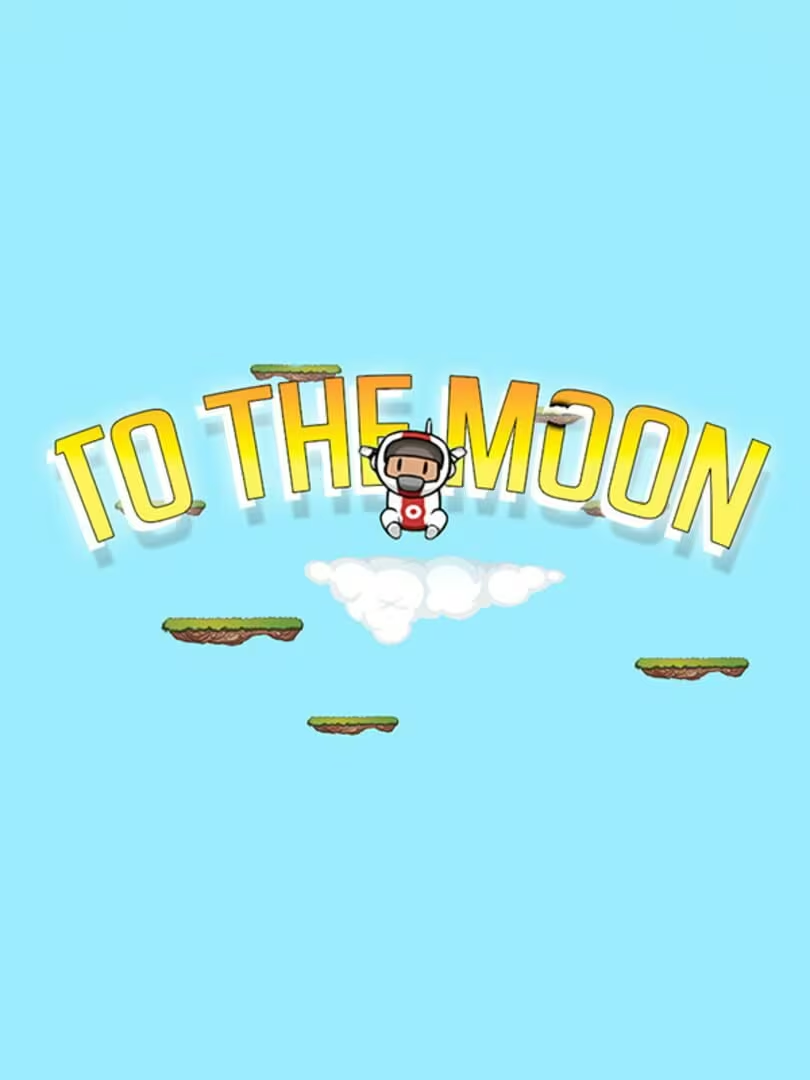 To the Moon
"No combat or destructive gameplay elements."
-
Survival
Game with the same Survival vibe
3"Survival mode and escalating difficulty require avoiding failure and managing threats."
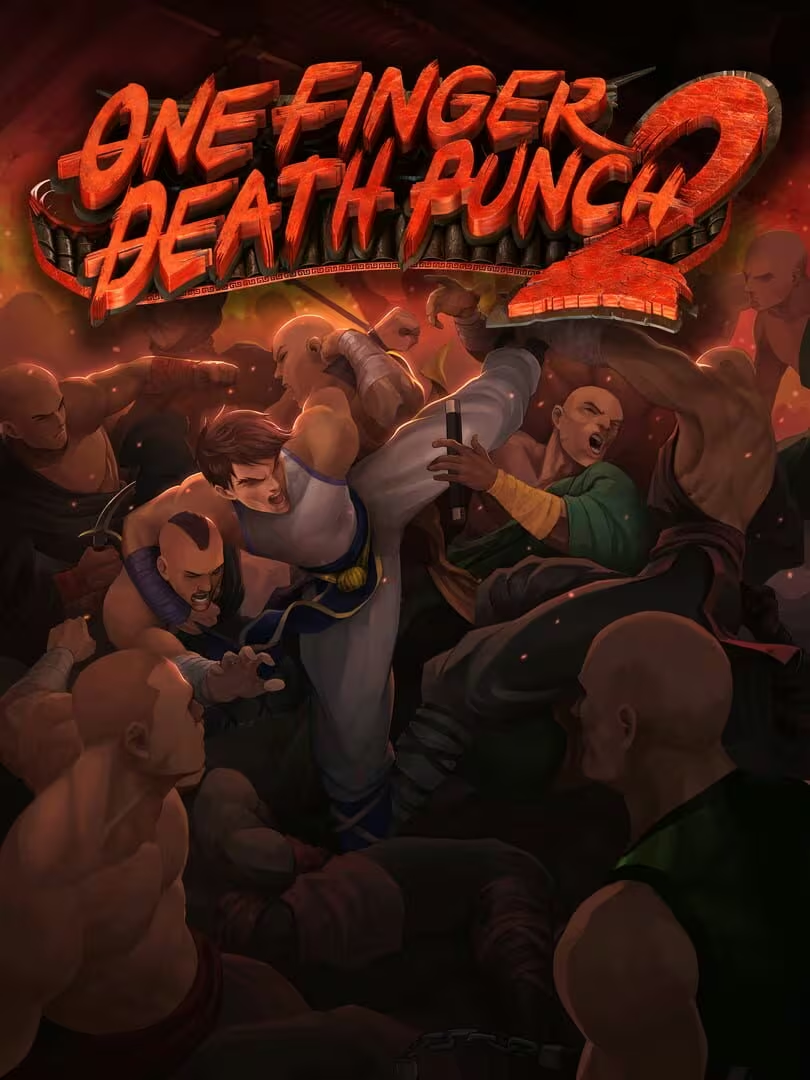 One Finger Death Punch 2
"Managing limited power and avoiding failure creates survival tension."
Last update: 01/06/2026