Ascend: Reborn similar games & best alternatives
Should you play it?
Ascend Reborn is an old-school, 3rd person action RPG. Wage war as a brutal Caos warrior on your journey to Ascension. The reign of the Titans has come to an end. The New Gods have risen to claim ultimate power and need a champion. Will you rise to the challenge?
What works
- Nostalgic and unique dark fantasy setting
- Satisfying and cathartic combat
- Free-to-play with fair progression
- Customization through gear and emblems
- Active developer support and updates
Things to keep in mind
- Sparse community and limited multiplayer cooperation
- Repetitive dungeons and enemy types
- Technical issues and occasional crashes
- Janky controls and ui lag
- Limited story depth and endgame content
What to play next
Similar games, hidden gems, and fresh directions from this game.
Top picks
Games that feel the closest overall
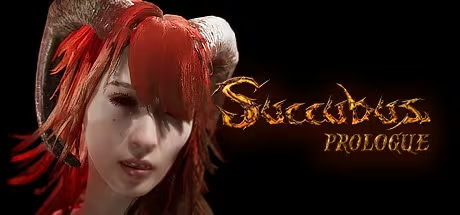
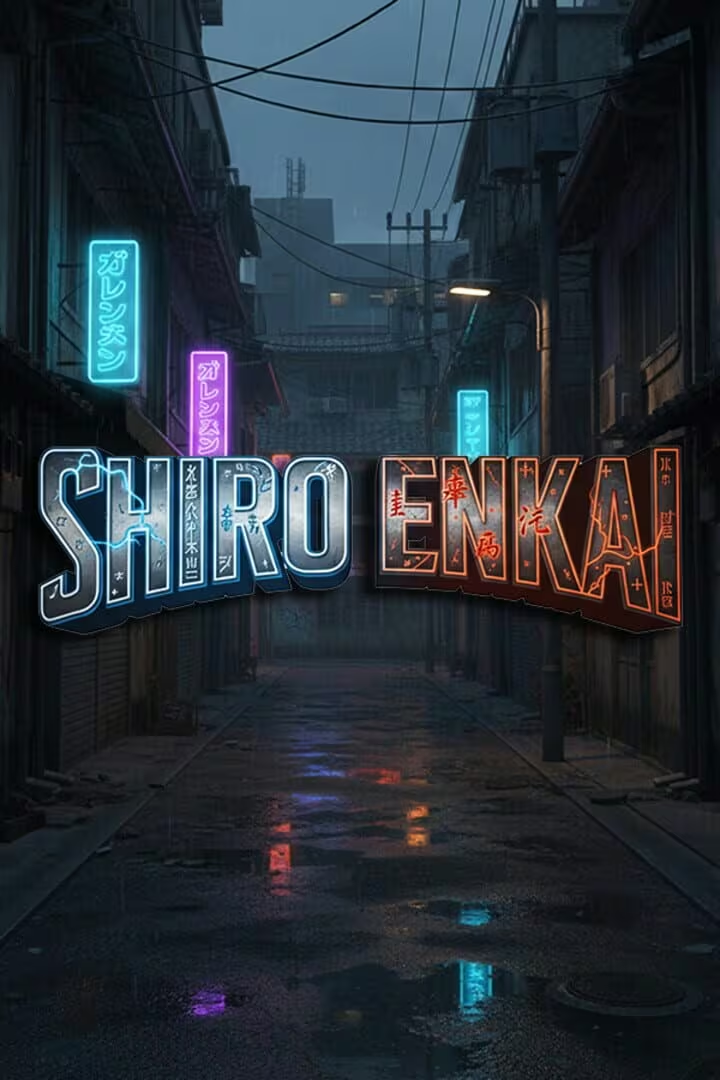
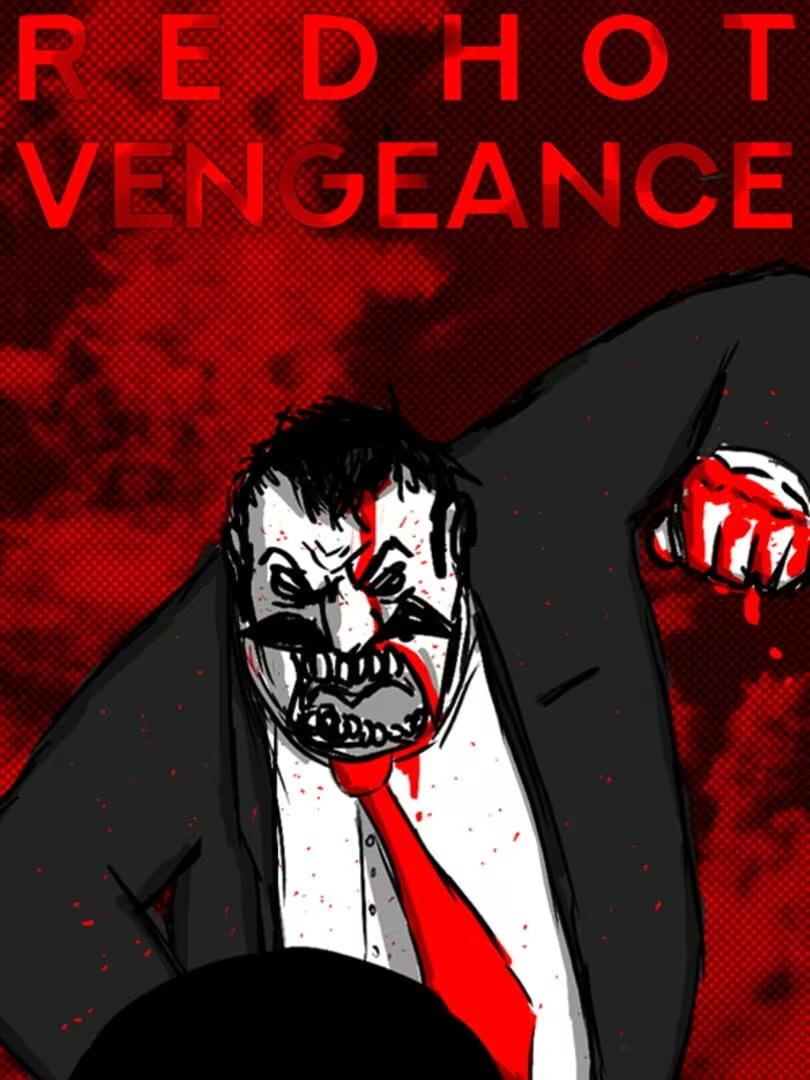
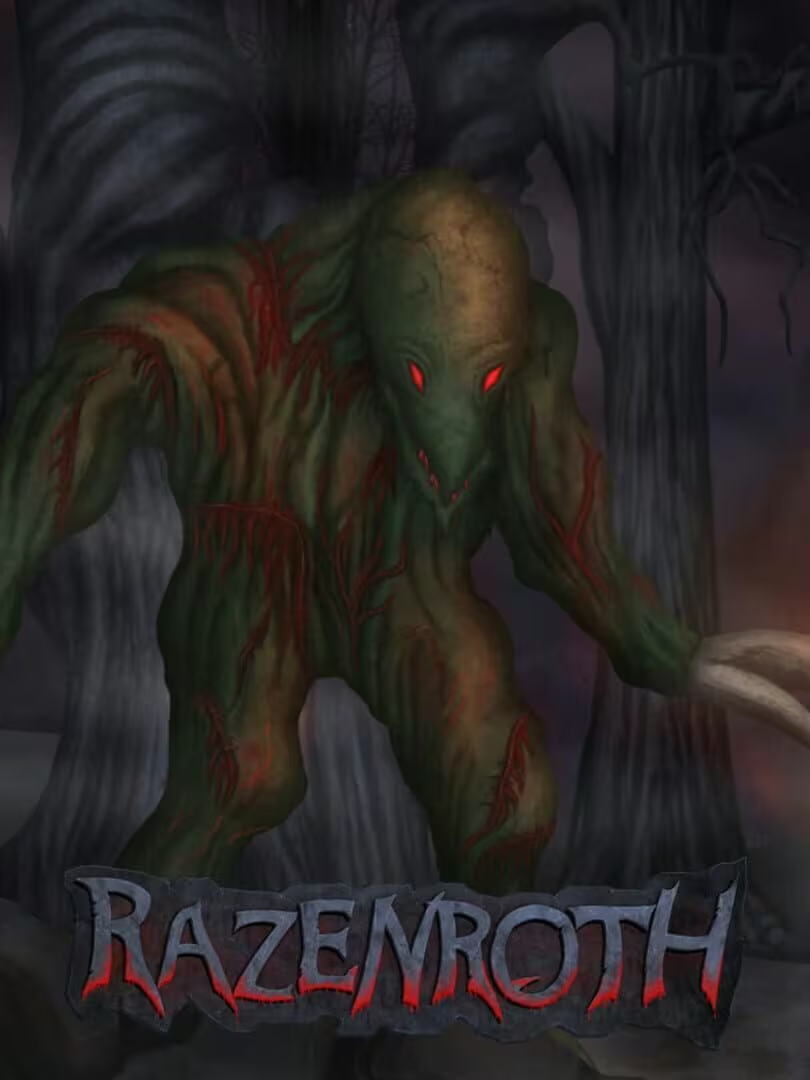
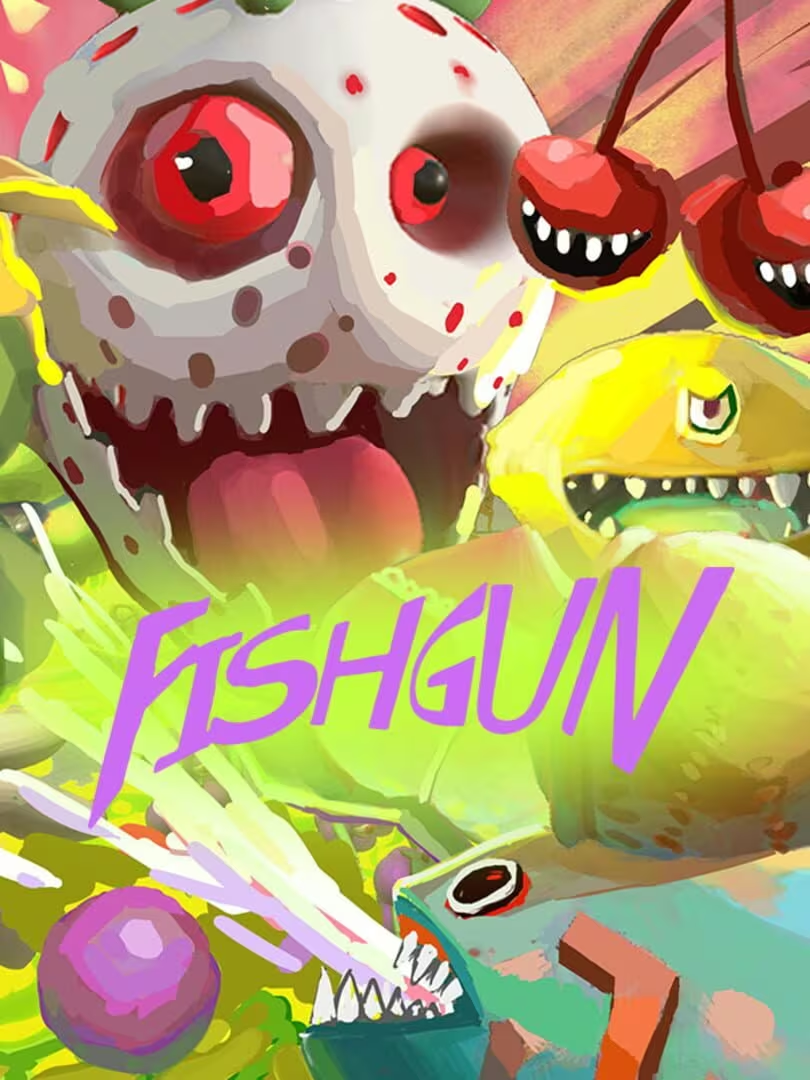
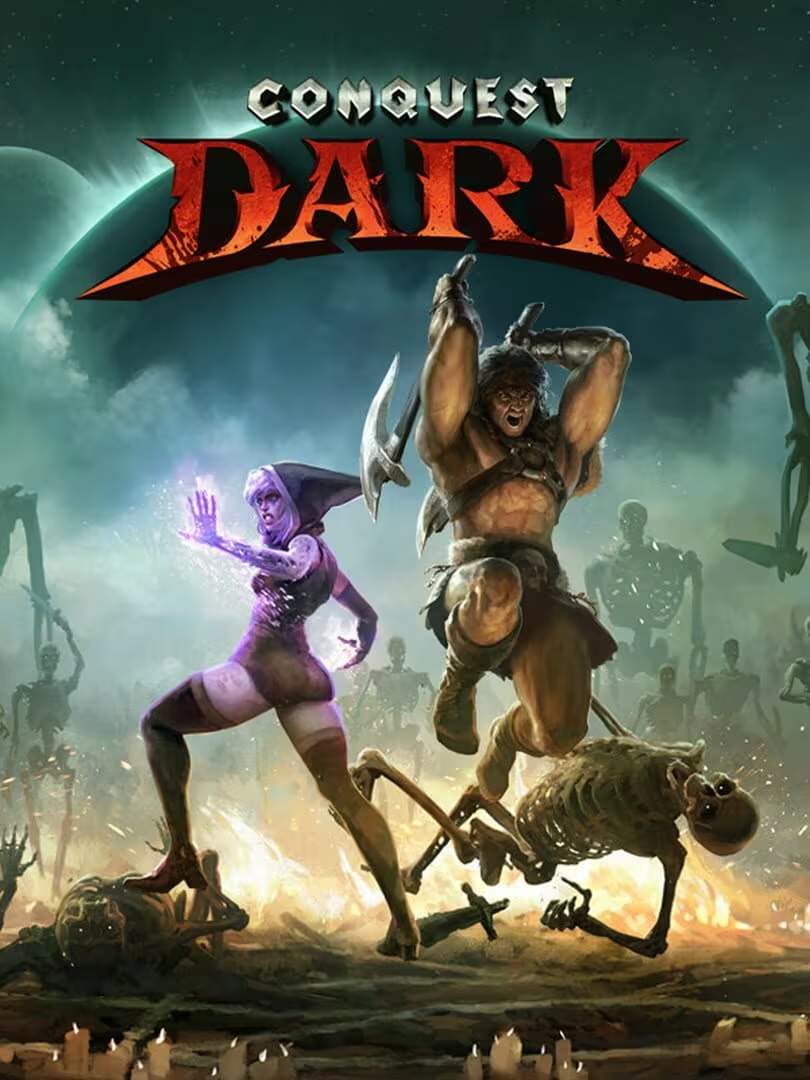
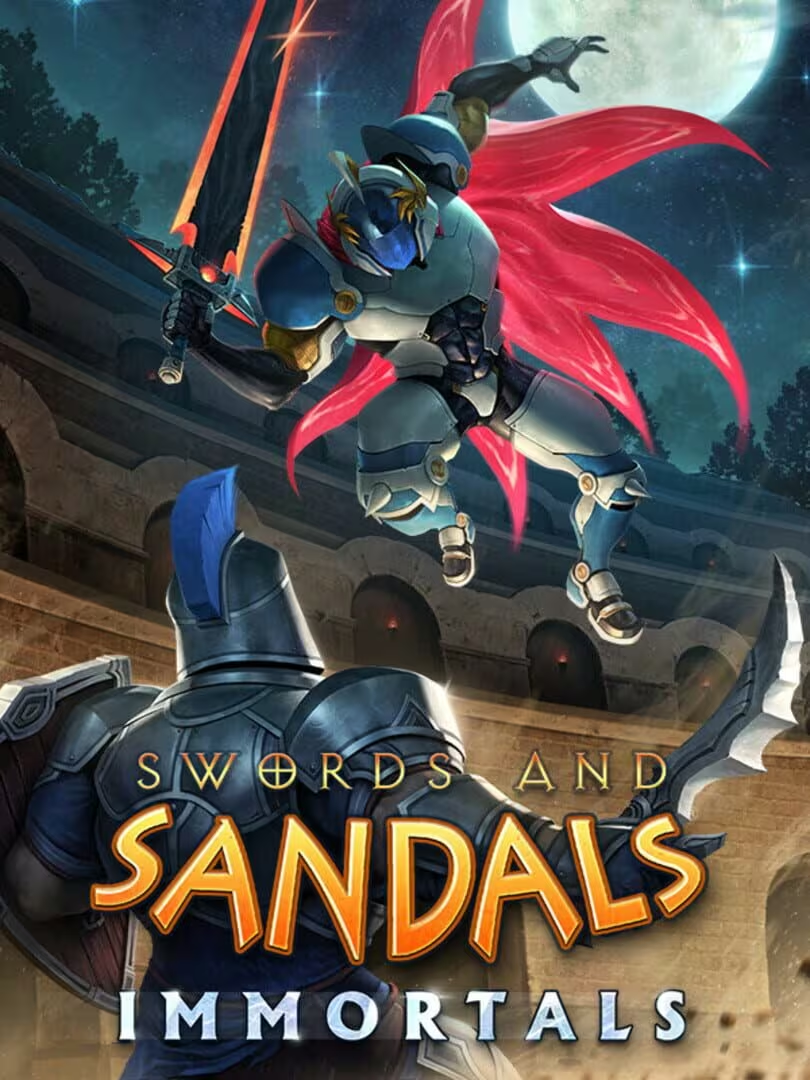

Hidden Gems
Less popular games with surprisingly high similarity
If you liked…
Recommendations by what you enjoyed most
Similarity map
Explore nearby similar games and see why they’re close.
Ascend: Reborn: A very typical example of its motivational profile. Motivations that often define this kind of title include Competition, Status, Story, Intimacy. Here, the score leans higher than usual among comparable games on Violence, Domination, Fantasy.
Why this game works
A motivational profile of the game, with the closest similar game for each player motivation.
-
Autonomy
Game with the same Autonomy vibe
3"Players can choose from multiple characters and customize gear and skills, allowing personal playstyle and decision-making."
 Baldur's Gate: Dark Alliance II
"Players can choose their alignment (God), gear, spells, and progression path including ascending multiple times, indicating a degree of control over their character and playstyle."
-
Competence
Game with the same Competence vibe
3"Combat and boss fights provide skill challenges and pattern learning, though overall difficulty is moderate and some players find it easy."
 Record of Lodoss War-Deedlit in Wonder Labyrinth-
"Combat is described as simple to learn but difficult to master, with skill-based animation cancels and boss fights requiring pattern recognition, providing a moderate challenge."
-
Competition
Game with the same Competition vibe
2"There is indirect competition through market dynamics and rival NPCs, but no direct PvP or ranked modes"
 SAELIG
"There is indirect PvP via territory control and leaderboards, but no direct PvP; competition exists but is limited and not the main focus."
-
Continuation
Game with the same Continuation vibe
3"Players report long playtimes, replayability with multiple endings, and some grind that encourages habitual play."
 Fairy Fencer F
"Players report long play sessions, grinding, and repeated ascensions; the game encourages habitual play but also has an endgame that some find limiting."
-
Cooperation
Game with the same Cooperation vibe
-2"Game primarily focuses on individual play and competition; multiplayer is asynchronous with no direct cooperation or co-op modes currently."
 Anarchy: Wolf's law
"The game lacks traditional co-op or party systems currently; multiplayer elements are asynchronous or indirect, with limited direct player cooperation."
-
Creativity
Game with the same Creativity vibe
2"Players customize builds via equipment, skills, and god worship choices, but within predefined systems."
 Runestone Keeper
"Players can customize gear sets, choose emblems from different Gods, and mix spells, allowing some creative build customization."
-
Domination
Game with the same Domination vibe
1"Players exert control over rivals and territory, but interactions are balanced and do not emphasize power over others."
 City of Gangsters
"Territory control and sending curses to other players imply exerting influence over others, but interactions are mostly indirect and balanced."
-
Escapism
Game with the same Escapism vibe
4"Players use the game as a stress relief and immersive distraction, enjoying the fantasy fighting world and characters."
 GAROU: MARK OF THE WOLVES
"Players use the game for nostalgia, stress relief, and distraction, enjoying the fantasy world and cathartic combat."
-
Expectation
Game with the same Expectation vibe
-4"Players engage voluntarily out of personal interest and nostalgia; no evidence of obligation or pressure to play."
 Kaetram
"Players engage voluntarily out of nostalgia and personal interest; no evidence of obligation or pressure to play."
-
Experimenting
Game with the same Experimenting vibe
2"Players explore combos, character moves, and mechanics; some experimentation with different gods and strategies."
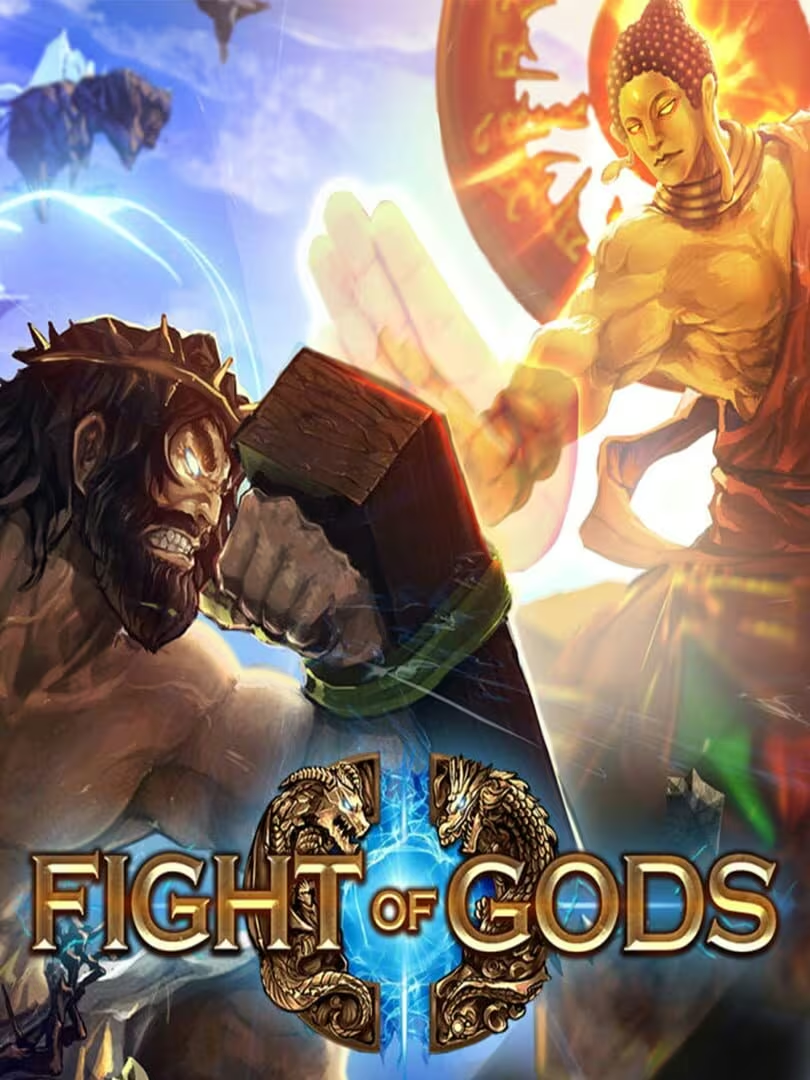 Fight of Gods
"Players experiment with different Gods, emblems, and combat combos; some novelty exploration in builds and strategies."
-
Exploration
Game with the same Exploration vibe
1"Game includes dungeon exploration and side quests, but environments and progression are mostly linear and repetitive."
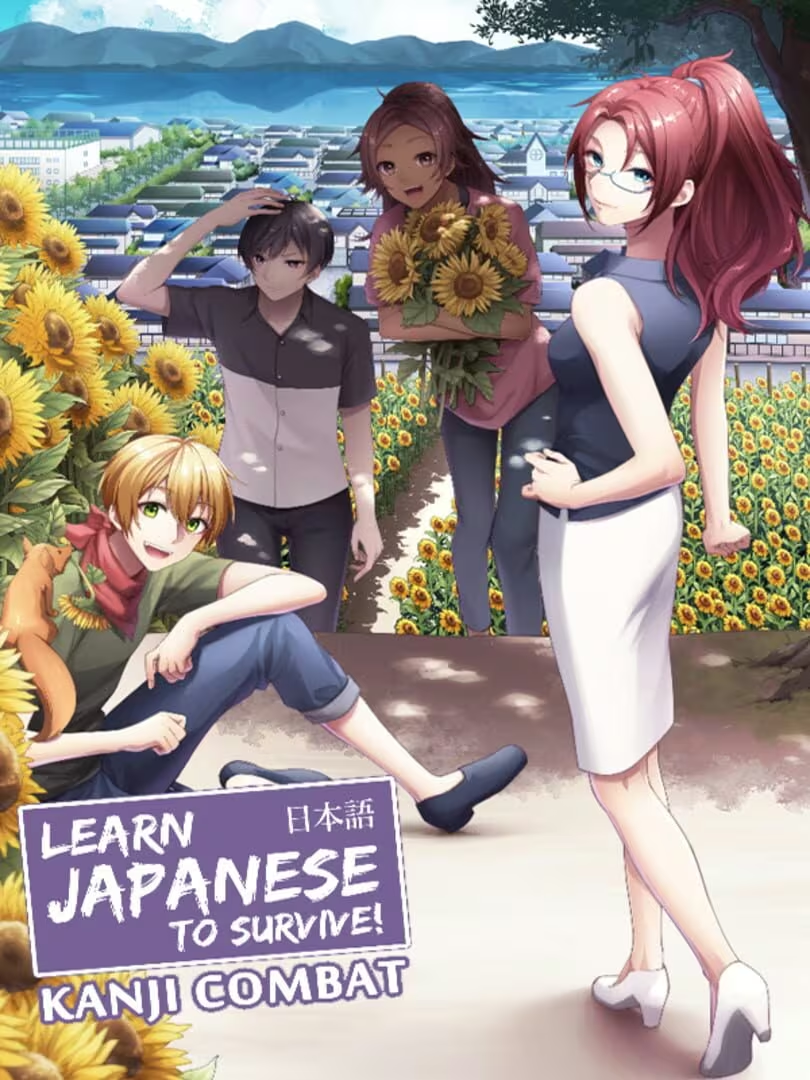 Learn Japanese To Survive! Kanji Combat
"Game includes dungeons and zones to explore but environments and enemies are somewhat repetitive and linear."
-
Expression
Game with the same Expression vibe
2"Some character customization and unique gear appearances allow for personal expression."
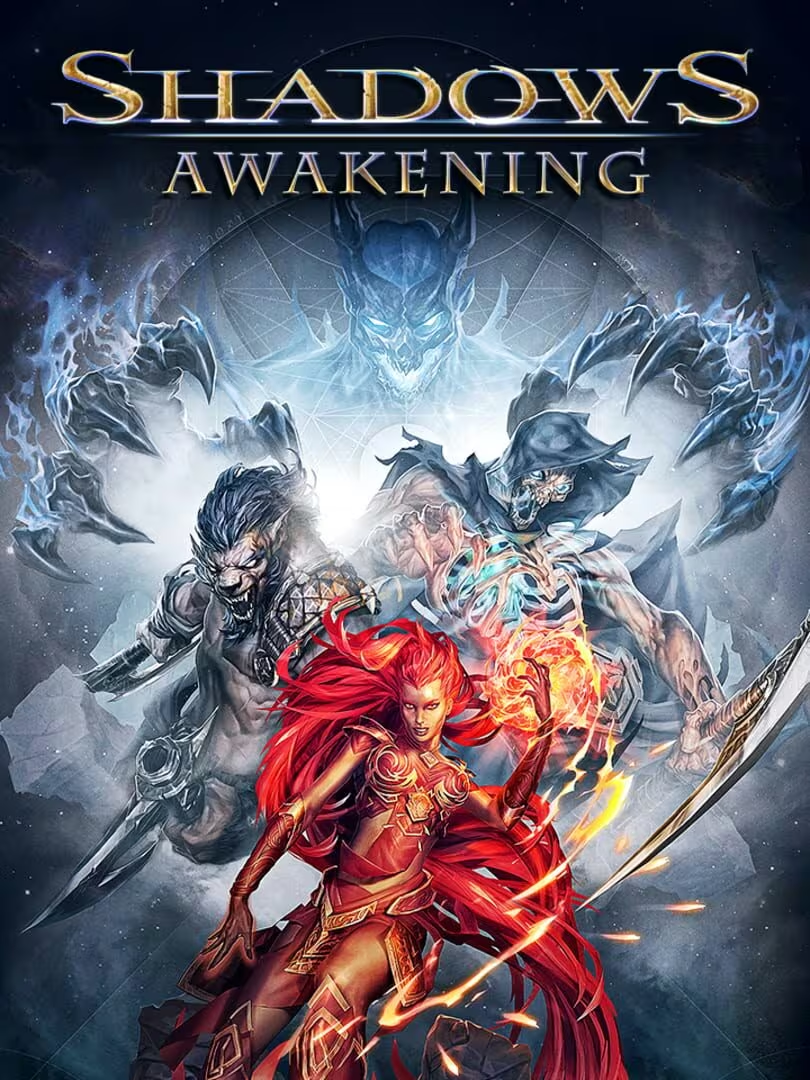 Shadows: Awakening
"Customization of characters' gear and emblems allows for some personal expression, though limited character appearance options."
-
Fantasy
Game with the same Fantasy vibe
5"Strong fantasy setting with magic, giant monsters, and imaginative lore; players appreciate story and worldbuilding."
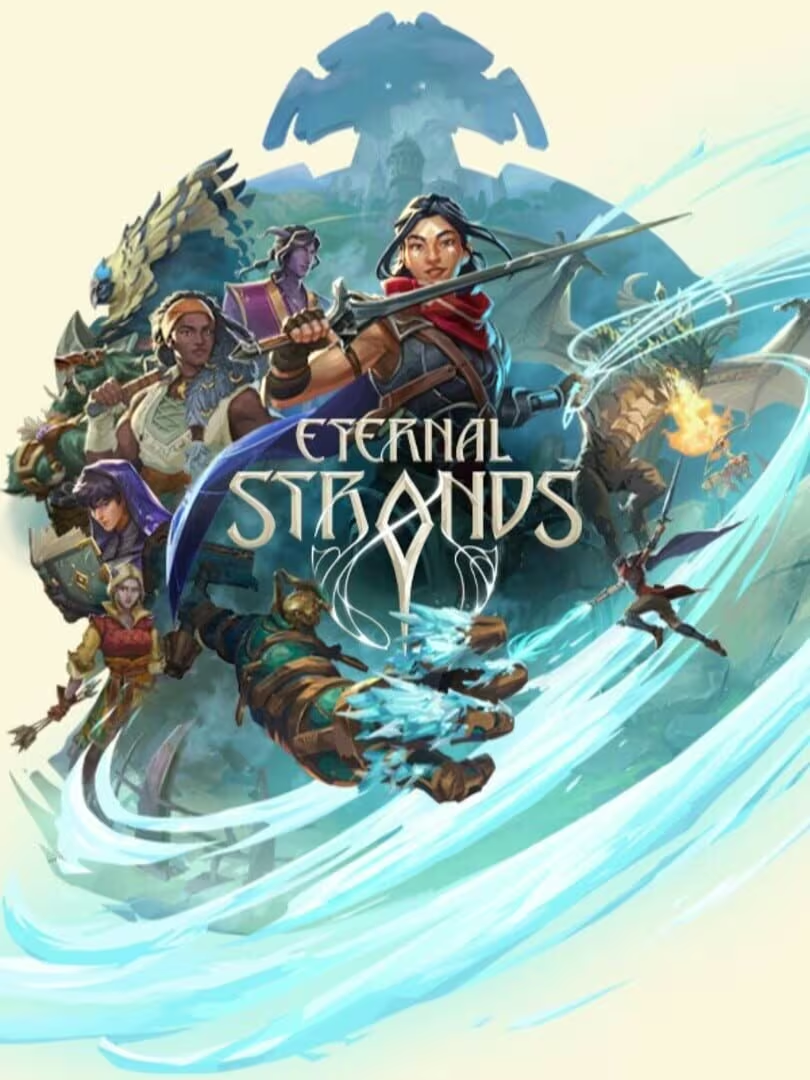 Eternal Strands
"Strong fantasy setting with giants, gods, magic, and mythical themes; players experience an imaginative fictional world."
-
Fellowship
Game with the same Fellowship vibe
-3"Mostly single-player or limited multiplayer; community exists but social interaction is minimal."
 Space Empires IV Deluxe
"Community is sparse, multiplayer is mostly asynchronous, and there is little direct social interaction or group identity."
-
Growth
Game with the same Growth vibe
3"Players learn enemy patterns, master combat mechanics, and develop skills over time."
 Narita Boy
"Players learn combat mechanics, enemy patterns, and progression systems; some skill and knowledge development over time."
-
Health
Game with the same Health vibe
-4"Primarily a sedentary game with no physical activity; players often engage in long grinding sessions."
 SAS: Zombie Assault 4
"Game is a traditional sedentary PC game with no physical activity elements; some reports of long grinding sessions."
-
Idle
Game with the same Idle vibe
-3"Requires focused attention during combat and progression; not designed for passive or background play."
 Rotwood
"Requires focused attention during combat and progression; not designed for passive or background play."
-
Intimacy
Game with the same Intimacy vibe
-4"Minimal social interaction; no evidence of close relationships or emotional sharing within the game."
 MXGP3 - The Official Motocross Videogame
"Minimal social interaction; no evidence of close relationships or emotional sharing within the game."
-
Leadership
Game with the same Leadership vibe
-2"Players control their own characters and companions but no evidence of leading groups or managing teams."
 Darkstone
"Players manage their own characters and ascended champions but no evidence of leading others in groups or teams."
-
Progression
Game with the same Progression vibe
4"Strong emphasis on leveling, acquiring companions, gear, and unlocking new areas."
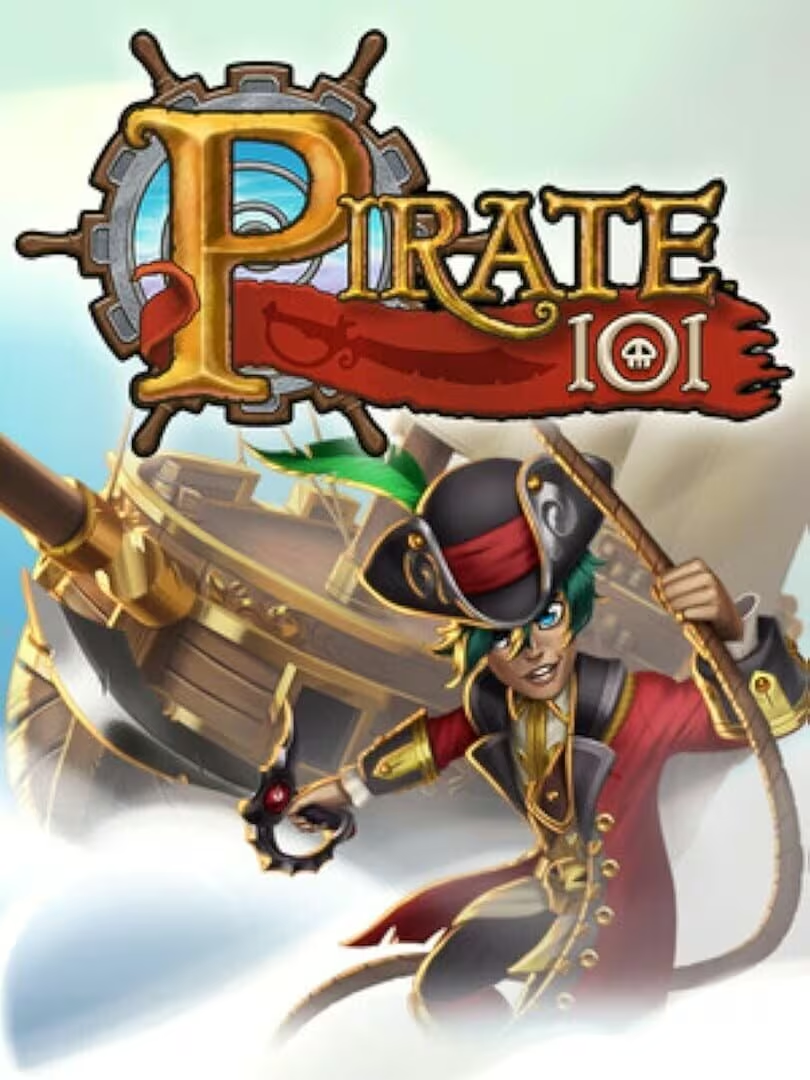 Pirate101
"Strong emphasis on leveling up, ascending, collecting gear, and unlocking emblems; clear progression system."
-
Relaxation
Game with the same Relaxation vibe
2"Combat can be tense and challenging but also provides flow and satisfaction, balancing excitement and relaxation."
 STAR WARS™ Jedi Knight - Jedi Academy™
"Combat is cathartic and satisfying for some, though some find it repetitive or janky; moderate relaxation and flow."
-
Sensation
Game with the same Sensation vibe
3"Visuals, sound design, and satisfying combat animations provide sensory enjoyment."
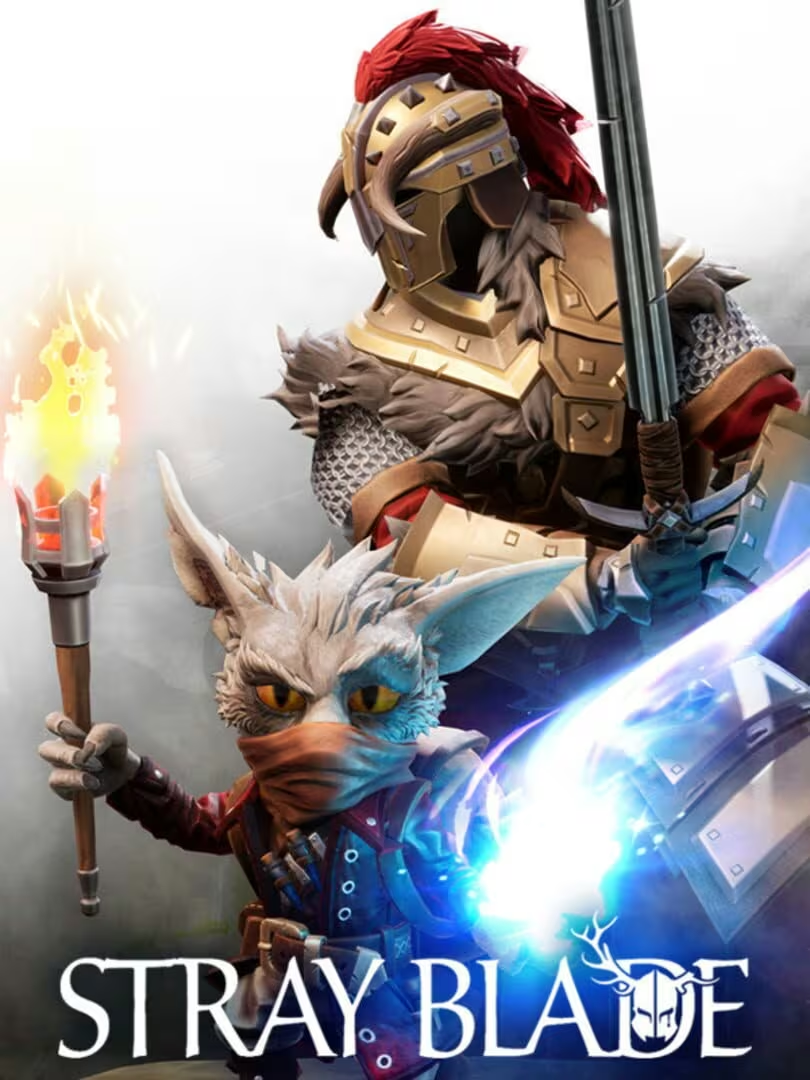 Stray Blade
"Enjoyable visual style, satisfying combat animations, and atmospheric sound contribute to sensory enjoyment."
-
Status
Game with the same Status vibe
1"Leaderboards and achievements provide some recognition, but small community limits broad social status."
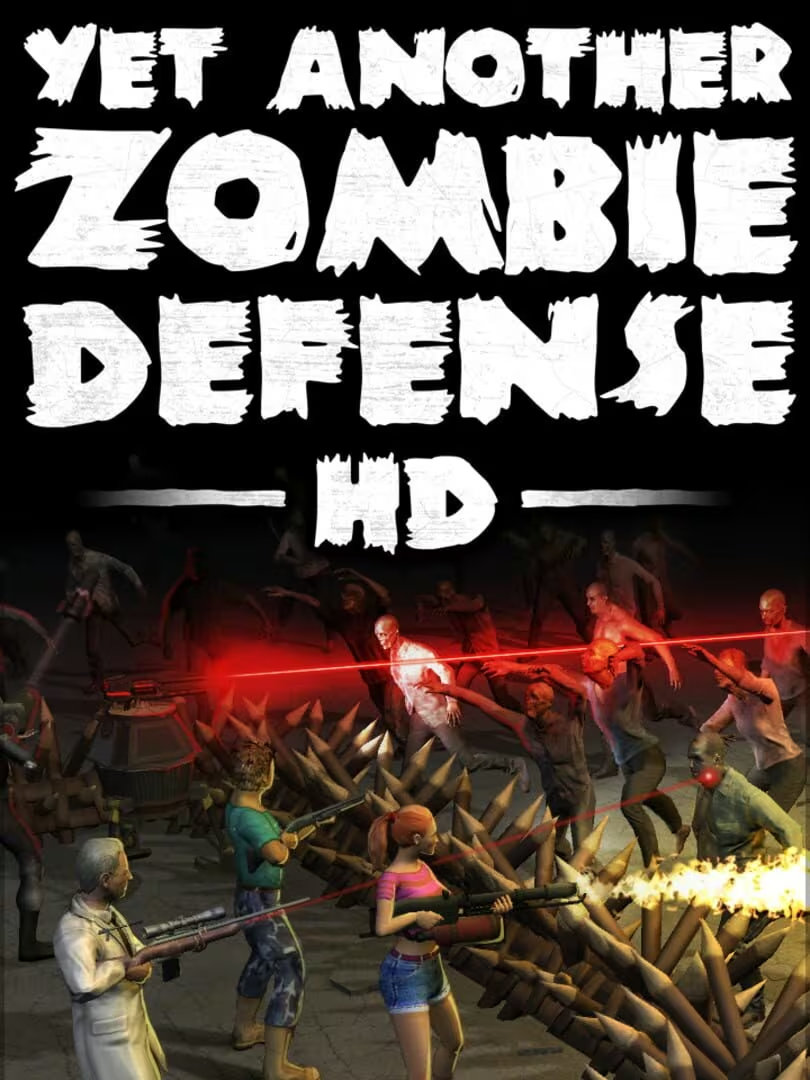 Yet Another Zombie Defense HD
"Leaderboards and territory control provide some social recognition, but community size limits status impact."
-
Story
Game with the same Story vibe
1"Story exists but is minimalistic, vague, and delivered through lore notes; not a strong narrative focus."
 Elderand
"There is a narrative and lore, but story is considered dated, minimal, and sometimes poorly delivered."
-
Strategy
Game with the same Strategy vibe
2"Combat and territory control require tactical thinking and planning."
 Fading Afternoon
"Combat and territory control require some tactical thinking and planning, though combat is mostly action-oriented."
-
Thrill
Game with the same Thrill vibe
2"Combat encounters provide moments of tension and excitement, though overall gameplay is predictable."
 Watchmen: The End is Nigh
"Combat provides moments of tension and satisfaction, but overall gameplay is predictable and grindy."
-
Value
Game with the same Value vibe
4"Free to play with optional purchases; many players feel they get good value for time invested."
 The Pirate: Caribbean Hunt
"Free-to-play with optional purchases; players feel they get good value for time invested and can progress without paying."
-
Violence
Game with the same Violence vibe
4"Combat involves melee, ranged attacks, and killing enemies; violence is a core gameplay element."
 Assassin's Creed® Odyssey
"Combat involves brutal melee attacks, finishing moves, and destruction of enemies; violence is a core gameplay element."
-
Survival
Game with the same Survival vibe
1"Players must avoid death and manage combat threats, though no complex survival mechanics."
 Battle Clash
"Players must manage combat threats and resource (souls) usage; some challenge in avoiding death but not extreme survival focus."
Last update: 01/06/2026