CivCity: Rome similar games & best alternatives
Should you play it?
CivCity: Rome, an innovative city builder inspired by the world of Sid Meiers Civilization, and created by a collaboration between Firefly Studios and Firaxis Games, invites players to shift focus from building a multi-city empire and zoom-in on the great cities of the Roman Empire, culminating in Rome itself!
What works
- Addictive and engaging city building
- Historical and educational content
- Custom map editor
- Balanced campaign with economic and military aspects
- Intuitive controls and gameplay
Things to keep in mind
- Dated graphics and resolution issues
- Bugs with worker ai and glitches
- Small map sizes limit city expansion
- Military combat is weak and simplistic
- Lack of widescreen support and modern ui features
What to play next
Similar games, hidden gems, and fresh directions from this game.
Top picks
Games that feel the closest overall

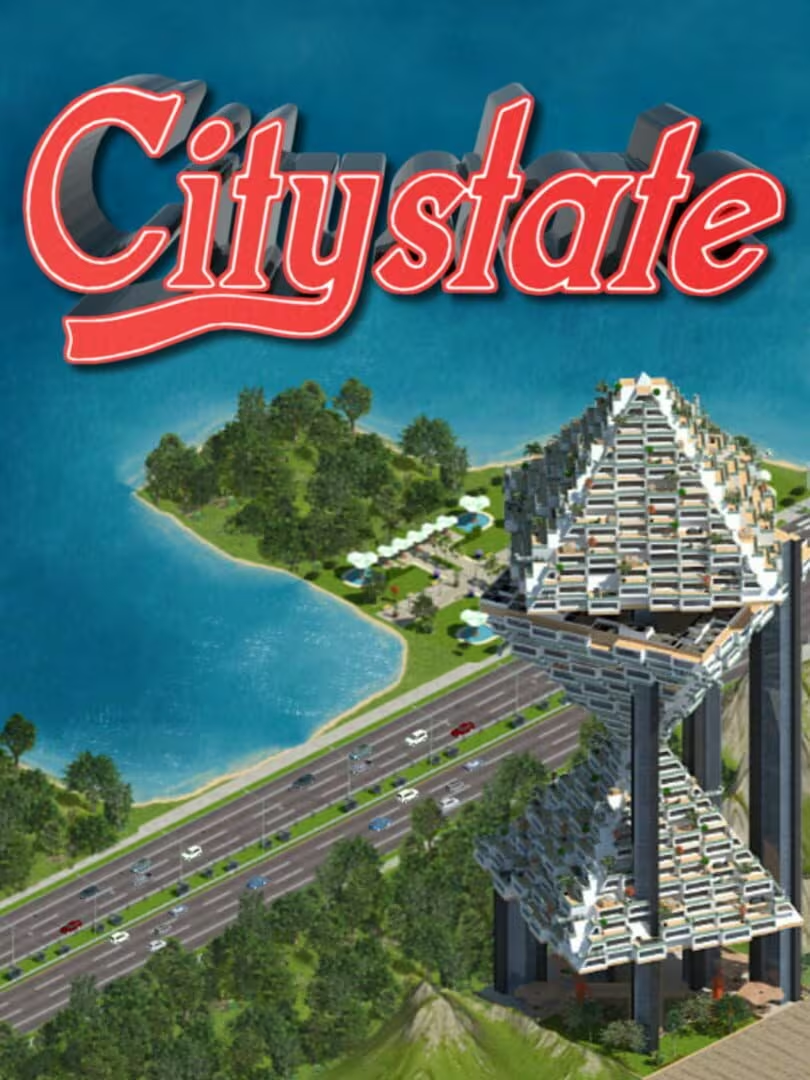
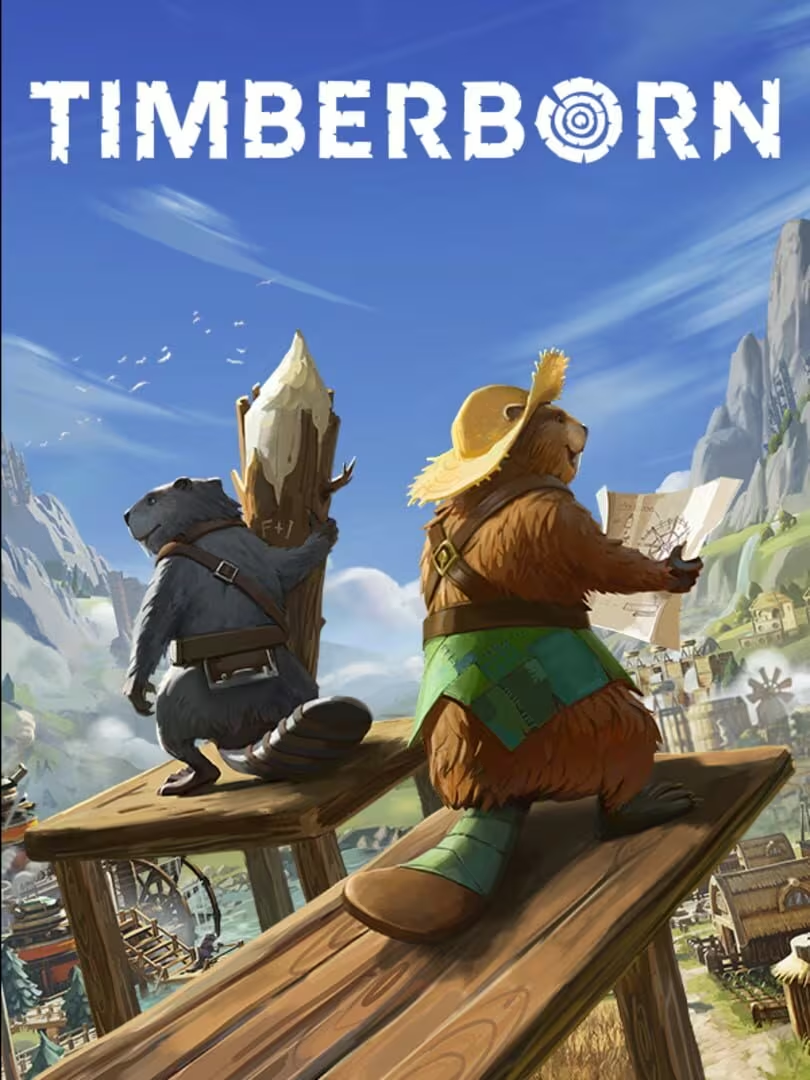
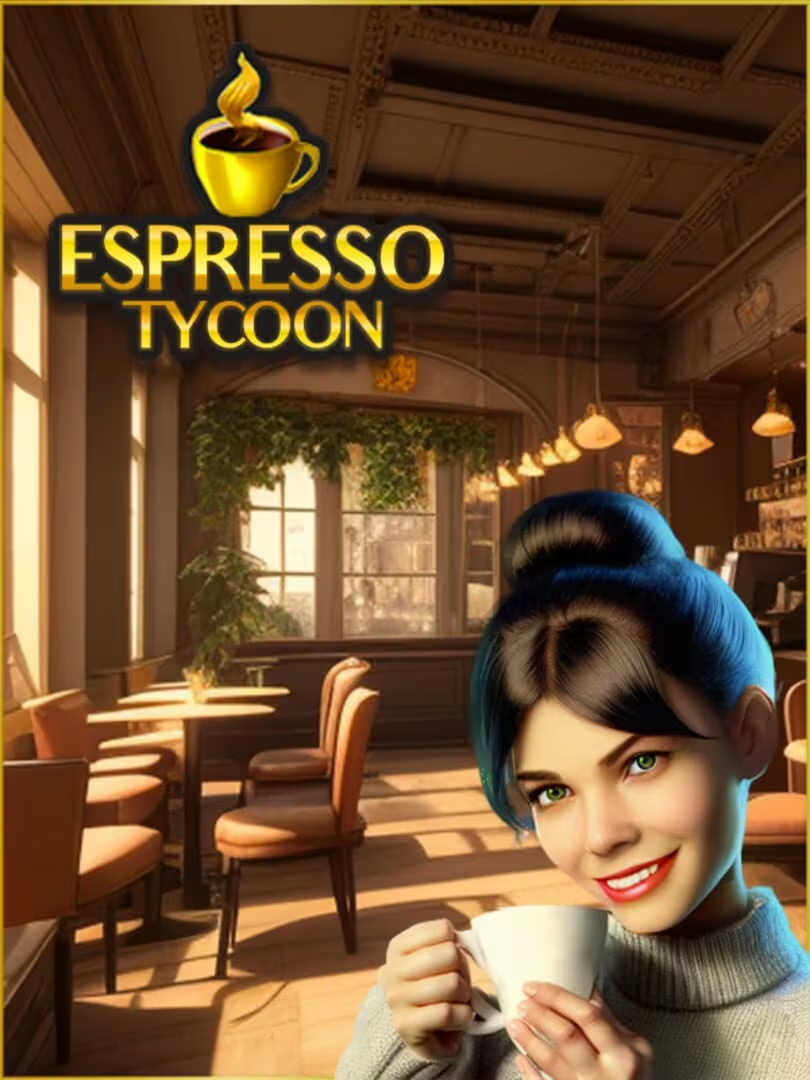
Hidden Gems
Less popular games with surprisingly high similarity
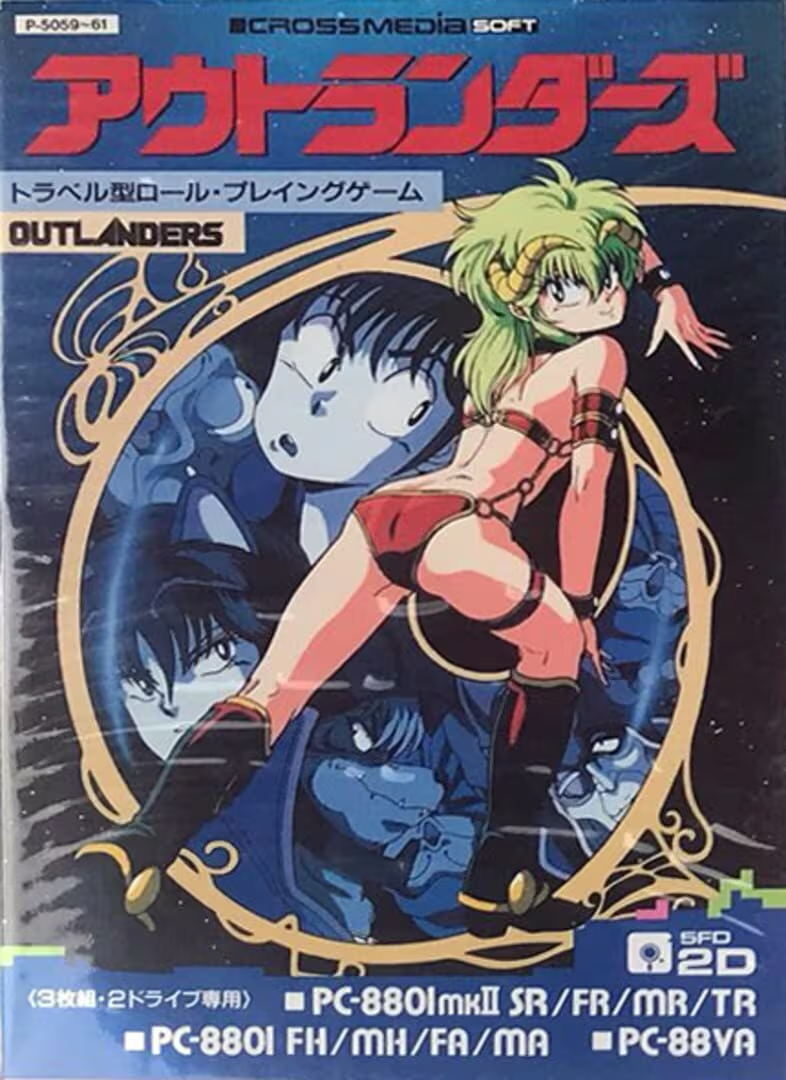
If you liked…
Recommendations by what you enjoyed most
Similarity map
Explore nearby similar games and see why they’re close.
CivCity: Rome: A very typical example of its motivational profile. Motivations that often define this kind of title include Violence, Fantasy, Story, Thrill. Here, the score leans higher than usual among comparable games on Leadership, Story, Survival.
Why this game works
A motivational profile of the game, with the closest similar game for each player motivation.
-
Autonomy
Game with the same Autonomy vibe
4"Players have freedom to build cities, manage economy, research, diplomacy, and military with many options and customizations."
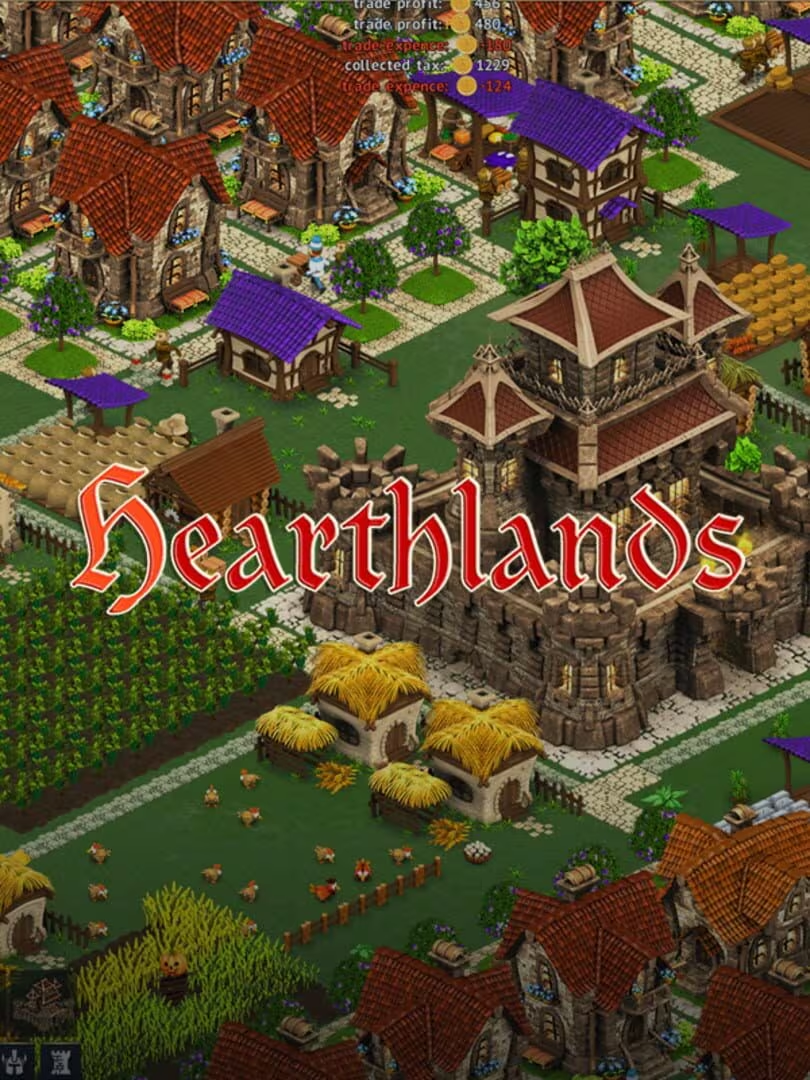 Hearthlands
"Players can freely build and manage their city, choose strategies for economy and military, and create custom maps."
-
Competence
Game with the same Competence vibe
3"Game offers challenges in city planning, resource management, and scenario objectives, requiring skill and learning."
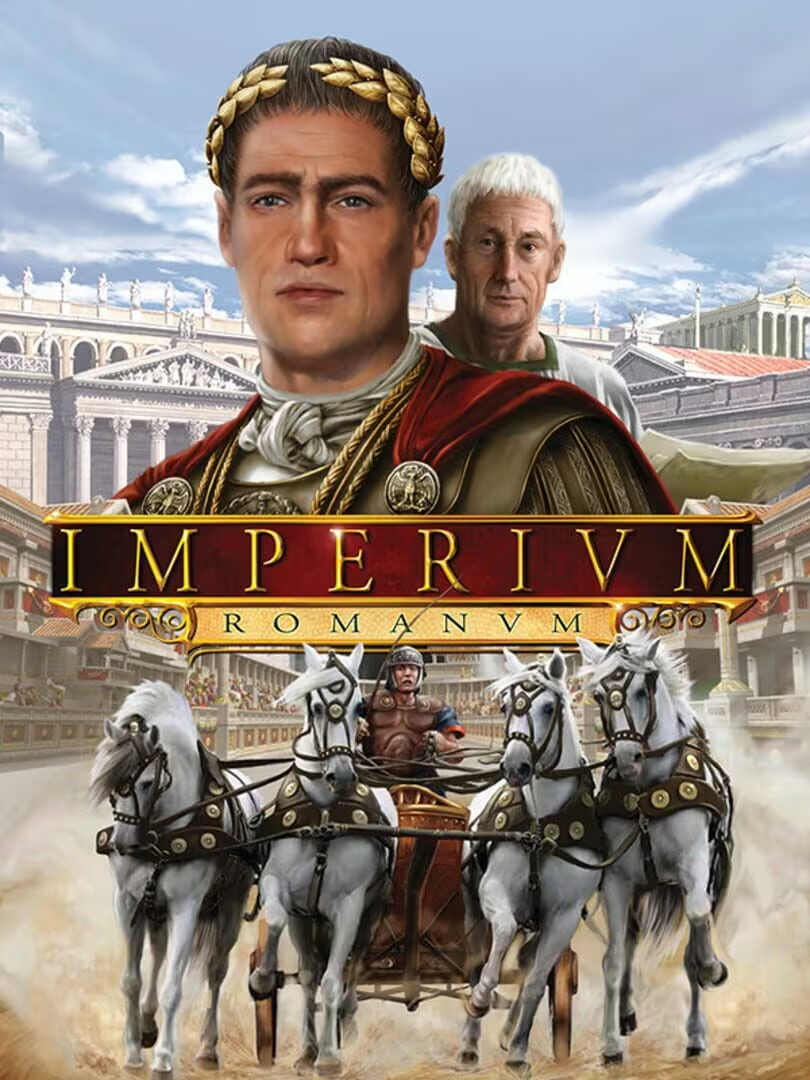 Imperium Romanum Gold Edition
"Game offers a moderate challenge with strategic city planning, resource management, and campaign missions."
-
Competition
Game with the same Competition vibe
-4"Focus is on personal city-building and management without competitive multiplayer or leaderboard features."
 Children of the Nile: Enhanced Edition
"Focus is on personal city building and management without multiplayer or ranked competition."
-
Continuation
Game with the same Continuation vibe
4"Many players report long play sessions, habitual engagement, and returning to the game over years."
 The Sims™ 4
"Many players report long play sessions and returning to the game repeatedly over years."
-
Cooperation
Game with the same Cooperation vibe
-5"No multiplayer or cooperative gameplay; players engage independently."
 HARD BULLET
"No multiplayer or cooperative gameplay; players engage independently."
-
Creativity
Game with the same Creativity vibe
4"Players can design city layouts, manage production chains, and create custom maps with the editor."
 Citadelum
"Players can design cities, manage layouts, and create custom maps with an editor."
-
Domination
Game with the same Domination vibe
-5"No evidence of exerting control over others; gameplay is solitary and balanced."
 Terraformers
"No evidence of exerting control over others; gameplay is solitary and balanced."
-
Escapism
Game with the same Escapism vibe
4"Players use the game as a nostalgic and immersive escape into ancient Roman city-building and strategy."
 Caesar™ IV
"Players use the game as a relaxing and immersive escape into ancient Roman city life."
-
Expectation
Game with the same Expectation vibe
-4"Players engage voluntarily out of interest and nostalgia, not obligation."
 Command & Conquer: Red Alert 3 - Uprising
"Players engage voluntarily out of interest and nostalgia, not obligation."
-
Experimenting
Game with the same Experimenting vibe
3"Players try different city layouts, strategies, and custom campaigns; some routine in resource management but room for experimentation."
 Zeus + Poseidon
"Players try different city layouts, economic strategies, and custom maps."
-
Exploration
Game with the same Exploration vibe
2"Some exploration of maps and discovery of objectives, though maps are limited and somewhat repetitive."
 Ghost Janitors
"Limited exploration of maps and scenarios, with some discovery in custom map creation."
-
Expression
Game with the same Expression vibe
3"Some customization of city design and building placement allows for player expression within constraints."
 Caesar™ 3
"City design and customization allow for player expression within game constraints."
-
Fantasy
Game with the same Fantasy vibe
-3"Game simulates realistic ancient Roman city management and logistics rather than imaginative or mythical elements."
Caesar™ IV
"Game focuses on realistic historical simulation of ancient Rome rather than fantasy elements."
-
Fellowship
Game with the same Fellowship vibe
-5"No social or community features; players mostly play solo."
 MineMogul
"No social or community features; players play solo."
-
Growth
Game with the same Growth vibe
3"Players develop skills in city management and strategic planning over time."
 Kingdoms and Castles
"Players develop skills in city management and strategic planning over time."
-
Health
Game with the same Health vibe
-5"Sedentary gameplay with no physical activity involved."
 World of Tanks Blitz
"Sedentary gameplay with no physical activity involved."
-
Idle
Game with the same Idle vibe
-3"Requires active management and attention to resources and city growth; not a passive or idle game."
Imperium Romanum Gold Edition
"Requires active attention to manage city and resources; not a casual idle game."
-
Intimacy
Game with the same Intimacy vibe
-5"No social or emotional connections formed through gameplay."
 Nodebuster
"No social or emotional connections formed through gameplay."
-
Leadership
Game with the same Leadership vibe
2"Players lead their army and make strategic decisions, but no multiplayer leadership roles."
 Braveland Wizard
"Players lead their city and armies strategically, but no multiplayer leadership roles."
-
Progression
Game with the same Progression vibe
4"Players accumulate resources, upgrade buildings, and advance through missions and campaigns."
Citadelum
"Players accumulate resources, upgrade buildings, and advance through campaigns."
-
Relaxation
Game with the same Relaxation vibe
3"While challenging, the game is described as relaxing and contemplative, balancing tension with flow."
 Wildermyth
"Game is described as relaxing yet challenging, balancing tension and flow."
-
Sensation
Game with the same Sensation vibe
1"Visuals and audio are pleasant but dated; some sensory enjoyment from animations and voice acting but not intense stimulation."
Zeus + Poseidon
"Visuals are dated but detailed; sound and animations add mild sensory enjoyment."
-
Status
Game with the same Status vibe
-5"No social recognition or status systems present."
 Resident Evil 7 Biohazard
"No social recognition or status systems present."
-
Story
Game with the same Story vibe
3"Campaign mode provides historical narrative and context, enhancing immersion beyond isolated gameplay."
 Railway Empire
"Campaign mode provides narrative context and historical missions."
-
Strategy
Game with the same Strategy vibe
4"Strong emphasis on strategic planning, resource management, and tactical defense."
 Stranded: Alien Dawn
"Strong emphasis on strategic city planning, resource management, and military tactics."
-
Thrill
Game with the same Thrill vibe
1"Some tension in battles and resource management, but overall controlled and predictable gameplay."
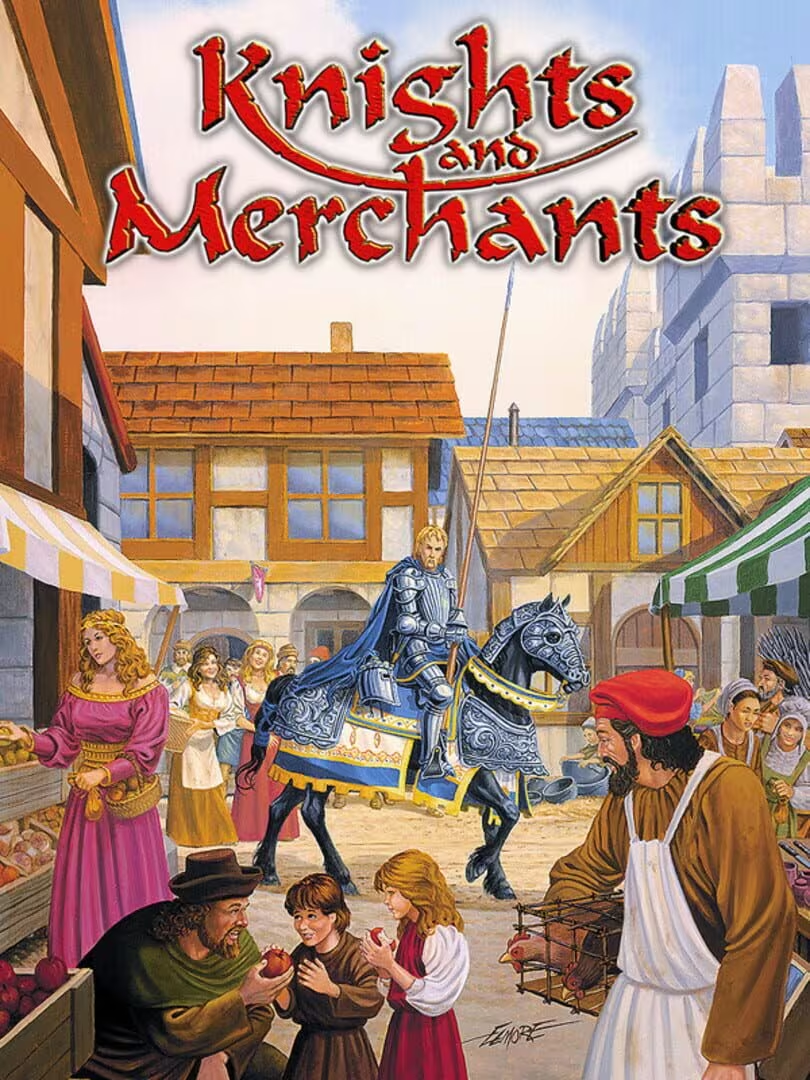 Knights and Merchants
"Some tension from managing resources and defense, but overall controlled gameplay."
-
Value
Game with the same Value vibe
4"Players find good value in the game's depth, replayability, and price, especially on sale."
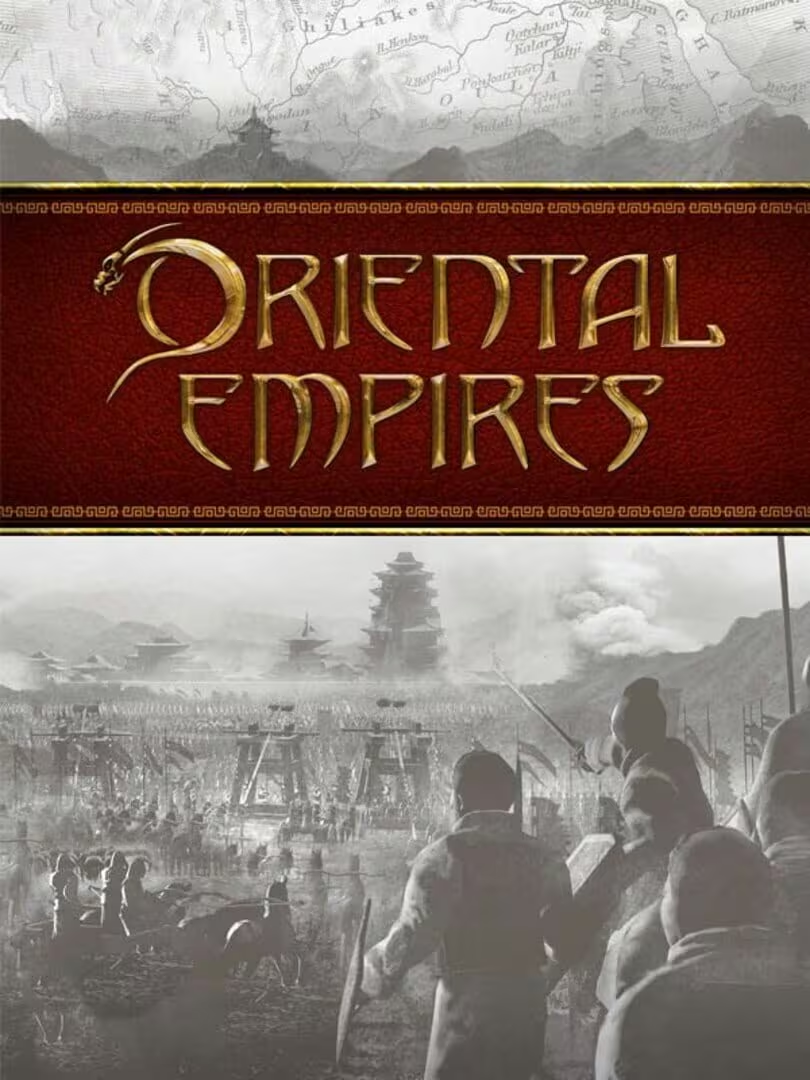 Oriental Empires
"Players find good value especially at sale prices and appreciate the game's longevity."
-
Violence
Game with the same Violence vibe
-3"Combat is minimal and not the main focus; emphasis on constructive city building."
 The Settlers® : Rise of an Empire - History Edition
"Combat exists but is minimal and not the main focus; emphasis on city building."
-
Survival
Game with the same Survival vibe
2"Players manage threats and resource challenges but overall environment is stable and controlled."
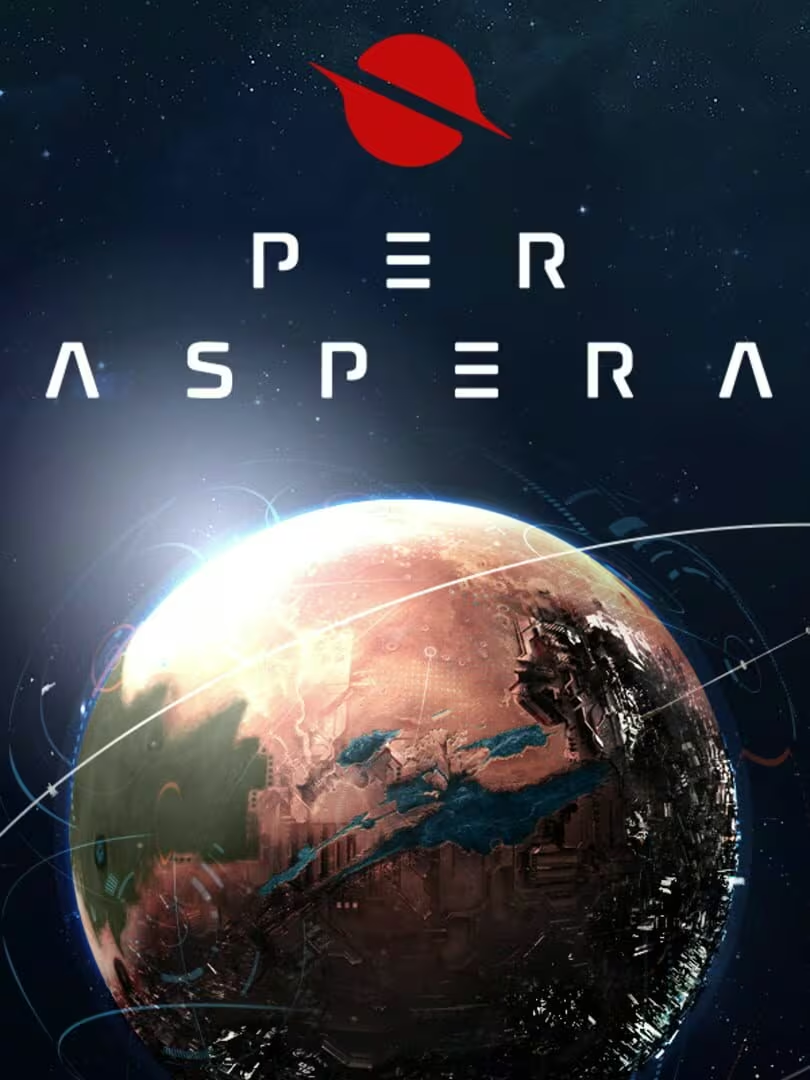 Per Aspera
"Players manage threats and resource scarcity but in a relatively stable environment."
Last update: 01/06/2026