Depersonalization similar games & best alternatives
Should you play it?
"May all stories find their best endings." "Depersonalization" is an anthology-style game featuring standalone chapters and diverse story genres. We continuously collect and create a wide variety of stories, ultimately housing them in a library that transcends the flow of time.
What works
- Deep and engaging lovecraftian storytelling
- High replayability with multiple endings and branching paths
- Rich character customization and progression
- Atmospheric pixel art and music
- Support for modding and scenario creation
Things to keep in mind
- Poor and inconsistent english translation
- Ai-generated voice acting is disliked
- Some ui and control clunkiness
- Combat can be rng-heavy and occasionally frustrating
- Limited multiplayer or social features
What to play next
Similar games, hidden gems, and fresh directions from this game.
Top picks
Games that feel the closest overall
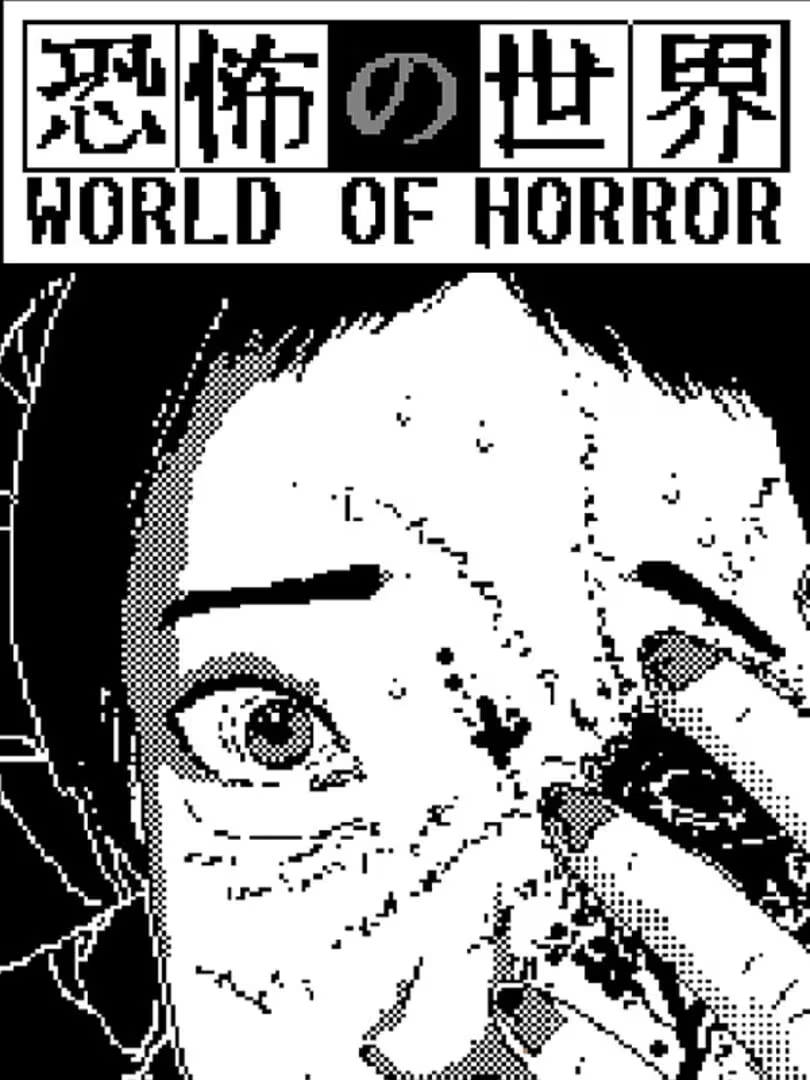
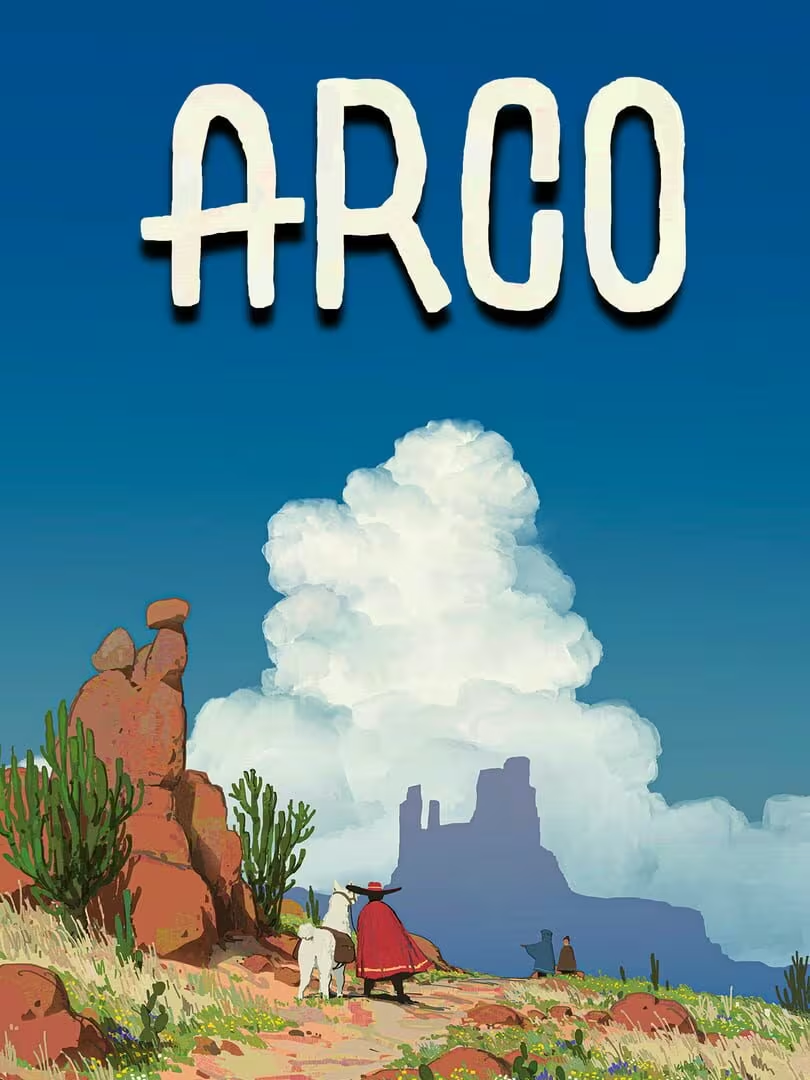
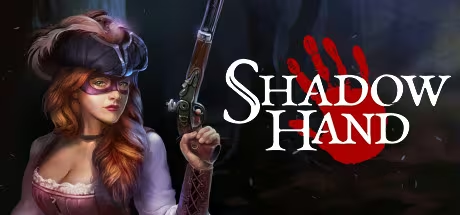
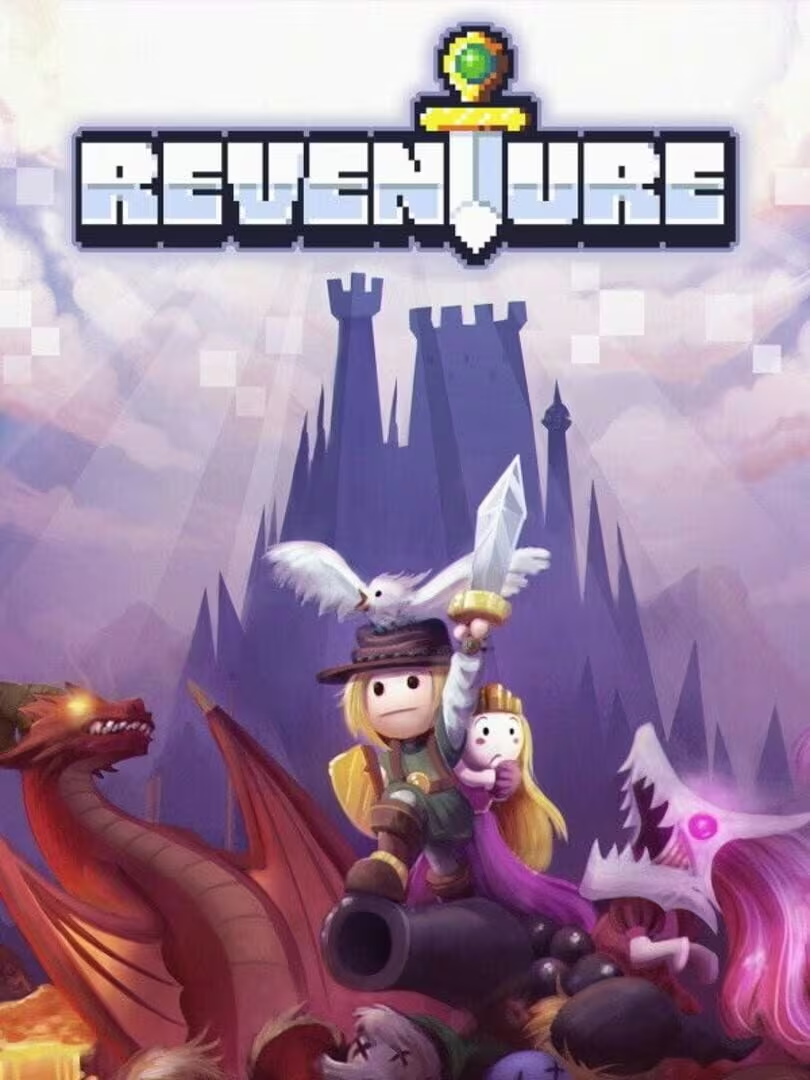
Hidden Gems
Less popular games with surprisingly high similarity
If you liked…
Recommendations by what you enjoyed most
Similarity map
Explore nearby similar games and see why they’re close.
Depersonalization: A very typical example of its motivational profile. Motivations that often define this kind of title include Fellowship, Violence, Survival, Cooperation. Here, the score leans higher than usual among comparable games on Story, Expression. It leans lower than usual among comparable games on Leadership.
Why this game works
A motivational profile of the game, with the closest similar game for each player motivation.
-
Autonomy
Game with the same Autonomy vibe
4"Players choose their own team of investigators and decide strategies, managing resources and abilities to influence outcomes."
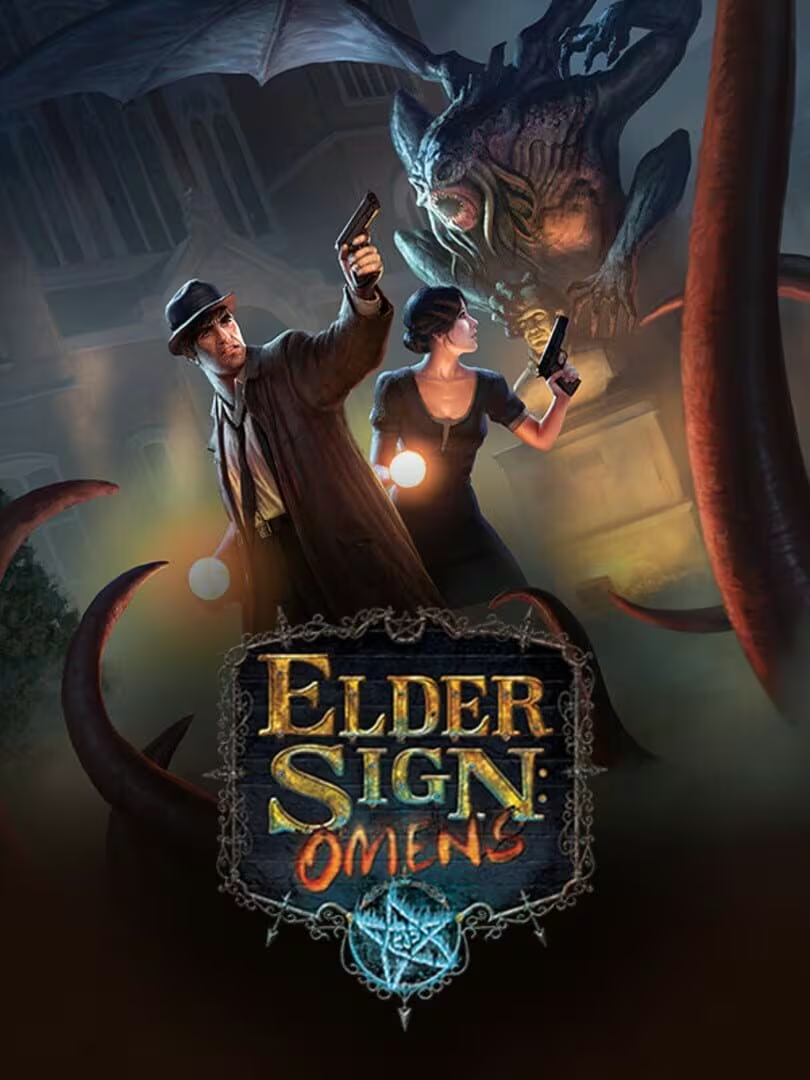 Elder Sign: Omens
"Players create and customize investigators with various stats and traits, and make meaningful choices affecting story outcomes and character growth, indicating high player control and freedom."
-
Competence
Game with the same Competence vibe
3"The game involves skillful decision-making in combat and strategy, though RNG elements add unpredictability."
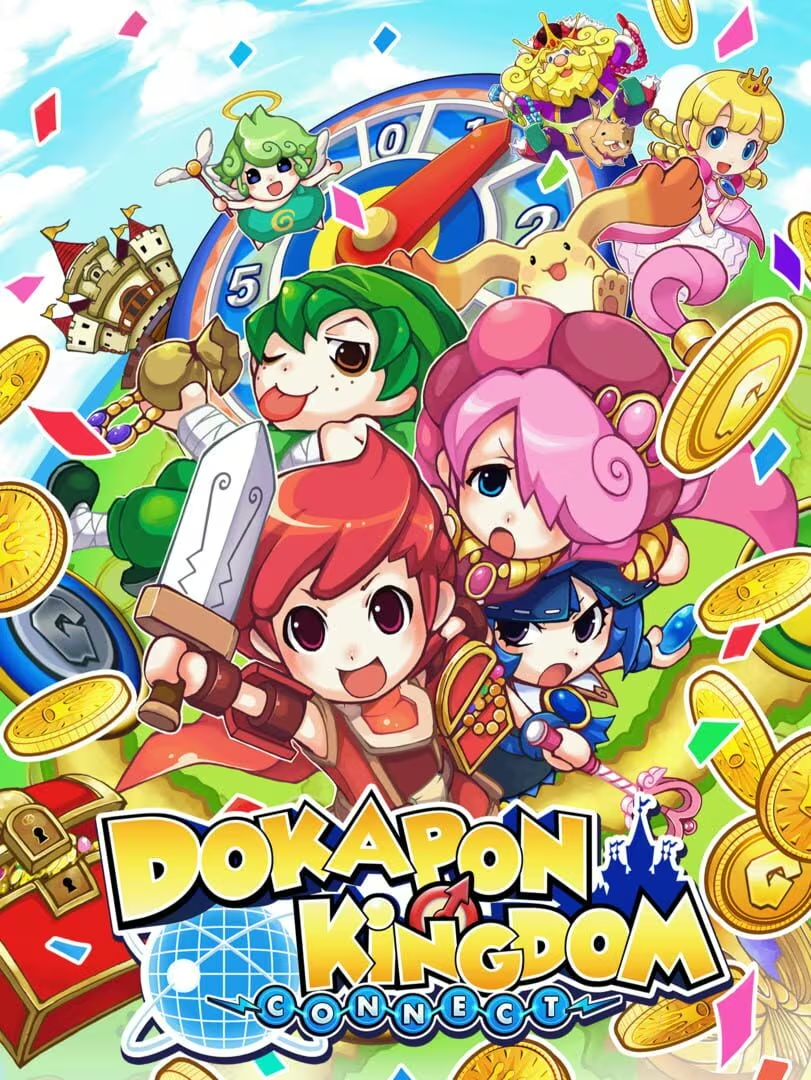 Dokapon Kingdom: Connect
"Gameplay involves skill checks, dice rolls, and strategic combat requiring understanding of mechanics and adaptation, though RNG elements introduce unpredictability."
-
Competition
Game with the same Competition vibe
-3"Focus is on personal experience and story progression without ranked modes or direct player-vs-player competition."
 Lovers of Aether
"Focus is on personal story progression and exploration without ranked modes or direct player-vs-player competition."
-
Continuation
Game with the same Continuation vibe
4"High replayability with many endings and branching paths encourages habitual and extended play sessions."
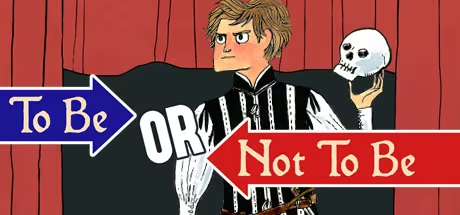 To Be or Not To Be
"High replayability with multiple endings, branching narratives, and character progression encourages habitual play and repeated sessions."
-
Cooperation
Game with the same Cooperation vibe
-4"Gameplay centers on solo exploration and investigation with limited multiplayer or cooperative features."
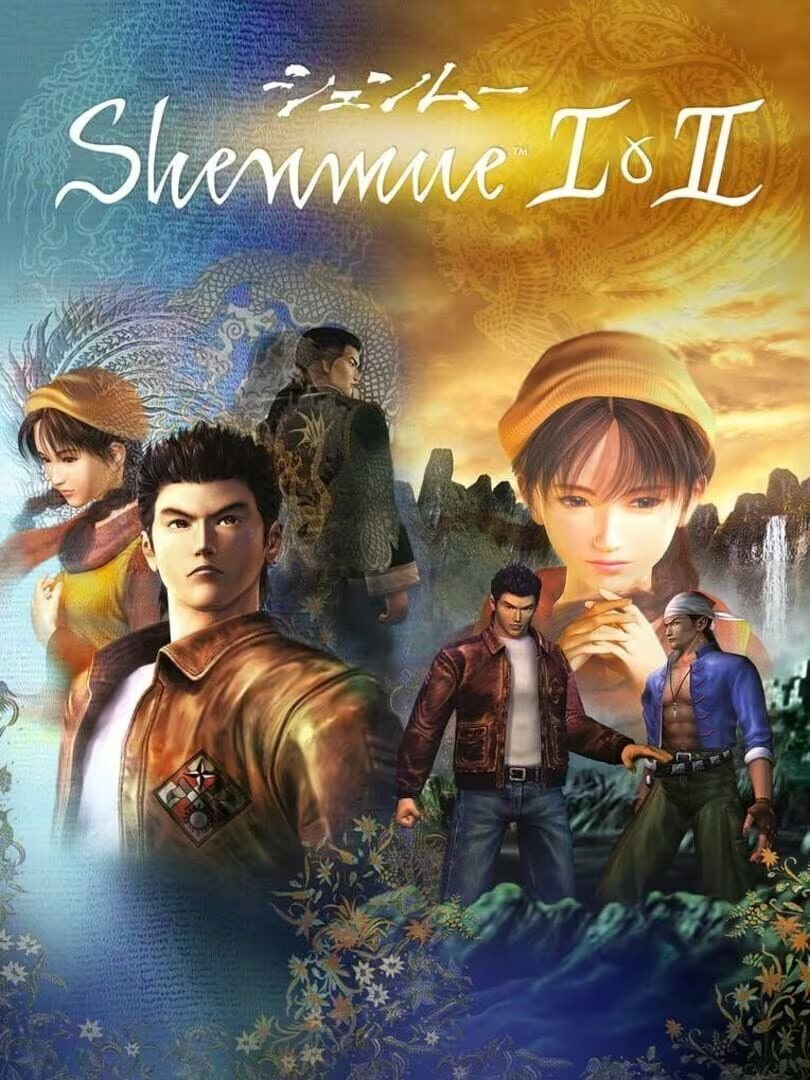 Shenmue I & II
"Gameplay centers on individual investigators and solo story modules with limited multiplayer or cooperative elements."
-
Creativity
Game with the same Creativity vibe
4"Players can create characters, build armies, choose roles, and use mods to extensively modify gameplay."
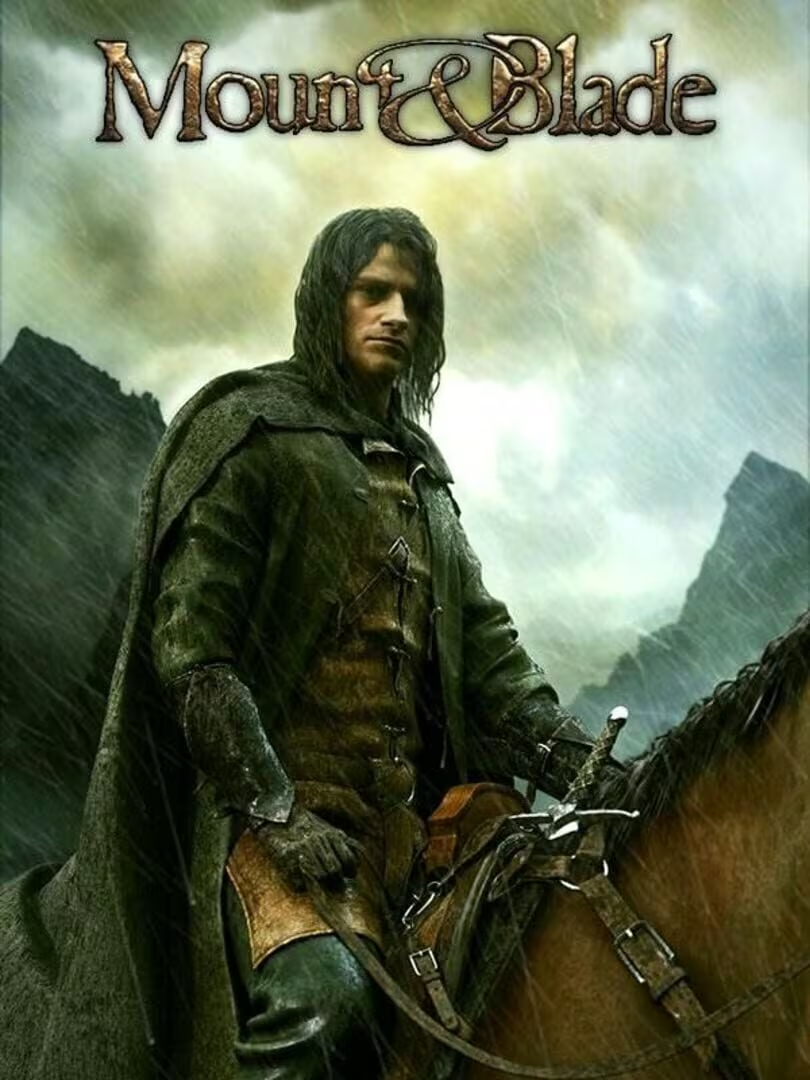 Mount & Blade
"Players can create and customize characters, and the game supports modding and scenario creation via workshop tools."
-
Domination
Game with the same Domination vibe
-4"Interactions are mostly narrative and personal; no evidence of exerting control or superiority over others."
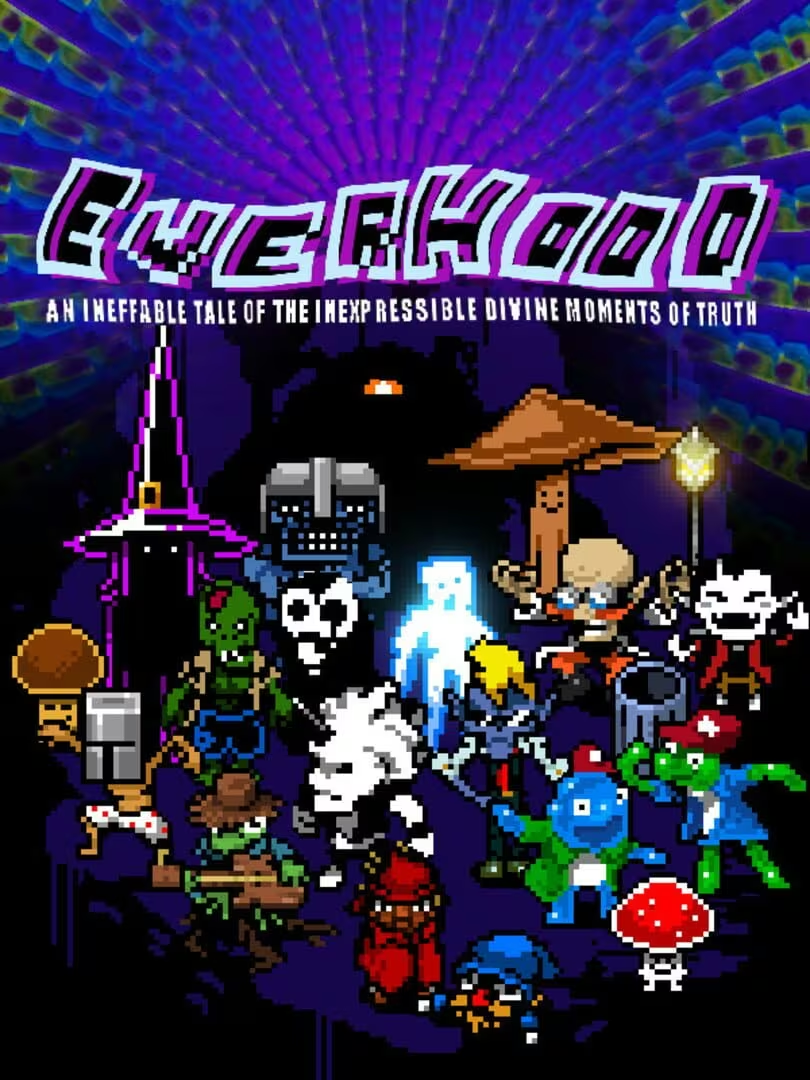 Everhood
"Interactions are narrative and investigative rather than exerting control or superiority over others; no evidence of dominance behaviors."
-
Escapism
Game with the same Escapism vibe
4"Players use the game as a relaxing, immersive escape into a Lovecraftian world with engaging story and characters."
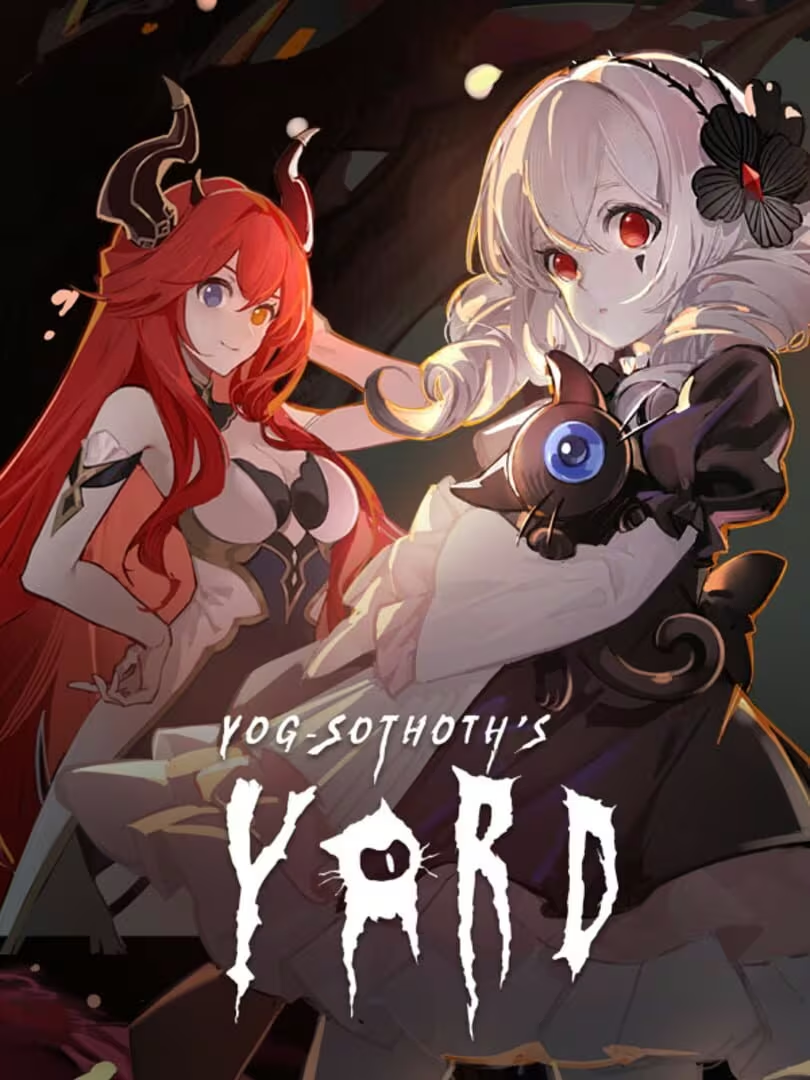 Yog-Sothoth’s Yard
"Players engage in immersive Lovecraftian stories and exploration, providing a strong escape from real life."
-
Expectation
Game with the same Expectation vibe
-4"Players engage voluntarily driven by interest in story and gameplay rather than obligation or pressure."
 Crying Suns
"Players engage voluntarily driven by interest in story, exploration, and RPG mechanics rather than obligation or pressure."
-
Experimenting
Game with the same Experimenting vibe
4"Encourages trying different story routes, combat tactics, and character upgrades to explore new outcomes."
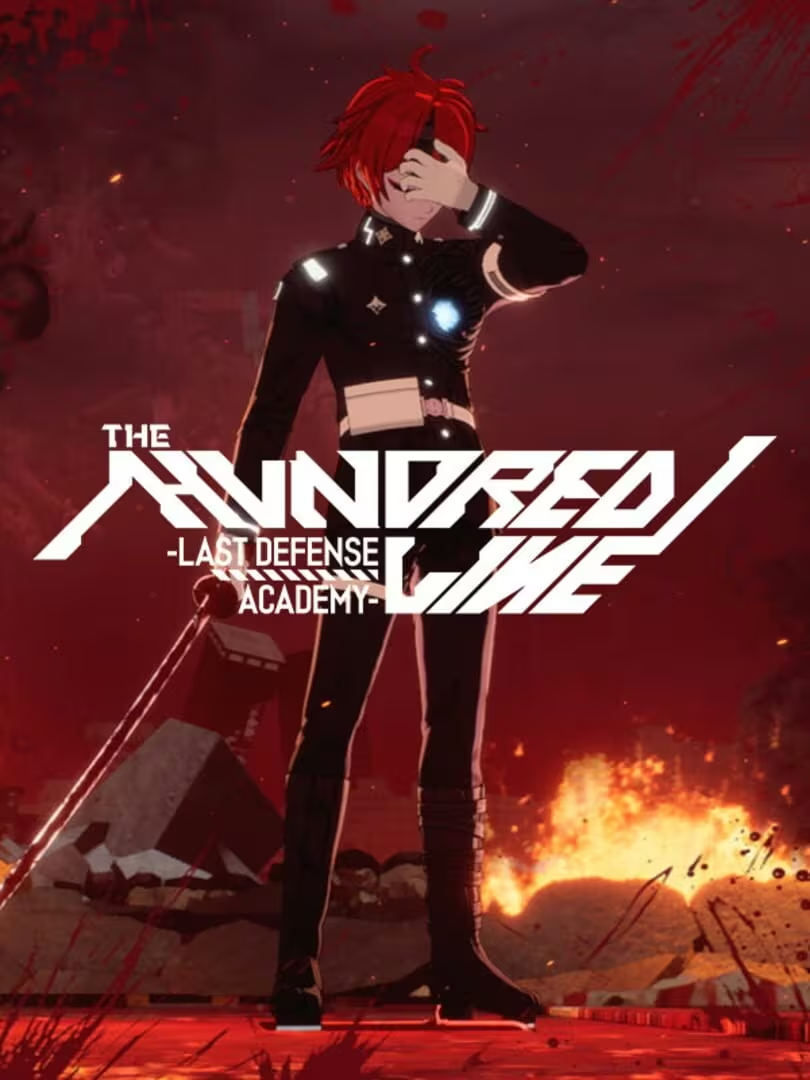 The Hundred Line -Last Defense Academy-
"Encourages trying different character builds, exploring multiple story paths, and experimenting with dice roll outcomes and strategies."
-
Exploration
Game with the same Exploration vibe
4"Game features diverse locations, hidden secrets, and encourages curiosity-driven exploration."
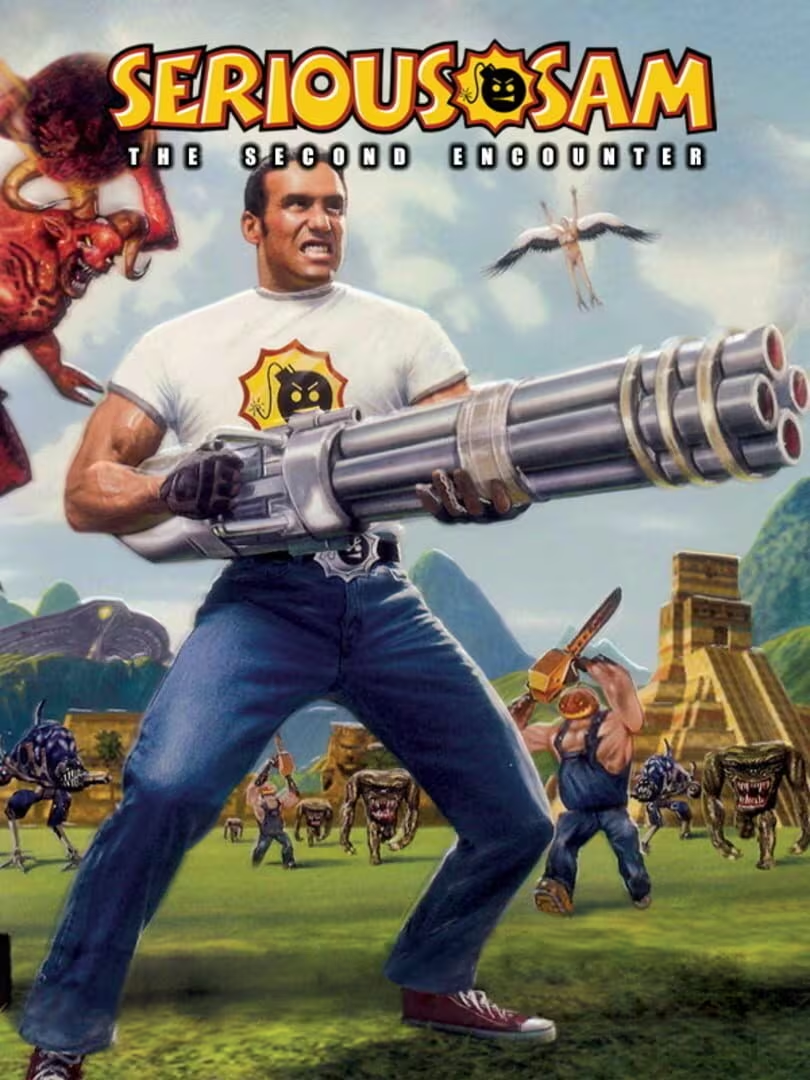 Serious Sam Classic: The Second Encounter
"Game features exploration of diverse modules with secrets, clues, and branching storylines rewarding curiosity."
-
Expression
Game with the same Expression vibe
3"Character customization includes race, appearance, and class combinations, allowing personal expression within gameplay."
 Voidspire Tactics
"Character creation includes customization of portraits, stats, and traits, allowing personal expression within the game."
-
Fantasy
Game with the same Fantasy vibe
5"Strongly rooted in imaginative Lovecraftian fiction with mythos creatures, eldritch horrors, and supernatural themes."
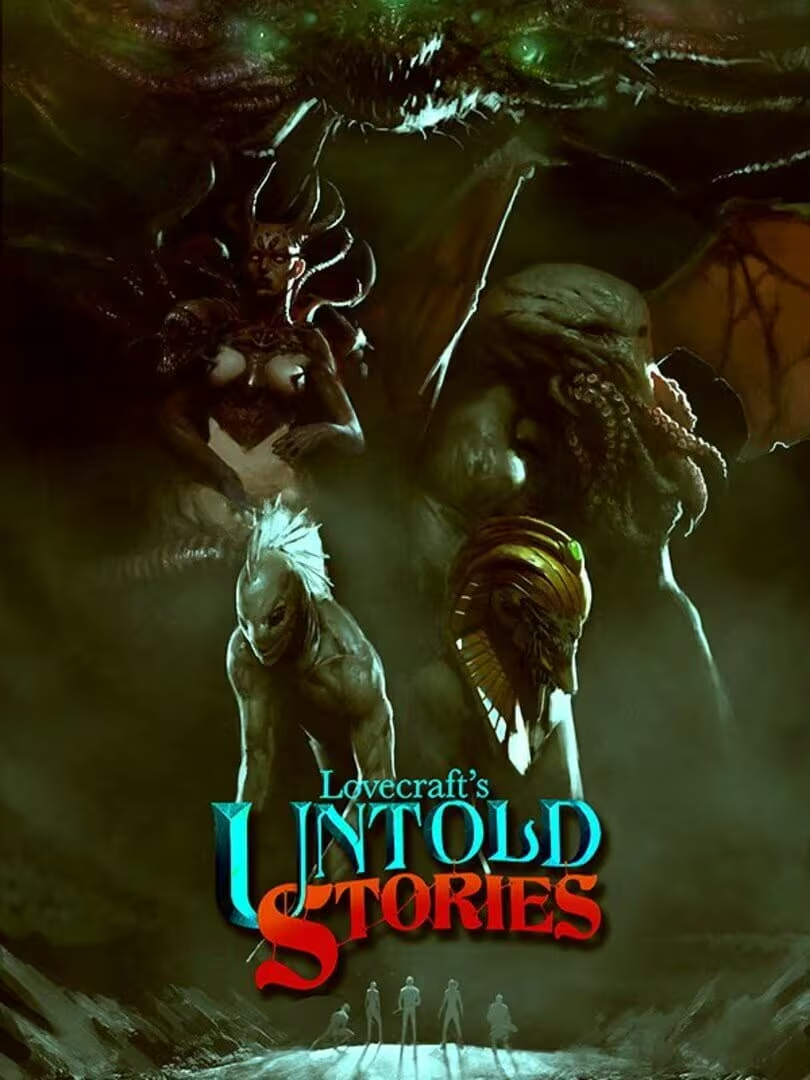 Lovecraft's Untold Stories
"Strongly rooted in Lovecraftian cosmic horror and supernatural fiction with imaginative scenarios and eldritch entities."
-
Fellowship
Game with the same Fellowship vibe
-4"Primarily a single-player experience with minimal social interaction or community involvement in gameplay."
 Unity of Command II
"Primarily a single-player experience with minimal social or community interaction within gameplay."
-
Growth
Game with the same Growth vibe
4"Players experience character development and personal growth arcs through choices and story progression."
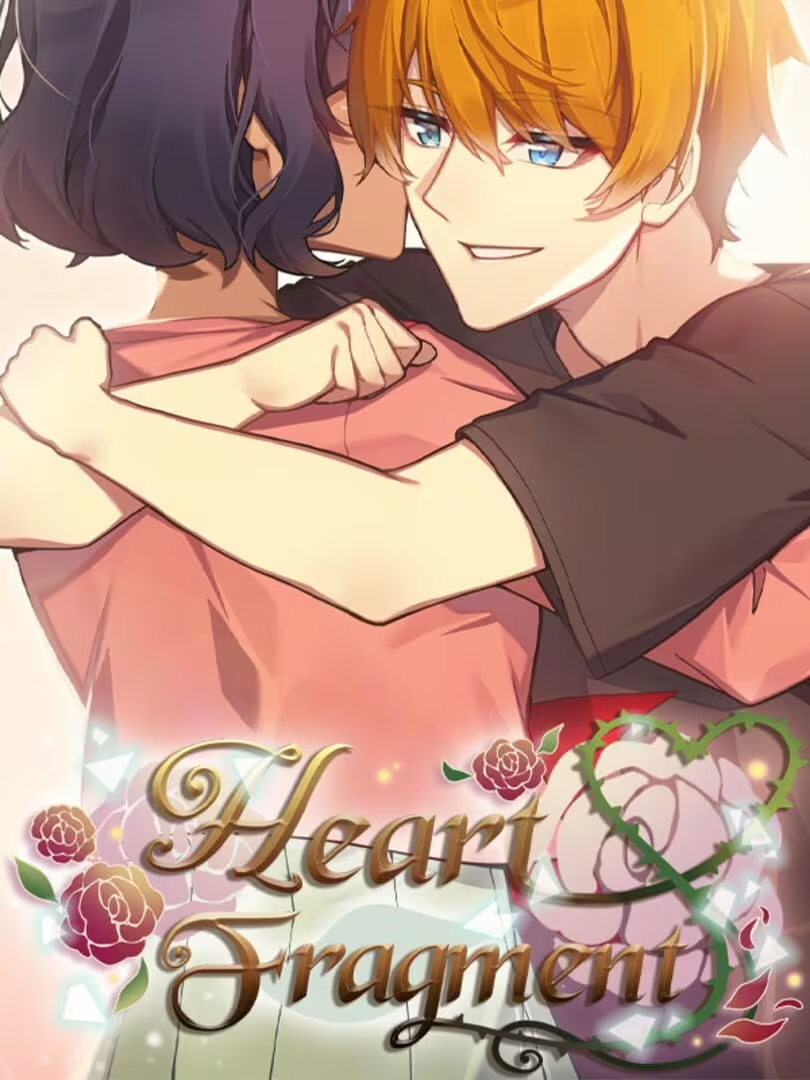 Heart Fragment
"Character development through traits and stats evolving based on story outcomes and player choices."
-
Health
Game with the same Health vibe
-5"No physical activity or health-related gameplay; sedentary play with no rehab or exercise elements."
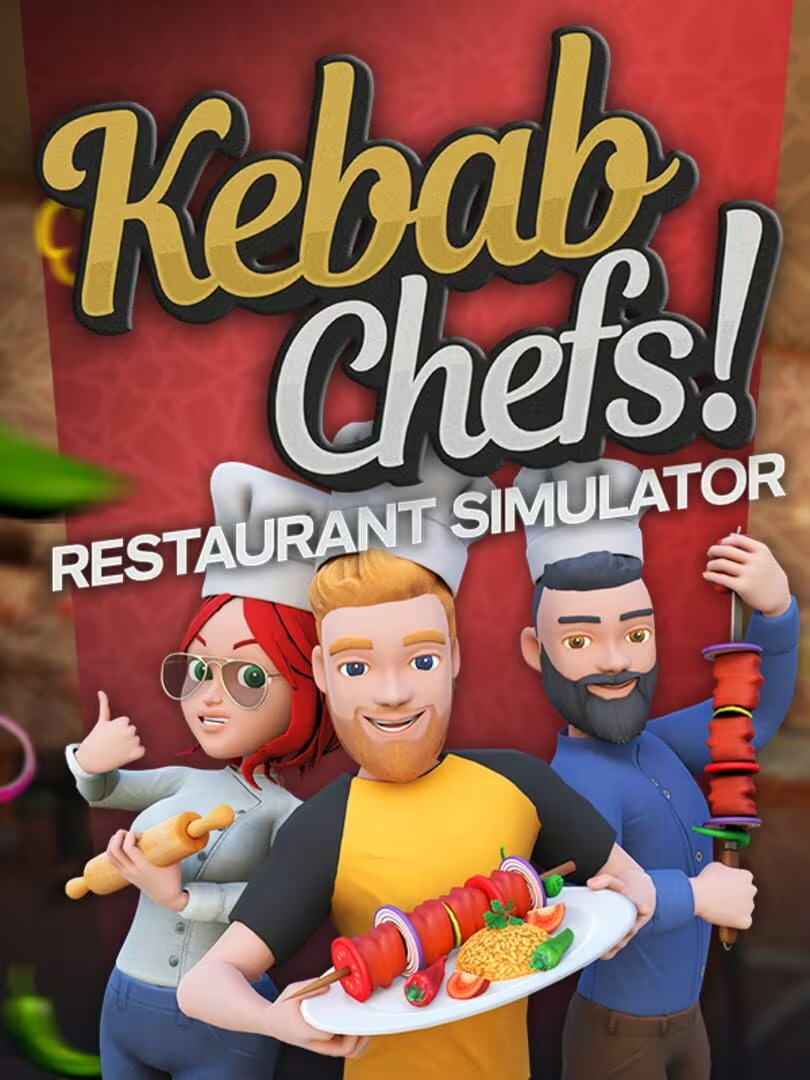 Kebab Chefs! - Restaurant Simulator
"No physical activity or health-related gameplay elements; sedentary play with no rehab or exercise components."
-
Idle
Game with the same Idle vibe
-3"Requires focused attention to story and exploration; not designed for background or idle play."
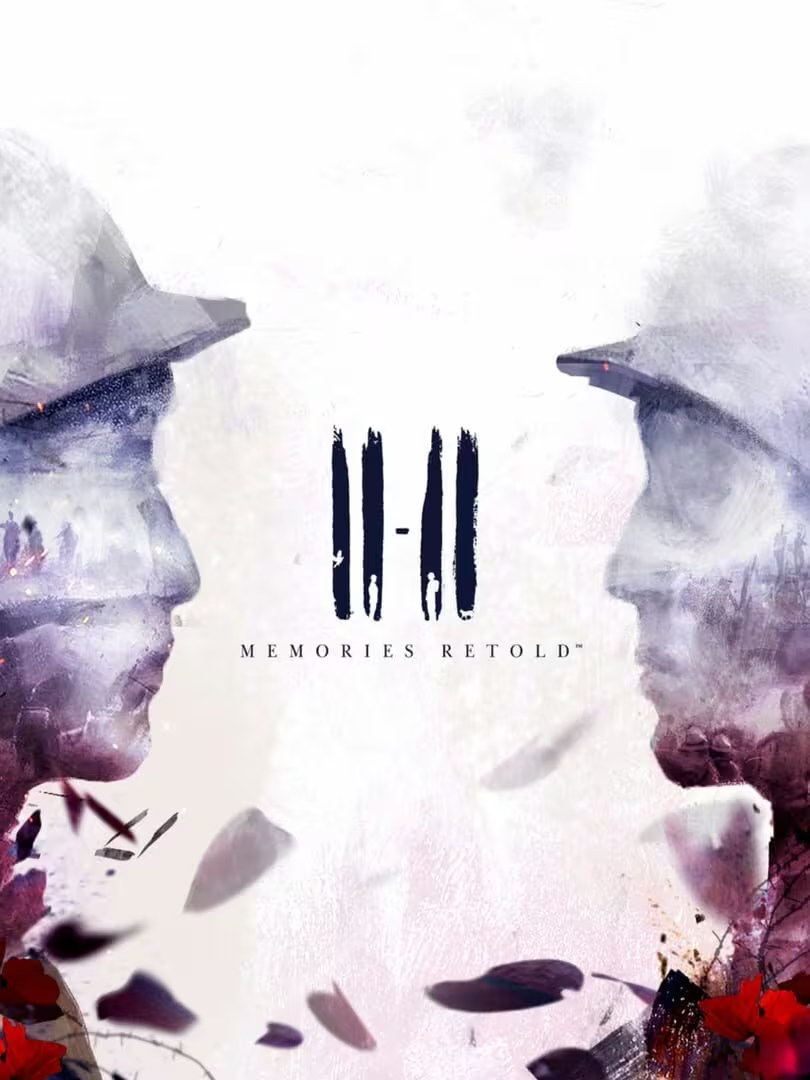 11-11 Memories Retold
"Requires focused attention on story, exploration, and combat; not designed for background or idle play."
-
Intimacy
Game with the same Intimacy vibe
-4"Social interactions are limited to narrative and NPCs with no close relationship building or emotional sharing."
 Punch Club 2: Fast Forward
"Social interactions are limited to narrative dialogue with NPCs; no evidence of forming close relationships or emotional sharing."
-
Leadership
Game with the same Leadership vibe
-4"No leadership or management roles; player controls individual characters without leading groups."
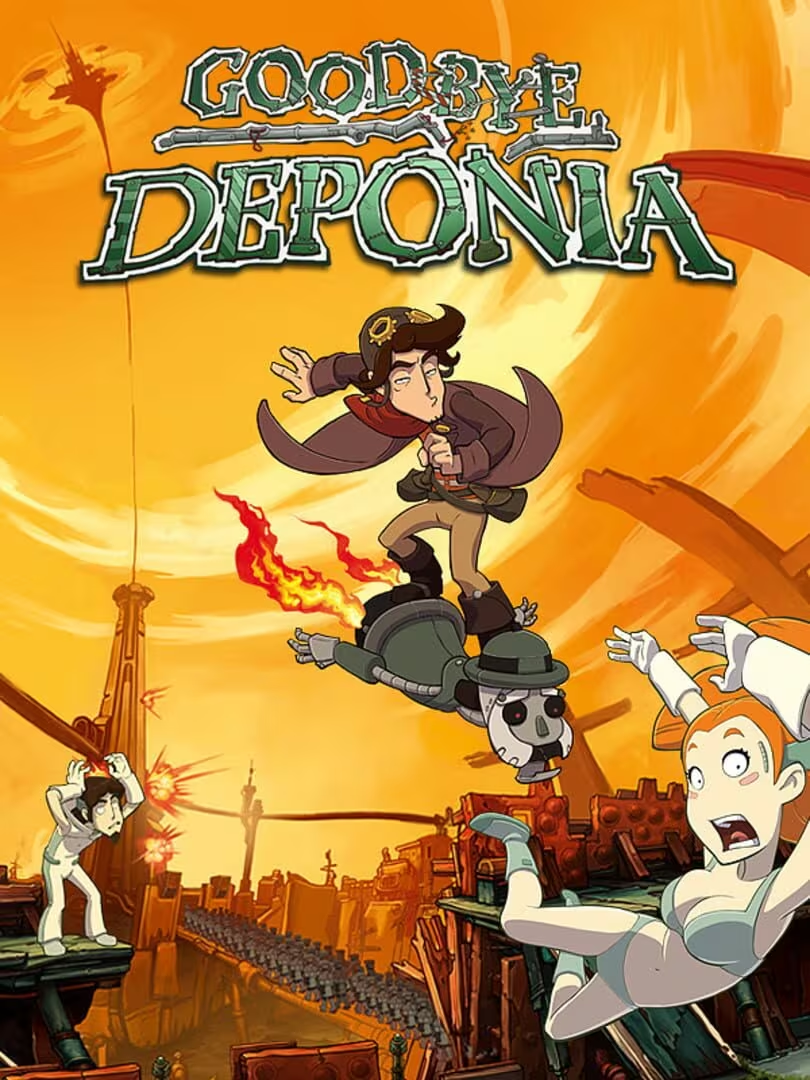 Goodbye Deponia
"Players manage individual characters without leading groups or directing others; no leadership roles."
-
Progression
Game with the same Progression vibe
4"Players accumulate items, upgrade equipment, and unlock abilities; story progression tied to character and gear development."
 Get In The Car, Loser!
"Players accumulate items, mythic gear, and character upgrades that persist across modules, reflecting progression."
-
Relaxation
Game with the same Relaxation vibe
2"Game offers fun and flow but also moments of tension and frustration due to competitive nature and RNG."
 Friends vs Friends
"The game offers immersive storytelling and atmosphere that can be relaxing, but RNG and challenging combat add tension."
-
Sensation
Game with the same Sensation vibe
3"Enjoyable pixel art, sound design, and atmospheric music provide sensory stimulation and emotional engagement."
 Dome Keeper
"Enjoyable pixel art, atmospheric music, and eerie sound design provide sensory stimulation and emotional engagement."
-
Status
Game with the same Status vibe
-4"Focus is on personal narrative experience rather than social recognition or popularity."
 Sultan's Game
"Focus is on personal narrative experience rather than social recognition or popularity."
-
Story
Game with the same Story vibe
5"Strong narrative immersion with branching plots, character development, and multiple endings."
 House Party
"Strong emphasis on narrative immersion with branching plots, multiple endings, and rich lore."
-
Strategy
Game with the same Strategy vibe
3"Combat and progression require planning and tactical decision-making despite RNG influence."
 Swords and Sandals Classic Collection
"Combat and exploration require planning, skill checks, and tactical decisions, though RNG influences outcomes."
-
Thrill
Game with the same Thrill vibe
3"Risk and suspense arise from dice rolls, combat, and exploration hazards, creating moments of tension and relief."
 Curious Expedition 2
"Suspense arises from dice roll uncertainty, challenging combat, and unfolding mysteries."
-
Value
Game with the same Value vibe
4"Players report high replayability and content value for price."
 Cogmind
"Players report high replayability and content value for price despite translation issues."
-
Violence
Game with the same Violence vibe
2"Combat involves fighting eldritch creatures; violence is present but not gratuitous or central focus."
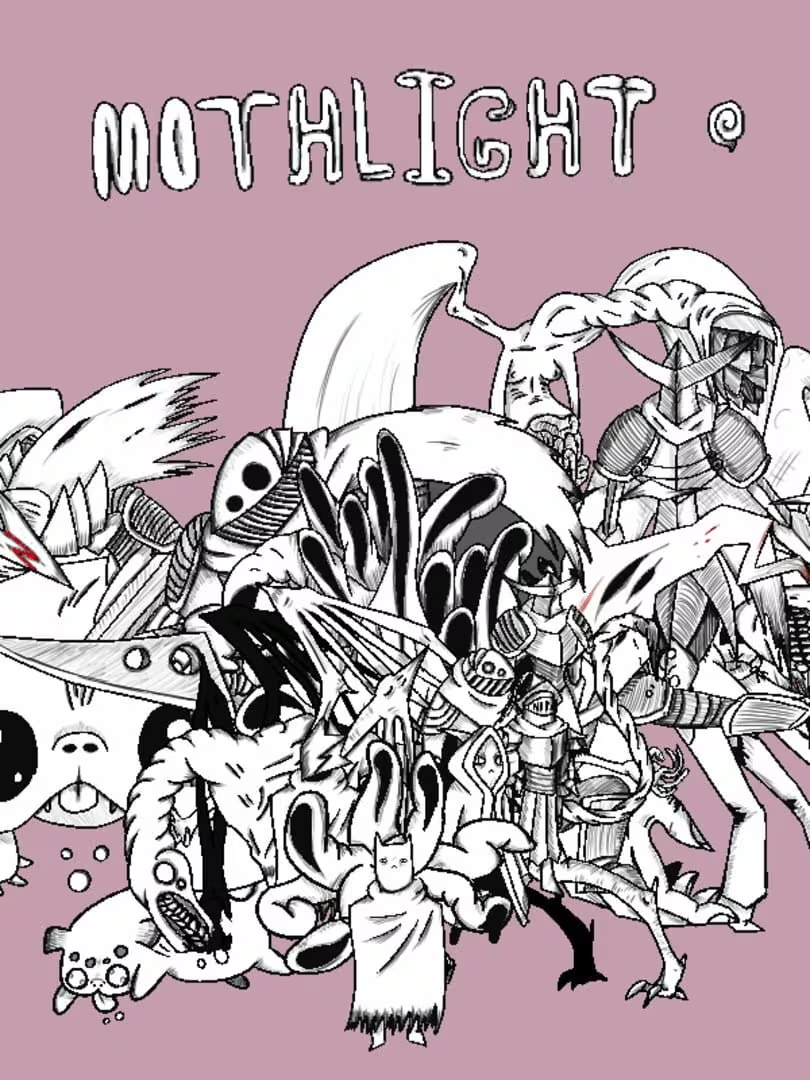 Mothlight
"Combat involves fighting eldritch monsters with weapons and magic, but also includes non-violent options like diplomacy."
-
Survival
Game with the same Survival vibe
3"Players must manage health and resources to survive challenging encounters."
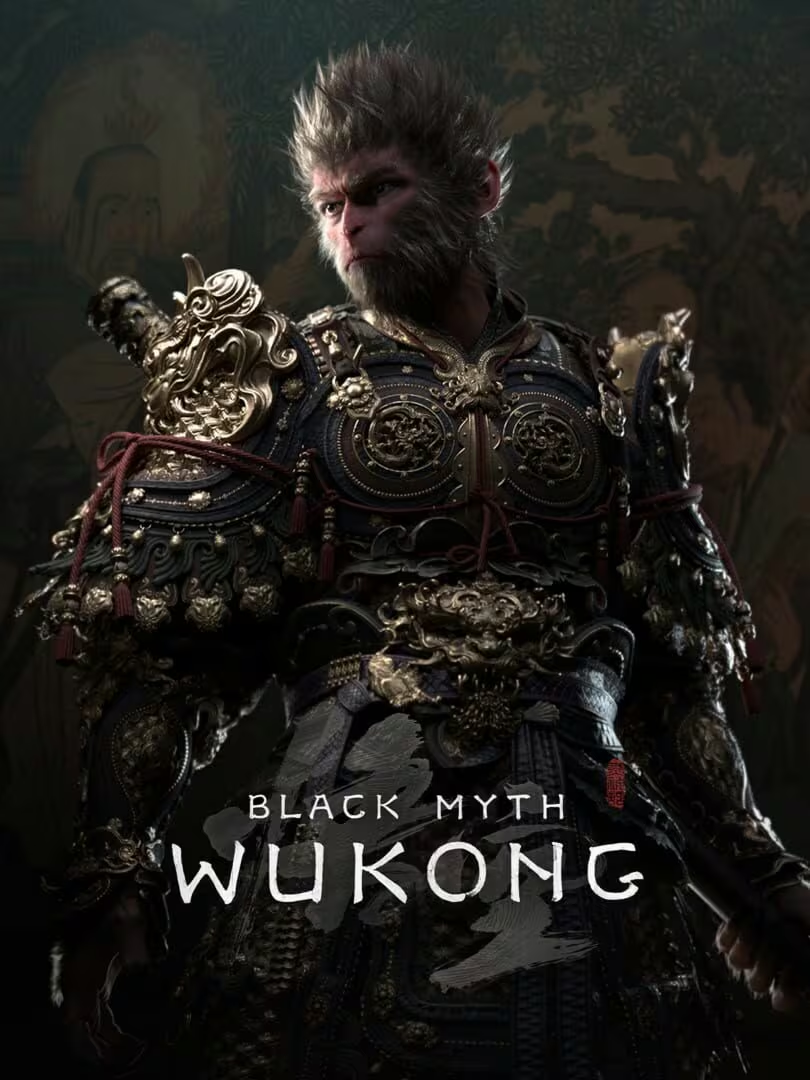 Black Myth: Wukong
"Players must manage health, sanity, and resources to avoid failure and survive encounters."
Last update: 01/06/2026