Headquarters: World War II similar games & best alternatives
Should you play it?
Headquarters: World War II is a fast-paced turn-based strategy game where your battlefield tactics are as important as your army management skills. Experience both sides of the war, battling in Europe as the USA, the UK, or Germany. Storm bunkers, occupy houses, win tank duels.
What works
- Engaging tactical gameplay with unit customization
- Addictive 'just one more turn' feel
- Good graphics and sound design
- Map editor and random map generator
- Multiple campaigns and multiplayer modes
Things to keep in mind
- Campaign length and replay value somewhat limited
- Ai can be predictable or weak at times
- Camera controls and ui have quirks
- Some bugs and occasional crashes reported
- German voice acting lacks authenticity
What to play next
Similar games, hidden gems, and fresh directions from this game.
Top picks
Games that feel the closest overall

Hidden Gems
Less popular games with surprisingly high similarity
If you liked…
Recommendations by what you enjoyed most
Similarity map
Explore nearby similar games and see why they’re close.
Headquarters: World War II: Broadly representative of its motivational profile, with a few distinct shifts. Motivations that often define this kind of title include Competition, Fellowship, Status, Cooperation. Here, the score leans higher than usual among comparable games on Story. It leans lower than usual among comparable games on Fantasy, Intimacy.
Why this game works
A motivational profile of the game, with the closest similar game for each player motivation.
-
Autonomy
Game with the same Autonomy vibe
4"Players have freedom to build and customize their core army, choose units and strategies, and make tactical decisions in battles."
 Panzer Corps Gold
"Players have freedom to customize core units, choose upgrades, and tailor strategies; multiple campaigns and skirmish modes support self-directed play."
-
Competence
Game with the same Competence vibe
4"Game offers strategic depth, tactical combat, and challenges against AI and players, requiring skill and planning."
 Demise of Nations
"Game offers tactical challenges, unit management, and requires skillful planning to succeed; AI punishes mistakes and rewards strategic thinking."
-
Competition
Game with the same Competition vibe
2"While multiplayer exists and leaderboards may be present, many reviews focus on single-player experience and personal strategy."
 ENDLESS™ Legend
"Includes multiplayer and leaderboards, but majority of reviews focus on single player experience and personal tactical mastery."
-
Continuation
Game with the same Continuation vibe
3"Players report addictive gameplay with 'just one more turn' feeling and long sessions, though some mention short campaigns and limited replay value."
 Battle Fleet 2
"Players report addictive 'just one more turn' gameplay and long sessions, though some note limited campaign length and replay value."
-
Cooperation
Game with the same Cooperation vibe
1"Multiplayer and co-op modes exist but are not a major focus; most gameplay is single-player or solo skirmishes."
 Codename: Panzers, Phase One
"Multiplayer and co-op modes exist but are less emphasized; most gameplay and reviews focus on solo tactical play."
-
Creativity
Game with the same Creativity vibe
3"Includes a map editor and allows custom scenario creation, supporting player creativity and modification."
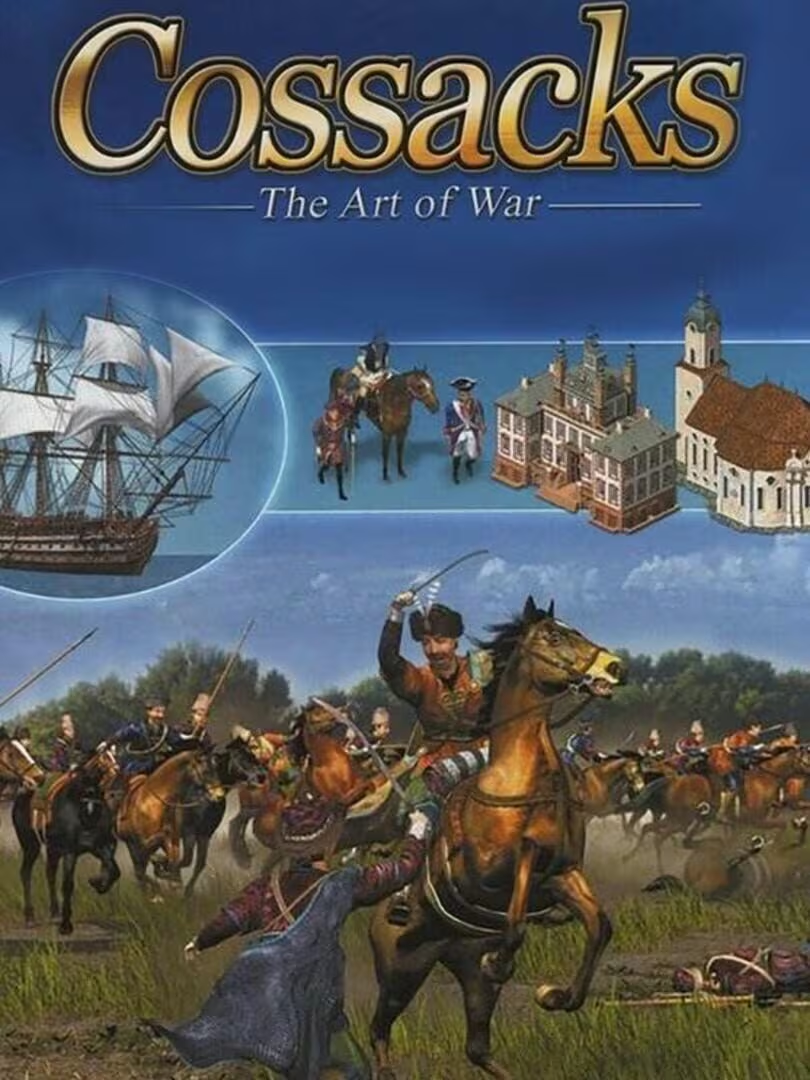 Cossacks: Art of War
"Map editor and random map generator enable player-created content and scenario customization."
-
Domination
Game with the same Domination vibe
-2"No strong evidence of domination or trash talk; multiplayer is minimal and cooperative elements limited."
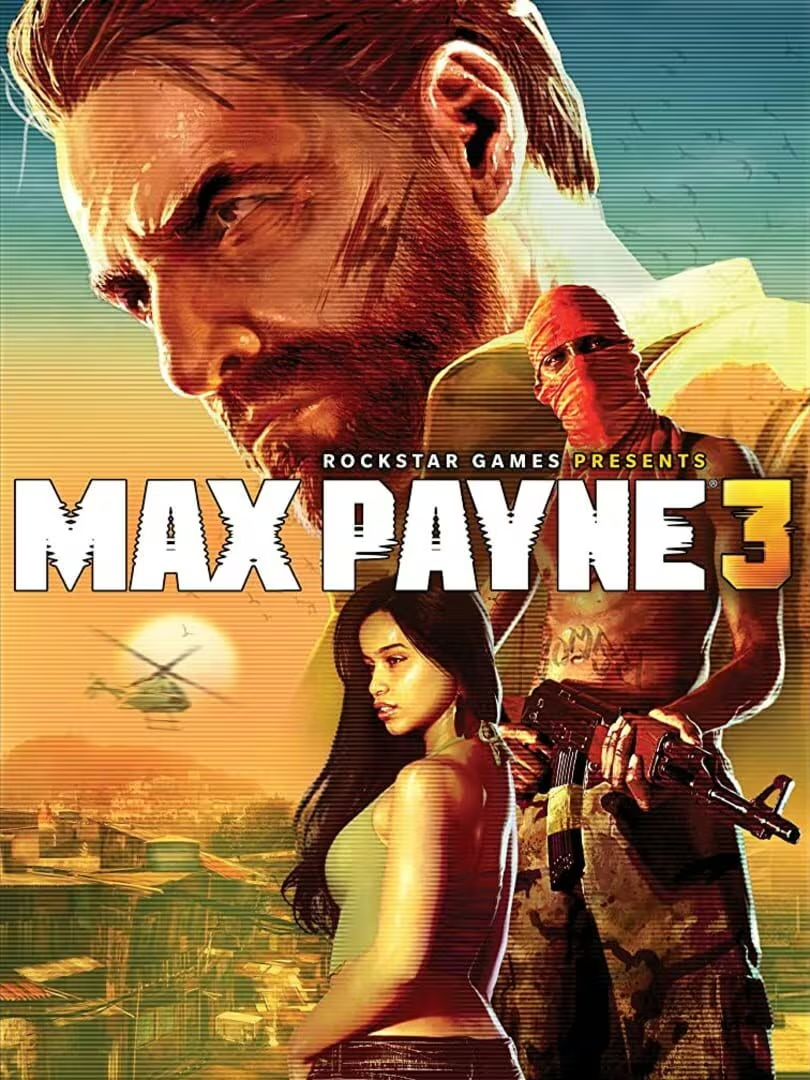 Max Payne 3
"No strong evidence of trash talk or power imposition; multiplayer is present but not highlighted as domination-focused."
-
Escapism
Game with the same Escapism vibe
3"Players use the game to immerse in WWII scenarios and tactical combat, providing a strong escape from real life."
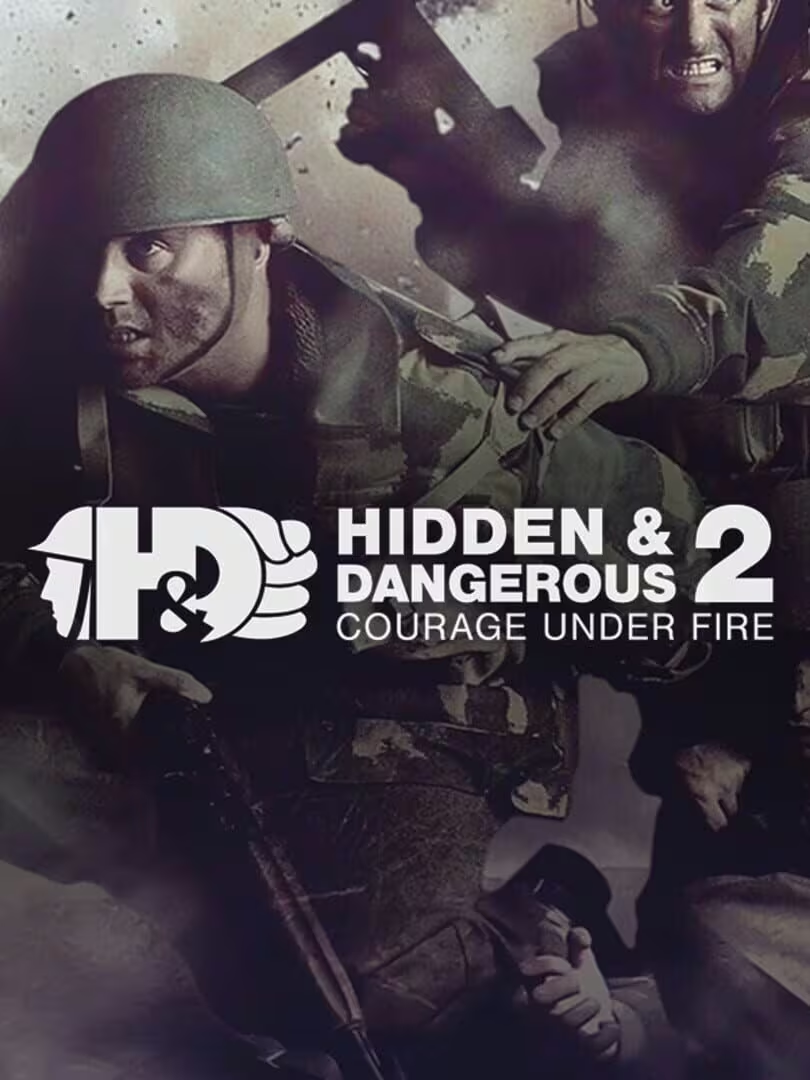 Hidden & Dangerous 2: Courage Under Fire
"Players use the game as a tactical diversion and stress relief; immersive WWII setting provides escape from real life."
-
Expectation
Game with the same Expectation vibe
-4"Players engage voluntarily out of interest and enjoyment; no indication of obligation or external pressure."
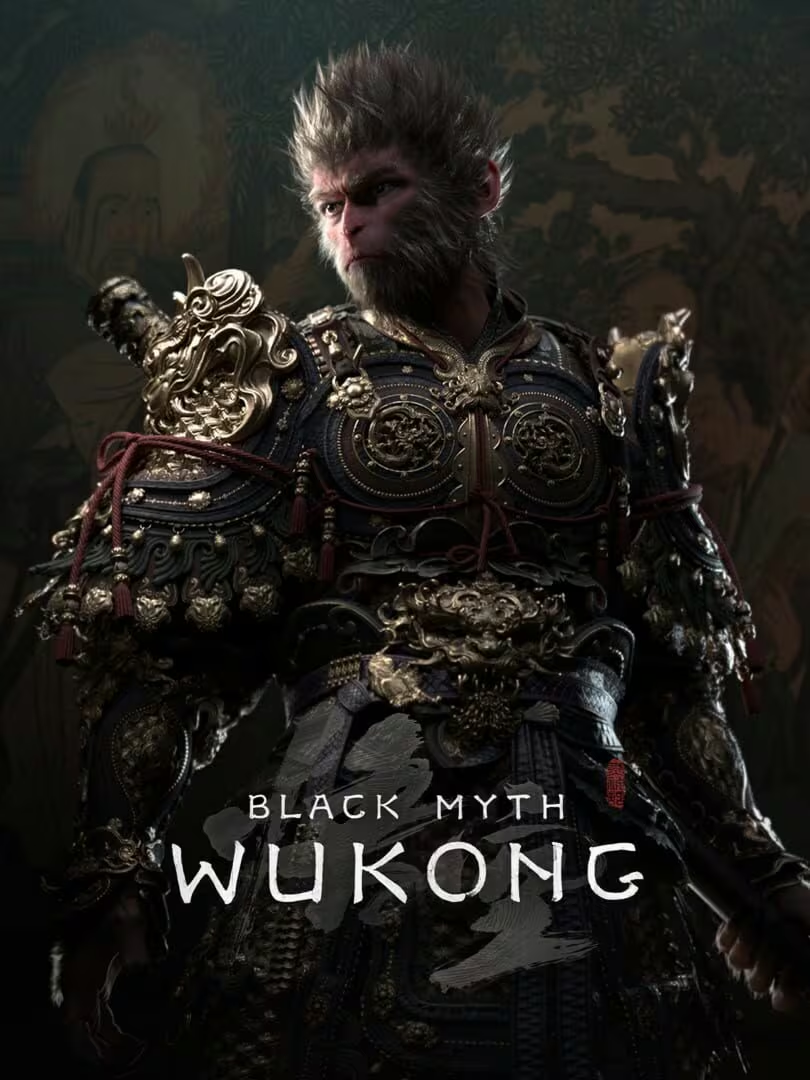 Black Myth: Wukong
"Players engage voluntarily out of interest and enjoyment; no indication of obligation or external pressure."
-
Experimenting
Game with the same Experimenting vibe
3"Game encourages trying different tactics and strategies; players mention experimenting with unit upgrades and approaches."
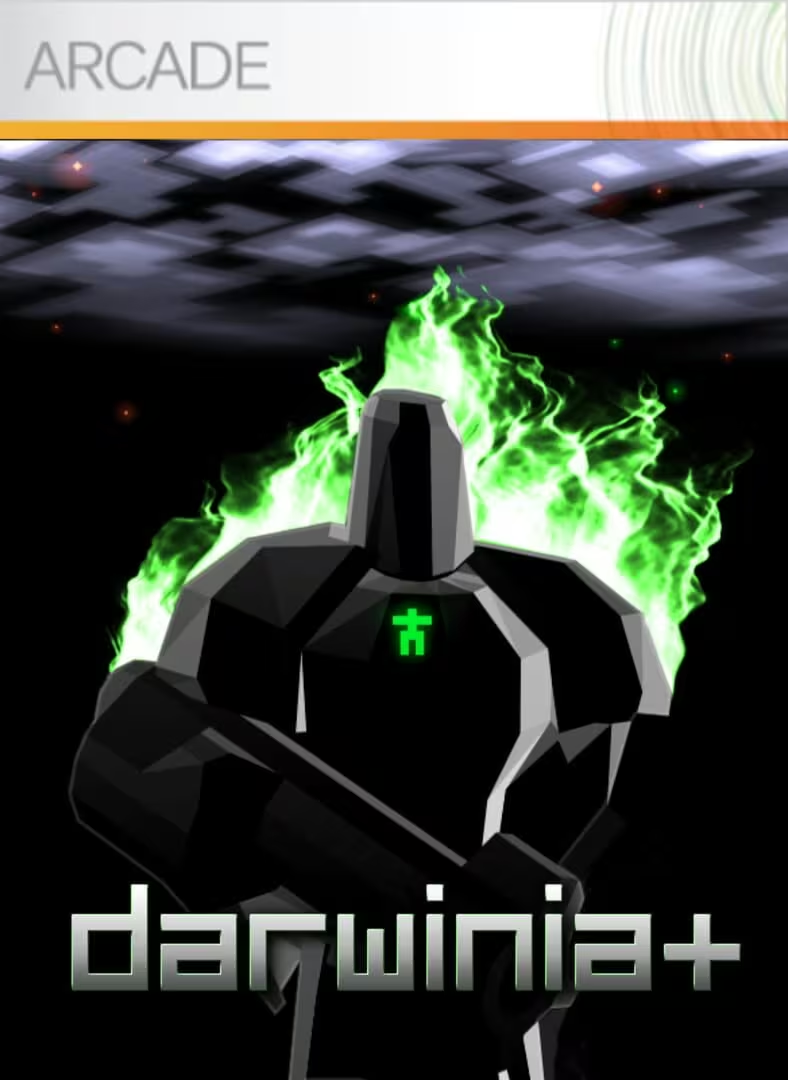 Darwinia
"Players experiment with unit upgrades, commander skills, and tactical approaches; customization encourages trying new strategies."
-
Exploration
Game with the same Exploration vibe
1"Some exploration of new maps and campaigns, but mostly familiar WWII settings and scenarios."
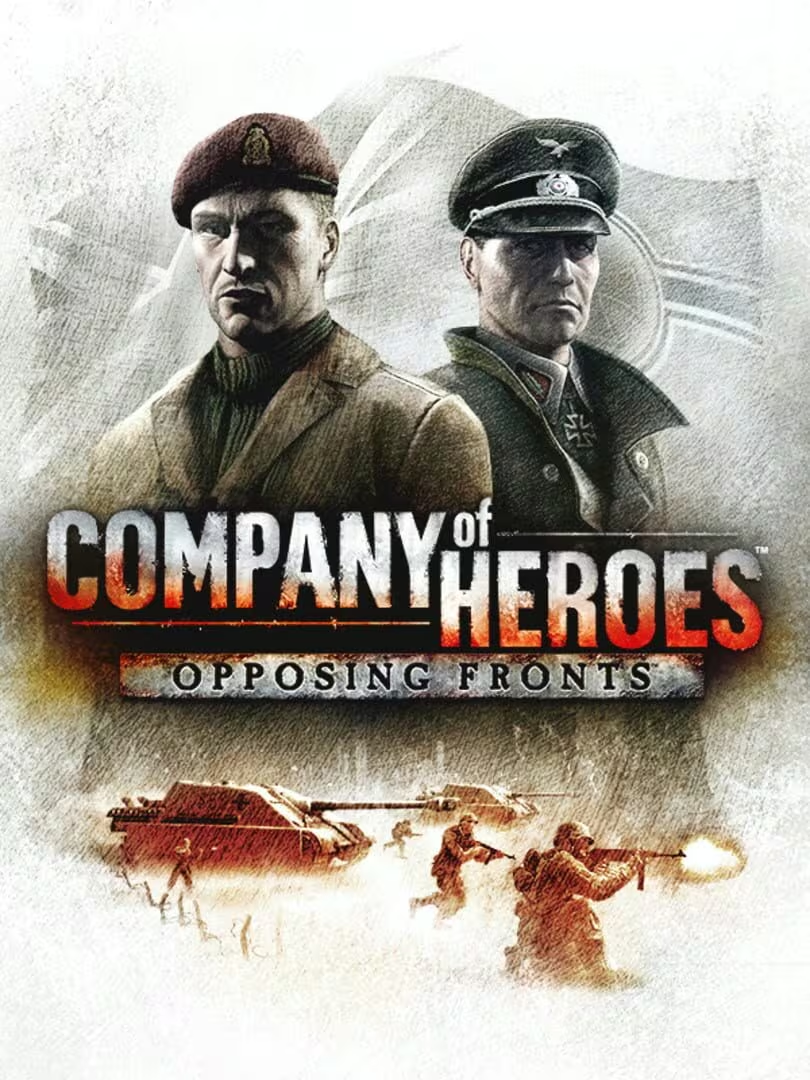 Company of Heroes: Opposing Fronts
"Some exploration of maps and tactical positions, but mostly familiar WWII settings and scenario-based missions."
-
Expression
Game with the same Expression vibe
2"Customization through character classes and spell/item builds allows some self-expression, though no avatar personalization."
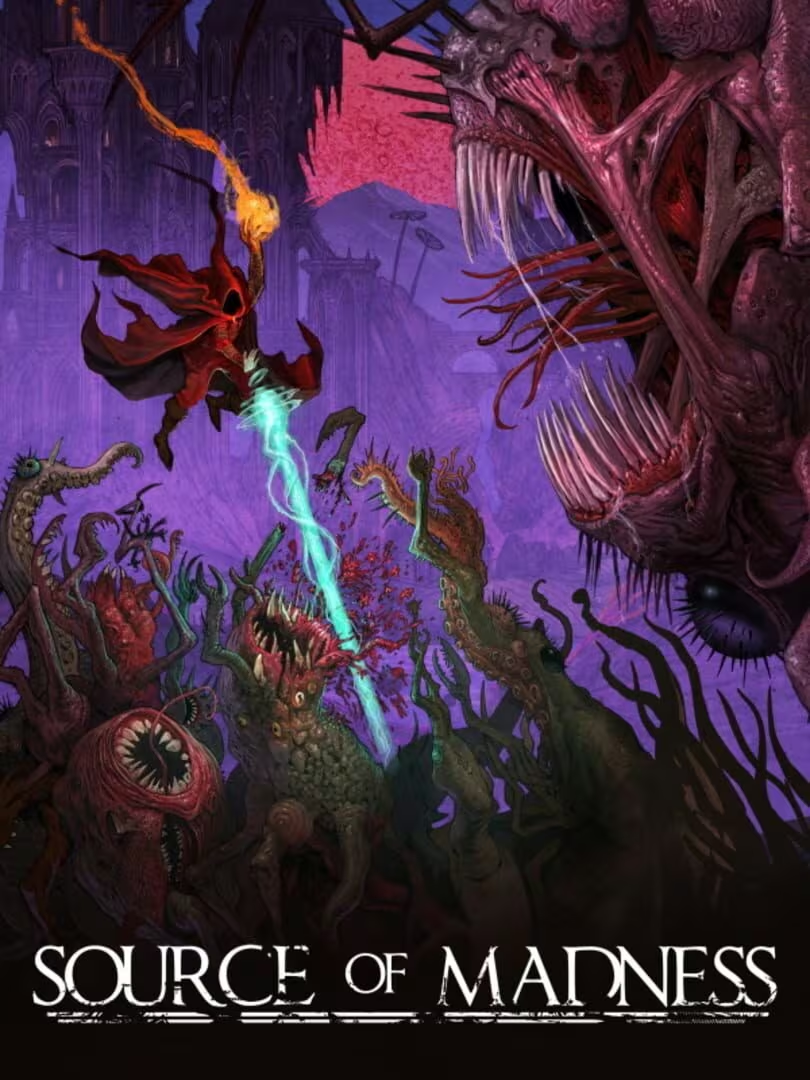 Source of Madness
"Unit renaming and camo customization allow some self-expression, though limited compared to full avatar personalization."
-
Fantasy
Game with the same Fantasy vibe
-3"The game emphasizes realistic WWII combat scenarios rather than imaginative or fictional elements."
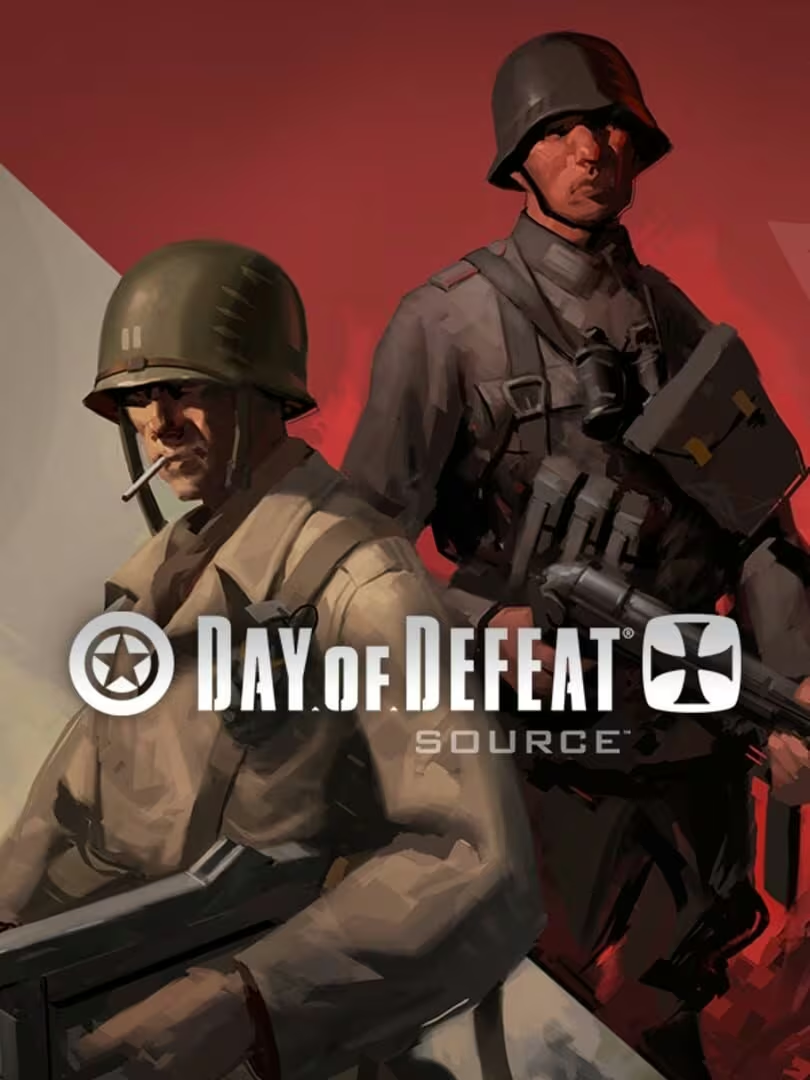 Day of Defeat: Source
"Game emphasizes realistic WWII tactical combat with historical units and scenarios; no strong fantasy elements."
-
Fellowship
Game with the same Fellowship vibe
1"Some community features like multiplayer and map sharing foster group identity, but much play is solo."
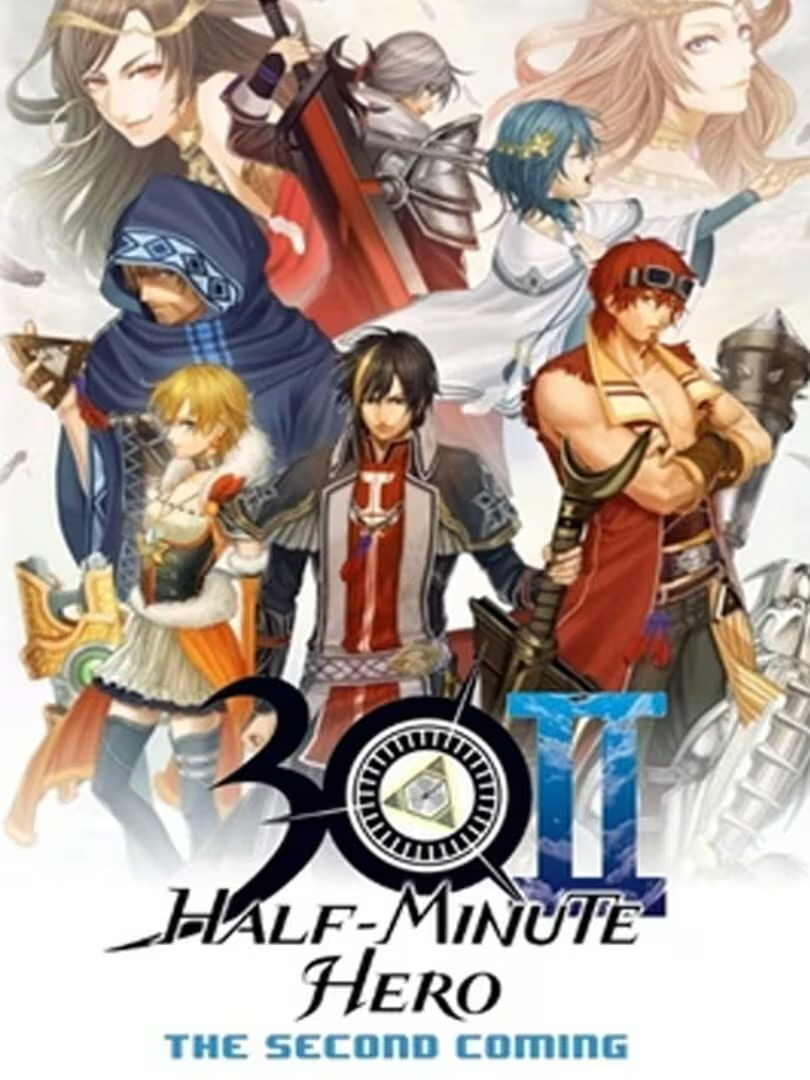 Half Minute Hero: The Second Coming
"Some community aspects via multiplayer and map sharing, but majority of play and reviews focus on solo experience."
-
Growth
Game with the same Growth vibe
4"Players develop their army and commanders over time, gaining experience, upgrading units, and improving skills."
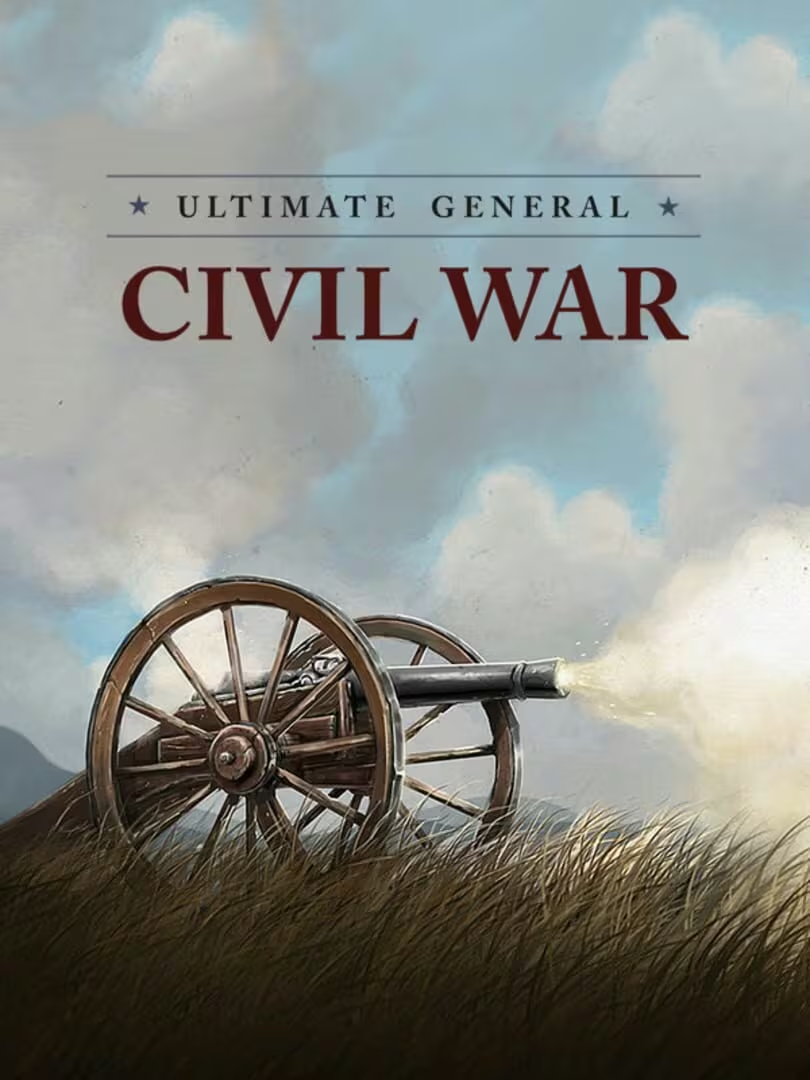 Ultimate General: Civil War
"Players develop skills, learn unit strengths, and improve tactics; unit leveling and commander upgrades support growth."
-
Health
Game with the same Health vibe
-4"Sedentary gameplay typical of turn-based strategy; no physical activity or health-related features."
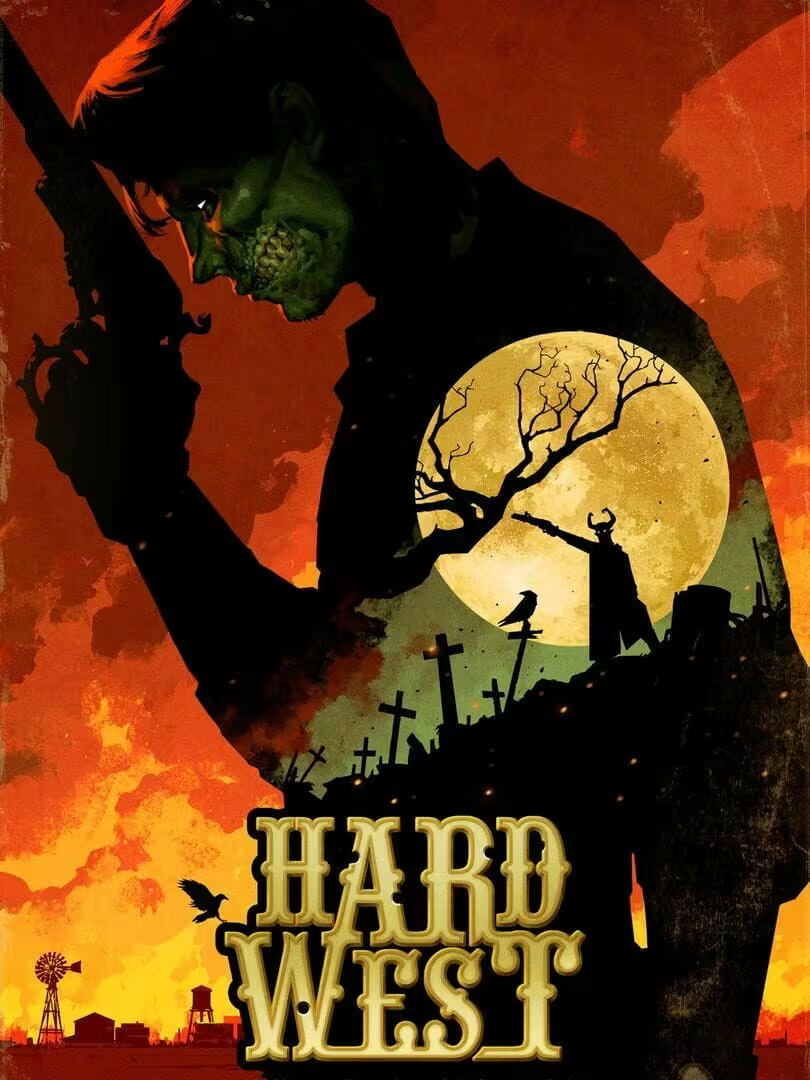 Hard West
"Sedentary gameplay typical of turn-based strategy; no physical activity or health-related features noted."
-
Idle
Game with the same Idle vibe
-3"Requires focused attention and strategic planning; not suitable for casual or background play."
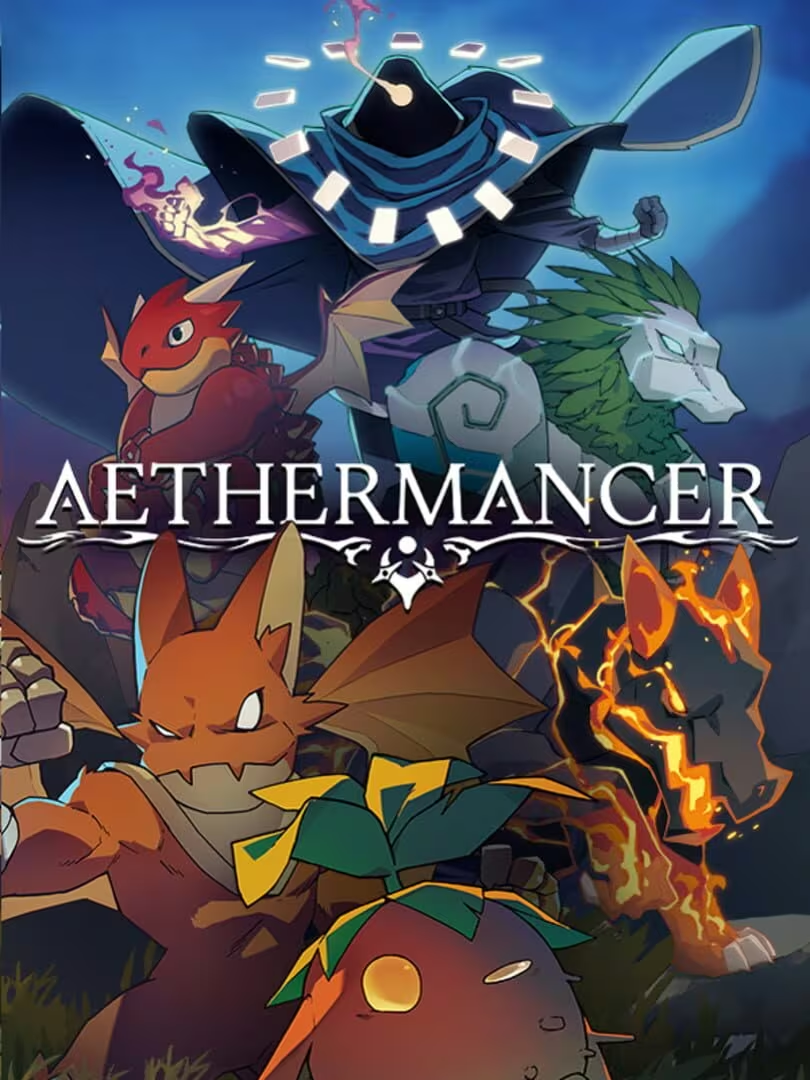 Aethermancer
"Requires focused attention and strategic planning; not suited for background or casual intermittent play."
-
Intimacy
Game with the same Intimacy vibe
-4"Limited social interaction; multiplayer exists but no evidence of close relationships or emotional sharing."
 ScootX
"Limited social interaction; multiplayer exists but no evidence of close relationships or emotional sharing."
-
Leadership
Game with the same Leadership vibe
3"Players lead troops and commanders, making strategic decisions and managing units."
 Wars and Warriors: Joan of Arc
"Players manage and upgrade units, make tactical decisions, and lead forces through campaigns."
-
Progression
Game with the same Progression vibe
4"Units gain experience, can be upgraded, and players accumulate resources and unlock abilities across campaigns."
 Order of Battle: World War II
"Core units gain experience and skills; players collect upgrades and unlock new units and abilities."
-
Relaxation
Game with the same Relaxation vibe
2"While challenging, the game provides satisfying flow and catharsis through combat; some tension present."
 Dust & Neon
"Game provides satisfying flow and catharsis through tactical success, though some tension from challenging AI."
-
Sensation
Game with the same Sensation vibe
3"Good graphics, sound design, and immersive atmosphere provide sensory stimulation and excitement."
 SCP: 5K
"Good graphics, sound effects, and animations provide sensory stimulation and immersive atmosphere."
-
Status
Game with the same Status vibe
1"Some recognition through multiplayer leaderboards and achievements, but not a primary focus."
 Arizona Sunshine® 2
"Some recognition via multiplayer leaderboards and achievements, but mostly individual focus."
-
Story
Game with the same Story vibe
3"Campaigns with historical context and missions provide narrative immersion beyond isolated combat."
 Easy Red 2
"Campaigns with historical context and cutscenes provide narrative immersion beyond isolated battles."
-
Strategy
Game with the same Strategy vibe
5"Core gameplay revolves around mental challenge, problem solving, and tactical planning."
 Door Kickers 2: Task Force North
"Core of the game is tactical planning, unit positioning, and problem solving; high mental challenge."
-
Thrill
Game with the same Thrill vibe
2"Tension from combat and timing creates moments of suspense and excitement."
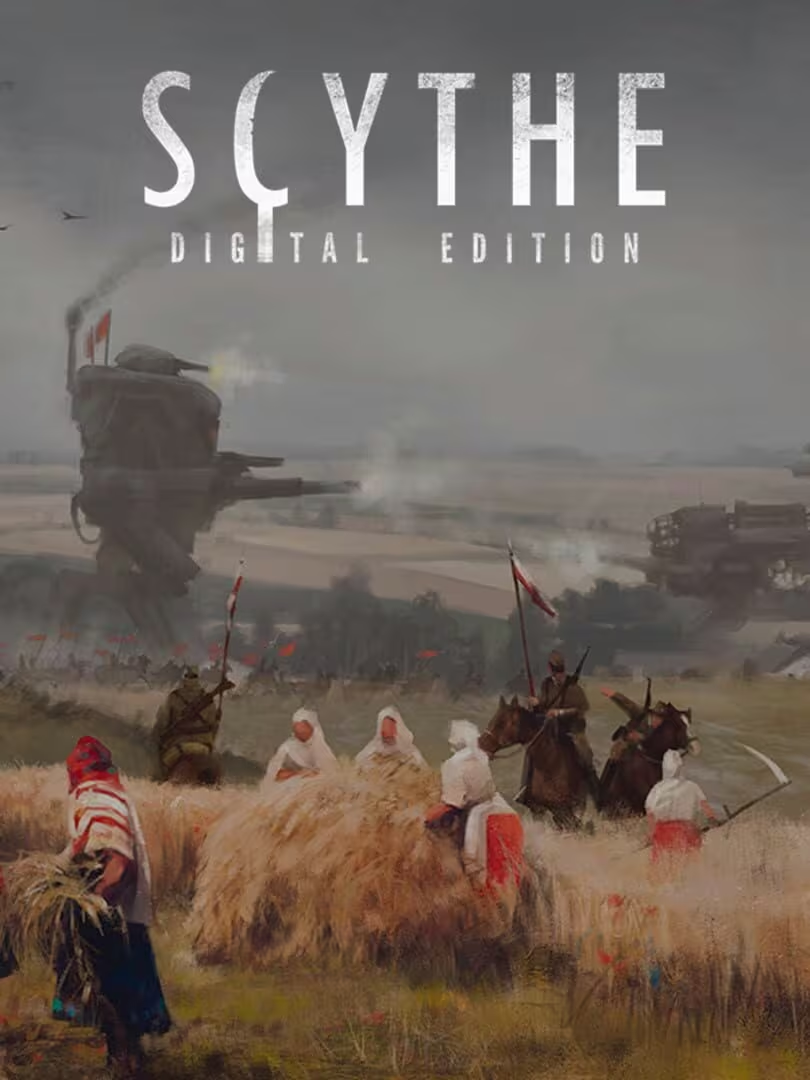 Scythe: Digital Edition
"Tension from tactical combat and risk of unit loss creates suspense and excitement."
-
Value
Game with the same Value vibe
1"Generally positive value for price; some complaints about game length and replayability."
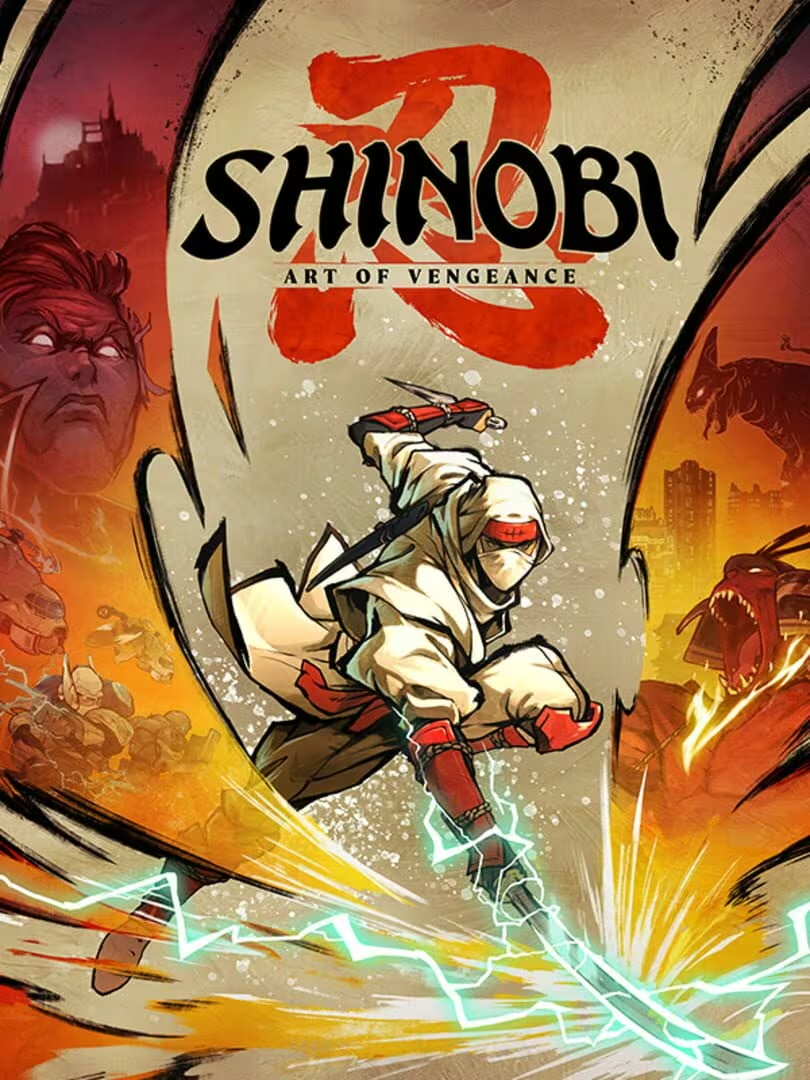 SHINOBI: Art of Vengeance
"Generally positive value noted, especially on discount; some complaints about campaign length and replayability."
-
Violence
Game with the same Violence vibe
4"Combat and destruction are central; players enjoy explosions, shooting, and defeating enemies."
 Taur
Taur
"Combat and destruction are central; players enjoy tactical elimination of enemy units and battlefield effects."
-
Survival
Game with the same Survival vibe
4"Players must avoid defeat through resource and risk management; survival is a key gameplay element."
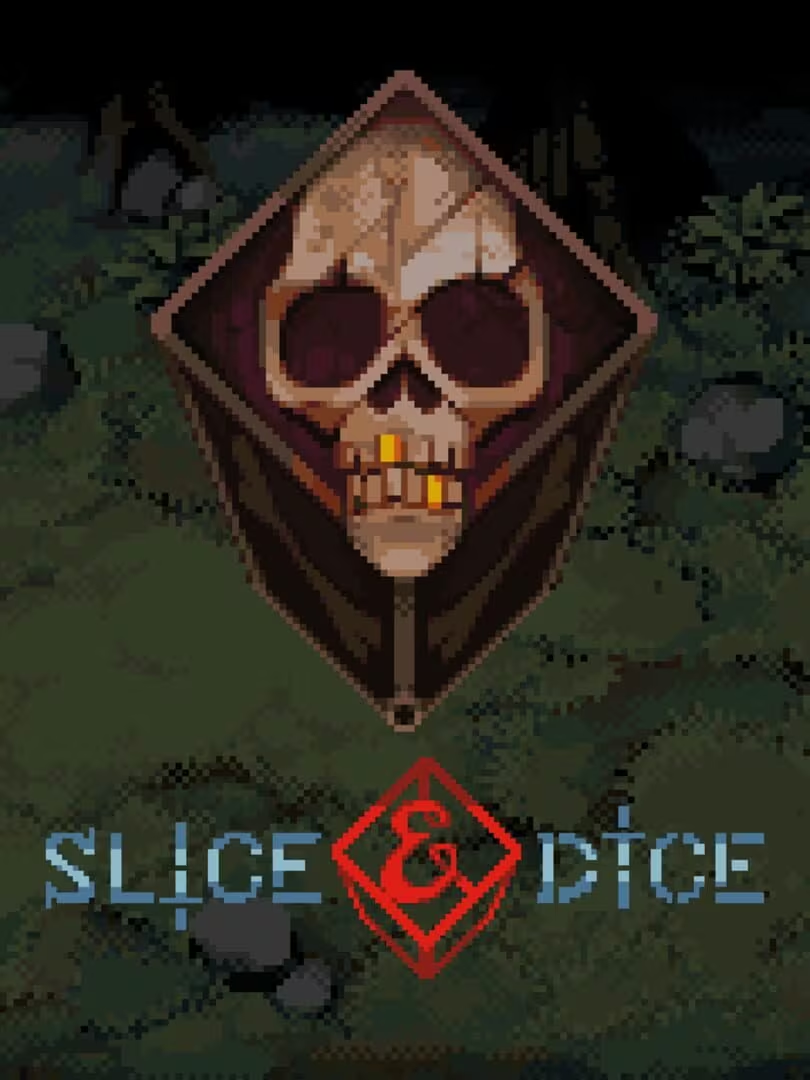 Slice & Dice
"Players must protect units, manage resources, and avoid losses to succeed; survival is a key gameplay element."
Last update: 01/06/2026