last seen online similar games & best alternatives
Should you play it?
Look through someone else’s computer. Inspired by early “escape room” flash games.
What works
- Engaging and creative puzzles
- Strong emotional and narrative impact
- Nostalgic early internet aesthetic
- Free to play
- Well-crafted atmosphere and music
Things to keep in mind
- Very short gameplay length
- Some puzzles can be confusing
- Limited replayability
- Lack of deeper lore or extended story
- No multiplayer or social features
What to play next
Similar games, hidden gems, and fresh directions from this game.
Top picks
Games that feel the closest overall
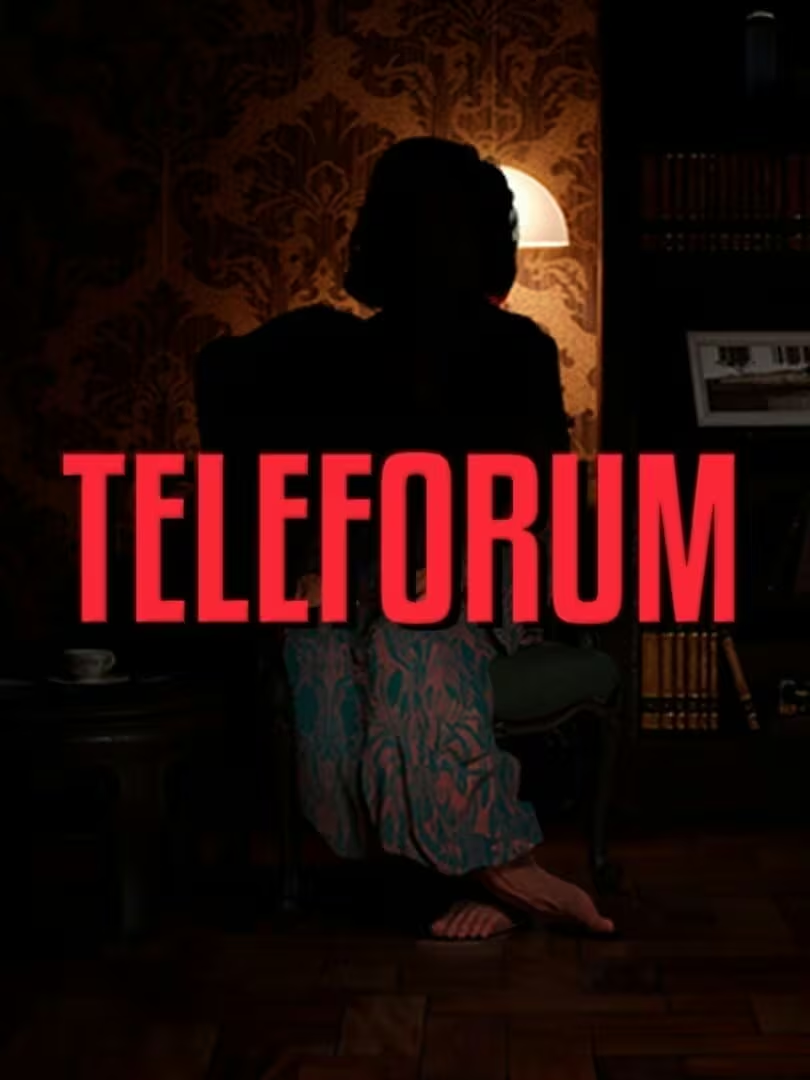


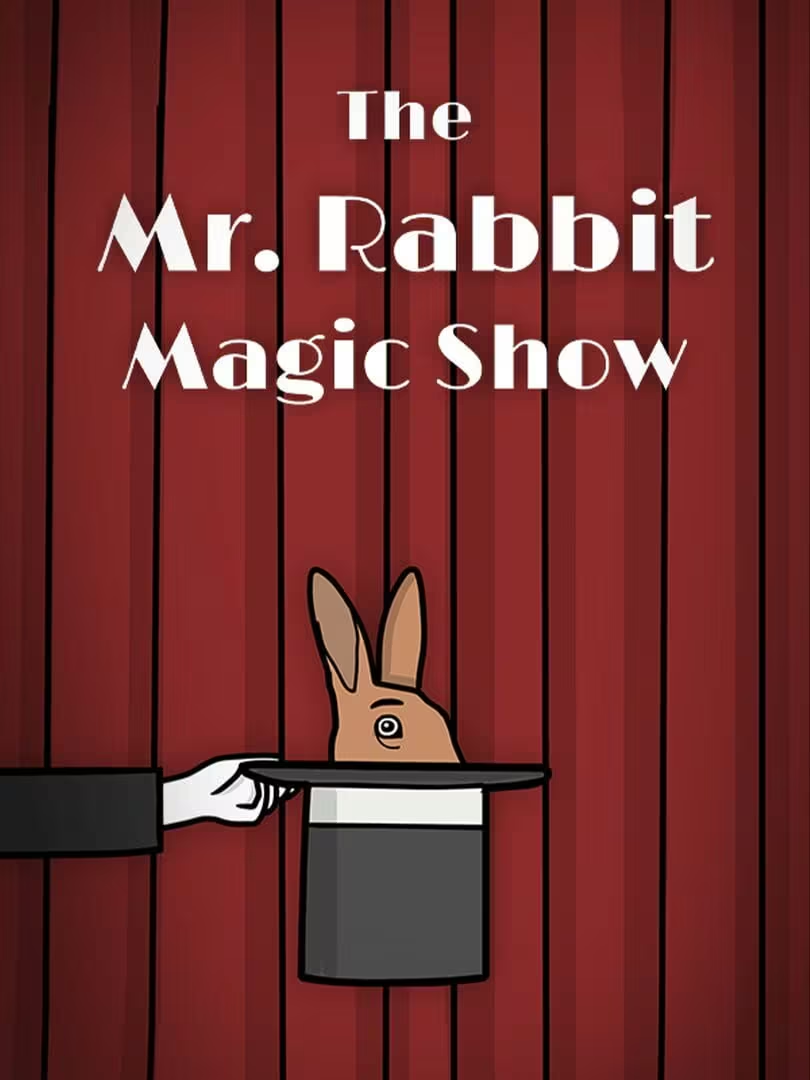
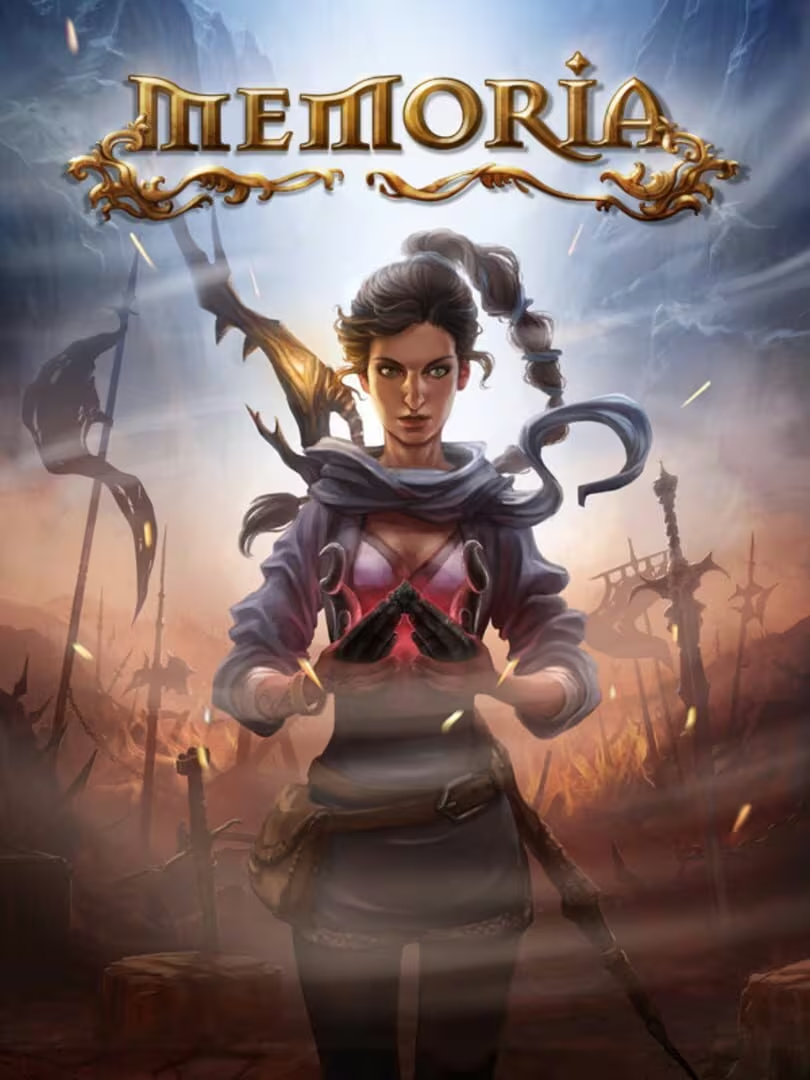
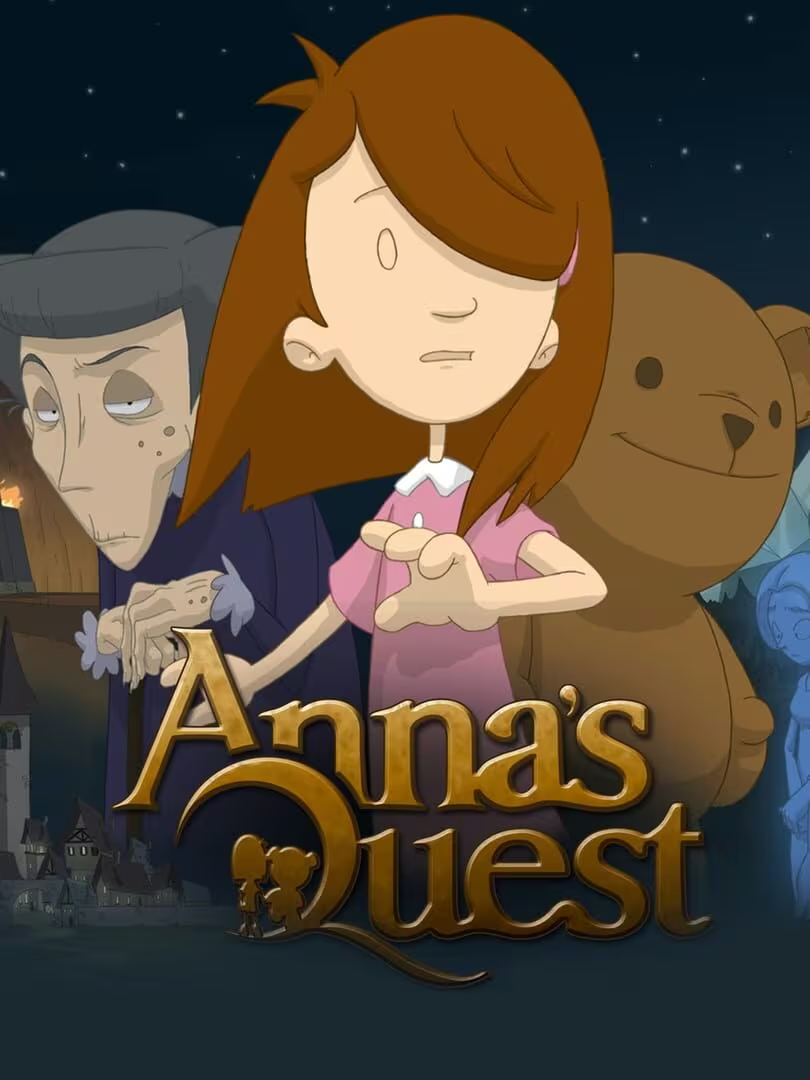
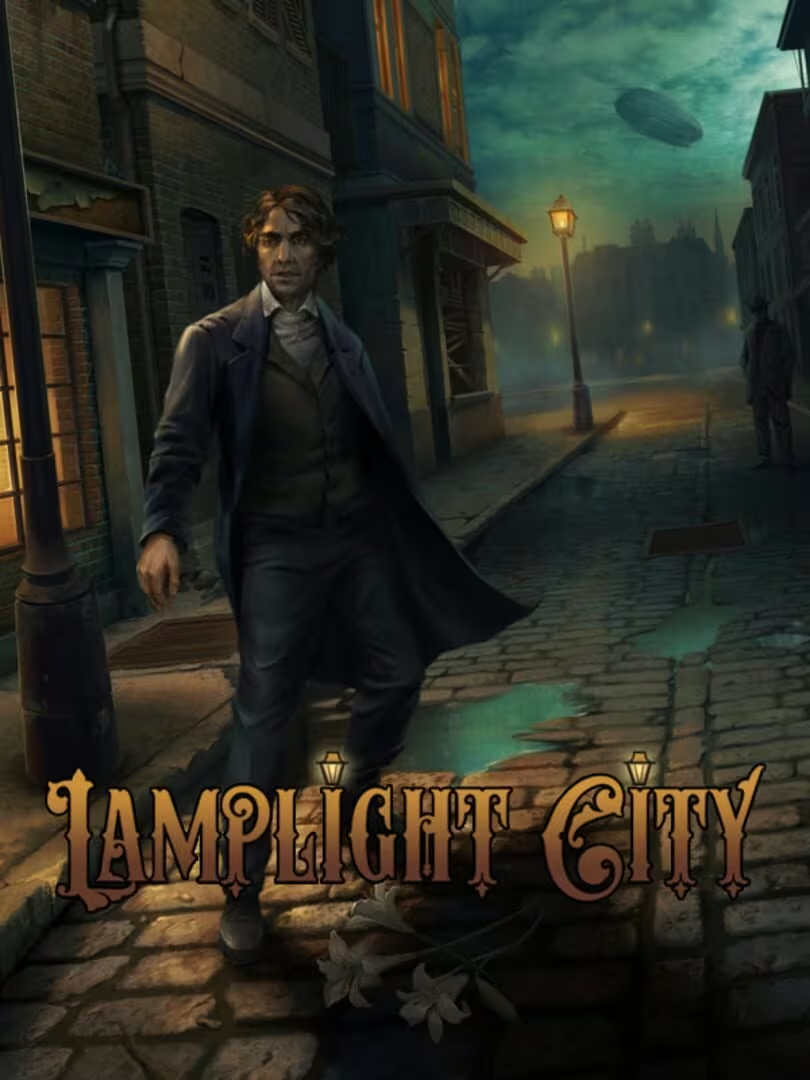
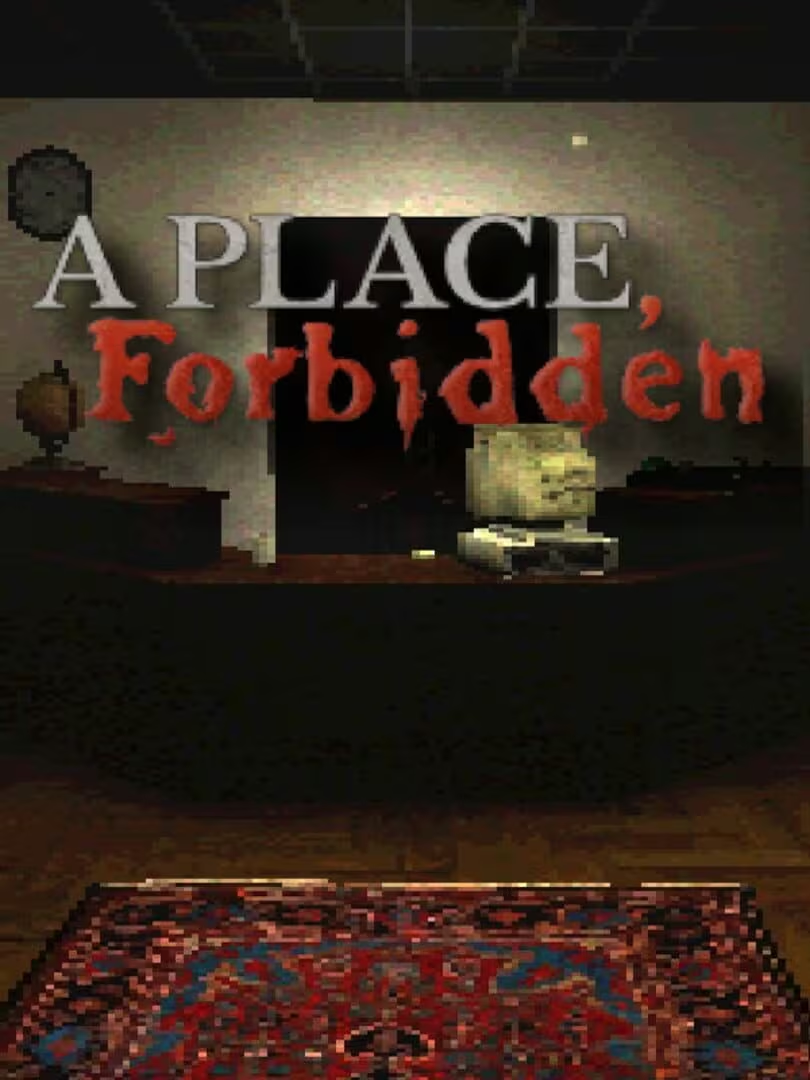
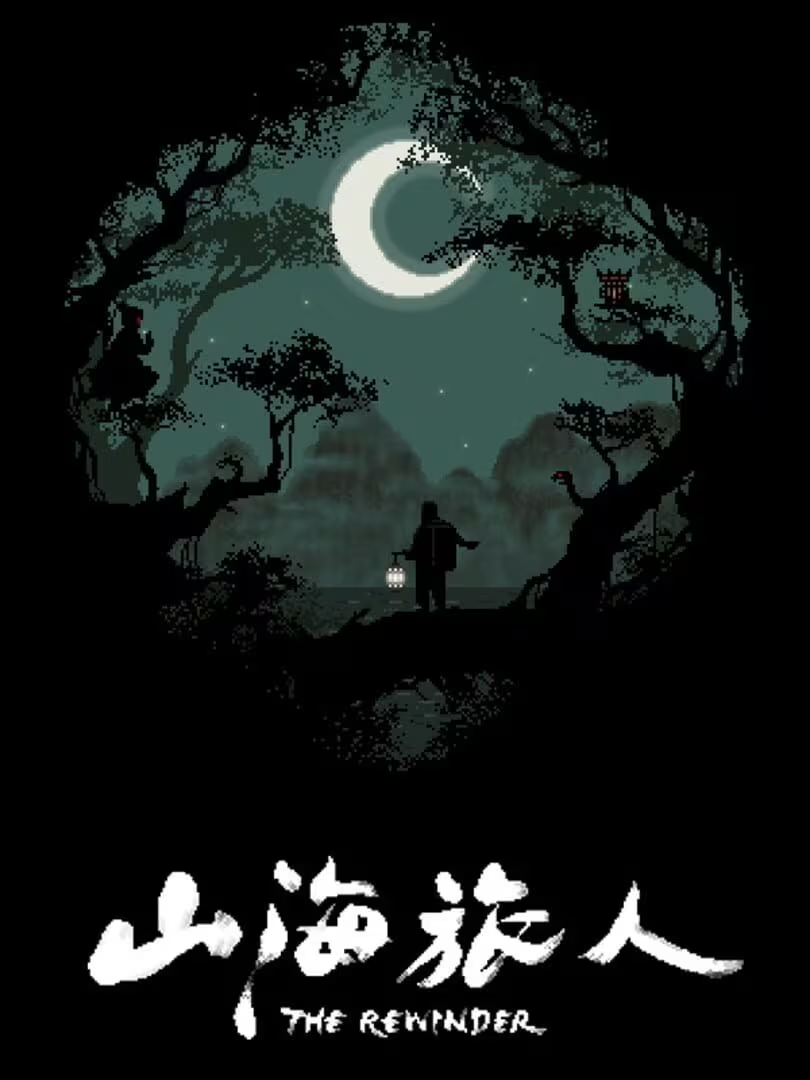
Hidden Gems
Less popular games with surprisingly high similarity
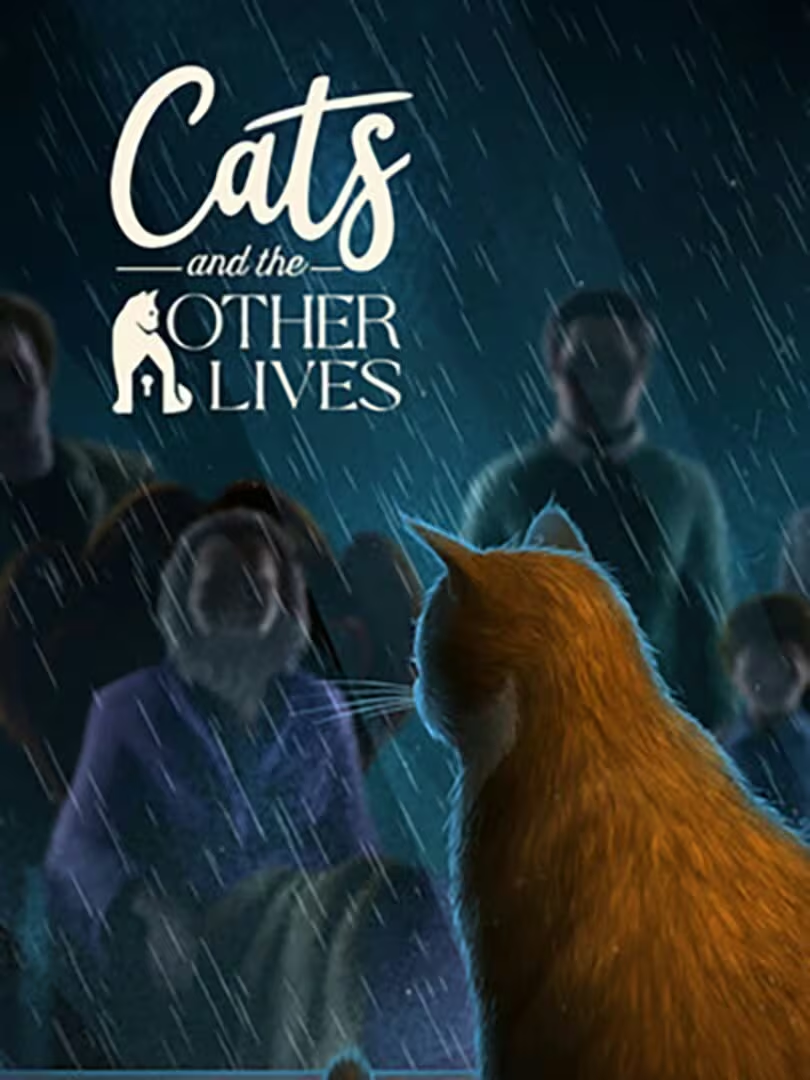
If you liked…
Recommendations by what you enjoyed most
Similarity map
Explore nearby similar games and see why they’re close.
last seen online: Broadly representative of its motivational profile, with a few distinct shifts. Motivations that often define this kind of title include Survival, Violence, Competition, Thrill. Here, the score leans higher than usual among comparable games on Intimacy, Thrill. It leans lower than usual among comparable games on Expression.
Why this game works
A motivational profile of the game, with the closest similar game for each player motivation.
-
Autonomy
Game with the same Autonomy vibe
3"Players explore and solve puzzles at their own pace with freedom to investigate environments and read documents."
 Amerzone: The Explorer’s Legacy (1999)
"Players navigate a simulated desktop environment and solve puzzles with freedom to explore files and windows."
-
Competence
Game with the same Competence vibe
4"Puzzles provide satisfying challenges that ramp up in complexity, rewarding skillful problem solving and logical thinking."
 COCOON
"Puzzles are challenging but rewarding, requiring problem solving and critical thinking."
-
Competition
Game with the same Competition vibe
-5"No competitive elements or comparison to others; focus is on personal puzzle solving and story exploration."
 Follow the meaning
"No competitive elements or comparison to others; focus is on individual puzzle solving and story exploration."
-
Continuation
Game with the same Continuation vibe
2"Players often engage in longer sessions to complete the story and puzzles, though some find limited replay value."
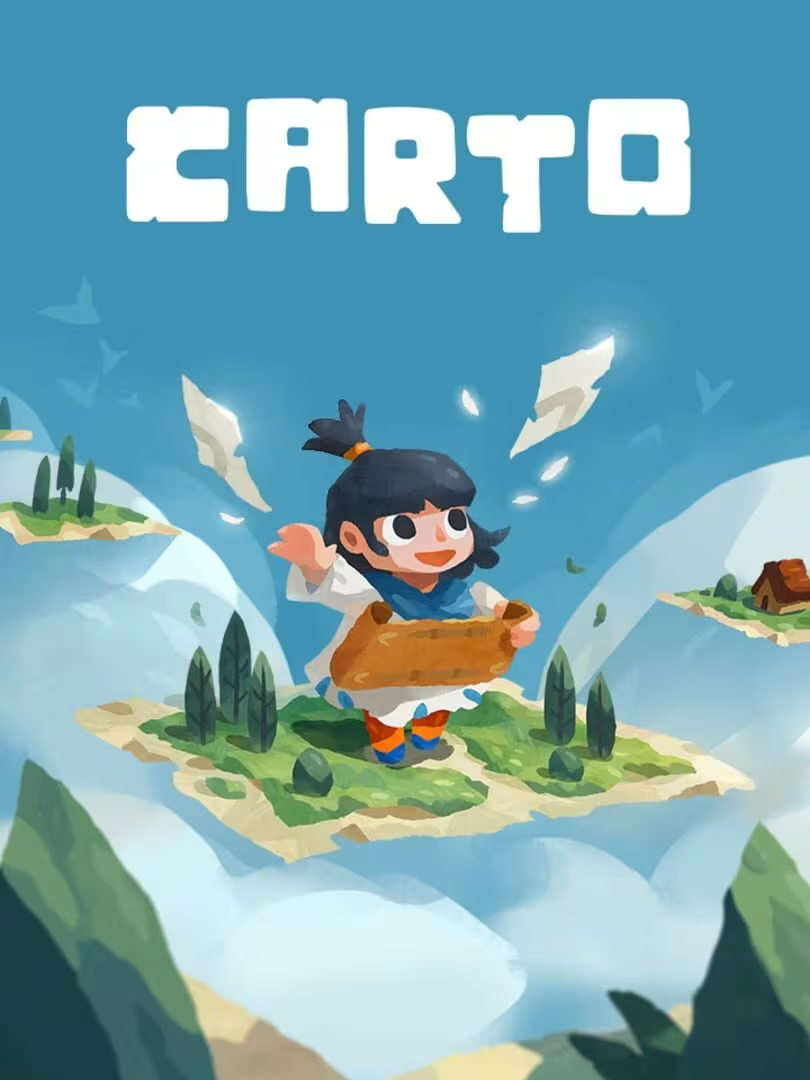 Carto
Carto
"Players often replay or return to experience the story and puzzles again despite short playtime."
-
Cooperation
Game with the same Cooperation vibe
-5"Single-player experience with no multiplayer or cooperative gameplay."
 Senua’s Saga: Hellblade II
"Single-player experience with no multiplayer or cooperative gameplay."
-
Creativity
Game with the same Creativity vibe
4"Creative puzzle designs and unique art style with imaginative environments and characters."
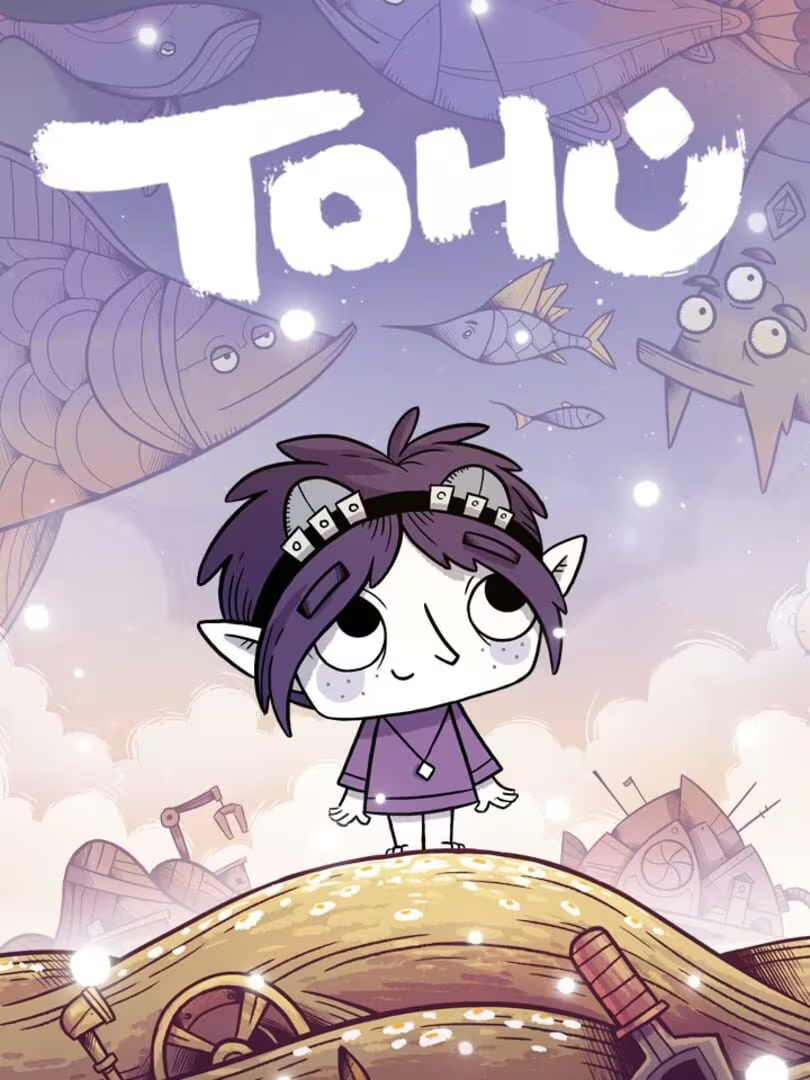 TOHU
TOHU
"Creative puzzle design and unique use of simulated desktop and narrative elements."
-
Domination
Game with the same Domination vibe
-5"No elements of exerting control over others; experience is personal and introspective."
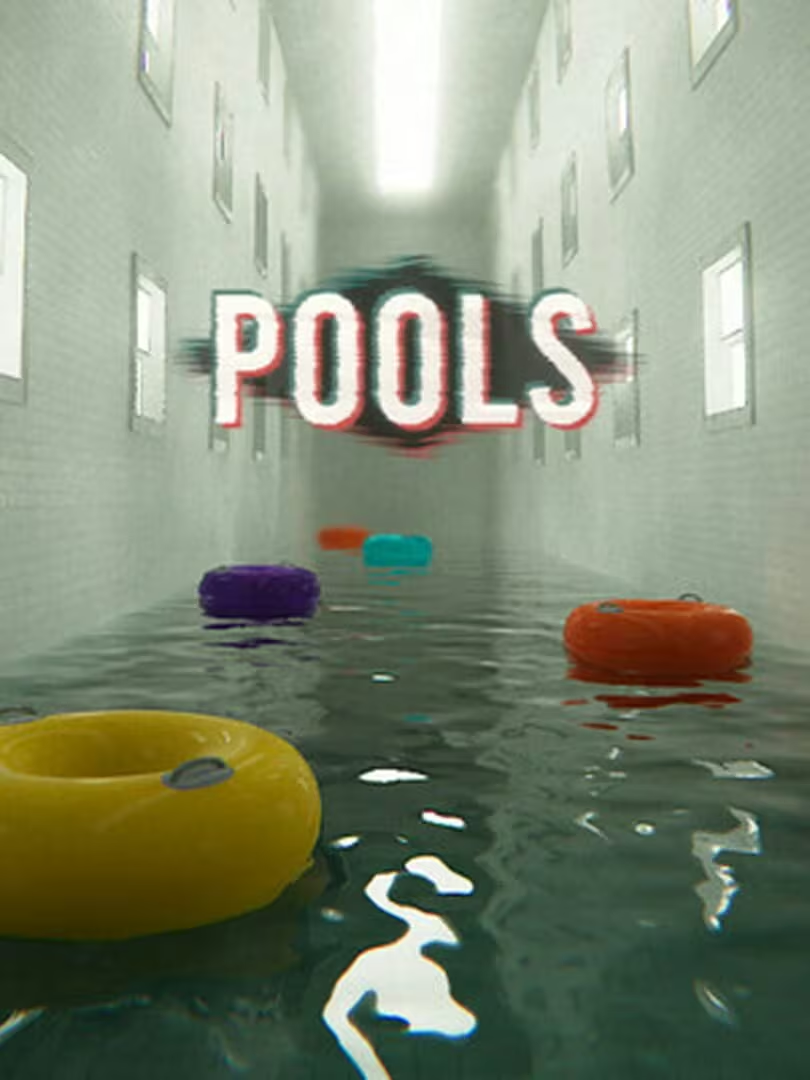 POOLS
POOLS
"No elements of exerting control over others; experience is personal and introspective."
-
Escapism
Game with the same Escapism vibe
4"Players use the game as an emotional and immersive experience, escaping into a surreal, nostalgic, and sometimes dark story."
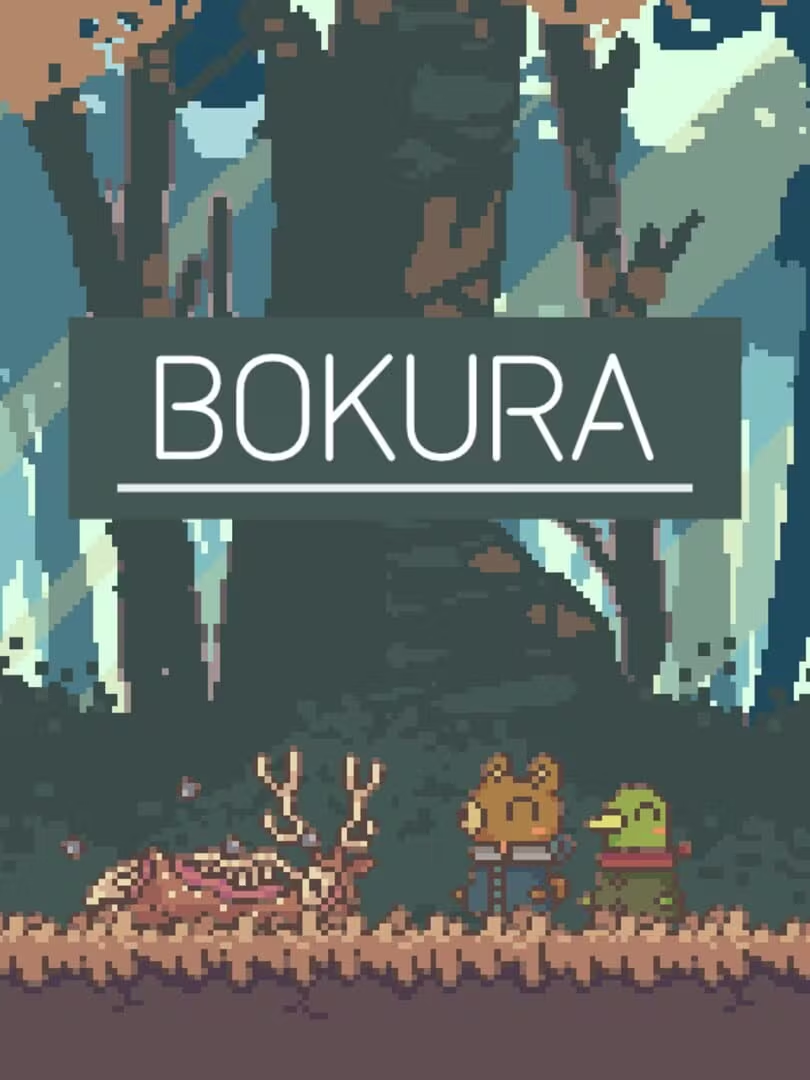 BOKURA
"Players use the game as an emotional and psychological escape, exploring a fictional story with nostalgic and eerie atmosphere."
-
Expectation
Game with the same Expectation vibe
-4"Players engage voluntarily out of interest and curiosity, with no obligation or external pressure."
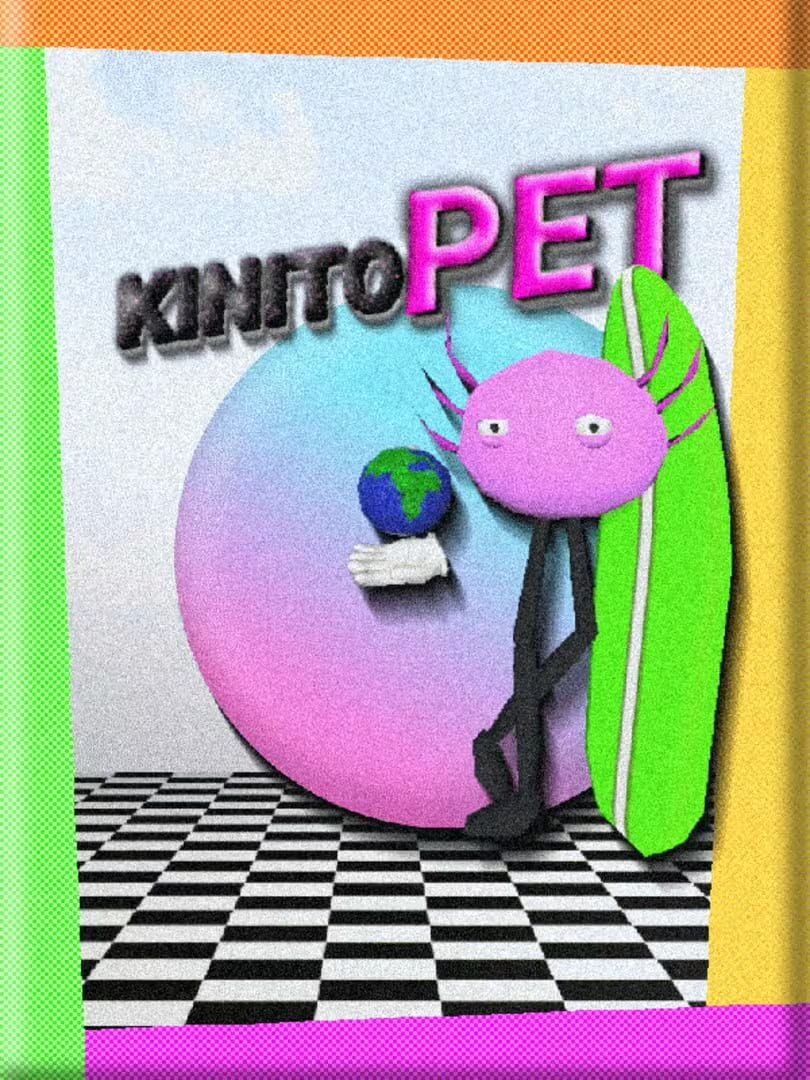 KinitoPET
"Players engage voluntarily out of interest and curiosity, with no obligation or external pressure."
-
Experimenting
Game with the same Experimenting vibe
3"Players explore unique environments and try different puzzle solutions, encouraging experimentation."
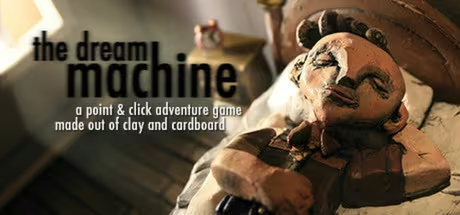 The Dream Machine: Chapter 1 & 2
"Players explore the desktop environment and try different puzzle solutions, encouraging experimentation."
-
Exploration
Game with the same Exploration vibe
4"Players explore multiple story branches, hidden items, and secret endings, driven by curiosity and discovery."
 Five Hearts Under One Roof season2
"Exploring files, messages, and hidden story elements drives player curiosity and discovery."
-
Expression
Game with the same Expression vibe
-3"Limited customization or self-expression; focus is on narrative and puzzle solving rather than avatar personalization."
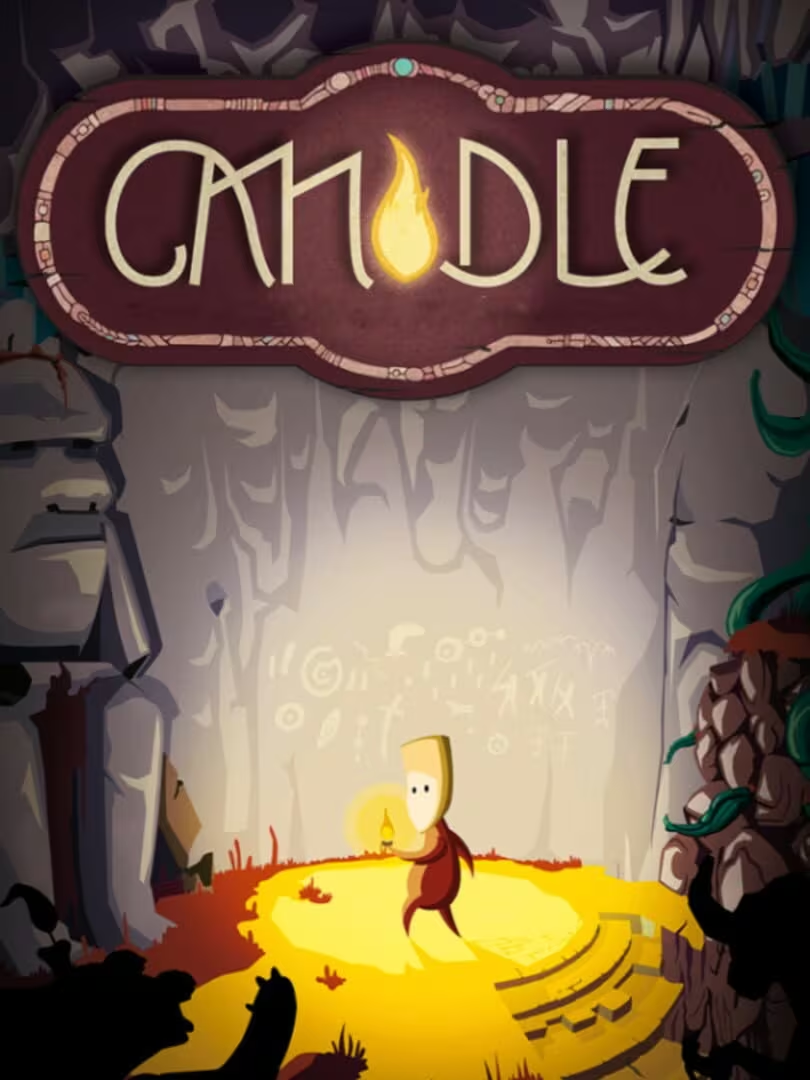 Candle
"Limited customization or self-expression; focus is on narrative and puzzle interaction rather than avatar personalization."
-
Fantasy
Game with the same Fantasy vibe
3"Contains supernatural and psychological horror elements blended with realistic settings."
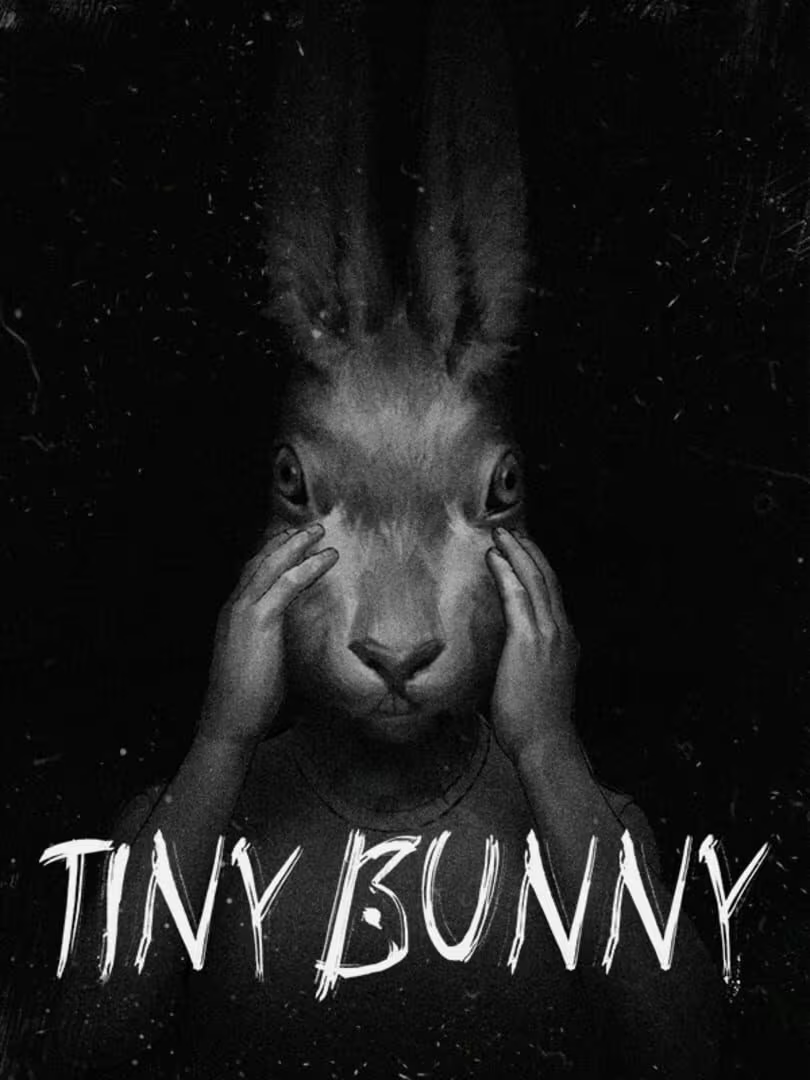 Tiny Bunny
"Incorporates supernatural and psychological horror elements blended with nostalgic early internet fiction."
-
Fellowship
Game with the same Fellowship vibe
-5"Solo experience with minimal social interaction or community involvement."
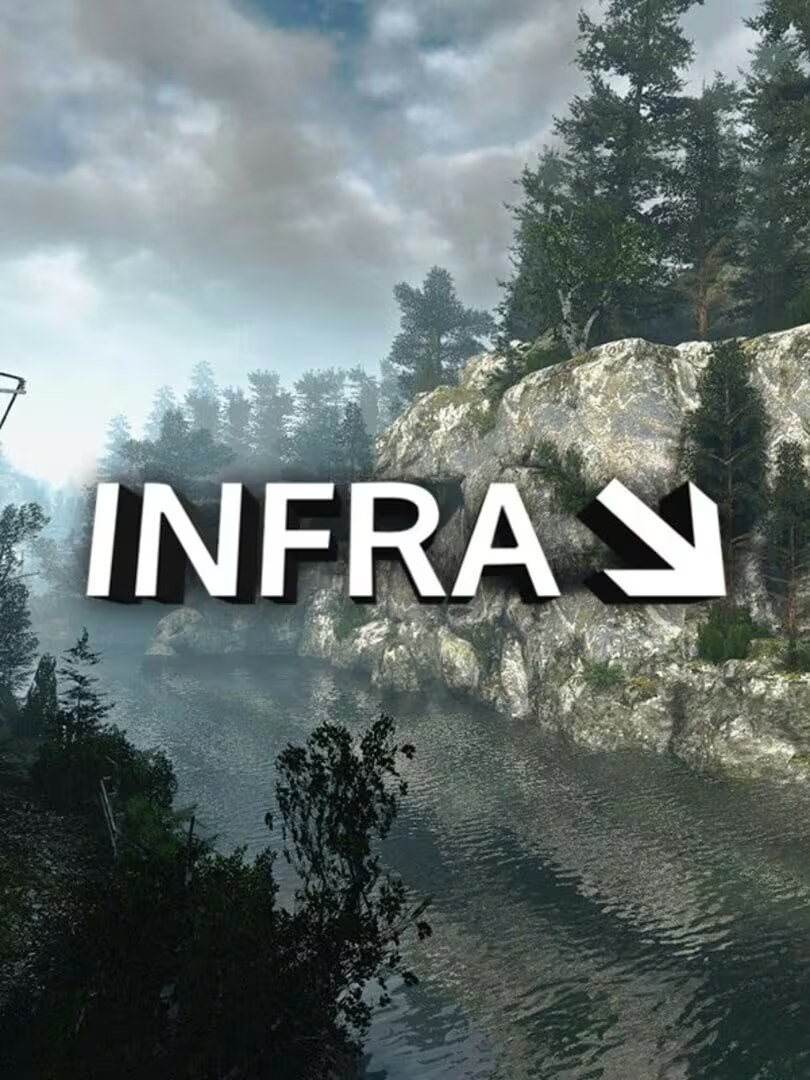 INFRA
INFRA
"Solo experience with minimal social interaction or community involvement."
-
Growth
Game with the same Growth vibe
3"Players develop puzzle-solving skills and understanding of the game's narrative and mechanics."
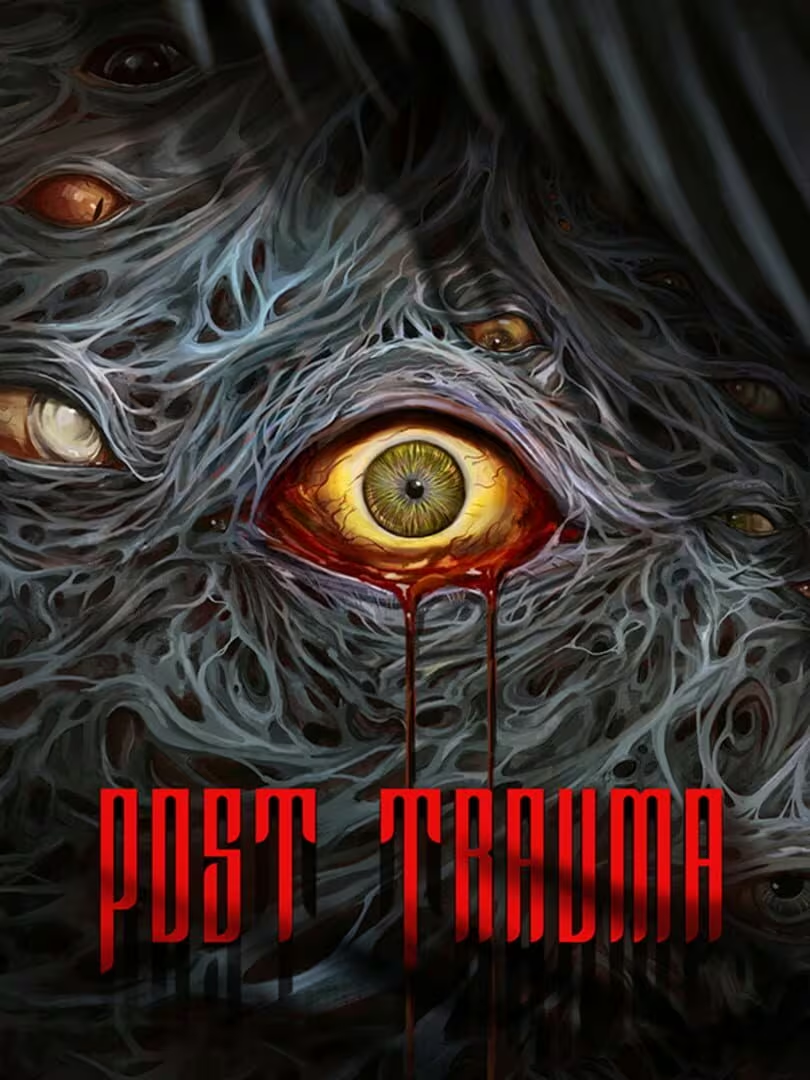 Post Trauma
"Players develop puzzle-solving skills and gain understanding of story and game mechanics."
-
Health
Game with the same Health vibe
-5"Sedentary gameplay with no physical activity involved."
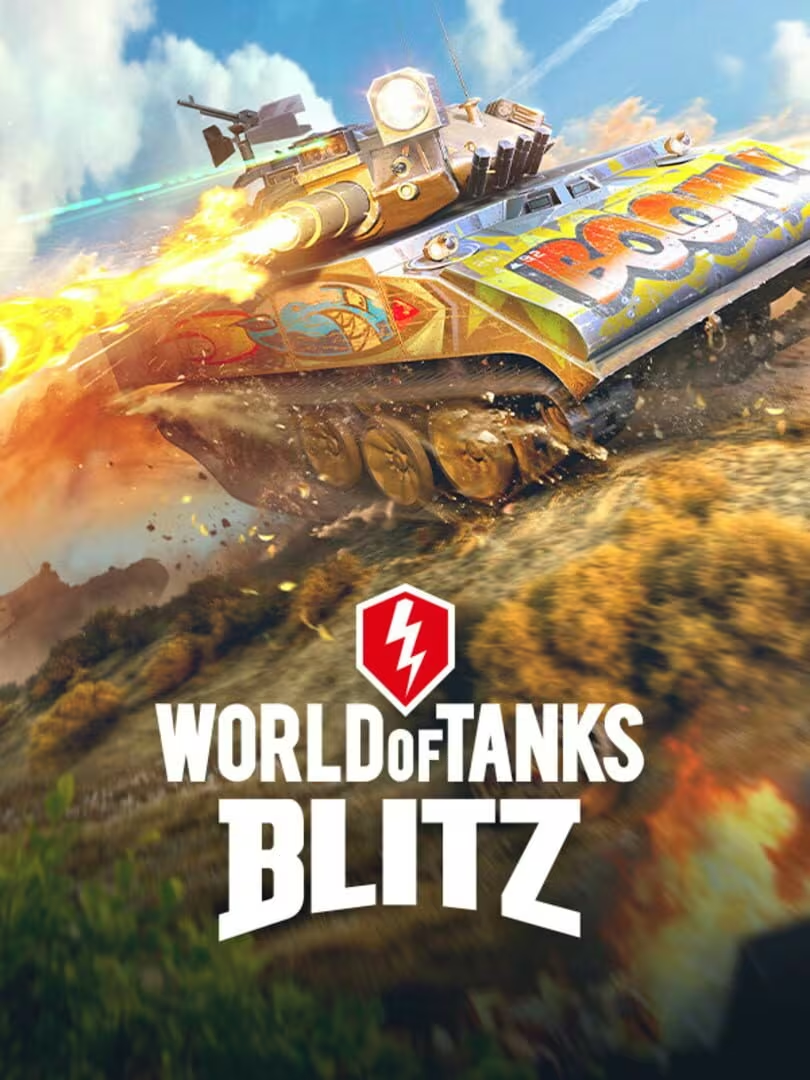 World of Tanks Blitz
"Sedentary gameplay with no physical activity involved."
-
Idle
Game with the same Idle vibe
-3"Requires focused attention to solve puzzles and follow story; not designed for passive or background play."
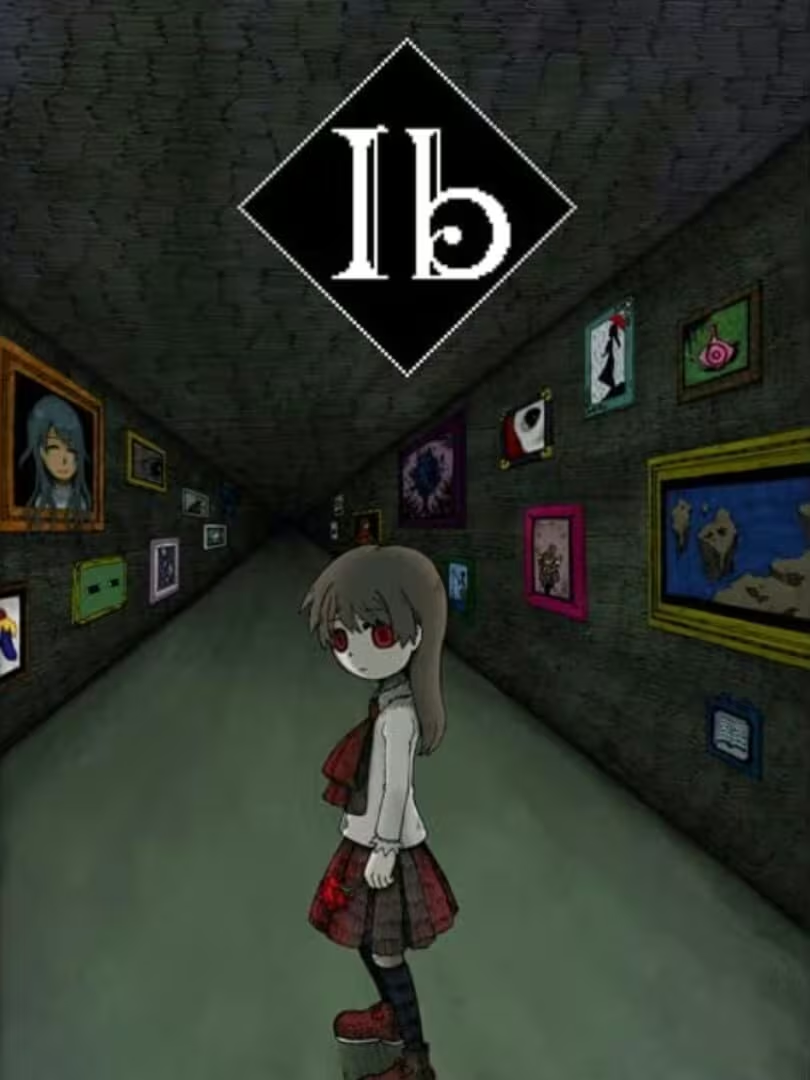 Ib
Ib
"Requires focused attention to solve puzzles and follow story; not designed for passive or background play."
-
Intimacy
Game with the same Intimacy vibe
2"Emotional connection to story and characters creates a sense of intimacy despite solo play."
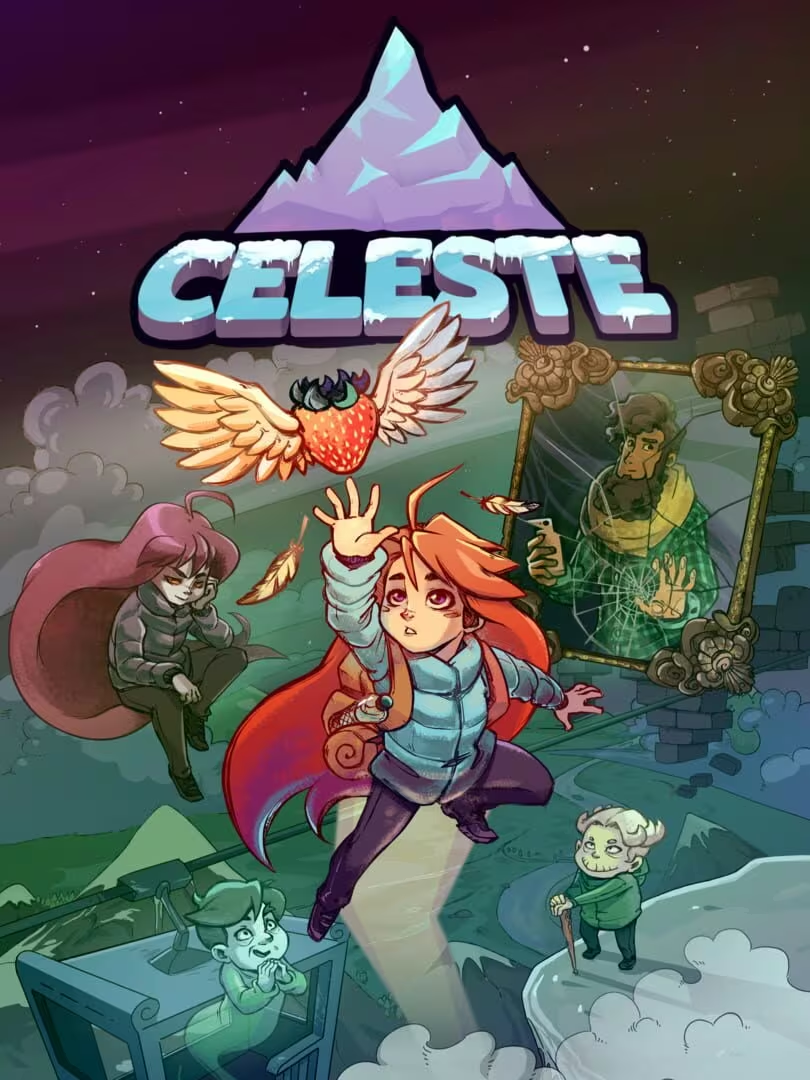 Celeste
"Emotional connection to story and characters creates a sense of closeness despite solo play."
-
Leadership
Game with the same Leadership vibe
-5"No leadership or group management elements present."
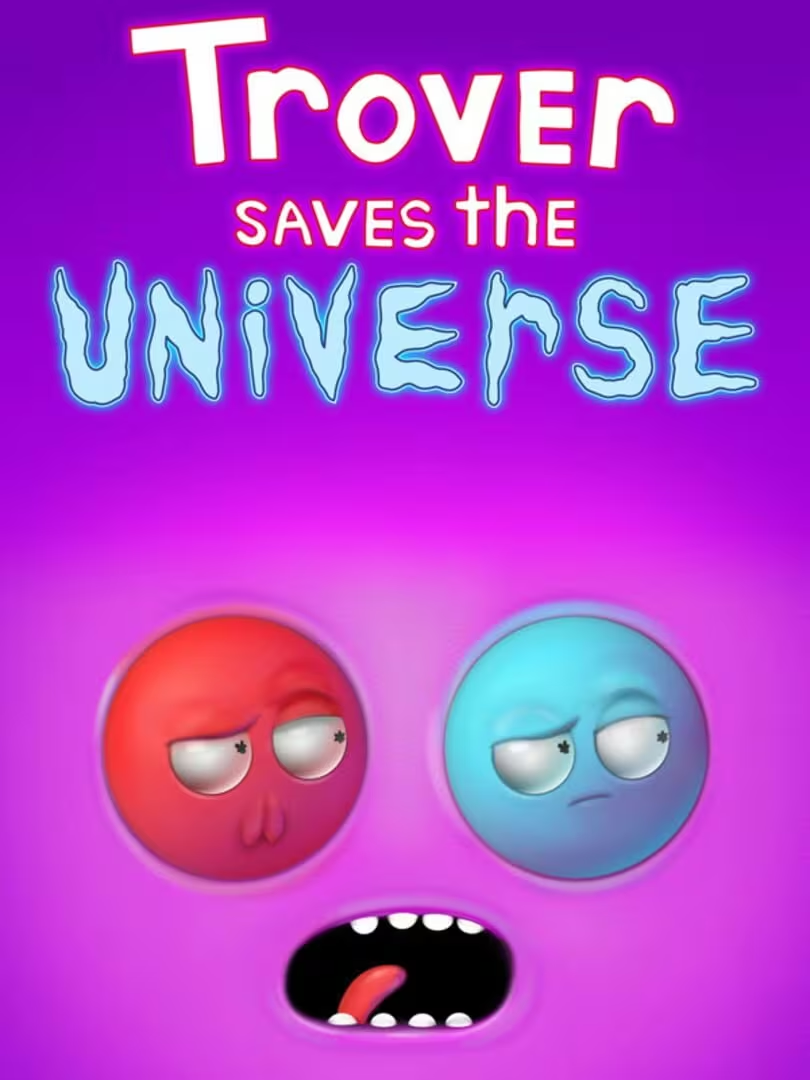 Trover Saves the Universe
"No leadership or group management elements present."
-
Progression
Game with the same Progression vibe
3"Progression through unlocking puzzles and story segments, with achievements and collectibles."
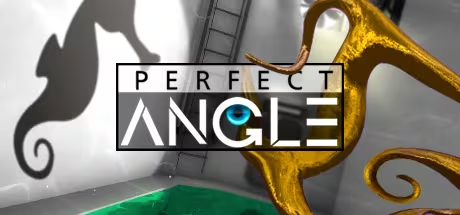 PERFECT ANGLE: The puzzle game based on optical illusions
"Progression through puzzles and story unlocks new content and achievements."
-
Relaxation
Game with the same Relaxation vibe
1"Atmosphere is tense and unsettling but balanced with moments of calm."
![Capsule for Close Your Eyes [Old Version]](https://d2eatnf6sujjgc.cloudfront.net/gameaton-data/close-your-eyes-old-version/cover/close-your-eyes-old-version.avif) Close Your Eyes [Old Version]
Close Your Eyes [Old Version]
"Atmosphere is moody and sometimes tense but overall balanced to maintain engagement without excessive stress."
-
Sensation
Game with the same Sensation vibe
3"Visual style and audio create an eerie and stimulating sensory experience."
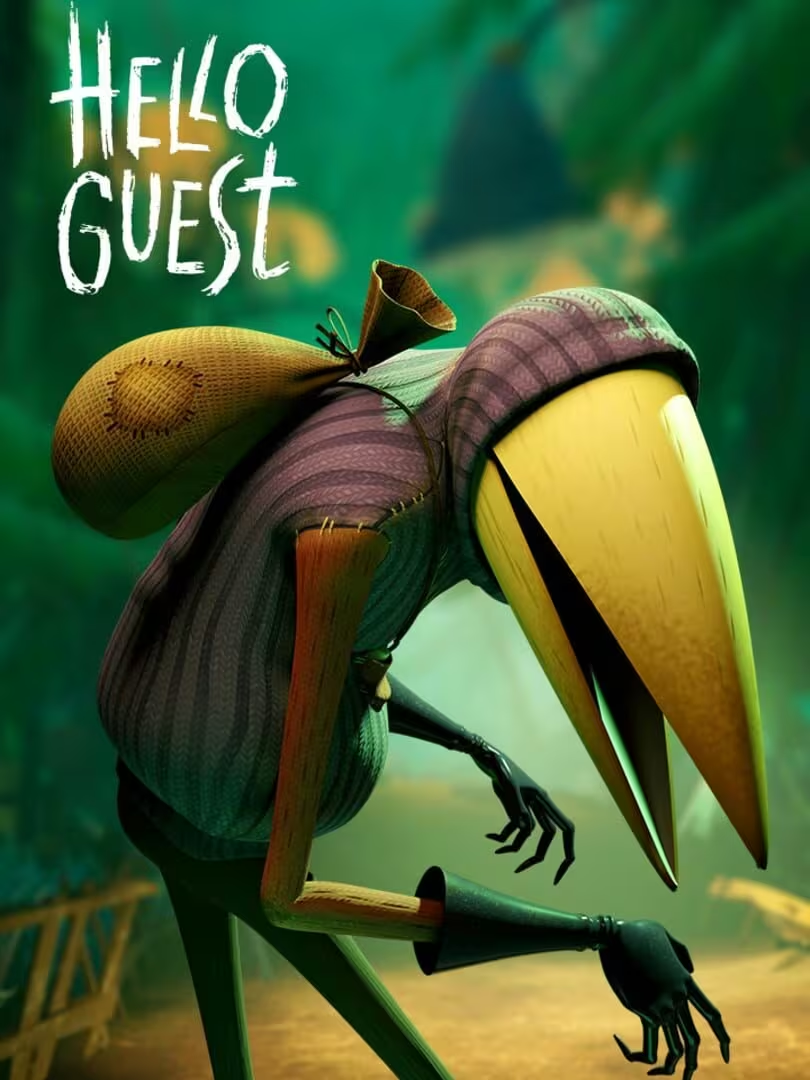 Hello Guest: Hello Neighbor 2 pre-alpha
"Engaging audio-visual style with nostalgic and eerie effects provide sensory stimulation."
-
Status
Game with the same Status vibe
-5"No social status or recognition mechanics; experience is personal and private."
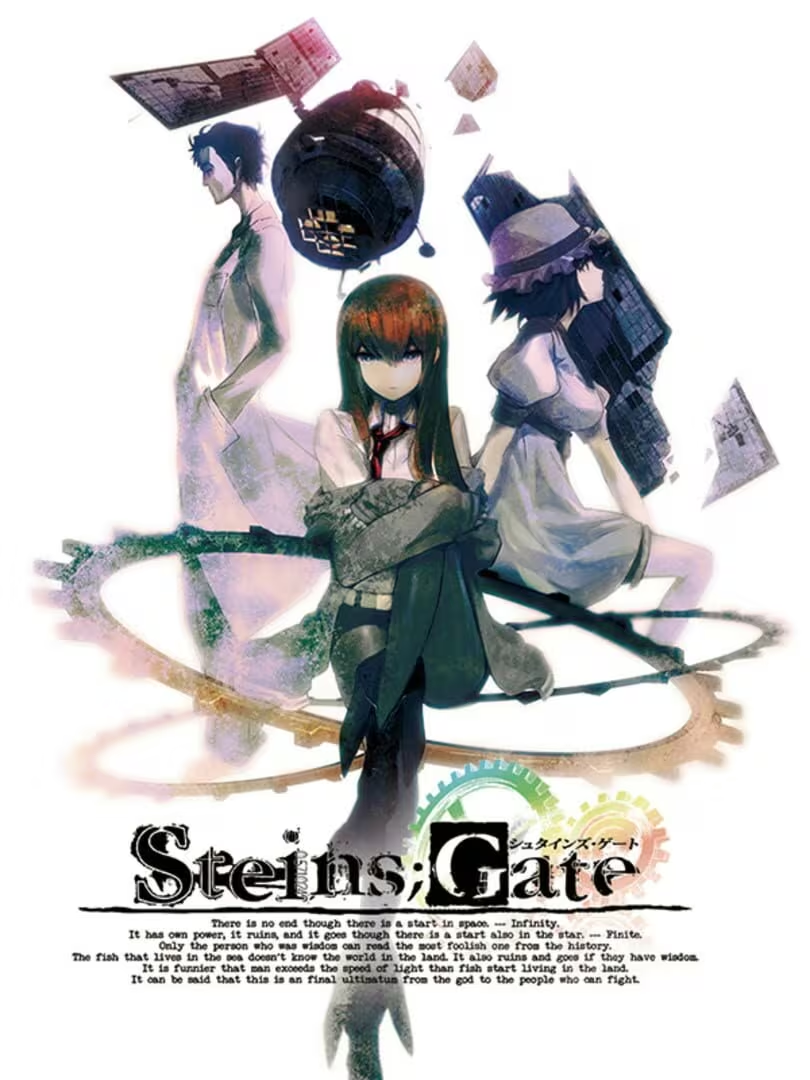 STEINS;GATE
"No social status or recognition mechanics; experience is personal and private."
-
Story
Game with the same Story vibe
5"Strong narrative focus with emotional and environmental themes driving player engagement."
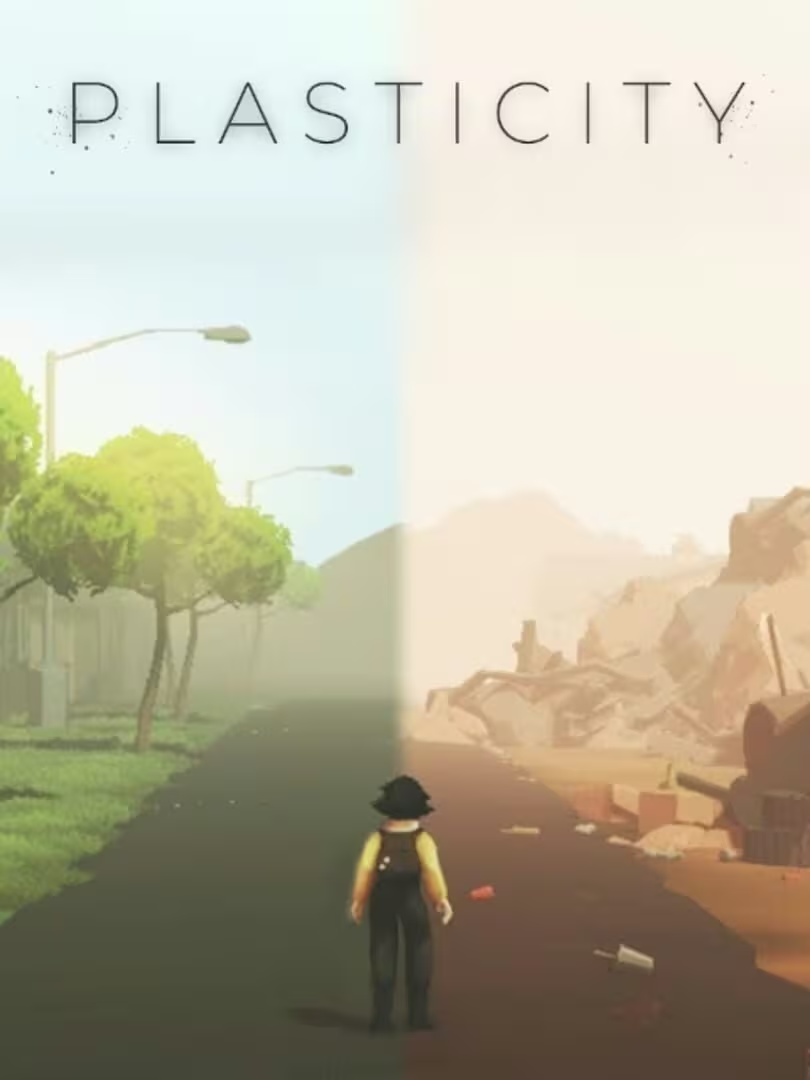 Plasticity
"Strong narrative focus with emotional and psychological themes driving player engagement."
-
Strategy
Game with the same Strategy vibe
3"Requires logical thinking and puzzle-solving strategies to progress."
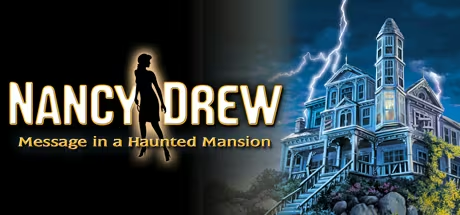 Nancy Drew®: Message in a Haunted Mansion
"Requires logical thinking and puzzle-solving strategies to progress."
-
Thrill
Game with the same Thrill vibe
2"Psychological horror elements create suspense and emotional tension, though not intense or frequent."
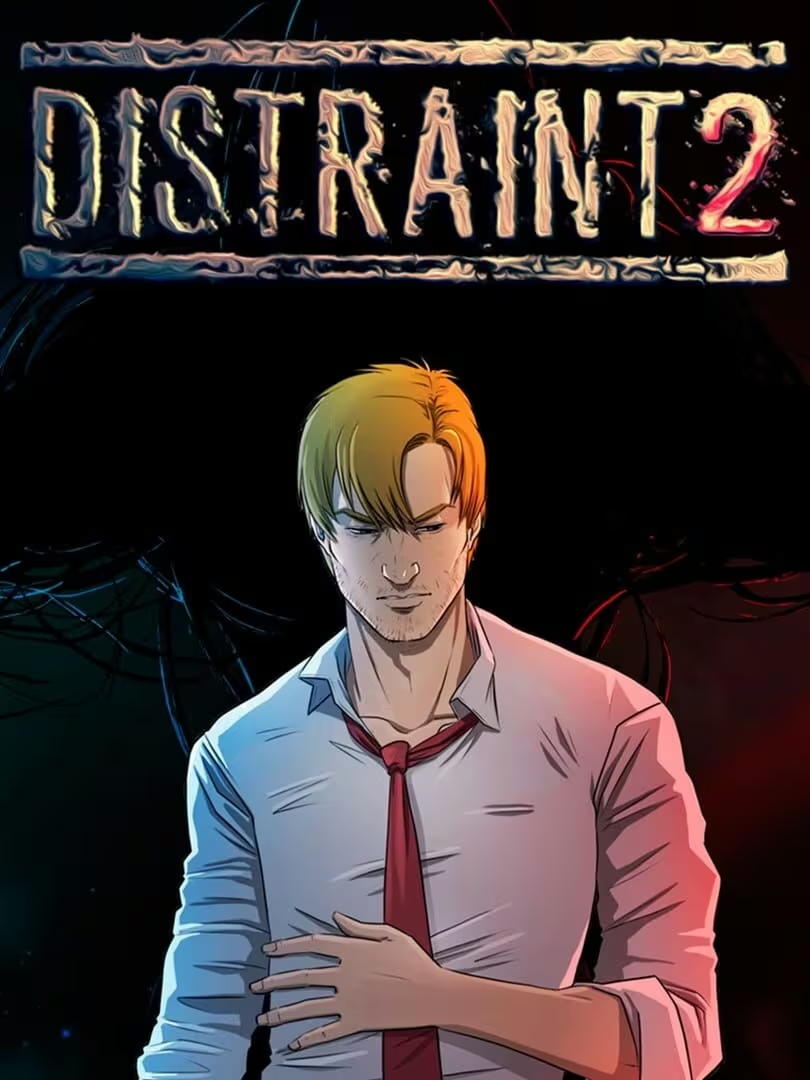 DISTRAINT 2
"Psychological horror elements create suspense and emotional tension without intense scares."
-
Value
Game with the same Value vibe
5"Highly praised for exceptional quality despite being free; players feel great value for time invested."
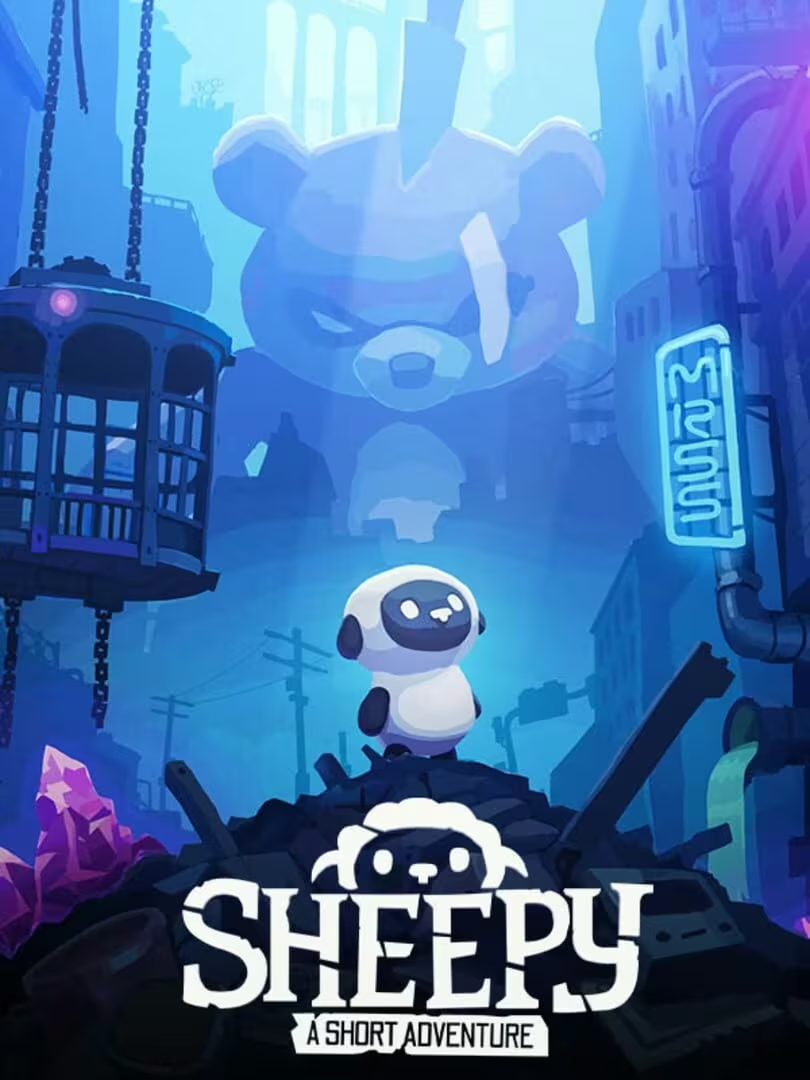 Sheepy: A Short Adventure
"Highly praised for quality and impact despite being free; players feel strong return on time invested."
-
Violence
Game with the same Violence vibe
-5"No violent or destructive gameplay elements; focus on puzzles and story."
 Evan's Remains
"No violent or destructive gameplay; focus on puzzles and story."
-
Survival
Game with the same Survival vibe
-5"No survival or threat avoidance mechanics; stable puzzle environment."
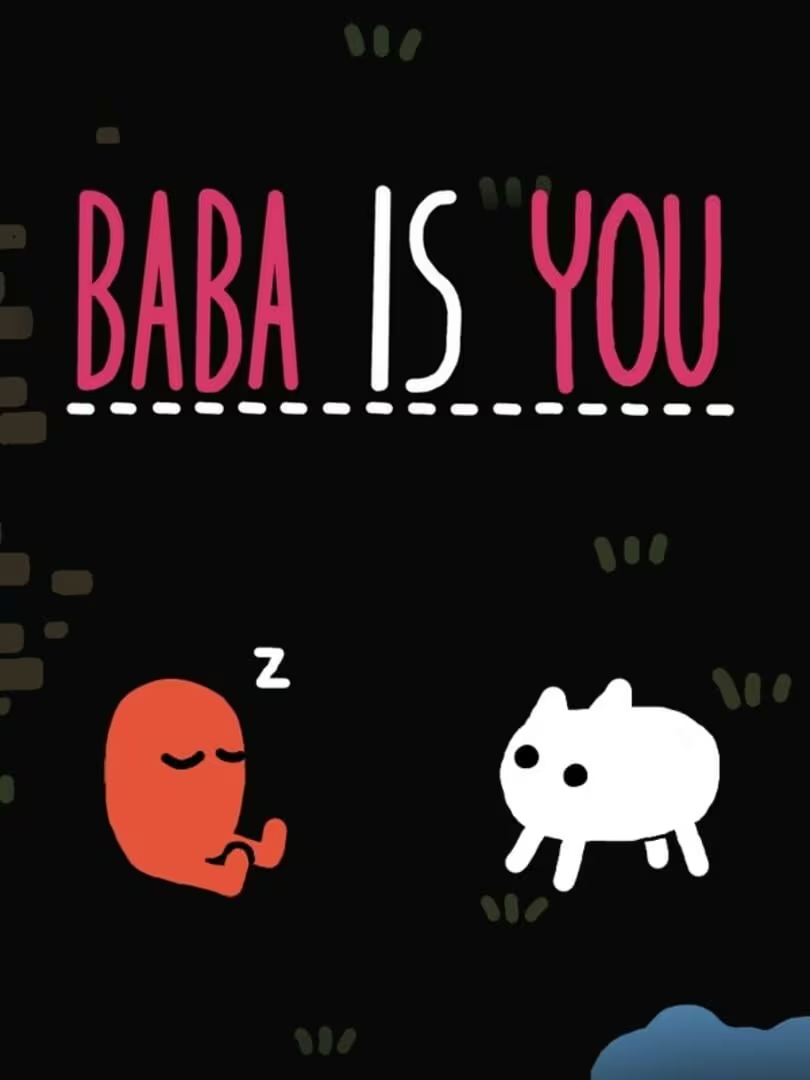 Baba Is You
"No survival or threat avoidance mechanics; stable puzzle environment."
Last update: 01/06/2026