Mind Snares: Alice's Journey similar games & best alternatives
Should you play it?
Escape from the Shadow Land!
What works
- Beautiful hand-painted art and atmospheric music
- Interesting psychological and symbolic story
- Accessible puzzles and hidden object scenes
- Smooth interface with fast travel map
- Relaxing and immersive gameplay experience
Things to keep in mind
- Short game length with limited replay value
- Some players found the ending abrupt and unsatisfying
- Puzzles generally easy and not very challenging
- Lack of character customization or social features
- Minor translation issues and occasional hitbox frustrations
What to play next
Similar games, hidden gems, and fresh directions from this game.
Top picks
Games that feel the closest overall
Hidden Gems
Less popular games with surprisingly high similarity
If you liked…
Recommendations by what you enjoyed most
Similarity map
Explore nearby similar games and see why they’re close.
Mind Snares: Alice's Journey: Broadly representative of its motivational profile, with a few distinct shifts. Motivations that often define this kind of title include Strategy, Experimenting, Competence, Survival. Here, the score leans higher than usual among comparable games on Strategy. It leans lower than usual among comparable games on Autonomy, Value.
Why this game works
A motivational profile of the game, with the closest similar game for each player motivation.
-
Autonomy
Game with the same Autonomy vibe
-3"The game is mostly linear with limited player choices and no branching storylines in Alternative, reflecting adherence to a preset narrative rather than player-driven actions."
 Muv-Luv Alternative
"Gameplay is mostly linear and puzzle-driven with limited player choice or branching paths."
-
Competence
Game with the same Competence vibe
2"Puzzles and hidden object scenes provide moderate challenge, with some requiring careful observation and problem solving, but overall accessible and not highly difficult."
 Eventide: Slavic Fable
"Puzzles and hidden object scenes provide moderate challenge but are generally easy and accessible."
-
Competition
Game with the same Competition vibe
-5"No competitive elements; focus is on solo play and personal progression."
 Wytchwood
"No competitive elements; focus is on solo play and personal progress."
-
Continuation
Game with the same Continuation vibe
-2"Game is relatively short with limited replayability; some players find it frustrating or tedious, leading to less habitual play."
 STAR WARS™ Dark Forces (Classic, 1995)
"Short game length and lack of replay value reduce habitual or extended play."
-
Cooperation
Game with the same Cooperation vibe
-5"Single-player experience with no multiplayer or cooperative features."
 What Remains of Edith Finch
"Single-player experience with no multiplayer or cooperative features."
-
Creativity
Game with the same Creativity vibe
3"Creative and artistic puzzles, unique visual styles, and metaphorical narrative elements encourage imaginative engagement."
 Insomnia: Theater in the Head
"Artistic hand-painted environments and symbolic story elements encourage imaginative engagement."
-
Domination
Game with the same Domination vibe
-5"No elements of exerting control or superiority over others."
 Senren*Banka
"No elements of exerting control or superiority over others."
-
Escapism
Game with the same Escapism vibe
4"Players use the game to immerse in a surreal, psychological world, escaping real life stresses."
 The Path
"Players immerse in a surreal, psychological world to escape real-life stress and routine."
-
Expectation
Game with the same Expectation vibe
-4"Players engage voluntarily for enjoyment and personal interest rather than obligation."
 Rune Factory 5
"Players engage voluntarily for enjoyment and personal interest rather than obligation."
-
Experimenting
Game with the same Experimenting vibe
-1"Mostly following established hidden object gameplay; some minor puzzle and mini-game elements add slight novelty."
 FIND ALL 2: Middle Ages
"Mostly follows established hidden object and puzzle game conventions with limited novelty."
-
Exploration
Game with the same Exploration vibe
2"Players explore varied dream environments and locations, though within a linear structure."
 Dreamscapes: The Sandman - Premium Edition
"Players explore multiple distinct dreamlike locations within the game world."
-
Expression
Game with the same Expression vibe
-4"No character customization or player-driven aesthetic changes reported."
 The Grounding
"No character customization or player-driven aesthetic changes."
-
Fantasy
Game with the same Fantasy vibe
4"Surreal and symbolic narrative with fantasy elements like magical butterflies and dreamlike settings."
 Blackwood Crossing
"Strong surreal and psychological fantasy themes with symbolic and dreamlike settings."
-
Fellowship
Game with the same Fellowship vibe
-5"No social or community features; strictly single-player."
 Mafia: Definitive Edition
"No social or community features; strictly single-player."
-
Growth
Game with the same Growth vibe
2"Players develop puzzle-solving skills and gain narrative understanding."
 The White Door
"Players develop puzzle-solving skills and engage with a narrative about personal change."
-
Health
Game with the same Health vibe
-5"Typical sedentary gameplay with no physical activity elements."
 Operation: Tango
"Typical sedentary gameplay with no physical activity elements."
-
Idle
Game with the same Idle vibe
-3"Requires focused attention and puzzle solving; not suited for casual or background play."
 I Have No Mouth, and I Must Scream
"Requires focused attention and puzzle solving; not suited for casual background play."
-
Intimacy
Game with the same Intimacy vibe
-4"Limited emotional connection mainly through story; no social or relationship building."
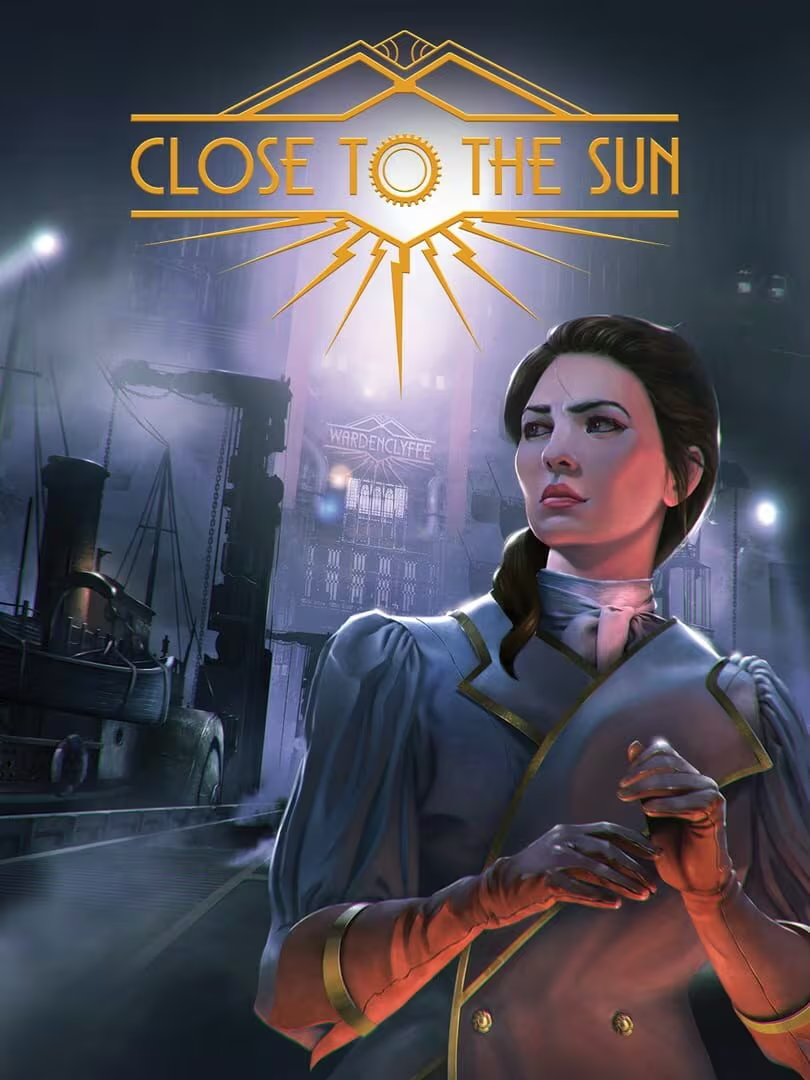 Close To The Sun
"Limited emotional connection mainly through story; no social or relationship building."
-
Leadership
Game with the same Leadership vibe
-5"No leadership or group management mechanics."
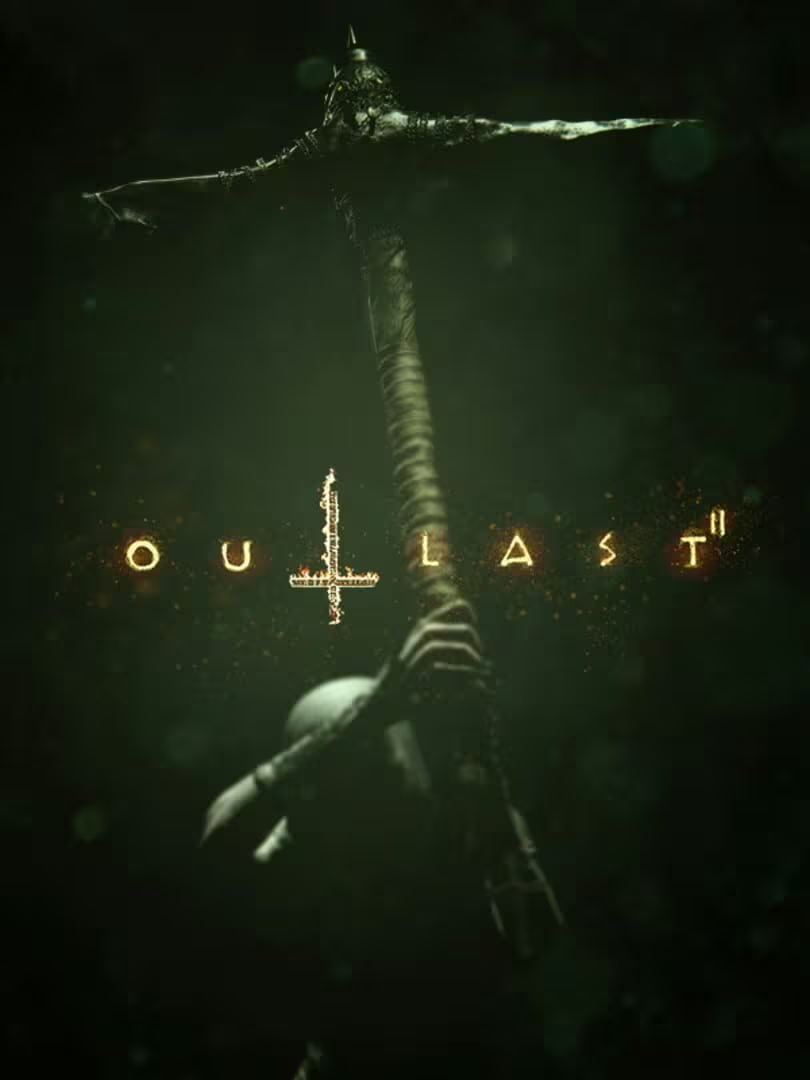 Outlast 2
"No leadership or group management mechanics."
-
Progression
Game with the same Progression vibe
3"Progression through collecting items and solving puzzles advances the story."
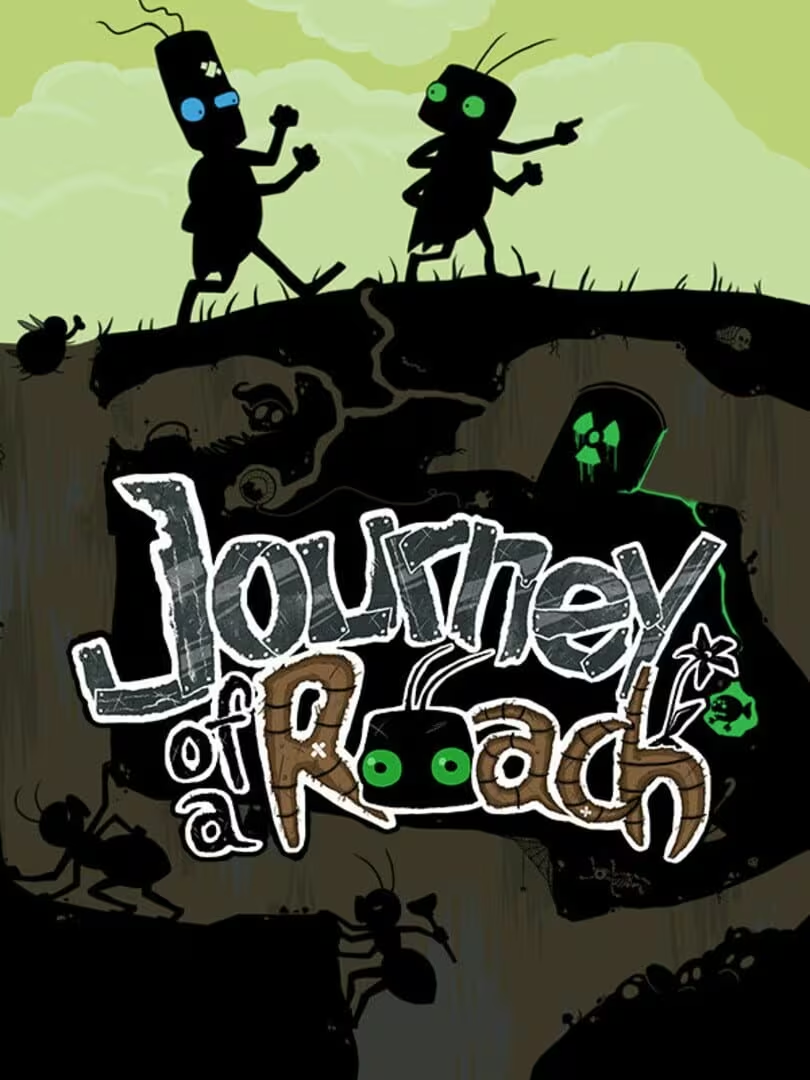 Journey of a Roach
"Progression through collecting items and solving puzzles to advance the story."
-
Relaxation
Game with the same Relaxation vibe
3"Generally relaxing gameplay with balanced challenge and atmospheric immersion."
Dreamscapes: The Sandman - Premium Edition
"Generally relaxing gameplay with moderate challenge and atmospheric immersion."
-
Sensation
Game with the same Sensation vibe
3"Visually striking art style and music provide sensory stimulation and emotional impact."
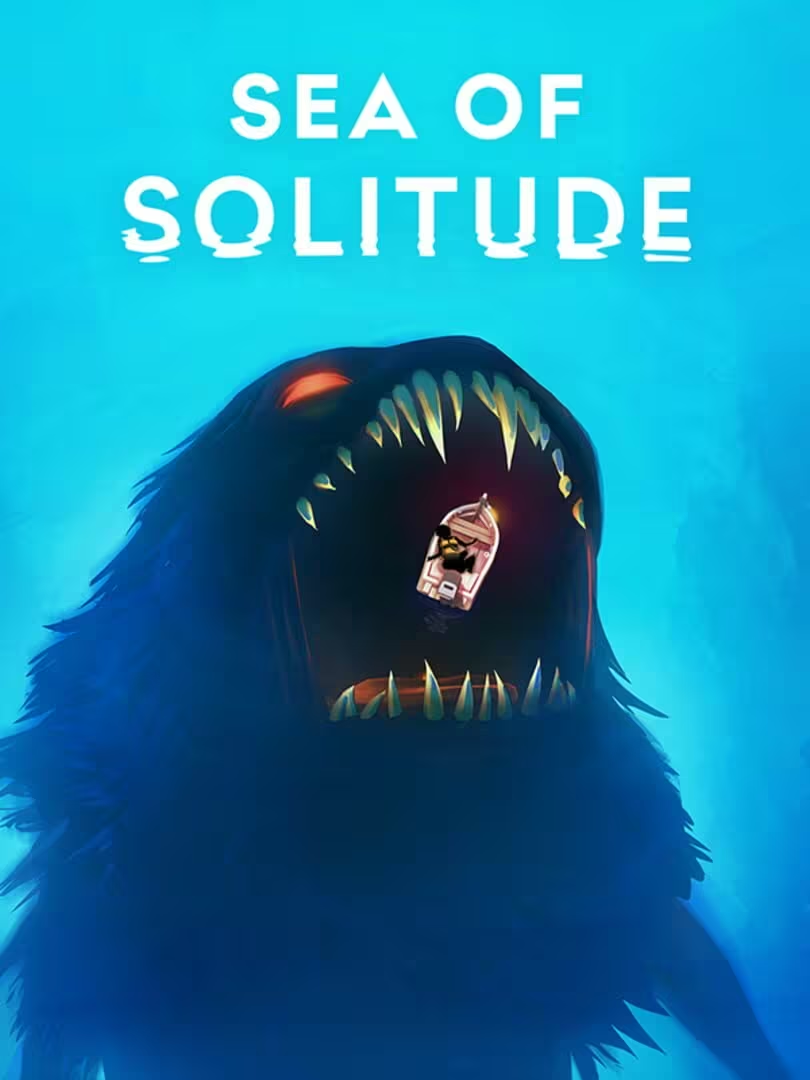 Sea of Solitude
"Visually striking art and fitting music provide sensory engagement."
-
Status
Game with the same Status vibe
-5"No social recognition or status systems."
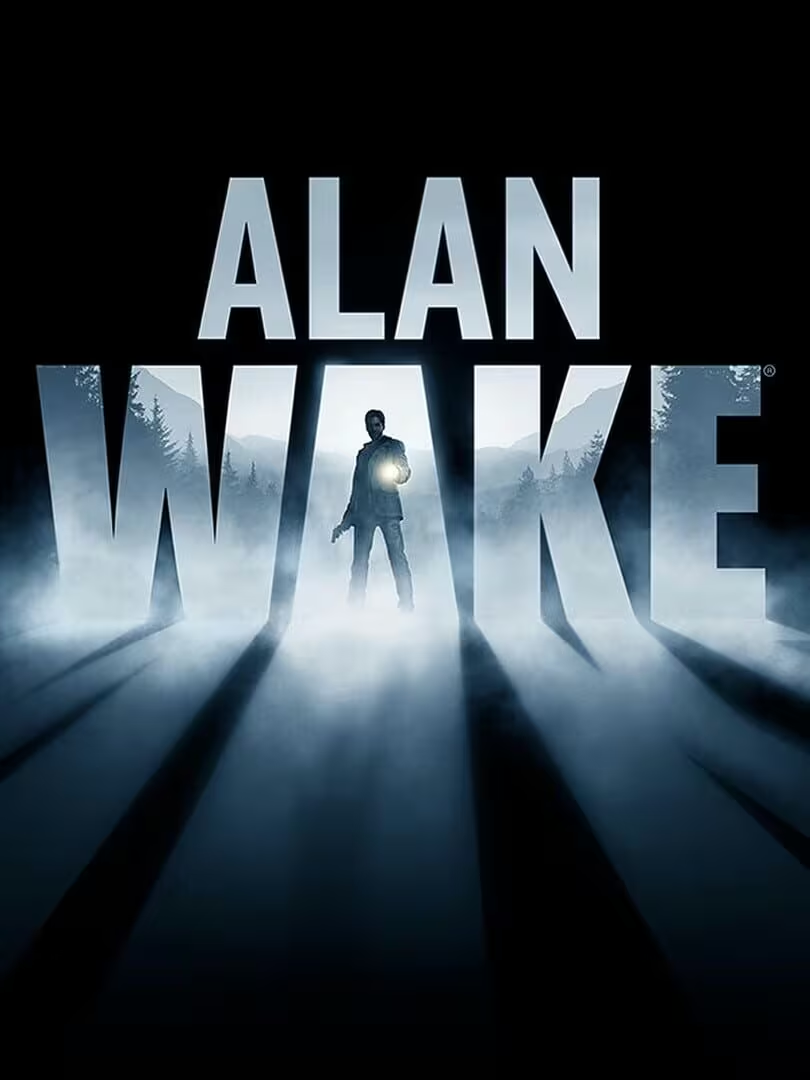 Alan Wake
"No social recognition or status systems."
-
Story
Game with the same Story vibe
3"Narrative-driven with character development and lore; some players find story complex or confusing."
 LIGHTNING RETURNS™: FINAL FANTASY® XIII
"Narrative driven with psychological themes and character development."
-
Strategy
Game with the same Strategy vibe
1"Puzzles require some problem solving but are generally straightforward and simple."
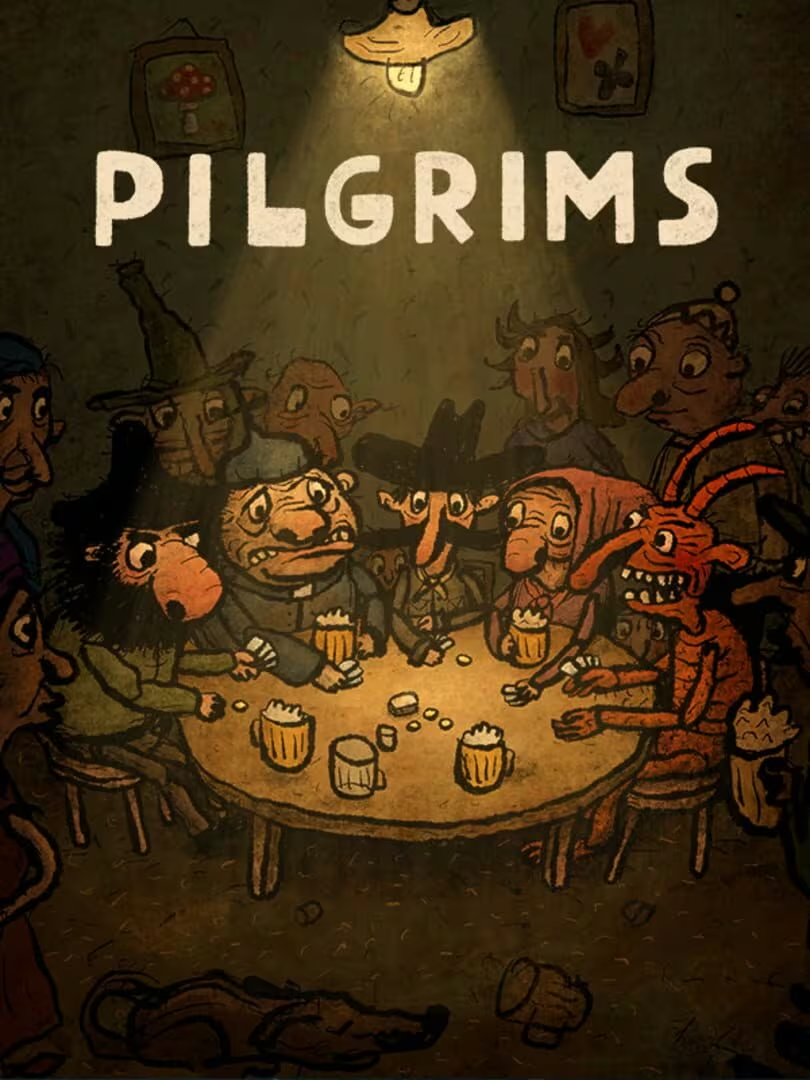 Pilgrims
"Puzzles require some problem solving but are mostly straightforward."
-
Thrill
Game with the same Thrill vibe
1"Some suspenseful moments but overall low tension and risk."
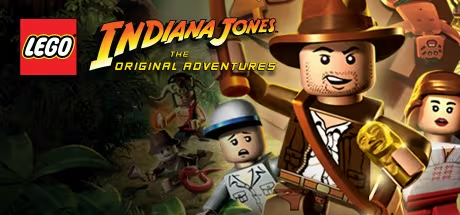 LEGO® Indiana Jones™: The Original Adventures
"Some suspenseful and creepy moments but overall low risk and tension."
-
Value
Game with the same Value vibe
-1"Mixed opinions on value; short length and limited replayability make price a concern for some."
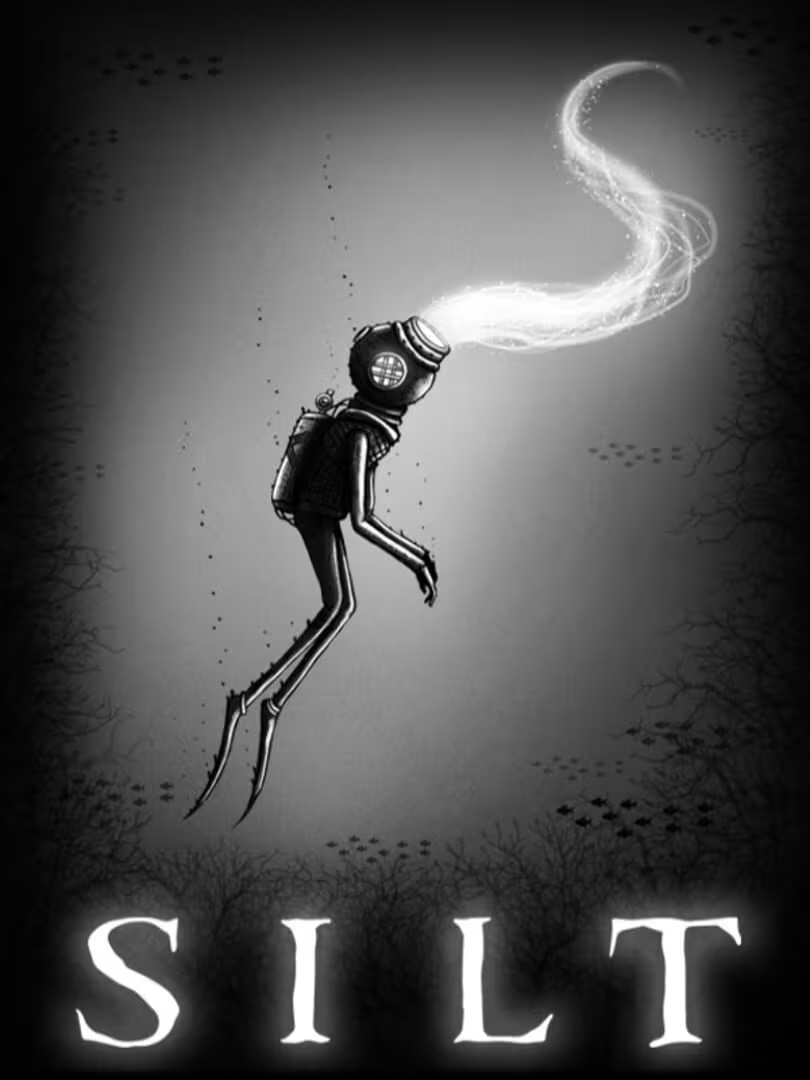 SILT
SILT
"Short length and lack of replayability reduce perceived value at full price."
-
Violence
Game with the same Violence vibe
-4"No combat or destructive gameplay; focus on exploration and puzzle solving."
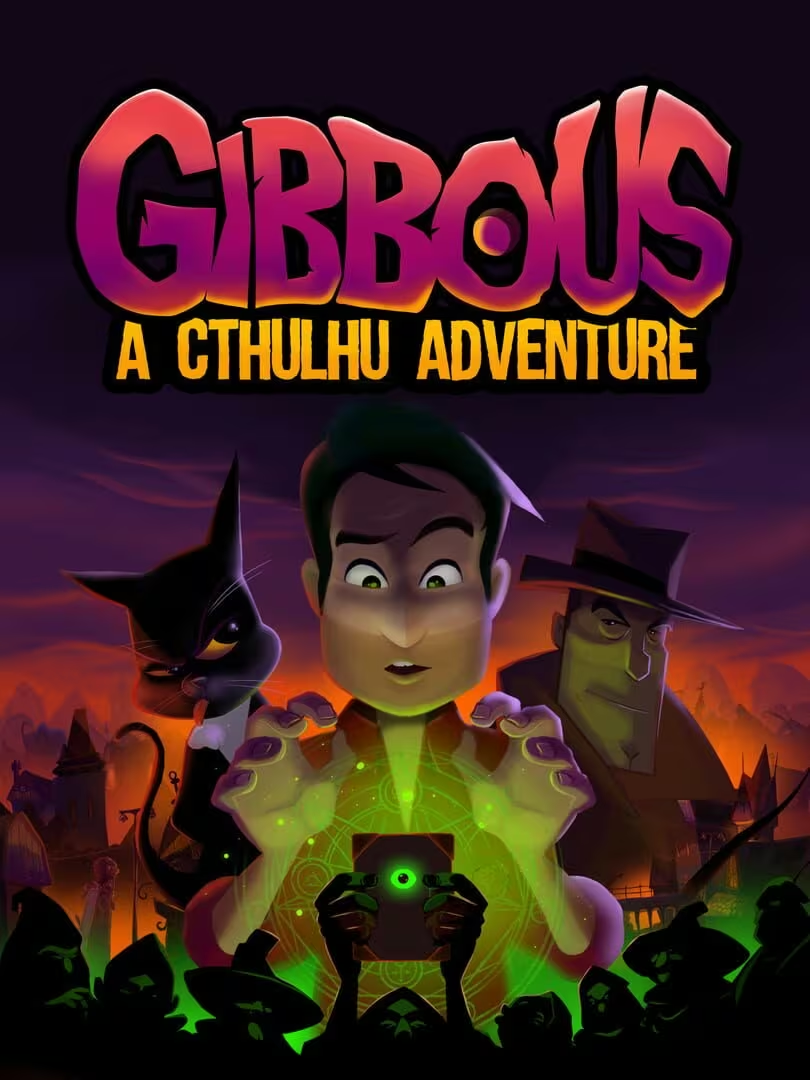 Gibbous - A Cthulhu Adventure
"No combat or destructive gameplay; focus on exploration and puzzle solving."
-
Survival
Game with the same Survival vibe
-4"No survival or resource management mechanics; stable conditions throughout gameplay."
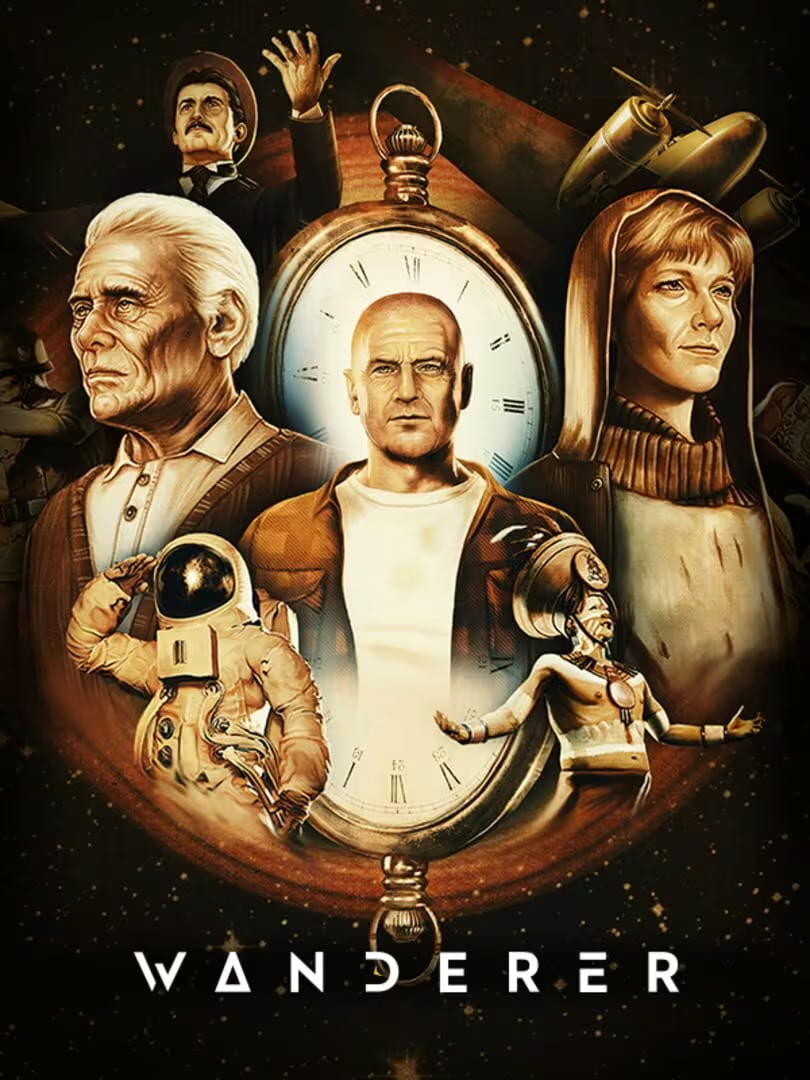 Wanderer
"No survival or resource management mechanics; stable gameplay conditions."
Last update: 01/06/2026