Passpartout: The Starving Artist similar games & best alternatives
Should you play it?
Even you can become a great artist! Wrestle subjectivity as you attempt to sell your art to rude customers in order to progress in this confusing art scene. The only thing threatening you is your expensive wine and baguette addiction! Will your art end up in the Louvre or on your parents' fridge?
What works
- Creative freedom and self-expression
- Relaxing and charming atmosphere
- Multiple endings and replayability
- Engaging ai customer feedback
- Accessible to players of all skill levels
Things to keep in mind
- Limited painting tools and colors
- Short main campaign
- Lack of advanced features like undo or zoom
- No multiplayer or social features
- Some repetitiveness and grind
What to play next
Similar games, hidden gems, and fresh directions from this game.
Top picks
Games that feel the closest overall
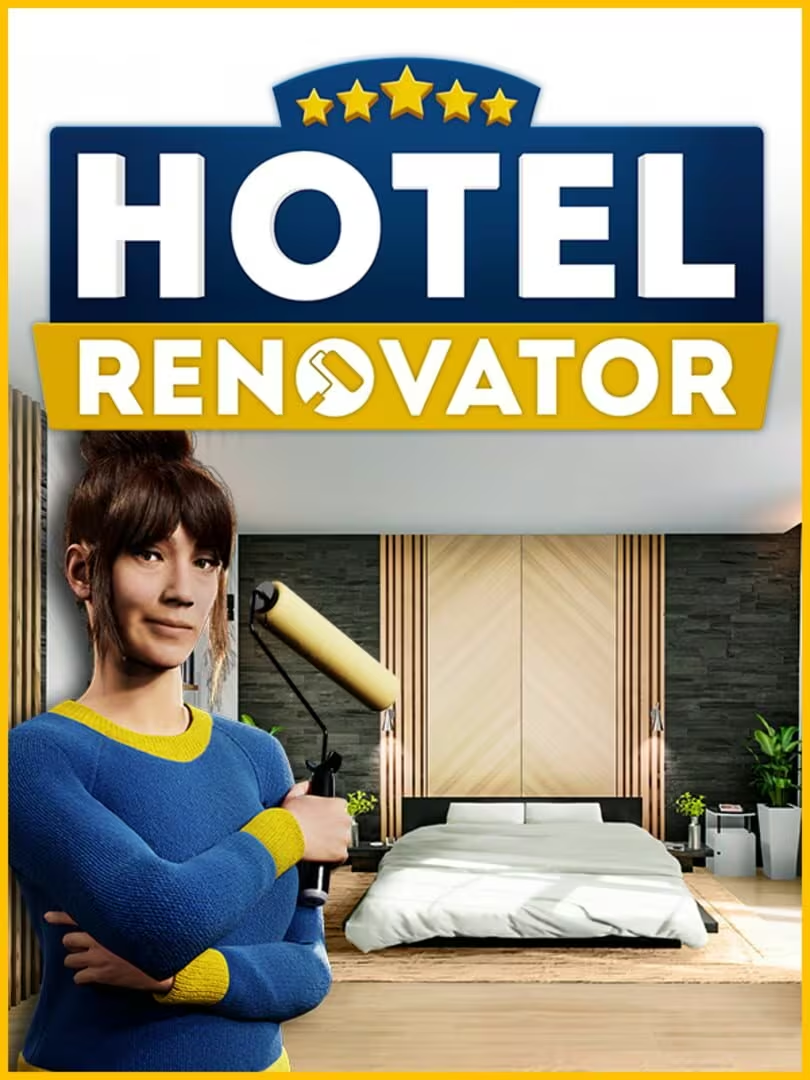
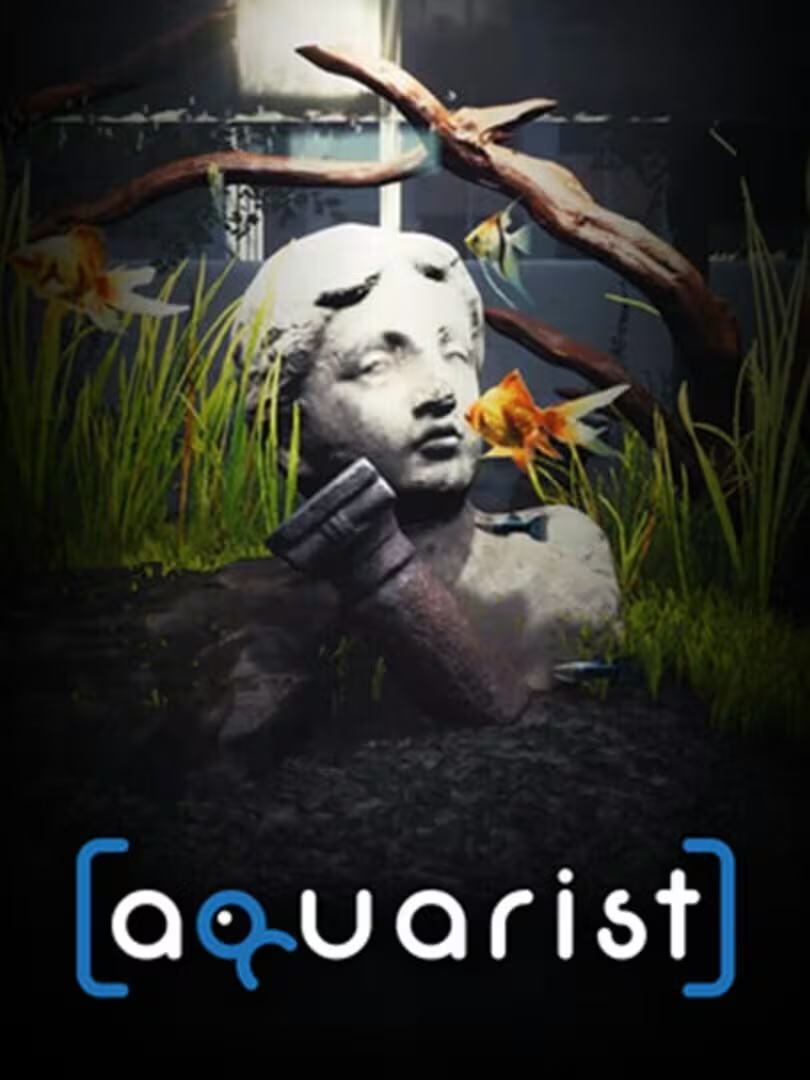
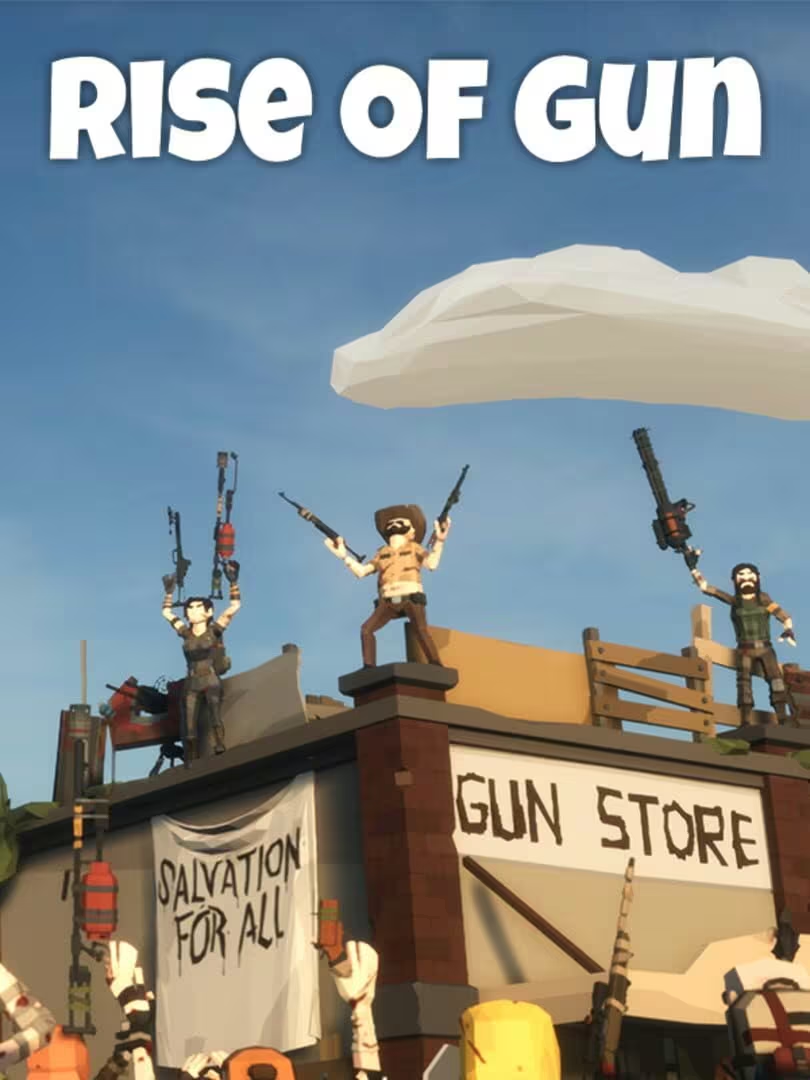
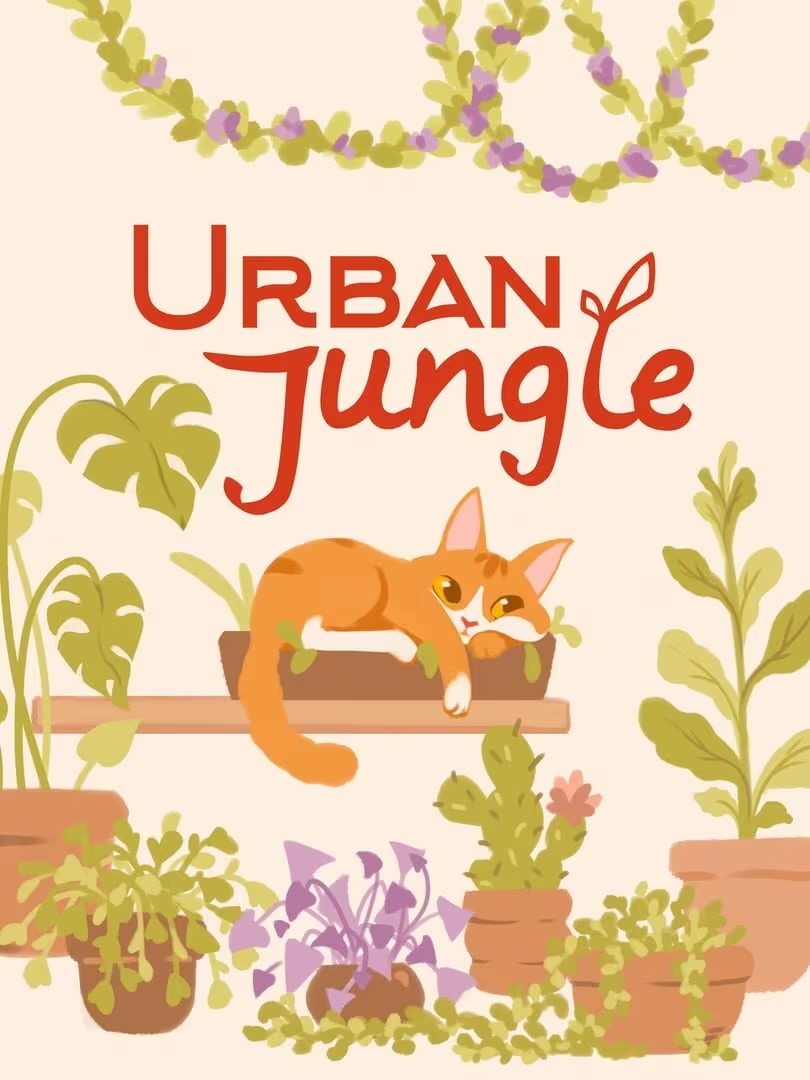
Hidden Gems
Less popular games with surprisingly high similarity

If you liked…
Recommendations by what you enjoyed most
Similarity map
Explore nearby similar games and see why they’re close.
Passpartout: The Starving Artist: A very typical example of its motivational profile. Motivations that often define this kind of title include Violence, Fantasy, Story, Thrill. Here, the score leans higher than usual among comparable games on Story, Status, Expression.
Why this game works
A motivational profile of the game, with the closest similar game for each player motivation.
-
Autonomy
Game with the same Autonomy vibe
5"Players have full freedom to create any art they want, choose tools, and decide how to paint without imposed constraints."
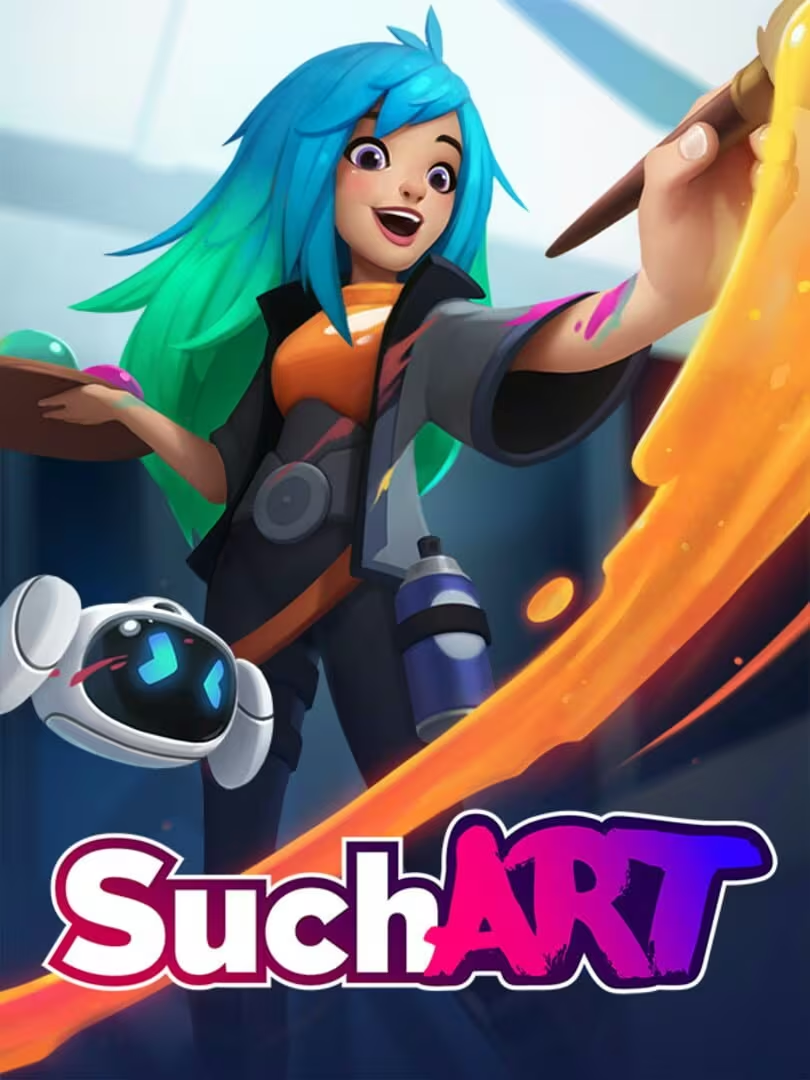 SuchArt: Genius Artist Simulator
"Players have full freedom to create any artwork they desire with minimal constraints, directing their own artistic expression and decisions."
-
Competence
Game with the same Competence vibe
2"Game offers skill development in digital painting with varied tools and challenges, but overall accessible and forgiving."
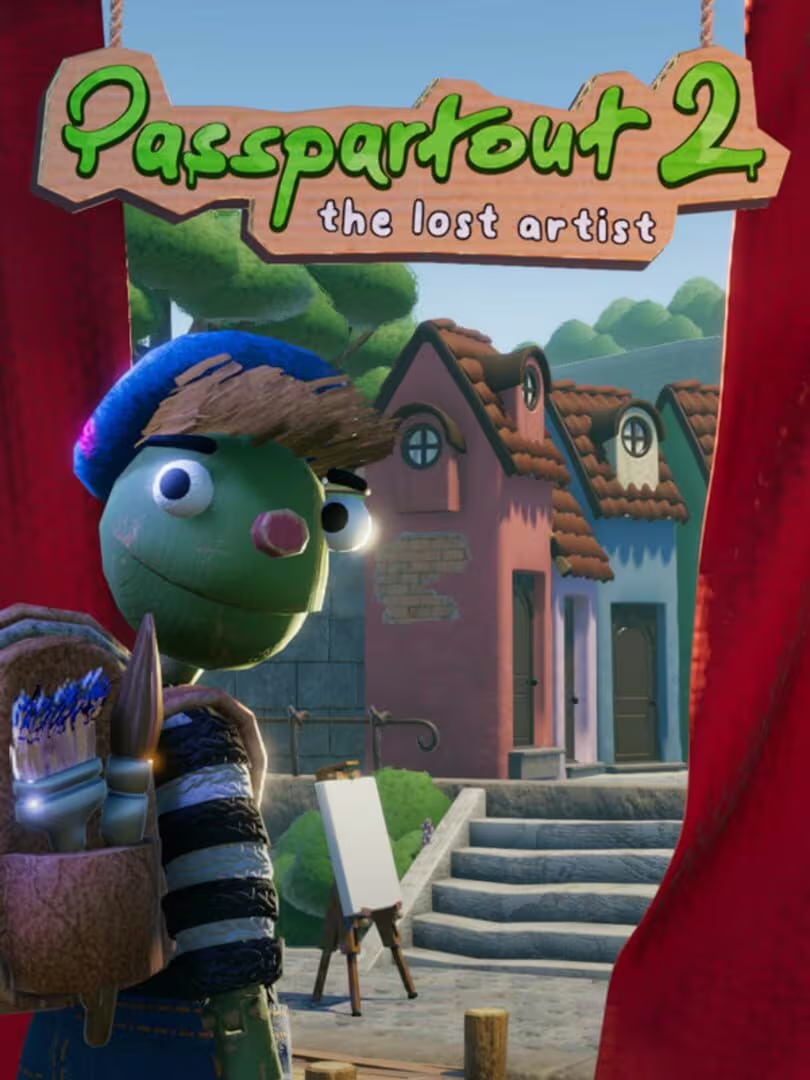 Passpartout 2: The Lost Artist
"The game involves developing skill in painting with limited tools and learning customer preferences, but the tasks remain relatively simple and accessible."
-
Competition
Game with the same Competition vibe
-3"Focuses on personal creative expression and collaboration rather than direct competition or rankings."
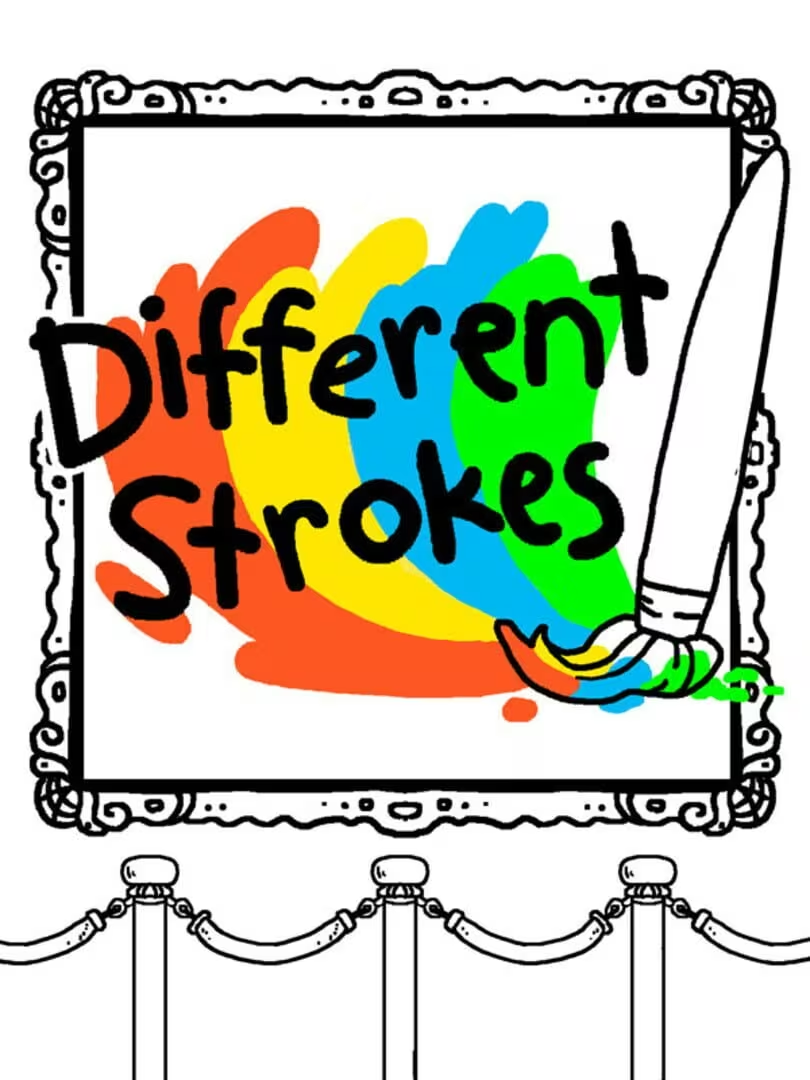 Different Strokes
"Focus is on personal creative expression and selling art to NPCs without direct player-vs-player competition or leaderboards."
-
Continuation
Game with the same Continuation vibe
3"Players engage in multiple playthroughs to explore different endings and secrets, showing attachment and habitual play."
 Buddy Simulator 1984
"Players often engage in multiple playthroughs to explore different endings and improve their art, showing habitual and extended play."
-
Cooperation
Game with the same Cooperation vibe
-5"Gameplay is entirely single-player and independent, with no multiplayer or cooperative elements."
 Snakebird
"Gameplay is entirely single-player and independent, with no cooperative or multiplayer elements."
-
Creativity
Game with the same Creativity vibe
5"Core gameplay revolves around painting and customizing the world, characters, and brushes, encouraging creative expression."
 Chicory: A Colorful Tale
"Core gameplay centers on creating and experimenting with original paintings using limited but expressive tools."
-
Domination
Game with the same Domination vibe
-5"No elements of dominance or power over others; interactions are friendly and cooperative with NPCs."
 Freddi Fish 2: The Case of the Haunted Schoolhouse
"Interactions with NPCs are balanced and based on mutual exchange (selling art), with no dominance or power exerted over others."
-
Escapism
Game with the same Escapism vibe
4"The game provides a relaxing, immersive fantasy environment that players use to escape real-life stress and boredom."
 Shop Titans
"The game provides a relaxing, immersive artistic experience that allows players to escape real-life stress and engage in creative play."
-
Expectation
Game with the same Expectation vibe
-4"Players engage voluntarily for intrinsic interest in art, atmosphere, and story; no obligation or pressure."
 Tiny Echo
"Players engage voluntarily out of intrinsic interest in art and creativity, with no external obligations or pressures."
-
Experimenting
Game with the same Experimenting vibe
4"Players try different painting techniques and model variations, exploring creative possibilities."
 Model Builder: Complete Edition
"Players try different painting styles, tools, and approaches to satisfy diverse NPC tastes and unlock multiple endings."
-
Exploration
Game with the same Exploration vibe
2"Players explore unique level designs and musical themes, though within a defined set of stages."
 Tadpole Treble
"Players explore different artistic styles and customer preferences, as well as progressing through distinct game chapters and endings."
-
Expression
Game with the same Expression vibe
5"Strong emphasis on self-expression through art creation, customizing paintings and objects in the game."
Passpartout 2: The Lost Artist
"Strong emphasis on self-expression through painting and naming artworks, with players customizing their creations extensively."
-
Fantasy
Game with the same Fantasy vibe
-2"While stylized and whimsical, the game simulates a realistic artistic career and town environment."
Passpartout 2: The Lost Artist
"The game simulates a plausible artistic career with realistic economic and social dynamics, though stylized and humorous."
-
Fellowship
Game with the same Fellowship vibe
-4"The experience is solitary with minimal social interaction beyond NPCs."
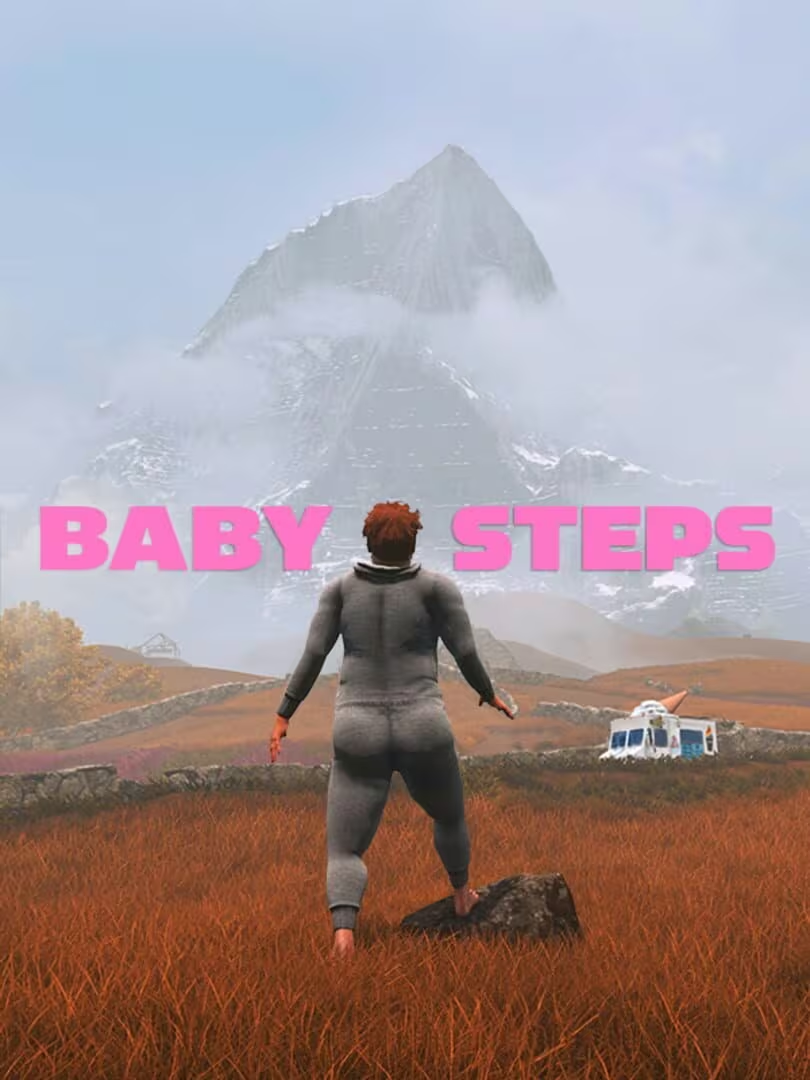 Baby Steps
"The experience is primarily solitary with minimal social interaction beyond NPC buyers and critics."
-
Growth
Game with the same Growth vibe
3"Players learn about art, building techniques, and develop creative skills over time."
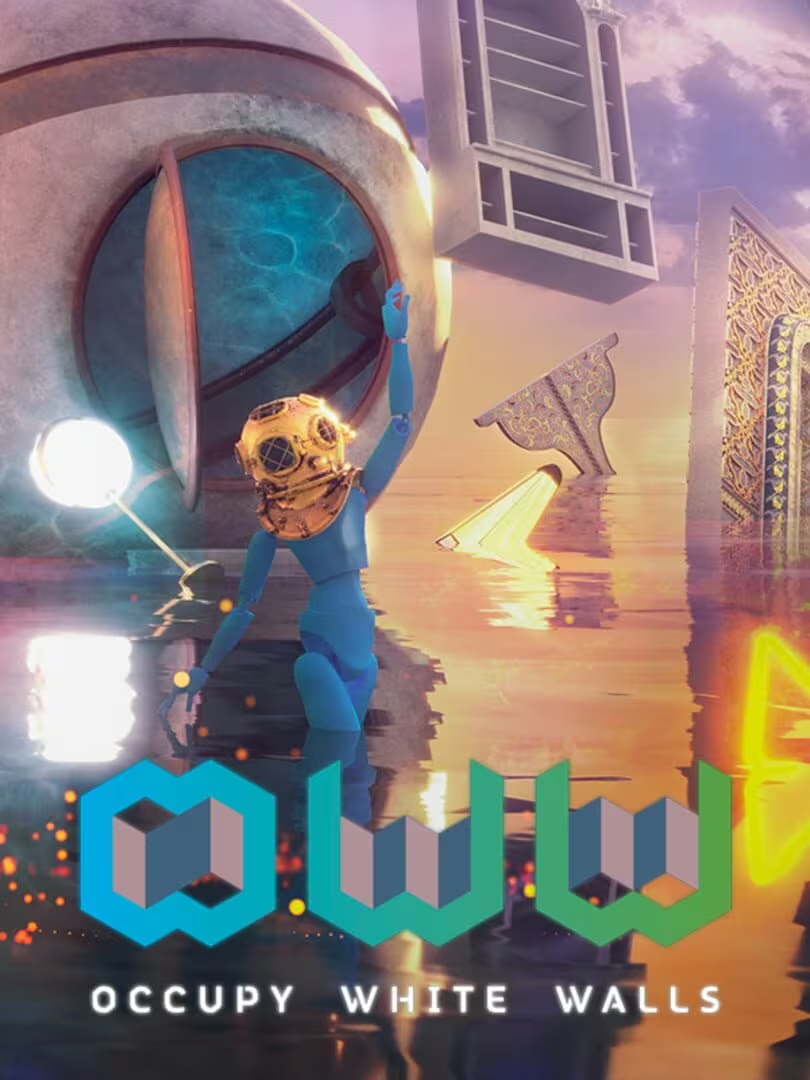 Occupy White Walls
"Players develop artistic skills and understanding of customer preferences, improving their paintings and career progression."
-
Health
Game with the same Health vibe
-5"The game is sedentary with no physical activity or health-related gameplay elements."
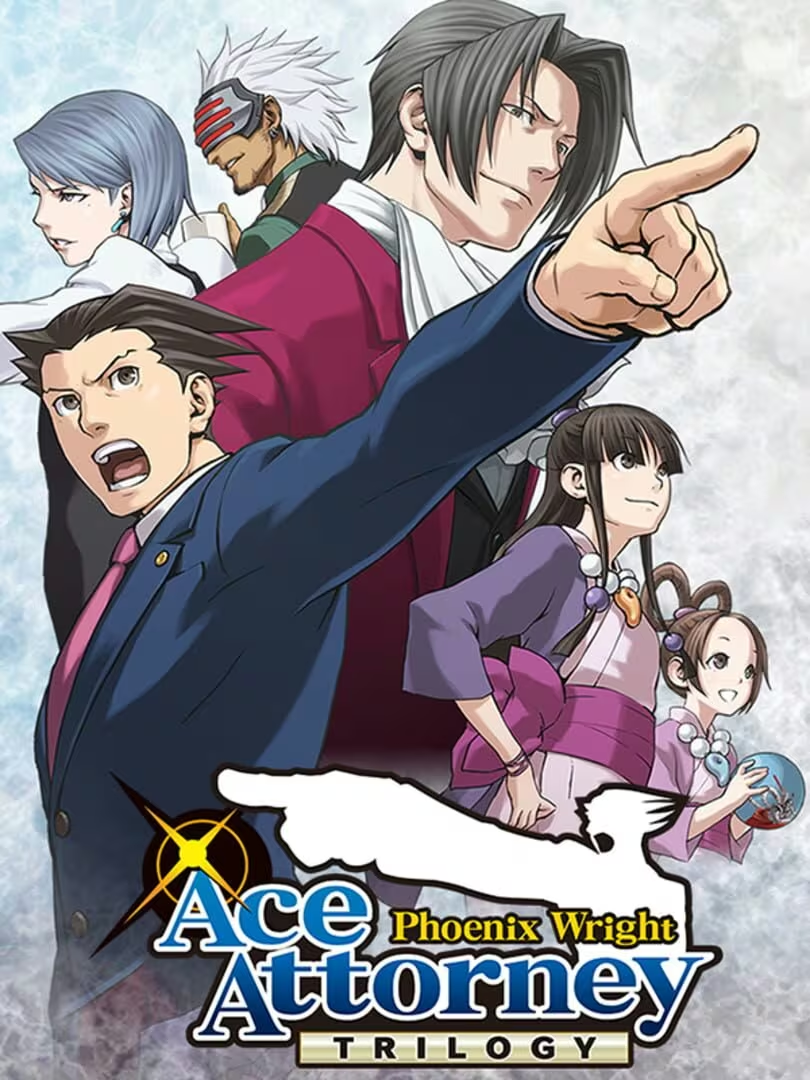 Phoenix Wright: Ace Attorney Trilogy
"The game is sedentary with no physical activity or health-related gameplay elements."
-
Idle
Game with the same Idle vibe
-3"Requires focused attention to paint and manage commissions; not designed for passive or idle play."
SuchArt: Genius Artist Simulator
"Requires focused attention to create paintings and manage sales; not designed for background or idle play."
-
Intimacy
Game with the same Intimacy vibe
-4"Social interactions are limited to brief exchanges with NPCs; no deep relationships formed."
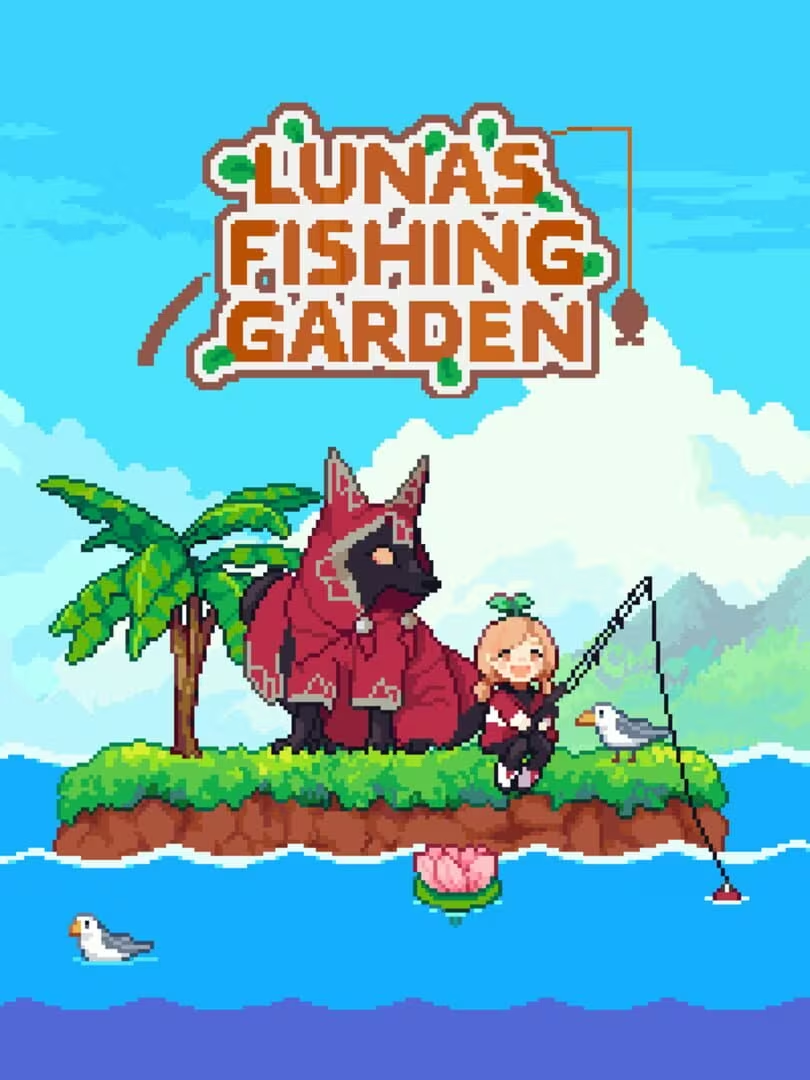 Luna's Fishing Garden
"Social interactions are limited to brief NPC critiques and transactions, with no deep personal relationships."
-
Leadership
Game with the same Leadership vibe
-5"No leadership or group management roles; player acts independently without directing others."
 Eastshade
"No leadership or group management roles; player acts independently without directing others."
-
Progression
Game with the same Progression vibe
3"Players accumulate art pieces, unlock building assets, and expand galleries as they progress."
Occupy White Walls
"Players progress by unlocking new tools, locations, and endings through selling art and advancing their career."
-
Relaxation
Game with the same Relaxation vibe
4"The game provides a calm, cozy atmosphere with relaxing music and low-pressure gameplay."
 ENSCROLL
"The game offers a calm, soothing atmosphere with relaxing music and low-pressure creative gameplay."
-
Sensation
Game with the same Sensation vibe
2"Visual and auditory elements are pleasant but understated; not focused on intense sensory stimulation."
 Love Thyself - A Horatio Story
"Visual and auditory elements are pleasant but understated; the focus is on creativity rather than sensory stimulation."
-
Status
Game with the same Status vibe
1"Players gain in-game recognition through titles and achievements, but social status outside the game is limited."
 Warsim: The Realm of Aslona
"Players gain recognition within the game world by progressing and selling art, but social status is limited to NPC feedback."
-
Story
Game with the same Story vibe
3"The game includes an engaging narrative with lore, character interactions, and multiple endings."
 Dead Estate
"The game includes a narrative progression with multiple endings and evolving settings reflecting the player's artistic journey."
-
Strategy
Game with the same Strategy vibe
2"Players must plan vehicle upgrades, racing lines, and tactics to succeed, though gameplay remains largely arcade-style."
 TRAIL OUT
"Players must analyze customer preferences and plan painting styles accordingly, though gameplay remains simple."
-
Thrill
Game with the same Thrill vibe
-2"Game is low risk and light-hearted; lacks sustained tension or suspense."
 Scribblenauts Unmasked: A DC Comics Adventure
"The game is low-risk and lacks suspense or tension, focusing on relaxed creative expression."
-
Value
Game with the same Value vibe
4"Players feel rewarded for time invested through progression, upgrades, and challenging gameplay."
 This is a Ghost
"Players feel rewarded by progressing, unlocking tools, and achieving multiple endings, providing good value for time invested."
-
Violence
Game with the same Violence vibe
-5"No violence; gameplay centers on constructive artistic creation."
Passpartout 2: The Lost Artist
"No violence or destructive gameplay; focus is on constructive artistic creation."
-
Survival
Game with the same Survival vibe
1"Some challenge in managing resources and avoiding bankruptcy, but low risk of failure or death."
 Final Profit: A Shop RPG
"There is a mild survival element in managing money to pay rent and avoid bankruptcy, but failure is not harsh."
Last update: 01/06/2026