Something for Someone Else similar games & best alternatives
Should you play it?
Something for Someone Else is a short atypical experience, a brief journey into the mind of a distressed game developer that feels haunted by a game he made. All in the form of a poorly hand drawn narrative platformer accompanied by the beautiful musics of Celluloid Jam.
What works
- Deep emotional narrative
- Unique hand-drawn art style
- Meaningful personal expression
- Free to play
- Option to use cheat mode for accessibility
Things to keep in mind
- Repetitive gameplay
- Challenging platforming may frustrate some
- Limited exploration
- Music can become maddening
- Not designed for broad audience enjoyment
What to play next
Similar games, hidden gems, and fresh directions from this game.
Top picks
Games that feel the closest overall



Hidden Gems
Less popular games with surprisingly high similarity
If you liked…
Recommendations by what you enjoyed most
Similarity map
Explore nearby similar games and see why they’re close.
Something for Someone Else: Less representative of its motivational profile, with noticeable differences. Motivations that often define this kind of title include Survival, Violence, Competition, Thrill. Here, the score leans higher than usual among comparable games on Intimacy. It leans lower than usual among comparable games on Fantasy, Exploration.
Why this game works
A motivational profile of the game, with the closest similar game for each player motivation.
-
Autonomy
Game with the same Autonomy vibe
4"Players have freedom to explore a large interconnected world, choose weapons, and adjust difficulty settings including cheat options, allowing personal control over gameplay experience."
 Zexion
"Players have control over their actions and decisions, including the option to use cheat mode to bypass difficult platforming sections, reflecting personal freedom in gameplay approach."
-
Competence
Game with the same Competence vibe
2"The game offers some skill-based platforming challenges and boss fights, though overall difficulty is low and accessible."
 Super Blue Boy Planet
"The platforming is challenging and requires skill, but the game also provides an invincibility cheat to reduce frustration, balancing skill challenge with accessibility."
-
Competition
Game with the same Competition vibe
-5"The game is a single-player narrative experience with no competitive elements or comparison to others."
 and Roger
"The game is a personal, narrative-driven experience with no competitive elements or comparison to others."
-
Continuation
Game with the same Continuation vibe
1"Some players report replaying for relaxation and emotional impact, but overall short playtime and limited content reduce habitual play."
 Gathering Sky
"Some players report replaying or revisiting the game for its emotional impact, though the gameplay is short and can be frustrating, limiting habitual play."
-
Cooperation
Game with the same Cooperation vibe
-5"The game is a single-player narrative-driven experience with no multiplayer or cooperative gameplay elements."
 God of War Ragnarök
"The game is a single-player experience focused on individual reflection and narrative, with no cooperative elements."
-
Creativity
Game with the same Creativity vibe
5"Highly creative gameplay involving desktop interaction, coding, drawing, and meta-narrative elements."
 Outcore: Desktop Adventure
"Highly creative with hand-drawn art, symbolic level design, and a unique narrative approach blending gameplay with personal storytelling."
-
Domination
Game with the same Domination vibe
-5"No elements of exerting control or superiority over others; the game promotes empathy and shared emotional experience."
 My Little Puppy
"No elements of exerting control or superiority over others; the game emphasizes personal vulnerability and emotional expression."
-
Escapism
Game with the same Escapism vibe
3"Players use the game as a means to reflect and possibly escape real-life stress through introspection and emotional engagement."
 The Test: Hypothesis Rising
"Players use the game as a means to engage with emotional themes and personal reflection, offering a form of psychological escape and catharsis."
-
Expectation
Game with the same Expectation vibe
-4"Engagement is voluntary and driven by intrinsic interest in story and themes, not obligation or external pressure."
 A Normal Lost Phone
"Engagement is voluntary and driven by personal interest in the story and emotional experience rather than obligation or external pressure."
-
Experimenting
Game with the same Experimenting vibe
1"Some experimentation with weapons and strategies possible, but overall gameplay loop is consistent and repetitive."
 Death in the Water 2
"Some experimentation with gameplay is possible, especially with the option to toggle cheat mode, but the core gameplay loop is repetitive."
-
Exploration
Game with the same Exploration vibe
-3"Game is narrative and episodic with limited physical exploration; focus on story progression rather than environment discovery."
 Dispatch
"The game environment is linear and symbolic, with limited spatial exploration but deep emotional and narrative discovery."
-
Expression
Game with the same Expression vibe
5"Strong self-expression through custom drawings of characters, emotions, and story elements."
 Doodle Date
"Strong self-expression through hand-drawn art, personal narrative, and direct communication from the developer to the player."
-
Fantasy
Game with the same Fantasy vibe
-5"The game is grounded in realistic self-reflection and psychological insight rather than imaginative fiction."
 The Test: Reality Check
"The game is grounded in realistic, autobiographical emotional experiences rather than imaginative or fictional fantasy."
-
Fellowship
Game with the same Fellowship vibe
-4"Primarily a solitary experience with minimal social interaction or community engagement described."
 Higurashi When They Cry Hou - Ch.4 Himatsubushi
"Primarily a solitary experience with minimal social interaction or community engagement described."
-
Growth
Game with the same Growth vibe
4"Encourages personal reflection, emotional growth, and understanding of mental health through narrative and gameplay."
 When the Darkness comes
"The game encourages personal reflection, emotional understanding, and insight into relationships, supporting psychological growth."
-
Health
Game with the same Health vibe
-5"No physical activity or health-related gameplay; sedentary experience focused on emotional themes."
 missed messages.
"No physical activity or health-related gameplay elements; sedentary play focused on emotional processing."
-
Idle
Game with the same Idle vibe
-3"Requires focused attention due to platforming challenges; not suited for casual or background play."
 Doorways: Old Prototype
"Requires focused attention to complete platforming challenges and engage with narrative; not suited for casual or background play."
-
Intimacy
Game with the same Intimacy vibe
5"The game fosters emotional closeness, bonding, and meaningful interaction between players, often couples."
 With You
"Fosters a deep emotional connection between player and developer's personal story, creating a sense of intimate sharing."
-
Leadership
Game with the same Leadership vibe
-5"No leadership or group management elements; player follows a personal narrative without directing others."
 A Story Beside
"No leadership or group management elements; the player follows a personal narrative without guiding others."
-
Progression
Game with the same Progression vibe
1"Progression is linear through levels and puzzles, with no item collection or upgrades."
 NaissanceE
"Progression is linear through levels and narrative checkpoints, with no accumulation of items or upgrades."
-
Relaxation
Game with the same Relaxation vibe
-2"Game is intense and challenging, causing frustration and tension rather than relaxation or flow."
 64.0
64.0
"The game induces emotional tension and frustration through challenging platforming and heavy themes, limiting relaxation."
-
Sensation
Game with the same Sensation vibe
2"Enjoyable soundtrack and art style provide sensory stimulation, though some find it repetitive."
 Changed
"The music and art style provide sensory stimulation, though the repetitive soundtrack can be maddening for some players."
-
Status
Game with the same Status vibe
-5"The game does not focus on social recognition or popularity; it centers on personal experience."
 Secret Little Haven
"The game does not focus on social recognition or status; it is a private, personal experience."
-
Story
Game with the same Story vibe
5"Narrative immersion is central, with emotional storytelling conveyed through visuals, music, and gameplay."
 Arise: A Simple Story
"Narrative immersion is central, with a deeply personal and emotional story conveyed through gameplay and developer commentary."
-
Strategy
Game with the same Strategy vibe
-1"Gameplay involves searching and observation rather than complex planning or problem solving."
 Under Leaves
"Gameplay involves timing and platforming skill rather than complex strategic planning or problem solving."
-
Thrill
Game with the same Thrill vibe
1"Occasional tension from platforming challenges, but overall a calm and contemplative experience."
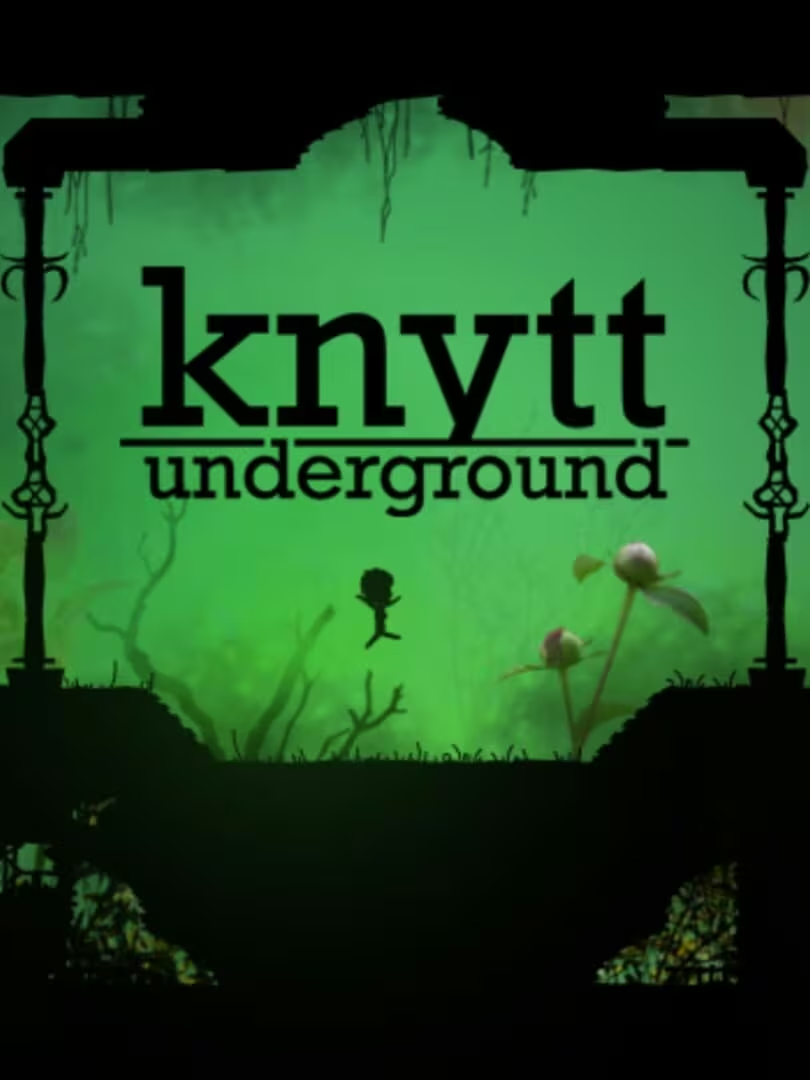 Knytt Underground
"Some thrill from overcoming challenging platforming obstacles, but overall the emotional tone is somber and reflective."
-
Value
Game with the same Value vibe
5"Highly praised for emotional and artistic value, especially given that it is free to play."
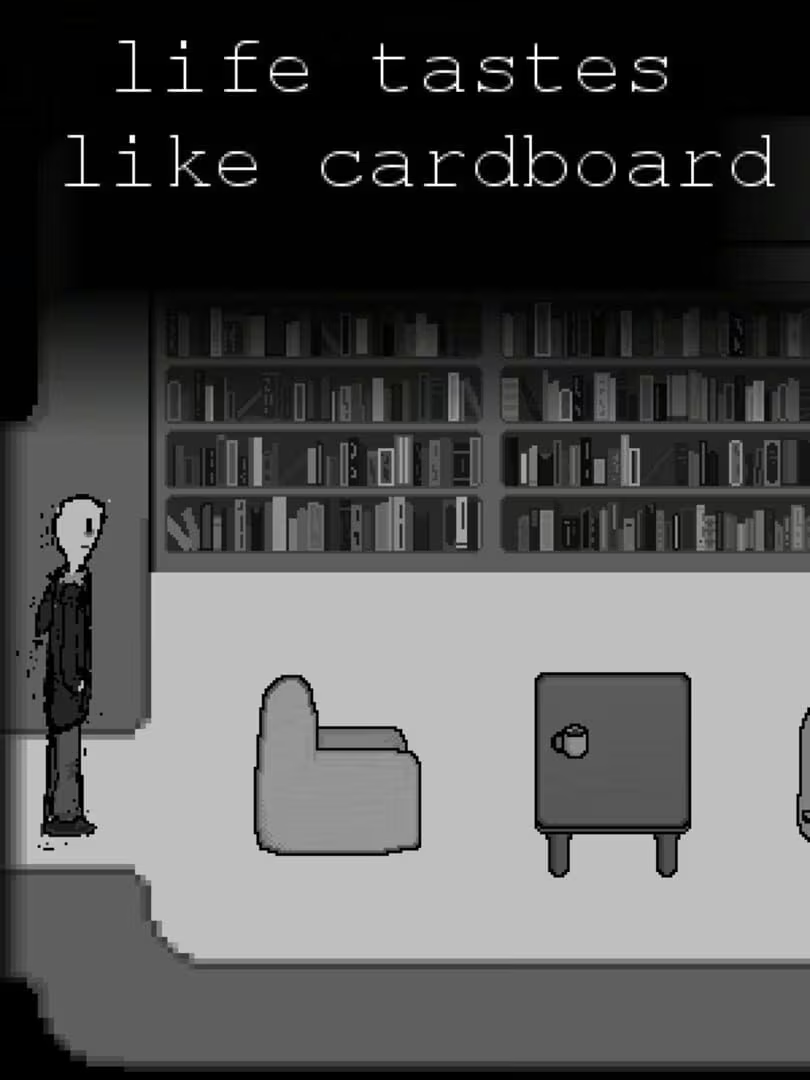 Life Tastes Like Cardboard
"Highly praised for emotional and artistic value, especially given that it is free to play."
-
Violence
Game with the same Violence vibe
-5"No violent or destructive gameplay elements; focus is on narrative and emotional content."
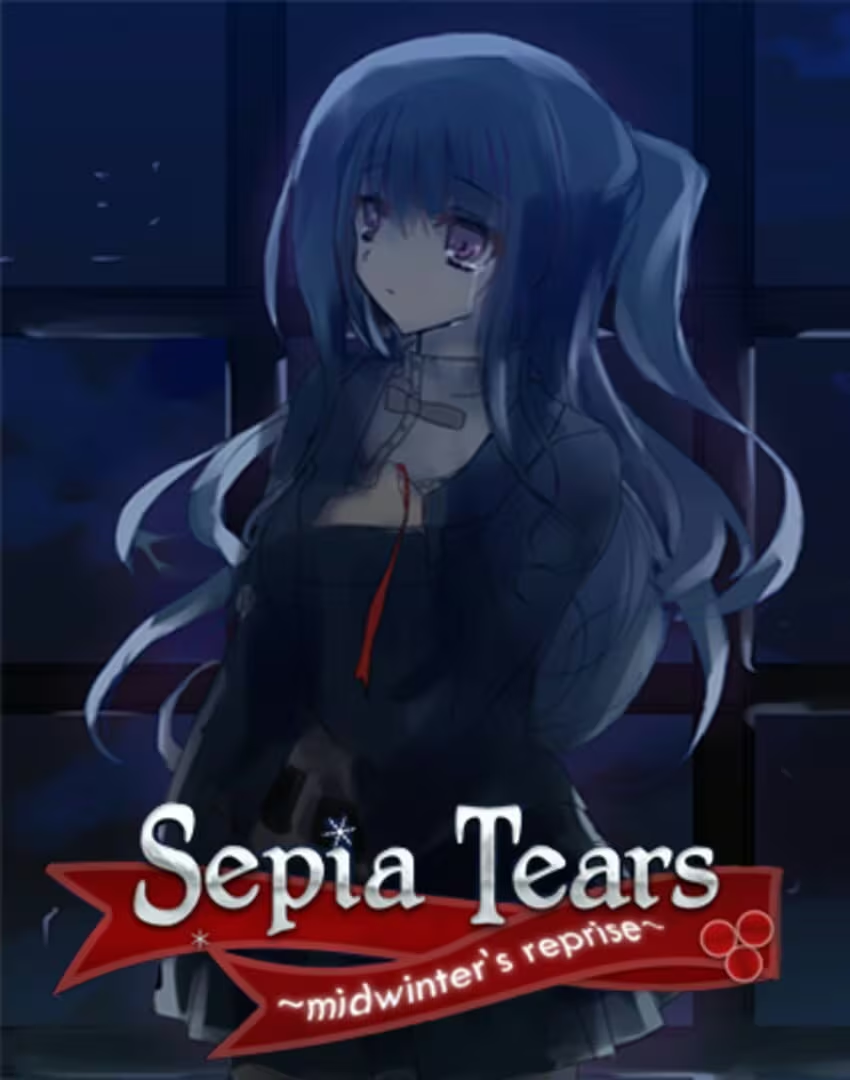 Sepia Tears
"No violent or destructive gameplay elements; focus is on emotional expression and reflection."
-
Survival
Game with the same Survival vibe
1"Players must avoid failure in puzzles and progress carefully, though there is no traditional survival gameplay."
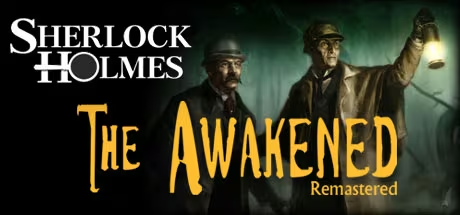 Sherlock Holmes: The Awakened (2008)
"Players must avoid obstacles and failure states, but the game is more symbolic than a survival challenge."
Last update: 01/06/2026