Unforgiving - A Northern Hymn similar games & best alternatives
Should you play it?
Unforgiving - A Northern Hymn is a first person horror game heavily inspired by Swedish folklore and the Nordic mythology to create the nightmares that's been haunting Swedish children for many generations.
What works
- Strong atmospheric horror
- Unique scandinavian folklore theme
- Excellent sound design and voice acting
- Creative lighting and puzzle mechanics
- Engaging suspense and thrill
Things to keep in mind
- Short game length
- Linear and constrained exploration
- Limited gameplay variety
- Some rough graphics and animations
- Story underdeveloped in parts
What to play next
Similar games, hidden gems, and fresh directions from this game.
Top picks
Games that feel the closest overall
Hidden Gems
Less popular games with surprisingly high similarity
If you liked…
Recommendations by what you enjoyed most
Similarity map
Explore nearby similar games and see why they’re close.
Unforgiving - A Northern Hymn: Broadly representative of its motivational profile, with a few distinct shifts. Motivations that often define this kind of title include Expression, Fellowship, Cooperation, Status. Here, the score leans higher than usual among comparable games on Creativity. It leans lower than usual among comparable games on Violence, Expression.
Why this game works
A motivational profile of the game, with the closest similar game for each player motivation.
-
Autonomy
Game with the same Autonomy vibe
2"The game is mostly linear with limited exploration but players can choose the order of some interactions and mini-games."
 Leaving Lyndow
"Mostly linear progression with some limited exploration in a constrained environment; some player choice but limited impact."
-
Competence
Game with the same Competence vibe
2"Gameplay involves puzzle solving and stealth mechanics that require some skill but are not highly challenging."
 Infliction
"Requires some skill in stealth and puzzle solving; enemies can be avoided with some effort, but gameplay is not highly challenging."
-
Competition
Game with the same Competition vibe
-5"No competitive elements; focus is on solo experience without comparison to others."
Infliction
"No competitive elements; focus is on solo experience without comparison to others."
-
Continuation
Game with the same Continuation vibe
1"Some players mention replaying for achievements and exploring lore, but the game is short and not designed for long habitual play."
 Squirrel Stapler
"Some players replay to collect achievements or explore lore, but overall game is short and not designed for long habitual play."
-
Cooperation
Game with the same Cooperation vibe
-5"Entirely single-player experience with no cooperative gameplay."
 Dark Arcana: The Carnival
"Entirely single-player experience with no cooperative gameplay."
-
Creativity
Game with the same Creativity vibe
4"Unique art style and cultural storytelling; players engage with mythological content creatively."
 The Mooseman
"Creative use of Scandinavian folklore, unique sound design, and innovative lighting mechanics like matches and harp puzzles."
-
Domination
Game with the same Domination vibe
-5"No social dominance or power dynamics; player is vulnerable and pursued."
 Slender: The Arrival
"No elements of dominating others; player is vulnerable and often fleeing."
-
Escapism
Game with the same Escapism vibe
4"Strong atmospheric horror experience providing immersion and distraction from real life."
 Fear the Spotlight
"Strong atmospheric horror experience providing immersion and distraction from real life."
-
Expectation
Game with the same Expectation vibe
-3"Players engage voluntarily out of interest in horror and story; no obligation or external pressure reported."
 Layers of Fear (2016)
"Players engage voluntarily out of interest in horror and folklore; no obligation or pressure reported."
-
Experimenting
Game with the same Experimenting vibe
1"Some exploration and puzzle solving encourages trying new approaches, but largely follows established gameplay routines."
 A Space for the Unbound
"Some exploration and puzzle solving encourage trying new things, but mostly follows established horror game routines."
-
Exploration
Game with the same Exploration vibe
2"Story mode and gallery encourage discovery of lore and unlockables, though environment exploration is limited."
 BlazBlue: Chronophantasma Extend
"Limited open areas encourage some exploration and discovery of lore, but overall environment is constrained."
-
Expression
Game with the same Expression vibe
-5"No character customization or self-expression features."
 Poop Clicker
"No character customization or self-expression features."
-
Fantasy
Game with the same Fantasy vibe
5"Deeply rooted in Scandinavian folklore and mythology, with a strong fantasy narrative and setting."
 Oknytt
"Strongly rooted in supernatural Scandinavian folklore and mythology, emphasizing imaginative fiction."
-
Fellowship
Game with the same Fellowship vibe
-5"Solo play with minimal social interaction."
 Emily Wants To Play
"Solo play with minimal social interaction."
-
Growth
Game with the same Growth vibe
2"Players learn lore and puzzle solutions, though gameplay skill growth is minimal."
 Bendy: Secrets of the Machine
"Players learn about lore and improve stealth and puzzle skills, but limited complexity."
-
Health
Game with the same Health vibe
-5"Sedentary gameplay typical of first-person horror games."
 Home Sweet Home
"Sedentary gameplay typical of first-person horror games."
-
Idle
Game with the same Idle vibe
-3"Requires continuous attention and focus to manage tasks and threats."
 Dead Signal
"Requires focused attention and continuous engagement to avoid threats."
-
Intimacy
Game with the same Intimacy vibe
-5"No close social relationships or emotional sharing in gameplay."
 Car Manufacture
"No close social relationships or emotional sharing in gameplay."
-
Leadership
Game with the same Leadership vibe
-5"No leadership or group management roles."
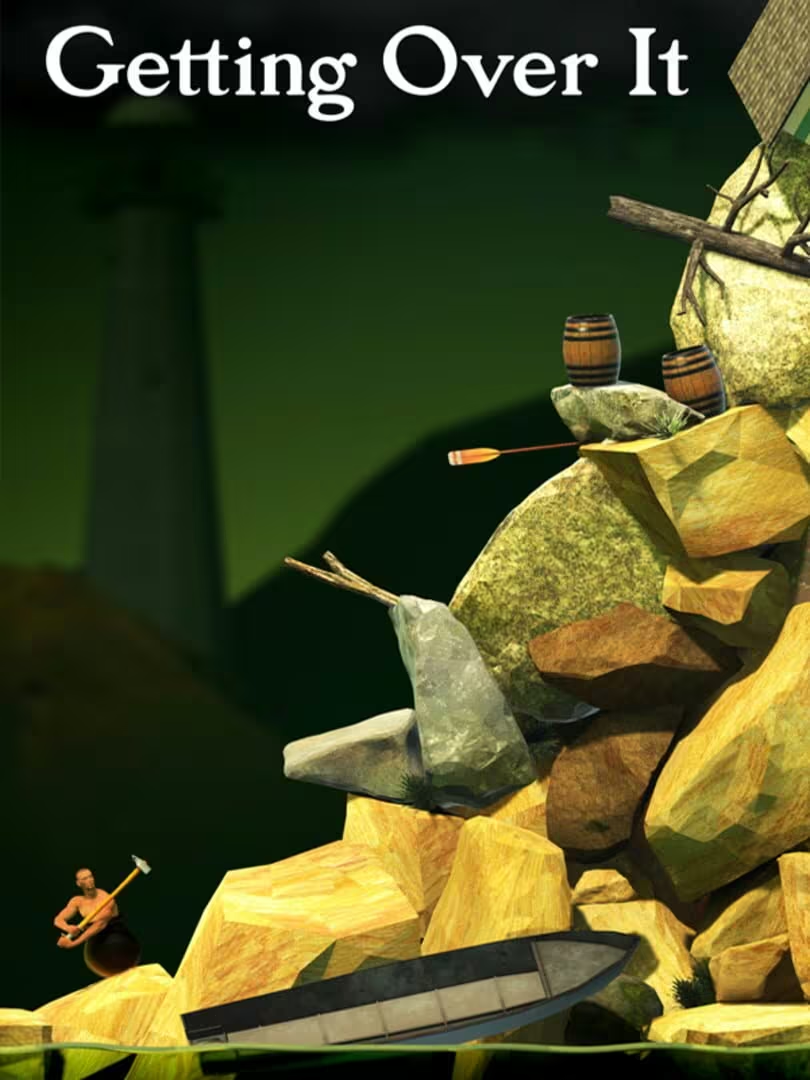 Getting Over It with Bennett Foddy
"No leadership or group management roles."
-
Progression
Game with the same Progression vibe
2"Narrative progression through story and lore; no item collection or upgrades but story advancement provides a sense of progress."
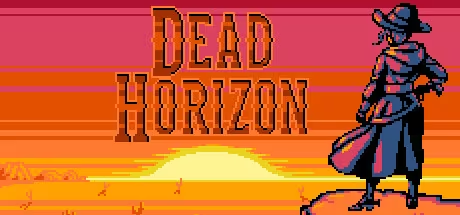 Dead Horizon: Origin
"Collecting items like matches and lore pages to progress; some upgrades in terms of story knowledge."
-
Relaxation
Game with the same Relaxation vibe
-2"Tense horror atmosphere with suspense and anxiety; not primarily relaxing."
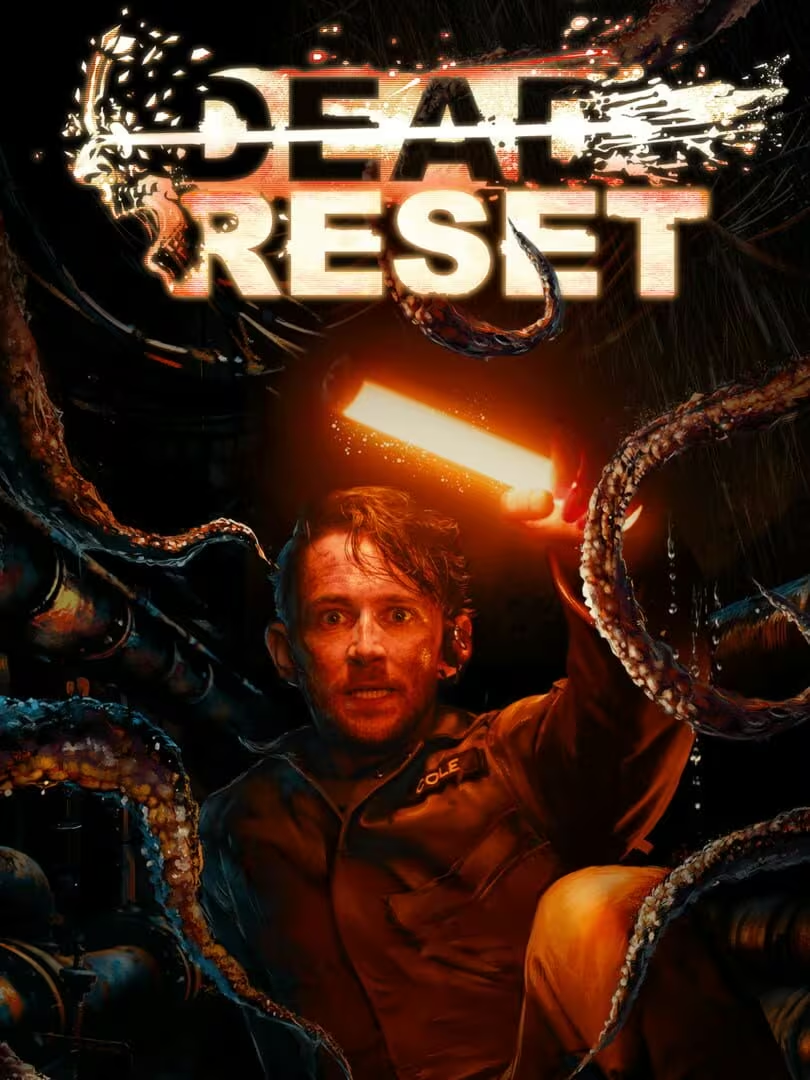 Dead Reset
"Tense and suspenseful atmosphere with moments of fear and anxiety."
-
Sensation
Game with the same Sensation vibe
3"Strong sensory stimulation from sound design, visuals, and atmospheric effects."
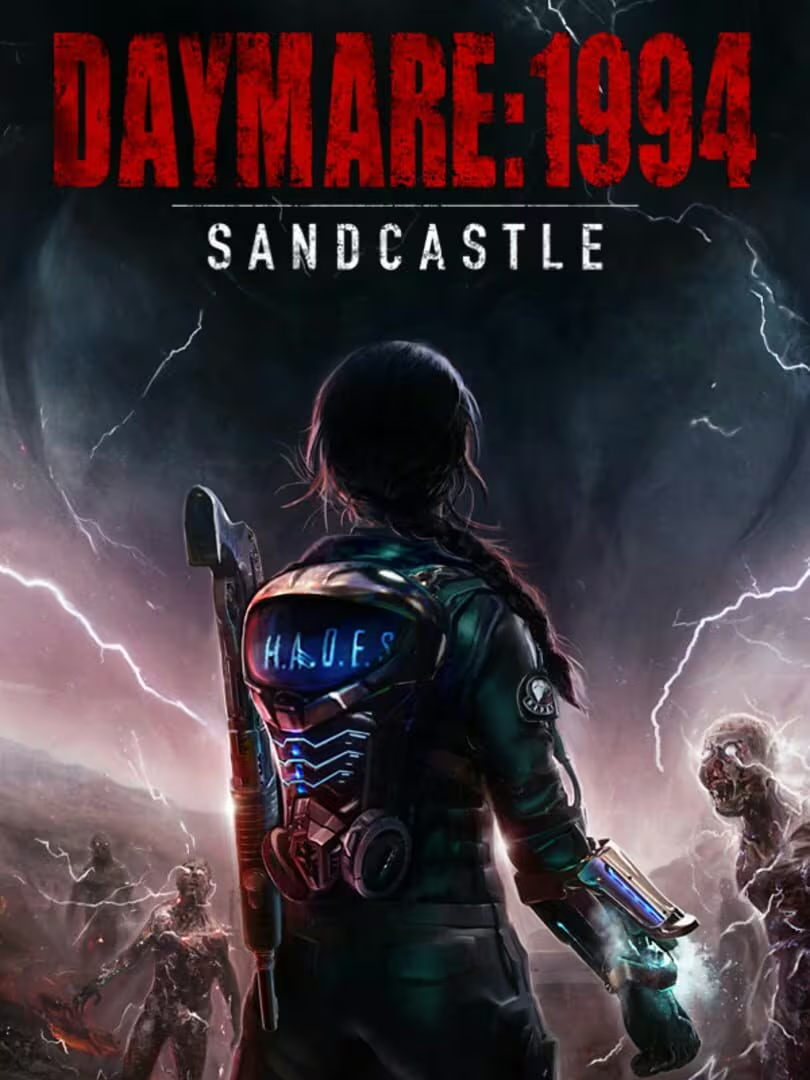 Daymare: 1994 Sandcastle
"Strong sensory stimulation through sound design and atmospheric visuals."
-
Status
Game with the same Status vibe
-5"No social recognition or status systems."
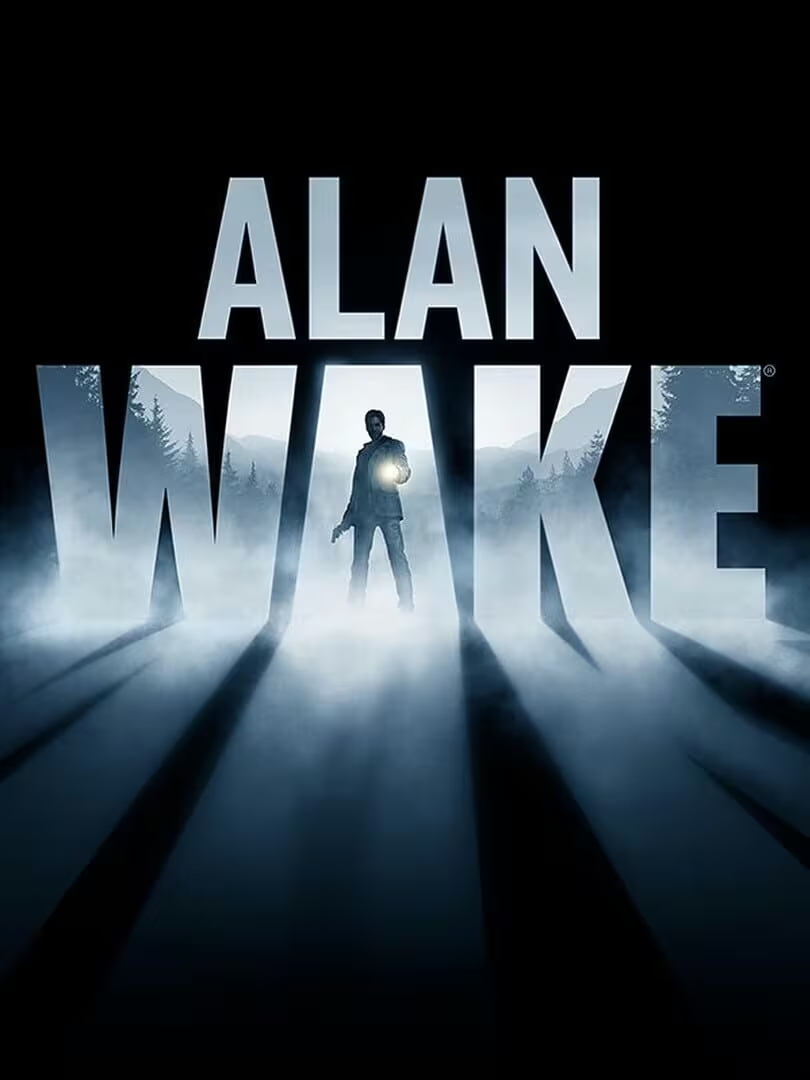 Alan Wake
"No social recognition or status systems."
-
Story
Game with the same Story vibe
3"Narrative-driven with environmental storytelling and lore notes enhancing immersion."
 Arid
Arid
"Narrative immersion through folklore-based story and environmental storytelling."
-
Strategy
Game with the same Strategy vibe
1"Simple puzzles and stealth require basic problem solving but lack complex strategic depth."
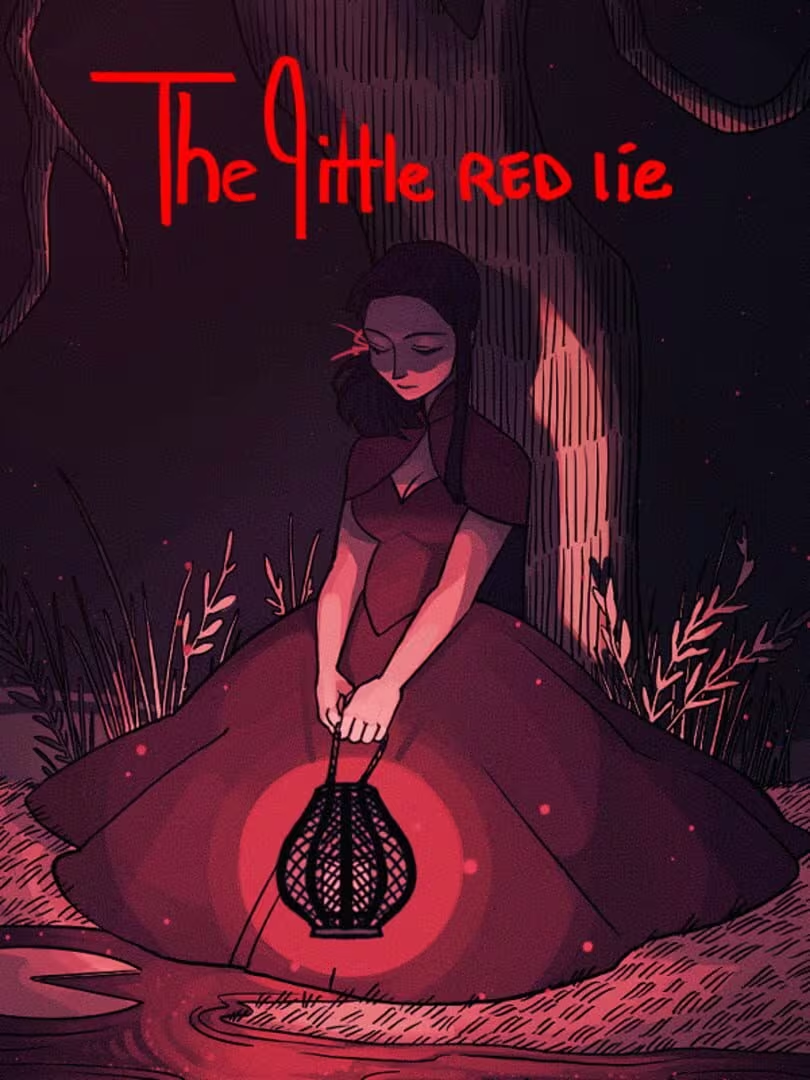 The Little Red Lie
"Basic stealth and puzzle solving require some planning but limited strategic depth."
-
Thrill
Game with the same Thrill vibe
4"Suspense and tension from being hunted, evading killers, and uncertain allies create thrilling moments."
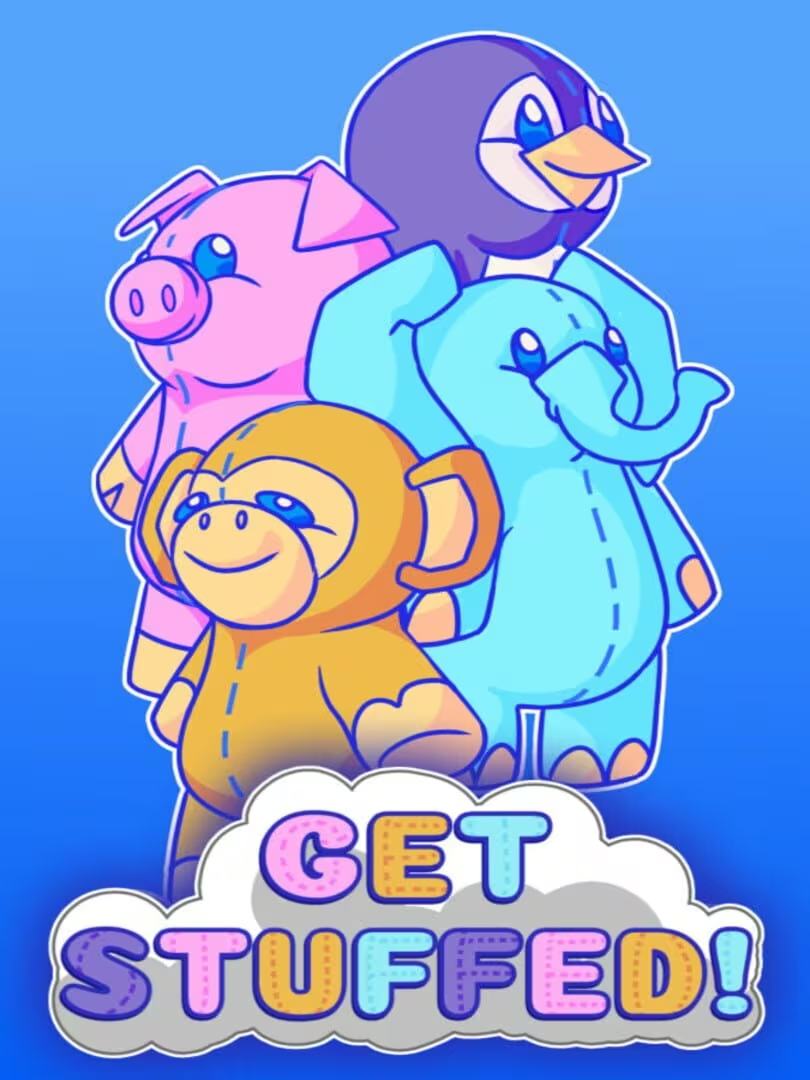 Get Stuffed!
"Suspense and fear from being hunted and dark environments provide thrill."
-
Value
Game with the same Value vibe
3"Good value especially when purchased on sale; short length noted but quality appreciated."
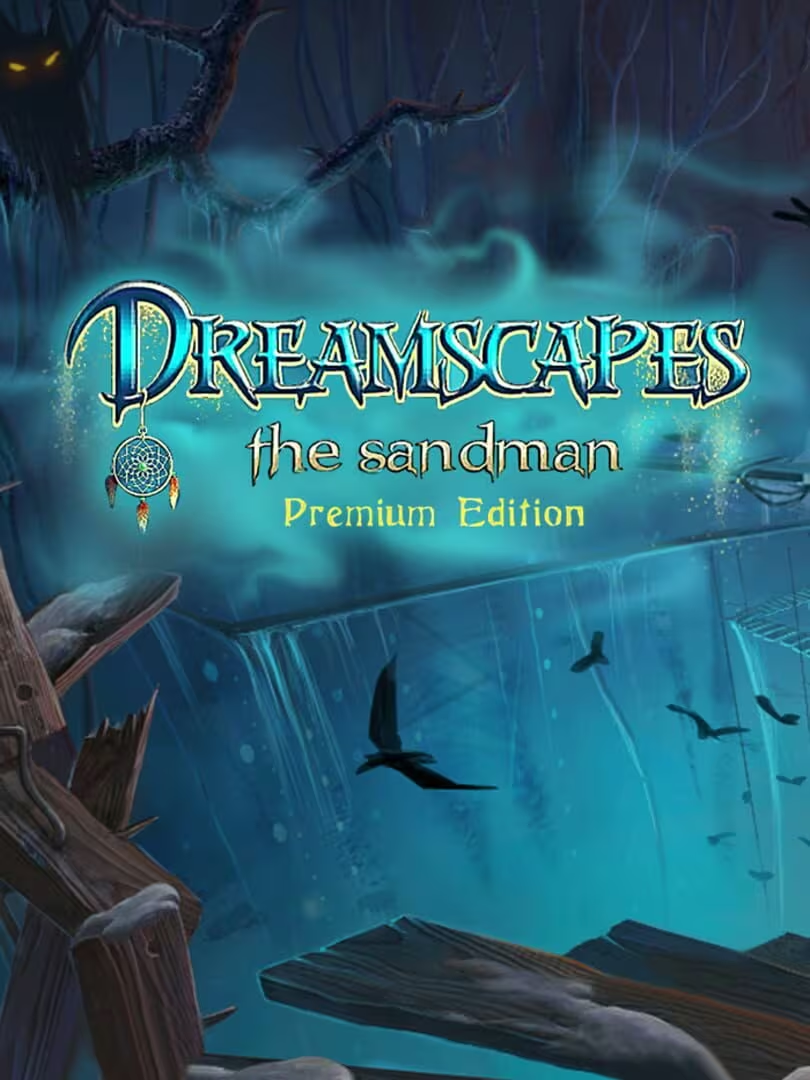 Dreamscapes: The Sandman - Premium Edition
"Good value especially on sale; short length noted but quality experience appreciated."
-
Violence
Game with the same Violence vibe
-5"No combat or destructive gameplay."
 Upside Down
"No combat or destructive gameplay; player is vulnerable and must avoid enemies."
-
Survival
Game with the same Survival vibe
3"Avoiding enemies and managing light sources create survival tension."
 Don't Be Afraid
"Focus on avoiding threats, managing limited light sources, and progressing through dangerous environments."
Last update: 01/06/2026