J.U.L.I.A.: Among the Stars similar games & best alternatives
Should you play it?
J.U.L.I.A.: Among the Stars is an innovative narrative driven adventure game. The story centers on Rachel Manners, a 35 year old astrobiologist. She is a member of an elite group of scientists, chosen to embark on one of the most critical missions ever conceived on Earth. Now Rachel is alone, orbiting an unknown planet.
What works
- Engaging sci-fi story and atmosphere
- Varied and logical puzzles
- Beautiful graphics and sound design
- Strong narrative immersion
- Good linux support
Things to keep in mind
- Some puzzles can be frustrating or require trial and error
- Short game length
- Lack of replay value
- No multiplayer or social features
- Some minor bugs and interface quirks
What to play next
Similar games, hidden gems, and fresh directions from this game.
Top picks
Games that feel the closest overall

Hidden Gems
Less popular games with surprisingly high similarity
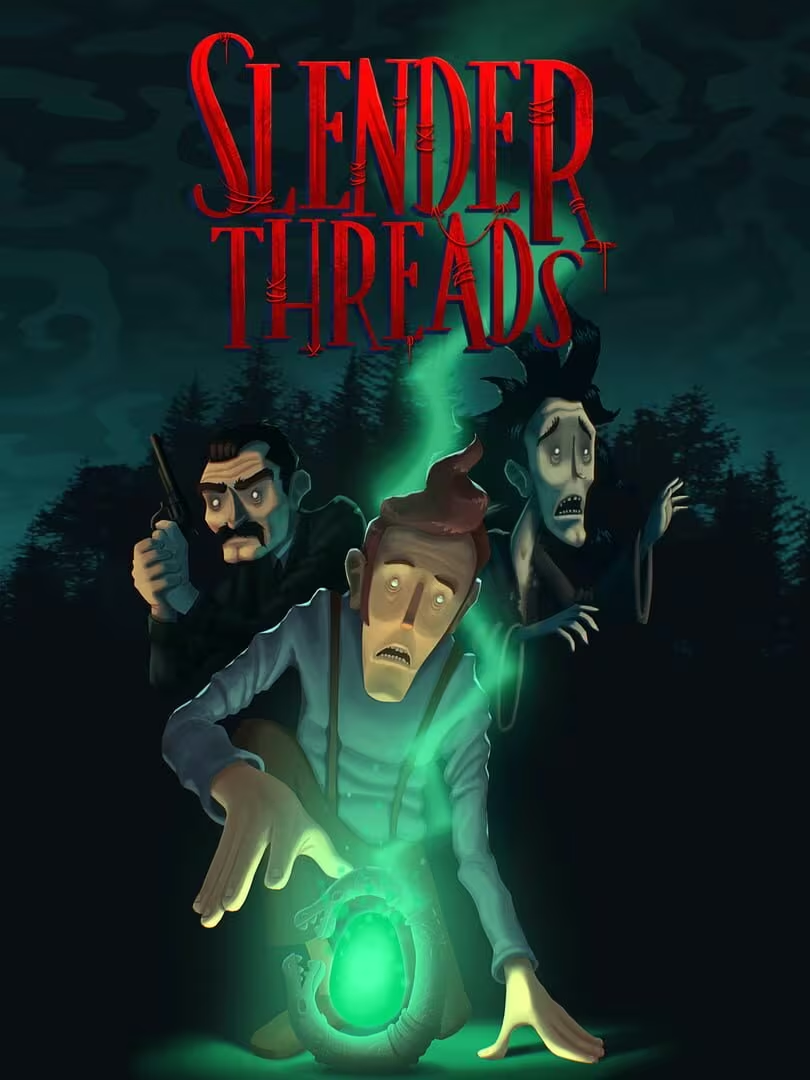
If you liked…
Recommendations by what you enjoyed most
Similarity map
Explore nearby similar games and see why they’re close.
J.U.L.I.A.: Among the Stars: A very typical example of its motivational profile. Motivations that often define this kind of title include Expression, Fellowship, Cooperation, Status. Here, the score leans higher than usual among comparable games on Exploration, Relaxation. It leans lower than usual among comparable games on Violence.
Why this game works
A motivational profile of the game, with the closest similar game for each player motivation.
-
Autonomy
Game with the same Autonomy vibe
3"Players control a robot with freedom to explore and solve puzzles, though gameplay is linear and guided."
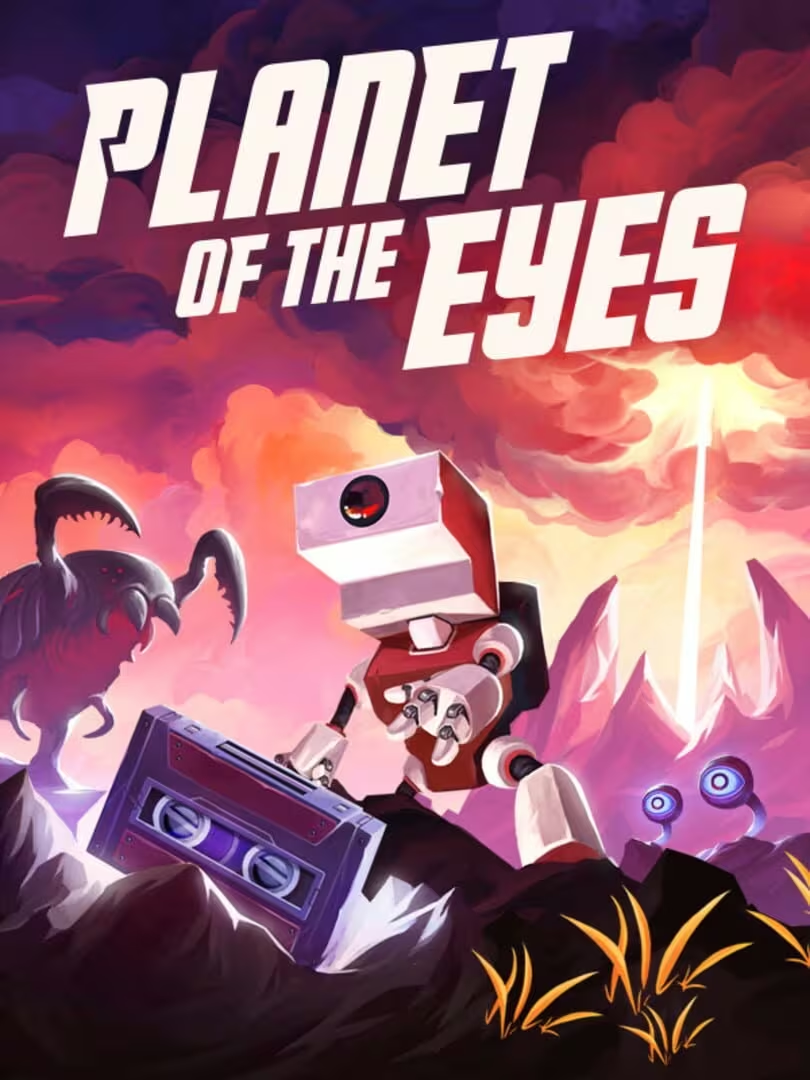 Planet of the Eyes
"Players control exploration robot remotely and make decisions about where to go and what to investigate, showing moderate autonomy."
-
Competence
Game with the same Competence vibe
3"Puzzles require logical thinking and problem solving, though generally not very difficult, providing a sense of skillful progression."
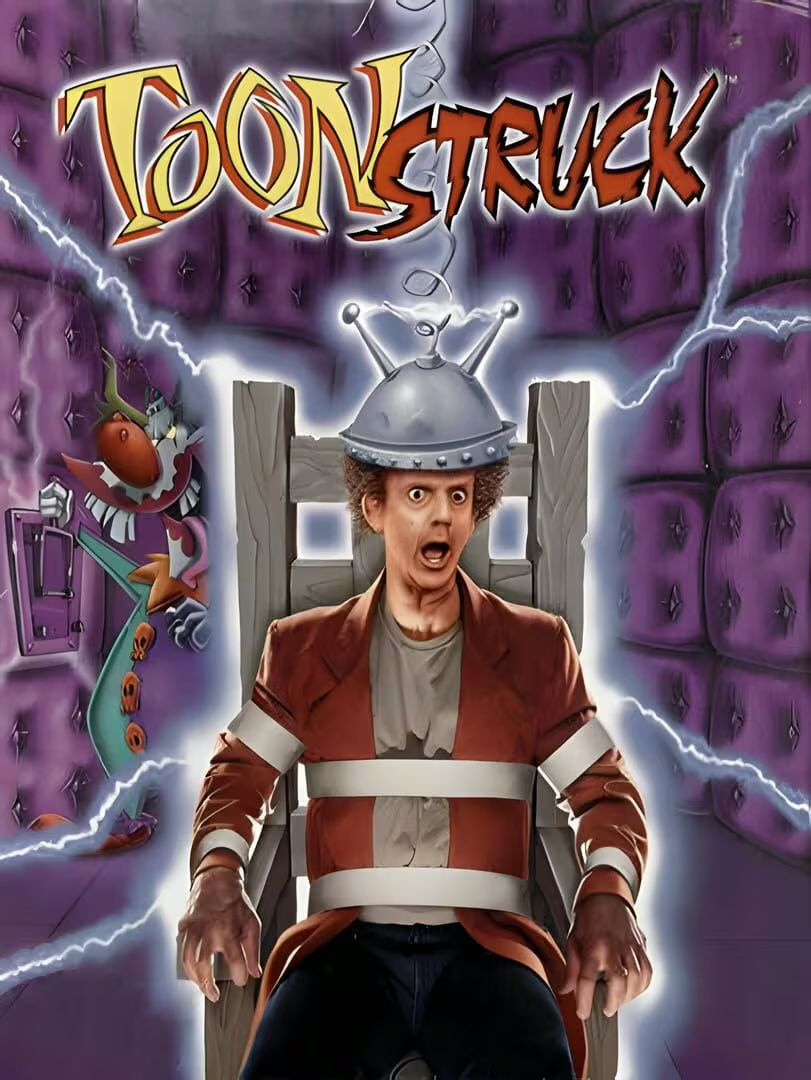 Toonstruck
"Puzzles require logical thinking and problem solving, providing a sense of skill and accomplishment."
-
Competition
Game with the same Competition vibe
-4"Game is single-player focused with no competitive or leaderboard elements."
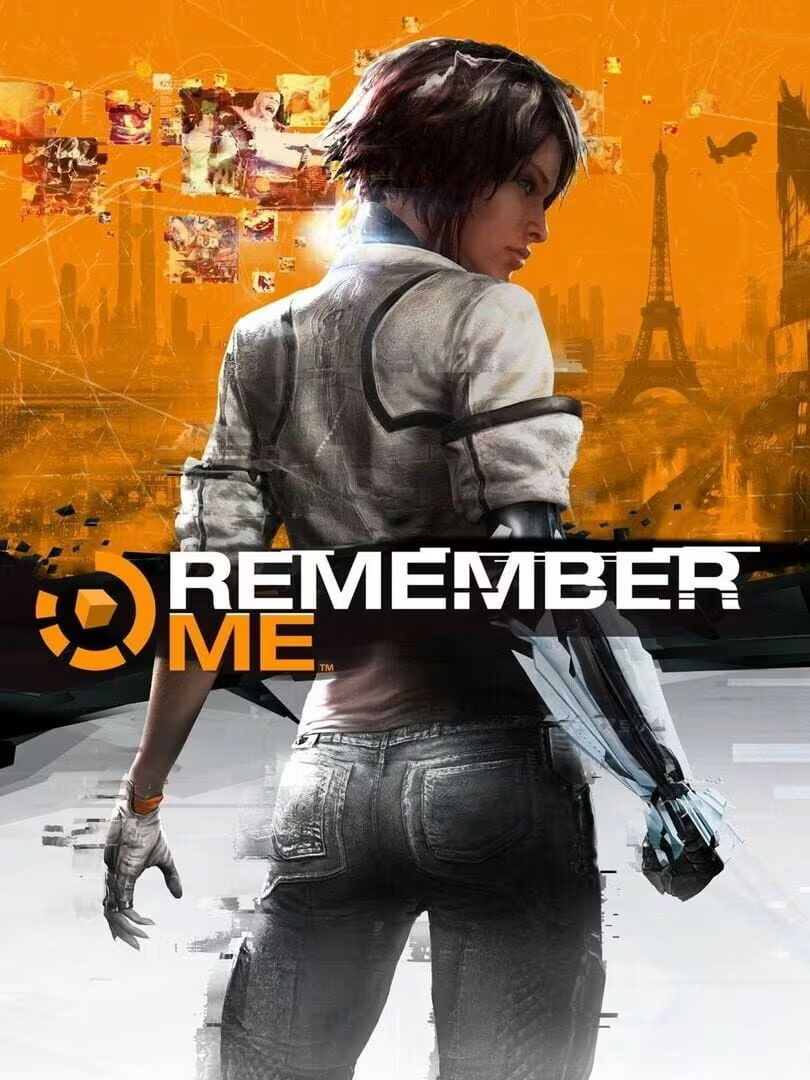 Remember Me
"Game is single-player focused with no competitive elements or leaderboards."
-
Continuation
Game with the same Continuation vibe
2"Players report being hooked and playing in long sessions, but the game is relatively short and linear."
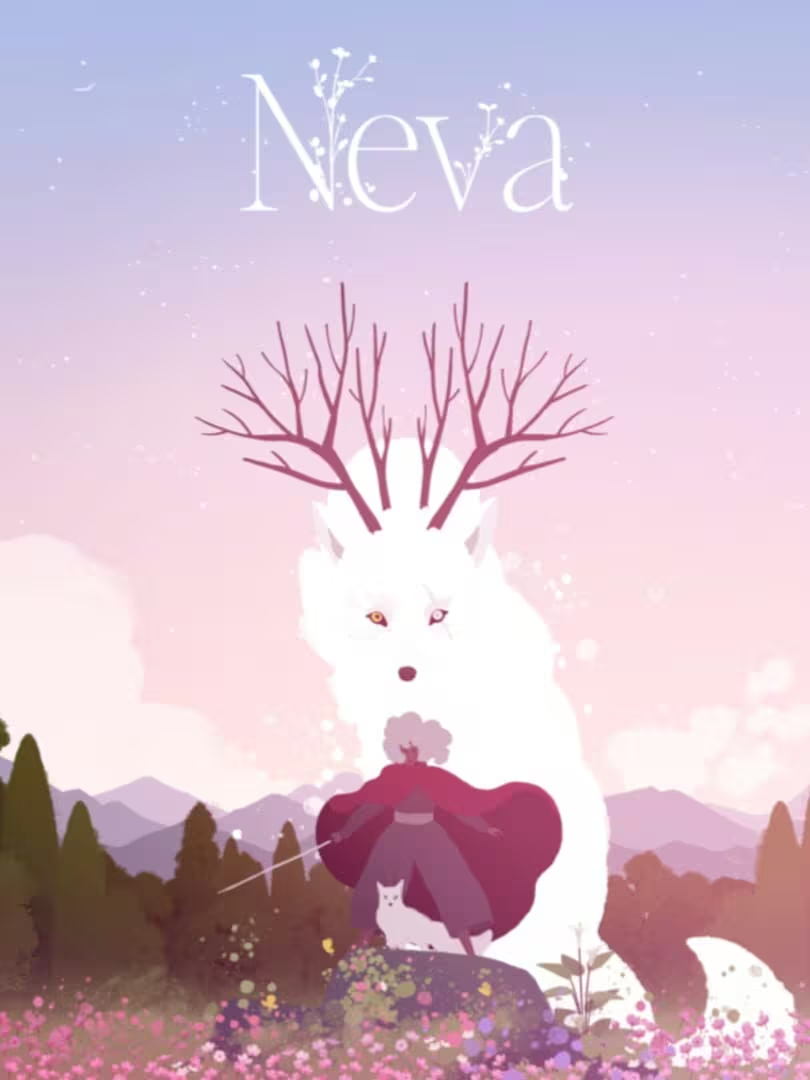 Neva
Neva
"Players report being hooked and playing for long sessions, though some find the game short."
-
Cooperation
Game with the same Cooperation vibe
-5"Entirely single-player experience with no cooperative gameplay."
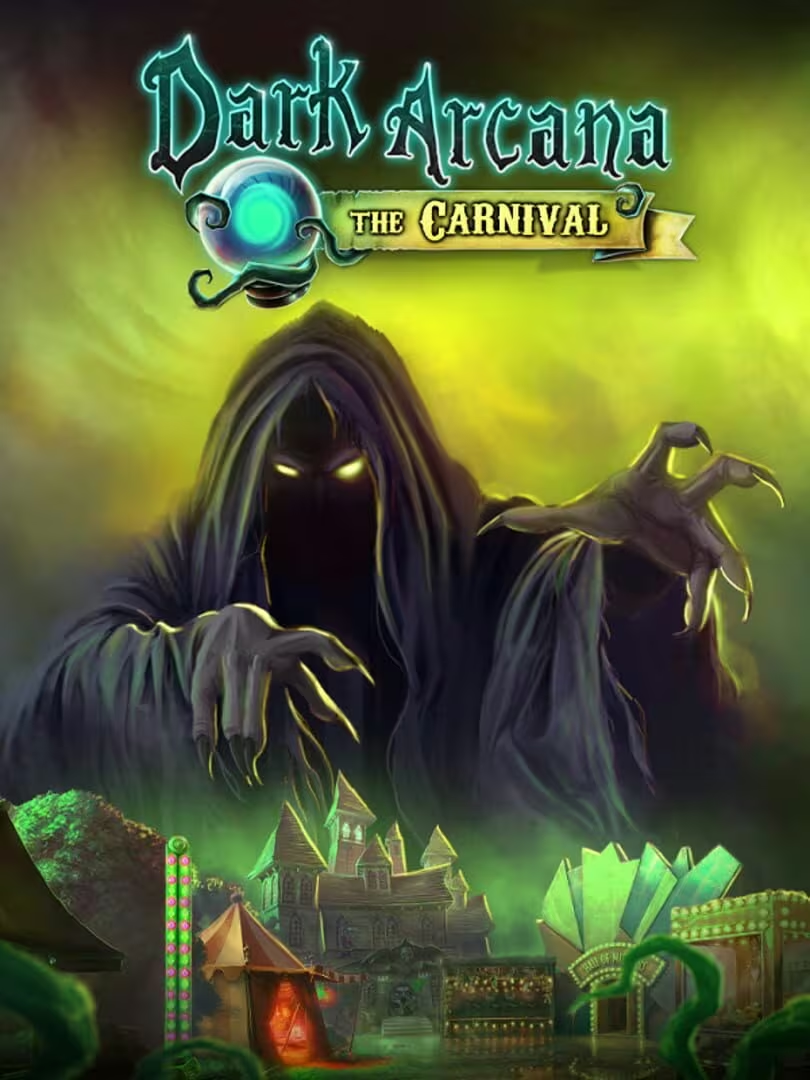 Dark Arcana: The Carnival
"Entirely single-player experience with no cooperative gameplay."
-
Creativity
Game with the same Creativity vibe
2"Players engage in puzzle solving and exploration but limited creation or modification of game elements."
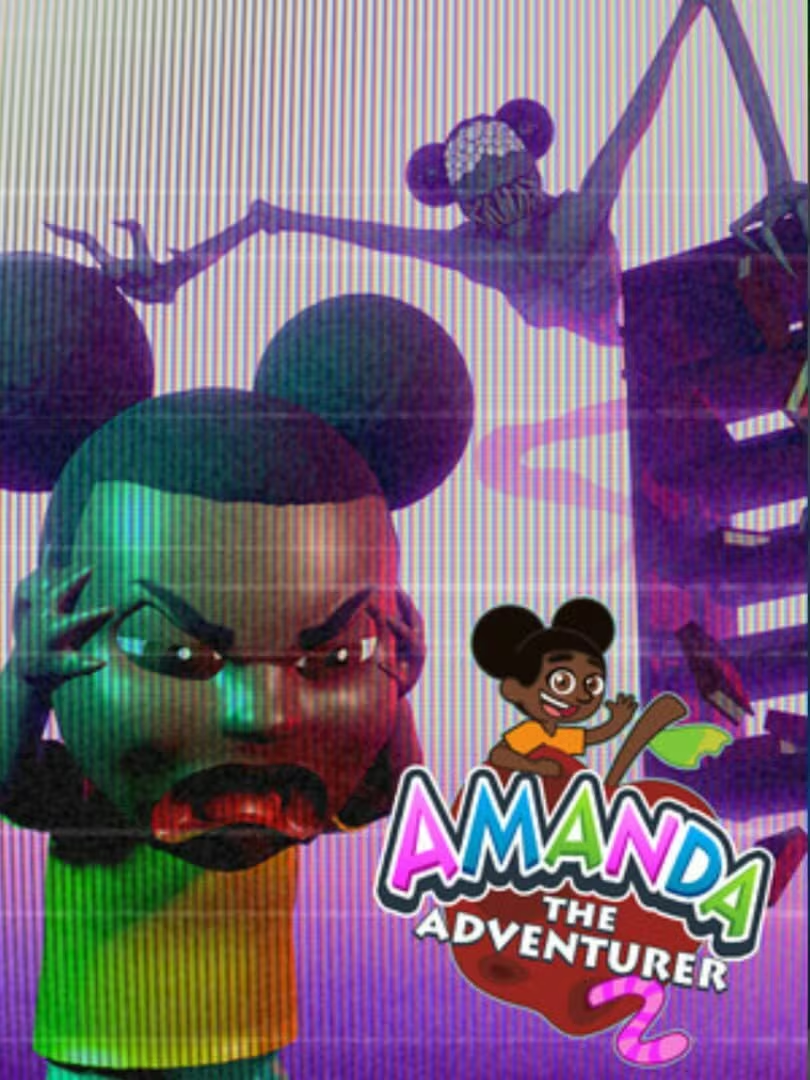 Amanda the Adventurer 2
"Players engage in puzzle solving and exploration but limited creative modification or building."
-
Domination
Game with the same Domination vibe
-5"No elements of exerting control over others; purely individual experience."
 Exo One
"No elements of exerting control over others; purely individual experience."
-
Escapism
Game with the same Escapism vibe
4"Strong immersion in sci-fi universe and story provides escape from real life, especially for fans."
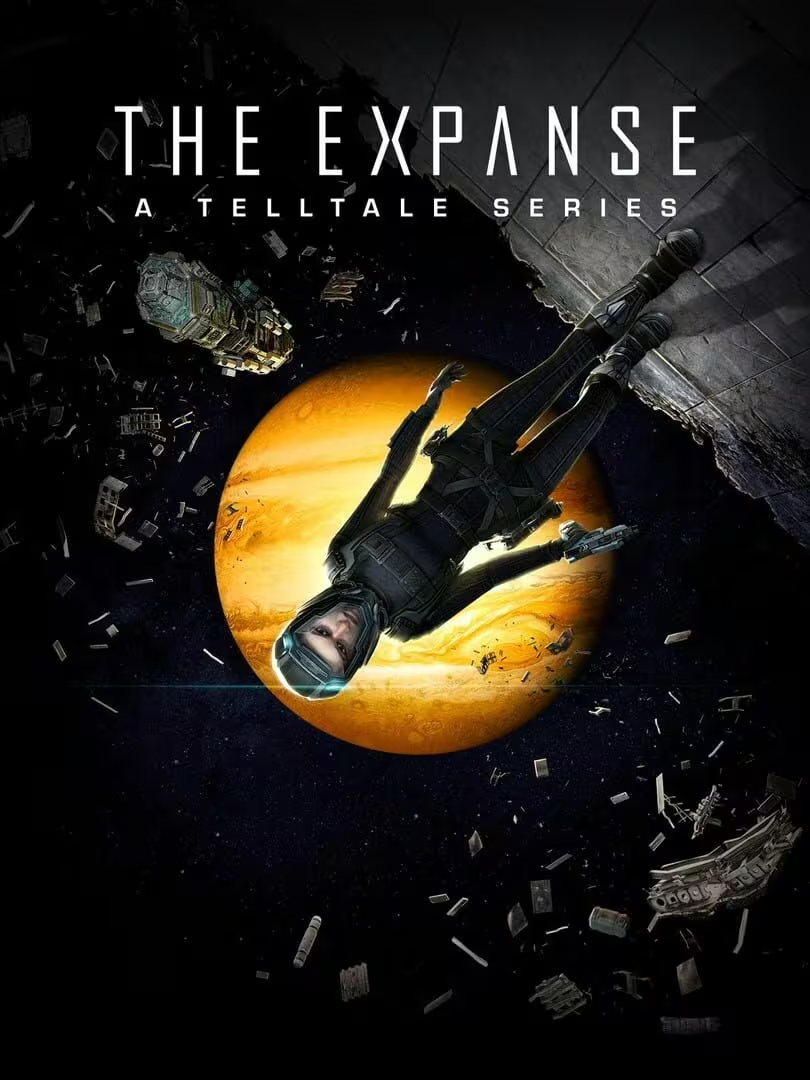 The Expanse: A Telltale Series
"Strong immersion in sci-fi story and exploration provides escape from real life."
-
Expectation
Game with the same Expectation vibe
-4"Players engage voluntarily out of interest in story and puzzles, no obligation or pressure reported."
 Alpha Polaris : A Horror Adventure Game
"Players engage voluntarily out of interest in story and puzzles, no obligation reported."
-
Experimenting
Game with the same Experimenting vibe
2"Players explore environment and try different puzzle solutions; some experimentation encouraged."
 Runo
Runo
"Players explore different planets and try various puzzle solutions, encouraging experimentation."
-
Exploration
Game with the same Exploration vibe
4"Exploration of different planets and environments is a key gameplay element."
 PixelJunk™ Nom Nom Galaxy
"Exploring multiple planets and environments is a core gameplay element."
-
Expression
Game with the same Expression vibe
-3"Limited customization or self-expression; mostly fixed character and environment presentation."
 Still There
"Limited character customization or self-expression; mostly fixed presentation."
-
Fantasy
Game with the same Fantasy vibe
4"Strong sci-fi narrative with imaginative alien races, politics, and space combat."
 The Last Federation
"Strong sci-fi narrative with AI, space exploration, and alien worlds."
-
Fellowship
Game with the same Fellowship vibe
-5"No social or community features; strictly solo play."
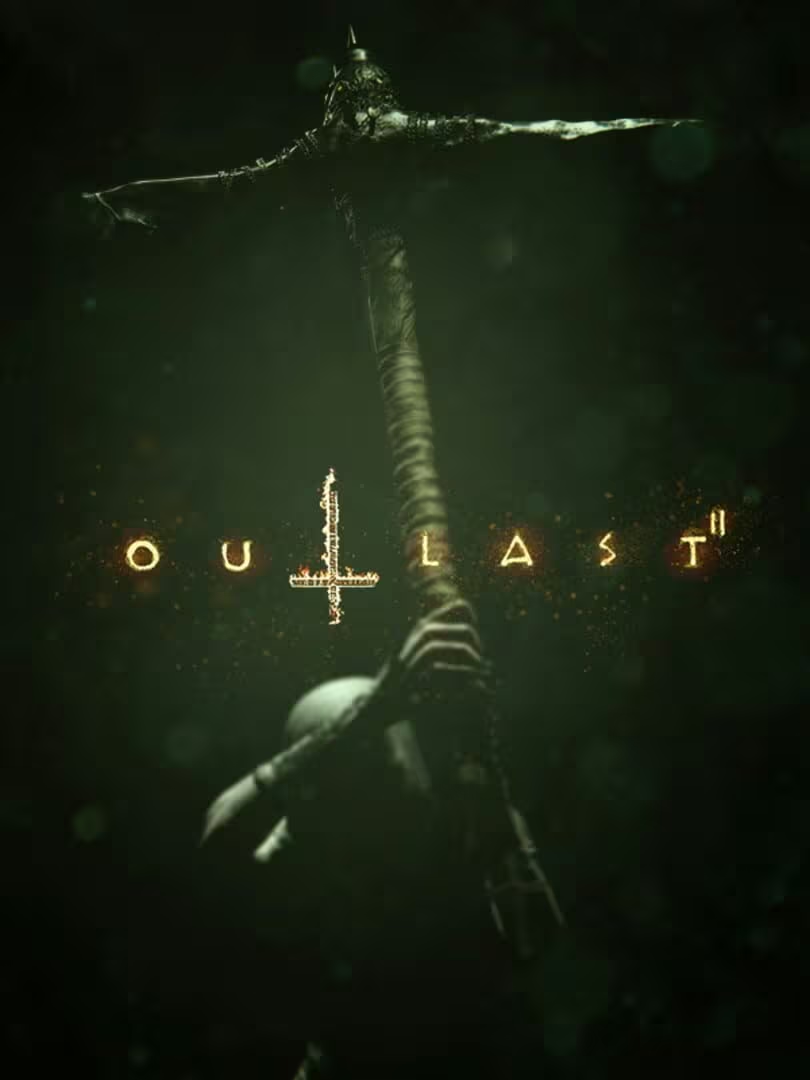 Outlast 2
"No social or community features; strictly solo play."
-
Growth
Game with the same Growth vibe
3"Learning puzzle mechanics and improving solutions provides personal development."
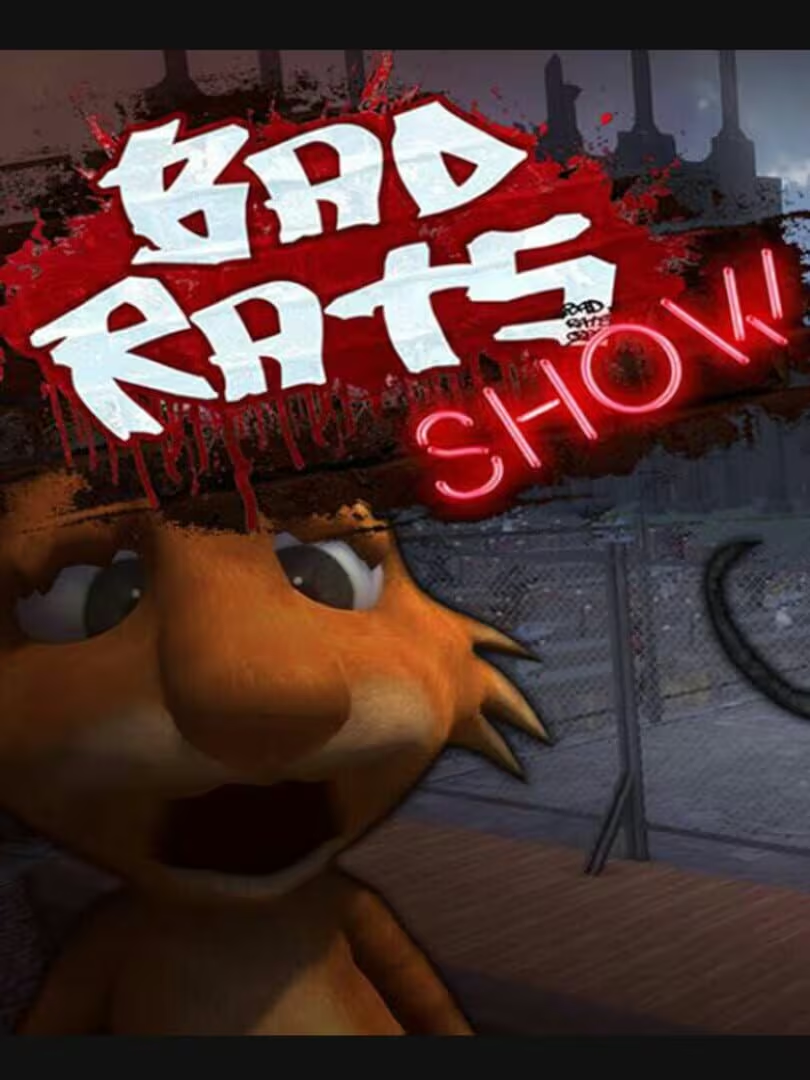 Bad Rats Show
"Learning and understanding puzzles and story progression provide personal development."
-
Health
Game with the same Health vibe
-5"Sedentary gameplay with no physical activity."
 Microtransaction Simulator
"Sedentary gameplay with no physical activity."
-
Idle
Game with the same Idle vibe
-3"Requires focused attention to solve puzzles and progress."
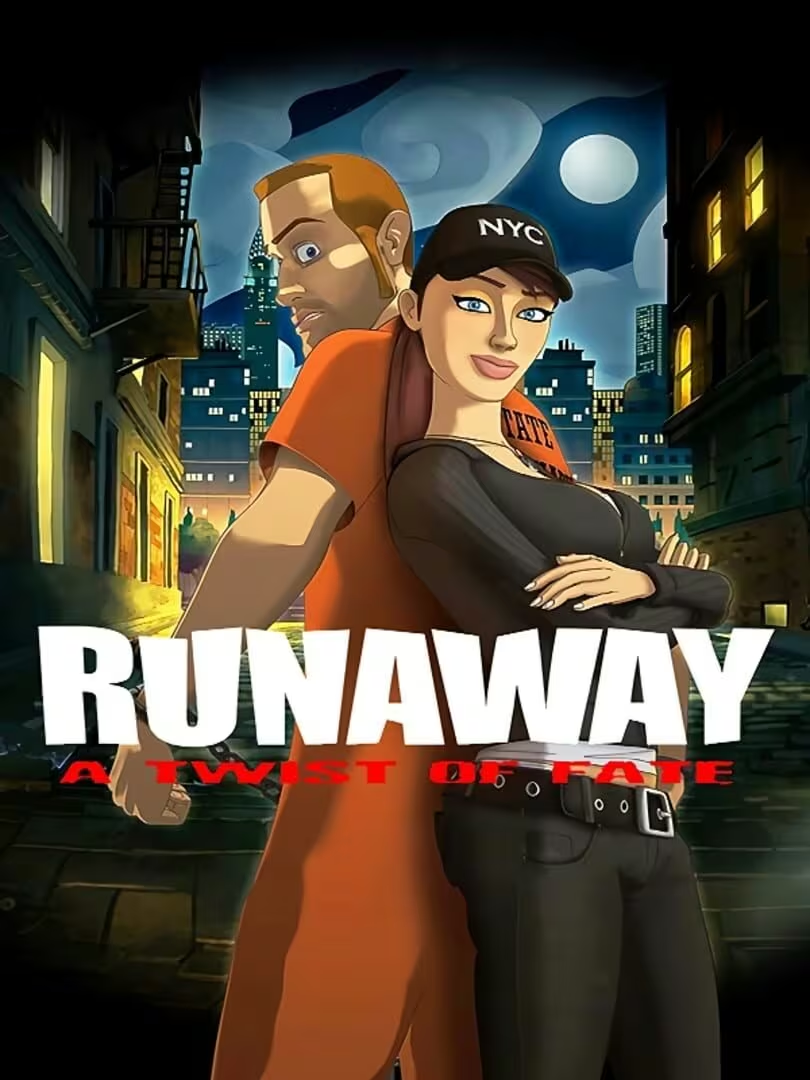 Runaway: A Twist of Fate
"Requires focused attention to solve puzzles and progress."
-
Intimacy
Game with the same Intimacy vibe
-5"No social or emotional relationship building with other players."
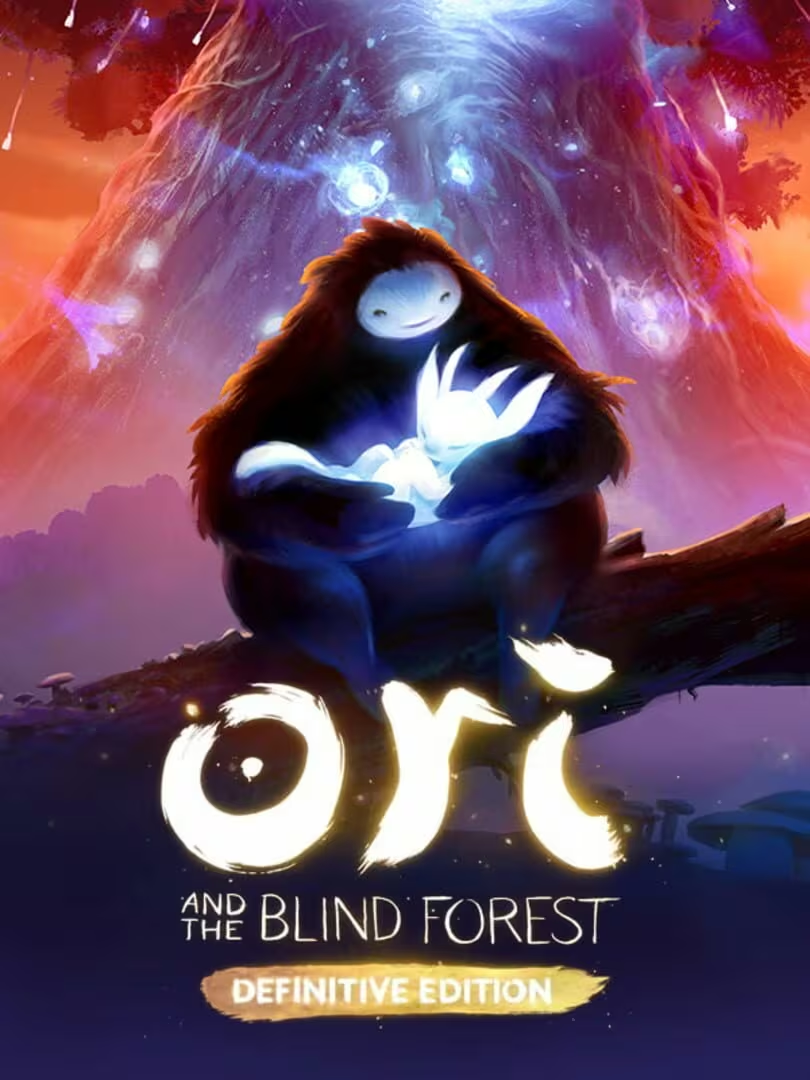 Ori and the Blind Forest: Definitive Edition
"No social or emotional relationship building with other players."
-
Leadership
Game with the same Leadership vibe
-5"No leadership or group management elements."
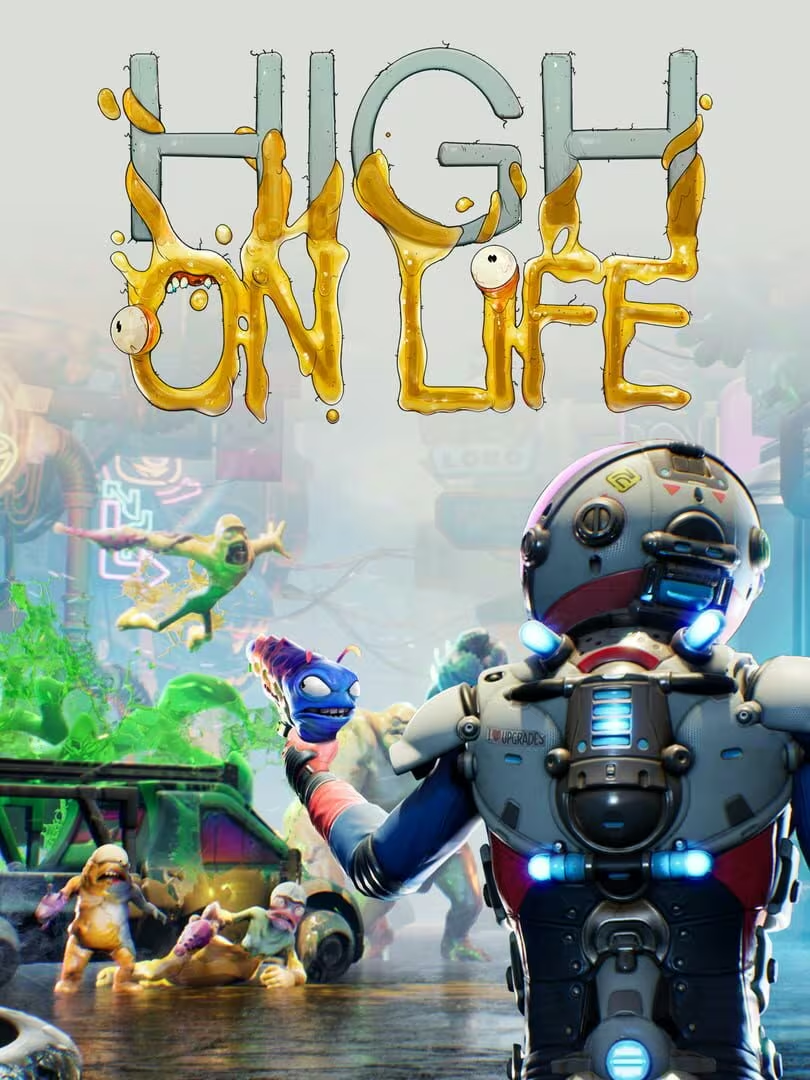 High On Life
"No leadership or group management elements."
-
Progression
Game with the same Progression vibe
3"Progression through unlocking new planets, solving puzzles, and collecting achievements."
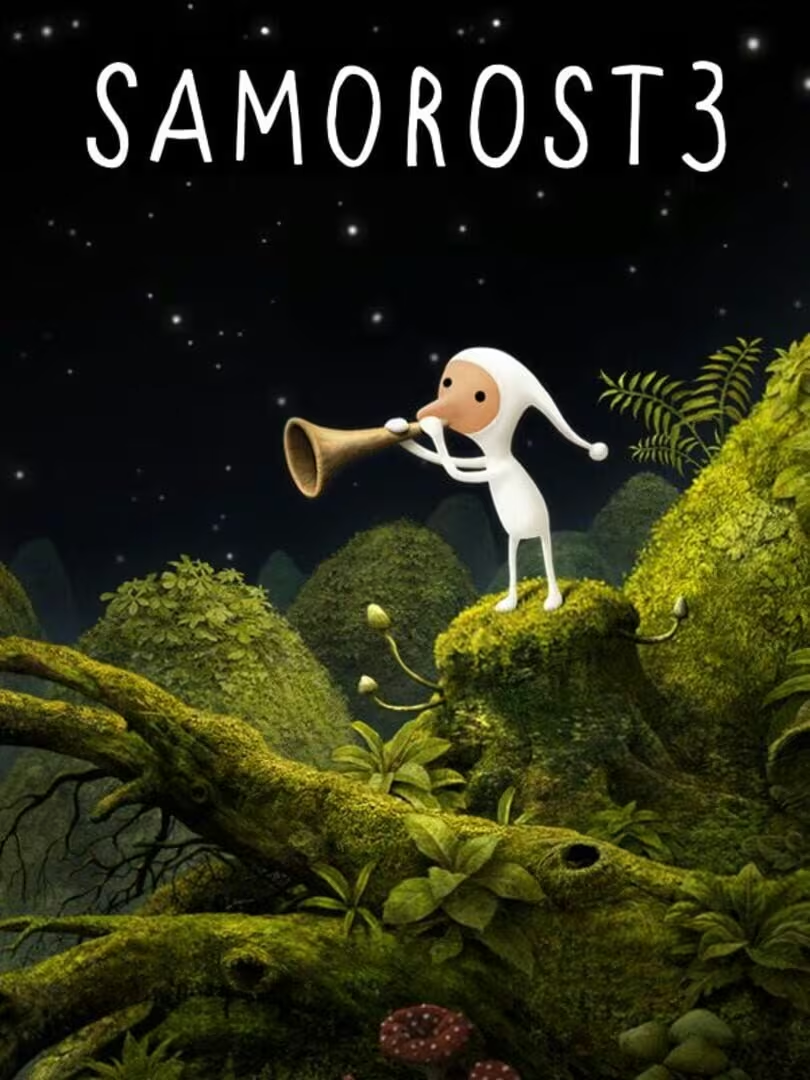 Samorost 3
"Players collect clues, unlock new planets, and upgrade exploration robot."
-
Relaxation
Game with the same Relaxation vibe
3"Atmospheric music and pacing create a relaxing yet mentally engaging experience."
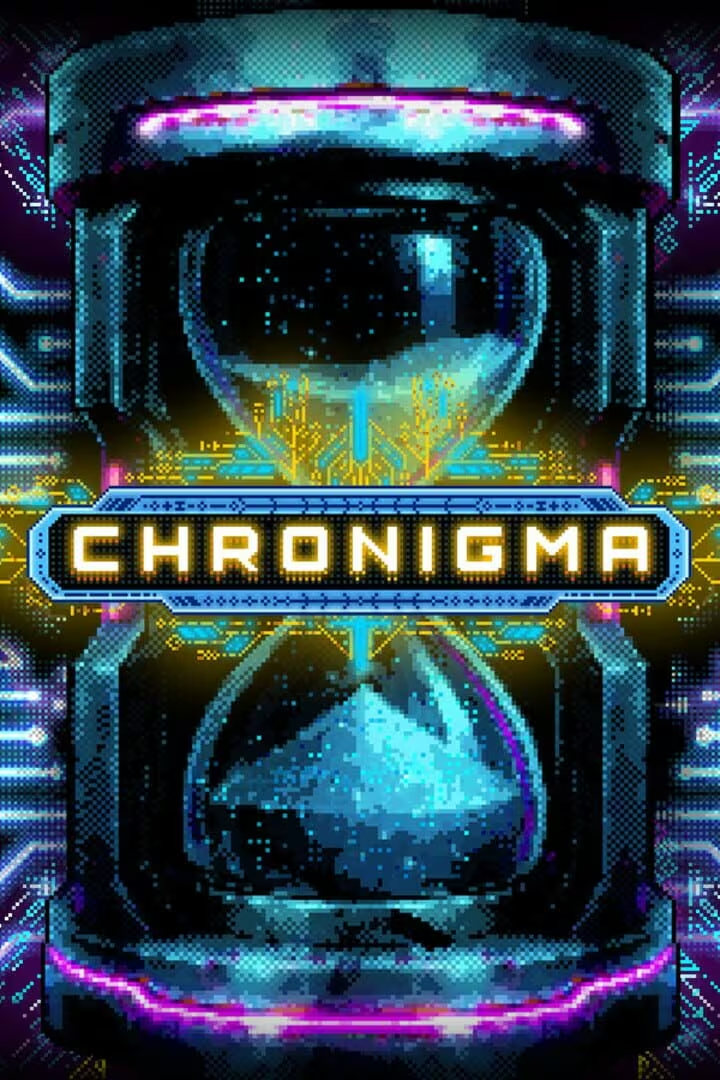 Chronigma
"Calm pacing and atmospheric music create a relaxing experience."
-
Sensation
Game with the same Sensation vibe
2"Pleasant visuals and sound design provide sensory enjoyment without overwhelming stimulation."
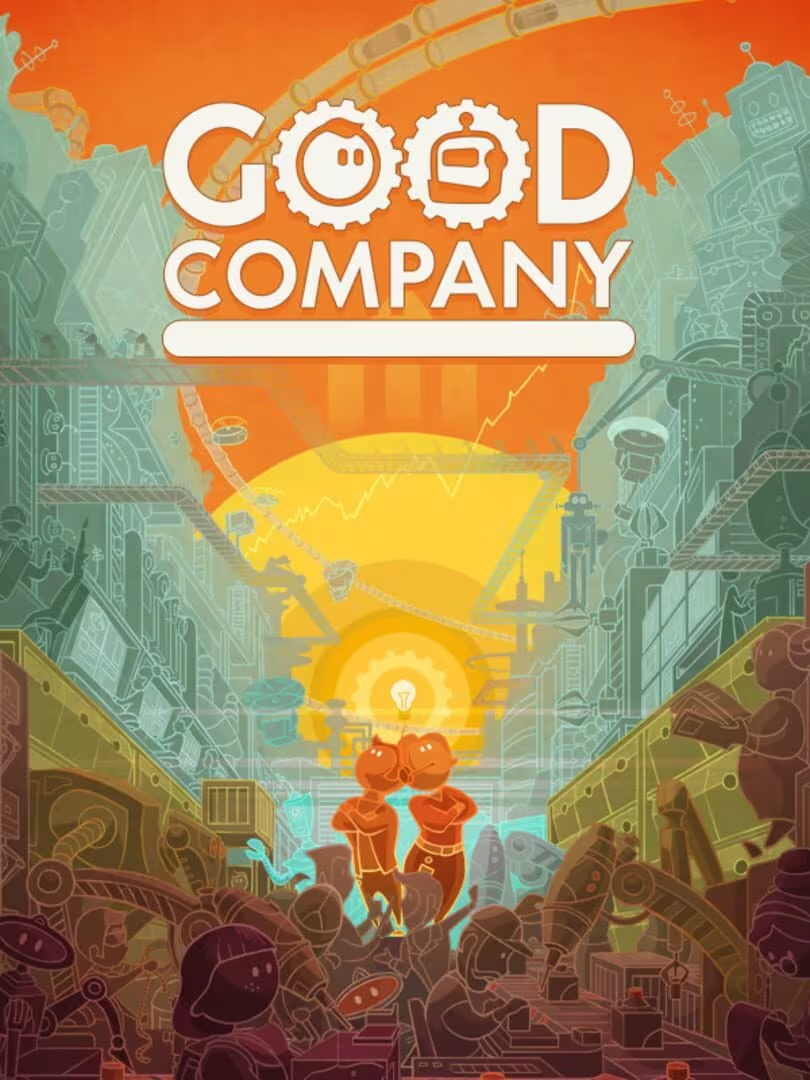 Good Company
"Visuals and sound design provide sensory enjoyment without overwhelming stimulation."
-
Status
Game with the same Status vibe
-5"No social recognition or status systems."
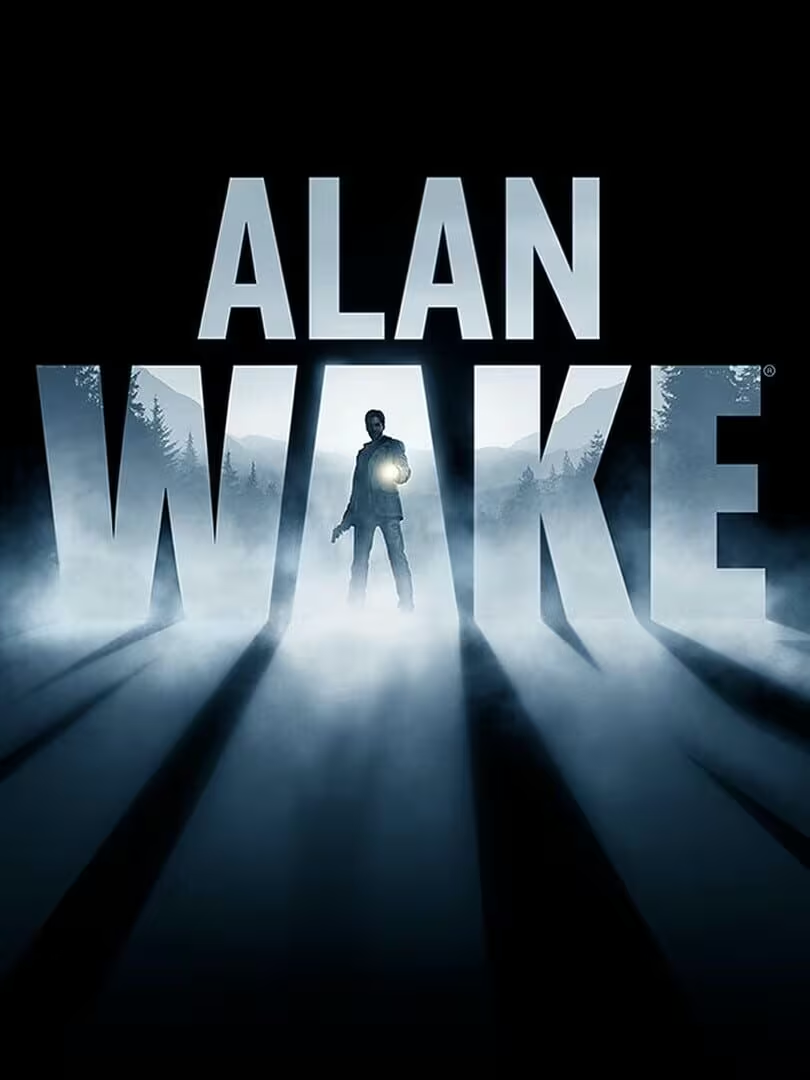 Alan Wake
"No social recognition or status systems."
-
Story
Game with the same Story vibe
5"Strong narrative immersion with engaging characters, plot twists, and multiple endings."
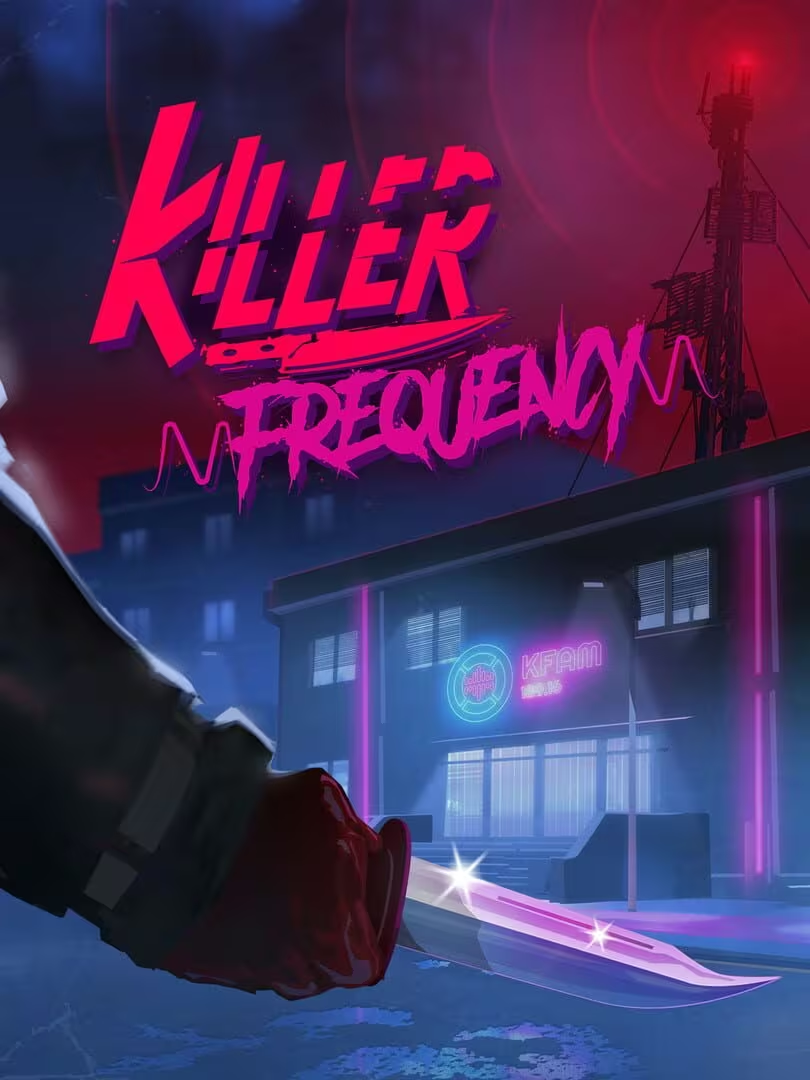 Killer Frequency
"Strong narrative immersion with engaging characters and plot twists."
-
Strategy
Game with the same Strategy vibe
3"Puzzles require logical thinking, problem solving, and planning, though not highly complex strategy."
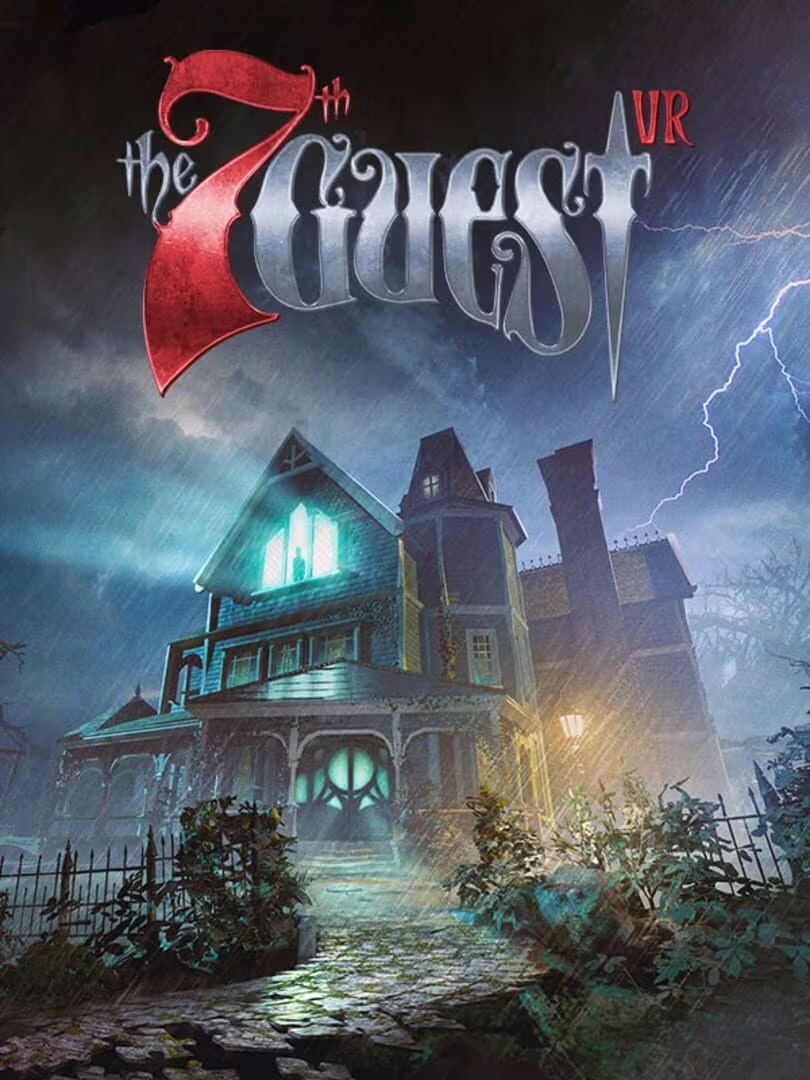 The 7th Guest VR
"Puzzles require logical thinking and problem solving, though no large-scale strategy."
-
Thrill
Game with the same Thrill vibe
1"Some suspense and mystery elements, but overall calm and reflective tone."
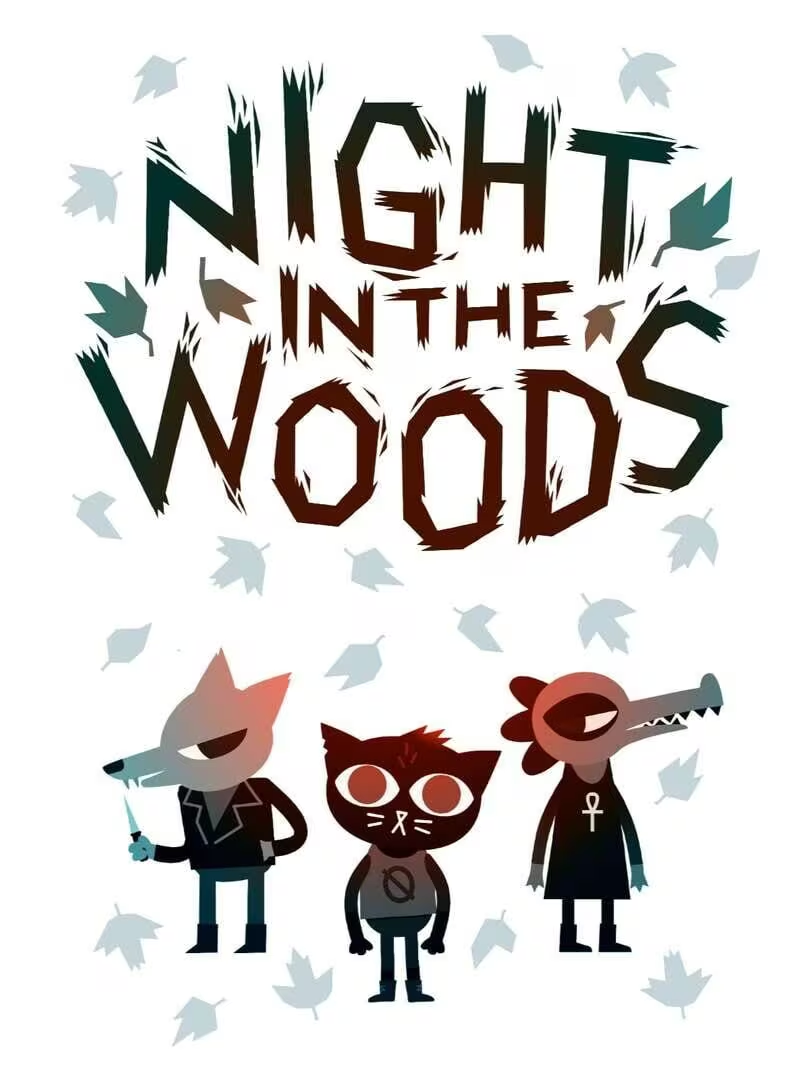 Night in the Woods
"Some suspense and mystery elements, but overall calm and contemplative tone."
-
Value
Game with the same Value vibe
2"Players feel the game offers reasonable value especially on sale, with good content for the price."
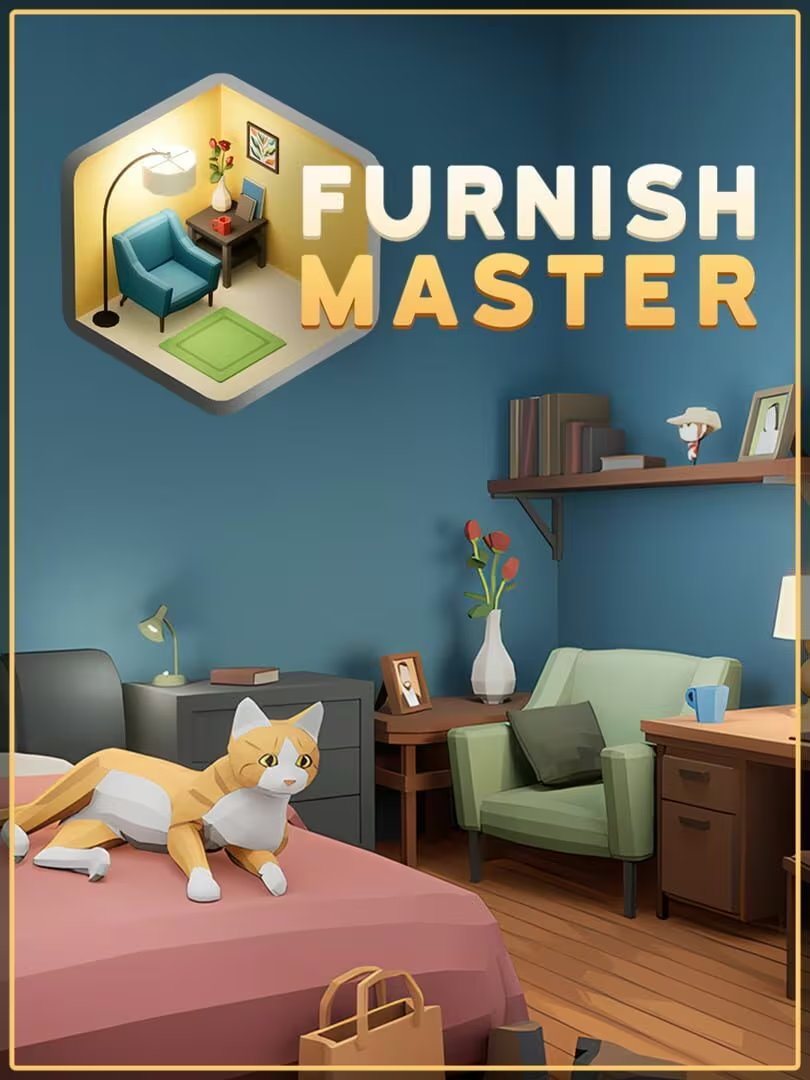 Furnish Master
"Players feel the game offers good value especially on sale, with quality content for price."
-
Violence
Game with the same Violence vibe
-5"No combat or destructive gameplay; focus on exploration and puzzle solving."
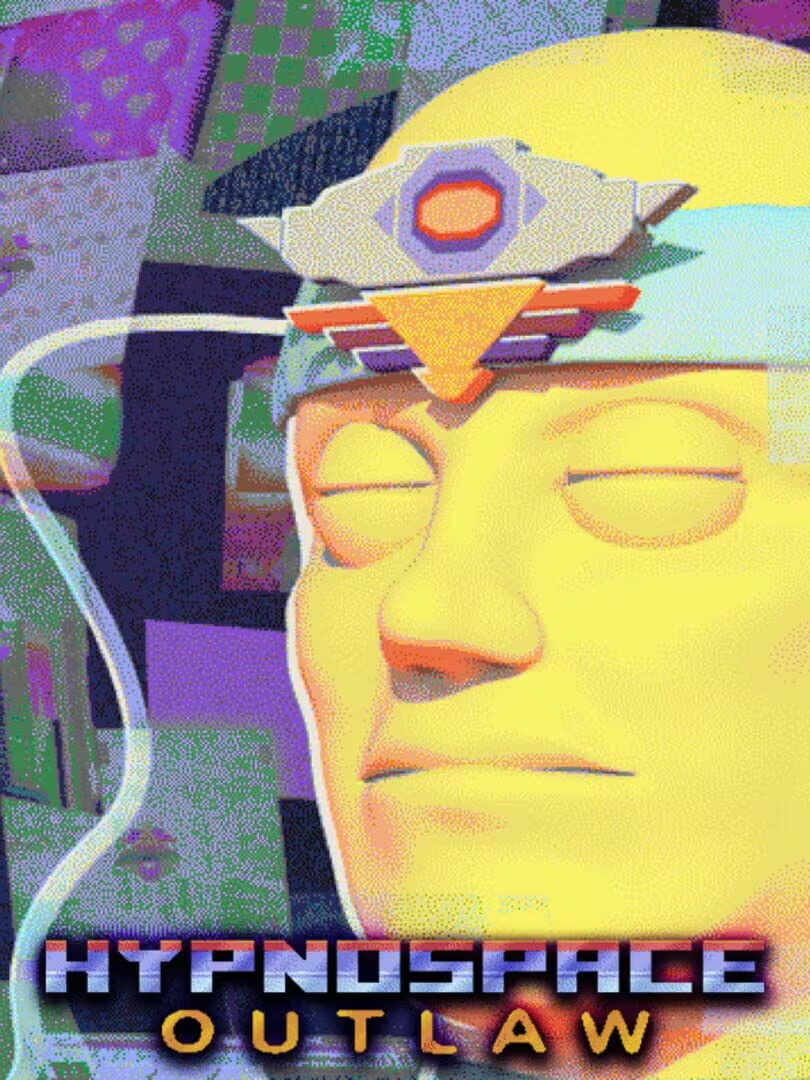 Hypnospace Outlaw
"No combat or destructive gameplay; focus on exploration and puzzle solving."
-
Survival
Game with the same Survival vibe
1"Some elements of avoiding failure in puzzles and investigation, but no survival mechanics."
 Still Life
"Some elements of avoiding failure in puzzles and progressing story, but no direct survival mechanics."
Last update: 01/06/2026