Oknytt similar games & best alternatives
Should you play it?
Oknytt is an old school point-and-click adventure game where the player takes the role of a small, seemingly insignificant creature, leading it through a dark world filled with beings and areas inspired by Swedish folklore, in search of a place to belong.
What works
- Unique scandinavian folklore setting
- Atmospheric art and sound design
- Immersive storytelling with voice narration
- Logical and engaging puzzles
- Affordable price and good value
Things to keep in mind
- Slow pacing and movement
- Some puzzles rely on trial and error
- Dark visuals can be hard to see
- Limited animation and technical polish
- Repetitive narrator phrasing
What to play next
Similar games, hidden gems, and fresh directions from this game.
Top picks
Games that feel the closest overall
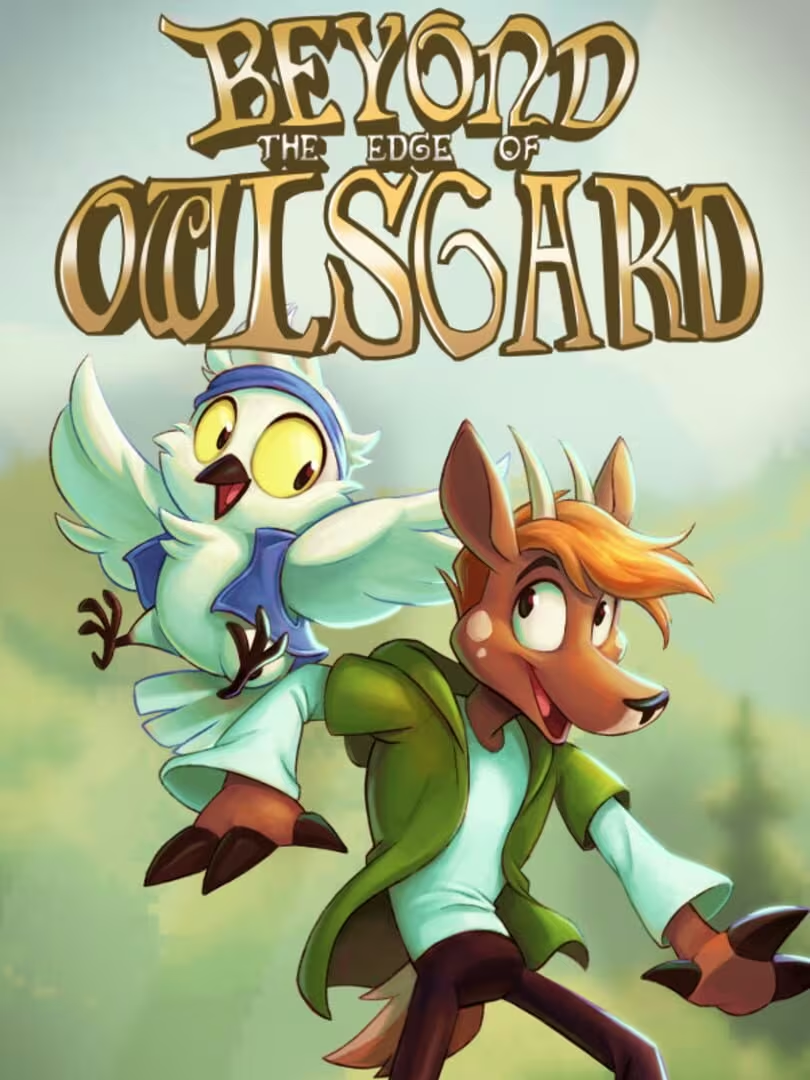
Hidden Gems
Less popular games with surprisingly high similarity
If you liked…
Recommendations by what you enjoyed most
Similarity map
Explore nearby similar games and see why they’re close.
Oknytt: A very typical example of its motivational profile. Motivations that often define this kind of title include Survival, Violence, Competition, Thrill. It leans lower than usual among comparable games on Intimacy, Expression, Fellowship.
Why this game works
A motivational profile of the game, with the closest similar game for each player motivation.
-
Autonomy
Game with the same Autonomy vibe
3"Players have freedom to explore levels, choose weapons, and experiment with rune powers, though the game is mostly linear in progression."
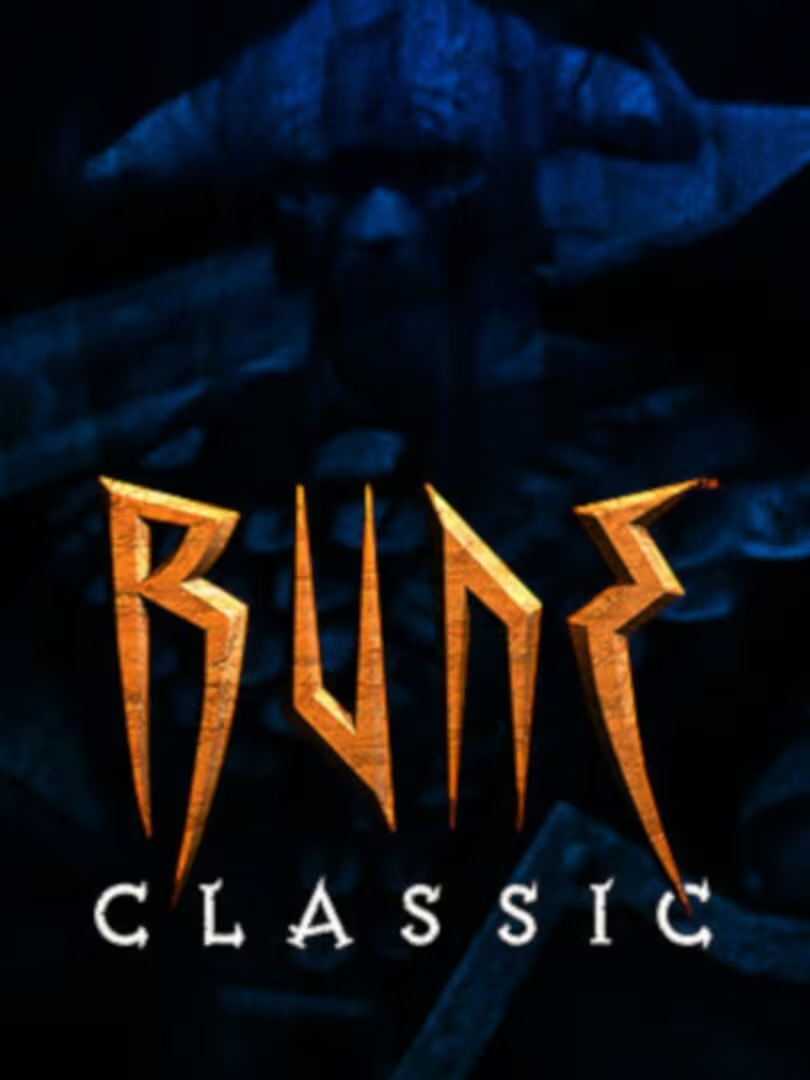 Rune Classic
"Players can explore environments, combine items, and use elemental runes freely, though the game is linear in progression."
-
Competence
Game with the same Competence vibe
2"Puzzles require logical thinking and problem solving but are generally not very difficult; some challenge but mostly accessible."
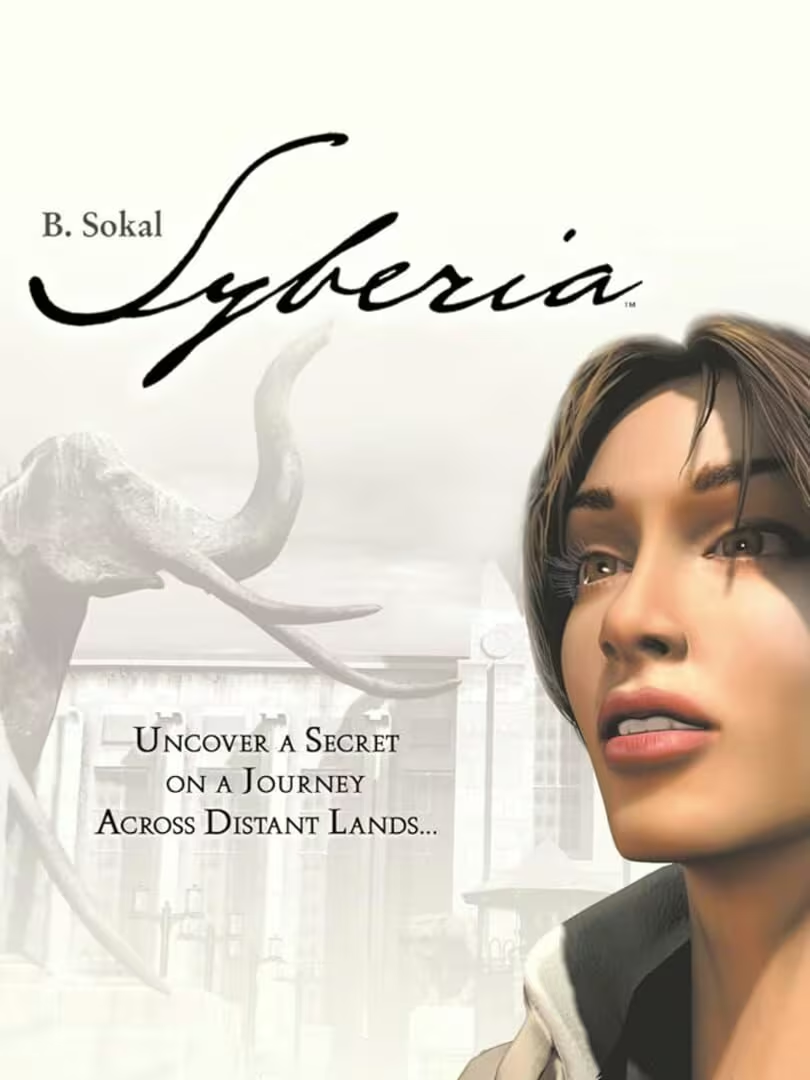 Syberia
"Puzzles require logical thinking and item combinations with some challenge, but are generally accessible and not overly difficult."
-
Competition
Game with the same Competition vibe
-5"No competitive elements; focus is on personal exploration and story experience."
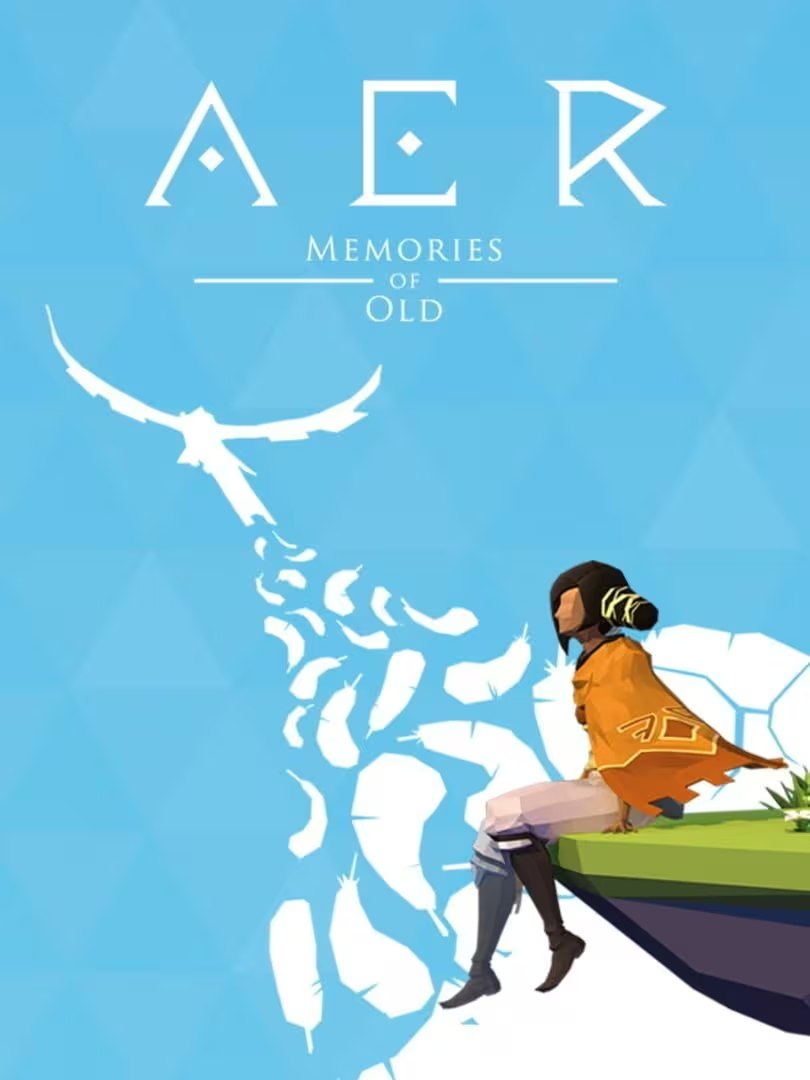 AER Memories of Old
"No competitive elements; focus is on personal exploration and story experience."
-
Continuation
Game with the same Continuation vibe
1"Players enjoy short sessions and some habitual play, but replay value is limited and some find it repetitive."
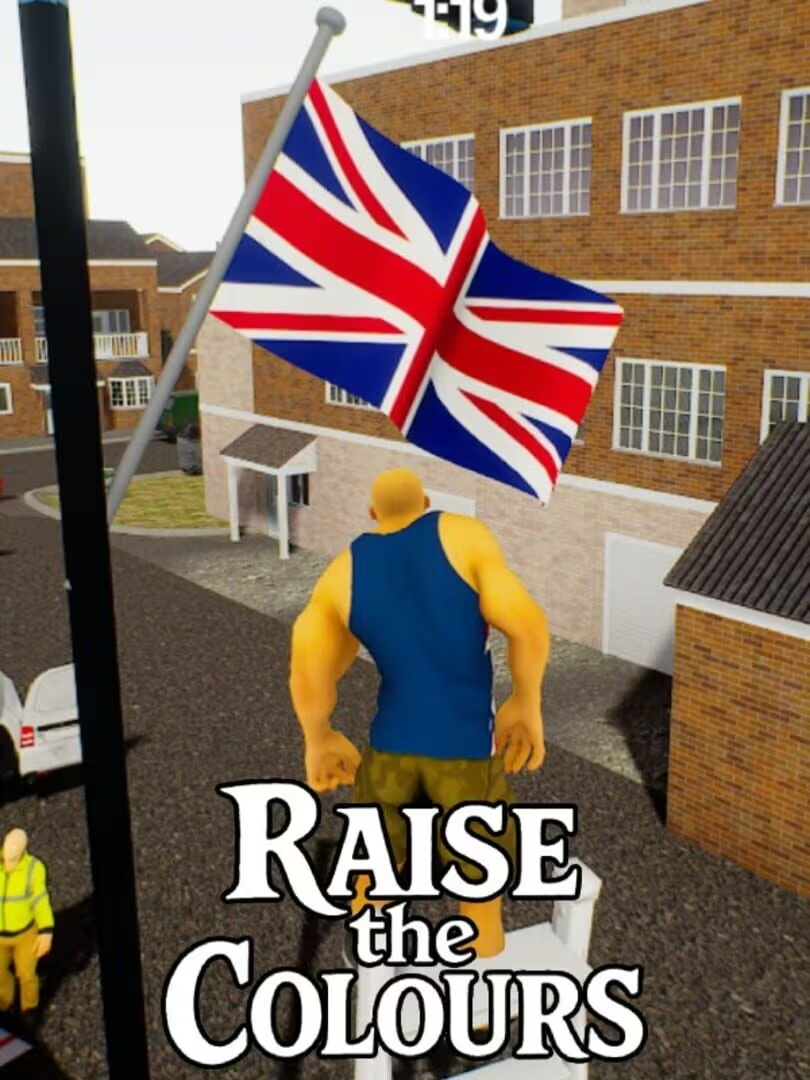 Raise the Colours
"Players often complete the game in one or few sessions; some mention replay value but overall moderate habitual play."
-
Cooperation
Game with the same Cooperation vibe
-5"Single-player experience with no multiplayer or cooperative gameplay."
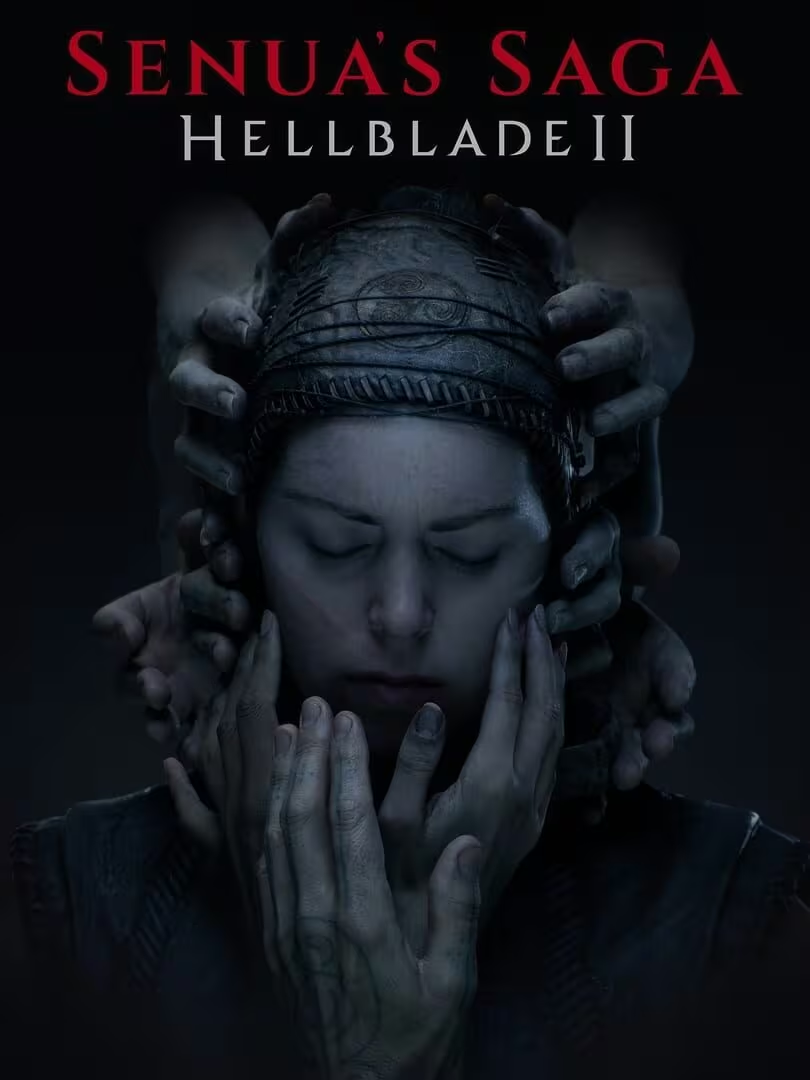 Senua’s Saga: Hellblade II
"Single-player experience with no multiplayer or cooperative gameplay."
-
Creativity
Game with the same Creativity vibe
2"Players combine items and solve puzzles creatively, though within predefined game mechanics."
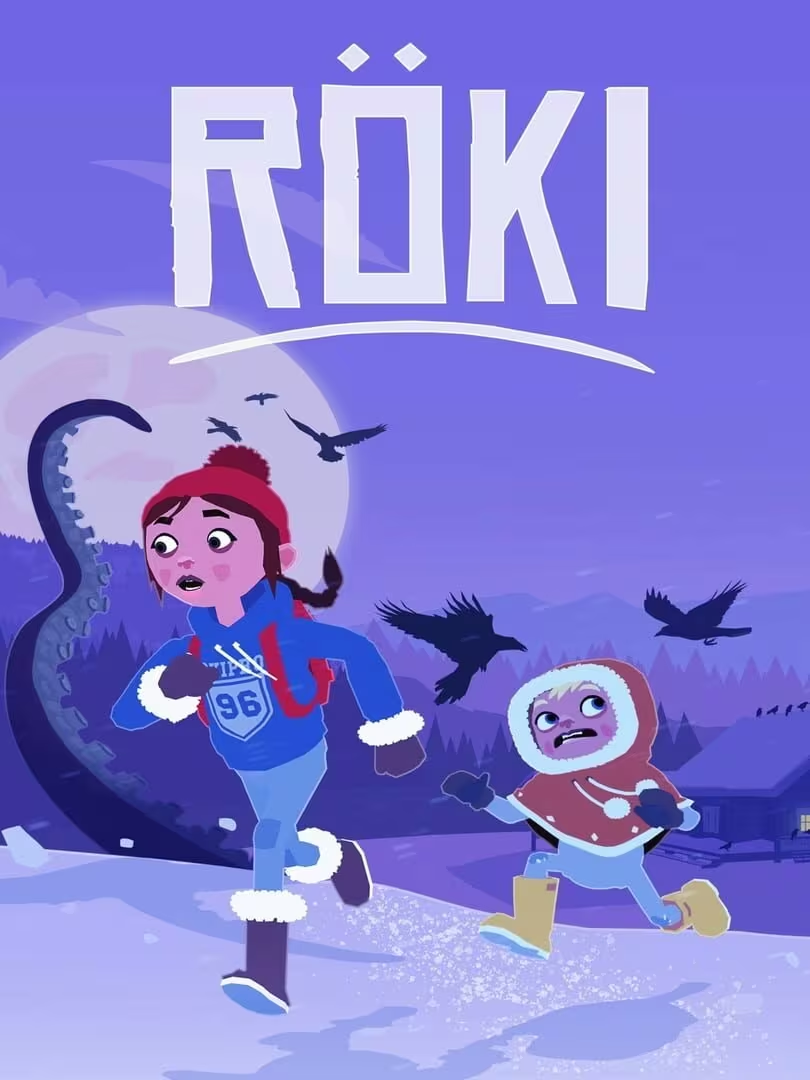 Röki
Röki
"Players combine items and use elemental runes creatively to solve puzzles, though within predefined game mechanics."
-
Domination
Game with the same Domination vibe
-5"No elements of exerting control or superiority over others; cooperative and narrative focused."
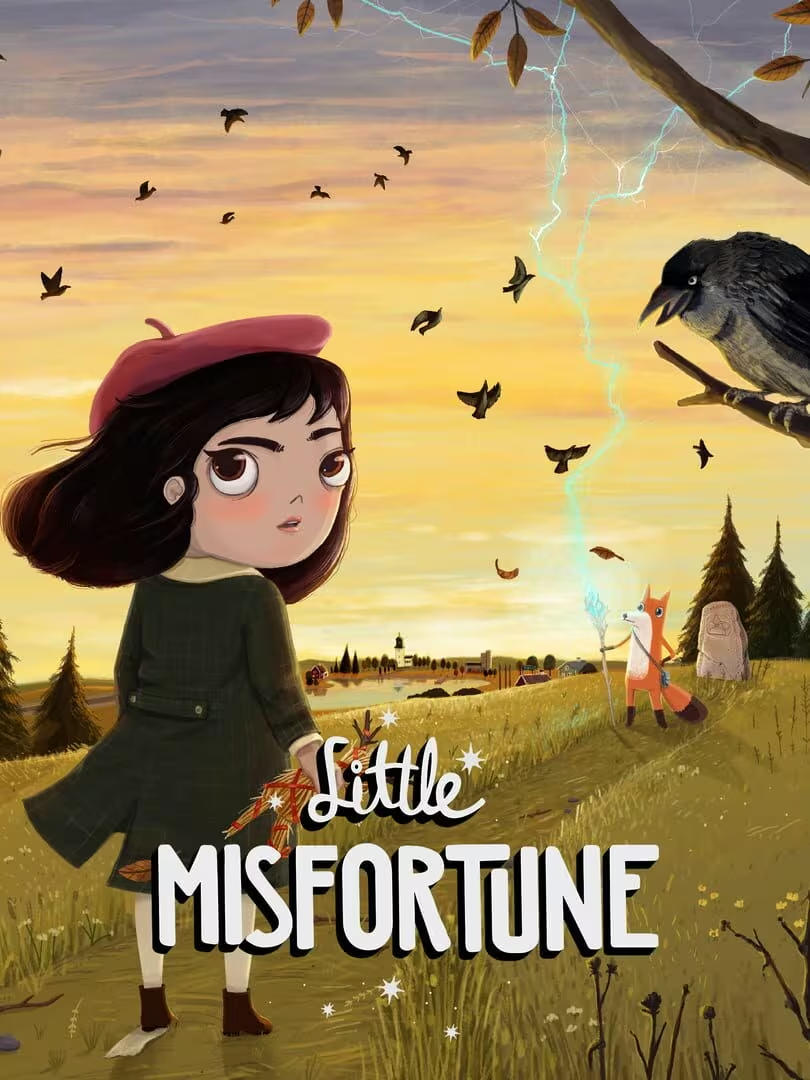 Little Misfortune
"No elements of exerting control or superiority over others; cooperative and narrative focused."
-
Escapism
Game with the same Escapism vibe
4"Dark fairy tale atmosphere and immersive story provide a strong escape from reality."
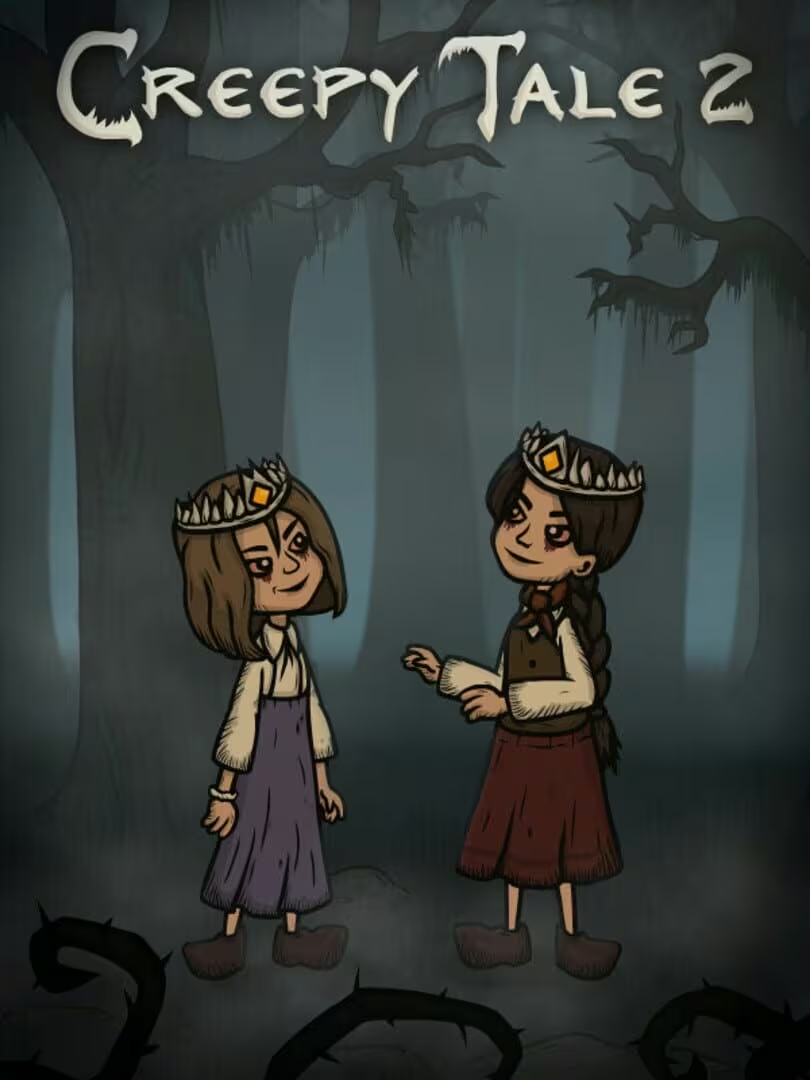 Creepy Tale 2
"Strong atmospheric immersion and storytelling provide an escape into a dark fairy tale world."
-
Expectation
Game with the same Expectation vibe
-4"Players engage voluntarily for enjoyment and interest in story and setting, not out of obligation."
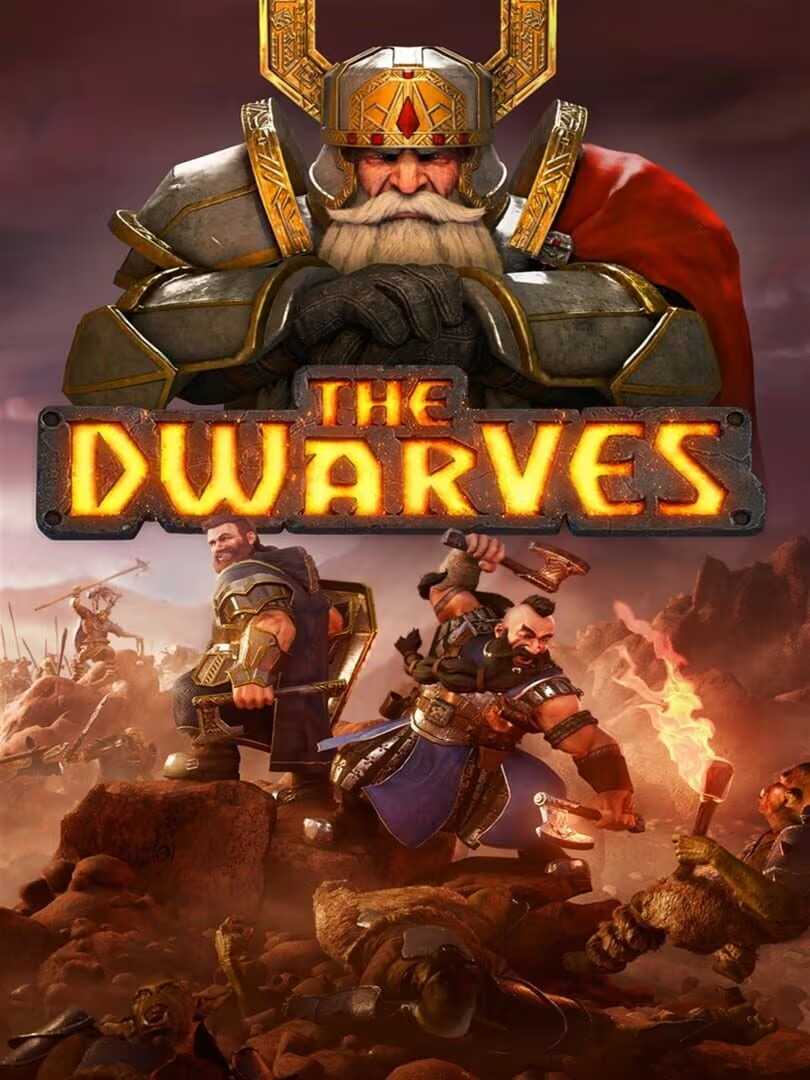 The Dwarves
"Players engage voluntarily for enjoyment and interest in folklore and story, not out of obligation."
-
Experimenting
Game with the same Experimenting vibe
3"Encourages trying different weapons, rune powers, and combat tactics; some puzzle elements add variety."
Rune Classic
"Encourages trying different item combinations and rune uses to discover puzzle solutions and environmental effects."
-
Exploration
Game with the same Exploration vibe
3"Exploration of various dark environments and collection of clues drives gameplay."
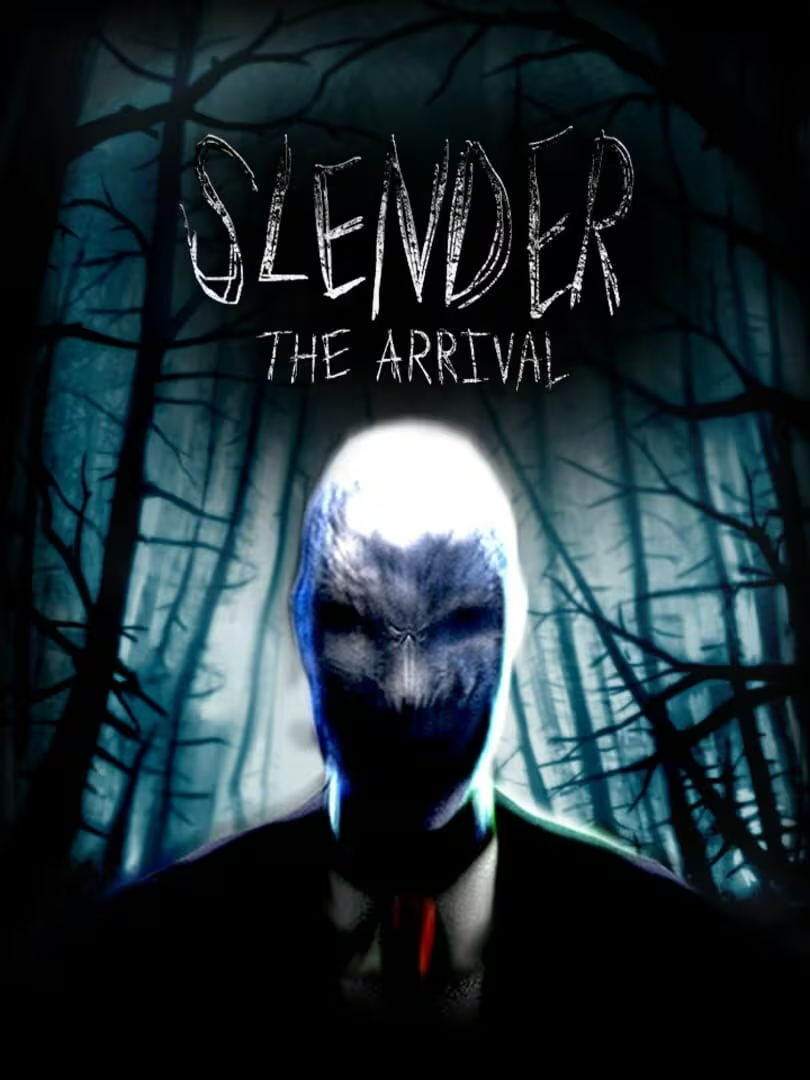 Slender: The Arrival
"Exploring unique dark environments and discovering folklore creatures and secrets is a key part of gameplay."
-
Expression
Game with the same Expression vibe
-3"Limited customization; player expression mainly through puzzle solving choices, not avatar or environment personalization."
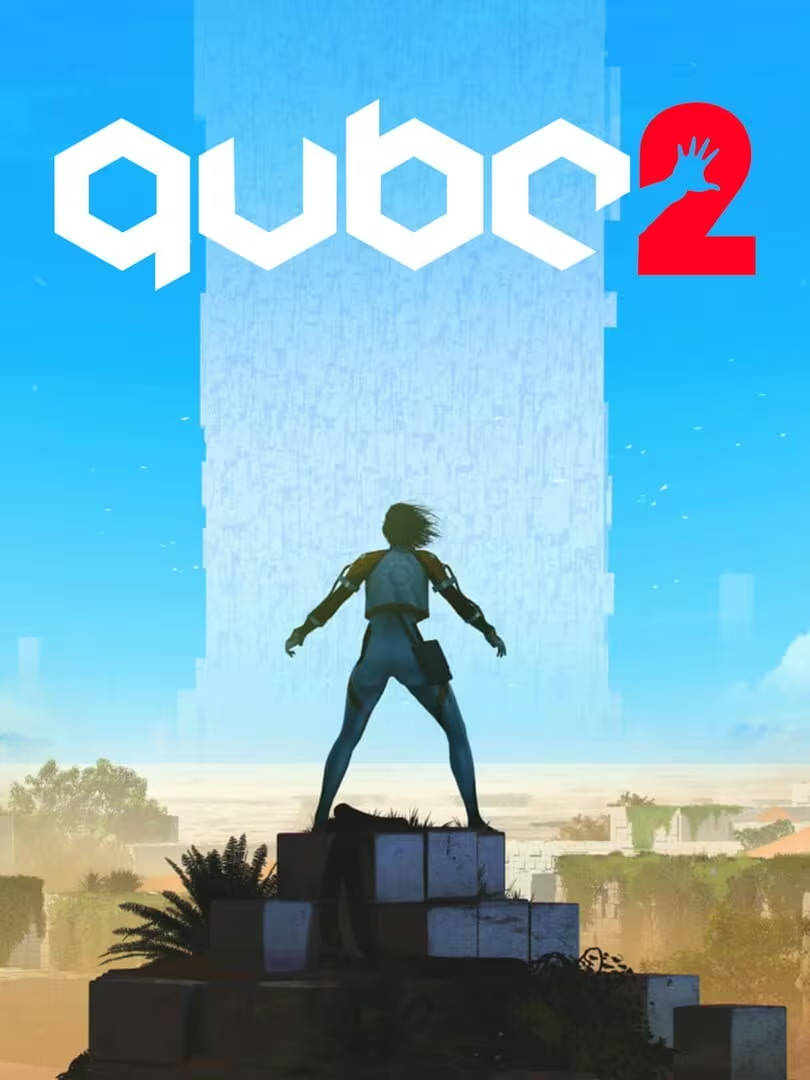 Q.U.B.E. 2
"Limited customization; player expression mainly through puzzle solving and rune use rather than avatar personalization."
-
Fantasy
Game with the same Fantasy vibe
5"Deeply rooted in Scandinavian mythology and folklore, with magical creatures and settings."
Röki
"Deeply rooted in Scandinavian folklore and mythology, with a strong fantasy narrative and setting."
-
Fellowship
Game with the same Fellowship vibe
-5"No social or community features; strictly single-player experience."
 Prototype 2
"No social or community features; strictly single-player experience."
-
Growth
Game with the same Growth vibe
2"Players learn about folklore and develop puzzle-solving skills through gameplay and reading in-game encyclopedia."
 Year Walk
"Players learn about folklore and develop puzzle-solving skills during gameplay."
-
Health
Game with the same Health vibe
-5"Sedentary gameplay typical of point-and-click adventures."
 Deponia: The Complete Journey
"Sedentary gameplay typical of point-and-click adventures."
-
Idle
Game with the same Idle vibe
-3"Requires focused attention to solve puzzles and progress; not designed for casual or background play."
 Deponia Doomsday
"Requires focused attention to solve puzzles and progress; not designed for casual or background play."
-
Intimacy
Game with the same Intimacy vibe
-5"No social or emotional relationship building with other players."
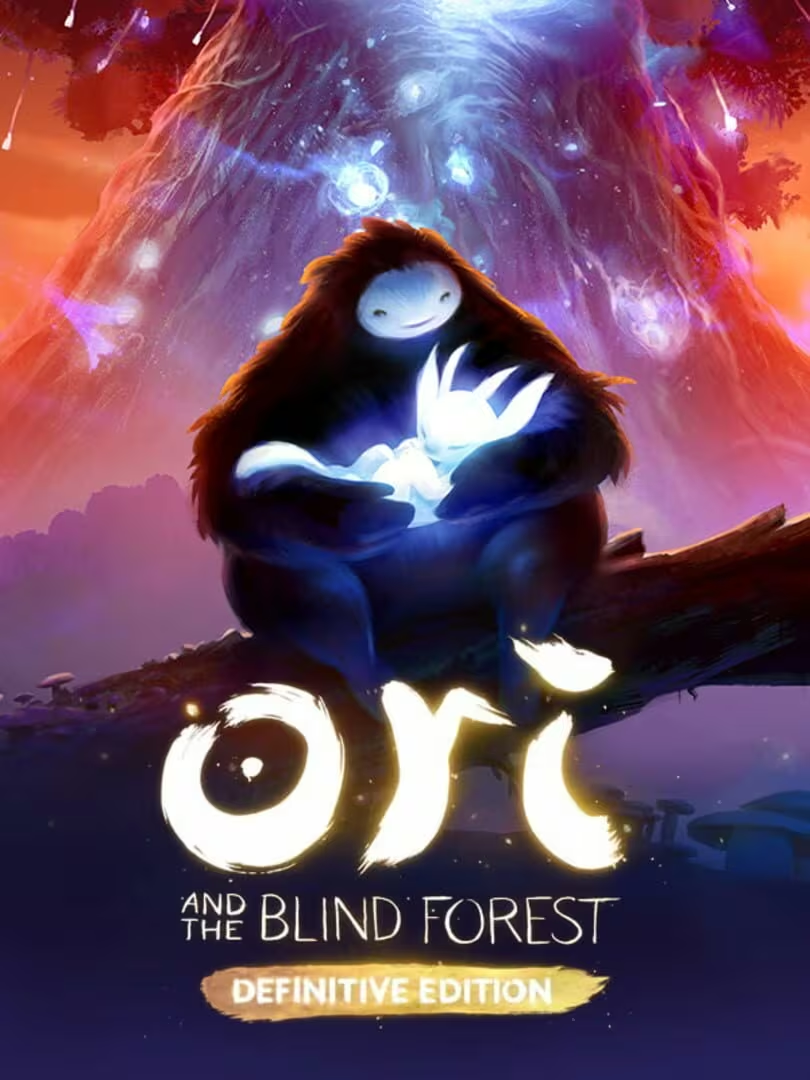 Ori and the Blind Forest: Definitive Edition
"No social or emotional relationship building with other players."
-
Leadership
Game with the same Leadership vibe
-5"No leadership or group management elements."
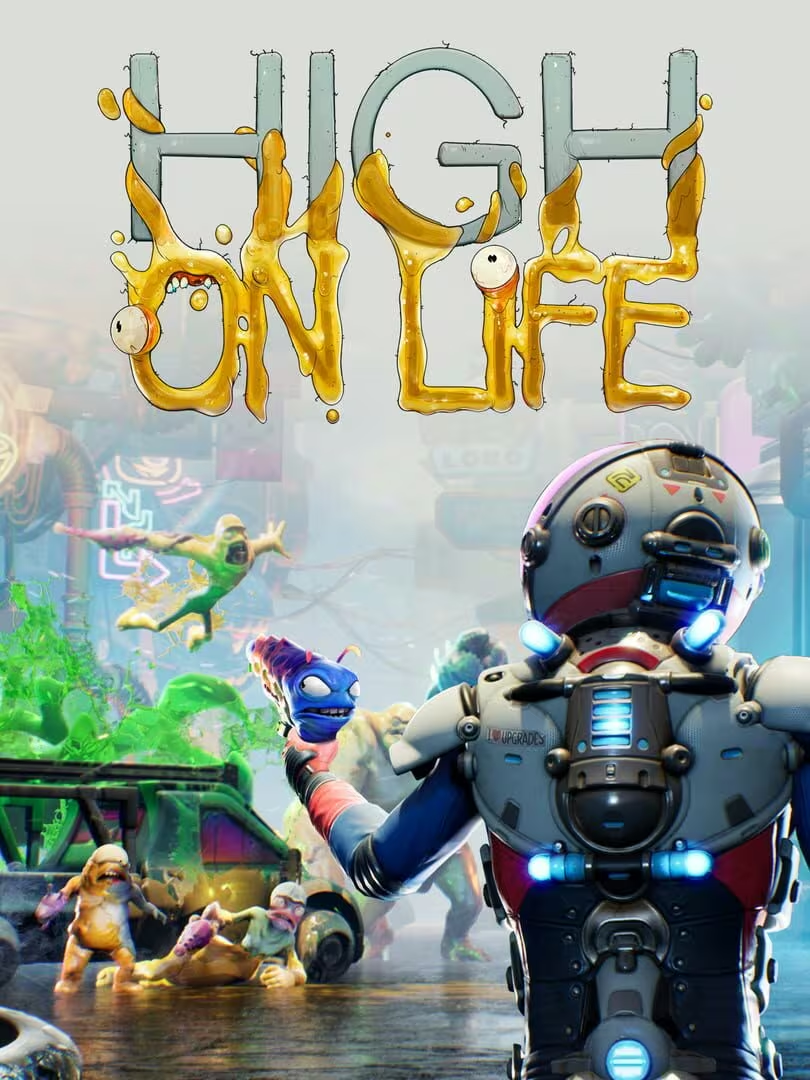 High On Life
"No leadership or group management elements."
-
Progression
Game with the same Progression vibe
3"Progression through story chapters and puzzle completion; some item collection and usage."
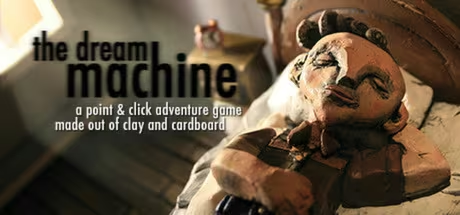 The Dream Machine: Chapter 1 & 2
"Progression through story chapters, item collection, and puzzle completion."
-
Relaxation
Game with the same Relaxation vibe
4"Calm, atmospheric pacing encourages relaxation and immersion."
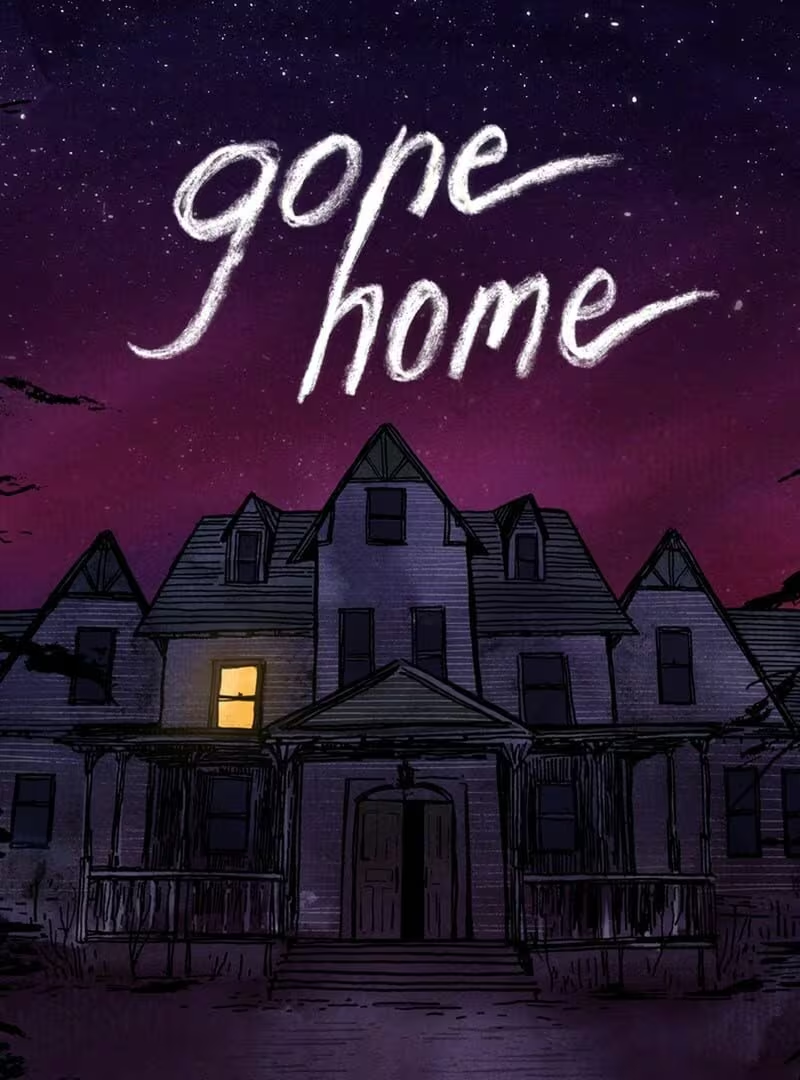 Gone Home
"Calm, melancholic atmosphere and pacing promote relaxation and immersion."
-
Sensation
Game with the same Sensation vibe
3"Strong atmospheric audio and visual design provide emotional and sensory engagement."
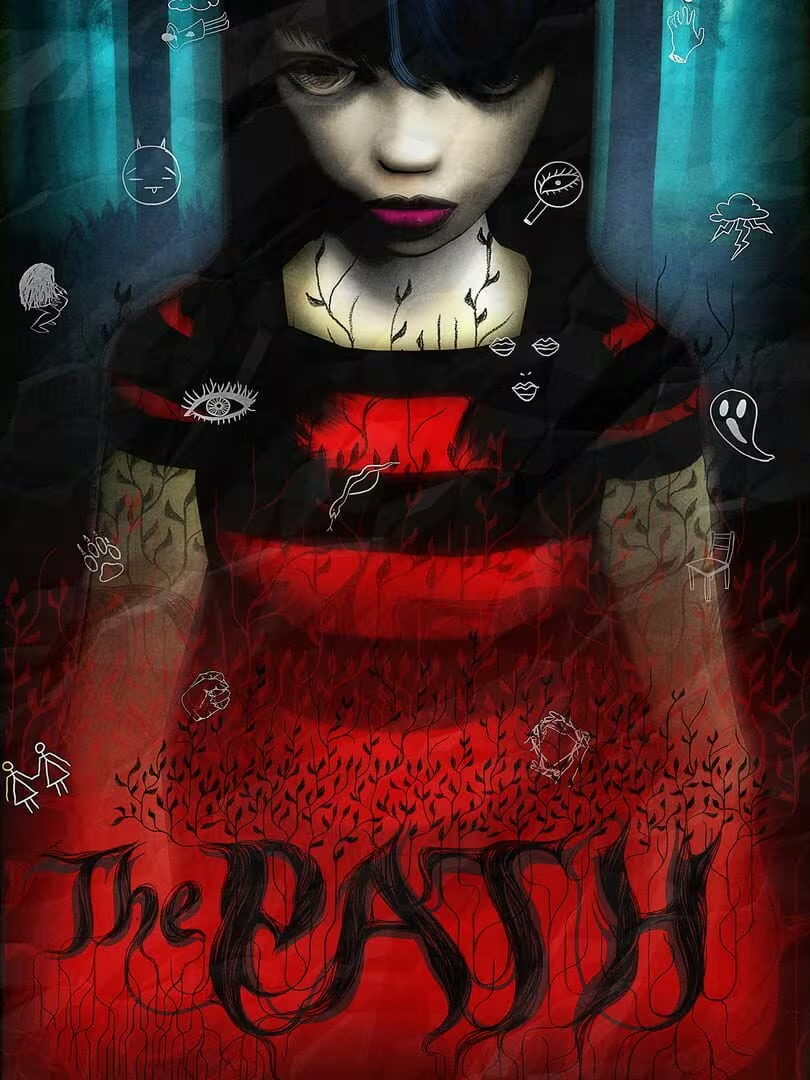 The Path
"Atmospheric audio and visual design provide sensory engagement, though subdued and dark."
-
Status
Game with the same Status vibe
-5"No social recognition or status systems."
 Alan Wake
"No social recognition or status systems."
-
Story
Game with the same Story vibe
5"Strong narrative focus with immersive storytelling, voice acting, and lore exploration."
 Republique
"Strong narrative focus with immersive storytelling and voice narration."
-
Strategy
Game with the same Strategy vibe
2"Puzzle solving requires logical thinking and planning, though not highly complex."
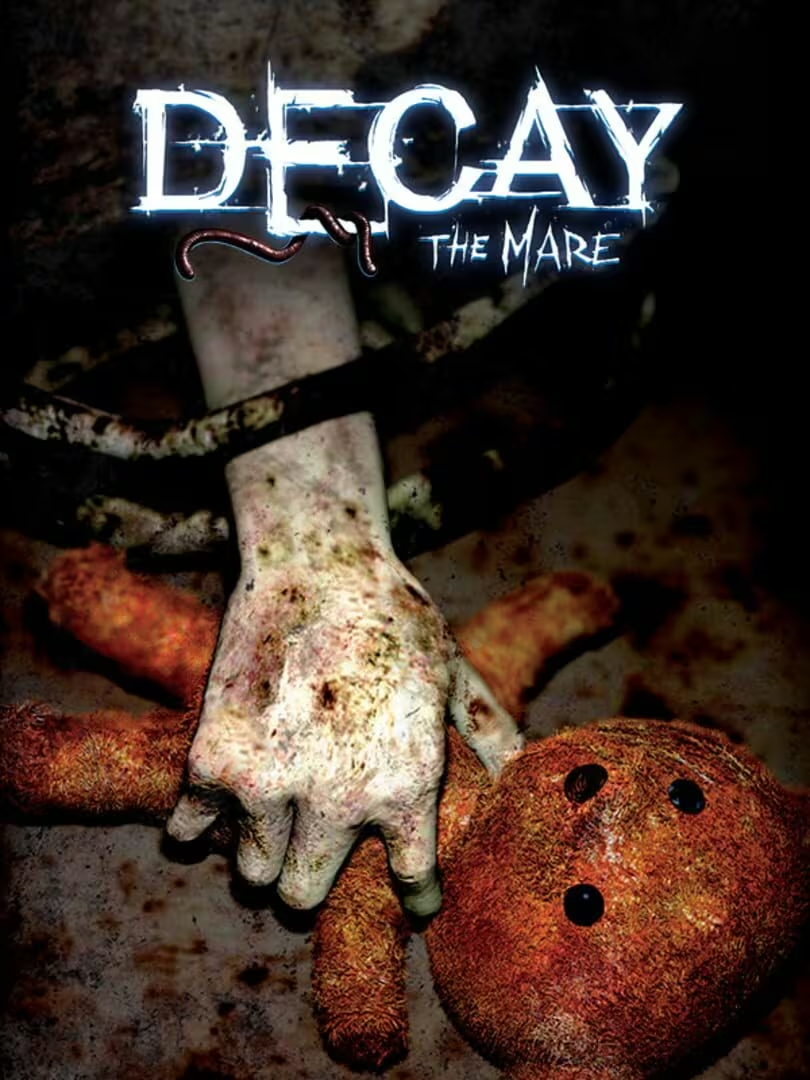 Decay: The Mare
"Puzzle solving requires some planning and logical thinking, but not complex strategy."
-
Thrill
Game with the same Thrill vibe
-2"Atmosphere is more surreal and eerie than suspenseful or thrilling; low risk and tension."
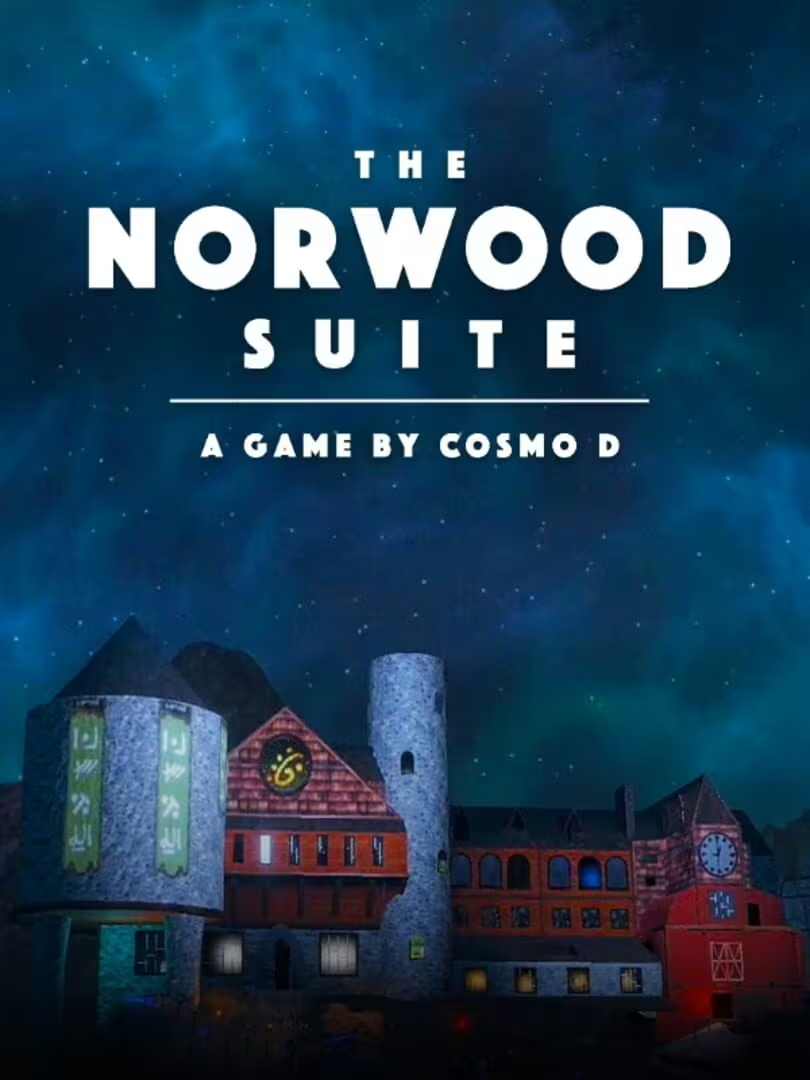 The Norwood Suite
"Atmosphere is moody and eerie but lacks high suspense or risk elements."
-
Value
Game with the same Value vibe
4"Good value for price with several hours of gameplay and engaging story."
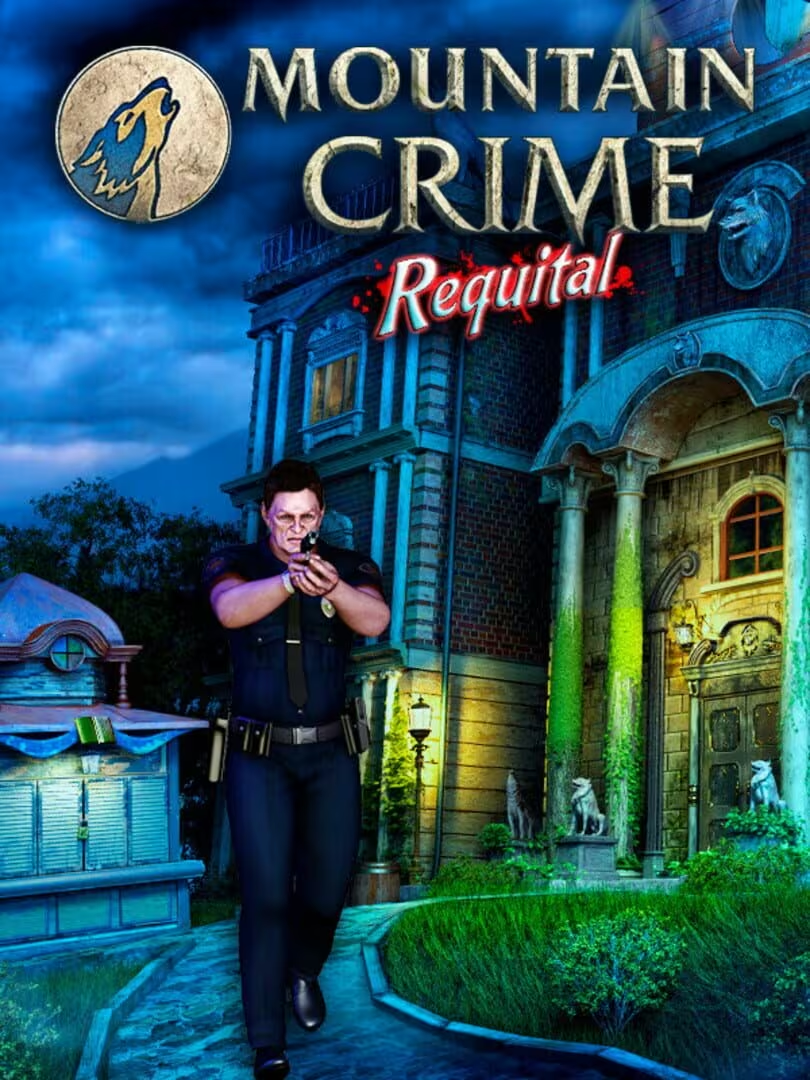 Mountain Crime: Requital
"Good value for price with several hours of gameplay and rich story content."
-
Violence
Game with the same Violence vibe
-5"No violent or destructive gameplay; focus on exploration and puzzle solving."
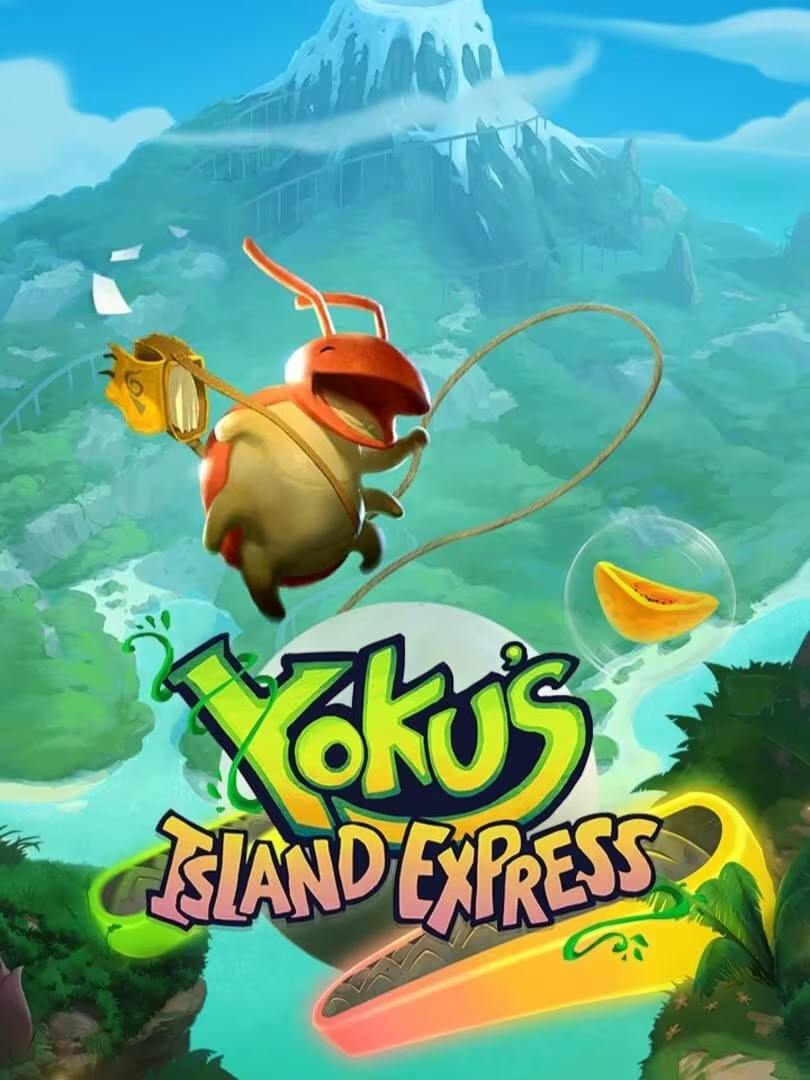 Yoku's Island Express
"No violent gameplay; focus on exploration and puzzle solving."
-
Survival
Game with the same Survival vibe
-5"No survival or threat avoidance mechanics."
 To the Moon
"No survival or threat avoidance mechanics."
Last update: 01/06/2026