Gone Home similar games & best alternatives
Should you play it?
June 7th, 1995. 1:15 AM. You arrive home after a year abroad. You expect your family to greet you, but the house is empty. Something's not right. Where is everyone? And what's happened here? Unravel the mystery for yourself in Gone Home, a story exploration game from The Fullbright Company.
What works
- Immersive narrative and atmosphere
- Emotional and relatable story
- Detailed 1990s setting and nostalgia
- Strong voice acting and sound design
- Freedom to explore at own pace
Things to keep in mind
- Short playtime (~2-3 hours)
- Limited gameplay mechanics
- Low replay value
- Price considered high by some
- Linear story with limited player expression
What to play next
Similar games, hidden gems, and fresh directions from this game.
Top picks
Games that feel the closest overall
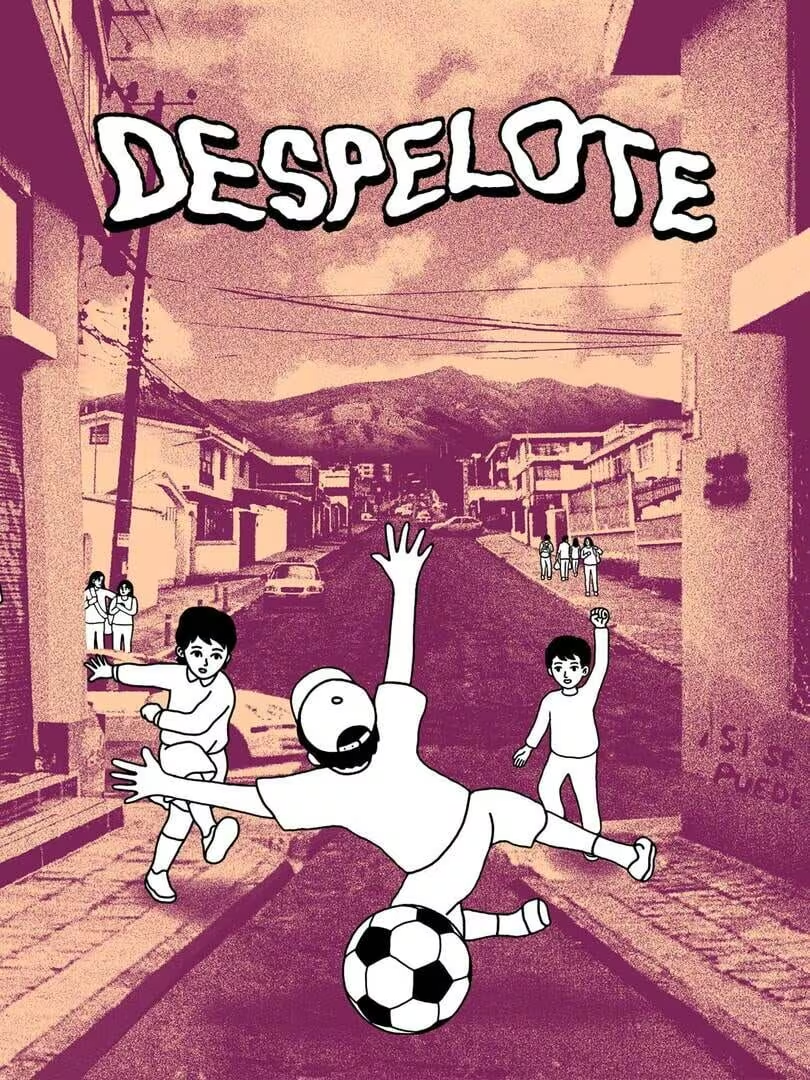
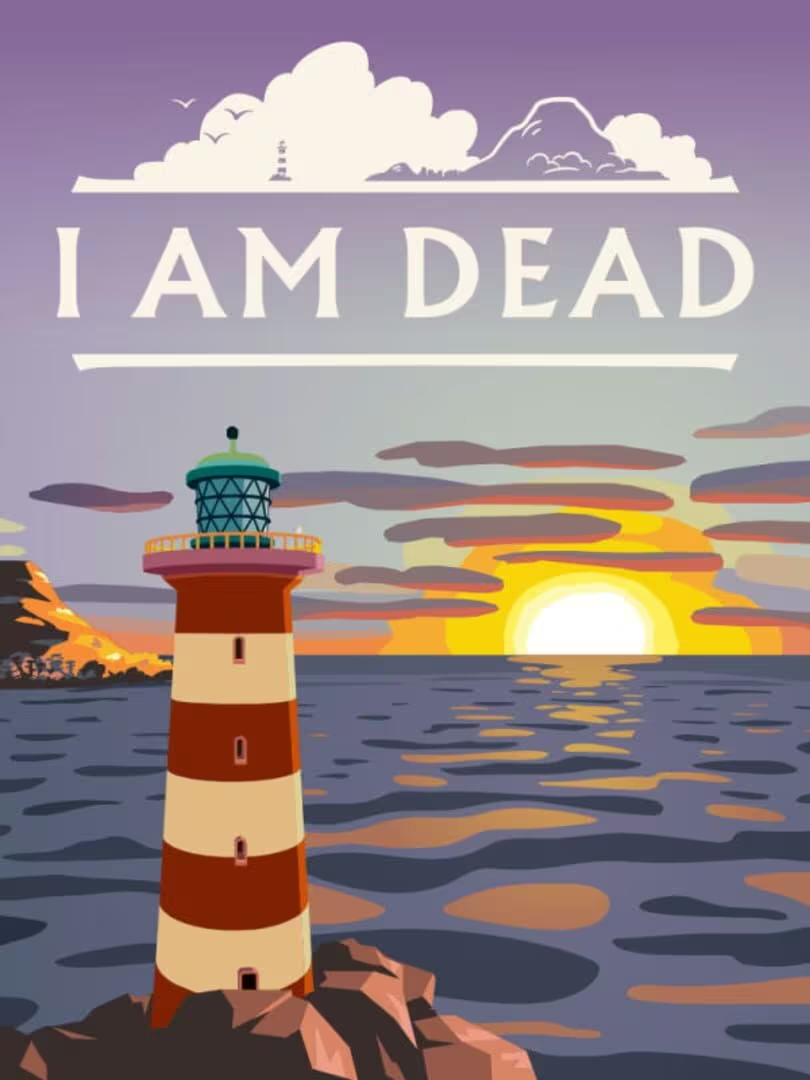

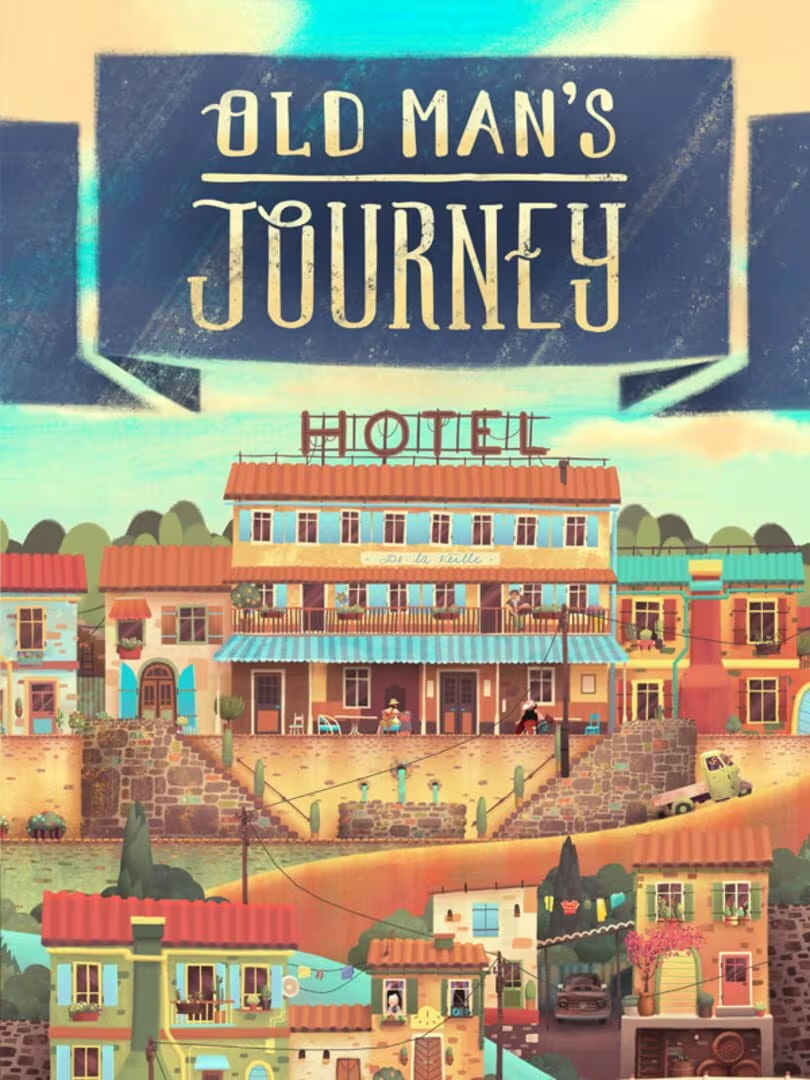
Hidden Gems
Less popular games with surprisingly high similarity
If you liked…
Recommendations by what you enjoyed most
Similarity map
Explore nearby similar games and see why they’re close.
Gone Home: Less representative of its motivational profile, with noticeable differences. Motivations that often define this kind of title include Survival, Violence, Competition, Thrill. Here, the score leans higher than usual among comparable games on Intimacy. It leans lower than usual among comparable games on Fantasy, Continuation.
Why this game works
A motivational profile of the game, with the closest similar game for each player motivation.
-
Autonomy
Game with the same Autonomy vibe
4"Players freely explore the manor, choose how to approach puzzles, and decide which clues to investigate next, indicating a strong sense of control over actions."
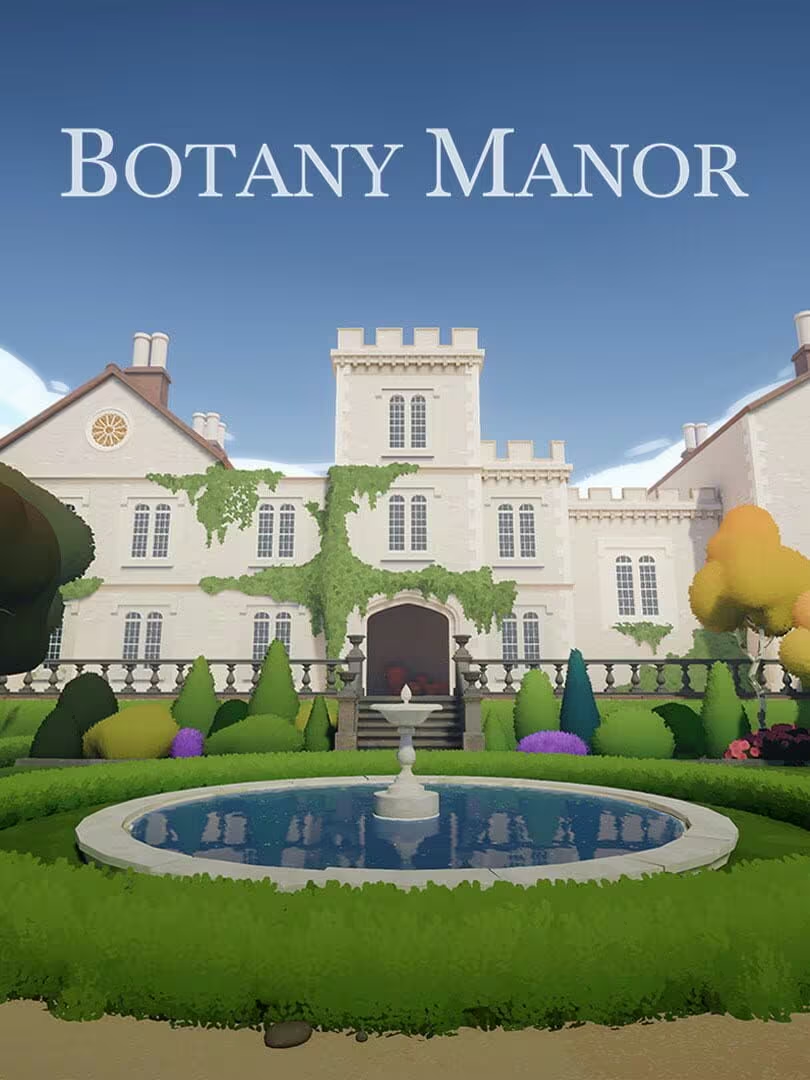 Botany Manor
"Players freely explore the house at their own pace, deciding which objects to examine and how deeply to investigate the story."
-
Competence
Game with the same Competence vibe
-1"Gameplay involves simple puzzles and exploration with minimal skill or challenge."
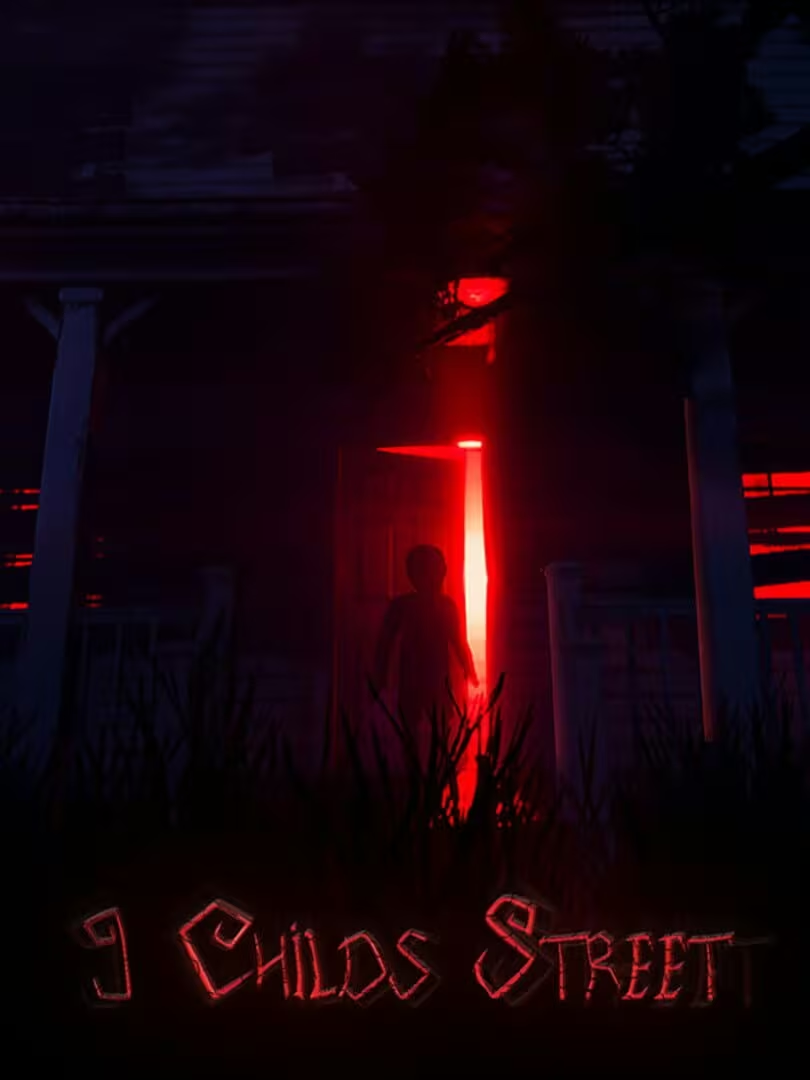 9 Childs Street
"Gameplay involves simple exploration and minimal puzzle solving, with no significant skill challenges."
-
Competition
Game with the same Competition vibe
-5"No competitive elements; focus is on personal narrative experience without comparison to others."
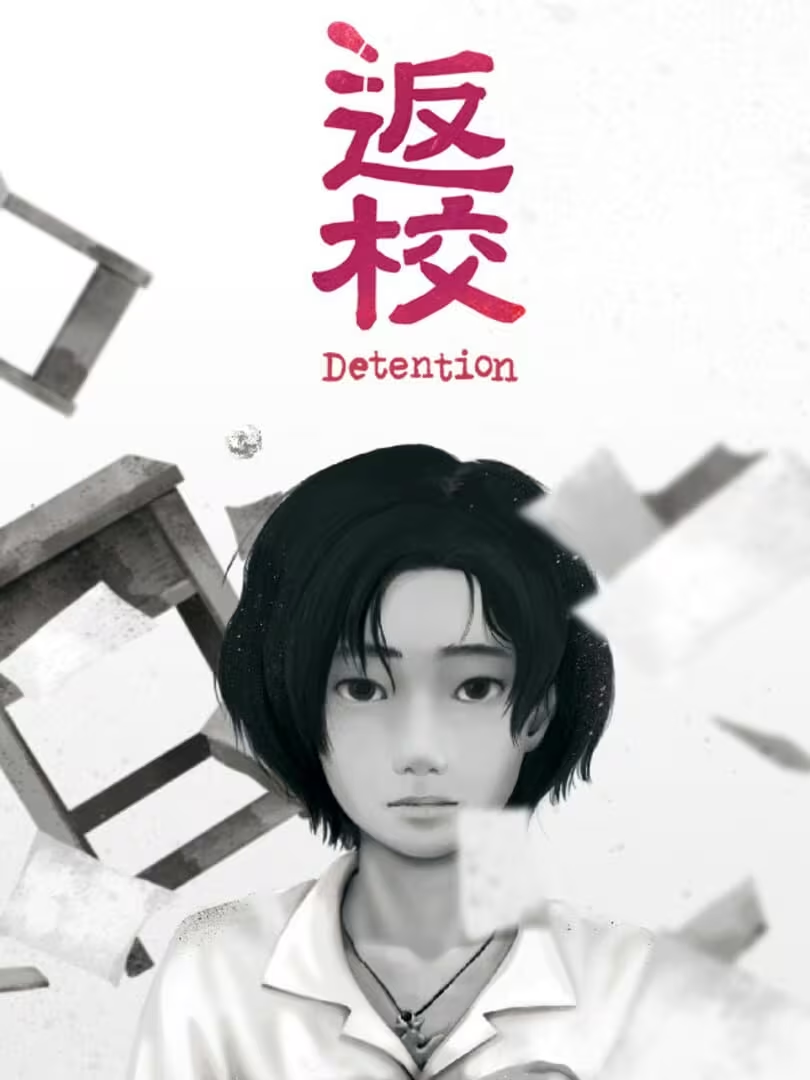 Detention
"No competitive elements; focus is on personal narrative experience without comparison to others."
-
Continuation
Game with the same Continuation vibe
-3"Short game (~4-6 hours) with little replay value; players tend to complete it once and move on."
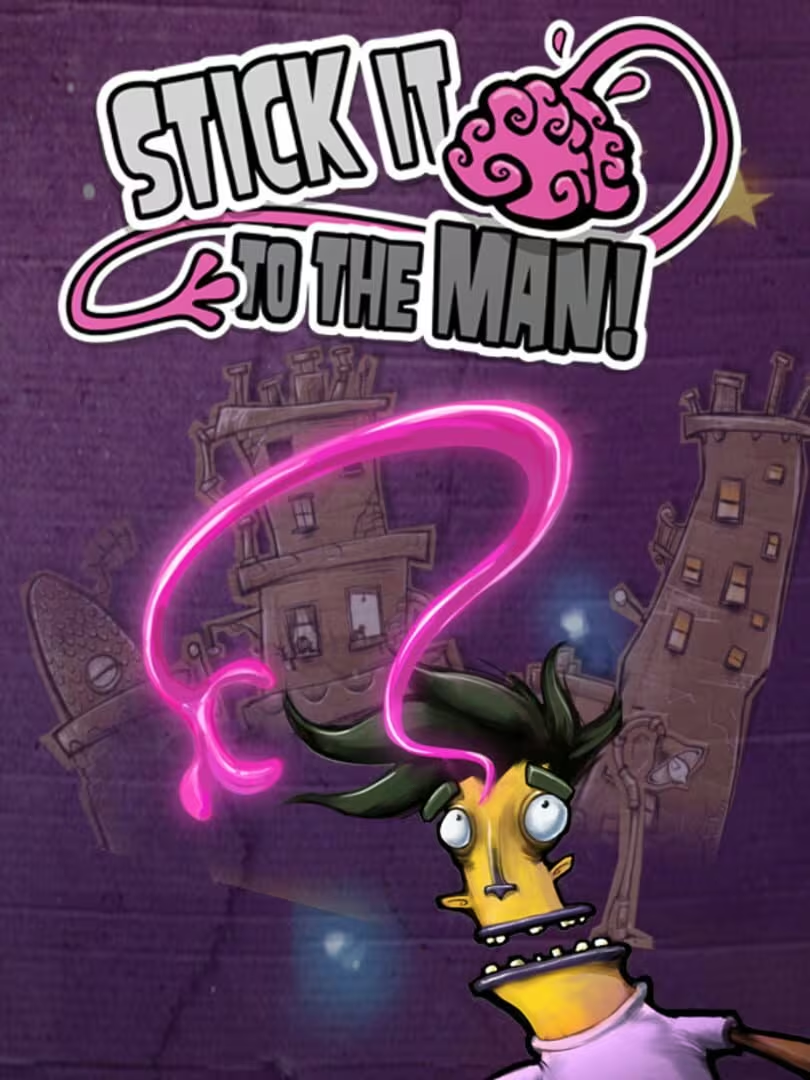 Stick it to The Man!
"Short game length (~2-3 hours) with low replay value; players tend to finish once and move on."
-
Cooperation
Game with the same Cooperation vibe
-5"Single-player experience focused on individual exploration and story progression."
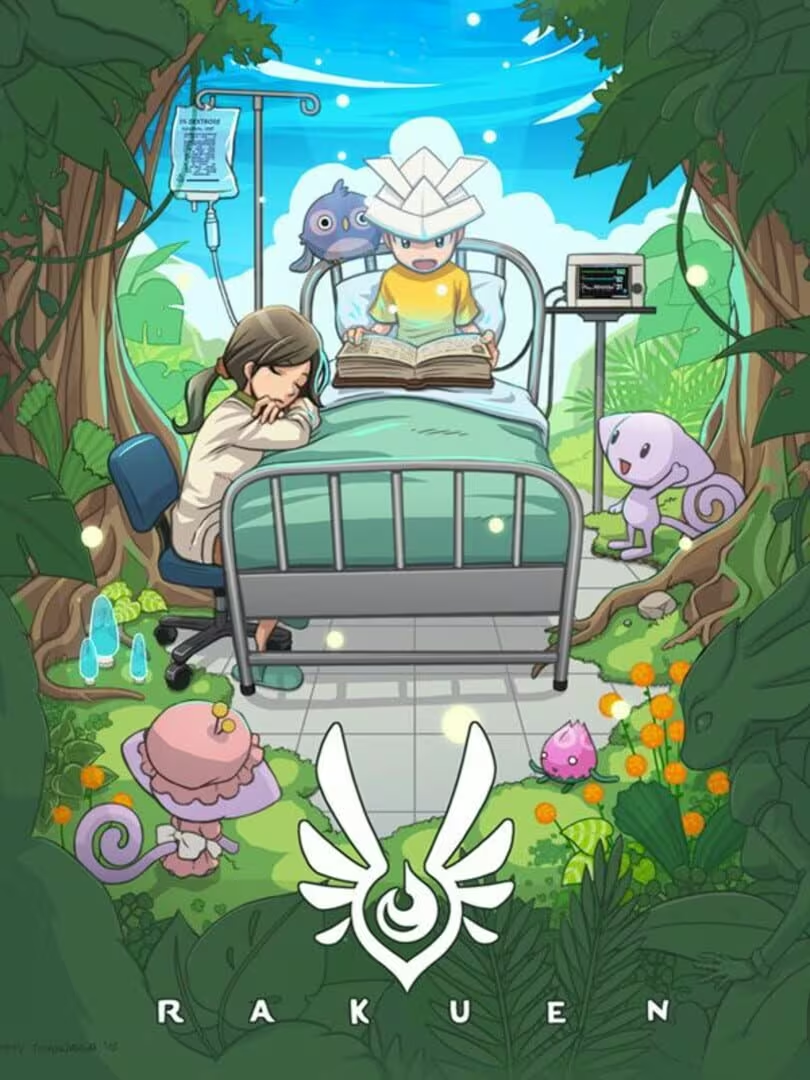 Rakuen
"Single-player experience focused on individual exploration and story discovery."
-
Creativity
Game with the same Creativity vibe
2"Players interact with and examine many objects, but mostly within predefined story and puzzle structures."
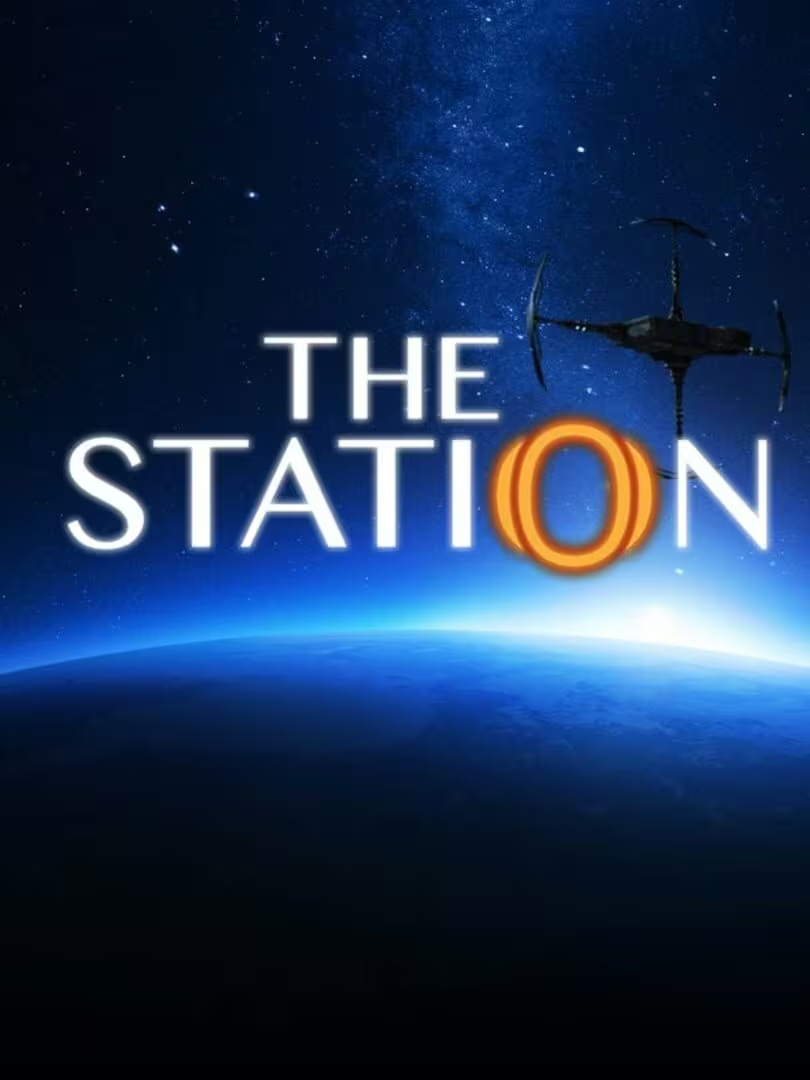 The Station
"Players can interact with and examine many objects, piecing together the story creatively, but no building or modifying."
-
Domination
Game with the same Domination vibe
-5"No social dominance or power dynamics; experience is solitary and respectful."
 Half-Life: A Place in the West
"No social dominance or power dynamics; experience is solitary and respectful."
-
Escapism
Game with the same Escapism vibe
3"Strong narrative and immersive atmosphere provide emotional escape from real life."
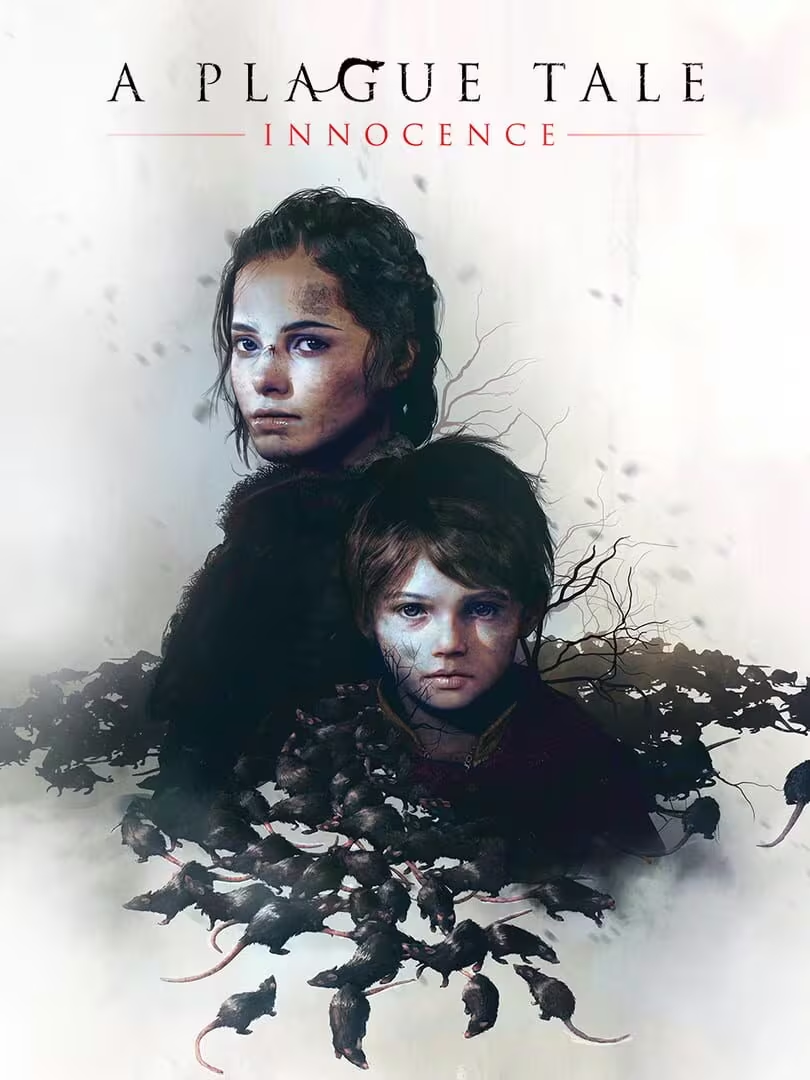 A Plague Tale: Innocence
"Immersive narrative and atmosphere provide an emotional escape from real life."
-
Expectation
Game with the same Expectation vibe
-4"Players engage voluntarily out of personal interest and intrinsic motivation for story and exploration."
 Rosewater
"Players engage voluntarily out of personal interest in story and exploration."
-
Experimenting
Game with the same Experimenting vibe
2"Non-linear exploration encourages trying different paths and piecing story elements together."
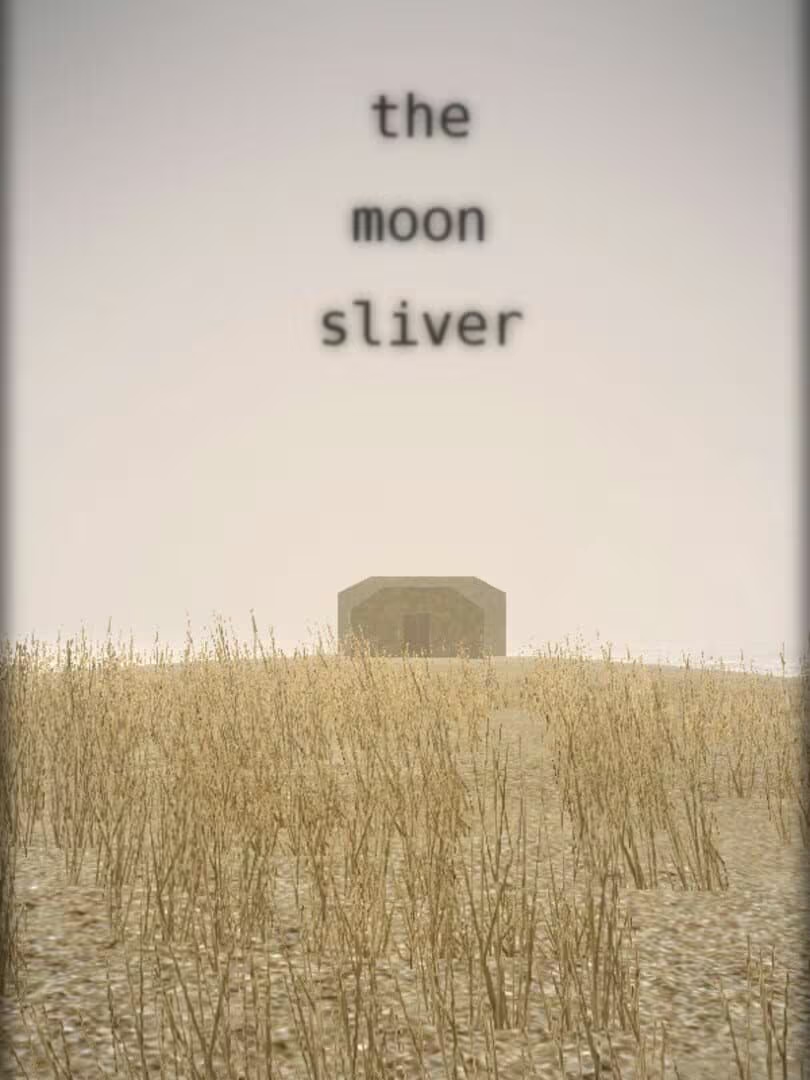 The Moon Sliver
"Encourages exploration and discovery of story elements in non-linear ways."
-
Exploration
Game with the same Exploration vibe
5"Core gameplay revolves around exploring large, surreal environments and uncovering hidden areas and story elements."
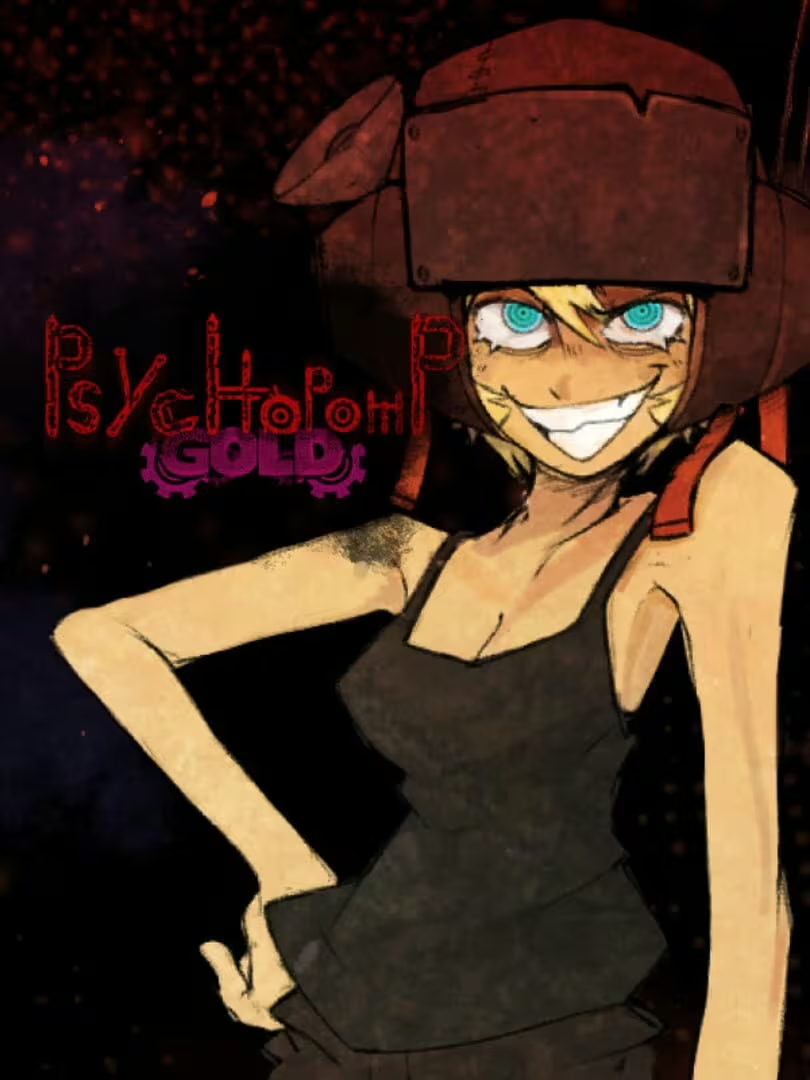 Psychopomp GOLD
"Core gameplay is exploring a large house and uncovering hidden story elements."
-
Expression
Game with the same Expression vibe
-3"Limited customization or personalization options; players mainly experience a fixed narrative and environment."
 Title_Pending
"Limited customization; players experience a fixed narrative and environment."
-
Fantasy
Game with the same Fantasy vibe
-4"Grounded in realistic, dramatic scenarios without fantasy or sci-fi elements."
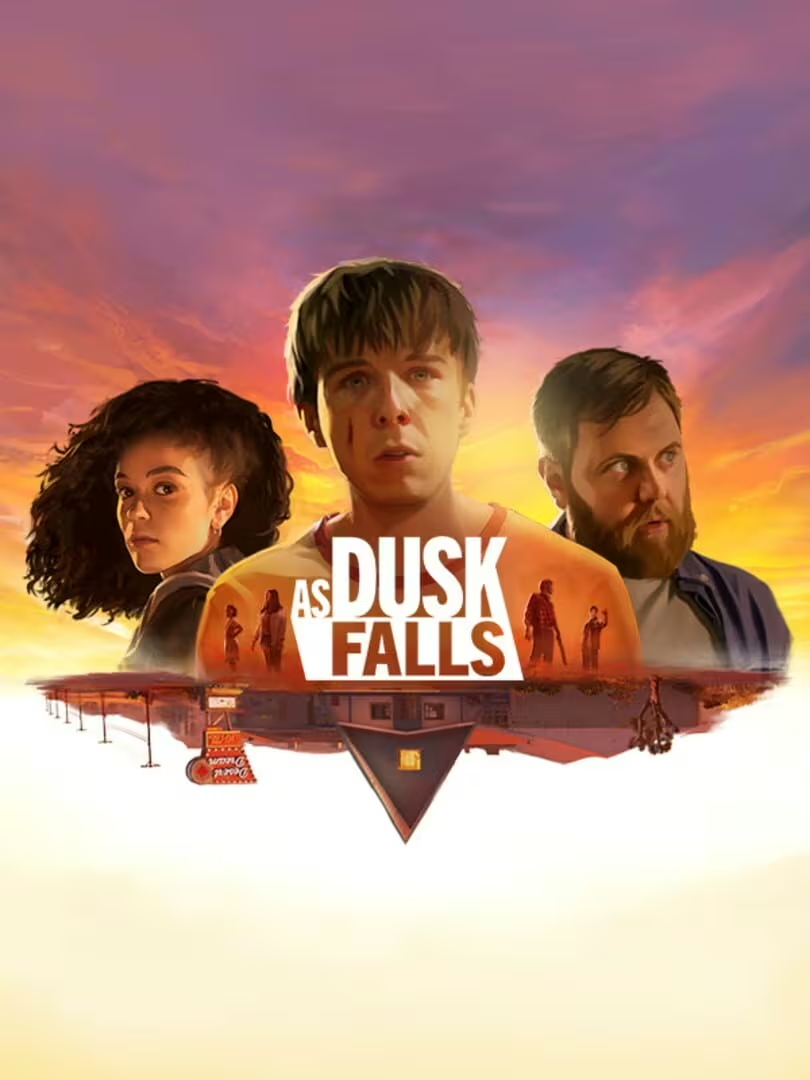 As Dusk Falls
"Grounded in realistic 1990s setting and family drama without supernatural elements."
-
Fellowship
Game with the same Fellowship vibe
-5"Solo experience with minimal social interaction or community involvement."
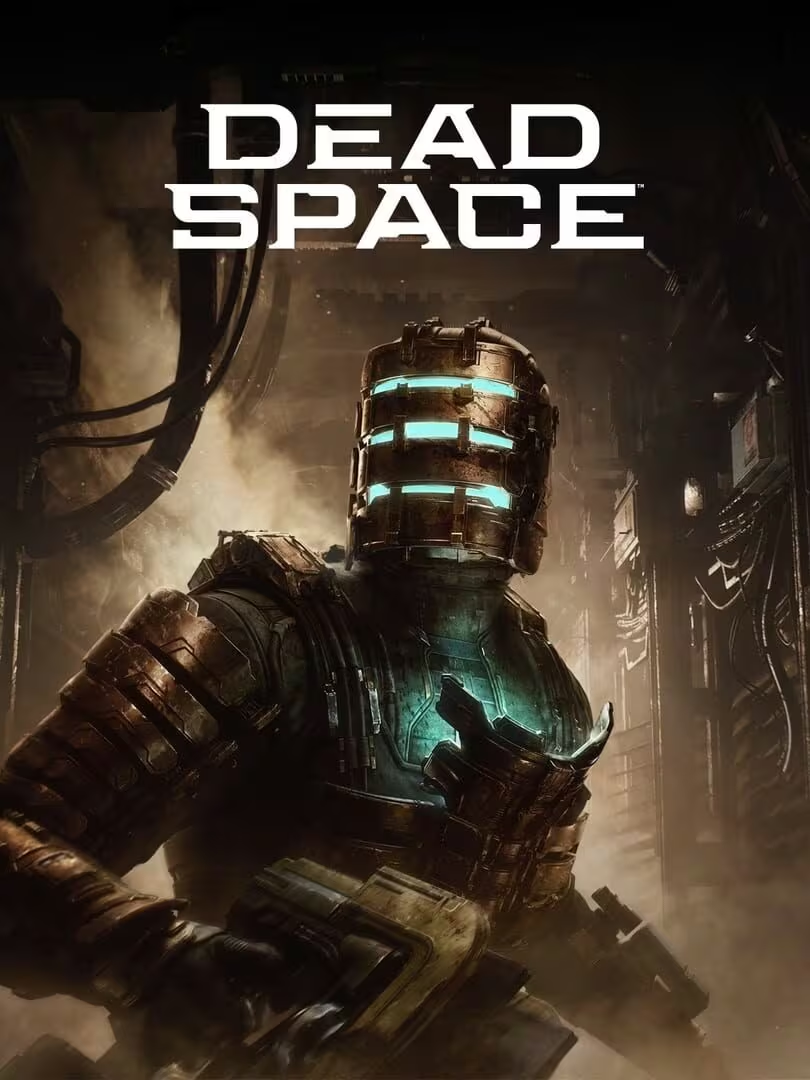 Dead Space
"Solo experience with minimal social interaction or community involvement."
-
Growth
Game with the same Growth vibe
3"Players learn about characters, story, and world; develop understanding through choices and exploration."
Rosewater
"Players learn about characters and story through exploration and interpretation."
-
Health
Game with the same Health vibe
-5"Sedentary gameplay with no physical activity involved."
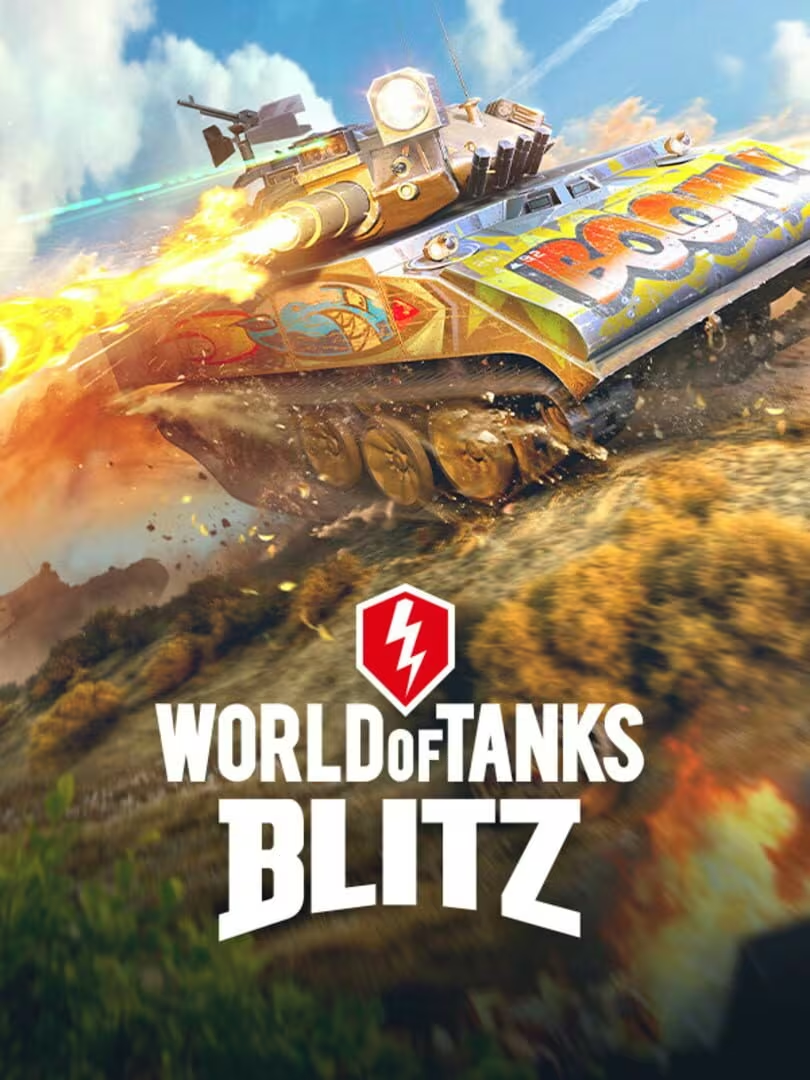 World of Tanks Blitz
"Sedentary gameplay with no physical activity involved."
-
Idle
Game with the same Idle vibe
-3"Requires focused attention during playthroughs; not designed for background or idle play."
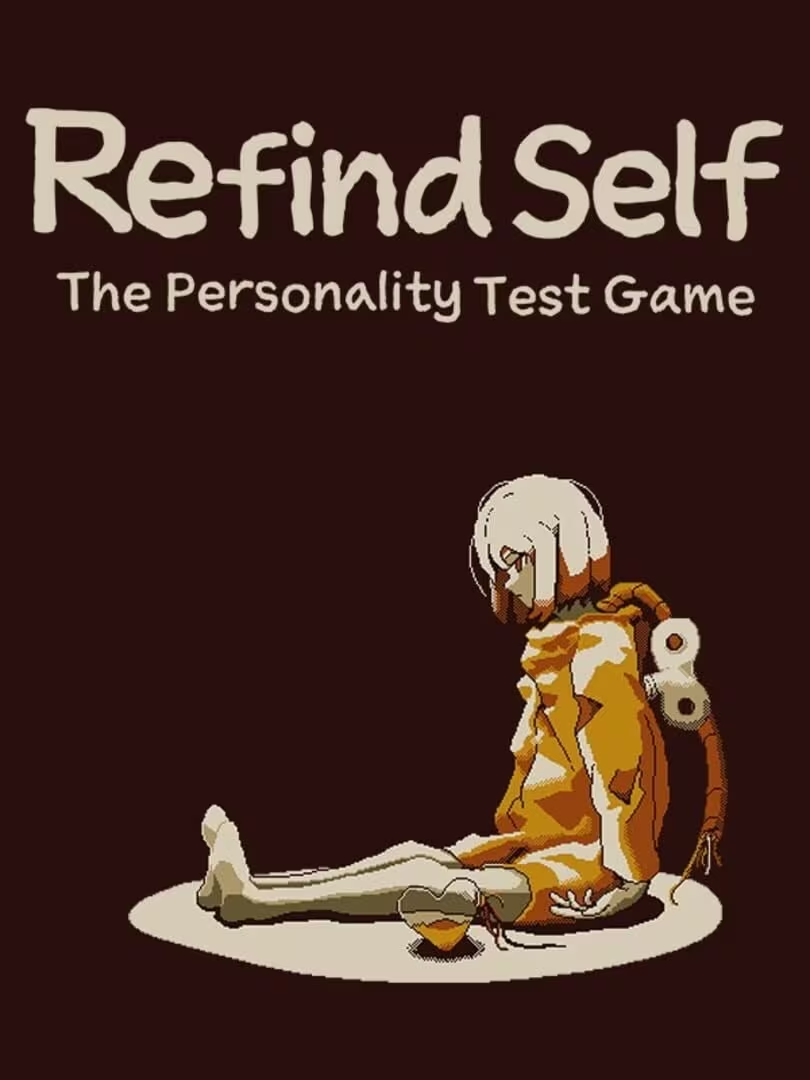 Refind Self: The Personality Test Game
"Requires focused attention during playthrough; not designed for casual or background play."
-
Intimacy
Game with the same Intimacy vibe
4"Emotional connection with characters and story fosters feelings of closeness and empathy."
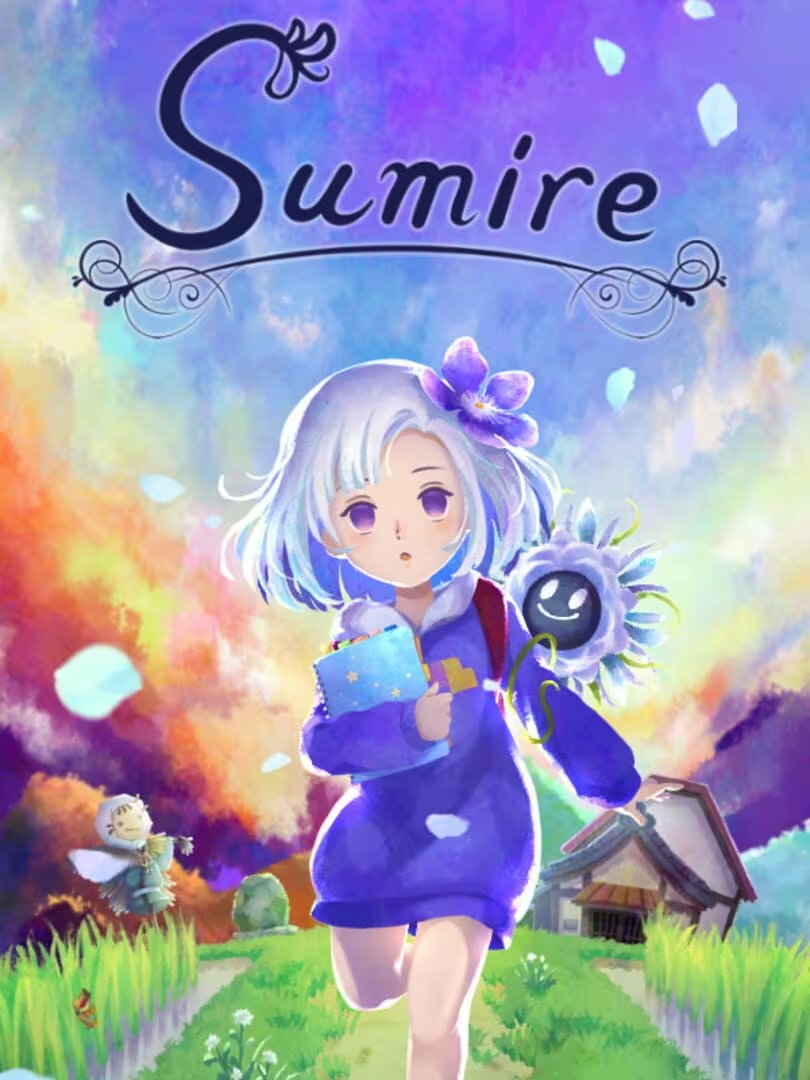 Sumire
"Emotional connection to characters and story fosters a sense of closeness and empathy."
-
Leadership
Game with the same Leadership vibe
-5"No leadership or group management elements; purely individual experience."
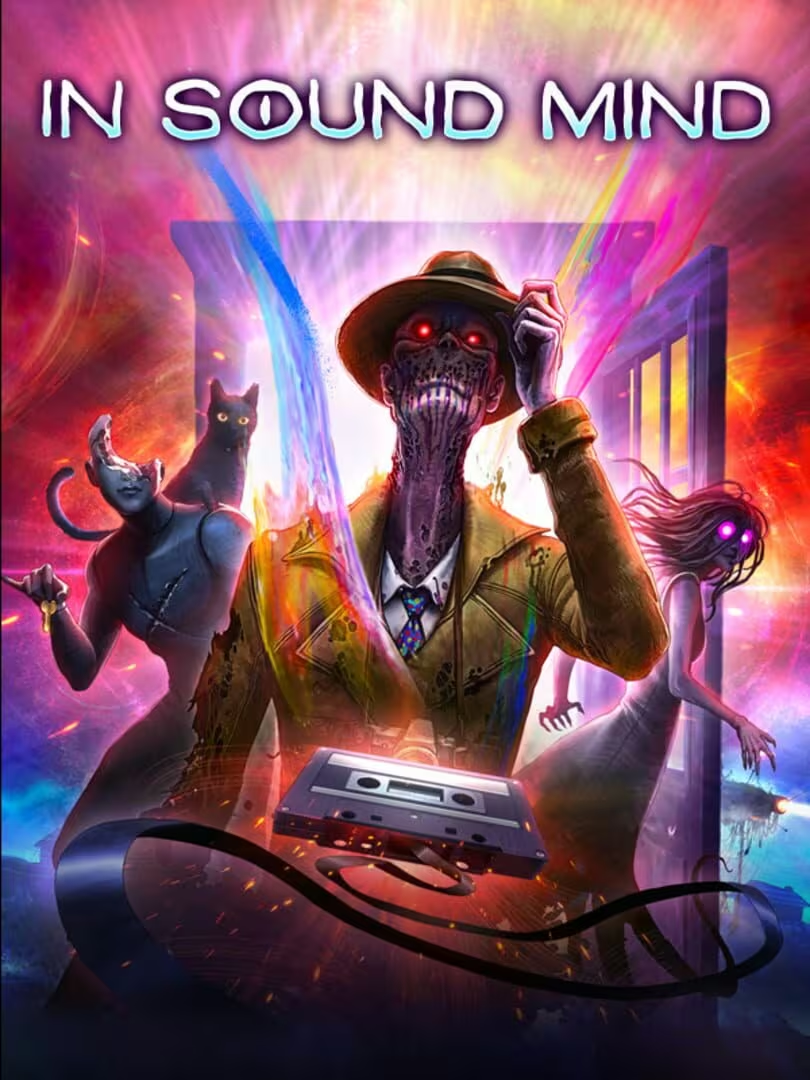 In Sound Mind
"No leadership or group management elements; purely individual experience."
-
Progression
Game with the same Progression vibe
3"Collecting items and completing puzzles to advance the story provides a sense of progression."
 Paranormal Activity: The Lost Soul
"Progression through story is achieved by collecting and interpreting items and notes."
-
Relaxation
Game with the same Relaxation vibe
4"Calm, melancholic atmosphere and pacing promote relaxation and immersion."
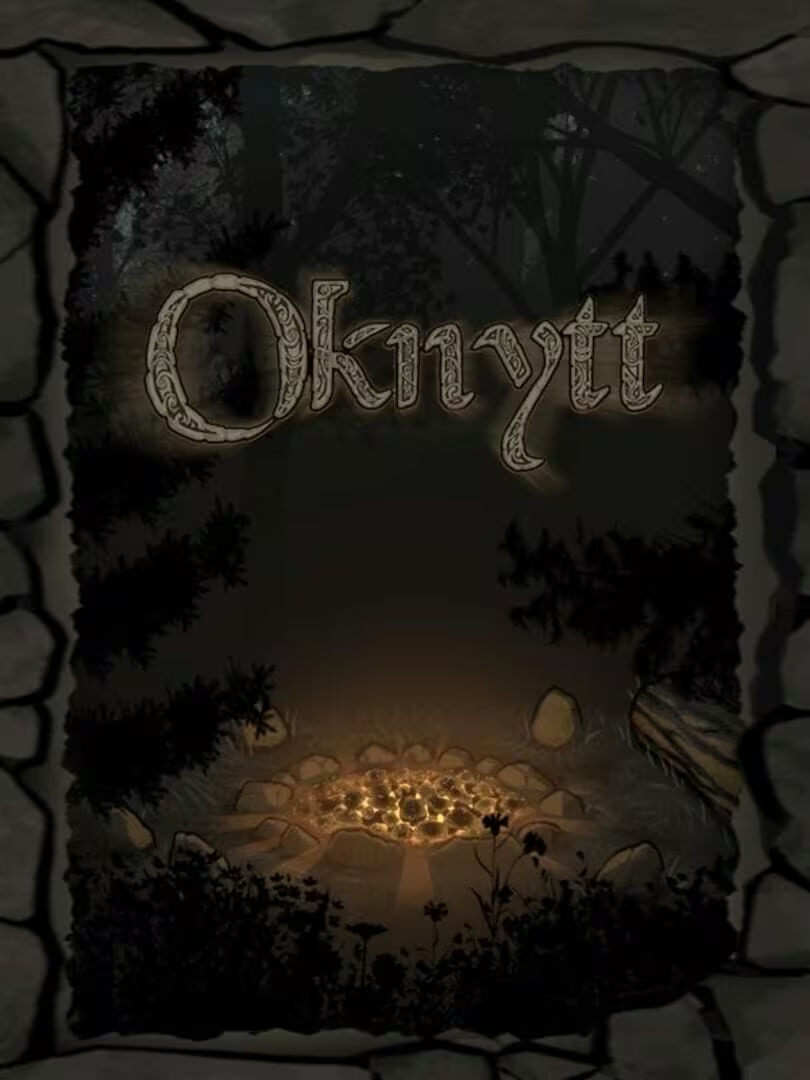 Oknytt
"Calm, atmospheric pacing encourages relaxation and immersion."
-
Sensation
Game with the same Sensation vibe
3"Engaging audio-visual style with nostalgic and eerie effects provide sensory stimulation."
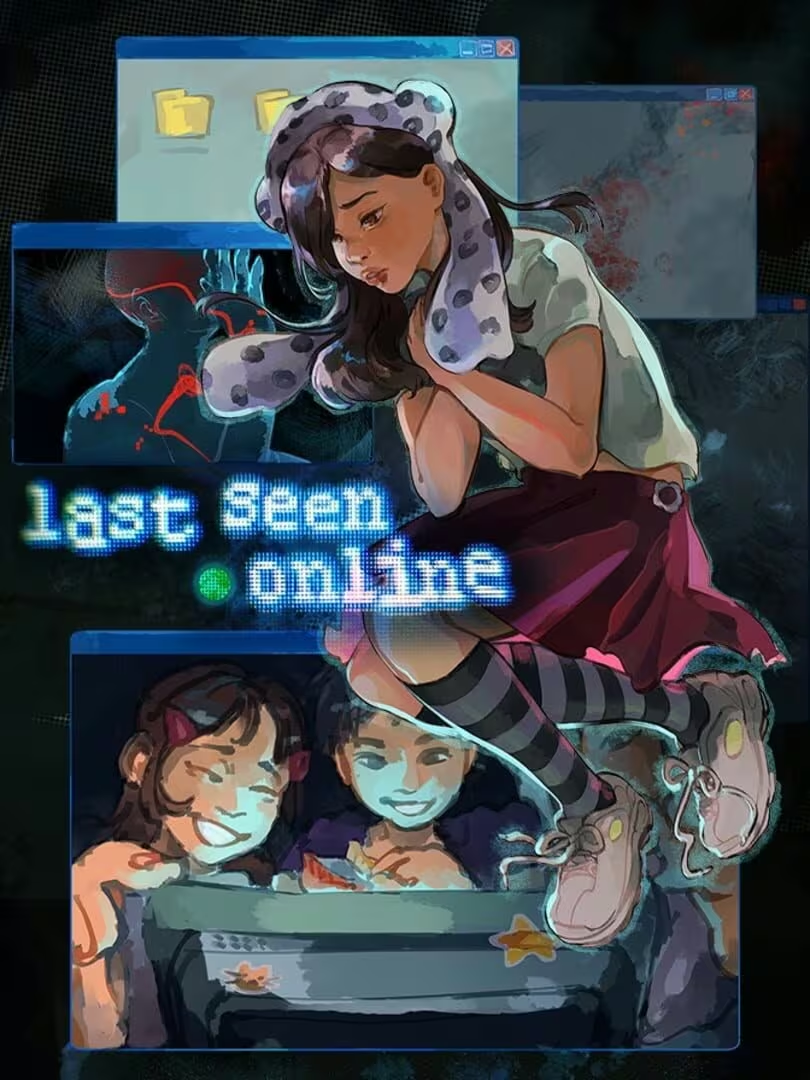 last seen online
"Strong audio and visual atmosphere with nostalgic 90s elements provide sensory engagement."
-
Status
Game with the same Status vibe
-5"No social status or recognition mechanics present."
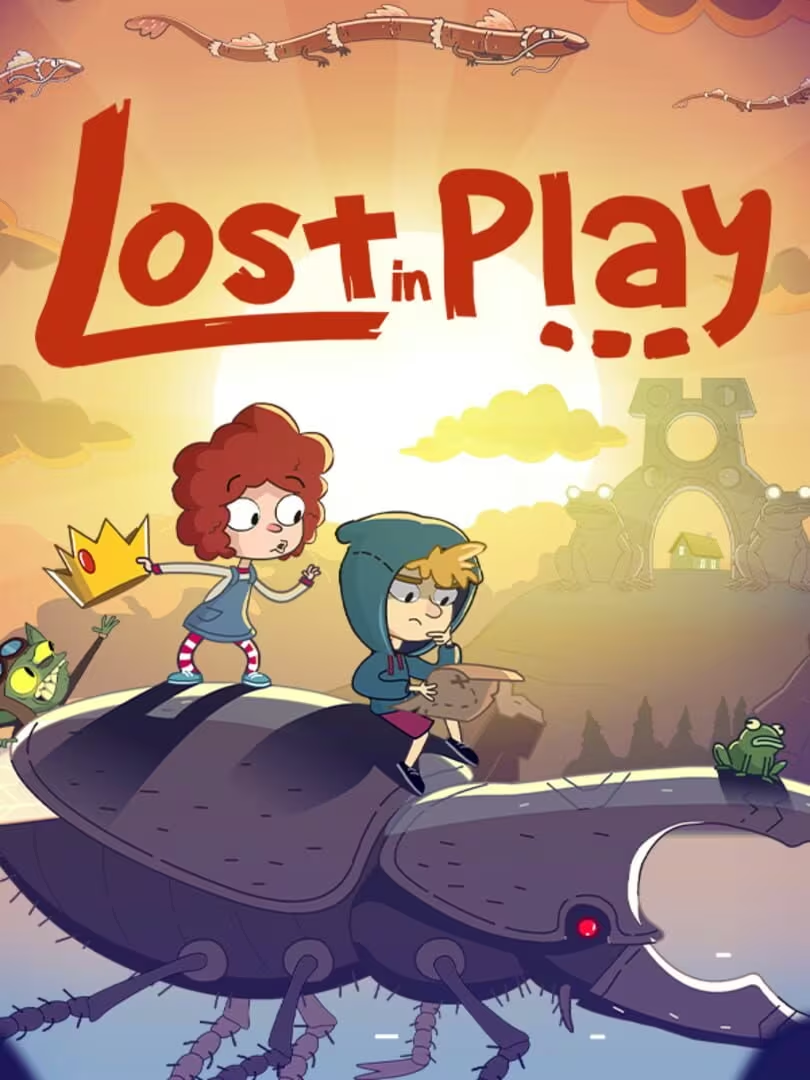 Lost in Play
"No social status or recognition mechanics present."
-
Story
Game with the same Story vibe
5"Narrative-driven game with deep emotional storytelling and character development."
 Hellblade: Senua's Sacrifice VR Edition
"Narrative-driven game with deep emotional storytelling and character development."
-
Strategy
Game with the same Strategy vibe
-3"Minimal strategic or problem-solving demands; mostly straightforward searching."
 100 March Cats
"Minimal strategic or problem-solving demands; mostly straightforward exploration."
-
Thrill
Game with the same Thrill vibe
1"Some suspenseful atmosphere but no high-risk or intense thrill elements."
 Tested on Humans: Escape Room
"Some suspenseful atmosphere but no real risk or intense thrills."
-
Value
Game with the same Value vibe
-2"Mixed player opinions on value; short length seen as too brief for full price, better on sale."
 Aozora Meikyuu
"Mixed player opinions on value due to short length and price; better on sale."
-
Violence
Game with the same Violence vibe
-5"No violence or combat; focus on peaceful exploration and story."
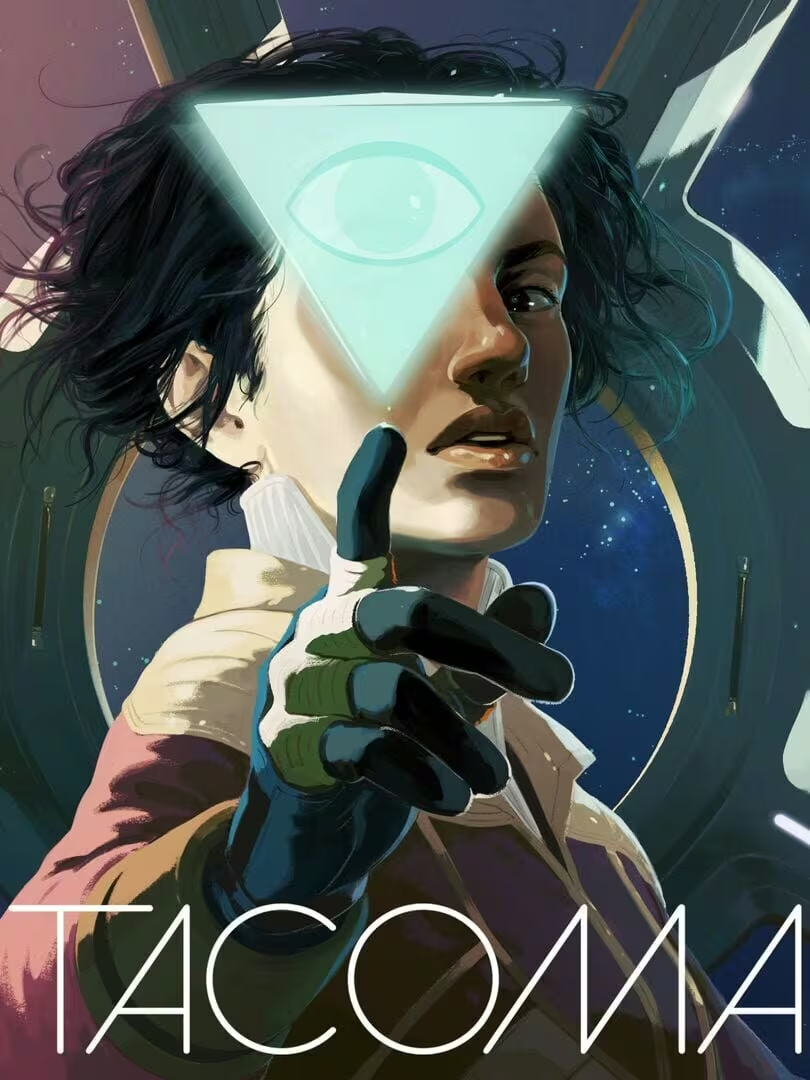 Tacoma
"No violence or combat; focus on peaceful exploration and story."
-
Survival
Game with the same Survival vibe
-5"No survival mechanics or threats; stable, safe environment."
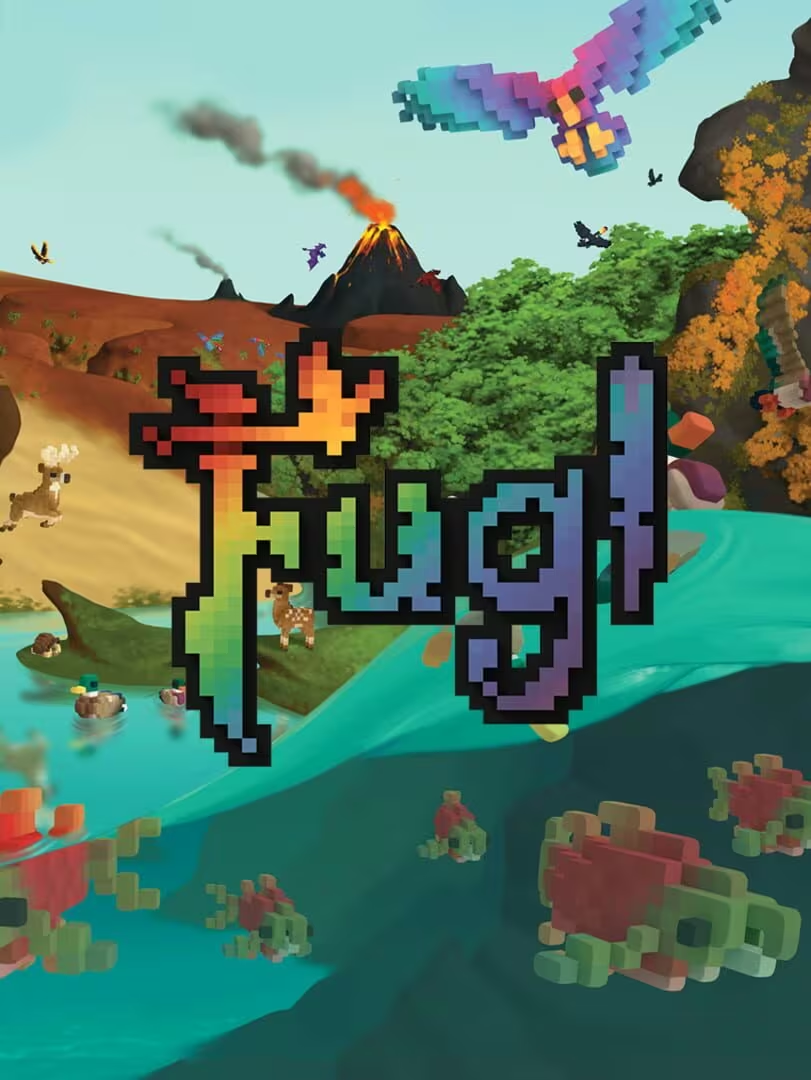 Fugl
Fugl
"No survival mechanics or threats; safe, stable environment."
Last update: 01/06/2026