Tacoma similar games & best alternatives
Should you play it?
Tacoma is a sci-fi narrative adventure from the creators of Gone Home. Set aboard a high-tech space station in the year 2088, explore every detail of how the station’s crew lived and worked, finding the clues that add up to a gripping story of trust, fear, and resolve in the face of disaster.
What works
- Innovative ar storytelling
- Immersive sci-fi atmosphere
- Well-written characters and narrative
- Detailed environment and worldbuilding
- Excellent voice acting
Things to keep in mind
- Short gameplay duration
- Limited replay value
- Minimal gameplay challenge
- Some players find price high for content
- Linear progression with little player impact
What to play next
Similar games, hidden gems, and fresh directions from this game.
Top picks
Games that feel the closest overall
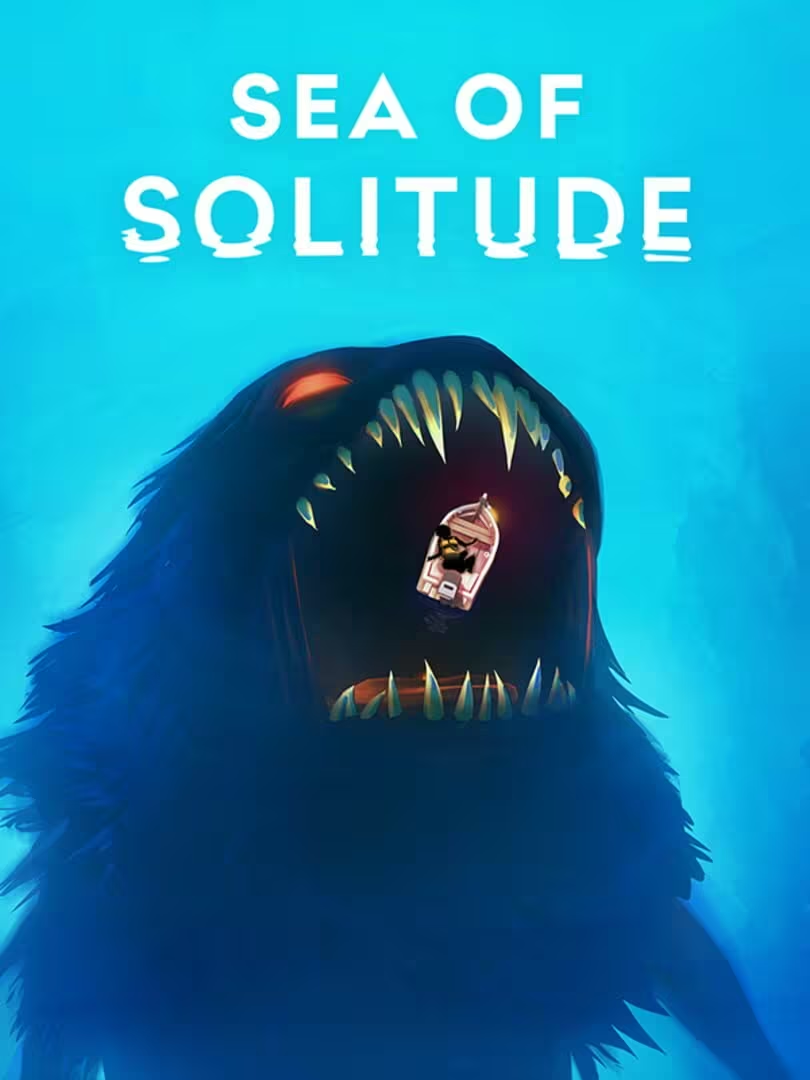
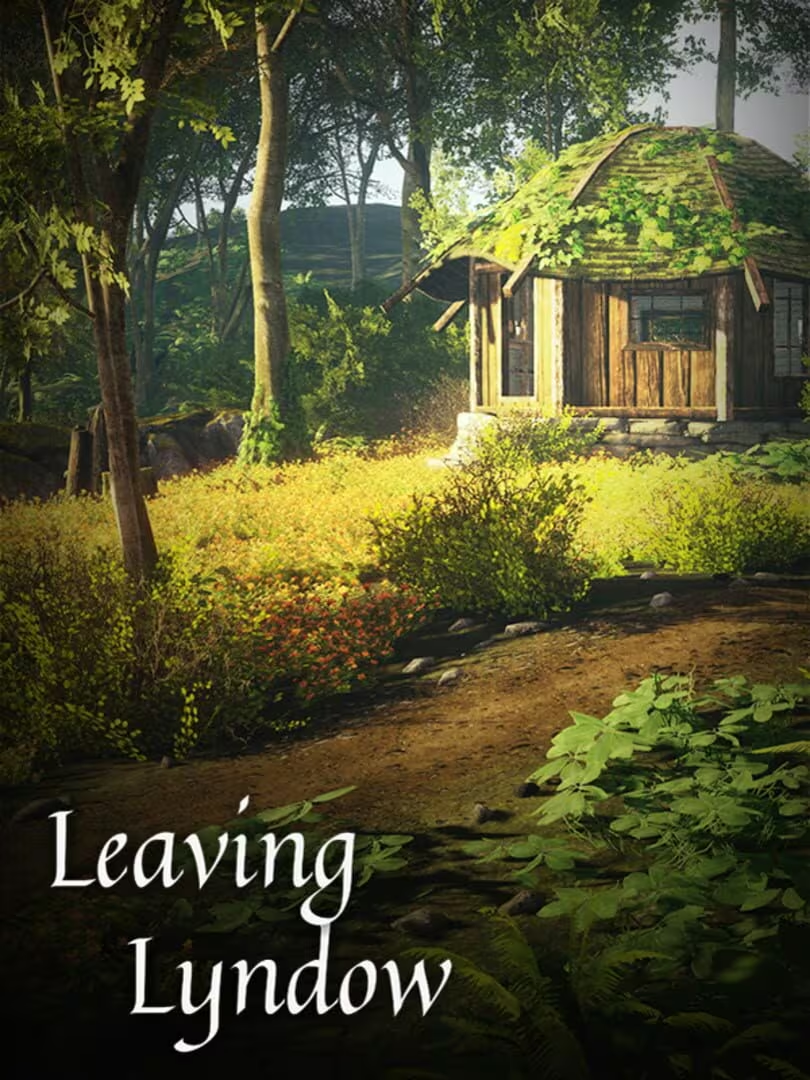

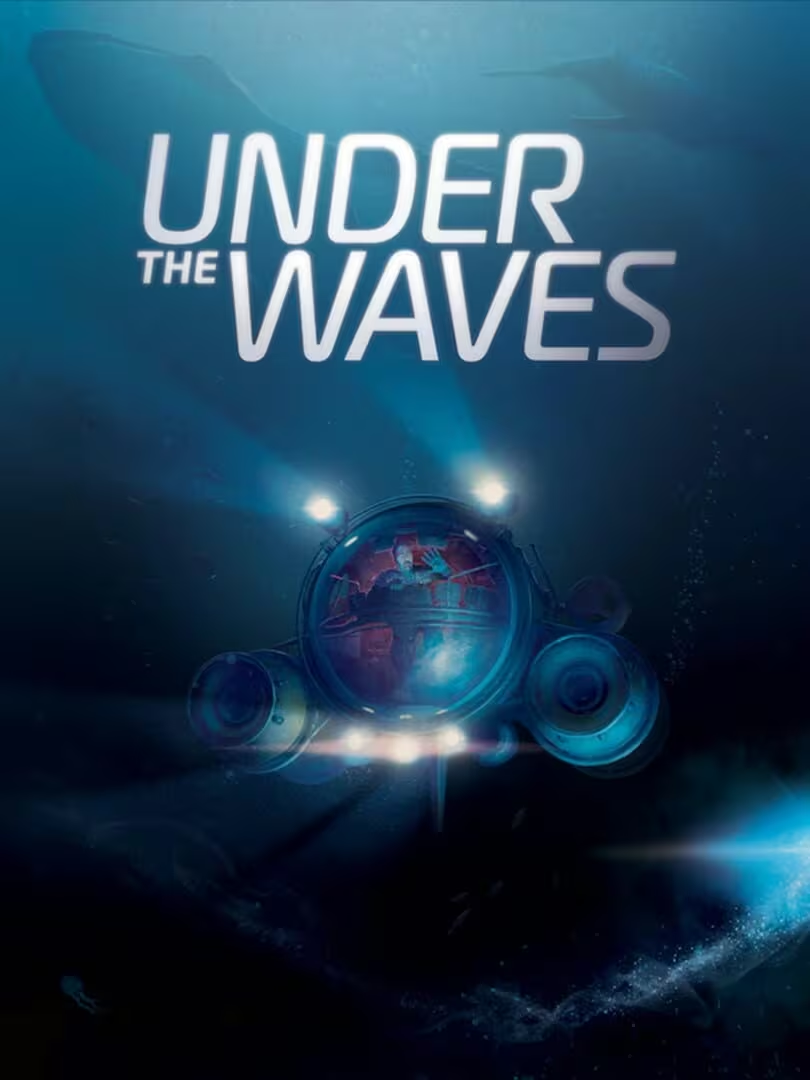
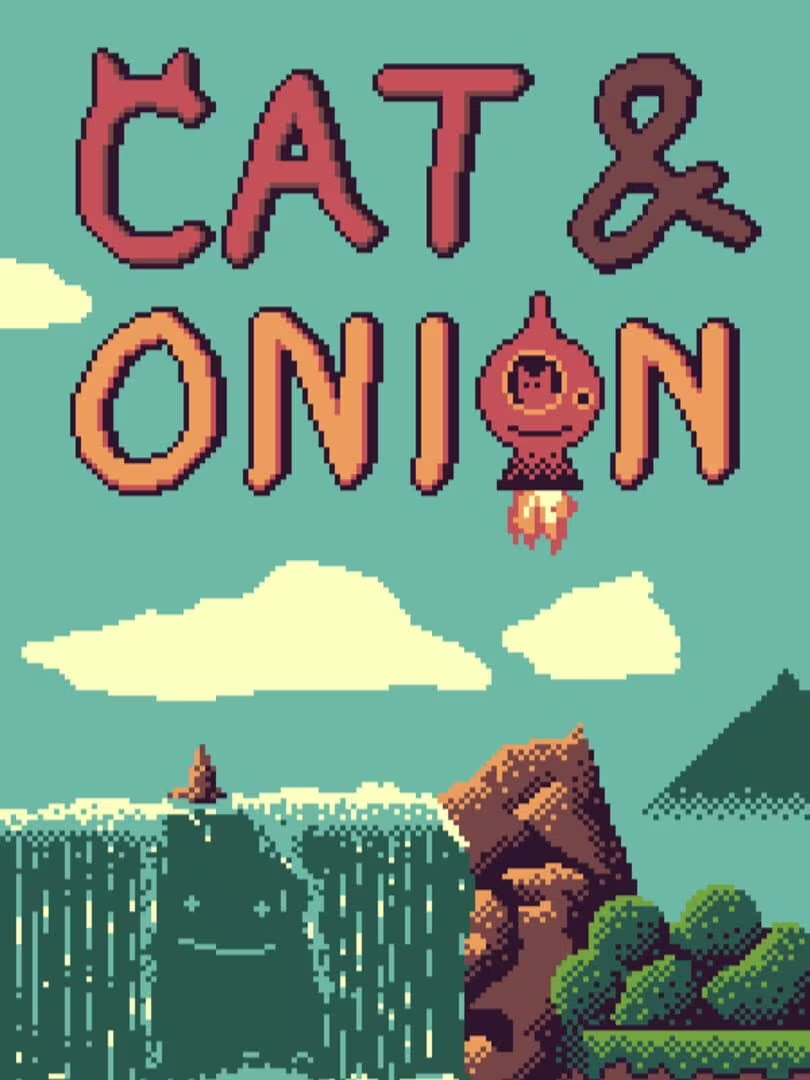

Hidden Gems
Less popular games with surprisingly high similarity
If you liked…
Recommendations by what you enjoyed most
Similarity map
Explore nearby similar games and see why they’re close.
Tacoma: Less representative of its motivational profile, with noticeable differences. Motivations that often define this kind of title include Survival, Violence, Competition, Thrill. Here, the score leans higher than usual among comparable games on Intimacy. It leans lower than usual among comparable games on Continuation, Value.
Why this game works
A motivational profile of the game, with the closest similar game for each player motivation.
-
Autonomy
Game with the same Autonomy vibe
4"Players have freedom to explore large space station, choose stealth or distraction tactics, craft items, and decide how to approach threats."
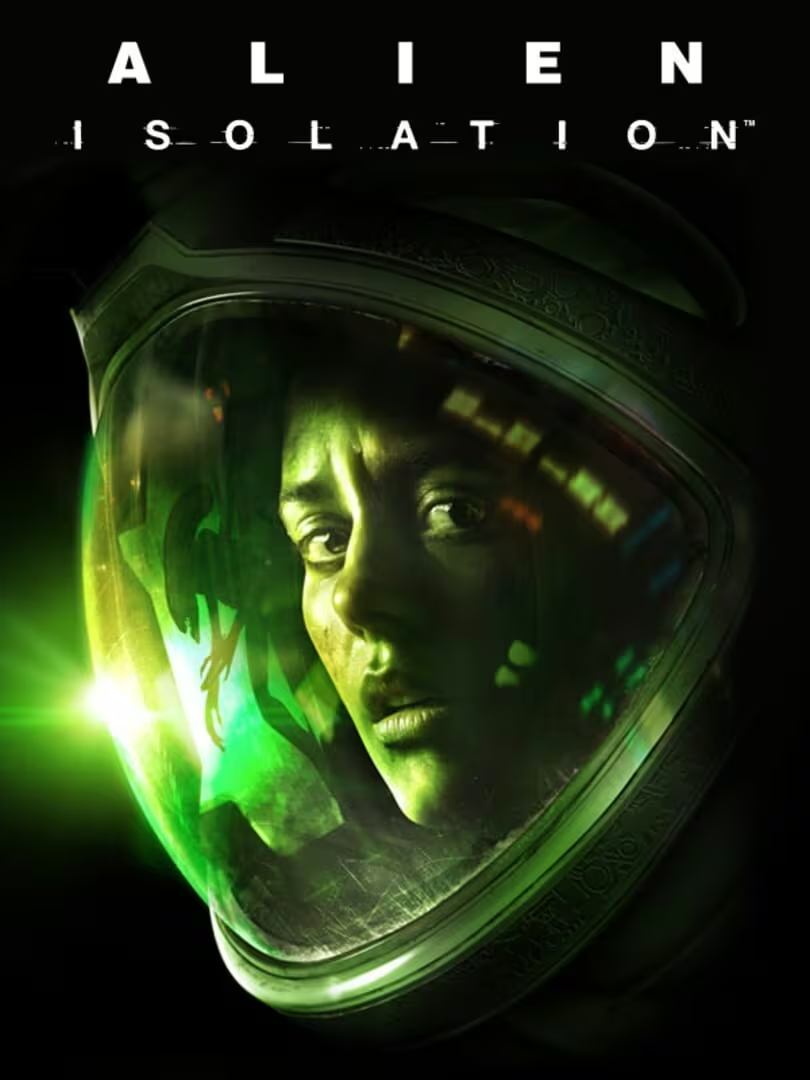 Alien: Isolation
"Players freely explore the space station and choose how thoroughly to investigate, with no forced paths or combat."
-
Competence
Game with the same Competence vibe
1"Gameplay involves simple puzzles and key-finding tasks that require minimal skill but some attention to detail."
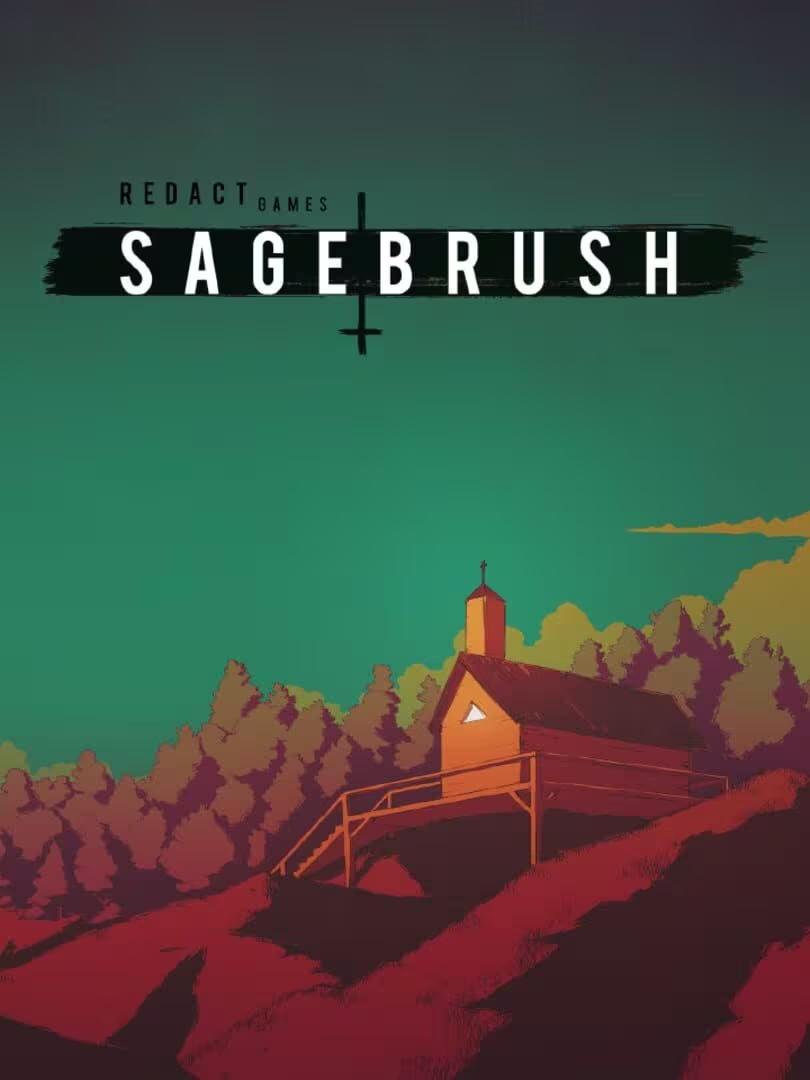 Sagebrush
"Gameplay involves exploration and observation with minimal challenge or puzzles, but requires attention to detail."
-
Competition
Game with the same Competition vibe
-4"Focus is on personal exploration and narrative discovery without competitive or ranked elements."
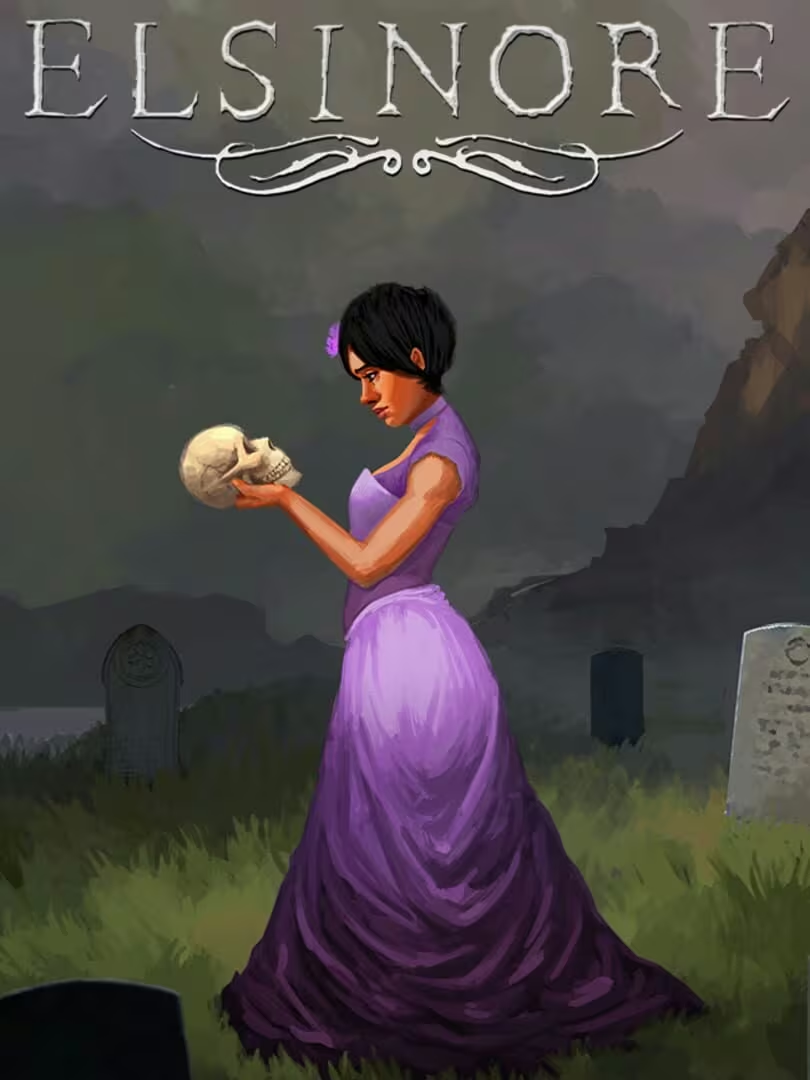 Elsinore
"No competitive elements; focus is on personal exploration and narrative discovery."
-
Continuation
Game with the same Continuation vibe
-3"Short playtime (~10-15 minutes) and limited replay value lead to brief engagement sessions."
 100 Asian Cats
"Short playtime (2-5 hours) and limited replay value lead to brief engagement periods."
-
Cooperation
Game with the same Cooperation vibe
-5"Single-player experience focused on individual investigation without multiplayer or cooperative play."
 IMMORTALITY
"Single-player experience focused on individual investigation without multiplayer or teamwork."
-
Creativity
Game with the same Creativity vibe
4"Strong environmental storytelling, unique creature designs, and atmospheric world-building encourage creative interpretation."
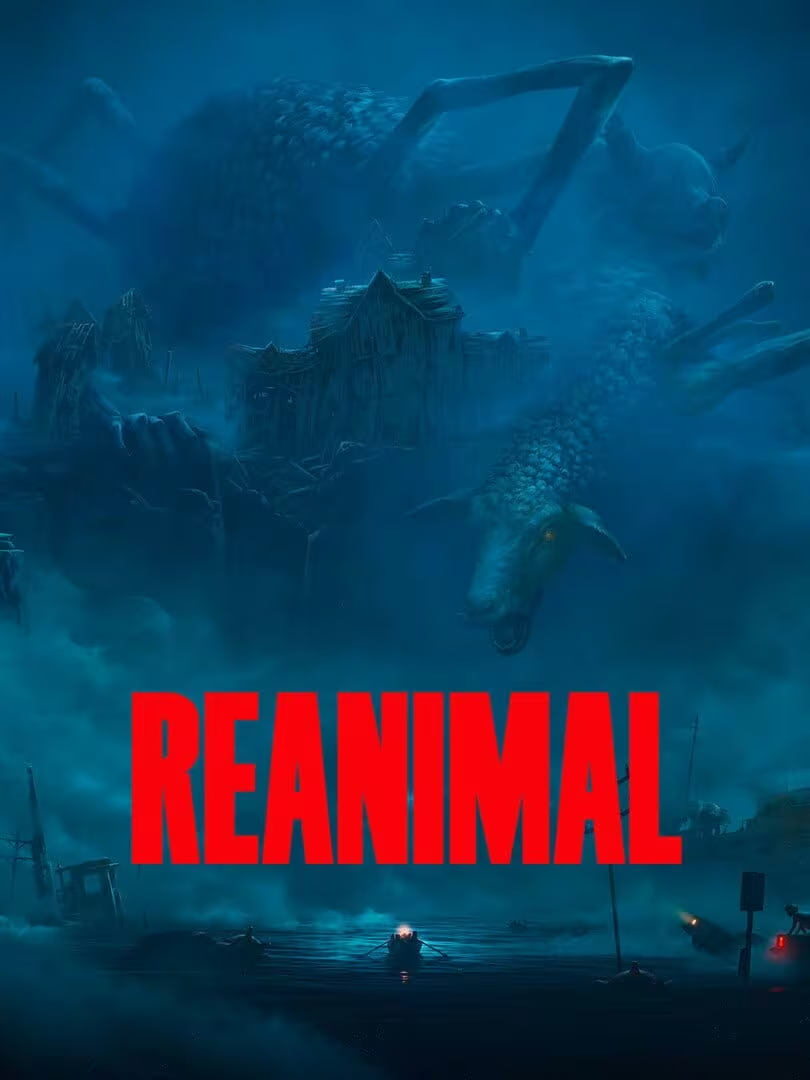 REANIMAL
"Innovative storytelling through AR recordings and environmental details encourages creative interpretation."
-
Domination
Game with the same Domination vibe
-5"No elements of exerting control over others; interactions are friendly and equal."
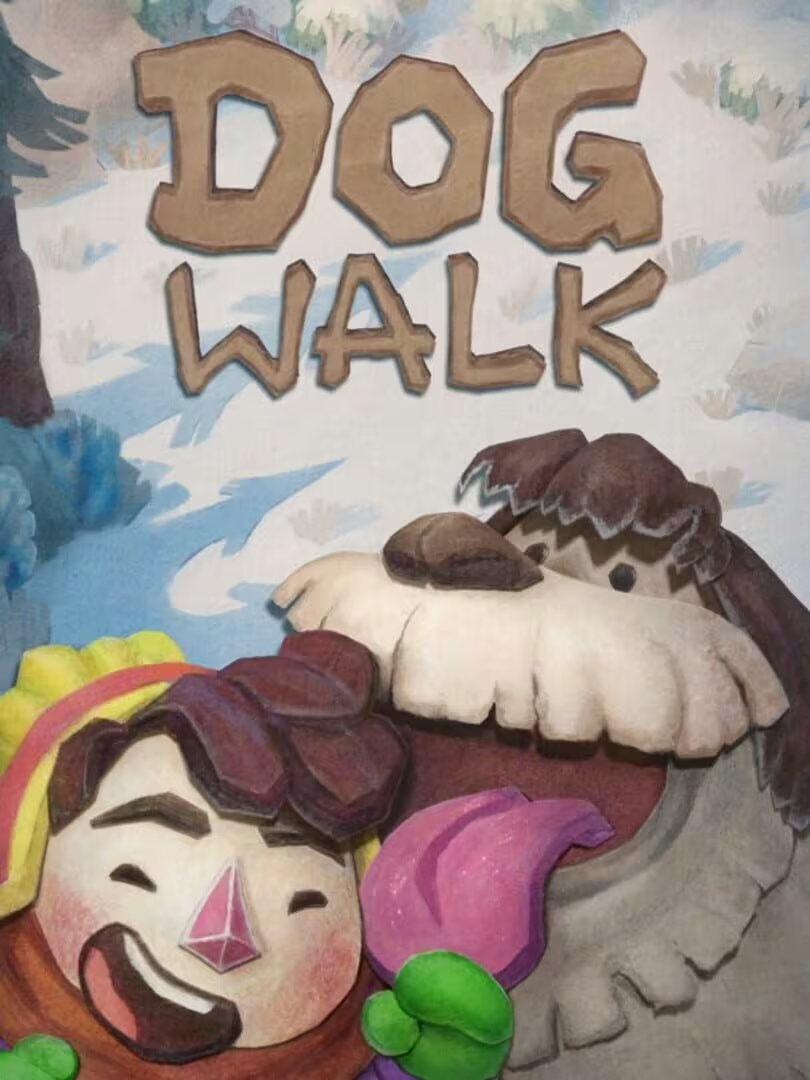 DOGWALK
"No elements of exerting control over others; interactions are observational and equal."
-
Escapism
Game with the same Escapism vibe
4"Immersive sci-fi setting and narrative provide strong escape from reality and engrossing atmosphere."
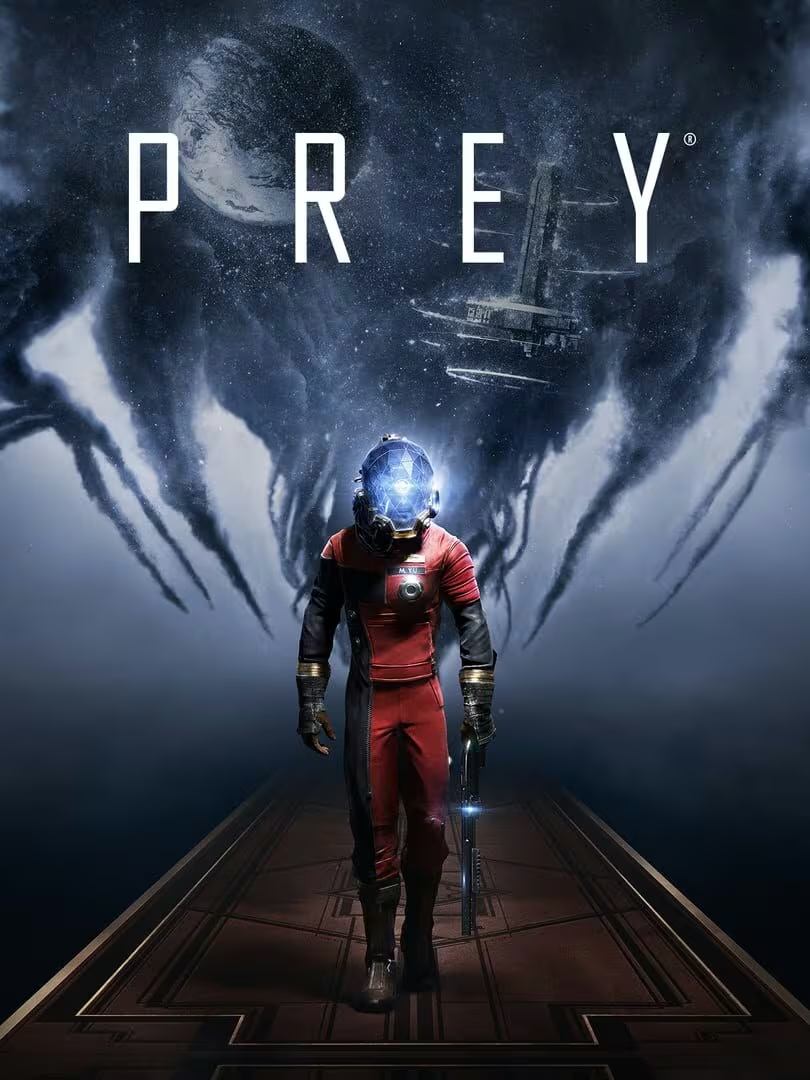 Prey
Prey
"Immersive sci-fi setting and narrative provide escape from real life into a futuristic space station."
-
Expectation
Game with the same Expectation vibe
-4"Players engage voluntarily out of interest in story and exploration, not obligation."
 Cradle
"Players engage voluntarily out of interest in story and exploration, not obligation."
-
Experimenting
Game with the same Experimenting vibe
3"Players explore novel camera mechanics and puzzle solutions, though some mechanics become routine on replay."
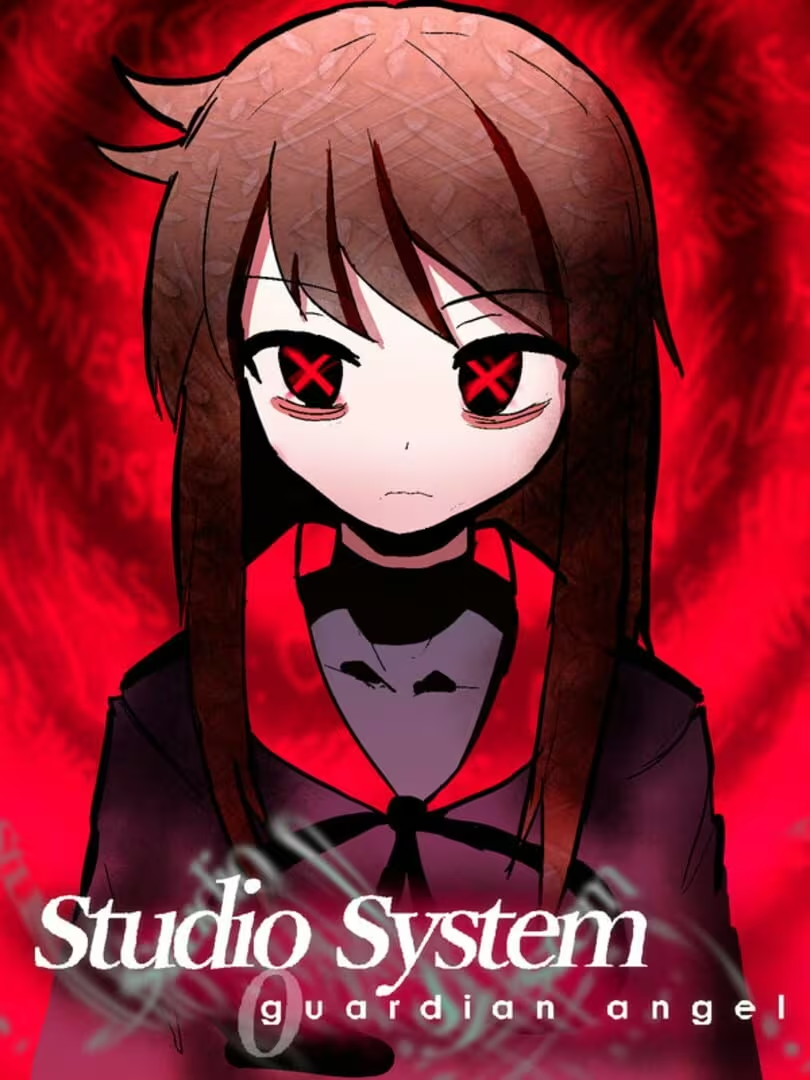 Studio System : Guardian Angel
"Players experiment with replaying AR scenes, exploring different perspectives and details."
-
Exploration
Game with the same Exploration vibe
5"Core gameplay revolves around exploring the space station and discovering hidden details."
 Verde Station
"Core gameplay is discovering new areas, objects, and story elements within the space station."
-
Expression
Game with the same Expression vibe
-3"Limited character customization; focus is on experiencing preset surreal environments and narrative."
 Disillusion
"Limited character customization; focus is on experiencing preset narrative and environment."
-
Fantasy
Game with the same Fantasy vibe
4"Strong sci-fi setting with imaginative aliens, humorous narrative, and fictional space station management."
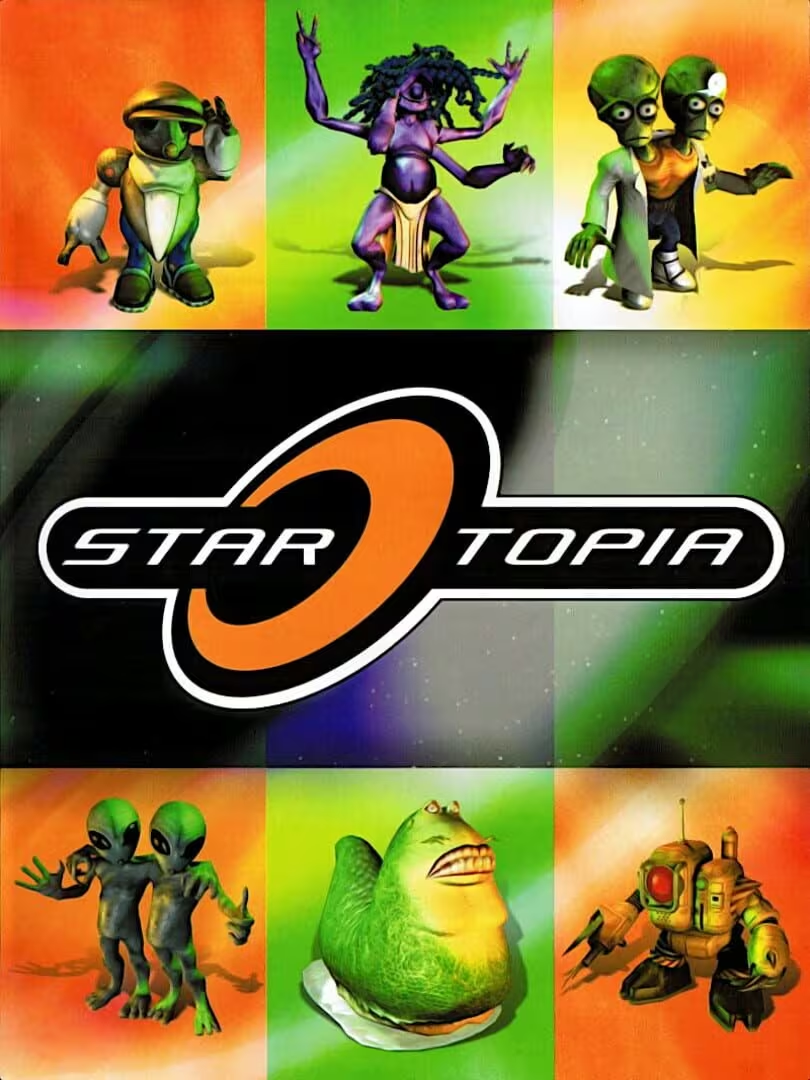 Startopia
"Futuristic sci-fi setting with AI and space station life creates an imaginative fictional experience."
-
Fellowship
Game with the same Fellowship vibe
-5"Solo play with minimal social interaction or community involvement."
 Ori and the Blind Forest: Definitive Edition
"Solo play with minimal social interaction or community involvement."
-
Growth
Game with the same Growth vibe
2"Players experience character development and story progression but no skill growth."
 KARAKARA
"Players develop understanding of story and characters through investigation, but no skill growth."
-
Health
Game with the same Health vibe
-5"Sedentary gameplay typical of walking simulators with no physical activity."
 Chasing Static
"Sedentary gameplay typical of walking simulators with no physical activity."
-
Idle
Game with the same Idle vibe
-3"Requires focused attention to explore and interpret story; not a background or idle game."
Verde Station
"Requires focused attention to explore and piece together story; not a background or idle game."
-
Intimacy
Game with the same Intimacy vibe
3"Emotional connection to characters and their relationships is a strong aspect of the experience."
 11-11 Memories Retold
"Emotional connection to characters and their relationships is a key part of the experience."
-
Leadership
Game with the same Leadership vibe
-5"No leadership or group management roles; purely single-player exploration."
 SpaceEngine
"No leadership or group management roles; purely individual exploration."
-
Progression
Game with the same Progression vibe
2"Progression is narrative-based through unlocking story routes and achievements rather than items or upgrades."
 the 9th day:第九日
"Progression is narrative-based through collecting story fragments rather than items or upgrades."
-
Relaxation
Game with the same Relaxation vibe
3"Slower paced exploration and meditative atmosphere provide relaxation and flow."
 Svarog's Dream
"Calm, slow-paced exploration with atmospheric immersion promotes relaxation."
-
Sensation
Game with the same Sensation vibe
2"Visual and auditory design is pleasant but understated; not focused on intense sensory stimulation."
 Heaven's Vault
"Visual and auditory design is pleasant but understated; not highly stimulating."
-
Status
Game with the same Status vibe
-5"No social status or recognition systems; experience is private and personal."
 Hellblade: Senua's Sacrifice
"No social status or recognition systems; experience is private and personal."
-
Story
Game with the same Story vibe
5"Narrative immersion is central, with complex plots, character interactions, and layered mysteries."
 Mask of the Rose
"Narrative immersion is central, with complex characters and unfolding plot through exploration."
-
Strategy
Game with the same Strategy vibe
-2"Minimal strategic or problem-solving elements; gameplay is straightforward and exploration-based."
 Mail Time
"Minimal strategic or problem-solving elements; gameplay is straightforward exploration."
-
Thrill
Game with the same Thrill vibe
-3"Low suspense or risk; experience is contemplative rather than thrilling."
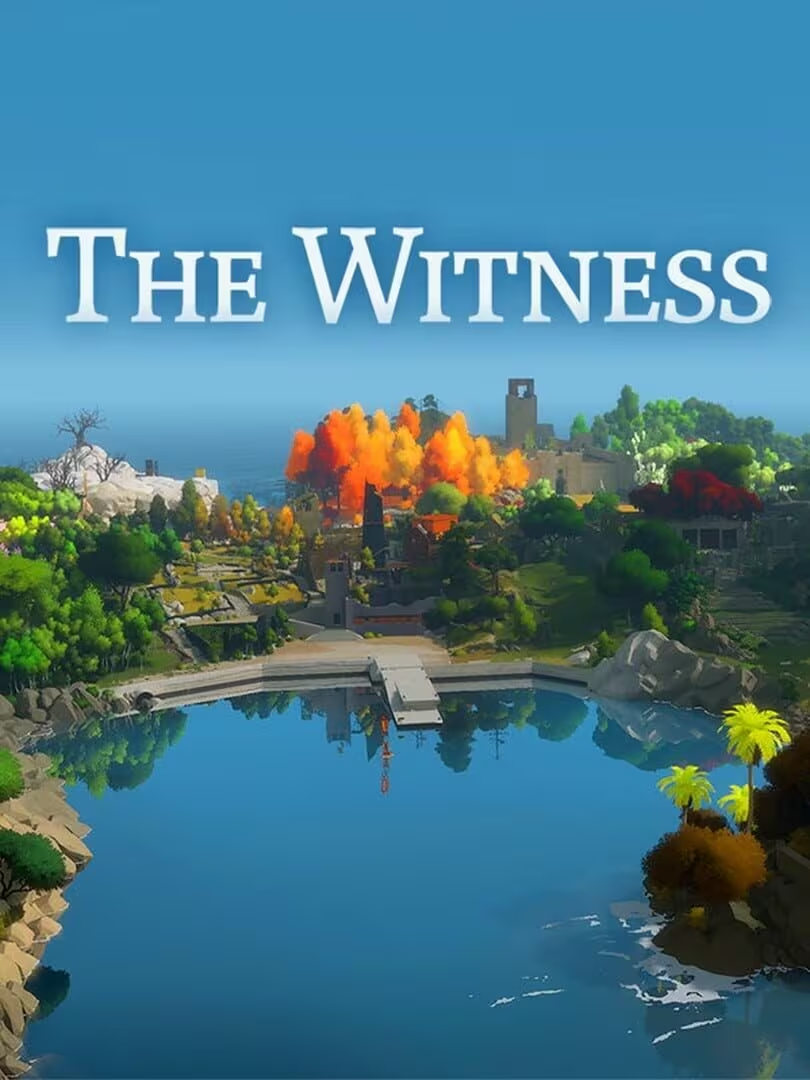 The Witness
"Lacks suspense or risk; experience is contemplative rather than thrilling."
-
Value
Game with the same Value vibe
-2"Short length and limited replayability make some players feel price is high"
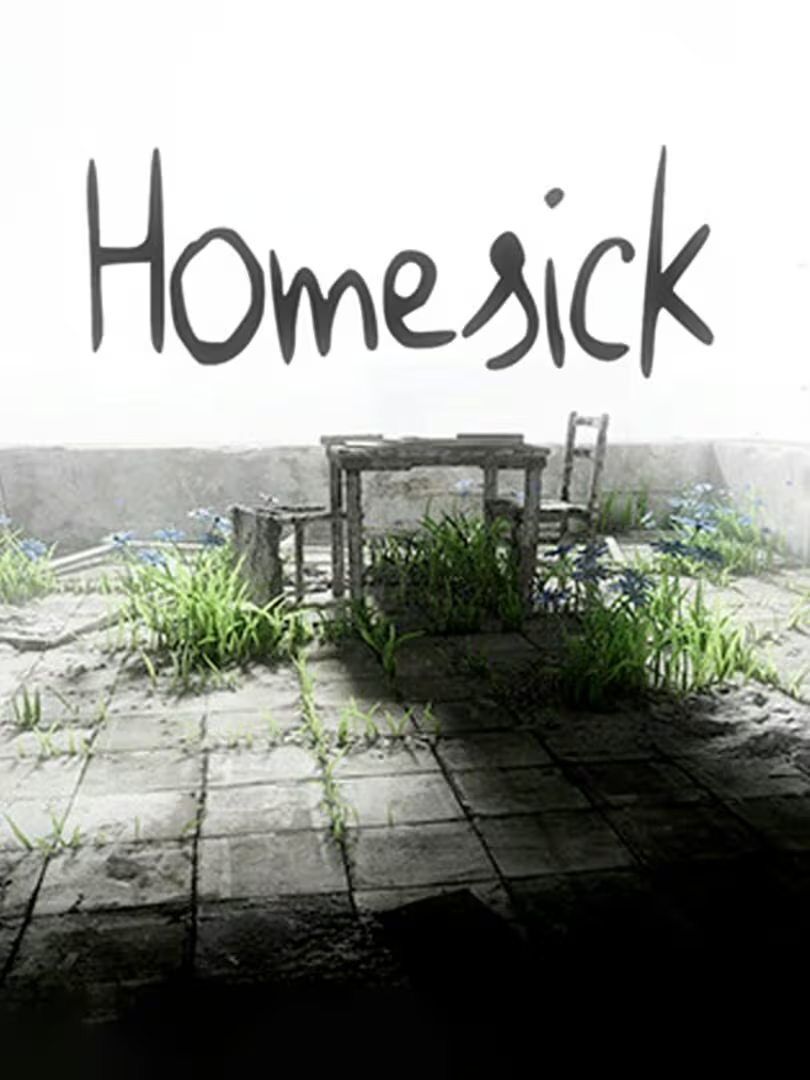 Homesick
"Short length and limited replayability lead some players to feel price is high for content."
-
Violence
Game with the same Violence vibe
-5"No violence or combat; focus on peaceful exploration and story."
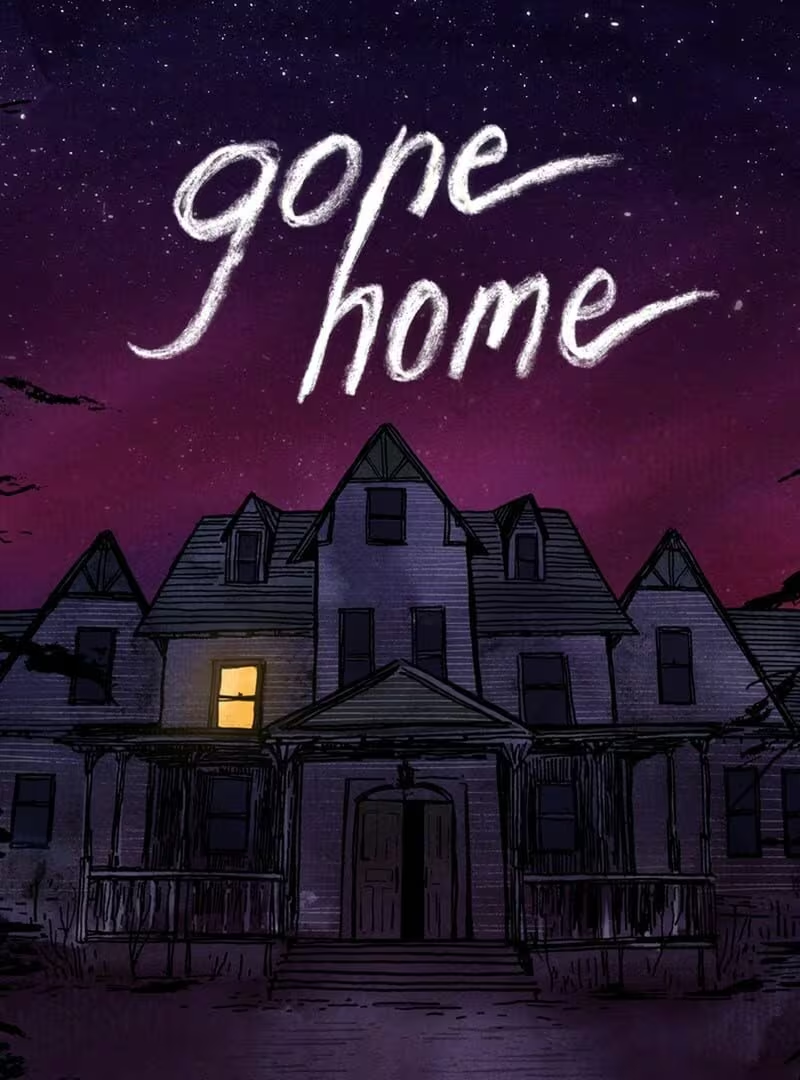 Gone Home
"No violence or combat; focus on peaceful exploration and story."
-
Survival
Game with the same Survival vibe
-4"No survival mechanics or threats; environment is stable and safe."
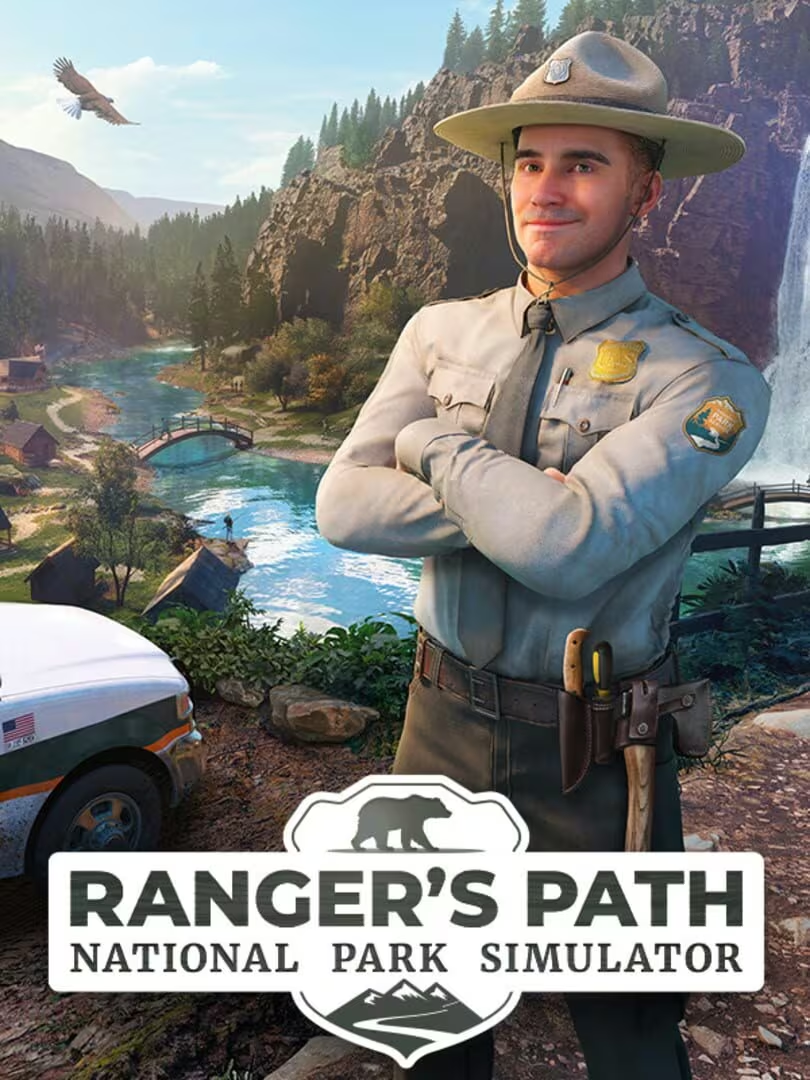 Ranger’s Path: National Park Simulator
"No survival mechanics or threats; environment is stable and safe."
Last update: 01/06/2026