Balrum similar games & best alternatives
Should you play it?
Balrum is an old-school, turn-based, open world RPG with deep tactical combat. Explore a huge living fantasy world with dozens of side quests next to an epic main quest. Grow your own crops, build your home, and craft your own custom items.
What works
- Deep crafting and building systems
- Large open world with exploration and secrets
- Challenging and strategic turn-based combat
- Immersive survival mechanics
- Engaging old-school rpg atmosphere
Things to keep in mind
- Slow movement and pacing
- Steep learning curve with limited tutorials
- Lack of monster respawn can make grinding difficult
- Some ui and inventory management clunky
- Pet system and some crafting skills underwhelming
What to play next
Similar games, hidden gems, and fresh directions from this game.
Top picks
Games that feel the closest overall
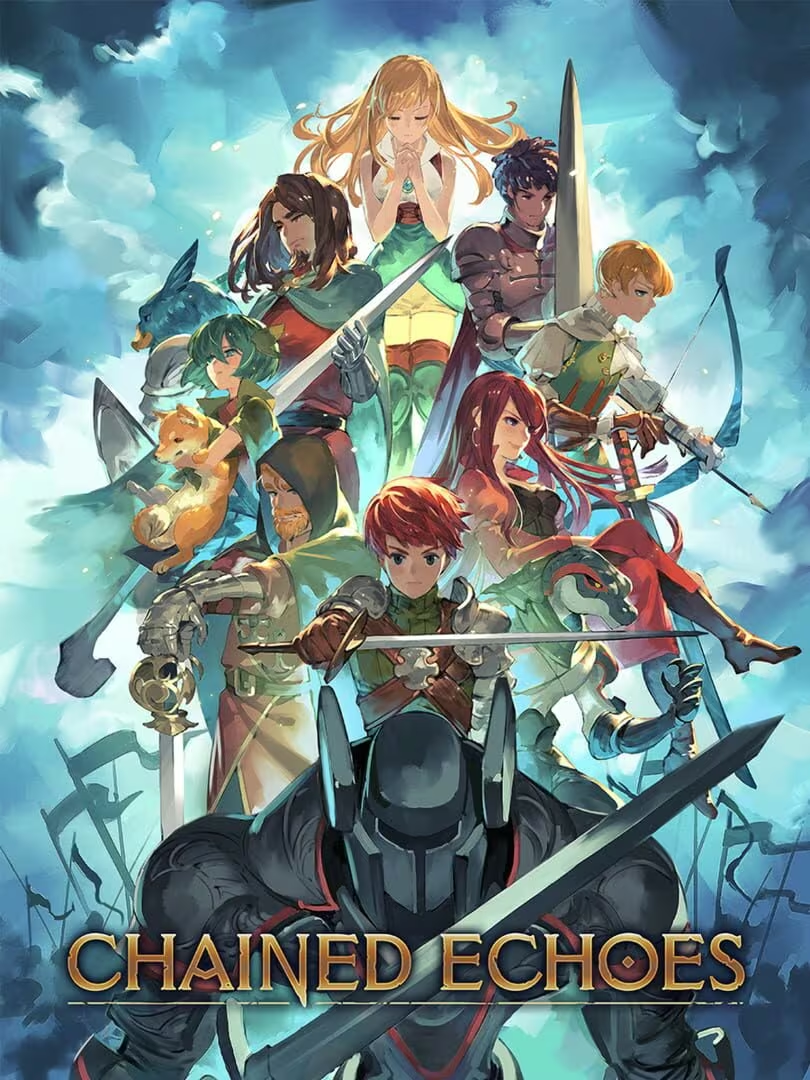
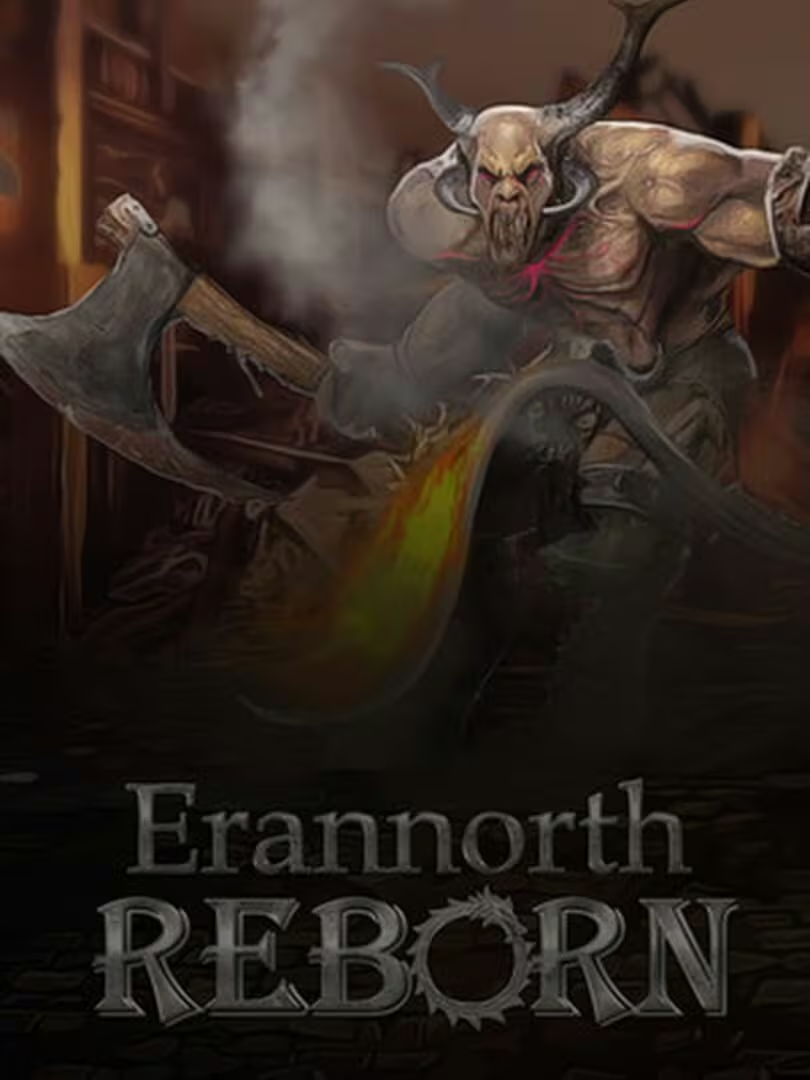
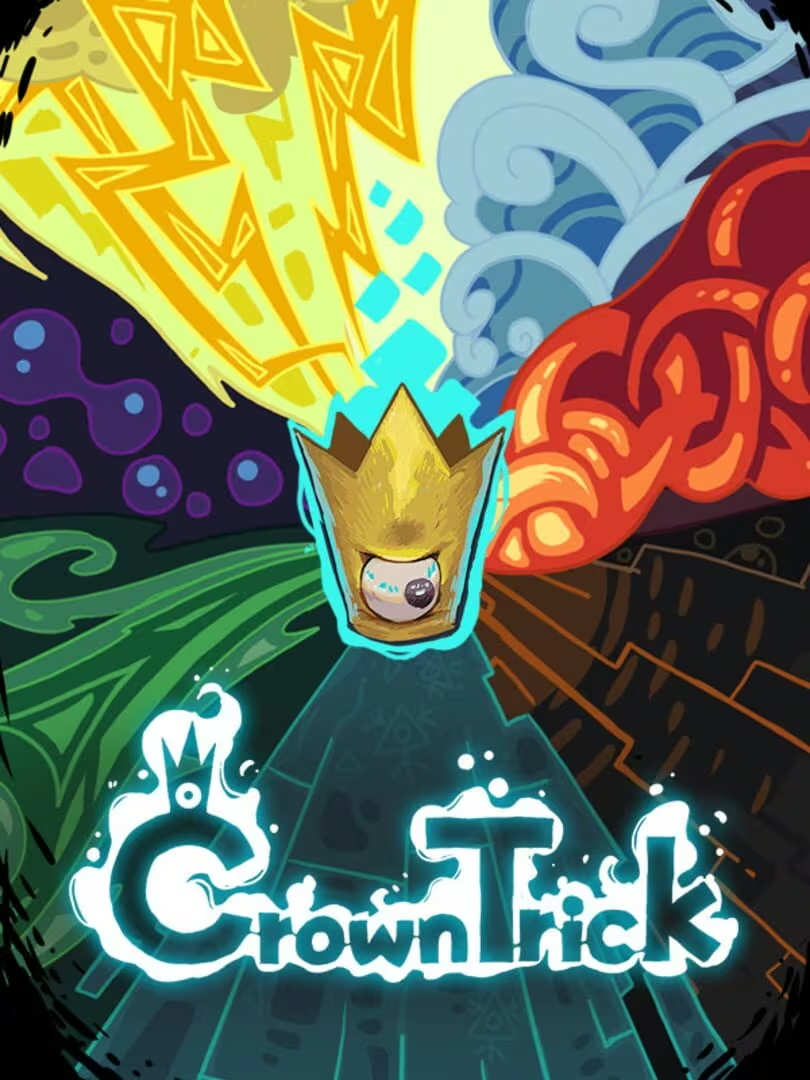
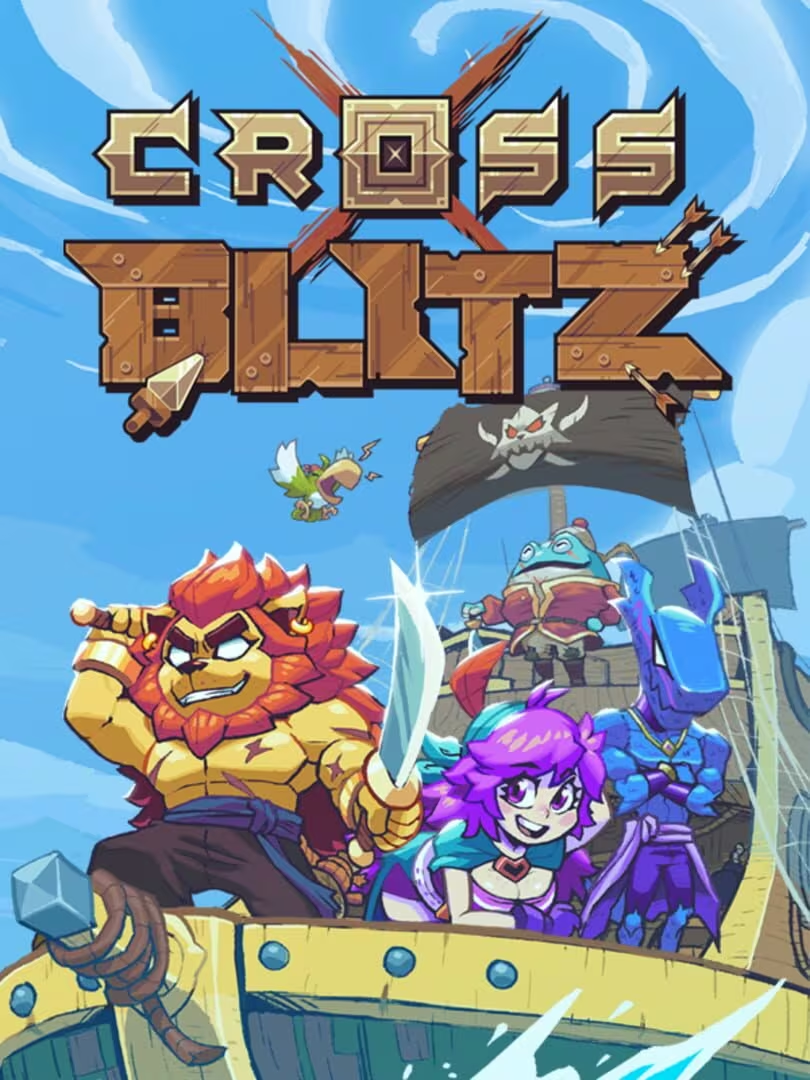

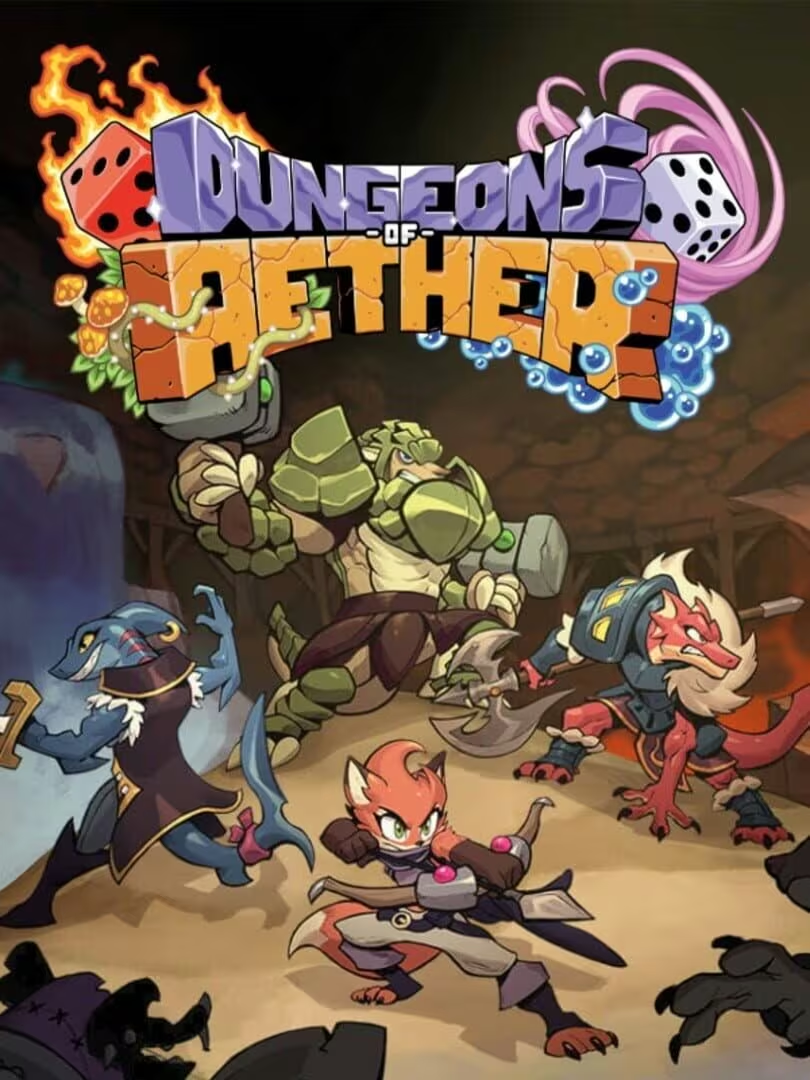
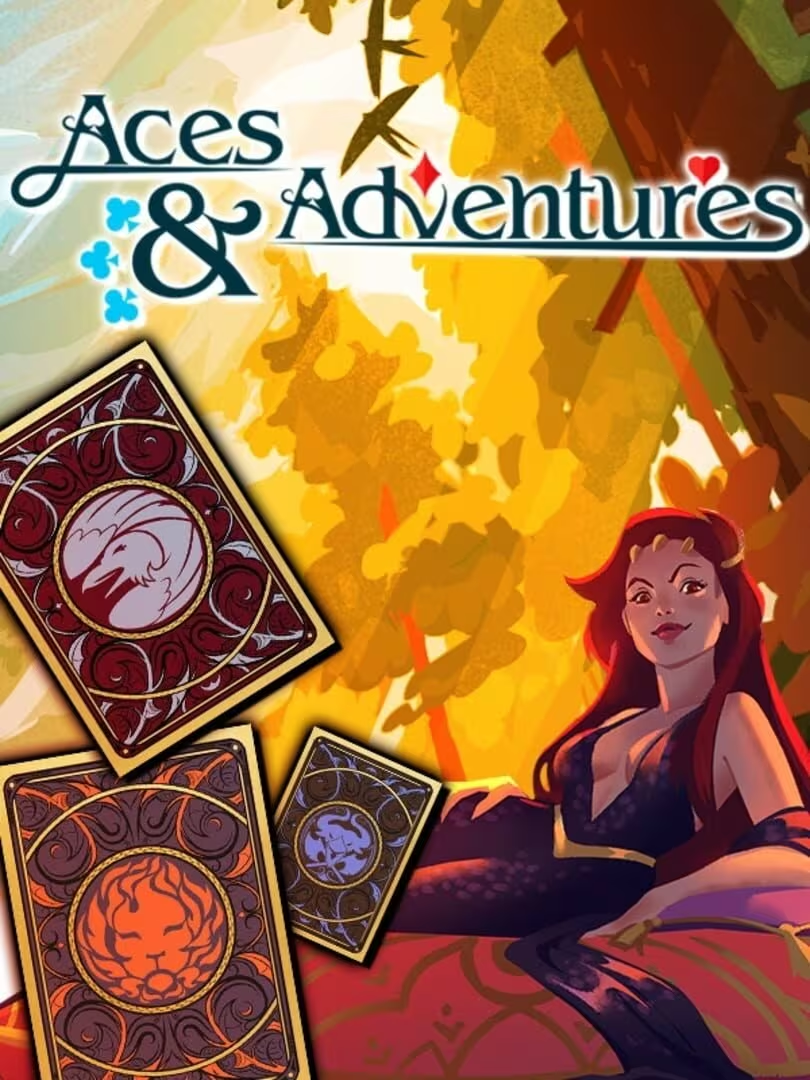
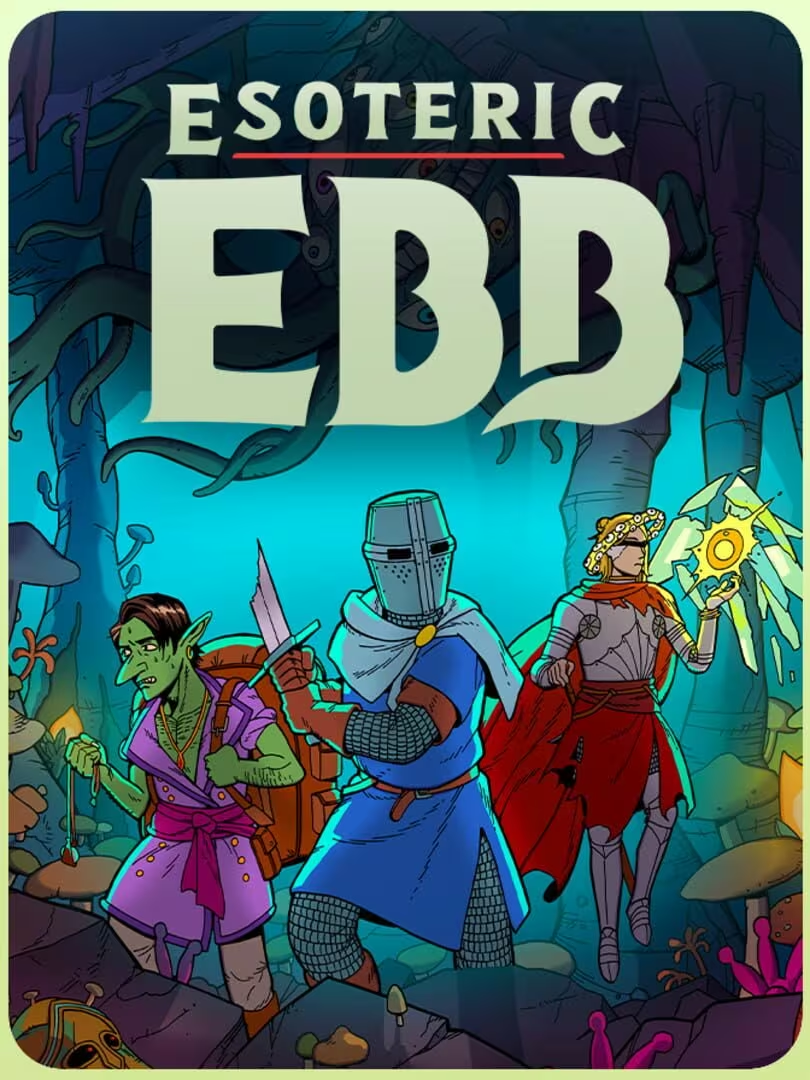
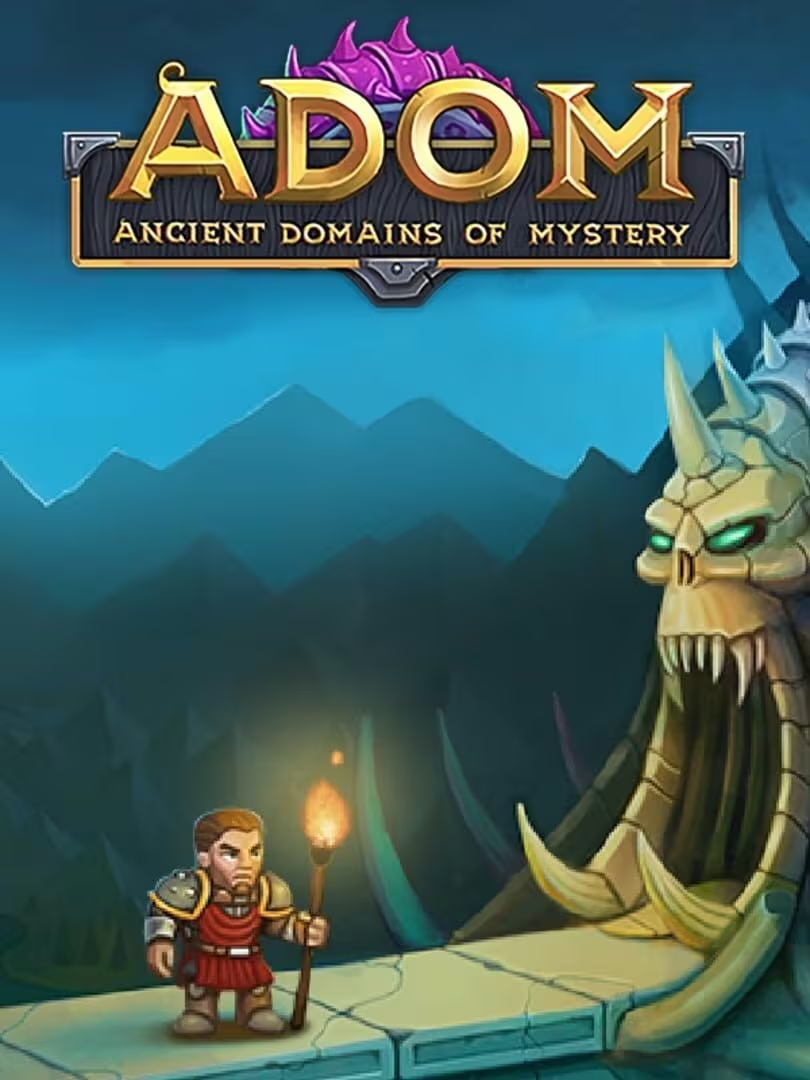
Hidden Gems
Less popular games with surprisingly high similarity

If you liked…
Recommendations by what you enjoyed most
Similarity map
Explore nearby similar games and see why they’re close.
Balrum: Broadly representative of its motivational profile, with a few distinct shifts. Motivations that often define this kind of title include Fellowship, Violence, Survival, Cooperation. Here, the score leans higher than usual among comparable games on Expression, Exploration. It leans lower than usual among comparable games on Leadership.
Why this game works
A motivational profile of the game, with the closest similar game for each player motivation.
-
Autonomy
Game with the same Autonomy vibe
4"Players have freedom to explore, choose skills, craft, and build their own path with minimal handholding."
 Mist Legacy
"Players have freedom to explore, choose skills, build and craft their own way, and make decisions without handholding"
-
Competence
Game with the same Competence vibe
3"Game involves skillful crafting, base building, combat, and resource management with increasing challenge and progression."
 Sunkenland
"Game is challenging with slow progression and requires skillful management of resources, combat, and crafting"
-
Competition
Game with the same Competition vibe
-4"Focus is on solo exploration and personal progression without PvP or leaderboards."
 Bear Simulator
"Focus is on personal progression and exploration without PvP or ranked modes"
-
Continuation
Game with the same Continuation vibe
3"Players report long play sessions and engagement with exploration and story."
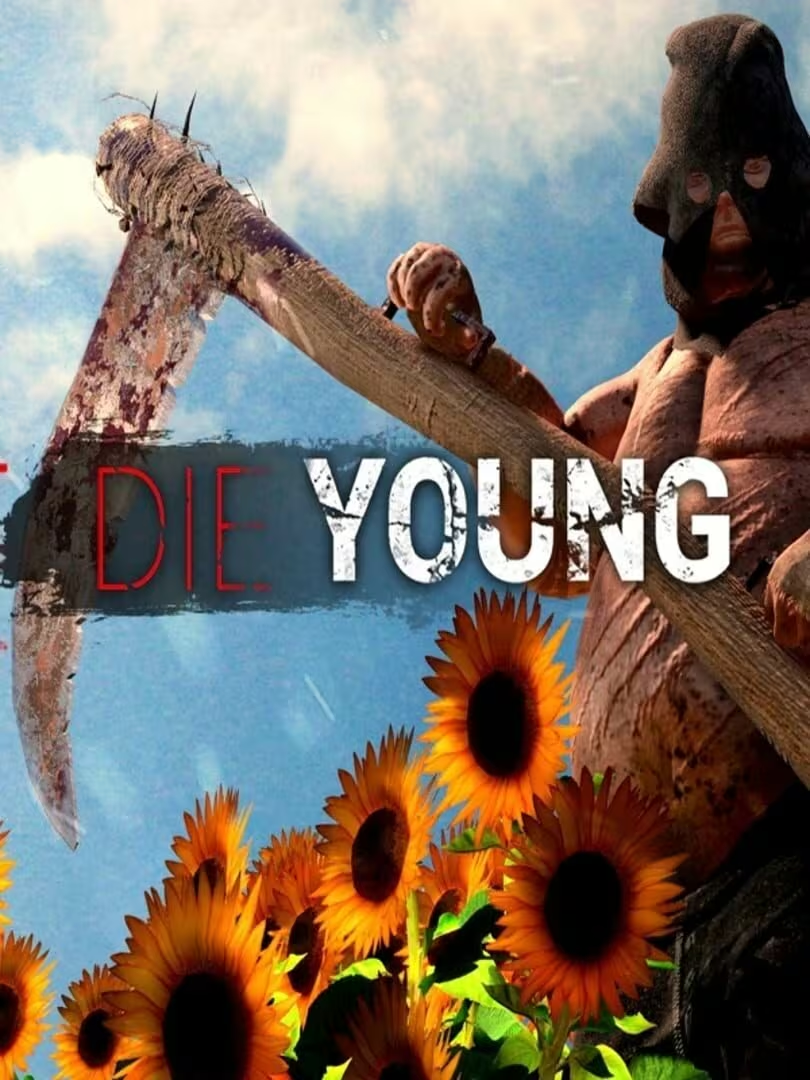 Die Young
"Players report long play sessions and high engagement with crafting, exploration, and questing"
-
Cooperation
Game with the same Cooperation vibe
-5"Entirely single-player game with no multiplayer or cooperative elements"
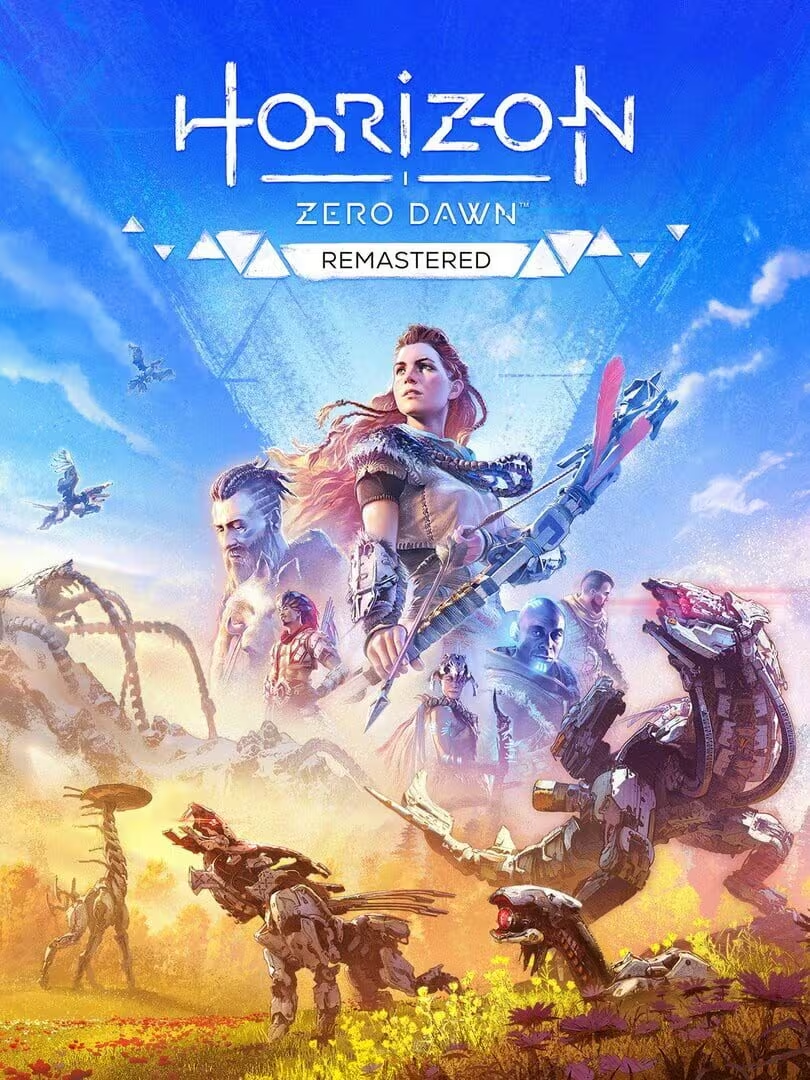 Horizon Zero Dawn™ Remastered
"Single player game with no multiplayer or cooperative elements"
-
Creativity
Game with the same Creativity vibe
4"Extensive crafting, base building, and world customization allow creative expression and experimentation."
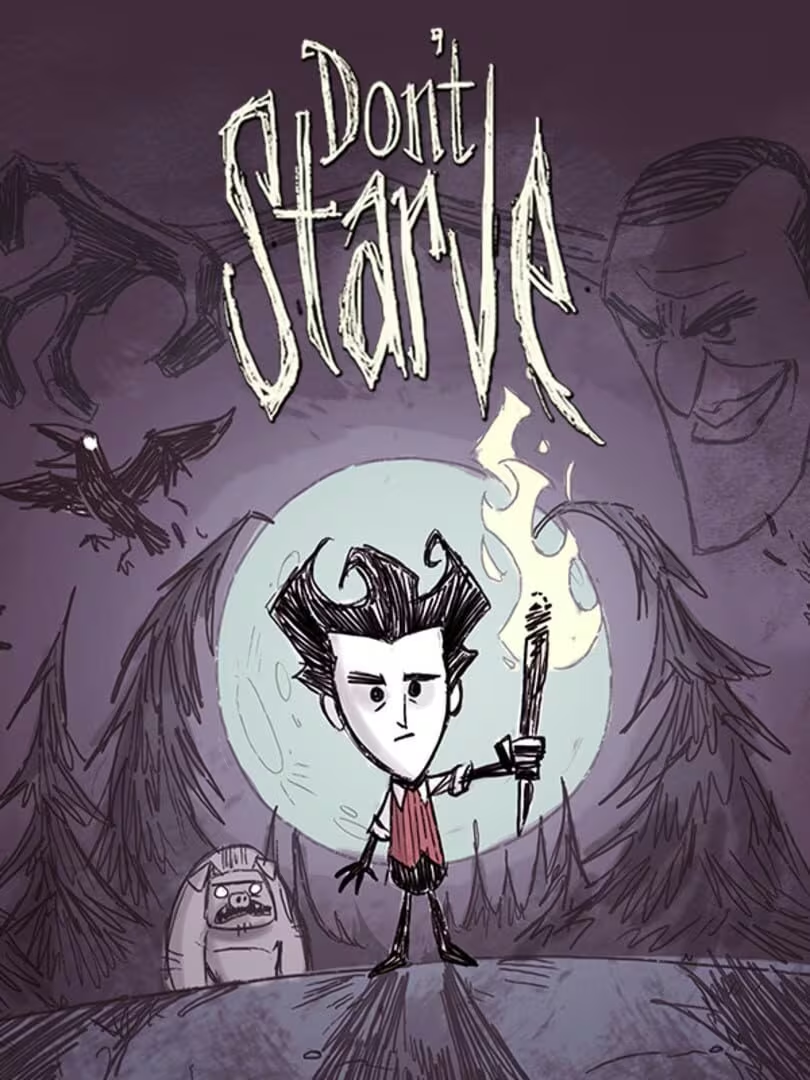 Don't Starve
"Extensive crafting, building, farming, and customization options allow creative expression"
-
Domination
Game with the same Domination vibe
-5"No evidence of power over others or dominance mechanics; gameplay is solo and self-directed."
 STRAFE: Gold Edition
"No evidence of power over others or dominance mechanics; gameplay is solo and self-directed"
-
Escapism
Game with the same Escapism vibe
4"Players use the game as immersive escape into a rich fantasy world with exploration and survival challenges."
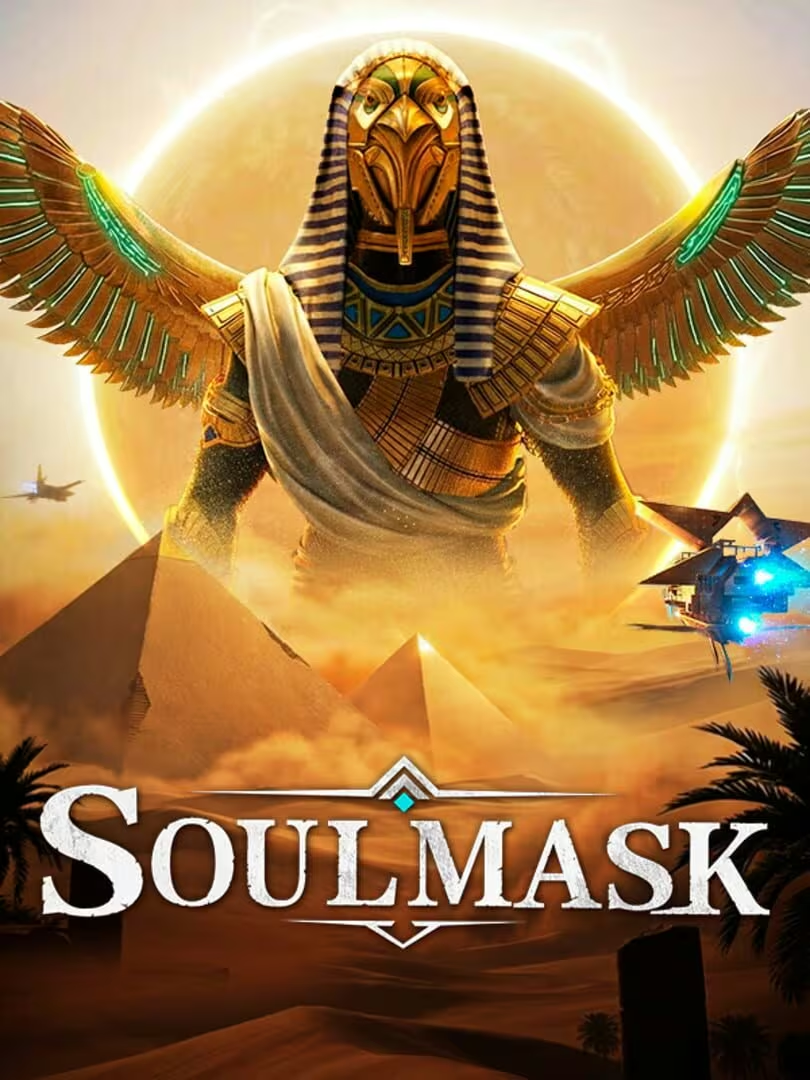 Soulmask
"Players use the game for immersive fantasy escape and exploration of a rich world"
-
Expectation
Game with the same Expectation vibe
-4"Players engage voluntarily driven by interest and enjoyment rather than obligation."
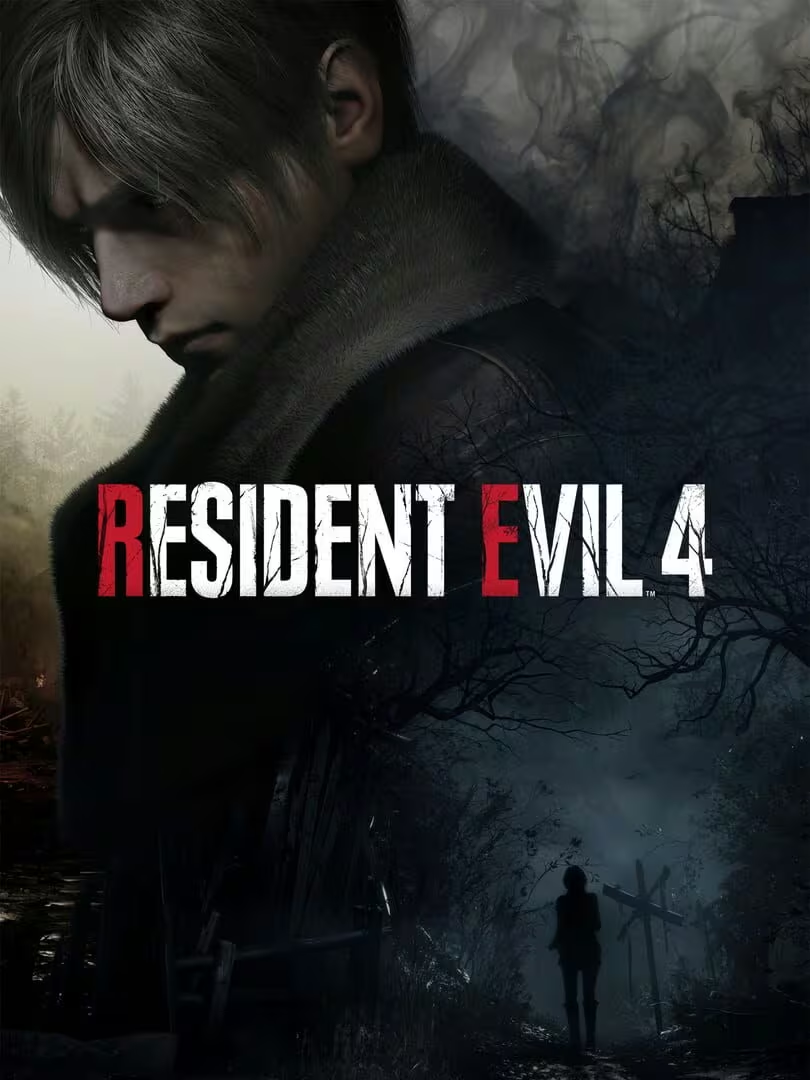 Resident Evil 4
"Players engage voluntarily driven by interest and enjoyment rather than obligation"
-
Experimenting
Game with the same Experimenting vibe
4"Players explore different strategies, playstyles, and crafting recipes."
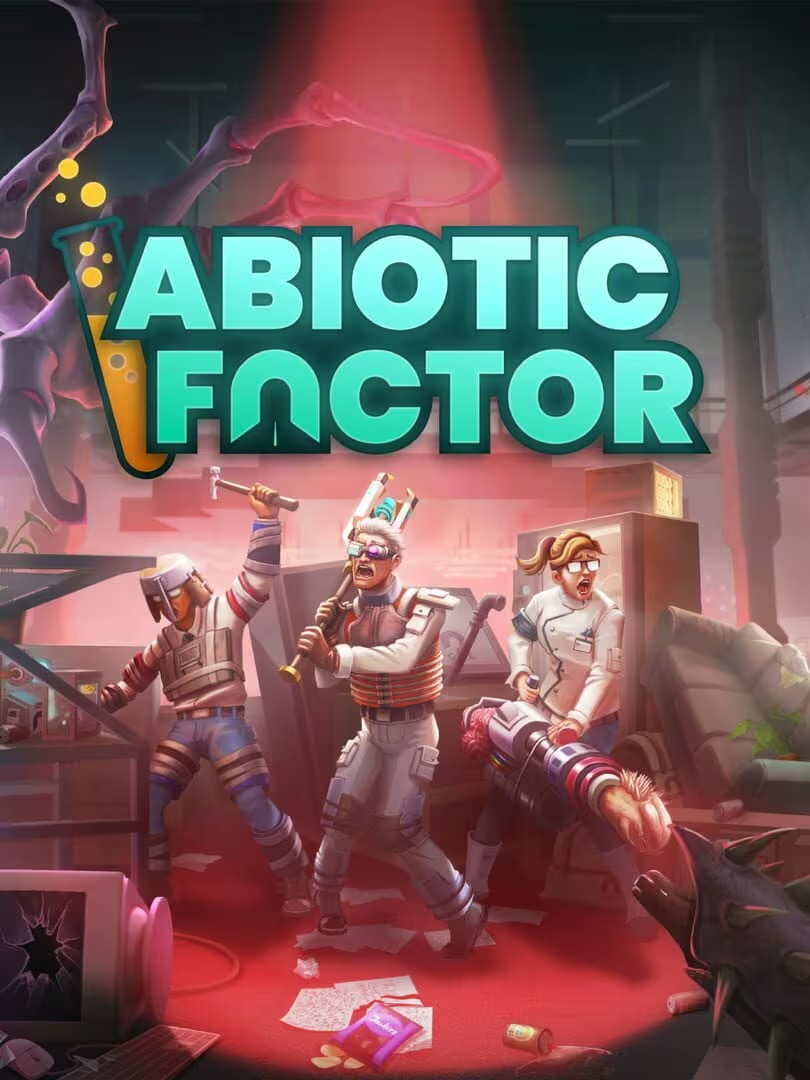 Abiotic Factor
"Players explore many mechanics, crafting recipes, and combat strategies"
-
Exploration
Game with the same Exploration vibe
5"Large open world with many secrets, side quests, and areas to discover."
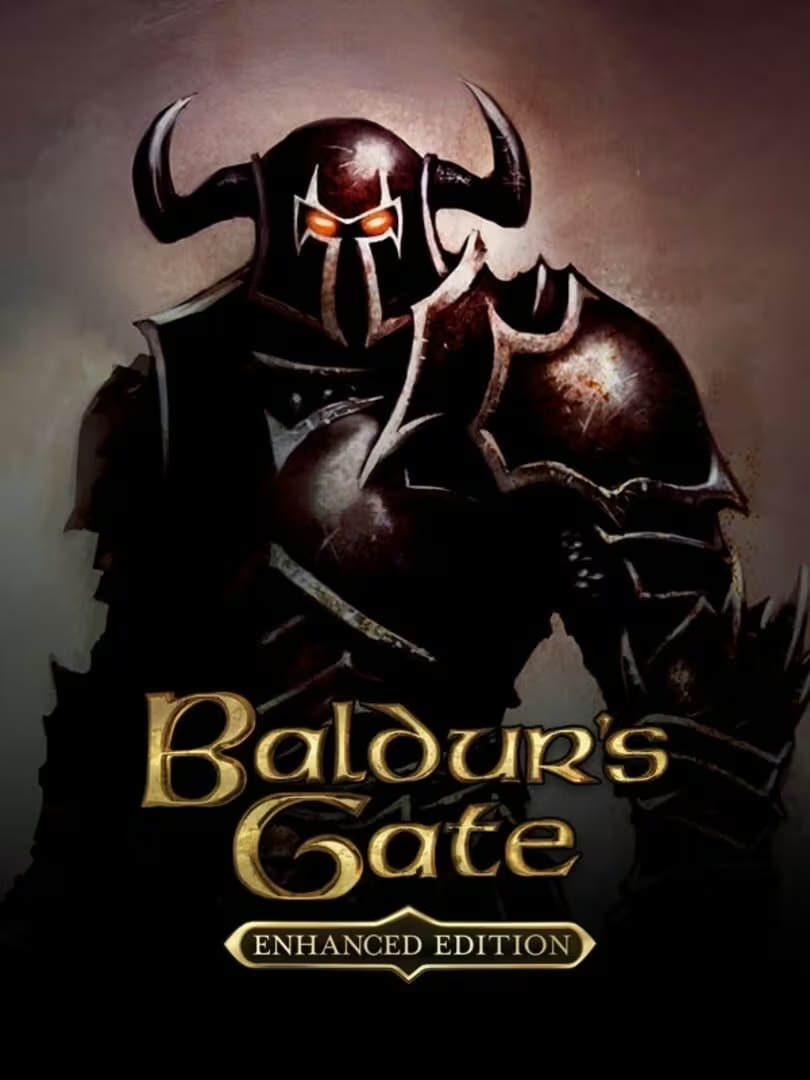 Baldur's Gate: Enhanced Edition
"Large open world with many secrets, puzzles, and areas to discover"
-
Expression
Game with the same Expression vibe
4"Players customize homes, farms, and bases extensively, expressing personal style through building."
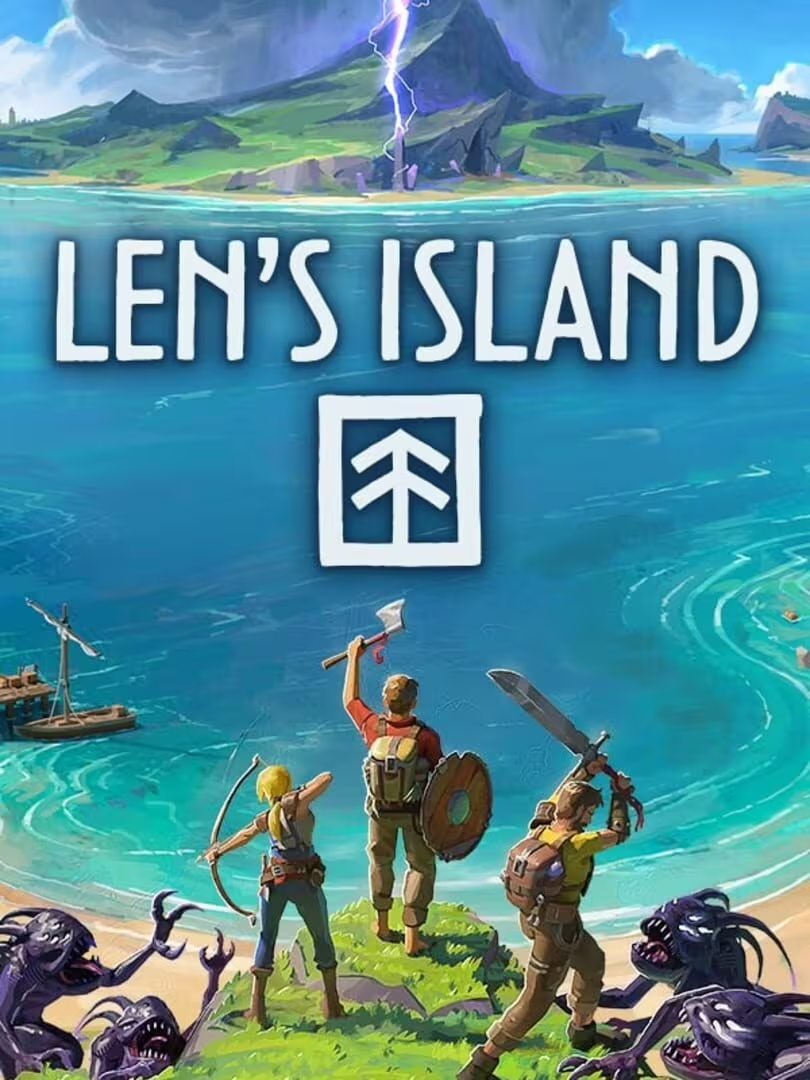 Len's Island
"Players can customize their home base, character builds, and crafted items"
-
Fantasy
Game with the same Fantasy vibe
5"Strong fantasy setting with magic, mythical creatures, and imaginative lore."
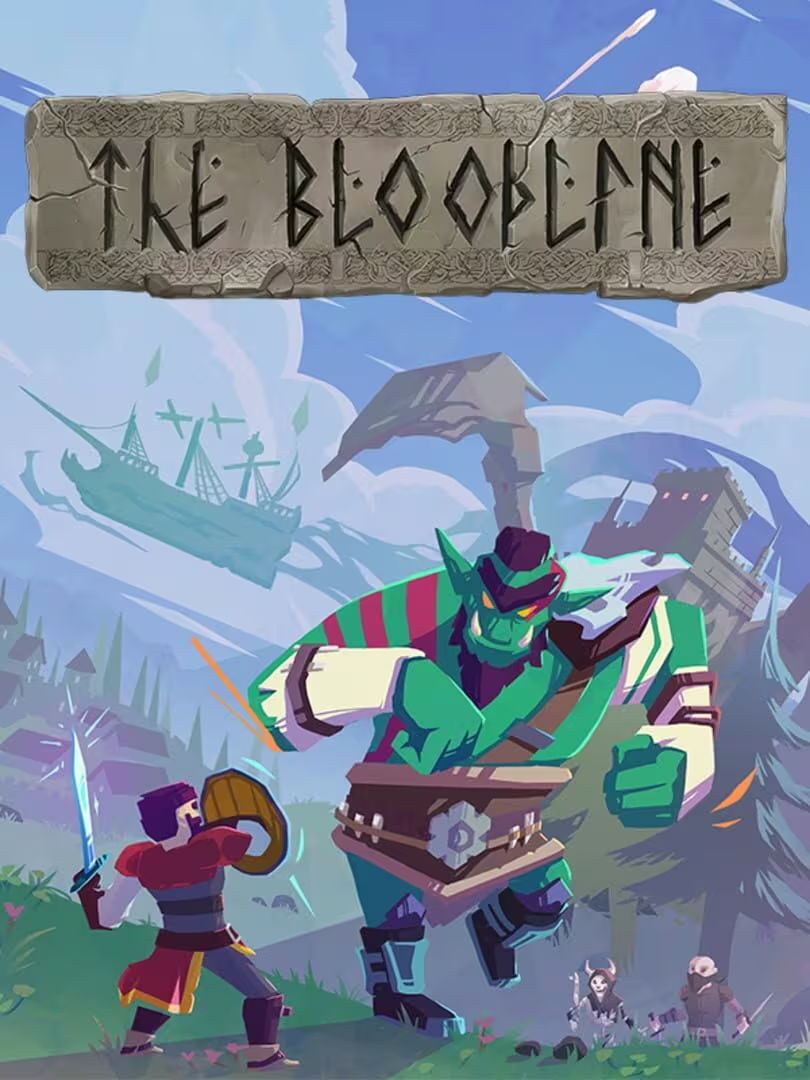 The Bloodline
"Strong fantasy setting with magic, mythical creatures, and lore"
-
Fellowship
Game with the same Fellowship vibe
-5"No multiplayer or social community gameplay elements"
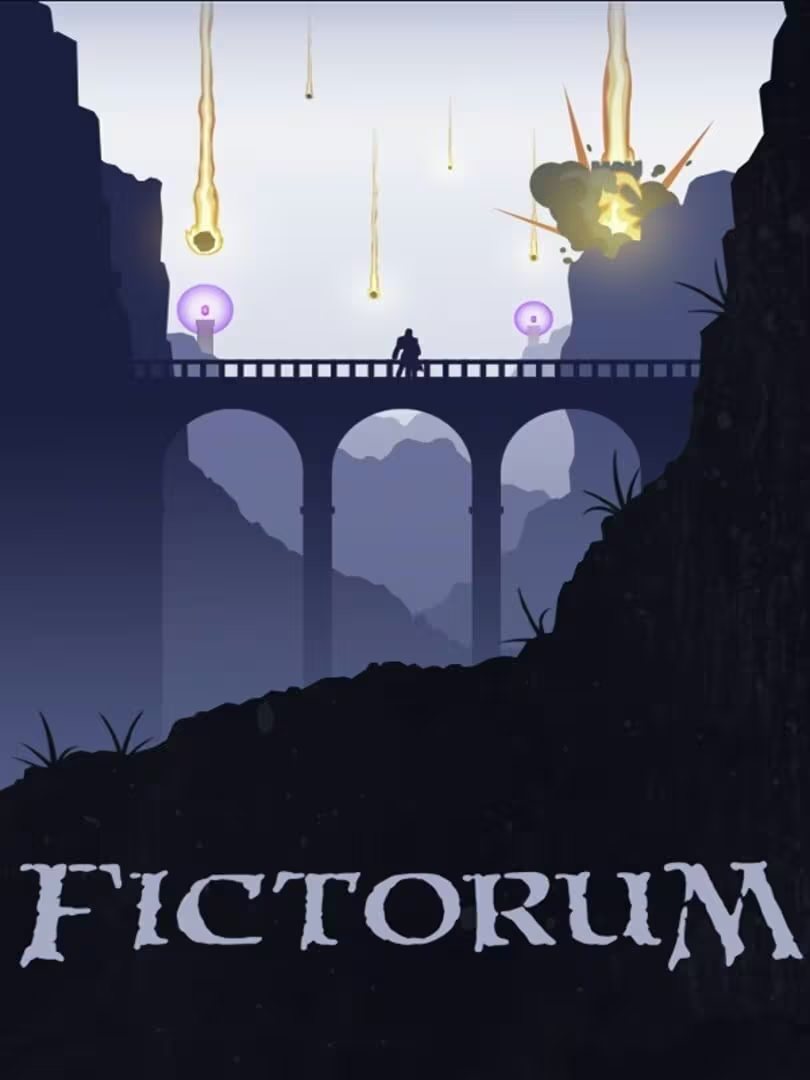 Fictorum
"No multiplayer or social community features"
-
Growth
Game with the same Growth vibe
3"Skill progression and character development provide learning and growth."
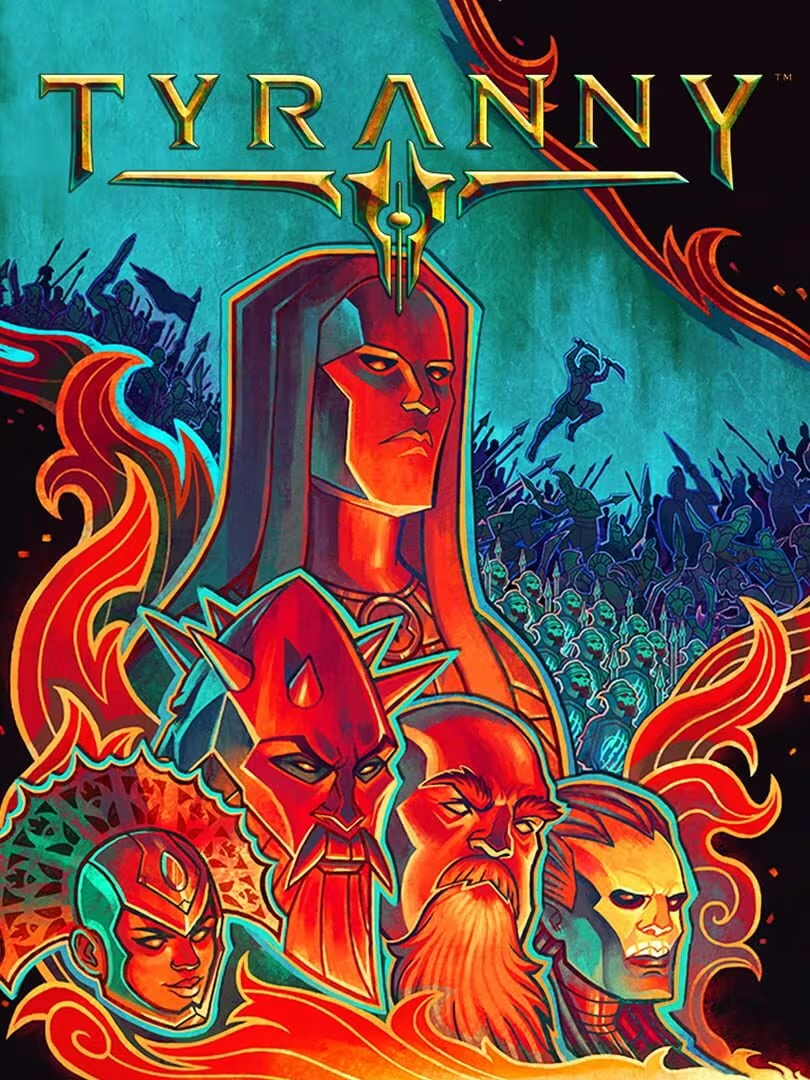 Tyranny
"Character progression is slow but meaningful, with skill learning and personal development"
-
Health
Game with the same Health vibe
-3"Sedentary gameplay with survival mechanics; no physical activity involved."
 Praey for the Gods
"Sedentary gameplay with some survival mechanics but no physical activity"
-
Idle
Game with the same Idle vibe
-4"Requires constant attention and focus due to lethal combat and survival mechanics."
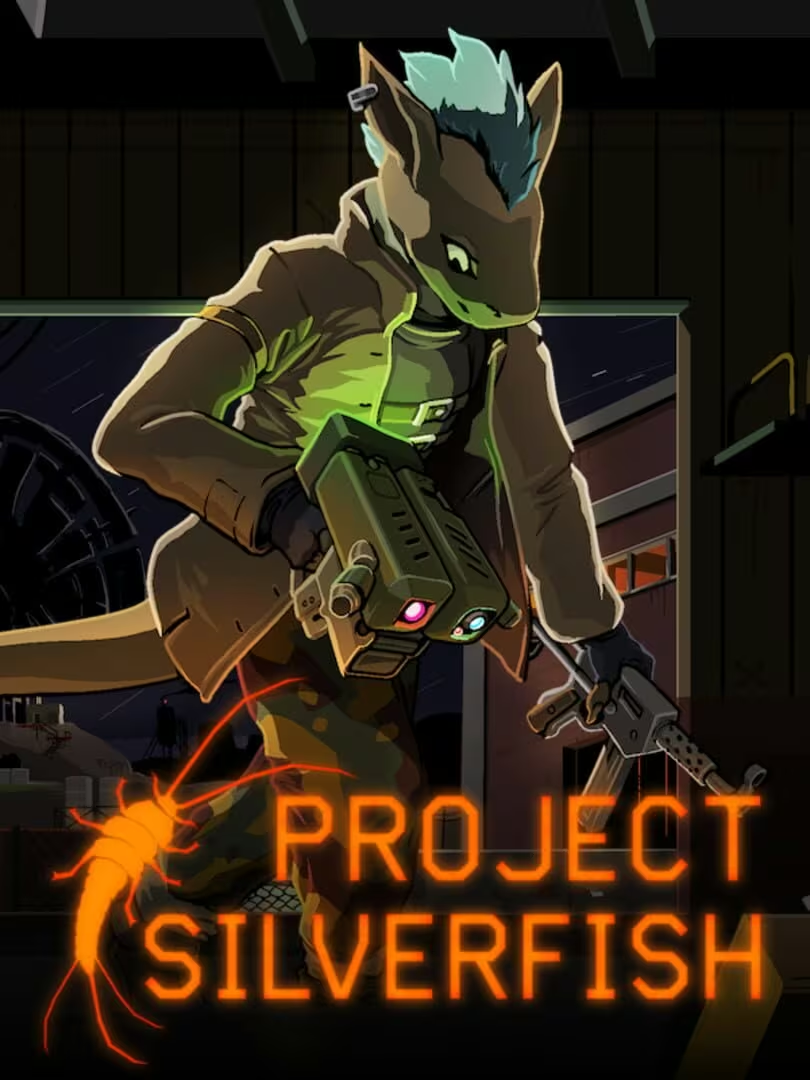 Project Silverfish
"Requires focused attention due to survival mechanics and combat"
-
Intimacy
Game with the same Intimacy vibe
-5"No evidence of close social relationships or emotional sharing"
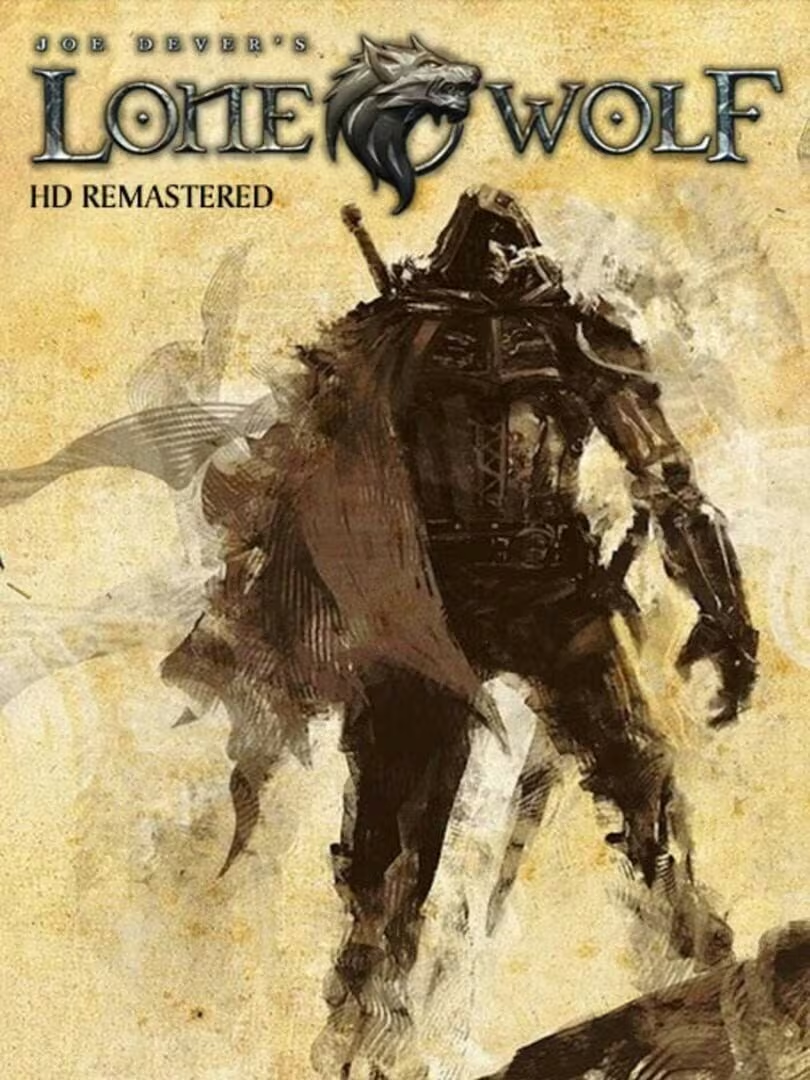 Joe Dever's Lone Wolf HD Remastered
"No evidence of close social relationships or emotional sharing"
-
Leadership
Game with the same Leadership vibe
-5"No leadership or group management elements"
 ISLANDERS
"No leadership or group management elements"
-
Progression
Game with the same Progression vibe
4"Strong emphasis on acquiring items, upgrading equipment, and leveling skills."
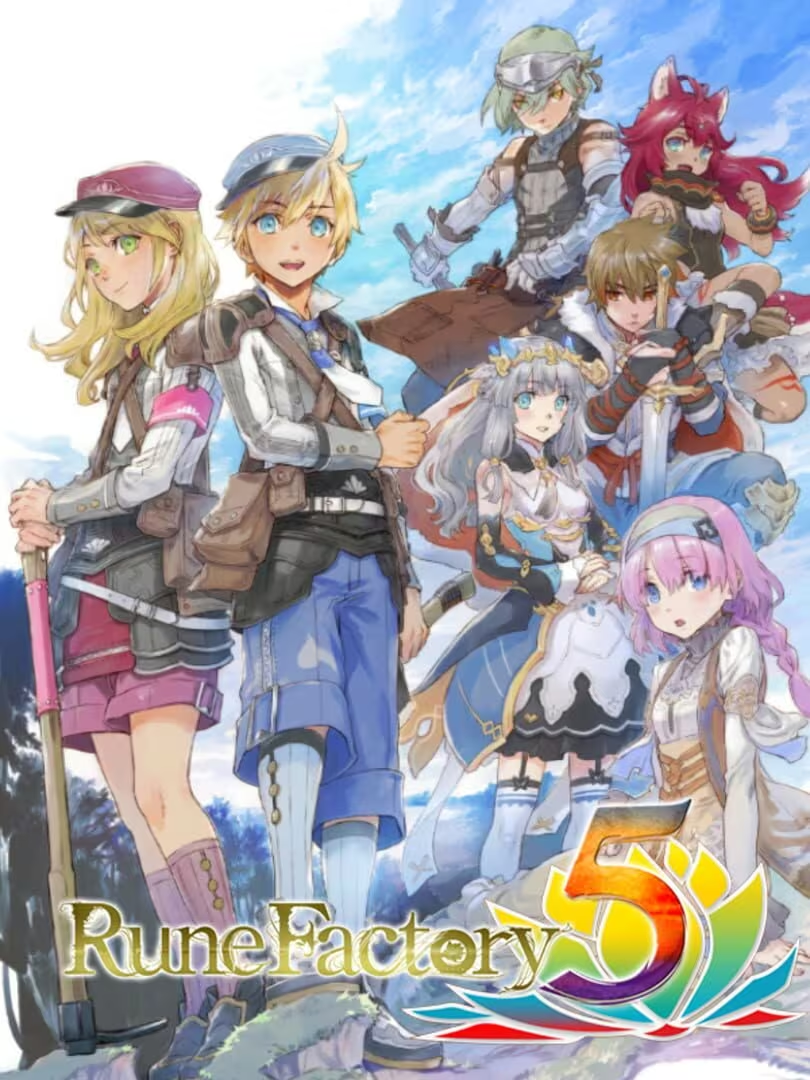 Rune Factory 5
"Strong emphasis on leveling up, acquiring items, and upgrading skills"
-
Relaxation
Game with the same Relaxation vibe
3"Slow-paced gameplay and atmospheric immersion provide a relaxing experience."
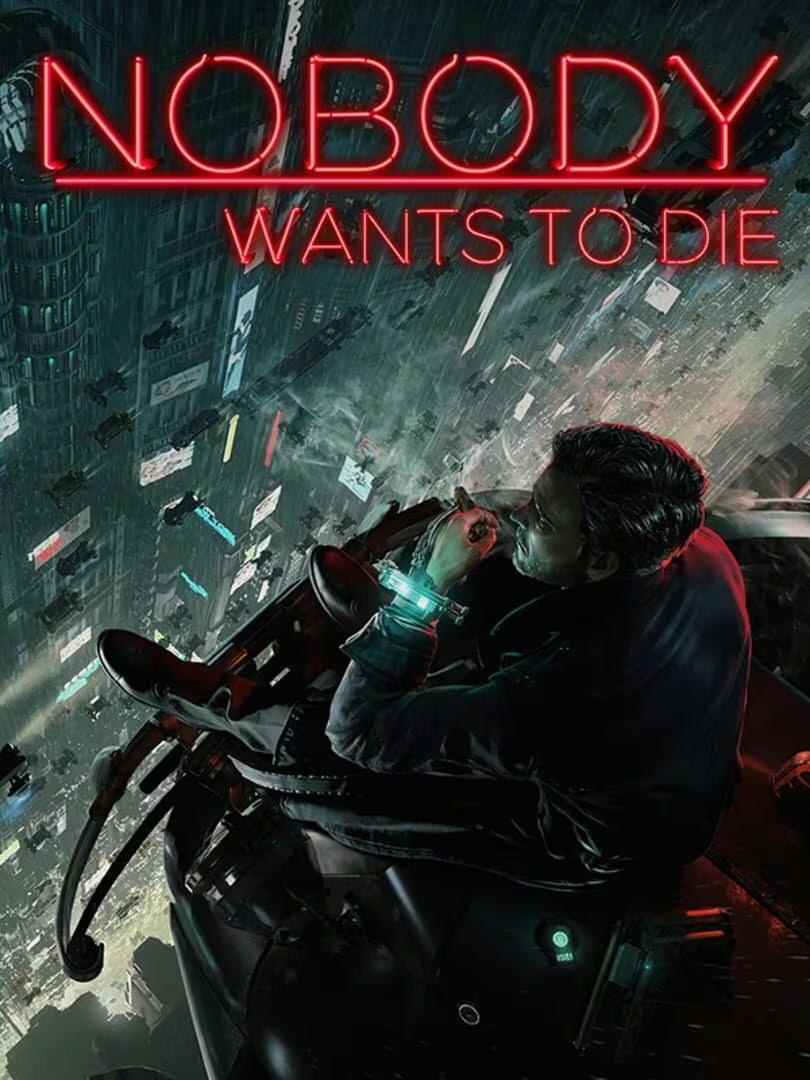 Nobody Wants to Die
"Slow pace and immersive exploration provide a relaxing experience for many players"
-
Sensation
Game with the same Sensation vibe
2"Visuals and sound provide moderate stimulation; not highly intense sensory experience."
 Tap Tap Infinity
"Visuals and sound provide nostalgic and pleasant sensory stimulation, but not intense"
-
Status
Game with the same Status vibe
-5"No social status or recognition systems"
 Minoria
"No social status or recognition systems"
-
Story
Game with the same Story vibe
3"Engaging and evolving narrative with quests and lore, though initially sparse."
 Warframe
"Engaging narrative with lore and quests, though some find it slow or simple"
-
Strategy
Game with the same Strategy vibe
4"Combat and resource management require planning and tactical thinking."
 Grounded
"Combat and resource management require planning and tactical thinking"
-
Thrill
Game with the same Thrill vibe
2"Some suspense and challenge in combat and exploration, but overall controlled experience."
 Shadow Complex Remastered
"Some suspense from survival and combat challenges, but overall controlled experience"
-
Value
Game with the same Value vibe
4"Players feel the game offers good content and depth for the price paid."
 Kynseed
"Players find great content and gameplay depth for the price"
-
Violence
Game with the same Violence vibe
1"Combat exists but is not the main focus; some destruction but also constructive gameplay."
 Odd Realm
"Combat is present but not focused on destruction; also includes constructive activities"
-
Survival
Game with the same Survival vibe
4"Survival mechanics like managing hunger, thirst, and avoiding death are important gameplay aspects."
 Soulash 2
"Survival mechanics like hunger, thirst, and resource management are core gameplay elements"
Last update: 01/06/2026