Cubot similar games & best alternatives
Should you play it?
At first sight, Cubot is a puzzle-game with a minimalist gameplay, just move color cubes towards tiles of the same color. It's really easy, but it will be a torture for your mind to complete all levels of the game because the apparent simplicity of the game is in contradiction with the complexity of the level-design.
What works
- Challenging and satisfying puzzles
- Minimalist and calming design
- Good value for price
- Progressive introduction of mechanics
- Relaxing soundtrack
Things to keep in mind
- Lack of undo or quick reset frustrates some players
- Some controls and ui feel clunky
- No narrative or story
- Repetitive music and sound effects
- No multiplayer or social features
What to play next
Similar games, hidden gems, and fresh directions from this game.
Top picks
Games that feel the closest overall

Hidden Gems
Less popular games with surprisingly high similarity
If you liked…
Recommendations by what you enjoyed most
Similarity map
Explore nearby similar games and see why they’re close.
Cubot: A very typical example of its motivational profile. Motivations that often define this kind of title include Violence, Fantasy, Story, Thrill. It leans lower than usual among comparable games on Expression, Story, Survival.
Why this game works
A motivational profile of the game, with the closest similar game for each player motivation.
-
Autonomy
Game with the same Autonomy vibe
4"Players freely decide cube movement direction and solve puzzles with no forced routines."
 hocus
hocus
"Players freely decide how to move cubes and solve puzzles with no fixed routine; multiple strategies possible."
-
Competence
Game with the same Competence vibe
4"Challenging puzzles and problem solving require skill and thought; players receive feedback and hints to support mastery."
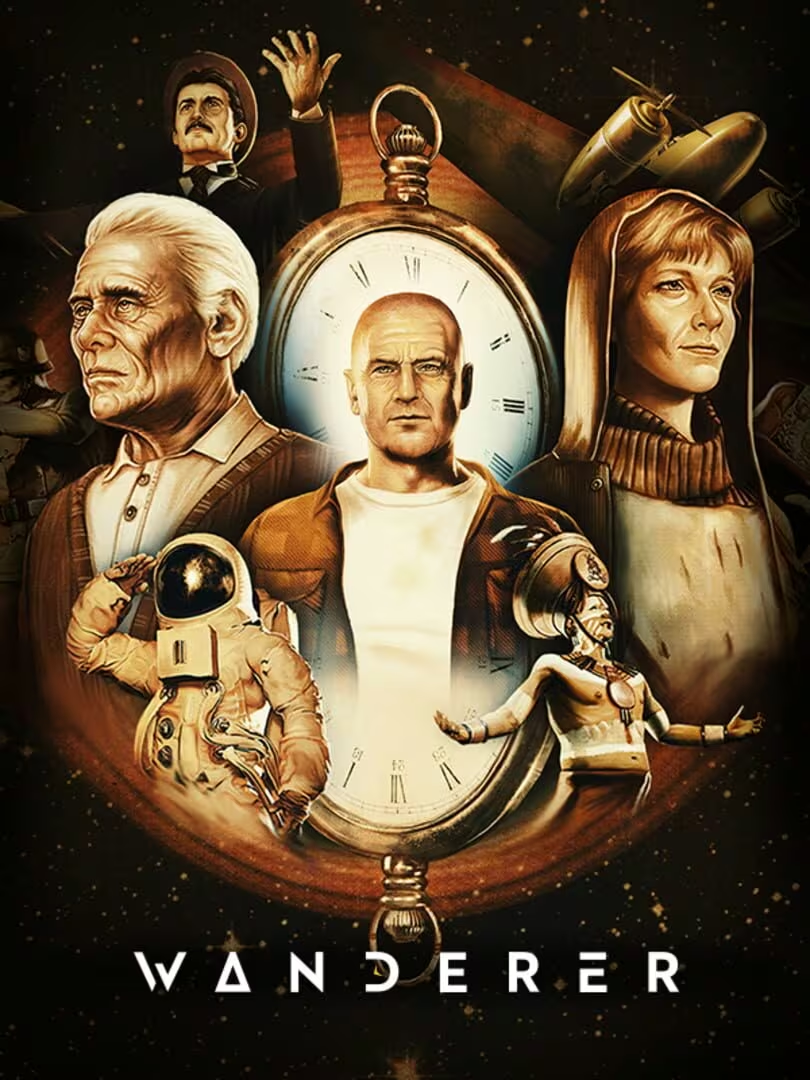 Wanderer
"Challenging puzzles require skillful planning and problem solving; feedback on move counts encourages mastery."
-
Competition
Game with the same Competition vibe
-3"Focus is on personal performance and puzzle-solving without ranked modes or direct player-vs-player competition."
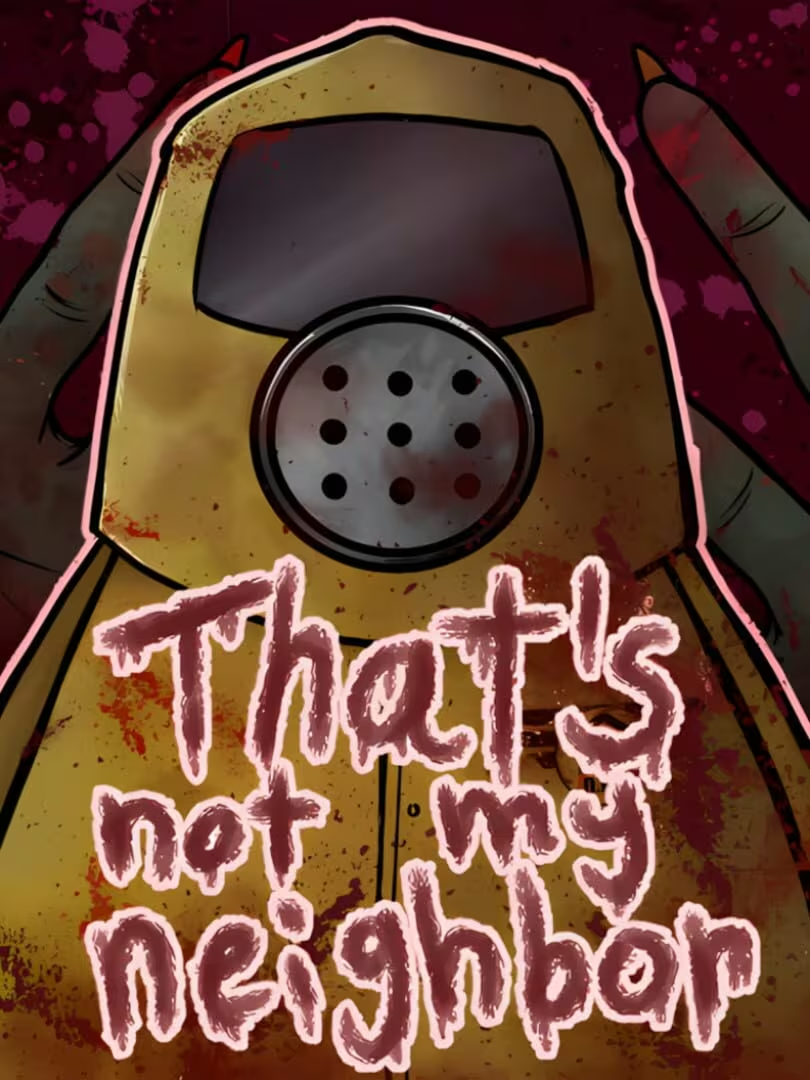 That's not my Neighbor
"Focus is on personal puzzle solving and optimizing moves, no direct player-vs-player competition."
-
Continuation
Game with the same Continuation vibe
3"Players engage in replaying levels for better times and collectibles, showing habitual play and attachment."
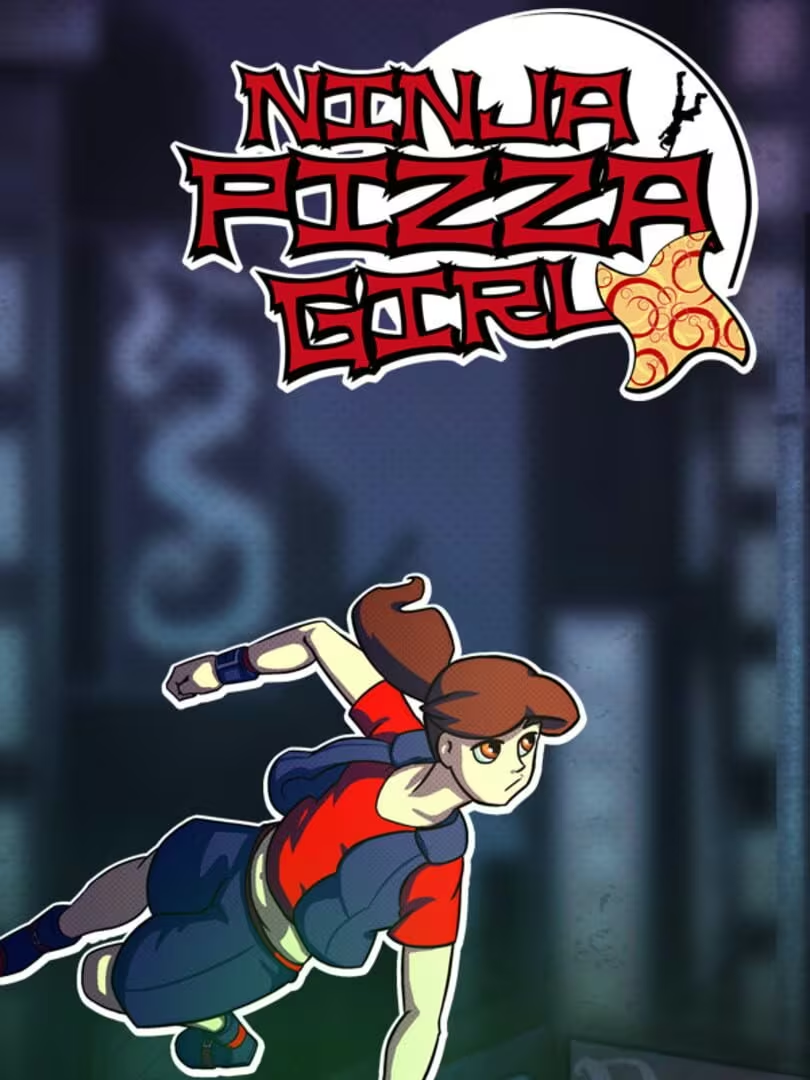 Ninja Pizza Girl
"Players report engaging with many levels and replaying to improve move counts, showing sustained interest."
-
Cooperation
Game with the same Cooperation vibe
-5"Single-player puzzle game with no multiplayer or cooperative elements."
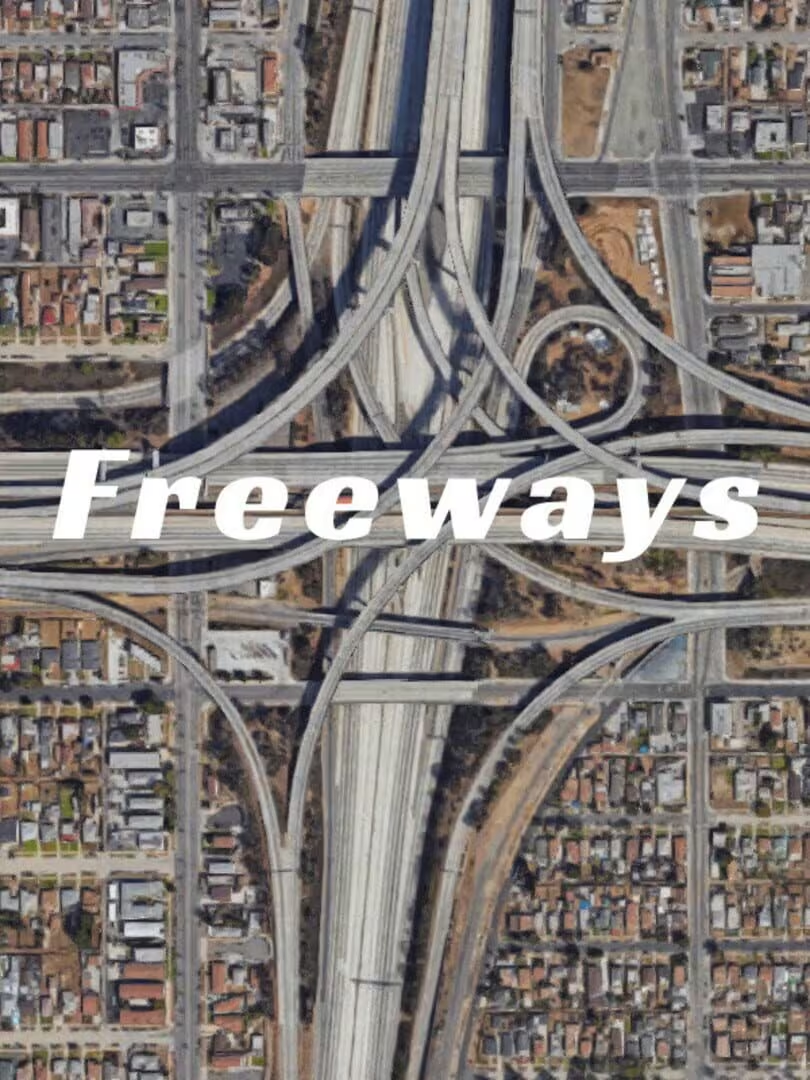 Freeways
"Single-player puzzle game with no multiplayer or cooperative elements."
-
Creativity
Game with the same Creativity vibe
2"Players experiment with different move sequences and strategies to find optimal solutions, though within fixed puzzle layouts."
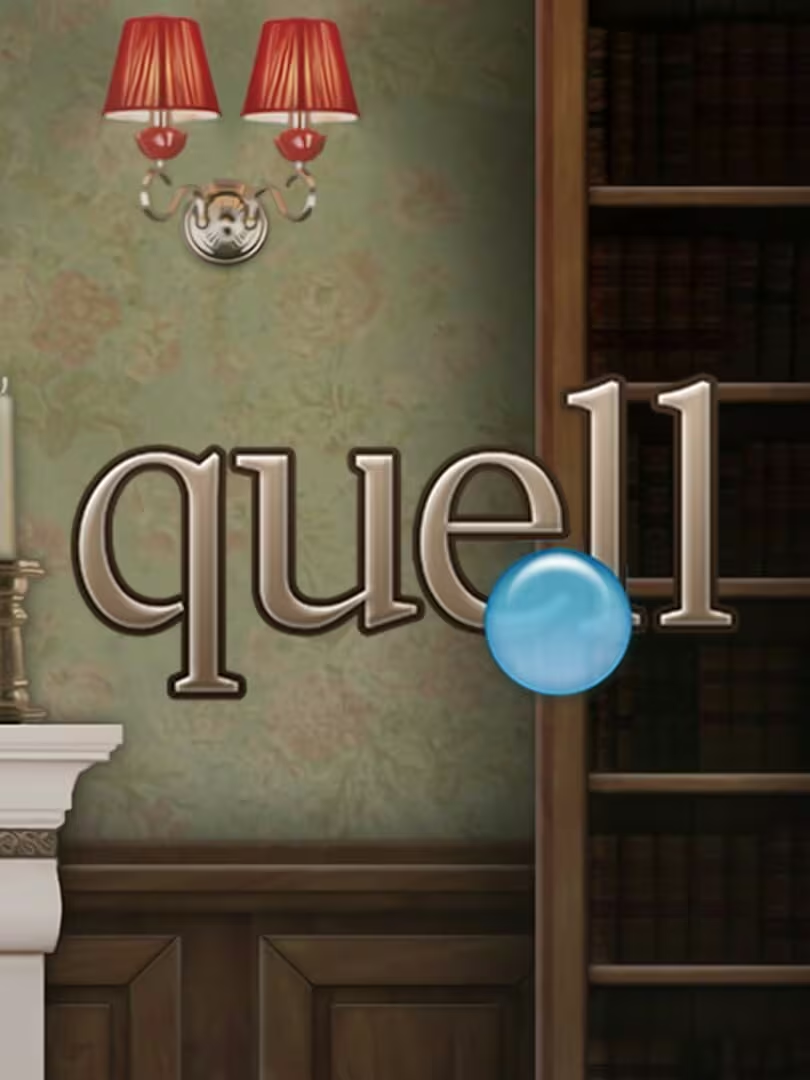 Quell
Quell
"Players experiment with different move sequences and strategies, though within fixed puzzle constraints."
-
Domination
Game with the same Domination vibe
-5"No elements of exerting control over others; purely individual puzzle solving."
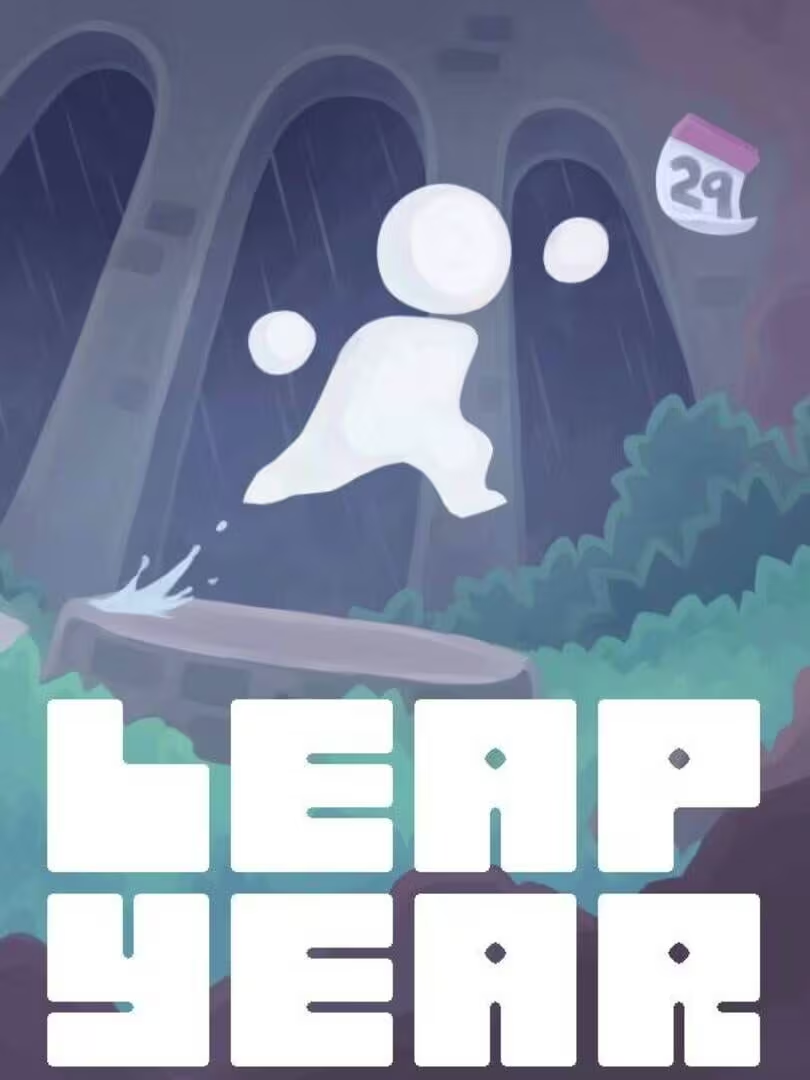 Leap Year
"No elements of exerting control over others; purely individual puzzle solving."
-
Escapism
Game with the same Escapism vibe
3"Relaxing music and minimalistic design provide a calming escape from real life stress."
 Lines X Free
"Relaxing music and minimalist design provide a calming escape from real life stress."
-
Expectation
Game with the same Expectation vibe
-4"Players engage voluntarily for mental challenge and enjoyment; no obligation or external pressure reported."
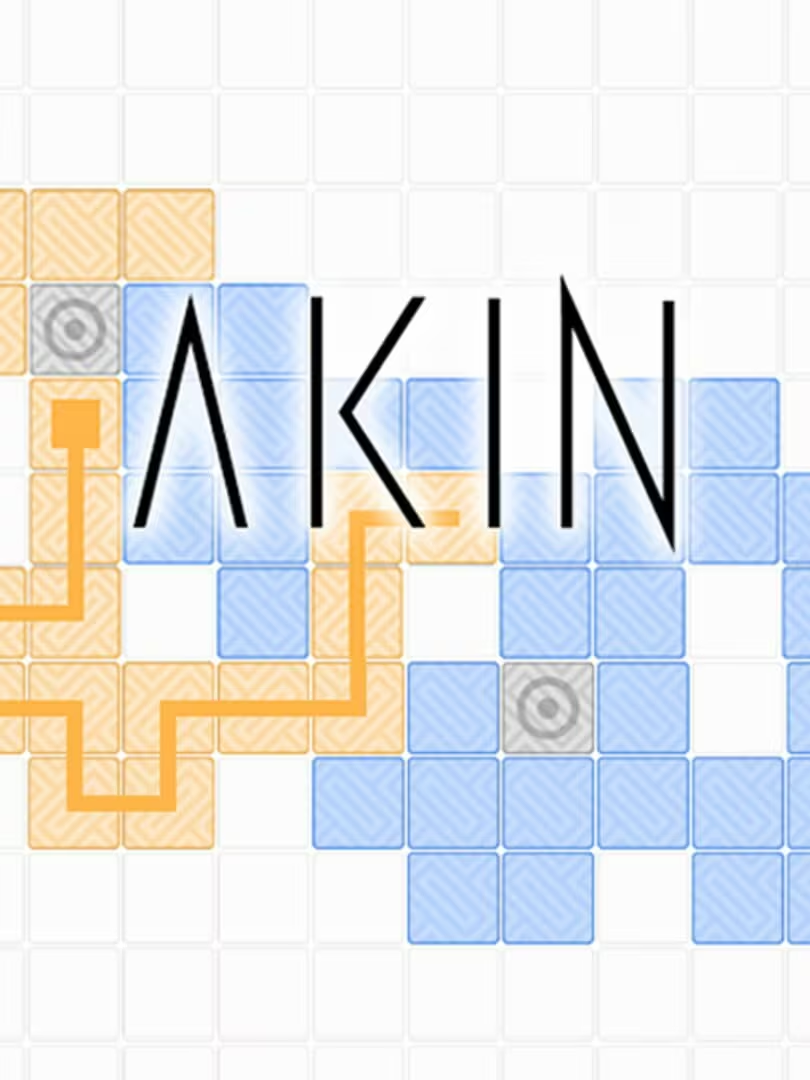 Akin
Akin
"Players engage voluntarily for enjoyment and mental challenge, no external pressure noted."
-
Experimenting
Game with the same Experimenting vibe
4"Game encourages trying different movements and strategies to solve puzzles."
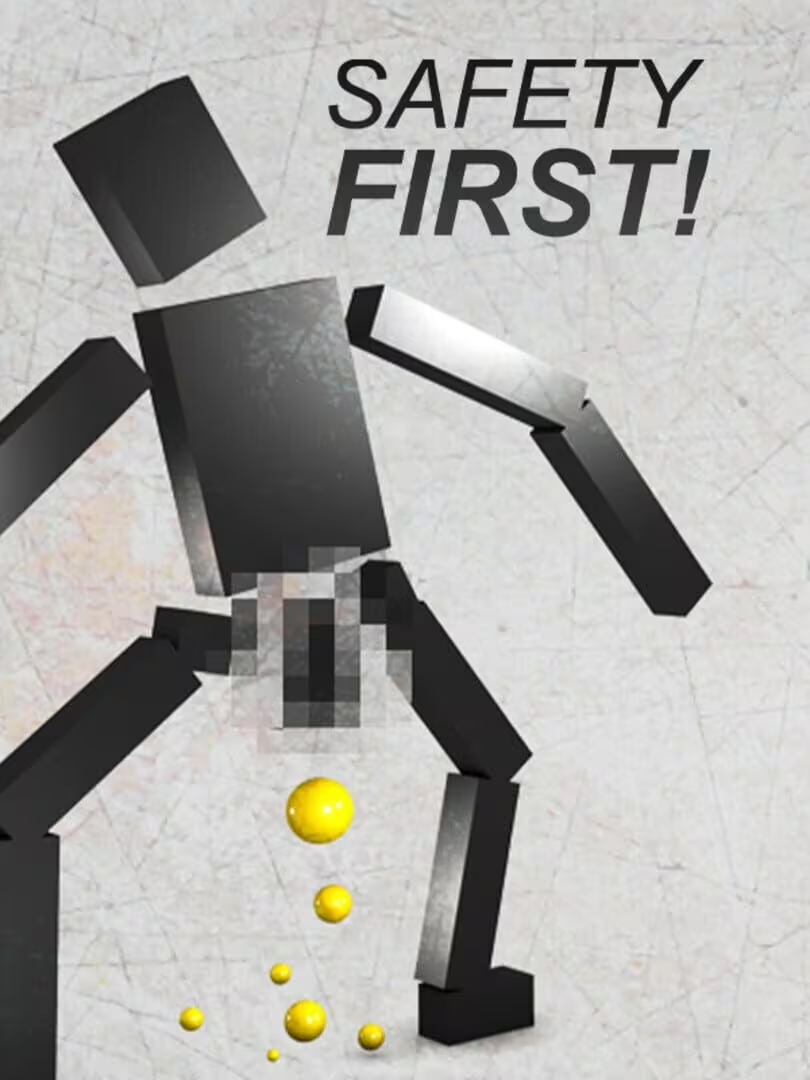 Safety First!
"Game encourages trying new approaches to solve puzzles and optimize moves."
-
Exploration
Game with the same Exploration vibe
-2"Puzzle environments are abstract and consistent; discovery is about logical patterns rather than new areas."
 Hexcells Infinite
"Puzzle environments are abstract and consistent; discovery is more about mechanics than new areas."
-
Expression
Game with the same Expression vibe
-3"Minimalist visuals with limited customization; no avatar or environment personalization."
 KNIGHTS
"Minimalist visuals with limited customization; no avatar or environment personalization."
-
Fantasy
Game with the same Fantasy vibe
-4"Abstract, minimalistic puzzle game with no narrative or fictional elements"
 Strata
"Abstract, minimalistic puzzle game with no narrative or fictional setting."
-
Fellowship
Game with the same Fellowship vibe
-4"Primarily solo play with minimal social interaction beyond community forums or Discord."
 Green Project
"Primarily solo play with minimal social interaction beyond community forums."
-
Growth
Game with the same Growth vibe
4"Players develop problem-solving skills and improve with practice over many puzzles."
 LYNE
LYNE
"Players develop problem-solving skills and improve efficiency in completing puzzles."
-
Health
Game with the same Health vibe
-5"Sedentary gameplay with no physical activity involved."
 World of Tanks Blitz
"Sedentary gameplay with no physical activity involved."
-
Idle
Game with the same Idle vibe
-3"Requires focused attention and active problem solving; not suited for passive or background play."
 Escape Simulator
"Requires focused attention and active problem solving; not suited for passive or background play."
-
Intimacy
Game with the same Intimacy vibe
-5"No social or emotional relationship building within the game."
 Slay the Spire
"No social or emotional relationship building within the game."
-
Leadership
Game with the same Leadership vibe
-5"No leadership or group management elements present."
 Trover Saves the Universe
"No leadership or group management elements present."
-
Progression
Game with the same Progression vibe
3"Players progress through levels and unlock new mechanics and bonus puzzles."
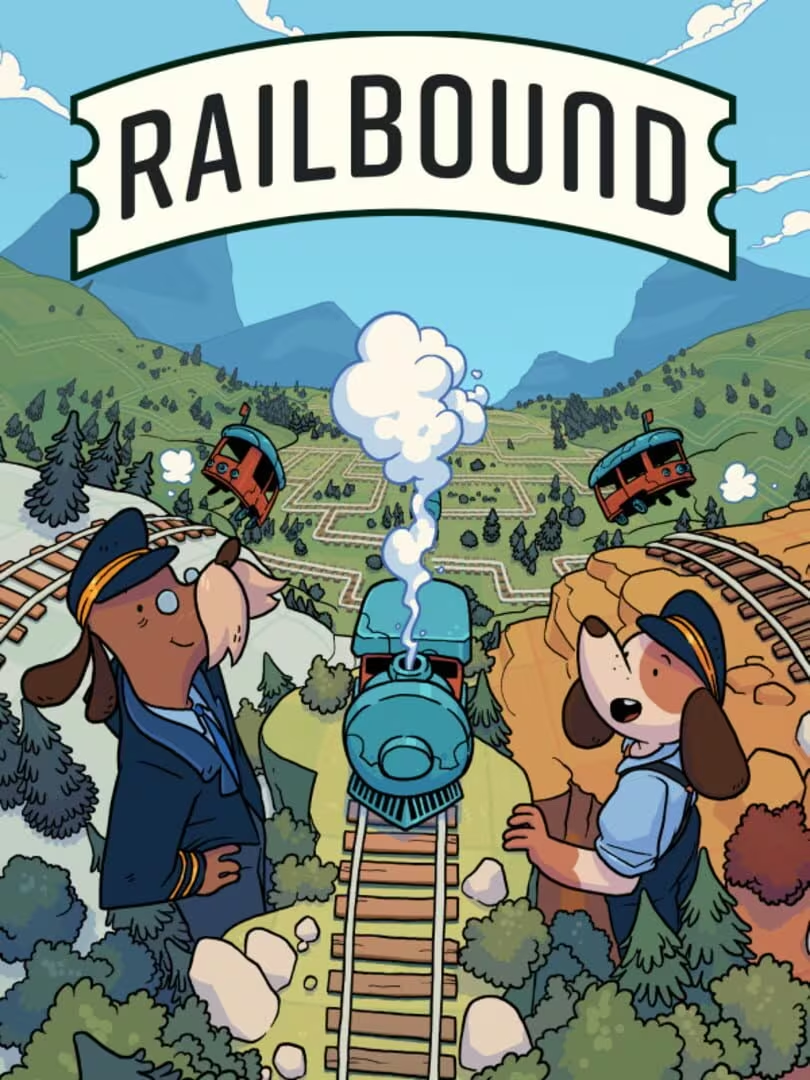 Railbound
"Players progress through levels and unlock new mechanics, with achievements and move optimization."
-
Relaxation
Game with the same Relaxation vibe
4"Calm music and minimalist design create a relaxing atmosphere despite challenging puzzles."
KNIGHTS
"Calming soundtrack and minimalist design create a relaxing atmosphere despite challenging puzzles."
-
Sensation
Game with the same Sensation vibe
1"Minimalistic visuals and subtle audio provide moderate sensory stimulation without intense excitement."
 OneShift
"Simple visual and audio design provides moderate sensory stimulation without intense excitement."
-
Status
Game with the same Status vibe
-4"No social status or recognition systems; achievements are personal and low-profile."
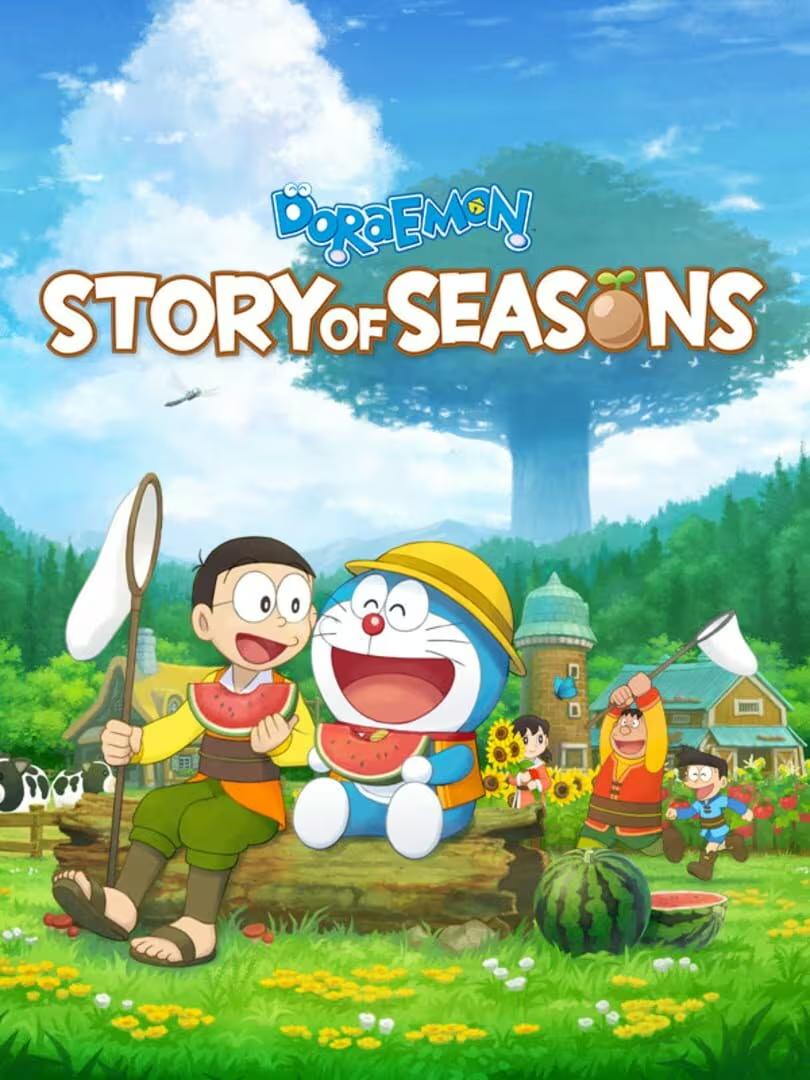 DORAEMON STORY OF SEASONS
"No social status or recognition systems; achievements are personal and low-profile."
-
Story
Game with the same Story vibe
-5"No narrative or story elements; purely abstract puzzle gameplay."
LYNE
"No narrative or story elements; purely abstract puzzle gameplay."
-
Strategy
Game with the same Strategy vibe
5"Heavy emphasis on logical reasoning, planning, and problem solving throughout the puzzles."
 Tametsi
"Strong emphasis on planning, logic, and problem solving to complete puzzles efficiently."
-
Thrill
Game with the same Thrill vibe
-3"Low risk and suspense; gameplay is calm and methodical rather than thrilling."
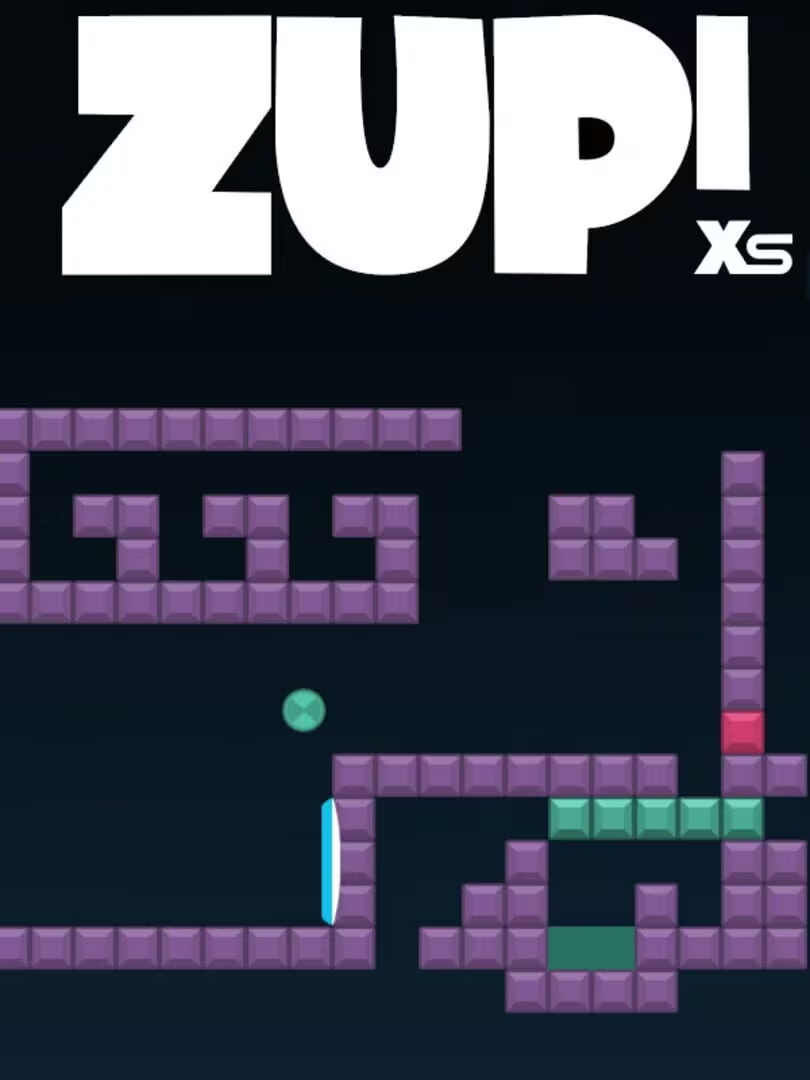 Zup! XS
"Low risk and suspense; gameplay is calm and methodical rather than thrilling."
-
Value
Game with the same Value vibe
4"Players perceive good value for price with many levels and enjoyable gameplay."
 Cats Organized Neatly
"Players find good value for the low price with many levels and satisfying gameplay."
-
Violence
Game with the same Violence vibe
-5"No violence; gameplay centers on constructive puzzle solving."
 The Room Three
"No violence; gameplay centers on constructive puzzle solving."
-
Survival
Game with the same Survival vibe
-5"No survival or threat elements; stable and safe puzzle environment."
 Pictopix
"No survival or threat elements; stable and safe puzzle environment."
Last update: 01/06/2026