SquareCells similar games & best alternatives
Should you play it?
SquareCells is an ambient logic puzzle game.
What works
- Well-designed challenging puzzles
- Relaxing ambient soundtrack
- Minimalist and clean interface
- Logical deduction without guessing
- Affordable price
Things to keep in mind
- Limited number of puzzles (36)
- No random puzzle generator
- Short overall playtime
- Small ui elements can be hard to read
- Lack of replayability and social features
What to play next
Similar games, hidden gems, and fresh directions from this game.
Top picks
Games that feel the closest overall



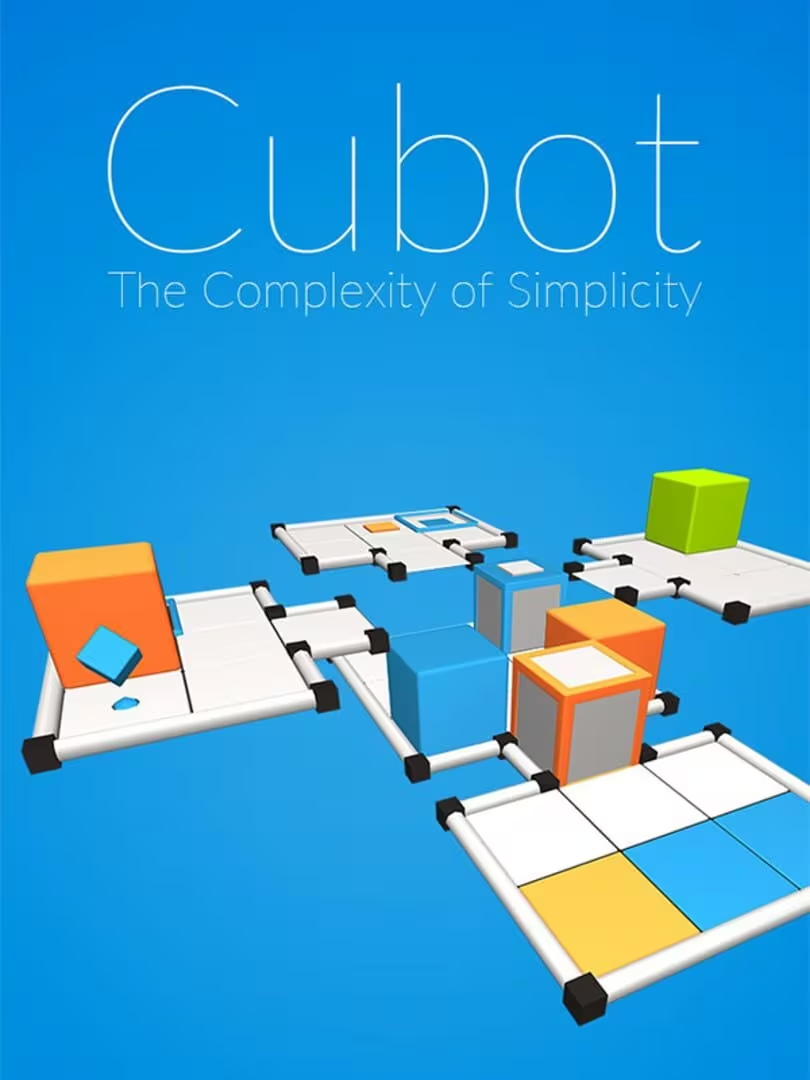

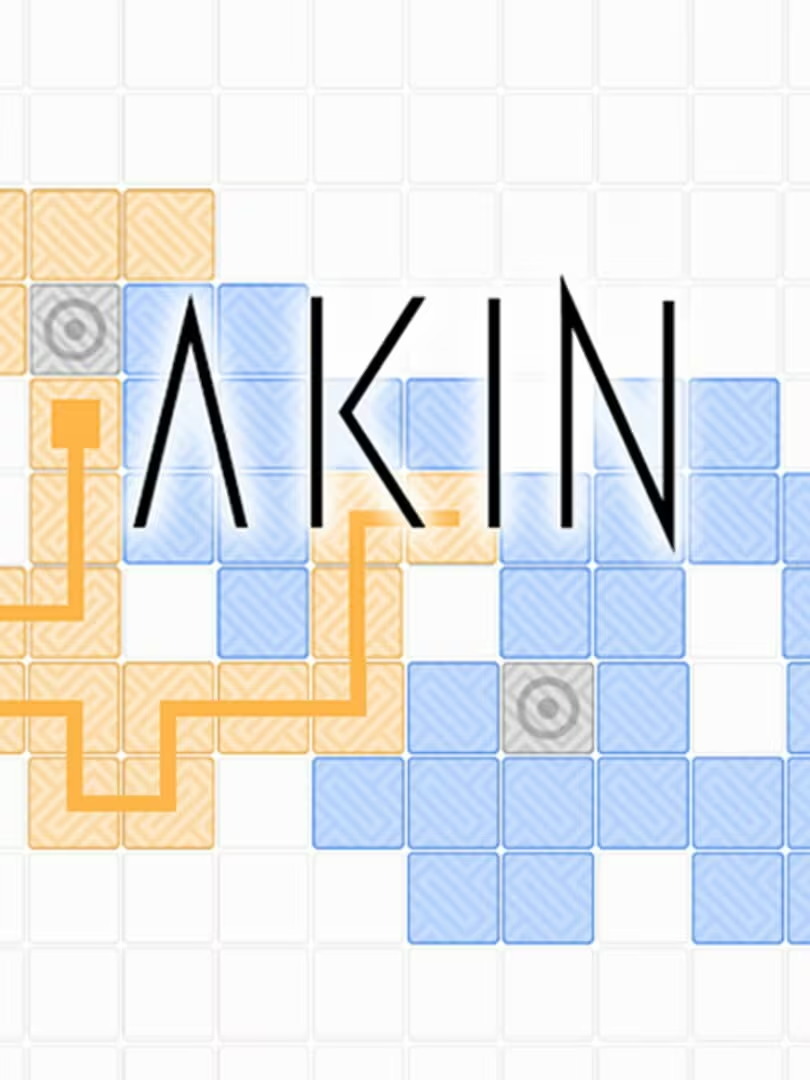
Hidden Gems
Less popular games with surprisingly high similarity
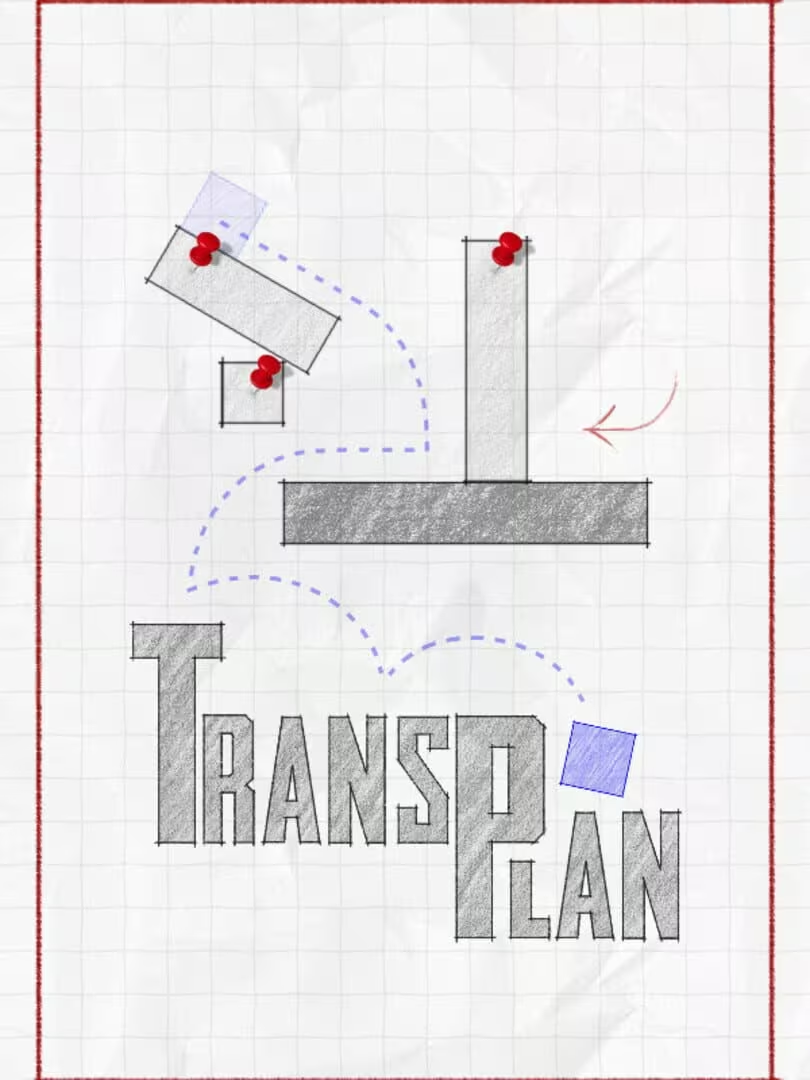
If you liked…
Recommendations by what you enjoyed most
Similarity map
Explore nearby similar games and see why they’re close.
SquareCells: Less representative of its motivational profile, with noticeable differences. Motivations that often define this kind of title include Violence, Fantasy, Story, Thrill. It leans lower than usual among comparable games on Continuation, Expression, Fantasy.
Why this game works
A motivational profile of the game, with the closest similar game for each player motivation.
-
Autonomy
Game with the same Autonomy vibe
4"Players have freedom to decide which cells to activate or deactivate and solve puzzles through logical deduction without forced routines."
 CrossCells
"Players freely decide which cells to mark or remove, solving puzzles through logical deduction without forced routines."
-
Competence
Game with the same Competence vibe
4"Game challenges players with increasingly difficult puzzles requiring logic, knowledge, and problem-solving skills."
 100 Doors Game - Escape from School
"The game challenges players with progressively difficult puzzles requiring skillful logical reasoning and problem solving."
-
Competition
Game with the same Competition vibe
-4"Focus is on individual puzzle solving at personal pace without leaderboards or direct competition."
 hexceed
"Focus is on individual puzzle solving at one's own pace without leaderboards or direct competition."
-
Continuation
Game with the same Continuation vibe
-3"Short game length (~3-4 hours), low replayability due to linear story and fixed puzzles."
 Lucius Demake
"Limited content with 36 handcrafted puzzles and no random generator leads to a relatively short playtime and low replayability."
-
Cooperation
Game with the same Cooperation vibe
-5"Entirely a single-player experience with no cooperative or multiplayer elements."
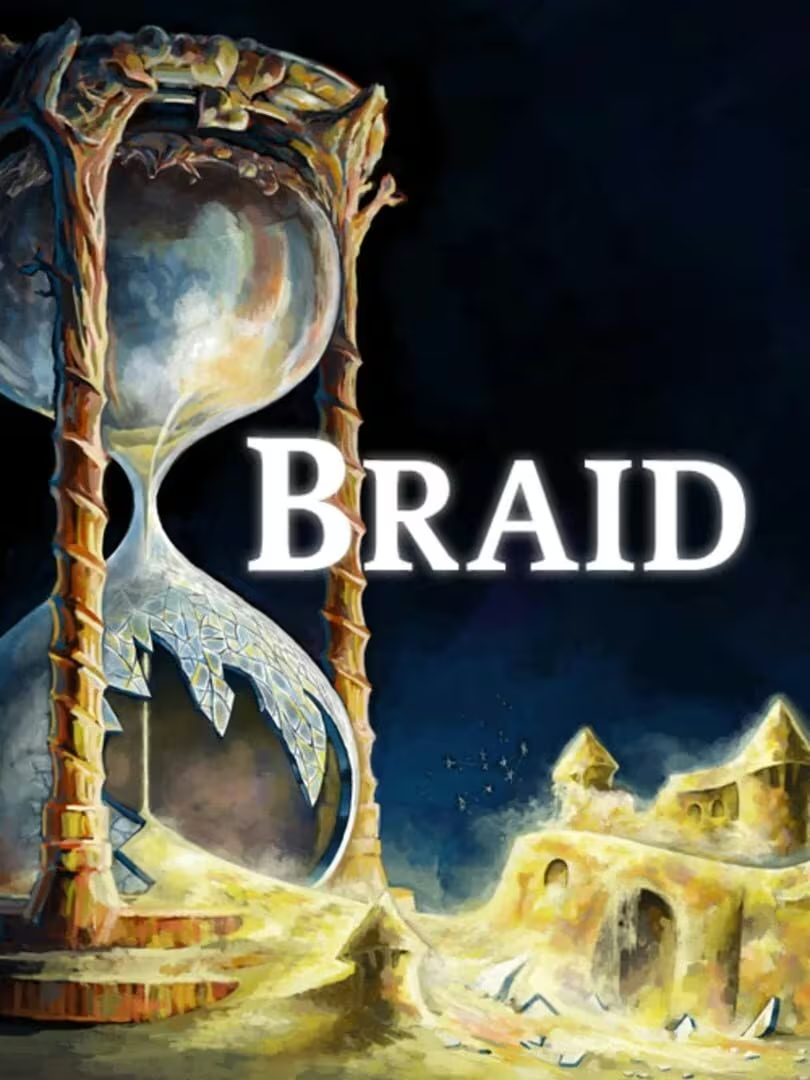 Braid
Braid
"Entirely a single-player experience with no cooperative or multiplayer elements."
-
Creativity
Game with the same Creativity vibe
2"Players engage in puzzle solving and exploration with some creative problem solving, but no player-driven creation or customization."
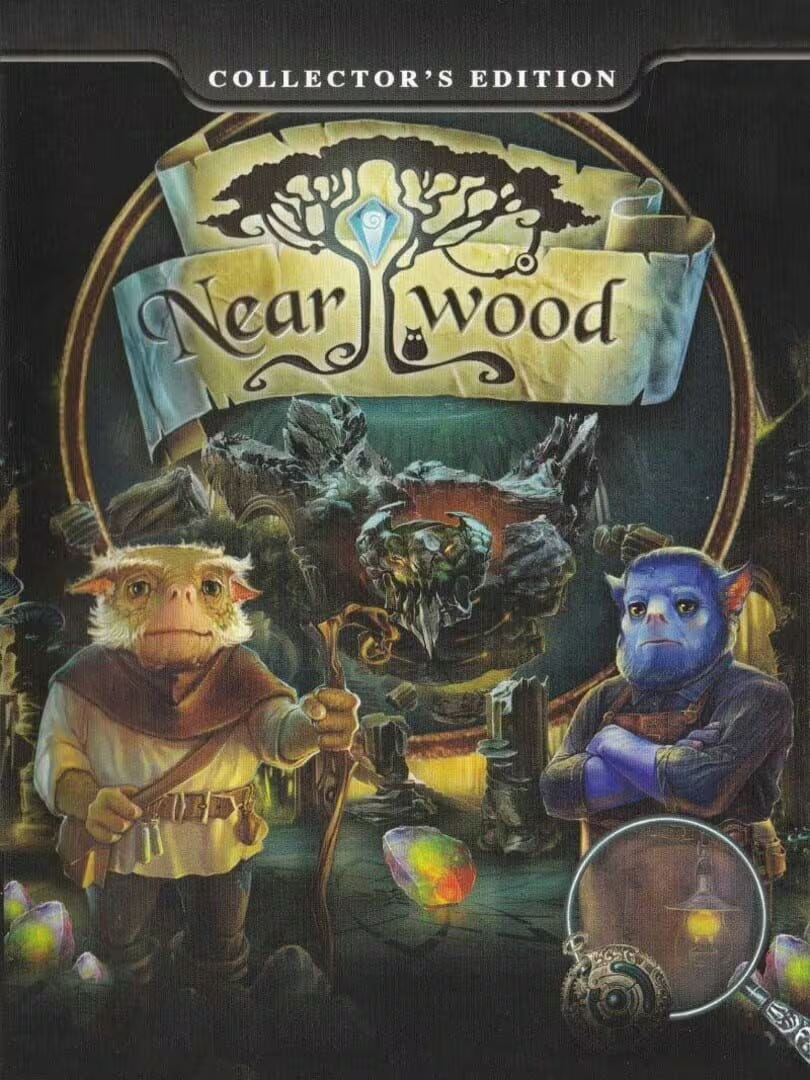 Nearwood - Collector's Edition
"Players engage in creative logical thinking and experimentation within the puzzle mechanics, but no creation or customization."
-
Domination
Game with the same Domination vibe
-5"No social dominance or power dynamics; purely individual puzzle solving."
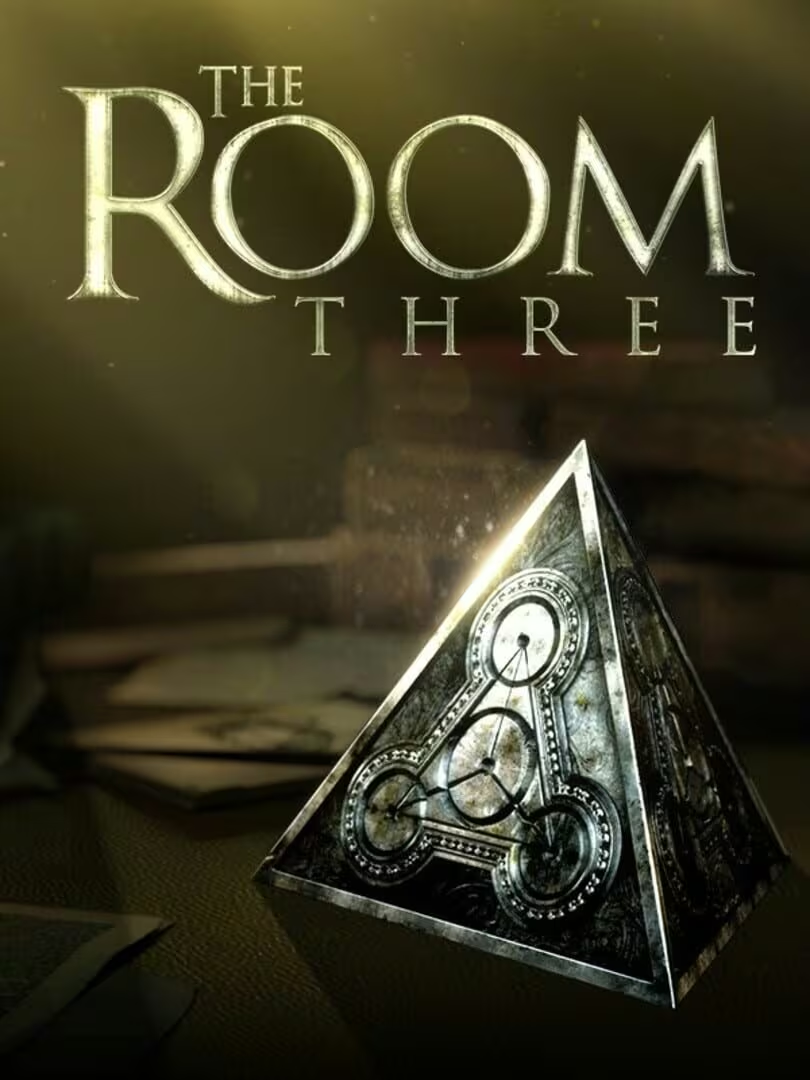 The Room Three
"No social dominance or power dynamics; purely individual puzzle solving."
-
Escapism
Game with the same Escapism vibe
3"The relaxing music and immersive puzzle solving provide a pleasant distraction and mental engagement away from real life."
 Delete
"Provides a relaxing, meditative environment with ambient music to escape daily stress through focused puzzle solving."
-
Expectation
Game with the same Expectation vibe
-4"Players engage voluntarily out of intrinsic interest in logic puzzles and gameplay."
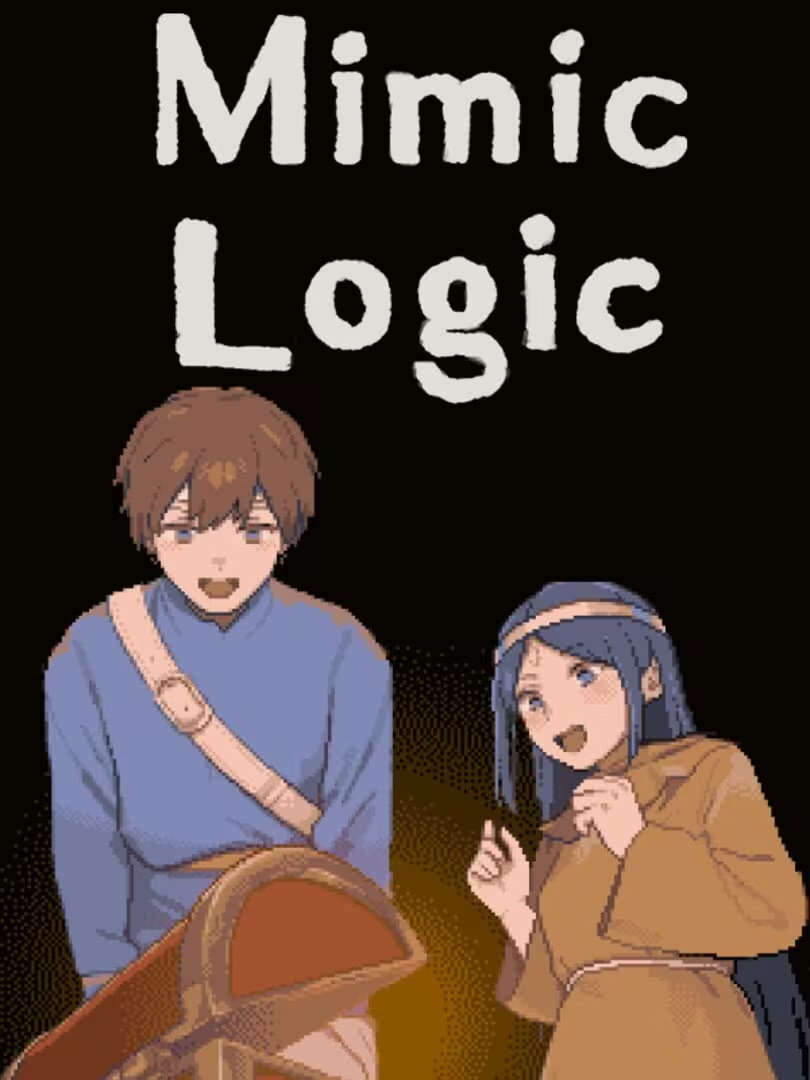 Mimic Logic
"Players engage voluntarily out of intrinsic interest in logic puzzles and personal challenge."
-
Experimenting
Game with the same Experimenting vibe
3"Players explore different clues, test hypotheses, and try various deductions to solve puzzles."
 The Red Pearls Of Borneo
"Players try different logical approaches and test hypotheses to solve puzzles, encouraging experimentation within rules."
-
Exploration
Game with the same Exploration vibe
-3"Puzzle grids are fixed and known; no exploration of new areas or secrets."
 Khimera: Puzzle Island
"Puzzle grids and mechanics are fixed and known; no discovery of new areas or secrets."
-
Expression
Game with the same Expression vibe
-4"Minimalist presentation with no character or environment customization."
 Two Digits
"Minimalist presentation with no character or environment customization options."
-
Fantasy
Game with the same Fantasy vibe
-5"Grounded in abstract logic puzzles without fictional or narrative elements."
 Hexcells
"Grounded in abstract logic puzzles with no fictional or imaginative narrative elements."
-
Fellowship
Game with the same Fellowship vibe
-5"No social or community features; purely solo play."
 Euro Truck Simulator
"No social or community features; purely solo play."
-
Growth
Game with the same Growth vibe
4"Players develop logical thinking and puzzle-solving skills progressively through increasing difficulty."
 Paint it Back
"Players develop logical reasoning skills and improve puzzle-solving ability through progressively harder levels."
-
Health
Game with the same Health vibe
-5"Sedentary gameplay with no physical activity or health-related features."
 DRAGON BALL Z: KAKAROT
"Sedentary gameplay with no physical activity or health-related features."
-
Idle
Game with the same Idle vibe
-4"Requires focused attention and active engagement to solve puzzles; not suited for background play."
 Lucifer Within Us
"Requires focused attention and continuous engagement to solve puzzles; not suited for background play."
-
Intimacy
Game with the same Intimacy vibe
-5"No social interactions or relationship-building features."
 A Game About Digging A Hole™
"No social interactions or relationship-building features."
-
Leadership
Game with the same Leadership vibe
-5"No leadership or group management elements."
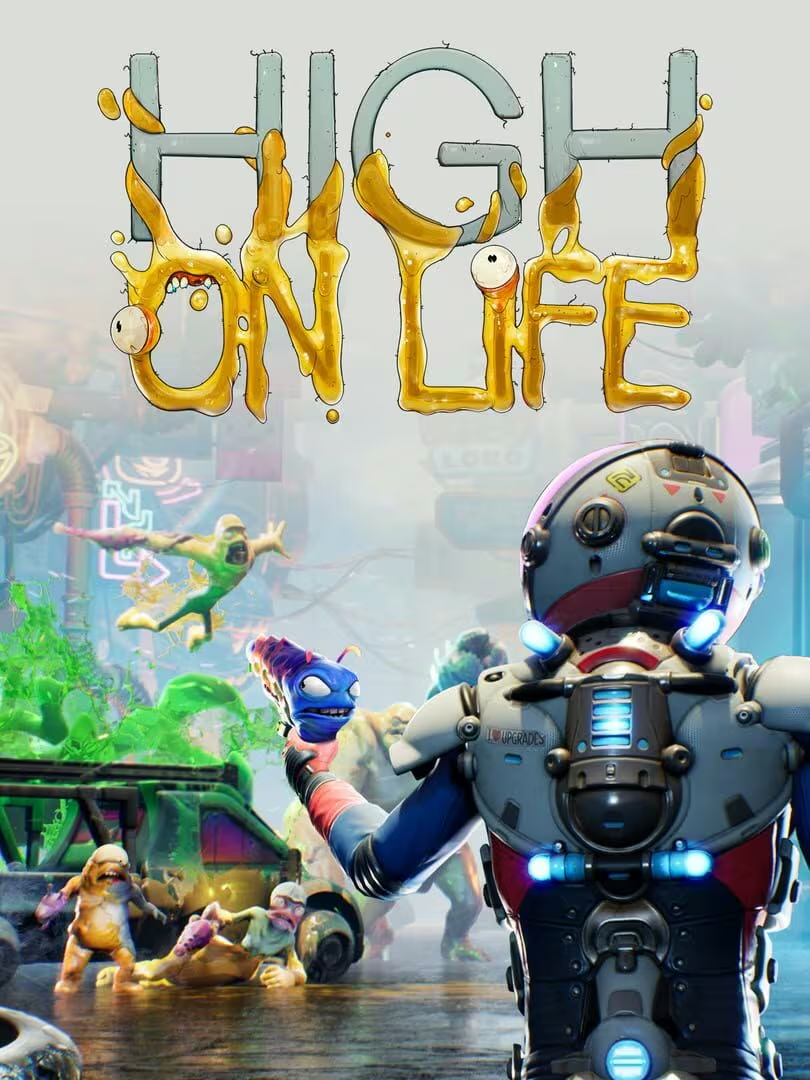 High On Life
"No leadership or group management elements."
-
Progression
Game with the same Progression vibe
3"Players progress by solving puzzles and unlocking new steps, though no item collection or upgrades."
 Belko VR: An Escape Room Experiment
"Players progress by completing puzzles and earning stars, though no item collection or upgrades."
-
Relaxation
Game with the same Relaxation vibe
4"Calm music and minimalist design create a relaxing atmosphere despite challenging puzzles."
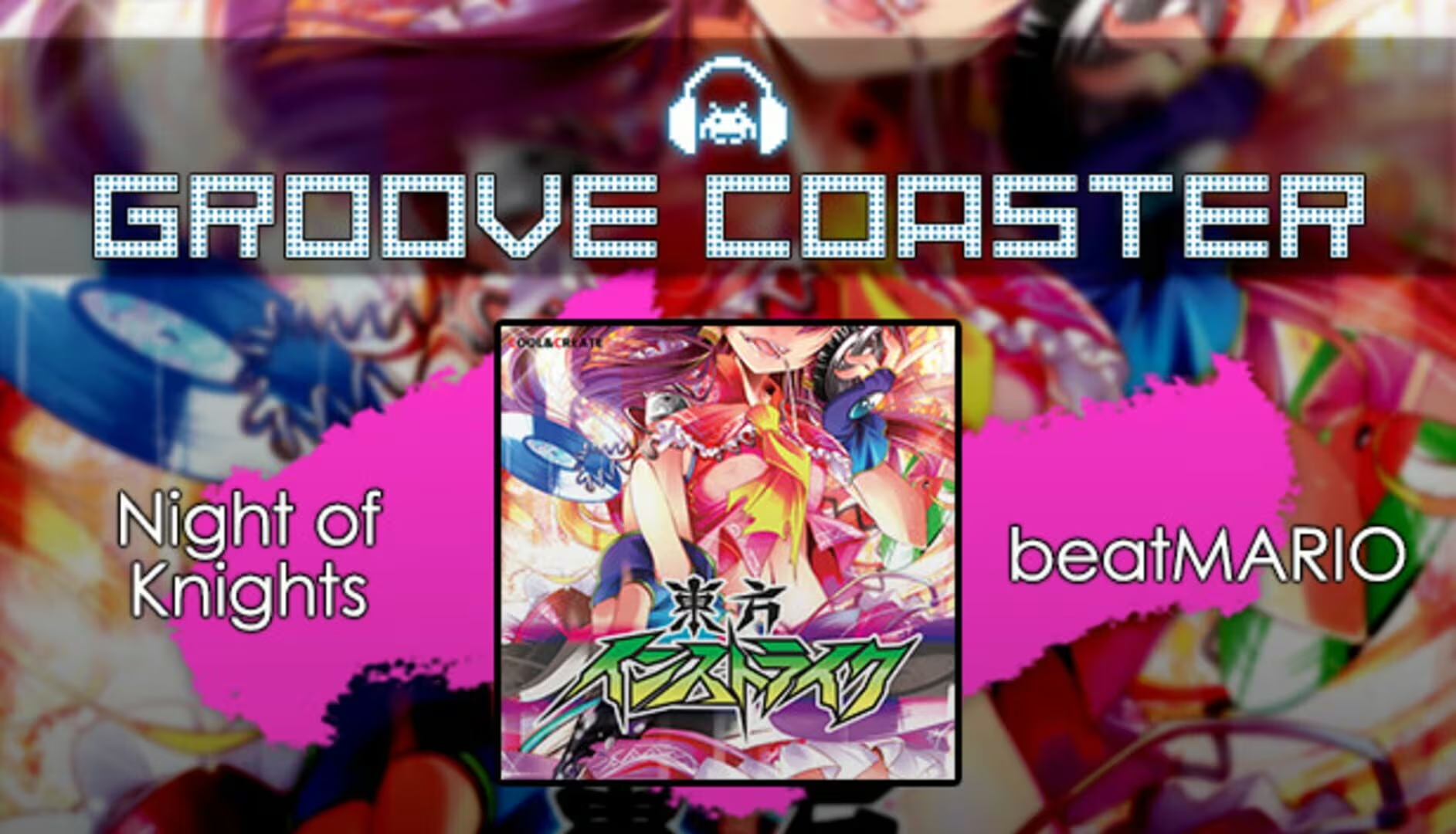 KNIGHTS
"Calming ambient music and minimalist design create a relaxing flow state despite challenging puzzles."
-
Sensation
Game with the same Sensation vibe
2"Pleasant audio-visual feedback and sound effects enhance sensory enjoyment."
Hexcells
"Pleasant auditory feedback and subtle visual effects enhance sensory enjoyment without overstimulation."
-
Status
Game with the same Status vibe
-5"No social recognition or status systems present."
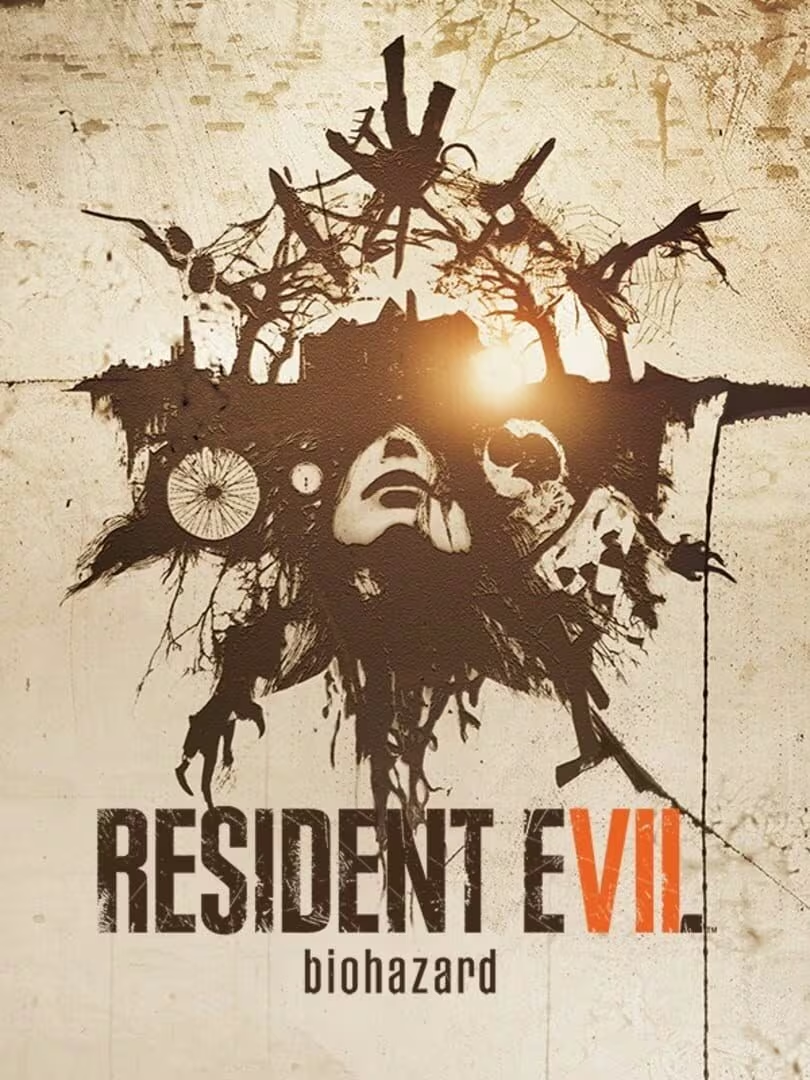 Resident Evil 7 Biohazard
"No social recognition or status systems present."
-
Story
Game with the same Story vibe
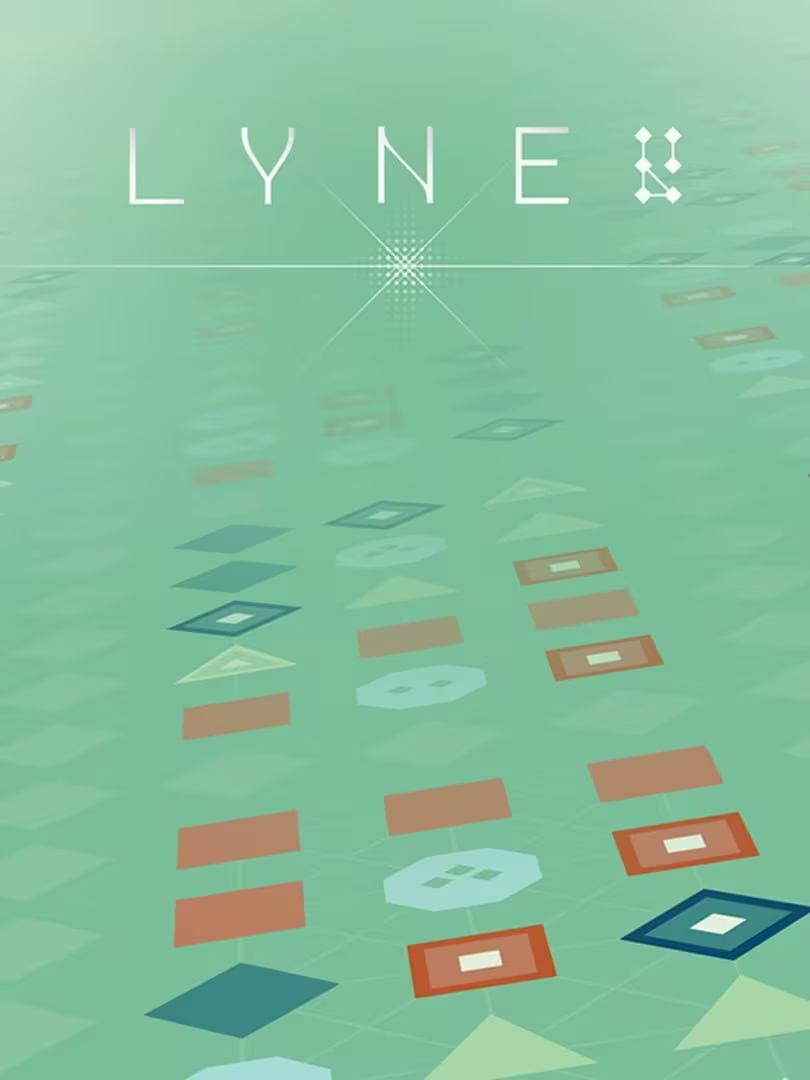
-5"No narrative or story elements; purely abstract puzzle gameplay."
 LYNE
LYNE
"No narrative or story elements; purely abstract puzzle gameplay."
-
Strategy
Game with the same Strategy vibe
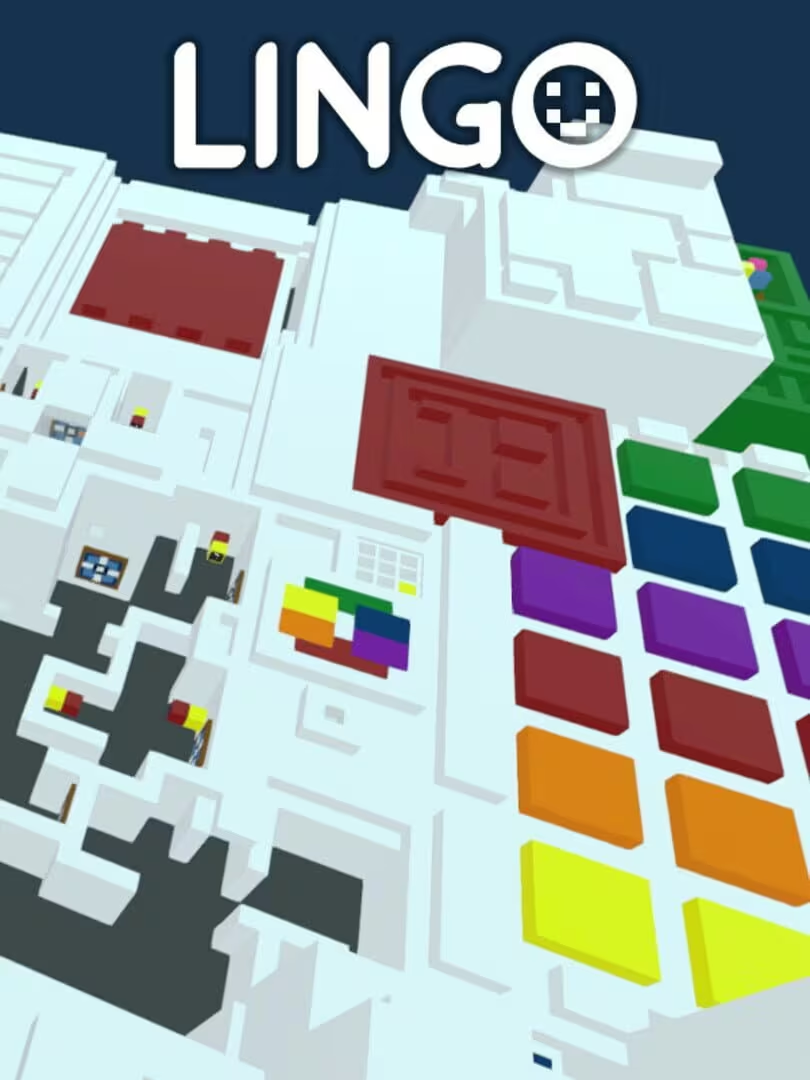
4"Requires logical reasoning, rule deduction, and planning to solve complex puzzles."
 Lingo
Lingo
"Requires careful planning, logical deduction, and mental problem solving to complete puzzles."
-
Thrill
Game with the same Thrill vibe
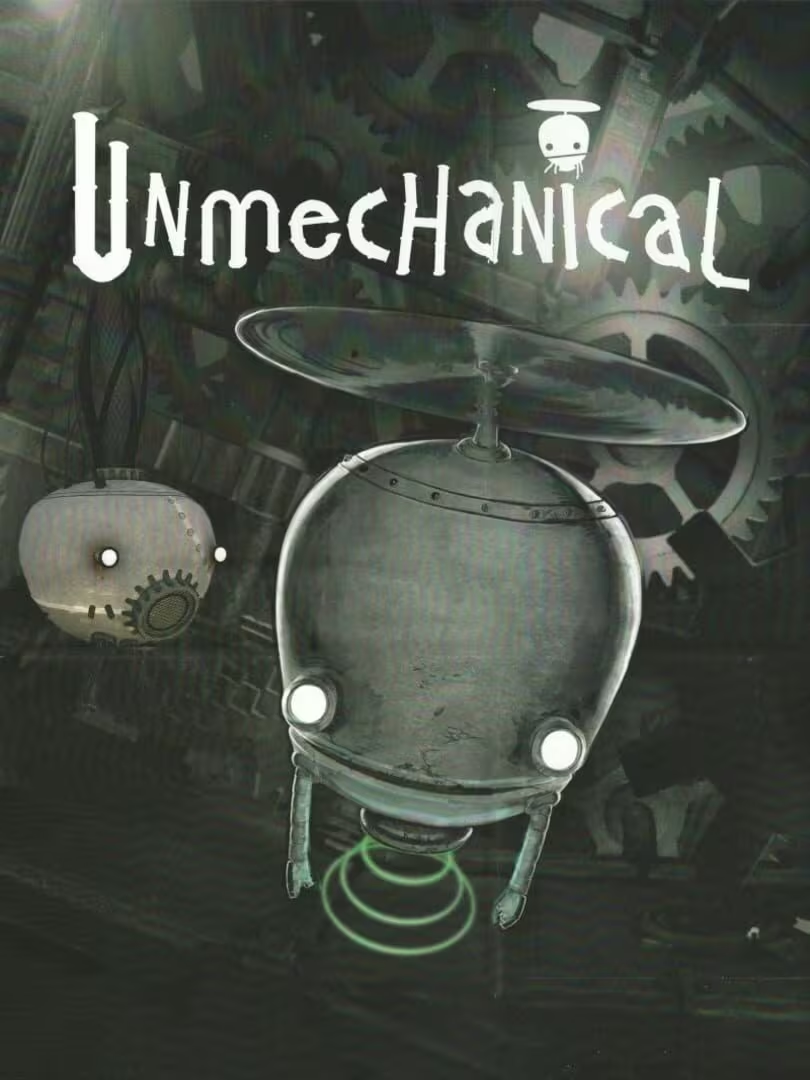
-2"Low risk and tension; gameplay is calm with few suspenseful moments."
 Unmechanical
"Low risk and suspense; focus is on calm logical reasoning rather than excitement or tension."
-
Value
Game with the same Value vibe
3"Offers many hours of content with puzzles and hidden challenges, considered worth the price."
 Linelight
"Affordable price with well-crafted puzzles offers good value, though limited content reduces long-term value."
-
Violence
Game with the same Violence vibe
-5"No violence or destructive elements; gameplay is constructive and peaceful."
 Catch a Falling Star
"No violent or destructive gameplay elements; entirely constructive and logical."
-
Survival
Game with the same Survival vibe
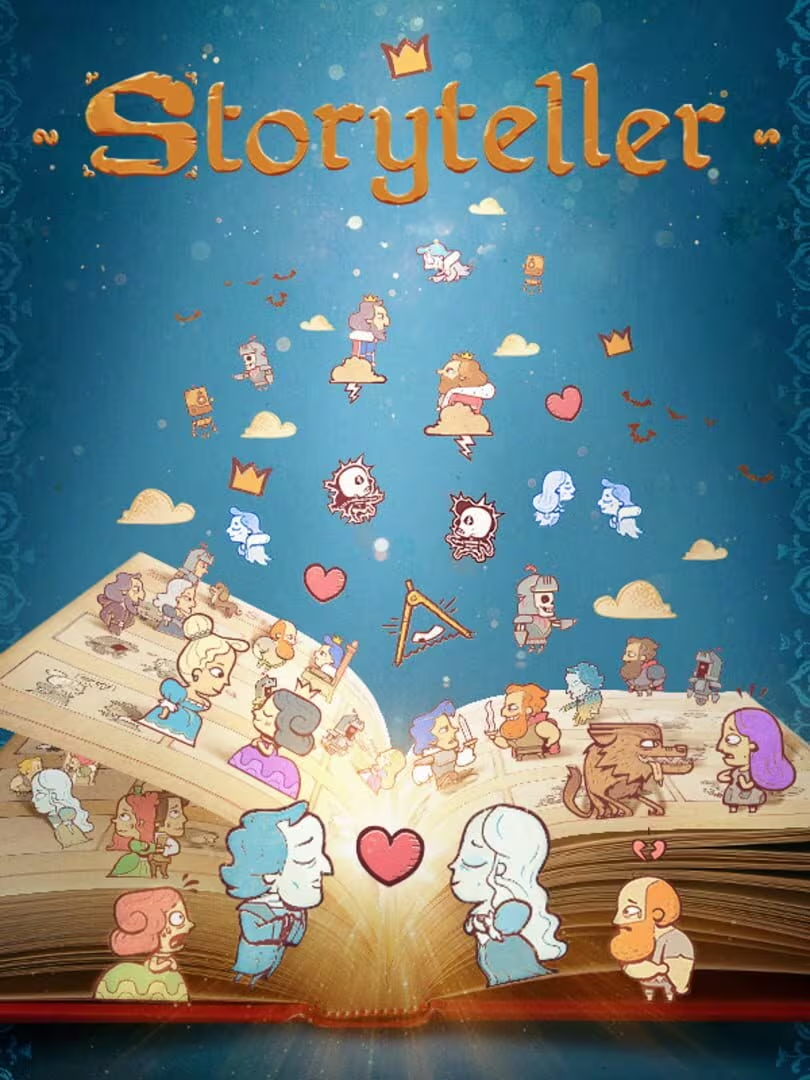
-5"No survival or threat avoidance mechanics; stable, low-risk puzzle environment."
 Storyteller
"No survival or threat avoidance mechanics; stable, risk-free puzzle environment."
Last update: 01/06/2026