RYB similar games & best alternatives
Should you play it?
RYB is a logic puzzle game that plays like a combination of sudoku and minesweeper.
What works
- Engaging and clever logic puzzles
- Minimalist and elegant design
- Gradual introduction of new mechanics
- Relaxing and satisfying gameplay
- Excellent value, free to play
Things to keep in mind
- Lack of tutorial clarity for advanced mechanics
- No note-taking or markup tools in-game
- Some puzzles feel guess-dependent to some players
- Final puzzles considered underwhelming by some
- Colorblindness issues with some colors
What to play next
Similar games, hidden gems, and fresh directions from this game.
Top picks
Games that feel the closest overall

Hidden Gems
Less popular games with surprisingly high similarity
If you liked…
Recommendations by what you enjoyed most
Similarity map
Explore nearby similar games and see why they’re close.
RYB: Broadly representative of its motivational profile, with a few distinct shifts. Motivations that often define this kind of title include Violence, Fantasy, Story, Thrill. It leans lower than usual among comparable games on Expression, Fantasy, Exploration.
Why this game works
A motivational profile of the game, with the closest similar game for each player motivation.
-
Autonomy
Game with the same Autonomy vibe
4"Players freely choose how to approach puzzles and decide their own moves without imposed routines."
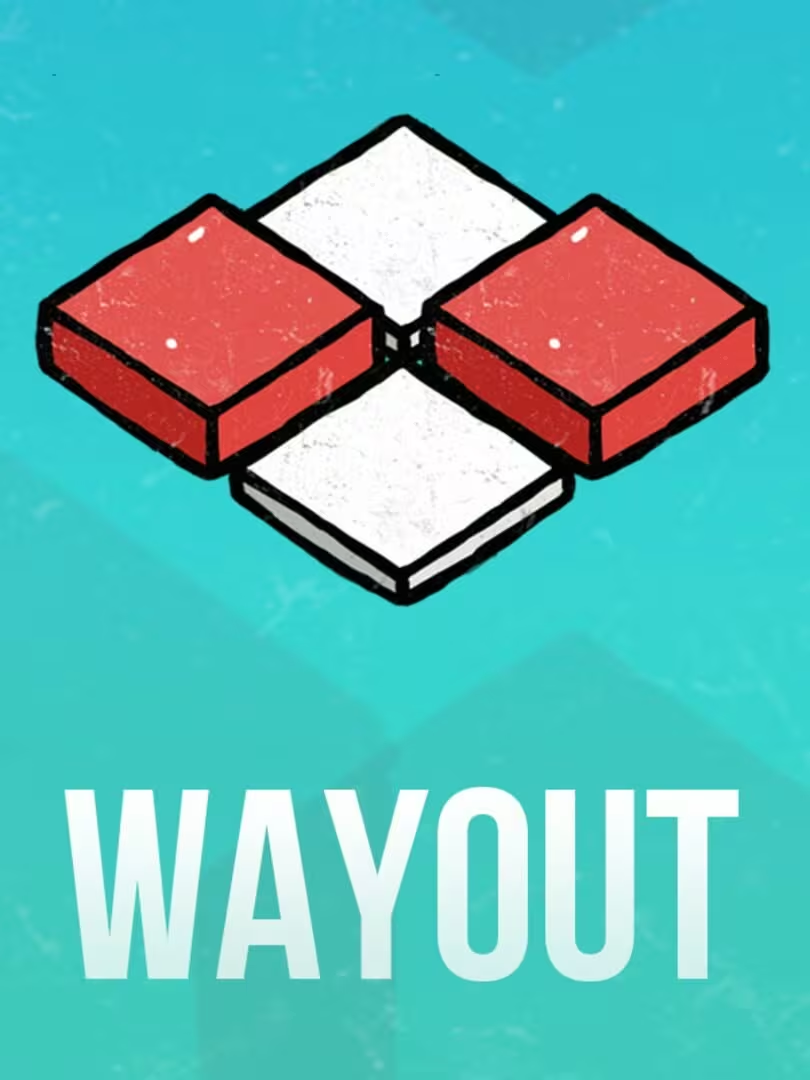 Wayout
"Players freely decide how to solve puzzles logically without forced routines; no guessing required but allowed."
-
Competence
Game with the same Competence vibe
4"Puzzles require logical deduction and skillful problem solving with increasing difficulty and challenge."
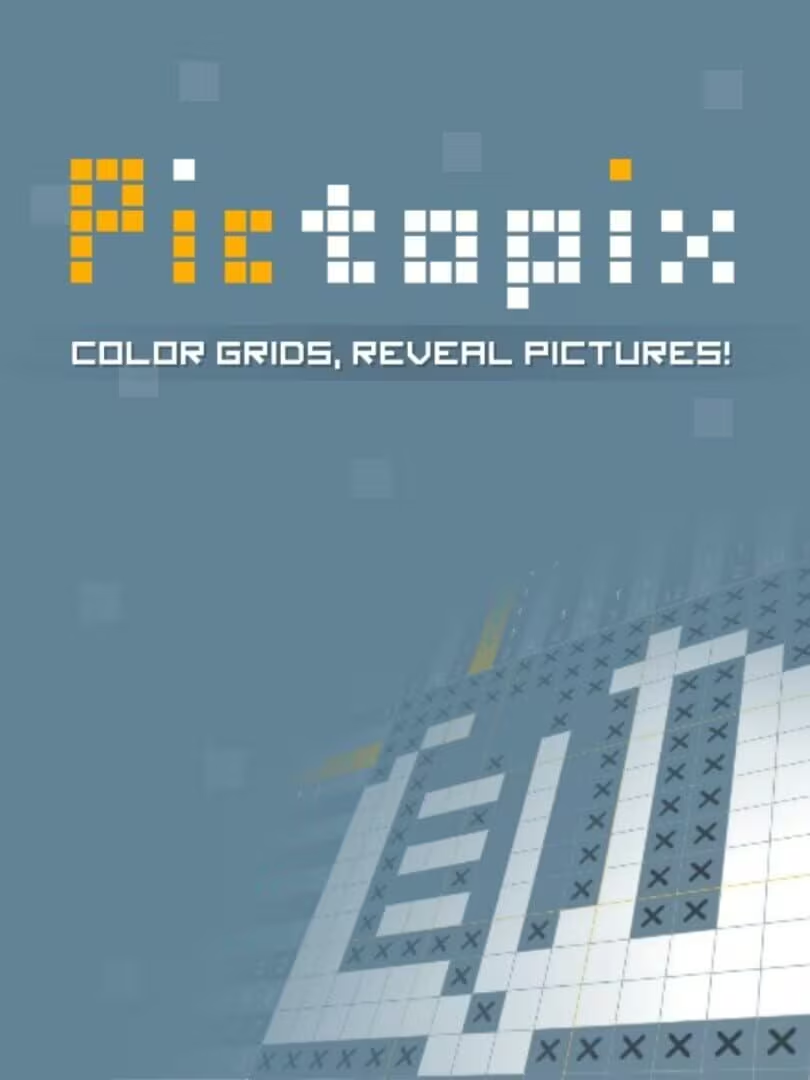 Pictopix
"Challenging puzzles requiring logical deduction and skillful reasoning; feedback on mistakes provided."
-
Competition
Game with the same Competition vibe
-4"Focus is on individual puzzle solving at personal pace without leaderboards or direct player comparison."
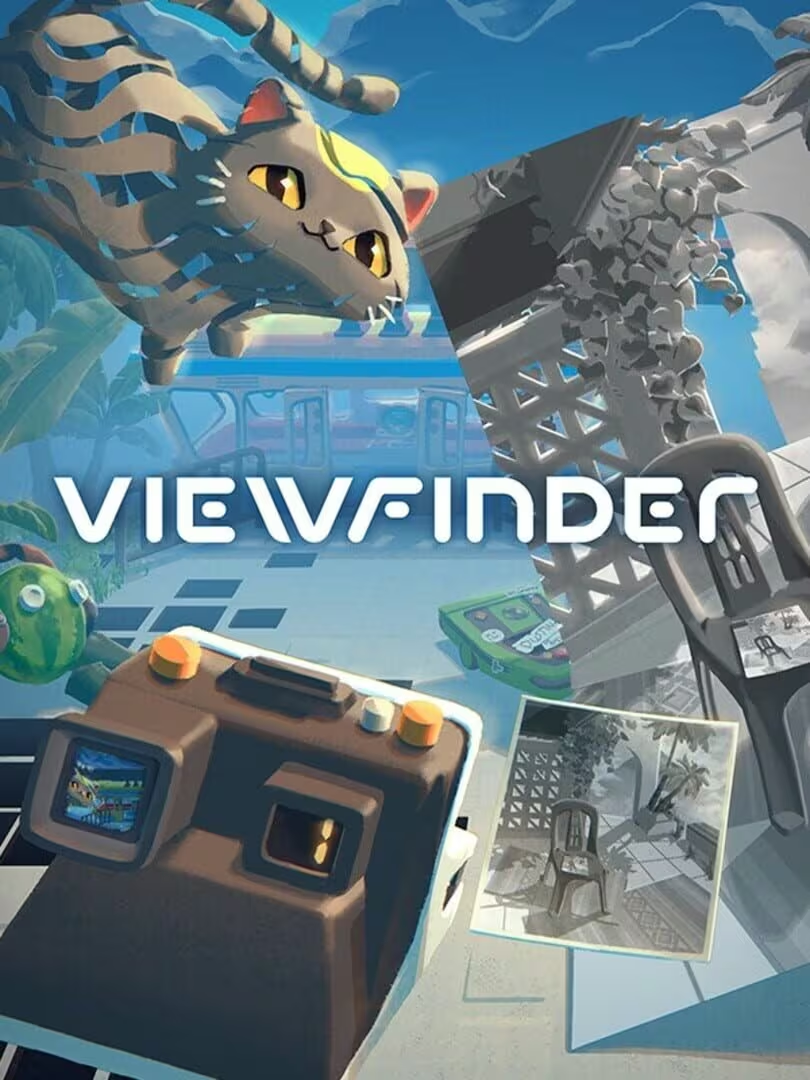 Viewfinder
"Focus on individual puzzle solving at own pace; no leaderboards or direct player comparison."
-
Continuation
Game with the same Continuation vibe
3"Players report engaging in multiple hours of play, with progression and exploration motivating continued play."
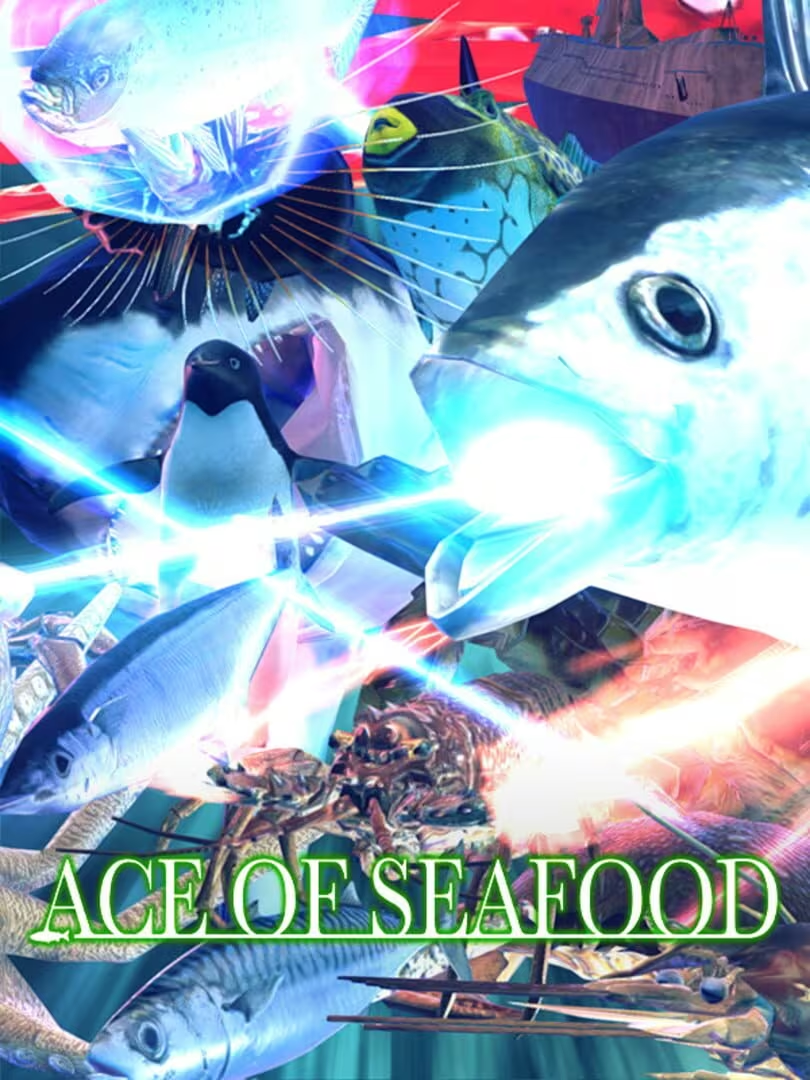 Ace of Seafood
"Players report engaging for multiple hours and difficulty progression encourages continued play."
-
Cooperation
Game with the same Cooperation vibe
-5"Single-player puzzle game with no cooperative or multiplayer elements."
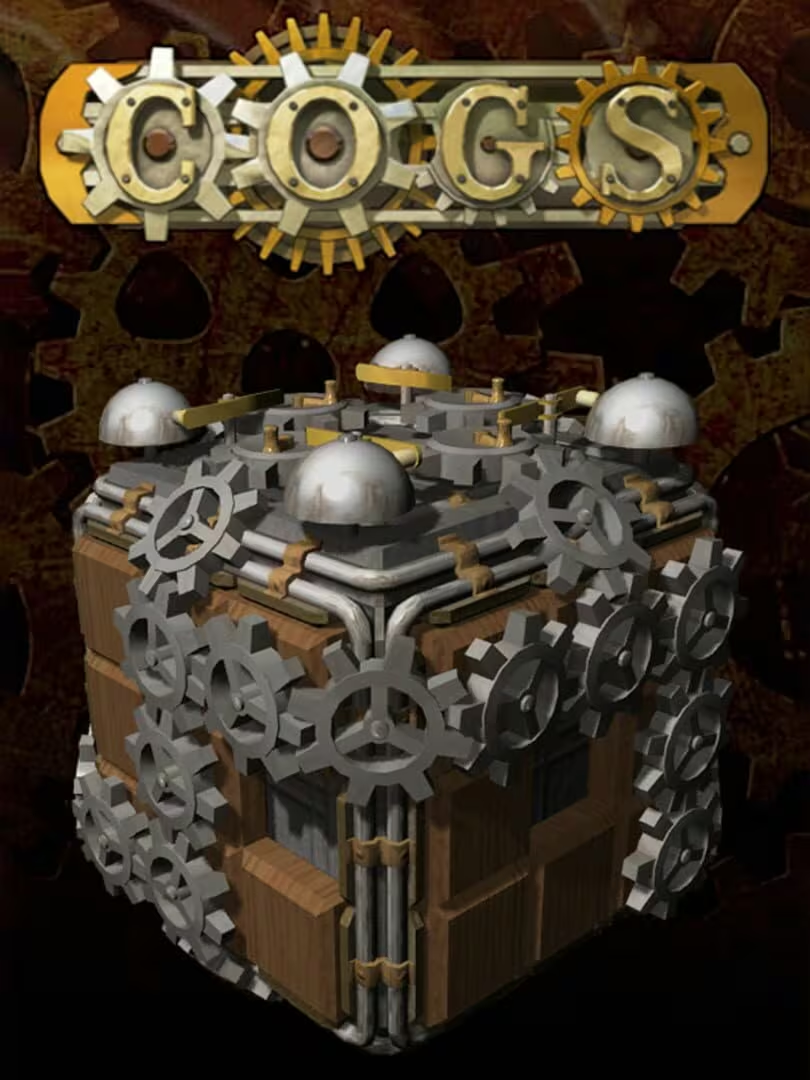 Cogs
Cogs
"Single-player logic puzzle game with no cooperative or multiplayer elements."
-
Creativity
Game with the same Creativity vibe
3"Players create their own deductions and moral judgments, allowing creative problem solving within structured cases."
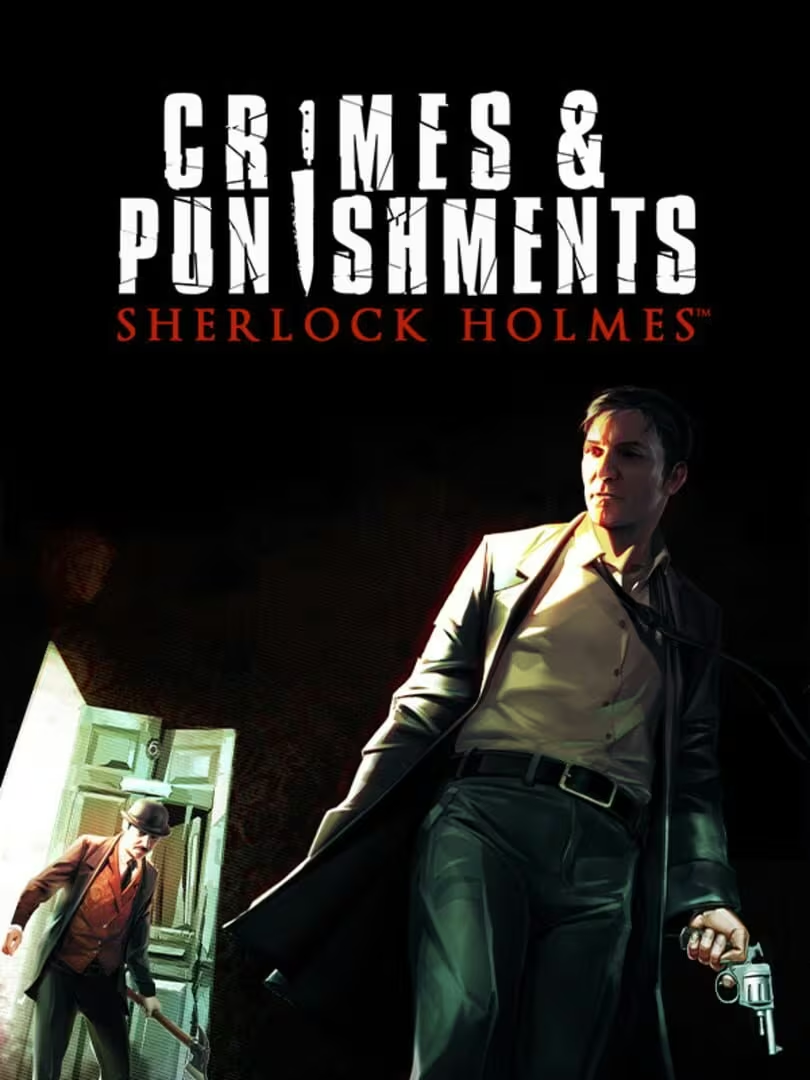 Sherlock Holmes: Crimes and Punishments
"Players create logical deduction paths and strategies; no in-game creation but problem solving is creative."
-
Domination
Game with the same Domination vibe
-5"No social dominance or power over others; purely individual puzzle solving."
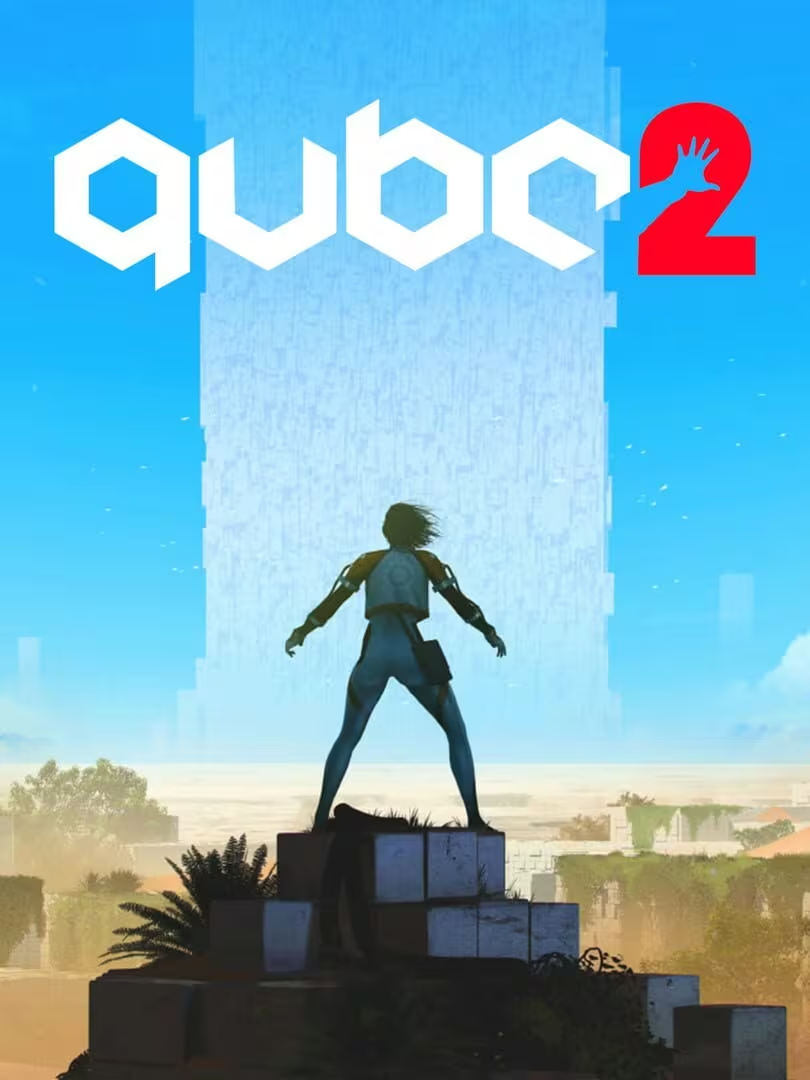 Q.U.B.E. 2
"No social dominance or power over others; purely individual puzzle solving."
-
Escapism
Game with the same Escapism vibe
3"Players use the game as a relaxing mental challenge and distraction, enjoying its calming music and visuals."
 RUSH
RUSH
"Players use the game as a relaxing mental challenge and distraction; calming sound design noted."
-
Expectation
Game with the same Expectation vibe
-4"Players engage voluntarily out of intrinsic interest and love for logic puzzles; no obligation or external pressure noted."
 14 Minesweeper Variants
"Players engage out of intrinsic interest and enjoyment of logic puzzles; no obligation or pressure."
-
Experimenting
Game with the same Experimenting vibe
3"Players experiment with new logical deductions and strategies to solve puzzles."
 Logic Bombs
"Players experiment with new mechanics and deduction approaches as puzzles introduce new rules."
-
Exploration
Game with the same Exploration vibe
-3"Puzzles are fixed and known; no exploration of new areas or discovery beyond puzzle solving."
 CrossCells
"Puzzles are fixed and known; no discovery of new areas or secrets, but new mechanics introduced gradually."
-
Expression
Game with the same Expression vibe
-4"Minimalistic presentation with no avatar or environment customization."
CrossCells
"Minimalist presentation with no avatar or environment customization."
-
Fantasy
Game with the same Fantasy vibe
-5"Realistic logic puzzles with no fictional or imaginative elements."
 Zen of Sudoku
"Realistic logic puzzle experience without fictional or imaginative narrative elements."
-
Fellowship
Game with the same Fellowship vibe
-5"Solo puzzle experience with no social or community interaction features."
 Scalak
"No social or community features; solo puzzle solving experience."
-
Growth
Game with the same Growth vibe
4"Players develop logical reasoning and puzzle-solving skills progressively."
Pictopix
"Players develop logical reasoning skills and learn new puzzle mechanics progressively."
-
Health
Game with the same Health vibe
-5"Sedentary gameplay with no physical activity or health-related features."
 DRAGON BALL Z: KAKAROT
"Sedentary gameplay with no physical activity or health-related features."
-
Idle
Game with the same Idle vibe
-4"Requires focused attention and logical thinking; not suited for background or idle play."
14 Minesweeper Variants
"Requires focused attention and logical thinking; not suited for background or idle play."
-
Intimacy
Game with the same Intimacy vibe
-5"No social or emotional relationship building; purely individual gameplay."
 SUPERHOT
"No social or emotional relationship building; purely individual gameplay."
-
Leadership
Game with the same Leadership vibe
-5"No leadership or group management roles; single-player puzzle solving."
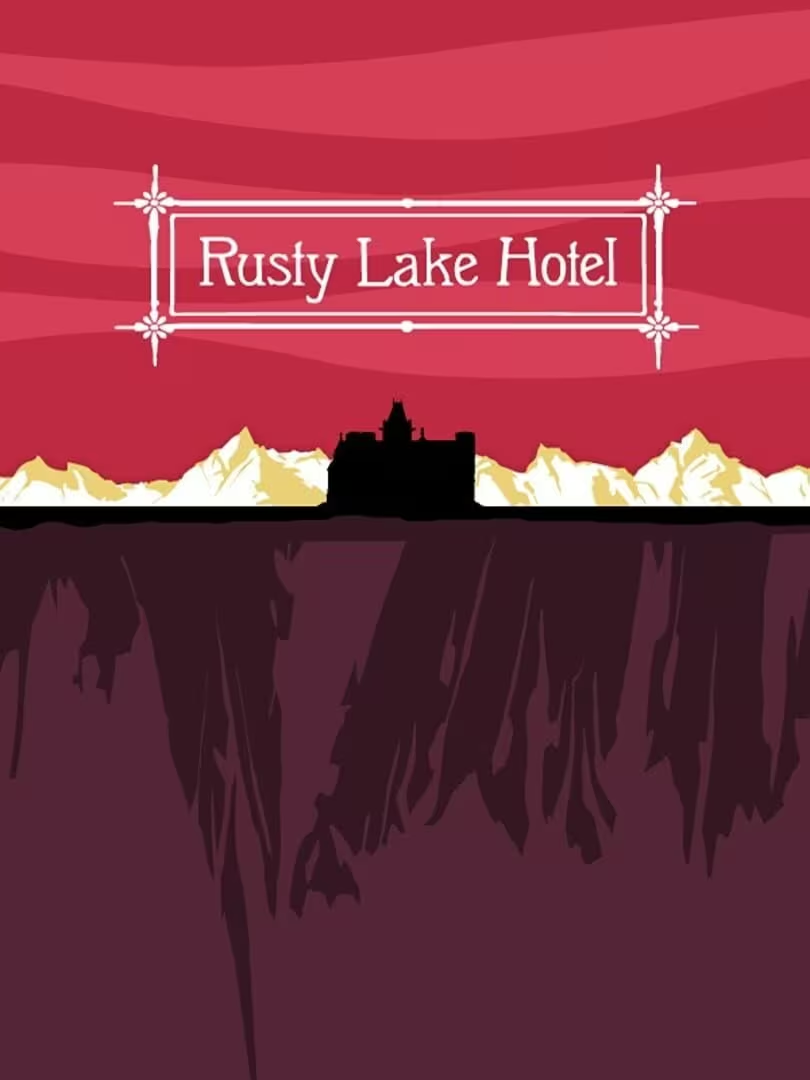 Rusty Lake Hotel
"No leadership or group management roles; single player puzzle solving."
-
Progression
Game with the same Progression vibe
3"Progression through puzzle completion and unlocking new areas, but no item collection or upgrades."
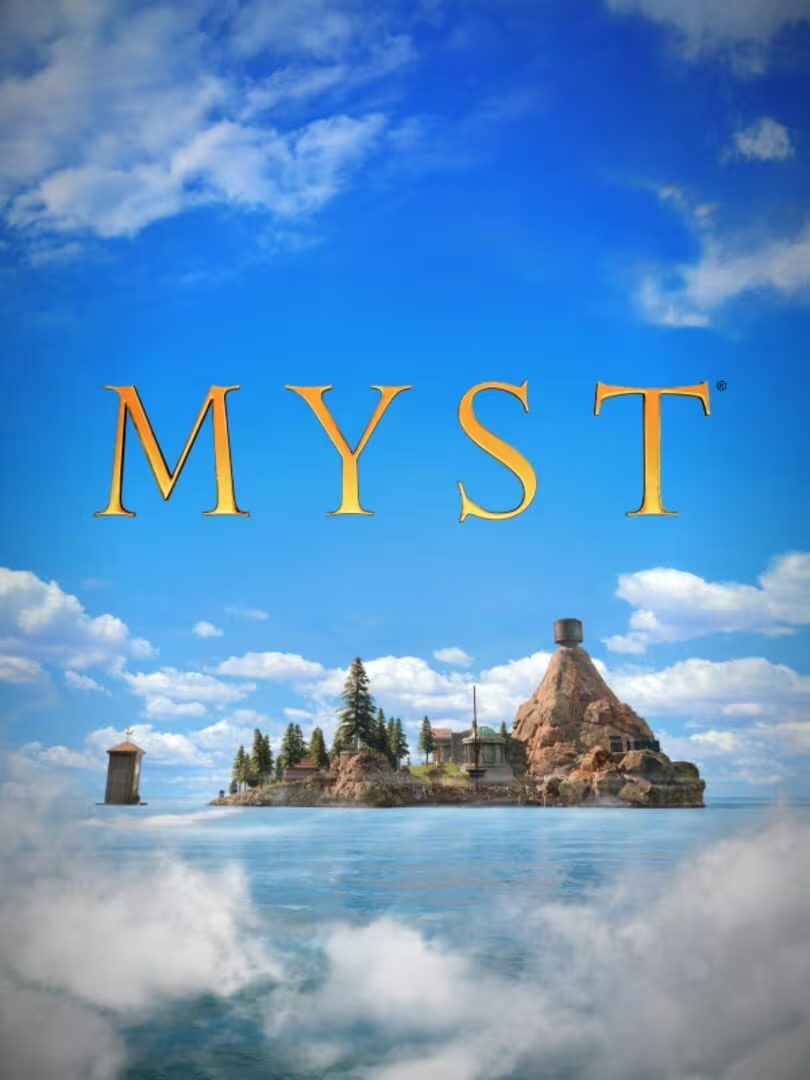 Myst
Myst
"Progression through unlocking and solving sequential puzzle sets; no item collection."
-
Relaxation
Game with the same Relaxation vibe
4"Calming music and atmosphere create a relaxing environment despite challenging puzzles."
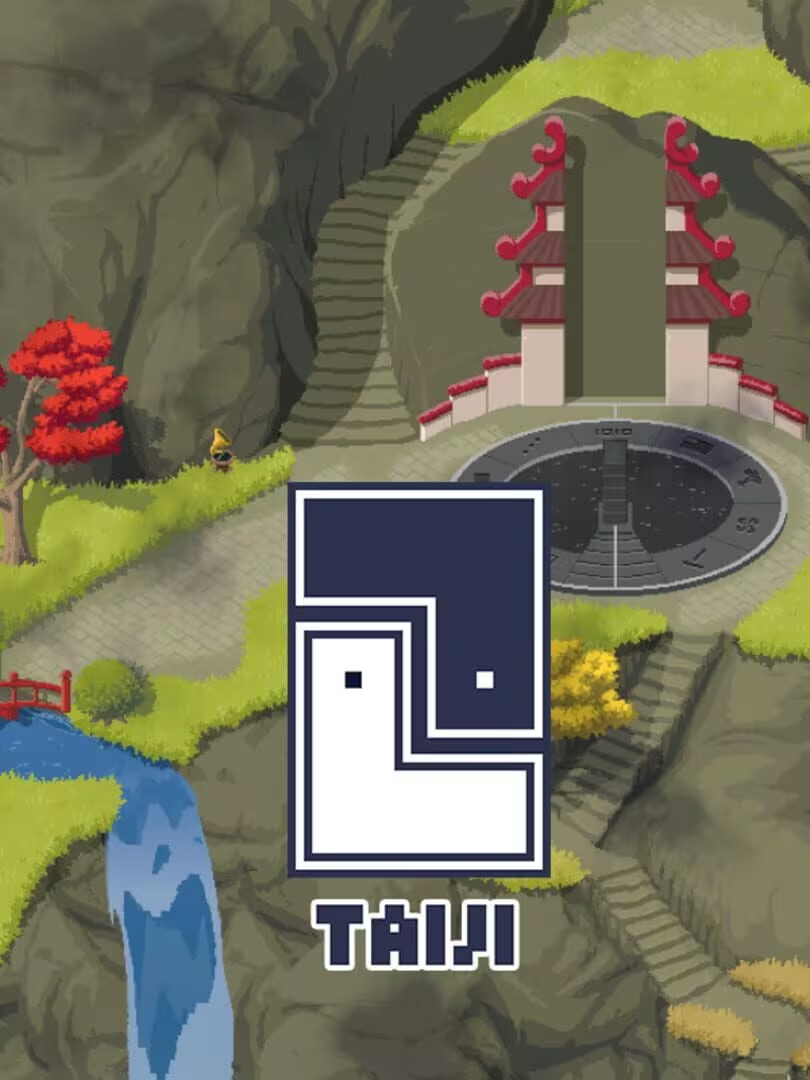 Taiji
Taiji
"Calming sound design and satisfying logic puzzles provide relaxing mental engagement."
-
Sensation
Game with the same Sensation vibe
2"Minimalistic visuals and sound effects provide moderate sensory stimulation."
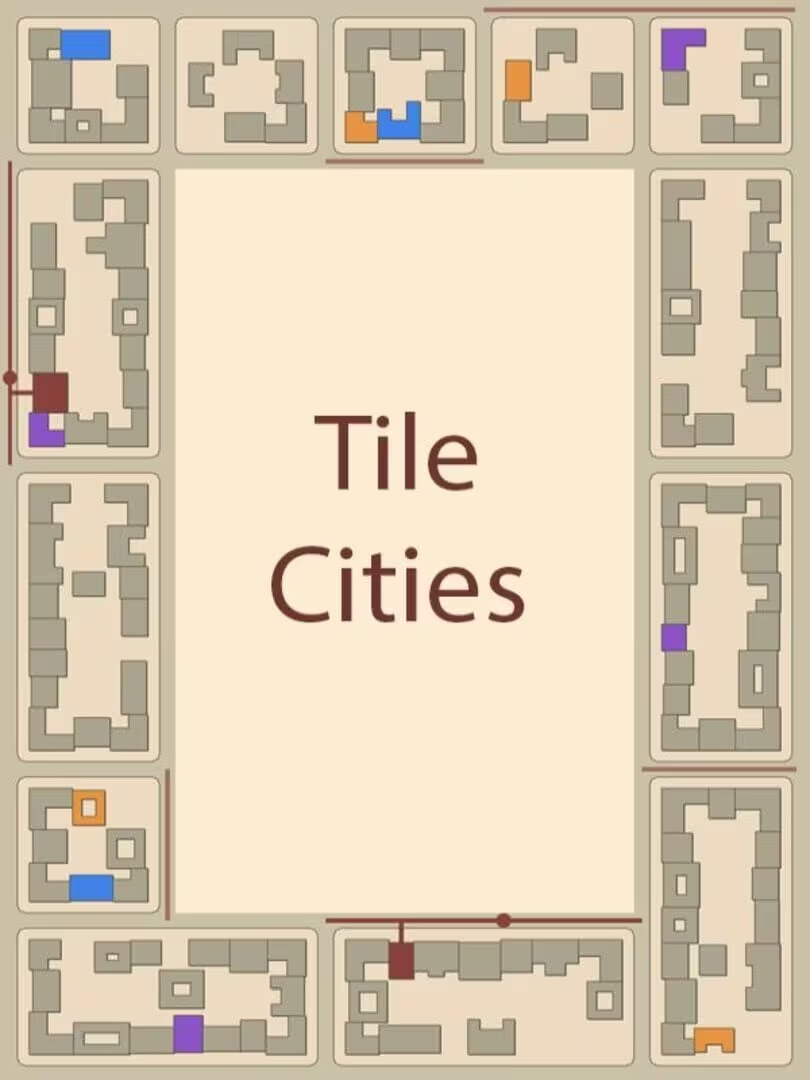 Tile Cities
"Minimalist visuals and sound provide moderate sensory stimulation; some players note ASMR-like effects."
-
Status
Game with the same Status vibe
-5"No social status or recognition systems; individual focus"
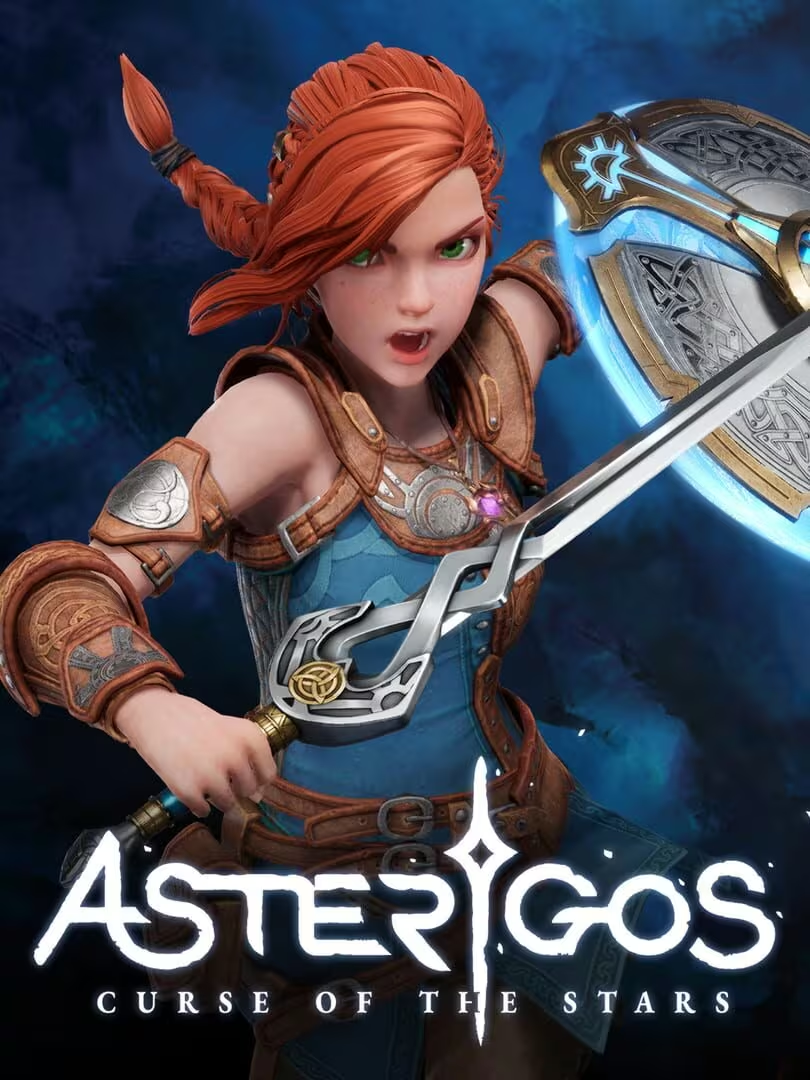 Asterigos: Curse of the Stars
"No social recognition or status systems; individual puzzle completion only."
-
Story
Game with the same Story vibe
-5"No narrative or story elements; purely abstract puzzle gameplay."
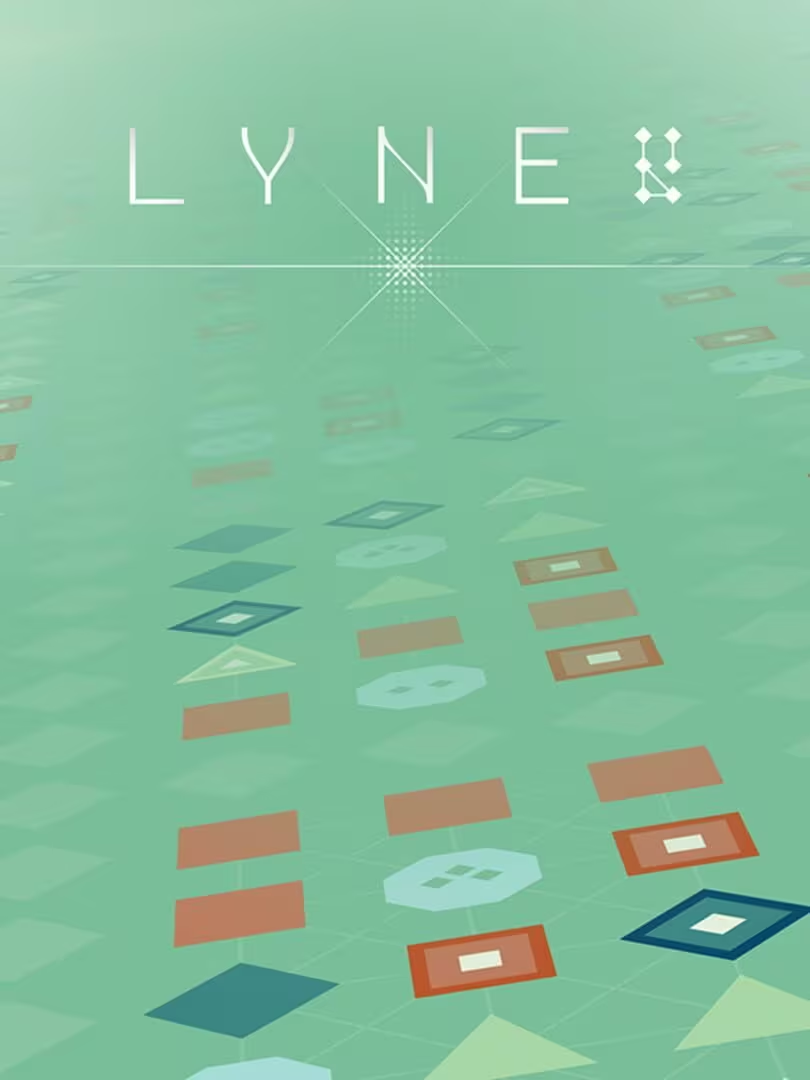 LYNE
LYNE
"No narrative or story elements; purely abstract puzzle gameplay."
-
Strategy
Game with the same Strategy vibe
4"Strong emphasis on logical deduction, planning, and problem solving."
Pictopix
"Strong emphasis on logical deduction, planning, and problem solving."
-
Thrill
Game with the same Thrill vibe
-3"Low tension and risk; game is relaxing rather than suspenseful or thrilling."
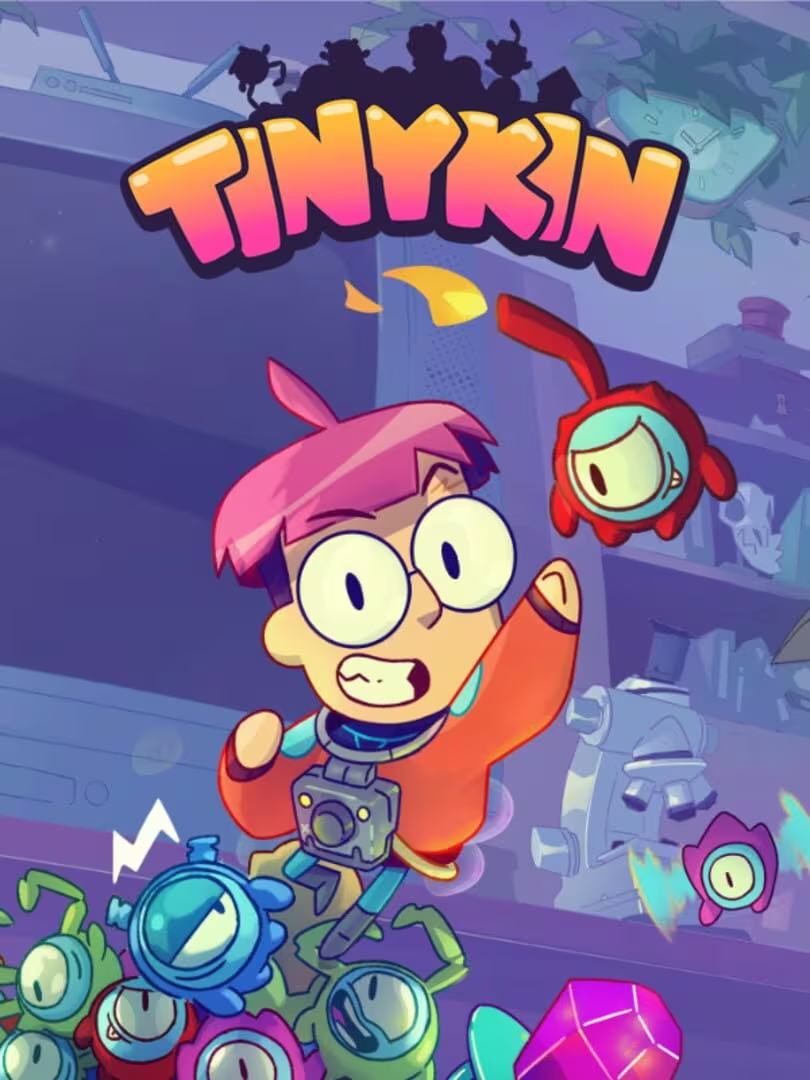 Tinykin
"Low risk and tension; some players find it relaxing rather than suspenseful."
-
Value
Game with the same Value vibe
5"Highly praised for quality and content, especially given it is free."
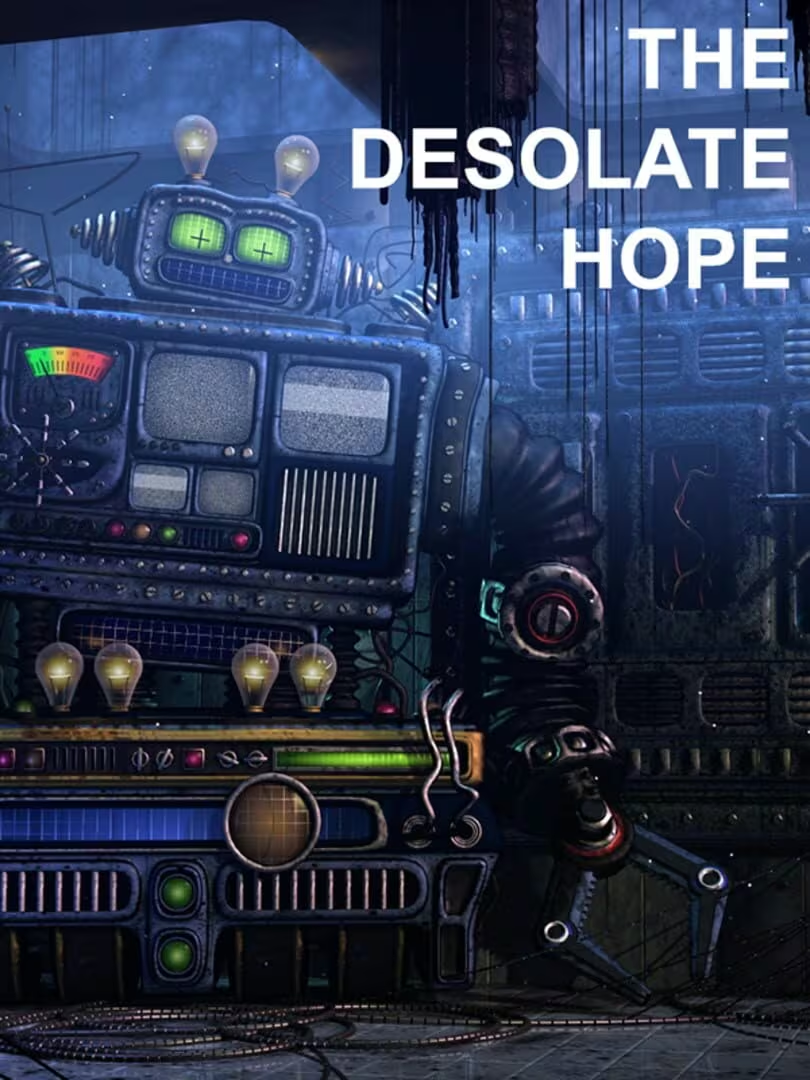 The Desolate Hope
"Highly praised for excellent value, especially given it is free with substantial content."
-
Violence
Game with the same Violence vibe
-5"No combat or destructive elements; constructive puzzle solving only."
 aMAZE 2
"No combat or destructive elements; constructive logical puzzle solving."
-
Survival
Game with the same Survival vibe
-4"No survival or threat mechanics; stable puzzle environment."
Rusty Lake Hotel
"Stable puzzle environment with no threats or survival mechanics."
Last update: 01/06/2026