Eschalon: Book I similar games & best alternatives
Should you play it?
Eschalon: Book I is an old-school role-playing game that will take you across massive outdoor environments and deep into dozens of sprawling dungeons as you seek to uncover the mystery of who you are. It features a tile-built, turn-based game world where the result of absolutely every action is rolled, calculated or statistically...
What works
- Free to play
- Deep character customization
- Open world exploration
- Challenging old-school rpg mechanics
- Immersive atmosphere and music
Things to keep in mind
- Slow movement and pacing
- Tedious resting mechanics
- Low resolution graphics
- Lack of autosave
- Some gameplay tedium and rng frustration
What to play next
Similar games, hidden gems, and fresh directions from this game.
Top picks
Games that feel the closest overall
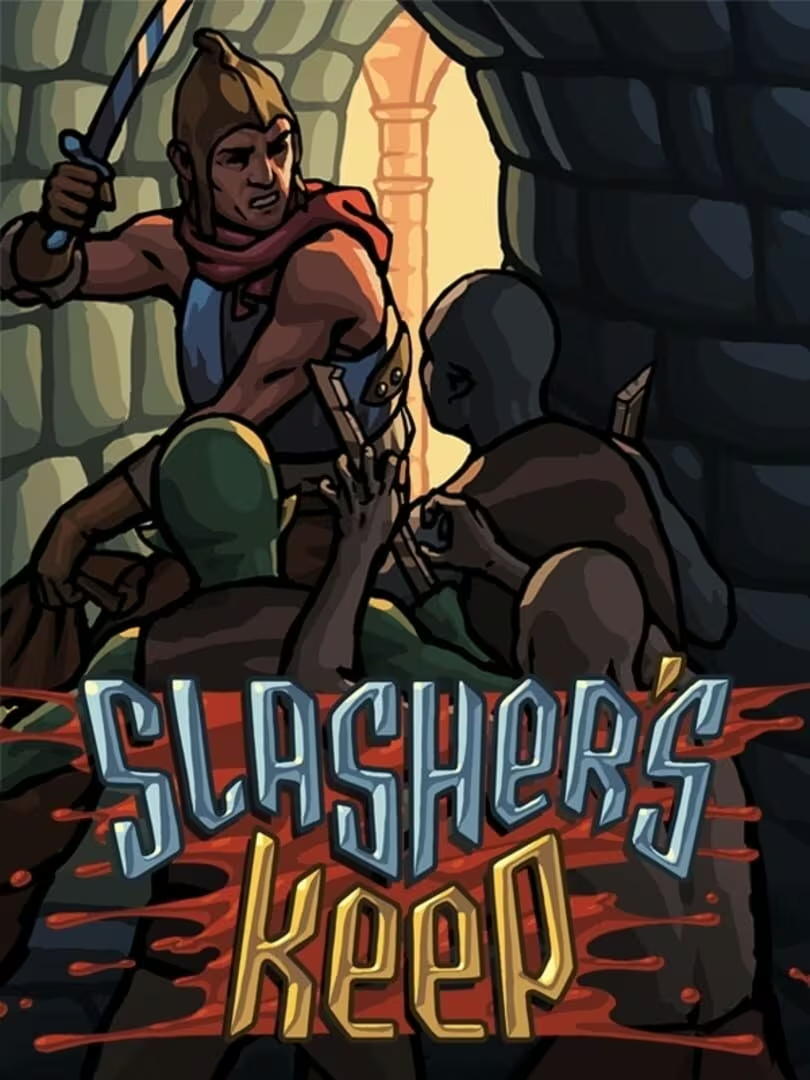
Hidden Gems
Less popular games with surprisingly high similarity

If you liked…
Recommendations by what you enjoyed most
Similarity map
Explore nearby similar games and see why they’re close.
Eschalon: Book I: Less representative of its motivational profile, with noticeable differences. Motivations that often define this kind of title include Fellowship, Violence, Survival, Cooperation. It leans lower than usual among comparable games on Sensation, Relaxation, Leadership.
Why this game works
A motivational profile of the game, with the closest similar game for each player motivation.
-
Autonomy
Game with the same Autonomy vibe
4"Players have high freedom to explore the open world, choose character builds, and solve quests in multiple ways."
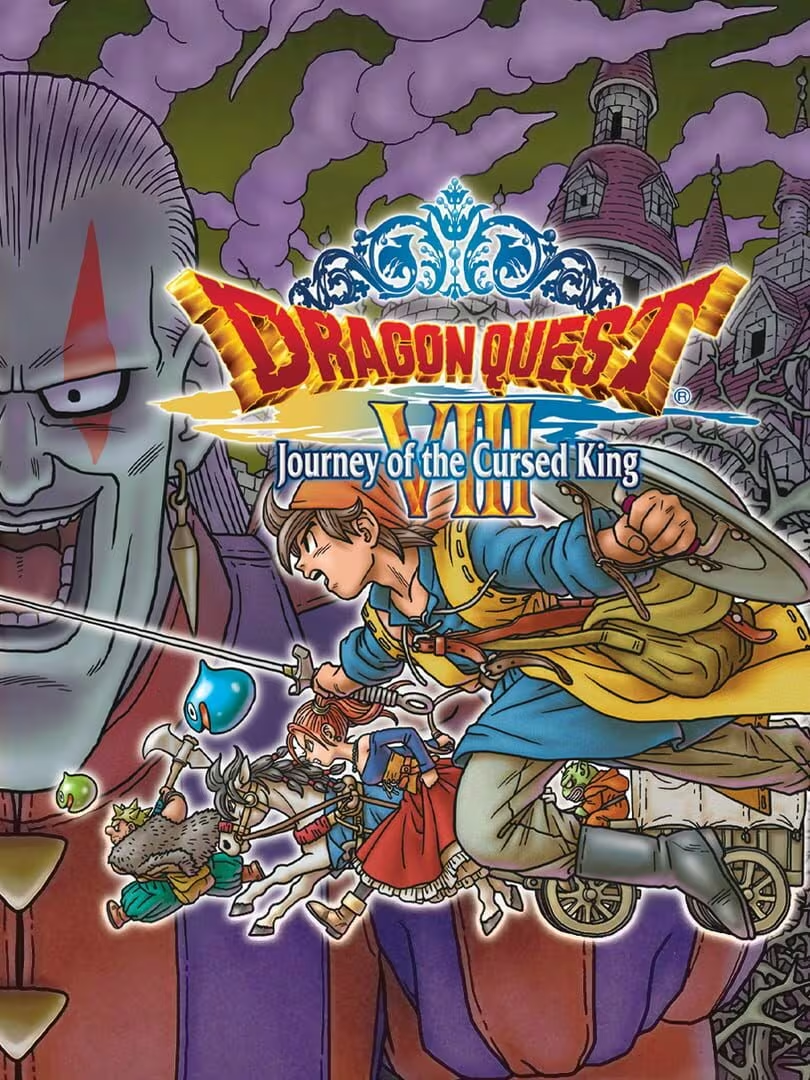 The Quest
"Players have freedom to explore the open world, choose character builds, and solve quests in multiple ways without handholding."
-
Competence
Game with the same Competence vibe
3"The game is challenging with difficult platforming and combat, requiring skill and practice to progress, though some find it clunky and dated."
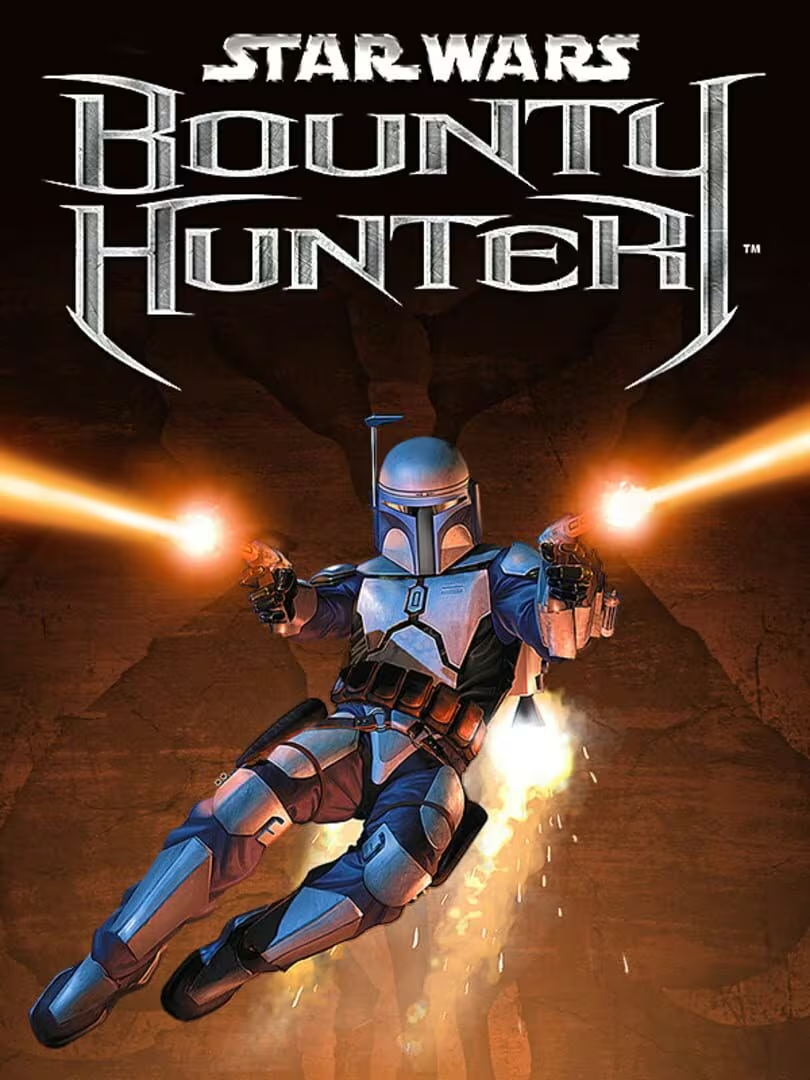 STAR WARS™: Bounty Hunter™
"The game is challenging especially early on, requiring strategic character development and careful combat, but some mechanics can be tedious."
-
Competition
Game with the same Competition vibe
-4"Single-player experience focused on personal progress without competitive elements or leaderboards."
The Quest
"Single-player experience focused on personal progress without any PvP or leaderboard competition."
-
Continuation
Game with the same Continuation vibe
3"Many players report long play sessions and replaying the game, indicating sustained engagement."
 The House of Da Vinci 2
"Players report long playtimes and replaying the game multiple times, indicating sustained engagement despite some tedium."
-
Cooperation
Game with the same Cooperation vibe
-5"Entirely single-player with no multiplayer or cooperative elements."
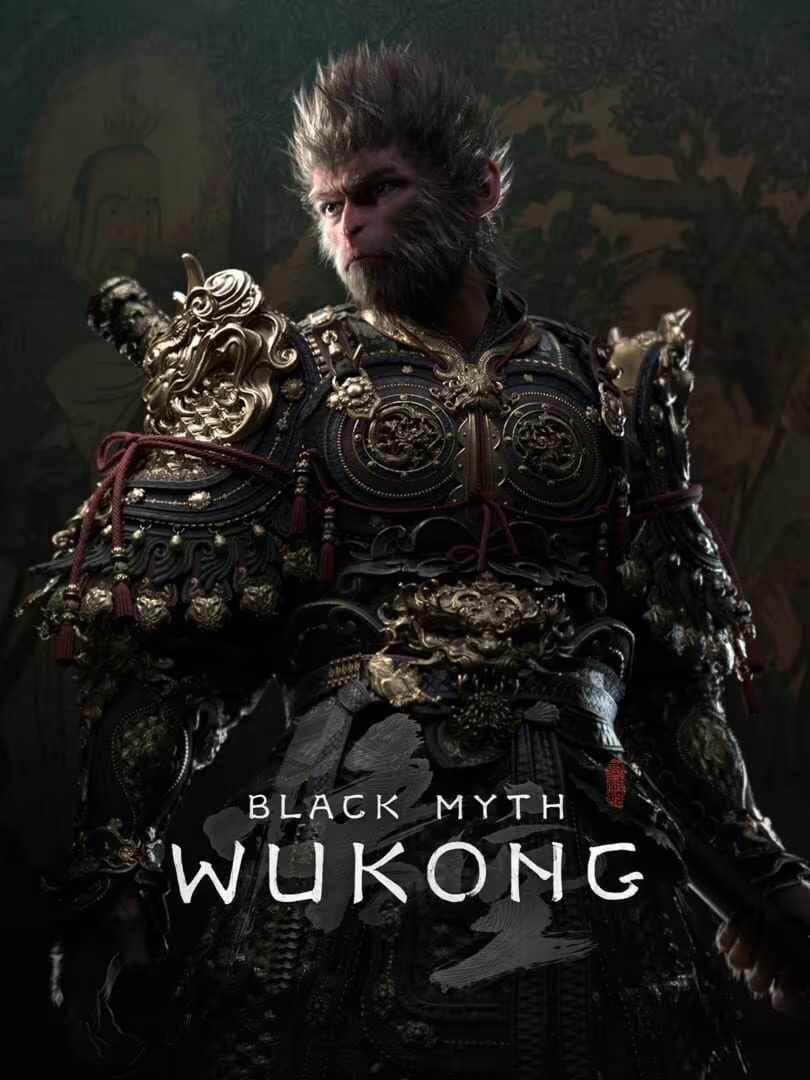 Black Myth: Wukong
"Entirely single-player with no multiplayer or cooperative elements."
-
Creativity
Game with the same Creativity vibe
3"Character builds, skill combinations, and some crafting allow player creativity, though world and quests are mostly predefined."
 Death Trash
"Character customization and skill builds allow creative approaches, but world and quests are mostly predefined."
-
Domination
Game with the same Domination vibe
-5"No multiplayer or social dominance; interactions are with NPCs and story-driven."
 Avernum: Escape From the Pit
"No multiplayer or social dominance features; interactions are with NPCs only."
-
Escapism
Game with the same Escapism vibe
4"Players use the game as a nostalgic, immersive fantasy experience to escape real life, enjoying exploration and story."
 EARTHLOCK
"Provides an immersive old-school RPG experience that allows players to escape into a fantasy world."
-
Expectation
Game with the same Expectation vibe
-4"Players engage voluntarily out of intrinsic interest and nostalgia rather than obligation."
 Xenonauts
"Players engage voluntarily for intrinsic interest and nostalgia rather than obligation."
-
Experimenting
Game with the same Experimenting vibe
3"Players can experiment with different character builds and strategies within the game systems."
Avernum: Escape From the Pit
"Players experiment with different character builds and strategies, though gameplay routines can be repetitive."
-
Exploration
Game with the same Exploration vibe
4"Open world with many locations, secrets, puzzles, and side quests; exploration is rewarded and encouraged."
 Titan Quest II
"Open world with many secrets, dungeons, and side quests encourages exploration."
-
Expression
Game with the same Expression vibe
2"Character customization and cosmetic options allow some self-expression."
 Hellish Quart
"Character customization allows some self-expression, but limited cosmetic options."
-
Fantasy
Game with the same Fantasy vibe
5"Strong fantasy setting with amnesia trope, mythical races, and epic adventure."
 Ys: Memories of Celceta
"Classic fantasy setting with magic, mythical creatures, and an amnesiac hero."
-
Fellowship
Game with the same Fellowship vibe
-5"No social or community features; strictly solo play."
 Finding Frankie
"No social or community features; strictly solo play."
-
Growth
Game with the same Growth vibe
4"Character progression and skill development are important gameplay elements."
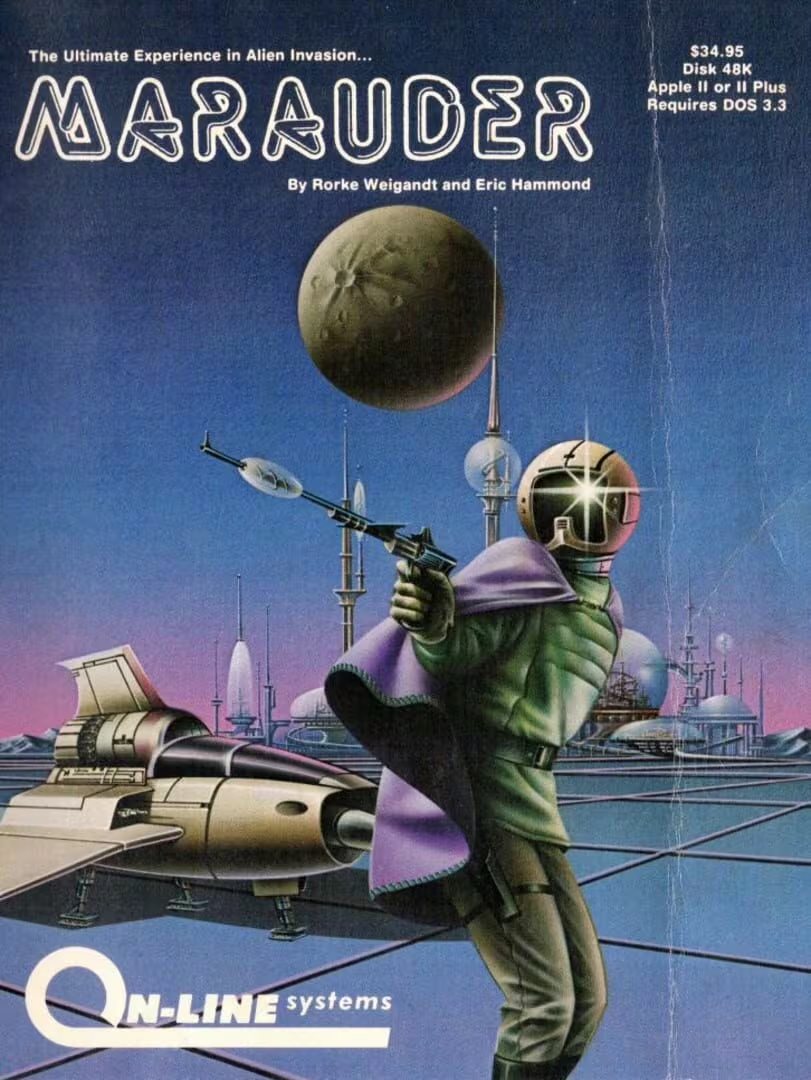 Marauder
"Character development and skill progression are key gameplay elements requiring learning and adaptation."
-
Health
Game with the same Health vibe
-4"Requires sedentary play; no physical activity involved."
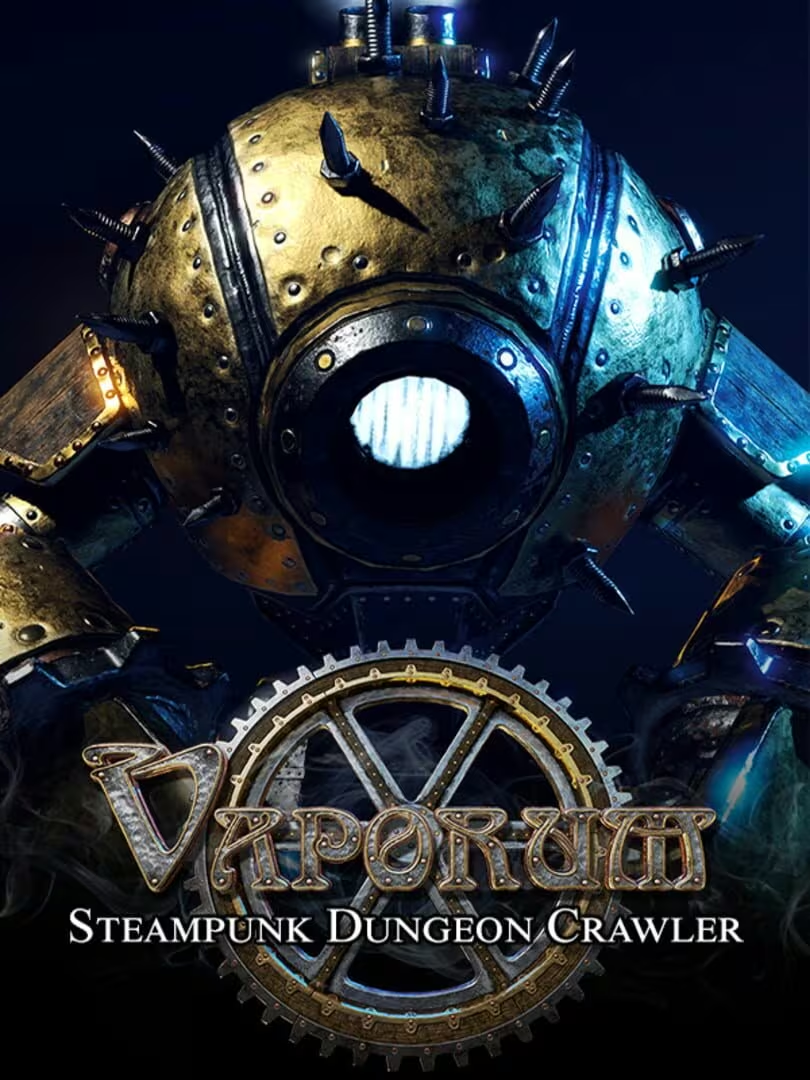 Vaporum
"Requires long periods of sitting and slow movement; no physical activity involved."
-
Idle
Game with the same Idle vibe
-3"Requires focused attention during turn-based combat and exploration; not designed for idle play."
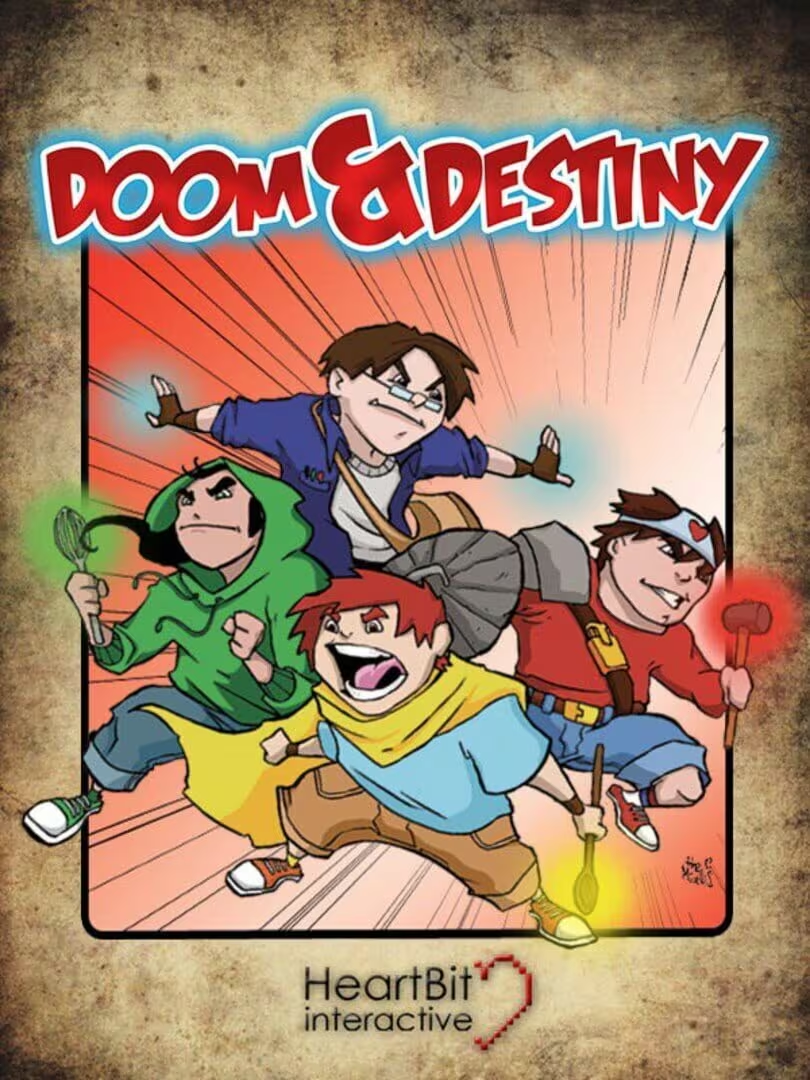 Doom & Destiny
"Requires constant attention due to turn-based combat and exploration; resting is part of gameplay but not idle."
-
Intimacy
Game with the same Intimacy vibe
-5"No social or emotional relationship building; interactions limited to NPC dialogue."
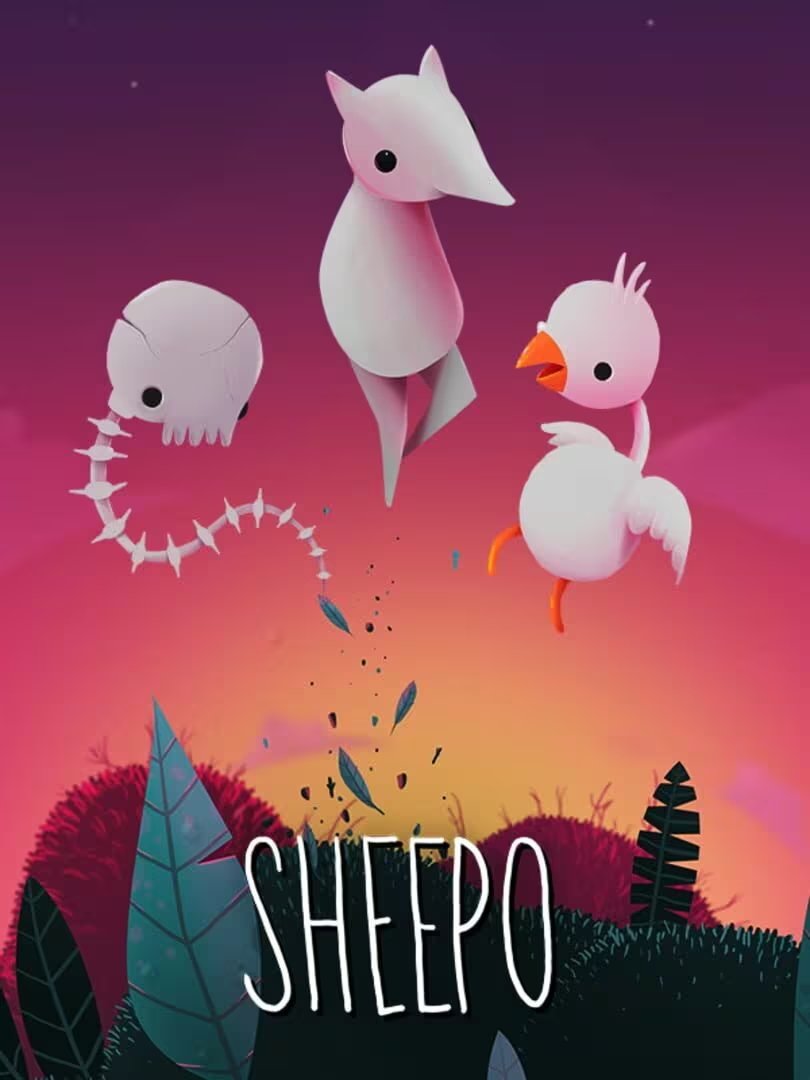 SHEEPO
"No social or emotional relationship building; interactions limited to NPC dialogue."
-
Leadership
Game with the same Leadership vibe
-5"No leadership or group management; single character control only."
Vaporum
"No leadership or group management mechanics; single character control only."
-
Progression
Game with the same Progression vibe
4"Strong emphasis on acquiring items, upgrading equipment, and leveling skills."
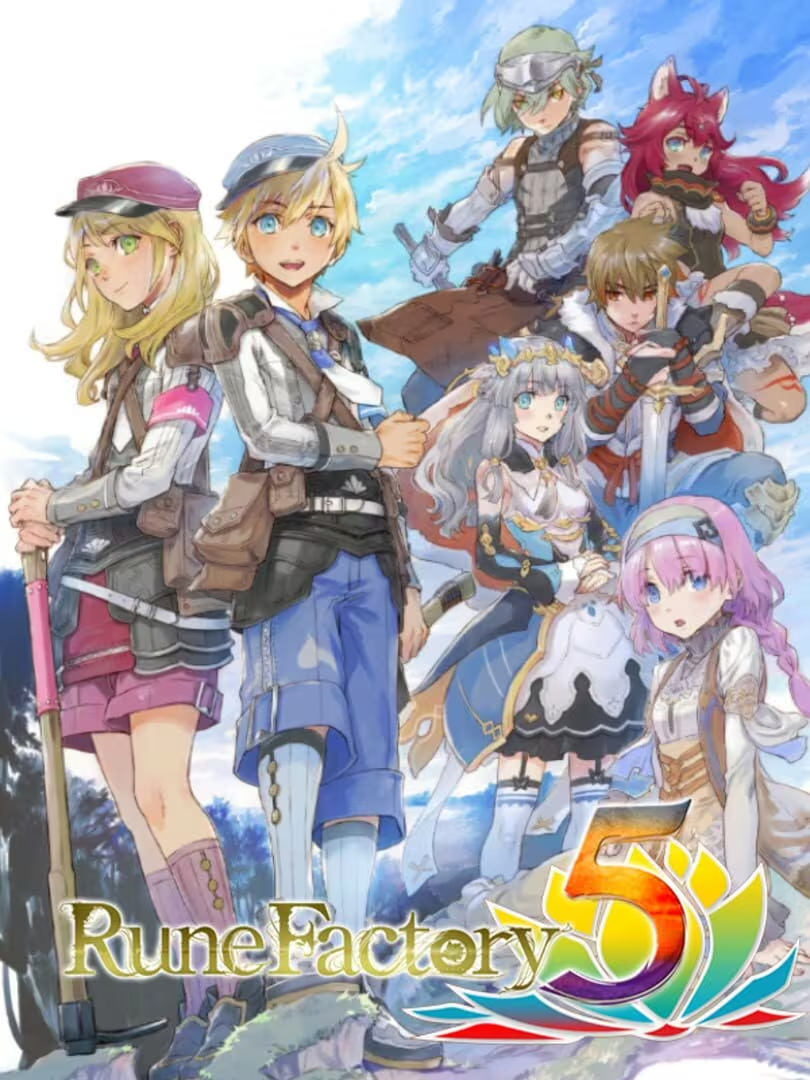 Rune Factory 5
"Strong emphasis on leveling up, acquiring skills, and collecting equipment."
-
Relaxation
Game with the same Relaxation vibe
-2"Game has tension and challenge; some players find it stressful or slow rather than relaxing."
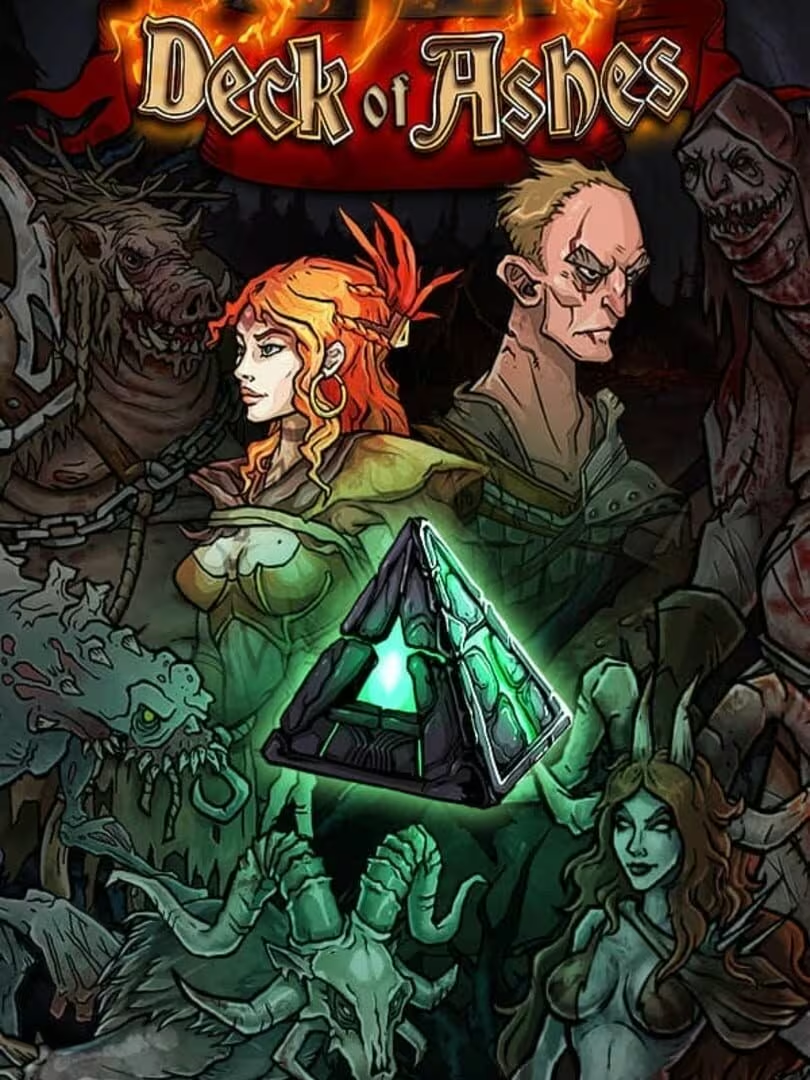 Deck of Ashes
"Some players find the game tedious and slow, with sustained tension from difficulty and resource management."
-
Sensation
Game with the same Sensation vibe
-1"Simple pixel art and sound provide moderate sensory stimulation but nothing intense or highly exciting."
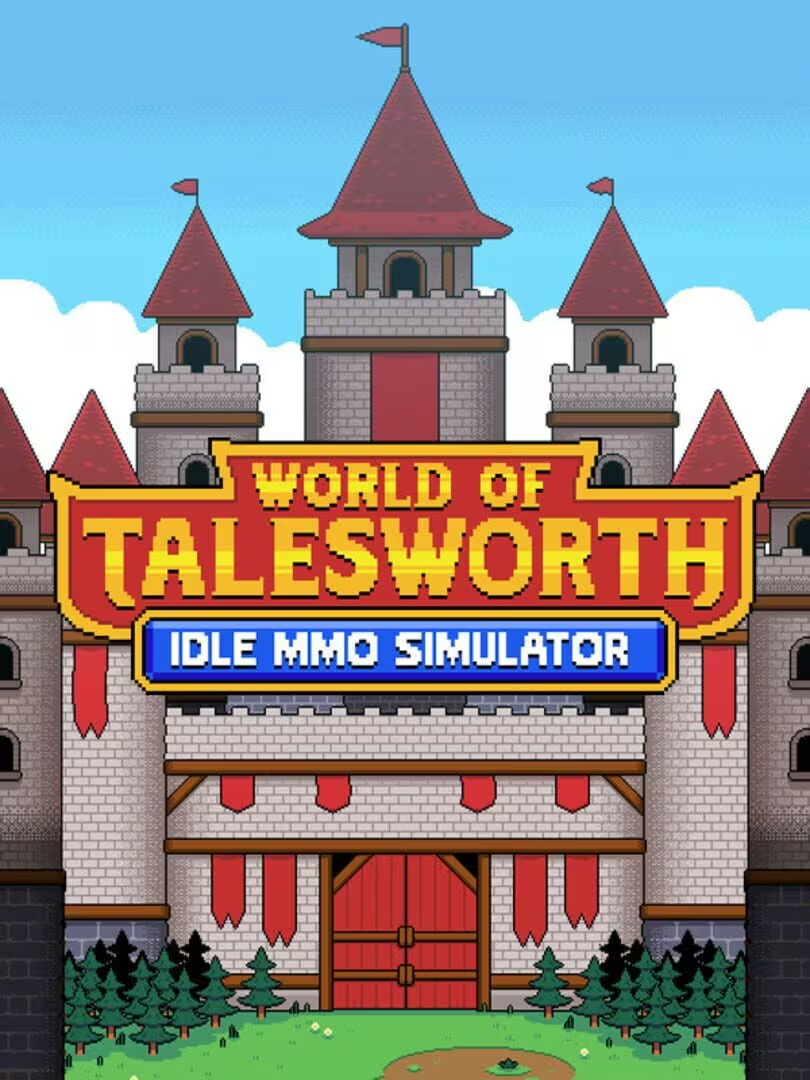 World of Talesworth: Idle MMO Simulator
"Simple graphics and sound provide moderate sensory stimulation, not intense or flashy."
-
Status
Game with the same Status vibe
-5"No social recognition or status systems; achievements are absent."
 Stephen's Sausage Roll
"No social recognition or status systems; achievements are absent."
-
Story
Game with the same Story vibe
2"Story is simple and cliché but provides narrative context and some immersion."
 BloodRayne (Legacy)
"Story is simple and somewhat clichéd but provides context and motivation for exploration."
-
Strategy
Game with the same Strategy vibe
3"Combat and character builds require strategic thinking and planning."
 Ara Fell: Enhanced Edition
"Combat and character building require strategic thinking and planning."
-
Thrill
Game with the same Thrill vibe
2"Some suspense and challenge in combat and exploration, but overall a controlled and predictable experience."
 The Elder Scrolls IV: Oblivion Remastered
"Some suspense from challenging combat and exploration, but overall controlled and slow-paced."
-
Value
Game with the same Value vibe
5"Free to play with good content; players feel high value for time invested."
 Slappyball
"Free to play with many hours of content; players feel good value for time invested."
-
Violence
Game with the same Violence vibe
3"Combat involves fighting and defeating enemies; violence is a core gameplay element."
 MASSIVE CHALICE
"Combat involves killing many enemies; violence is a core gameplay element."
-
Survival
Game with the same Survival vibe
3"Resource management and avoiding death are important gameplay aspects."
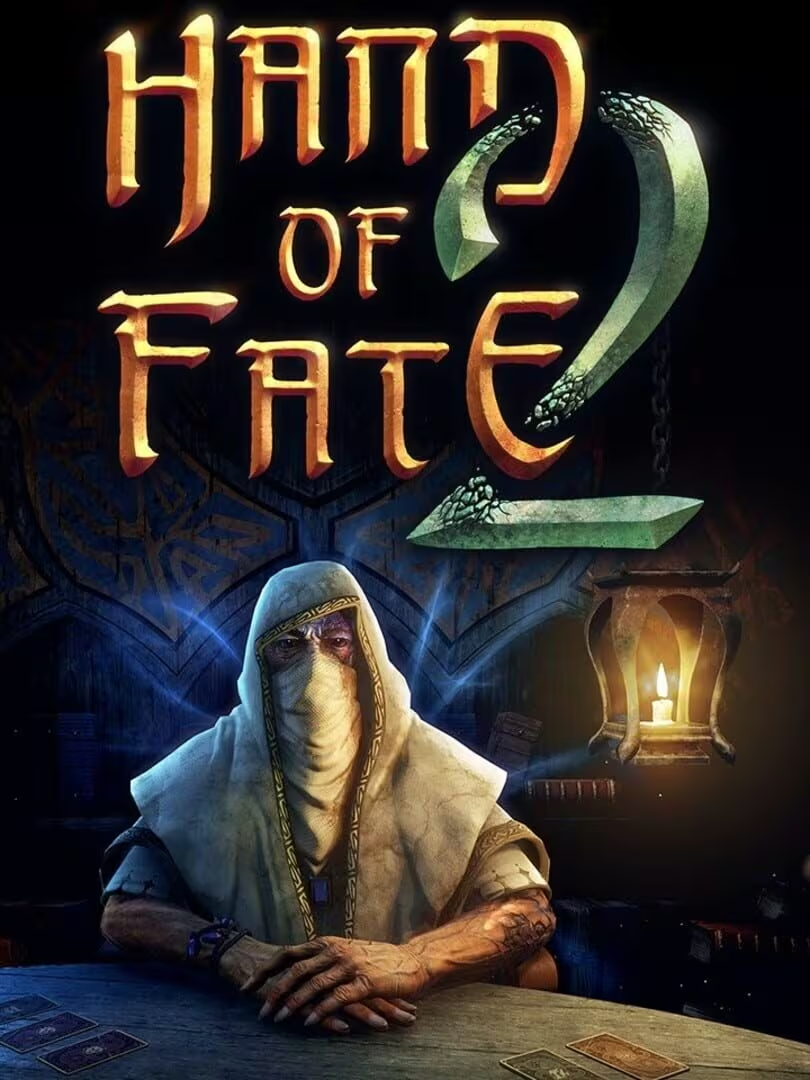 Hand of Fate 2
"Resource management and avoiding death are important, especially early in the game."
Last update: 01/06/2026