Optika similar games & best alternatives
Should you play it?
Discover the world of light physics: play with lasers, prisms, mirrors, magnets and dozens of other optical devices. Explore the world of Optika with Prof. Opticus and his assistant, Sofia! Research and complete more than one hundred challenging puzzles!
What works
- Relaxing and visually appealing
- Educational physics-based puzzles
- Large number of levels
- Good soundtrack
- Valuable collectible cards and backgrounds
Things to keep in mind
- Inconsistent difficulty and level design
- Some controls are fiddly and imprecise
- Achievements are buggy
- Short overall playtime
- Physics mechanics not fully realistic
What to play next
Similar games, hidden gems, and fresh directions from this game.
Top picks
Games that feel the closest overall

Hidden Gems
Less popular games with surprisingly high similarity
If you liked…
Recommendations by what you enjoyed most
Similarity map
Explore nearby similar games and see why they’re close.
Optika: Broadly representative of its motivational profile, with a few distinct shifts. Motivations that often define this kind of title include Violence, Fantasy, Story, Thrill. It leans lower than usual among comparable games on Exploration, Survival, Thrill.
Why this game works
A motivational profile of the game, with the closest similar game for each player motivation.
-
Autonomy
Game with the same Autonomy vibe
4"Players have freedom to solve puzzles in multiple ways using light placement and manipulation, with some exploration and choice in approach."
 Lightmatter
"Players freely manipulate optical elements (mirrors, lenses, magnets) to solve puzzles with no fixed routine."
-
Competence
Game with the same Competence vibe
2"Puzzles vary in difficulty, some requiring skill and problem solving, others rely on trial and error."
 Lost
Lost
"Some puzzles require skill and precision, but many levels are easy or solved by trial and error."
-
Competition
Game with the same Competition vibe
-5"No evidence of competitive modes or player comparison; focus is on individual puzzle solving."
 Vessel
"No evidence of competitive modes or player comparison; focus is on individual puzzle solving."
-
Continuation
Game with the same Continuation vibe
1"Players engage for about 1-2 hours; some mention replayability is limited but overall positive attachment."
 PUSH
PUSH
"Players engage for a few hours; some find it relaxing and return occasionally, but overall short playtime."
-
Cooperation
Game with the same Cooperation vibe
-5"Single-player puzzle game with no multiplayer or cooperative elements."
 Freeways
"Single-player puzzle game with no multiplayer or cooperative elements."
-
Creativity
Game with the same Creativity vibe
3"Players creatively set up shots, use emotes, and experiment with photo angles and timing."
 The Headliners
"Players experiment with positioning and rotating optical devices to create solutions and visual effects."
-
Domination
Game with the same Domination vibe
-5"No social dominance or power dynamics; purely individual puzzle solving."
 The Room Three
"No social dominance or power dynamics; purely individual puzzle solving."
-
Escapism
Game with the same Escapism vibe
3"Players describe the game as relaxing, meditative, and a good way to unwind or escape daily stress."
 PARTICLE MACE
"Many players describe the game as relaxing and a way to unwind, providing mental escape."
-
Expectation
Game with the same Expectation vibe
-4"Players engage voluntarily for enjoyment and learning, not out of obligation or pressure."
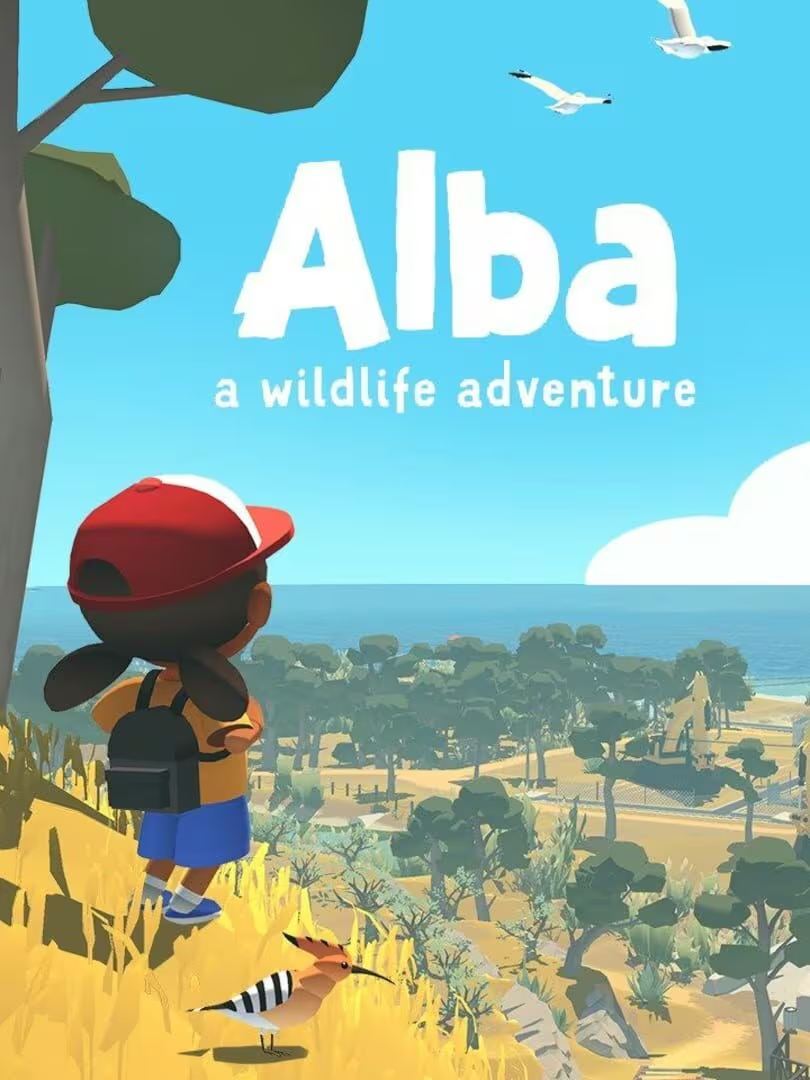 Alba: A Wildlife Adventure
"Players engage voluntarily for enjoyment and learning, not out of obligation or pressure."
-
Experimenting
Game with the same Experimenting vibe
4"Game encourages trying new strategies, exploring alternate paths, and unlocking different modes."
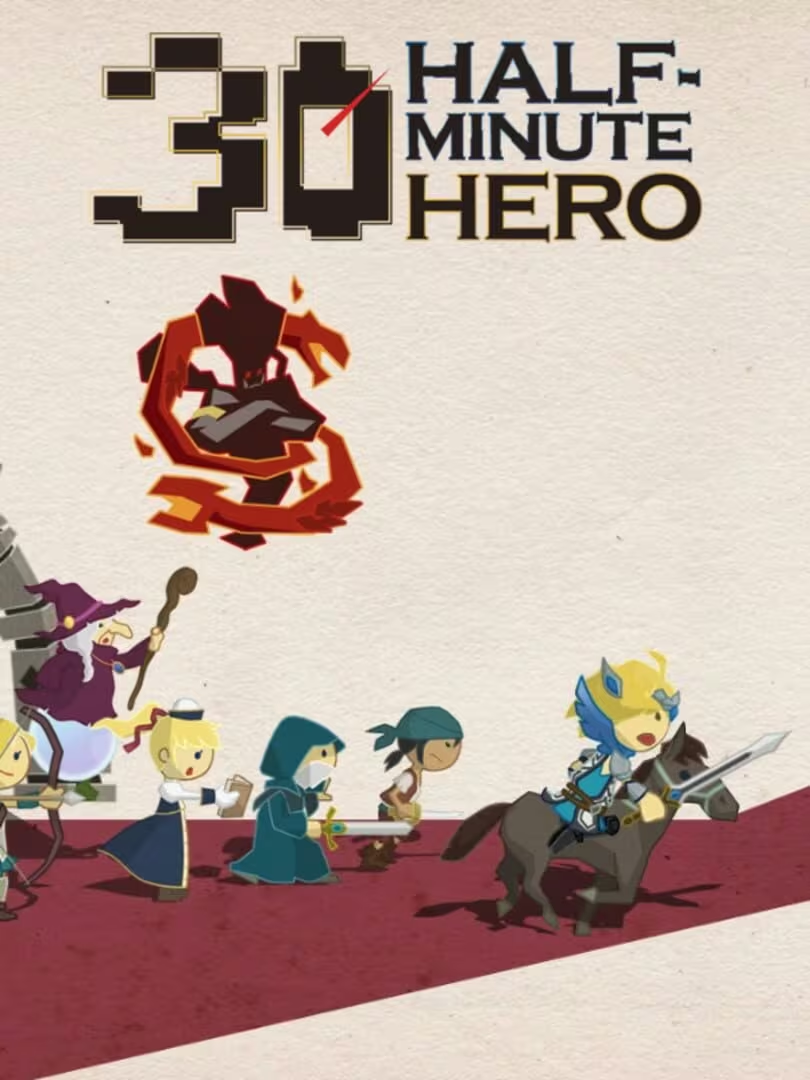 Half Minute Hero: Super Mega Neo Climax Ultimate Boy
"Game encourages trying different configurations and tinkering with light paths and devices."
-
Exploration
Game with the same Exploration vibe
-3"Levels are designed puzzle arenas with limited exploration; focus is on mastering known environments"
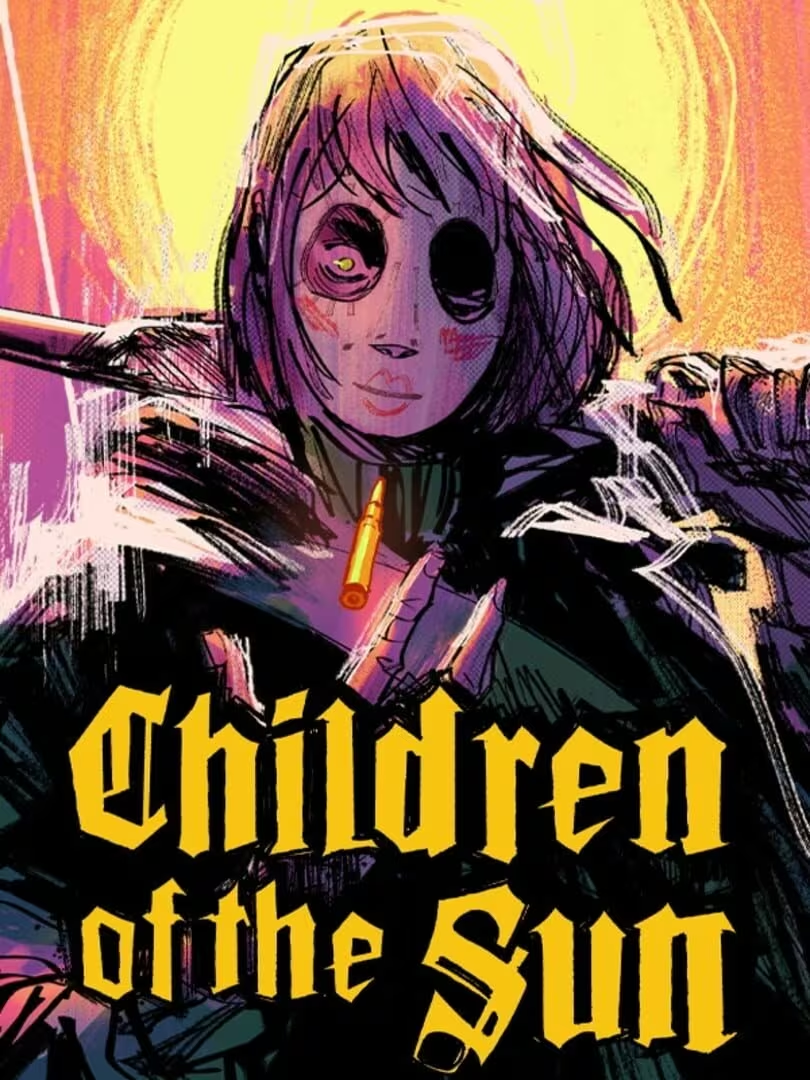 Children of the Sun
"Levels are puzzle-focused with limited exploration; players work within known mechanics and environments."
-
Expression
Game with the same Expression vibe
2"Customization through color palettes and pattern completion, though mostly predefined images."
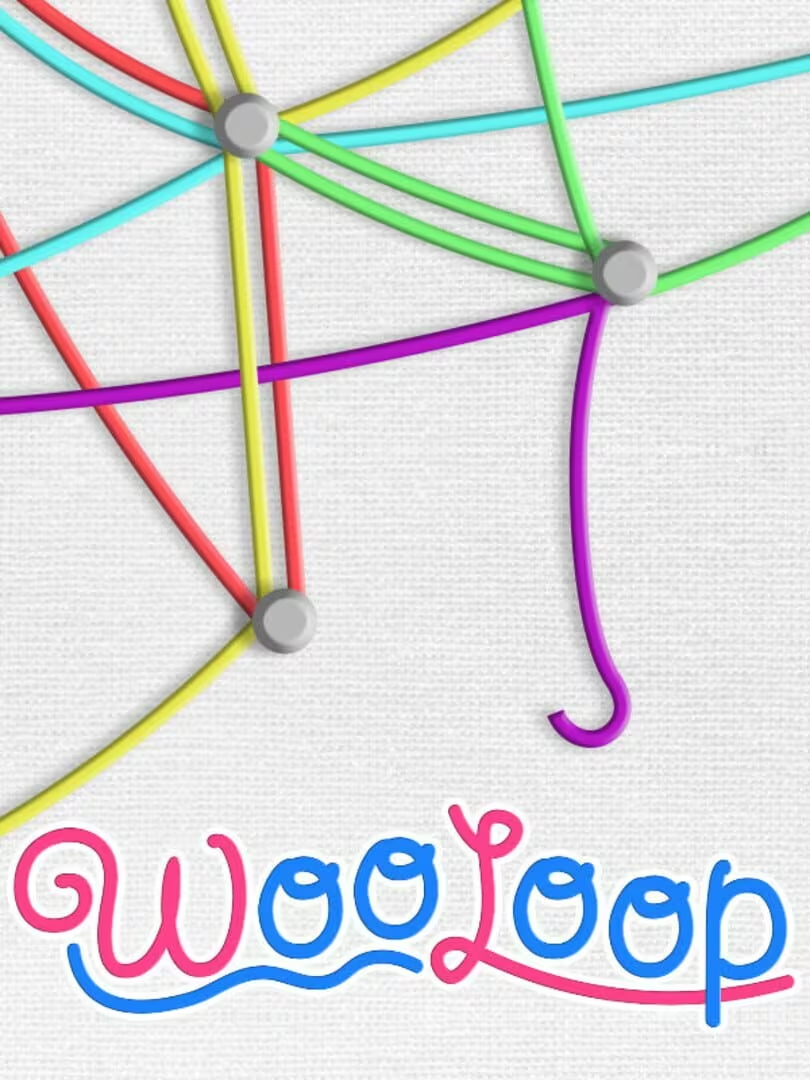 WooLoop
"Some visual customization through arranging elements and creating colorful light patterns."
-
Fantasy
Game with the same Fantasy vibe
-3"The game is surreal and abstract but grounded in realistic physics and plausible mechanics."
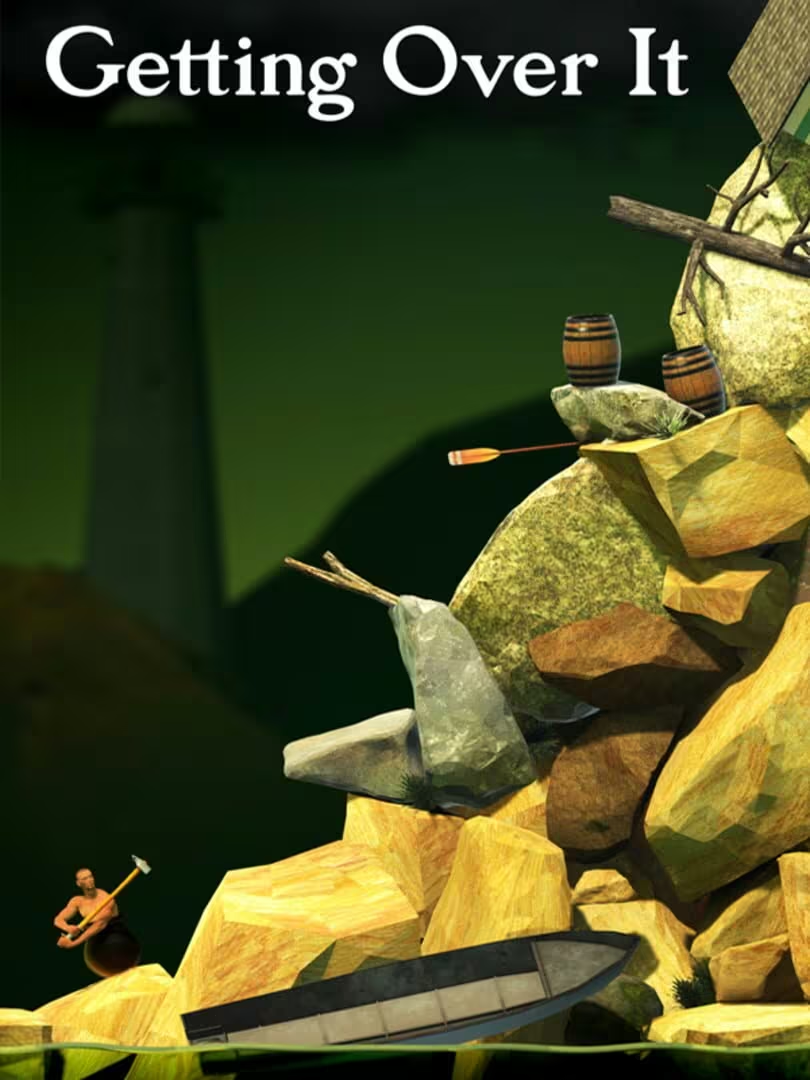 Getting Over It with Bennett Foddy
"Game is based on physics concepts, though some mechanics are unrealistic; overall leans toward realism."
-
Fellowship
Game with the same Fellowship vibe
-5"No social or community gameplay; strictly solo experience."
 The Thrill of the Fight - VR Boxing
"No social or community gameplay; strictly solo experience."
-
Growth
Game with the same Growth vibe
3"Players develop problem-solving skills and learn physics concepts through gameplay."
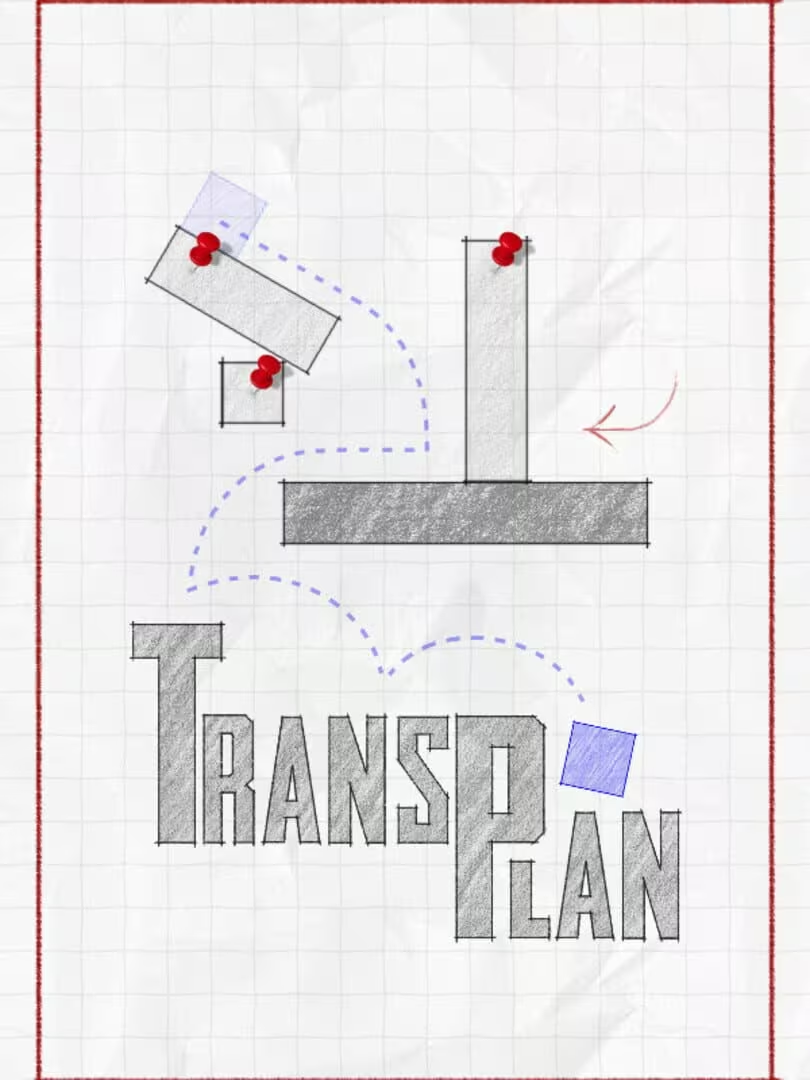 TransPlan
"Players learn about optics and physics concepts, improving problem-solving skills."
-
Health
Game with the same Health vibe
-5"Sedentary gameplay with no physical activity involved."
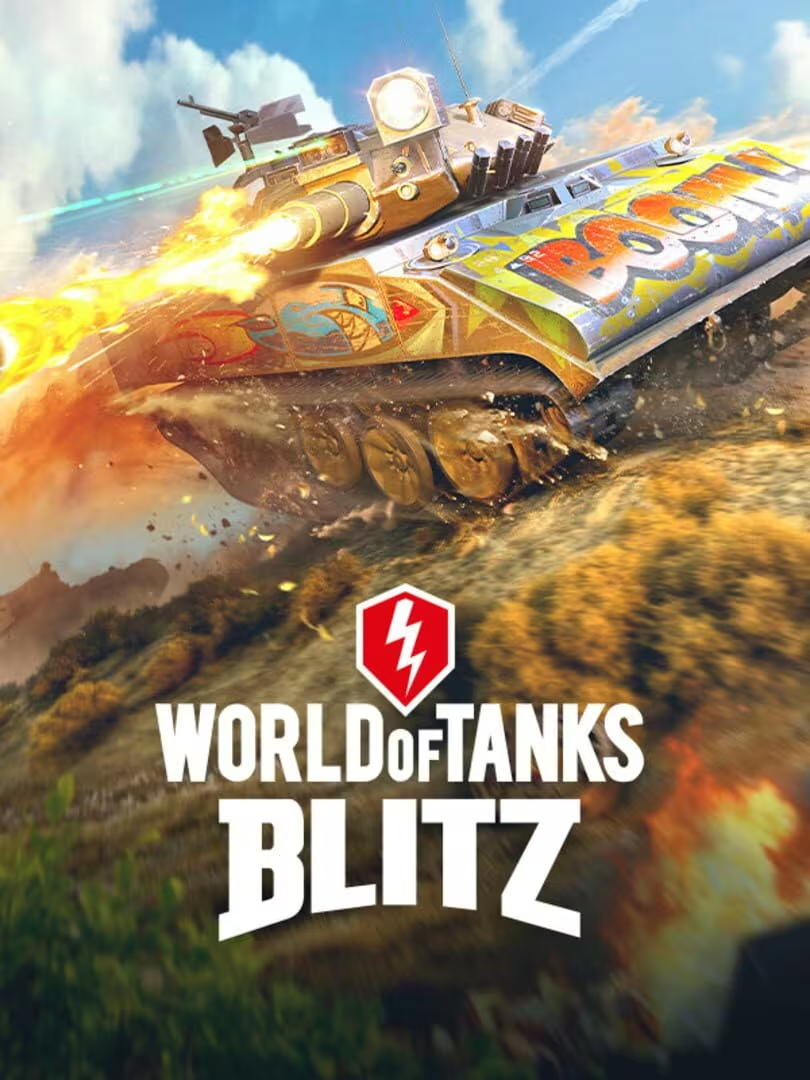 World of Tanks Blitz
"Sedentary gameplay with no physical activity involved."
-
Idle
Game with the same Idle vibe
-3"Requires focused attention to solve puzzles; not designed for idle or background play."
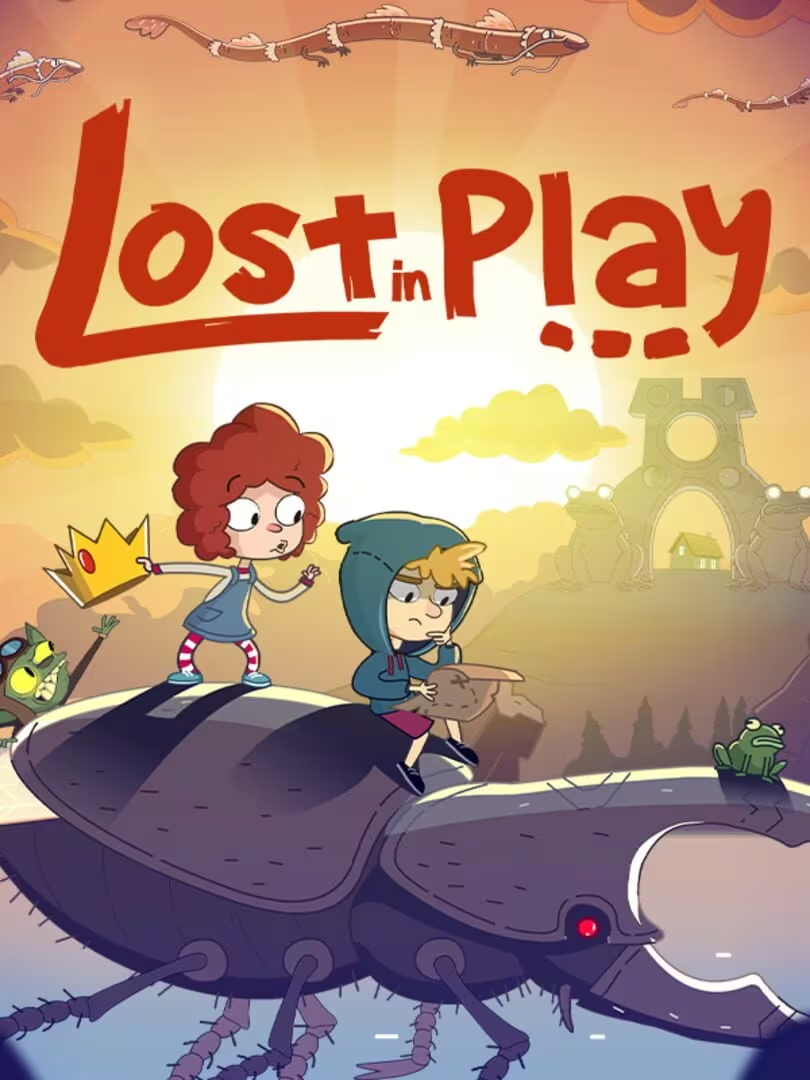 Lost in Play
"Requires focused attention to solve puzzles; not designed for idle or background play."
-
Intimacy
Game with the same Intimacy vibe
-5"No social or emotional relationship building in gameplay."
 BIT.TRIP RUNNER
"No social or emotional relationship building in gameplay."
-
Leadership
Game with the same Leadership vibe
-5"No leadership or group management elements present."
 Trover Saves the Universe
"No leadership or group management elements present."
-
Progression
Game with the same Progression vibe
3"Players progress through 80 levels with increasing difficulty and new mechanics introduced."
 About Love, Hate and the other ones
"Players progress through 160 levels with increasing difficulty and new optical devices."
-
Relaxation
Game with the same Relaxation vibe
4"Many reviews highlight the calming music, soothing visuals, and relaxing gameplay experience."
 Outlanders
"Many reviews highlight relaxing music, visuals, and calming gameplay experience."
-
Sensation
Game with the same Sensation vibe
4"Bright neon visuals, glitchy sound design, and intense action provide strong sensory stimulation and excitement."
 Heavy Bullets
"Bright neon colors, particle effects, and satisfying light animations provide sensory enjoyment."
-
Status
Game with the same Status vibe
-4"No social recognition or ranking; achievements exist but are mostly personal."
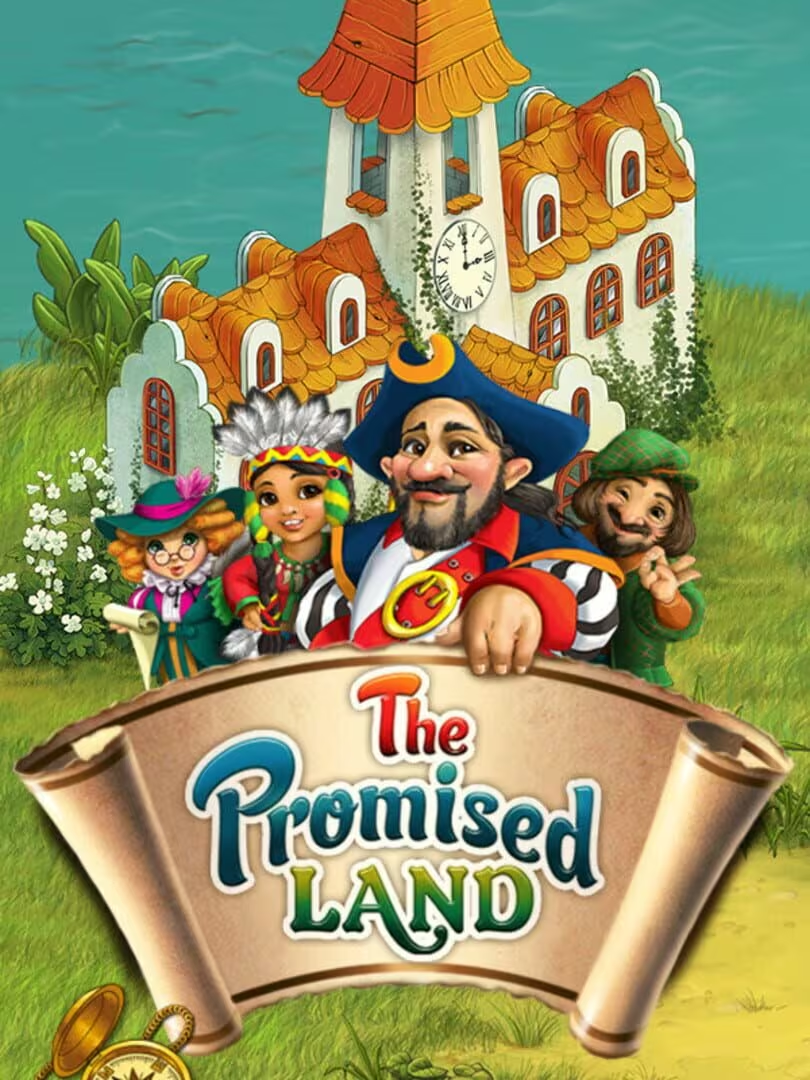 The Promised Land
"No social recognition or ranking; achievements and cards exist but are mostly personal."
-
Story
Game with the same Story vibe
-4"Minimal narrative or lore; focus is on mechanics and puzzle discovery rather than story immersion."
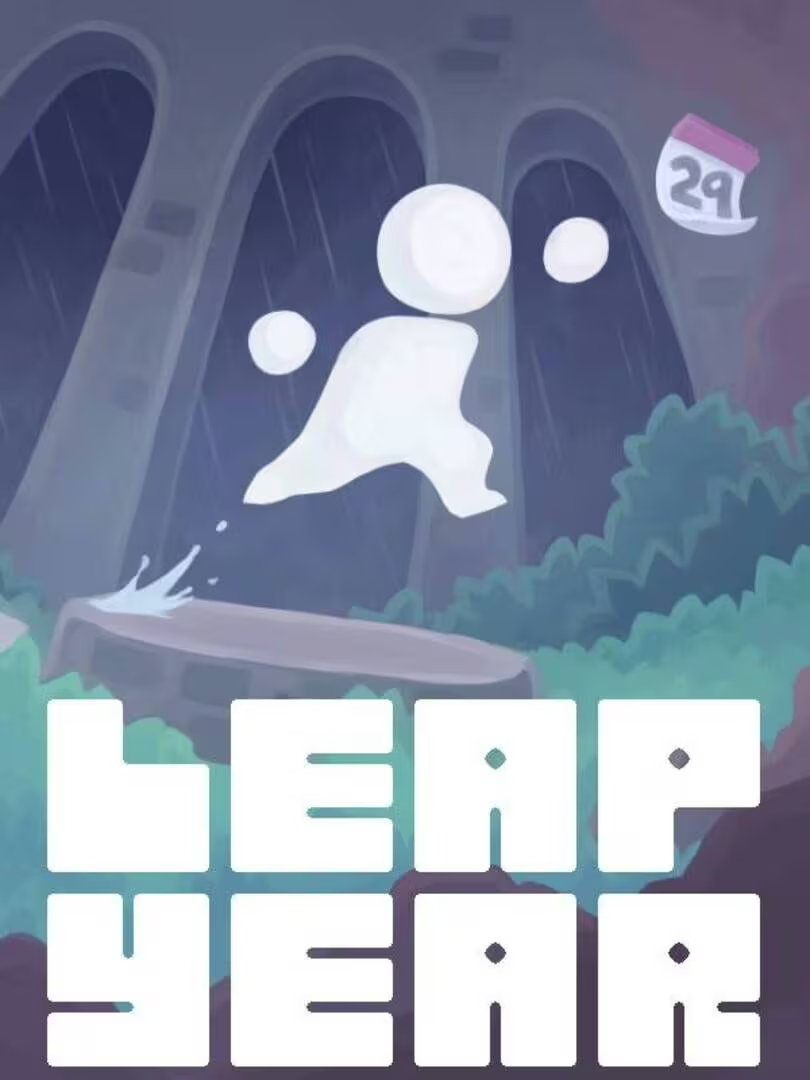 Leap Year
"Minimal narrative; characters appear only in tutorial; focus is on puzzle mechanics."
-
Strategy
Game with the same Strategy vibe
2"Puzzle solving requires some planning and lateral thinking, though some puzzles rely on trial and error."
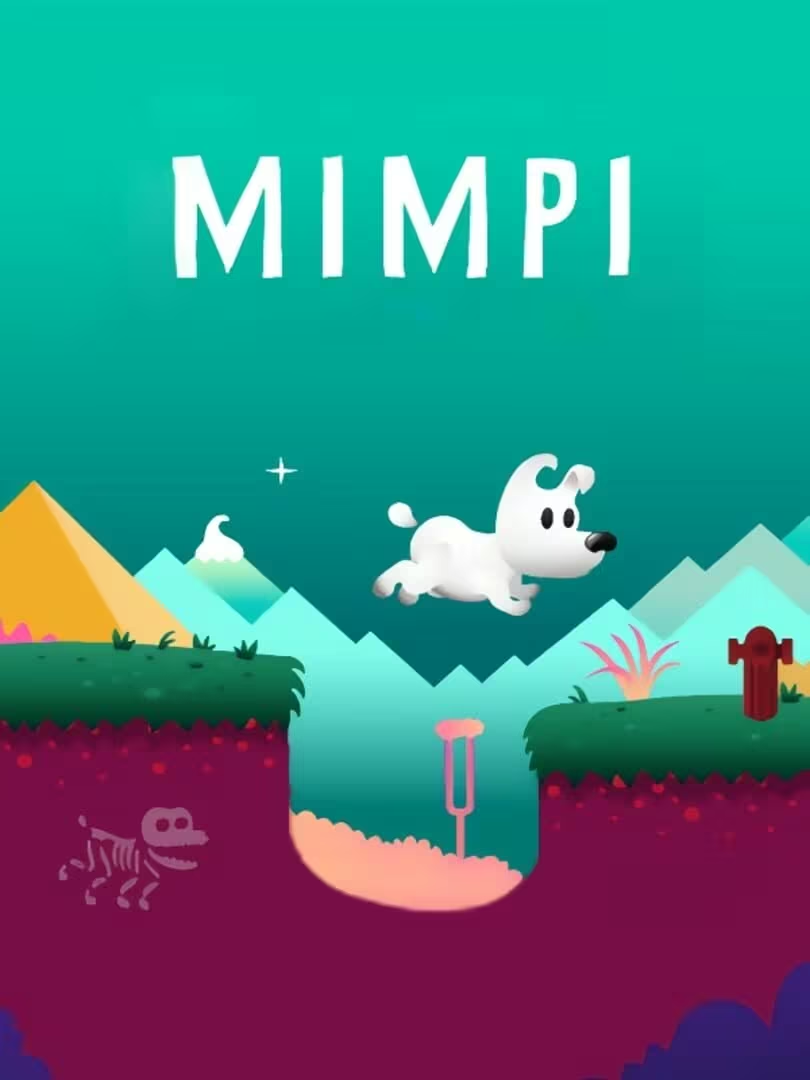 Mimpi
Mimpi
"Some puzzles require planning and problem solving, but many rely on trial and error."
-
Thrill
Game with the same Thrill vibe
-4"Game is calm and soothing with minimal suspense or risk."
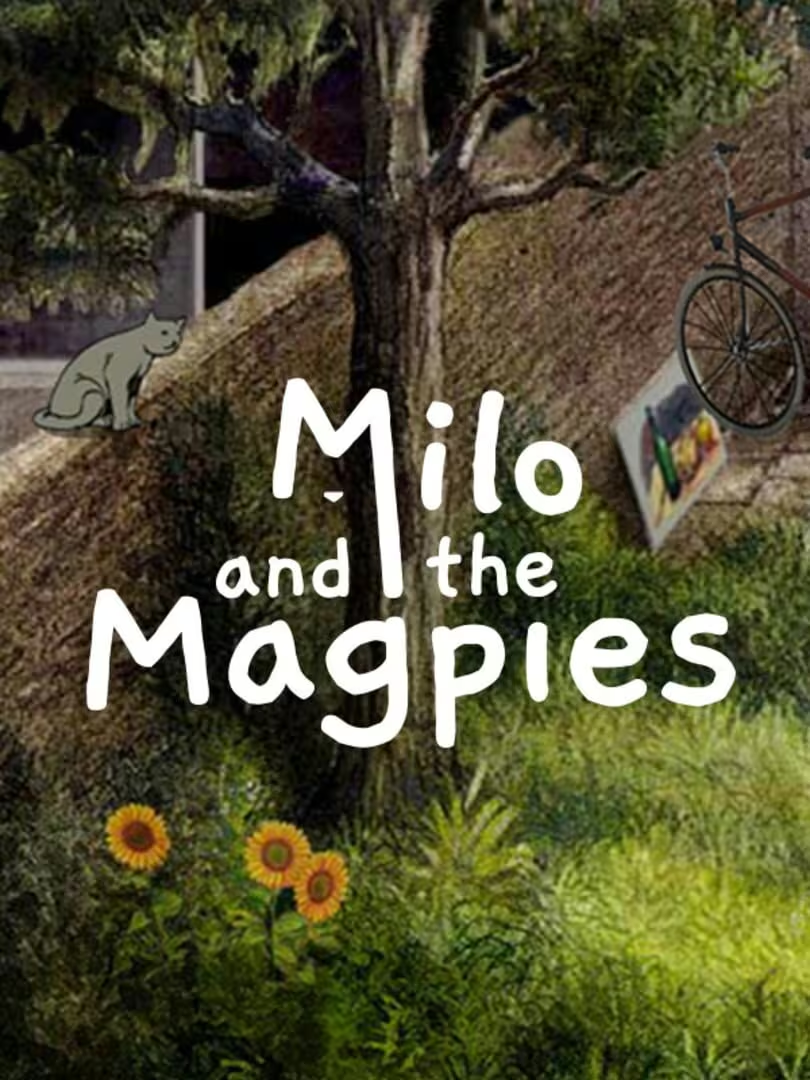 Milo and the Magpies
"Game is calm and soothing; lacks suspense or risk elements."
-
Value
Game with the same Value vibe
3"Good value especially on sale; short but enjoyable experience with achievements and trading cards."
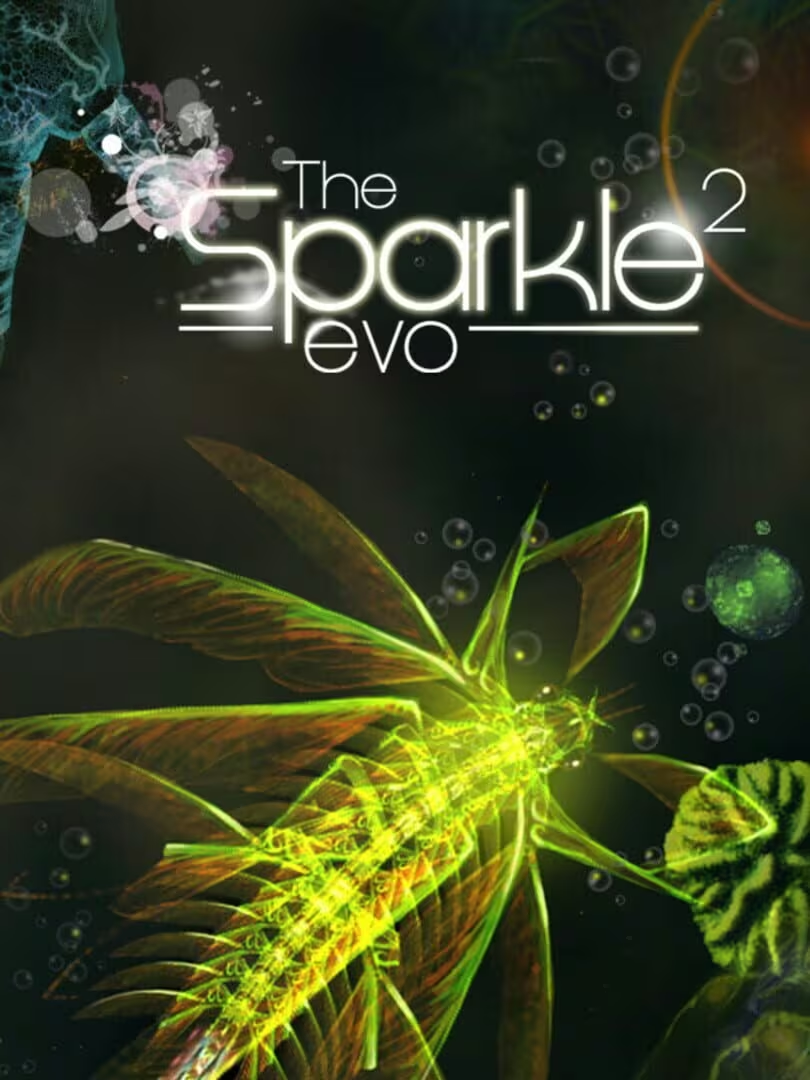 Sparkle 2 Evo
"Good value especially on sale; card trading can offset cost; some complaints about price."
-
Violence
Game with the same Violence vibe
-5"No violence; gameplay is constructive and puzzle-based."
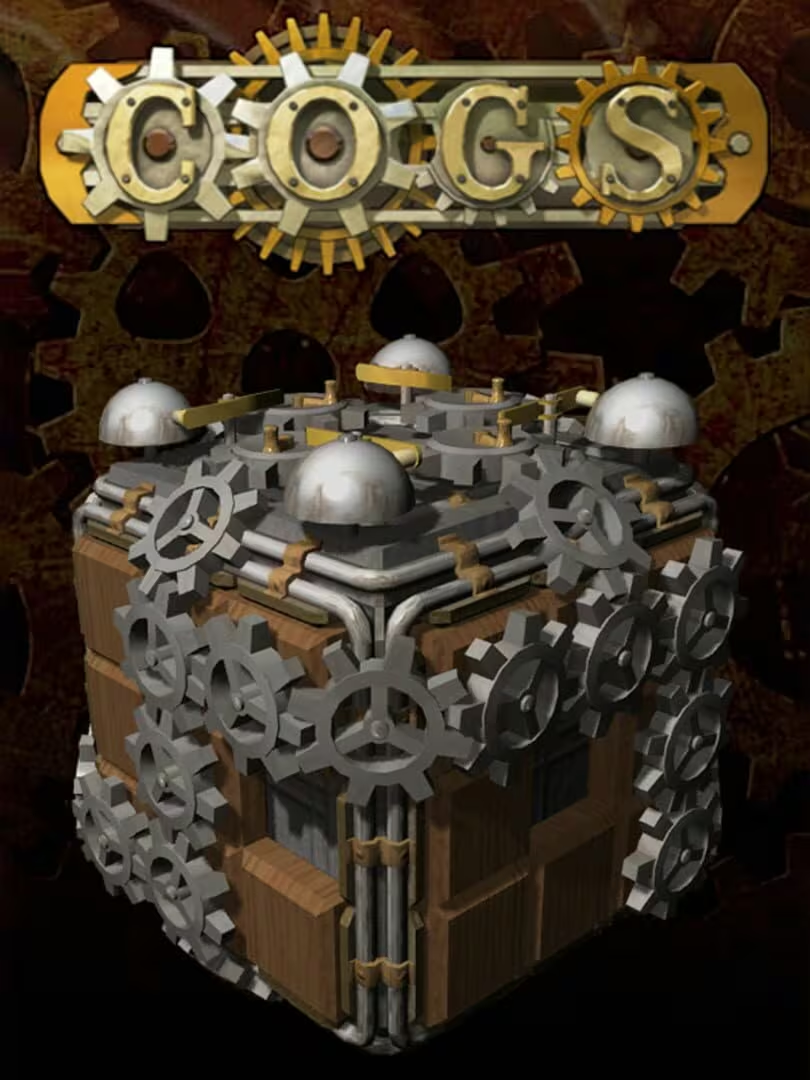 Cogs
Cogs
"No violence; gameplay is constructive and puzzle-based."
-
Survival
Game with the same Survival vibe
-5"No survival or threat elements; stable puzzle environment."
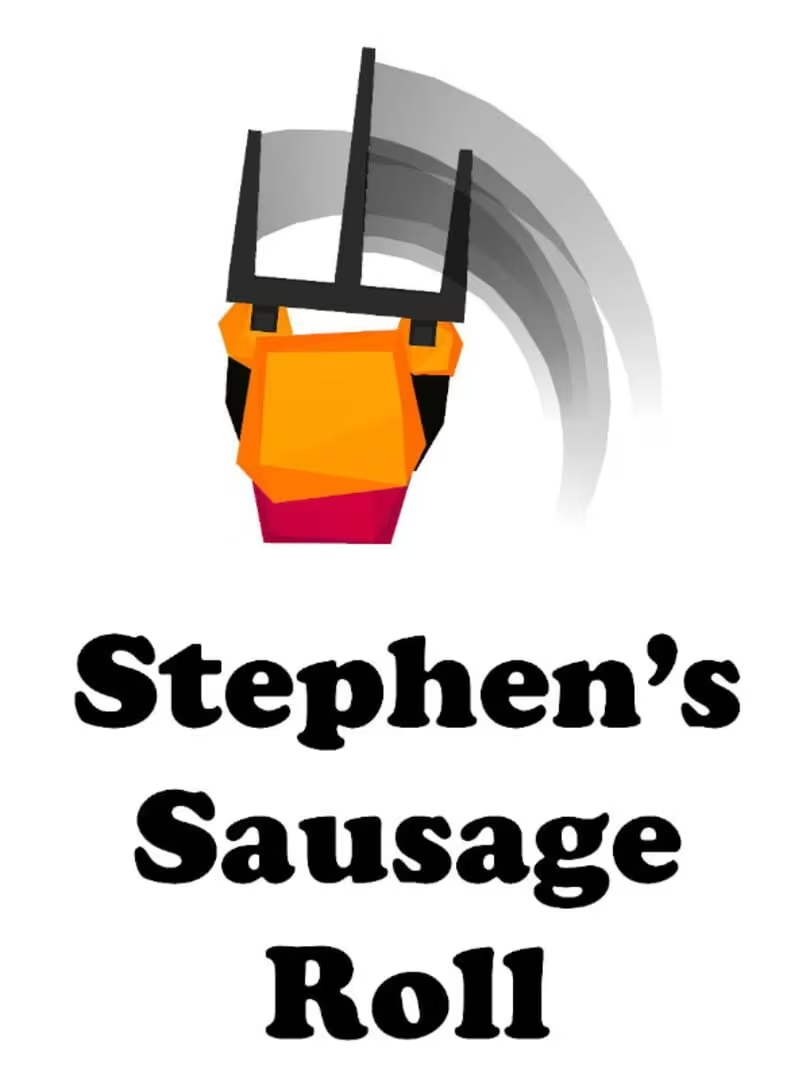 Stephen's Sausage Roll
"No survival or threat elements; stable puzzle environment."
Last update: 01/06/2026