Riddles Of The Past similar games & best alternatives
Should you play it?
Riddles Of The Past is a Hidden Object game with detective story and post apocalyptic atmosphere.
What works
- Unique hidden object mechanics
- Pleasant art style and music
- Interesting mystery story
- Easy achievements
- Fast travel map
Things to keep in mind
- Very short gameplay length
- Simple and easy puzzles
- Annoying hint dog animation and sound
- Minimal replay value
- Some translation and voice acting issues
What to play next
Similar games, hidden gems, and fresh directions from this game.
Top picks
Games that feel the closest overall

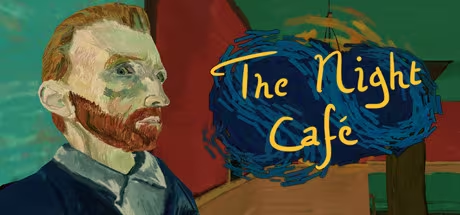
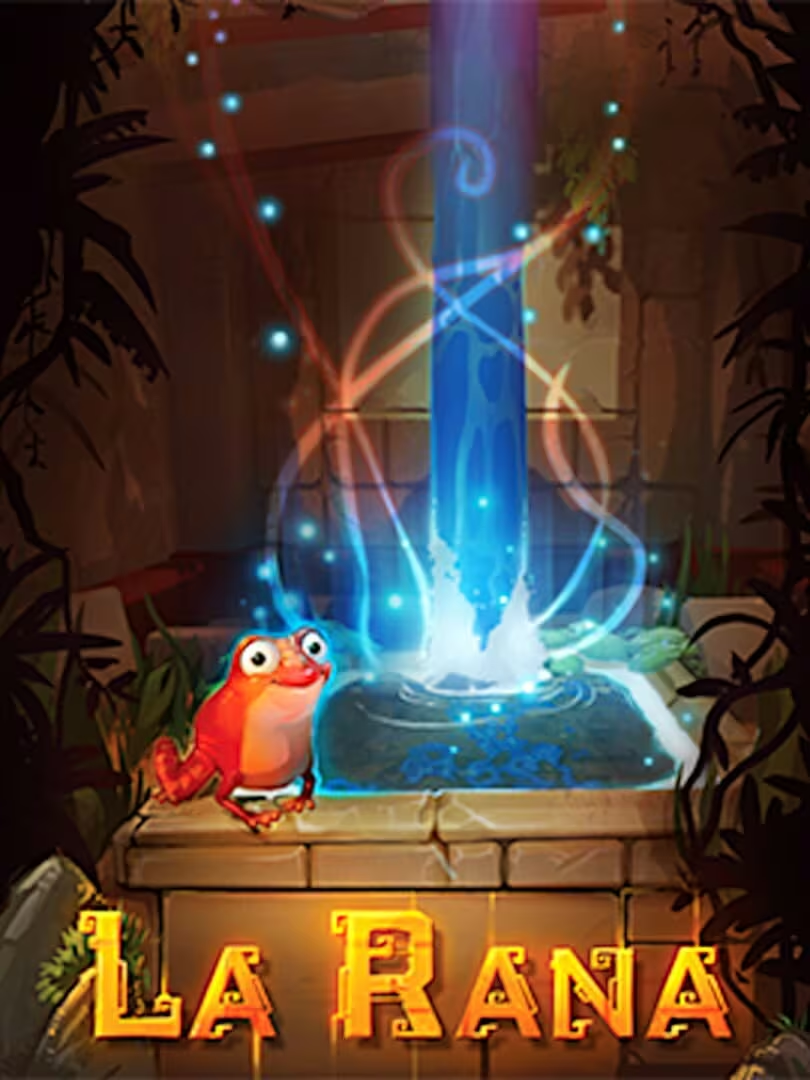
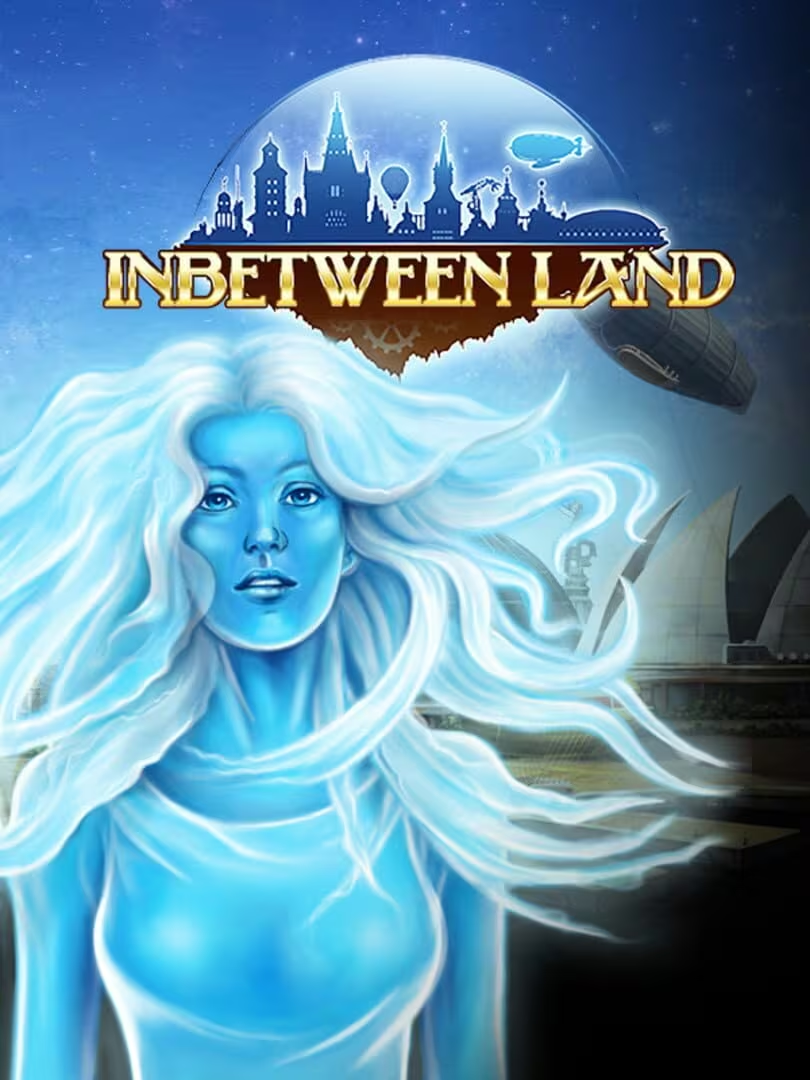
Hidden Gems
Less popular games with surprisingly high similarity
If you liked…
Recommendations by what you enjoyed most
Similarity map
Explore nearby similar games and see why they’re close.
Riddles Of The Past: Broadly representative of its motivational profile, with a few distinct shifts. Motivations that often define this kind of title include Strategy, Experimenting, Competence, Survival. Here, the score leans higher than usual among comparable games on Exploration. It leans lower than usual among comparable games on Growth, Intimacy.
Why this game works
A motivational profile of the game, with the closest similar game for each player motivation.
-
Autonomy
Game with the same Autonomy vibe
3"Players have freedom to explore multiple locations via an interactive map and choose their path to solve puzzles and find objects."
 Hope Lake
"Players have freedom to explore multiple locations and solve puzzles at their own pace, with some guidance from map and hints."
-
Competence
Game with the same Competence vibe
-2"Puzzles are simple, straightforward, and easy with hints available; minimal challenge for experienced players."
 The Little Acre
"Puzzles are generally easy and straightforward, with some players noting minimal challenge and ability to skip puzzles."
-
Competition
Game with the same Competition vibe
-5"No competitive elements or comparison with others; purely single player casual experience."
 Seek Girl Ⅱ
"No competitive elements or comparison to others; purely single-player casual experience."
-
Continuation
Game with the same Continuation vibe
-3"Short game length (~1-2 hours) and limited replay value lead to low habitual or long-term engagement."
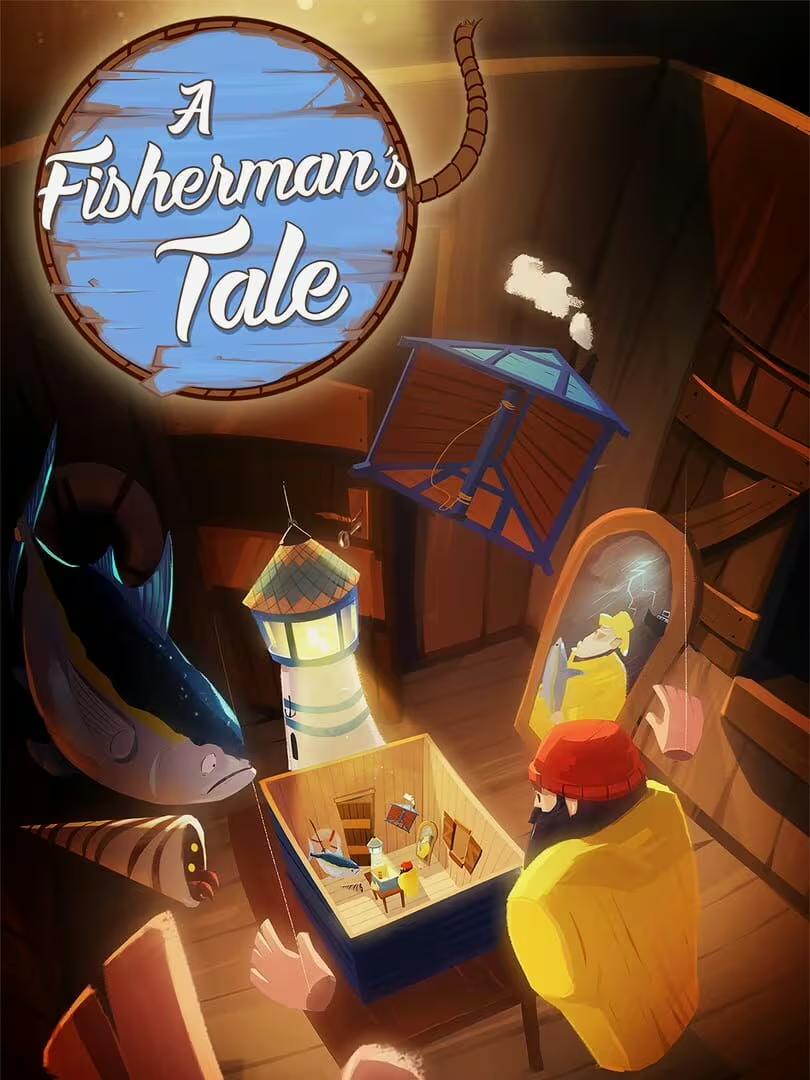 A Fisherman's Tale
"Short game length (2-4 hours) and minimal replay value lead to limited long-term engagement."
-
Cooperation
Game with the same Cooperation vibe
-5"Entirely single-player with no multiplayer or cooperative features."
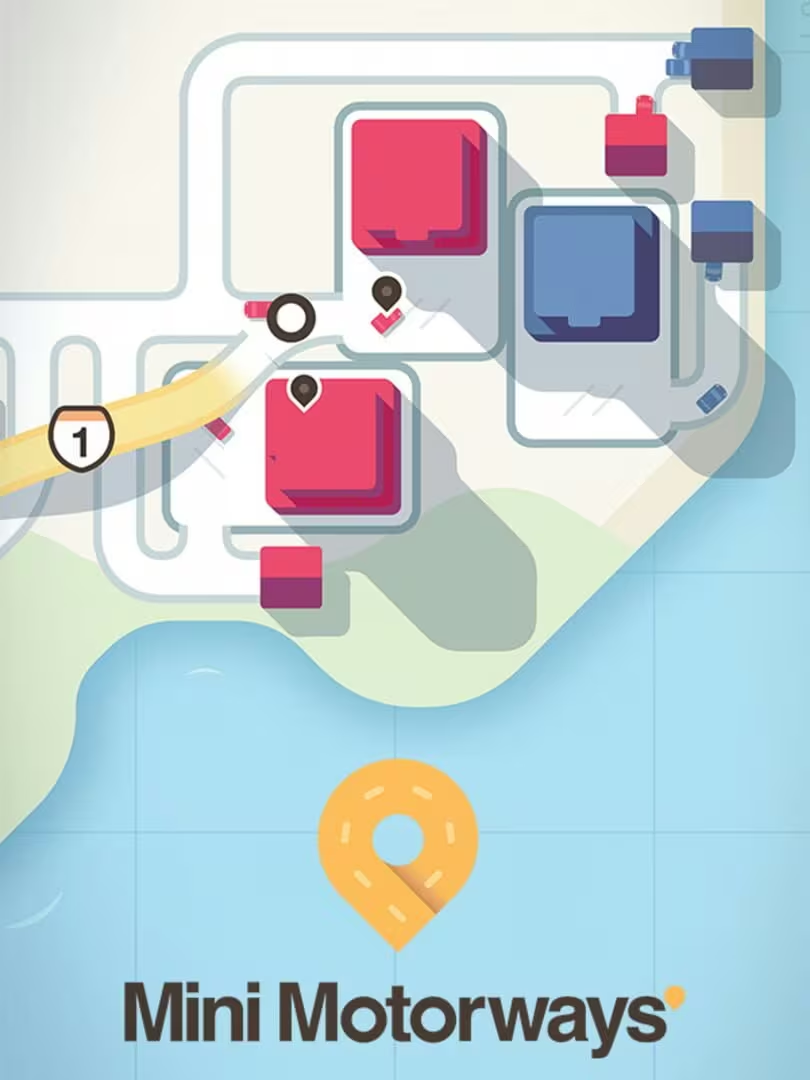 Mini Motorways
"Entirely single-player with no multiplayer or cooperative features."
-
Creativity
Game with the same Creativity vibe
2"Some creative puzzle designs and variations in hidden object scenes, but mostly uses predefined structures and repeated mechanics."
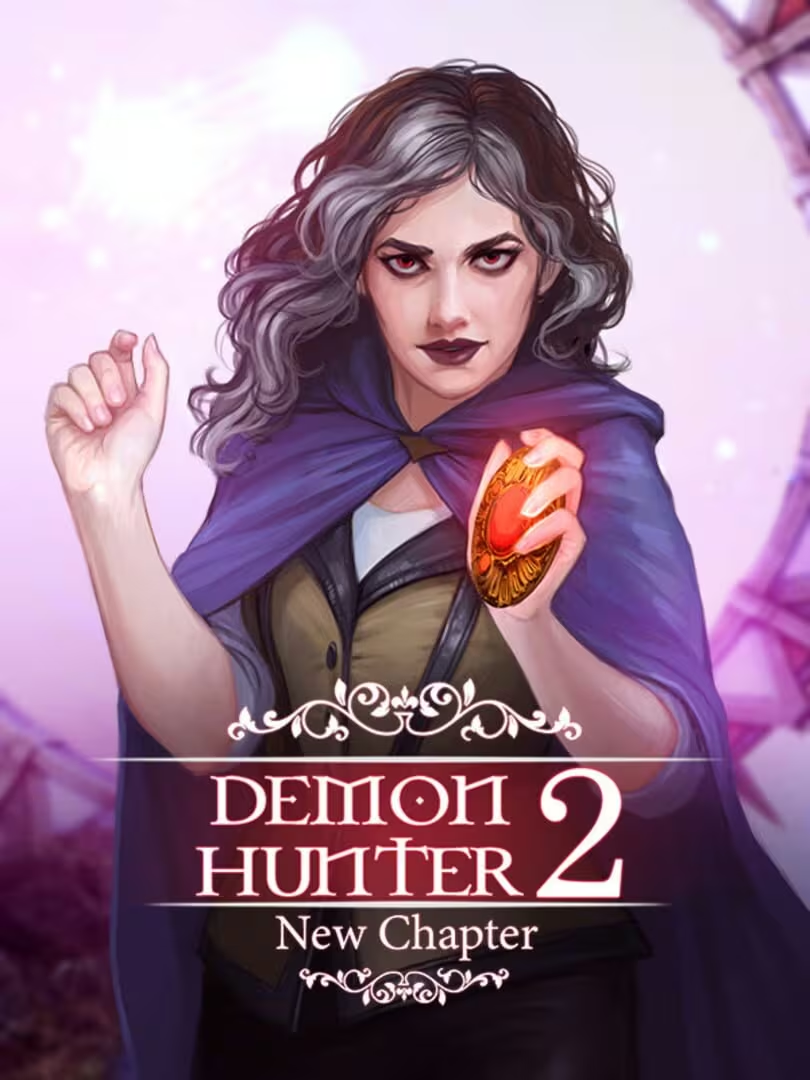 Demon Hunter 2: New Chapter
"Unique hidden object mechanics involving combining items and interactive puzzles rather than standard hidden object scenes."
-
Domination
Game with the same Domination vibe
-5"No elements of exerting control or superiority over others."
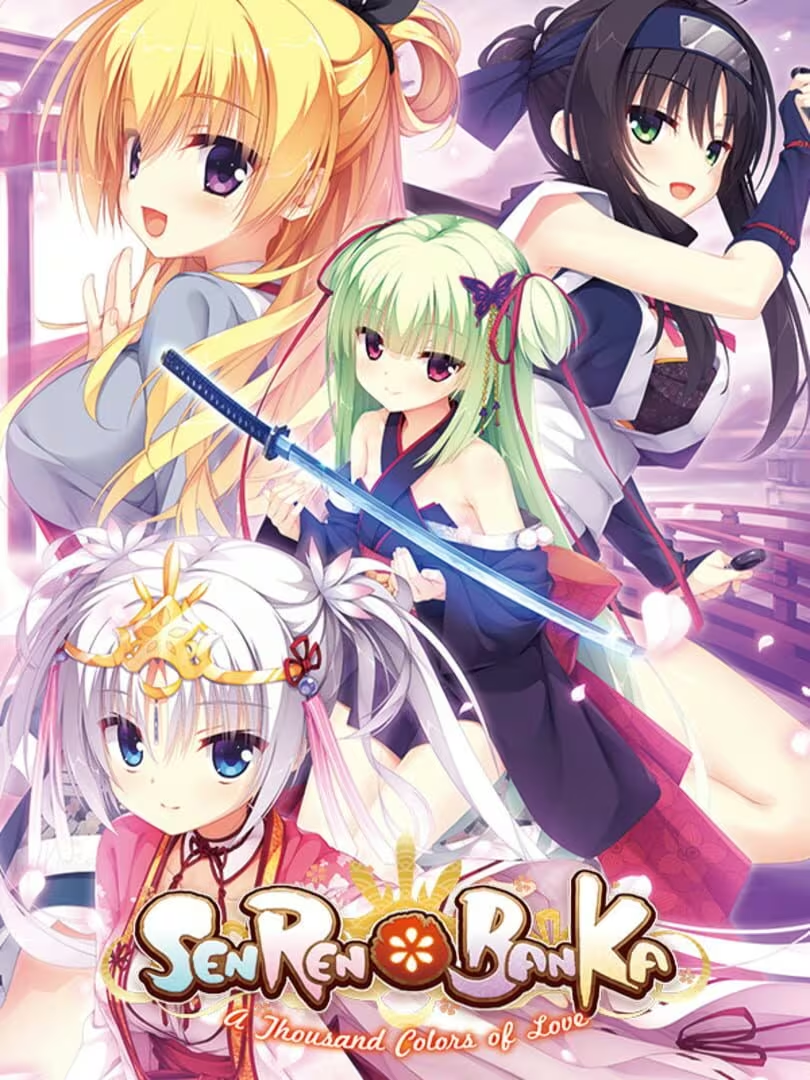 Senren*Banka
"No elements of exerting control or superiority over others."
-
Escapism
Game with the same Escapism vibe
3"Immersive post-apocalyptic setting and story provide strong escape from real life."
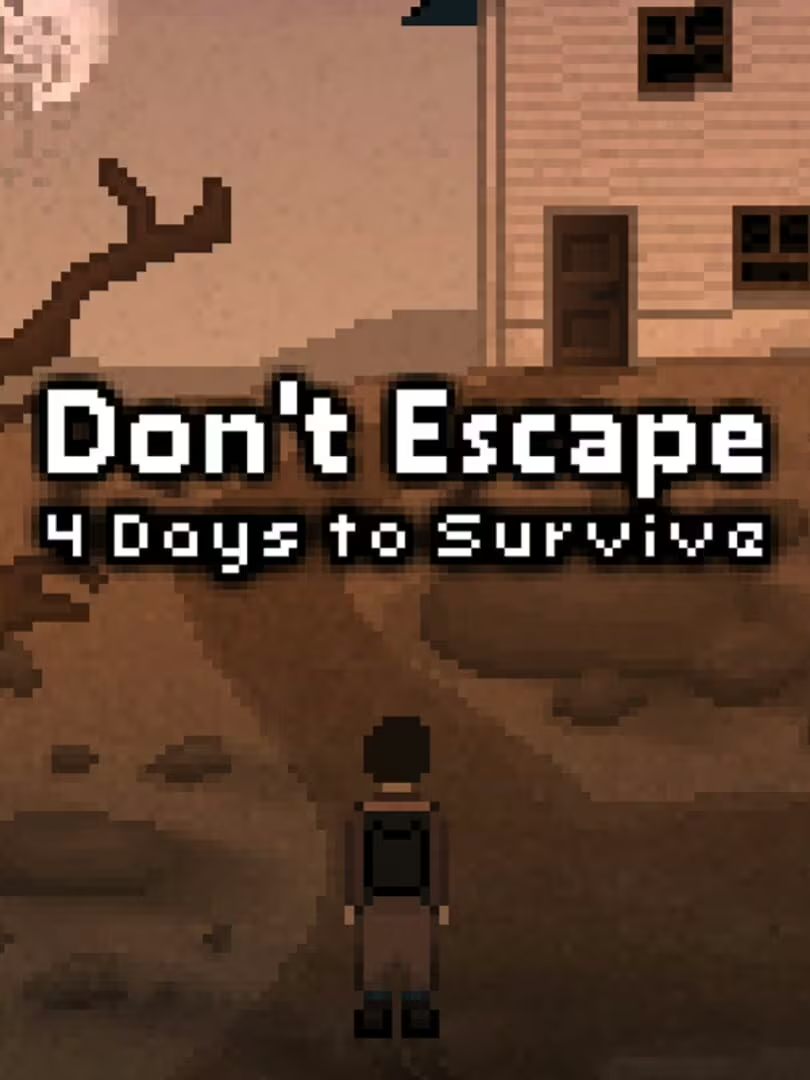 Don't Escape: 4 Days to Survive
"Post-apocalyptic setting and mystery story provide immersive escape from reality."
-
Expectation
Game with the same Expectation vibe
-4"Players engage voluntarily for entertainment and puzzle enjoyment, not out of obligation."
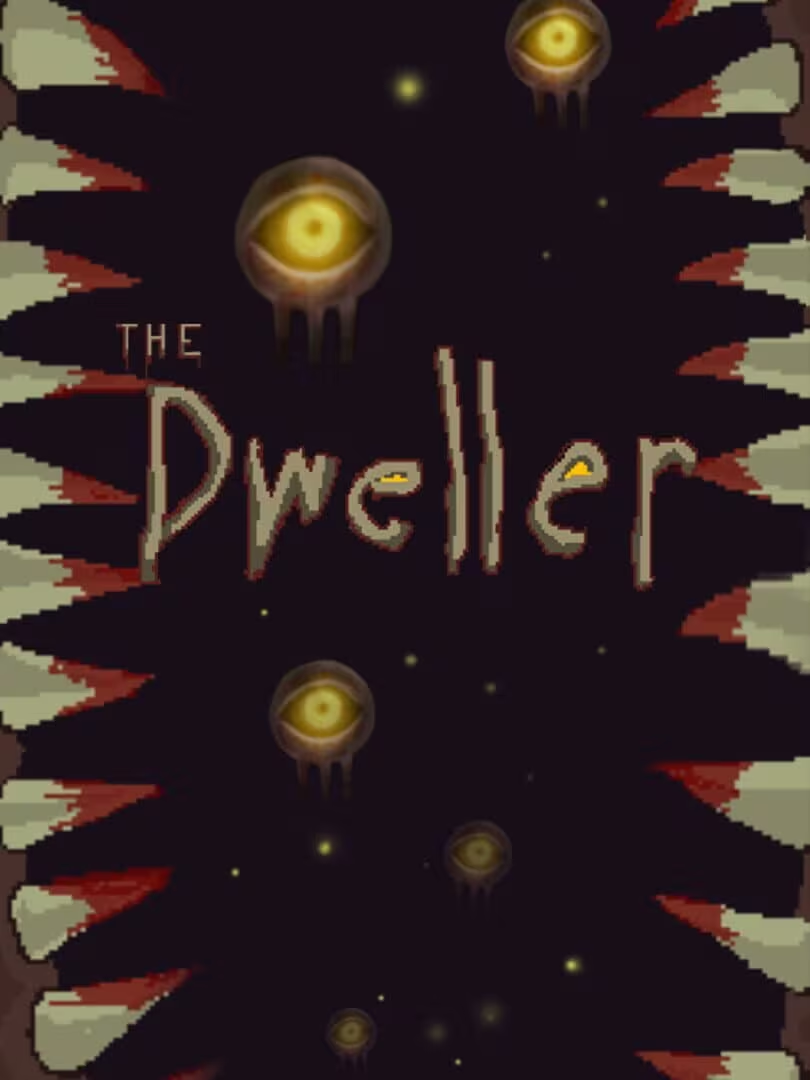 The Dweller
"Players engage voluntarily for casual enjoyment and puzzle solving, not out of obligation."
-
Experimenting
Game with the same Experimenting vibe
2"New puzzle types and inventory interactions encourage players to try different approaches."
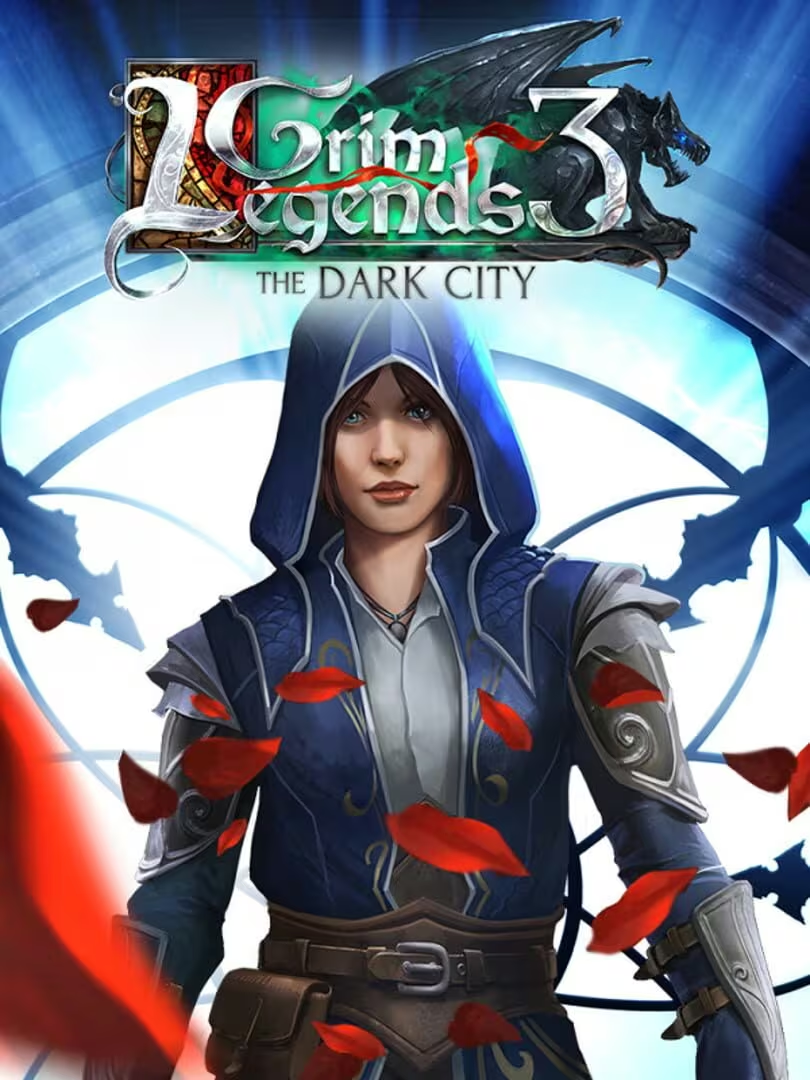 Grim Legends 3: The Dark City
"Some novelty in puzzle mechanics and item usage encourages trying new approaches."
-
Exploration
Game with the same Exploration vibe
3"Large open maps with multiple regions encourage discovery and travel."
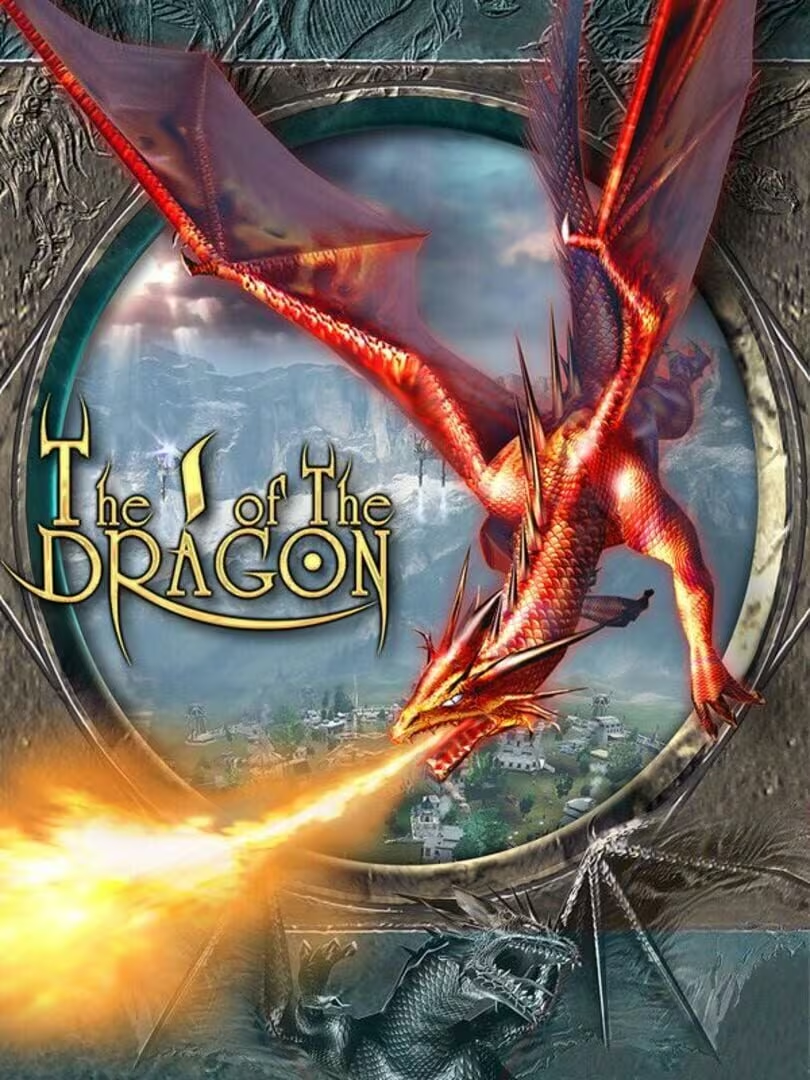 The I of the Dragon
"Many locations to visit and explore with a fast travel map supporting discovery."
-
Expression
Game with the same Expression vibe
-5"No character customization or self-expression features."
 Poop Clicker
"No character customization or self-expression features."
-
Fantasy
Game with the same Fantasy vibe
2"Post-apocalyptic setting with talking appliances and robots adds imaginative fiction elements."
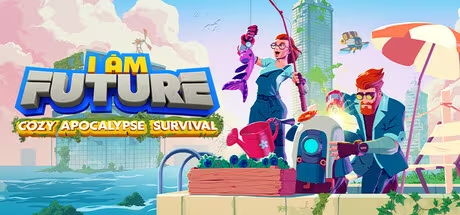 I Am Future: Cozy Apocalypse Survival
"Fictional post-apocalyptic narrative with robots and mystery elements, but grounded in a plausible setting."
-
Fellowship
Game with the same Fellowship vibe
-5"No community or social interaction; solo play only."
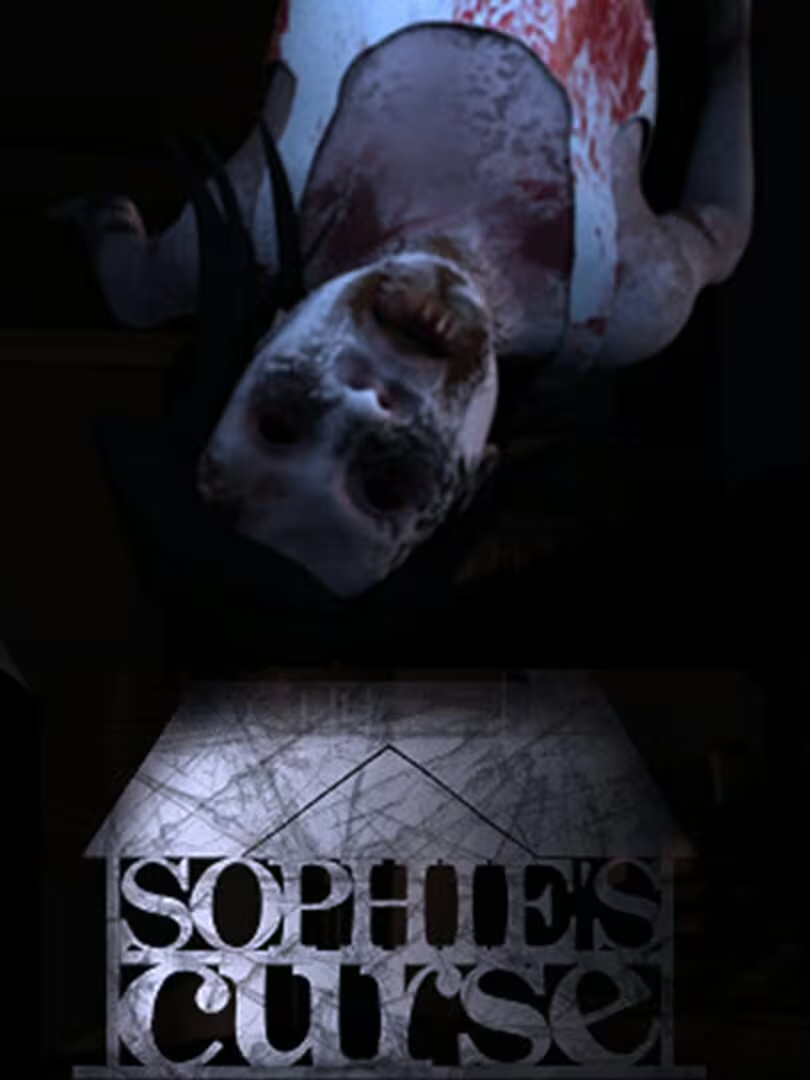 Sophie's Curse
"No community or social interaction aspects; solo play only."
-
Growth
Game with the same Growth vibe
-3"Limited learning or skill development; simple puzzles and linear progression."
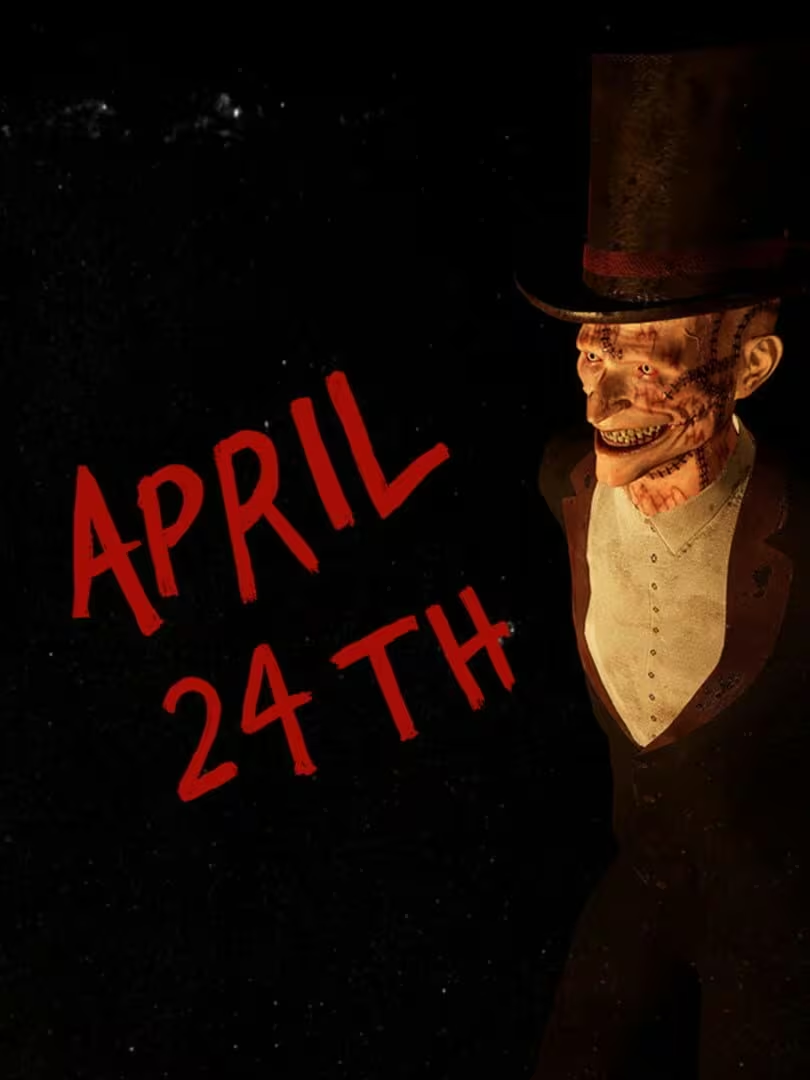 April 24th
"Limited learning or skill development due to simple puzzles and linear progression."
-
Health
Game with the same Health vibe
-5"Sedentary gameplay typical of point-and-click adventure games."
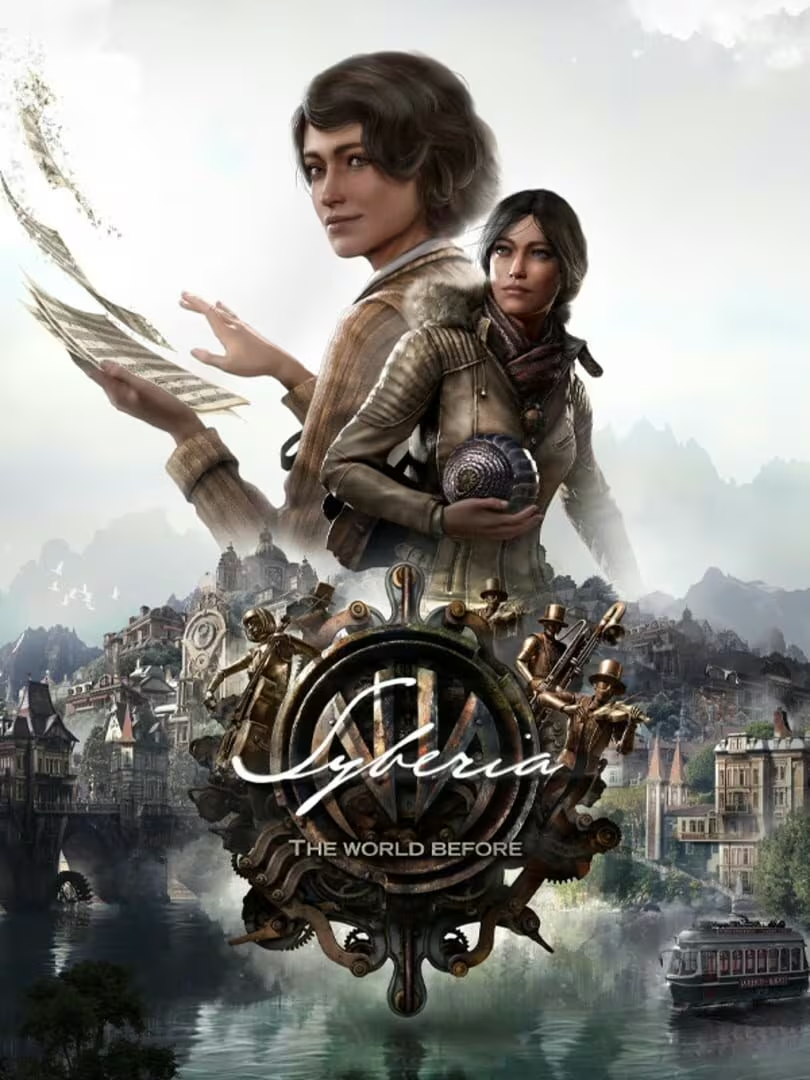 Syberia: The World Before
"Sedentary gameplay typical of point-and-click adventure games."
-
Idle
Game with the same Idle vibe
-3"Requires focused attention during exploration and puzzle solving; not a background or idle game."
 AER Memories of Old
"Requires focused attention during puzzle solving and exploration; not a background or idle game."
-
Intimacy
Game with the same Intimacy vibe
-5"No close social or emotional relationships formed through gameplay."
 Jurassic World Evolution
"No close social or emotional relationships formed through gameplay."
-
Leadership
Game with the same Leadership vibe
-5"No leadership or group management roles."
 Boxes: Lost Fragments
"No leadership or group management roles."
-
Progression
Game with the same Progression vibe
3"Progression through collecting and using items to unlock new areas and puzzles."
 Samsara Room
"Progression through collecting and combining items to unlock new areas and puzzles."
-
Relaxation
Game with the same Relaxation vibe
4"Casual pace, light puzzles, and atmospheric music create a relaxing experience."
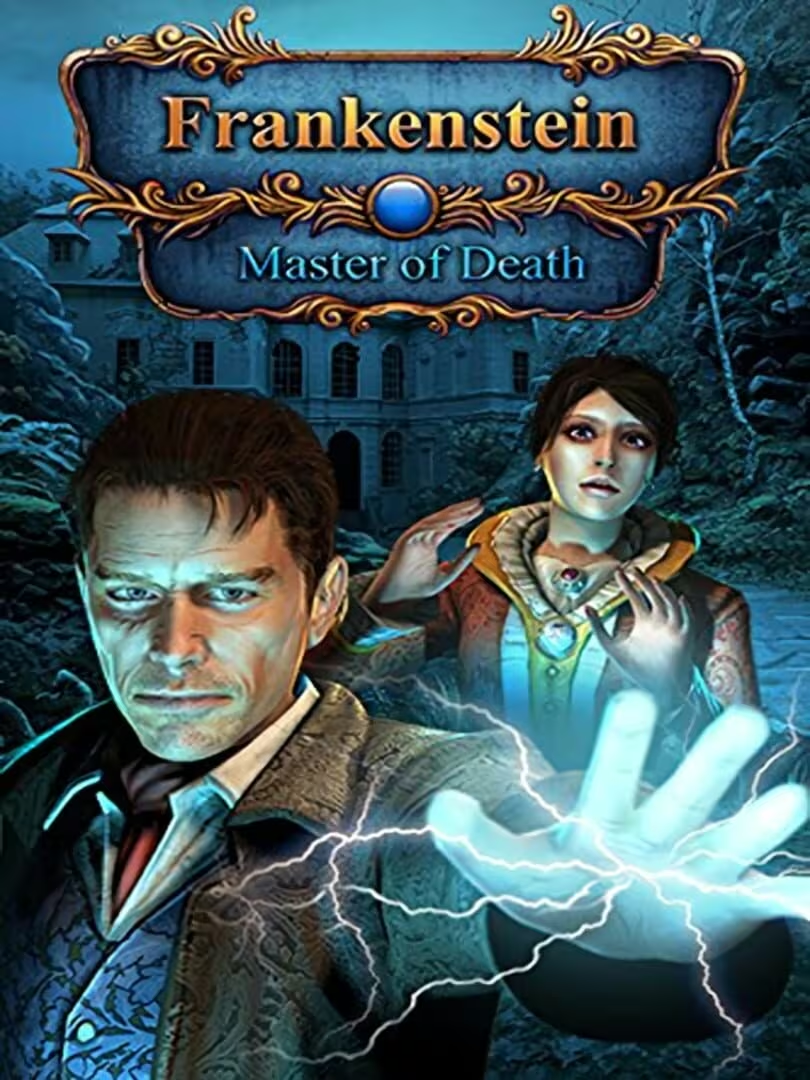 Frankenstein: Master of Death
"Casual pace, easy puzzles, and atmospheric music create a relaxing experience."
-
Sensation
Game with the same Sensation vibe
2"Pleasant visuals and music provide moderate sensory enjoyment without intense stimulation."
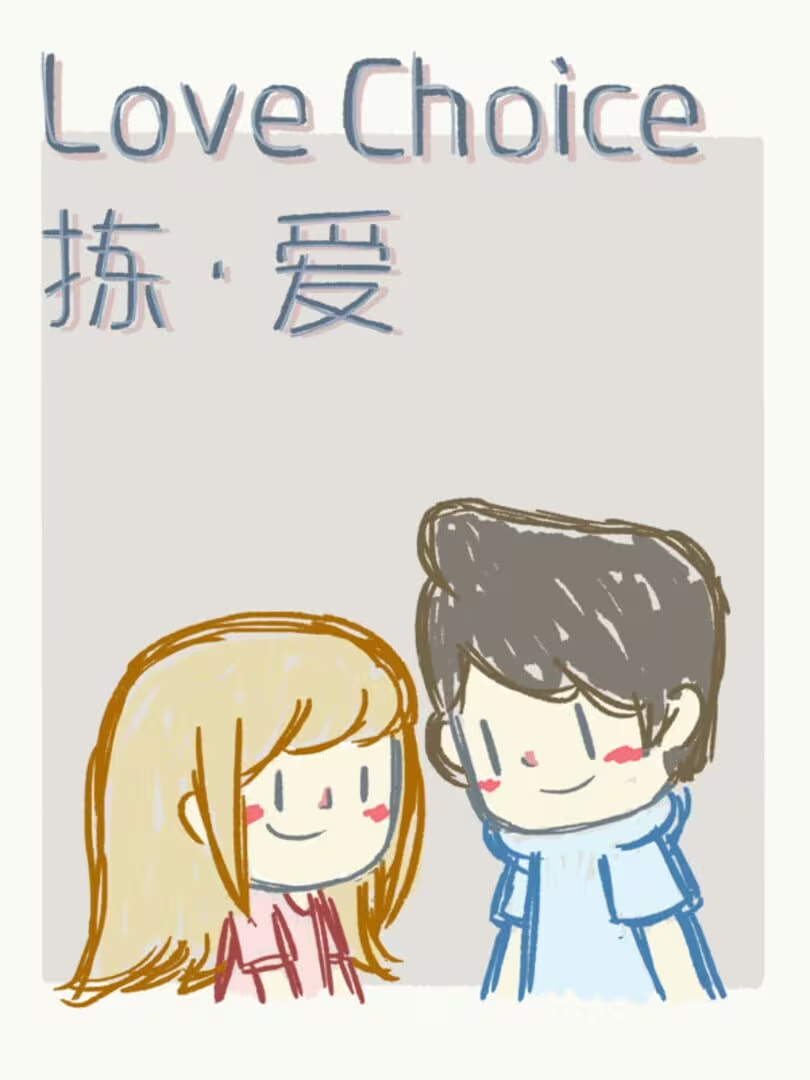 LoveChoice
"Pleasant visuals and music provide moderate sensory enjoyment without intense stimulation."
-
Status
Game with the same Status vibe
-5"No social recognition or status systems."
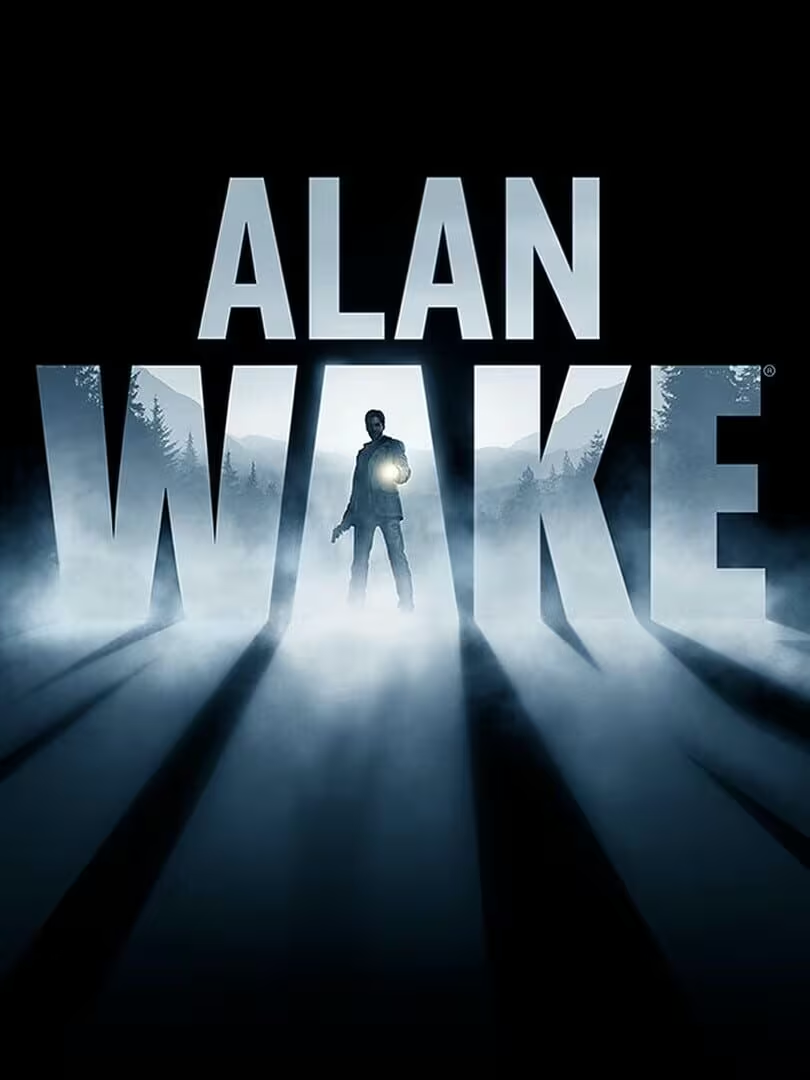 Alan Wake
"No social recognition or status systems."
-
Story
Game with the same Story vibe
3"Narrative-driven with cutscenes and voice acting, though story is considered average but immersive."
 Indiana Jones® and the Emperor's Tomb™
"Narrative-driven with comic-style cutscenes and mystery plot, though story is considered average."
-
Strategy
Game with the same Strategy vibe
-2"Puzzles require some thought but are generally straightforward and simple."
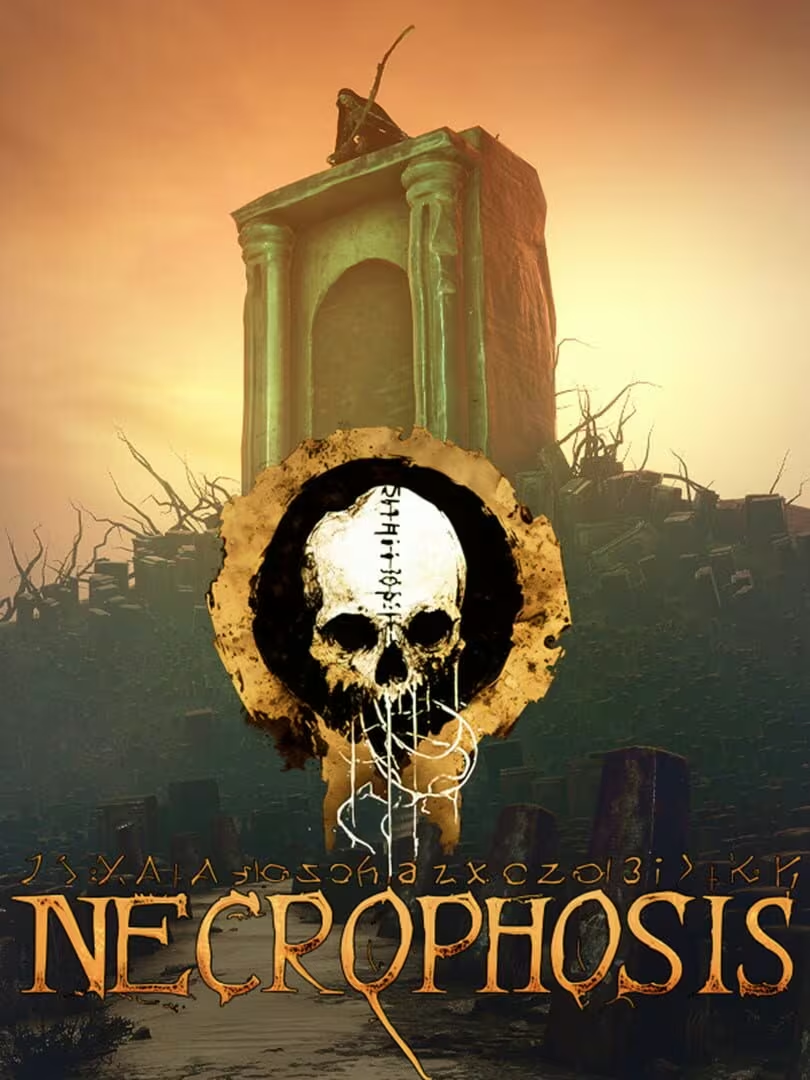 Necrophosis
"Puzzles require some problem solving but are mostly simple and straightforward."
-
Thrill
Game with the same Thrill vibe
-3"Low suspense or risk; calm and steady gameplay experience."
 100 hidden snails 2
"Low suspense and risk; calm and steady gameplay."
-
Value
Game with the same Value vibe
3"Good value for price especially on sale; short but satisfying experience."
 Singularity™
"Good value especially when purchased on sale; short but satisfying experience."
-
Violence
Game with the same Violence vibe
-5"No violent or destructive gameplay elements."
 The White Door
"No violent or destructive gameplay elements."
-
Survival
Game with the same Survival vibe
-4"No survival mechanics or threat avoidance; stable and safe gameplay environment."
 TSIOQUE
"No survival mechanics or threat avoidance; stable and safe gameplay environment."
Last update: 01/06/2026