Swordbreaker The Game similar games & best alternatives
Should you play it?
The Swordbreaker game is interactive fiction with lots of illustrations where you and you alone get to choose the storyline and the ending!
What works
- Rich and detailed comic-style artwork
- High replayability with many branching paths and endings
- Humorous and dark fantasy setting
- Affordable price
- Engaging trial-and-error gameplay
Things to keep in mind
- Short playtime per run
- Repetitive deaths can frustrate
- Limited music variety
- No save/load mid-game
- Interface usability issues
What to play next
Similar games, hidden gems, and fresh directions from this game.
Top picks
Games that feel the closest overall


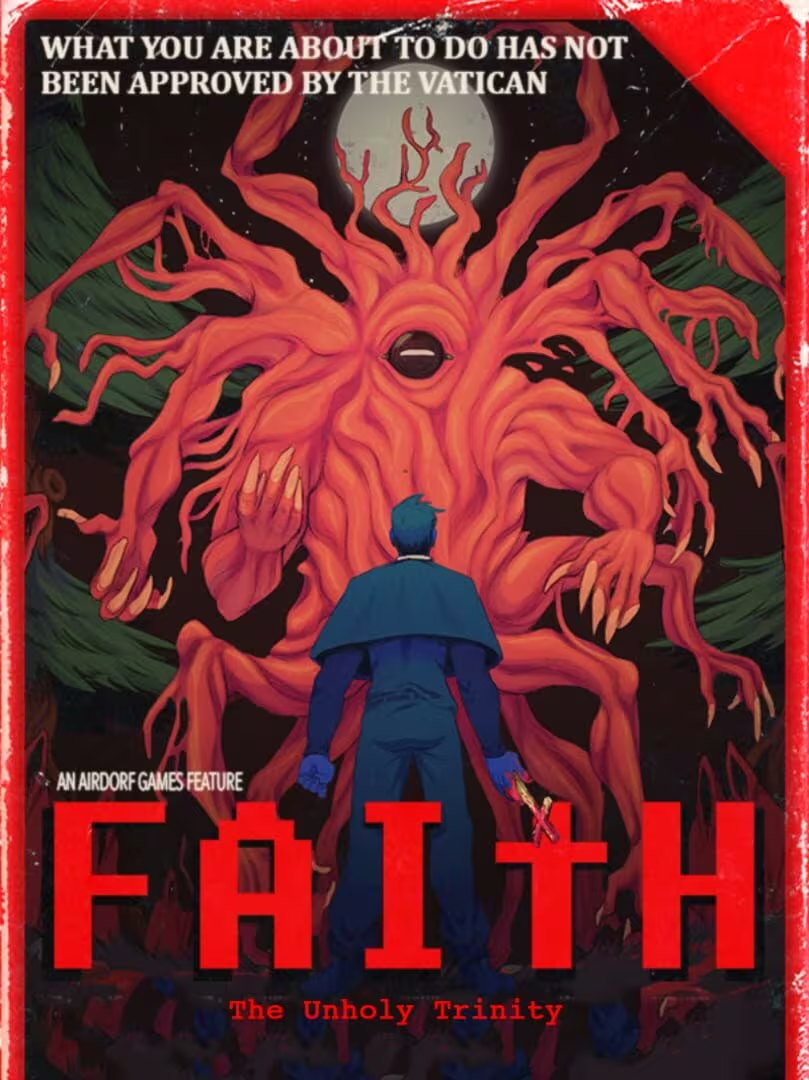
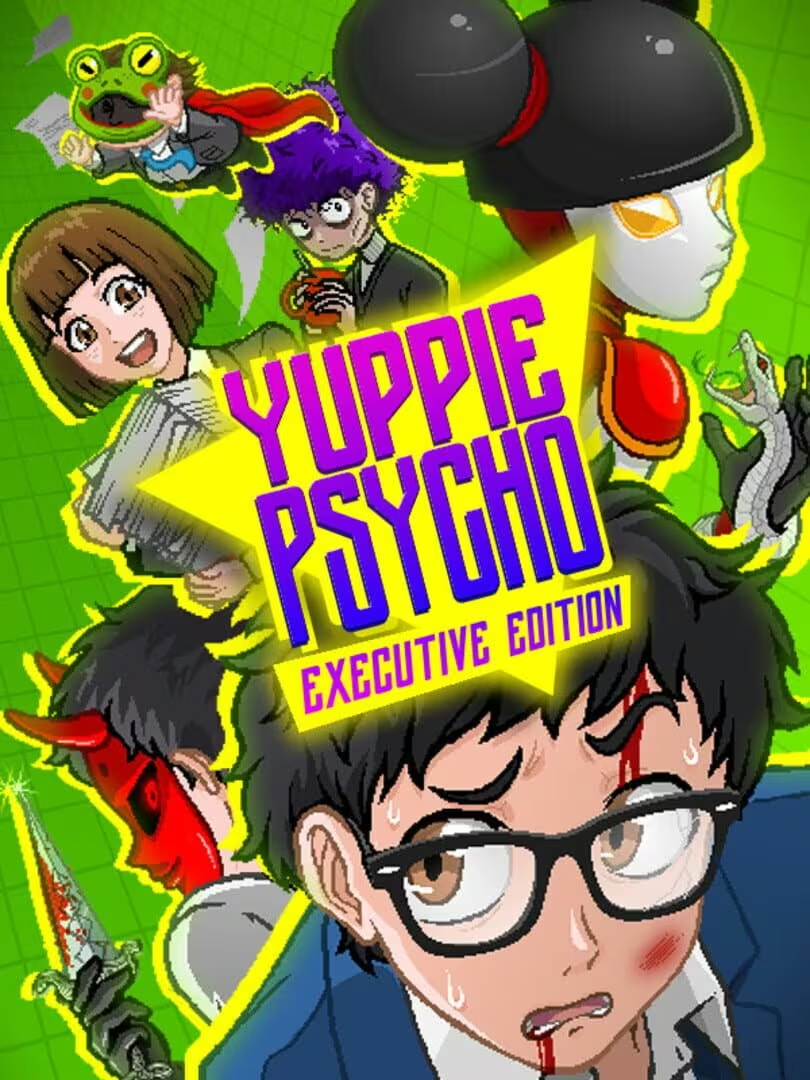
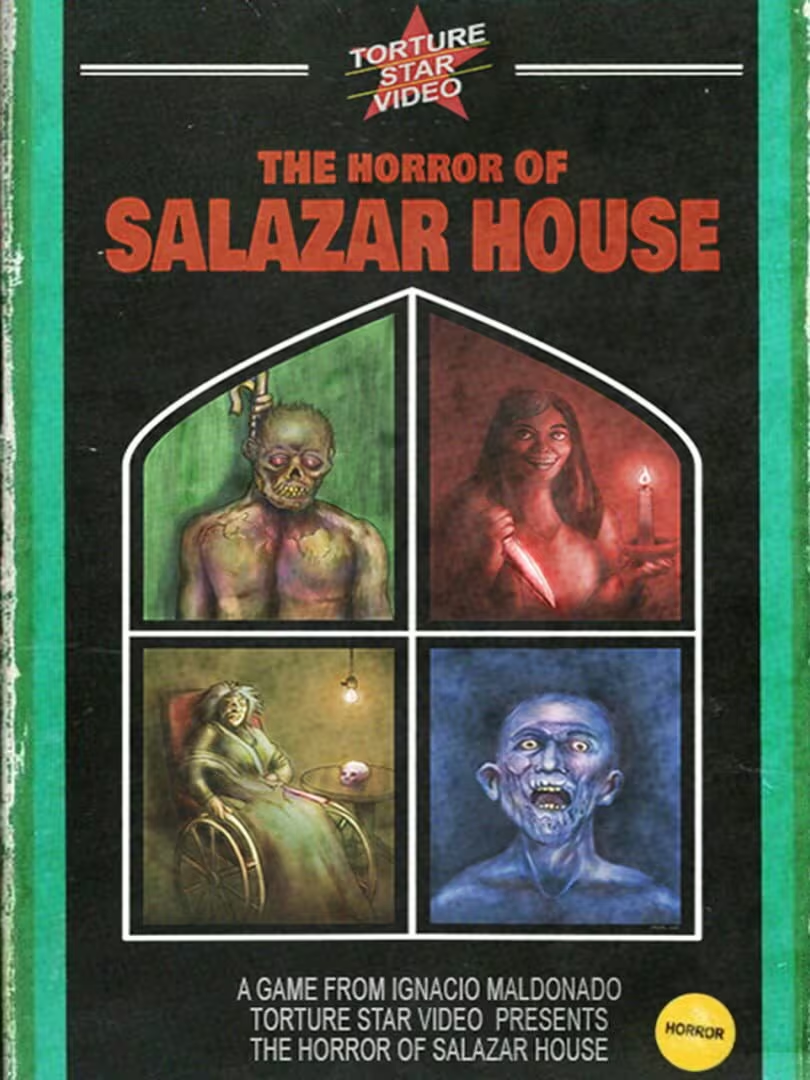
Hidden Gems
Less popular games with surprisingly high similarity
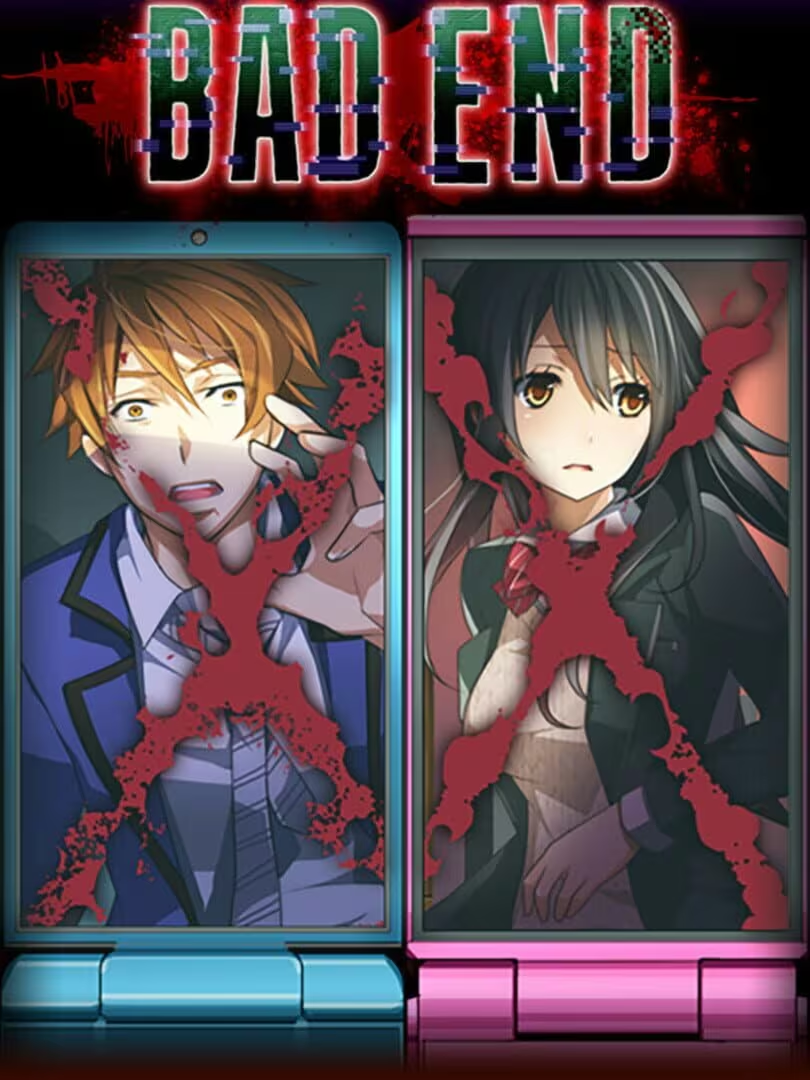
If you liked…
Recommendations by what you enjoyed most
Similarity map
Explore nearby similar games and see why they’re close.
Swordbreaker The Game: A very typical example of its motivational profile. Motivations that often define this kind of title include Expression, Fellowship, Cooperation, Status. Here, the score leans higher than usual among comparable games on Exploration, Experimenting, Fantasy.
Why this game works
A motivational profile of the game, with the closest similar game for each player motivation.
-
Autonomy
Game with the same Autonomy vibe
4"Players make meaningful choices that affect story outcomes and character relationships, indicating high personal control over actions."
 Tiny Bunny
"Players make meaningful choices that affect story progression and endings, reflecting high personal control over actions."
-
Competence
Game with the same Competence vibe
2"Game involves puzzle solving and learning from trial and error, requiring mental skill and problem solving, though some tasks can feel repetitive."
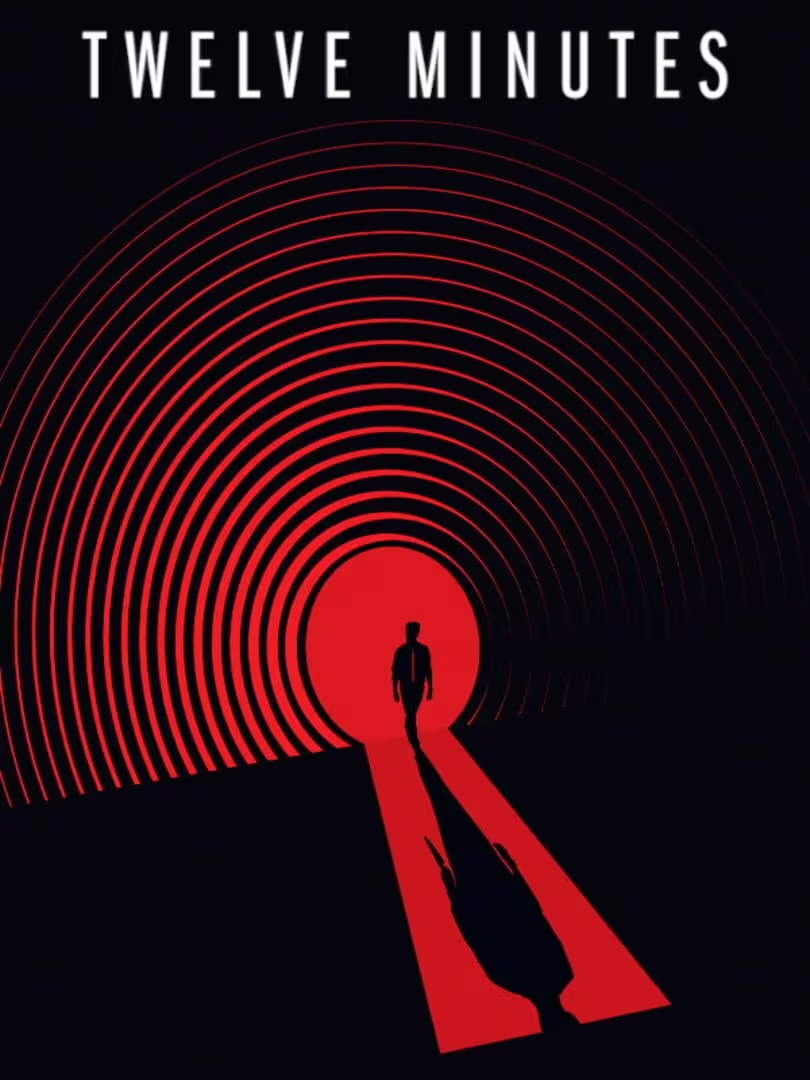 Twelve Minutes
"Game involves trial-and-error with unpredictable outcomes; skill is in remembering correct choices rather than mechanical skill."
-
Competition
Game with the same Competition vibe
-4"Focus is on personal exploration and progression without player-vs-player or leaderboard competition."
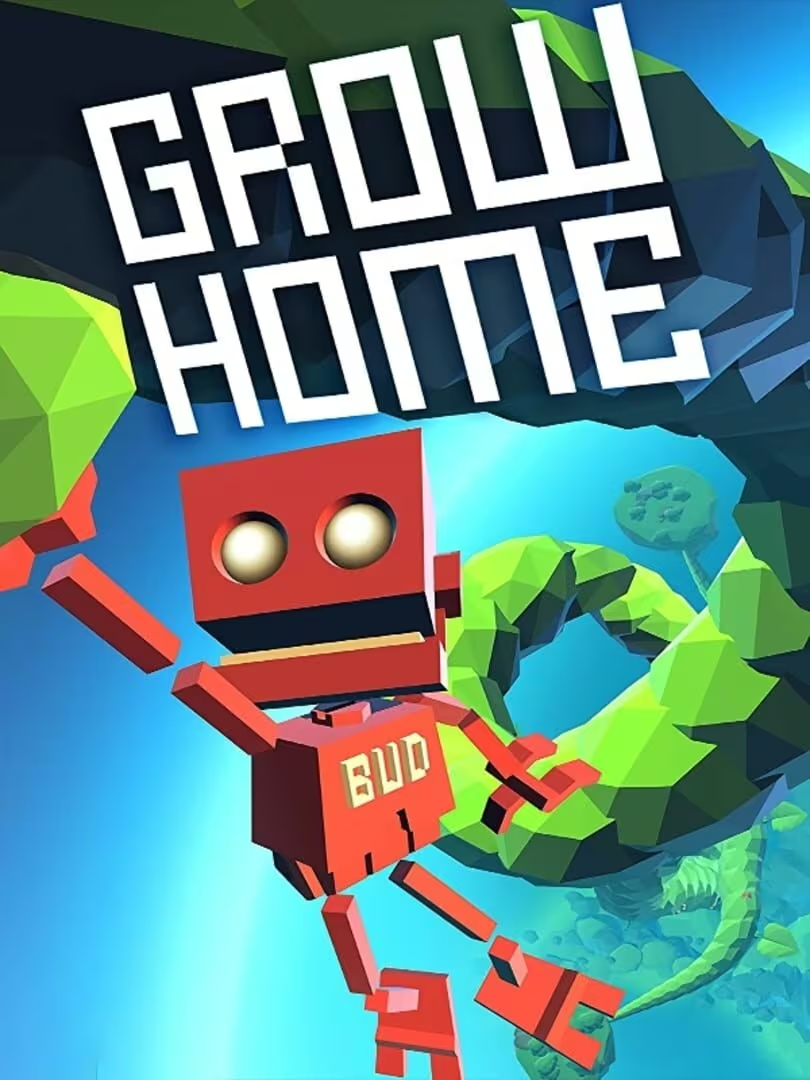 Grow Home
"Focus is on individual exploration and personal discovery without player-vs-player or leaderboard competition."
-
Continuation
Game with the same Continuation vibe
3"High replay value through branching paths, challenges, and scoring encourages habitual play."
 REVOLVER360 RE:ACTOR
"High replay value due to many branching paths and achievements encourages repeated play sessions."
-
Cooperation
Game with the same Cooperation vibe
-5"Single-player experience with no multiplayer or cooperative elements."
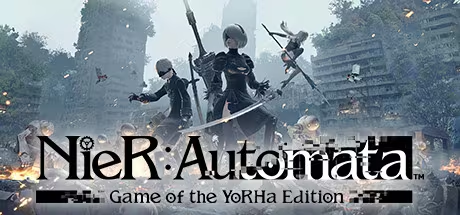 NieR:Automata™
"Single-player experience with no multiplayer or cooperative elements."
-
Creativity
Game with the same Creativity vibe
3"Players explore multiple narrative paths and endings, experimenting with choices and storylines."
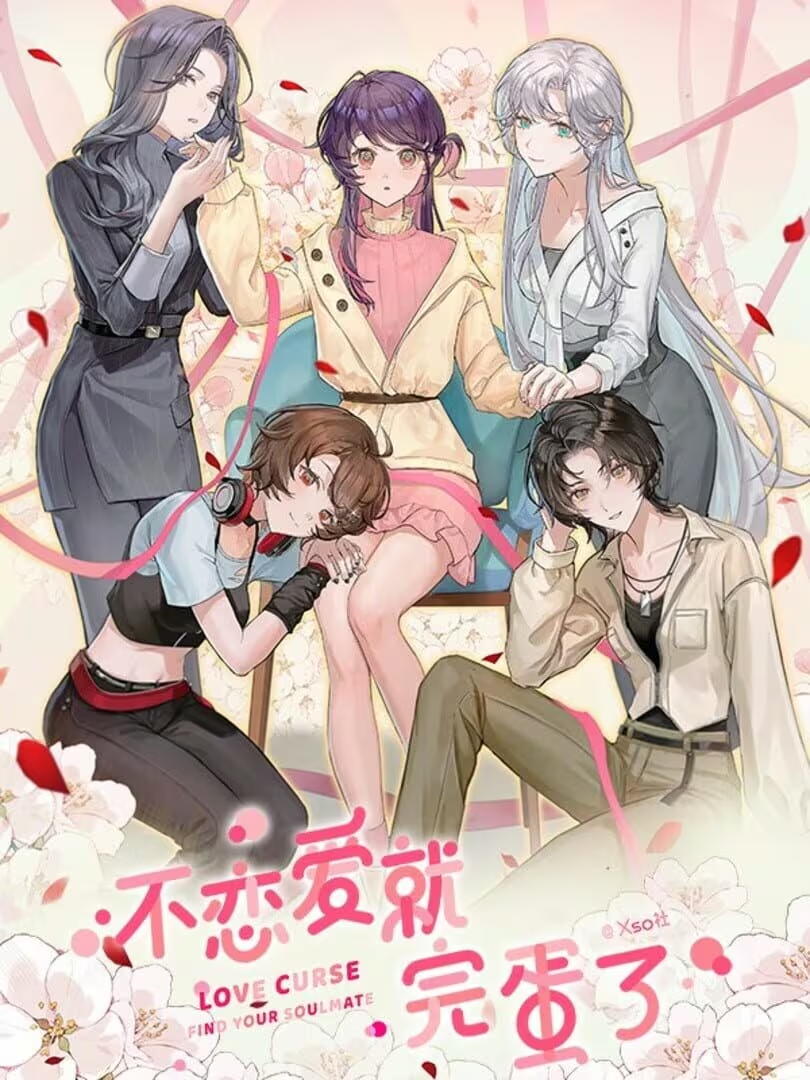 Love Curse: Find Your Soulmate
"Players explore different story paths and endings, experimenting with choices to unlock new scenes."
-
Domination
Game with the same Domination vibe
-5"No social dominance or power over others; gameplay is solitary and balanced."
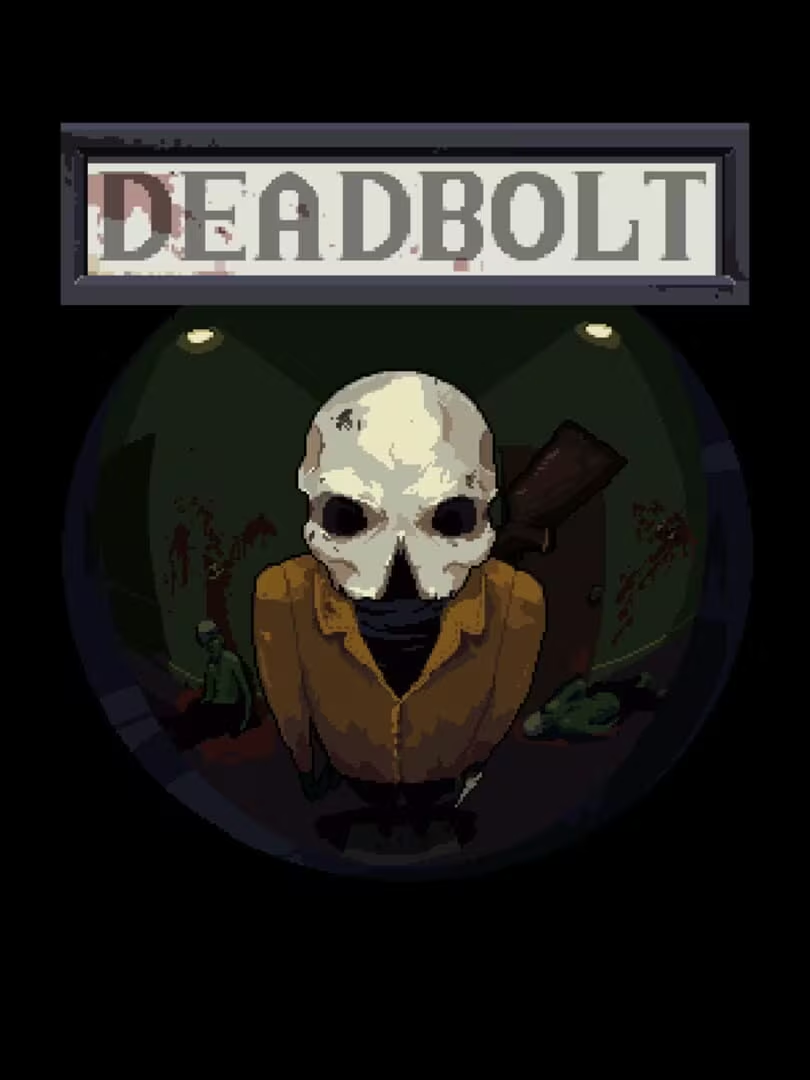 DEADBOLT
"No social dominance or power over others; gameplay is solitary and choice-driven."
-
Escapism
Game with the same Escapism vibe
4"Provides a humorous and absorbing medieval fantasy setting that allows escape from real life."
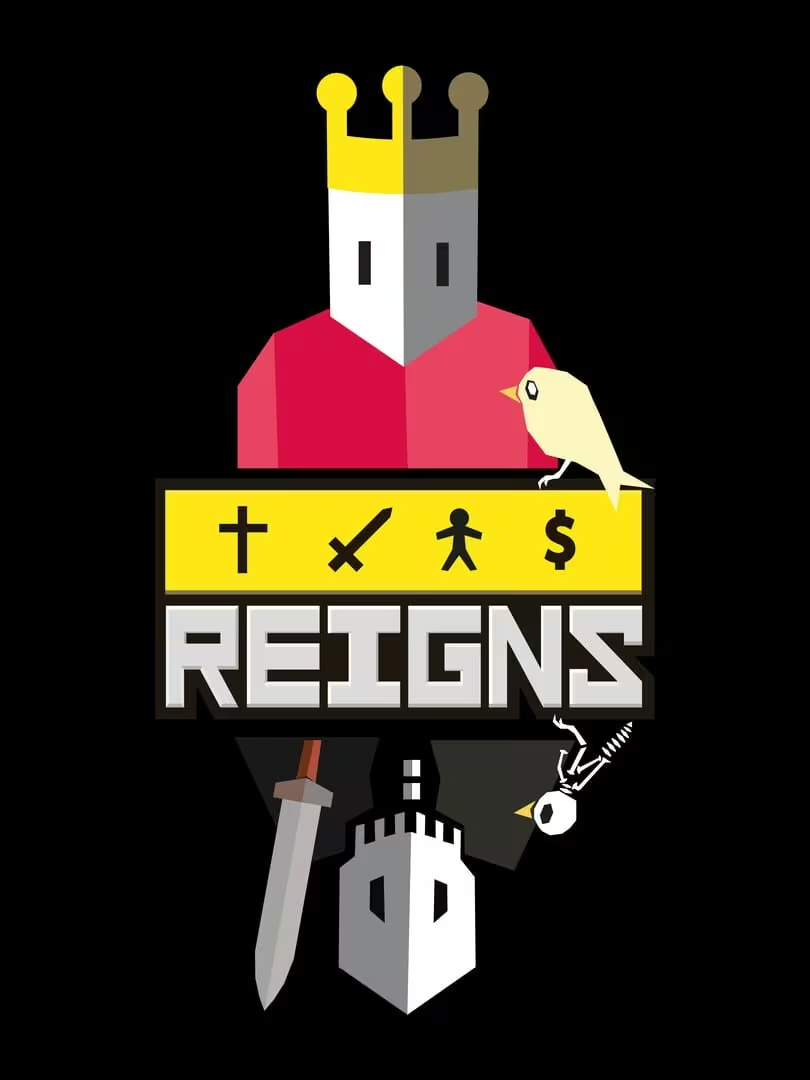 Reigns
"Provides immersive fantasy escape with humor, gore, and a richly illustrated castle setting."
-
Expectation
Game with the same Expectation vibe
-4"Players engage voluntarily out of interest and curiosity, not obligation or external pressure."
 NEEDY STREAMER OVERLOAD
"Players engage voluntarily out of interest and curiosity, not obligation or external pressure."
-
Experimenting
Game with the same Experimenting vibe
4"Trial and error gameplay encourages trying different choices to discover outcomes and achievements."
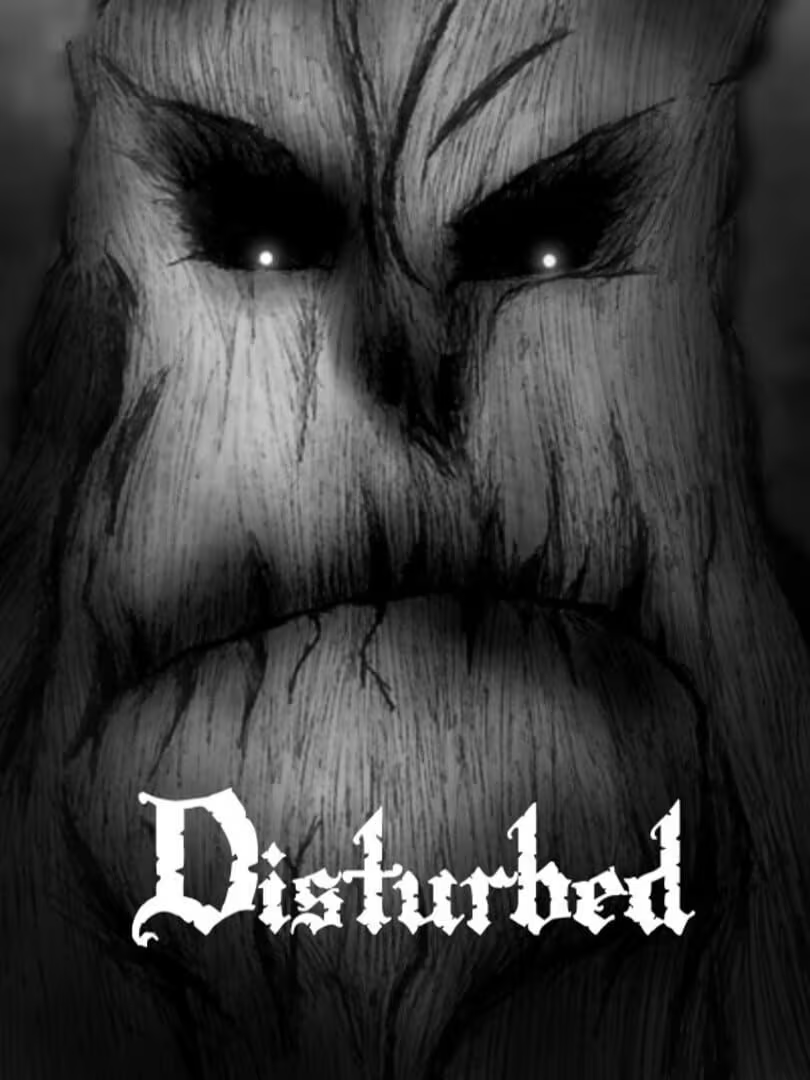 Disturbed
"Trial-and-error gameplay encourages trying different choices to discover outcomes and unlock content."
-
Exploration
Game with the same Exploration vibe
5"Large interconnected castle with secrets and hidden areas; exploration is a core gameplay element."
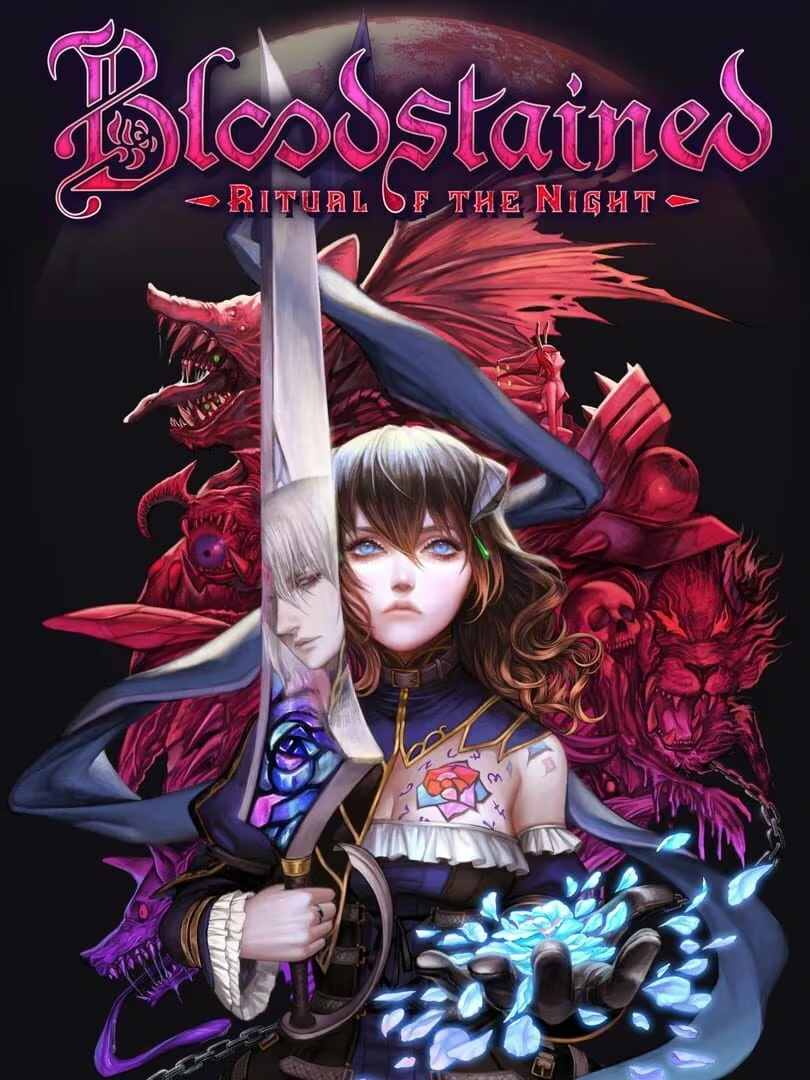 Bloodstained: Ritual of the Night
"Exploring a large castle with many rooms and hidden scenes is a core motivation."
-
Expression
Game with the same Expression vibe
-3"Limited customization; expression mainly through choice of character traits and decisions rather than avatar or environment personalization."
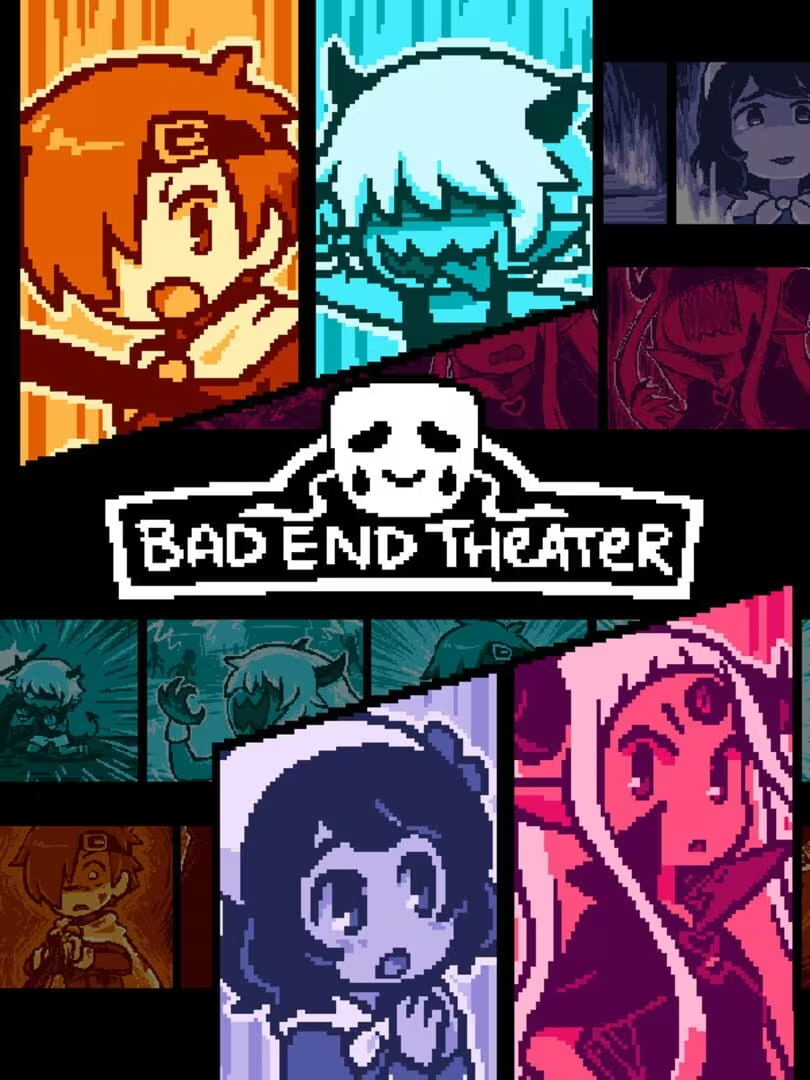 BAD END THEATER
"Limited customization; expression mainly through choice paths rather than avatar or environment personalization."
-
Fantasy
Game with the same Fantasy vibe
5"Strong fantasy setting with magic, gods, and mythical creatures."
 Labyronia RPG
"Strong fantasy setting with mythical creatures, magic, and absurd elements like aliens and succubi."
-
Fellowship
Game with the same Fellowship vibe
-5"No social or community features; purely single-player experience."
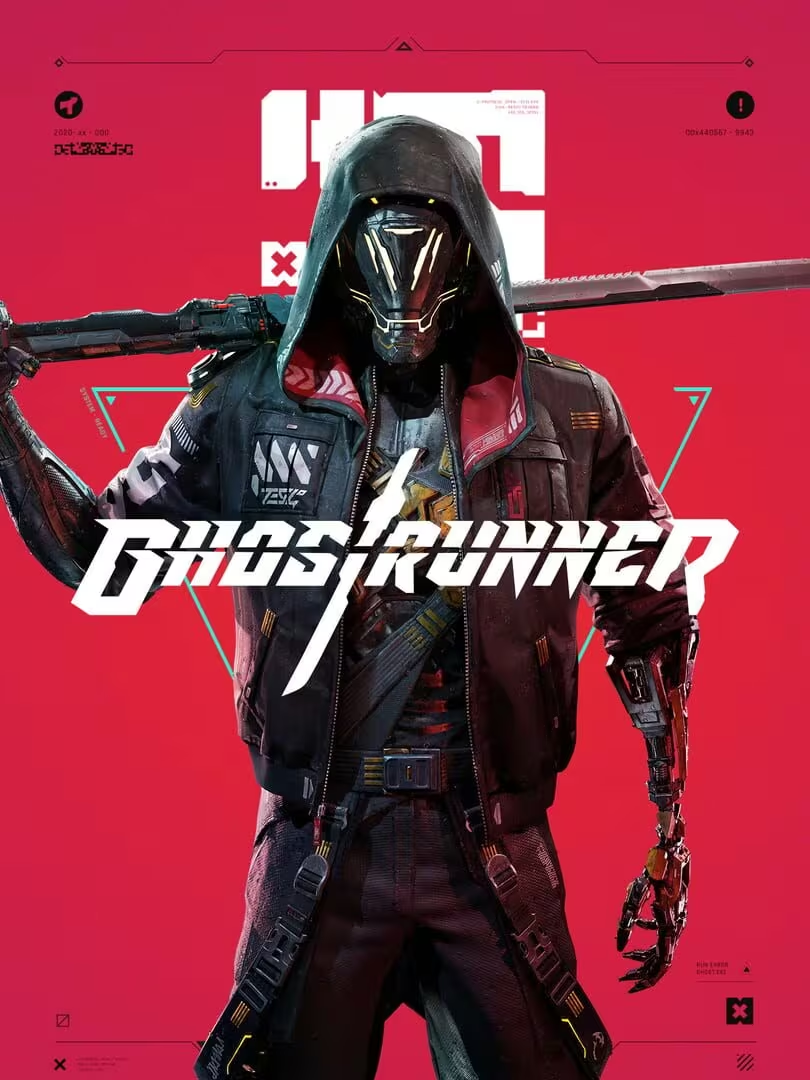 Ghostrunner
"No social or community features; purely single-player experience."
-
Growth
Game with the same Growth vibe
2"Players learn from repeated failures and puzzle solving, gaining knowledge to progress."
 This Book Is A Dungeon
"Players learn from repeated failures and choices to progress further and unlock new content."
-
Health
Game with the same Health vibe
-5"Sedentary gameplay typical of visual novels; no physical activity involved."
 ATRI -My Dear Moments-
"Sedentary gameplay typical of visual novels; no physical activity involved."
-
Idle
Game with the same Idle vibe
-4"Requires focused reading and attention; not a background or idle game."
 Marco & The Galaxy Dragon
"Requires focused attention to read and make choices; not a background or idle game."
-
Intimacy
Game with the same Intimacy vibe
-5"No close social interactions or relationship building; solitary gameplay."
 Alice: Madness Returns
"No close social interactions or relationship building; solitary gameplay."
-
Leadership
Game with the same Leadership vibe
-5"No leadership or group management elements."
 High On Life
"No leadership or group management elements."
-
Progression
Game with the same Progression vibe
3"Progression through unlocking multiple endings, achievements, and story content."
 Seduce Me the Otome
"Progression through unlocking new story scenes, achievements, and endings."
-
Relaxation
Game with the same Relaxation vibe
2"Some players find humor and casual enjoyment; however, bugs and repetitive gameplay may cause frustration."
 Running Through Russia
"Some players find humor and art relaxing, but trial-and-error deaths can cause frustration."
-
Sensation
Game with the same Sensation vibe
3"Visual and auditory stimuli from artwork and music provide sensory enjoyment."
 Spiral Clicker
"Visual and auditory stimuli from detailed art and music provide sensory enjoyment."
-
Status
Game with the same Status vibe
-5"No social recognition or status systems present."
 Resident Evil 7 Biohazard
"No social recognition or status systems present."
-
Story
Game with the same Story vibe
4"Narrative-driven with multiple endings and branching paths; story is a key motivator."
 Bad Dream: Coma
"Narrative-driven with branching storylines and multiple endings; story is a key focus."
-
Strategy
Game with the same Strategy vibe
2"Requires planning routes and timing but largely trial-and-error and memorization."
 Vector
"Requires some planning and memory to choose correct paths, but many choices are trial-and-error."
-
Thrill
Game with the same Thrill vibe
3"Tension and suspense arise from survival risks and difficult decisions, creating emotional thrills."
 The Pale Beyond
"Tension from risk of death and uncertainty of choices creates suspense and thrill."
-
Value
Game with the same Value vibe
4"Highly praised for content and replayability relative to low price."
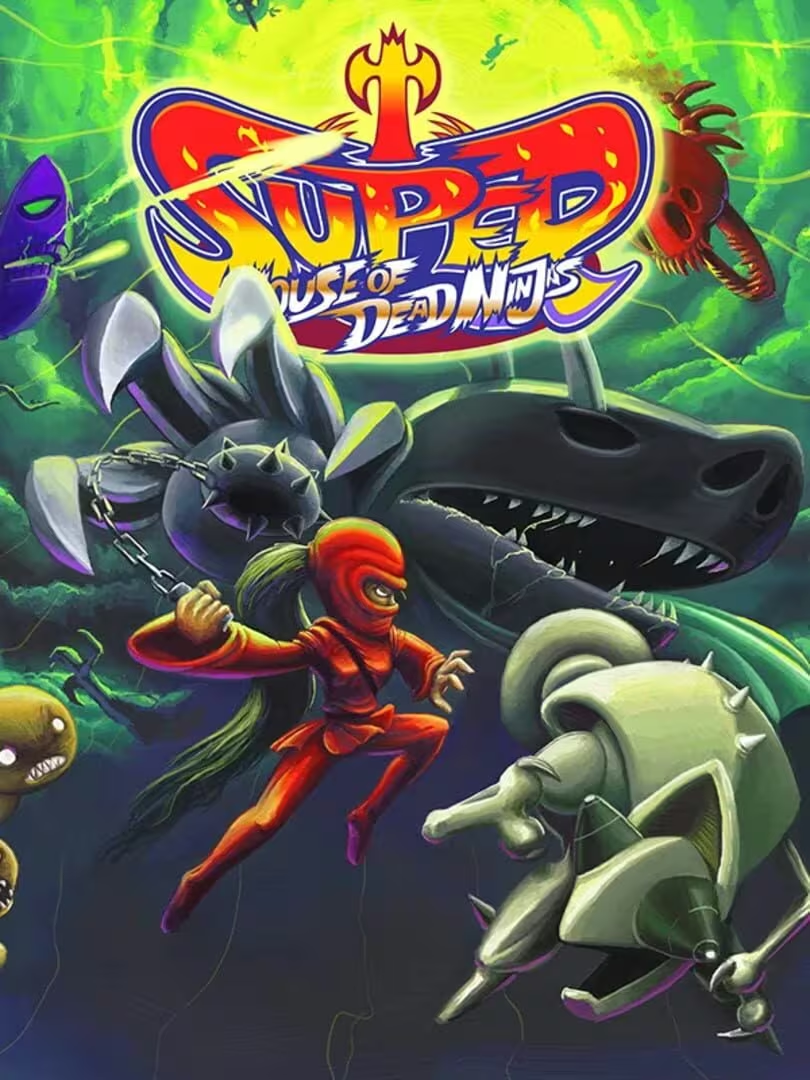 Super House of Dead Ninjas
"Highly praised for content and replayability relative to low price."
-
Violence
Game with the same Violence vibe
3"Contains cartoonish violent deaths, explosions, and gore as part of gameplay mechanics."
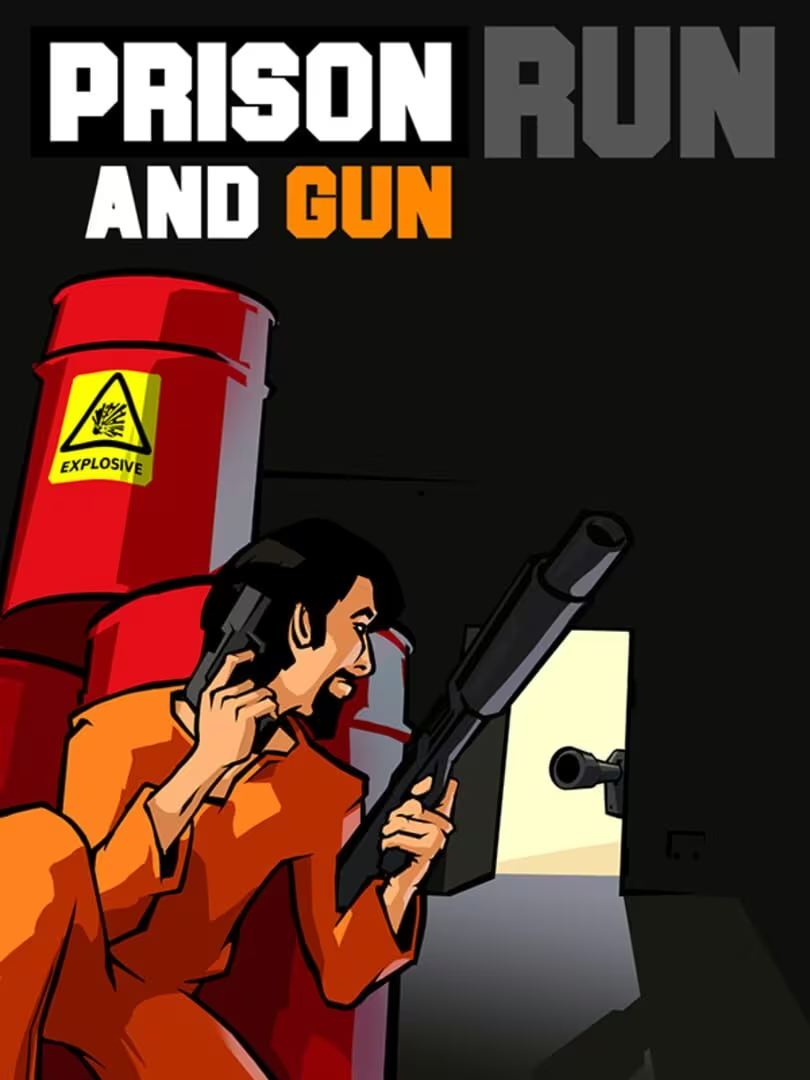 Prison Run and Gun
"Contains graphic violent death scenes and combat, which are a major feature."
-
Survival
Game with the same Survival vibe
3"Avoiding death and managing health/resources is a key gameplay aspect."
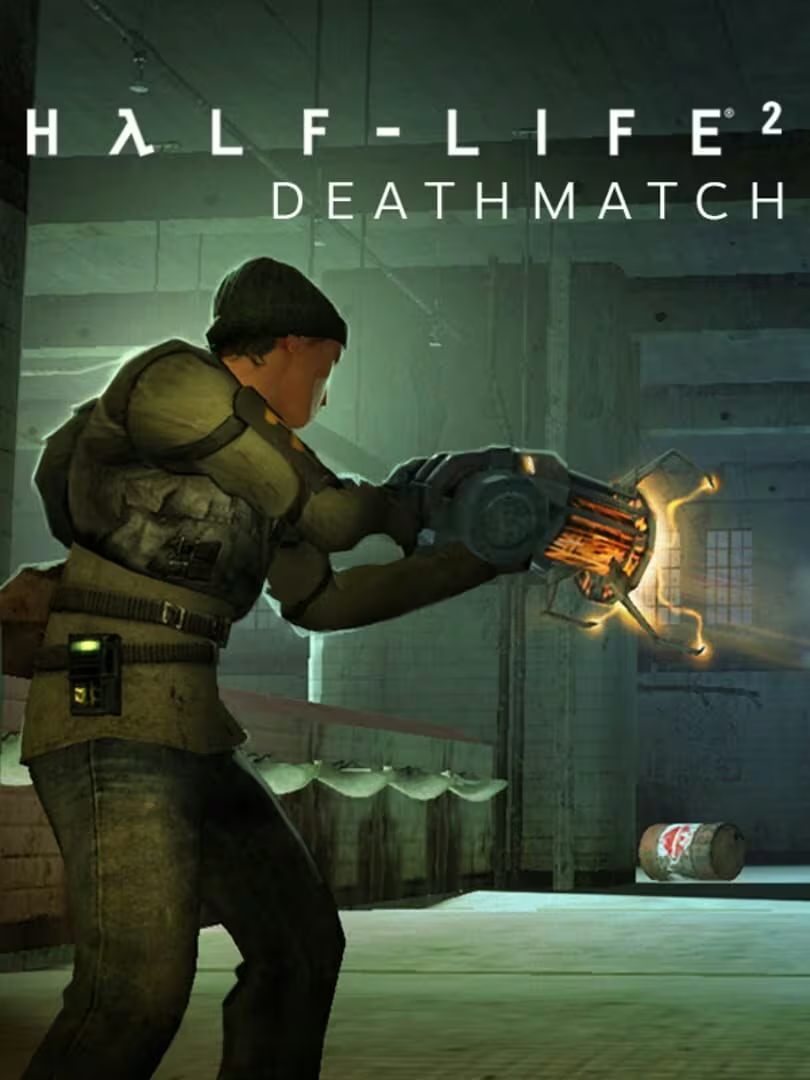 Half-Life 2: Deathmatch
"Managing limited lives and avoiding death is central to gameplay."
Last update: 01/06/2026