The Bard's Tale Trilogy similar games & best alternatives
Should you play it?
The Bard's Tale Trilogy is a complete remaster of the iconic series that helped define the RPG genre. Featuring updated graphics and optional quality of life gameplay features, this is the ideal way to experience the dungeon crawling challenge that made the original games beloved classics.
What works
- Faithful remaster with quality of life improvements
- Strong nostalgic appeal
- Engaging tactical combat and exploration
- Automapping and modern ui features
- Good value for price with trilogy included
Things to keep in mind
- Grindy and repetitive gameplay
- Minimal story and roleplaying depth
- Some difficulty spikes and tedious puzzles
- Limited social or multiplayer features
- Graphics modest compared to modern rpgs
What to play next
Similar games, hidden gems, and fresh directions from this game.
Top picks
Games that feel the closest overall
Hidden Gems
Less popular games with surprisingly high similarity
If you liked…
Recommendations by what you enjoyed most
Similarity map
Explore nearby similar games and see why they’re close.
The Bard's Tale Trilogy: A very typical example of its motivational profile. Motivations that often define this kind of title include Fellowship, Violence, Survival, Cooperation. Here, the score leans higher than usual among comparable games on Leadership, Relaxation, Cooperation.
Why this game works
A motivational profile of the game, with the closest similar game for each player motivation.
-
Autonomy
Game with the same Autonomy vibe
4"Players create and customize their own party with extensive options and can choose class changes and strategies freely."
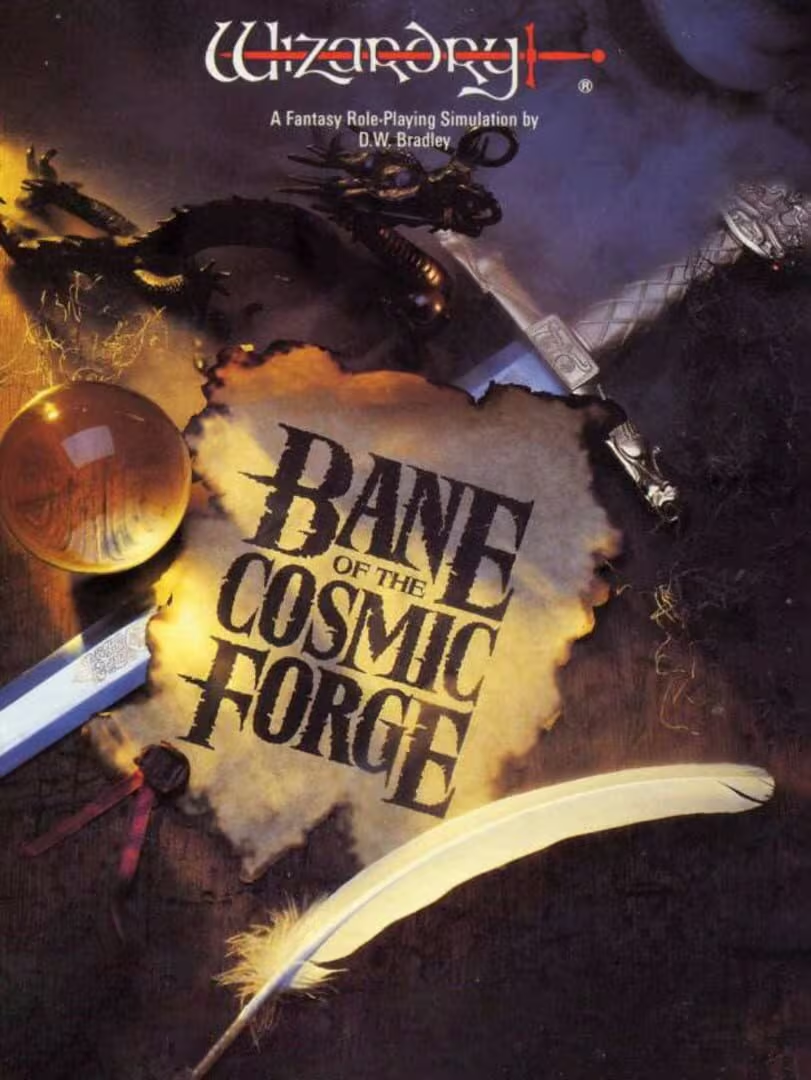 Wizardry 6: Bane of the Cosmic Forge
"Players create and manage their own party, make strategic decisions, and explore freely with optional legacy mode for more rigid original experience."
-
Competence
Game with the same Competence vibe
4"Game involves skillful combat, strategic resource management, and puzzle solving with feedback on performance."
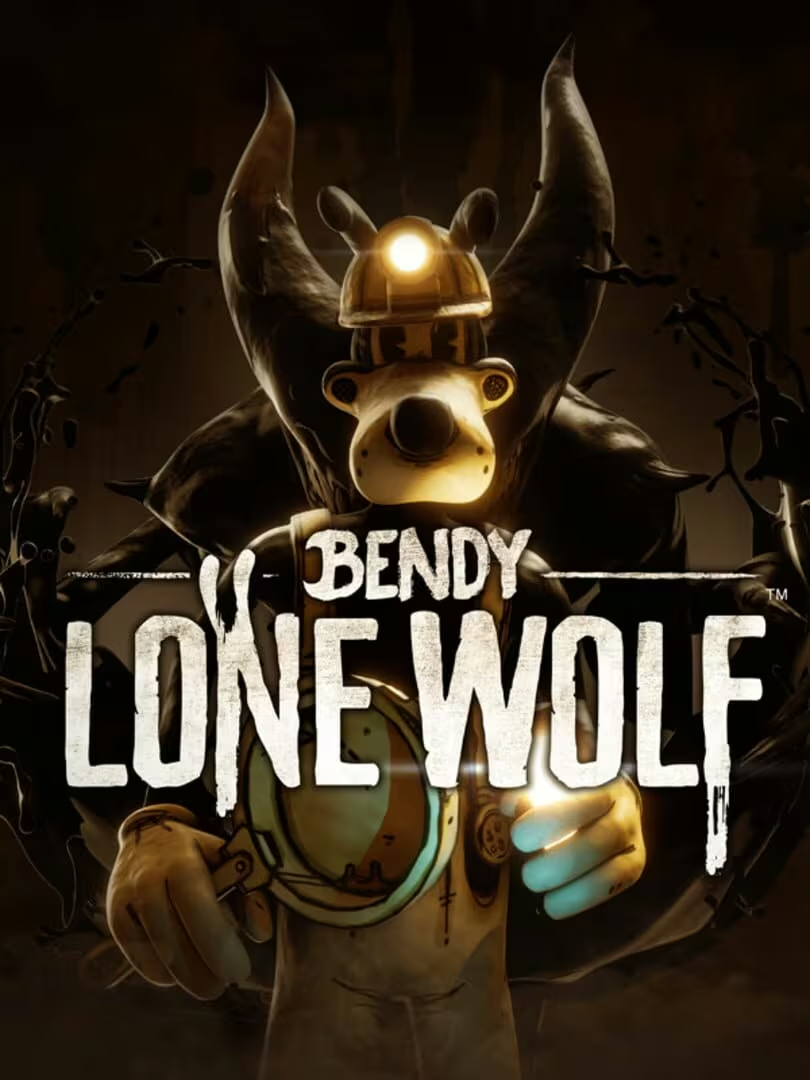 Bendy: Lone Wolf
"Game involves skillful party management, tactical combat, puzzle solving, and progression through challenging dungeons with feedback on performance."
-
Competition
Game with the same Competition vibe
-3"Focus is on personal progression and exploration rather than competing against others; no mention of multiplayer or leaderboards."
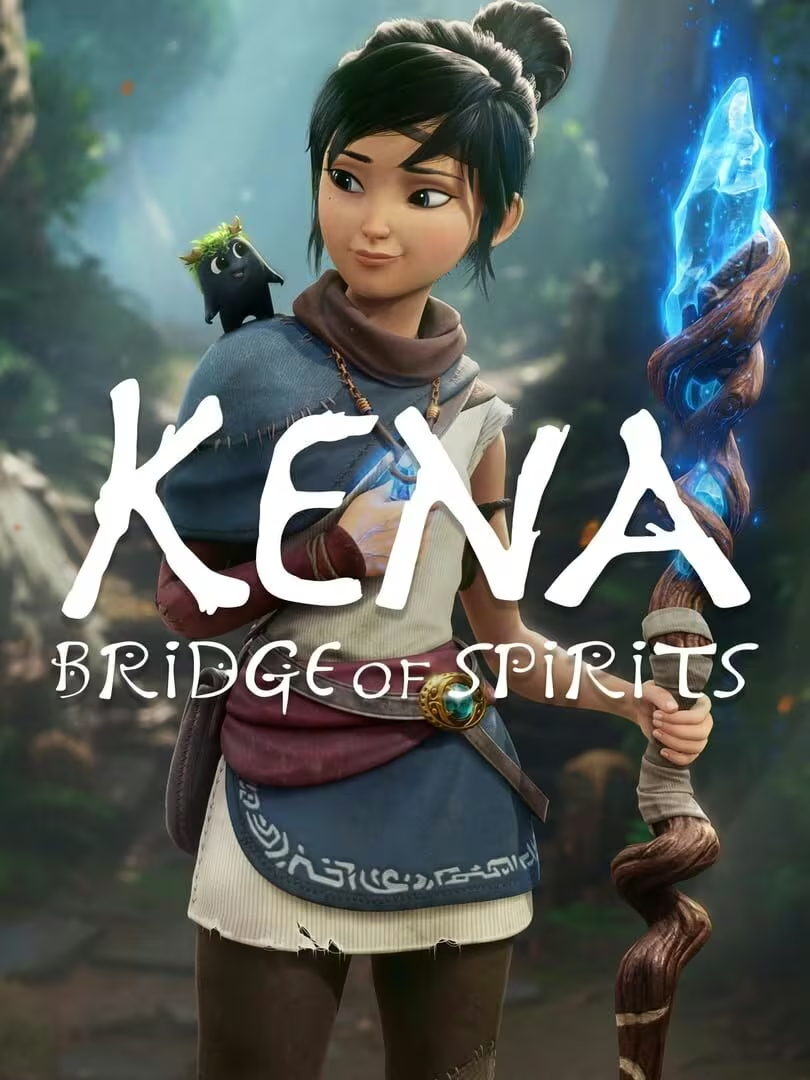 Kena: Bridge of Spirits
"Focus is on personal progression and exploration rather than competing against others; no mention of multiplayer or leaderboards."
-
Continuation
Game with the same Continuation vibe
4"Many reviews mention long play sessions, addictive gameplay, and habitual engagement over many hours."
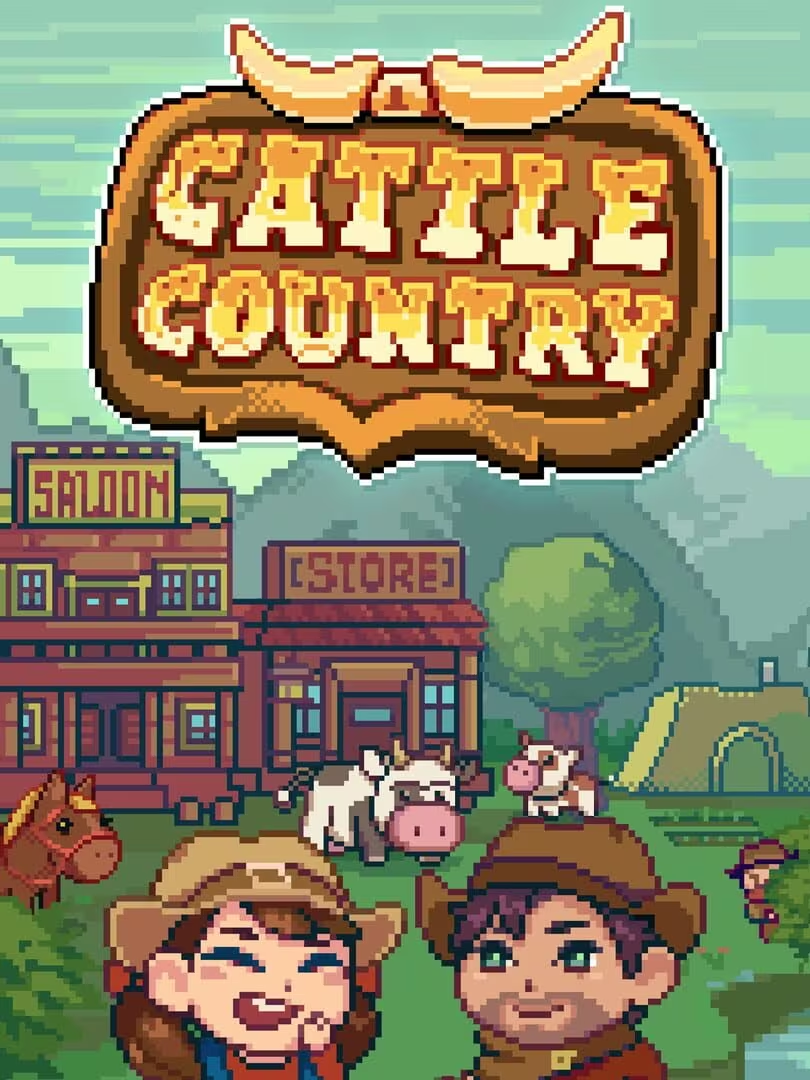 Cattle Country
"Many reviews mention long sessions, nostalgia-driven habitual play, and deep engagement over many hours."
-
Cooperation
Game with the same Cooperation vibe
-2"Gameplay centers on individual party management rather than multiplayer cooperation."
 Metaphor: ReFantazio
"Gameplay centers on managing own party rather than cooperating with other players; some social aspects in nostalgia but limited multiplayer."
-
Creativity
Game with the same Creativity vibe
3"Players create mazes and customize unit compositions and talent trees, though maps are somewhat fixed."
 Tiny Tactics
"Players create and customize party members, experiment with party composition, and map dungeons (though automap reduces manual mapping)."
-
Domination
Game with the same Domination vibe
-4"Interactions are balanced within the party; no evidence of exerting control or superiority over other players."
 Hard West 2
"Interactions are balanced within party; no evidence of exerting control over other players or toxic behavior."
-
Escapism
Game with the same Escapism vibe
4"Strong nostalgic appeal and immersive fantasy setting provide players with an escape from real life."
 Sphinx and the Cursed Mummy
"Strong nostalgic appeal and immersive fantasy setting provide escape from real life; many players use it as a relaxing diversion."
-
Expectation
Game with the same Expectation vibe
-4"Players engage voluntarily out of personal desire and nostalgia rather than obligation or external pressure."
 Grand Theft Auto: Vice City – The Definitive Edition
"Players engage voluntarily out of personal desire and nostalgia rather than obligation or external pressure."
-
Experimenting
Game with the same Experimenting vibe
3"Players try different classes, abilities, and building designs; some routine grinding but also exploration of new content."
 Trove
Trove
"Players try different party builds, spells, and strategies; some routine grinding but also puzzle solving and exploration."
-
Exploration
Game with the same Exploration vibe
4"Exploring the world map, dungeons, and uncovering secrets is a core part of gameplay."
 Lords of Magic: Special Edition
"Exploring dungeons, towns, and wilderness areas is a core part of gameplay; discovery and mapping emphasized."
-
Expression
Game with the same Expression vibe
2"Character customization allows some self-expression, though visual options are limited."
 Avernum: Escape From the Pit
"Character creation and party customization allow some self-expression, though visual customization is limited."
-
Fantasy
Game with the same Fantasy vibe
5"Strong fantasy theme with mythical creatures, magic, and imaginative factions central to gameplay."
 Conquest of Elysium 3
"Strong fantasy theme with magic, mythical creatures, and roleplaying elements central to the experience."
-
Fellowship
Game with the same Fellowship vibe
-3"Mostly single-player experience with limited multiplayer community and social interaction."
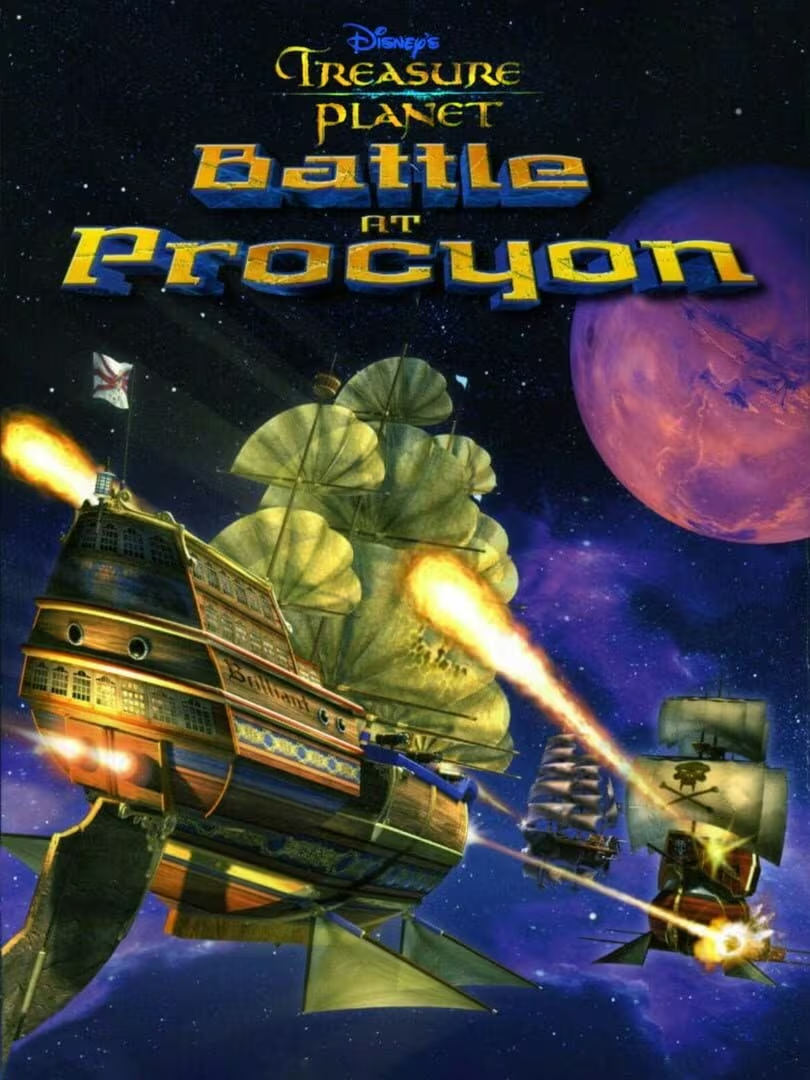 Disney's Treasure Planet: Battle of Procyon
"Primarily single-player experience with limited social interaction; some community nostalgia but no multiplayer focus."
-
Growth
Game with the same Growth vibe
4"Character leveling, skill acquisition, and learning game mechanics provide personal development."
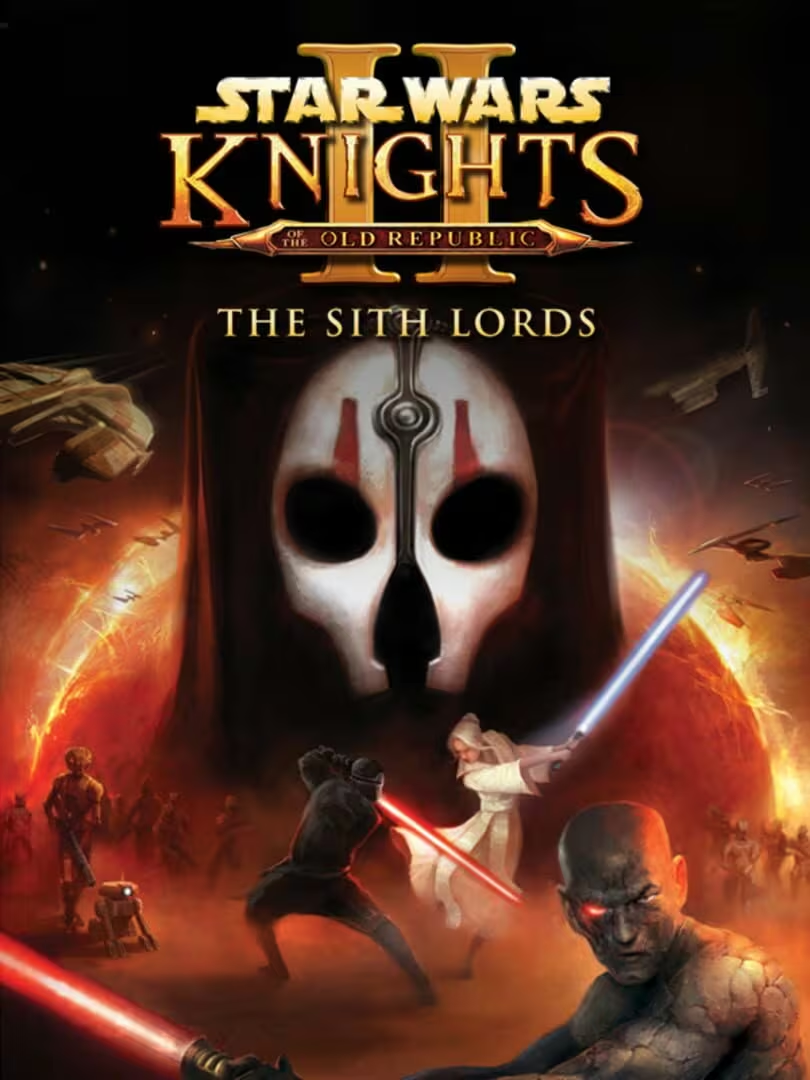 STAR WARS™ Knights of the Old Republic™ II - The Sith Lords™
"Character leveling, skill acquisition, and learning game mechanics provide personal development and progression."
-
Health
Game with the same Health vibe
-4"Sedentary gameplay typical of RPGs; no physical activity or health-related features."
 LIGHTNING RETURNS™: FINAL FANTASY® XIII
"Sedentary gameplay typical of RPGs; no physical activity or health-related features."
-
Idle
Game with the same Idle vibe
-4"Requires focused attention and continuous engagement; not designed for background or casual intermittent play."
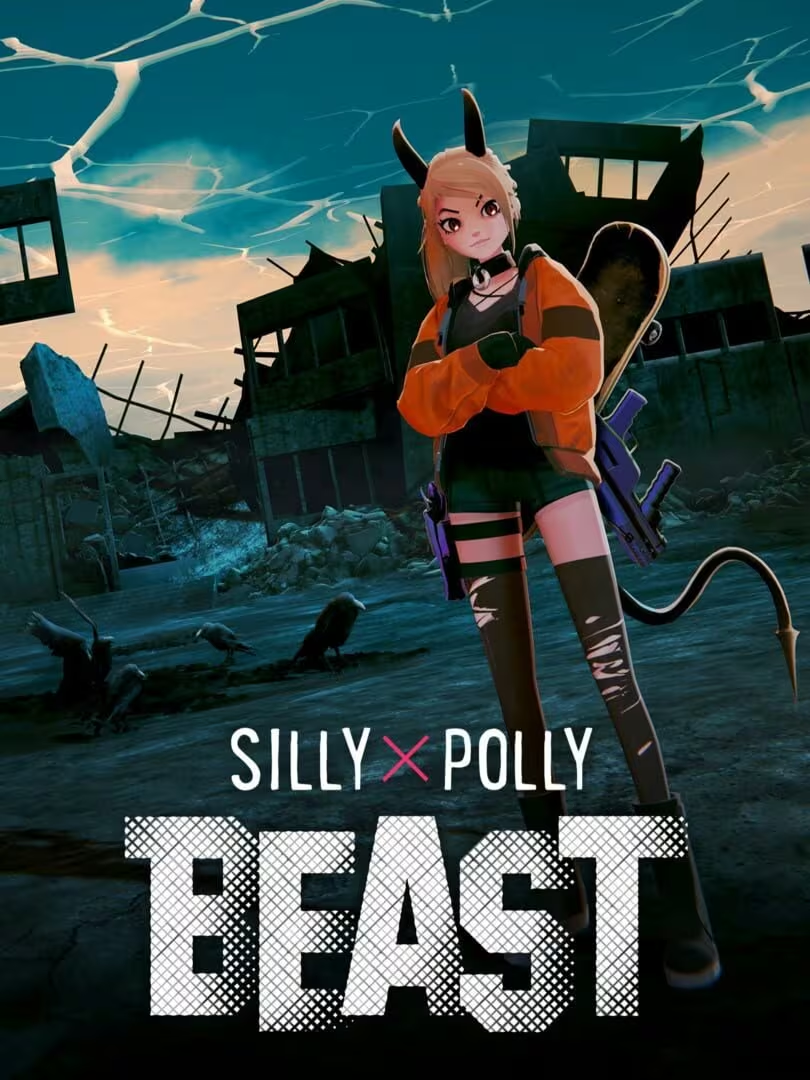 Silly Polly Beast
"Requires focused attention and continuous engagement; not designed for background or casual intermittent play."
-
Intimacy
Game with the same Intimacy vibe
-4"Limited social or emotional connection beyond party members; no evidence of forming close relationships with other players."
 Heroes of Steel RPG
"Limited social or emotional connection beyond party management; no evidence of close player relationships."
-
Leadership
Game with the same Leadership vibe
3"Players lead and manage a party of characters, making strategic decisions and directing actions."
 FINAL FANTASY VI
"Players lead and manage a party of adventurers, making strategic decisions and directing actions."
-
Progression
Game with the same Progression vibe
5"Strong emphasis on leveling up, acquiring items, and improving characters."
Avernum: Escape From the Pit
"Strong emphasis on leveling up characters, acquiring items, and advancing through increasingly difficult challenges."
-
Relaxation
Game with the same Relaxation vibe
3"Many players find the game relaxing and nostalgic despite some grind."
 Arcane Afterfall
"Many players find the game relaxing and nostalgic, though some note grind and difficulty spikes."
-
Sensation
Game with the same Sensation vibe
2"Visuals and sound provide moderate sensory stimulation; some complaints about graphics quality but overall engaging."
 Roman Triumph: Survival City Builder
"Improved graphics and sound enhance sensory experience, but overall presentation is moderate and faithful to original."
-
Status
Game with the same Status vibe
-4"No social status or recognition systems; focus is on individual play and personal achievement."
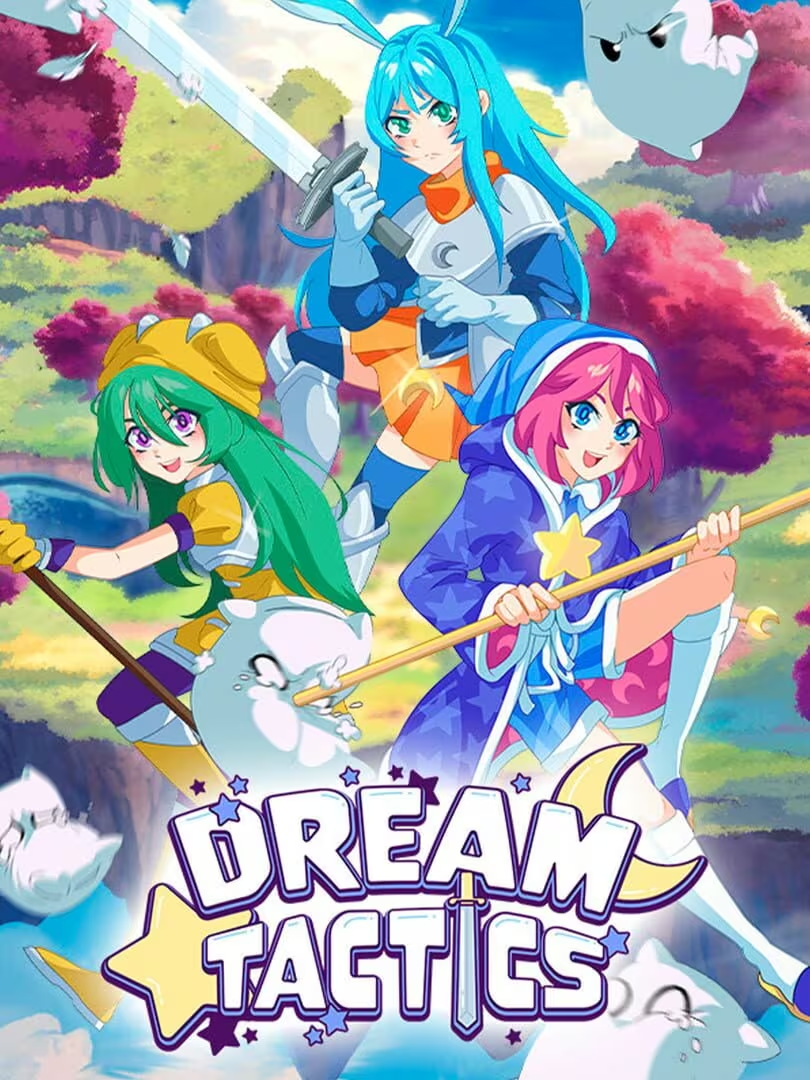 Dream Tactics
"No social status or recognition mechanics; focus is on individual play and personal achievement."
-
Story
Game with the same Story vibe
2"Simple narrative provides context for exploration but is light and secondary to gameplay."
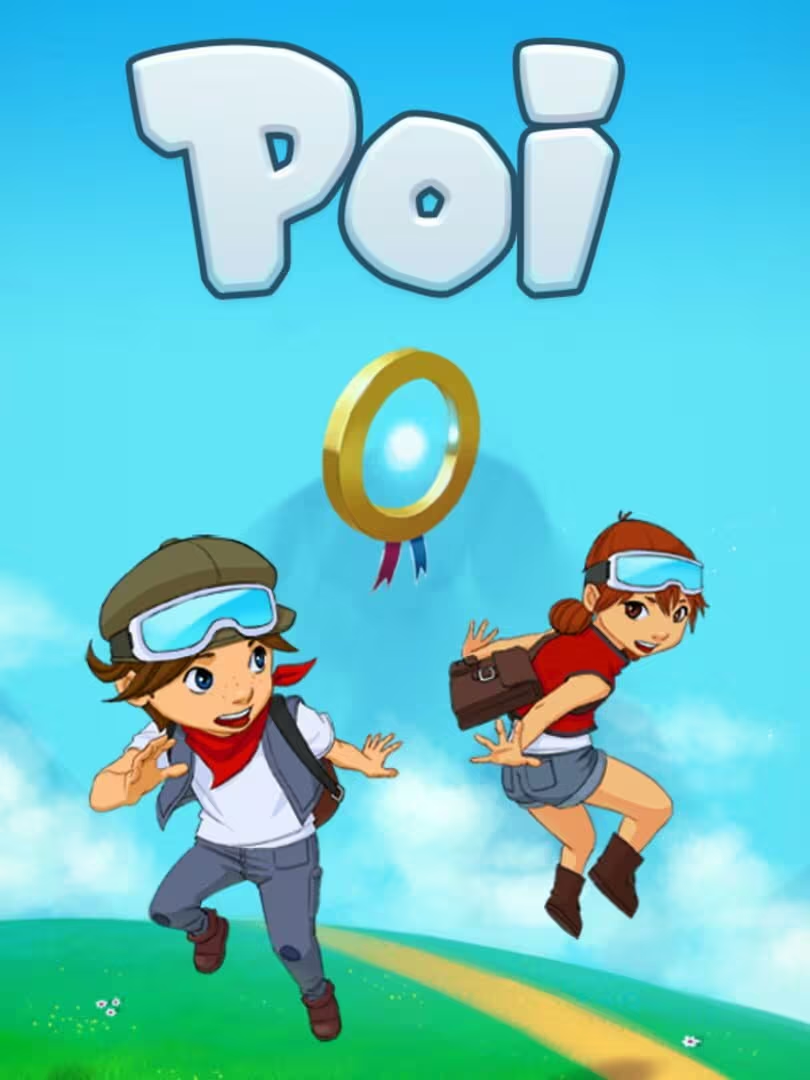 Poi
Poi
"Simple but effective narrative; story is minimal compared to modern RPGs but provides context for exploration."
-
Strategy
Game with the same Strategy vibe
4"Requires tactical planning in combat, party building, and puzzle solving."
 Last Dream
"Requires tactical combat, party composition planning, and puzzle solving; strategic thinking rewarded."
-
Thrill
Game with the same Thrill vibe
2"Some suspense and challenge in battles and story, but overall a controlled and steady experience."
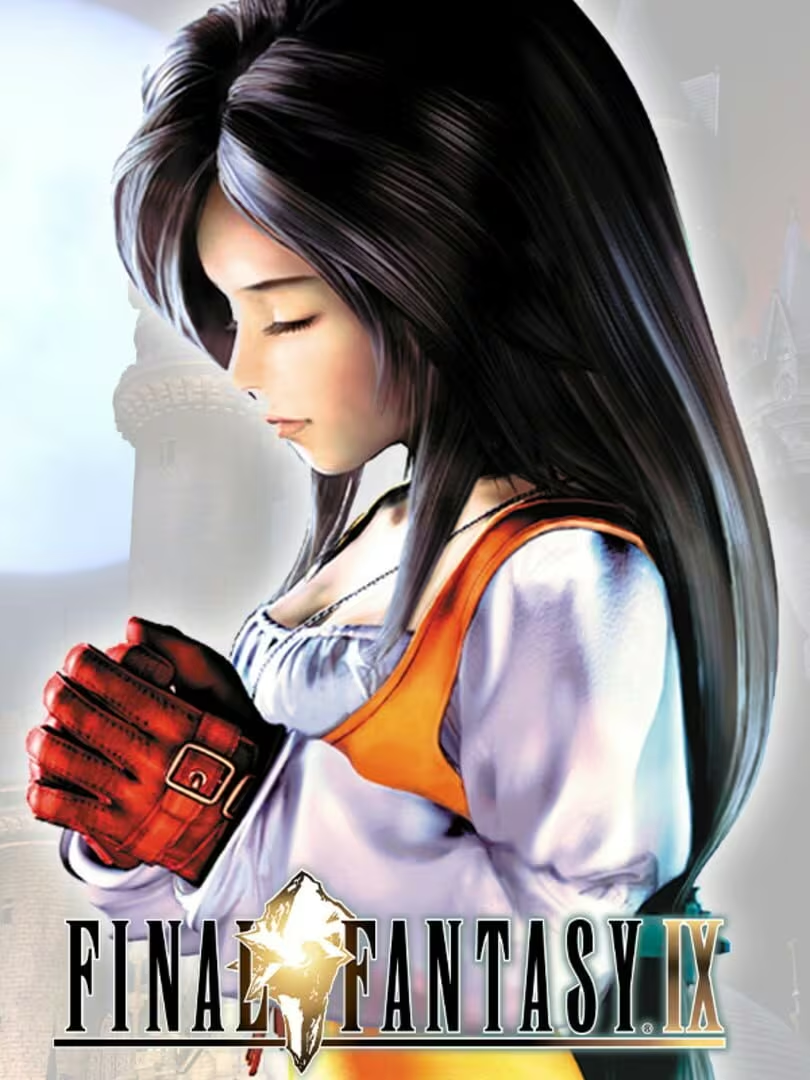 FINAL FANTASY IX
"Some suspense and challenge in combat and puzzles, but overall experience is steady and methodical."
-
Value
Game with the same Value vibe
4"Players perceive good value for money and time, especially for nostalgia and gameplay."
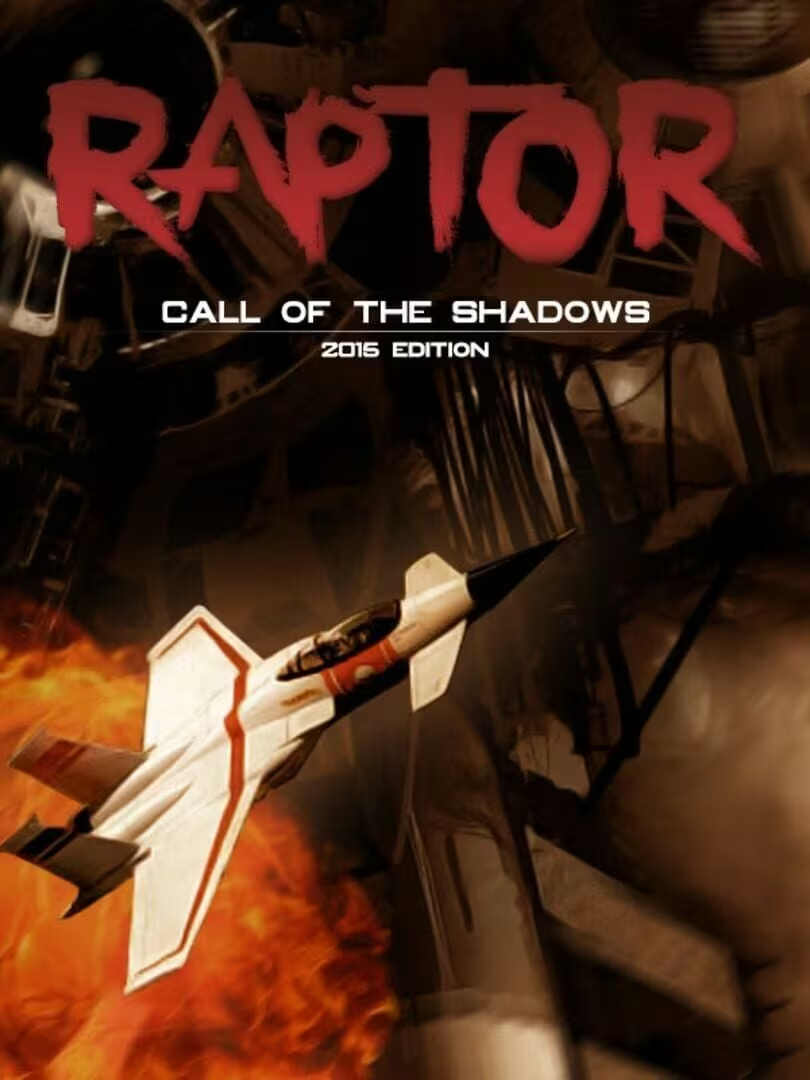 Raptor: Call of The Shadows - 2015 Edition
"Players perceive strong value for time and money due to nostalgia, quality of life improvements, and content volume."
-
Violence
Game with the same Violence vibe
4"Combat and defeating monsters are core gameplay elements involving destruction and violence."
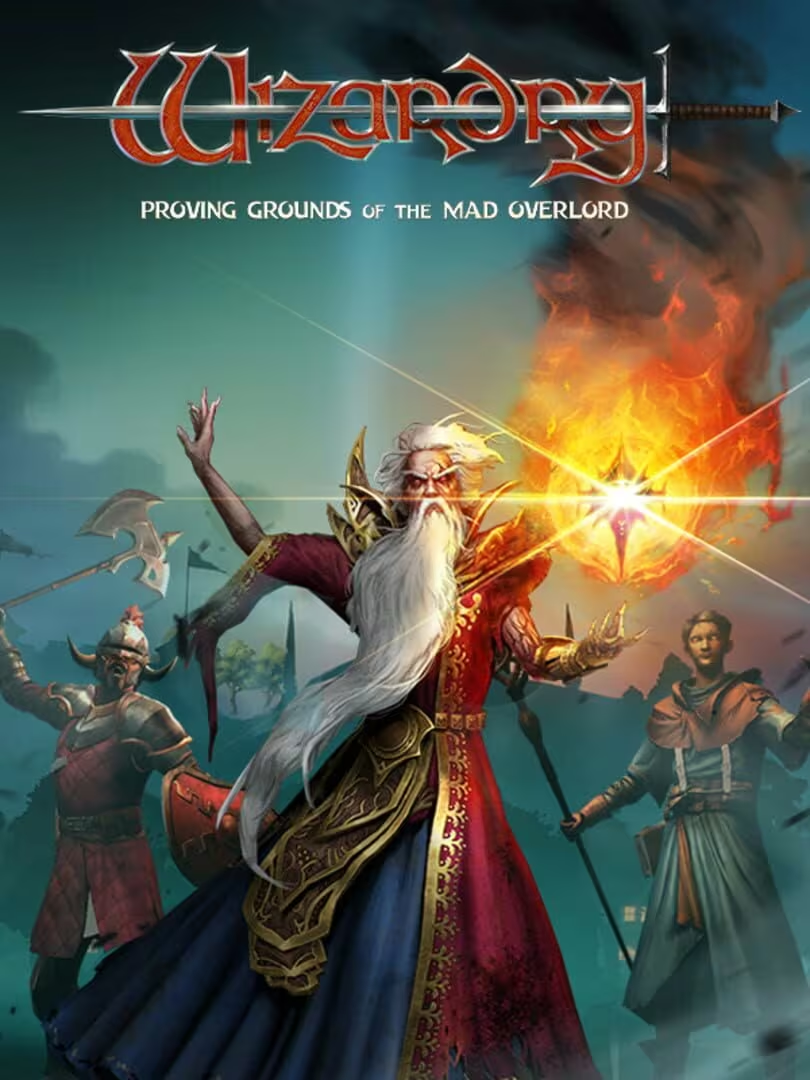 Wizardry: Proving Grounds of the Mad Overlord
"Combat and defeating monsters are core gameplay elements involving destruction and violence."
-
Survival
Game with the same Survival vibe
3"Players must manage resources, avoid death, and overcome threats to progress."
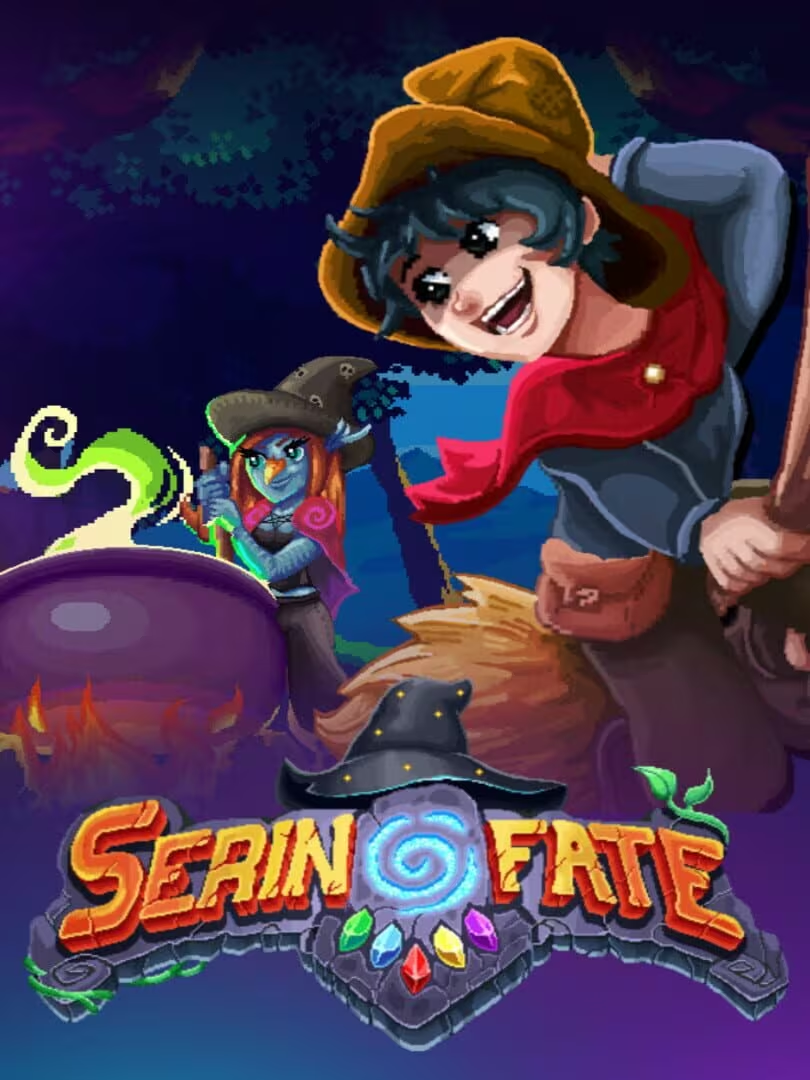 Serin Fate
"Players must manage resources, avoid death, and overcome threats to progress, though difficulty varies."
Last update: 01/06/2026