The Cursed Forest similar games & best alternatives
Should you play it?
Immerse yourself in the obscure and mysterious autumnal forest, where every wrong step could be your last. As you travel uncover the dark story behind this place, where beauty and danger have become as one.
What works
- Strong atmospheric immersion
- Beautiful graphics and sound design
- Intriguing story and lore
- Effective jump scares
- Exploration and discovery focus
Things to keep in mind
- Technical bugs and crashes
- Short gameplay length
- Somewhat linear and simple gameplay
- Limited puzzle complexity
- Lack of voice acting and localization
What to play next
Similar games, hidden gems, and fresh directions from this game.
Top picks
Games that feel the closest overall
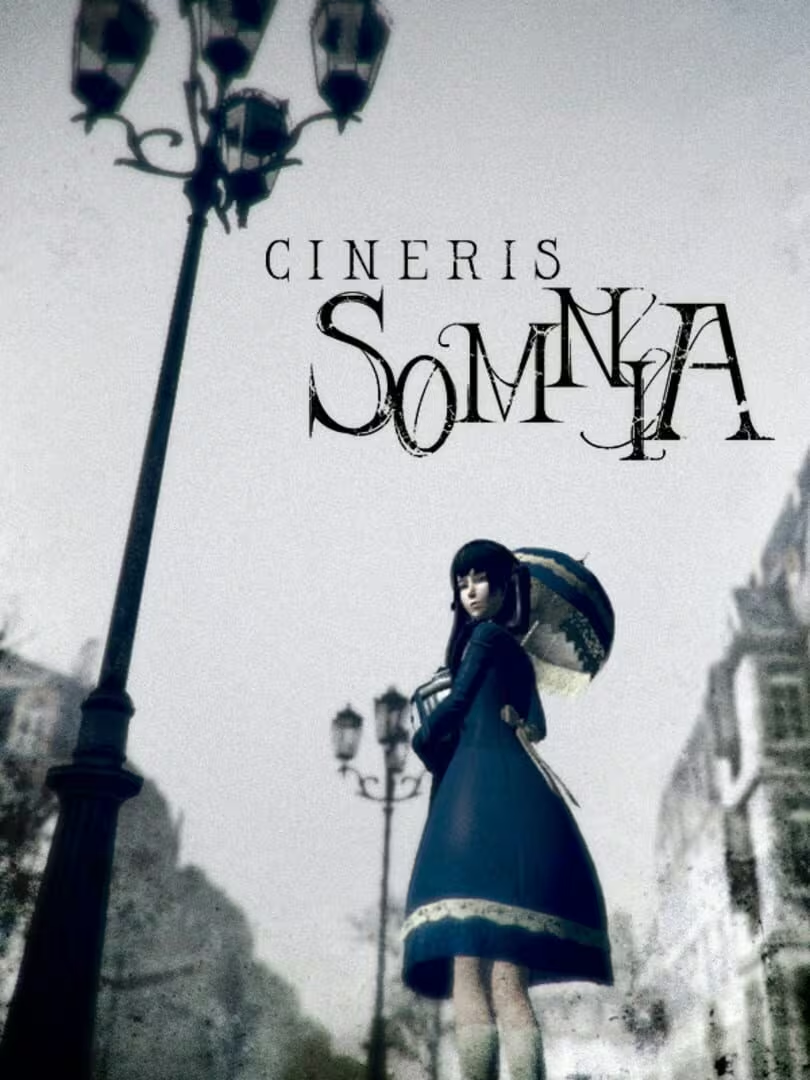
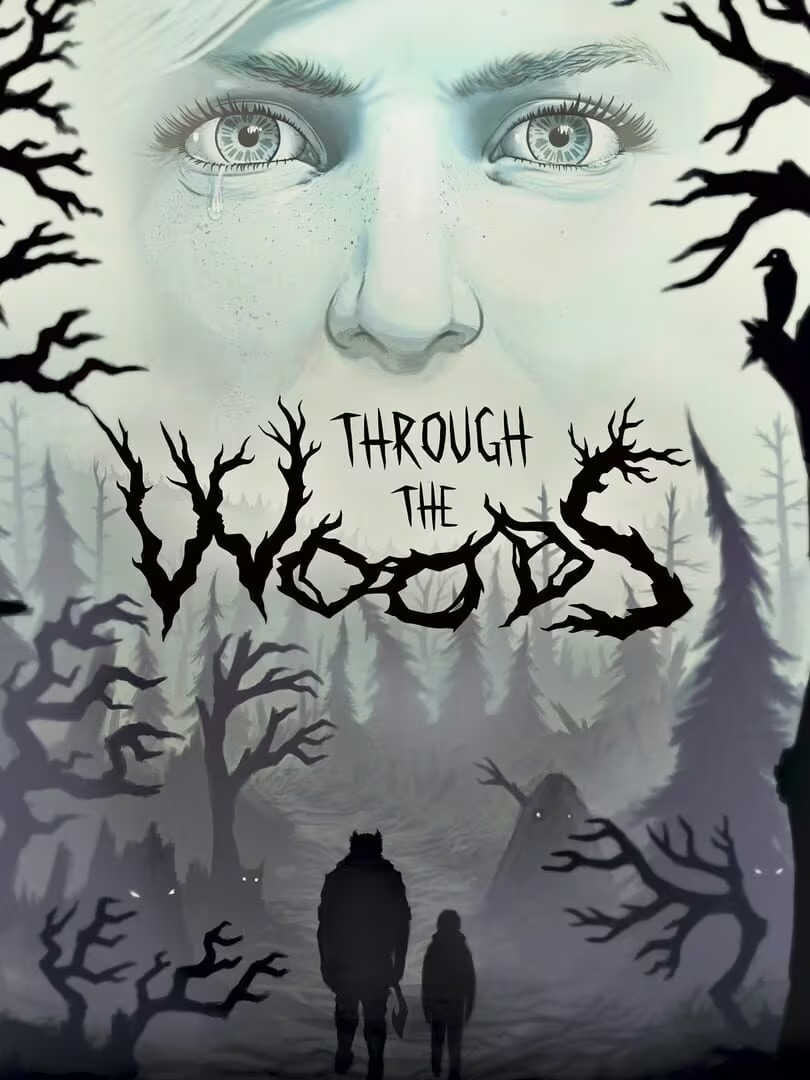
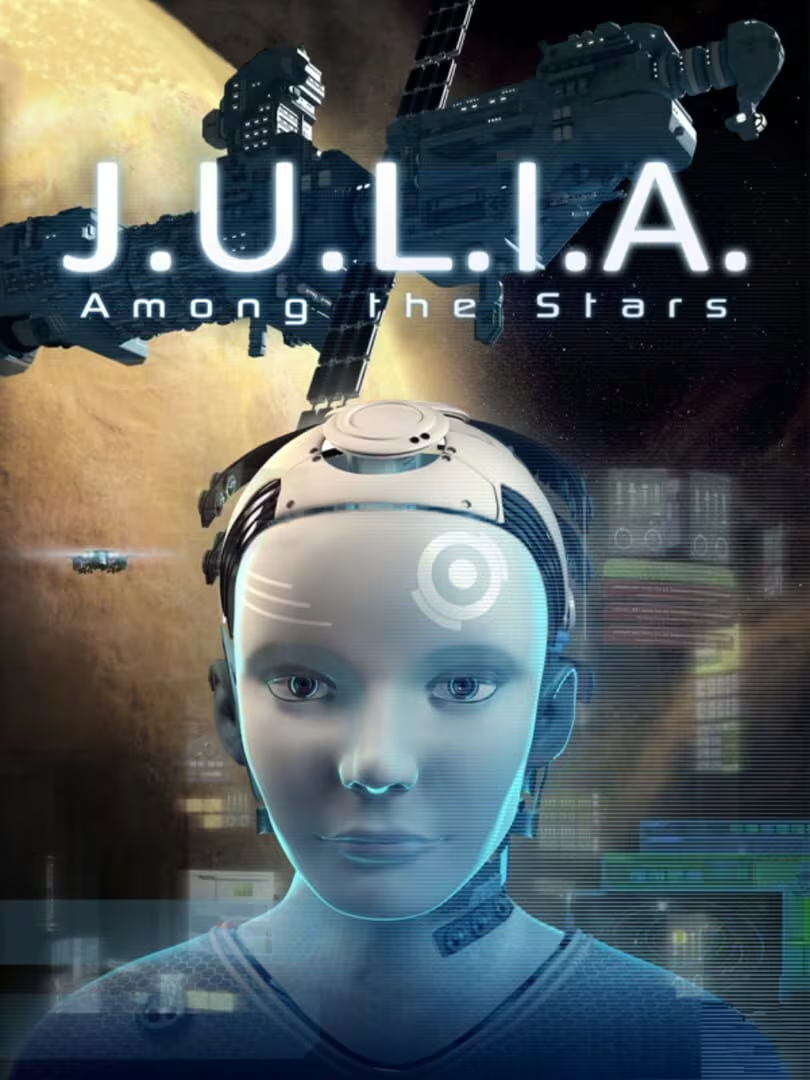
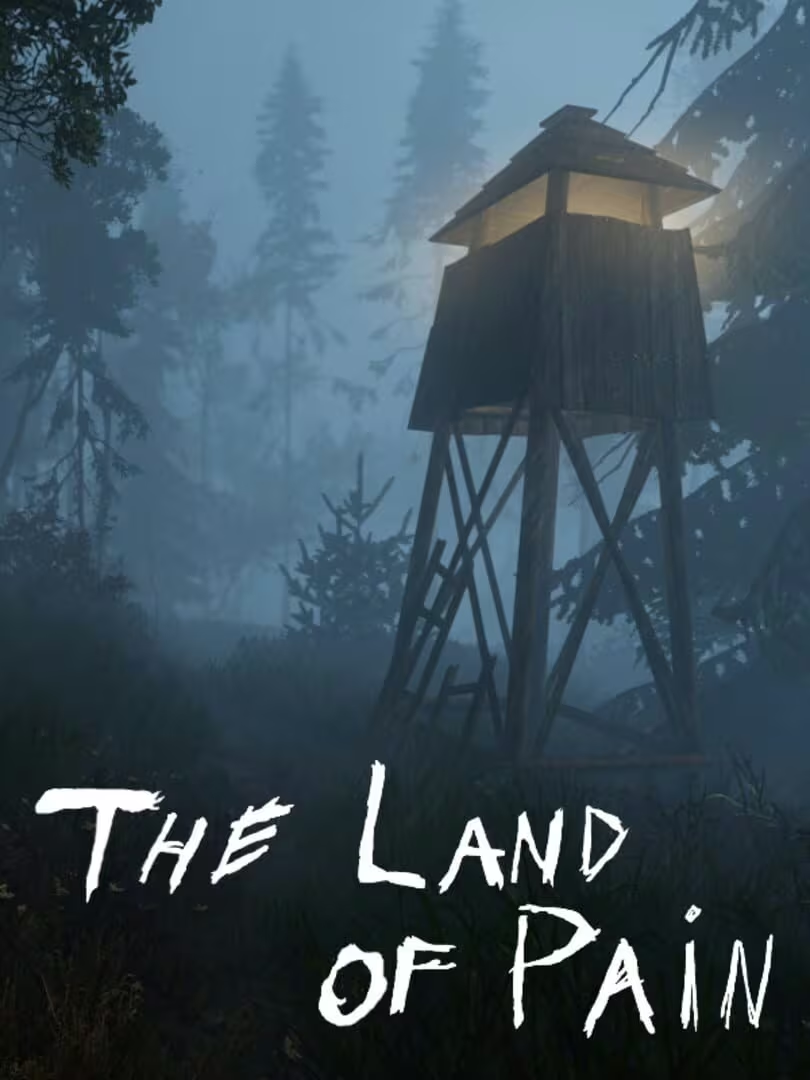
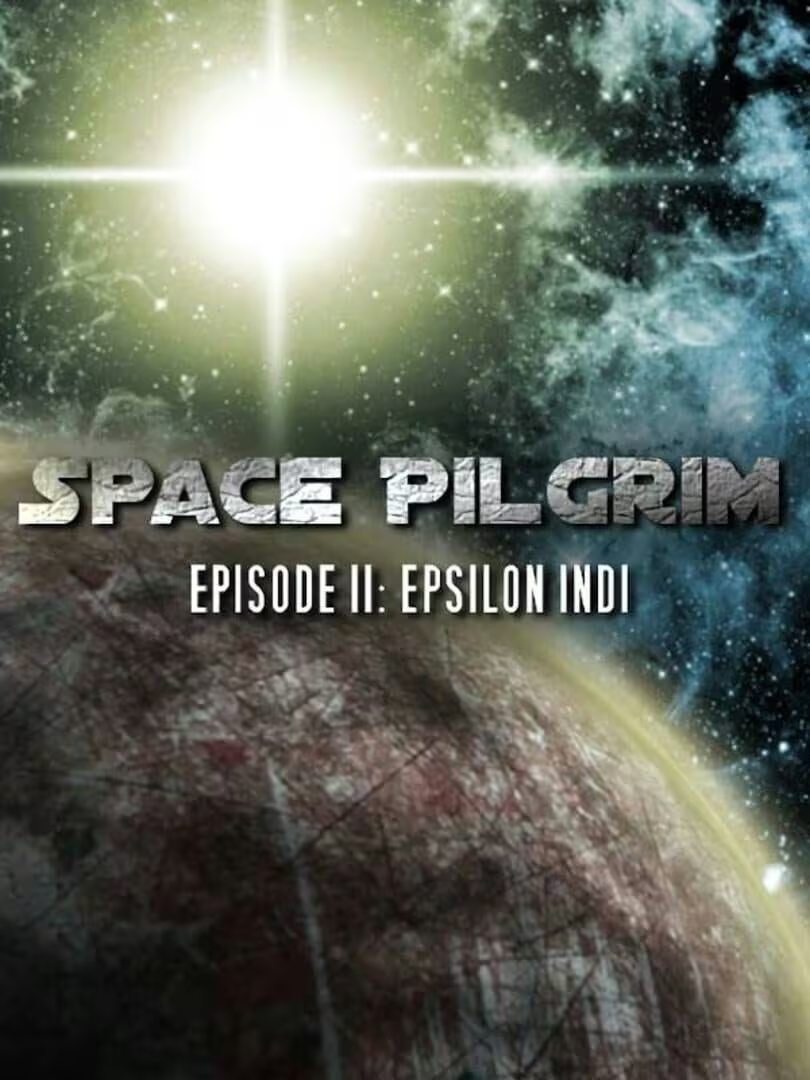
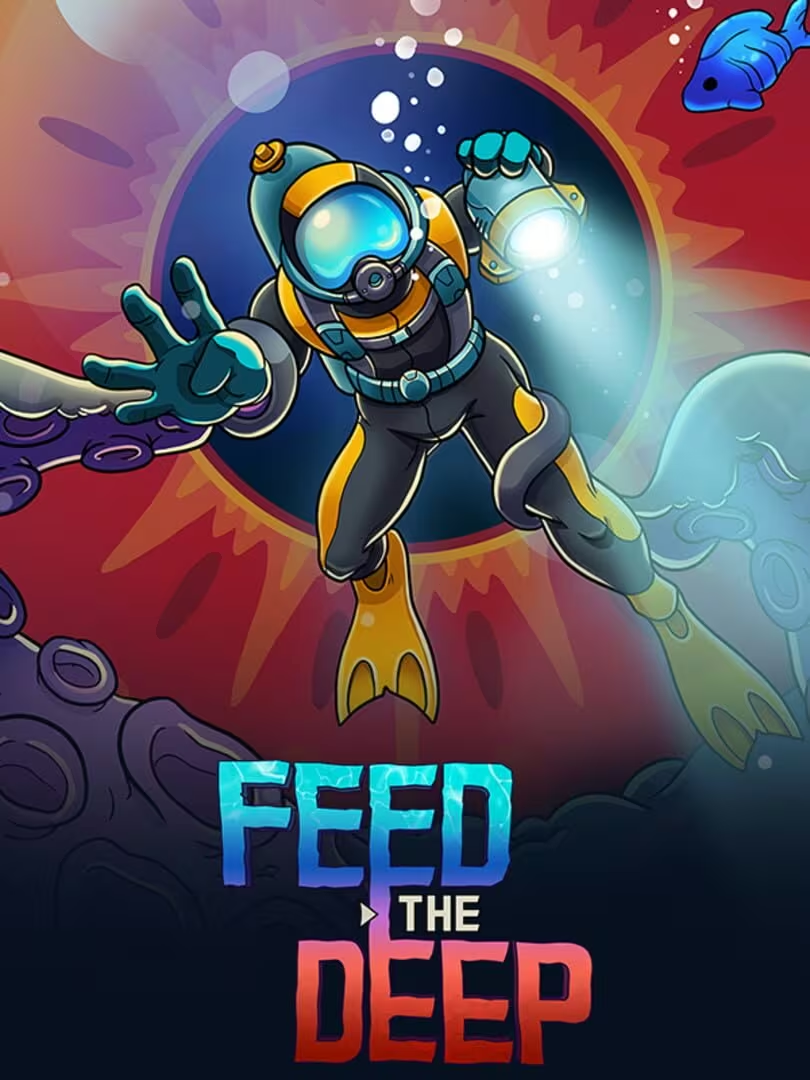
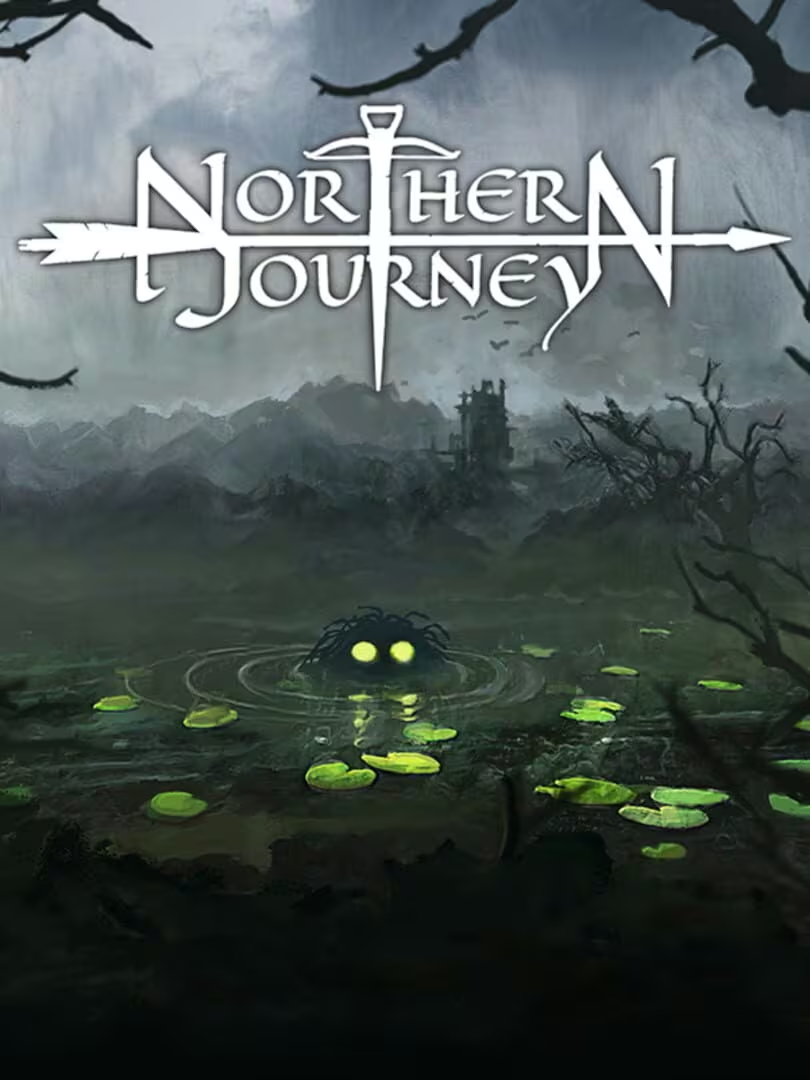
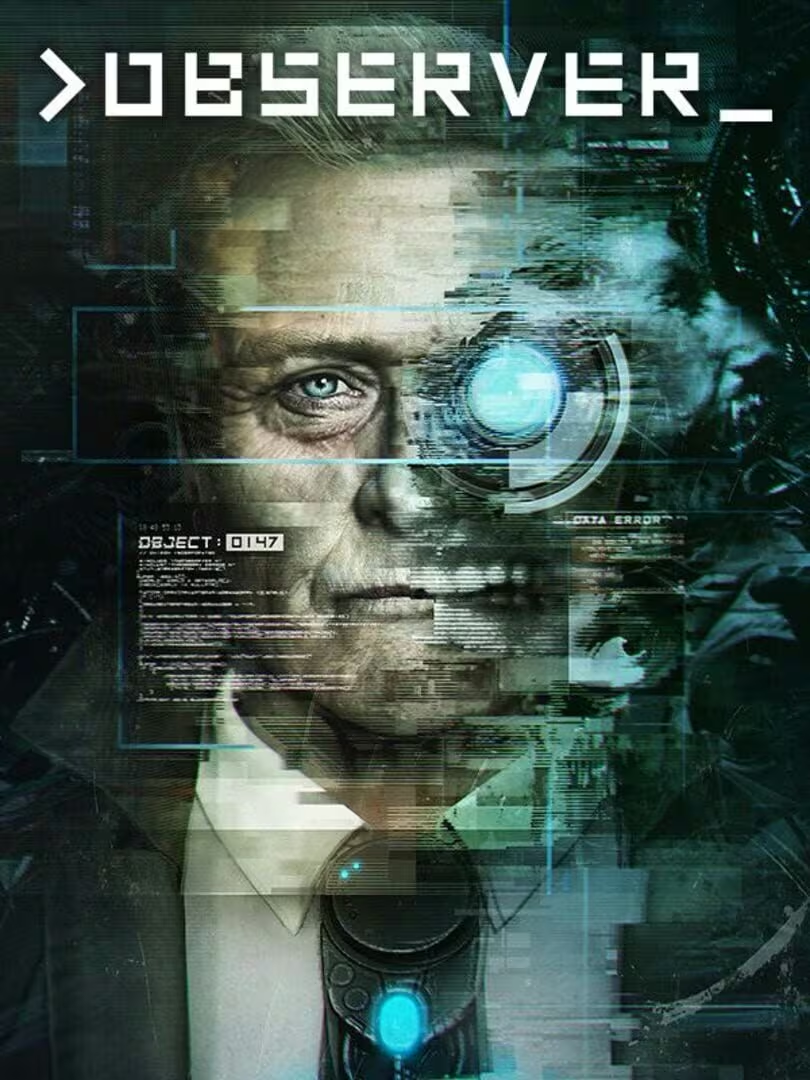
Hidden Gems
Less popular games with surprisingly high similarity
If you liked…
Recommendations by what you enjoyed most
Similarity map
Explore nearby similar games and see why they’re close.
The Cursed Forest: A very typical example of its motivational profile. Motivations that often define this kind of title include Expression, Fellowship, Cooperation, Status. Here, the score leans higher than usual among comparable games on Exploration. It leans lower than usual among comparable games on Violence, Strategy.
Why this game works
A motivational profile of the game, with the closest similar game for each player motivation.
-
Autonomy
Game with the same Autonomy vibe
3"Players explore freely without a map, relying on memory and footprints, indicating personal freedom in navigation and decision-making."
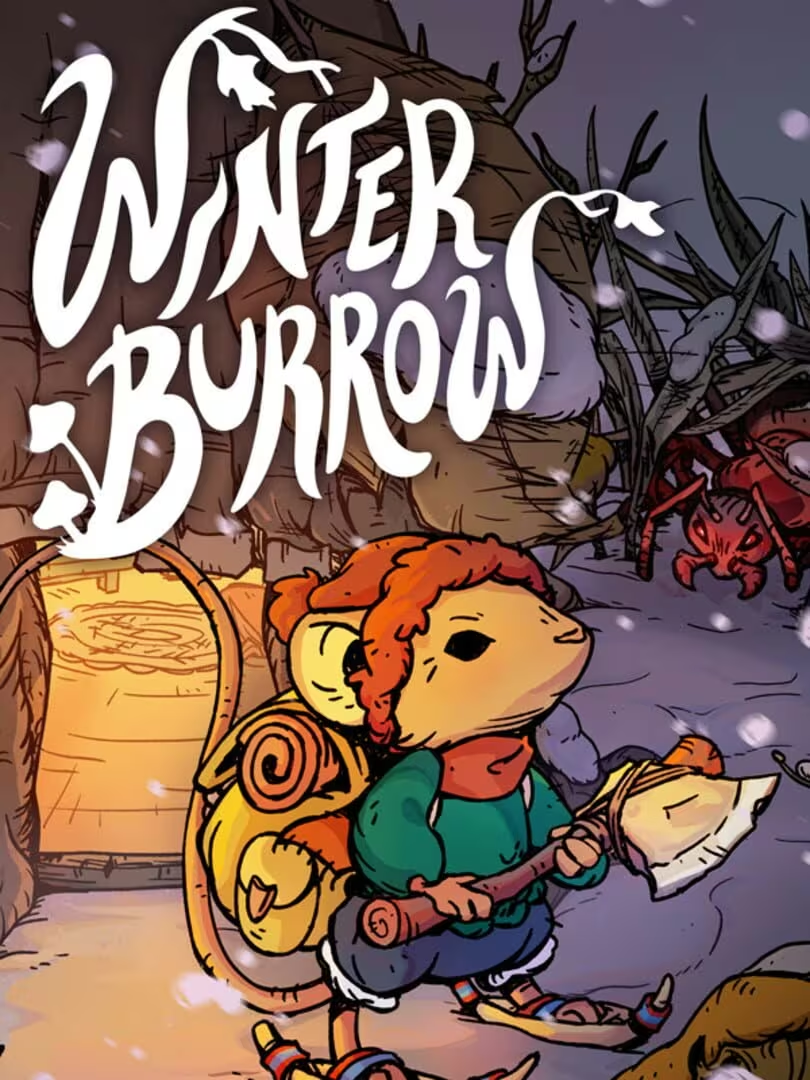 Winter Burrow
"Players explore the forest freely, choosing paths and actions with little handholding, showing personal freedom in navigation."
-
Competence
Game with the same Competence vibe
2"Gameplay involves puzzle solving and stealth mechanics that require some skill but are not highly challenging."
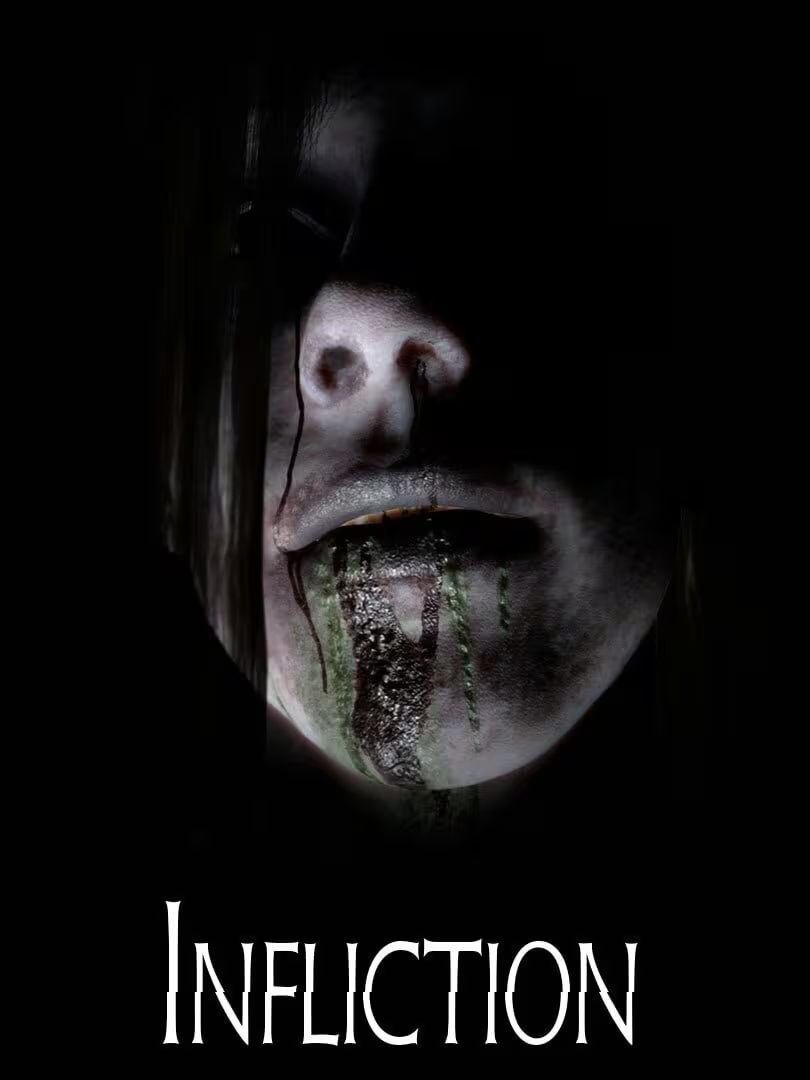 Infliction
"Gameplay involves exploration, simple puzzles, and avoiding traps requiring some skill but overall not highly challenging."
-
Competition
Game with the same Competition vibe
-5"No competitive or multiplayer elements; focus is on personal exploration and story experience."
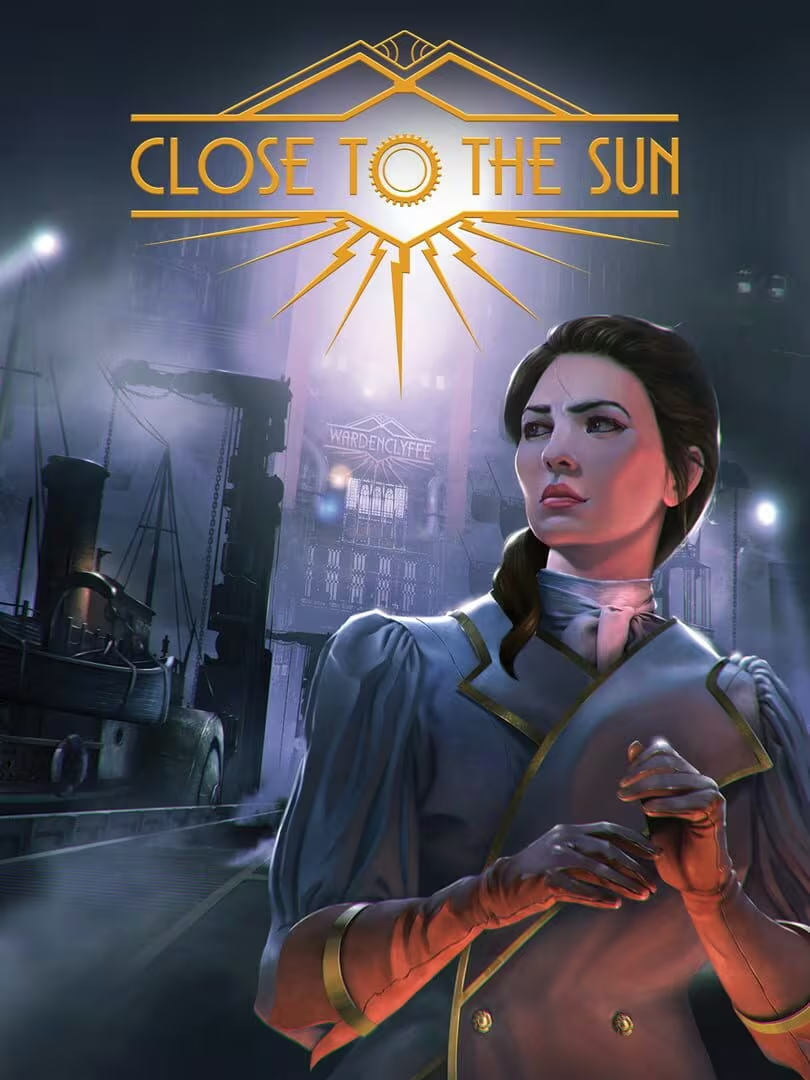 Close To The Sun
"No multiplayer or competitive elements; focus is on personal exploration and story."
-
Continuation
Game with the same Continuation vibe
2"Players report immersive experience and desire to continue despite some frustration with difficulty and bugs."
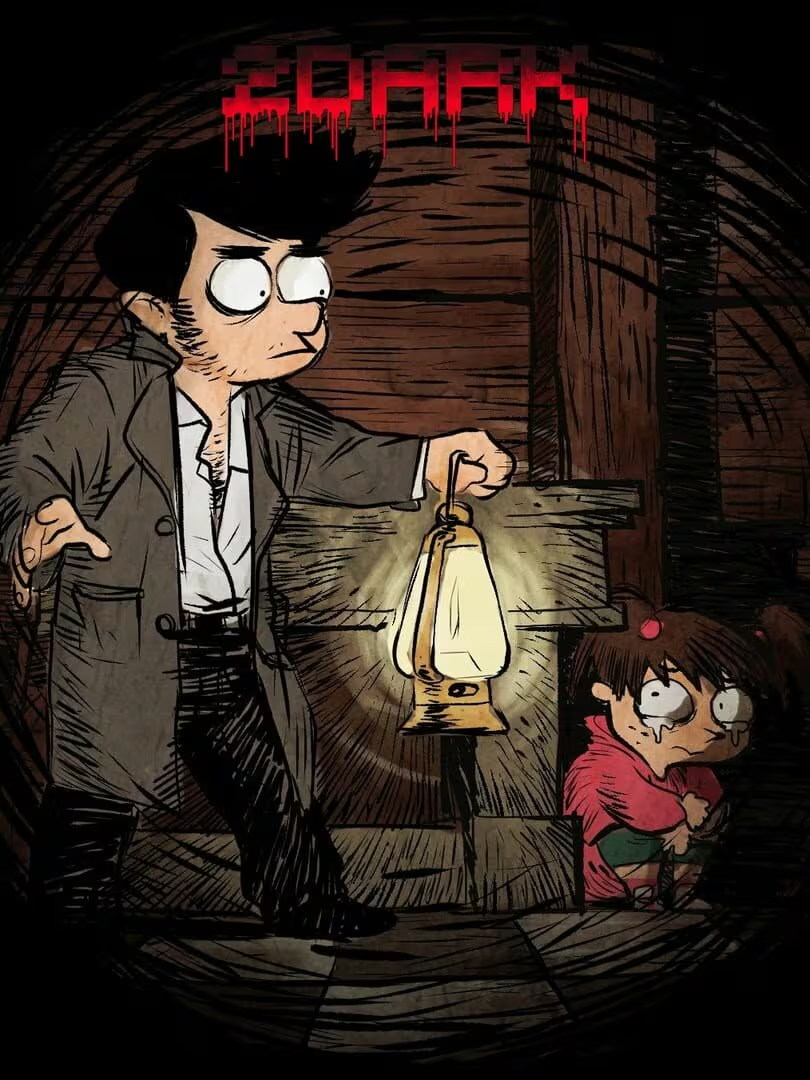 2Dark
2Dark
"Players report immersive atmosphere and desire to continue exploring despite some bugs and short length."
-
Cooperation
Game with the same Cooperation vibe
-5"Single-player experience with no cooperative gameplay."
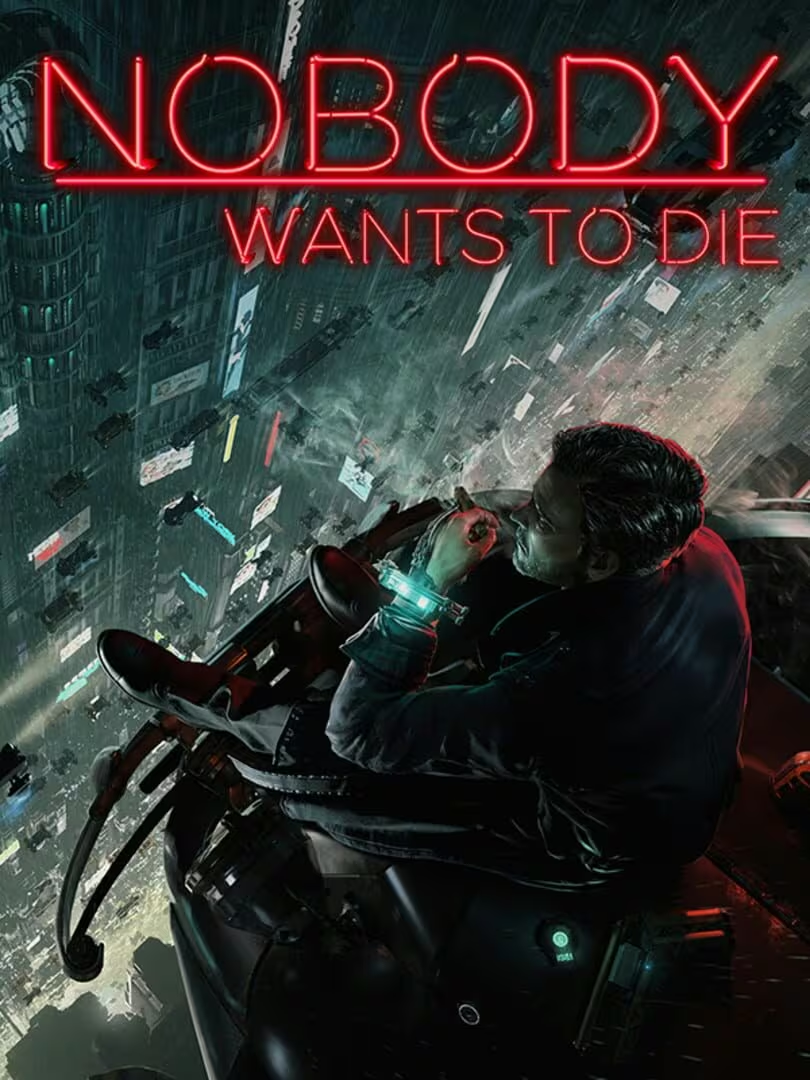 Nobody Wants to Die
"Single-player experience with no cooperative gameplay."
-
Creativity
Game with the same Creativity vibe
1"Players explore and discover secrets, but gameplay follows a set path with limited creative modification."
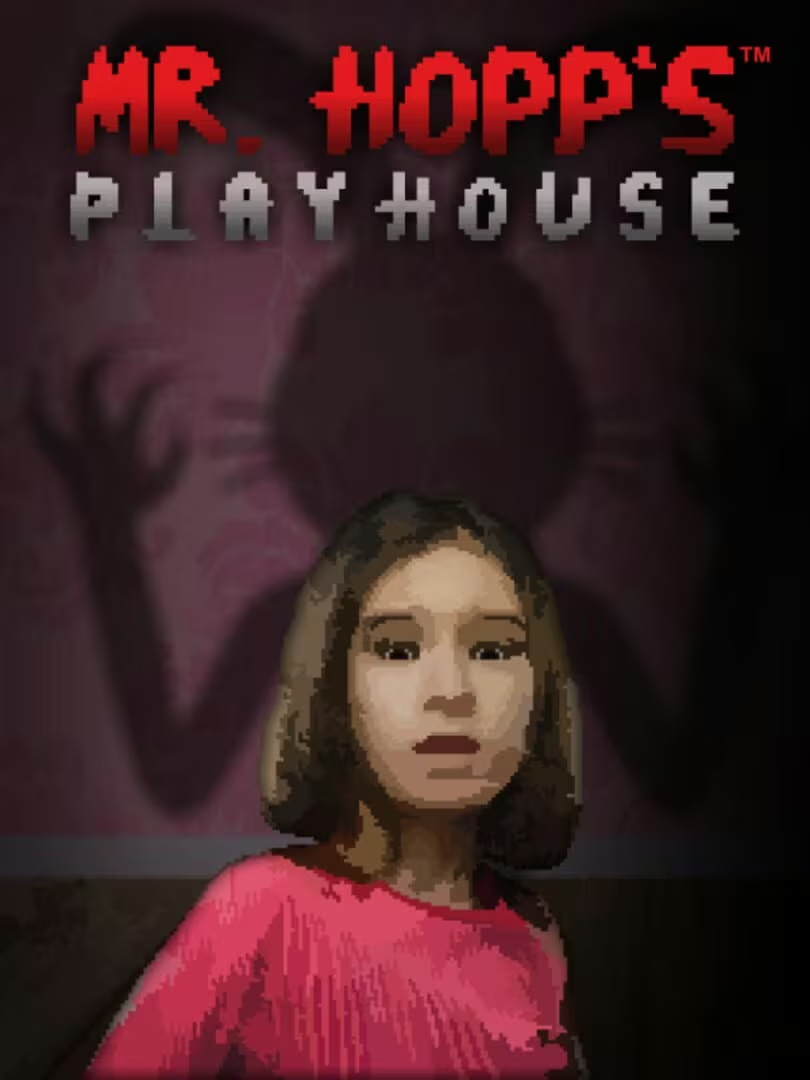 Mr. Hopp's Playhouse
"Exploration and discovery of secrets encourage some creative engagement, but gameplay follows a set path."
-
Domination
Game with the same Domination vibe
-5"No social dominance or power over others; solo experience."
 Prince of Persia®: The Sands of Time
"No social dominance or power over others; solo experience."
-
Escapism
Game with the same Escapism vibe
4"Strong immersion in atmospheric horror setting provides escape from real life."
 Alone in the Dark Prologue
"Strong atmospheric immersion and psychological horror provide escape from real life."
-
Expectation
Game with the same Expectation vibe
-4"Players engage voluntarily out of interest and intrinsic motivation, not obligation."
 Frostpunk 2
"Players engage voluntarily out of interest and intrinsic motivation, not obligation."
-
Experimenting
Game with the same Experimenting vibe
1"Some exploration and discovery of secrets, but mostly following a linear path with limited novelty."
 Paws - A Shelter 2 Game
"Some exploration and discovery of hidden elements encourage trying new paths and secrets."
-
Exploration
Game with the same Exploration vibe
5"Core gameplay revolves around exploring the forest and discovering hidden items and symbolic locations."
 The Path
"Core gameplay revolves around exploring a mysterious forest and uncovering secrets."
-
Expression
Game with the same Expression vibe
-3"Limited customization; mostly standardized presentation with fixed room and character."
 Boogeyman
"Limited customization; mostly standard presentation with minor interaction."
-
Fantasy
Game with the same Fantasy vibe
4"Game features supernatural creatures, paranormal themes, and horror fiction elements."
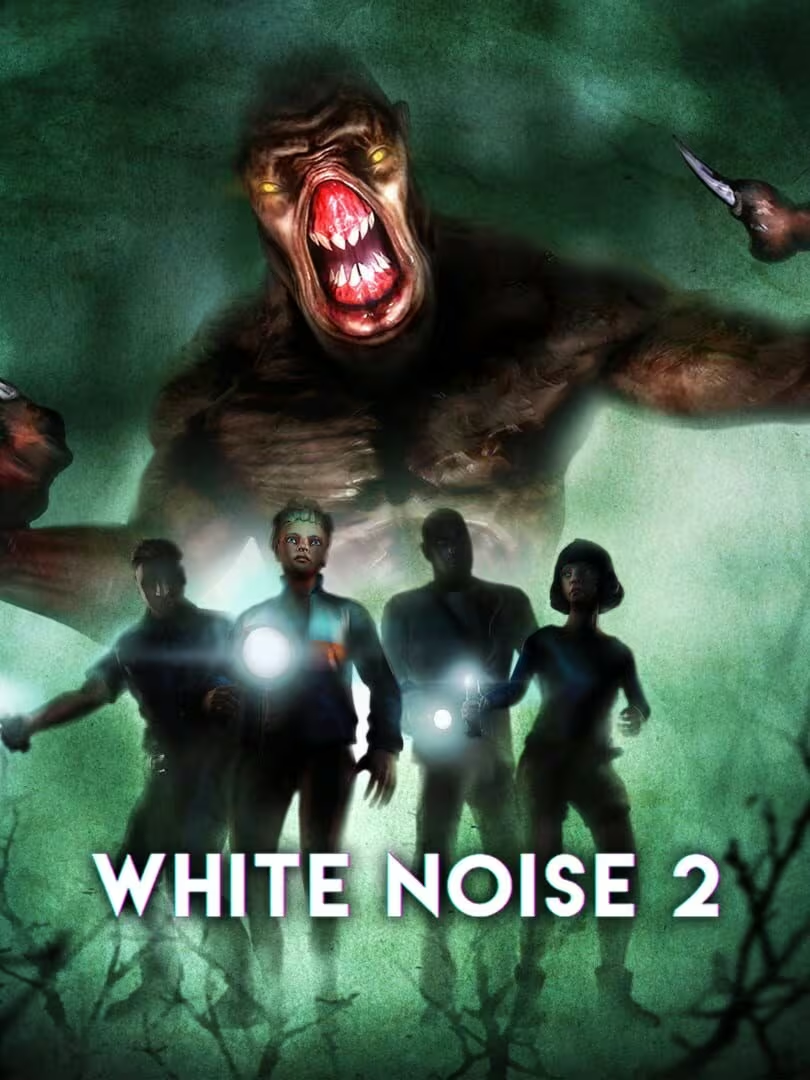 White Noise 2
"Game features supernatural elements, dark spirits, and a mysterious forest setting."
-
Fellowship
Game with the same Fellowship vibe
-5"Solo play with minimal social interaction."
 Atma
Atma
"Solo play with minimal social interaction."
-
Growth
Game with the same Growth vibe
2"Players learn story details and solve puzzles, gaining knowledge and narrative understanding."
 The Price of Freedom
"Players learn story details and develop understanding through notes and exploration."
-
Health
Game with the same Health vibe
-5"Sedentary gameplay without physical activity."
 Alan Wake
"Sedentary gameplay without physical activity."
-
Idle
Game with the same Idle vibe
-3"Requires focused attention and immersion; not designed for casual or background play."
 Paranormal Activity: The Lost Soul
"Requires focused attention and immersion rather than casual or background play."
-
Intimacy
Game with the same Intimacy vibe
-5"No close social interactions or relationships formed; single-player experience."
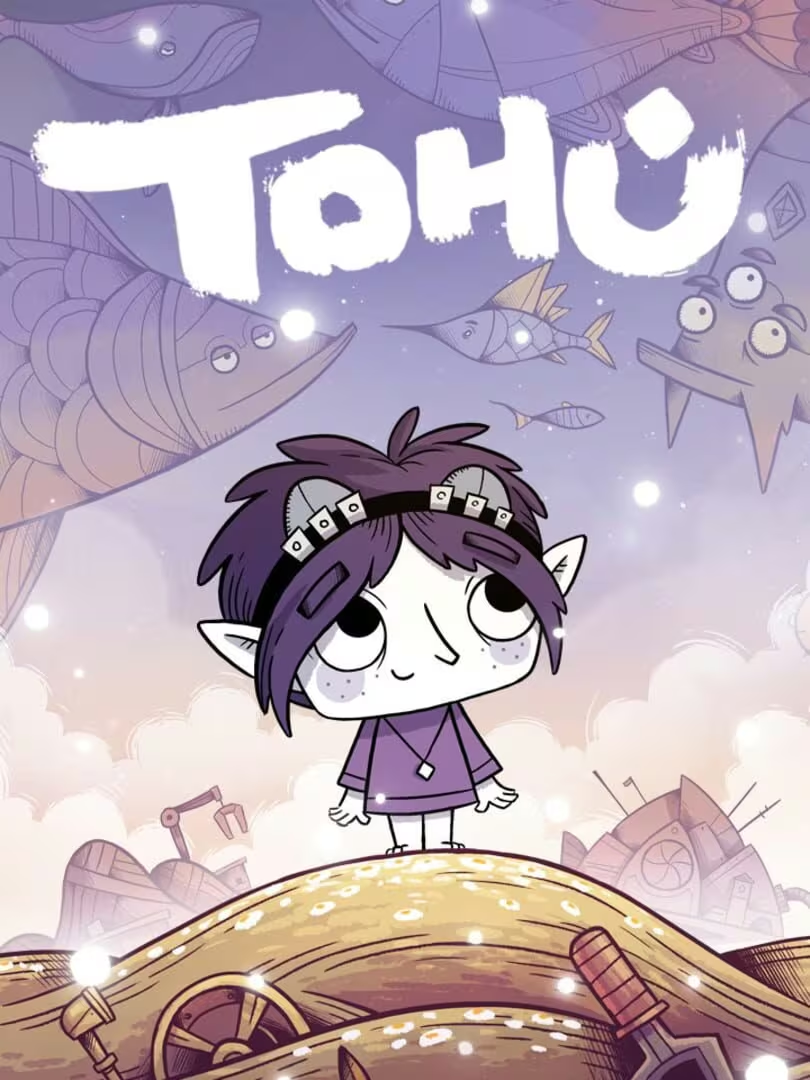 TOHU
TOHU
"No close social relationships formed; single-player experience."
-
Leadership
Game with the same Leadership vibe
-5"No leadership or group management elements."
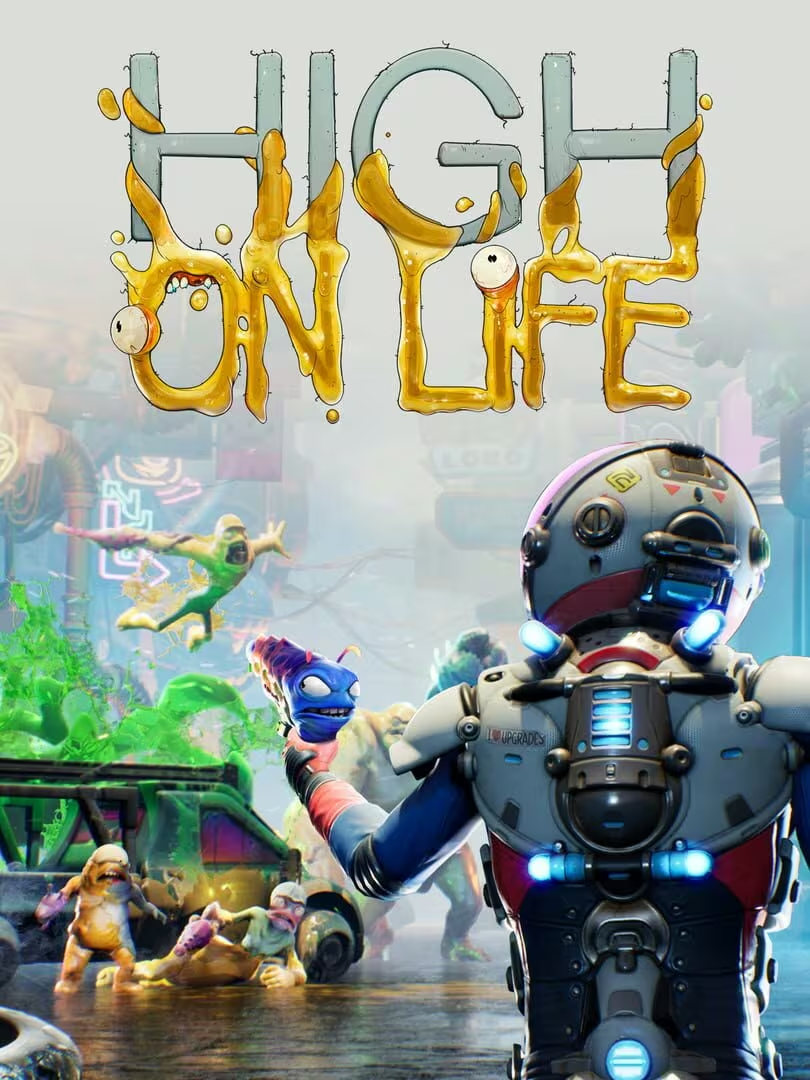 High On Life
"No leadership or group management elements."
-
Progression
Game with the same Progression vibe
3"Players collect items and unlock achievements as they advance through the story."
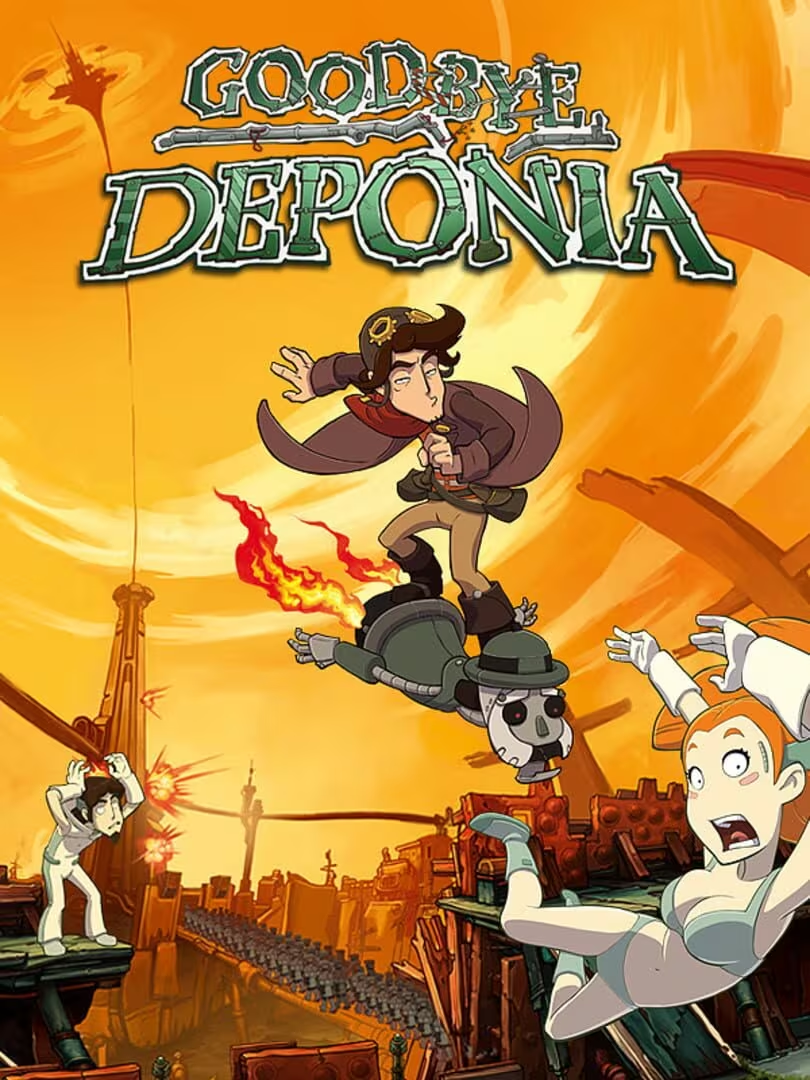 Goodbye Deponia
"Players collect items and unlock achievements to advance story and exploration."
-
Relaxation
Game with the same Relaxation vibe
2"Atmospheric and immersive experience with moments of calm and tension release."
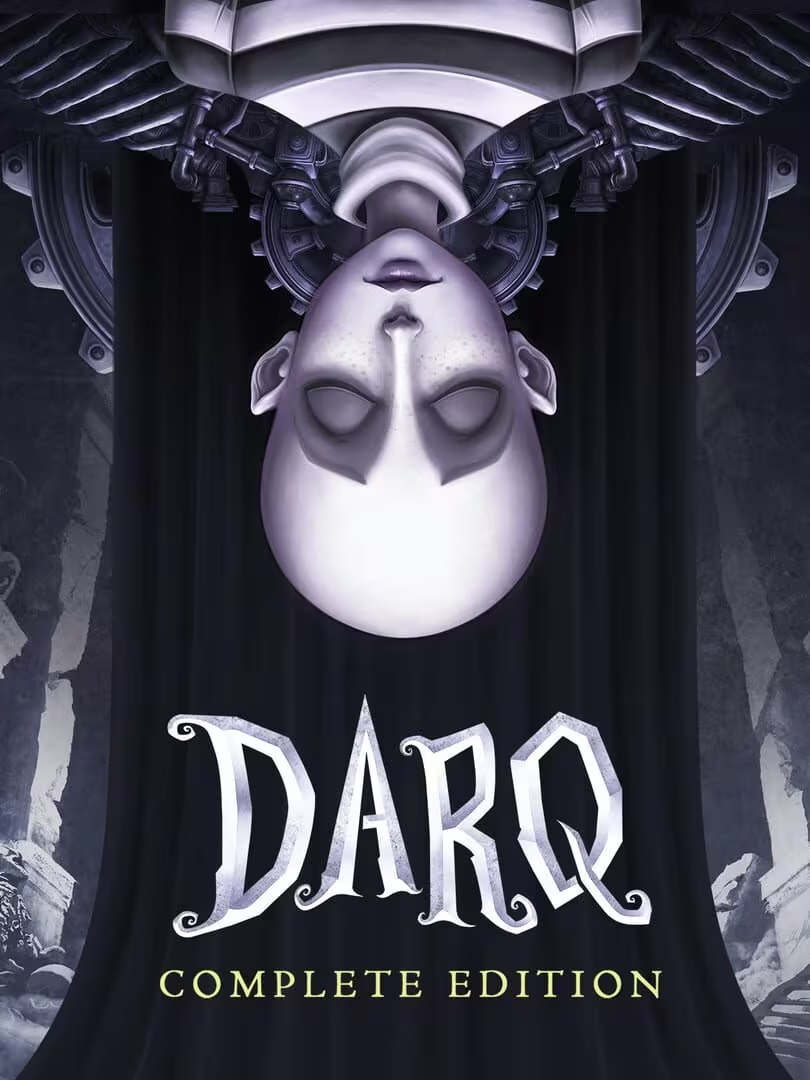 DARQ: Complete Edition
"Atmospheric and immersive experience provides flow and tension release despite some jump scares."
-
Sensation
Game with the same Sensation vibe
3"Strong sensory stimulation through visuals, sound design, and atmospheric effects."
 The Lightkeeper
"Strong sensory stimulation through visuals, sound design, and atmospheric effects."
-
Status
Game with the same Status vibe
-5"No social recognition or status elements."
 Pony Island
"No social recognition or status elements."
-
Story
Game with the same Story vibe
4"Narrative is integral and immersive, delivered through environmental storytelling and notes."
 Obduction
"Narrative delivered through notes and environmental storytelling with an overarching plot."
-
Strategy
Game with the same Strategy vibe
0"Minimal strategic or problem-solving elements; mostly straightforward progression."
 Cursed Digicam | 呪われたデジカメ
"Minimal strategic or problem-solving elements; mostly exploration and simple puzzles."
-
Thrill
Game with the same Thrill vibe
3"Jump scares and suspense create moments of tension and relief."
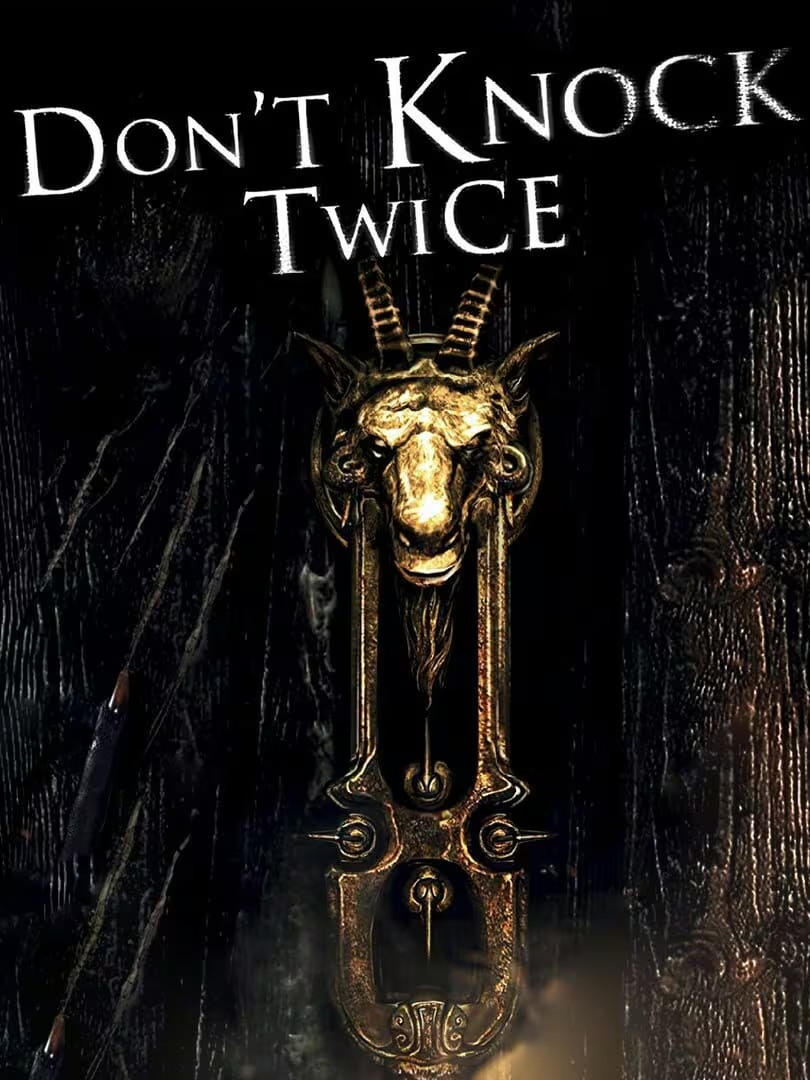 Don't Knock Twice
"Jump scares and suspenseful moments create tension and relief experiences."
-
Value
Game with the same Value vibe
3"Players feel the game offers good value for time spent, especially for story and atmosphere."
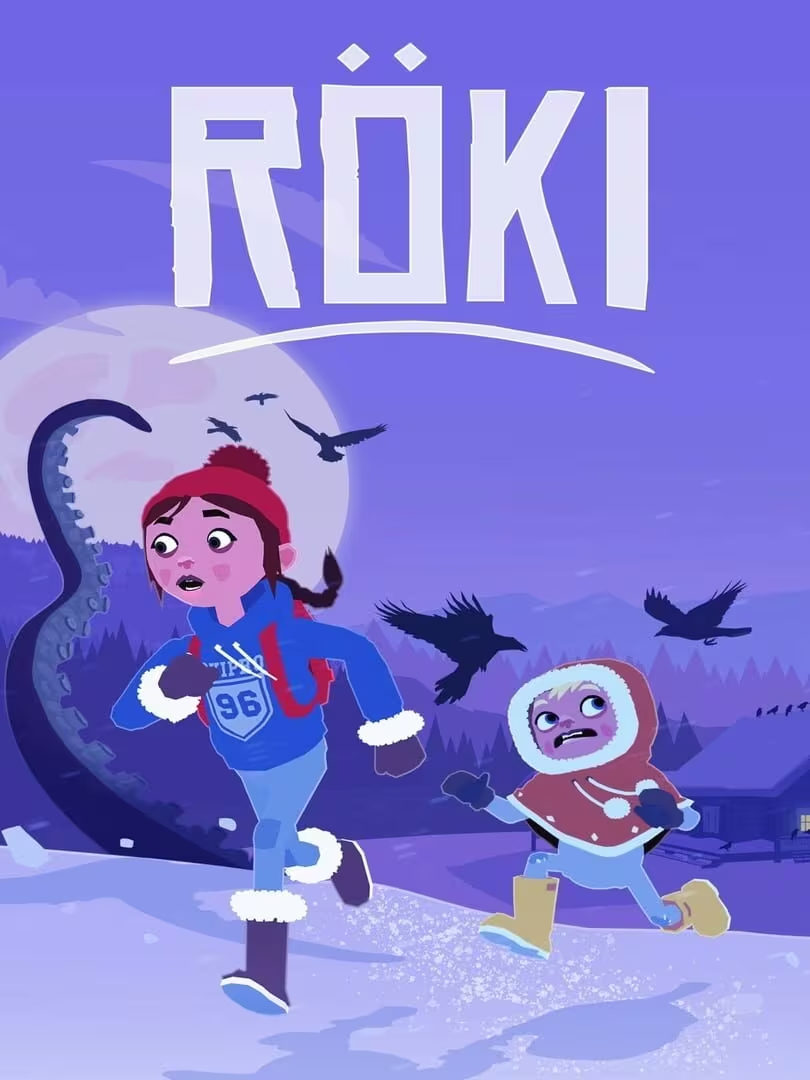 Röki
Röki
"Players feel the game offers good value for price and time, especially given atmosphere and story."
-
Violence
Game with the same Violence vibe
-3"Limited violence; focus is on avoidance and survival rather than combat or destruction."
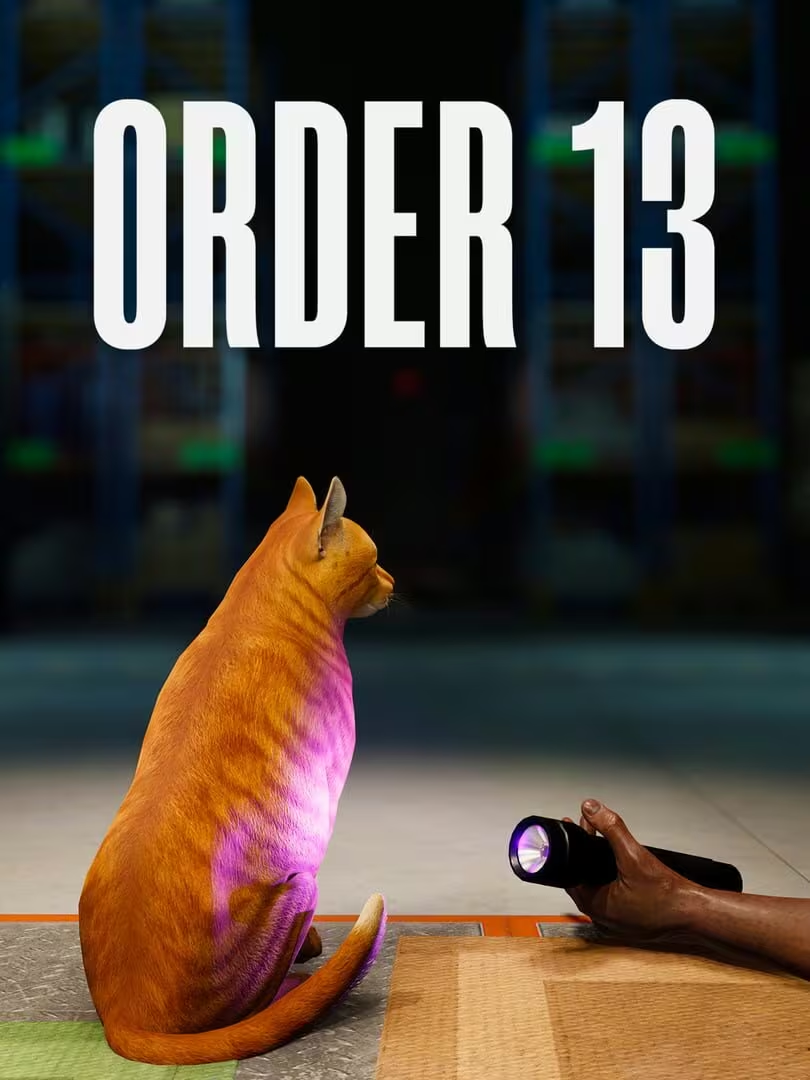 ORDER 13
"Limited violence; focus is on exploration and survival rather than combat."
-
Survival
Game with the same Survival vibe
2"Players must avoid traps and hazards to survive and progress through levels."
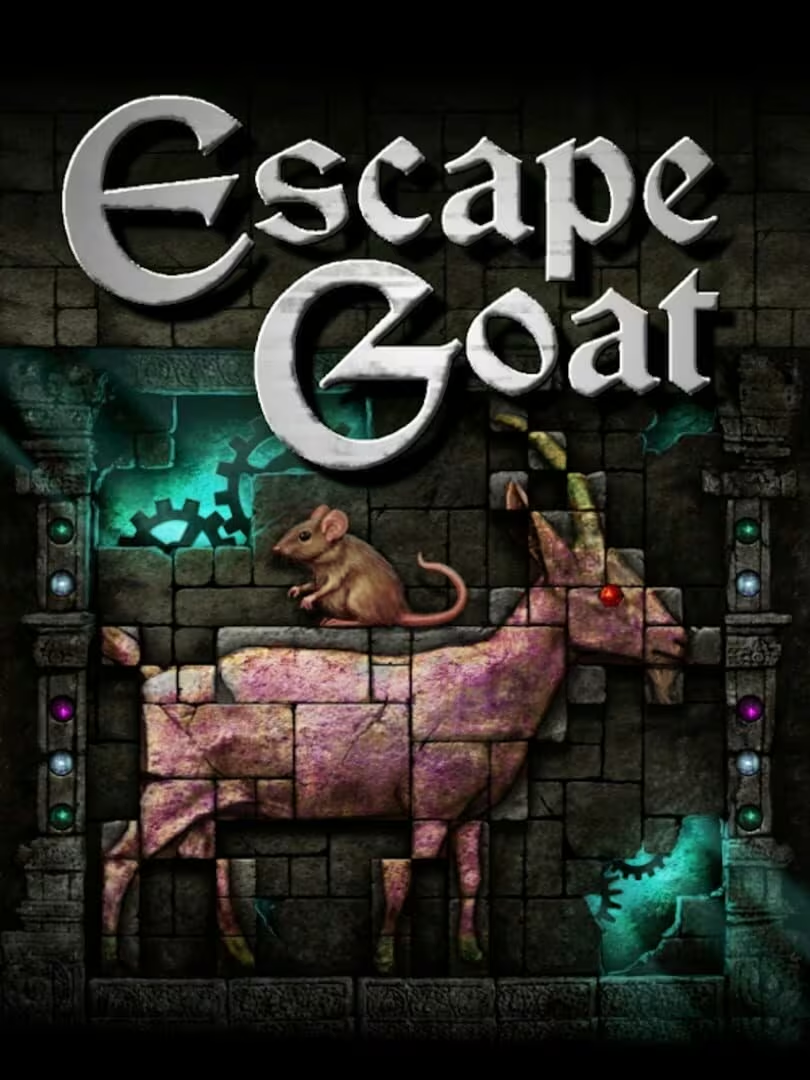 Escape Goat
"Players must avoid traps and dangers to survive and progress."
Last update: 01/06/2026