Crystal Story II similar games & best alternatives
Should you play it?
Crystal Story II is a turn-based RPG that follows the story of a young Dragon on his quest to defeat an evil witch. He must seek allies to aid him on his journey and save the world from the oncoming invasion.
What works
- Charming and humorous story
- Flexible skill tree and character customization
- Engaging turn-based combat system
- Includes original crystal story game
- Excellent value for price with extensive content
Things to keep in mind
- Repetitive and linear dungeon design
- Graphics are low resolution and simple
- Some grinding required for progression
- Limited story depth and character development
- Menu and inventory management can be clunky
What to play next
Similar games, hidden gems, and fresh directions from this game.
Top picks
Games that feel the closest overall
Hidden Gems
Less popular games with surprisingly high similarity
If you liked…
Recommendations by what you enjoyed most
Similarity map
Explore nearby similar games and see why they’re close.
Crystal Story II: Broadly representative of its motivational profile, with a few distinct shifts. Motivations that often define this kind of title include Fellowship, Violence, Survival, Cooperation. Here, the score leans higher than usual among comparable games on Leadership, Relaxation. It leans lower than usual among comparable games on Exploration.
Why this game works
A motivational profile of the game, with the closest similar game for each player motivation.
-
Autonomy
Game with the same Autonomy vibe
3"Players can customize characters, choose party members, and decide on skill combos and equipment, but follow a mostly linear story and dungeon progression."
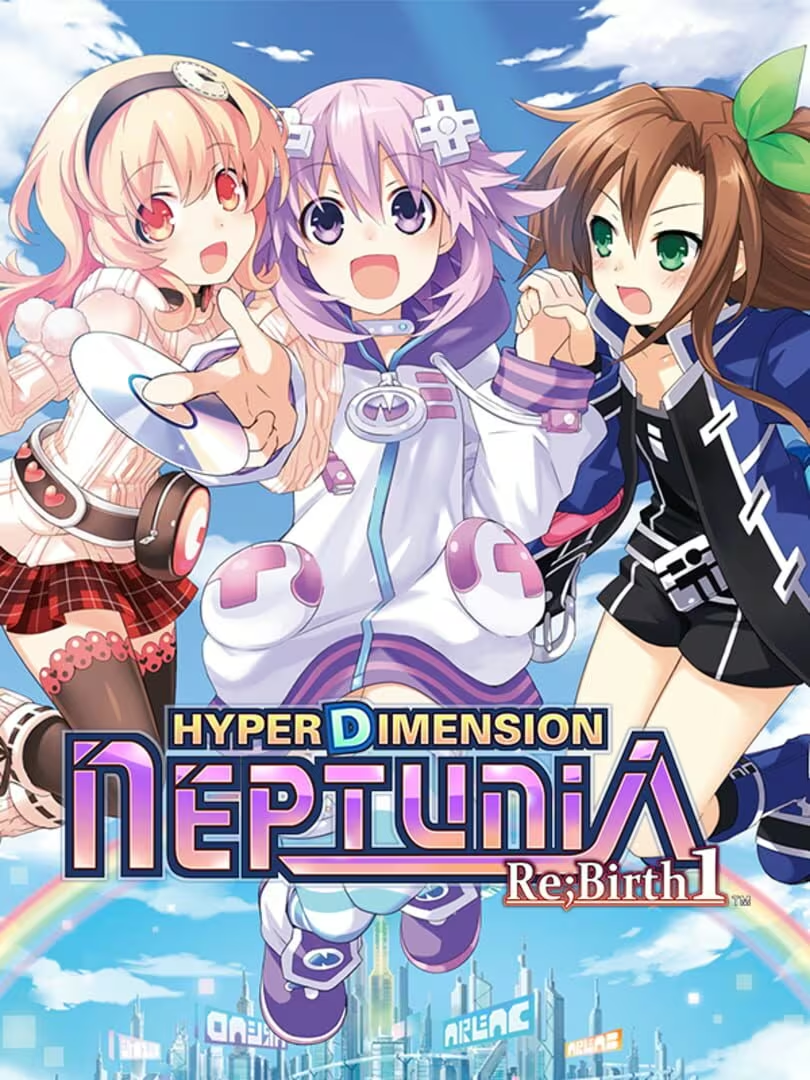 Hyperdimension Neptunia Re;Birth1
"Players can customize character skills and class progression freely, choose equipment and upgrade paths, and select minigames and side quests at their own pace."
-
Competence
Game with the same Competence vibe
3"The game features complex turn-based combat with strategic positioning and skill synergies, requiring player skill and offering feedback, though some grinding is needed."
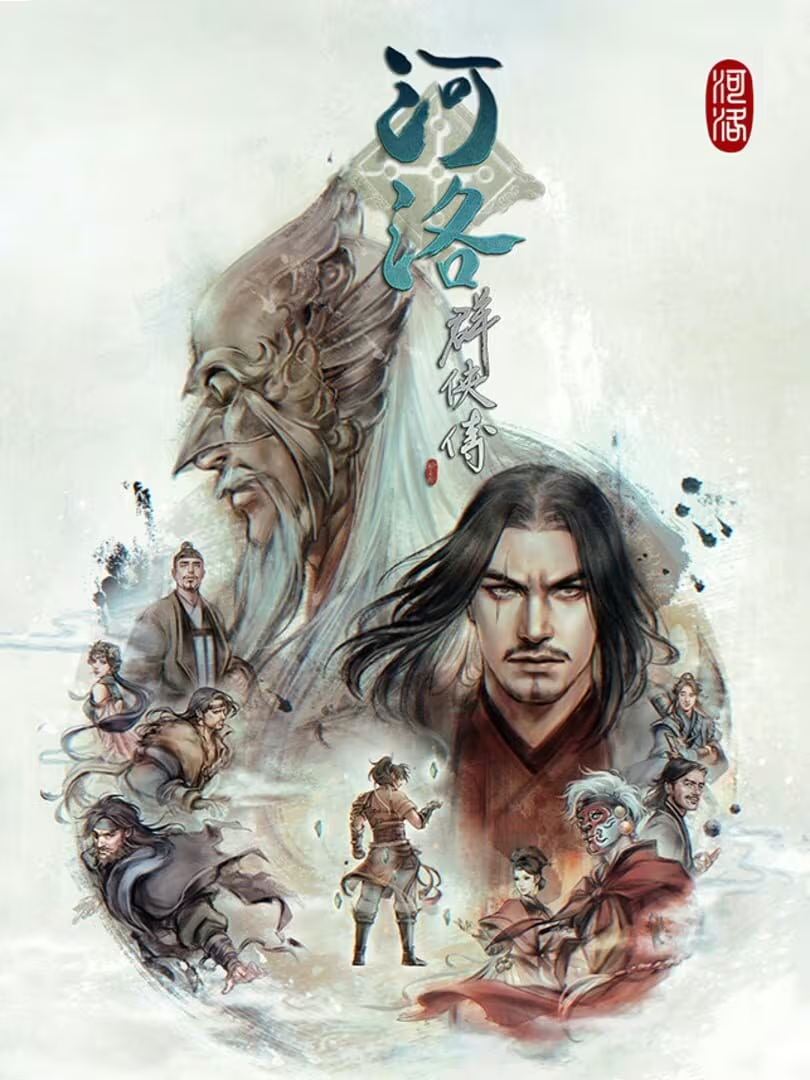 河洛群俠傳 (Ho Tu Lo Shu : The Books of Dragon)
"The game offers a moderately challenging turn-based combat system with strategic elements like speed stats and skill timing, plus a skill tree progression requiring planning and grinding."
-
Competition
Game with the same Competition vibe
-3"Focus is on single-player experience with no mention of multiplayer or leaderboards; players set personal goals."
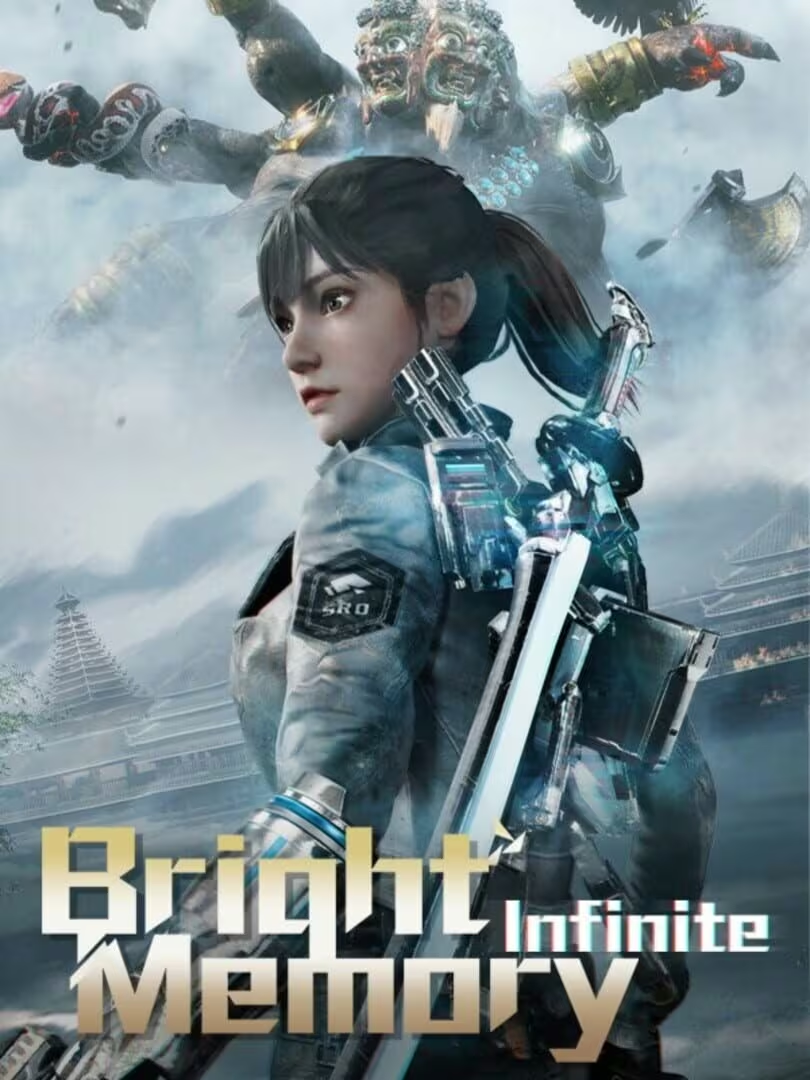 Bright Memory: Infinite
"Focus is on single-player experience with no mention of multiplayer or leaderboards; gameplay centers on personal progression and self-set goals."
-
Continuation
Game with the same Continuation vibe
4"Players report long playtimes (20-70+ hours), extensive side content, and habitual engagement with the game and series."
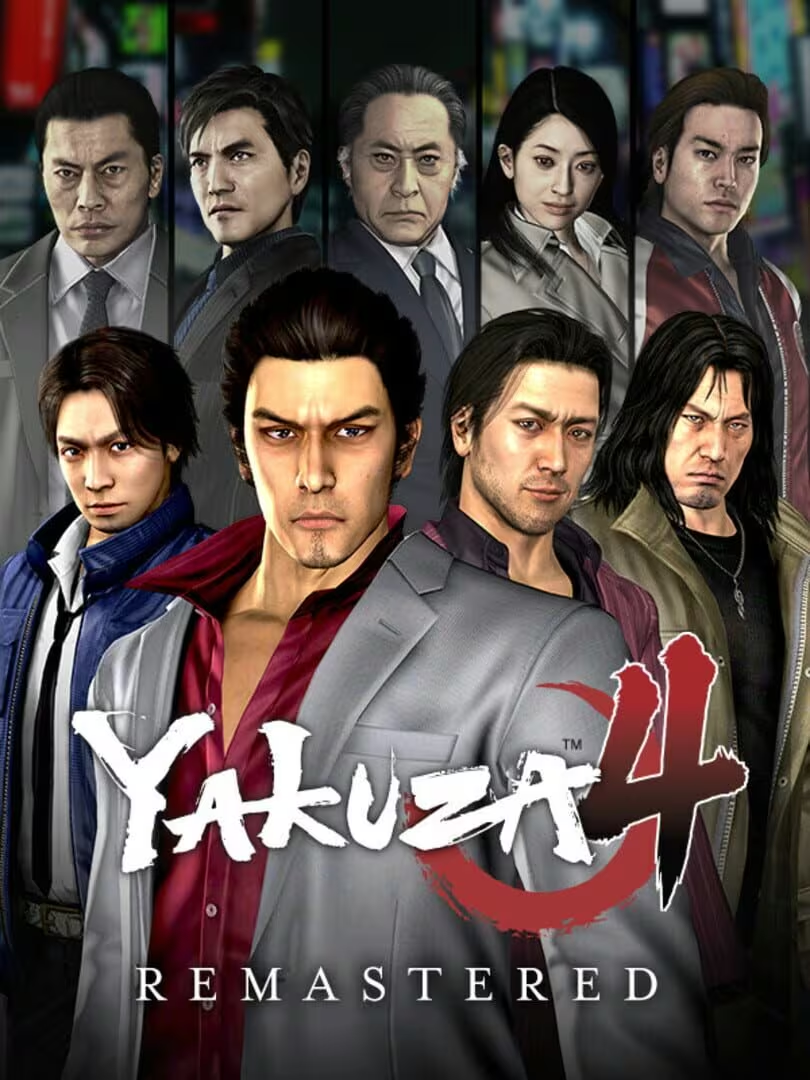 Yakuza 4 Remastered
"Players report long playtimes (10-30+ hours), with grinding and post-game content encouraging extended engagement and replayability."
-
Cooperation
Game with the same Cooperation vibe
-4"Gameplay is single-player focused with AI-controlled party members; no cooperative multiplayer or teamwork with other players."
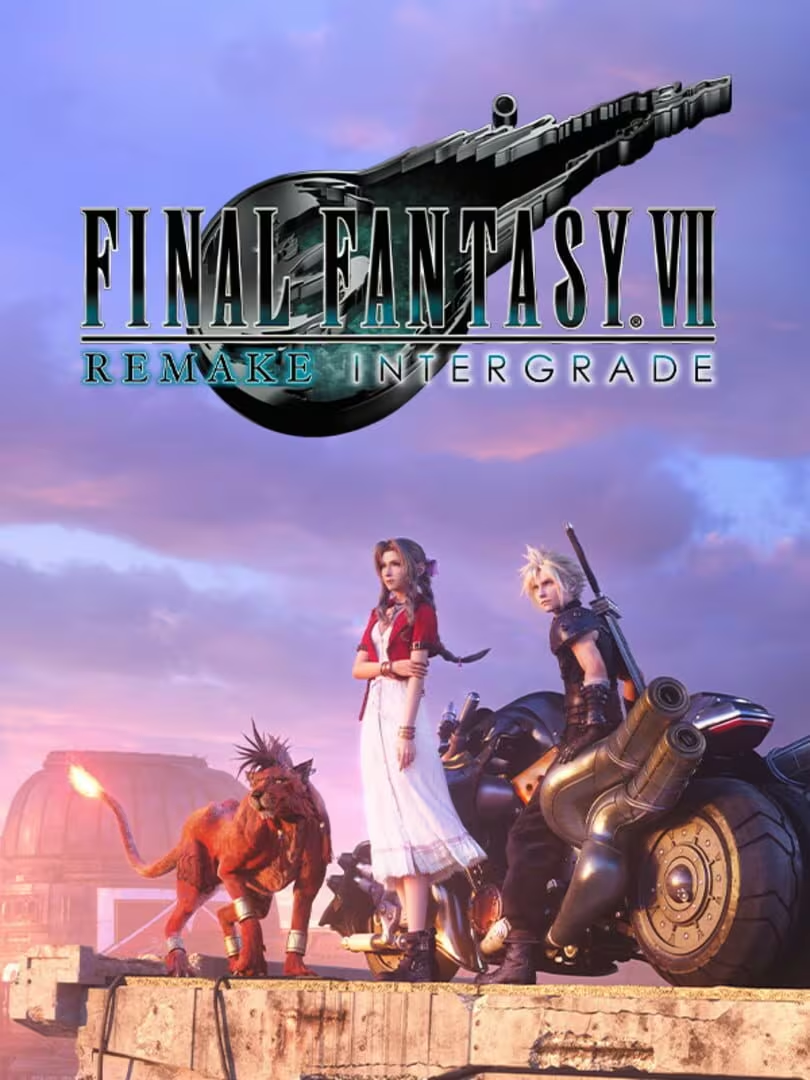 FINAL FANTASY VII REMAKE INTERGRADE
"Gameplay is single-player focused with no cooperative multiplayer elements; party members are AI controlled."
-
Creativity
Game with the same Creativity vibe
3"Players can customize characters with various weapons, skills, and talent trees, creating unique builds and playstyles."
河洛群俠傳 (Ho Tu Lo Shu : The Books of Dragon)
"Players can customize characters through a flexible skill tree and equipment upgrades; some creative freedom in party build and playstyle."
-
Domination
Game with the same Domination vibe
-5"No evidence of player dominance over others; interactions are single-player and cooperative with AI companions."
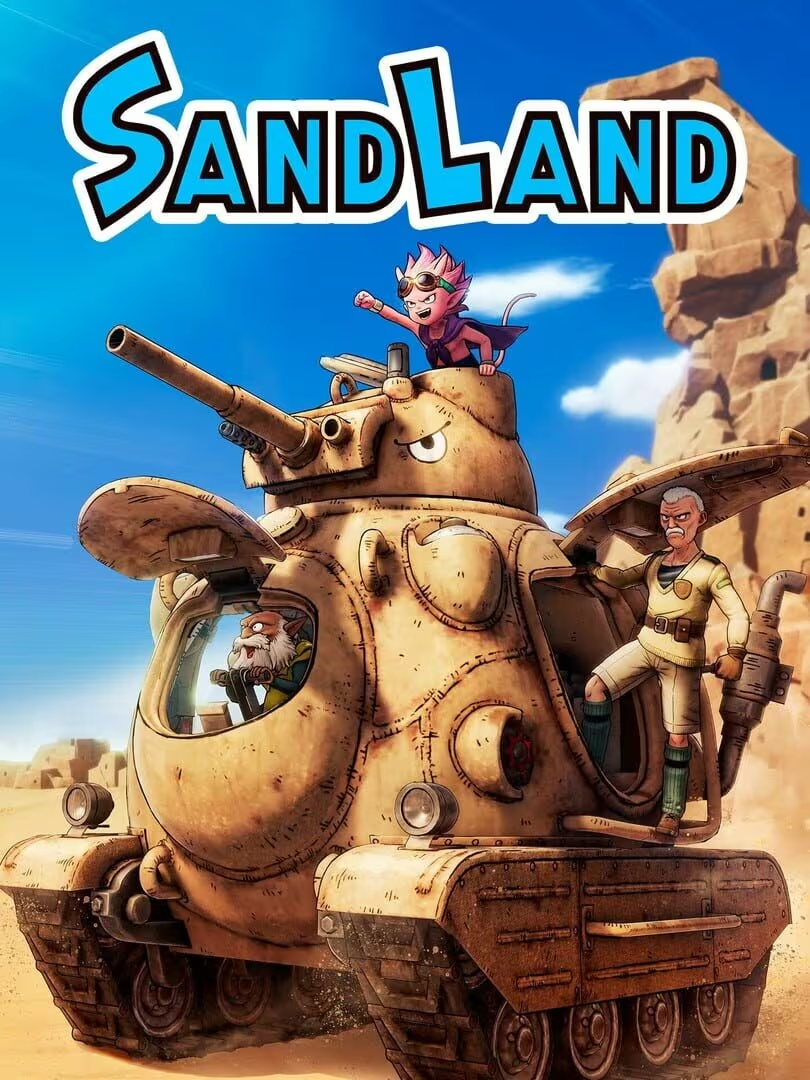 SAND LAND
"No evidence of player dominance over others; interactions are single-player and cooperative AI controlled."
-
Escapism
Game with the same Escapism vibe
4"Players use the game as a lighthearted, stress-relieving experience with cute characters and silly antics."
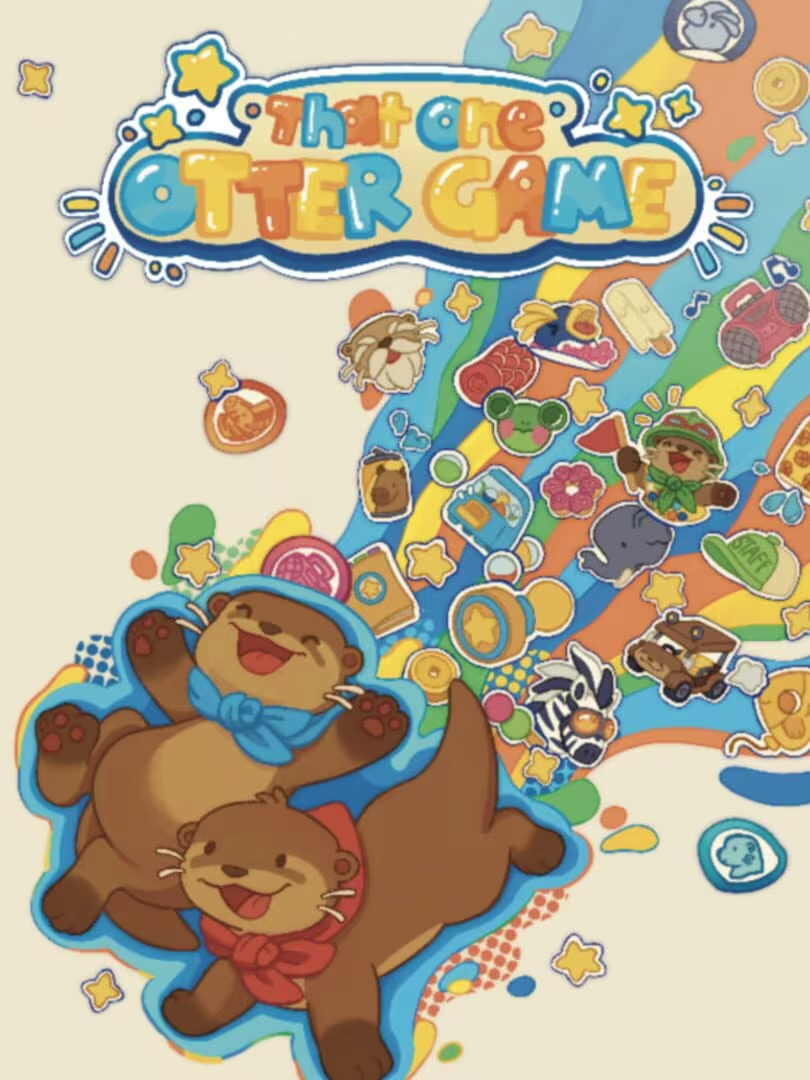 That One Otter Game
"Players use the game for light-hearted, stress-relieving entertainment with charming characters and humorous story."
-
Expectation
Game with the same Expectation vibe
-4"Players engage voluntarily for fun and nostalgia; no indication of obligation or external pressure to play."
 Arizona Sunshine® Remake
"Players engage voluntarily for fun and nostalgia; no indication of obligation or external pressure to play."
-
Experimenting
Game with the same Experimenting vibe
3"Skill trees and ability customization encourage trying new builds and tactics; players experiment with different approaches to levels and bosses."
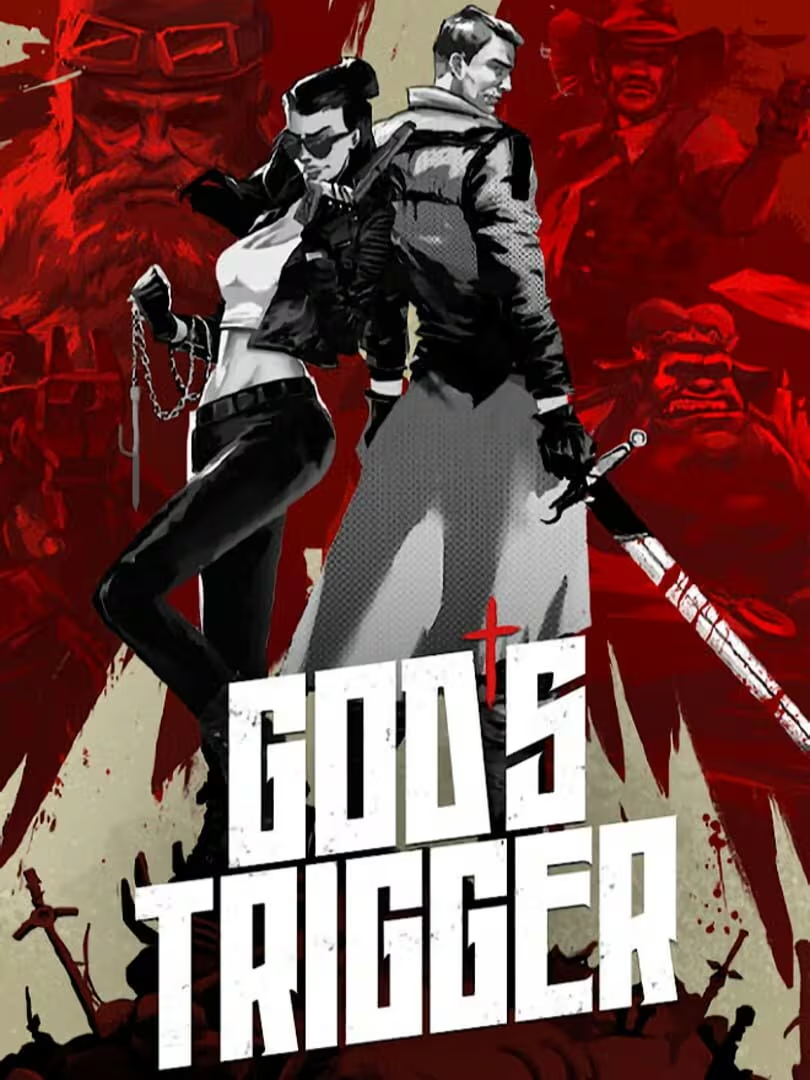 God's Trigger
"Skill tree customization and multiple class paths encourage experimentation with builds and strategies."
-
Exploration
Game with the same Exploration vibe
-2"Exploration is limited to small maps and dungeons with some maze-like design, but overall world is small and linear."
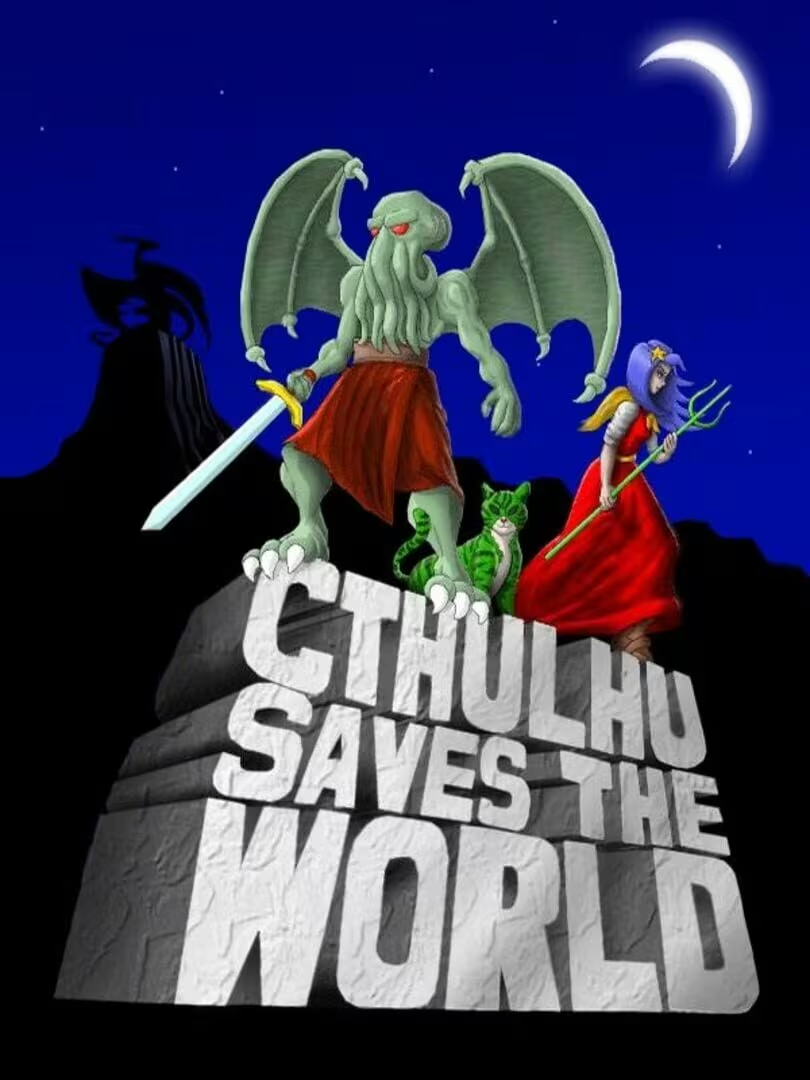 Cthulhu Saves the World
"Exploration is limited and linear with repetitive dungeons; focus is on progressing through set areas rather than open discovery."
-
Expression
Game with the same Expression vibe
2"Players can customize characters with skills and equipment, but limited cosmetic or avatar personalization options."
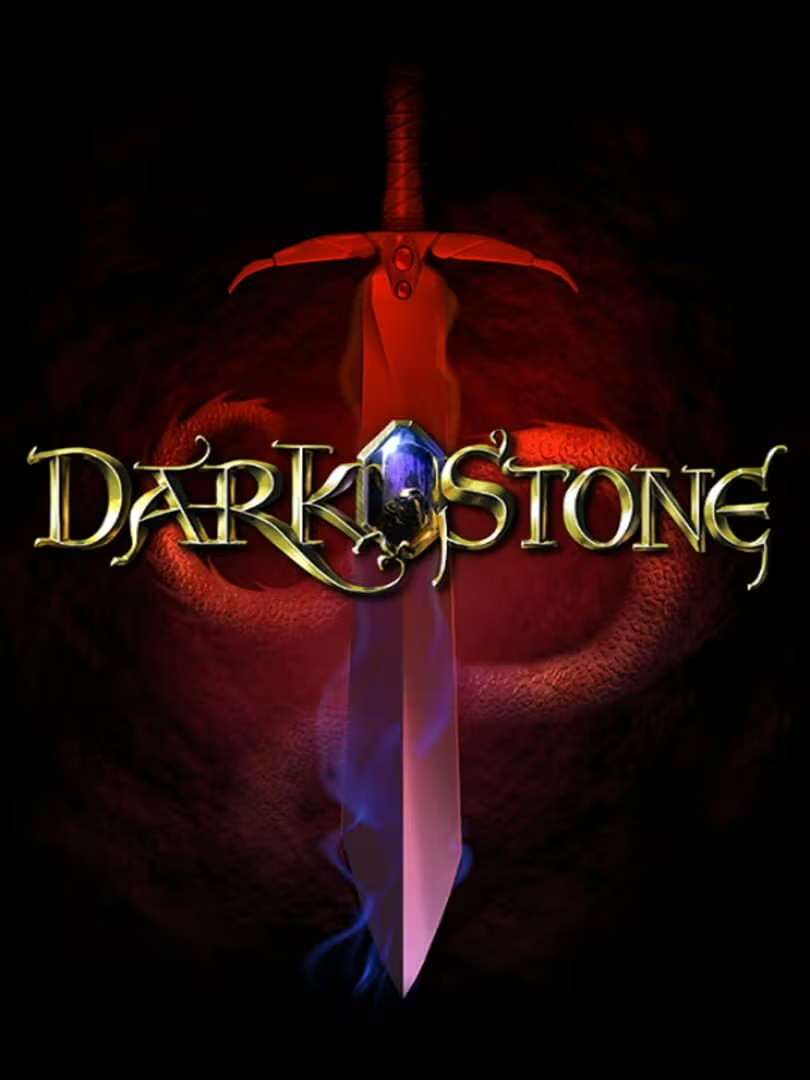 Darkstone
"Players can name characters and customize skills and equipment, but no cosmetic customization or avatar personalization noted."
-
Fantasy
Game with the same Fantasy vibe
4"The game features a fantasy setting with magic, monsters, and imaginative environments typical of action RPGs."
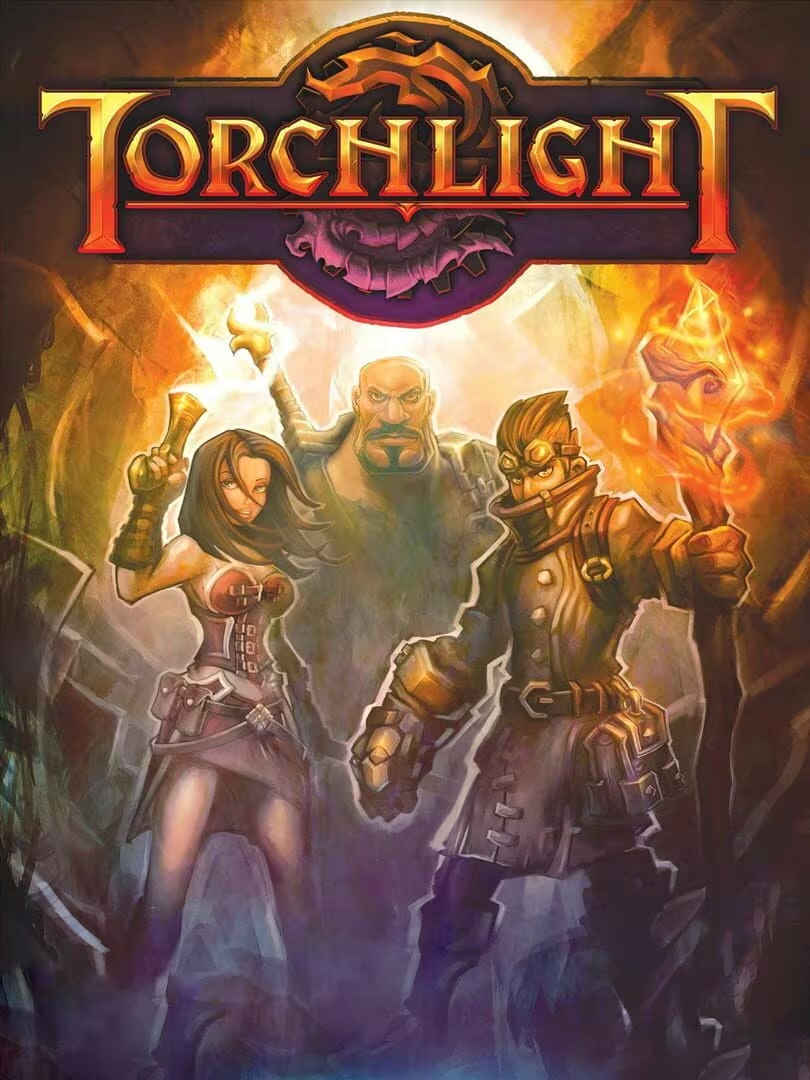 Torchlight
"The game features a fantasy setting with dragons, witches, magic, and classic JRPG tropes."
-
Fellowship
Game with the same Fellowship vibe
-4"No multiplayer or social features; gameplay is solitary with AI companions."
 Planet R-12
"No social or community features; gameplay is solitary with AI companions."
-
Growth
Game with the same Growth vibe
4"Character and squad progression through skill trees and equipment upgrades promote learning and development."
 Mass Effect (2007)
"Strong emphasis on learning new skills, character development, and strategic growth through the skill tree and equipment upgrades."
-
Health
Game with the same Health vibe
-5"No physical activity or health-related gameplay elements; typical sedentary gaming experience."
 FINAL FANTASY XVI
"No physical activity or health-related gameplay elements; typical sedentary gaming experience."
-
Idle
Game with the same Idle vibe
-3"Requires focused attention during turn-based combat; not suitable for background or casual idle play."
 Immortal Empire
"Requires player attention for turn-based combat and progression; not designed for background or idle play."
-
Intimacy
Game with the same Intimacy vibe
-4"Limited to character interactions within story; no deep social or emotional connections with other players."
 Sherlock Holmes: The Devil's Daughter
"Limited to character interactions within story; no social or emotional connections with other players."
-
Leadership
Game with the same Leadership vibe
2"Players manage party composition and strategy, guiding their team through battles."
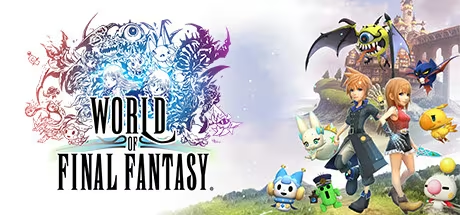 WORLD OF FINAL FANTASY®
"Players direct party composition and skill development, guiding team strategy in battles."
-
Progression
Game with the same Progression vibe
4"Strong focus on leveling up, acquiring gear, crafting, and unlocking skills to improve characters."
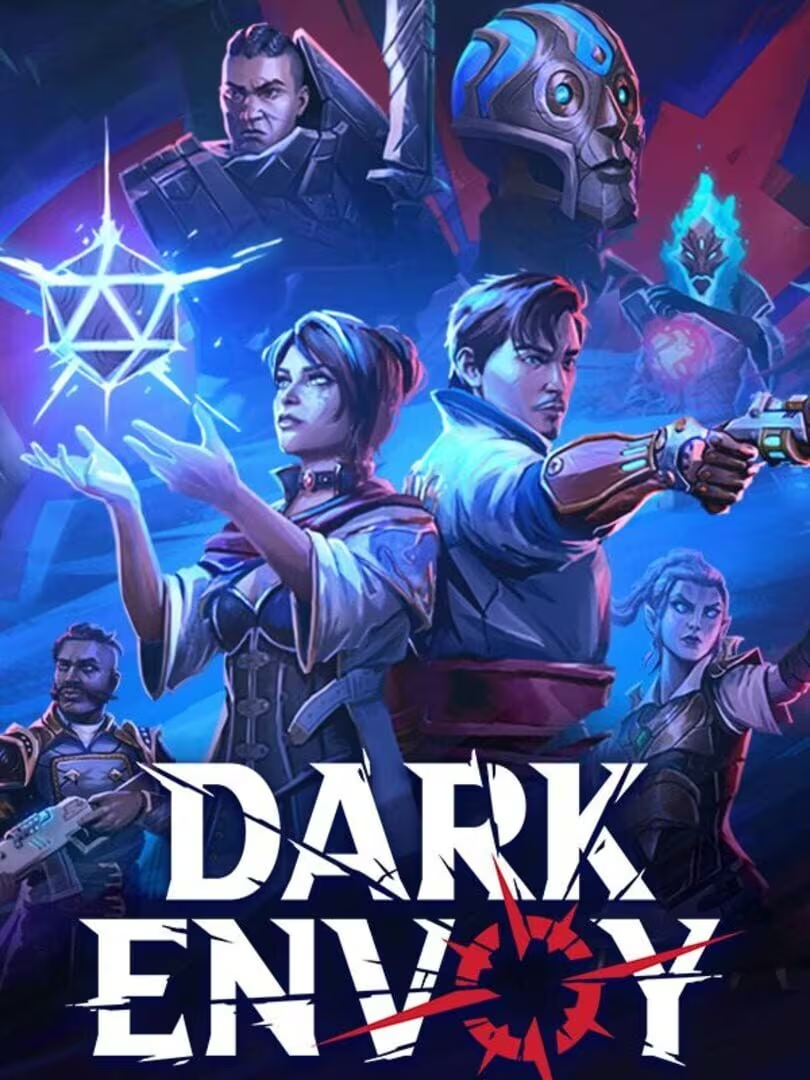 Dark Envoy
"Focus on accumulating skill points, equipment upgrades, and unlocking new abilities to advance characters."
-
Relaxation
Game with the same Relaxation vibe
3"Balanced challenge with moments of humor and flow; some frustration from grinding but overall enjoyable."
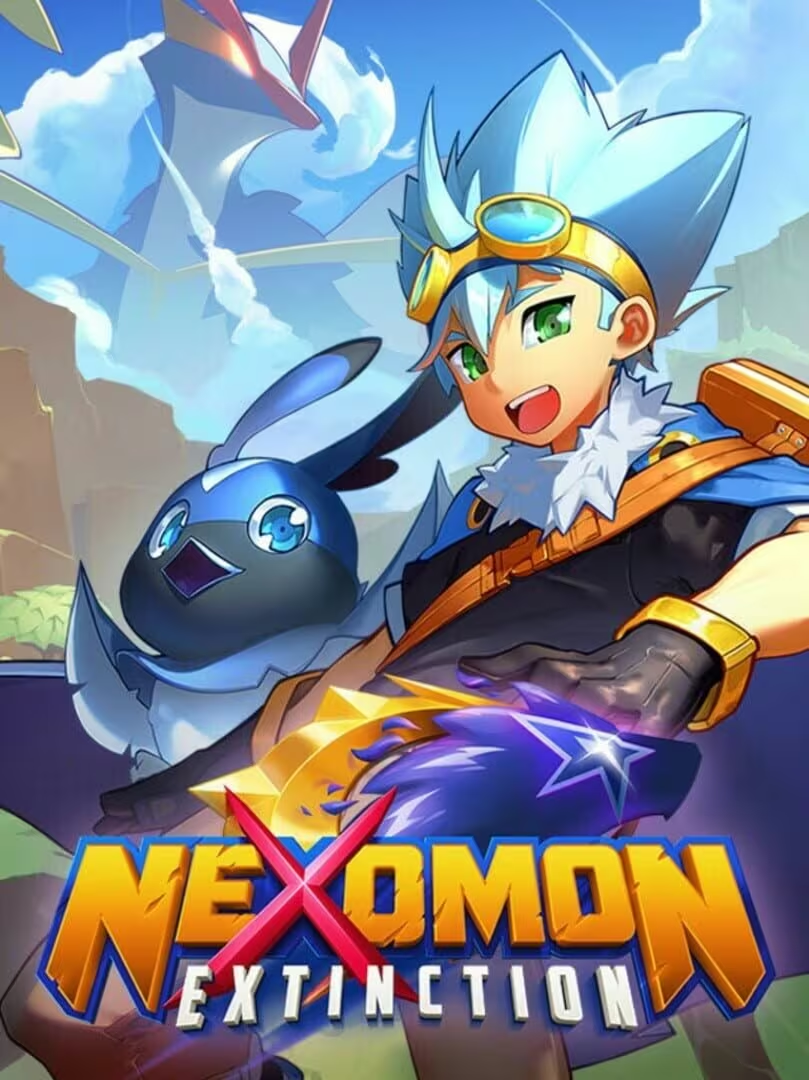 Nexomon: Extinction
"Generally light-hearted and charming with a balanced challenge; some grinding may reduce relaxation for some."
-
Sensation
Game with the same Sensation vibe
2"Enjoyable graphics and music provide moderate sensory stimulation."
 Gordian Rooms 1: A curious heritage
"Enjoyable music and simple but pleasant graphics provide moderate sensory stimulation."
-
Status
Game with the same Status vibe
-5"No social recognition or multiplayer ranking; achievements are personal."
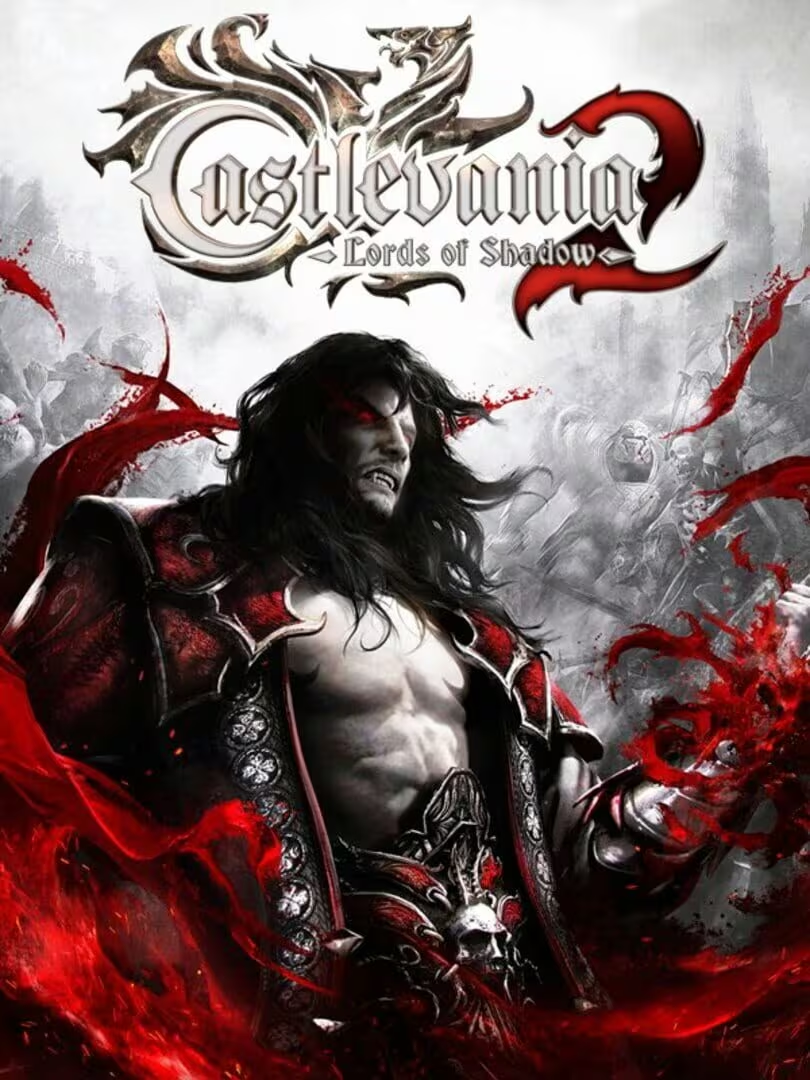 Castlevania: Lords of Shadow 2
"No social recognition or multiplayer ranking; achievements are personal and local."
-
Story
Game with the same Story vibe
2"Contains a light narrative with character interactions and humor, though story is not deeply immersive."
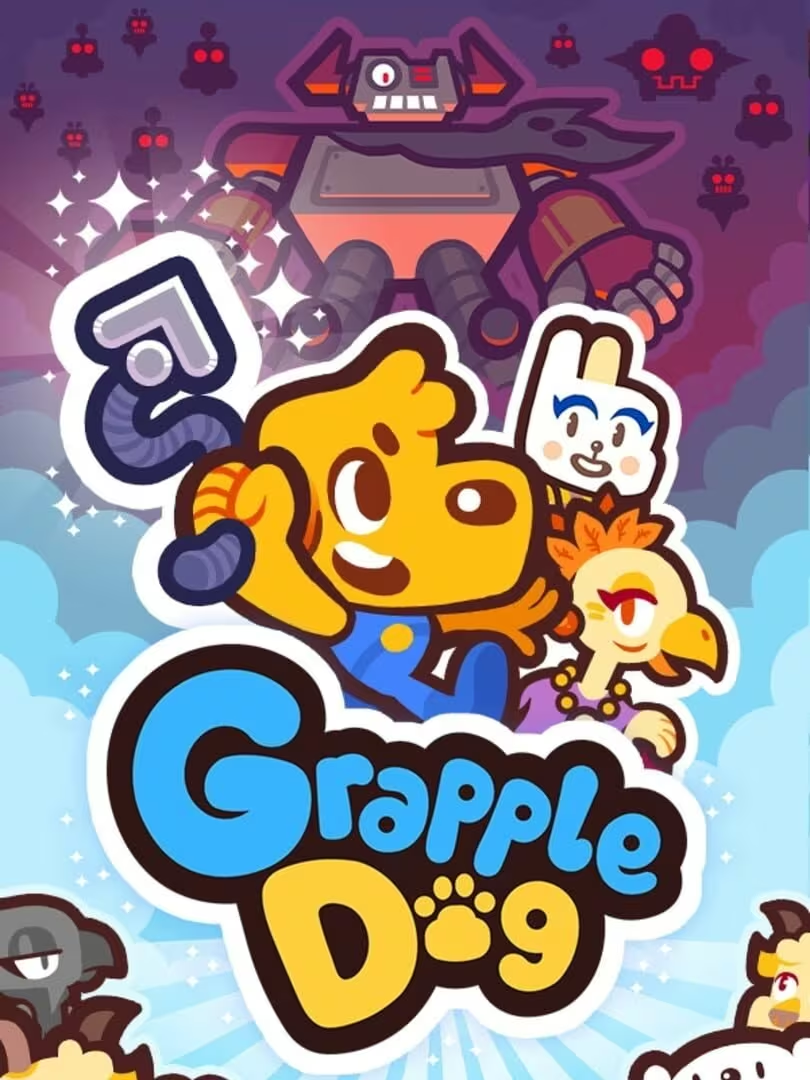 Grapple Dog
"Narrative is light, humorous, and straightforward with character interactions, but not deeply immersive."
-
Strategy
Game with the same Strategy vibe
3"Combat and boss fights require pattern recognition and tactical planning; skill tree builds add depth."
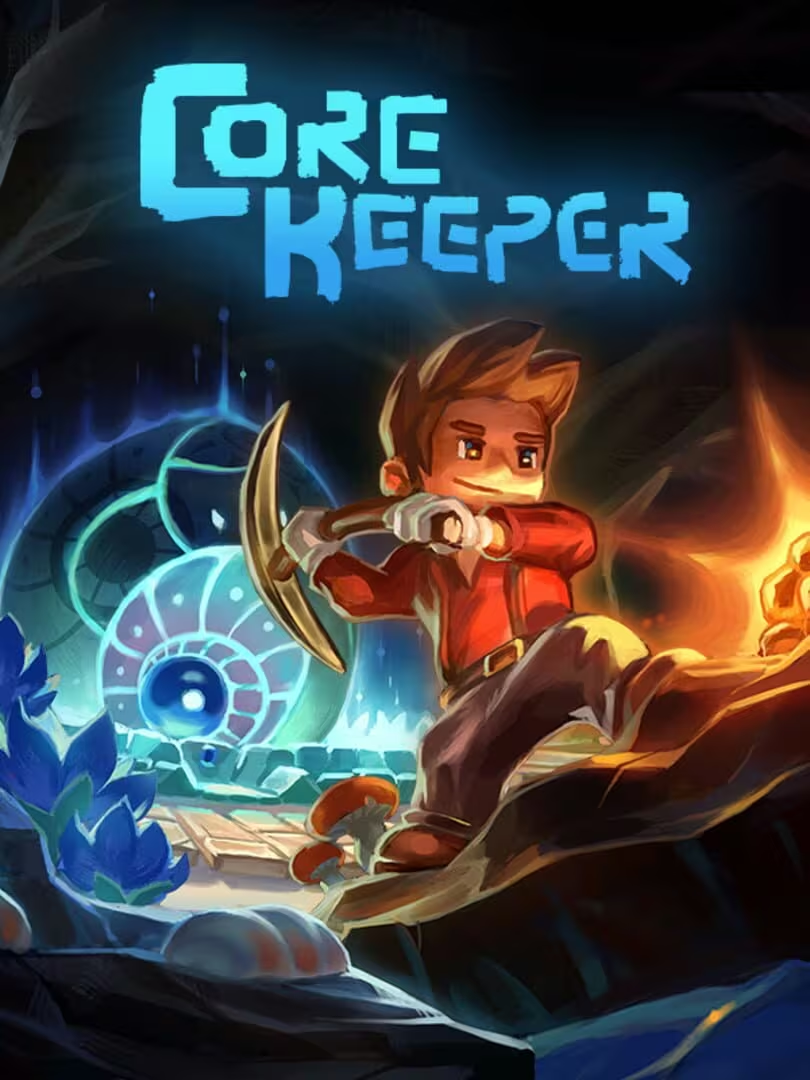 Core Keeper
"Combat and skill tree require planning and tactical decision-making, especially for boss fights and character builds."
-
Thrill
Game with the same Thrill vibe
1"Some tension in boss fights and survival modes, but overall gameplay is predictable and low risk."
 Office Battle
"Some challenge in boss fights and grinding, but overall gameplay is low risk and predictable."
-
Value
Game with the same Value vibe
5"Highly praised for offering extensive content and gameplay depth at a very low price."
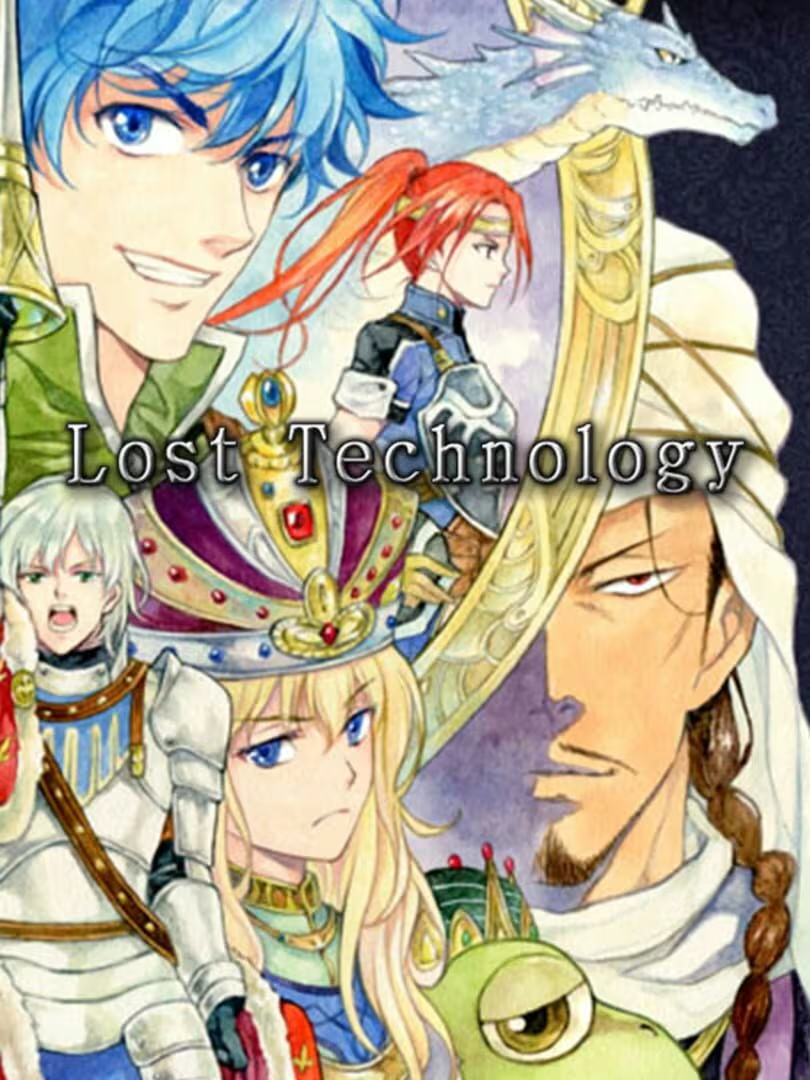 Lost Technology
"Highly praised for providing extensive content and gameplay for a very low price."
-
Violence
Game with the same Violence vibe
3"Combat involves attacking enemies with abilities and spells; typical JRPG combat violence."
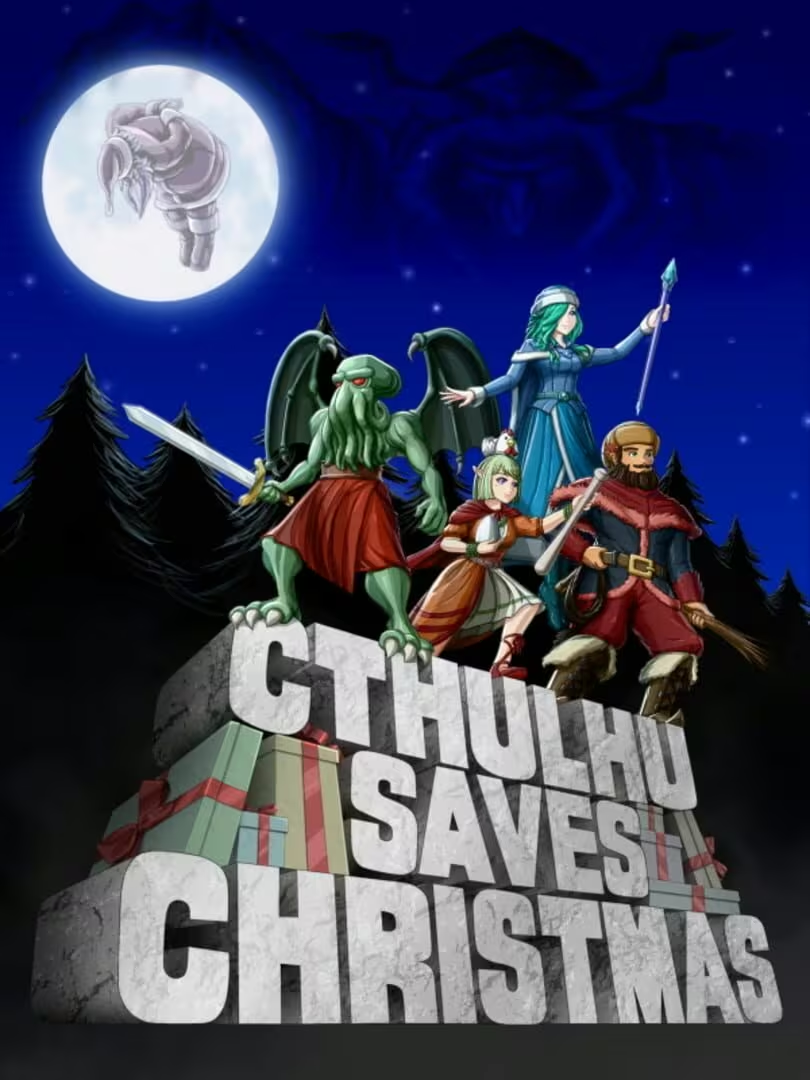 Cthulhu Saves Christmas
"Combat involves fighting monsters and bosses with attacks and spells; standard JRPG battle violence."
-
Survival
Game with the same Survival vibe
1"Some challenge in combat and boss fights, but overall low risk and forgiving gameplay."
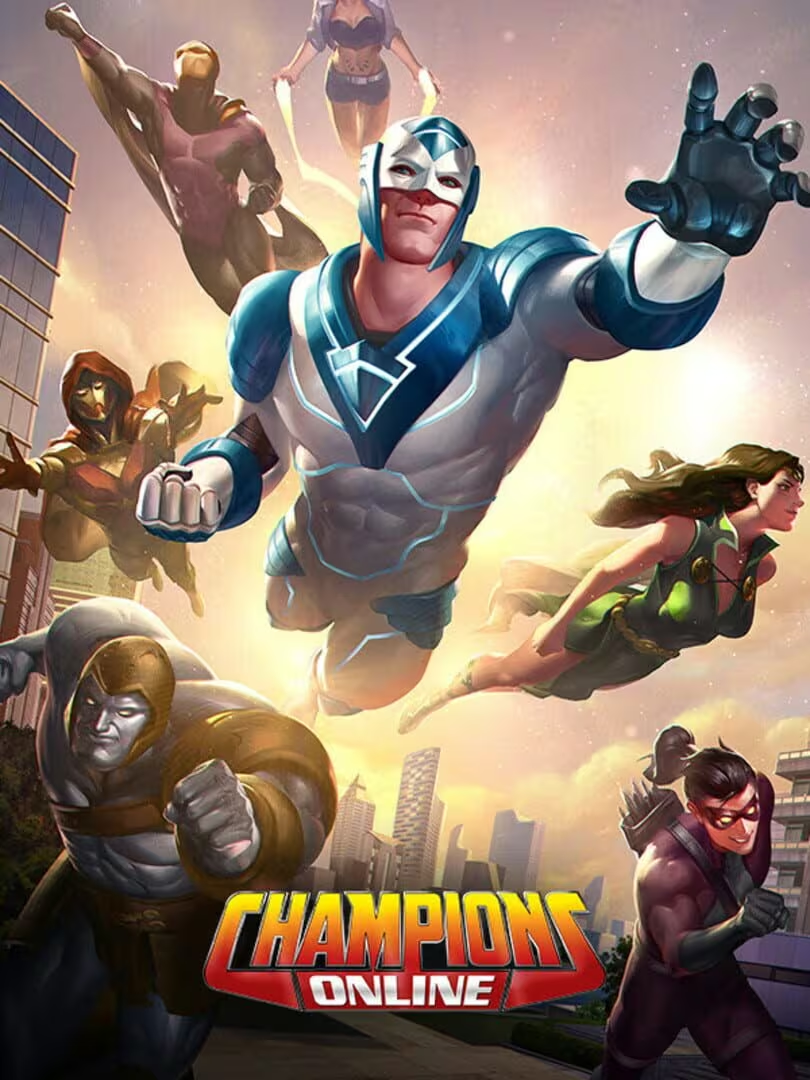 Champions Online
"Some challenge in avoiding defeat in boss fights, but general gameplay is low risk and forgiving."
Last update: 01/06/2026