Flesh Made Fear similar games & best alternatives
Should you play it?
Tank controls. Fixed cameras. Pure Terror. Set in a haunting world of twisted experiments and occult nightmares, this game brings back the survival horror mechanics you know and love while pushing the genre into terrifying new depths.
What works
- Strong nostalgic homage to classic survival horror
- Atmospheric audio-visual design and music
- Engaging combat with tank controls and dodging
- Multiple characters, endings, and replay value
- Well-crafted environments and monster designs
Things to keep in mind
- Tank controls and fixed camera may frustrate some players
- Puzzles are somewhat repetitive and simple
- Some aiming and control quirks noted
- Limited map functionality and inventory management tedium
- Voice acting is cheesy by design, which may not appeal to all
What to play next
Similar games, hidden gems, and fresh directions from this game.
Top picks
Games that feel the closest overall


Hidden Gems
Less popular games with surprisingly high similarity
If you liked…
Recommendations by what you enjoyed most
Similarity map
Explore nearby similar games and see why they’re close.
Flesh Made Fear: A very typical example of its motivational profile. Motivations that often define this kind of title include Fellowship, Violence, Survival, Cooperation. Here, the score leans higher than usual among comparable games on Violence. It leans lower than usual among comparable games on Relaxation, Leadership.
Why this game works
A motivational profile of the game, with the closest similar game for each player motivation.
-
Autonomy
Game with the same Autonomy vibe
4"Players have control over their actions and decisions with exploration, combat choices, and puzzle solving, though some fixed camera angles and tank controls impose certain constraints."
 Echoes of the Living
"Players have control over character choice, exploration, puzzle solving, and combat tactics, reflecting a high degree of personal agency despite fixed camera and tank controls."
-
Competence
Game with the same Competence vibe
3"The game offers skill-based platforming, puzzle solving, and combat challenges that require some brain usage and strategy, though combat is relatively simple."
 Journey To The Savage Planet
"The game offers skill-based combat with tank controls and dodging mechanics, as well as puzzle solving that is not overly difficult but requires attention and mastery."
-
Competition
Game with the same Competition vibe
-4"Focus is on solo experience and personal exploration without competitive or ranked elements."
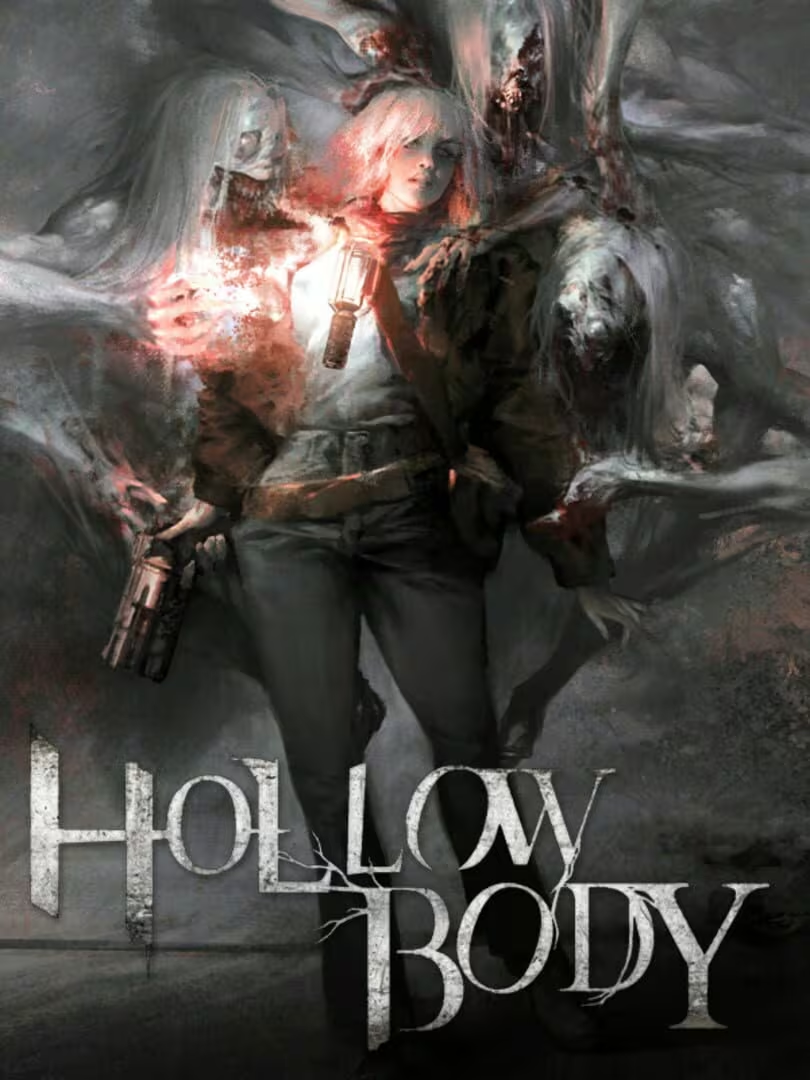 Hollowbody
"Focus is on solo playthroughs, personal challenge, and exploration without competitive or ranked elements."
-
Continuation
Game with the same Continuation vibe
4"Multiple endings, replayability, and unlockables encourage repeated playthroughs and extended engagement."
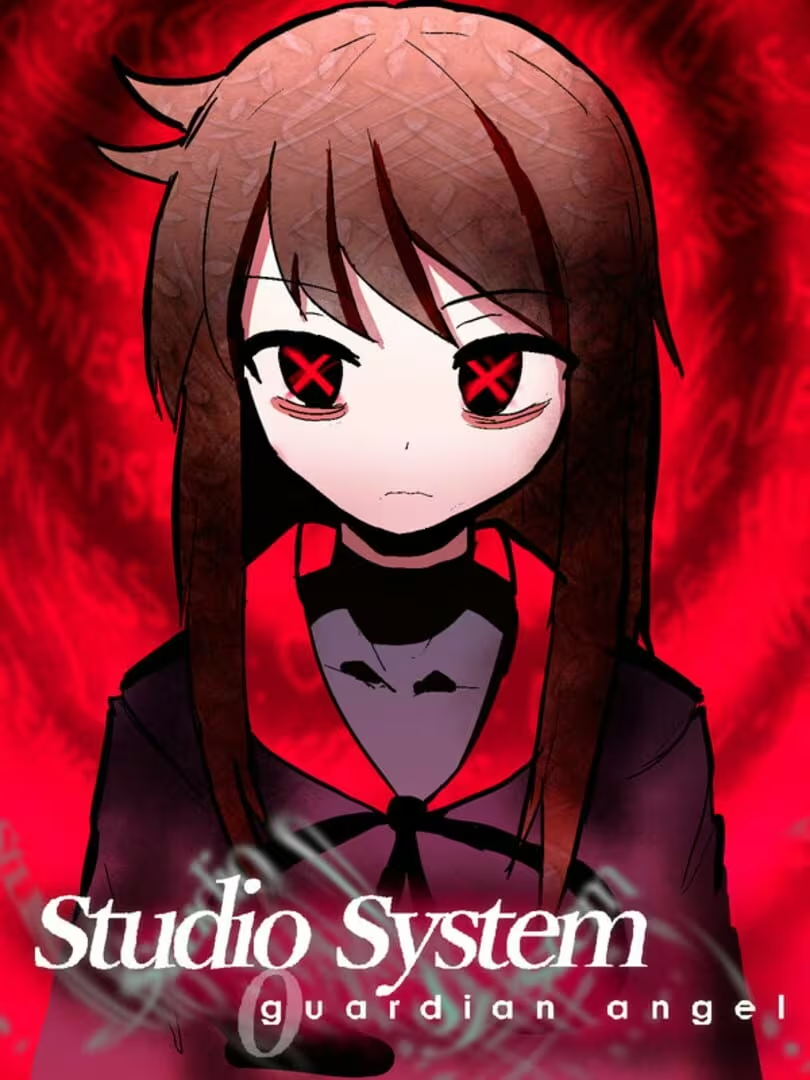 Studio System : Guardian Angel
"Multiple playthroughs with two characters, multiple endings, collectibles, and hardcore mode encourage extended engagement and replay value."
-
Cooperation
Game with the same Cooperation vibe
-5"Entirely single-player experience with no multiplayer or cooperative gameplay elements."
 Hogwarts Legacy
"Entirely single-player experience with no multiplayer or cooperative gameplay elements."
-
Creativity
Game with the same Creativity vibe
2"Players engage in puzzle solving and exploration with some freedom in approach, but mostly within predefined game structures and puzzles."
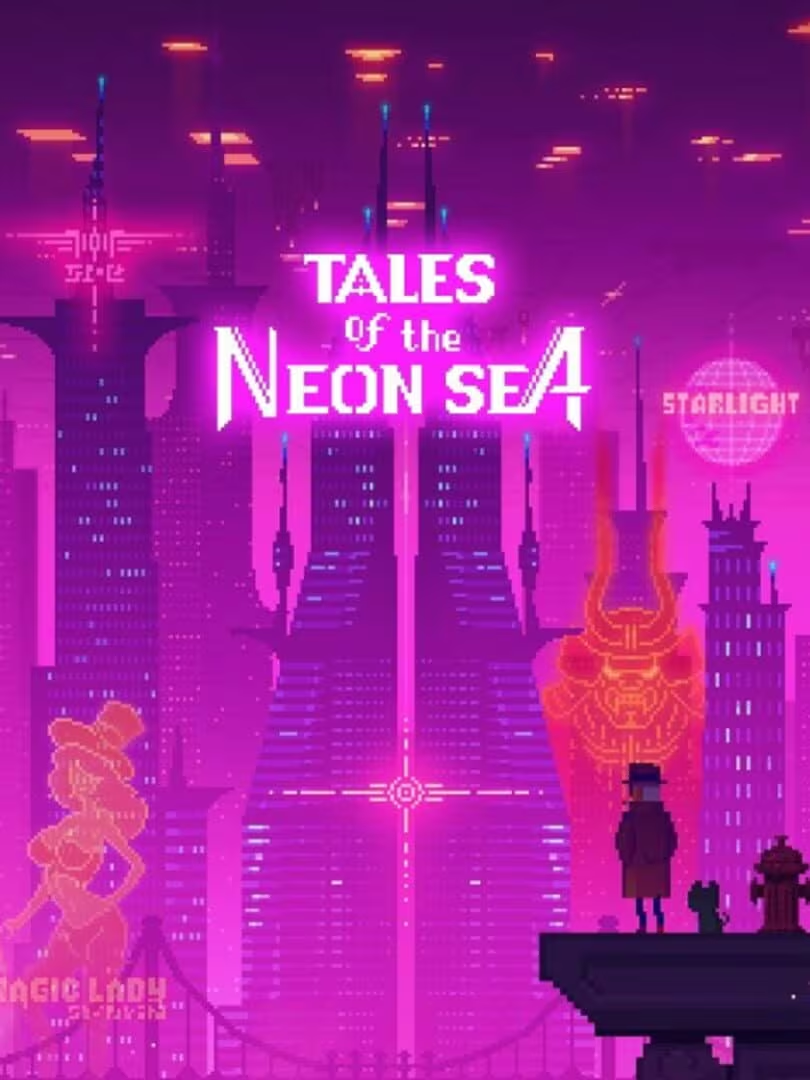 Tales of the Neon Sea
"Players engage in exploration and puzzle solving with some freedom, but within a structured environment and predefined puzzles."
-
Domination
Game with the same Domination vibe
-5"No evidence of exerting control or superiority over others; gameplay is individual and cooperative social dominance is absent."
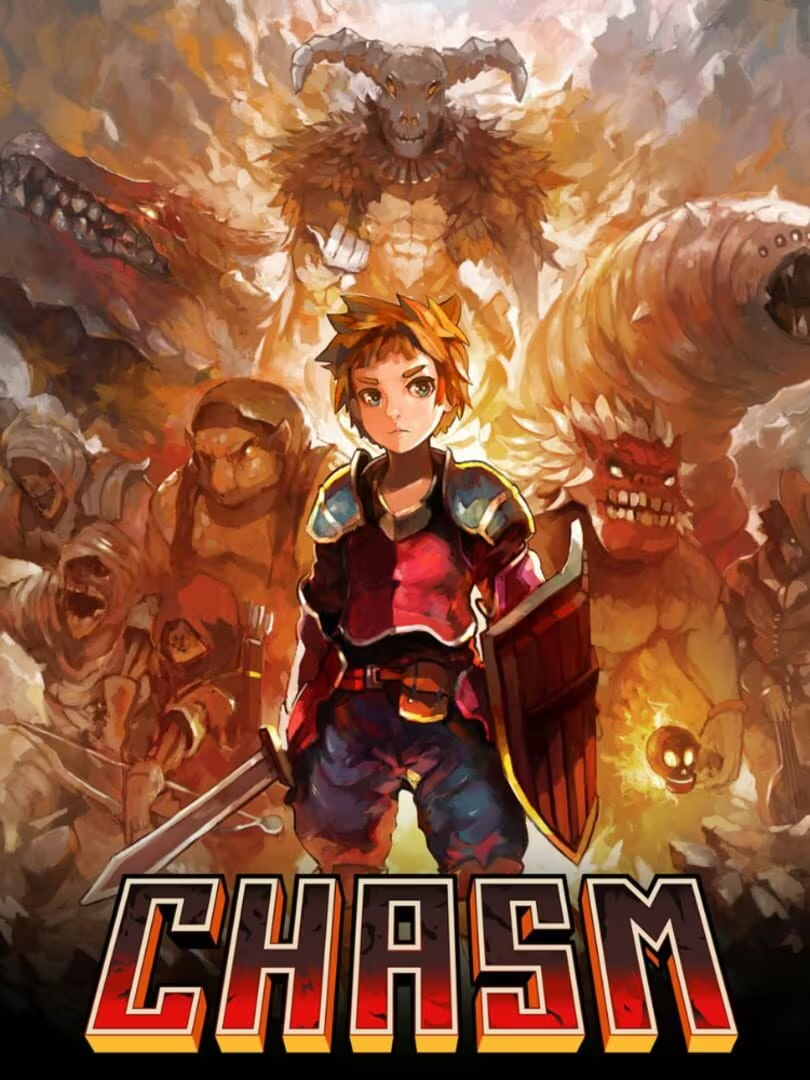 Chasm
Chasm
"No evidence of exerting control or superiority over others; gameplay is individual and cooperative social dominance is absent."
-
Escapism
Game with the same Escapism vibe
4"Strong immersion in a horror narrative with atmospheric tension and nostalgia provides escape from real life."
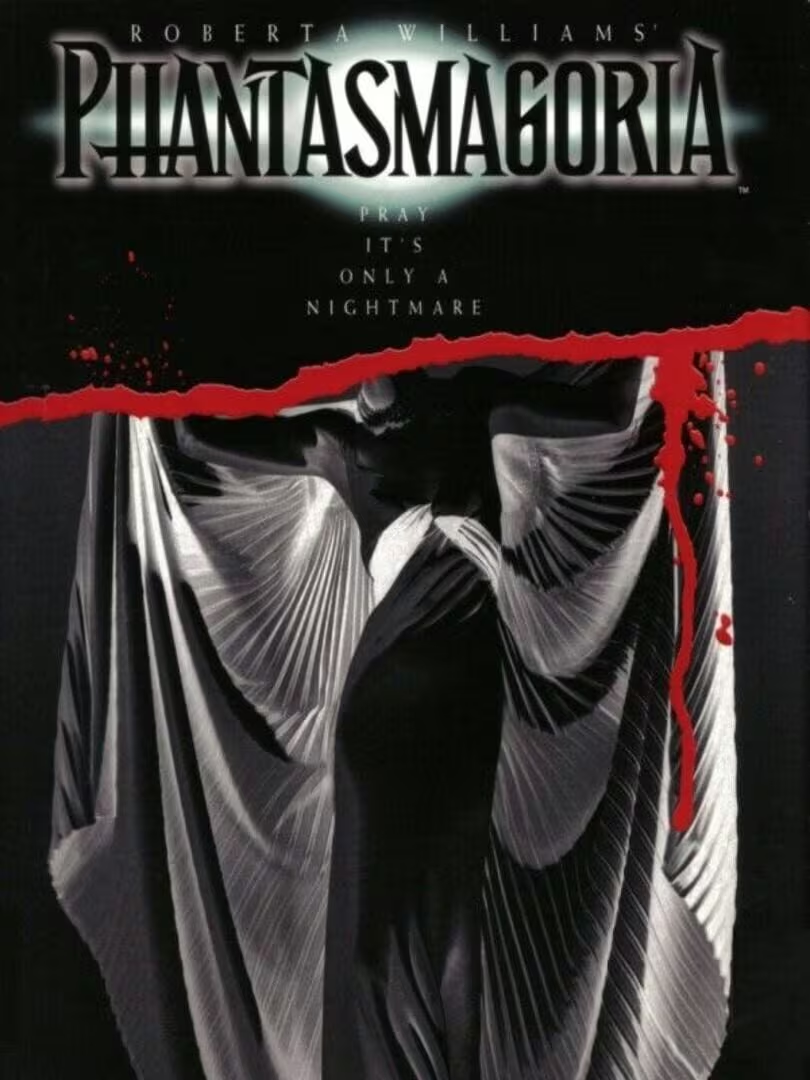 Phantasmagoria
"Strong immersion in a fictional horror world with atmospheric tension and nostalgic escapism from real life."
-
Expectation
Game with the same Expectation vibe
-4"Players engage voluntarily out of interest and nostalgia for classic survival horror, not due to obligation."
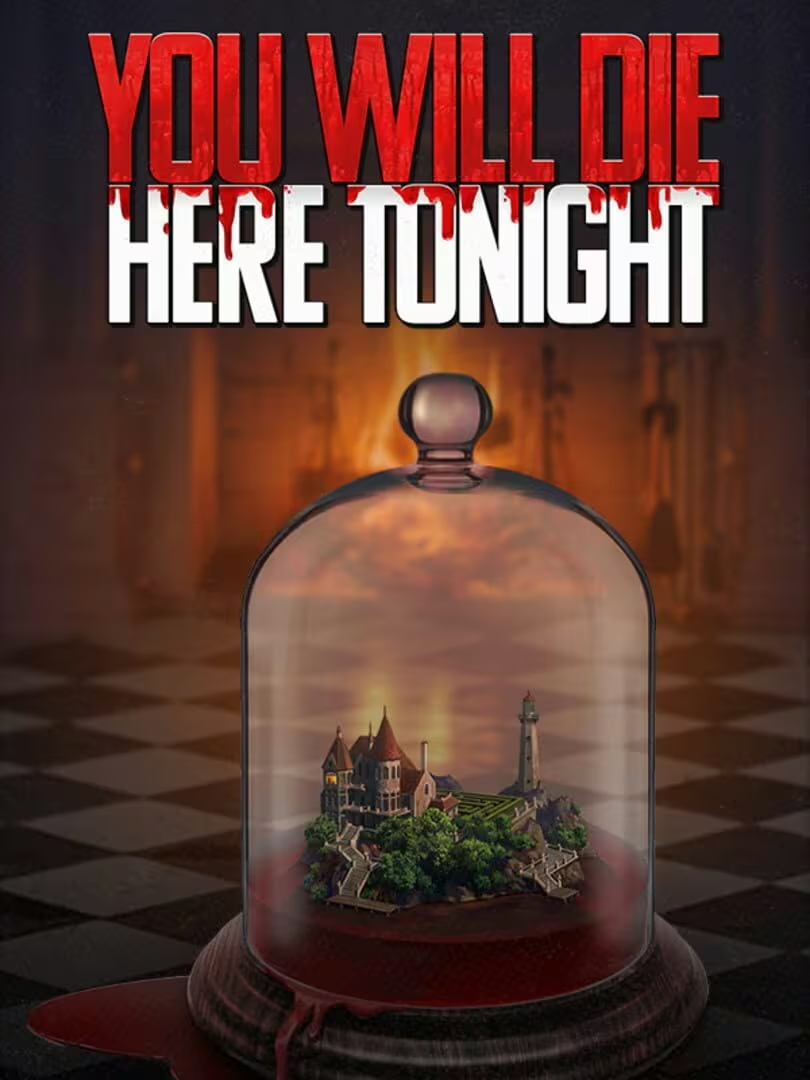 You Will Die Here Tonight
"Players engage voluntarily out of intrinsic interest and nostalgia for classic survival horror, rather than obligation."
-
Experimenting
Game with the same Experimenting vibe
2"Some exploration and puzzle elements encourage trying new approaches, but gameplay largely follows established survival horror routines."
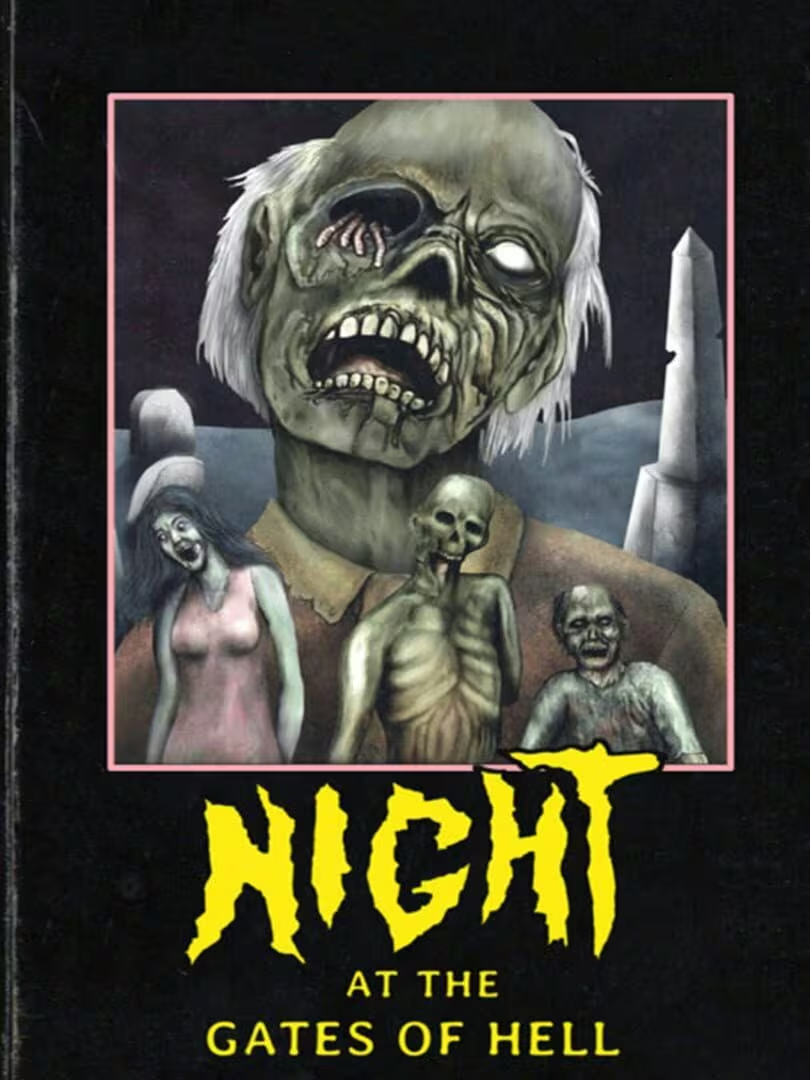 Night At the Gates of Hell
"Some experimentation with combat tactics and puzzle approaches is possible, though the game largely follows established survival horror conventions."
-
Exploration
Game with the same Exploration vibe
3"Players explore varied environments and uncover secrets, though within a linear structure."
 Flashback
"Players explore varied environments, uncover secrets, and collect items, though within a designed and somewhat linear map."
-
Expression
Game with the same Expression vibe
1"Limited character customization mainly through upgrades; no avatar personalization or cosmetic modifications."
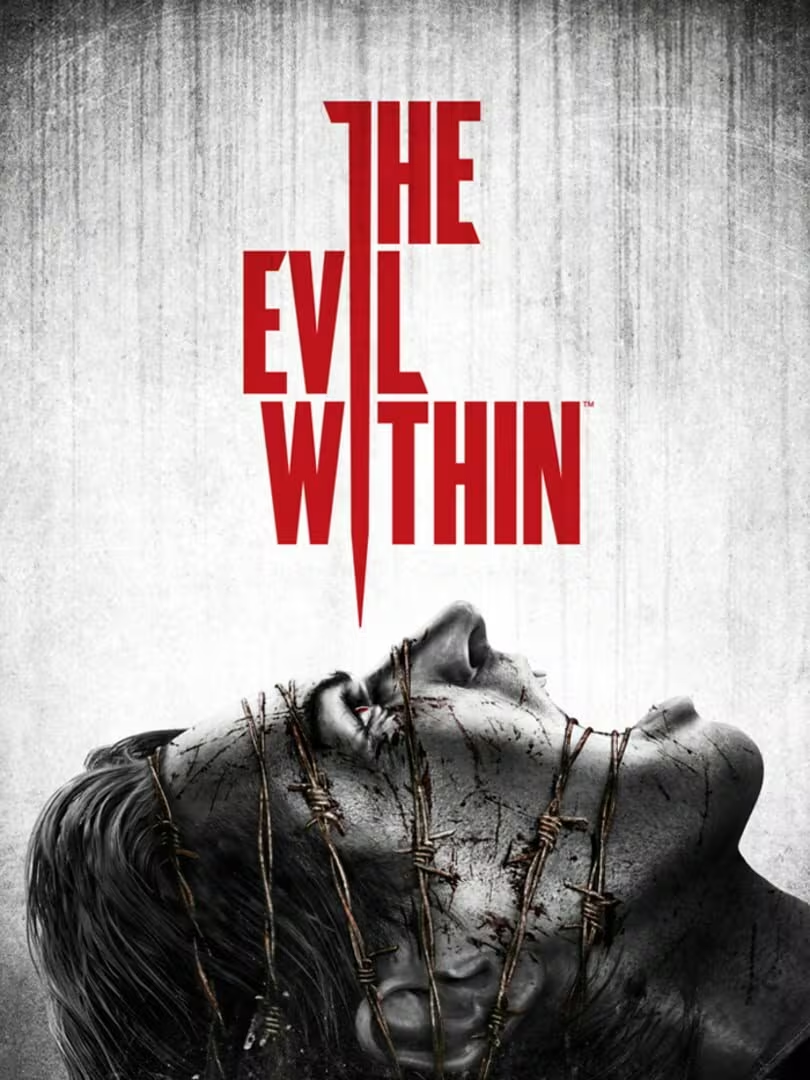 The Evil Within
"Limited character customization mainly through cosmetic DLCs; some self-expression through playstyle but minimal avatar personalization."
-
Fantasy
Game with the same Fantasy vibe
5"Strongly rooted in imaginative fiction with surreal horror elements, supernatural enemies, and psychological themes."
 The Evil Within 2
"Strongly rooted in imaginative fiction with horror themes, mutated monsters, and a campy narrative inspired by 80s horror and Resident Evil."
-
Fellowship
Game with the same Fellowship vibe
-5"No social or community gameplay elements; experience is solitary."
 Black Myth: Wukong
"No social or community gameplay elements; experience is solitary."
-
Growth
Game with the same Growth vibe
3"Players develop skills in puzzle solving, resource management, and combat tactics over multiple playthroughs."
 Resident Evil 2
"Players develop skills in combat, resource management, and puzzle solving over multiple playthroughs."
-
Health
Game with the same Health vibe
-5"Sedentary gameplay typical of survival horror; no physical activity or health-related mechanics."
The Evil Within 2
"Sedentary gameplay typical of survival horror with no physical activity or health-related mechanics."
-
Idle
Game with the same Idle vibe
-4"Requires continuous attention and focus due to challenging puzzles and combat."
 Tormented Souls 2
"Requires continuous attention and focus due to combat challenges, resource management, and puzzle solving."
-
Intimacy
Game with the same Intimacy vibe
-5"No social or emotional relationship building; interactions are limited to NPCs in a narrative context."
 Hero of the Kingdom III
"No close social relationships or emotional sharing; interactions are limited to NPCs in a narrative context."
-
Leadership
Game with the same Leadership vibe
-5"No leadership or group management roles; gameplay is individual."
 GemCraft - Frostborn Wrath
"No leadership or group management roles; gameplay is individual."
-
Progression
Game with the same Progression vibe
3"Players collect items, weapons, and unlock multiple endings, showing clear progression through the game."
 SIGNALIS
"Players collect items, weapons, and unlock achievements and endings, showing clear progression through the game."
-
Relaxation
Game with the same Relaxation vibe
-2"Game induces tension and suspense typical of survival horror, with moments of relief but overall sustained alertness."
 Nightmare of Decay
"The game maintains tension and suspense typical of survival horror, with moments of flow but overall sustained alertness."
-
Sensation
Game with the same Sensation vibe
3"Strong atmospheric audio-visual design with a diverse soundtrack and horror visuals provide sensory stimulation."
 Slitterhead
"Strong atmospheric audio-visual design with synthwave music and horror aesthetics providing sensory stimulation."
-
Status
Game with the same Status vibe
-4"No social recognition or leaderboards; achievements are personal and not publicly ranked."
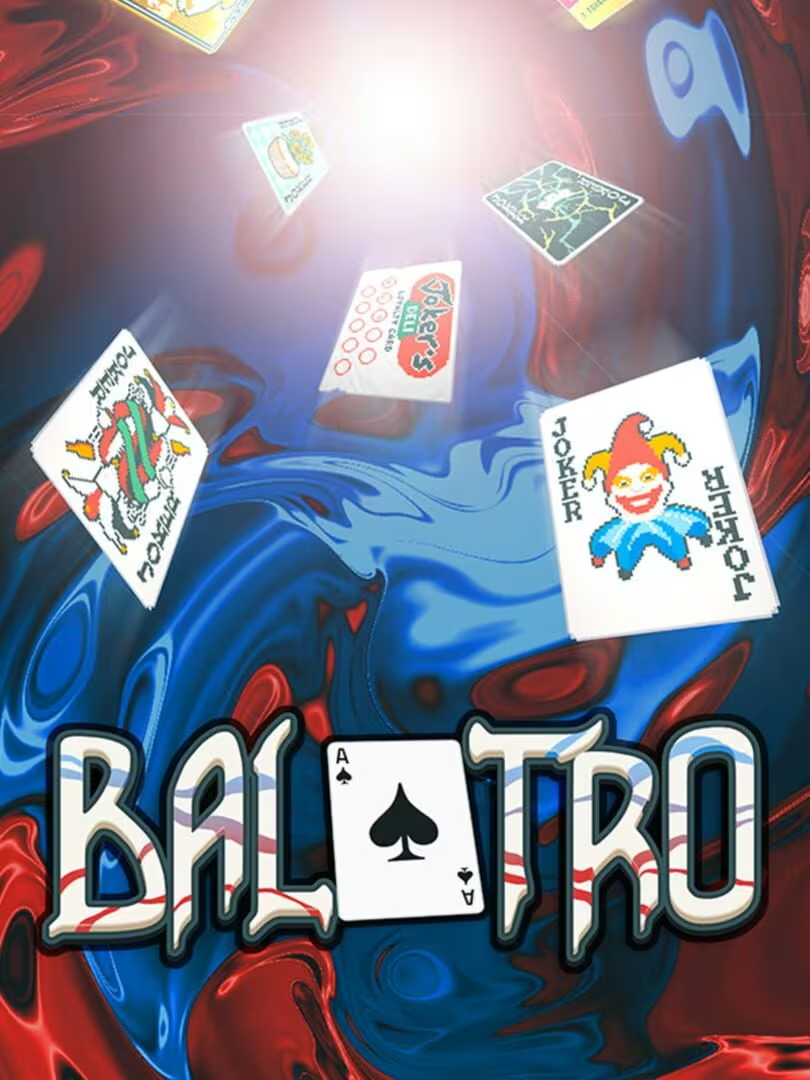 Balatro
"No social recognition or leaderboards; achievements are personal and not publicly ranked."
-
Story
Game with the same Story vibe
4"Narrative immersion with environmental storytelling, voice acting, multiple endings, and lore."
Hollowbody
"Narrative immersion with voiced characters, environmental storytelling, and multiple endings enrich the plot experience."
-
Strategy
Game with the same Strategy vibe
3"Combat and resource management require planning and tactical thinking."
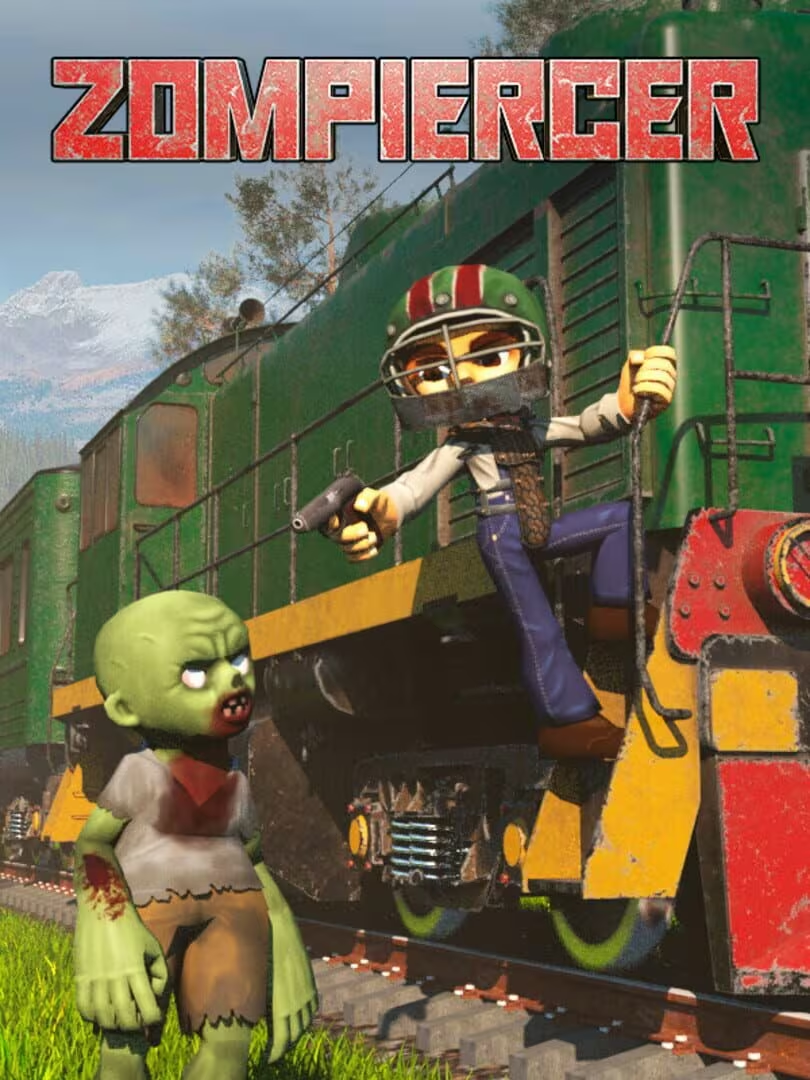 Zompiercer
"Combat and resource management require planning and tactical thinking; puzzles require logical problem solving."
-
Thrill
Game with the same Thrill vibe
4"Game delivers suspense, scares, and tension typical of survival horror, providing thrilling moments."
Nightmare of Decay
"The game delivers suspense, tension, and moments of fear consistent with survival horror thrills."
-
Value
Game with the same Value vibe
4"Players report good value for price with polished gameplay and replayability."
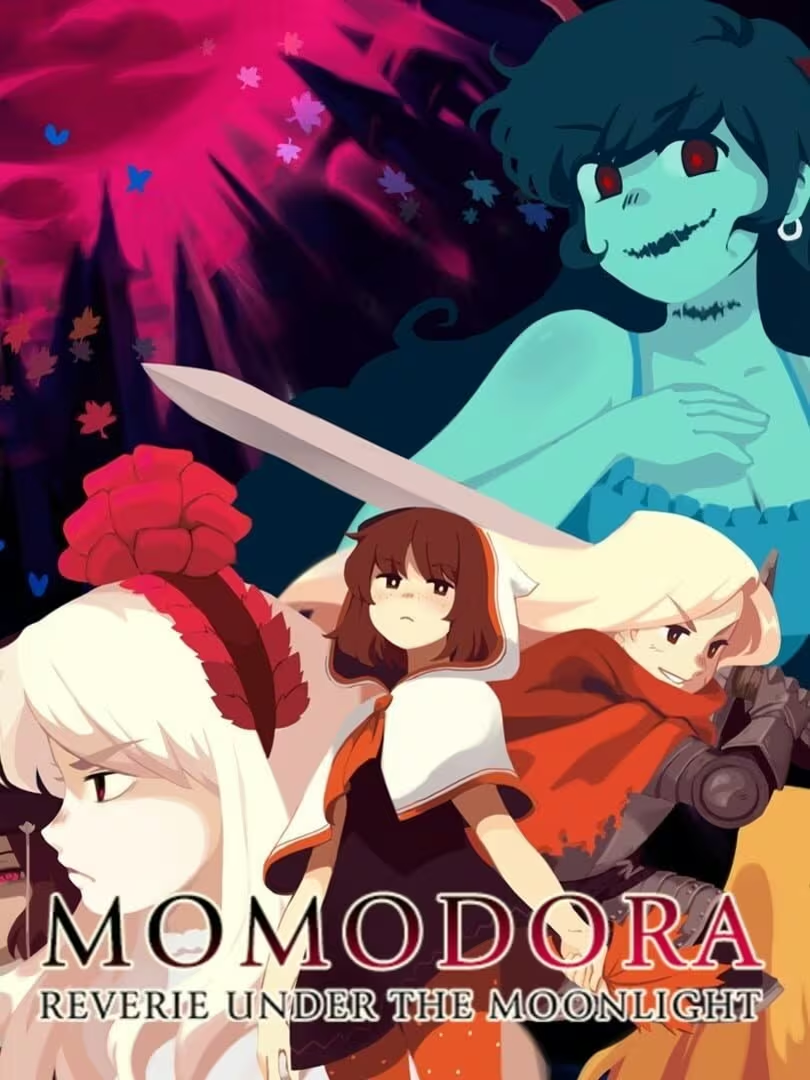 Momodora: Reverie Under The Moonlight
"Players report good value for price with polished gameplay, replayability, and content amount."
-
Violence
Game with the same Violence vibe
4"Combat involves violent actions against enemies, with gore and destruction."
 Tomato Way
"Combat involves shooting, melee attacks, and gore consistent with horror themes and enemy destruction."
-
Survival
Game with the same Survival vibe
4"Core gameplay revolves around avoiding death, managing scarce resources, and overcoming threats."
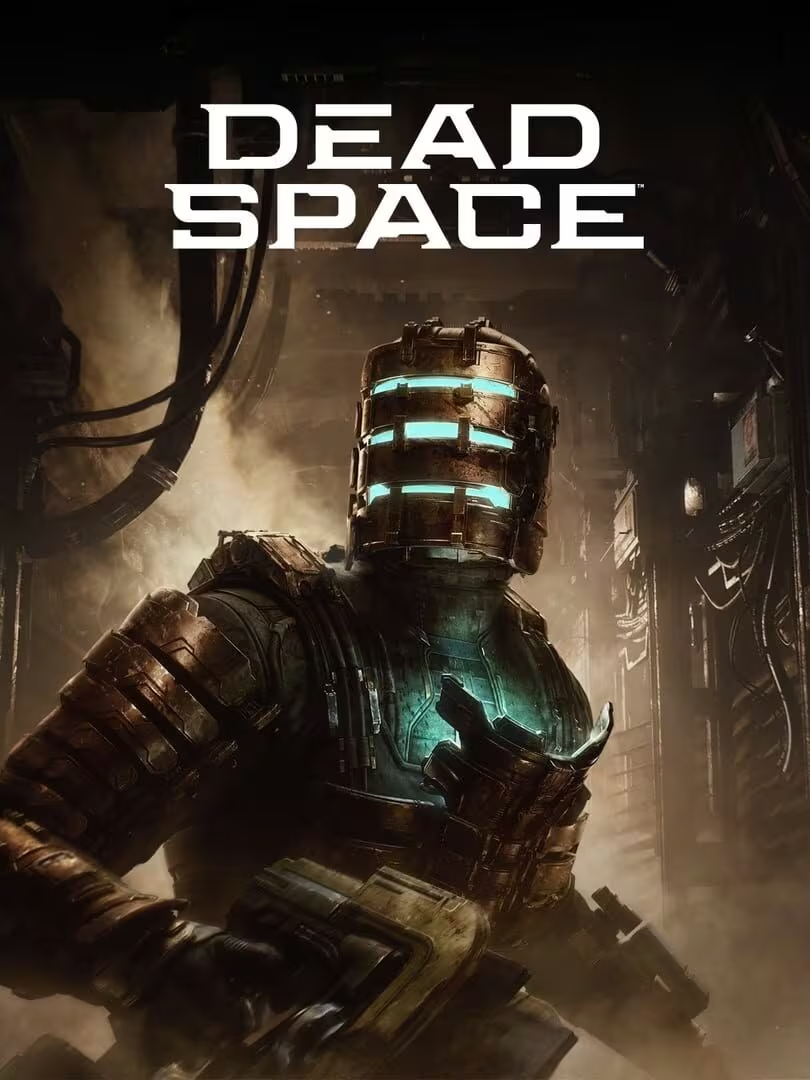 Dead Space
"Core gameplay revolves around avoiding death, managing scarce resources, and overcoming threats."
Last update: 01/06/2026