Home is Where One Starts... similar games & best alternatives
Should you play it?
Home is Where One Starts... is a short, first-person exploration game in the same vein as Dear Esther or Gone Home. It’s a story about childhood, hope, and the miracle of memory. You play as a little girl from a broken home somewhere in the American South.
What works
- Beautiful and melancholic narrative
- Relaxing atmosphere and music
- Free exploration with non-linear storytelling
- Good voice acting
- Affordable price especially on sale
Things to keep in mind
- Very short gameplay duration
- Minimal interactivity and challenge
- Invisible walls limit exploration
- Lack of subtitles for non-english speakers
- Low replay value beyond achievement hunting
What to play next
Similar games, hidden gems, and fresh directions from this game.
Top picks
Games that feel the closest overall



Hidden Gems
Less popular games with surprisingly high similarity
If you liked…
Recommendations by what you enjoyed most
Similarity map
Explore nearby similar games and see why they’re close.
Home is Where One Starts...: Broadly representative of its motivational profile, with a few distinct shifts. Motivations that often define this kind of title include Strategy, Experimenting, Competence, Survival. Here, the score leans higher than usual among comparable games on Exploration, Experimenting. It leans lower than usual among comparable games on Fantasy.
Why this game works
A motivational profile of the game, with the closest similar game for each player motivation.
-
Autonomy
Game with the same Autonomy vibe
4"Players freely explore an open world with no fixed objectives or pressure, choosing their own pace and goals."
 Griptape Backbone
"Players freely explore the environment in any order with no explicit goals or time pressure, embodying personal freedom of action."
-
Competence
Game with the same Competence vibe
-3"Gameplay involves very basic interactions with minimal skill or challenge."
 Plug & Play
"Gameplay involves simple exploration and interaction with objects, with minimal skill or challenge."
-
Competition
Game with the same Competition vibe
-5"No competitive elements or comparison to others; focus is on personal experience and narrative."
 The First Tree
"No competitive elements or comparison to others; focus is on personal experience and narrative."
-
Continuation
Game with the same Continuation vibe
1"Short game with limited replay value, but some players replay to explore all endings and achievements."
 Martial Law
"Short game with limited replay value, but some players engage in multiple runs to find all achievements."
-
Cooperation
Game with the same Cooperation vibe
-5"Entirely single-player experience with no cooperative or multiplayer components."
 Lightmatter
"Entirely single-player experience with no cooperative or multiplayer components."
-
Creativity
Game with the same Creativity vibe
2"Players can explore and piece together story elements, but no creation or modification mechanics."
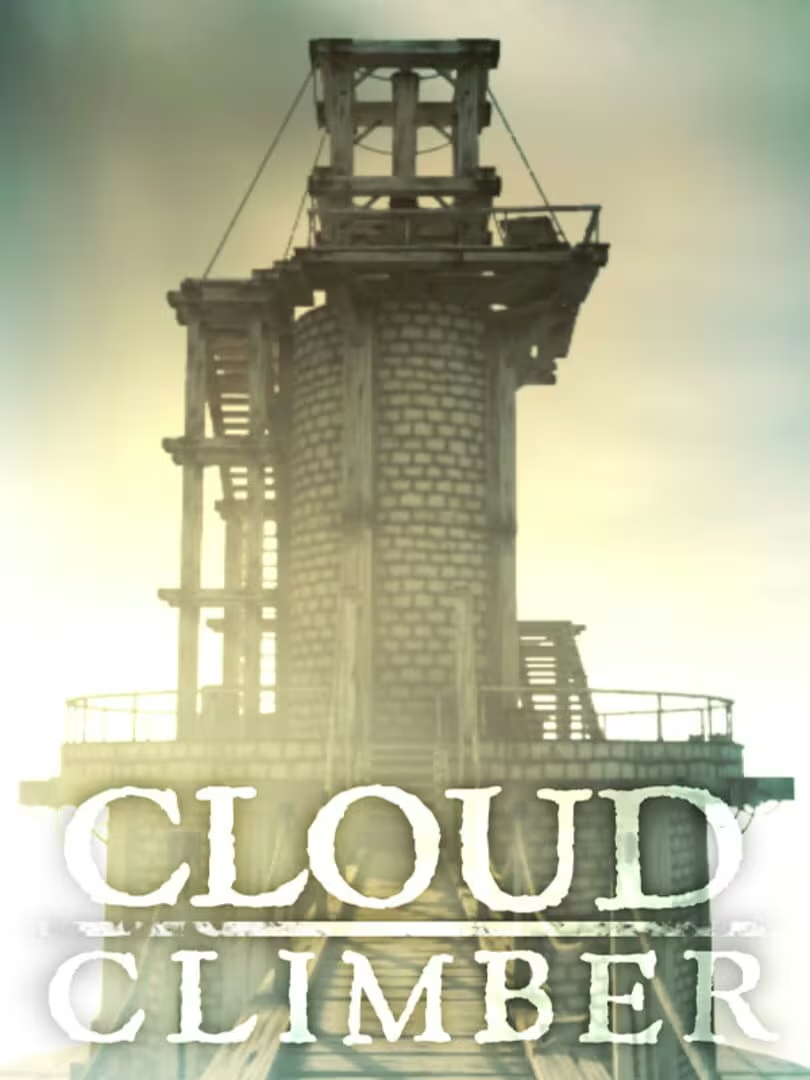 Cloud Climber
"Players can explore and interpret the story in their own way, but no creation or modification mechanics."
-
Domination
Game with the same Domination vibe
-5"No elements of exerting control or superiority over others; experience is personal and equal."
 The Test: Final Revelation
"No elements of exerting control or superiority over others; experience is personal and equal."
-
Escapism
Game with the same Escapism vibe
4"Players use the game as a relaxing, nostalgic, and immersive escape from real life."
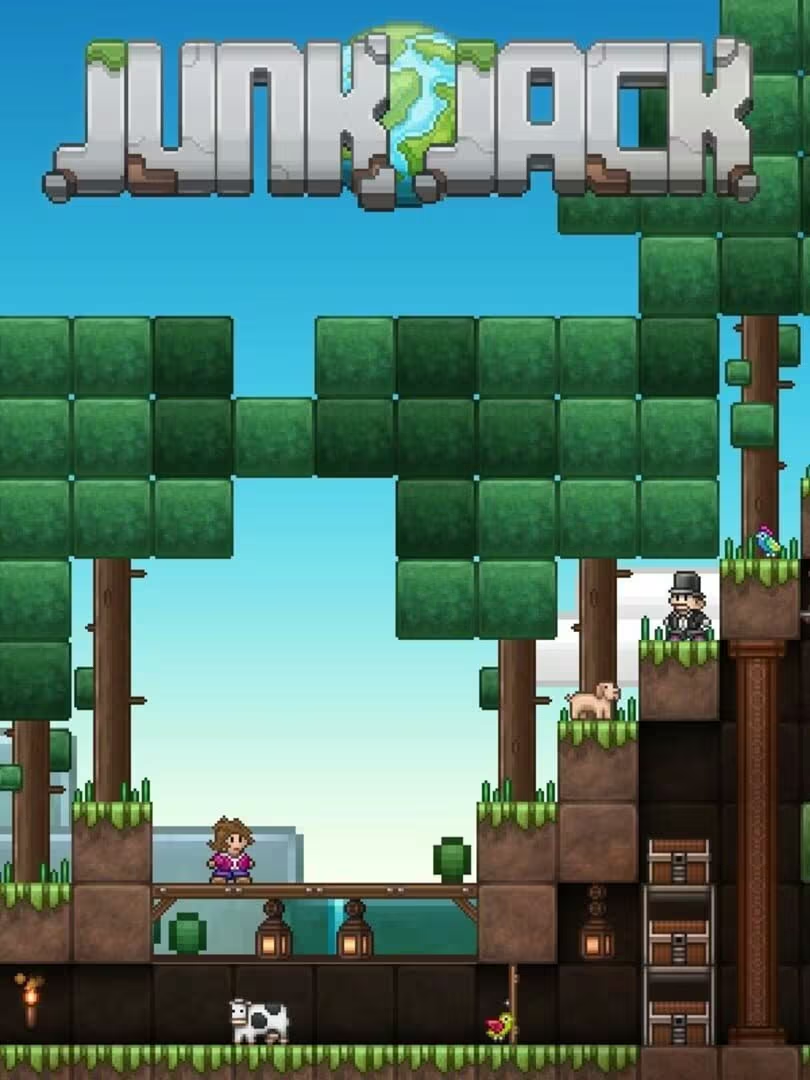 Junk Jack
"Players use the game as a relaxing, nostalgic escape from real life, immersing in memories and atmosphere."
-
Expectation
Game with the same Expectation vibe
-4"Players engage voluntarily out of interest in story and exploration, not obligation."
 Tacoma
"Players engage voluntarily out of personal interest in narrative and exploration, not obligation."
-
Experimenting
Game with the same Experimenting vibe
3"Encourages exploration and trying different interactions to uncover story secrets."
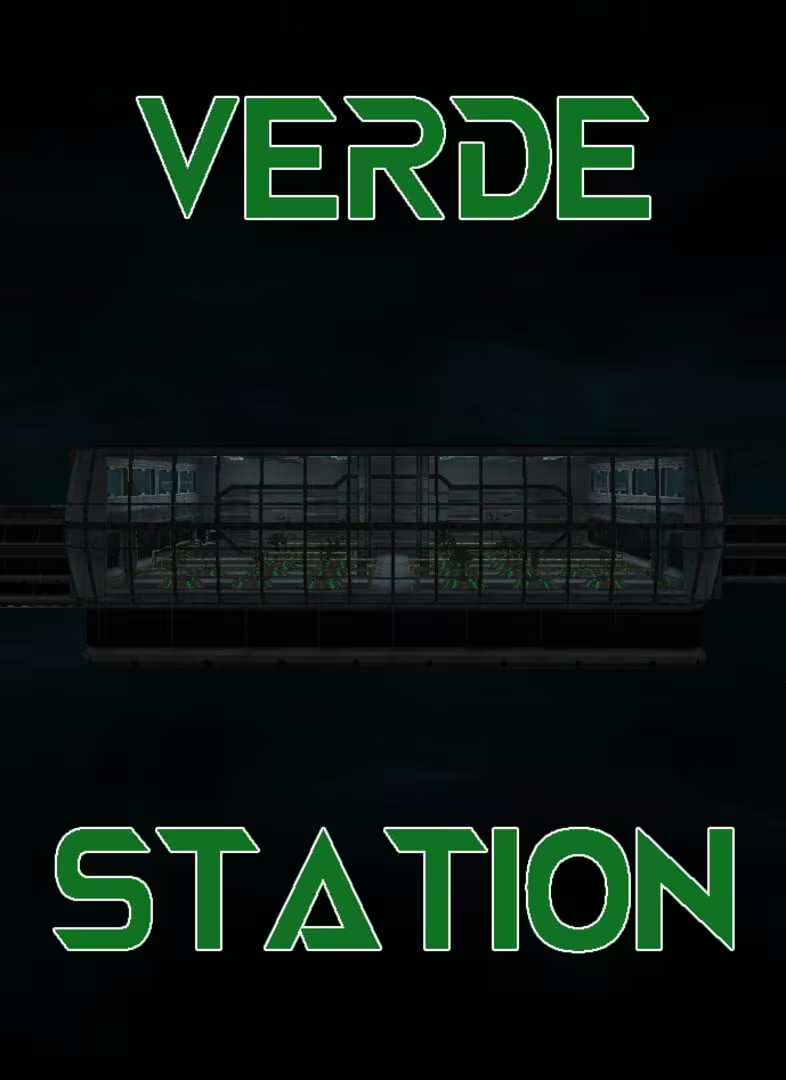 Verde Station
"Encourages exploration and discovery of story fragments in non-linear order, inviting curiosity."
-
Exploration
Game with the same Exploration vibe
5"Core gameplay is about discovering new areas, secret passages, and uncovering story through exploration."
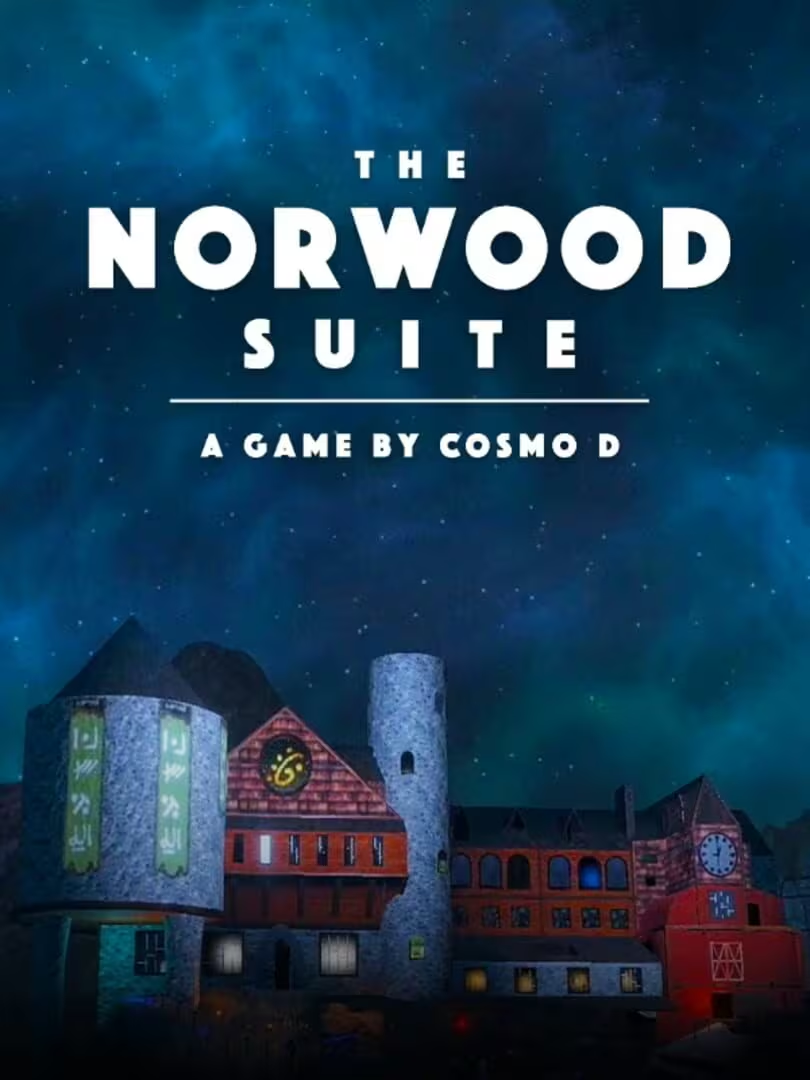 The Norwood Suite
"Core gameplay is free exploration of a detailed environment to uncover memories and narrative pieces."
-
Expression
Game with the same Expression vibe
-4"No character or environment customization; presentation is fixed by developers."
 Dagon: by H. P. Lovecraft
"No character customization or environmental modification; presentation is fixed by the developer."
-
Fantasy
Game with the same Fantasy vibe
-5"Grounded in realistic historical themes without supernatural or fictional fantasy elements."
 Blackhaven
"Grounded in realistic, autobiographical themes and settings without fantasy or improbable elements."
-
Fellowship
Game with the same Fellowship vibe
-5"Solo experience with minimal social interaction or community involvement."
 Dead Space
"Solo experience with minimal social interaction or community involvement."
-
Growth
Game with the same Growth vibe
2"Players gain emotional insight and narrative understanding, though limited skill growth."
 To the Moon
"Players gain insight and emotional understanding through narrative exploration, though no skill growth."
-
Health
Game with the same Health vibe
-5"Sedentary gameplay with no physical activity or health-related mechanics."
 Detroit: Become Human
"Sedentary gameplay with no physical activity or health-related mechanics."
-
Idle
Game with the same Idle vibe
3"Can be played in short sessions as a relaxing break; some players use it as background or casual play."
 Sono
Sono
"Can be played in short sessions; some players use it as a relaxing break or background experience."
-
Intimacy
Game with the same Intimacy vibe
1"Emotional connection to story and characters but limited social or relational interaction."
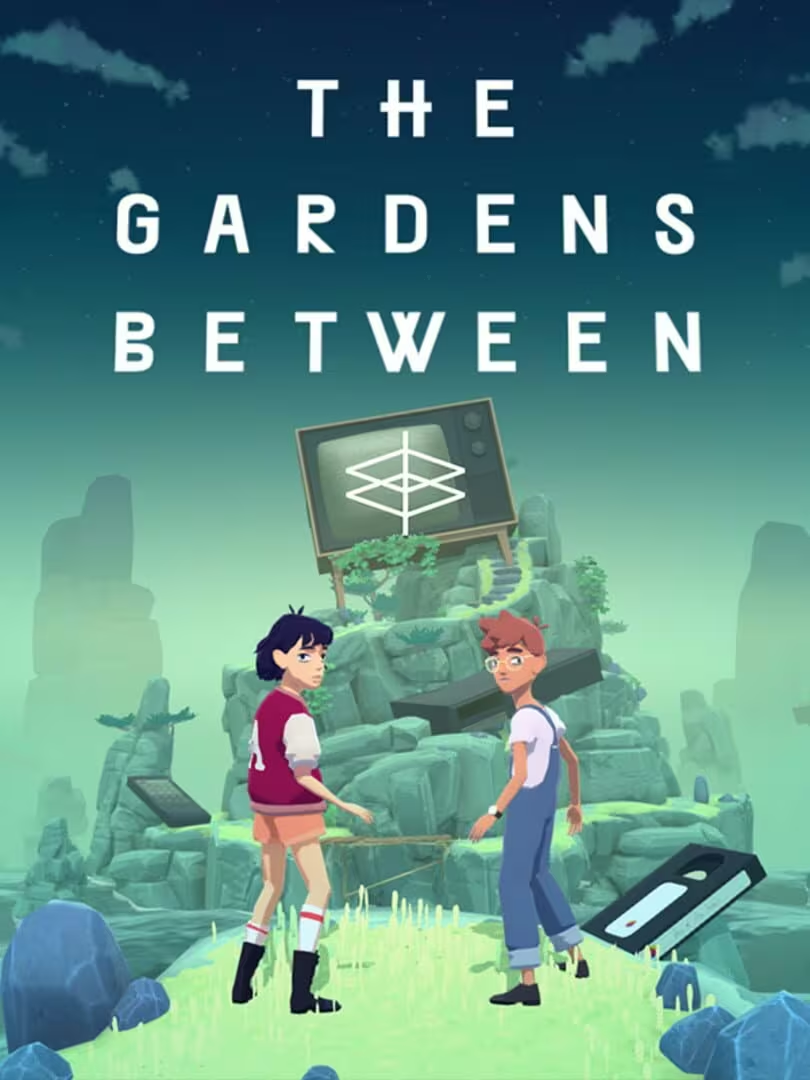 The Gardens Between
"Emotional connection to the narrator's story but limited social or relational interaction."
-
Leadership
Game with the same Leadership vibe
-5"No leadership or management roles; player follows a narrative without directing others."
 Tricolour Lovestory
"No leadership or management roles; player follows a personal narrative without directing others."
-
Progression
Game with the same Progression vibe
2"Progression through story and unlocking achievements, but no item or power accumulation."
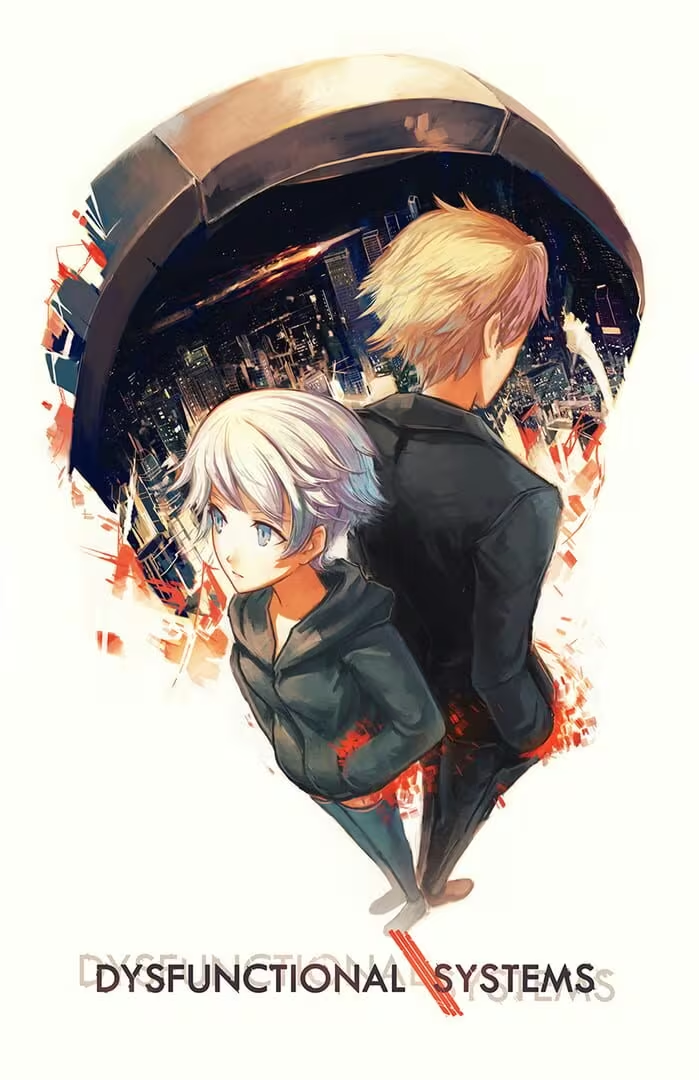 Dysfunctional Systems: Learning to Manage Chaos
"Progression through unlocking story fragments and achievements, but no power or item accumulation."
-
Relaxation
Game with the same Relaxation vibe
5"Strong focus on relaxation, calm exploration, and a cozy atmosphere with soothing music and visuals."
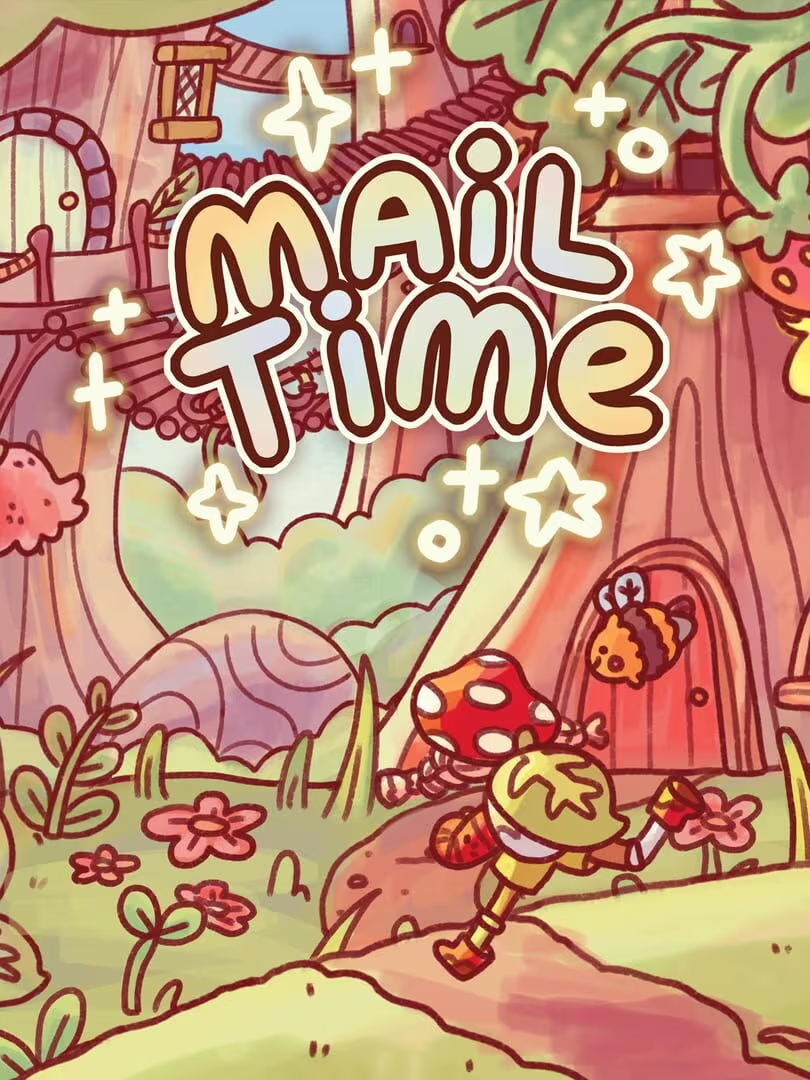 Mail Time
"Strong emphasis on calm, soothing atmosphere, music, and slow-paced exploration for relaxation."
-
Sensation
Game with the same Sensation vibe
3"Enjoyable visual and auditory aesthetics create a pleasant sensory experience."
 Star Sky
"Enjoyable visual and auditory aesthetics create pleasant sensory experiences."
-
Status
Game with the same Status vibe
-5"No social recognition or status systems; experience is private and personal."
 Fears to Fathom - Ironbark Lookout
"No social recognition or status systems; experience is private and personal."
-
Story
Game with the same Story vibe
5"Narrative immersion is central; story unfolds through exploration, voice acting, and environmental clues."
 Ether One
"Narrative immersion is central, with voiceover storytelling and environmental clues driving the experience."
-
Strategy
Game with the same Strategy vibe
-4"Minimal strategic or problem-solving elements; gameplay is straightforward exploration."
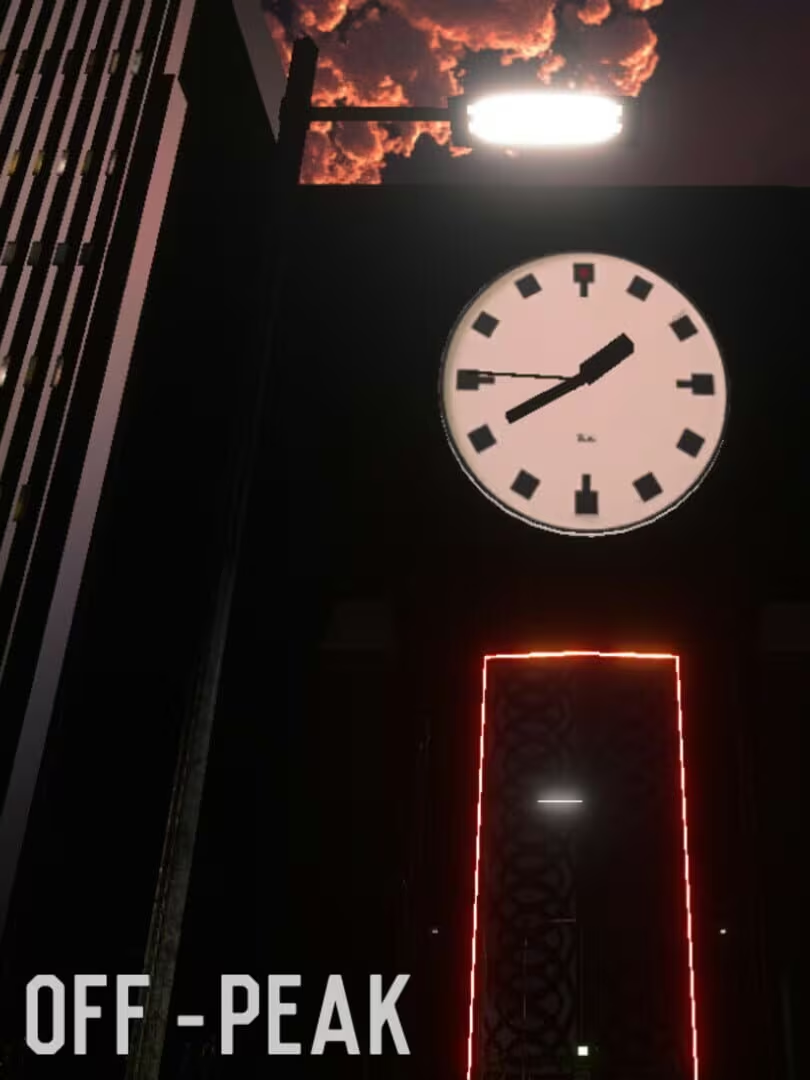 Off-Peak
"Minimal strategic or problem-solving elements; gameplay is straightforward exploration."
-
Thrill
Game with the same Thrill vibe
-5"No suspense, risk, or tension; experience is peaceful and predictable."
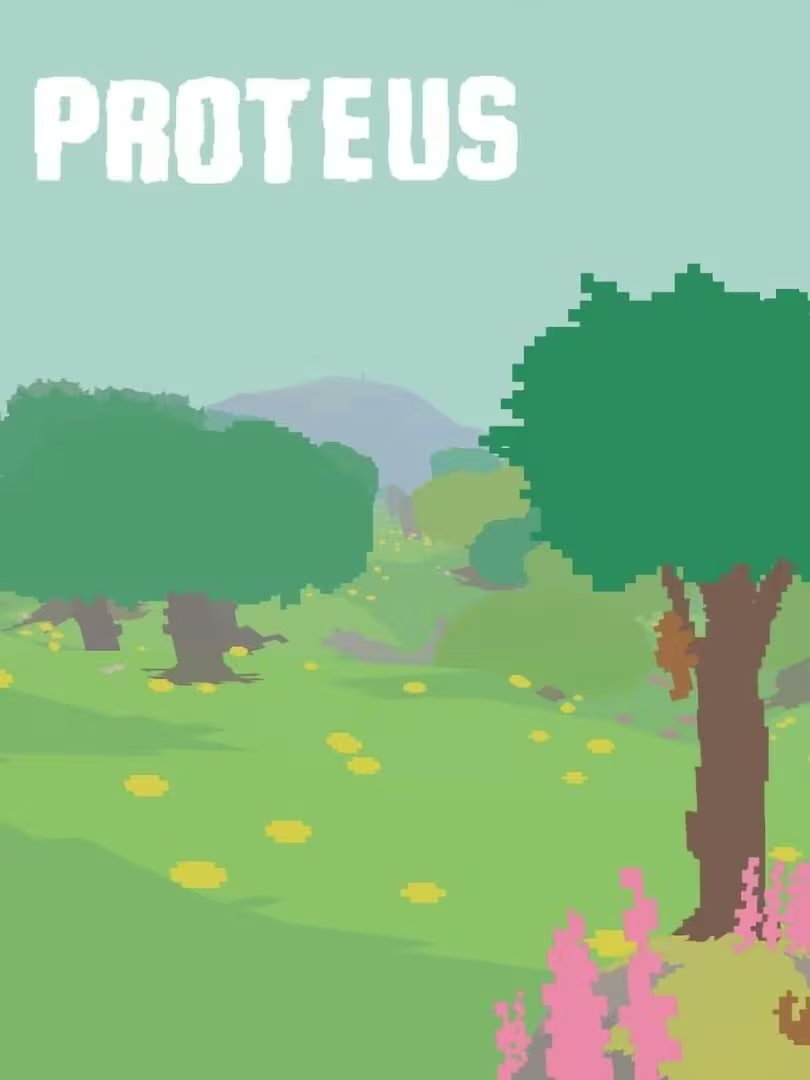 Proteus
"No suspense, risk, or tension; experience is peaceful and contemplative."
-
Value
Game with the same Value vibe
3"Generally considered good value for price, especially on sale, given art and story quality."
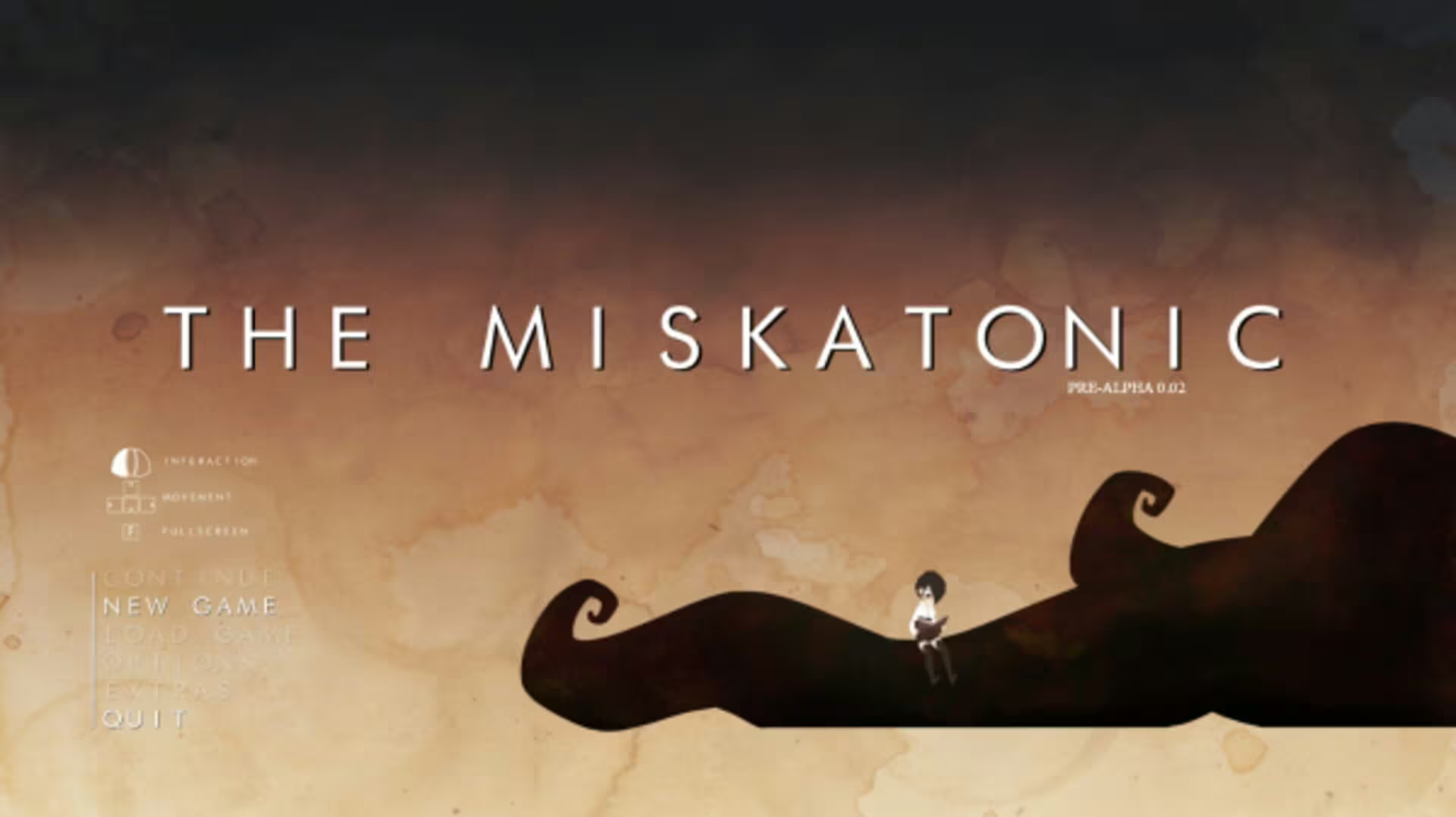 The Miskatonic
"Generally considered good value for its price, especially on sale, given its artistic and narrative quality."
-
Violence
Game with the same Violence vibe
-5"No violent or destructive gameplay elements; focus is on exploration and reflection."
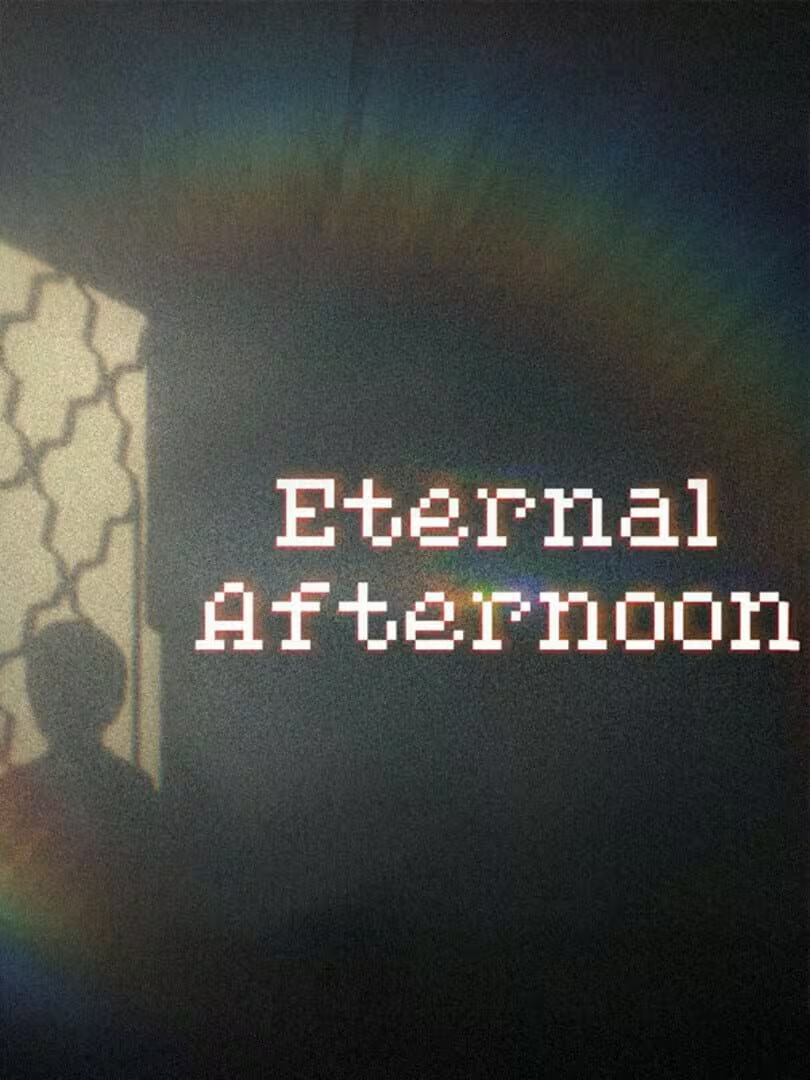 Eternal Afternoon
"No combat or destructive gameplay; focus is on exploration and reflection."
-
Survival
Game with the same Survival vibe
-5"No survival or threat avoidance mechanics; environment is safe and stable."
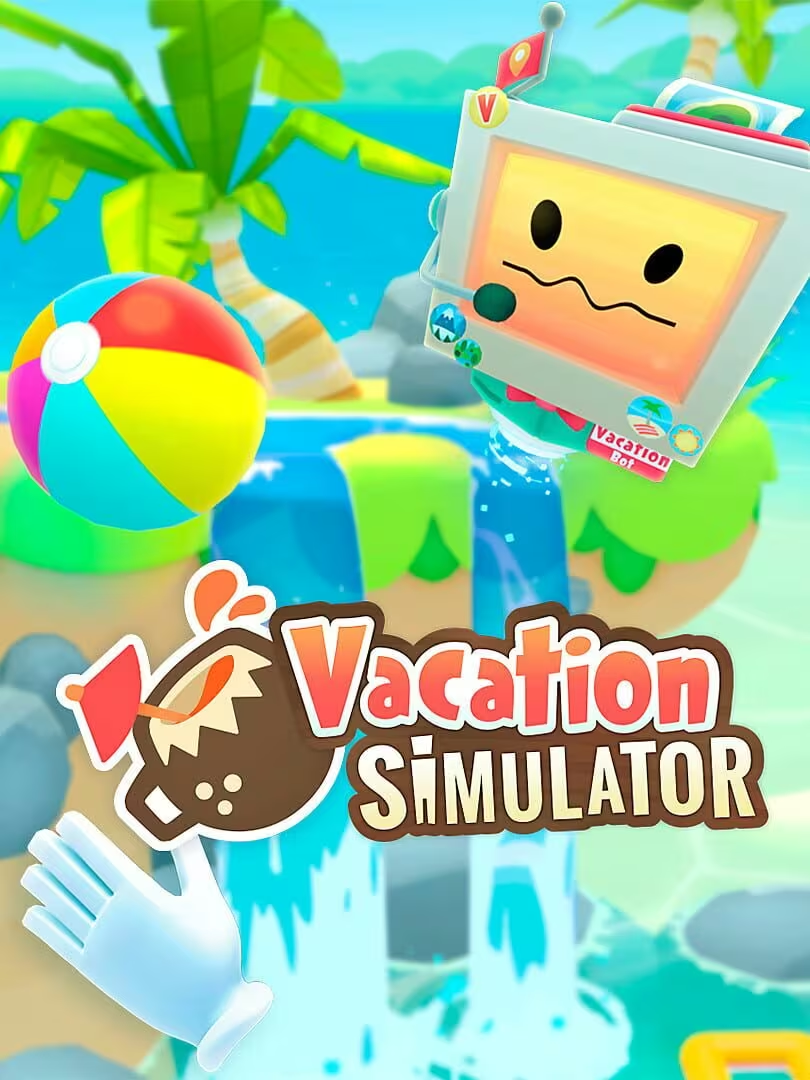 Vacation Simulator
"No survival or threat avoidance mechanics; environment is safe and stable."
Last update: 01/06/2026