SEPTEMBER 1999 similar games & best alternatives
Should you play it?
A free, VHS styled, first-person found footage horror game, which runs exactly for 5 minutes and 30 seconds.
What works
- Exceptional vhs found footage aesthetic
- Strong atmospheric and psychological horror
- Free and accessible
- Immersive sound design
- Unique experimental narrative style
Things to keep in mind
- Very short playtime (~5.5 minutes)
- Minimal interaction and gameplay
- Limited exploration
- Lack of replay value
- No progression or multiplayer features
What to play next
Similar games, hidden gems, and fresh directions from this game.
Top picks
Games that feel the closest overall
Hidden Gems
Less popular games with surprisingly high similarity
If you liked…
Recommendations by what you enjoyed most
Similarity map
Explore nearby similar games and see why they’re close.
SEPTEMBER 1999: Less representative of its motivational profile, with noticeable differences. Motivations that often define this kind of title include Strategy, Experimenting, Competence, Survival. Here, the score leans higher than usual among comparable games on Violence. It leans lower than usual among comparable games on Progression, Relaxation.
Why this game works
A motivational profile of the game, with the closest similar game for each player motivation.
-
Autonomy
Game with the same Autonomy vibe
-4"Gameplay is a linear walking simulator with no meaningful player choices or interaction, following a preset path."
 Greetings
"Gameplay is limited to walking in a small environment with no interaction, following a preset sequence of scenes."
-
Competence
Game with the same Competence vibe
-5"No skill or challenge involved; the game is about passive observation without tests of skill or overcoming challenges."
 Stone Simulator – Just Be a Rock
"No skill or challenge involved; players simply observe and walk around."
-
Competition
Game with the same Competition vibe
-5"No competitive elements or comparison with others."
 NEKO-NIN exHeart
"No competitive elements or comparison with others."
-
Continuation
Game with the same Continuation vibe
-4"Very short experience (about 15-30 minutes), with limited replay value and no habitual play indicated."
 Half-Life 2: Lost Coast
"Very short experience (~5.5 minutes) with limited replay value; not designed for long or habitual play."
-
Cooperation
Game with the same Cooperation vibe
-5"Single player experience with no multiplayer or cooperative features."
 Maize
Maize
"Single player experience with no multiplayer or cooperative features."
-
Creativity
Game with the same Creativity vibe
2"Includes mini-games and varied scenarios inspired by movies, adding creative variety beyond standard beat 'em up structure."
 Bud Spencer & Terence Hill - Slaps And Beans
"Creative use of VHS found footage aesthetic and atmospheric storytelling, but no player-driven creation or modification."
-
Domination
Game with the same Domination vibe
-5"No social dominance or power dynamics present."
 Fairy Tale Mysteries 2: The Beanstalk
"No social dominance or power dynamics present."
-
Escapism
Game with the same Escapism vibe
3"Provides an immersive, eerie atmosphere that allows players to escape into a mysterious narrative world."
 The Past Within
"Provides an immersive, unsettling atmosphere that allows players to escape into a disturbing fictional experience."
-
Expectation
Game with the same Expectation vibe
-4"Players engage voluntarily for intrinsic interest in horror and exploration; no obligation or pressure."
 Cave Crawler
"Players engage voluntarily out of curiosity and interest in horror/experimental art; no obligation or pressure."
-
Experimenting
Game with the same Experimenting vibe
3"Encourages exploration and trying different interactions to uncover story secrets."
 Verde Station
"Encourages exploration of subtle changes in environment and interpretation of story; experimental narrative style."
-
Exploration
Game with the same Exploration vibe
-3"Limited exploration as rooms repeat visually; focus is on puzzle solving rather than discovering new environments."
 100 Doors Game - Escape from School
"Limited spatial exploration confined to two rooms and a corridor; focus is on observing changes over time."
-
Expression
Game with the same Expression vibe
-5"No character or environment customization; fixed presentation."
 Emily Wants To Play
"No character or environment customization; fixed presentation."
-
Fantasy
Game with the same Fantasy vibe
3"Engages players in a fictional horror scenario with supernatural elements and story."
 The Cabin Factory
"Engages players in a fictional horror narrative with surreal and disturbing elements."
-
Fellowship
Game with the same Fellowship vibe
-5"No social or community features; purely solo experience."
 Castlevania: Lords of Shadow 2
"No social or community features; purely solo experience."
-
Growth
Game with the same Growth vibe
-4"Minimal learning or skill development; mostly passive observation."
 The Night Cafe: A VR Tribute to Vincent Van Gogh
"Minimal learning or skill development; experience is mostly passive observation."
-
Health
Game with the same Health vibe
-5"Sedentary gameplay with no physical activity."
 Microtransaction Simulator
"Sedentary gameplay with no physical activity."
-
Idle
Game with the same Idle vibe
4"Short passive experience suitable for filling time or demoing VR without active engagement."
 Surge
Surge
"Short, passive experience that can be consumed casually without sustained attention."
-
Intimacy
Game with the same Intimacy vibe
-5"No social or emotional connections formed through gameplay."
 Nodebuster
"No social or emotional connections formed through gameplay."
-
Leadership
Game with the same Leadership vibe
-5"No leadership or group management elements."
 High On Life
"No leadership or group management elements."
-
Progression
Game with the same Progression vibe
-5"No accumulation of items, upgrades, or progression systems."
 1943 Berlin Blitz
"No accumulation of items, upgrades, or progression systems."
-
Relaxation
Game with the same Relaxation vibe
-3"Atmosphere is tense and disturbing rather than relaxing or cathartic."
 Downfall
"Atmosphere is tense and unsettling rather than relaxing or cathartic."
-
Sensation
Game with the same Sensation vibe
3"Strong sensory stimulation through eerie sound design, visuals, and unsettling ambiance."
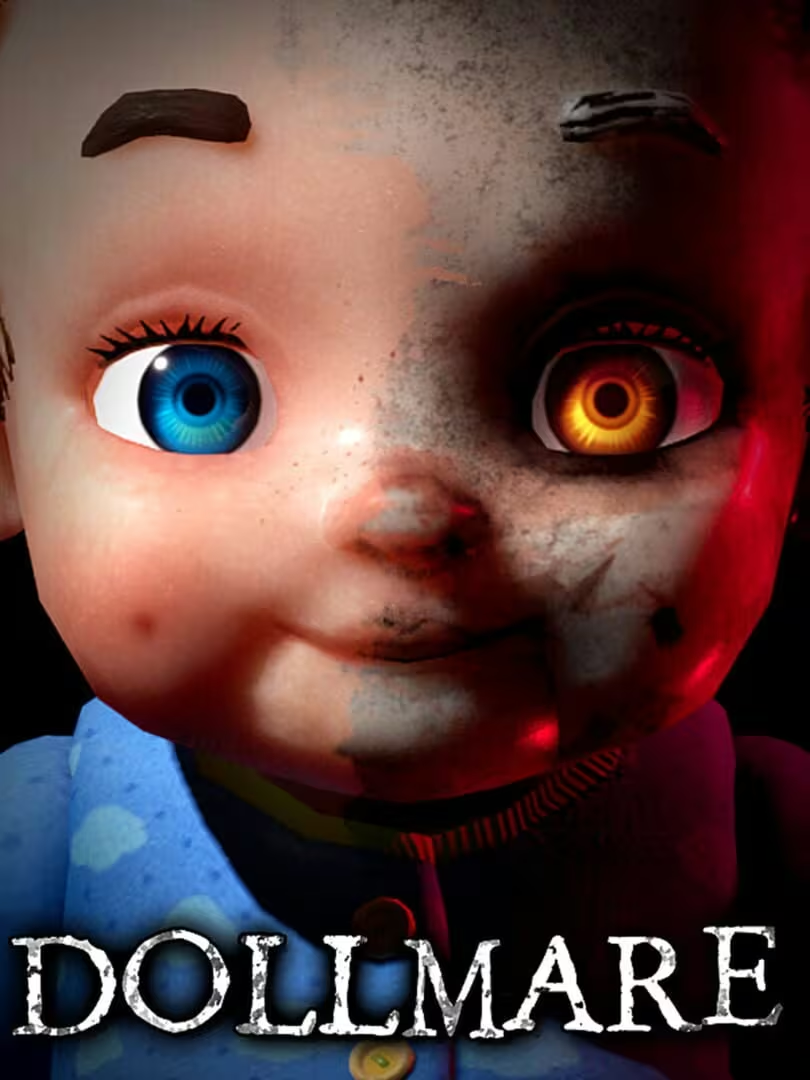 Dollmare
"Strong sensory stimulation through visuals and sound design creating eerie and immersive mood."
-
Status
Game with the same Status vibe
-5"No social recognition or status systems."
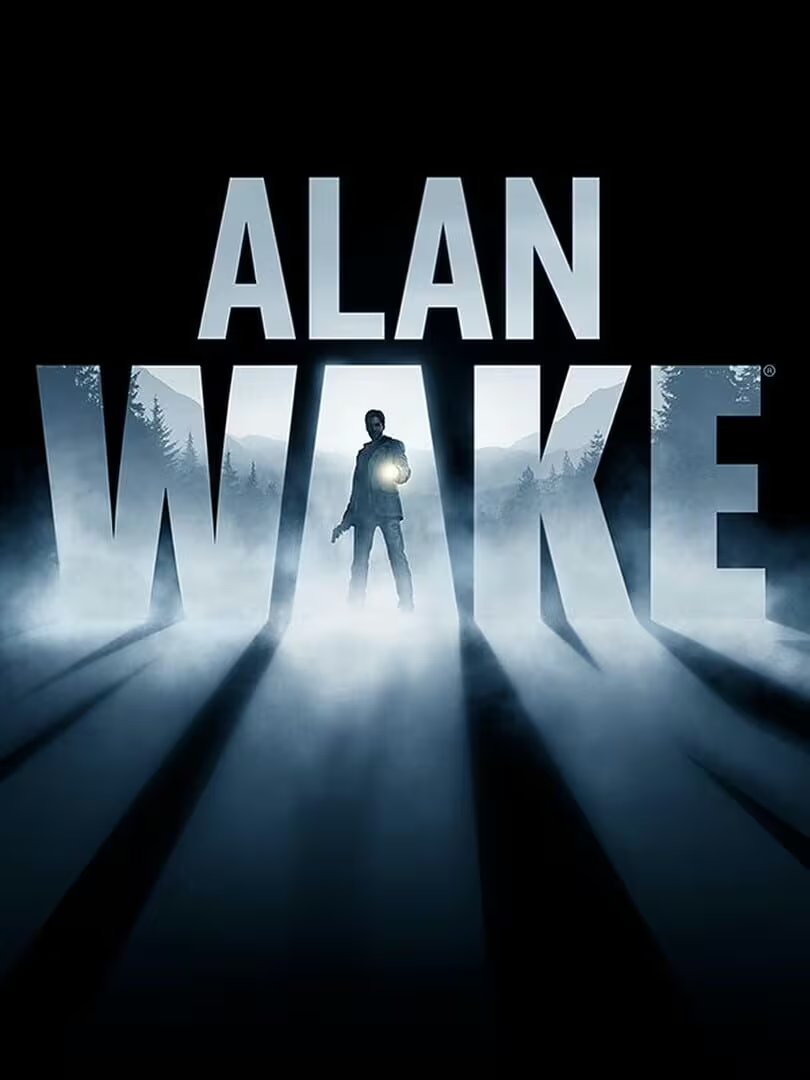 Alan Wake
"No social recognition or status systems."
-
Story
Game with the same Story vibe
4"Narrative immersion through atmospheric storytelling and environmental clues; story is subtle and open to interpretation."
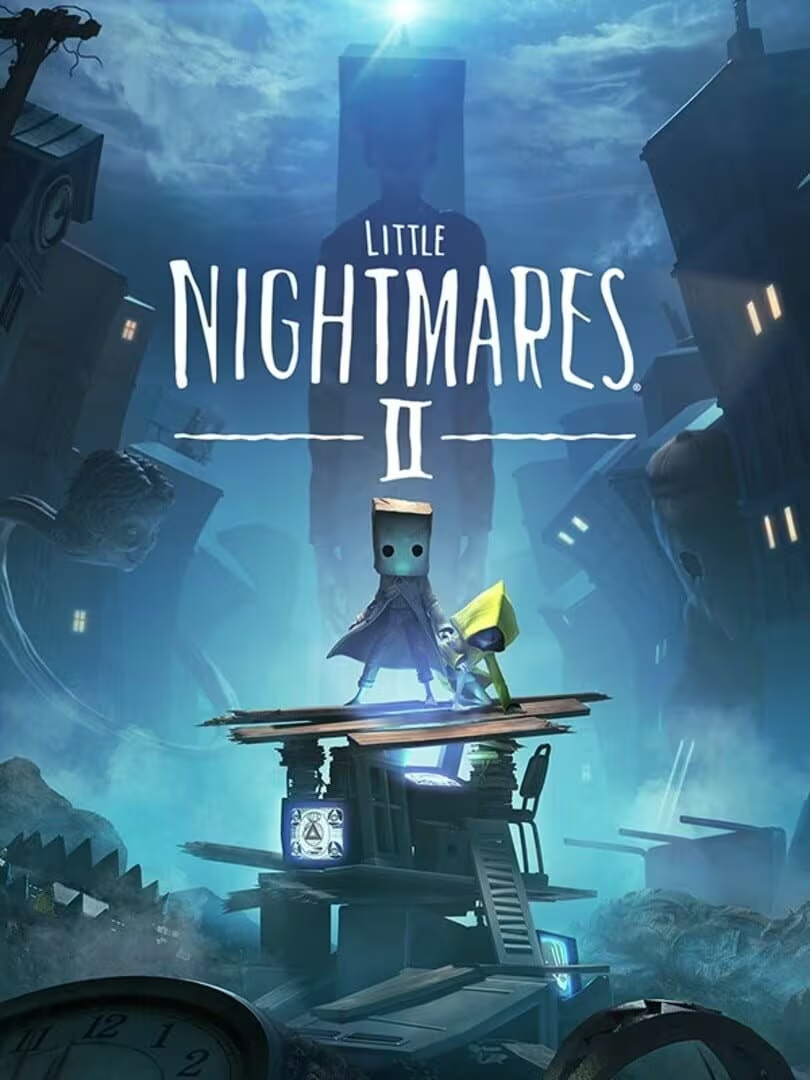 Little Nightmares II
"Narrative immersion through environmental storytelling and found footage style; story is subtle and open to interpretation."
-
Strategy
Game with the same Strategy vibe
-5"No strategic or problem-solving gameplay elements."
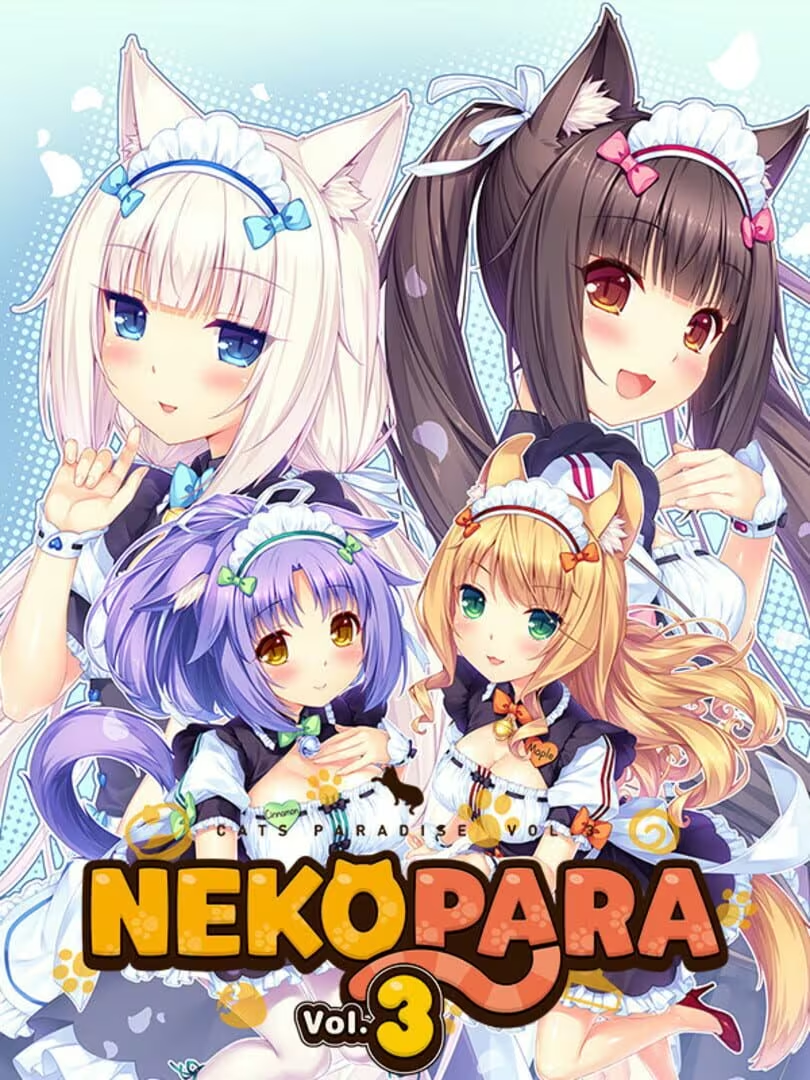 NEKOPARA Vol. 3
"No strategic or problem-solving gameplay elements."
-
Thrill
Game with the same Thrill vibe
3"Creates suspense and psychological tension rather than jump scares or high-risk thrills."
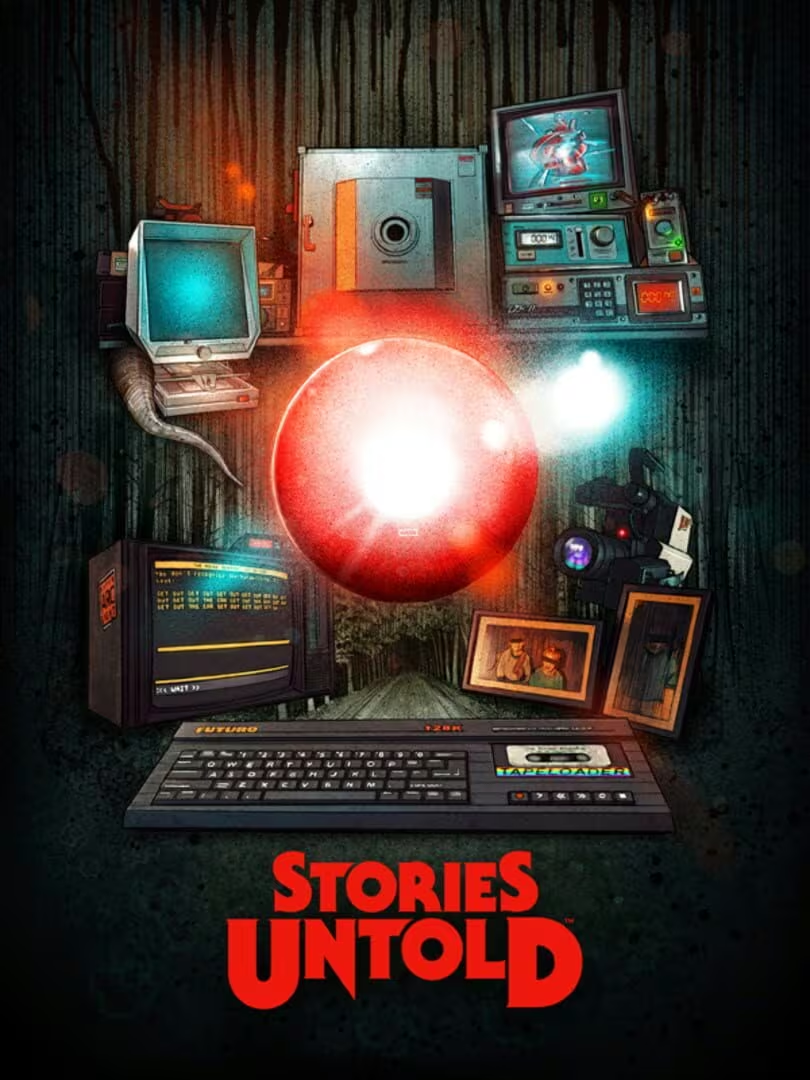 Stories Untold
"Creates suspense and psychological tension without jump scares or direct threats."
-
Value
Game with the same Value vibe
4"Highly praised for its impactful experience despite being free and very short."
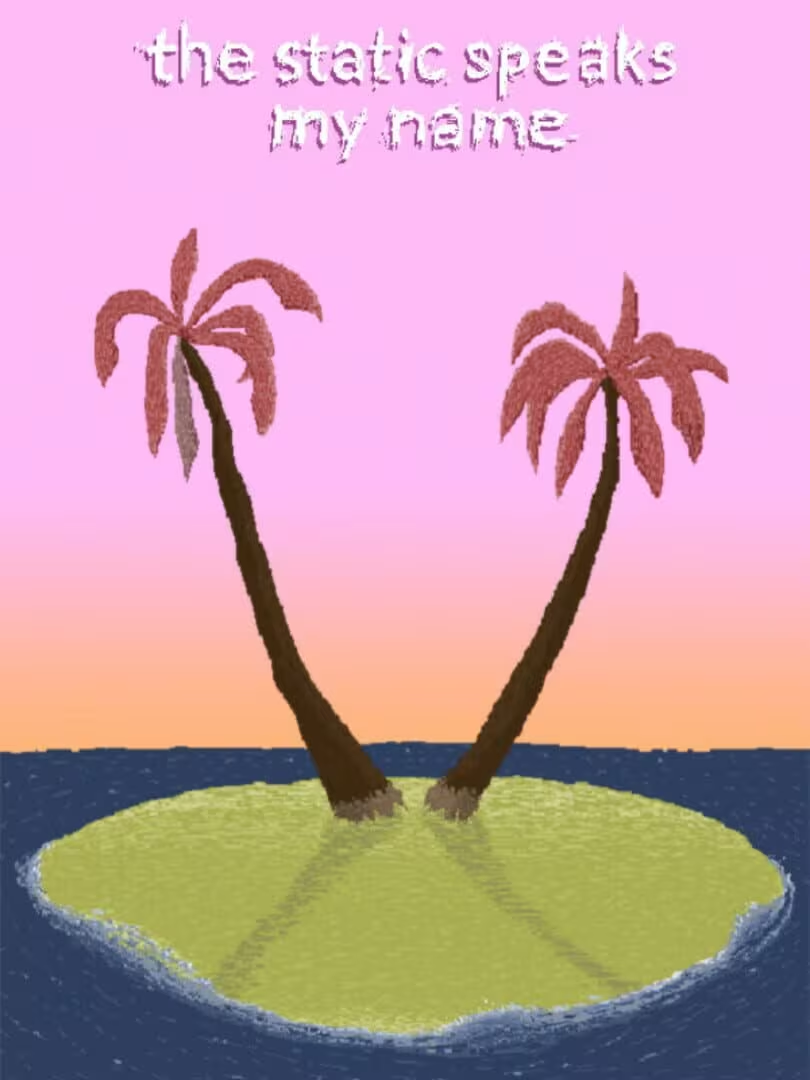 the static speaks my name
"Highly praised for delivering a memorable experience despite being free and very short."
-
Violence
Game with the same Violence vibe
2"Contains disturbing themes and some violent imagery but no direct combat gameplay."
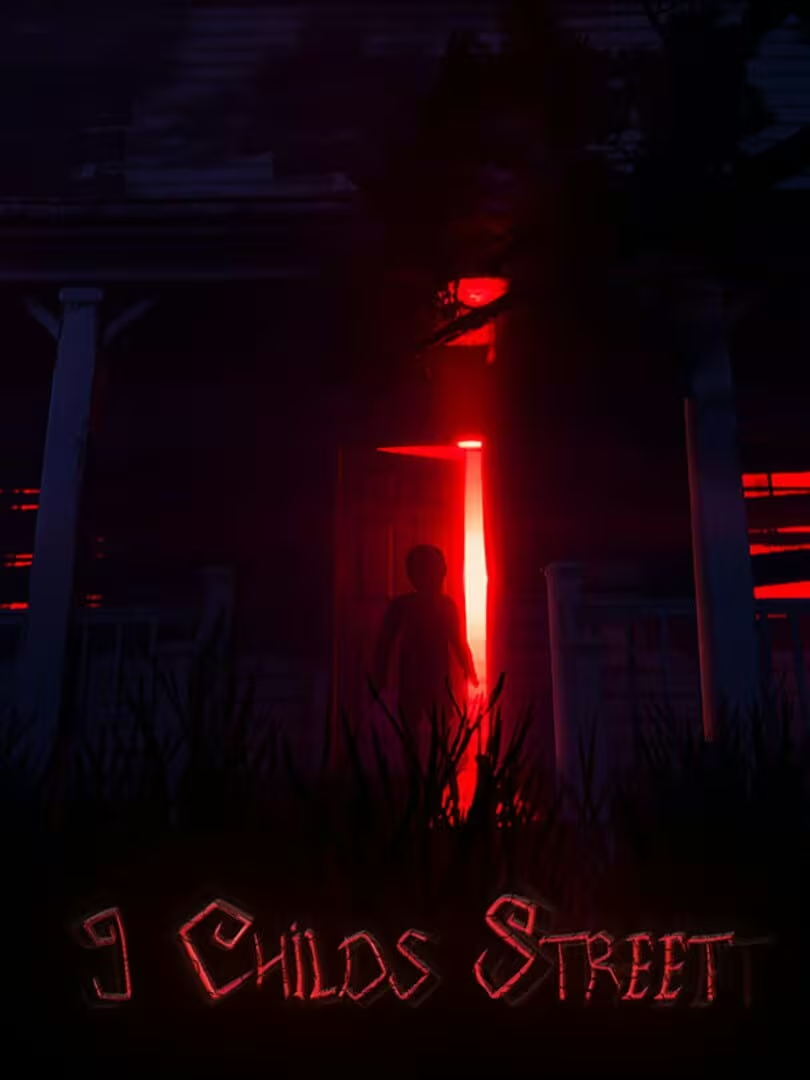 9 Childs Street
"Depicts disturbing violent themes and imagery as part of the narrative, though no player combat."
-
Survival
Game with the same Survival vibe
-5"No survival or threat avoidance mechanics."
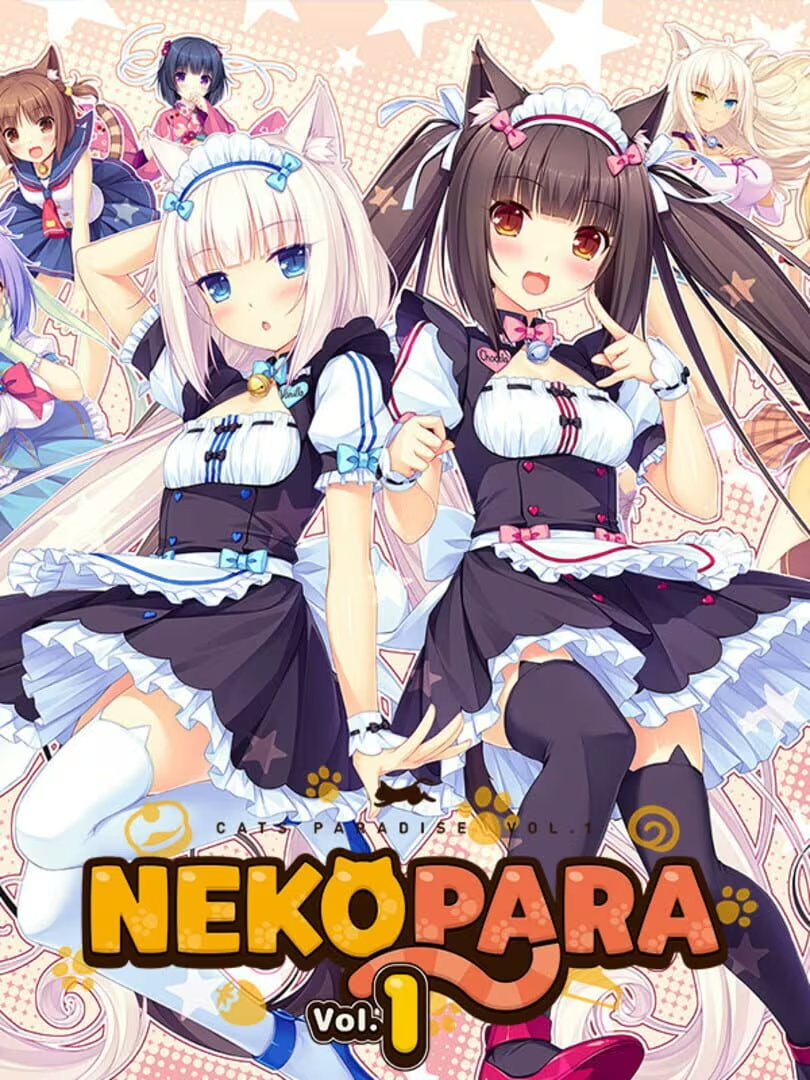 NEKOPARA Vol. 1
"No survival or threat avoidance mechanics."
Last update: 01/06/2026