Wasteland 2: Director's Cut similar games & best alternatives
Should you play it?
From the producer of the original Fallout comes Wasteland 2. With over 80 hours of gameplay, deck out your Ranger squad with devastating weaponry, test the limits of your strategy skills, and bring justice to the Wasteland! The choices are yours…but so are the consequences.
What works
- Deep character customization
- Engaging tactical combat
- Meaningful story choices
- Large explorable world
- High replayability
Things to keep in mind
- Some bugs and performance issues
- Dated graphics
- Steep learning curve
- Clunky camera and ui
- Limited social interaction
What to play next
Similar games, hidden gems, and fresh directions from this game.
Top picks
Games that feel the closest overall

Hidden Gems
Less popular games with surprisingly high similarity
If you liked…
Recommendations by what you enjoyed most
Similarity map
Explore nearby similar games and see why they’re close.
Wasteland 2: Director's Cut: Broadly representative of its motivational profile, with a few distinct shifts. Motivations that often define this kind of title include Fellowship, Violence, Survival, Cooperation. Here, the score leans higher than usual among comparable games on Leadership, Story. It leans lower than usual among comparable games on Relaxation.
Why this game works
A motivational profile of the game, with the closest similar game for each player motivation.
-
Autonomy
Game with the same Autonomy vibe
4"Players have freedom to develop characters in any way, choose skills and explore the open world with multiple quest solutions."
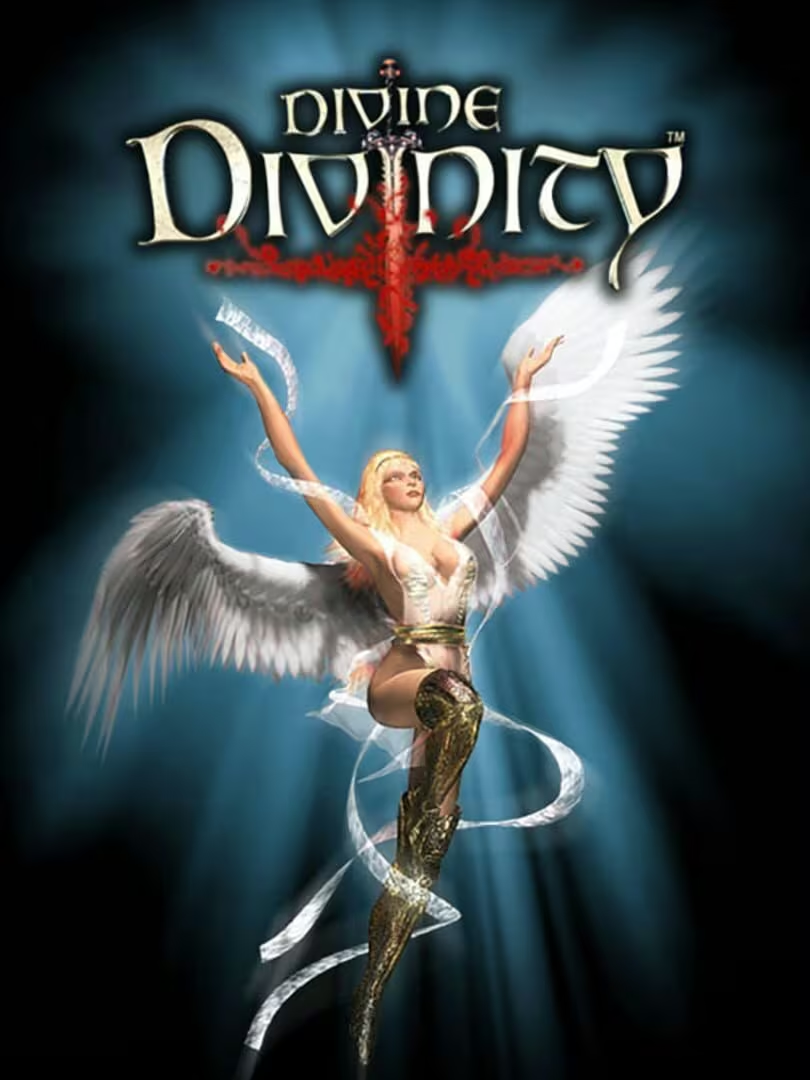 Divine Divinity
"Players have extensive freedom to create characters, choose skills, and decide how to approach quests and combat, with multiple solutions and meaningful consequences."
-
Competence
Game with the same Competence vibe
4"Game requires strategic thinking, resource management, and tactical combat skills with meaningful feedback."
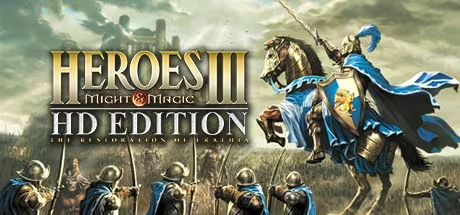 Heroes® of Might & Magic® III - HD Edition
"The game requires strategic thinking, skill management, and tactical combat with feedback on performance; combat is challenging especially early on."
-
Competition
Game with the same Competition vibe
-3"Focus is on personal progression and story rather than competing against others; no mention of PvP or leaderboards."
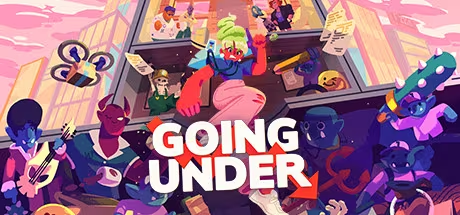 Going Under
"Focus is on personal party management and story progression rather than comparing performance with others; no mention of leaderboards or PvP."
-
Continuation
Game with the same Continuation vibe
4"Players report long play sessions, multiple playthroughs, and high replayability due to branching story and character builds."
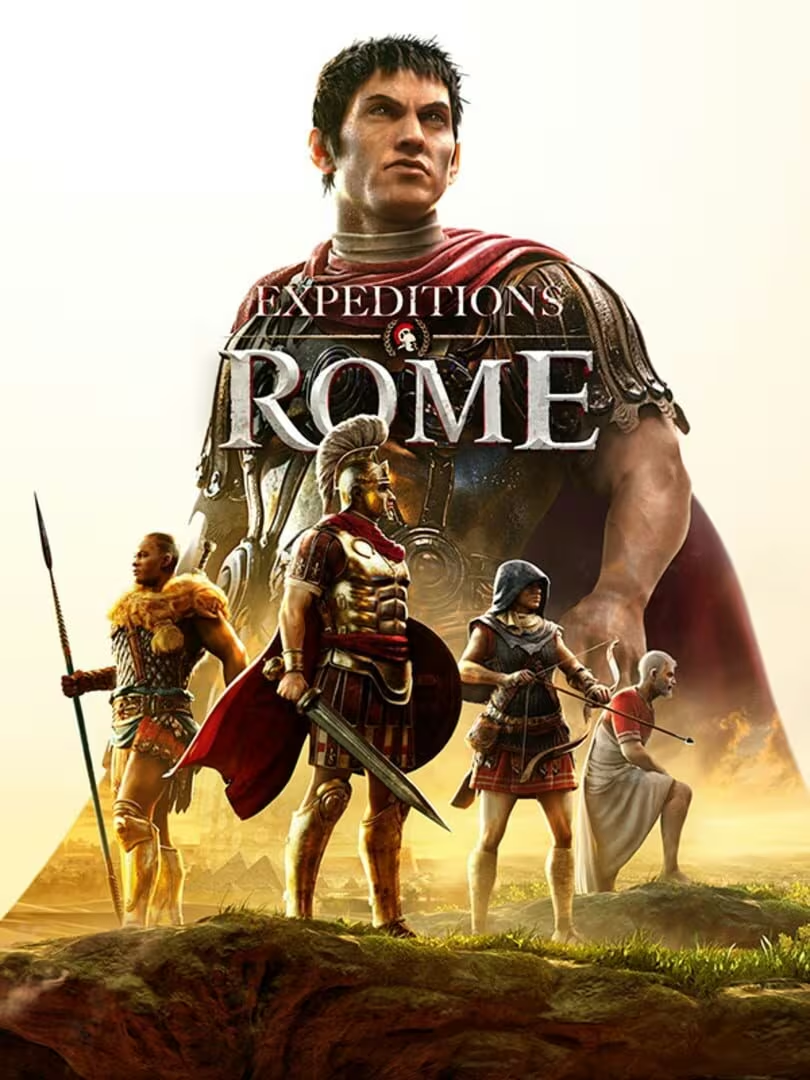 Expeditions: Rome
"Players report long play sessions (50+ hours), high replayability due to branching paths and choices, and strong attachment to characters and story."
-
Cooperation
Game with the same Cooperation vibe
-2"Gameplay centers on managing own squad; no multiplayer or cooperative play mentioned."
 Shardpunk
"Gameplay centers on managing a personal squad of characters; limited multiplayer or cooperative play mentioned."
-
Creativity
Game with the same Creativity vibe
4"Extensive character customization and multiple ways to solve quests encourage creative problem solving."
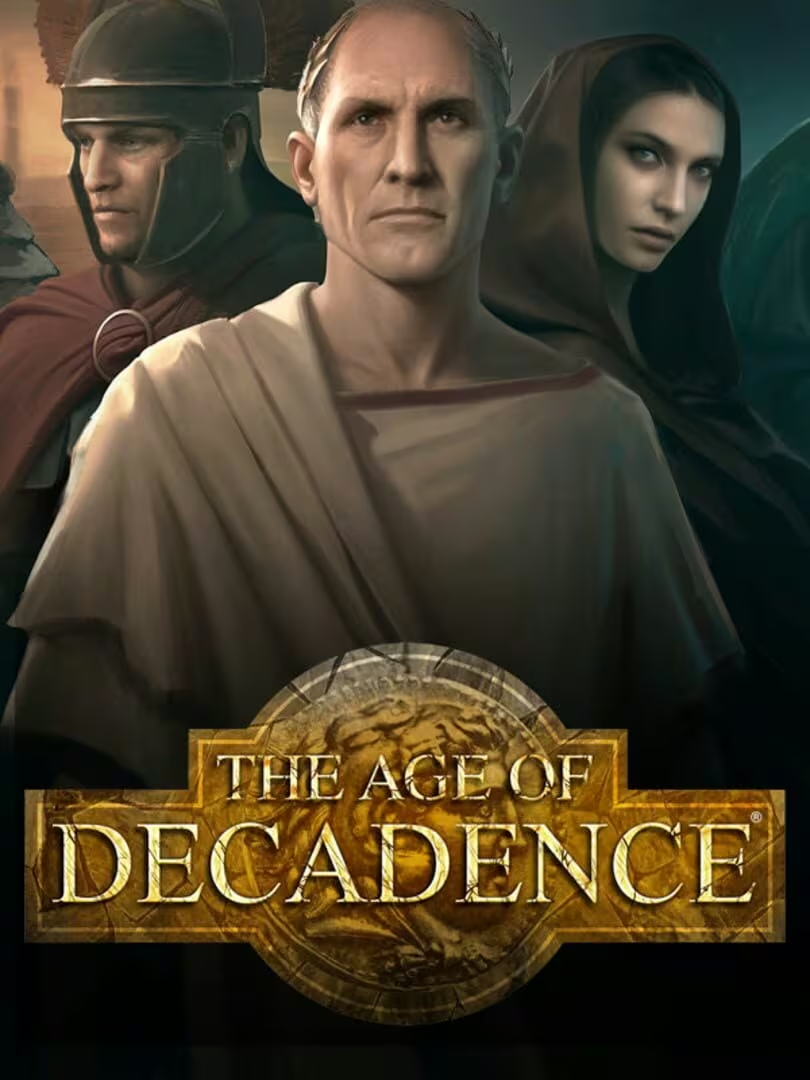 The Age of Decadence
"Strong character customization, skill allocation, and tactical approaches to quests and combat encourage creative problem solving."
-
Domination
Game with the same Domination vibe
-4"Interactions emphasize shared party dynamics and story; no evidence of exerting control or superiority over others."
 Fairy Fencer F Advent Dark Force
"Interactions emphasize balanced party management and story choices; no evidence of exerting superiority or trash talk."
-
Escapism
Game with the same Escapism vibe
4"Post-apocalyptic setting and immersive story provide strong escape from real life."
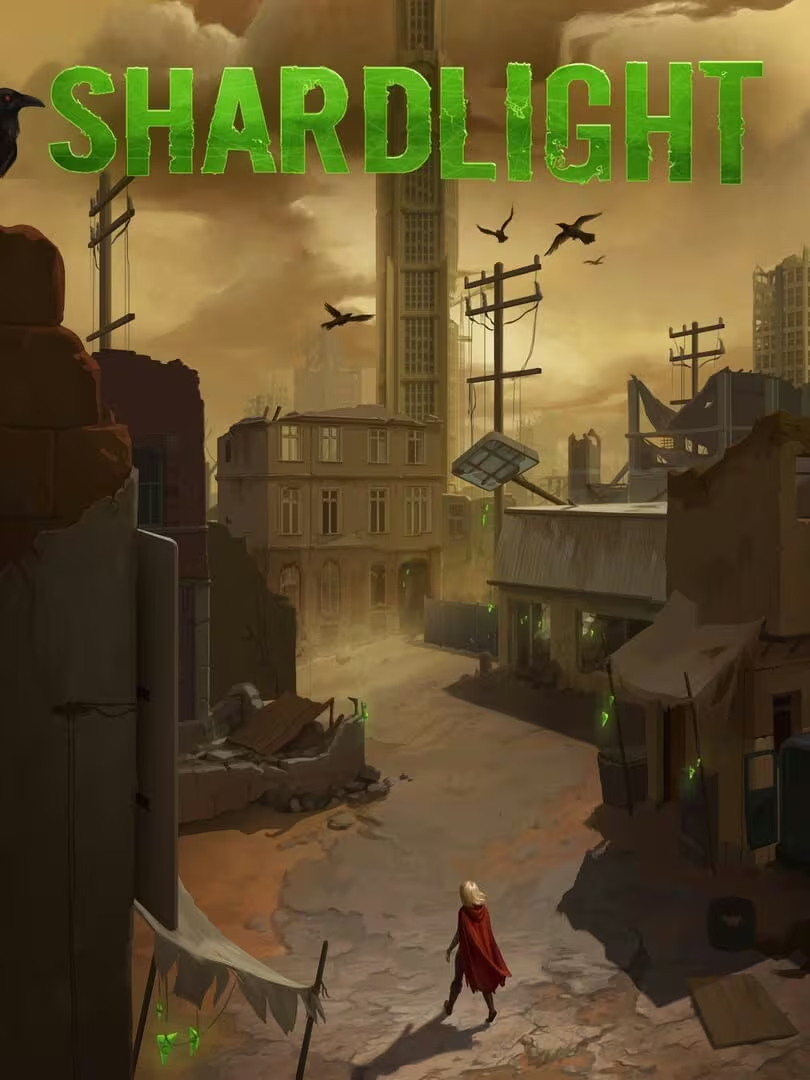 Shardlight
"Post-apocalyptic setting with immersive story and worldbuilding provides strong escape from real life."
-
Expectation
Game with the same Expectation vibe
-4"Players engage voluntarily out of interest and nostalgia for classic RPGs; no obligation or external pressure."
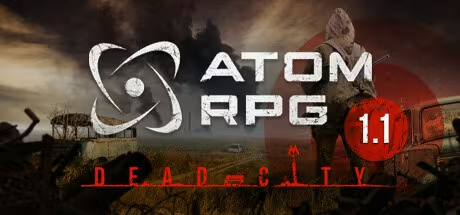 ATOM RPG: Post-apocalyptic indie game
"Players engage voluntarily out of interest and nostalgia for classic RPGs; no indication of obligation or external pressure."
-
Experimenting
Game with the same Experimenting vibe
4"Players experiment with different character builds, skills, and quest approaches; exploration of game mechanics encouraged."
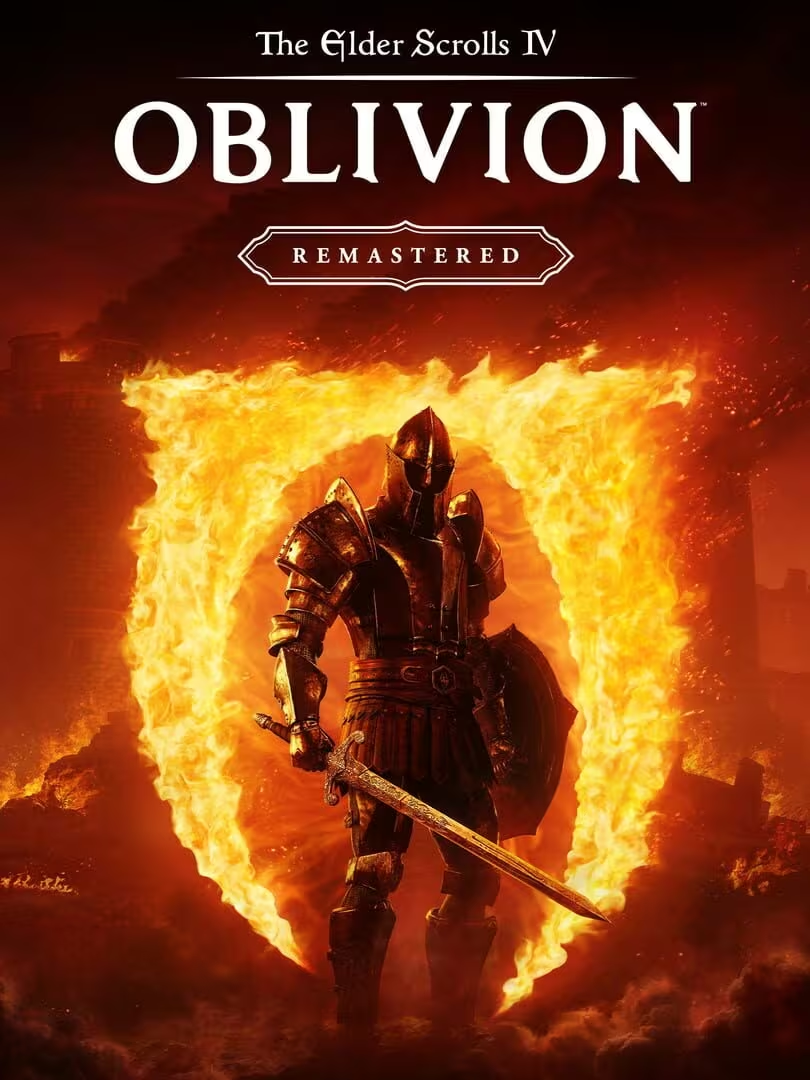 The Elder Scrolls IV: Oblivion Remastered
"Players experiment with different character builds, skills, and tactical approaches; multiple quest solutions encourage exploration."
-
Exploration
Game with the same Exploration vibe
4"Large open world with many areas to discover; players enjoy exploring and finding new locations."
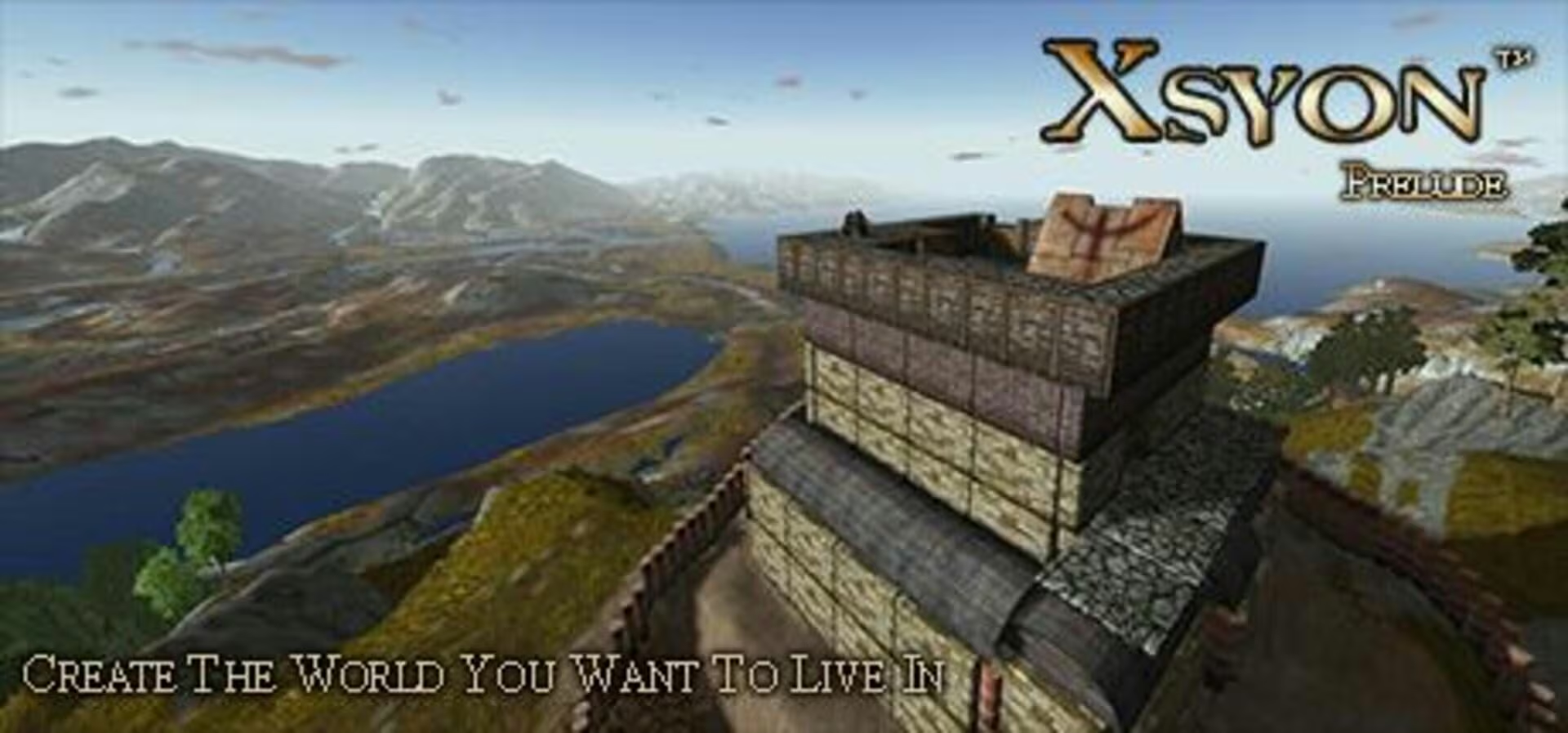 Xsyon - Prelude
"Large open world with many locations, hidden areas, and secrets; players encouraged to explore and discover."
-
Expression
Game with the same Expression vibe
3"Character creation includes customization of portraits, stats, and traits, allowing personal expression within the game."
 Depersonalization
"Character creation includes appearance, quirks, and personality traits allowing personal expression."
-
Fantasy
Game with the same Fantasy vibe
3"Post-apocalyptic fiction with imaginative elements like mutants and disasters, though grounded in plausible survival."
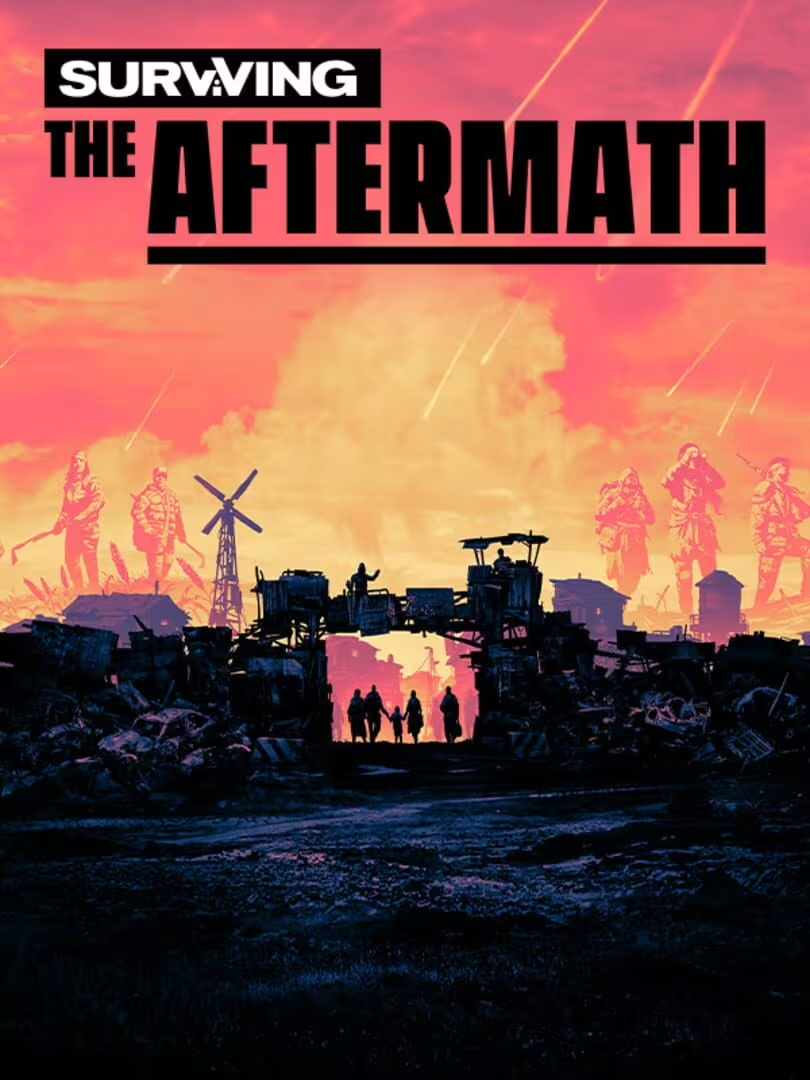 Surviving the Aftermath
"Post-apocalyptic fictional setting with imaginative elements like mutants, robots, and speculative technology."
-
Fellowship
Game with the same Fellowship vibe
-3"Minimal social interaction; focus is on solo play and individual party management."
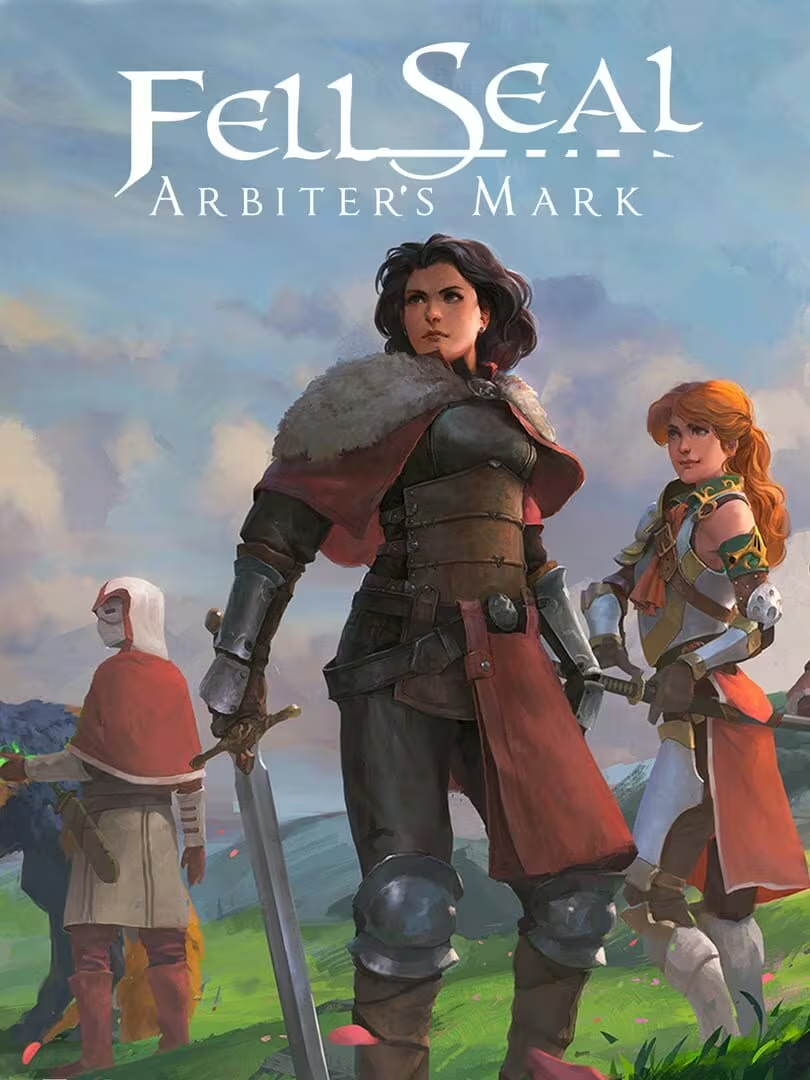 Fell Seal: Arbiter's Mark
"Focus is on solo party management with limited social or community interaction."
-
Growth
Game with the same Growth vibe
4"Players develop characters through leveling, skill acquisition, and strategic planning."
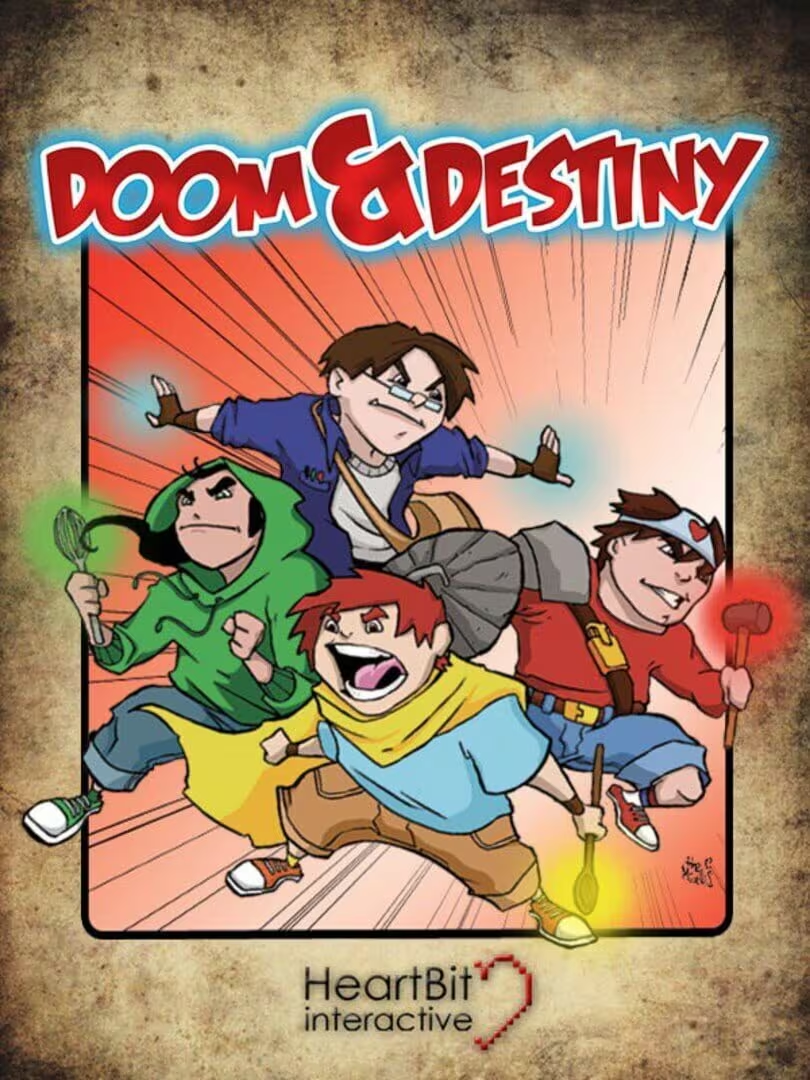 Doom & Destiny
"Players develop characters through leveling, skill allocation, and learning game mechanics; strategic growth is key."
-
Health
Game with the same Health vibe
-4"Gameplay is sedentary with no physical activity; players spend long hours managing in-game tasks."
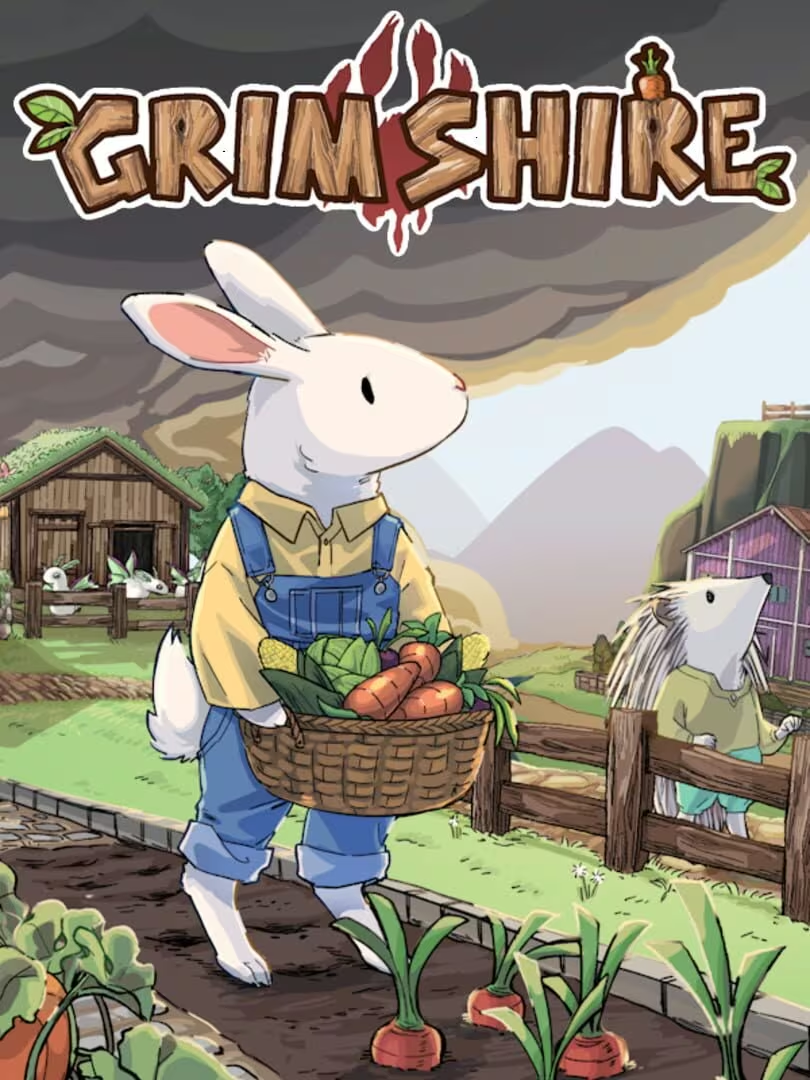 Grimshire
"Gameplay is sedentary with no physical activity; players spend long hours engaged in tactical combat and reading."
-
Idle
Game with the same Idle vibe
-4"Requires focused attention and strategic planning; not a casual or background game."
 Rogue
Rogue
"Requires constant attention and strategic planning; not a casual or background game."
-
Intimacy
Game with the same Intimacy vibe
-3"Interactions with NPCs are narrative and symbolic rather than emotionally intimate or relationship-building."
 The Void
"Interactions with NPCs are mostly functional for quests and story; limited evidence of close emotional relationships."
-
Leadership
Game with the same Leadership vibe
3"Players lead a squad of characters, managing their actions and coordinating strategies."
 Sumerian Six
"Players lead a squad of up to 7 characters, managing their skills and actions strategically."
-
Progression
Game with the same Progression vibe
4"Strong emphasis on leveling up, acquiring items, skills, and upgrades throughout the game."
Doom & Destiny
"Strong emphasis on leveling up, acquiring weapons, skills, and upgrades throughout the game."
-
Relaxation
Game with the same Relaxation vibe
-2"Gameplay can be tense and challenging, requiring careful planning and resource management."
 Miasma Chronicles
"Gameplay can be tense and challenging, requiring careful planning and resource management."
-
Sensation
Game with the same Sensation vibe
2"Visual and auditory elements enhance immersion but are moderate and consistent rather than intense."
 STEINS;GATE 0
"Visual and auditory elements support immersion but are not the primary focus; some gore and sound effects enhance experience."
-
Status
Game with the same Status vibe
-4"Game focuses on personal story and achievement rather than social recognition or popularity."
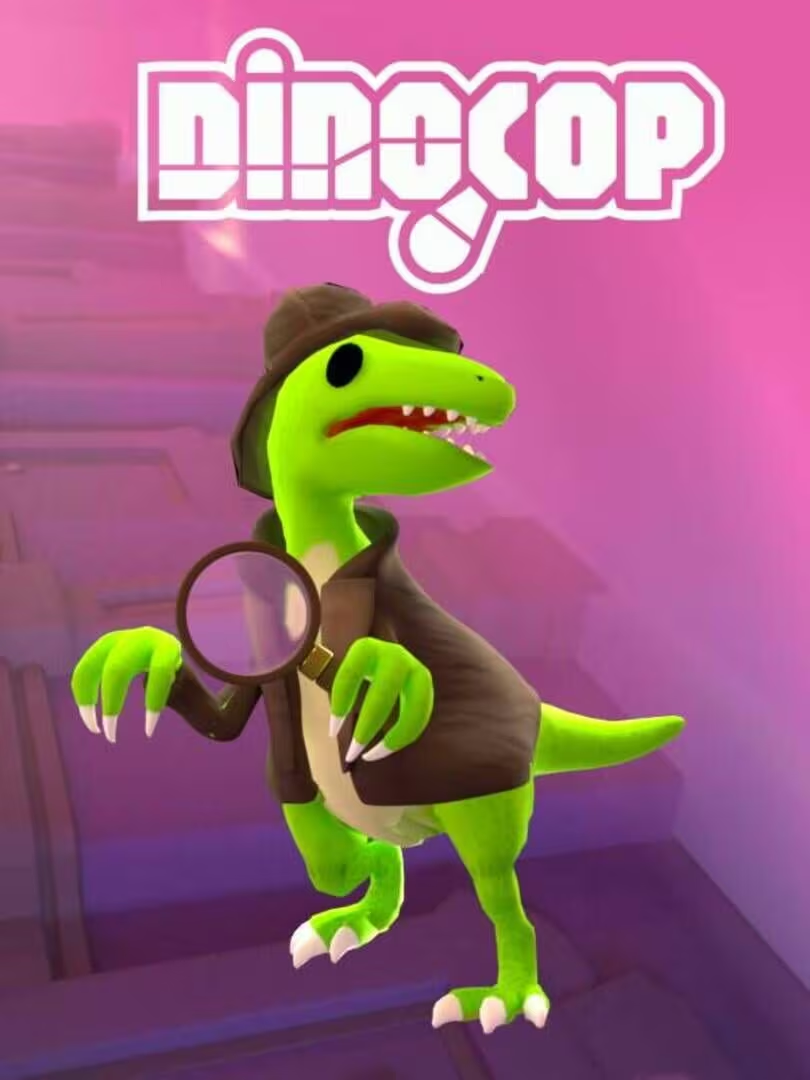 Dinocop
"Game focuses on individual story and party rather than social recognition or popularity."
-
Story
Game with the same Story vibe
5"Narrative immersion is a core feature with branching plots, character interactions, and meaningful choices."
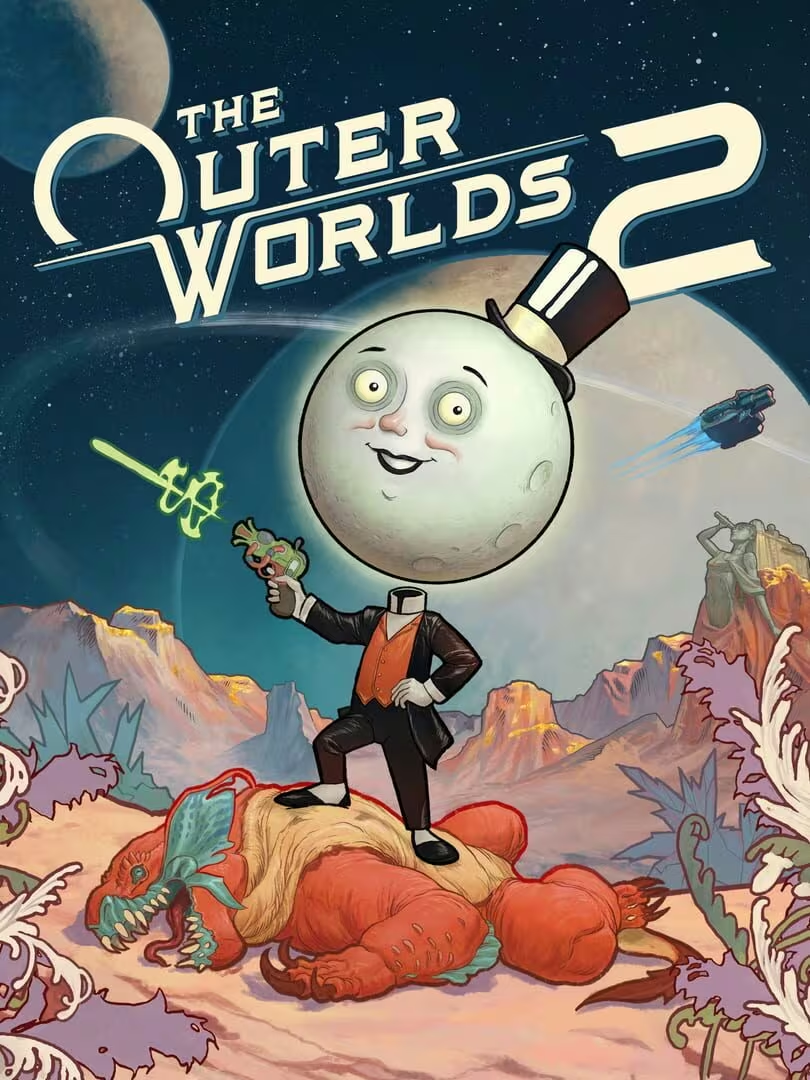 The Outer Worlds 2
"Narrative immersion is a core element with branching plots, character interactions, and meaningful choices."
-
Strategy
Game with the same Strategy vibe
5"Turn-based tactical combat and skill management require planning and problem solving."
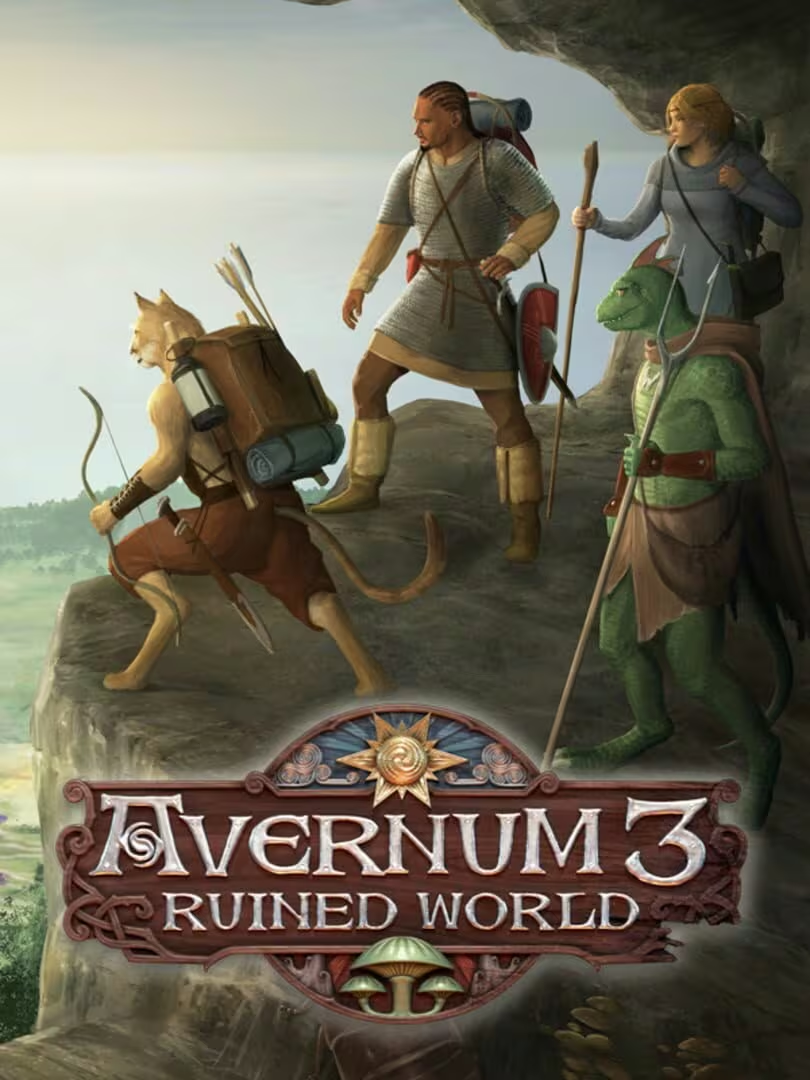 Avernum 3: Ruined World
"Turn-based tactical combat and skill management require analytical thinking and planning."
-
Thrill
Game with the same Thrill vibe
3"Combat tension and challenge create suspense and excitement; risk of death adds thrill to gameplay."
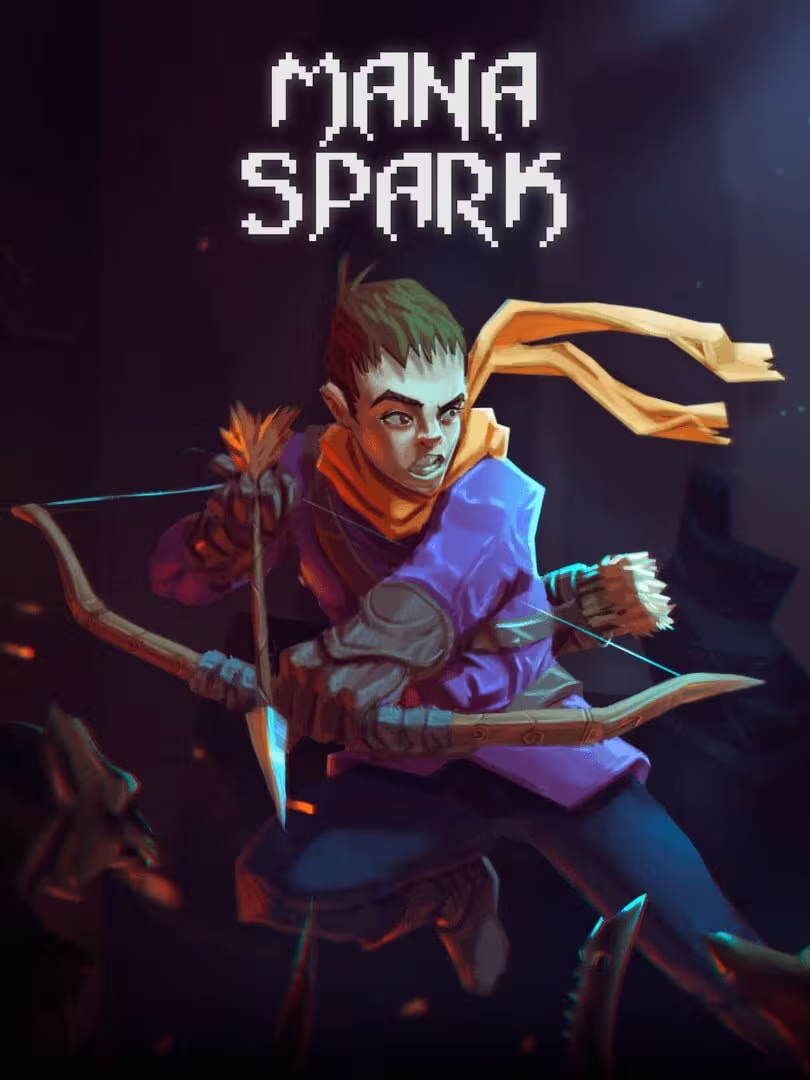 Mana Spark
"Combat and story choices create suspense and tension; risk of character death adds thrill."
-
Value
Game with the same Value vibe
3"Players report many hours of gameplay and replayability, justifying the price especially on sale."
 Afghanistan '11
"Players report high playtime and replayability, considering the game worth its price."
-
Violence
Game with the same Violence vibe
4"Combat involves shooting, explosions, and destruction; violence is a core gameplay element."
 Boring Man - Online Tactical Stickman Combat
"Combat involves firearms, explosives, and gore; violence is a significant gameplay element."
-
Survival
Game with the same Survival vibe
4"Avoiding death is critical; tactical defense and resource management (ammo, positioning) are important."
 Insurgency
"Resource management (ammo, water), health, and tactical defense are important to avoid failure."
Last update: 01/06/2026