Avernum 3: Ruined World similar games & best alternatives
Should you play it?
Wander free through this epic, indie fantasy adventure. Explore a huge world that evolves as time passes. Towns fight battles. Refugees flee. Disasters happen. Features cunning adventures, great depth, and unlimited freedom. Be a merchant or bounty hunter, buy a home, save the world!
What works
- Huge open world with extensive exploration
- Deep and engaging story with rich lore
- Tactical turn-based combat with strategic depth
- Flexible character customization and party building
- High replayability and long playtime
Things to keep in mind
- Retro graphics and minimal sound may deter some players
- Some mechanics feel dated or tedious (e.g. puzzles, inventory management)
- Limited quality of life features and ui quirks
- No multiplayer or social features
- Late game combat can become trivial or repetitive
What to play next
Similar games, hidden gems, and fresh directions from this game.
Top picks
Games that feel the closest overall
Hidden Gems
Less popular games with surprisingly high similarity
If you liked…
Recommendations by what you enjoyed most
Similarity map
Explore nearby similar games and see why they’re close.
Avernum 3: Ruined World: Less representative of its motivational profile, with noticeable differences. Motivations that often define this kind of title include Fellowship, Violence, Survival, Cooperation. Here, the score leans higher than usual among comparable games on Leadership, Story. It leans lower than usual among comparable games on Sensation.
Why this game works
A motivational profile of the game, with the closest similar game for each player motivation.
-
Autonomy
Game with the same Autonomy vibe
4"Players have freedom to explore the open world, choose quests in any order, and develop their character with no class restrictions."
 Two Worlds Epic Edition
"Players have freedom to build classless characters, choose party composition, and explore a large open world with multiple quest paths and outcomes."
-
Competence
Game with the same Competence vibe
4"The game offers challenging tactical turn-based combat requiring strategic thinking and skillful use of positioning, abilities, and resource management."
 Hyperdevotion Noire: Goddess Black Heart (Neptunia)
"The game features tactical turn-based combat with strategic positioning, skill development, and difficulty settings that challenge player skill and decision-making."
-
Competition
Game with the same Competition vibe
-3"Focus is on personal exploration and progression without ranked modes or direct player-vs-player competition."
 Feed the Deep
"Focus is on personal progression and exploration without ranked modes or direct player-vs-player competition."
-
Continuation
Game with the same Continuation vibe
5"Players report hundreds of hours, replayability, and habitual engagement with the game world and characters."
 My Time at Sandrock
"Players report hundreds of hours of engagement, replayability, and habitual play with a large world and many quests."
-
Cooperation
Game with the same Cooperation vibe
-4"Gameplay centers on managing a solo party; no multiplayer or cooperative modes."
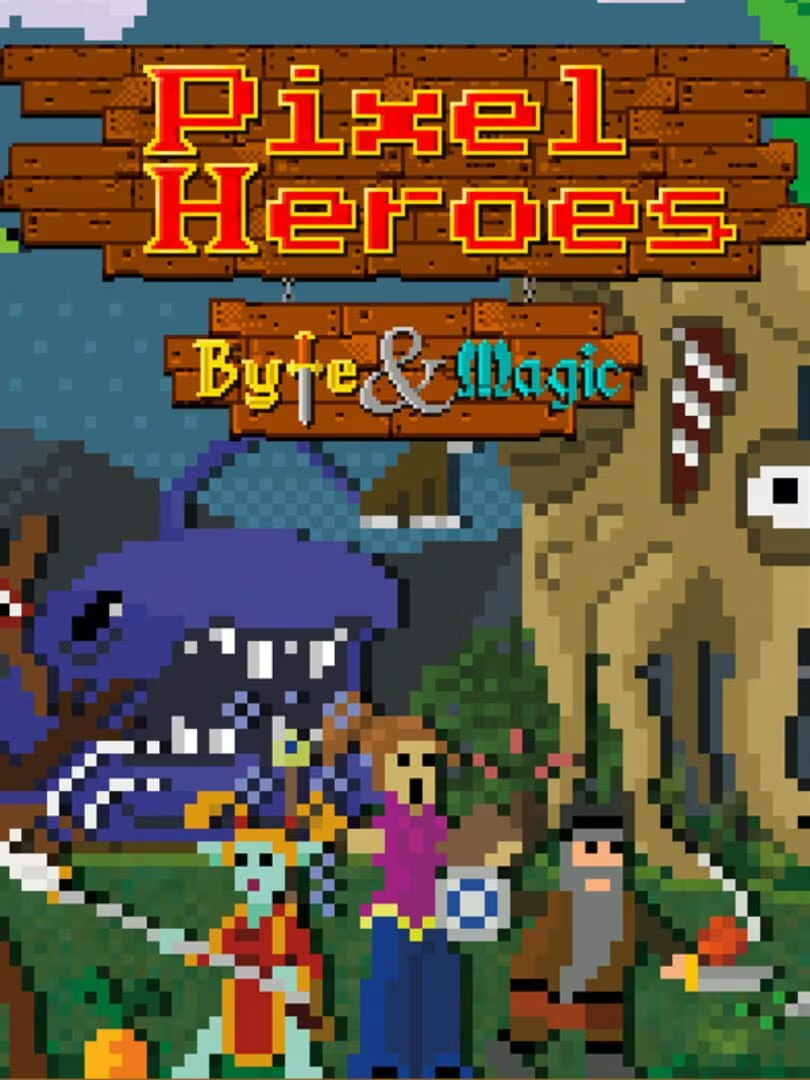 Pixel Heroes: Byte & Magic
"Gameplay centers on managing a solo party; no multiplayer or cooperative social play is mentioned."
-
Creativity
Game with the same Creativity vibe
3"Players can customize characters through a flexible skill tree and equipment upgrades; some creative freedom in party build and playstyle."
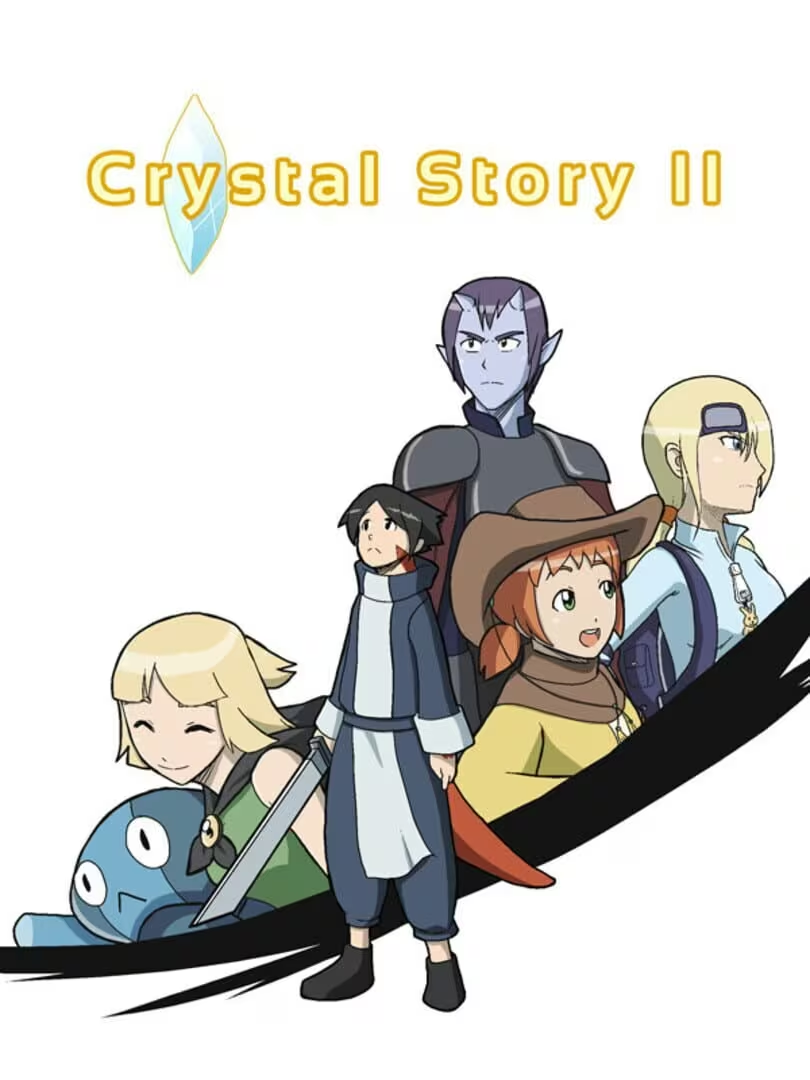 Crystal Story II
"Character customization is flexible with skill trees and multi-classing; players can experiment with builds and party roles."
-
Domination
Game with the same Domination vibe
-5"Interactions emphasize story and management; no evidence of exerting control or superiority over other players."
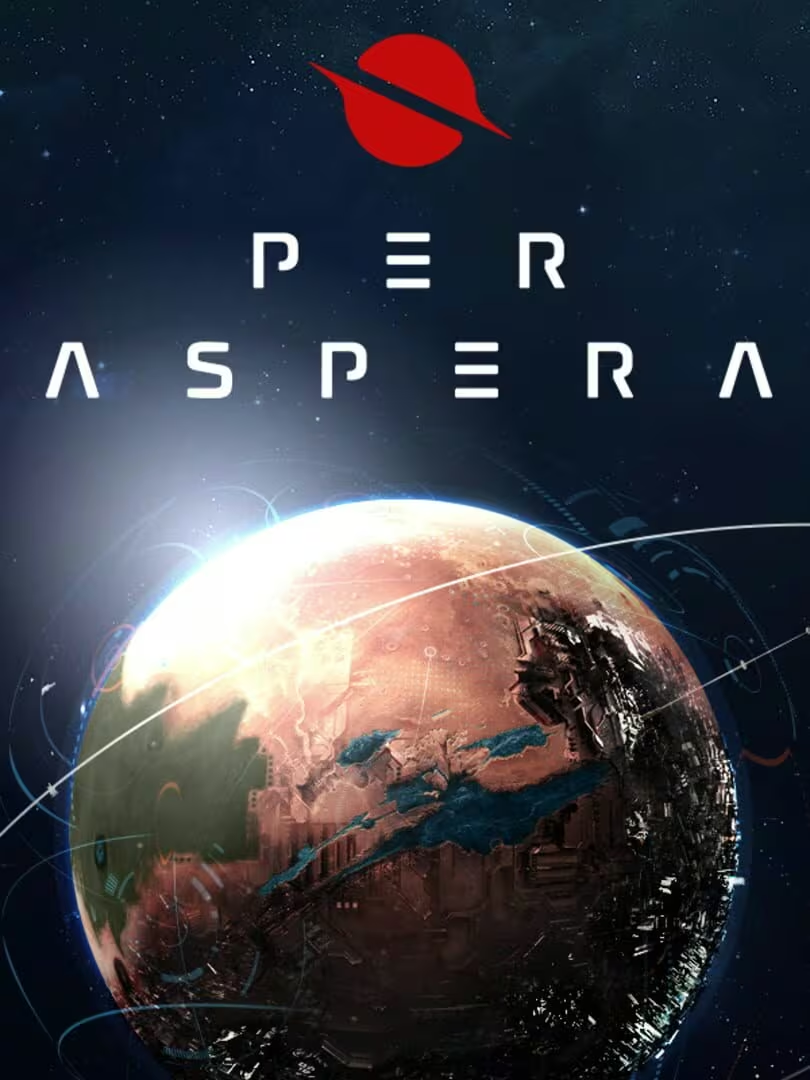 Per Aspera
"Interactions emphasize story and exploration; no evidence of exerting control or superiority over other players."
-
Escapism
Game with the same Escapism vibe
5"Highly immersive fantasy world and story provide strong escape from real life."
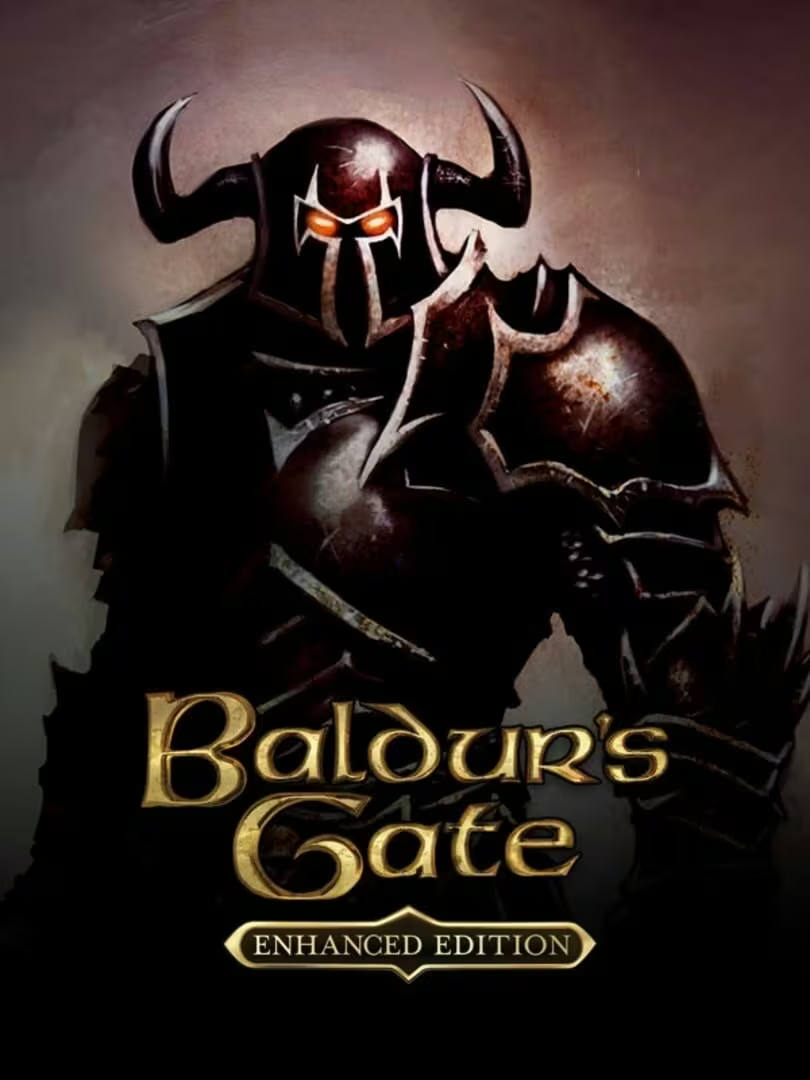 Baldur's Gate: Enhanced Edition
"The large immersive fantasy world and engaging story provide strong escape from real life."
-
Expectation
Game with the same Expectation vibe
-4"Players engage voluntarily out of intrinsic interest and nostalgia; no indication of obligation or external pressure."
 Far Cry 3
"Players engage voluntarily out of intrinsic interest and nostalgia; no indication of obligation or external pressure."
-
Experimenting
Game with the same Experimenting vibe
3"Players try different moves, combos, and strategies; some experimentation with character builds and side quests."
 River City Girls
"Players try different character builds, explore multiple quest paths, and experiment with tactical combat strategies."
-
Exploration
Game with the same Exploration vibe
5"Game features large world with many optional dungeons, secrets, and hidden areas to discover."
 Jimmy and the Pulsating Mass
"The game features a huge open world with many hidden dungeons, secrets, and optional quests encouraging discovery."
-
Expression
Game with the same Expression vibe
2"Character customization and cosmetic items allow self-expression, but limited compared to games focused on avatar personalization."
 Warspear Online
"Character creation and skill customization allow some self-expression, though graphics and avatars are retro and standardized."
-
Fantasy
Game with the same Fantasy vibe
5"Strong fantasy setting with mythical creatures, magic, and an imaginative fictional world."
 Oceanhorn: Monster of Uncharted Seas
"Strong fantasy setting with magic, mythical creatures, and an imaginative fictional world."
-
Fellowship
Game with the same Fellowship vibe
-4"Gameplay is primarily single-player with minimal social or community interaction."
 Two Point Museum
"Gameplay is primarily single-player with minimal social or community interaction."
-
Growth
Game with the same Growth vibe
4"Players develop skills through combat strategy, character progression, and learning game mechanics; story and character arcs provide personal growth."
 8-Bit Adventures 2
"Players develop characters through skill trees and learn tactical combat; story progression also supports personal development."
-
Health
Game with the same Health vibe
-5"The game is a sedentary computer RPG with no physical activity or health-related features."
 Neverwinter Nights: Enhanced Edition
"The game is a sedentary computer RPG with no physical activity elements."
-
Idle
Game with the same Idle vibe
-4"Requires focused attention during combat and exploration; not designed for background or casual intermittent play."
 The Chant
"Requires focused attention on tactical combat and exploration; not designed for background or casual intermittent play."
-
Intimacy
Game with the same Intimacy vibe
-5"No evidence of forming close relationships or emotional sharing; interactions are with NPCs in a limited narrative context."
 Angeline Era
"No evidence of close social relationships or emotional sharing; interactions are mostly with NPCs in a narrative context."
-
Leadership
Game with the same Leadership vibe
3"Players lead and manage a party of characters, making strategic decisions and guiding their actions."
 The Temple of Elemental Evil
"Players lead and manage a party of characters, making strategic decisions and guiding their actions."
-
Progression
Game with the same Progression vibe
5"Strong emphasis on leveling up, acquiring items, and completing quests to advance character power and story."
 The Elder Scrolls IV: Oblivion Remastered
"Strong emphasis on leveling up characters, acquiring items, and completing quests to advance."
-
Relaxation
Game with the same Relaxation vibe
2"While the game can be intense and thrilling, some players find it immersive and enjoyable in a flow state."
 Dead Effect 2 VR
"While the game can be challenging, many players find it rewarding and immersive, providing a flow experience."
-
Sensation
Game with the same Sensation vibe
-2"Graphics and sound are minimalistic and functional, providing moderate sensory stimulation without flashy effects."
 Conquest of Elysium 3
"Graphics and sound are retro and minimal; sensory stimulation is moderate and understated."
-
Status
Game with the same Status vibe
-5"No social status or recognition systems; focus on individual story and gameplay."
 Underhero
"No social status or recognition systems; focus is on individual story and gameplay."
-
Story
Game with the same Story vibe
5"Highly praised narrative depth, philosophical themes, and character-driven plot."
 STAR WARS™ Knights of the Old Republic™ II - The Sith Lords™
"Highly praised narrative depth, world-building, and character-driven storylines."
-
Strategy
Game with the same Strategy vibe
5"Turn-based combat and equipment management require tactical planning and problem solving."
Pixel Heroes: Byte & Magic
"Turn-based tactical combat and skill management require planning and problem solving."
-
Thrill
Game with the same Thrill vibe
3"Combat and exploration offer suspense and risk, especially with challenging enemies and boss fights."
 Erenshor
"Combat and exploration involve suspense and risk, especially with time-limited quests and dangerous enemies."
-
Value
Game with the same Value vibe
5"Players report excellent value for price with many hours of gameplay and replayability."
 FIND ALL 3: Travel
"Players report excellent value with 40-70+ hours of gameplay and replayability for a reasonable price."
-
Violence
Game with the same Violence vibe
4"Combat involves defeating enemies with various weapons, spells, and tactical maneuvers."
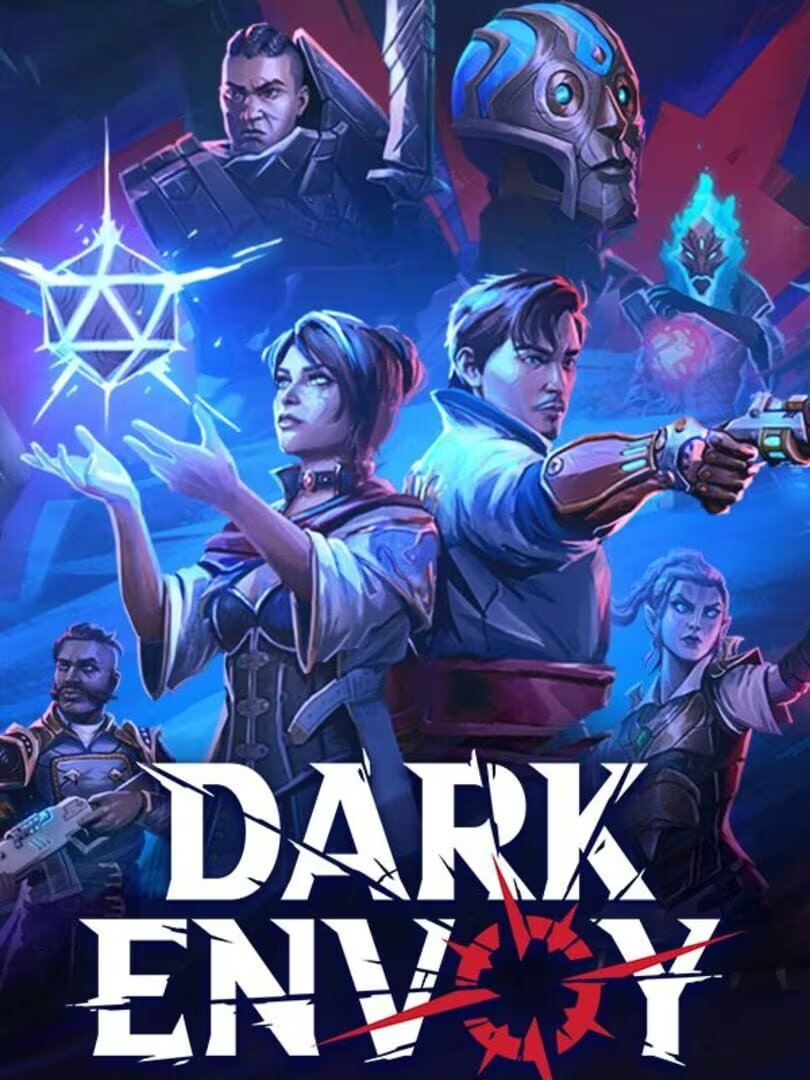 Dark Envoy
"Combat involves defeating monsters and enemies through tactical battles and spells."
-
Survival
Game with the same Survival vibe
3"Players manage health, stamina, and resources to survive monster encounters; threat avoidance important."
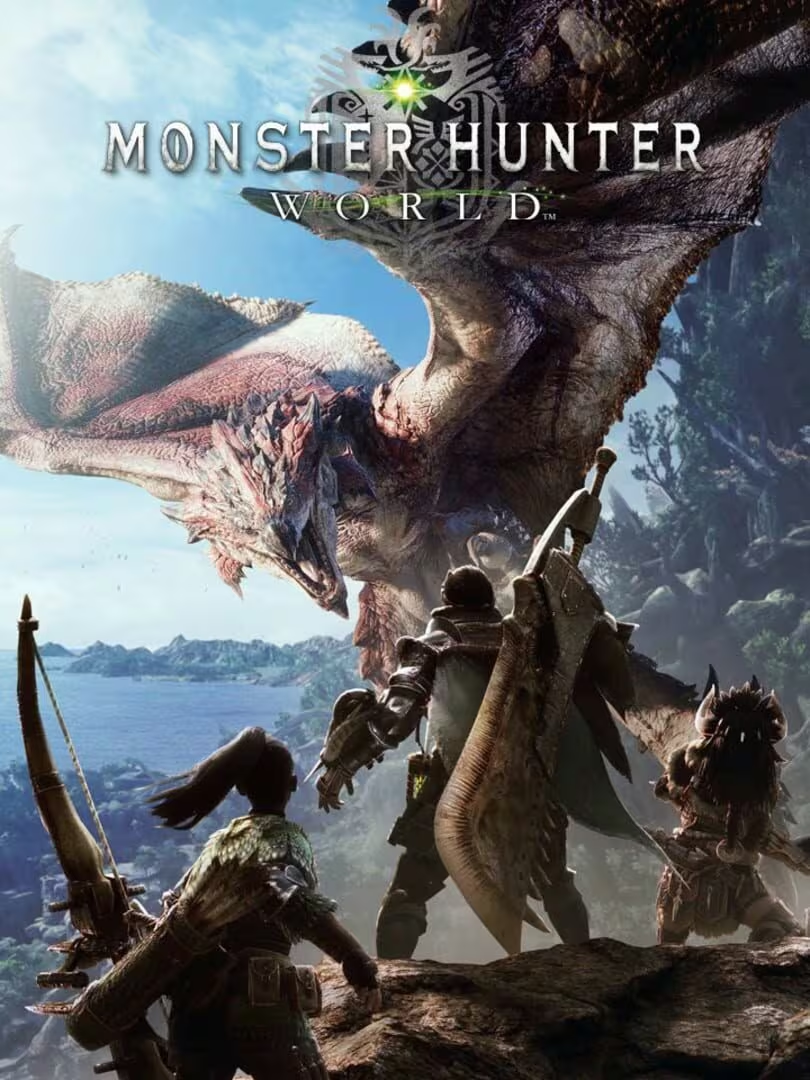 Monster Hunter: World
"Players manage resources and avoid threats; time pressure and monster invasions add survival challenges."
Last update: 01/06/2026