ARIA CHRONICLE similar games & best alternatives
Should you play it?
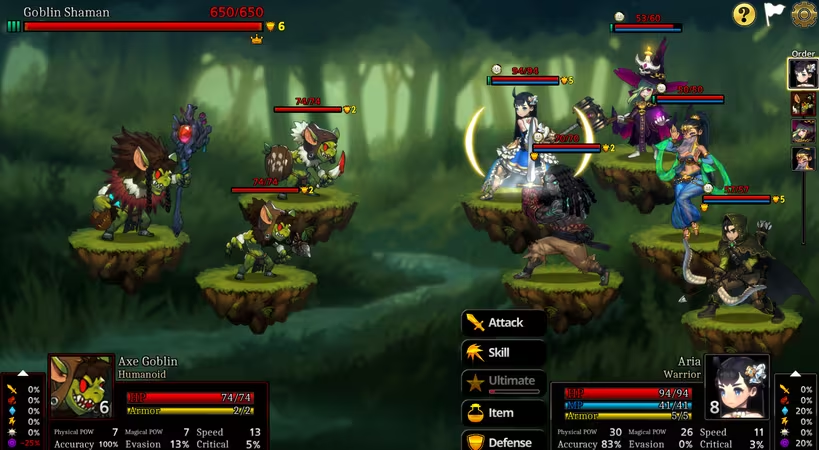
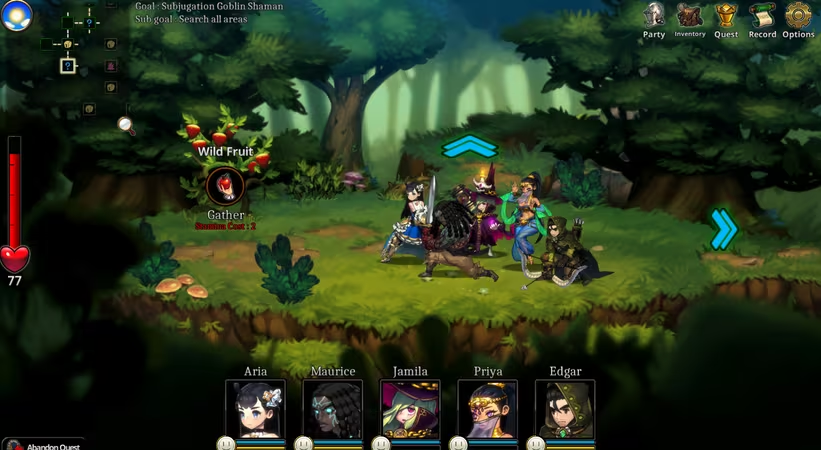
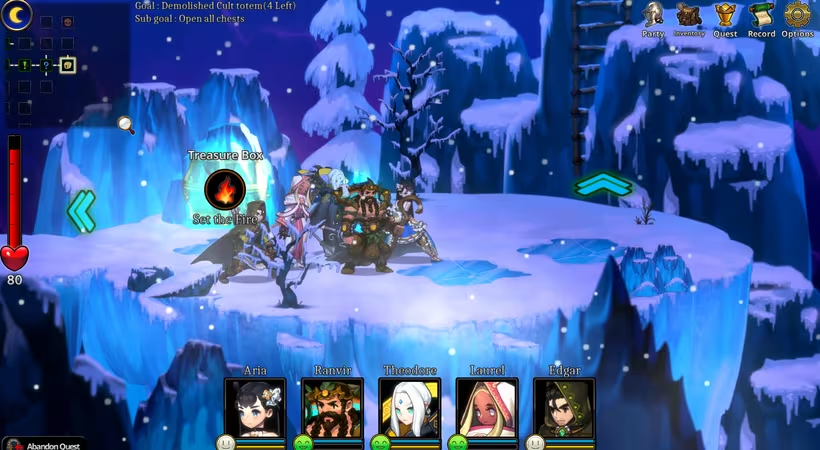
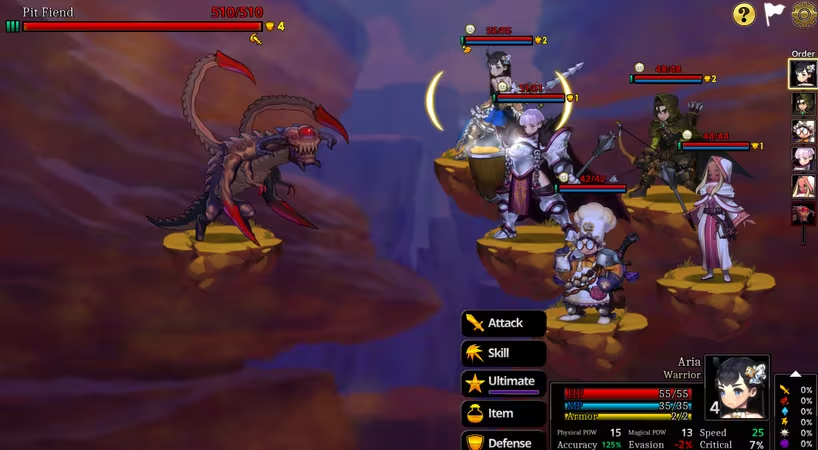
Randomized dungeons, strategic battles, diverse growth factors, unique characters... ARIA CHRONICLE offers an unparalleled gaming experience. Let’s set out to help the Princess of Tamageria!
What works
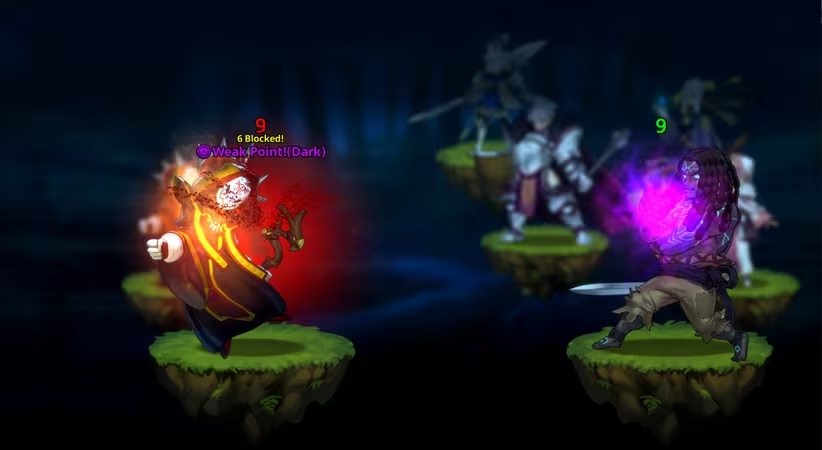
- Colorful anime art and animations
- Diverse classes with unique skills and synergies
- Tactical turn-based combat
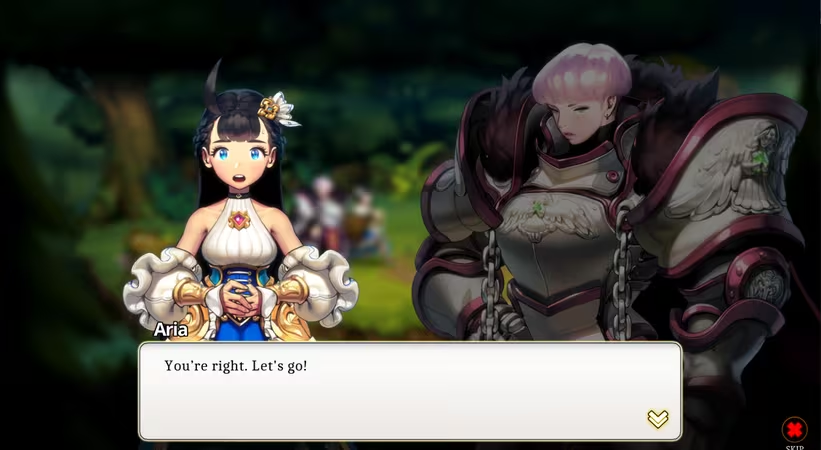
- Story and character interactions
- Town building and crafting systems
Things to keep in mind
- Some grind and repetitive quests
- Limited character visual customization
- Some ui and control clunkiness
- Occasional translation and description issues
- Map navigation can be tedious and stamina limited
What to play next
Top picks
Games that feel the closest overall
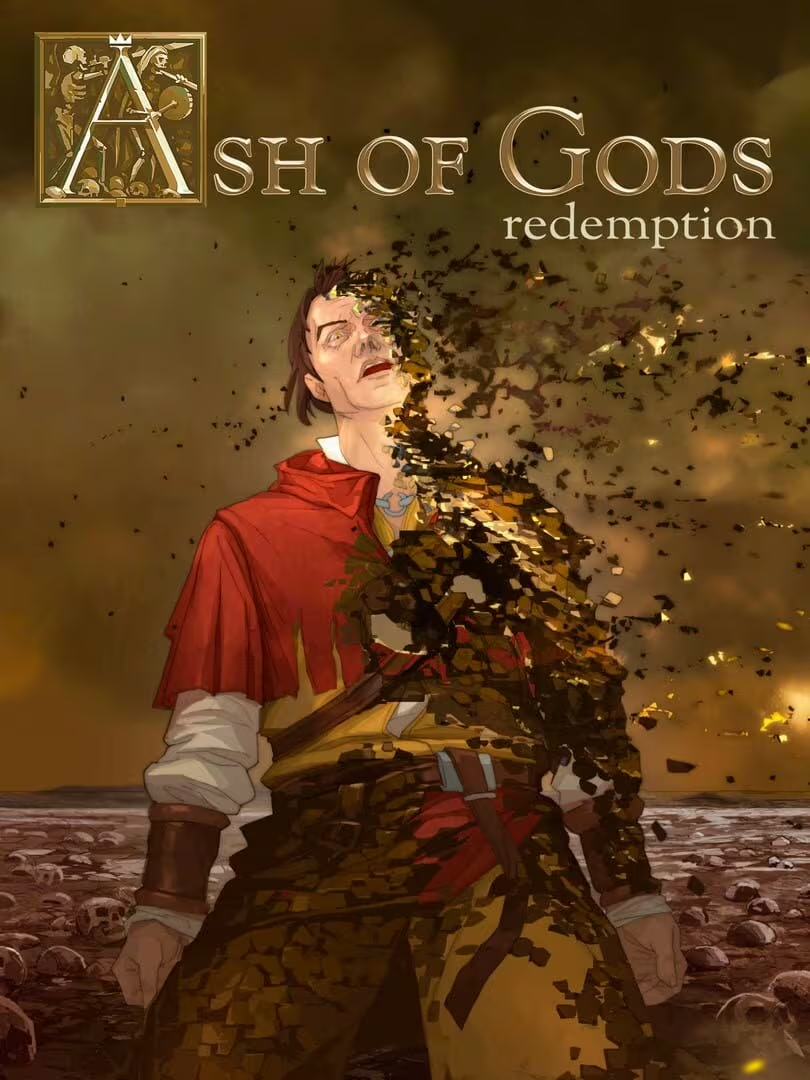
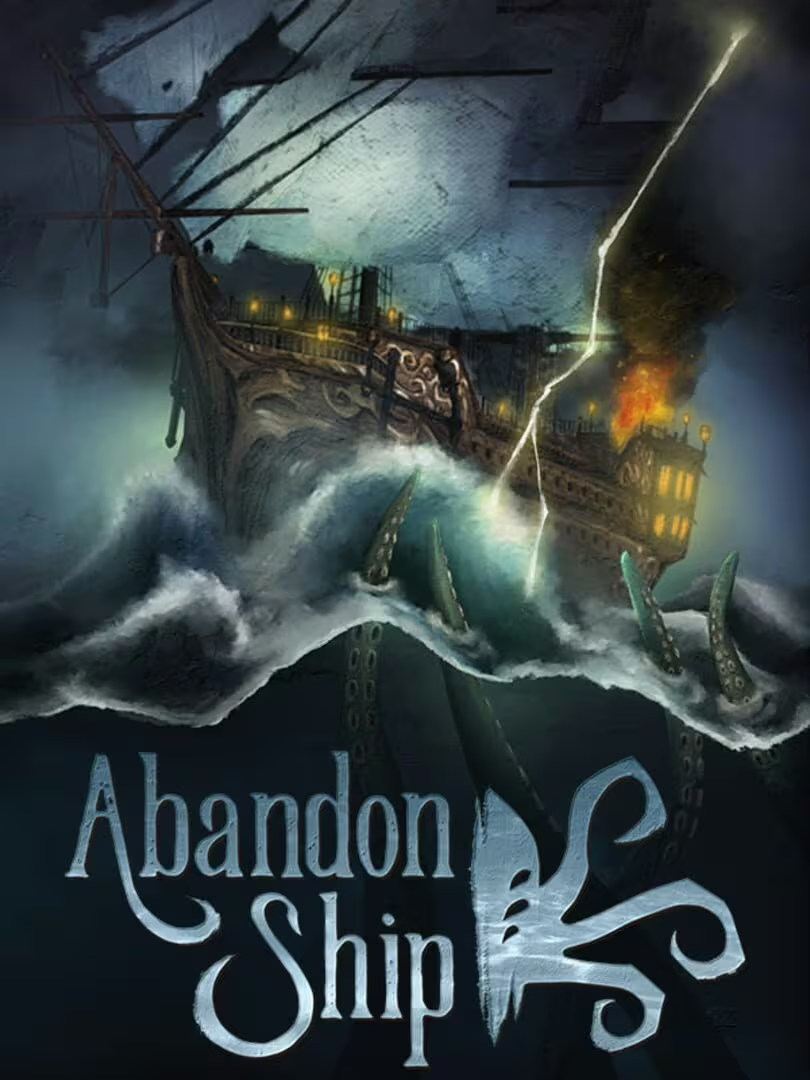
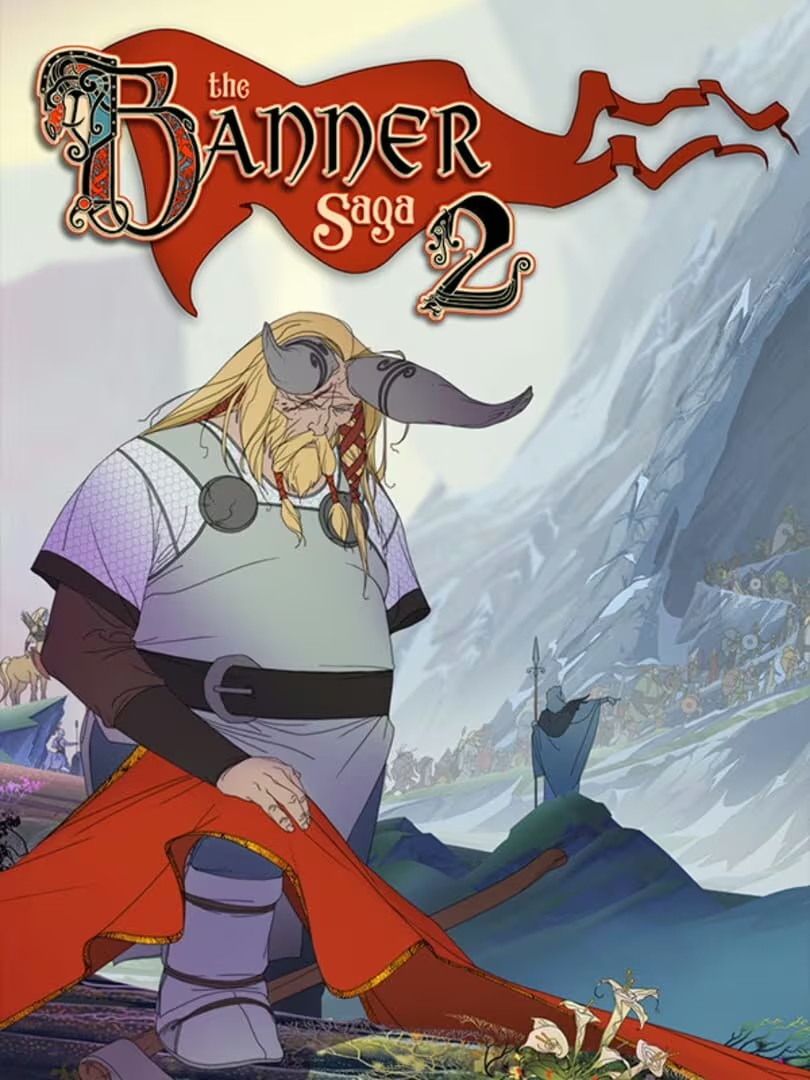
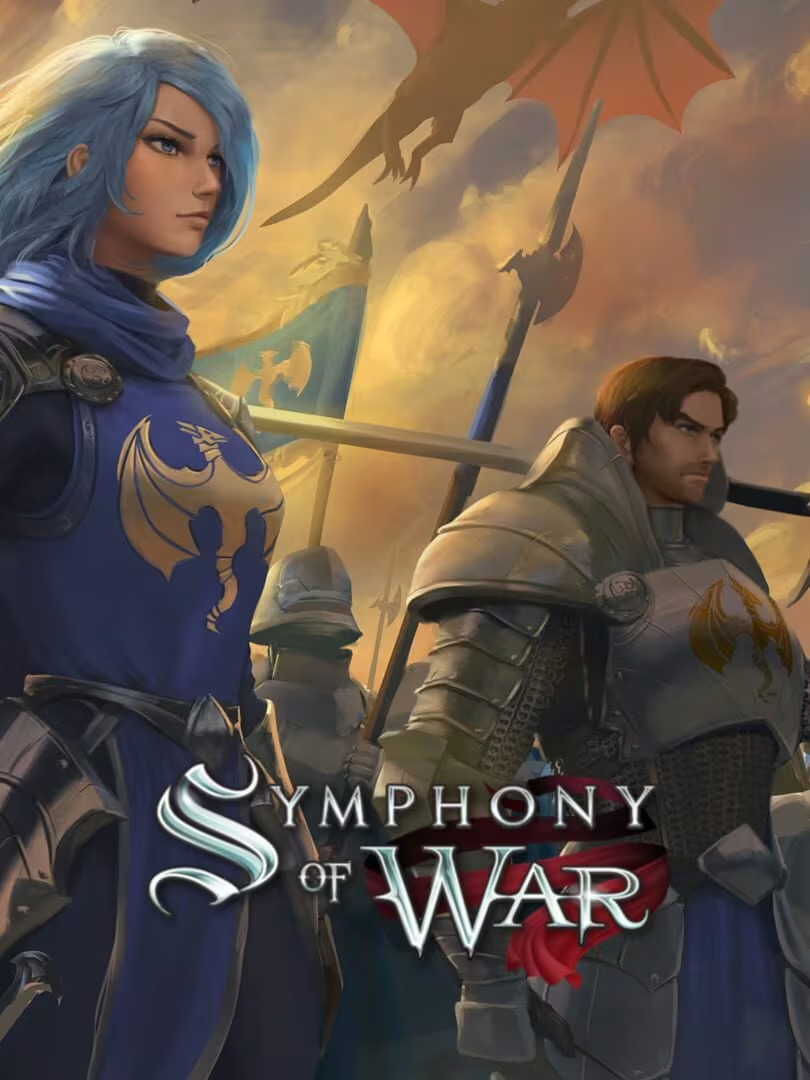
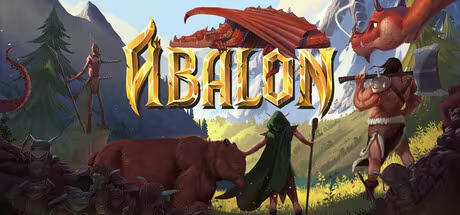
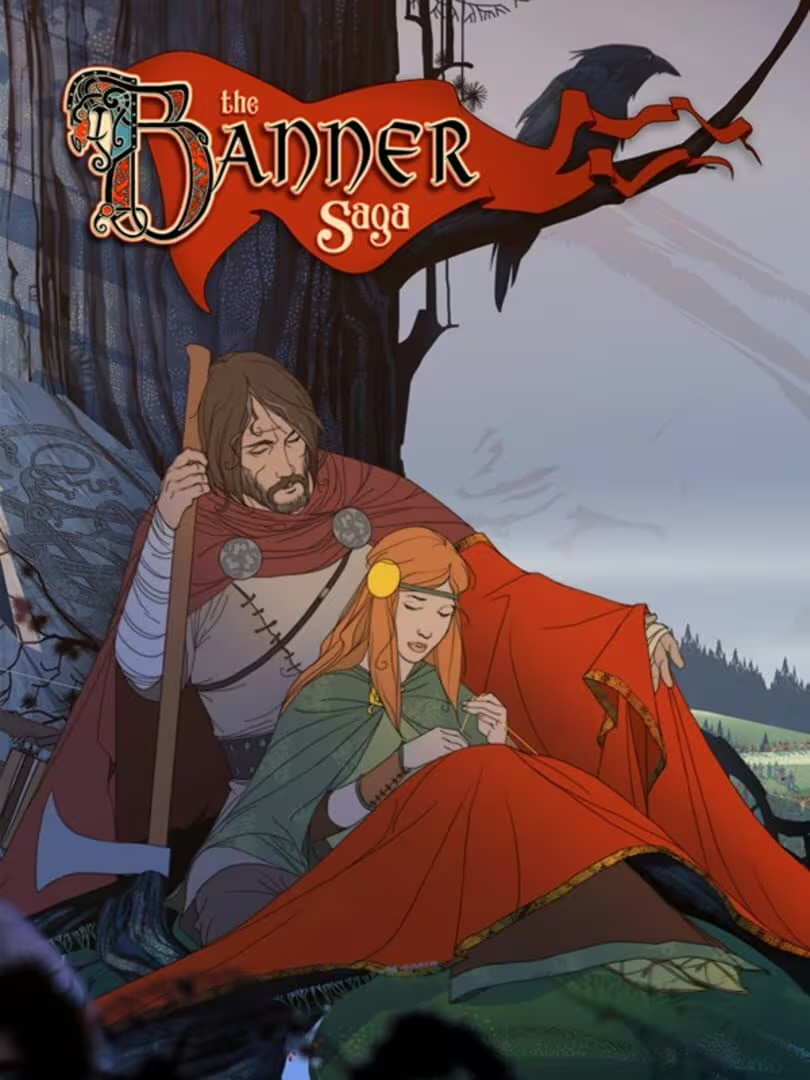
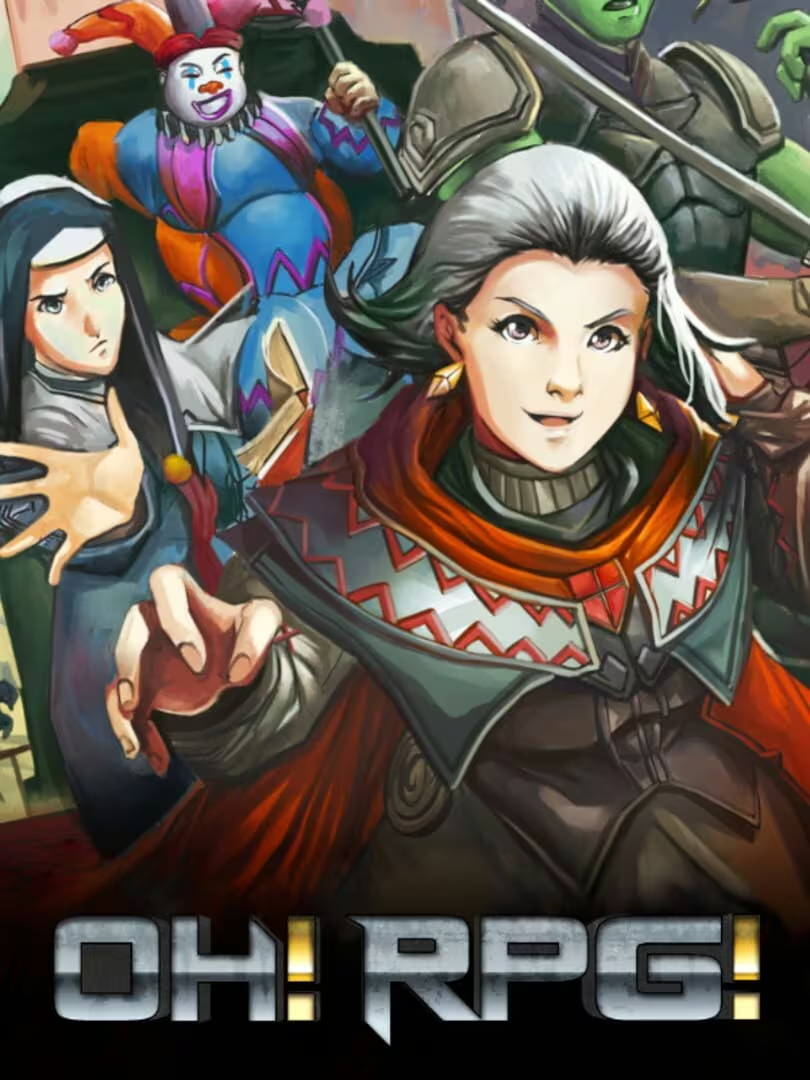
Hidden Gems
Less popular games with surprisingly high similarity
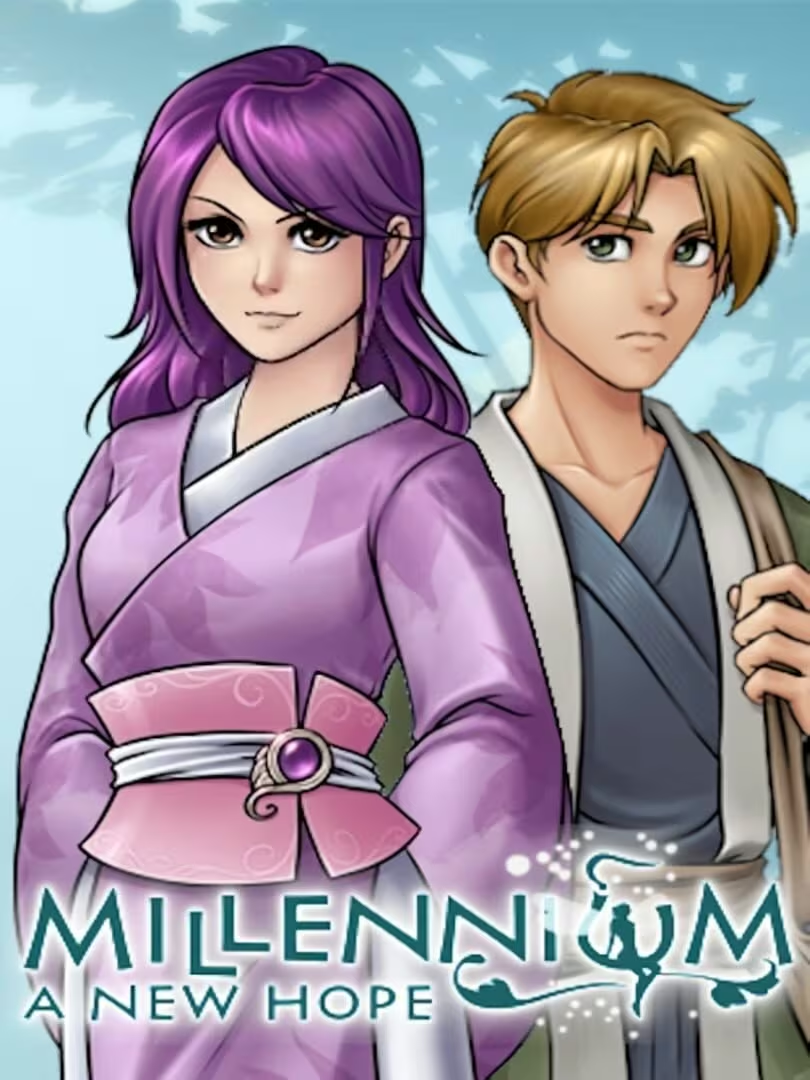
If you liked…
Recommendations by what you enjoyed most
Similarity map
Explore nearby similar games and see why they’re close.
ARIA CHRONICLE: Less representative of its motivational profile, with noticeable differences. Motivations that often define this kind of title include Violence, Survival, Fellowship, Cooperation. Here, the score leans higher than usual among comparable games on Leadership, Competition. It leans lower than usual among comparable games on Expression.
Why this game works
A motivational profile of the game, with the closest similar game for each player motivation.
-
Autonomy
Game with the same Autonomy vibe
3"Players can freely choose party members, switch characters for exploration and combat stances, and customize talents and builds, though the game is somewhat linear in progression."
"Players can choose main character class, freely compose party and customize equipment and traits, but exploration and combat follow some structured mechanics and limitations."
-
Competence
Game with the same Competence vibe
3"Combat requires skill and strategy with various weapon types and abilities; some grind involved but manageable."
"Combat requires tactical thinking, skill synergy, and strategic planning; leveling and equipment crafting add depth, though some grind and repetition exist."
-
Competition
Game with the same Competition vibe
1"Includes an arena mode with leaderboards for high scores, indicating some competitive elements, but main gameplay is largely single-player and self-paced."
"Includes an arena mode with boss rushes and challenges, but main gameplay is mostly single-player without heavy player-vs-player competition."
-
Continuation
Game with the same Continuation vibe
2"Players express desire to replay and continue playing, though limited maps reduce long-term engagement."
"Game has substantial content and replayability with multiple classes and modes, but some players find grind and map navigation tedious, affecting long-term engagement."
-
Cooperation
Game with the same Cooperation vibe
-3"Focus is on individual play or competitive multiplayer; no cooperative team play or collaboration reported."
"Focus is on individual player managing a party; no multiplayer or cooperative gameplay elements reported."
-
Creativity
Game with the same Creativity vibe
3"Players customize characters’ appearance, classes, and skill builds; equipment and party composition experimentation is encouraged."
"Players can customize party composition, select skills and traits, craft equipment, and experiment with synergies, though character visual customization is limited."
-
Domination
Game with the same Domination vibe
-3"Interactions are balanced within the party; no evidence of power imposition or dominance over others."
"Interactions are balanced within the party; no evidence of dominance or power imposition over others."
-
Escapism
Game with the same Escapism vibe
3"Players use game as a fun, engaging distraction with immersive mechanics and unique gameplay."
"Players use the game for immersive turn-based RPG experience with story and character interactions, providing distraction and engagement."
-
Expectation
Game with the same Expectation vibe
-3"Players mostly engage voluntarily for enjoyment; some feel pressured by grind or pay-to-win aspects but not obligation."
"Most players engage voluntarily for enjoyment; some mention grind but no evidence of obligation or external pressure."
-
Experimenting
Game with the same Experimenting vibe
3"Players try different classes, skills, weapons, and strategies; modding and map exploration encourage experimentation."
"Players try different class combinations, skill builds, and party synergies; exploration involves random maps encouraging adaptation."
-
Exploration
Game with the same Exploration vibe
2"Randomly generated dungeons offer some discovery, but maps and progression paths are somewhat repetitive."
"Procedurally generated dungeons with random layouts and events encourage discovery, though some find map navigation repetitive and limited by stamina."
-
Expression
Game with the same Expression vibe
-2"Some character customization exists via equipment, but no significant avatar personalization or cosmetic modification."
"Character visual customization is minimal; mostly standardized appearances with equipment changes reflected but no color or avatar personalization."
-
Fantasy
Game with the same Fantasy vibe
4"Set in a medieval fantasy world with princess protagonist, magic, monsters, and a fairy tale style narrative."
"Set in a fantasy world with princess protagonist, magic, mythical creatures, and anime-style storytelling."
-
Fellowship
Game with the same Fellowship vibe
-4"Single-player experience with limited social interaction; no multiplayer or community features."
"Single-player experience focused on managing own party; no social or multiplayer community elements."
-
Growth
Game with the same Growth vibe
4"Strong emphasis on character leveling, skill trees, and equipment upgrades for personal development."
"Strong emphasis on character leveling, skill unlocking, trait management, and equipment crafting for personal development."
-
Health
Game with the same Health vibe
-4"Sedentary gameplay with no physical activity; some reports of excessive play causing fatigue."
"Sedentary gameplay with no physical activity; some players report fatigue from repetitive controls and long sessions."
-
Idle
Game with the same Idle vibe
-3"Requires focused attention during tactical combat and decision-making; some downtime on global map but overall active engagement."
"Requires focused attention during combat and exploration; some downtime during map navigation but generally active engagement."
-
Intimacy
Game with the same Intimacy vibe
-4"Limited to character interactions within the party; no close social relationships or emotional sharing outside."
"Limited to character interactions within party; no close social relationships or emotional sharing beyond scripted dialogue."
-
Leadership
Game with the same Leadership vibe
2"Player leads party members in combat and exploration, making strategic decisions."
"Player leads and manages party composition and strategy, guiding decision-making in combat and exploration."
-
Progression
Game with the same Progression vibe
4"Clear progression through leveling, gear upgrades, and unlocking new skills and building options."
"Clear progression through leveling, equipment upgrades, town building, and unlocking new content and classes."
-
Relaxation
Game with the same Relaxation vibe
1"Some players find the game fun and satisfying, but others note grind and occasional frustration, indicating mixed relaxation experience."
"Some players find combat and exploration engaging and fun, others find grind and map navigation tedious, causing mixed relaxation experience."
-
Sensation
Game with the same Sensation vibe
3"Appealing anime art, voice acting, and music provide sensory enjoyment and emotional engagement."
"Colorful anime art, voice acting, and music provide sensory enjoyment and emotional engagement."
-
Status
Game with the same Status vibe
-3"Achievements exist but social recognition or popularity is not a major focus; experience is mostly individual."
"Achievements and arena provide some recognition, but mostly a personal experience without broad social status or popularity."
-
Story
Game with the same Story vibe
3"Narrative is present with character interactions, lore, and story progression, though some find it subtle or secondary."
"Narrative is present with character interactions and plot progression, though some find it generic and predictable."
-
Strategy
Game with the same Strategy vibe
4"Combat and party building require tactical planning, resource management, and adapting to enemy types and dungeon challenges."
"Requires tactical combat planning, party synergy, resource management, and adapting to random dungeon layouts."
-
Thrill
Game with the same Thrill vibe
1"Some suspense from managing stress and avoiding failure, but overall controlled and predictable gameplay."
"Some tension from managing stamina and mental state, but overall less punishing and suspenseful than similar games."
-
Value
Game with the same Value vibe
4"Players perceive good value for price with solid gameplay and content, though some note grindiness."
"Good content and gameplay for price; some players note grind but overall positive value for money and time."
-
Violence
Game with the same Violence vibe
3"Combat involves defeating enemies with weapons; some gore and action elements present."
"Combat involves attacking and defeating enemies with various skills and effects; some players note gore and status effects."
-
Survival
Game with the same Survival vibe
2"Players manage stamina, health, and sanity to survive challenging encounters and bosses."
"Players manage stamina, mental state, and resources to avoid failure and progress through challenging dungeons."



Last update: 10/07/2026