ISLANDS: Non-Places similar games & best alternatives
Should you play it?
The familiar becomes magical in this critically acclaimed interactive artscape. Explore ten scenes inspired by the everyday and let your expectations of reality be transformed. Carl Burton's other work has been featured in the New York Times, Serial, Colossal, and Medium.
What works
- Unique artistic and surreal experience
- Beautiful visuals and sound design
- Relaxing and meditative atmosphere
- Thought-provoking and evocative
- Affordable price
Things to keep in mind
- Very short gameplay length
- Minimal interactivity and challenge
- Lack of traditional narrative or progression
- No replay value for many players
- Some find audio irritating or repetitive
What to play next
Similar games, hidden gems, and fresh directions from this game.
Top picks
Games that feel the closest overall
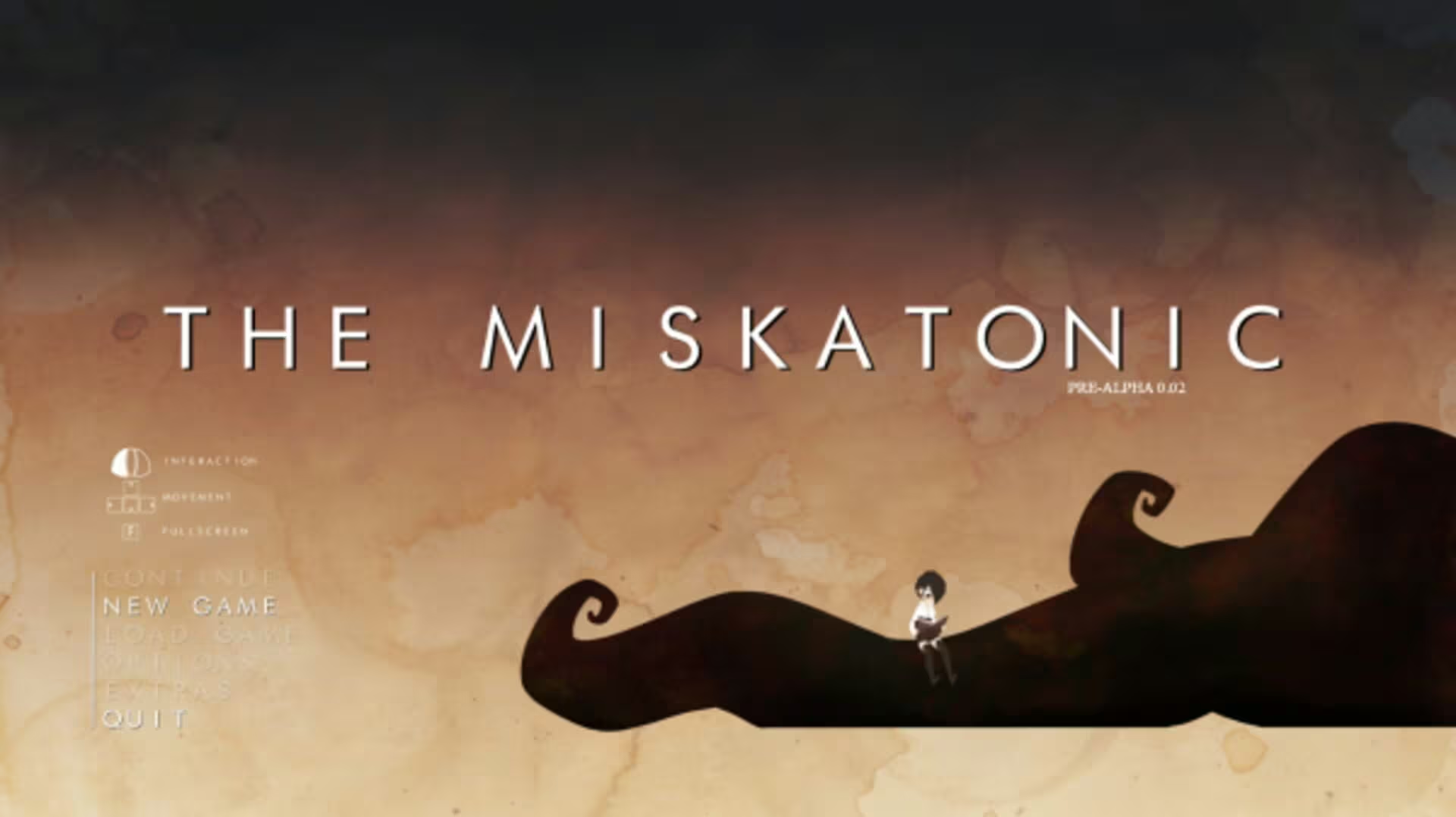
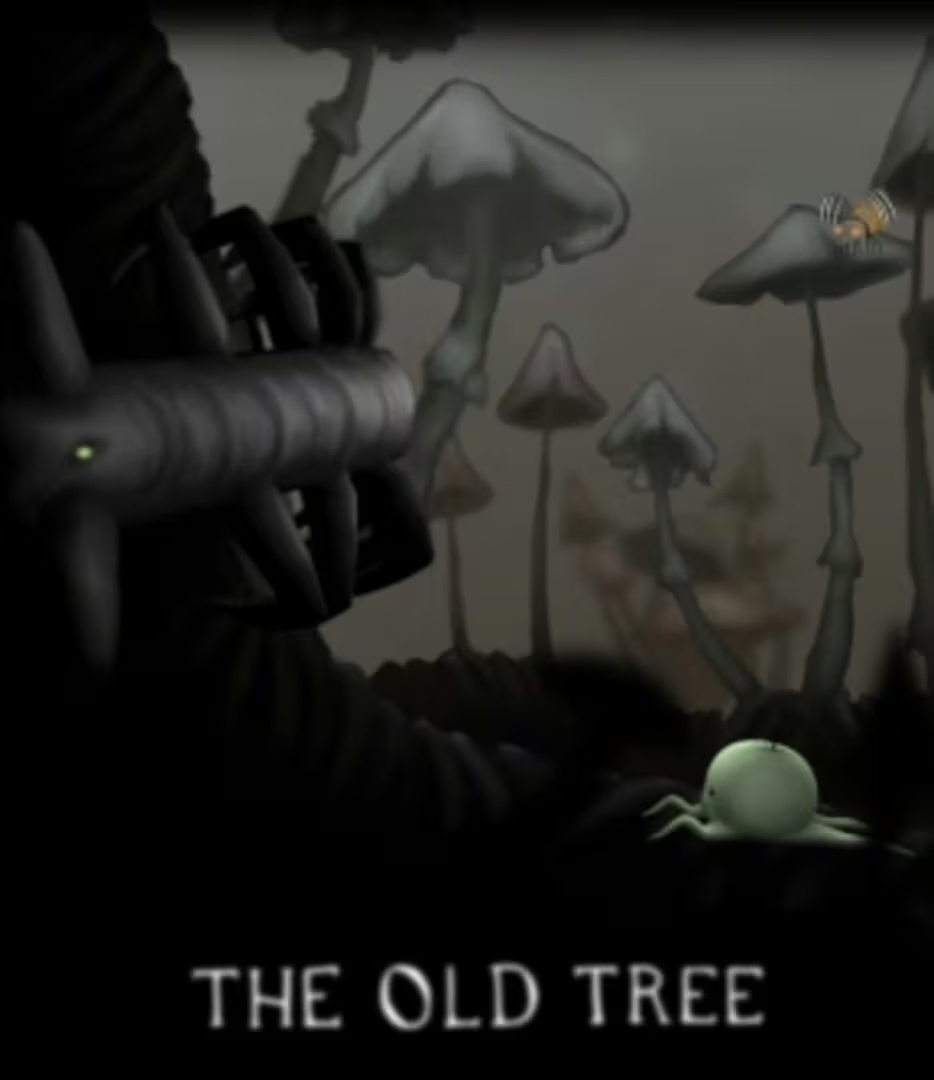
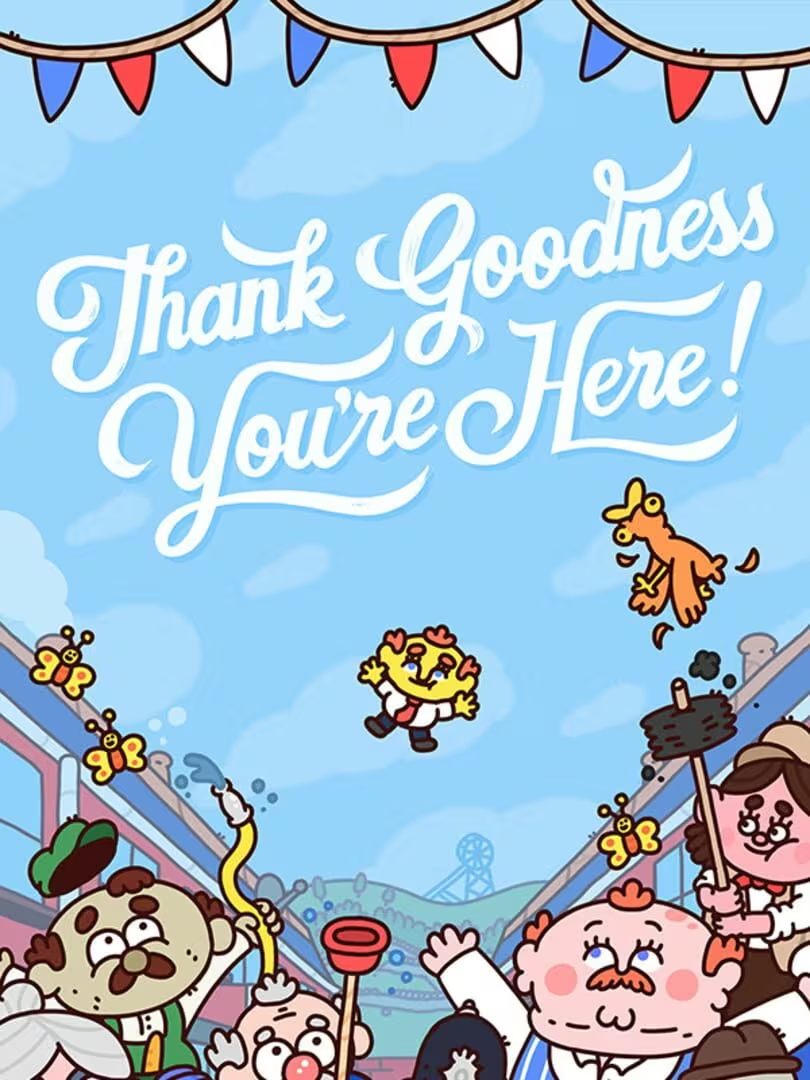
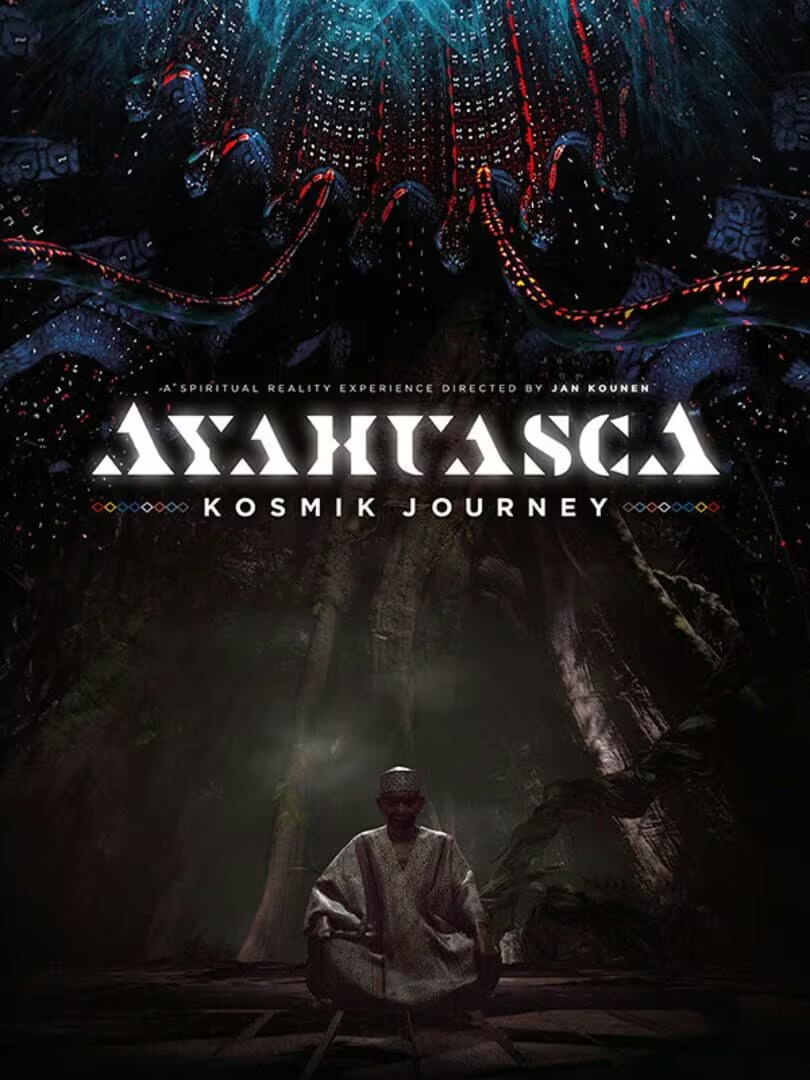
Hidden Gems
Less popular games with surprisingly high similarity
If you liked…
Recommendations by what you enjoyed most
Similarity map
Explore nearby similar games and see why they’re close.
ISLANDS: Non-Places: Less representative of its motivational profile, with noticeable differences. Motivations that often define this kind of title include Strategy, Experimenting, Competence, Survival. Here, the score leans higher than usual among comparable games on Creativity. It leans lower than usual among comparable games on Progression, Growth.
Why this game works
A motivational profile of the game, with the closest similar game for each player motivation.
-
Autonomy
Game with the same Autonomy vibe
-3"Gameplay is limited to clicking and looking around predefined scenes with minimal player control."
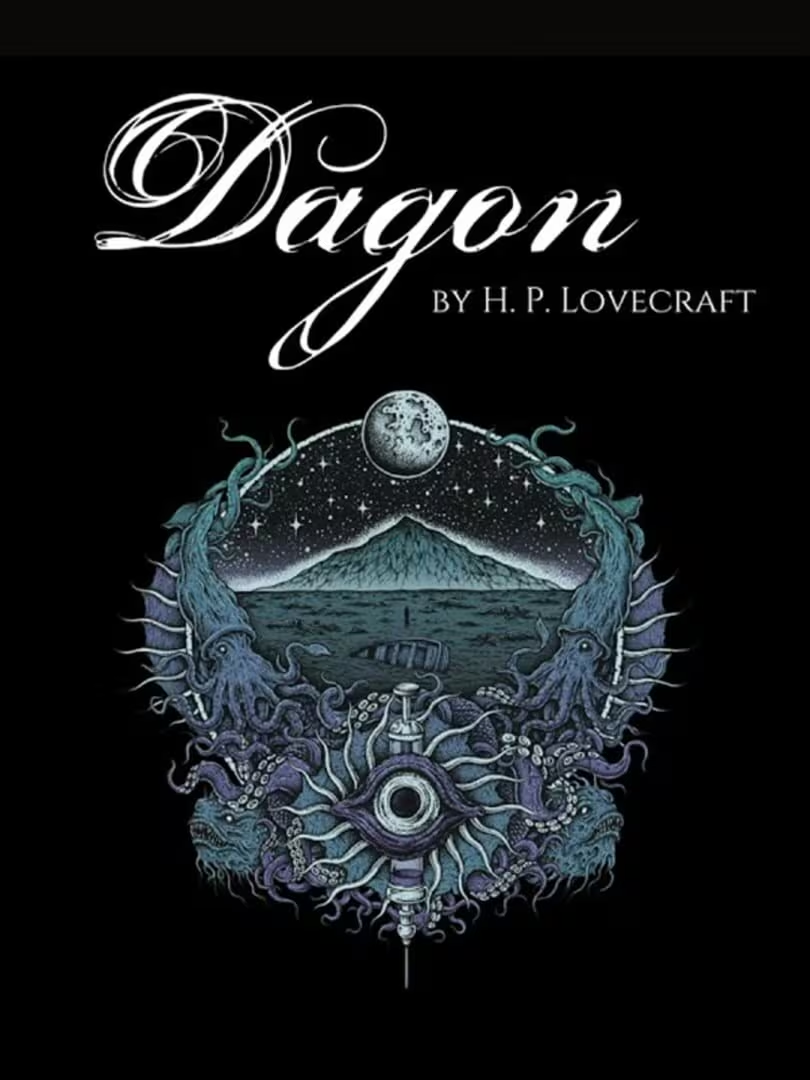 Dagon: by H. P. Lovecraft
"Player actions are limited to clicking highlighted objects in a linear sequence with minimal freedom."
-
Competence
Game with the same Competence vibe
-4"Gameplay involves passive watching with no skill or challenge, focusing on predictable, repetitive observation."
 Paint Drying Simulator
"Gameplay involves simple clicking with no skill or challenge, emphasizing passive observation."
-
Competition
Game with the same Competition vibe
-5"No competitive elements; focus is on solitary experience without comparison to others."
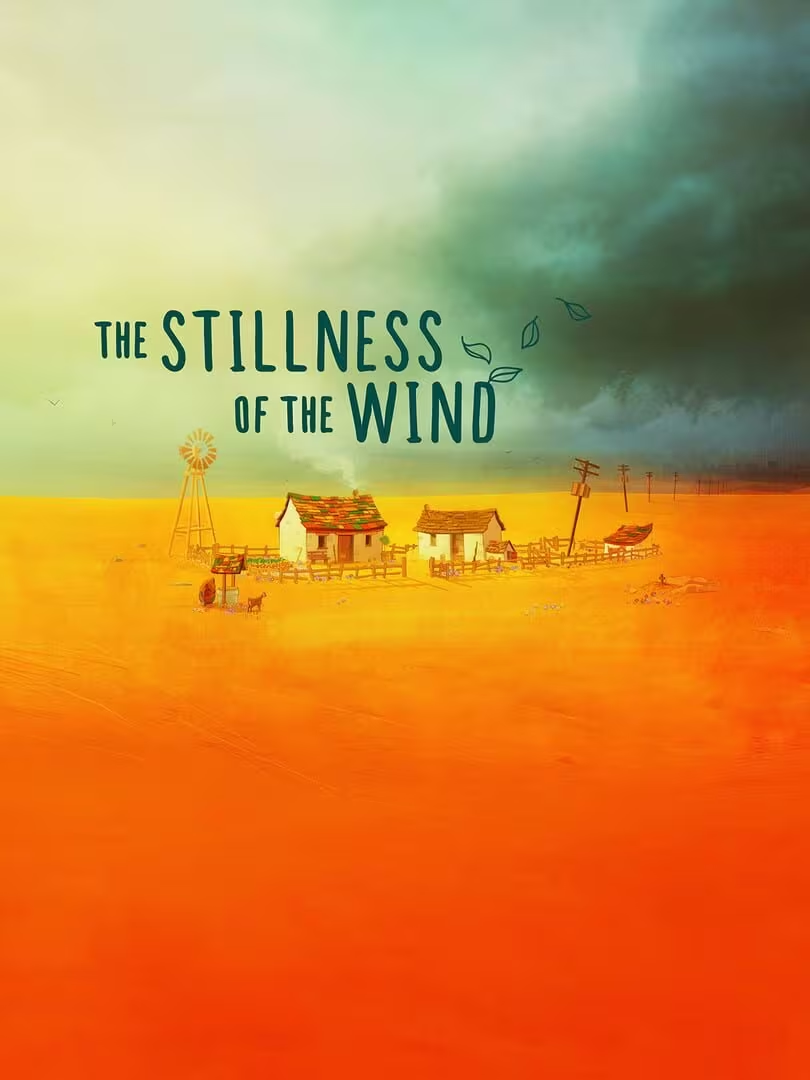 The Stillness of the Wind
"No competitive elements or comparison to others; purely a solitary experience."
-
Continuation
Game with the same Continuation vibe
0"Short game length (~1 hour) with some players replaying immediately, but generally limited replay value."
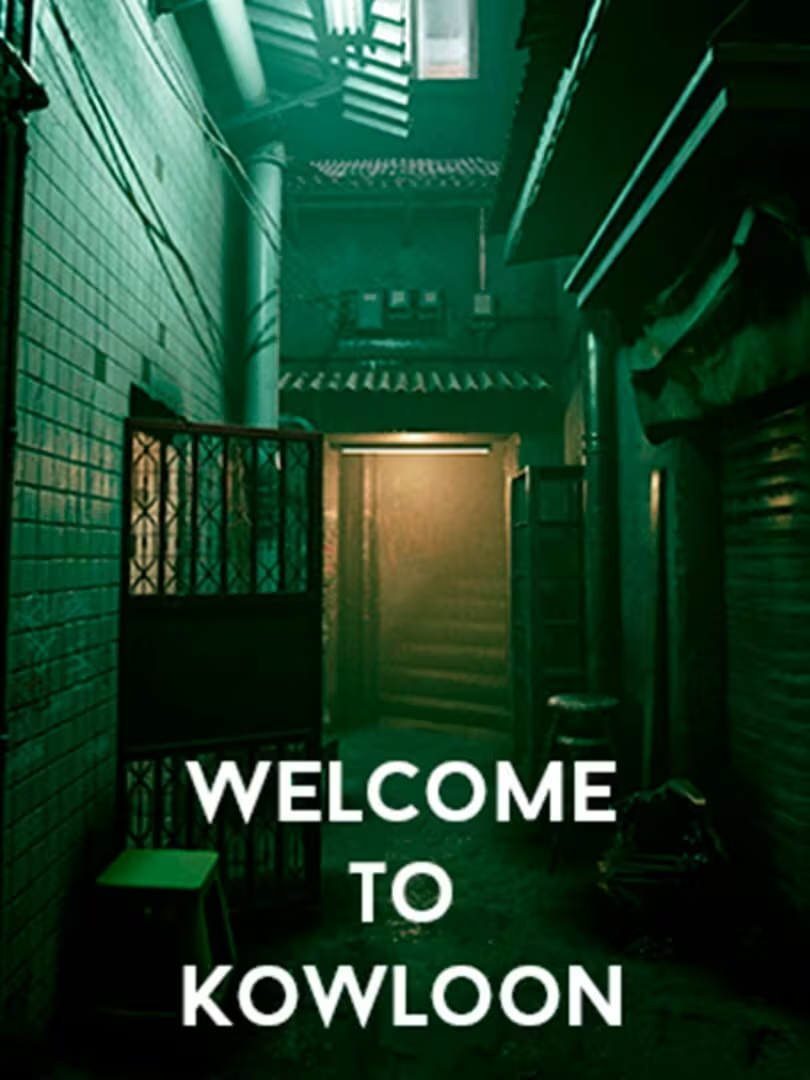 Welcome to Kowloon
"Short experience (~45 minutes) with some replay value but generally not designed for long habitual play."
-
Cooperation
Game with the same Cooperation vibe
-5"Entirely single-player with no cooperative or social gameplay."
 The Flood
"Entirely single-player with no cooperative or social gameplay."
-
Creativity
Game with the same Creativity vibe
4"Highly creative environments, religious symbolism, and narrative design with unique artistic expression."
 Gray Dawn
"Highly creative and artistic environments that encourage personal interpretation and aesthetic appreciation."
-
Domination
Game with the same Domination vibe
-5"No elements of exerting control or superiority over others; experience is personal and equal."
 Home is Where One Starts...
"No elements of control or superiority over others; experience is personal and equal."
-
Escapism
Game with the same Escapism vibe
4"The surreal, dreamlike atmosphere and abstract story provide a strong escape from reality."
 Etherborn
"Provides a surreal, dreamlike escape from reality through abstract art and atmosphere."
-
Expectation
Game with the same Expectation vibe
-4"Engagement driven by intrinsic interest in art and creativity rather than obligation or external pressure."
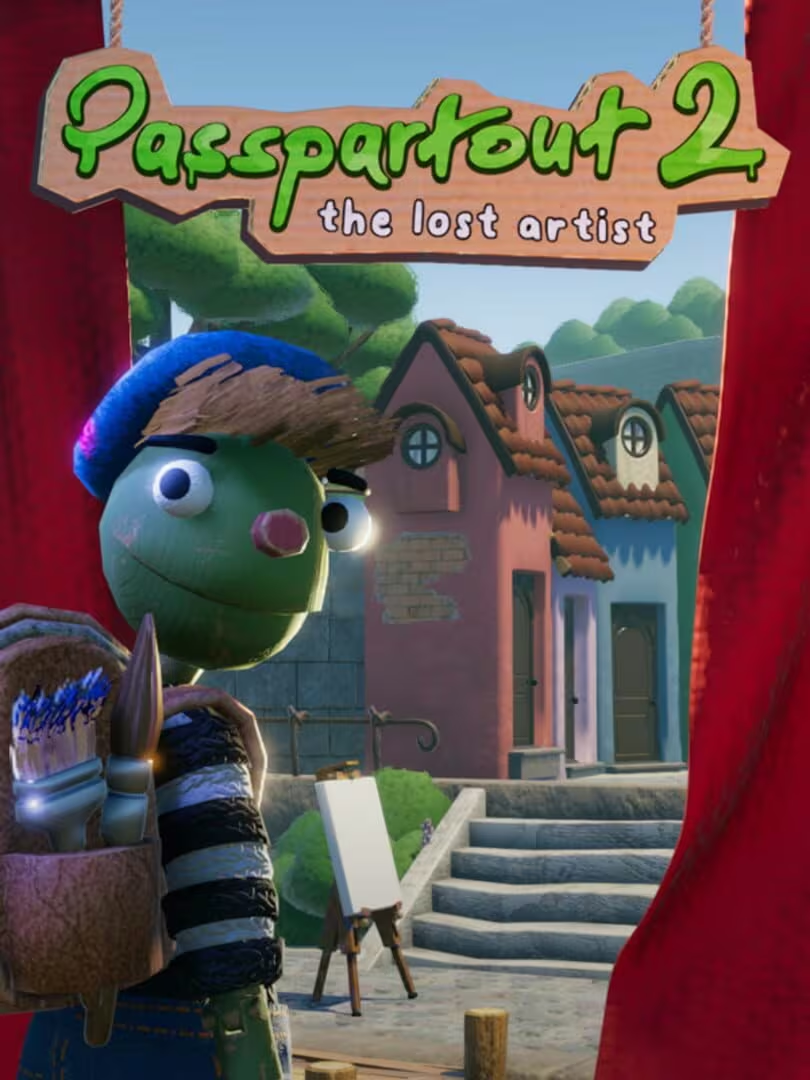 Passpartout 2: The Lost Artist
"Engagement is voluntary and driven by curiosity and intrinsic interest in art rather than obligation."
-
Experimenting
Game with the same Experimenting vibe
-2"Gameplay follows established point-and-click routines with limited novelty or experimentation."
 Shiver
"Interaction is limited and guided; little room for novel experimentation beyond clicking highlighted spots."
-
Exploration
Game with the same Exploration vibe
3"Players explore surreal environments and uncover complex story elements and hidden meanings."
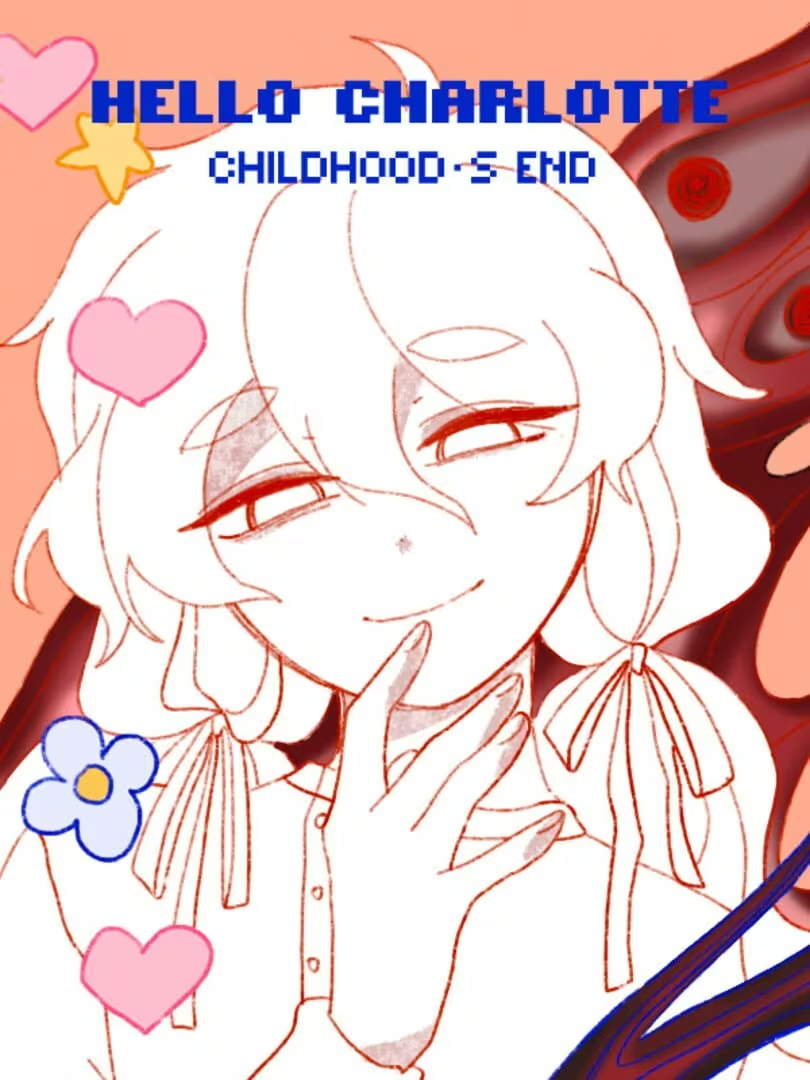 Hello Charlotte EP3: Childhood's End
"Players explore surreal environments at their own pace, discovering unfolding scenes."
-
Expression
Game with the same Expression vibe
-3"No customization or personalization options; presentation is fixed and minimalistic."
 Space Between Worlds
"No customization or personalization options; presentation is fixed by the artist."
-
Fantasy
Game with the same Fantasy vibe
4"Abstract, surreal, and dreamlike narrative and visuals create an imaginative, non-realistic experience."
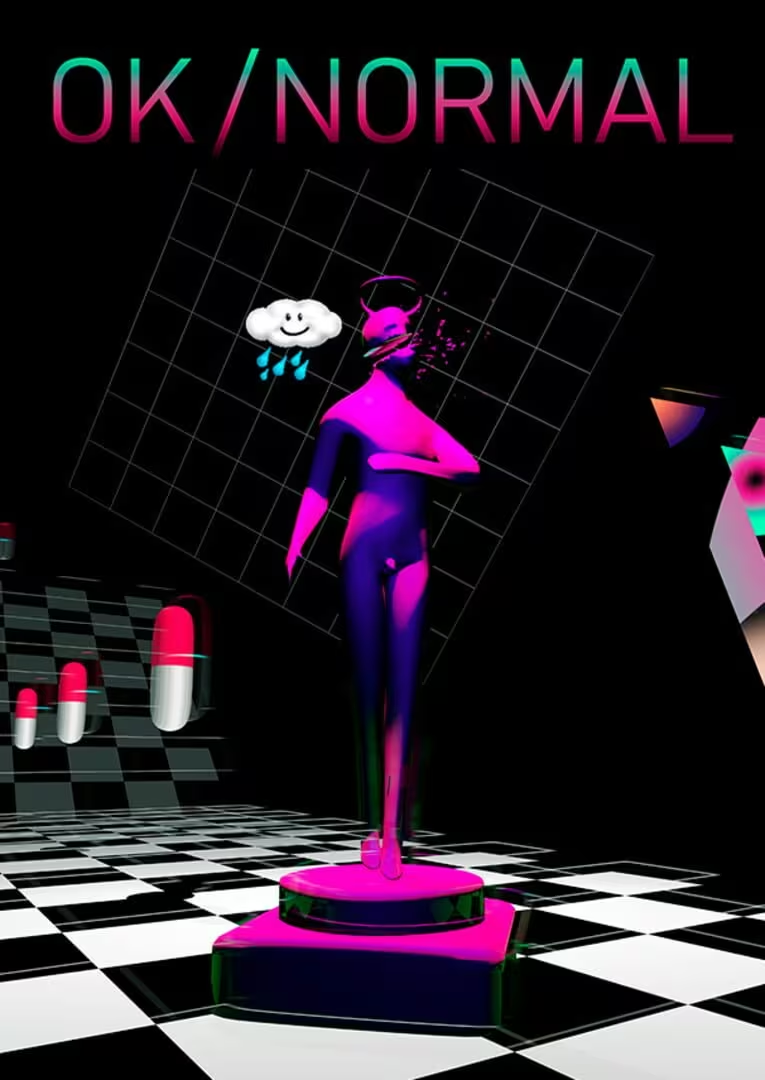 OK/NORMAL
"Strong surreal and imaginative elements creating a dreamlike, abstract experience."
-
Fellowship
Game with the same Fellowship vibe
-5"No social or community features; experience is solitary."
 Griptape Backbone
"No social or community features; experience is solitary."
-
Growth
Game with the same Growth vibe
-4"Little learning or skill development; gameplay is simple and repetitive with minimal progression."
 OMON Simulator
"Minimal learning or skill development; gameplay is straightforward and repetitive."
-
Health
Game with the same Health vibe
-5"Sedentary experience with no physical activity involved."
 CLANNAD Side Stories
"Sedentary experience with no physical activity involved."
-
Idle
Game with the same Idle vibe
3"Short sessions and minimal interaction allow for casual, low-attention engagement."
 Creature Romances: Kokonoe Kokoro
"Designed for relaxed, casual engagement with minimal demands on attention."
-
Intimacy
Game with the same Intimacy vibe
-5"No social interaction or relationship-building elements."
 Into the Breach
"No social interaction or relationship-building elements."
-
Leadership
Game with the same Leadership vibe
-5"No leadership or group management roles; purely individual experience."
 MiSide
"No leadership or group management roles; purely individual experience."
-
Progression
Game with the same Progression vibe
-4"No accumulation of items or upgrades; static experience with fixed scenes."
 KIDS
KIDS
"No accumulation of items or upgrades; static progression through linear scenes."
-
Relaxation
Game with the same Relaxation vibe
4"Calm, meditative atmosphere with soothing soundtrack and gentle pacing promotes relaxation."
 A Mortician's Tale
"Calm, meditative atmosphere designed for relaxation and contemplation."
-
Sensation
Game with the same Sensation vibe
4"Strong sensory stimulation through visuals, sound design, and physics effects; immersive emotional experience."
 Paper Beast
"Strong sensory stimulation through visuals and audio creating immersive emotional experiences."
-
Status
Game with the same Status vibe
-5"No social recognition or status systems present."
 Resident Evil 7 Biohazard
"No social recognition or status systems present."
-
Story
Game with the same Story vibe
2"Narrative is abstract and environmental, conveyed symbolically without explicit storytelling."
 Kairo
Kairo
"No traditional narrative but conveys abstract, evocative themes through visual and audio storytelling."
-
Strategy
Game with the same Strategy vibe
-5"No strategic or problem-solving elements; gameplay is linear and straightforward."
 Serre
Serre
"No strategic or problem-solving elements; gameplay is simple and linear."
-
Thrill
Game with the same Thrill vibe
-4"No suspense or risk; experience is controlled and predictable."
 Home Design 3D
"Lacks suspense or risk; experience is controlled and predictable."
-
Value
Game with the same Value vibe
1"Generally considered good value for a short, high-quality artistic experience, especially on sale."
 Monument Valley 2
"Generally considered worth the low price for the unique artistic experience, though some find it short."
-
Violence
Game with the same Violence vibe
-5"No violence or destructive gameplay elements."
 qualia
"No violence or destructive gameplay elements."
-
Survival
Game with the same Survival vibe
-5"No threats or survival mechanics; stable and safe environments."
 0°N 0°W
"No threats or survival mechanics; stable, safe environments."
Last update: 01/06/2026