The Pedestrian similar games & best alternatives
Should you play it?
I can see the signs in my sleep now, always guiding me closer. Will this really work? Have we almost achieved the impossible?
What works
- Unique and creative puzzle mechanics
- Beautiful and immersive 3d urban environments
- Relaxing and fitting soundtrack
- Smooth and intuitive gameplay
- Well-balanced difficulty progression
Things to keep in mind
- Short game length with limited replayability
- Some mechanics introduced abruptly without tutorial
- Lack of post-game content or level editor
- No multiplayer or social features
- Price considered high by some for duration
What to play next
Similar games, hidden gems, and fresh directions from this game.
Top picks
Games that feel the closest overall
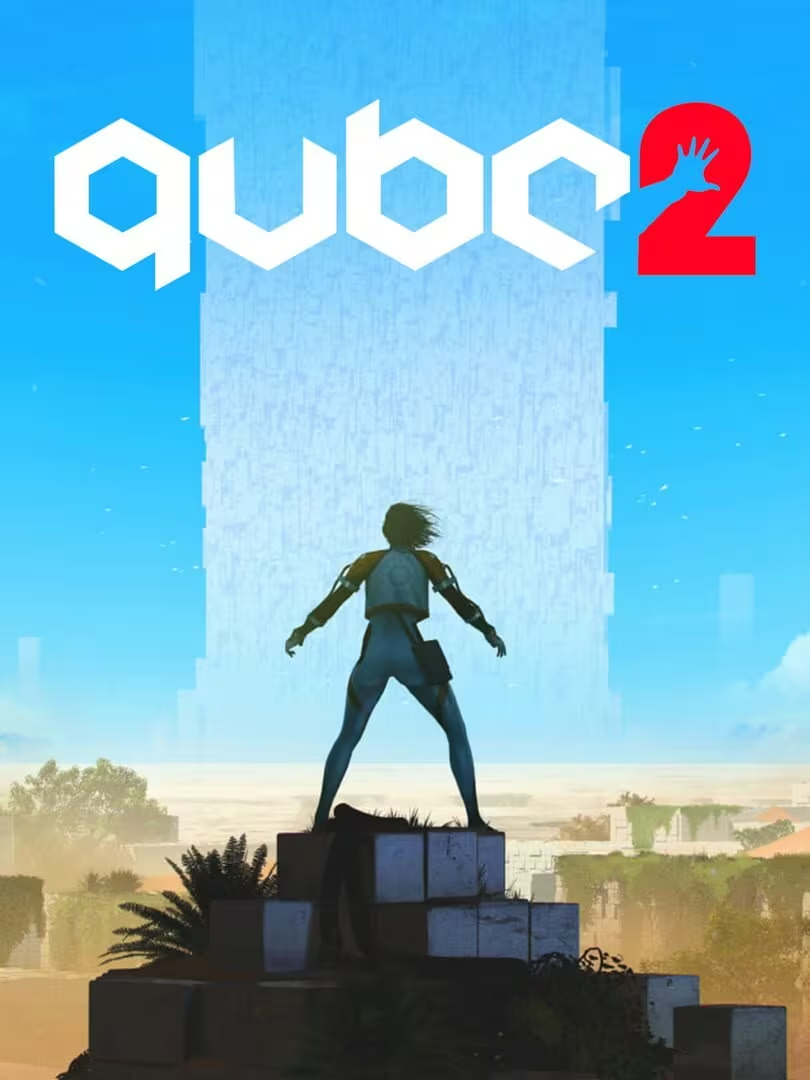
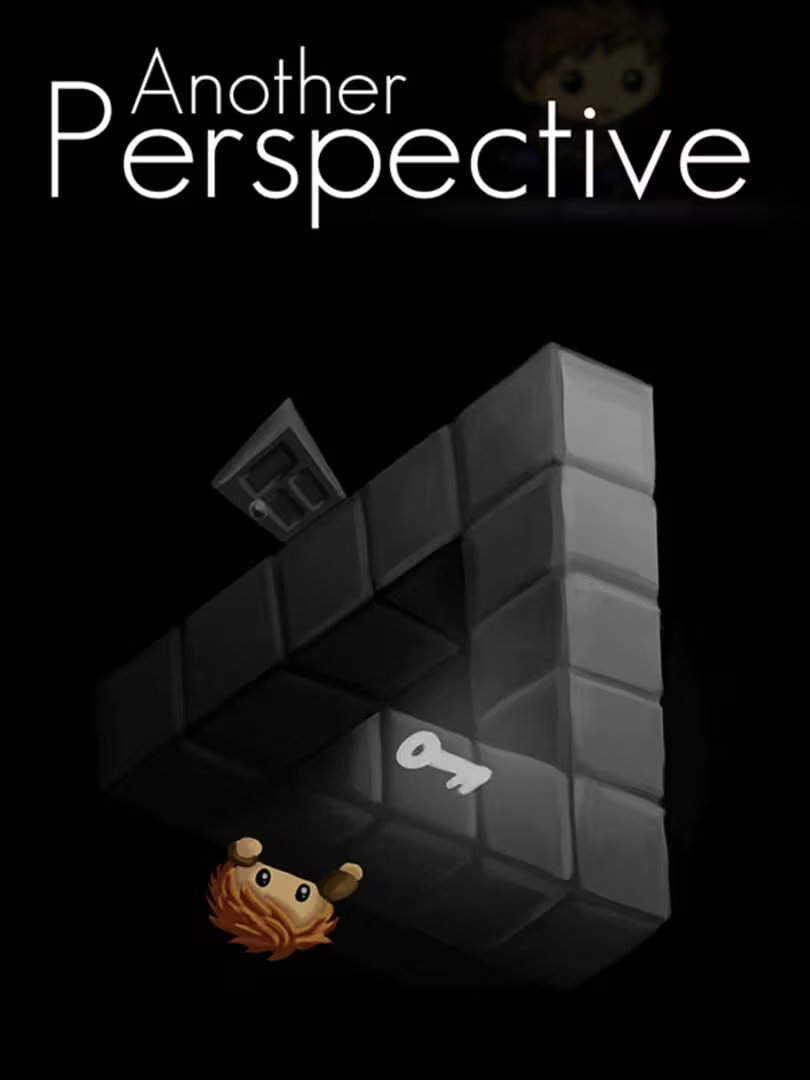
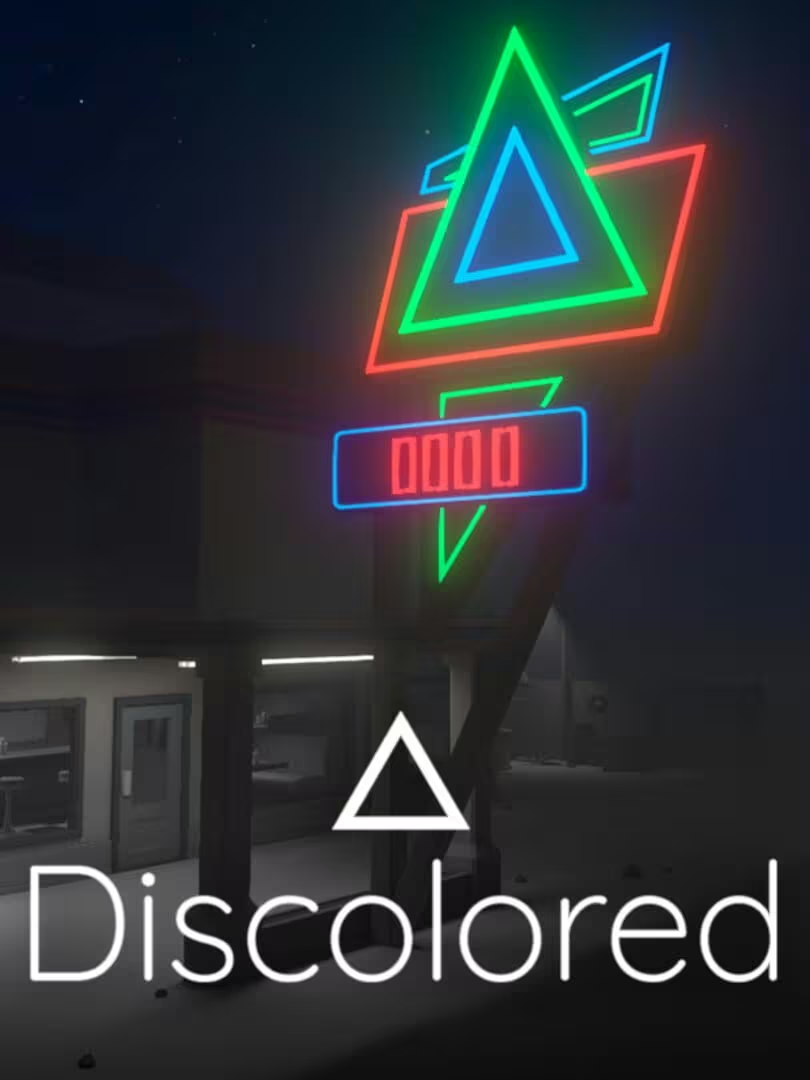
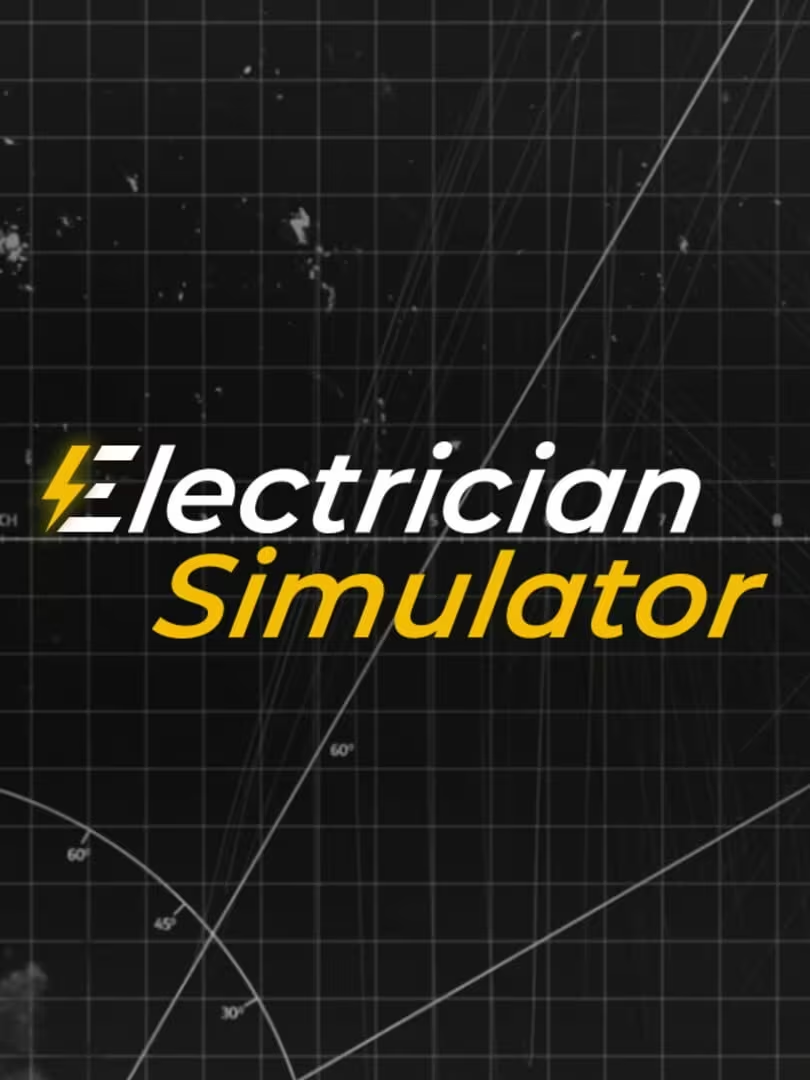
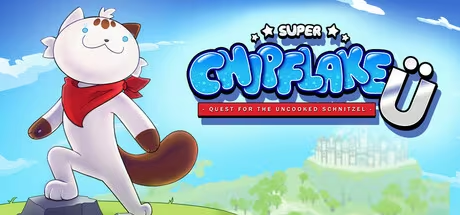
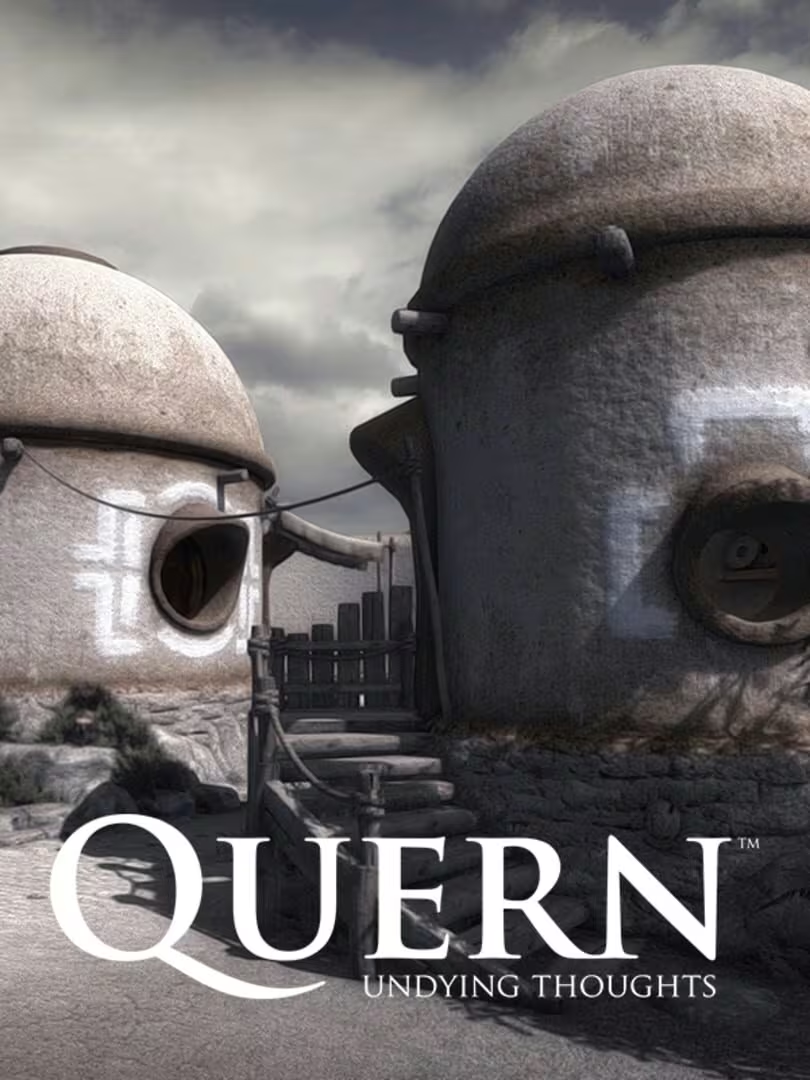
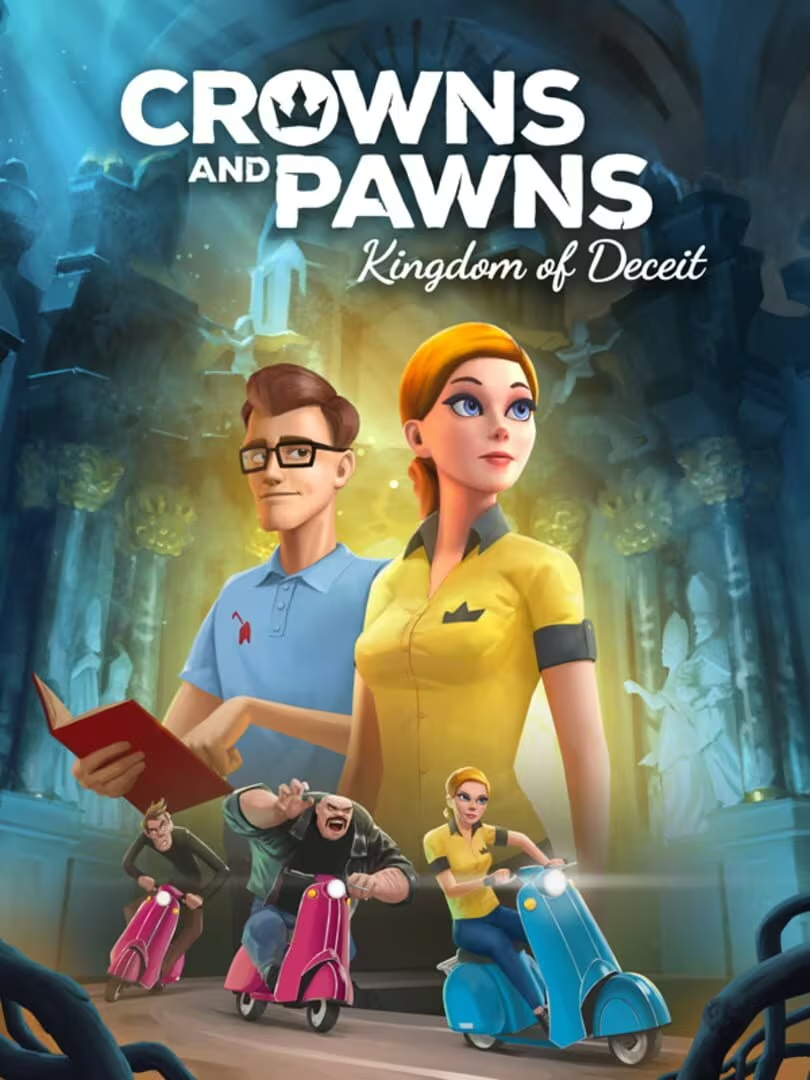
Hidden Gems
Less popular games with surprisingly high similarity
If you liked…
Recommendations by what you enjoyed most
Similarity map
Explore nearby similar games and see why they’re close.
The Pedestrian: Less representative of its motivational profile, with noticeable differences. Motivations that often define this kind of title include Violence, Fantasy, Story, Thrill. It leans lower than usual among comparable games on Continuation, Value, Survival.
Why this game works
A motivational profile of the game, with the closest similar game for each player motivation.
-
Autonomy
Game with the same Autonomy vibe
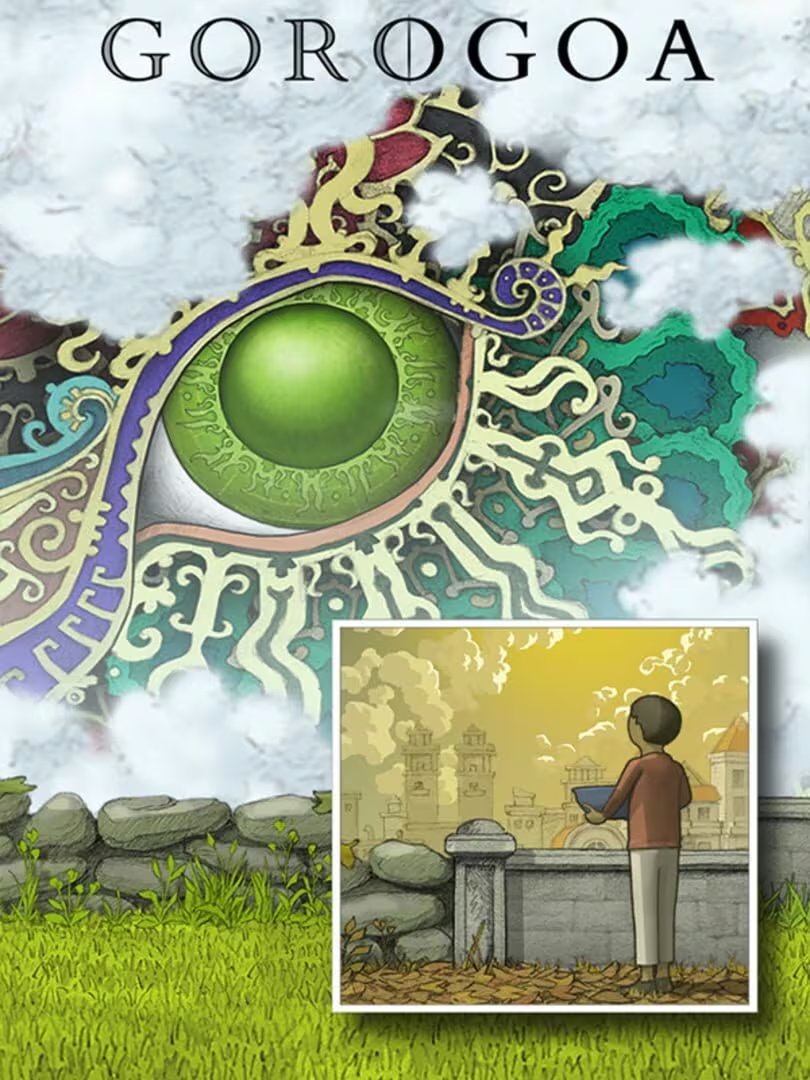
4"Players freely manipulate and combine visual panels to solve puzzles, allowing personal exploration and decision-making."
 Gorogoa
"Players freely manipulate and connect puzzle panels to guide the character, allowing personal problem-solving and decision-making."
-
Competence
Game with the same Competence vibe
4"Puzzles progressively increase in difficulty, requiring skillful planning and logical thinking with feedback from puzzle completion."
 Freshly Frosted
"Puzzles progressively increase in difficulty, requiring logical thinking and skillful manipulation of game elements."
-
Competition
Game with the same Competition vibe
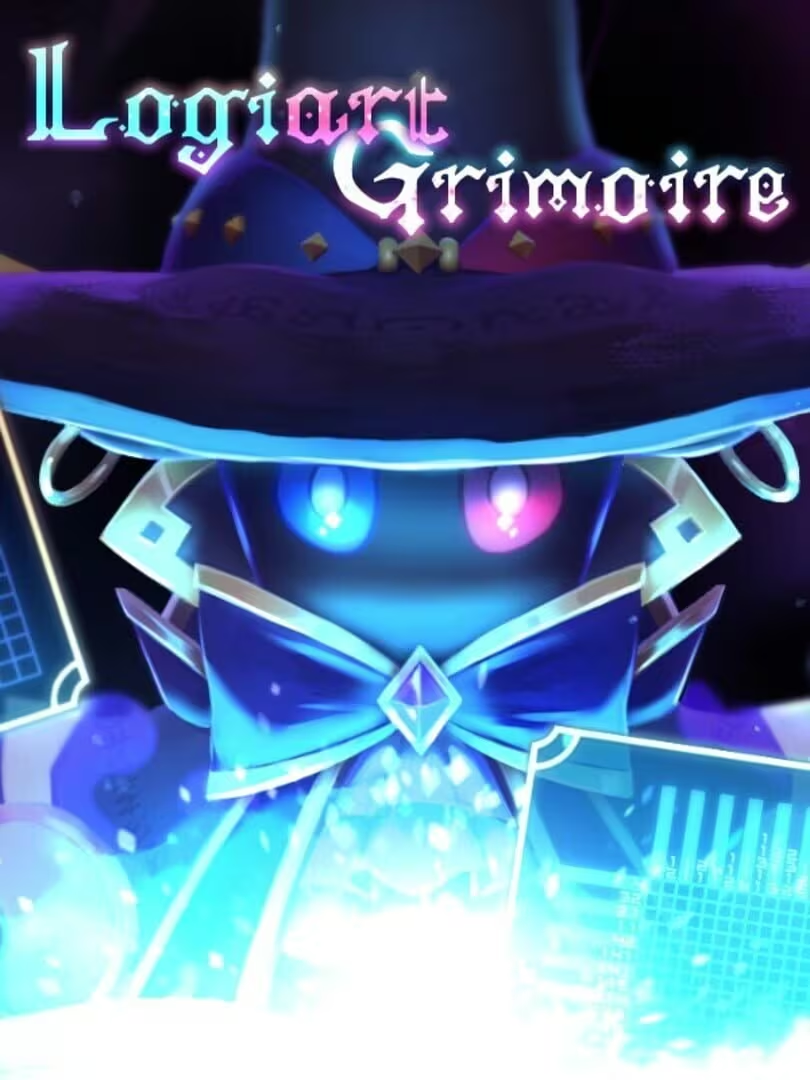
-4"Focus is on individual puzzle solving at personal pace without competitive or ranked elements."
 Logiart Grimoire
"Focus is on individual puzzle solving at personal pace without competitive or ranked elements."
-
Continuation
Game with the same Continuation vibe
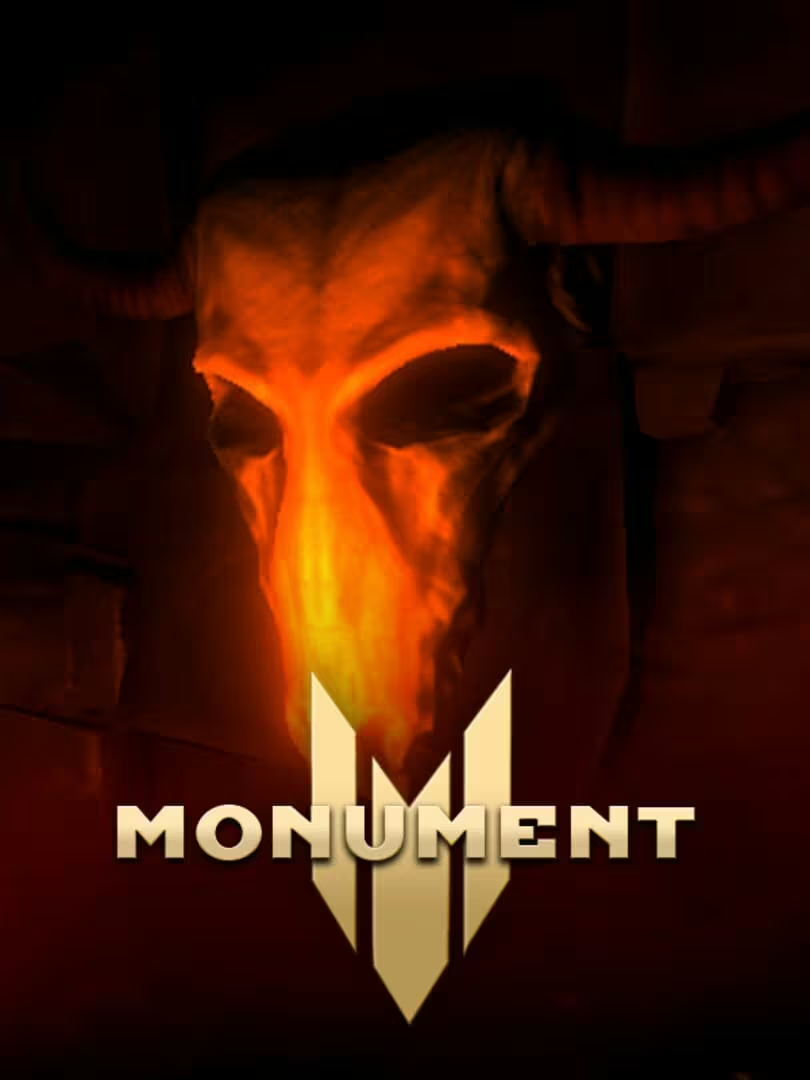
-3"Short game length (~1-2 hours) and limited replayability reduce habitual or long-term engagement."
 Monument
"Short playtime (~3-7 hours) with limited replayability and no post-game content reduces habitual or long-term engagement."
-
Cooperation
Game with the same Cooperation vibe
-5"Entirely single-player experience with no cooperative or multiplayer features."
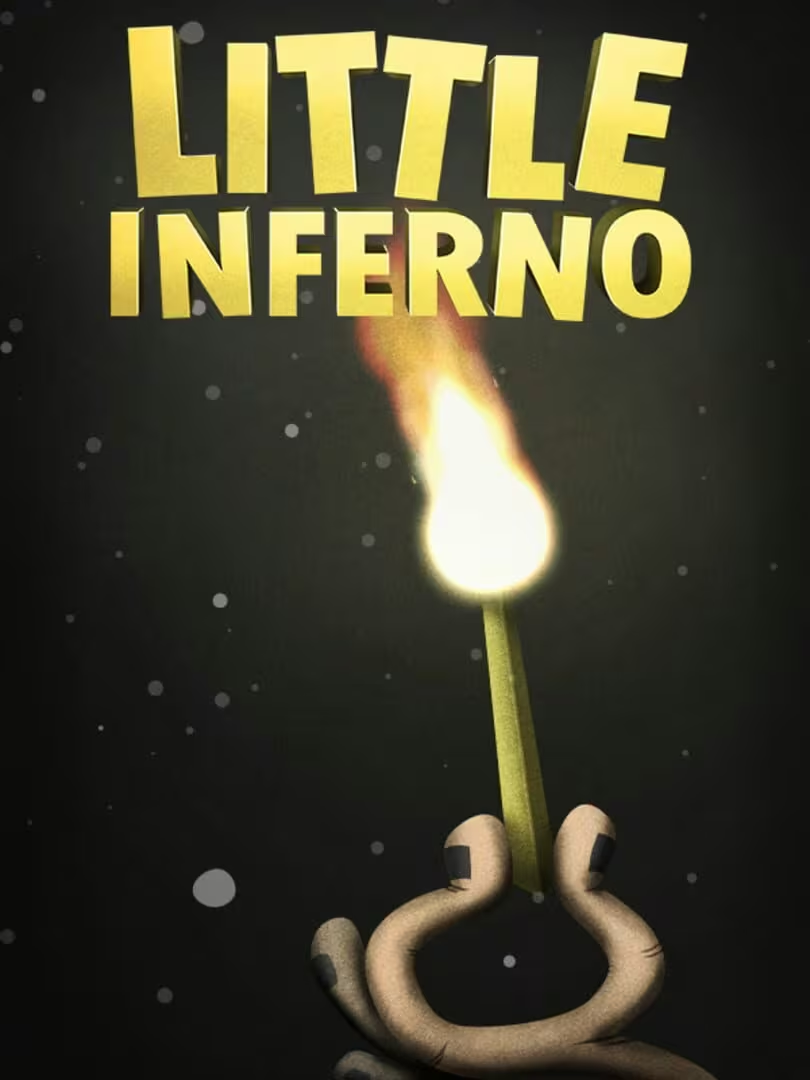 Little Inferno
"Entirely single-player experience with no cooperative or multiplayer features."
-
Creativity
Game with the same Creativity vibe
5"Highly creative puzzle design with multiple solutions, environmental interactions, and player experimentation encouraged."
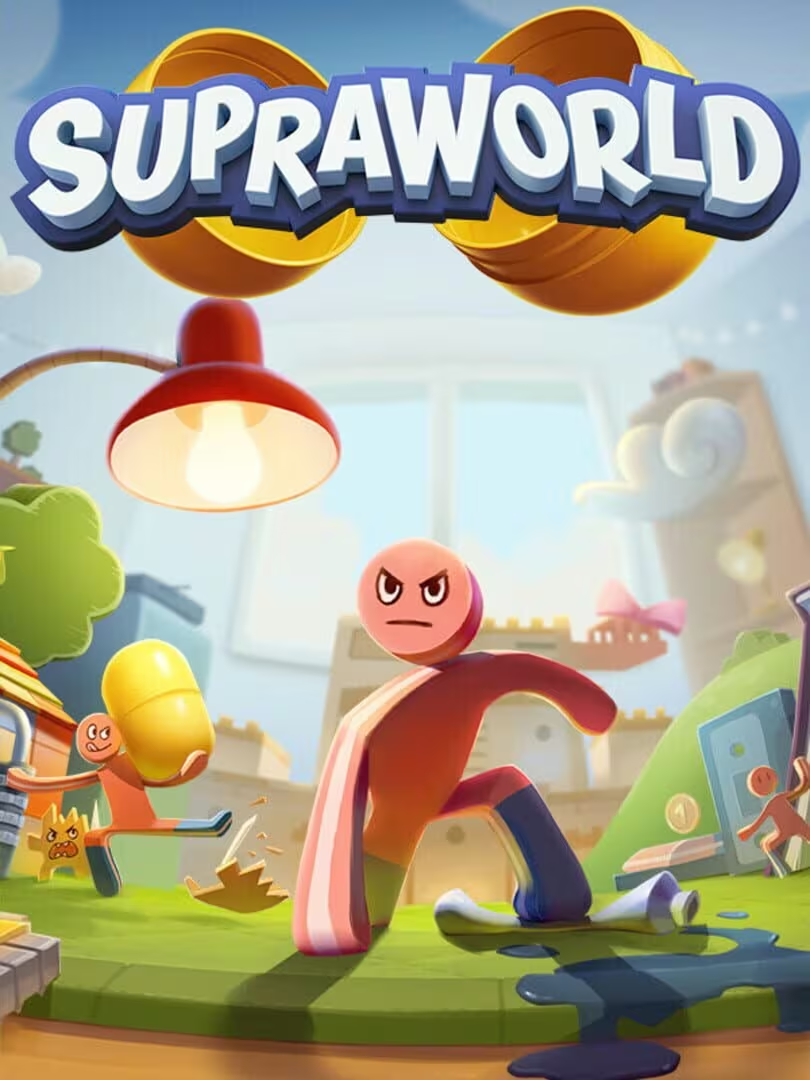 Supraworld
"Highly creative puzzle design combining 2D and 3D elements, unique mechanics, and environmental integration."
-
Domination
Game with the same Domination vibe
-5"No elements of exerting control or superiority over others; purely personal puzzle experience."
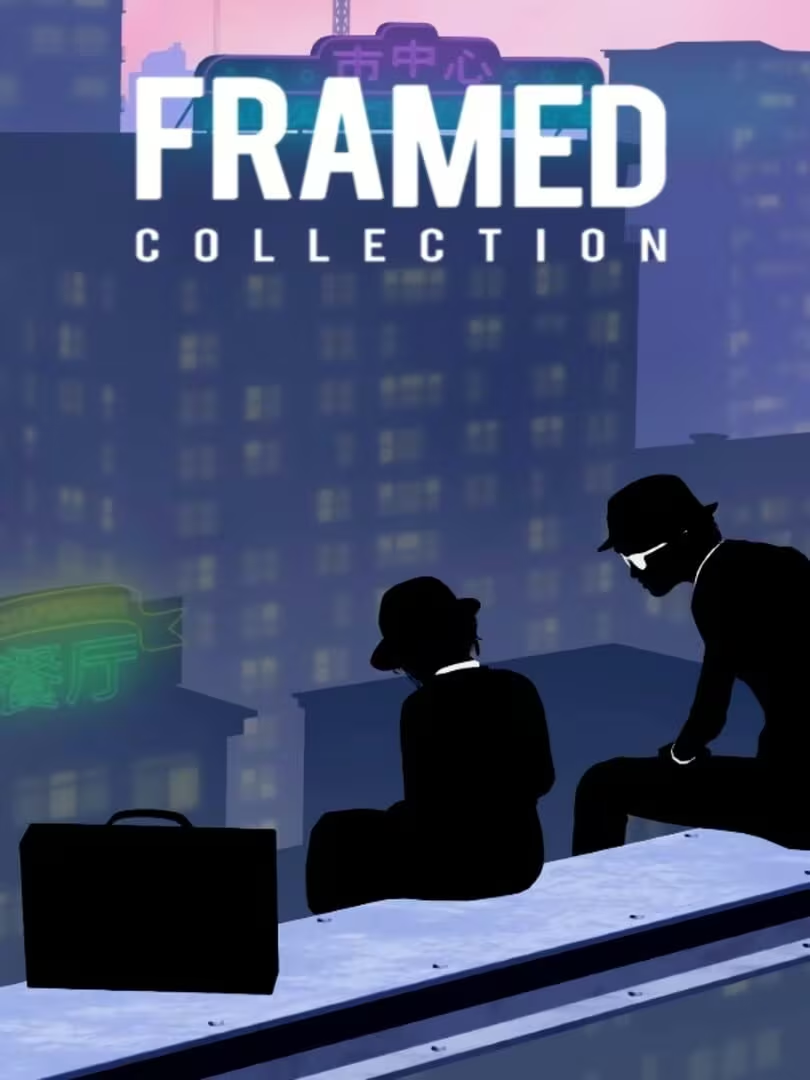 FRAMED Collection
"No elements of exerting control or superiority over others; purely personal puzzle experience."
-
Escapism
Game with the same Escapism vibe
4"Relaxing music and immersive space theme provide a calming escape from real life stress."
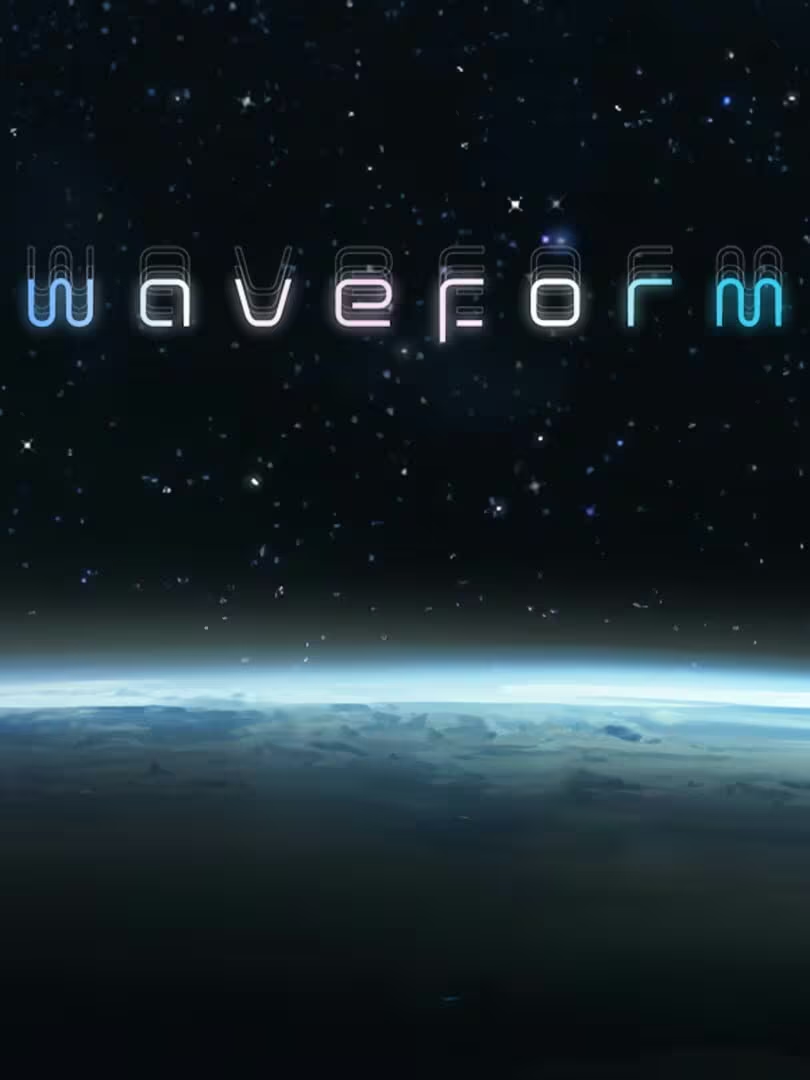 Waveform
"Immersive environments and relaxing music provide a calming escape from real life."
-
Expectation
Game with the same Expectation vibe
-5"Players engage voluntarily out of intrinsic interest and appreciation for art and puzzles."
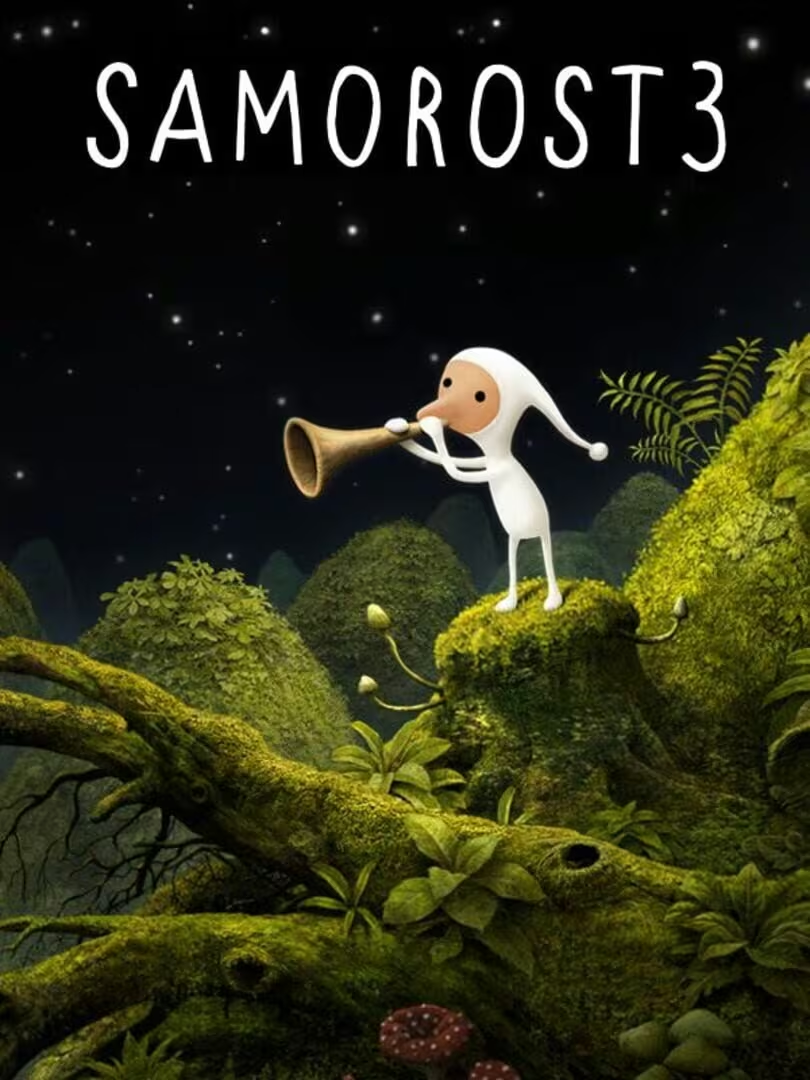 Samorost 3
"Players engage voluntarily out of intrinsic interest and enjoyment of puzzles and aesthetics."
-
Experimenting
Game with the same Experimenting vibe
4"Players discover new puzzle mechanics and experiment with different solutions throughout the game."
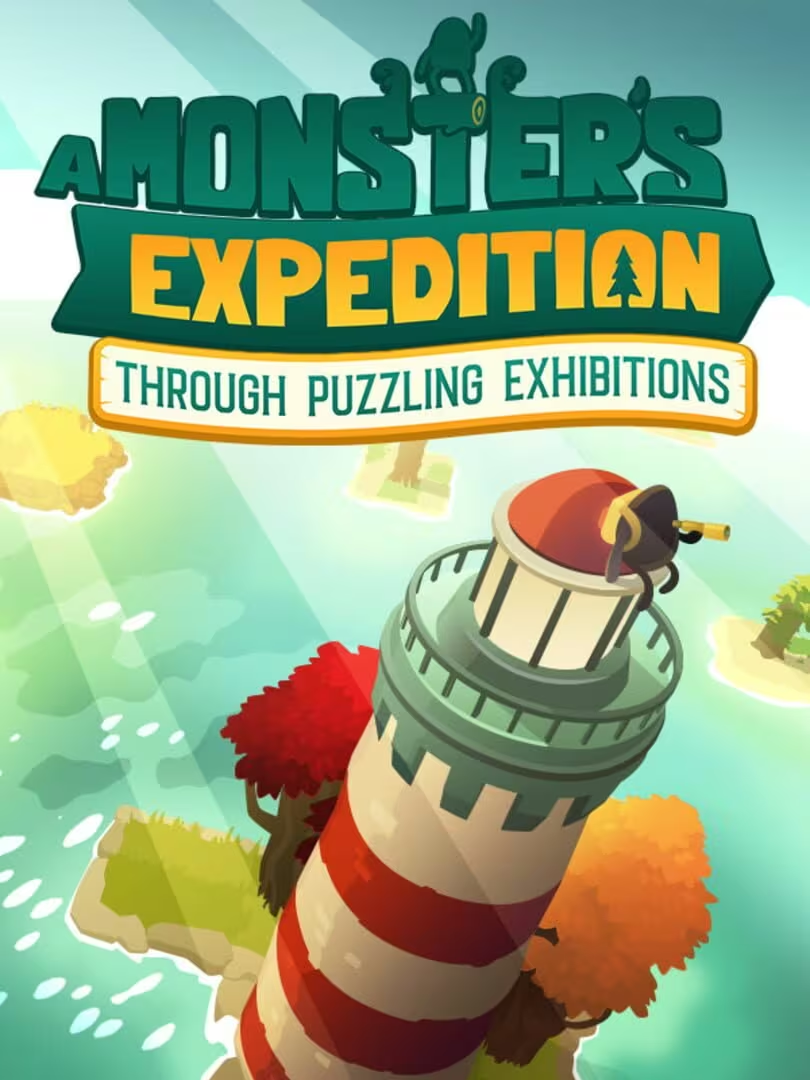 A Monster's Expedition
"Players experiment with connecting panels and new mechanics introduced progressively to solve puzzles."
-
Exploration
Game with the same Exploration vibe
3"Some exploration of new areas and puzzle environments, though limited by linear progression."
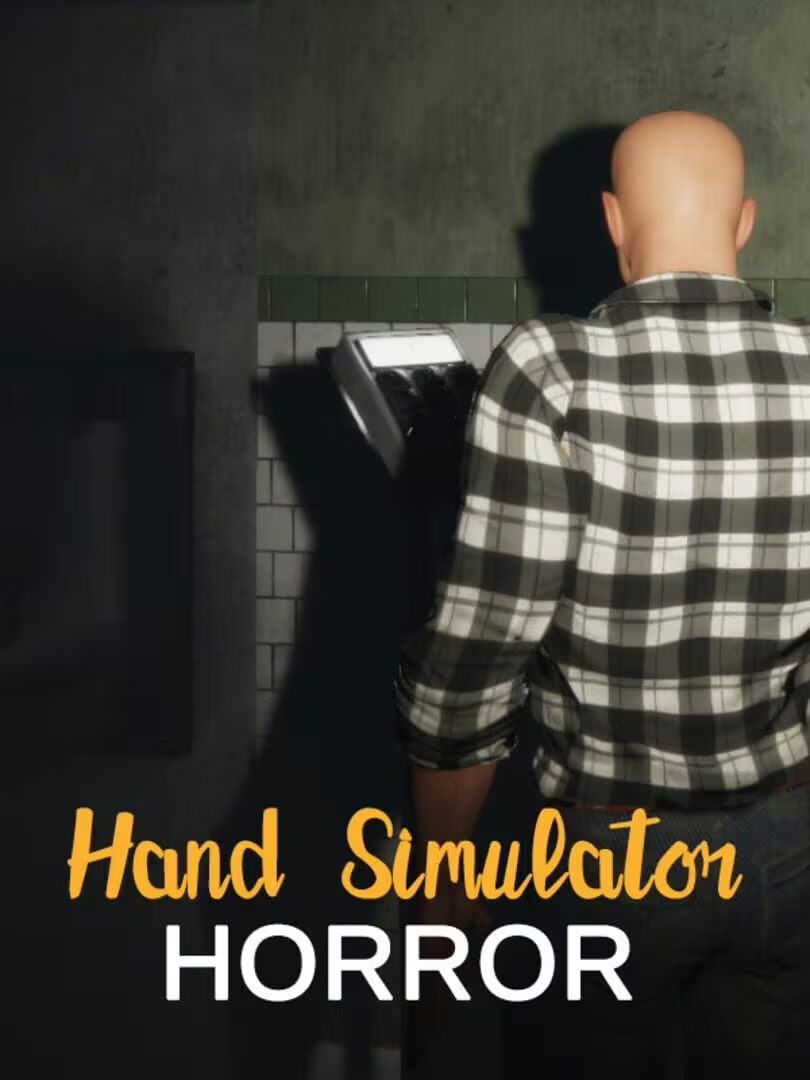 Hand Simulator: Horror
"Exploration of different urban environments and puzzle areas, though within a linear progression."
-
Expression
Game with the same Expression vibe
2"Character customization via hats allows some personal expression."
 Dino running from a FURRY: GAMESFORFARM
"Some character customization via collectible hats, but limited overall expression."
-
Fantasy
Game with the same Fantasy vibe
-2"Minimalistic and abstract aesthetic with no strong fantasy or narrative elements; more realistic puzzle setting."
 OneShift
"Grounded in realistic urban settings and plausible puzzle mechanics, minimal fantasy elements."
-
Fellowship
Game with the same Fellowship vibe
-5"No social or community features; strictly solo play."
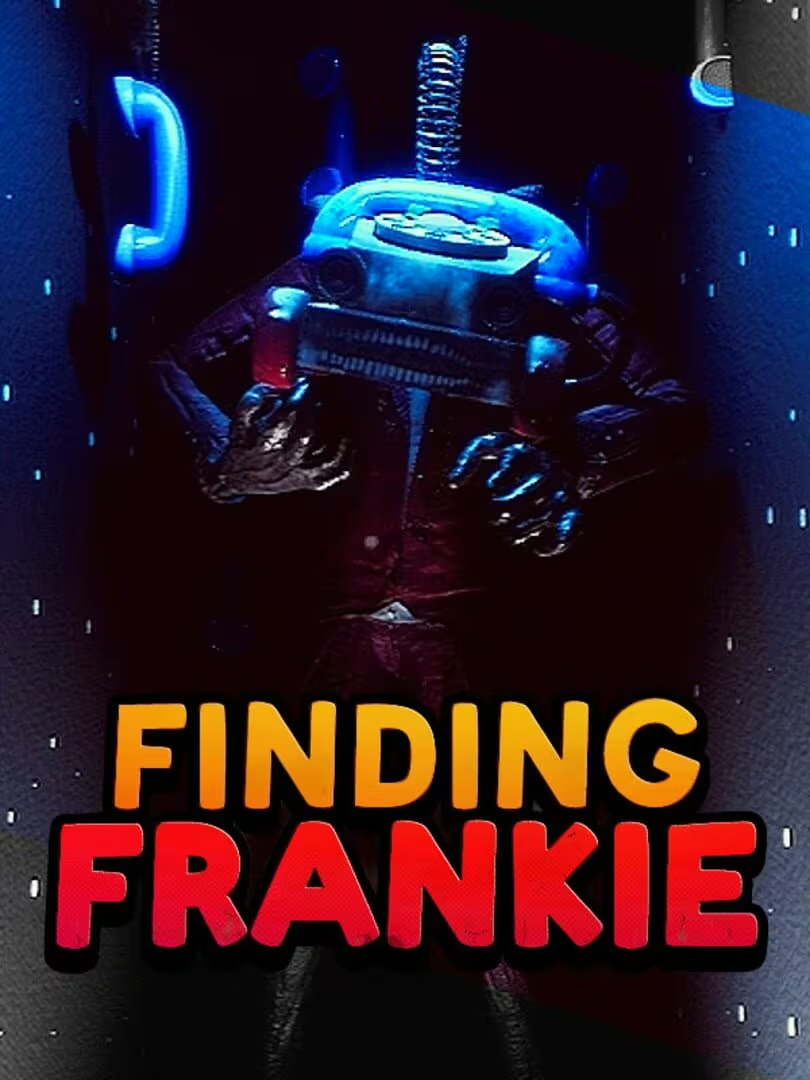 Finding Frankie
"No social or community features; strictly solo play."
-
Growth
Game with the same Growth vibe
4"Players develop problem-solving skills and learn new puzzle concepts throughout the game."
 I hate this game
"Players learn new puzzle mechanics and develop problem-solving skills throughout the game."
-
Health
Game with the same Health vibe
-5"Sedentary gameplay typical of puzzle platformers with no physical activity elements."
 Shady Part of Me
"Sedentary gameplay typical of puzzle platformers with no physical activity."
-
Idle
Game with the same Idle vibe
2"Can be played in short sessions; some players use it as a relaxing break or background experience."
 Home is Where One Starts...
"Can be played in short bursts or longer sessions; some players use it as a relaxing break."
-
Intimacy
Game with the same Intimacy vibe
-5"No social or emotional relationship building; purely individual experience."
 BPM: BULLETS PER MINUTE
"No social or emotional relationship building; purely individual experience."
-
Leadership
Game with the same Leadership vibe
-5"No leadership or group management roles; single-player puzzle solving only."
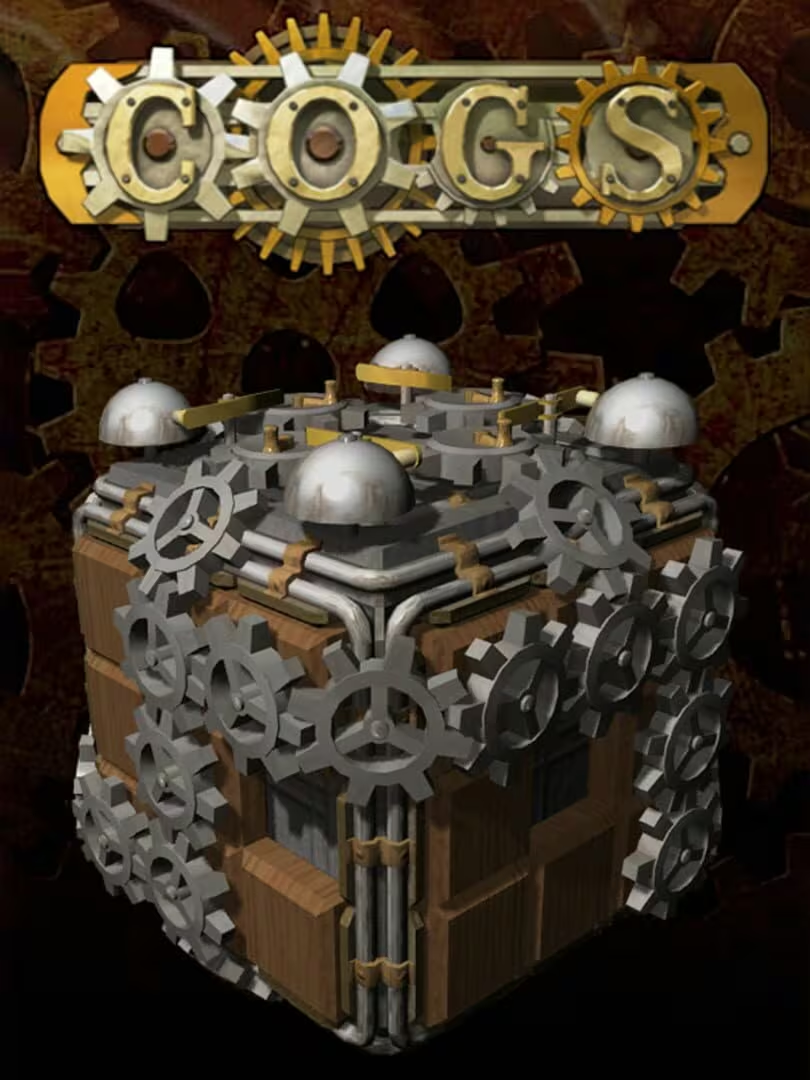 Cogs
Cogs
"No leadership or group management roles; single-player puzzle solving only."
-
Progression
Game with the same Progression vibe
3"Progression through collecting items and solving puzzles to advance the story."
 Mind Snares: Alice's Journey
"Progression through puzzles and collection of items (e.g. parts, hats) to advance the story."
-
Relaxation
Game with the same Relaxation vibe
4"Relaxing music and simple gameplay promote a chill, low-stress experience."
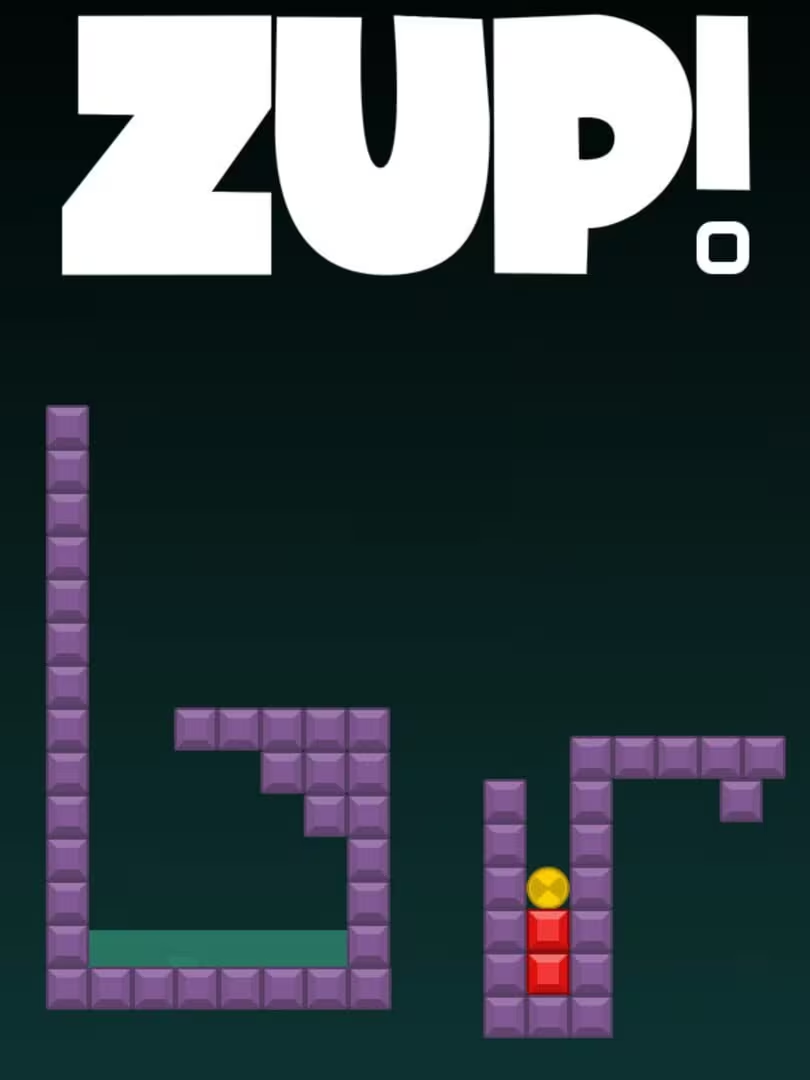 Zup! Zero
"Relaxing music and smooth gameplay create a calming, low-stress experience."
-
Sensation
Game with the same Sensation vibe
3"Enjoyable visual and auditory aesthetics create pleasant sensory stimulation."
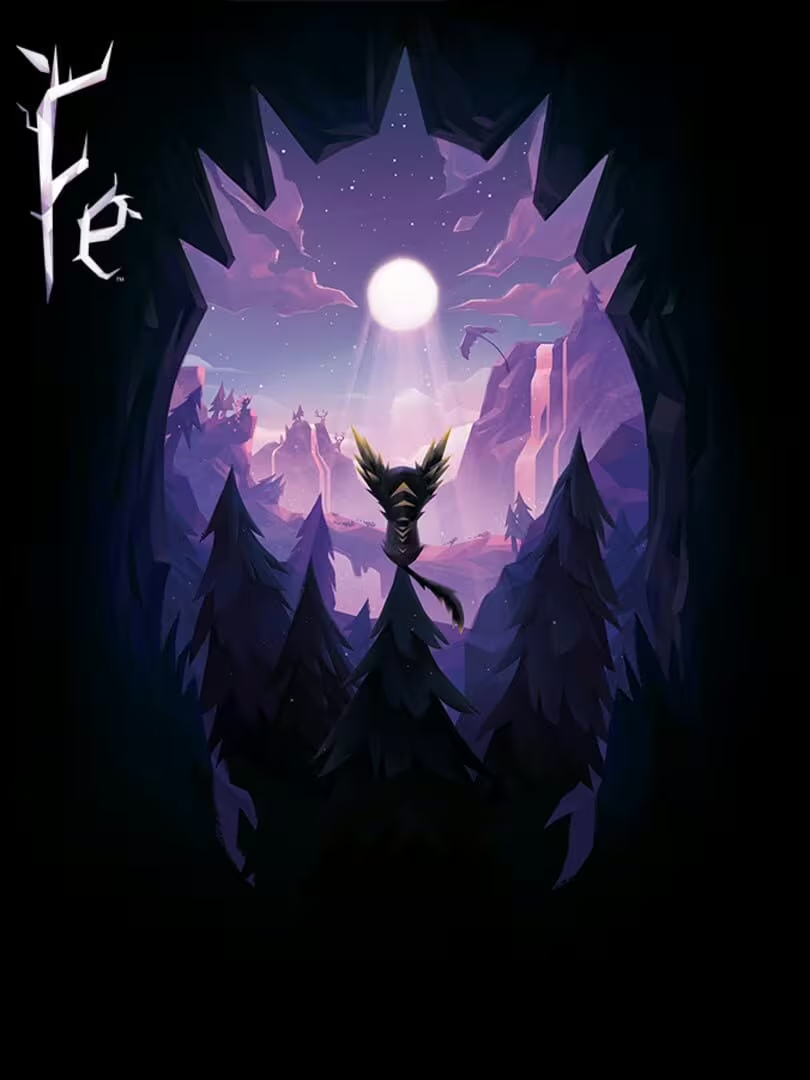 Fe
Fe
"Enjoyable visual and auditory aesthetics provide pleasant sensory stimulation."
-
Status
Game with the same Status vibe
-5"No social recognition or status systems; achievements are personal and not widely attained."
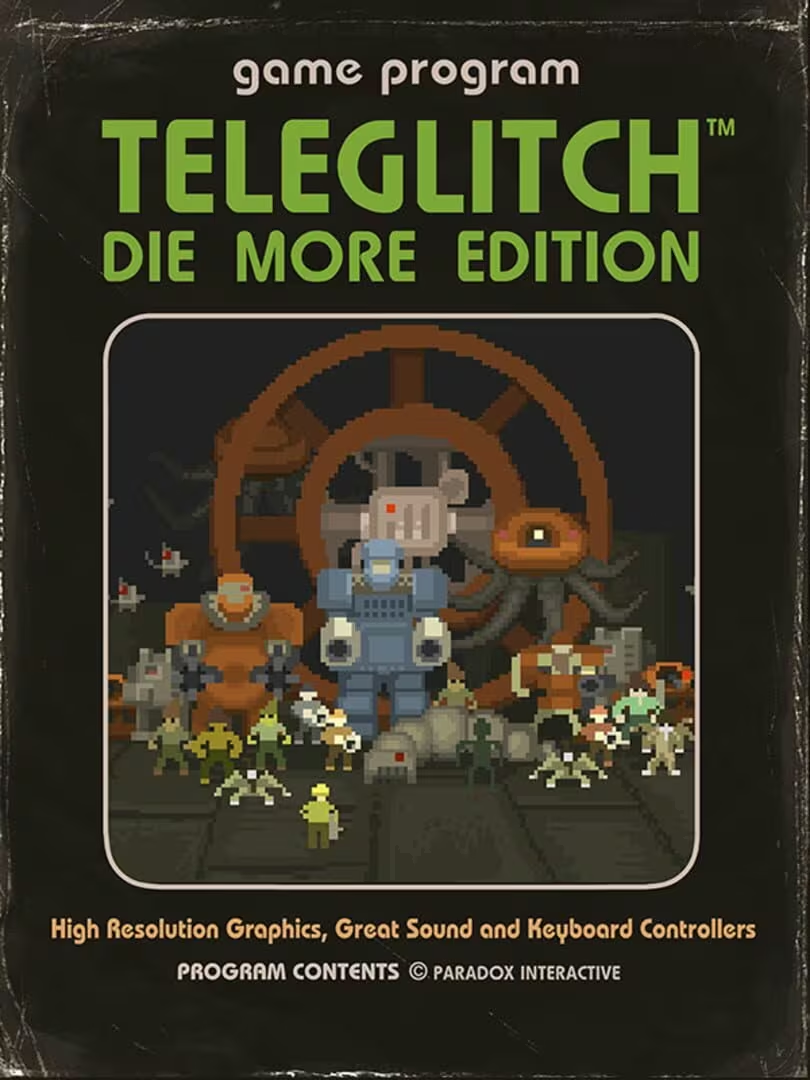 Teleglitch: Die More Edition
"No social recognition or status systems; achievements are personal and non-competitive."
-
Story
Game with the same Story vibe
1"Minimal narrative conveyed through environment and quests; story is simple and not deeply immersive."
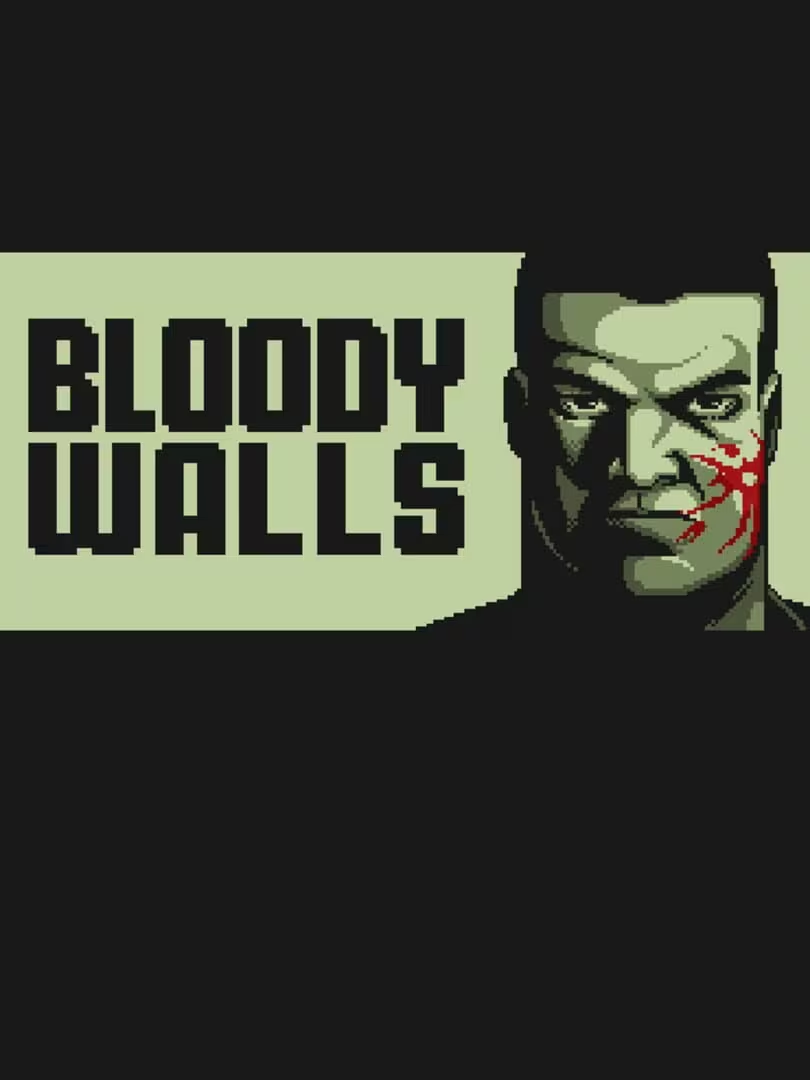 Bloody Walls
"Minimal narrative present; story is subtle and open to interpretation, mostly conveyed through environment."
-
Strategy
Game with the same Strategy vibe
4"Requires logical planning and sequencing of panels to solve puzzles."
FRAMED Collection
"Requires logical reasoning, planning, and problem-solving to connect panels and solve puzzles."
-
Thrill
Game with the same Thrill vibe
-3"Low suspense or risk; experience is calm and contemplative."
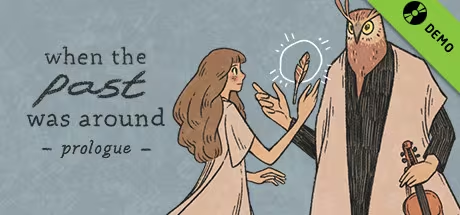 When The Past Was Around - Prologue
"Generally calm and contemplative; lacks suspense or high-risk thrills."
-
Value
Game with the same Value vibe
-2"Mixed opinions on price versus short length; better value when on sale or free."
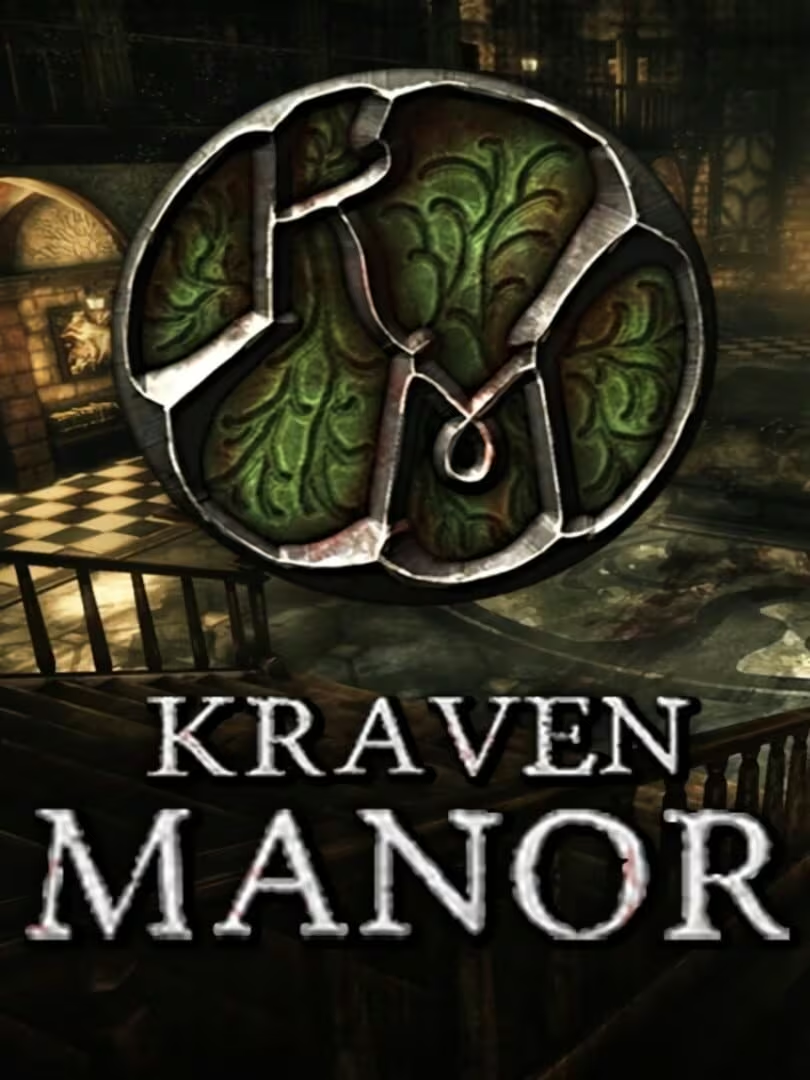 Kraven Manor
"Mixed opinions on price versus length; some feel short duration reduces value at full price."
-
Violence
Game with the same Violence vibe
-5"No violence; gameplay focuses on constructive puzzle solving and exploration."
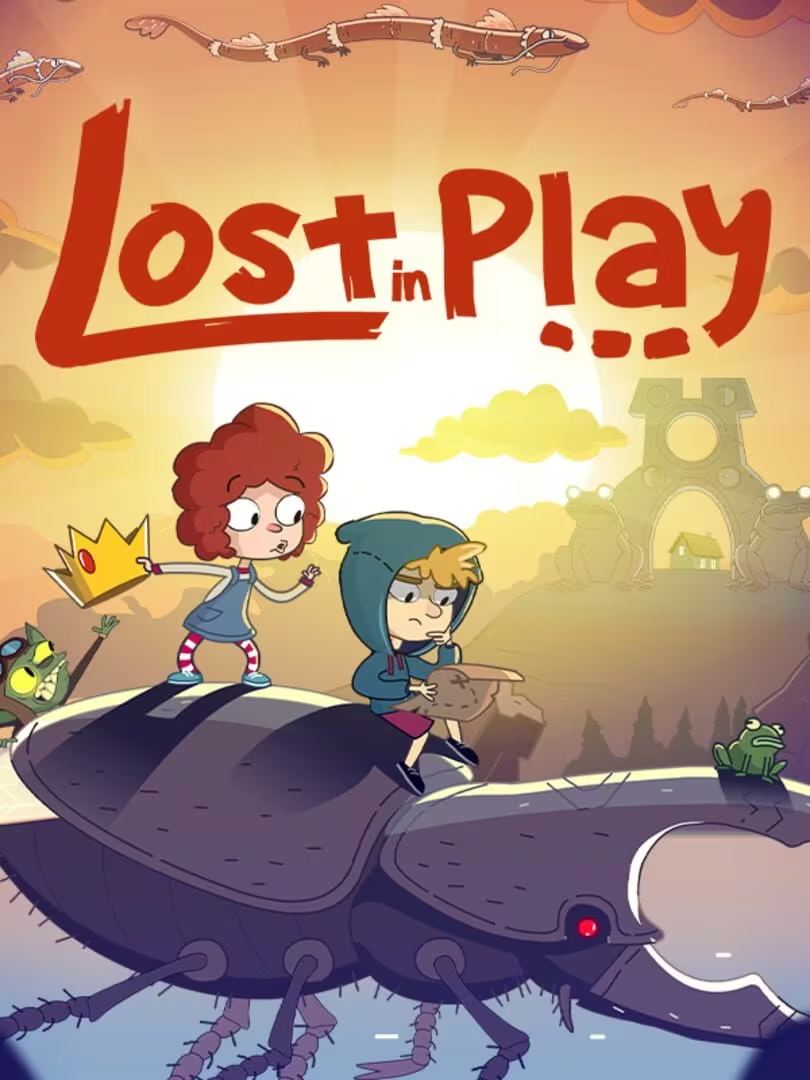 Lost in Play
"No violence; gameplay focuses on constructive puzzle solving and exploration."
-
Survival
Game with the same Survival vibe
-5"No survival or threat mechanics; stable, low-risk puzzle environment."
 Replicube
"No survival or threat mechanics; stable, low-risk puzzle environment."
Last update: 01/06/2026