PROJECT: PLAYTIME similar games & best alternatives
Should you play it?
PROJECT: PLAYTIME is a Free-to-Play multiplayer horror game where six players attempt to create one giant toy while surviving a terrifying monster that roams the toy factory. A seventh player controls the monster and is given only one goal: Find and kill everyone.
What works
- Fun and thrilling asymmetrical multiplayer gameplay
- Strong teamwork and cooperation elements
- Free to play with engaging monster and specialist roles
- Good puzzle mechanics and map variety
- Unique fantasy horror theme with creative monster designs
Things to keep in mind
- Lack of updates and developer support leading to declining player base
- Matchmaking and server issues causing long wait times
- Removal of popular features like private lobbies and tutorials
- Bugs and glitches affecting gameplay experience
- Grind and monetization balance concerns
What to play next
Similar games, hidden gems, and fresh directions from this game.
Top picks
Games that feel the closest overall
Hidden Gems
Less popular games with surprisingly high similarity
If you liked…
Recommendations by what you enjoyed most
Similarity map
Explore nearby similar games and see why they’re close.
PROJECT: PLAYTIME: Broadly representative of its motivational profile, with a few distinct shifts. Motivations that often define this kind of title include Competition, Fellowship, Status, Cooperation. Here, the score leans higher than usual among comparable games on Intimacy, Fantasy. It leans lower than usual among comparable games on Continuation.
Why this game works
A motivational profile of the game, with the closest similar game for each player motivation.
-
Autonomy
Game with the same Autonomy vibe
3"Players can choose characters, worlds, and direct their own puzzle-solving and exploration, indicating moderate control over actions."
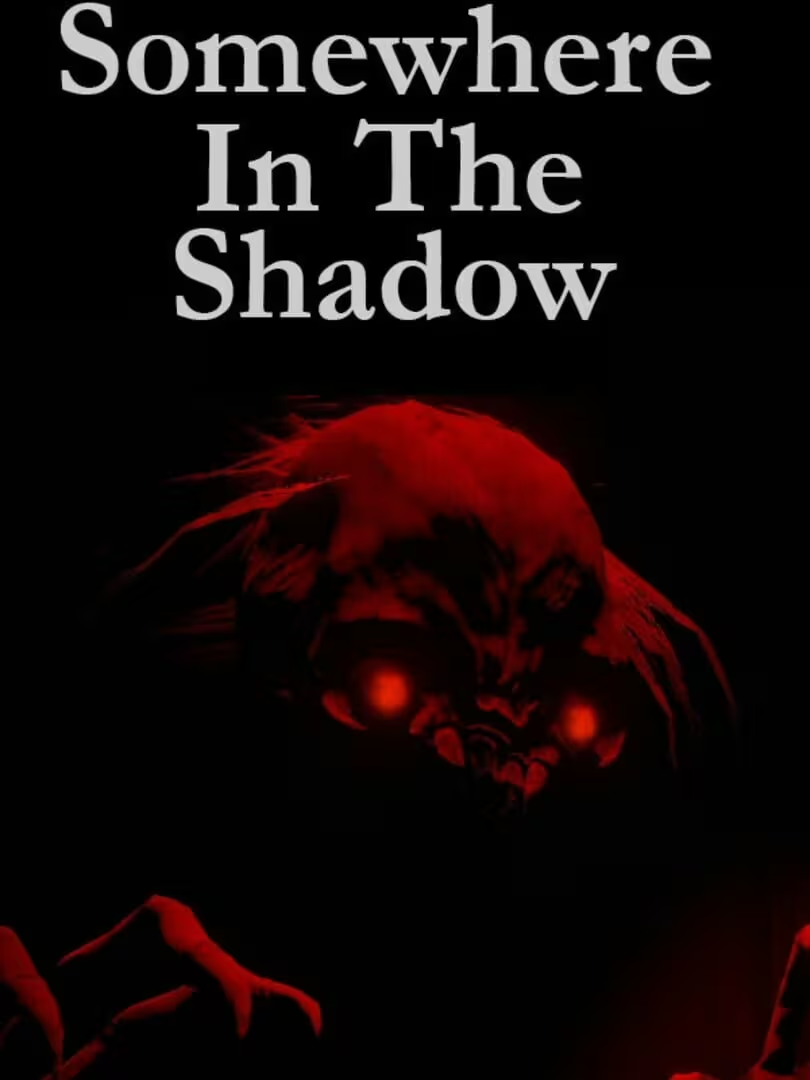 Somewhere in the Shadow
"Players can choose to play as specialists or monsters with different abilities and can decide how to approach puzzles or chases, indicating moderate player control."
-
Competence
Game with the same Competence vibe
3"Gameplay involves skillful platforming, combat, and puzzle solving with a learning curve and some challenging boss fights."
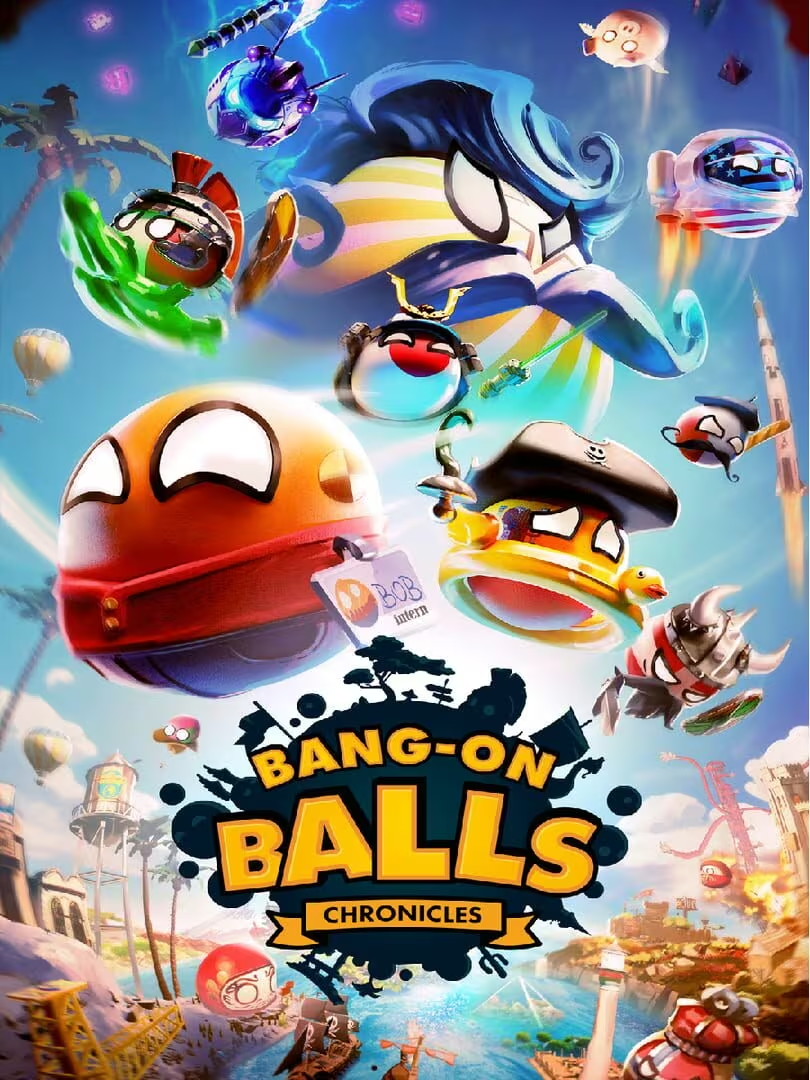 Bang-On Balls: Chronicles
"Game involves puzzle solving, teamwork, and monster hunting with skill elements; some players mention learning tricks and mastering gameplay."
-
Competition
Game with the same Competition vibe
2"Leaderboards and rankings exist, encouraging comparison with others, but many players focus on casual or cooperative play without heavy competitive pressure."
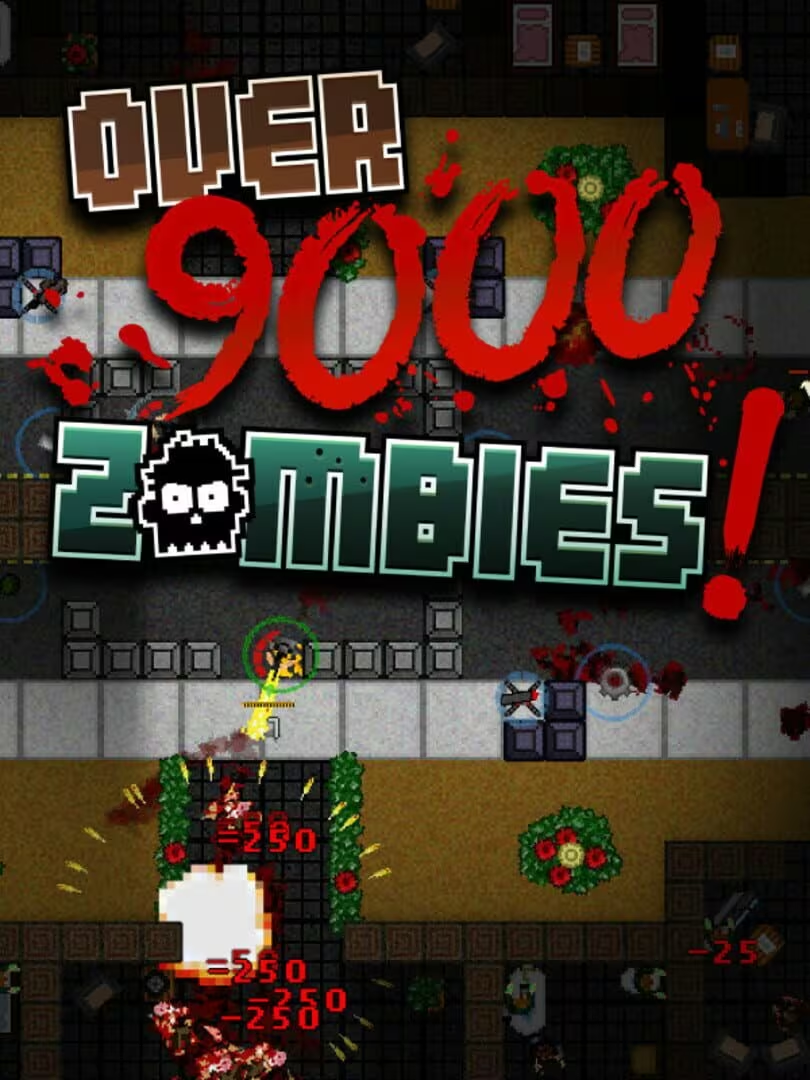 Over 9000 Zombies!
"Some competitive elements exist such as leaderboards and ranks, but many players focus on casual or cooperative play."
-
Continuation
Game with the same Continuation vibe
-1"Small and dwindling player base leads to difficulty finding matches and less habitual play."
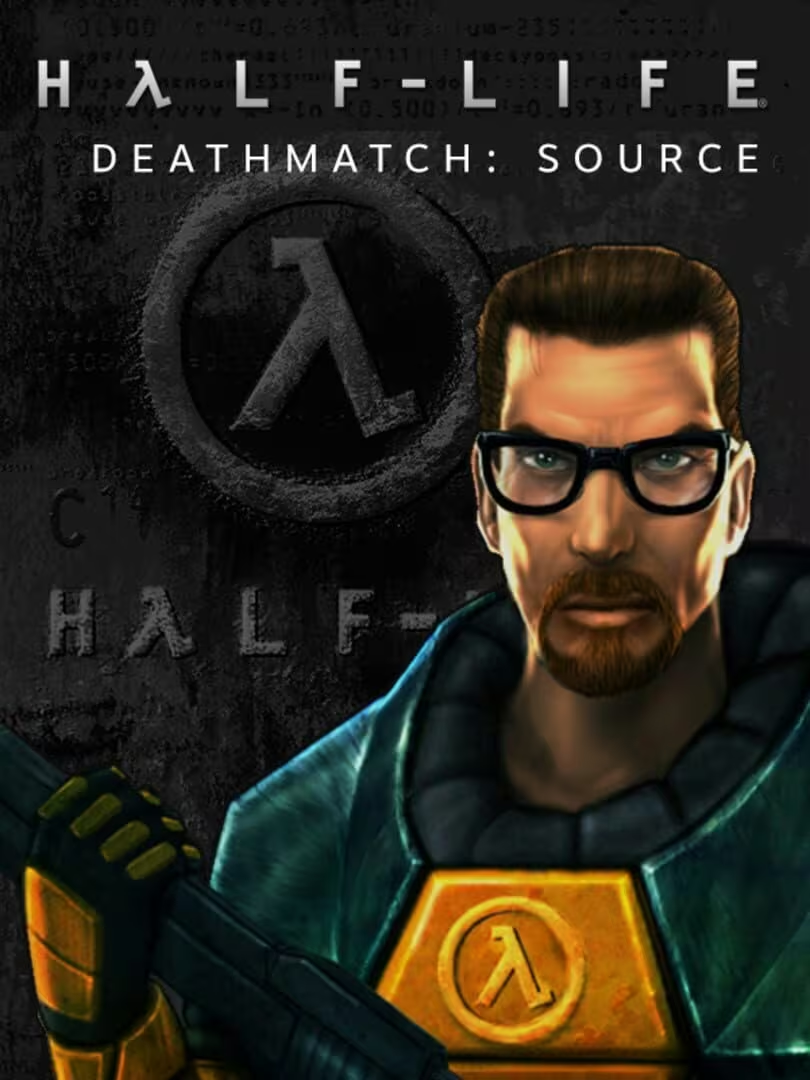 Half-Life Deathmatch: Source
"Players report difficulty finding matches and declining player base, leading to less habitual play and some disengagement."
-
Cooperation
Game with the same Cooperation vibe
4"Strong emphasis on teamwork to complete heists and survive monster encounters; cooperation is key to success."
 Dark Hours: Prologue
"Strong emphasis on teamwork to solve puzzles and survive; cooperation is key to success and enjoyment."
-
Creativity
Game with the same Creativity vibe
1"Some customization via skins and pet development, but core gameplay follows established structures and routines."
 Realm of the Mad God Exalt
"Some customization with skins and cosmetic items, but core gameplay follows established structures with limited creation."
-
Domination
Game with the same Domination vibe
2"Monster role involves exerting control and hunting investigators, but interactions emphasize balanced gameplay and mutual respect."
 White Noise 2
"Playing as monsters involves exerting control over others, but community feedback suggests balanced interactions are preferred."
-
Escapism
Game with the same Escapism vibe
4"Players use the game as a means to relieve stress, escape reality, and experience immersive horror."
 Five Nights at Freddy's: Sister Location
"Players use the game as a fun, thrilling distraction and stress relief, enjoying immersive horror and chase experiences."
-
Expectation
Game with the same Expectation vibe
-4"Players engage voluntarily for fun and social reasons, with no indication of obligation or pressure."
 DAVIGO: VR vs. PC
"Players engage voluntarily for fun and social reasons, with no indication of obligation or pressure."
-
Experimenting
Game with the same Experimenting vibe
2"Players try different classes, strategies, and game modes, though some mention repetitive gameplay."
 They Can't Stop All Of Us
"Players enjoy trying different monsters and strategies, though some mention repetitive gameplay due to lack of updates."
-
Exploration
Game with the same Exploration vibe
1"Maps offer some variety and evolving strategies, but limited emphasis on discovery or hidden content."
 BLOCKPOST LEGACY
"Maps offer some variety and puzzle discovery, but limited new content and repeated environments reduce novelty."
-
Expression
Game with the same Expression vibe
2"Cosmetic skins and some customization allow for personal expression, though limited in scope."
 Project Sparrow
"Customization options like skins and emotes allow personal expression, though some lament removal of previous cosmetic content."
-
Fantasy
Game with the same Fantasy vibe
4"Game features imaginative monsters, horror themes, and fictional storylines."
 Labyrinthine
"Game features imaginative horror themes with monster characters and fictional settings, providing strong fantasy experience."
-
Fellowship
Game with the same Fellowship vibe
4"Community and social play are important; players enjoy shared experiences and collaborative achievements."
 Vellum
"Community and social play are important; many players emphasize playing with friends and shared experiences."
-
Growth
Game with the same Growth vibe
2"Players develop skills in teamwork, stealth, and puzzle solving, though limited by current content."
Dark Hours: Prologue
"Players develop skills in puzzle solving, monster evasion, and teamwork, though limited updates constrain ongoing learning."
-
Health
Game with the same Health vibe
-5"No physical activity involved; sedentary gameplay typical of PC multiplayer games."
 Prison Life
"No indication of physical activity; sedentary gameplay typical of PC multiplayer games."
-
Idle
Game with the same Idle vibe
-3"Requires focused attention during matches; waiting times exist but gameplay demands active engagement."
 Predator: Hunting Grounds
"Requires focused attention during matches; some frustration with waiting times but gameplay demands active engagement."
-
Intimacy
Game with the same Intimacy vibe
2"Social interactions occur mainly through cooperative gameplay and community, but limited emotional sharing."
 Sker Ritual
"Social interactions occur mainly through cooperative gameplay and community, but limited direct emotional sharing."
-
Leadership
Game with the same Leadership vibe
1"Some players may lead teams or coordinate strategies, but no strong emphasis on leadership roles."
 Gear Up
"Some players take initiative in teamwork, but no strong emphasis on formal leadership roles."
-
Progression
Game with the same Progression vibe
2"Players accumulate items, skins, and gadget upgrades, though progression is limited and monetized."
 Rumble Club
"Players collect tickets and unlock skins and upgrades, though grind and monetization are noted as issues."
-
Relaxation
Game with the same Relaxation vibe
-1"While some find flow in gameplay, the game is generally challenging and tense rather than purely relaxing."
 Star Renegades
"Gameplay is often tense and thrilling rather than purely relaxing, with moments of flow during puzzle solving."
-
Sensation
Game with the same Sensation vibe
3"Engaging visuals, sound design, and jump scares provide sensory stimulation and emotional excitement."
 PUMPKIN PANIC
"Visuals, sound design, and jump scares provide sensory stimulation and emotional excitement."
-
Status
Game with the same Status vibe
1"Leaderboards and ranks exist but social recognition is not a primary motivator."
 MADNESS: Project Nexus
"Leaderboards and ranks exist but social recognition is not a dominant motivation."
-
Story
Game with the same Story vibe
1"Some lore and narrative elements exist but the game is primarily focused on gameplay and mechanics rather than story immersion."
 The Last Flame
"Some lore and narrative elements exist, but the game is primarily focused on multiplayer gameplay rather than story immersion."
-
Strategy
Game with the same Strategy vibe
3"Players use stealth, combat tactics, and puzzle solving requiring planning and problem solving."
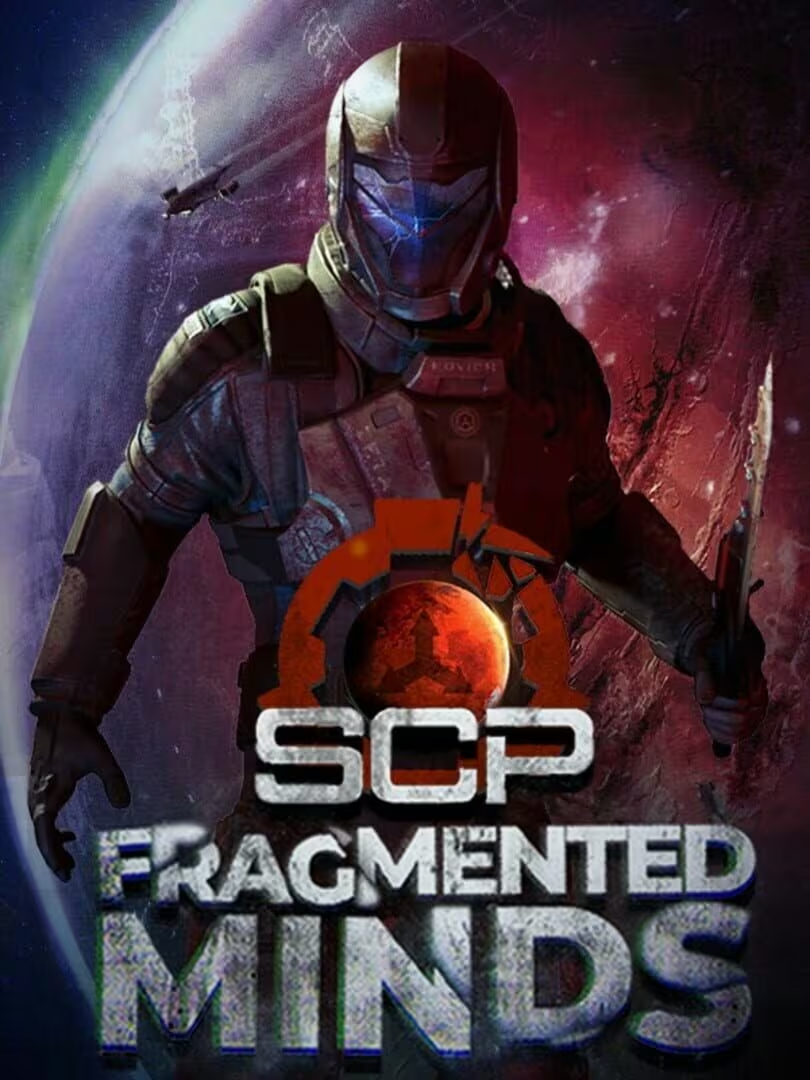 SCP: Fragmented Minds
"Players use tactics in puzzle solving, monster evasion, and hunting, requiring planning and problem solving."
-
Thrill
Game with the same Thrill vibe
4"The suspenseful chases and horror atmosphere provide excitement and adrenaline spikes."
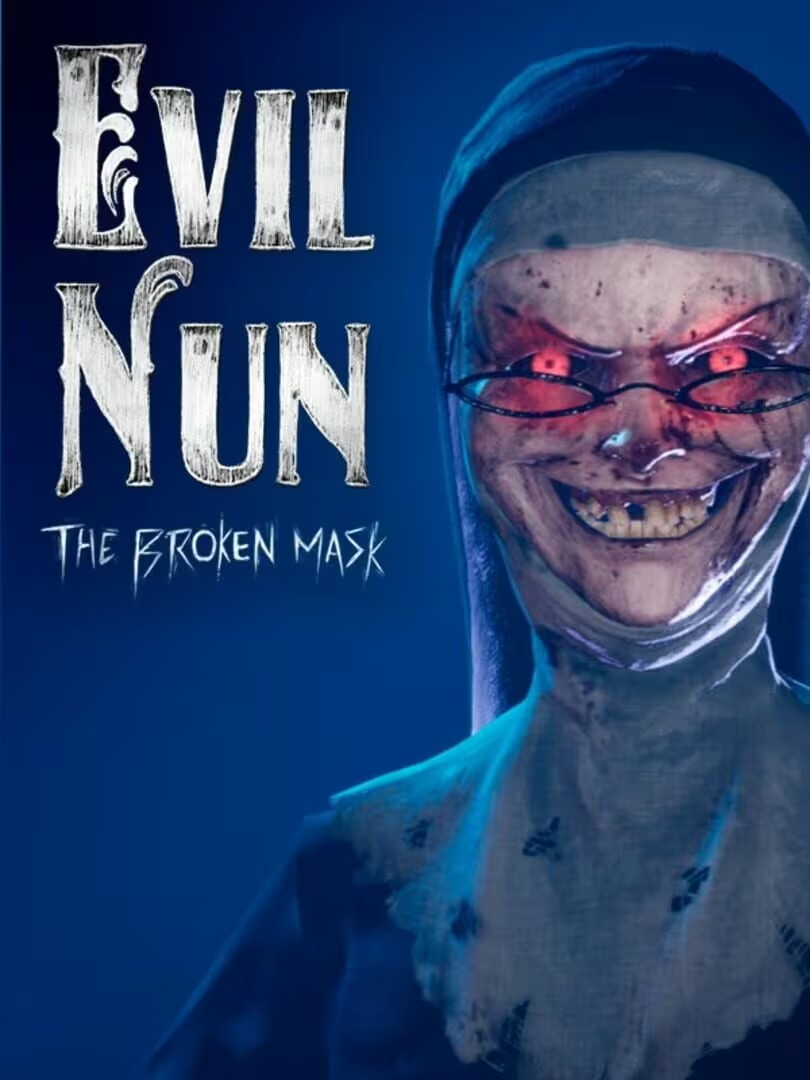 Evil Nun: The Broken Mask
"High suspense and adrenaline from monster chases and survival under pressure are core to the experience."
-
Value
Game with the same Value vibe
3"Free-to-play model with optional purchases; many players find good value despite grind and microtransactions."
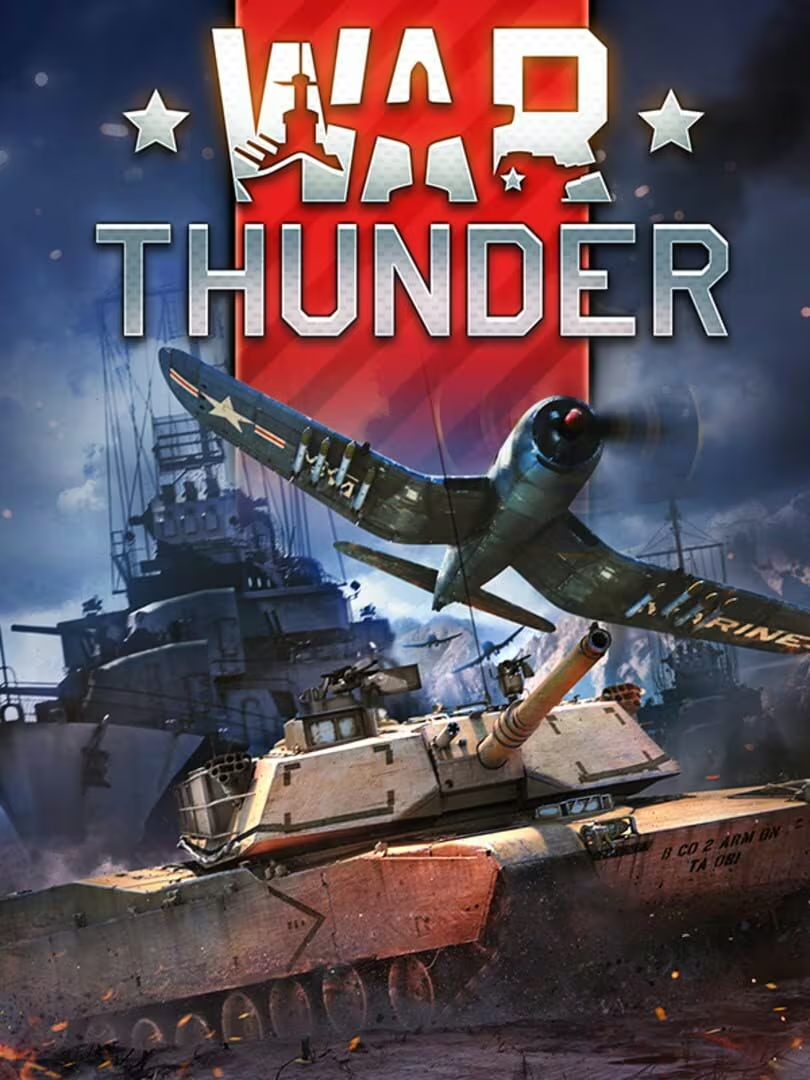 War Thunder
"Free-to-play model with optional purchases; players appreciate the value but note grind and monetization concerns."
-
Violence
Game with the same Violence vibe
3"Combat and monster fighting are core gameplay elements involving destruction and damage."
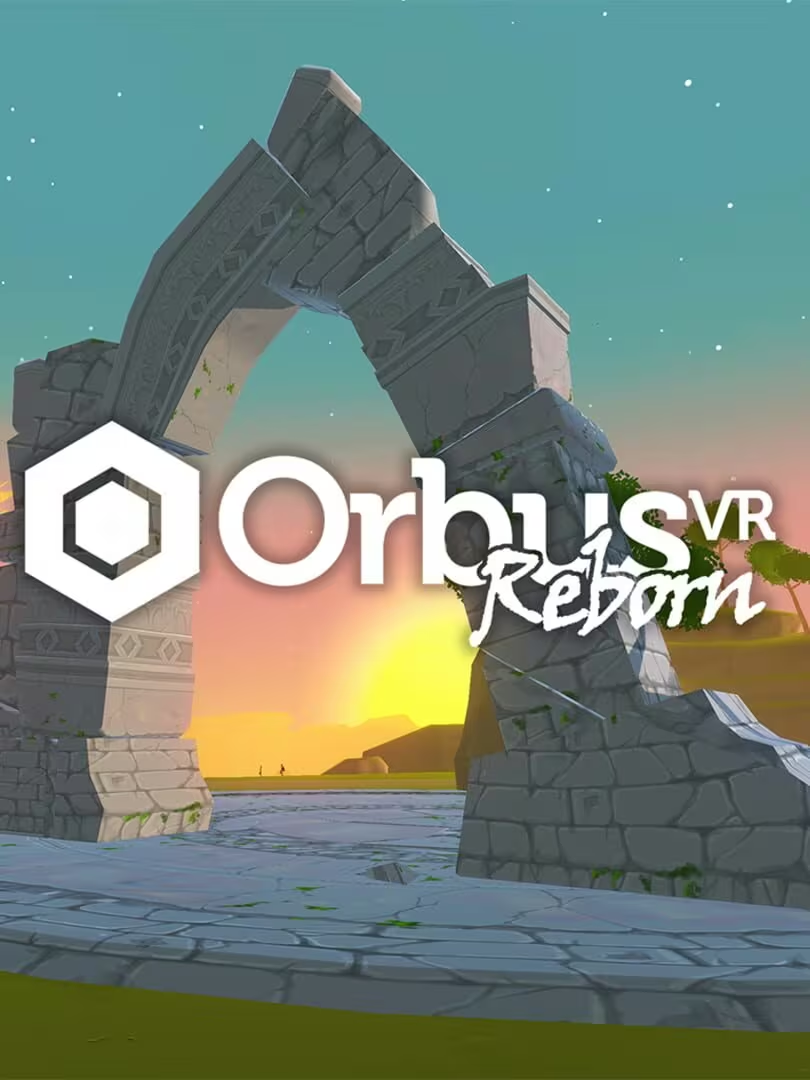 OrbusVR: Reborn
"Combat and monster attacks are central gameplay elements involving destruction and elimination of opponents."
-
Survival
Game with the same Survival vibe
4"Core gameplay revolves around avoiding death, managing resources, and surviving monster threats."
Dark Hours: Prologue
"Survival against monsters and completing objectives under threat is a primary game focus."
Last update: 01/06/2026