Zorbus similar games & best alternatives
Should you play it?
Zorbus is a fantasy-themed, tile-based, turn-based, traditional roguelike game.
What works
- Deep and challenging gameplay
- Robust companion and ai system
- Excellent ui and quality of life features
- Immersive sound design and atmosphere
- Great value for price
Things to keep in mind
- Steep learning curve and difficulty spikes
- Some balance issues favoring certain builds
- Limited character customization options
- Lack of meta progression or save/load features
- Ui can be fiddly on some platforms
What to play next
Similar games, hidden gems, and fresh directions from this game.
Top picks
Games that feel the closest overall
Hidden Gems
Less popular games with surprisingly high similarity
If you liked…
Recommendations by what you enjoyed most
Similarity map
Explore nearby similar games and see why they’re close.
Zorbus: Broadly representative of its motivational profile, with a few distinct shifts. Motivations that often define this kind of title include Cooperation, Fellowship, Intimacy, Leadership. Here, the score leans higher than usual among comparable games on Leadership, Survival. It leans lower than usual among comparable games on Relaxation.
Why this game works
A motivational profile of the game, with the closest similar game for each player motivation.
-
Autonomy
Game with the same Autonomy vibe
4"Players have freedom to choose characters, weapons, and play style with many customization options and QoL settings."
 Rise of the Triad: Ludicrous Edition
"Players have extensive control over character creation, party management, tactical decisions, and exploration; many options and QoL features support personal freedom."
-
Competence
Game with the same Competence vibe
5"High difficulty requiring skillful play, strategic resource and inventory management, and mastery of complex mechanics."
 Sword of the Stars: The Pit
"High difficulty with complex mechanics, requiring skillful play, strategic planning, and mastery of systems; deaths feel earned and learning curve is steep."
-
Competition
Game with the same Competition vibe
1"There are leaderboards and score systems, but the focus is mainly on cooperative play rather than direct competition."
 Zombie Army Trilogy
"Leaderboards and scoring exist but are not the main focus; most play is single-player with personal goals rather than direct competition."
-
Continuation
Game with the same Continuation vibe
3"Players report addictive gameplay with repeated runs despite difficulty and setbacks, indicating strong desire to keep playing."
 Duskers
"Players report addictive gameplay and repeated runs despite frequent deaths; strong desire to improve and continue playing."
-
Cooperation
Game with the same Cooperation vibe
4"Players manage a party of companions with cooperative tactics and interactions essential to success"
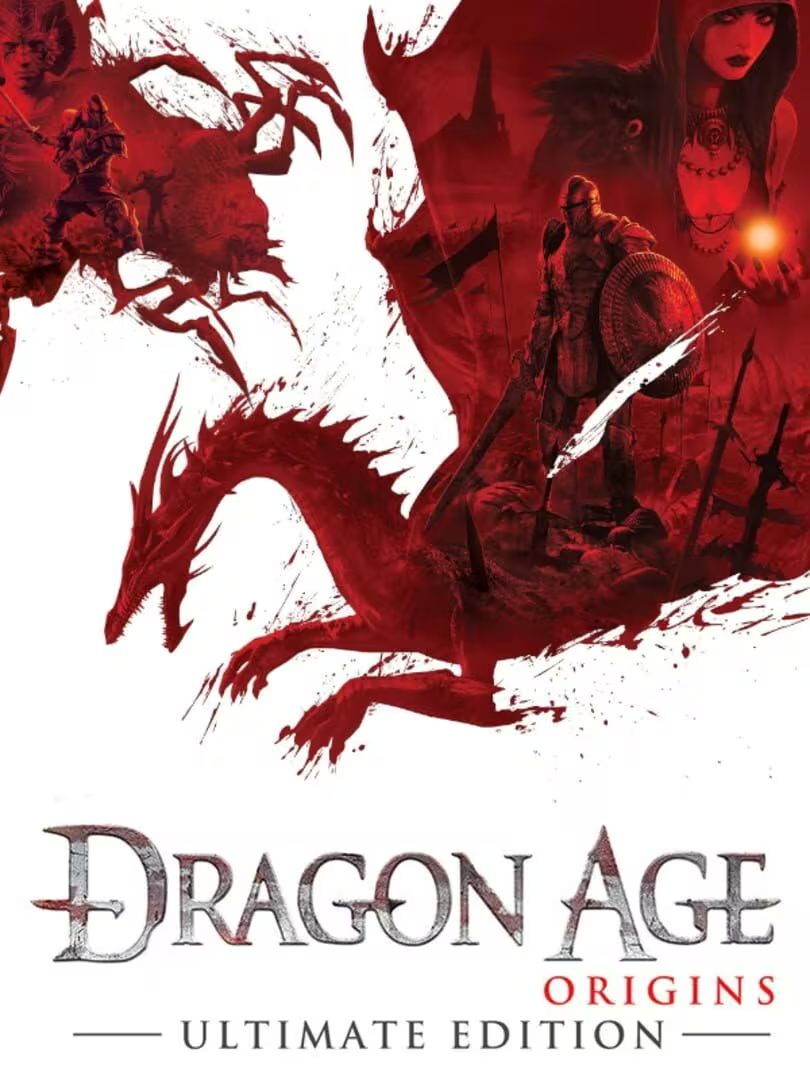 Dragon Age: Origins - Ultimate Edition
"Robust companion system with AI followers that can be equipped and ordered; party management is a core gameplay element."
-
Creativity
Game with the same Creativity vibe
2"Base building and character respec allow some customization, but dungeon layouts and quests are procedurally generated with limited variety."
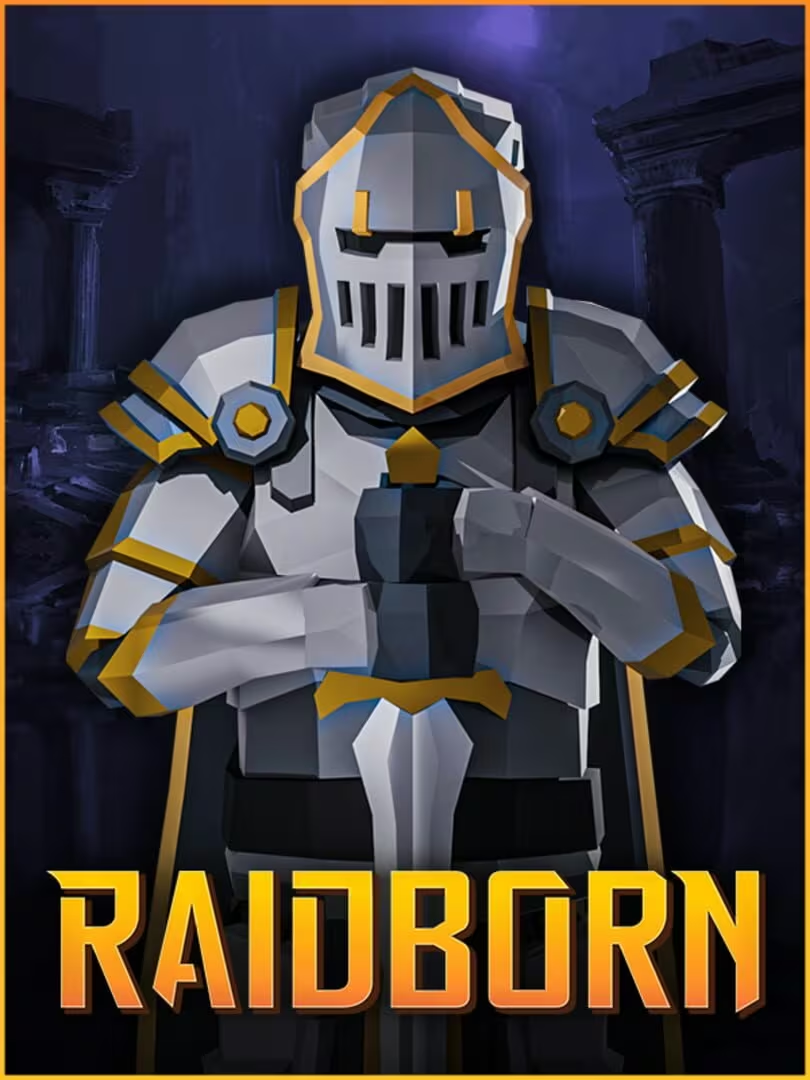 RAIDBORN
"Character builds and equipment customization allow some creativity; however, dungeon layouts and encounters are procedurally generated with limited player modification."
-
Domination
Game with the same Domination vibe
-3"Interactions emphasize mutual respect and collaboration among party members rather than control or superiority."
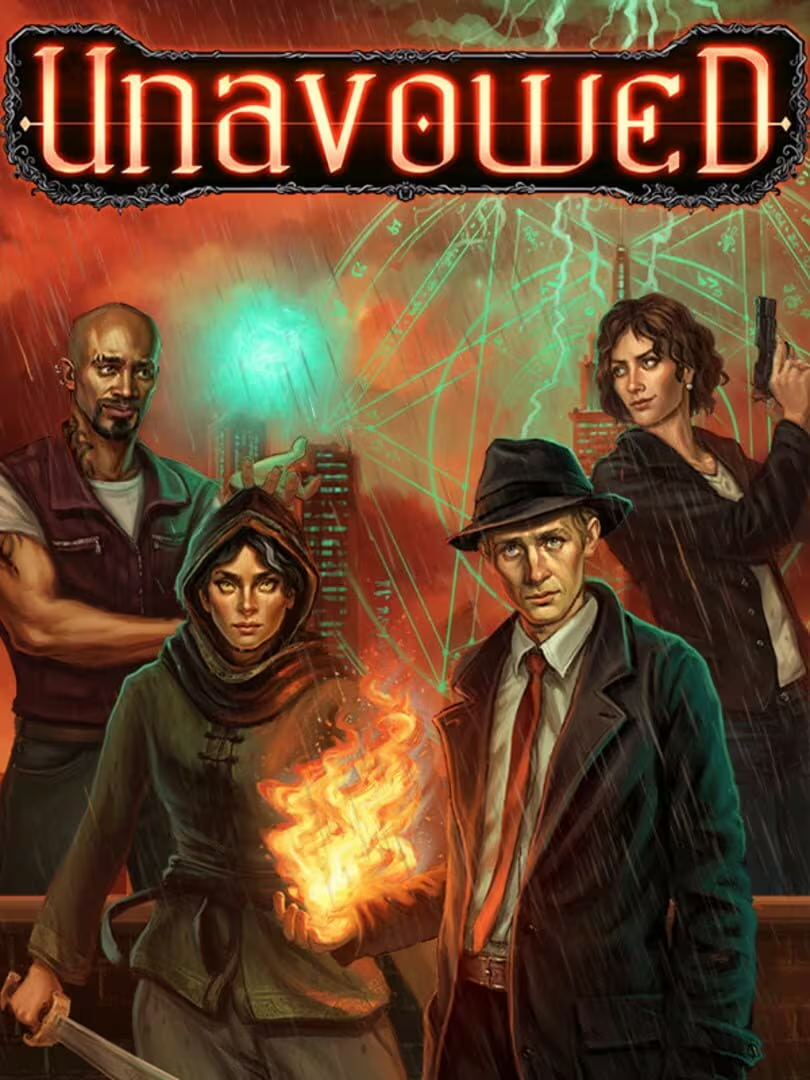 Unavowed
"Interactions emphasize mutual respect and party dynamics rather than exerting control or superiority over others."
-
Escapism
Game with the same Escapism vibe
4"Players use the game as a challenging, immersive fantasy experience to escape real life, supported by atmospheric setting and music."
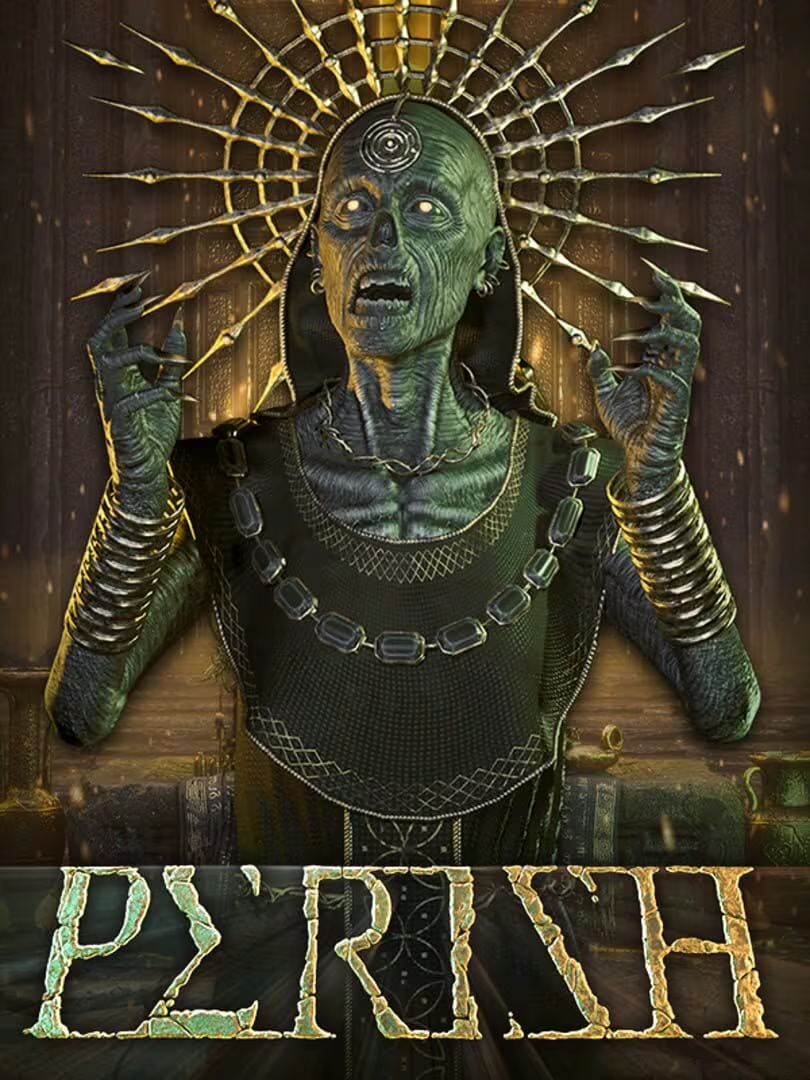 PERISH
"Players use the game as a challenging fantasy escape with immersive sound and atmosphere, detaching from real life."
-
Expectation
Game with the same Expectation vibe
-4"Engagement is driven by intrinsic interest and personal desire to master the game rather than obligation or external pressure."
 Dominions 5 - Warriors of the Faith
"Engagement is driven by intrinsic interest and personal desire to master the game rather than obligation or external pressure."
-
Experimenting
Game with the same Experimenting vibe
3"Players experiment with different builds and tactics, though limited by fixed party and gear options."
 The Dungeon Of Naheulbeuk: The Amulet Of Chaos
"Players experiment with different builds, companions, and tactics; some builds are more viable than others but variety is encouraged."
-
Exploration
Game with the same Exploration vibe
4"Infinite randomized dungeon levels and multiple dungeons encourage discovery and curiosity."
 FATE: The Cursed King
"Dungeon levels have thematic unity and unique rooms; players explore new areas and secrets with curiosity-driven activities."
-
Expression
Game with the same Expression vibe
1"Minimal character customization available but no extensive personalization or cosmetic options."
 The Ramp
"Limited character sprite customization and some personalization options exist but are relatively modest."
-
Fantasy
Game with the same Fantasy vibe
5"Strong fantasy theme with dungeon crawling, magic, mythical creatures, and humorous story elements."
 Forge Quest
"Strong fantasy theme with D&D-inspired lore, magic, mythical creatures, and imaginative dungeon crawling."
-
Fellowship
Game with the same Fellowship vibe
2"Players build relationships with NPCs and feel part of a community, though social interaction is limited to single-player."
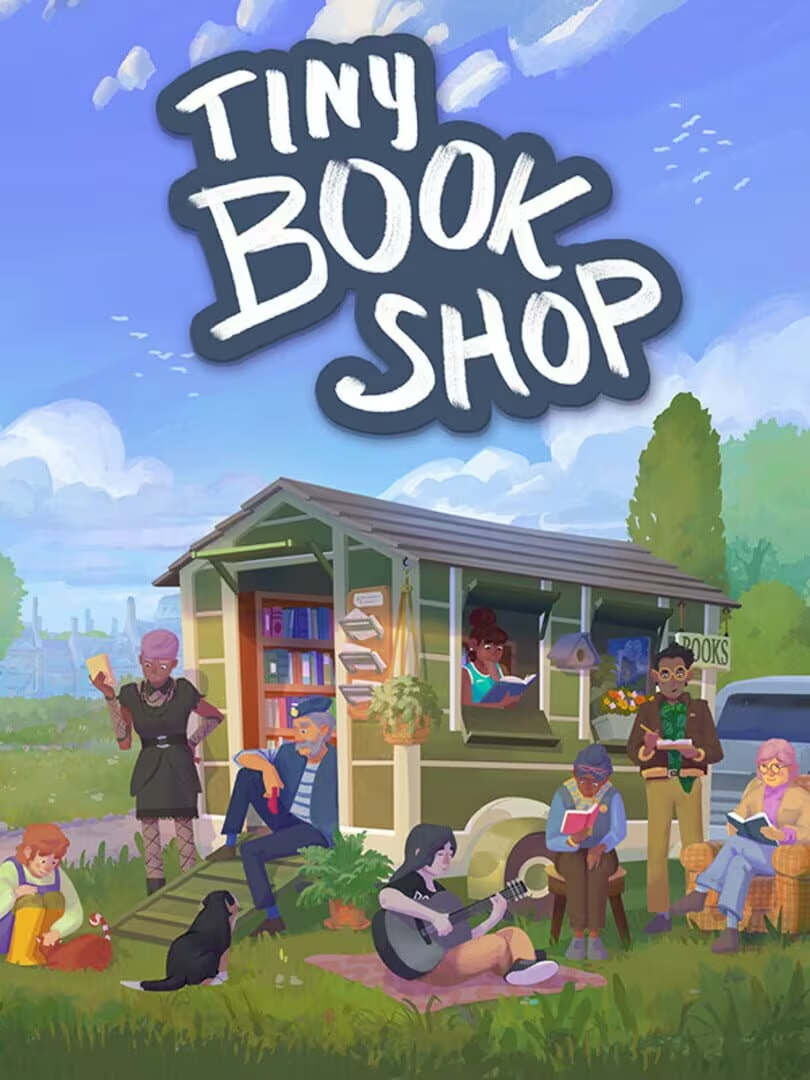 Tiny Bookshop
"Some social elements via companions and NPC interactions, but primarily a single-player experience with limited community connection."
-
Growth
Game with the same Growth vibe
4"Players develop skills, learn item effects, and improve strategies over many runs; progression is through player knowledge and mastery."
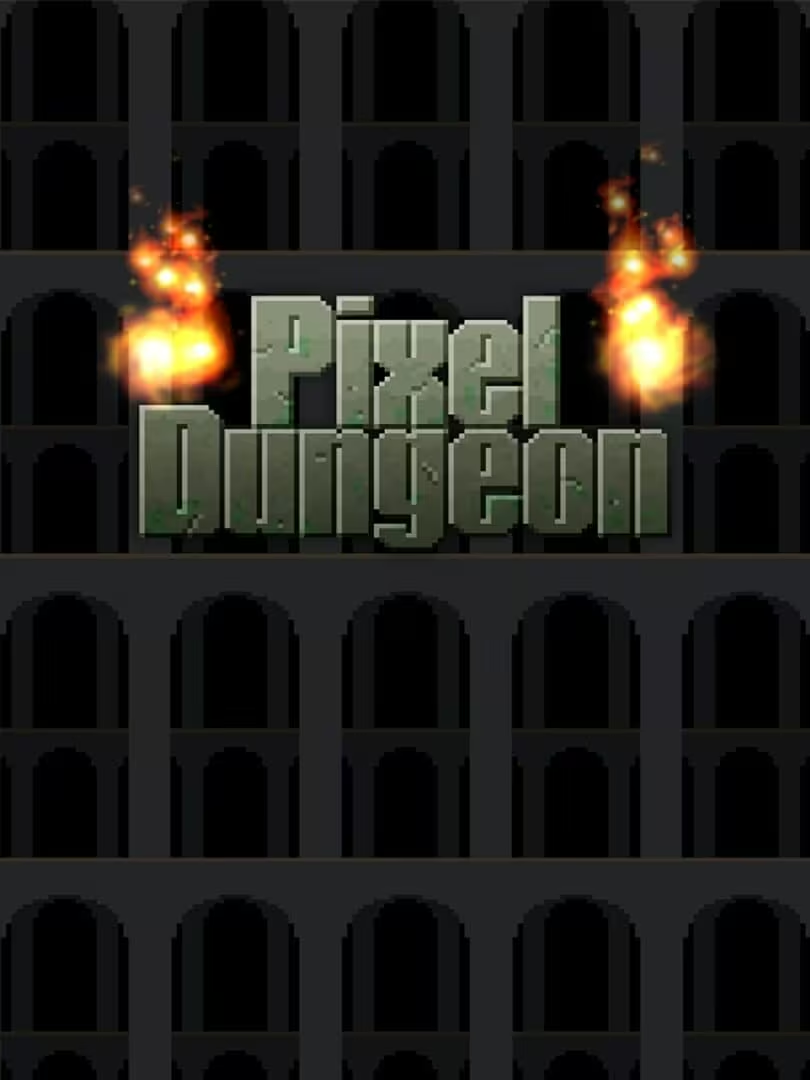 Pixel Dungeon
"Players learn mechanics, improve skills, and develop strategies over many runs; character progression within runs is meaningful."
-
Health
Game with the same Health vibe
-4"Typical sedentary gameplay with long sessions and intense focus; no physical activity involved."
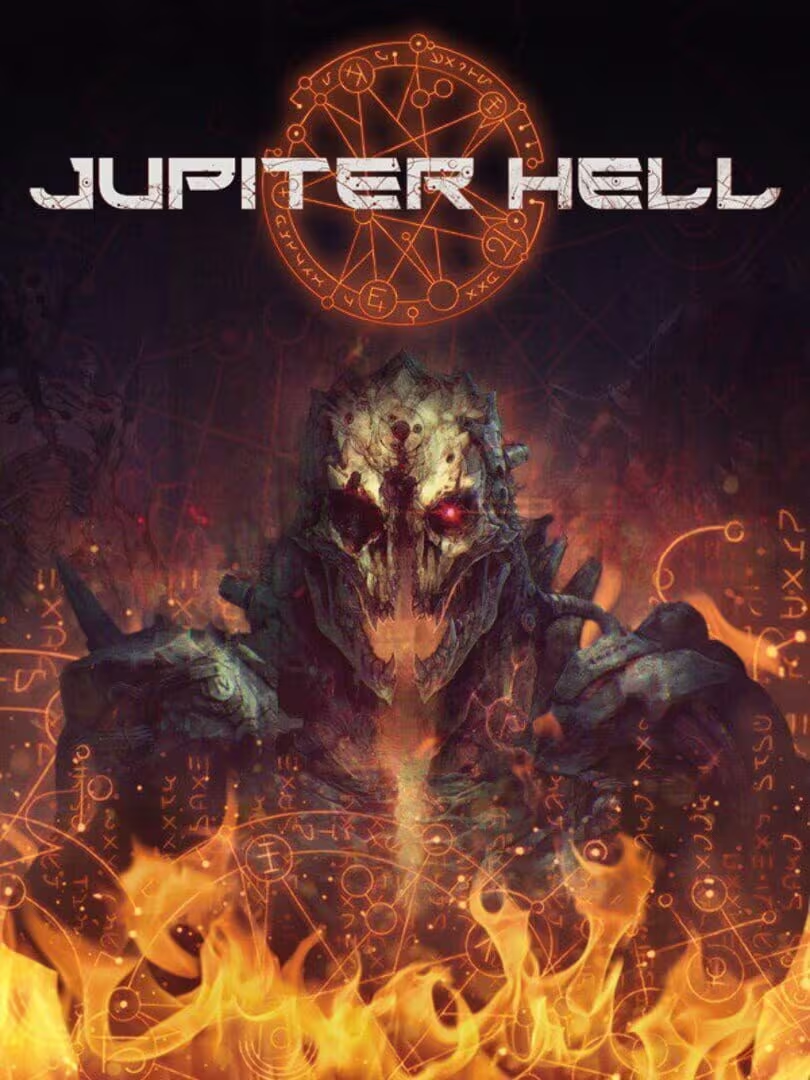 Jupiter Hell
"Typical sedentary gameplay with no physical activity; long sessions and intense focus encouraged."
-
Idle
Game with the same Idle vibe
-3"Requires sustained attention and tactical decision-making; not suited for casual or background play."
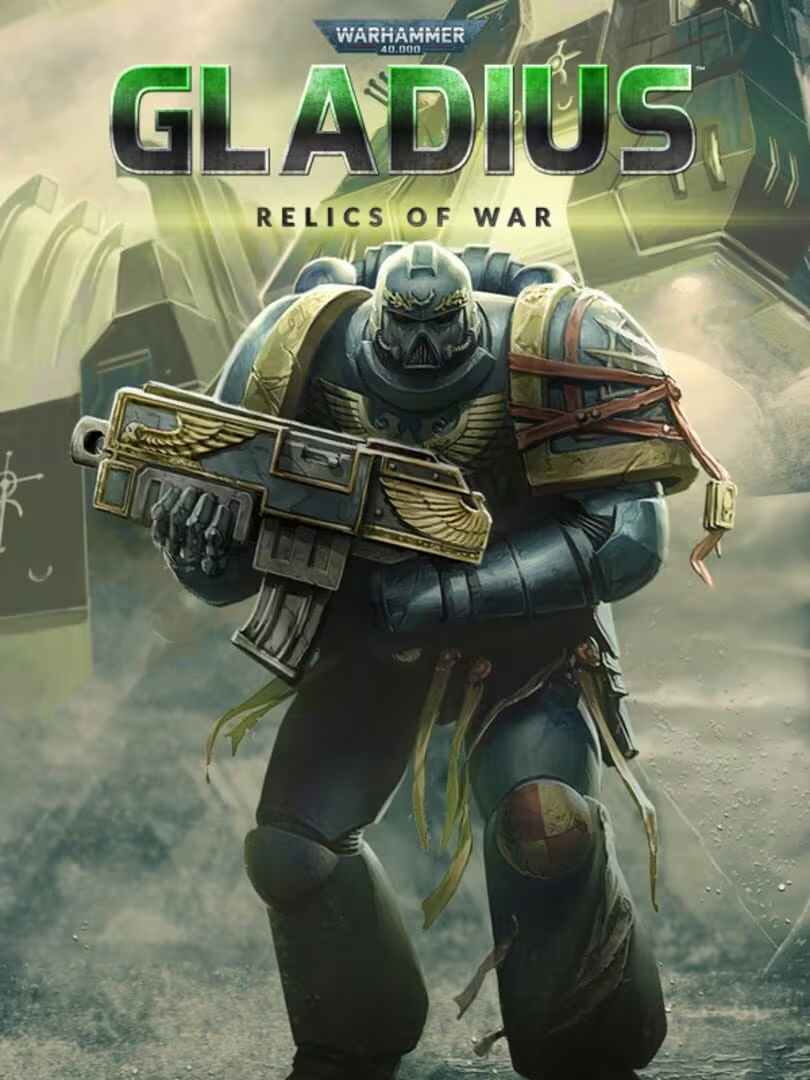 Warhammer 40,000: Gladius - Relics of War
"Requires continuous attention and tactical decision making; not suited for casual or background play."
-
Intimacy
Game with the same Intimacy vibe
1"Companions have meaningful dialogue and reactions, but no deep relationship mechanics."
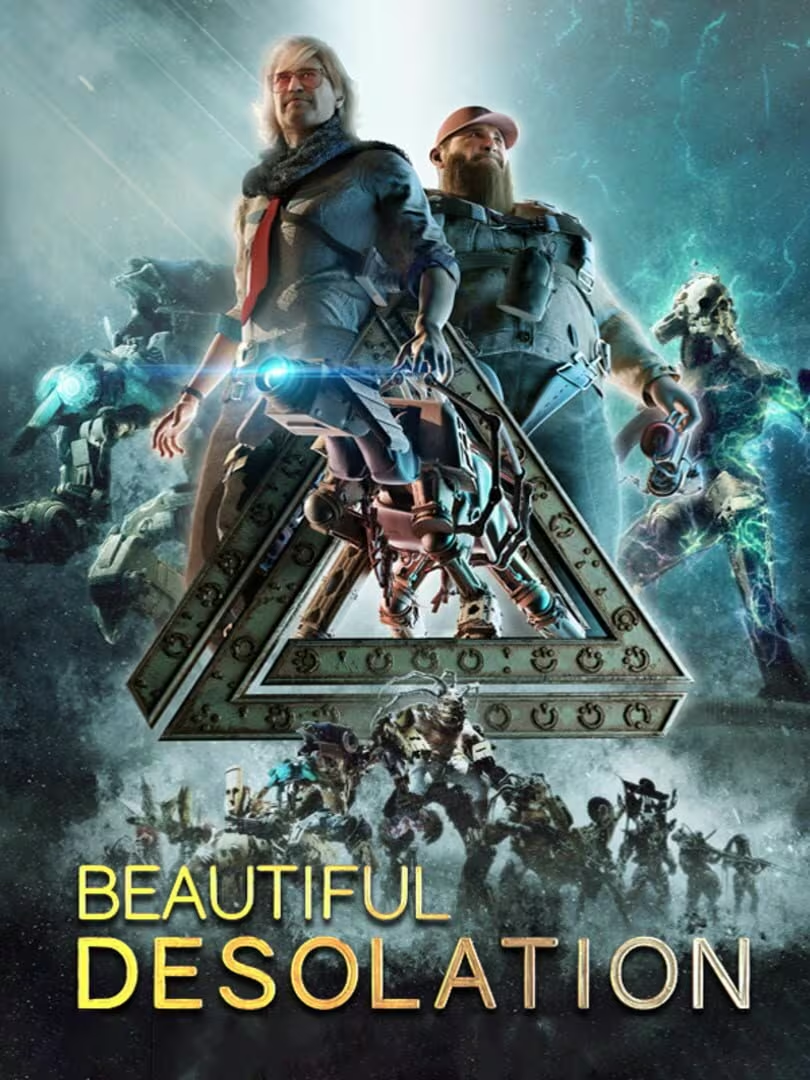 BEAUTIFUL DESOLATION
"Companions have personalities and dialogue, creating some emotional attachment but no deep social relationships."
-
Leadership
Game with the same Leadership vibe
4"Players lead and manage a party of companions, directing their actions and development."
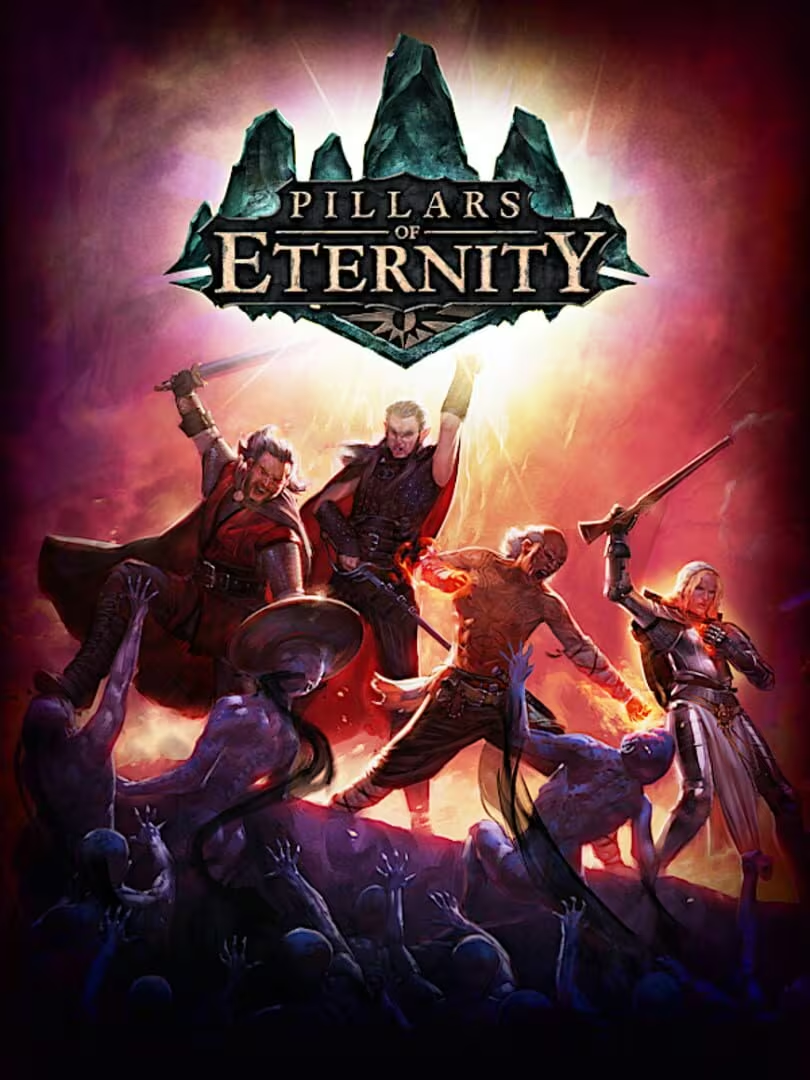 Pillars of Eternity
"Players lead and manage a party of companions, directing their actions and equipment."
-
Progression
Game with the same Progression vibe
5"Strong emphasis on leveling up, acquiring items, upgrading gear, and unlocking abilities."
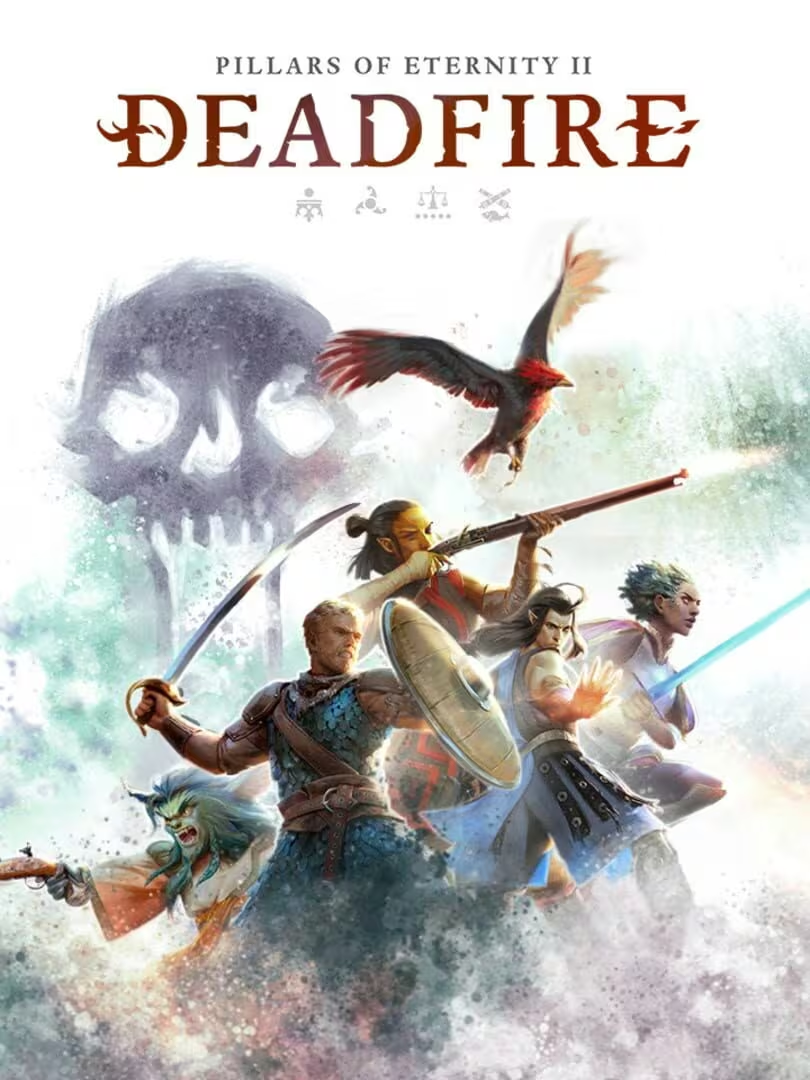 Pillars of Eternity II: Deadfire
"Strong emphasis on leveling, acquiring items, upgrading gear, and building a powerful party."
-
Relaxation
Game with the same Relaxation vibe
-2"Gameplay is tense and challenging with frequent deaths; some players find it stressful rather than relaxing."
 The Hong Kong Massacre
"Challenging and tense gameplay with frequent deaths; requires focus and can be stressful rather than relaxing."
-
Sensation
Game with the same Sensation vibe
4"High-quality sound design, visuals, and immersive atmosphere provide strong sensory stimulation."
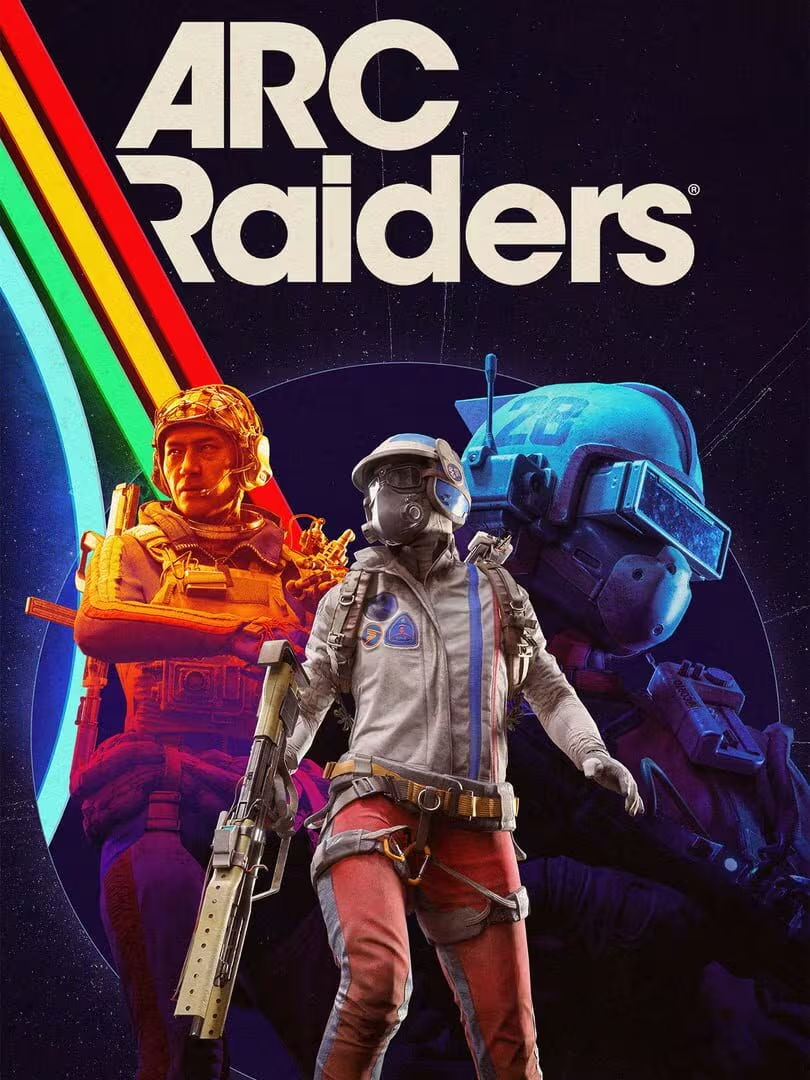 ARC Raiders
"Rich sound design, animations, and atmospheric effects provide strong sensory stimulation and immersion."
-
Status
Game with the same Status vibe
0"Some leaderboard presence but mostly individual play without strong social recognition."
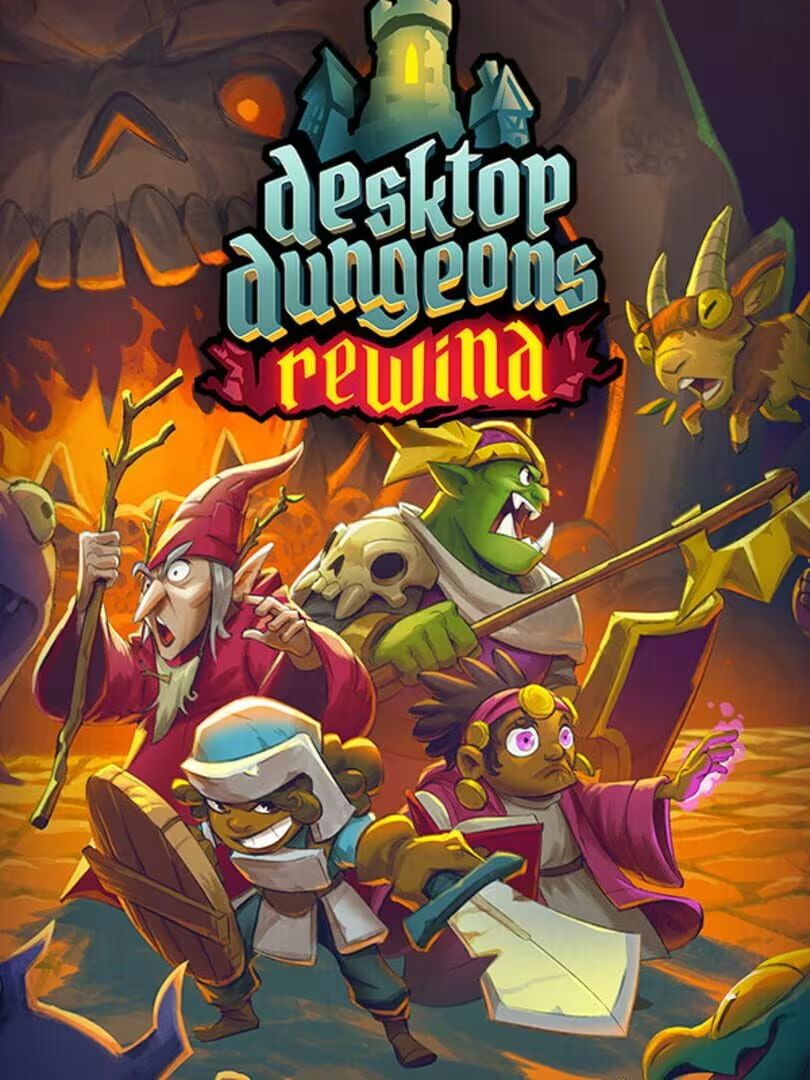 Desktop Dungeons: Rewind
"Some recognition via leaderboards but mostly individual-focused play without social status emphasis."
-
Story
Game with the same Story vibe
3"Emergent storytelling through NPC interactions and community events rather than scripted narrative."
 Survivalist: Invisible Strain
"Emergent narrative through NPC dialogue and companion interactions; lore is present but not deeply scripted."
-
Strategy
Game with the same Strategy vibe
5"Requires planning, resource management, tactical combat, and strategic decision-making."
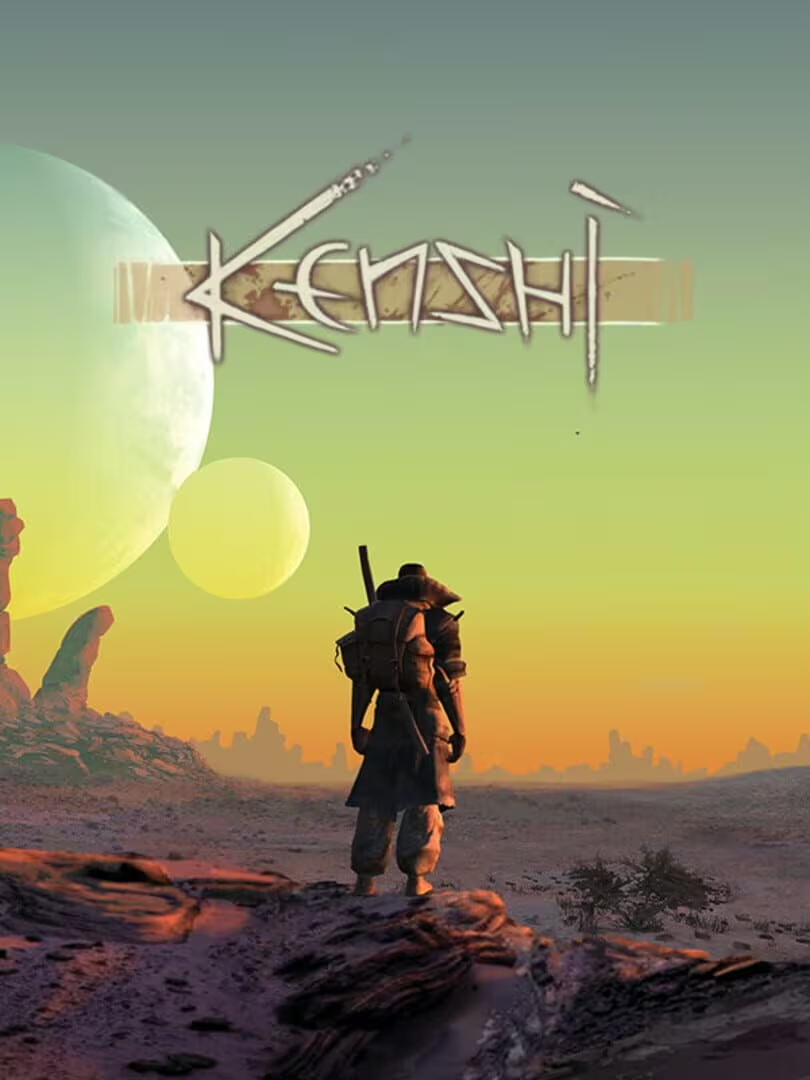 Kenshi
"Requires tactical combat, resource management, planning, and problem solving to survive and progress."
-
Thrill
Game with the same Thrill vibe
4"High tension and suspense from risk of death and difficult encounters."
 DARK SOULS™ II
"High tension and suspense from difficult encounters, risk of death, and unpredictable enemy behavior."
-
Value
Game with the same Value vibe
5"Highly praised for low price and good content; considered a great value for money."
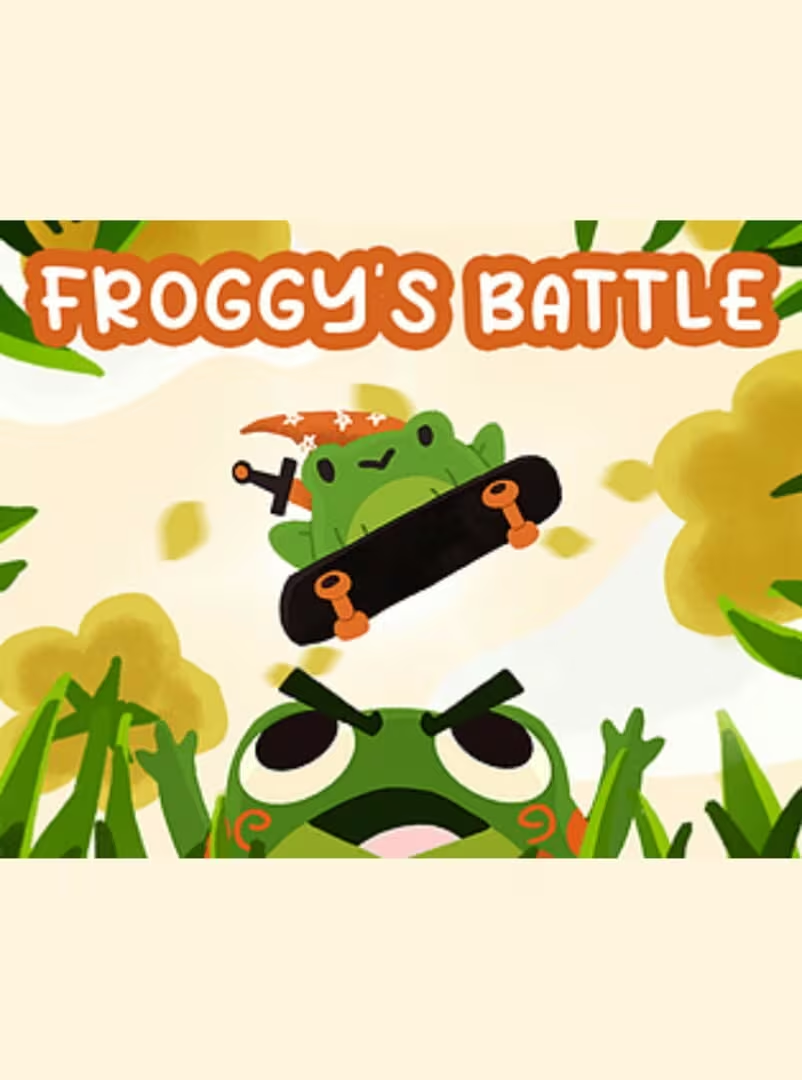 Froggy's Battle
"Highly praised for content, quality, and price; considered excellent value for money and time invested."
-
Violence
Game with the same Violence vibe
3"Combat and destruction are core gameplay elements, with a variety of weapons and enemies."
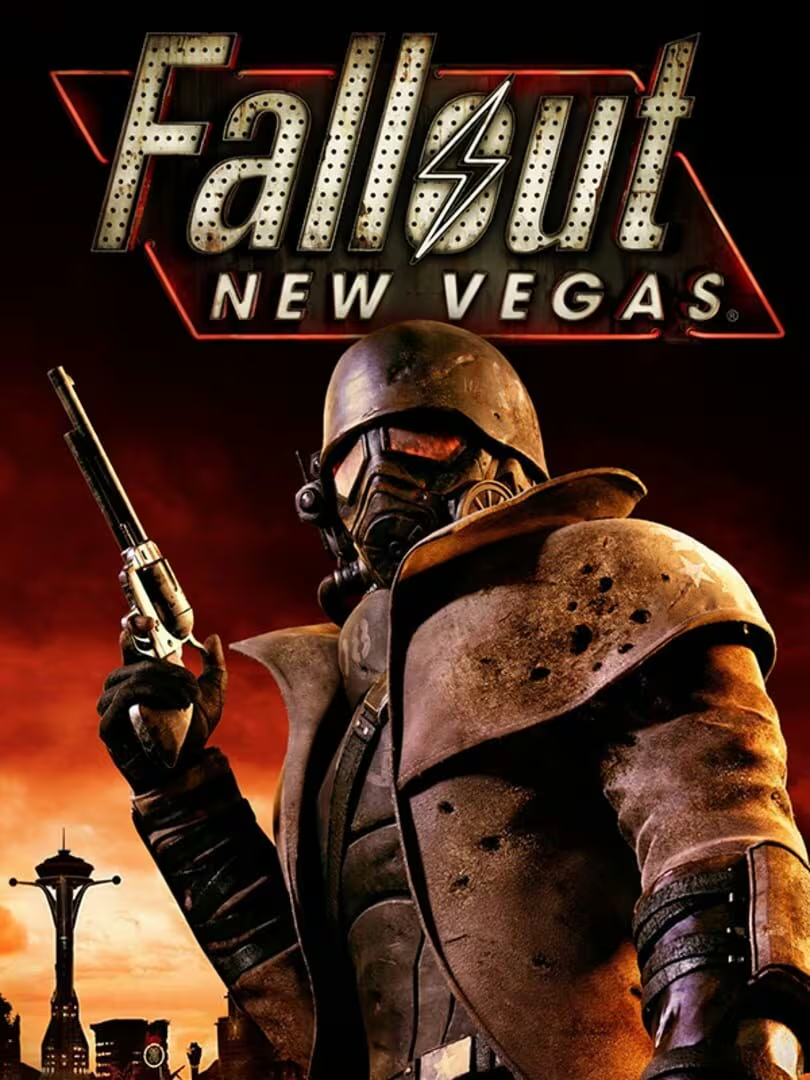 Fallout: New Vegas
"Combat and destruction are core gameplay elements with many battles and enemy kills."
-
Survival
Game with the same Survival vibe
5"Strong focus on avoiding death, managing resources, and overcoming threats in a hostile environment."
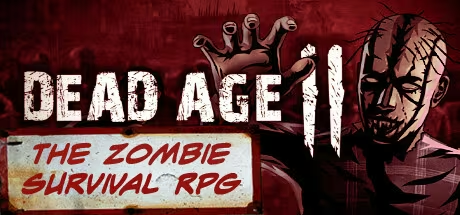 Dead Age 2: The Zombie Survival RPG
"Strong focus on avoiding death, managing resources, and overcoming threats in a hostile environment."
Last update: 01/06/2026