Lone Survivor: The Director's Cut similar games & best alternatives
Should you play it?
In this original and adult psychological survival horror, the masked protagonist must escape from a city ravaged by disease, by any means necessary.
What works
- Strong psychological horror atmosphere
- Immersive story with multiple endings
- Excellent soundtrack and audio design
- Meaningful survival mechanics
- High replay value
Things to keep in mind
- Short game length
- Clunky controls and inventory management
- Limited monster variety
- Lack of controller support
- Some players find pacing slow or repetitive
What to play next
Similar games, hidden gems, and fresh directions from this game.
Top picks
Games that feel the closest overall
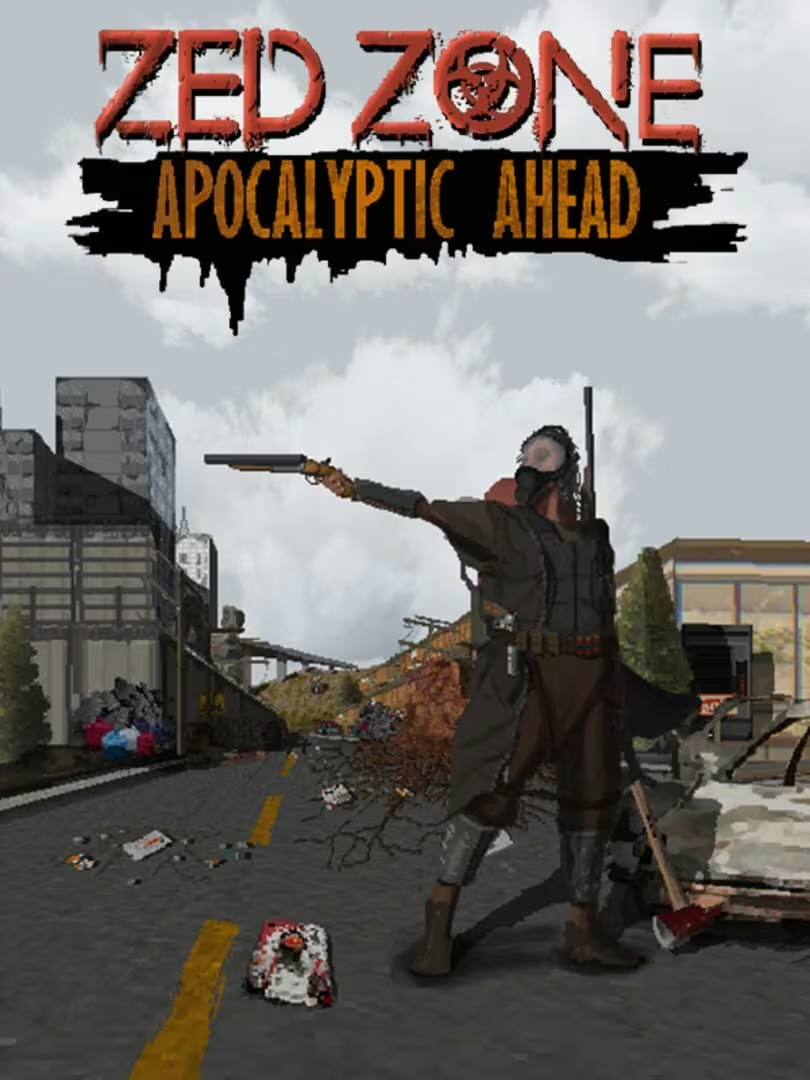
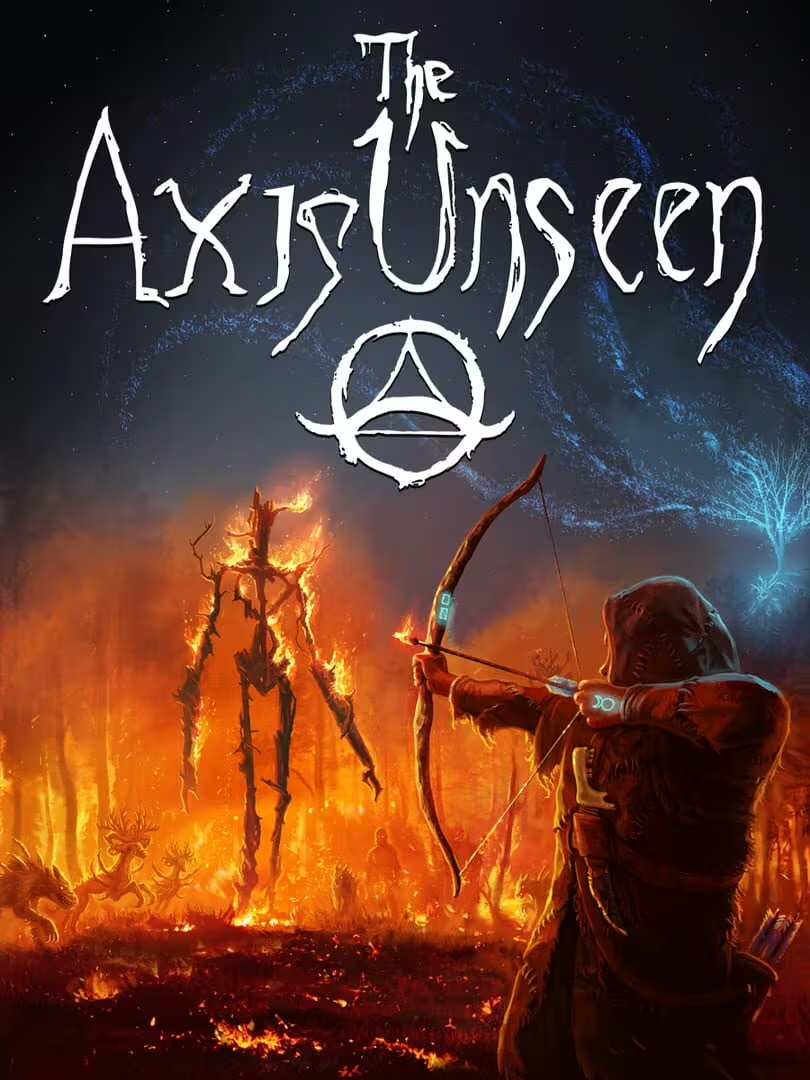
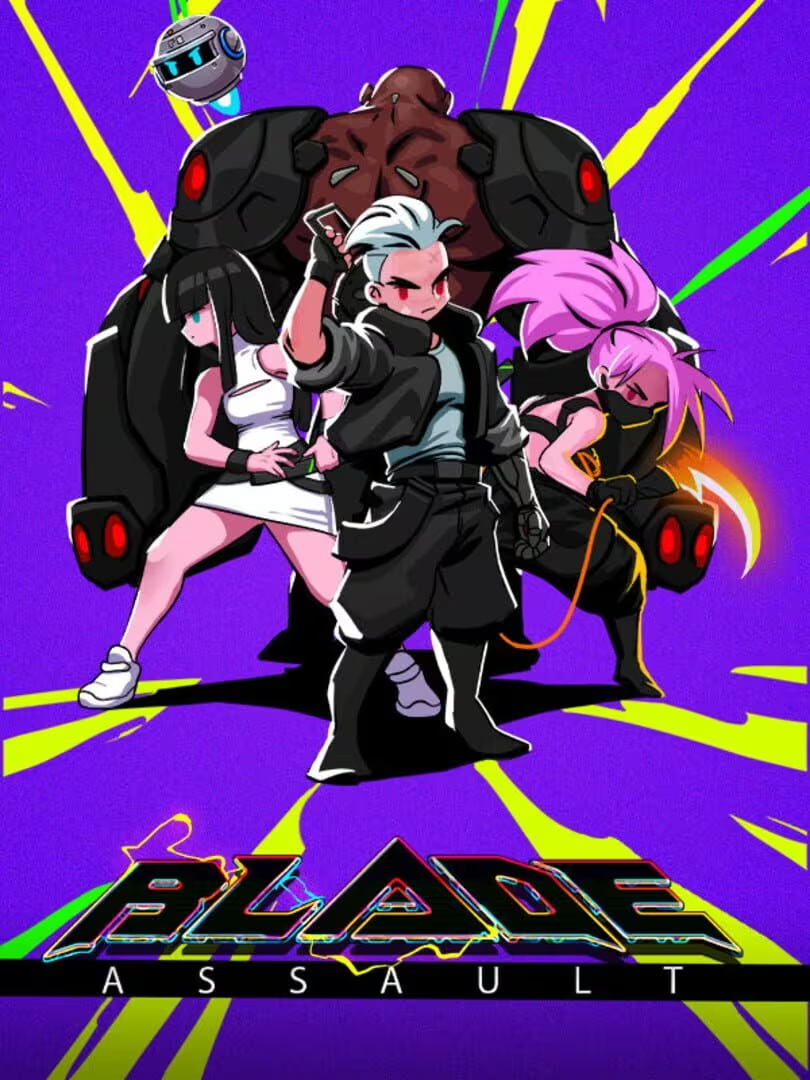
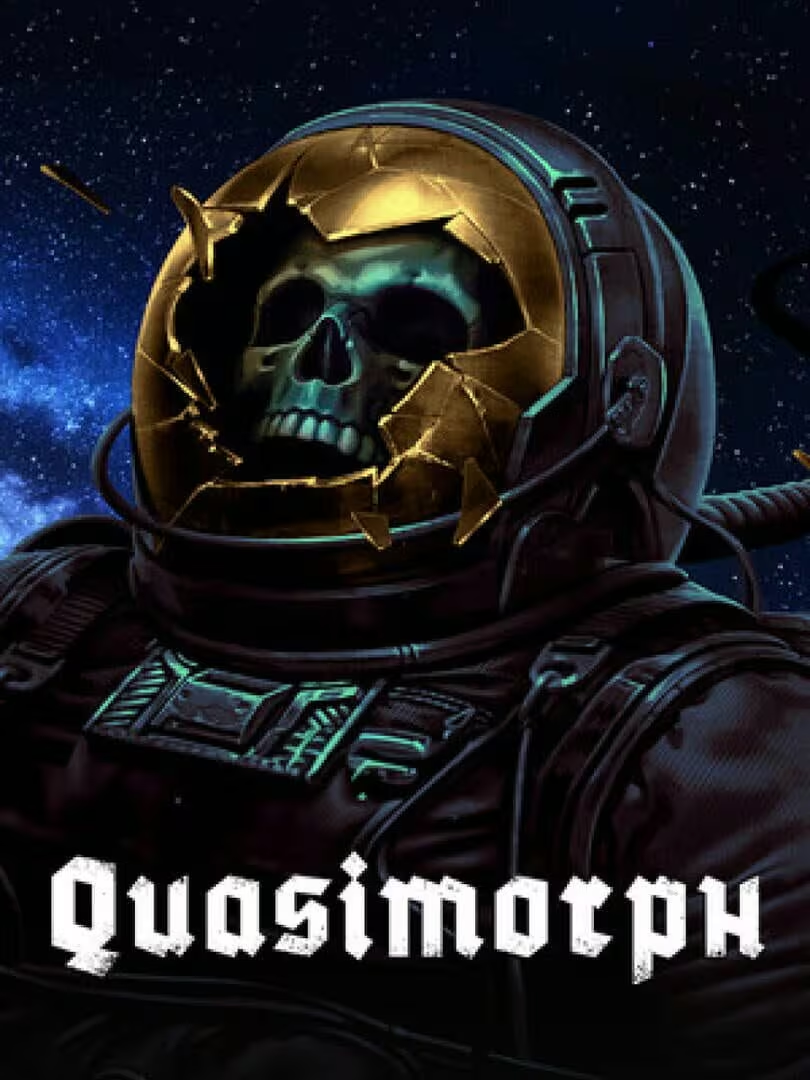
Hidden Gems
Less popular games with surprisingly high similarity
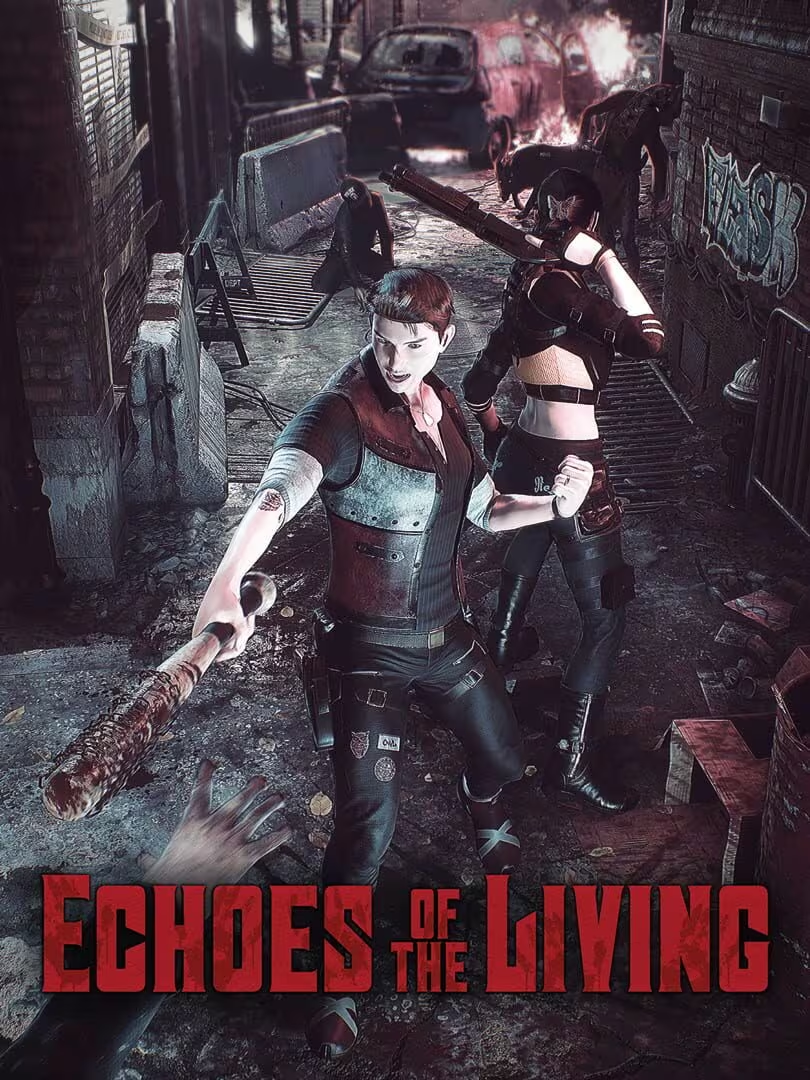
If you liked…
Recommendations by what you enjoyed most
Similarity map
Explore nearby similar games and see why they’re close.
Lone Survivor: The Director's Cut: Broadly representative of its motivational profile, with a few distinct shifts. Motivations that often define this kind of title include Fellowship, Violence, Survival, Cooperation. Here, the score leans higher than usual among comparable games on Story. It leans lower than usual among comparable games on Relaxation, Leadership.
Why this game works
A motivational profile of the game, with the closest similar game for each player motivation.
-
Autonomy
Game with the same Autonomy vibe
4"Players make meaningful choices affecting multiple endings and gameplay experience, reflecting personal decisions and control."
 When the Darkness comes
"Players make meaningful choices affecting endings and gameplay style, including combat or stealth approaches, resource management, and mental health decisions."
-
Competence
Game with the same Competence vibe
3"Requires skillful resource management, combat tactics, and strategic planning to survive and progress."
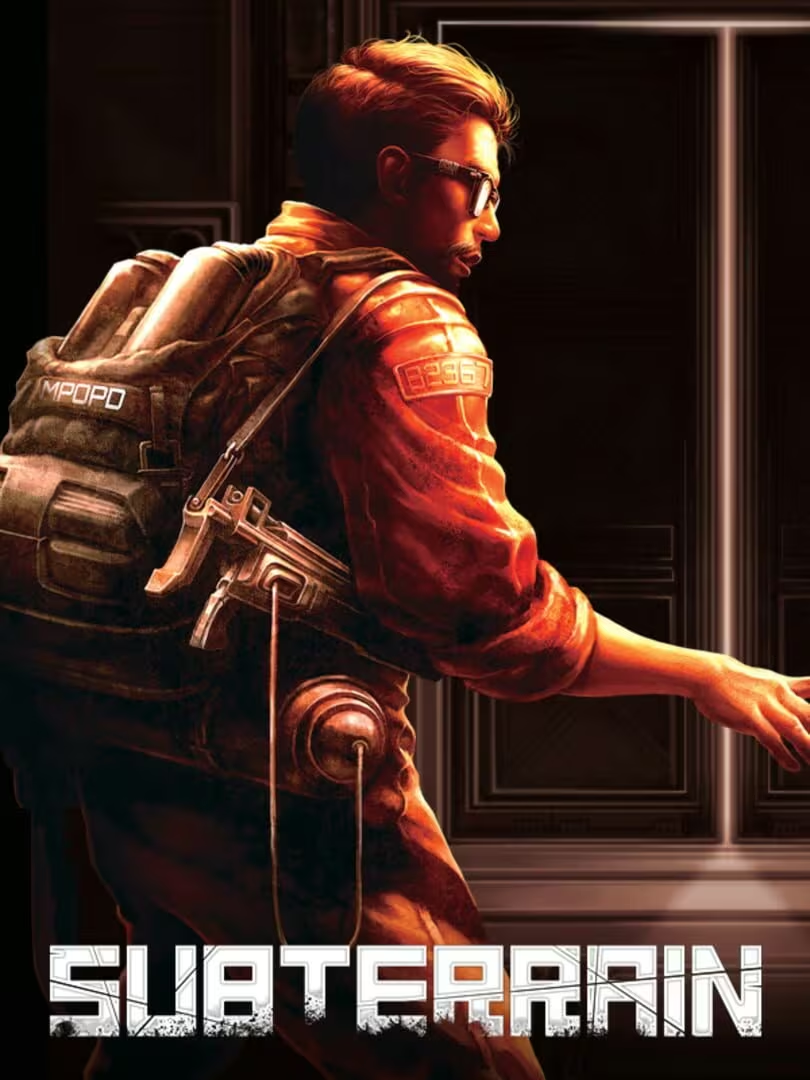 Subterrain
"Requires tactical combat, resource management, and puzzle solving with feedback on mental health and survival success."
-
Competition
Game with the same Competition vibe
-5"Focus is on personal experience and progression without competitive or ranked elements."
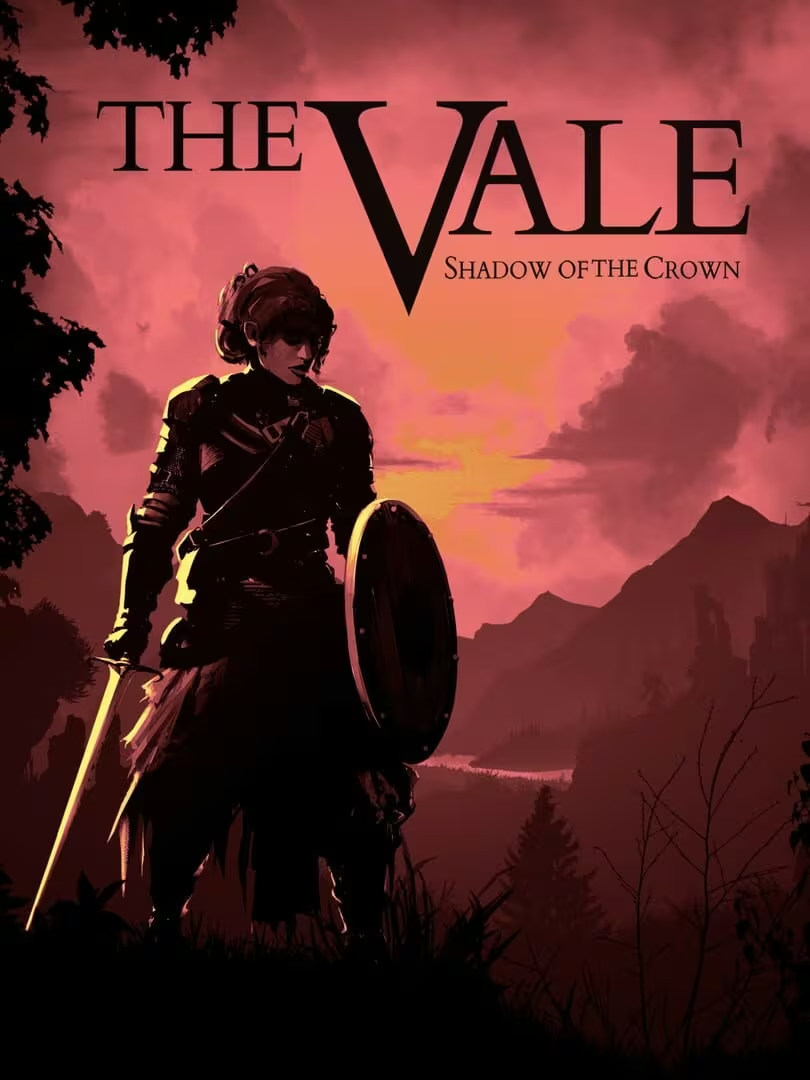 The Vale: Shadow of the Crown
"Focuses on individual experience and personal progression without competitive or ranked elements."
-
Continuation
Game with the same Continuation vibe
3"Multiple endings encourage replaying to discover all outcomes, promoting habitual engagement despite short playtime."
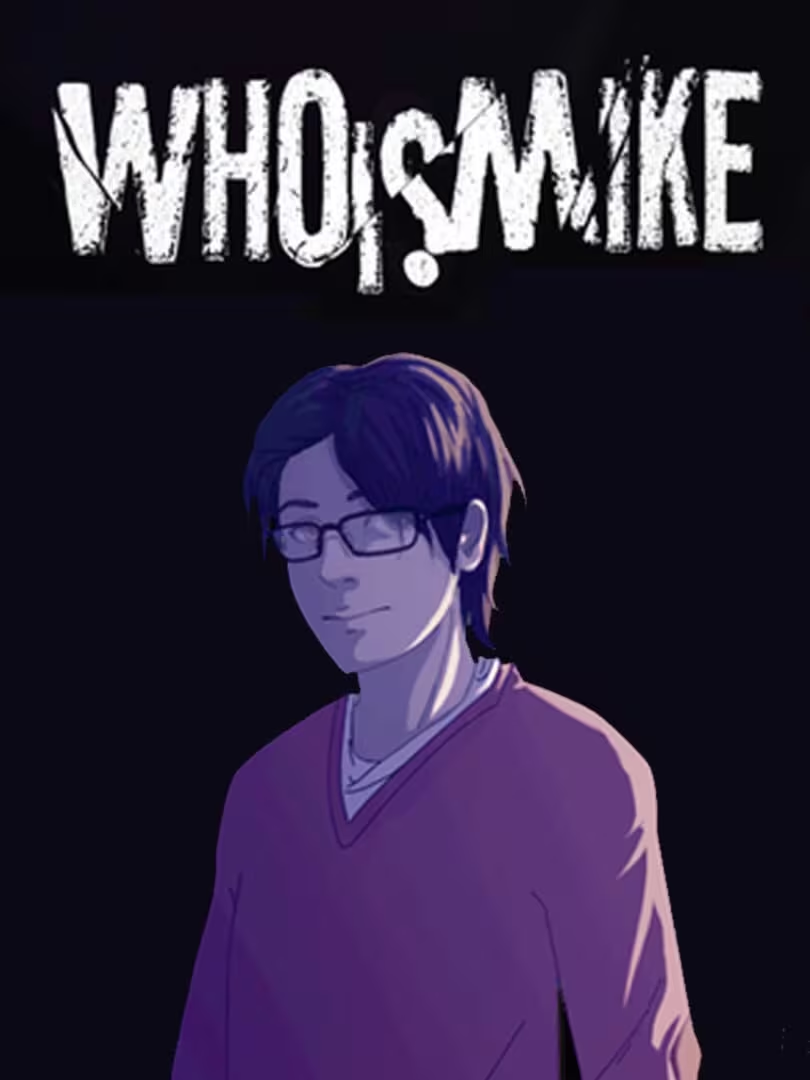 Who Is Mike - A Visual Novel
"Multiple endings and replay value encourage habitual play and exploration of different outcomes."
-
Cooperation
Game with the same Cooperation vibe
-4"Primarily a single-player experience with limited social interaction focused on NPC relationships, no multiplayer cooperation."
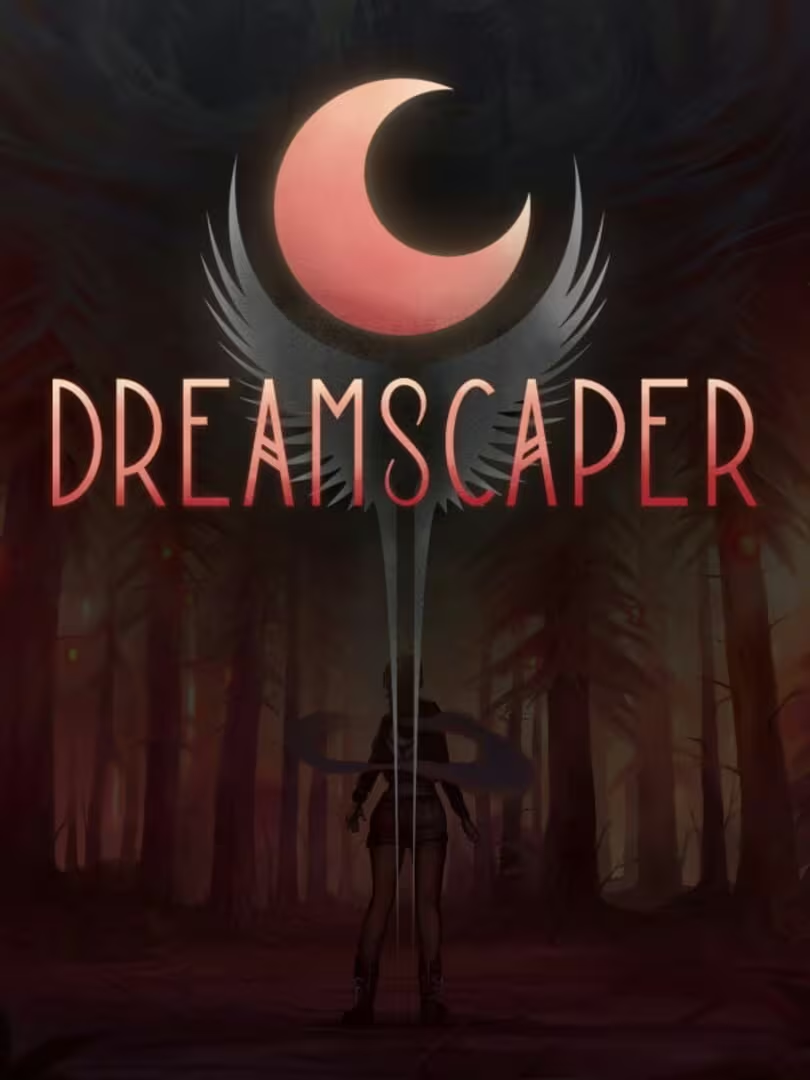 Dreamscaper
"Primarily a single-player experience with limited NPC interactions; no multiplayer or teamwork."
-
Creativity
Game with the same Creativity vibe
2"Players experiment with different item combinations and survival strategies, though within set scenarios."
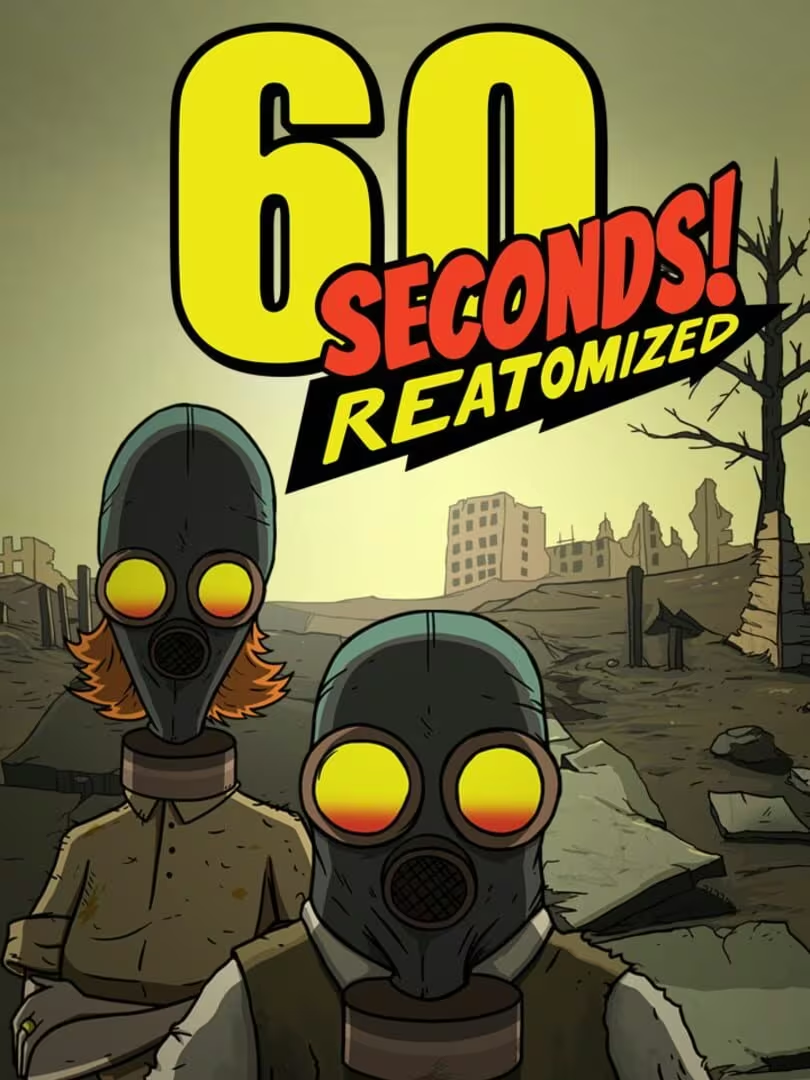 60 Seconds! Reatomized
"Players can combine food items, cook, and experiment with survival strategies, though within predefined systems."
-
Domination
Game with the same Domination vibe
-5"No evidence of exerting control or superiority over others; interactions are balanced and respectful."
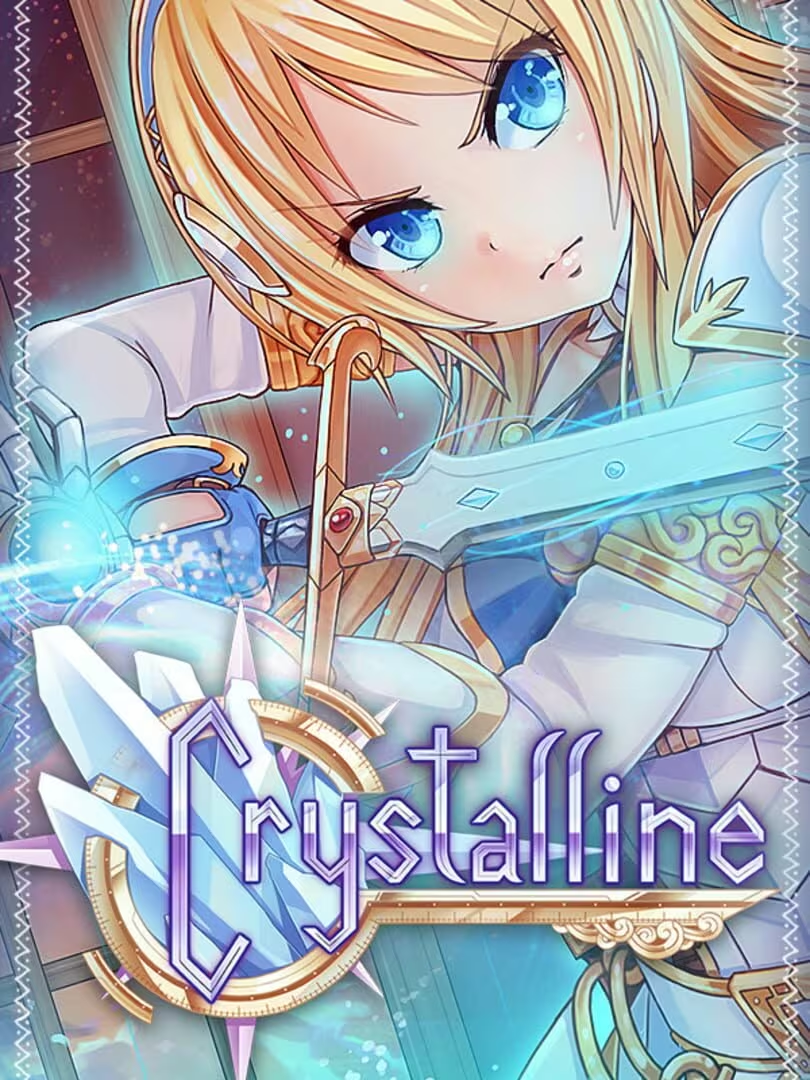 Crystalline
"No evidence of exerting control or superiority over others; interactions are balanced and respectful."
-
Escapism
Game with the same Escapism vibe
4"Strong psychological horror atmosphere and immersive story provide escape from reality."
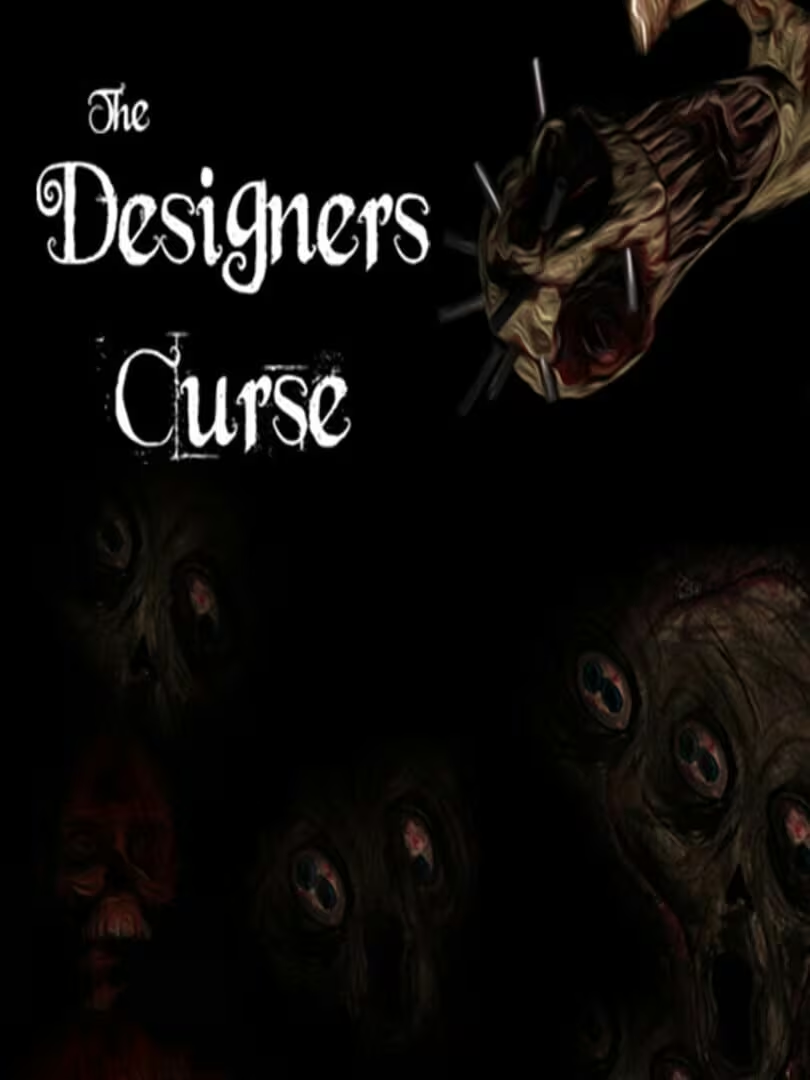 The Designer's Curse
"Strong psychological horror atmosphere and immersive story provide escape from real life."
-
Expectation
Game with the same Expectation vibe
-4"Players engage voluntarily out of interest in horror and psychological themes."
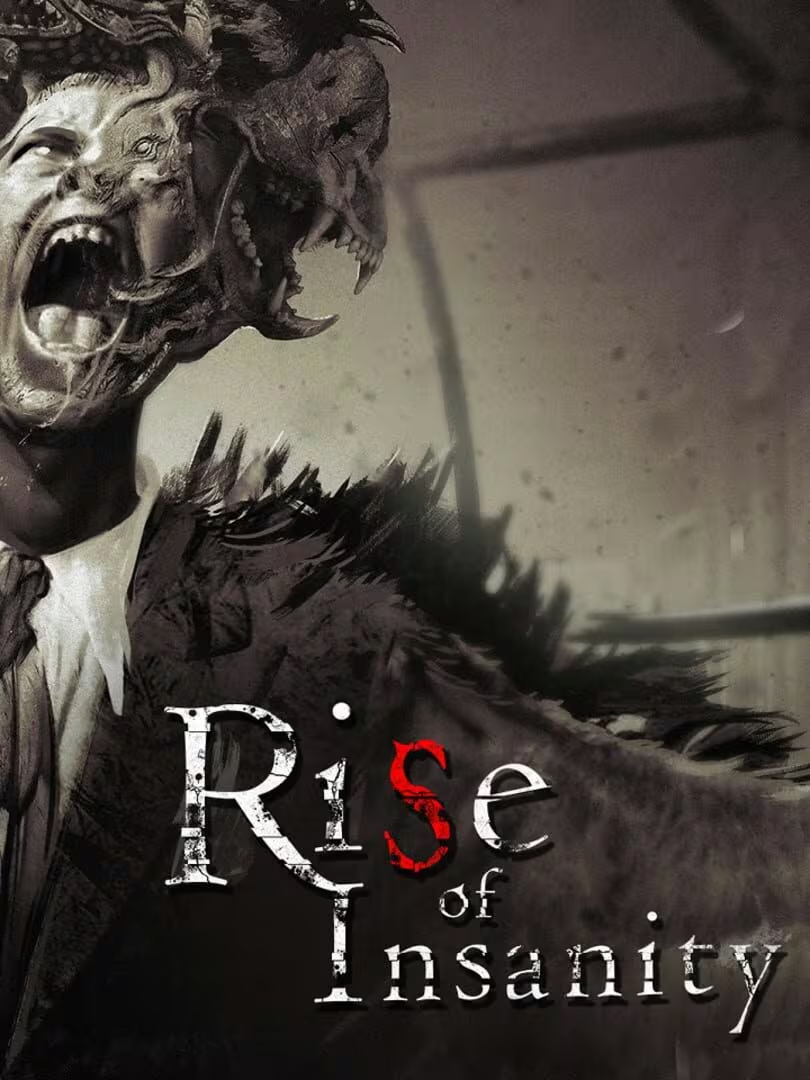 Rise of Insanity
"Players engage voluntarily out of interest in psychological horror and survival themes."
-
Experimenting
Game with the same Experimenting vibe
3"Multiple routes and endings encourage trying different story paths and character interactions."
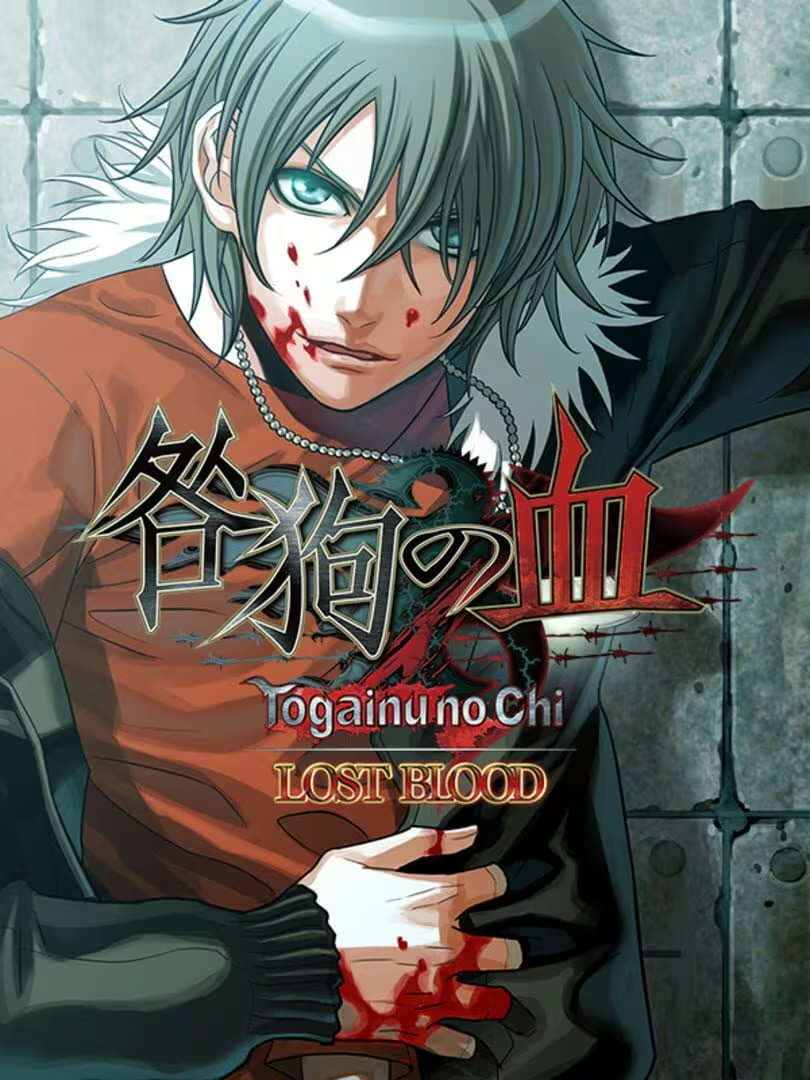 Togainu no Chi ~Lost Blood~
"Encourages trying different approaches to combat, resource use, and story paths to discover multiple endings."
-
Exploration
Game with the same Exploration vibe
3"Players explore a detailed apartment building and investigate various rooms and clues, with some side missions."
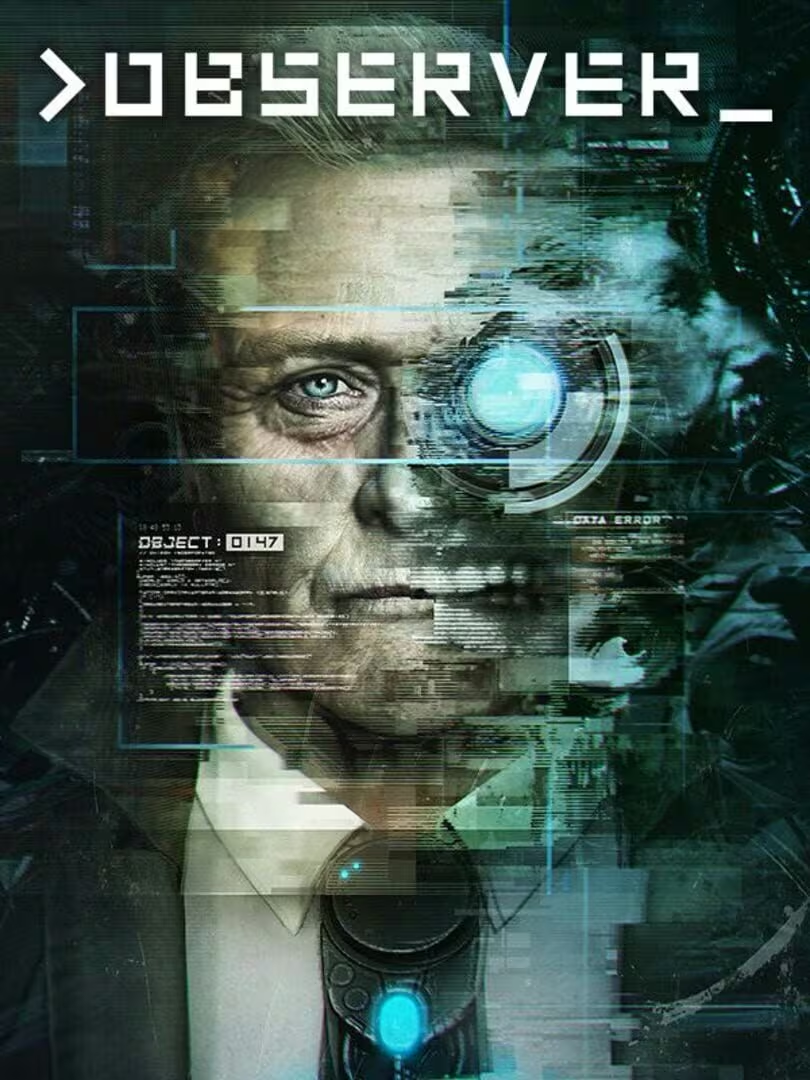 >observer_
"Players explore a detailed apartment complex and city environment with secrets and side quests."
-
Expression
Game with the same Expression vibe
1"Character choices and some customization allow for limited self-expression."
 Legend of Edda: Pegasus
"Limited character customization but some self-expression through choices and survival style."
-
Fantasy
Game with the same Fantasy vibe
4"Psychological horror with surreal and imaginative elements, hallucinations, and mental breakdown themes."
Rise of Insanity
"Strong psychological and surreal horror elements with hallucinations and ambiguous reality."
-
Fellowship
Game with the same Fellowship vibe
-4"The experience is solitary with minimal social connection or community involvement."
 SIMULACRA: Pipe Dreams
"Focus on solitary experience with minimal social connection or community involvement."
-
Growth
Game with the same Growth vibe
3"Players learn survival mechanics, puzzle solutions, and story progression."
 The Solus Project
"Players learn survival mechanics, puzzle solutions, and story nuances through repeated play."
-
Health
Game with the same Health vibe
-3"Sedentary gameplay with no physical activity; no rehab or exercise elements."
 Arctico
"Sedentary gameplay with some mental health themes; no physical activity or rehab elements."
-
Idle
Game with the same Idle vibe
-3"Requires continuous attention and active management of resources and combat."
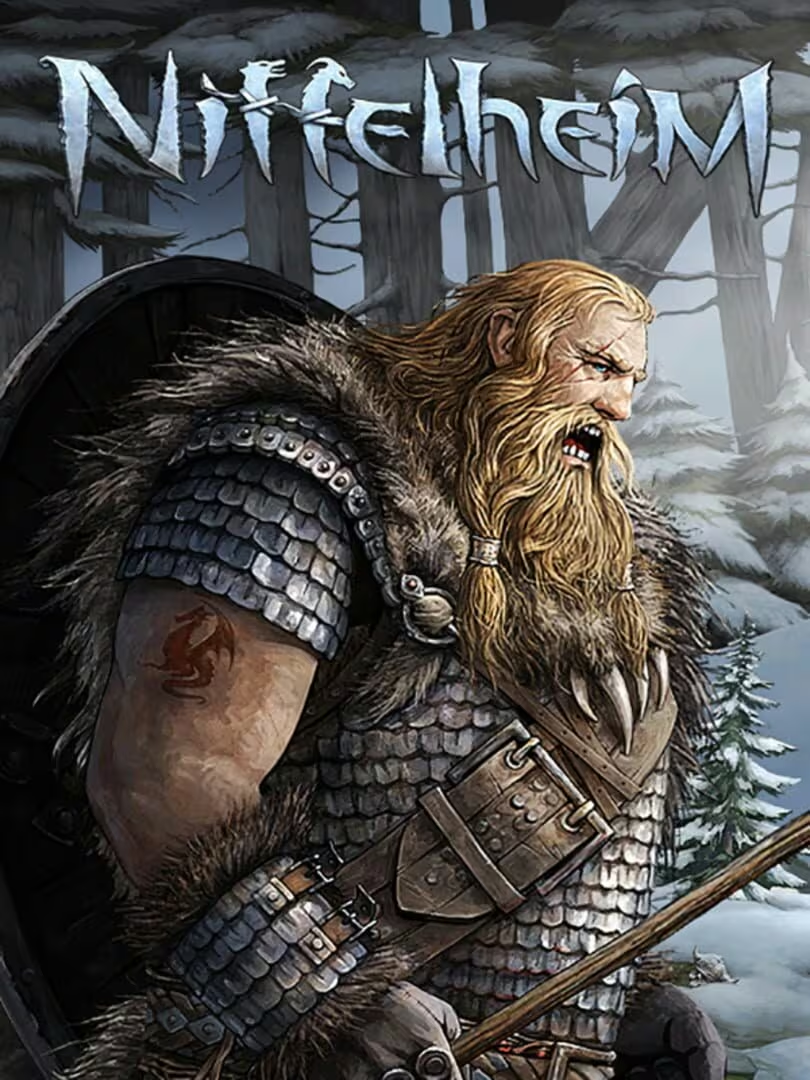 Niffelheim
"Requires continuous attention to resource management, combat, and exploration."
-
Intimacy
Game with the same Intimacy vibe
-4"Limited emotional connection through NPC dialogue but no close relationships or social bonding."
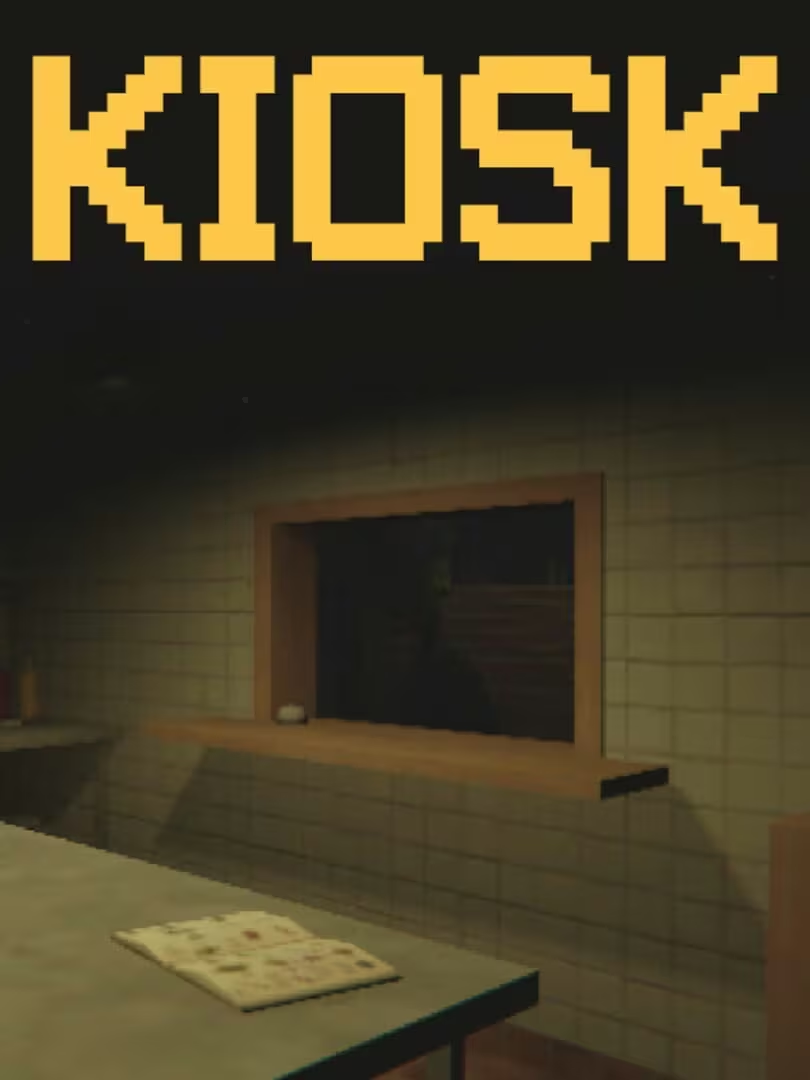 Kiosk
Kiosk
"Limited emotional connections mainly through NPC dialogue and character's mental state; no close relationships."
-
Leadership
Game with the same Leadership vibe
-5"No leadership or authority roles; player acts independently without managing others."
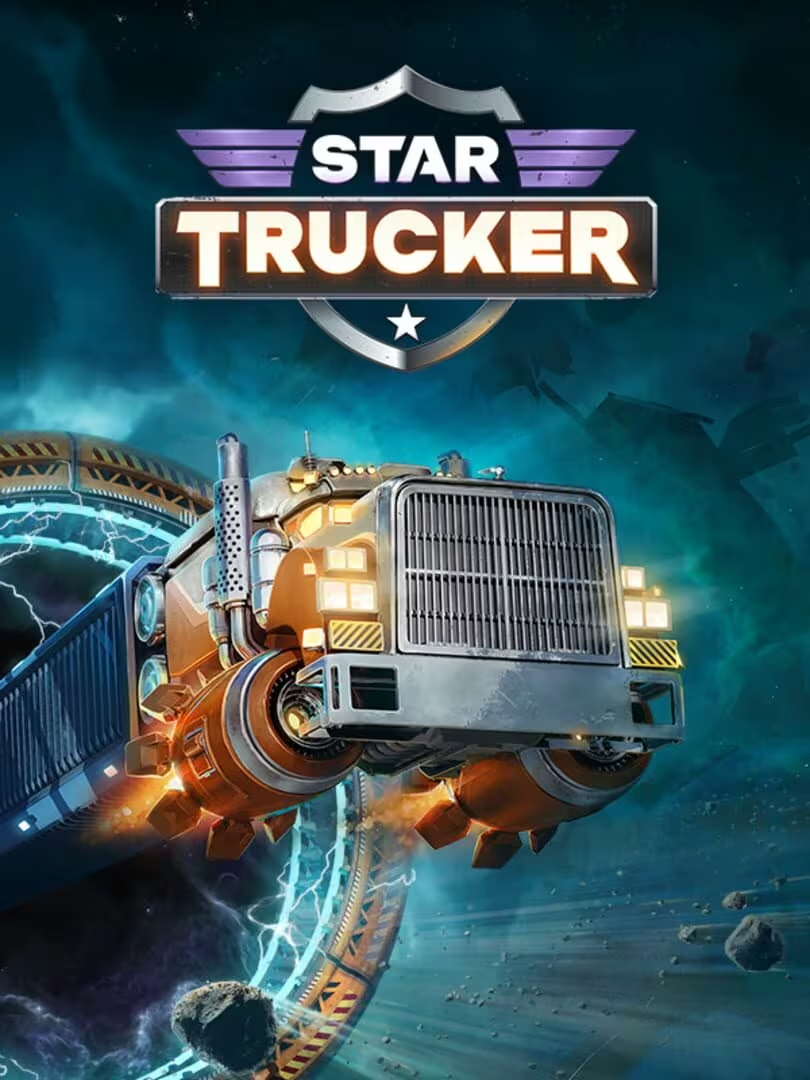 Star Trucker
"No leadership or authority roles; player acts independently without managing others."
-
Progression
Game with the same Progression vibe
3"Collecting items and unlocking multiple endings provide a sense of progression."
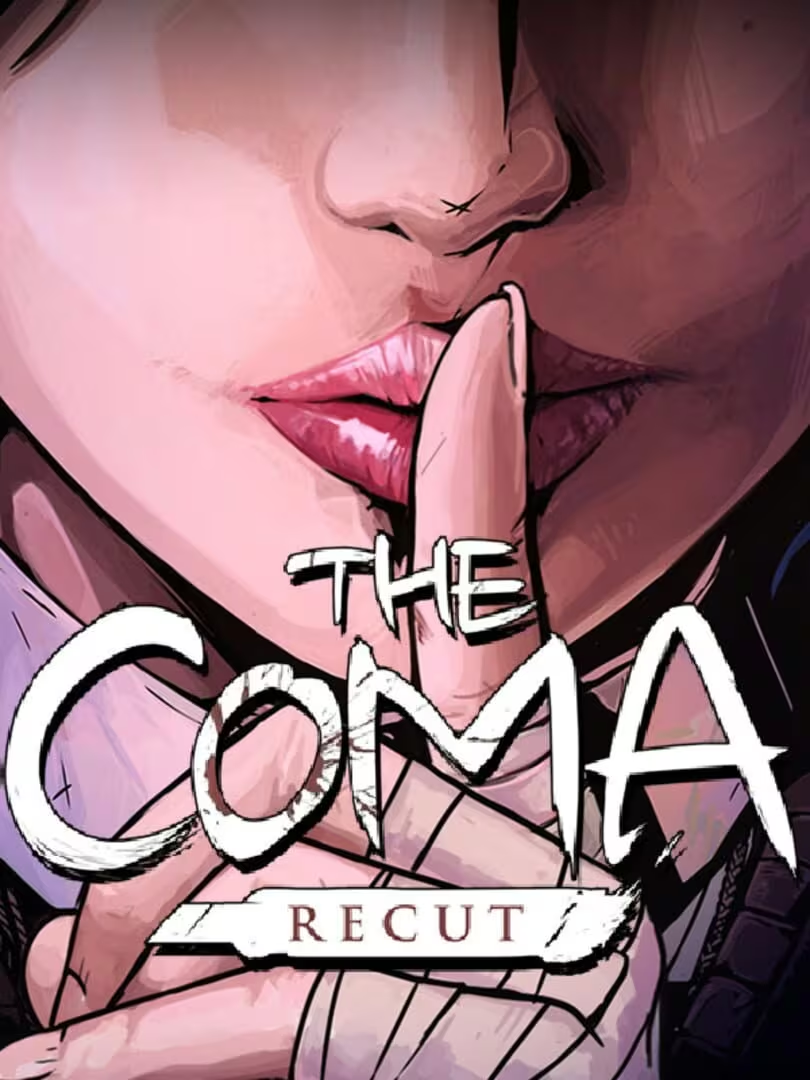 The Coma: Recut
"Collecting food, ammo, and items to survive and unlock different endings represents progression."
-
Relaxation
Game with the same Relaxation vibe
-3"Sustained tension and anxiety dominate; not a relaxing or flow experience."
![Capsule for [Chilla's Art] Night Security | 夜間警備](https://d2eatnf6sujjgc.cloudfront.net/gameaton-data/chilla-s-art-night-security/cover/chilla-s-art-night-security.avif) [Chilla's Art] Night Security | 夜間警備
[Chilla's Art] Night Security | 夜間警備
"Sustained tension and anxiety dominate the experience rather than relaxation or flow."
-
Sensation
Game with the same Sensation vibe
3"Atmospheric audio and visual design provide sensory stimulation and emotional engagement."
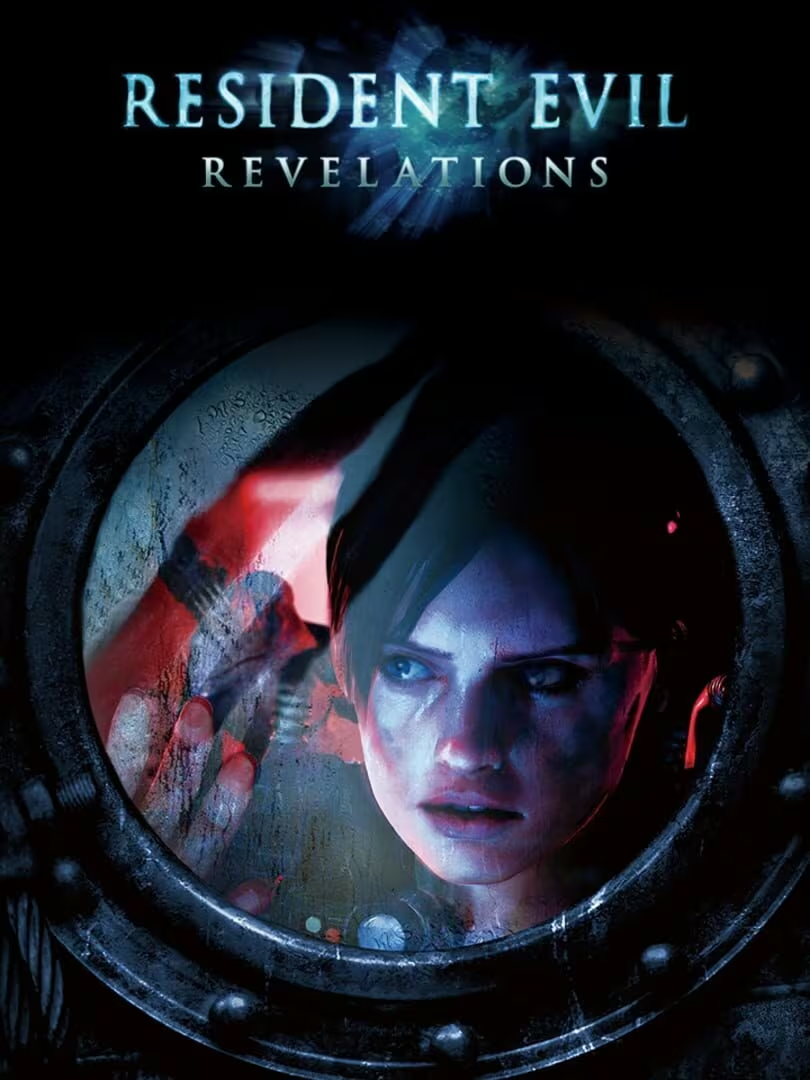 Resident Evil Revelations
"Atmospheric audio and visual design provide sensory stimulation and emotional engagement."
-
Status
Game with the same Status vibe
-5"No social recognition or status systems; focus is on personal experience."
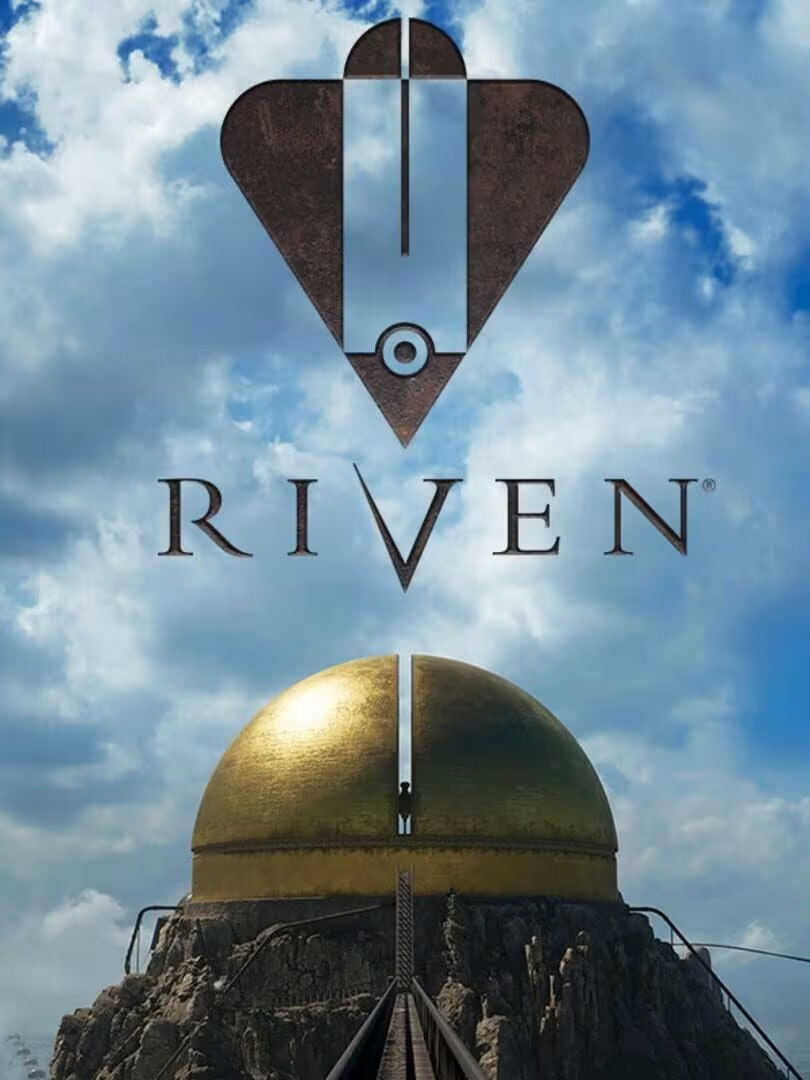 Riven
Riven
"No social recognition or status systems; focus is on personal experience."
-
Story
Game with the same Story vibe
5"Narrative immersion with multiple endings and character interactions."
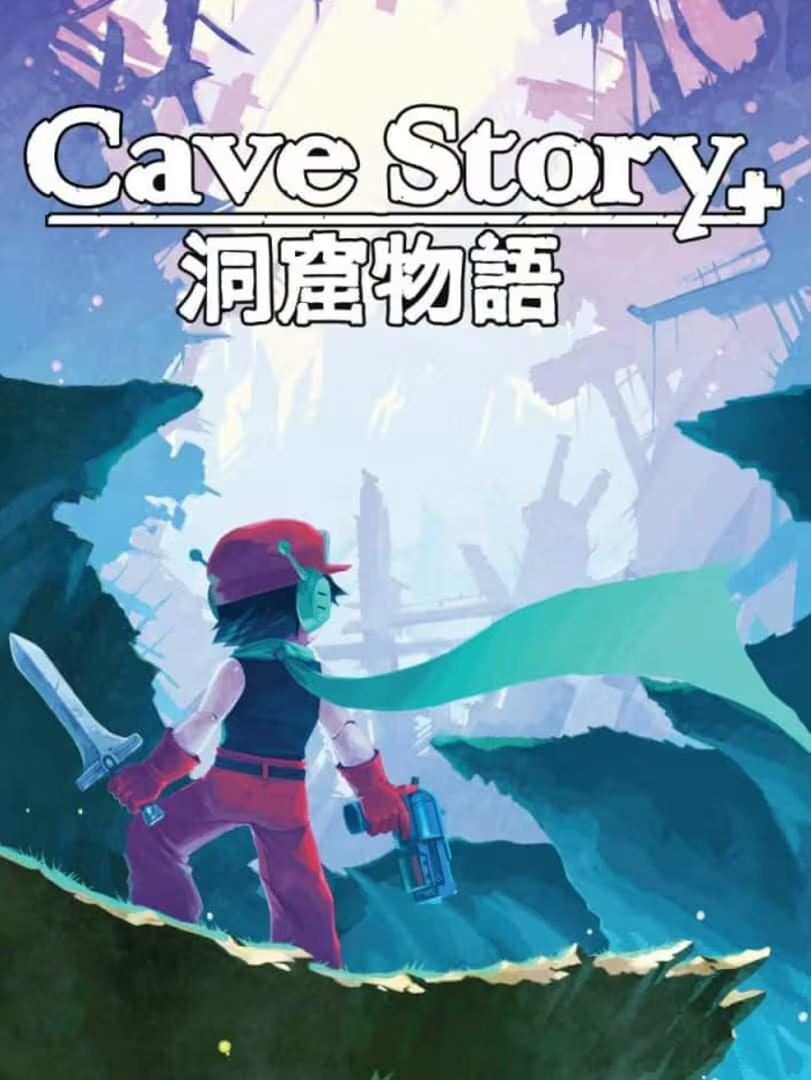 Cave Story+
"Strong narrative immersion with multiple endings, character interactions, and psychological themes."
-
Strategy
Game with the same Strategy vibe
4"Requires mental challenge, planning, tactical combat, and resource management."
 SpellForce: Conquest of Eo
"Requires planning resource use, combat tactics, and mental health management."
-
Thrill
Game with the same Thrill vibe
4"Creates suspense and tension through atmosphere and psychological horror elements."
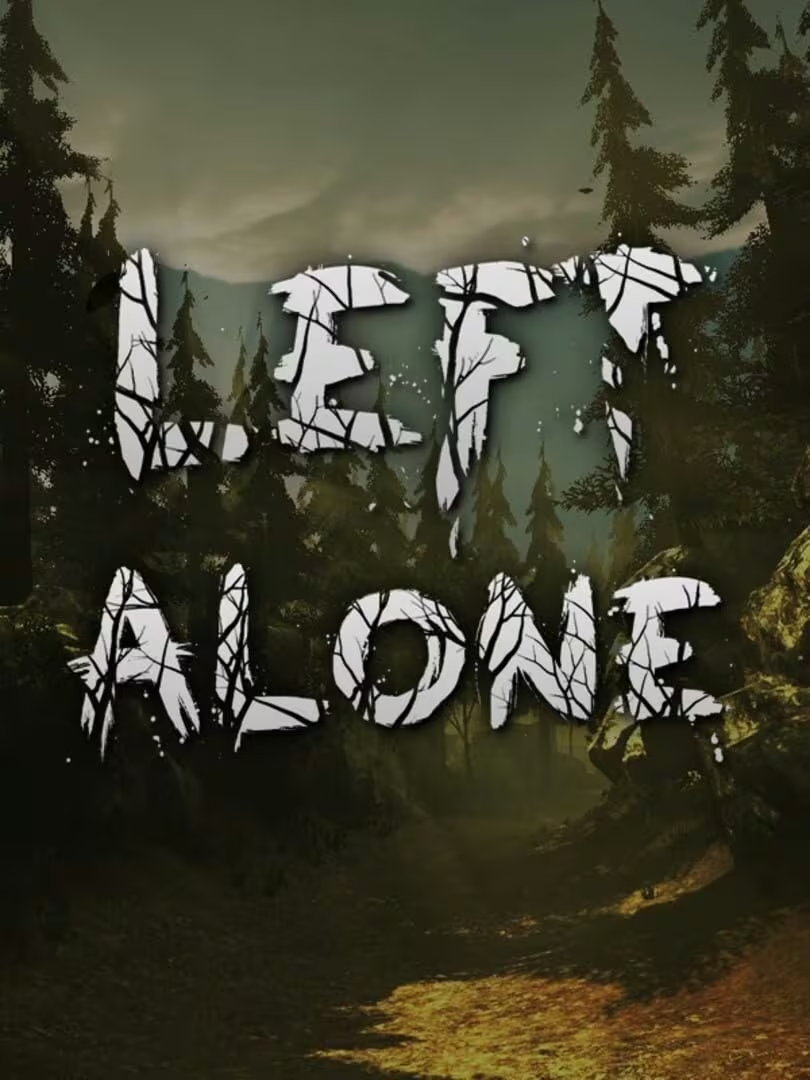 Left Alone
"Creates suspense and tension through survival challenges and psychological horror elements."
-
Value
Game with the same Value vibe
4"Highly praised for content, atmosphere, and replayability relative to price."
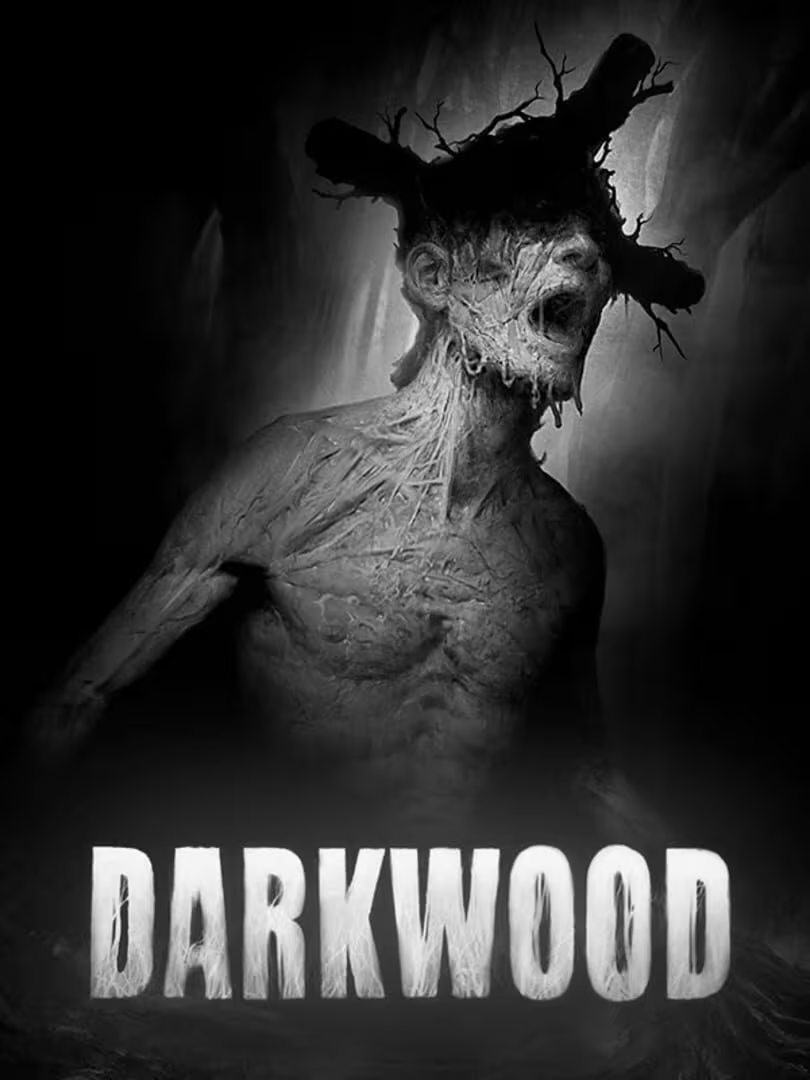 Darkwood
"Highly praised for quality, atmosphere, and replay value relative to price."
-
Violence
Game with the same Violence vibe
1"Combat exists but is not the main focus; players can choose peaceful or violent approaches."
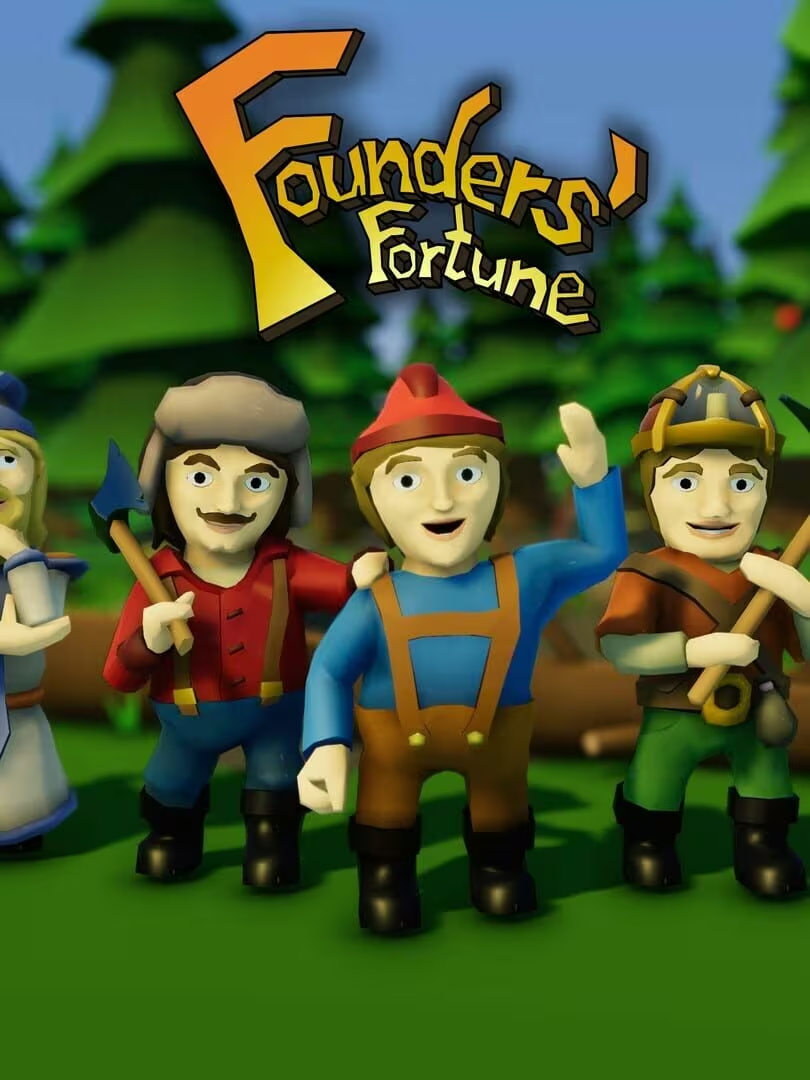 Founders' Fortune
"Combat is present but limited; players can choose non-violent approaches."
-
Survival
Game with the same Survival vibe
5"Core gameplay revolves around managing hunger, thirst, mood, and health to survive a hostile environment."
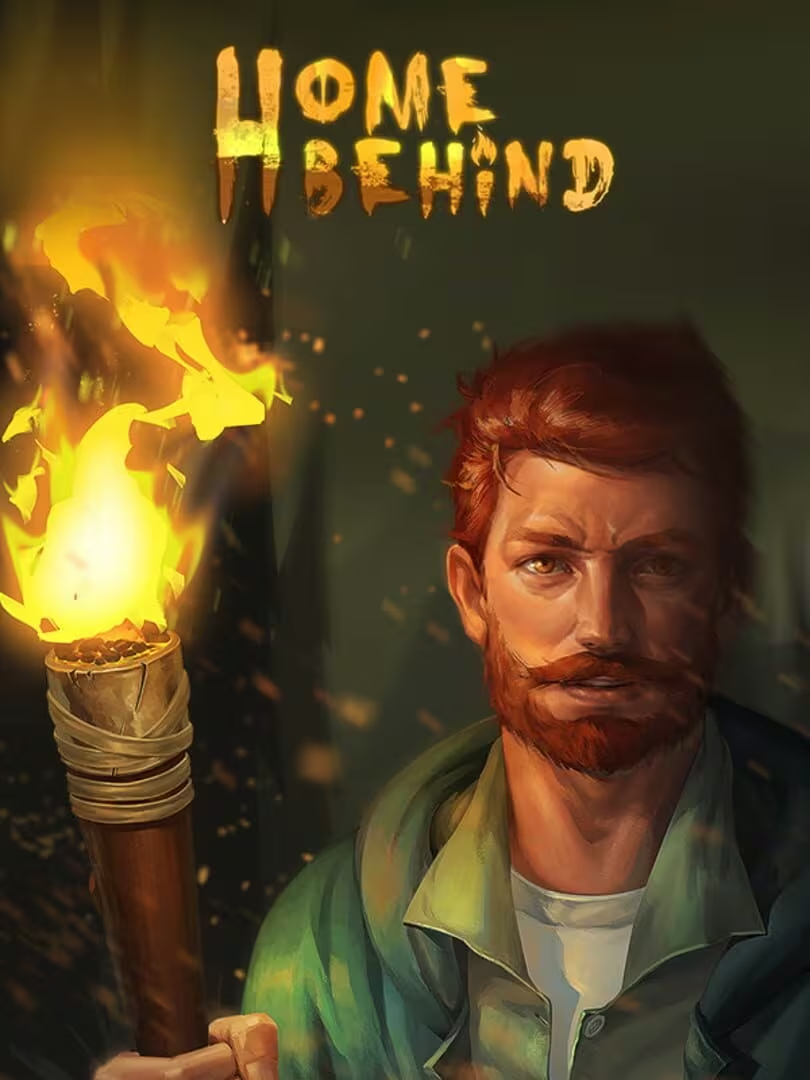 Home Behind
"Core gameplay revolves around managing hunger, sleep, sanity, and scarce resources to stay alive."
Last update: 01/06/2026