Left Alone similar games & best alternatives
Should you play it?
Left Alone plunges you into a first-person psychological horror journey, where darkness and memories intertwine. As secrets emerge from shadows, use your wits to solve puzzles and explore haunting, forgotten locations. Every step echoes with the past; can you face the truths that await?
What works
- Strong psychological horror atmosphere
- Engaging puzzles
- Immersive sound design
- Well-crafted narrative
- Good value for price
Things to keep in mind
- Limited save points
- Some frustrating puzzle design
- Short game length
- Lack of inventory system
- Disappointing or ambiguous ending
What to play next
Similar games, hidden gems, and fresh directions from this game.
Top picks
Games that feel the closest overall
Hidden Gems
Less popular games with surprisingly high similarity
If you liked…
Recommendations by what you enjoyed most
Similarity map
Explore nearby similar games and see why they’re close.
Left Alone: A very typical example of its motivational profile. Motivations that often define this kind of title include Expression, Fellowship, Cooperation, Status. Here, the score leans higher than usual among comparable games on Exploration. It leans lower than usual among comparable games on Violence, Expression.
Why this game works
A motivational profile of the game, with the closest similar game for each player motivation.
-
Autonomy
Game with the same Autonomy vibe
3"Players explore environments and solve puzzles at their own pace with some freedom in interactions."
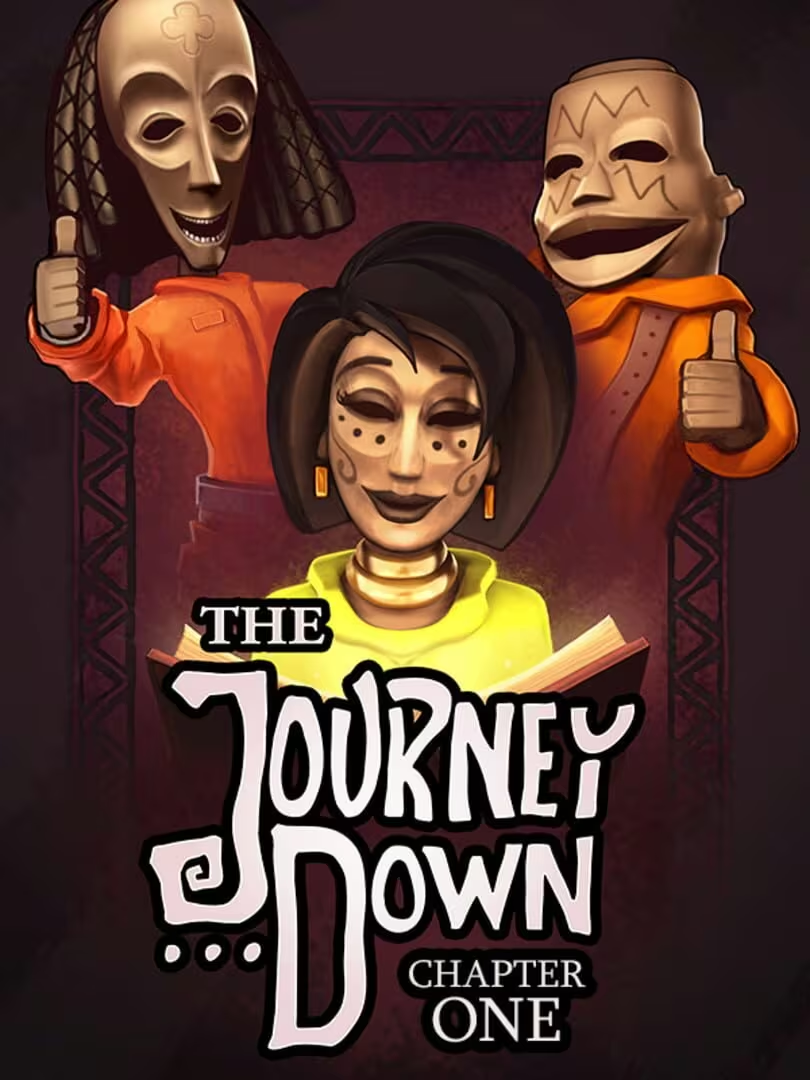 The Journey Down: Chapter One
"Players explore environments freely and solve puzzles at their own pace with some open-ended exploration."
-
Competence
Game with the same Competence vibe
3"Puzzles provide a moderate challenge that require observation and problem solving, rewarding player skill and thought."
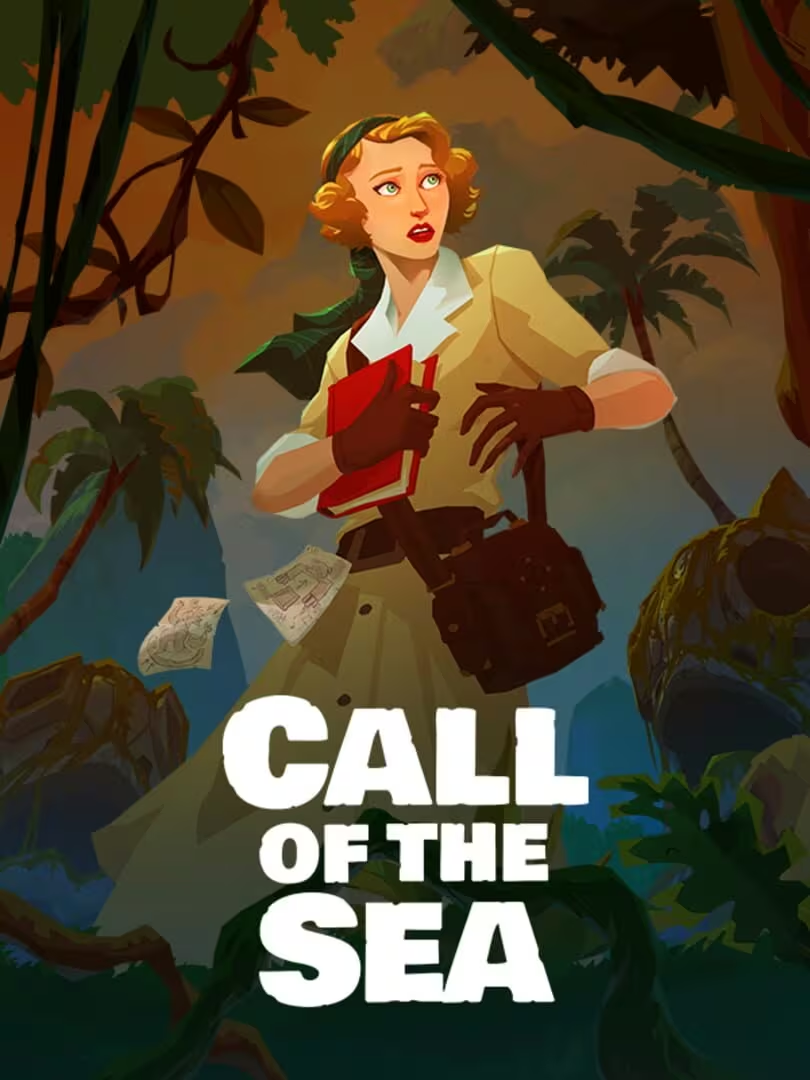 Call of the Sea
"Puzzles provide moderate challenge requiring problem solving and observation, rewarding player skill."
-
Competition
Game with the same Competition vibe
-5"Single-player experience focused on personal progress without any competitive elements."
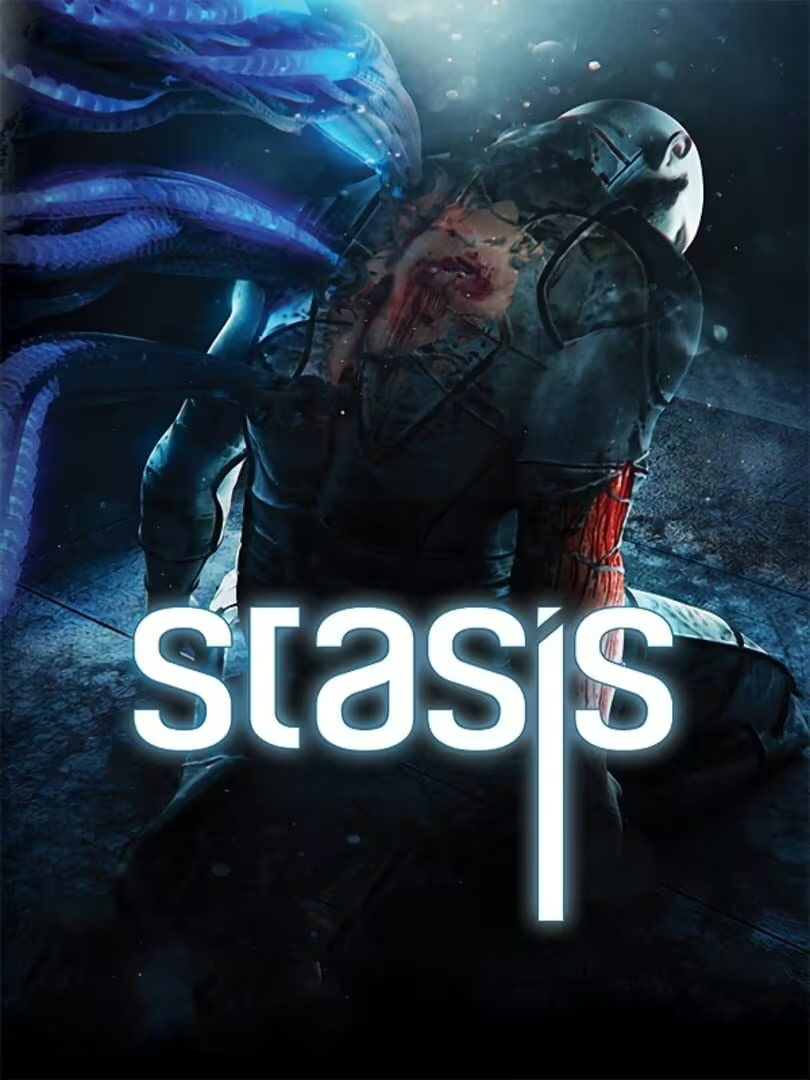 STASIS
"Single-player experience focused on personal progress without any competitive elements."
-
Continuation
Game with the same Continuation vibe
1"Players engage for a short session to complete the story; some desire to replay or explore fully but overall brief playtime."
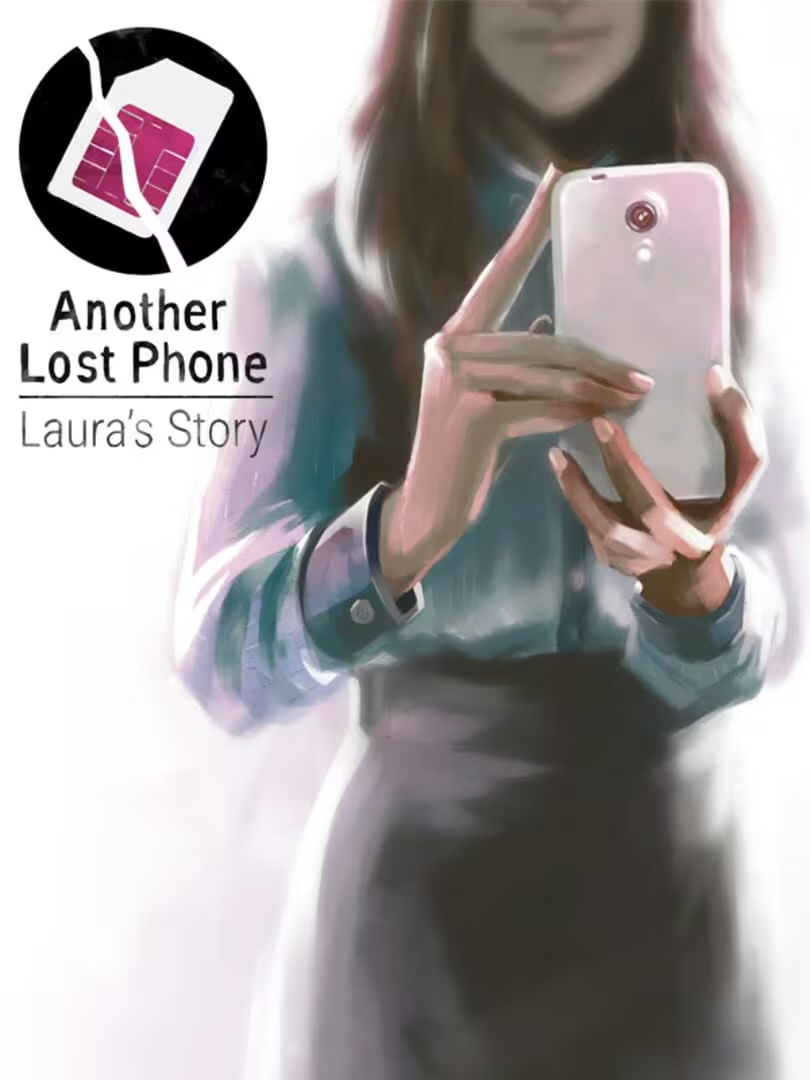 Another Lost Phone: Laura's Story
"Players engage in sessions of a few hours with some desire to complete the story, but limited replay value."
-
Cooperation
Game with the same Cooperation vibe
-5"Entirely single-player with no cooperative or multiplayer features."
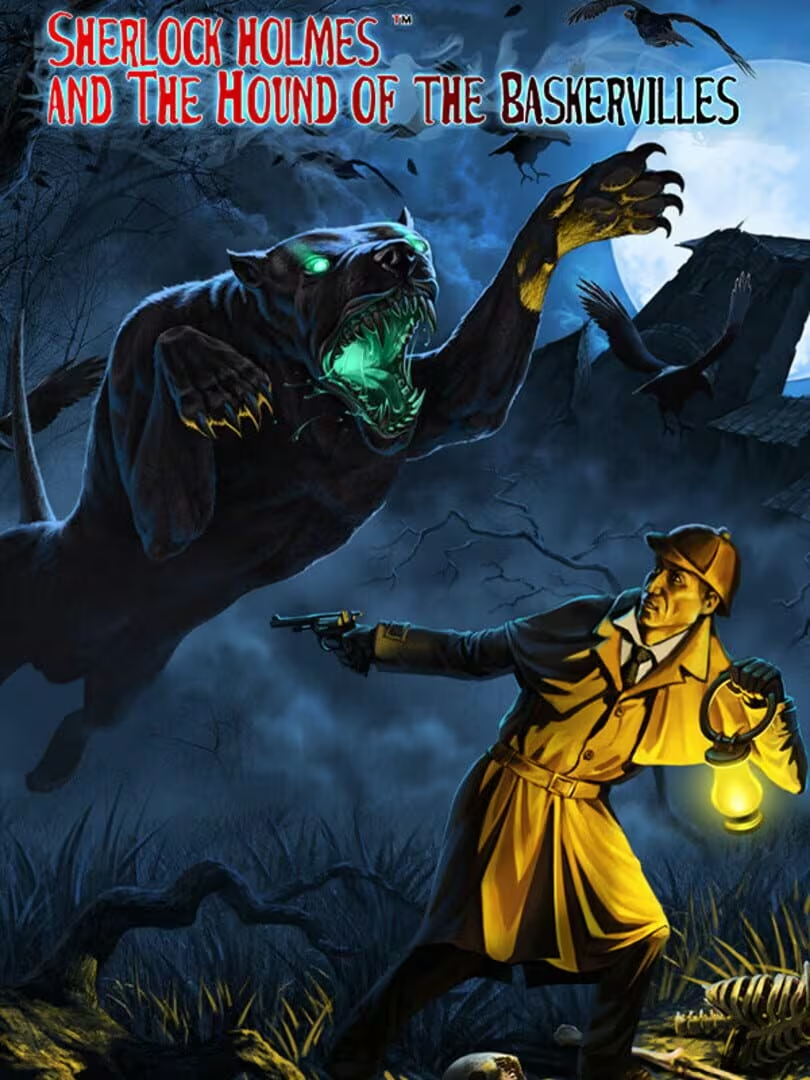 Sherlock Holmes and The Hound of The Baskervilles
"Entirely single-player with no cooperative or multiplayer features."
-
Creativity
Game with the same Creativity vibe
1"Players solve puzzles and explore but do not create or modify game content."
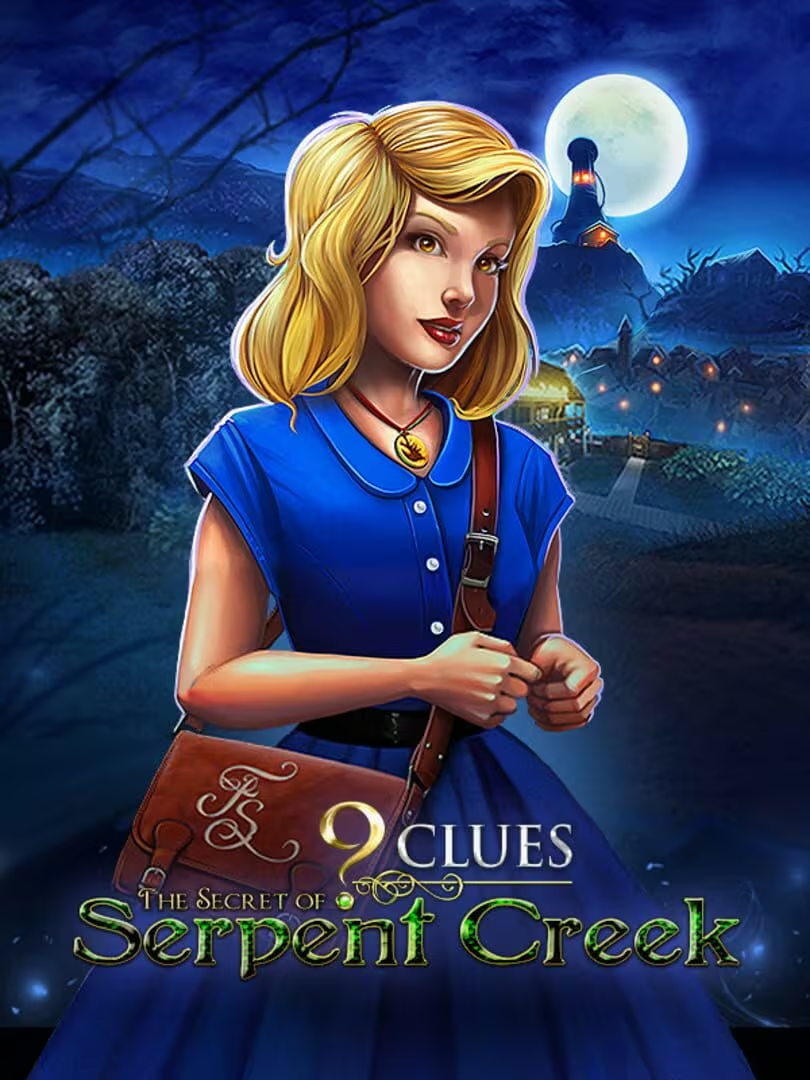 9 Clues: The Secret of Serpent Creek
"Players solve puzzles and explore but do not create or modify game content."
-
Domination
Game with the same Domination vibe
-5"No social dominance or power dynamics; gameplay is solitary and non-competitive."
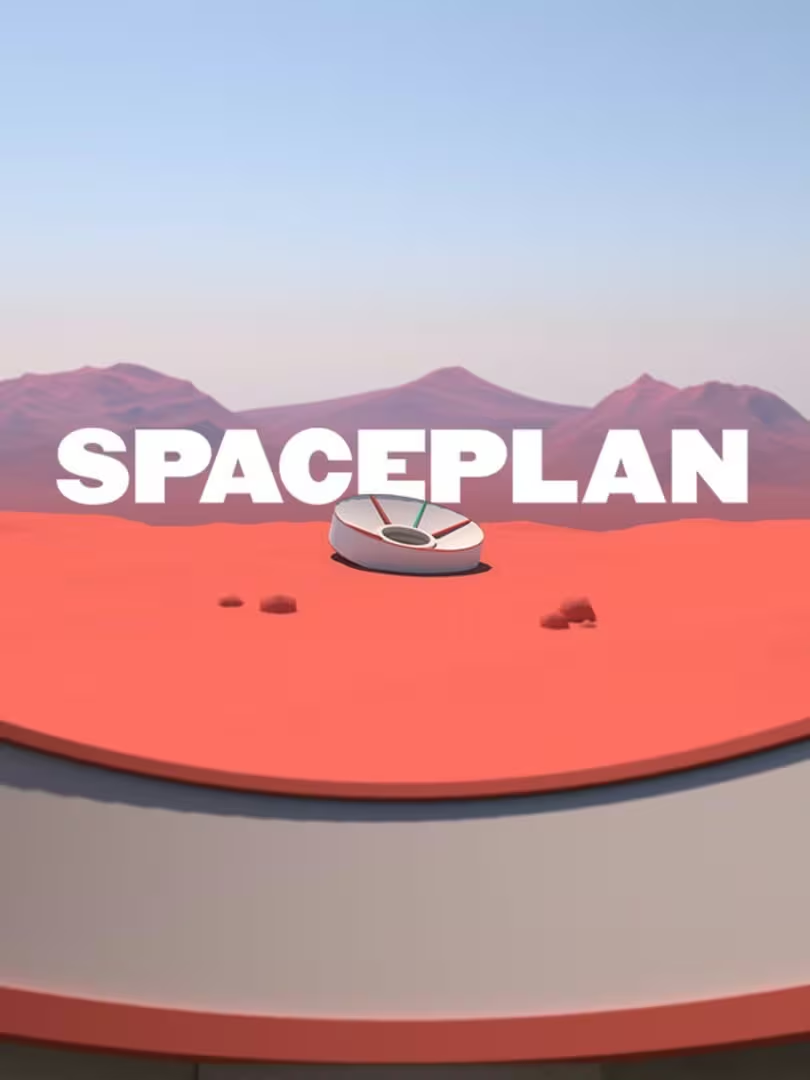 SPACEPLAN
"No social or power dynamics; player experiences balanced and solitary gameplay."
-
Escapism
Game with the same Escapism vibe
4"Strong atmospheric horror experience providing immersion and distraction from real life."
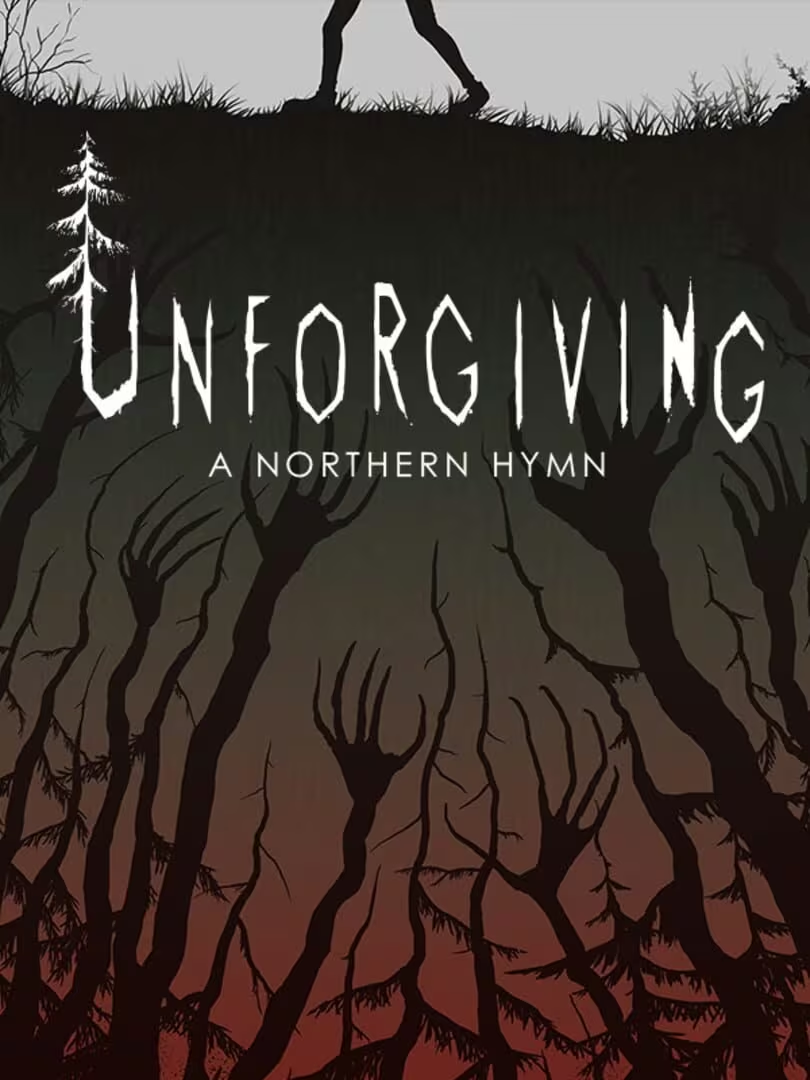 Unforgiving - A Northern Hymn
"Strong atmospheric horror experience providing distraction and immersion away from real life."
-
Expectation
Game with the same Expectation vibe
-4"Players engage voluntarily out of interest and enjoyment, not obligation or pressure."
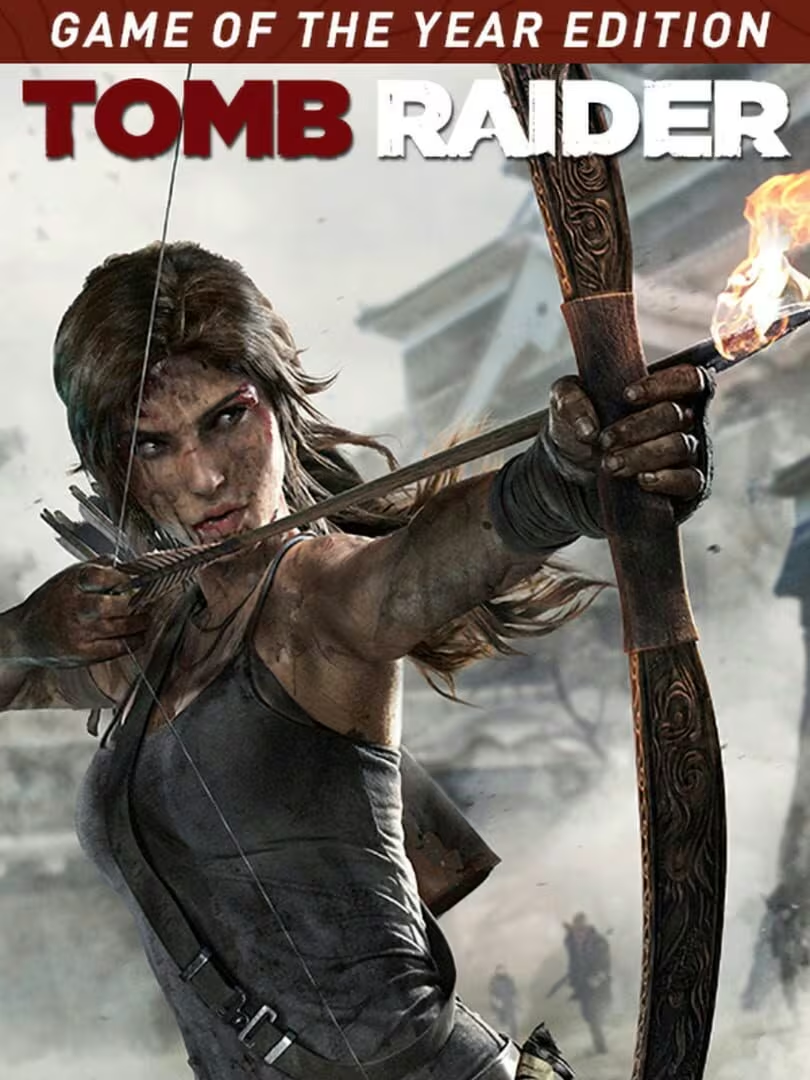 Tomb Raider Game of the Year
"Players engage voluntarily out of interest and enjoyment, not obligation or pressure."
-
Experimenting
Game with the same Experimenting vibe
2"Players explore puzzles and symbolic interactions, encouraging experimentation within the game world."
 When The Past Was Around
"Players try to solve puzzles and explore new areas, encouraging some experimentation."
-
Exploration
Game with the same Exploration vibe
3"Game encourages discovery of new areas, secrets, and lore within a detailed environment."
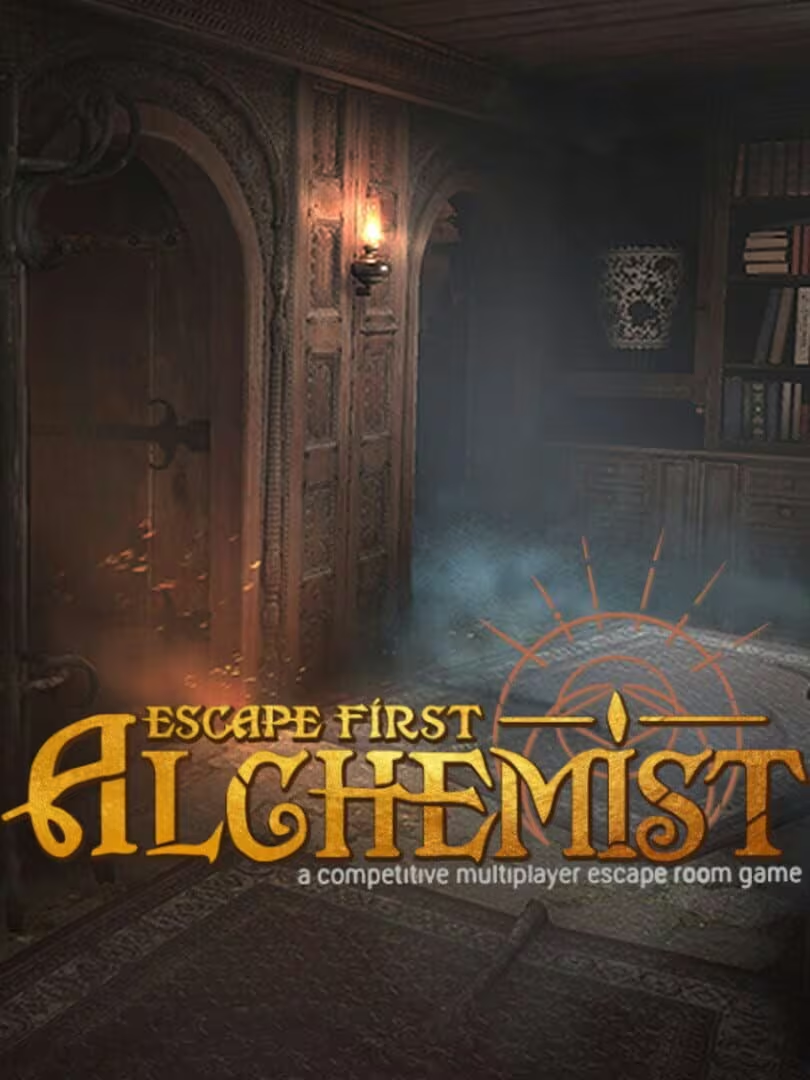 Escape First Alchemist ⚗️
"Game encourages discovery of new areas, secrets, and story elements through exploration."
-
Expression
Game with the same Expression vibe
-5"No character customization or expressive elements; presentation is fixed."
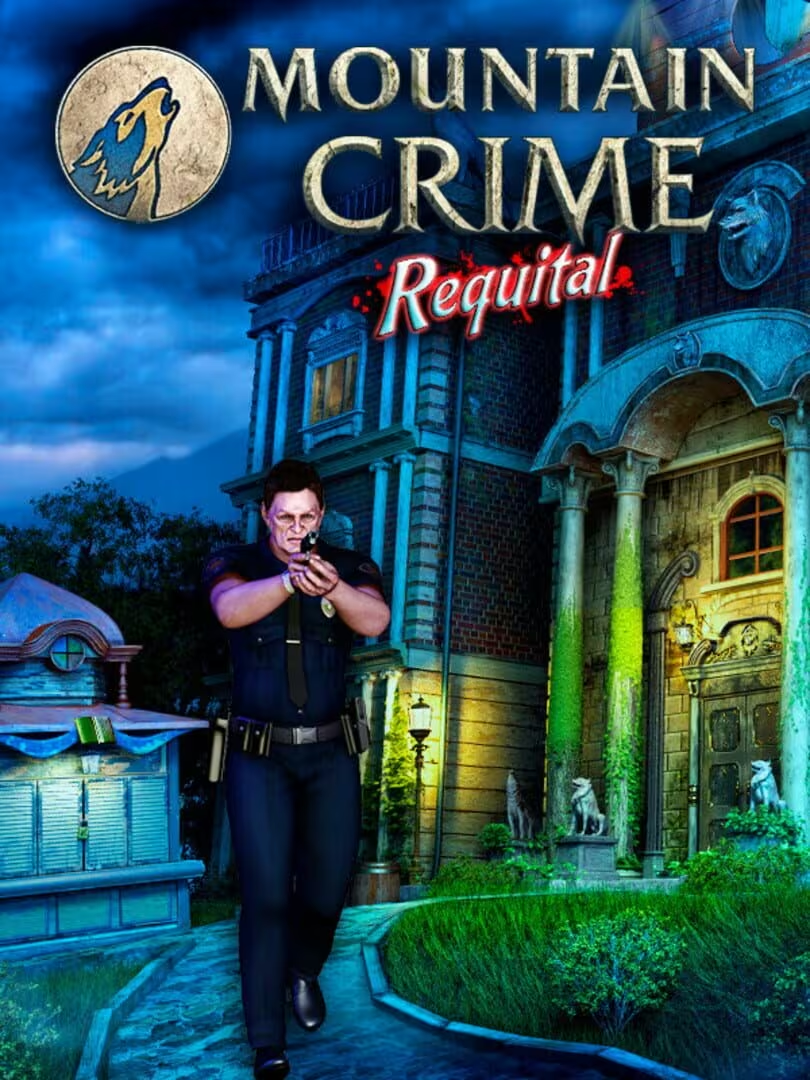 Mountain Crime: Requital
"No character customization or expressive options; presentation is fixed."
-
Fantasy
Game with the same Fantasy vibe
2"Psychological horror with some paranormal elements, blending realistic and imaginative fiction."
![Capsule for [Chilla's Art] Night Delivery | 例外配達](https://d2eatnf6sujjgc.cloudfront.net/gameaton-data/chilla-s-art-night-delivery/cover/chilla-s-art-night-delivery.avif) [Chilla's Art] Night Delivery | 例外配達
[Chilla's Art] Night Delivery | 例外配達
"Psychological horror with some supernatural or surreal elements, blending fiction with reality."
-
Fellowship
Game with the same Fellowship vibe
-5"No social or community features; solitary gameplay experience."
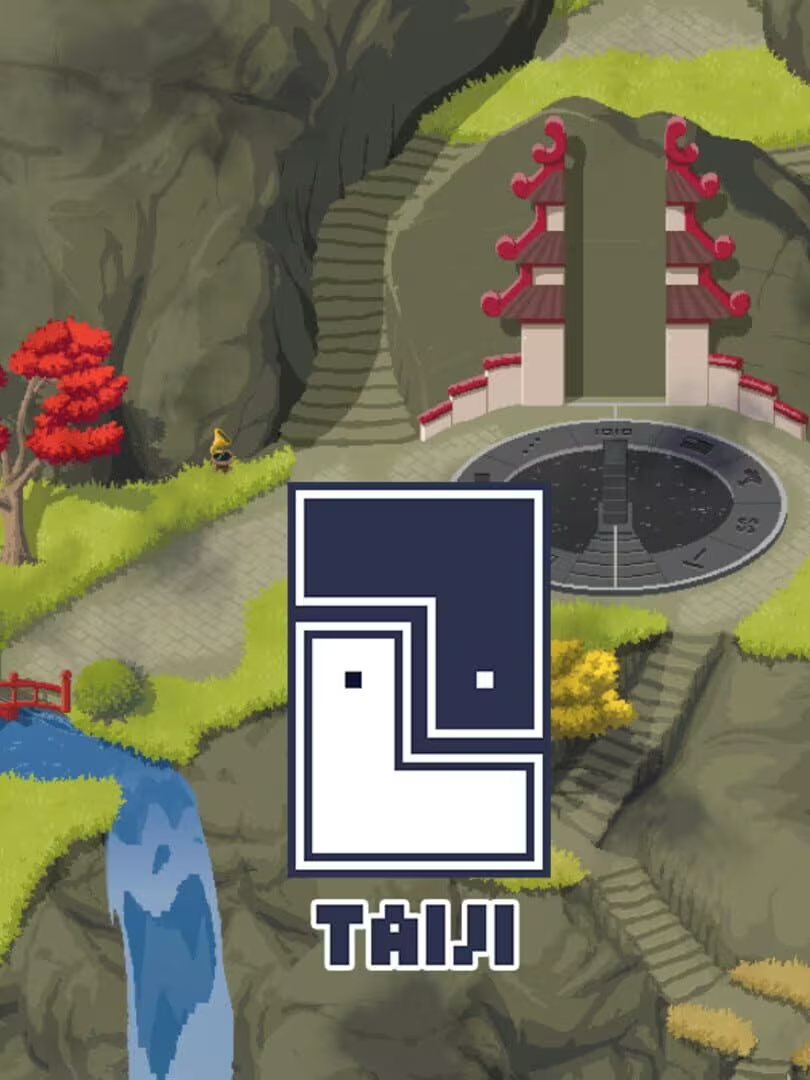 Taiji
Taiji
"No social or community features; solitary gameplay experience."
-
Growth
Game with the same Growth vibe
2"Players develop puzzle-solving skills and understanding of story through gameplay."
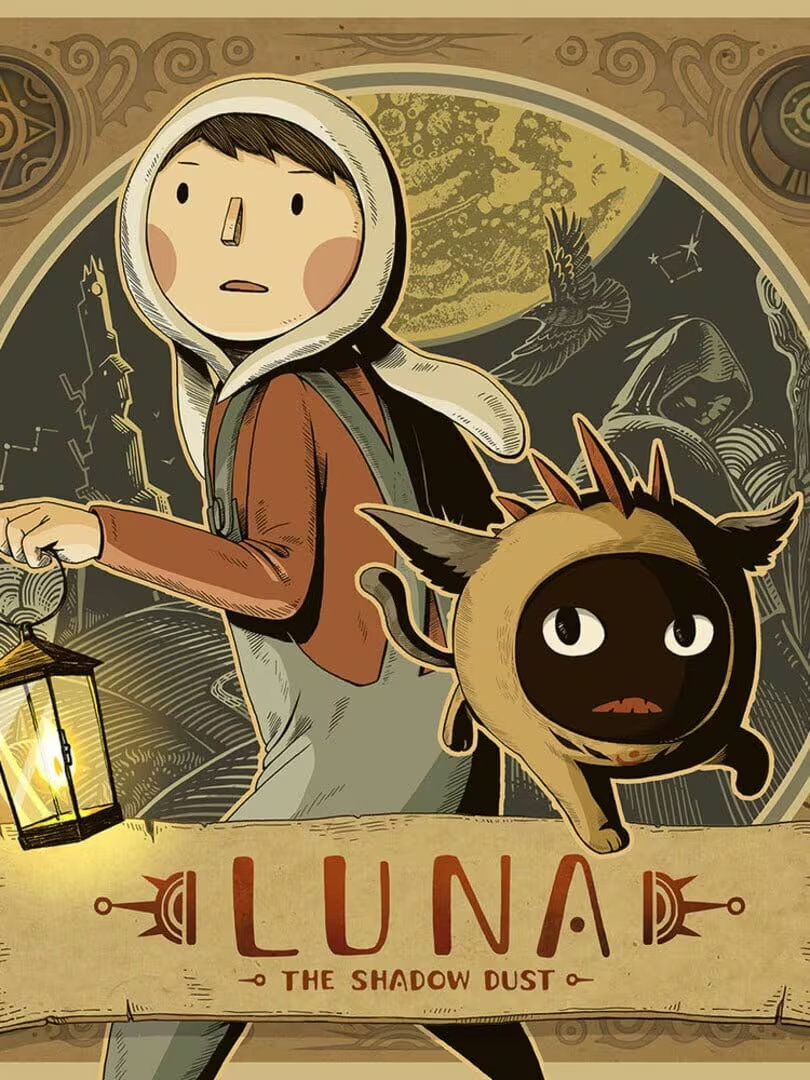 LUNA The Shadow Dust
"Players develop puzzle-solving skills and understanding of story through gameplay."
-
Health
Game with the same Health vibe
-5"Sedentary gameplay with no physical activity or health-related features."
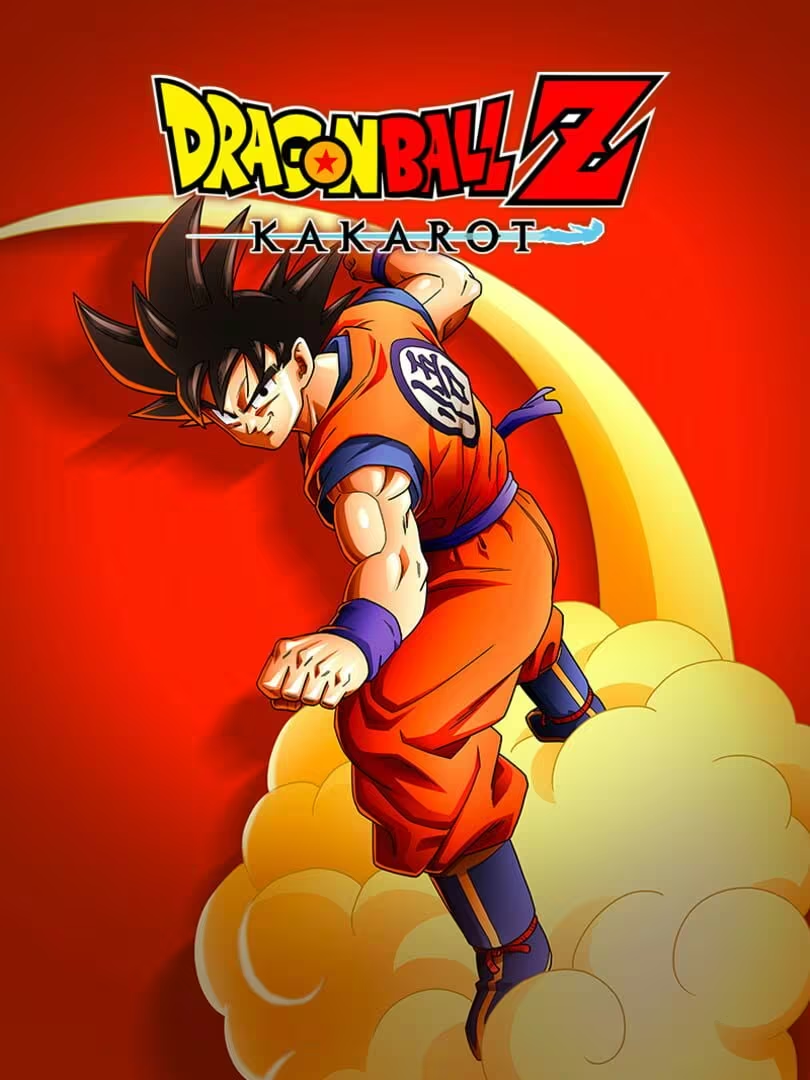 DRAGON BALL Z: KAKAROT
"Sedentary gameplay with no physical activity or health-related features."
-
Idle
Game with the same Idle vibe
-3"Requires focused attention and continuous engagement to solve puzzles and progress."
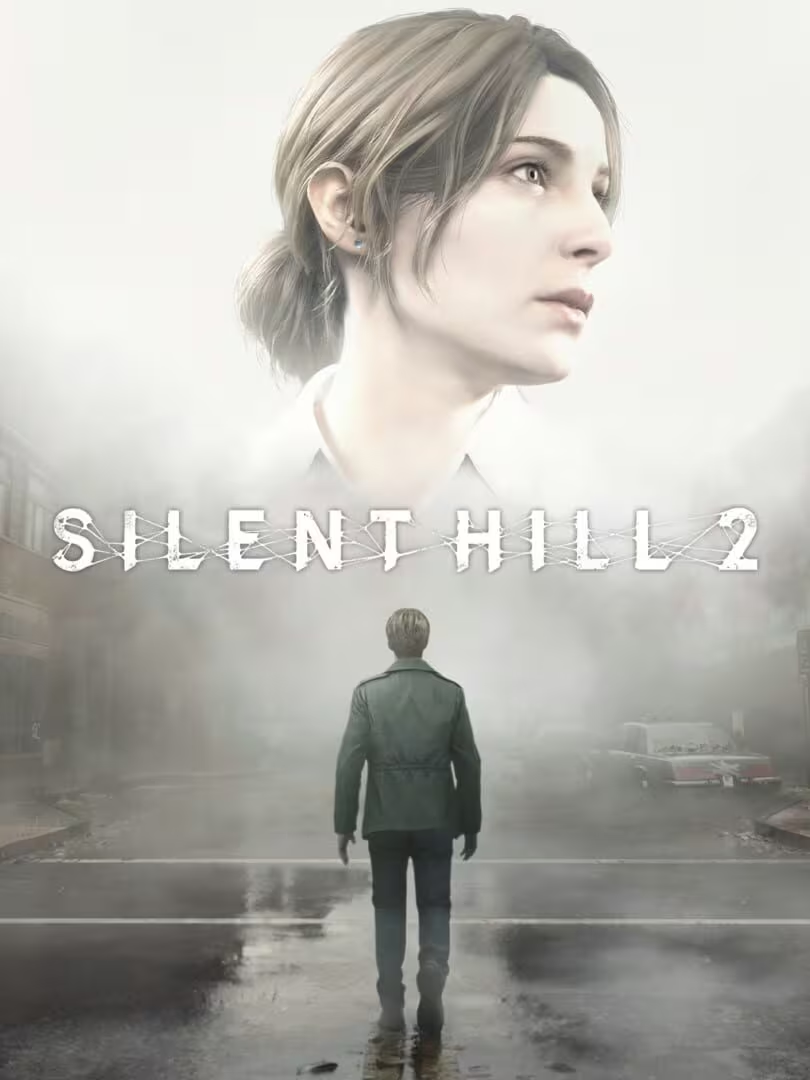 SILENT HILL 2
"Requires focused attention and continuous engagement to solve puzzles and progress."
-
Intimacy
Game with the same Intimacy vibe
-5"No social or emotional relationship building; solitary experience."
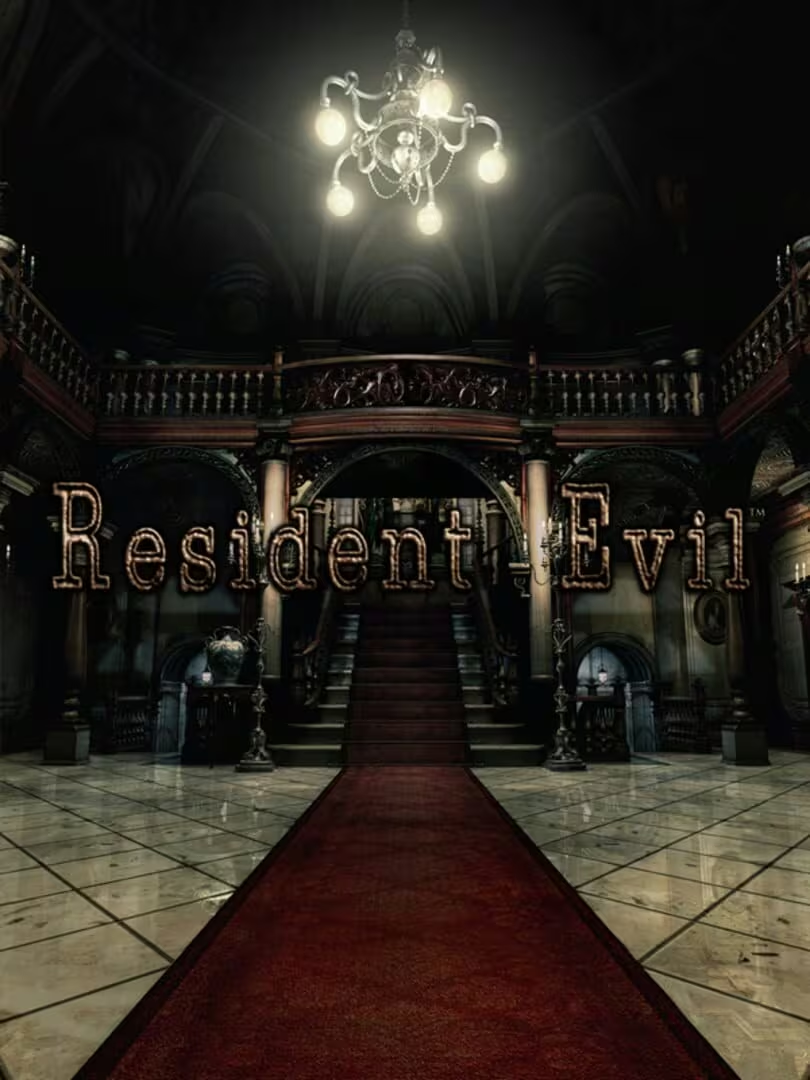 Resident Evil
"No social or emotional relationship building; solitary experience."
-
Leadership
Game with the same Leadership vibe
-5"No leadership or group management roles; single-player focused."
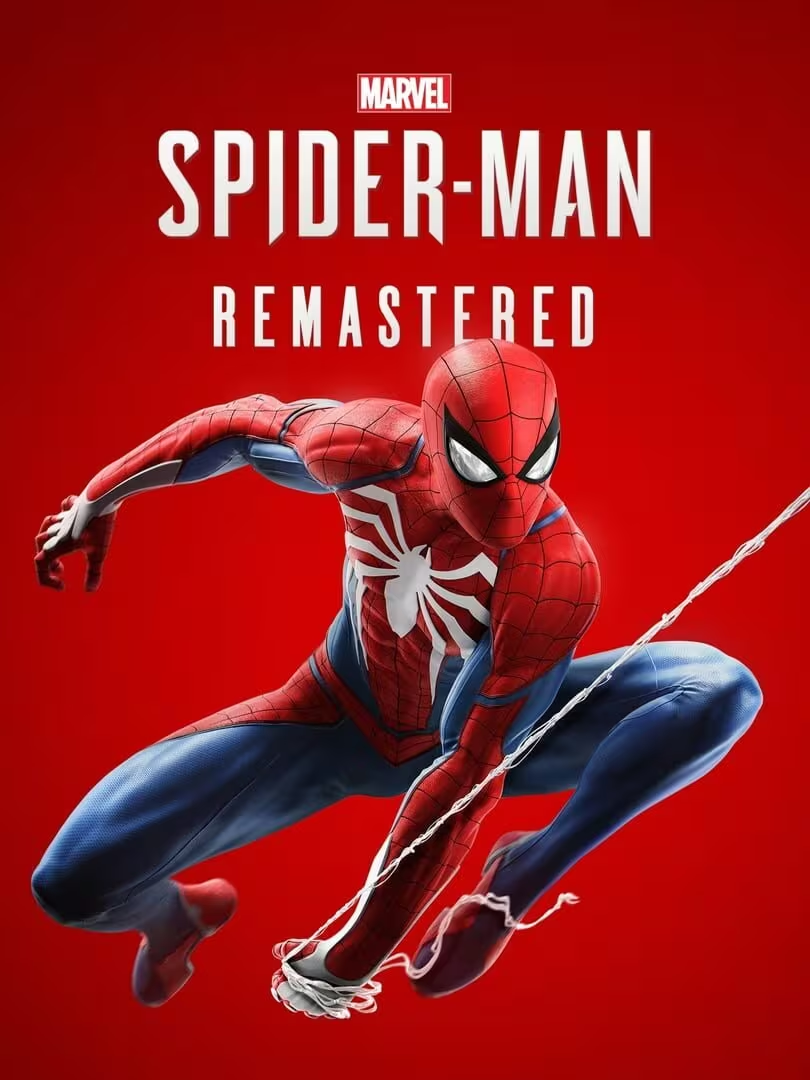 Marvel’s Spider-Man Remastered
"No leadership or group management roles; single-player focused."
-
Progression
Game with the same Progression vibe
3"Players collect items and unlock new areas, progressing through story and puzzles."
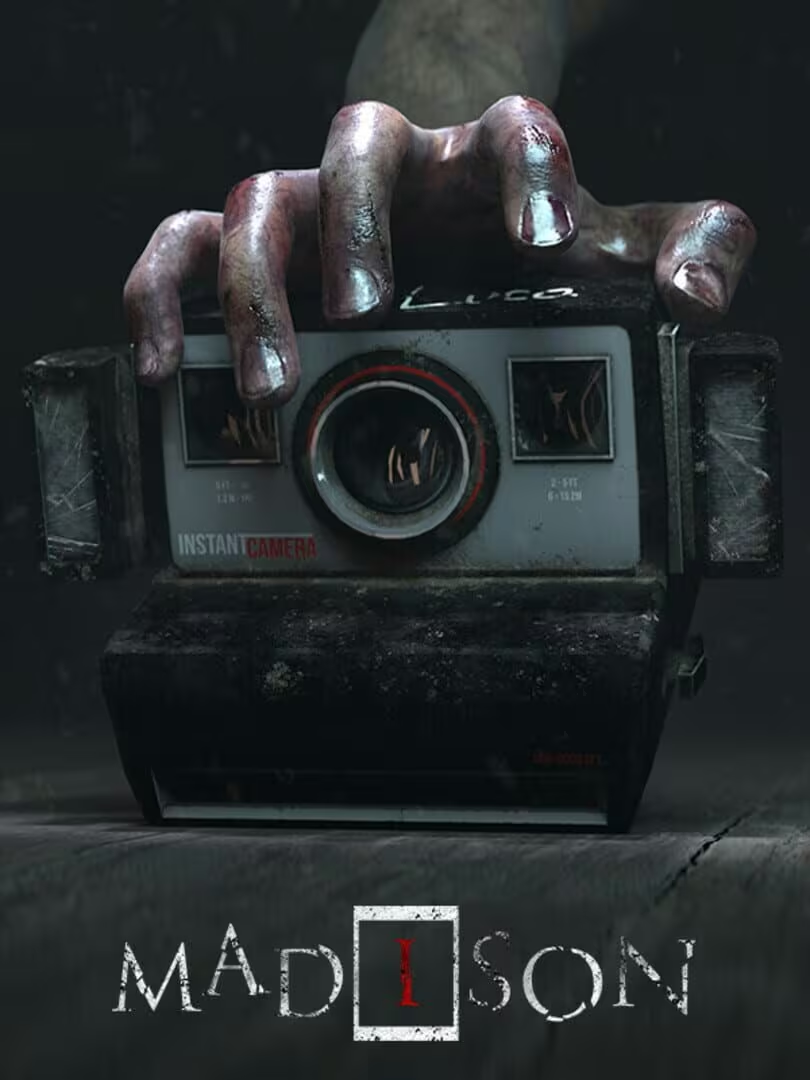 MADiSON
"Players collect items and unlock new areas, progressing through story and puzzles."
-
Relaxation
Game with the same Relaxation vibe
1"Atmosphere creates tension and suspense with moments of calm exploration."
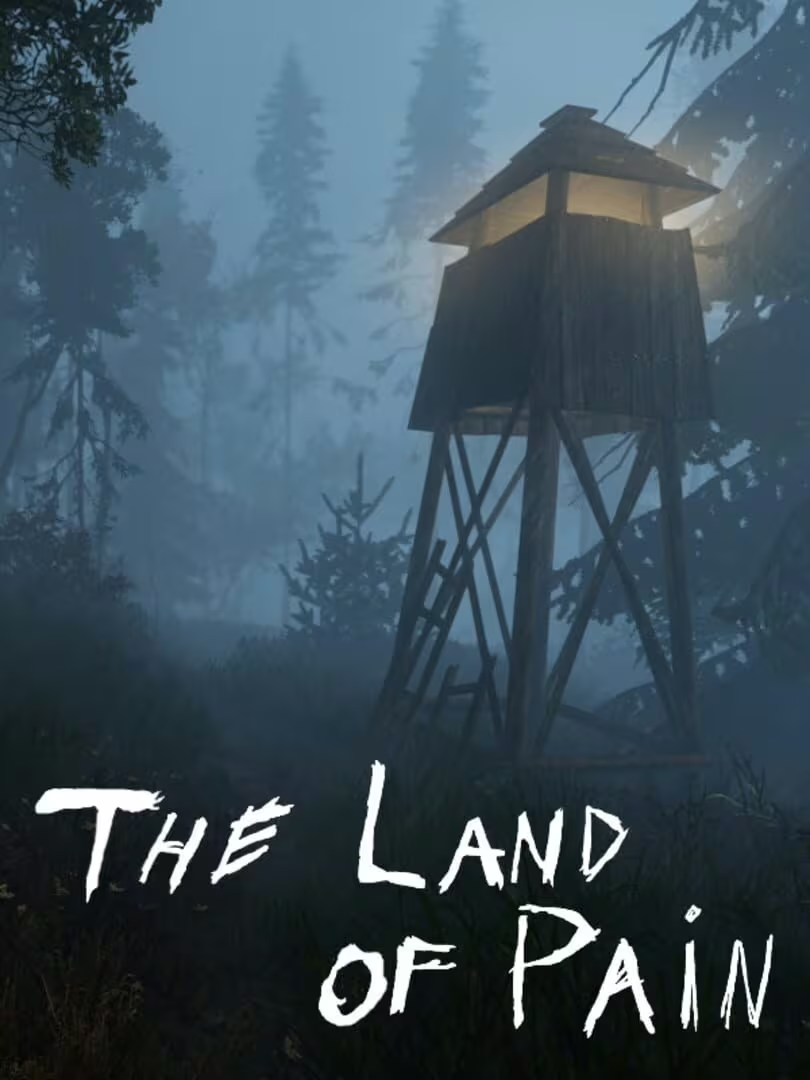 The Land of Pain
"Atmosphere creates tension and suspense but also moments of calm exploration."
-
Sensation
Game with the same Sensation vibe
3"Strong sensory stimulation through sound design and atmospheric visuals to induce fear and tension."
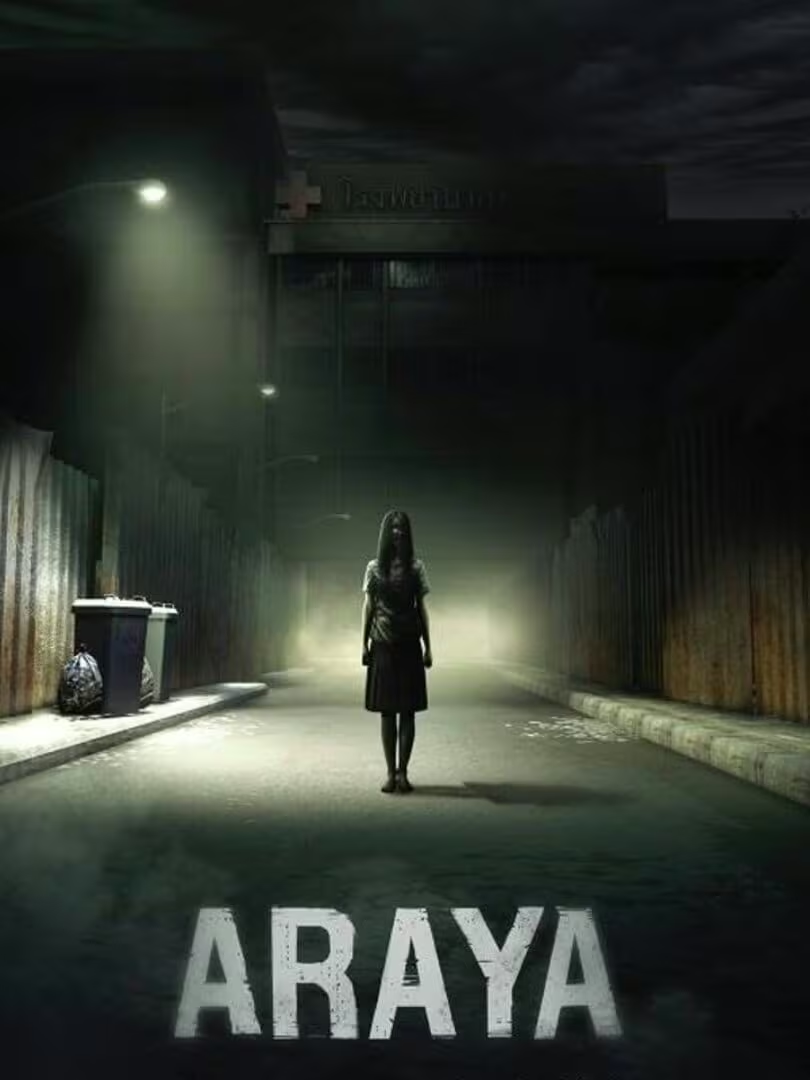 ARAYA
ARAYA
"Strong sensory stimulation through sound design and visual atmosphere to evoke fear and suspense."
-
Status
Game with the same Status vibe
-5"No social recognition or status systems; individual experience."
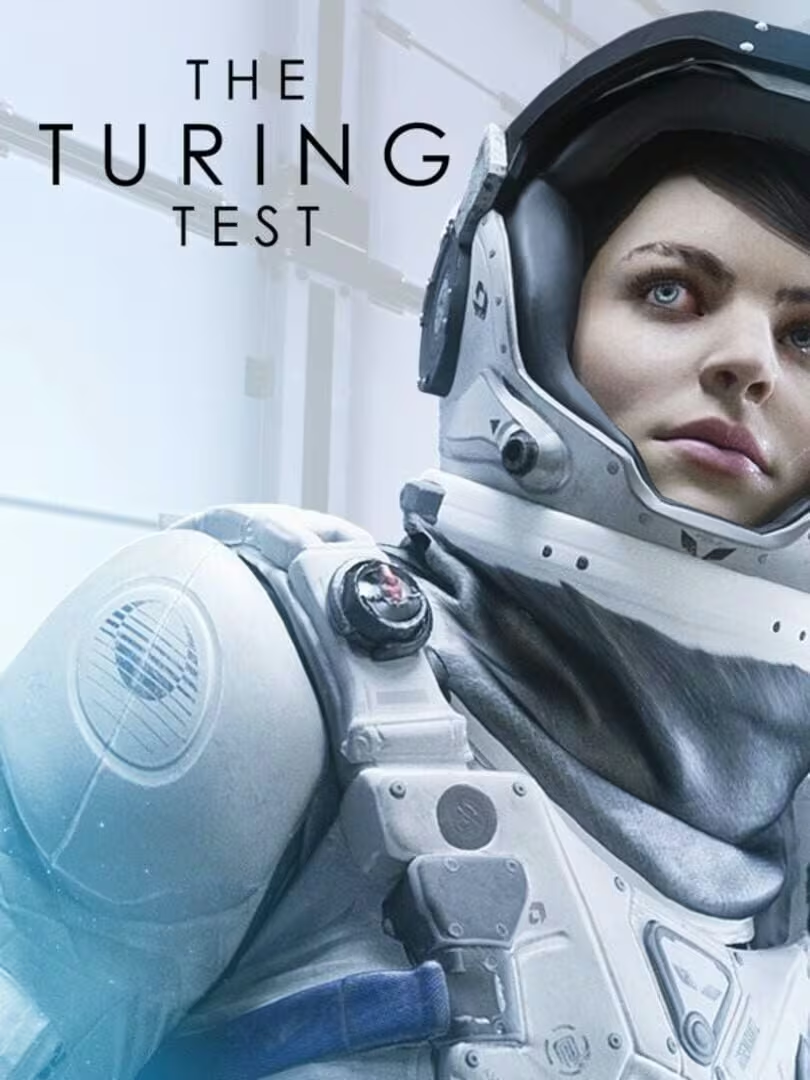 The Turing Test
"No social recognition or status systems; individual experience."
-
Story
Game with the same Story vibe
4"Narrative-driven game with unfolding plot, character development, and multiple story chapters."
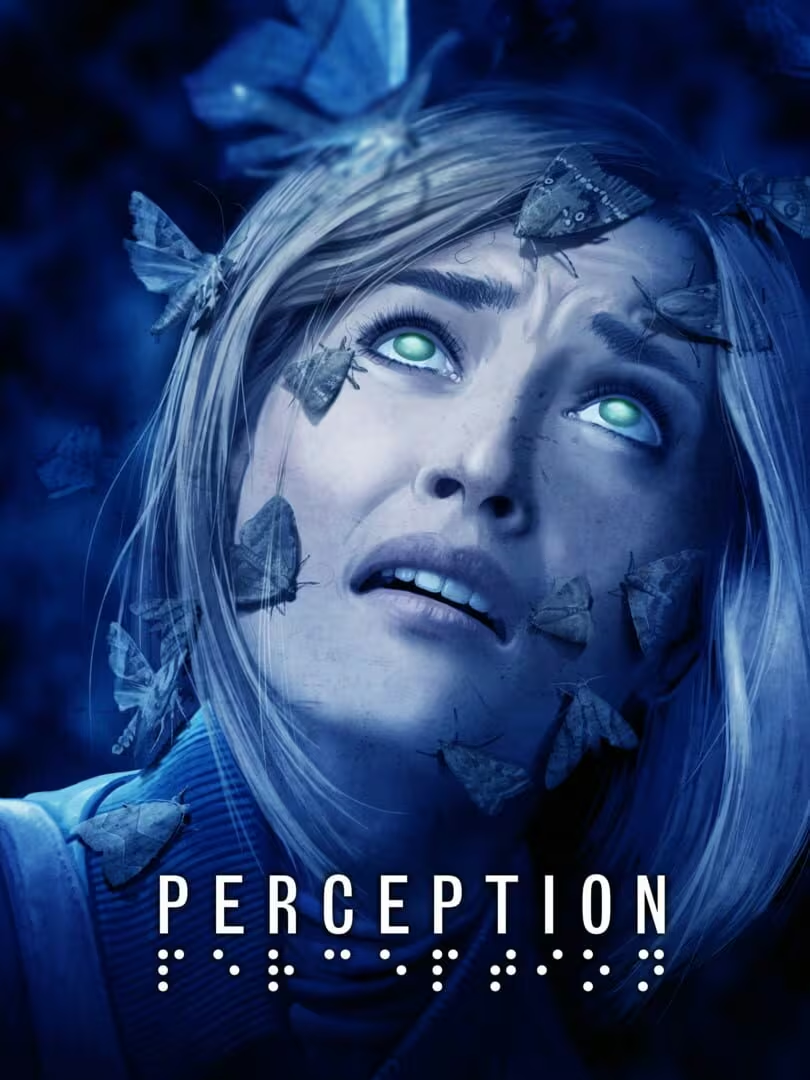 Perception
"Narrative-driven game with unfolding plot, character backstory, and mystery elements."
-
Strategy
Game with the same Strategy vibe
2"Requires logical thinking and puzzle solving, though puzzles are straightforward and not deeply strategic."
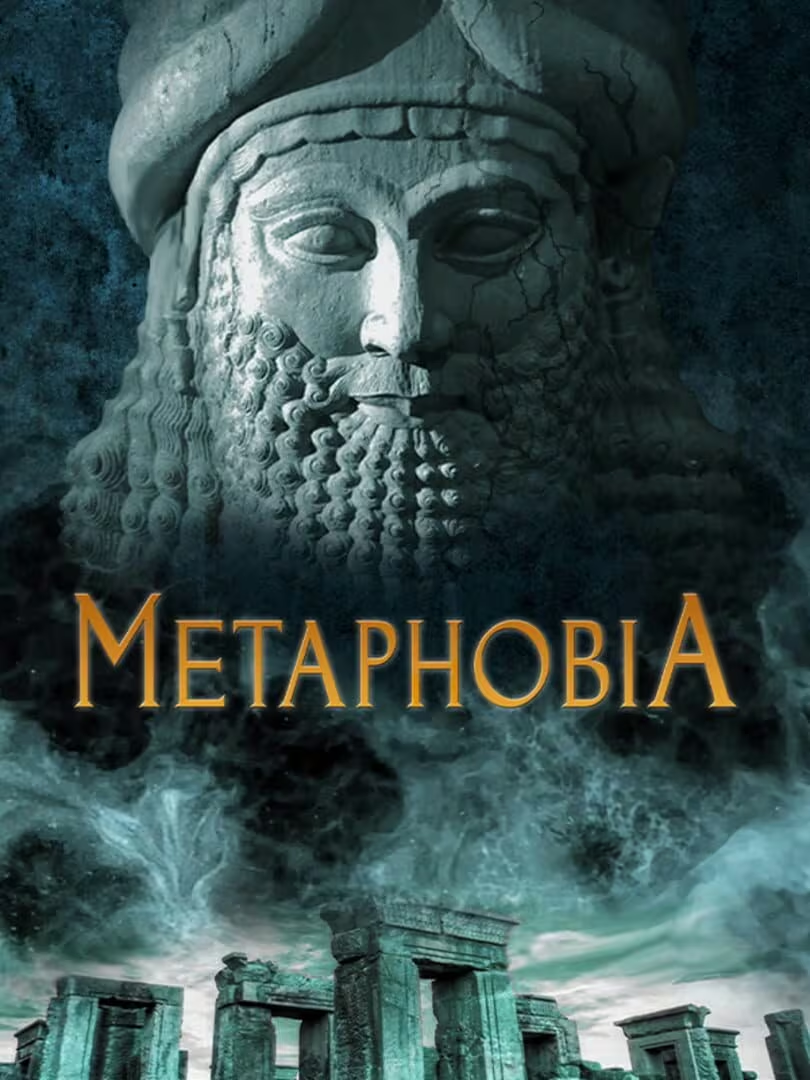 Metaphobia
"Requires logical thinking and puzzle solving, though not deeply strategic."
-
Thrill
Game with the same Thrill vibe
4"Creates suspense and tension through survival challenges and psychological horror elements."
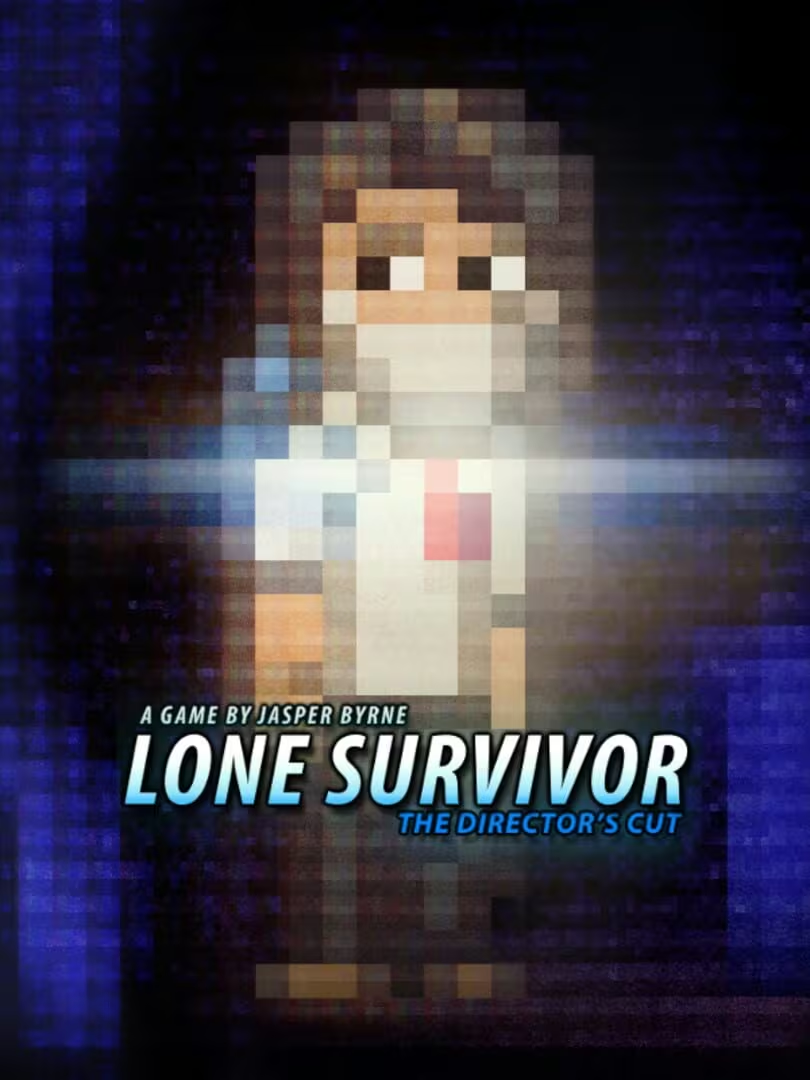 Lone Survivor: The Director's Cut
"Creates suspense and tension through atmosphere and psychological horror elements."
-
Value
Game with the same Value vibe
4"Players feel the game offers good value for price with engaging gameplay and atmosphere."
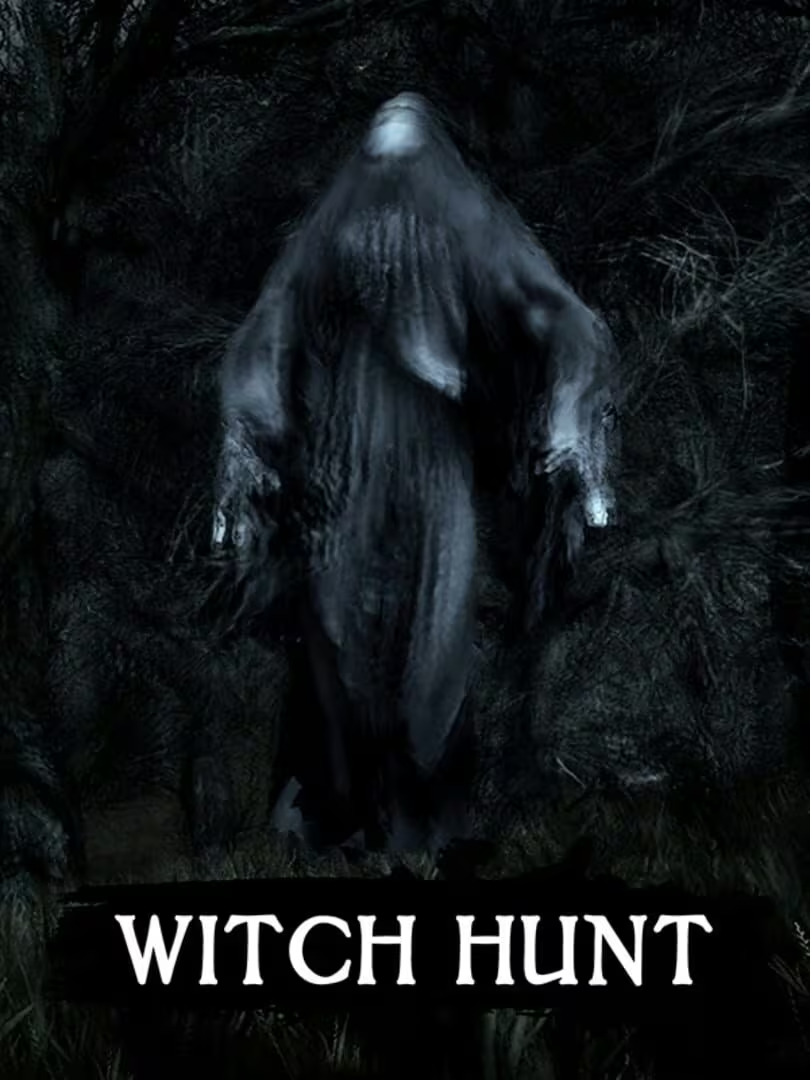 Witch Hunt
"Players feel the game offers good value for price with engaging content and atmosphere."
-
Violence
Game with the same Violence vibe
-3"Minimal direct violence; focus is on psychological horror and puzzle solving rather than combat."
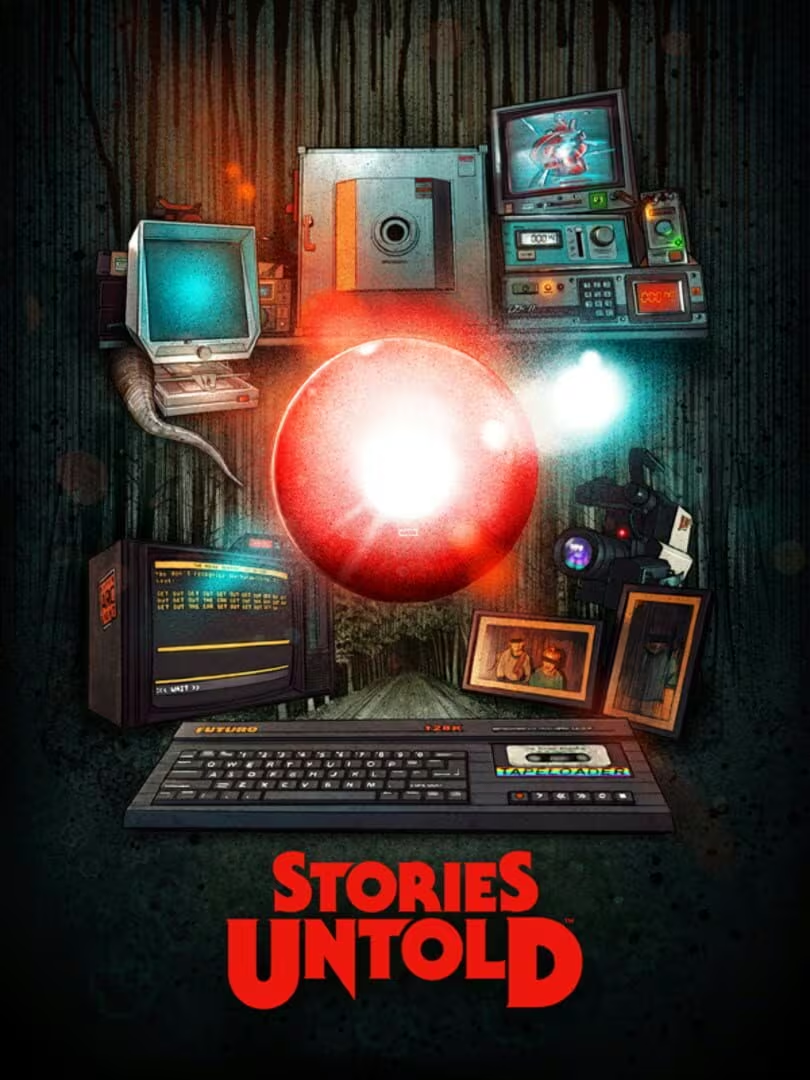 Stories Untold
"Minimal direct violence; focus is on psychological horror and suspense rather than combat."
-
Survival
Game with the same Survival vibe
1"Some tension from flashlight battery management and dark environments, but no real survival mechanics."
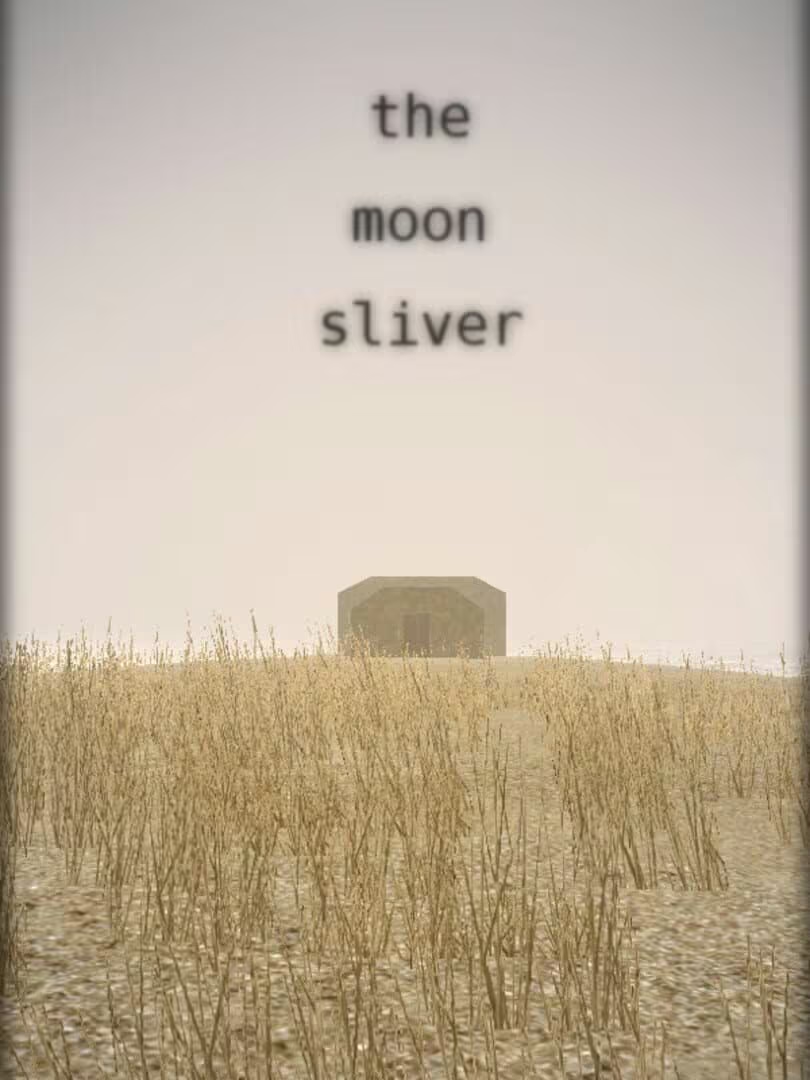 The Moon Sliver
"Some resource management (flashlight batteries) and avoidance of threats, but limited survival mechanics."
Last update: 01/06/2026