Deus Ex: Mankind Divided similar games & best alternatives
Should you play it?
You play as Adam Jensen, an experienced covert operative operating in a world that despises his kind: augmented humans. Choose from an arsenal of state-of-the-art weapons and augmentations to build your playstyle, and decide who you'll trust, to unravel a vast worldwide conspiracy.
What works
- Varied mission approaches and high player freedom
- Detailed and immersive cyberpunk world
- Engaging stealth and combat gameplay
- Rich side quests and exploration
- Strong audio-visual atmosphere
Things to keep in mind
- Main story considered short and incomplete
- Technical issues including optimization and bugs
- Microtransactions and dlc criticized
- Some players find combat and progression unbalanced
- Loading times and transitions can be frustrating
What to play next
Similar games, hidden gems, and fresh directions from this game.
Top picks
Games that feel the closest overall
Hidden Gems
Less popular games with surprisingly high similarity
If you liked…
Recommendations by what you enjoyed most
Similarity map
Explore nearby similar games and see why they’re close.
Deus Ex: Mankind Divided: A very typical example of its motivational profile. Motivations that often define this kind of title include Fellowship, Violence, Survival, Cooperation. Here, the score leans higher than usual among comparable games on Exploration. It leans lower than usual among comparable games on Continuation, Leadership.
Why this game works
A motivational profile of the game, with the closest similar game for each player motivation.
-
Autonomy
Game with the same Autonomy vibe
4"Players have multiple ways to complete missions, including stealth or aggressive approaches, with freedom to choose tactics and routes."
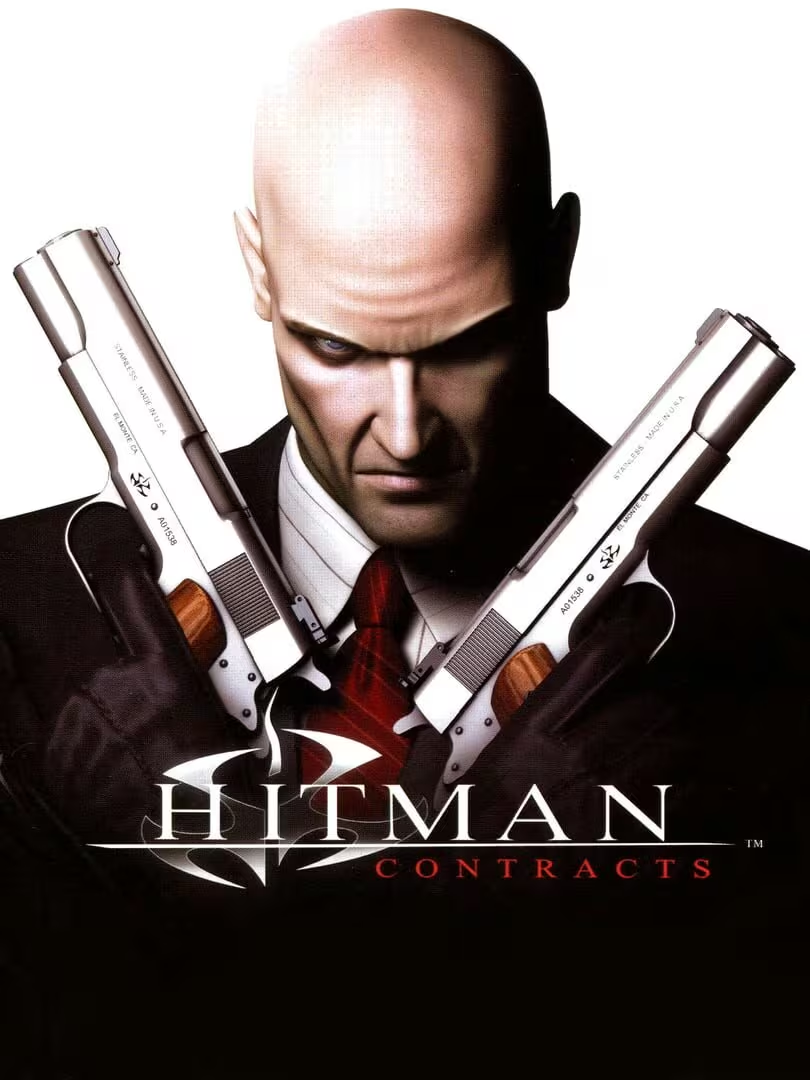 Hitman: Contracts
"Players have multiple ways to approach missions including stealth, combat, hacking, and dialogue choices, allowing personal freedom in gameplay."
-
Competence
Game with the same Competence vibe
3"Game offers significant skill challenge especially on higher difficulties with stealth mechanics, tactical planning, and precise execution."
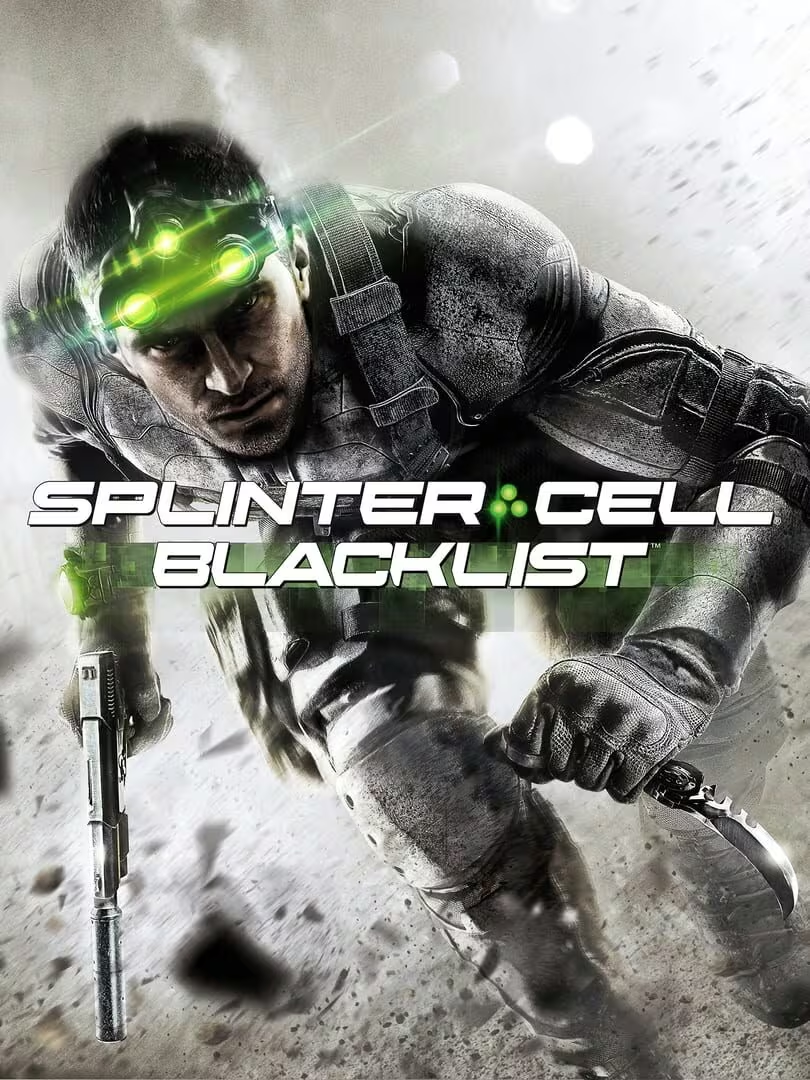 Tom Clancy’s Splinter Cell Blacklist
"The game offers skill-based challenges with varied augmentations and stealth mechanics, though some players find it easier than the predecessor."
-
Competition
Game with the same Competition vibe
-3"Focus is on single-player experience with no multiplayer or leaderboards; players set personal goals and play at their own pace."
 Dishonored 2
"Focus is on single-player experience with no competitive multiplayer or leaderboards; players set their own goals and pace."
-
Continuation
Game with the same Continuation vibe
2"Players report long playtimes and engagement with story and exploration, though some find side quests repetitive leading to drop-off."
 The Sinking City Remastered
"Players spend many hours exploring and completing side quests, showing attachment, though some find the main story short and abrupt."
-
Cooperation
Game with the same Cooperation vibe
-4"Gameplay is primarily single-player and individual; interaction with NPCs is narrative rather than cooperative multiplayer."
 moon: Remix RPG Adventure
"The game is primarily a solo experience with limited social interaction; cooperation with NPCs is narrative-driven, not multiplayer."
-
Creativity
Game with the same Creativity vibe
4"Multiple builds, skill combinations, and quest approaches encourage creative problem solving and playstyle customization."
 Brigand: Oaxaca
"High creativity in level design and player choice; many ways to solve missions and customize augmentations and playstyle."
-
Domination
Game with the same Domination vibe
-4"Interactions with NPCs are indirect and balanced; no evidence of exerting control over other players or social dominance."
 Sintopia
"Interactions are balanced with NPCs; no evidence of power-over or dominance motivations in player behavior."
-
Escapism
Game with the same Escapism vibe
4"Players use the game to immerse in a cyberpunk world, escape reality, and engage in complex tactical and narrative experiences."
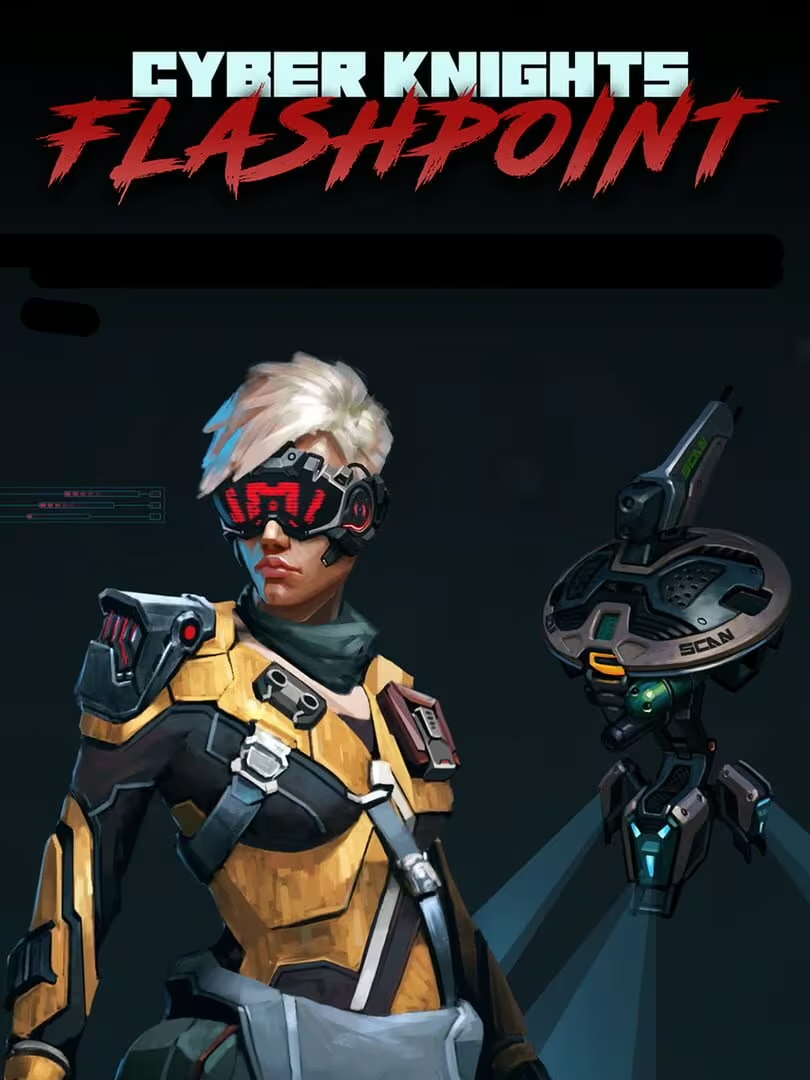 Cyber Knights: Flashpoint
"Players immerse themselves in a futuristic cyberpunk world to escape reality, exploring complex themes and detailed environments."
-
Expectation
Game with the same Expectation vibe
-4"Players engage voluntarily out of interest and enjoyment, not obligation; negative reviews often stem from misunderstanding game type."
 Lost Rift
"Players engage voluntarily out of interest and enjoyment; criticisms relate to game quality, not obligation to play."
-
Experimenting
Game with the same Experimenting vibe
4"Players explore new combat mechanics, hacking strategies, and weapon builds, encouraging experimentation."
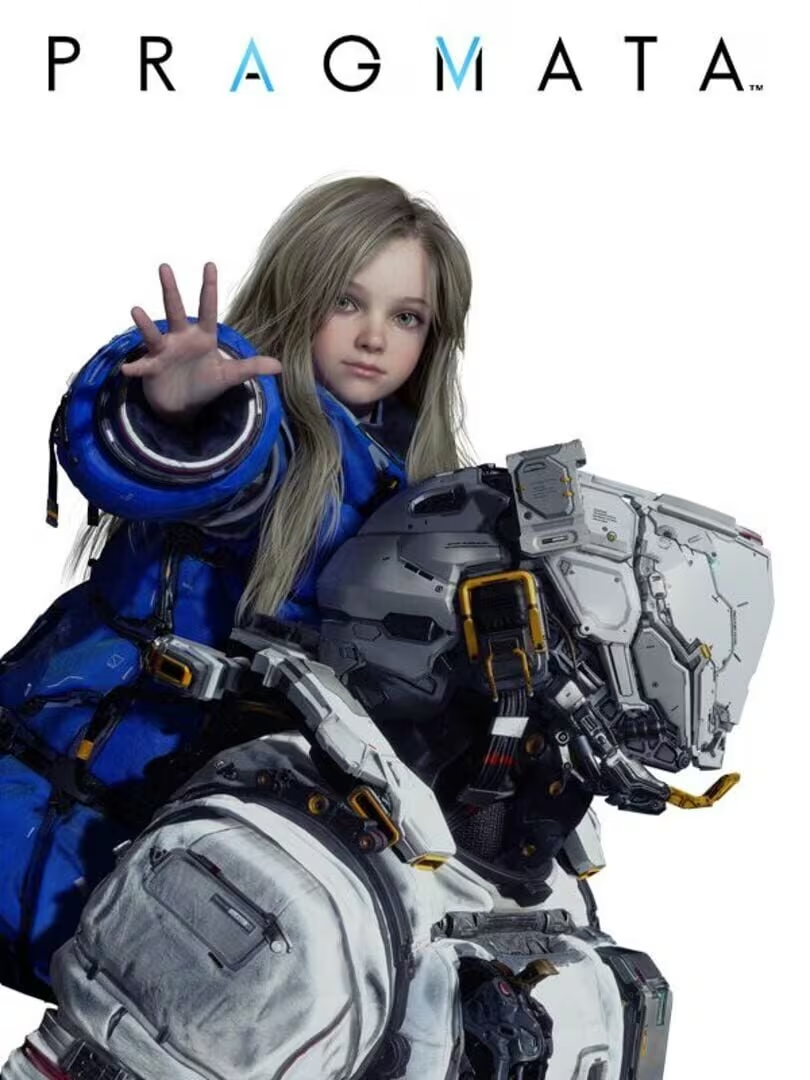 PRAGMATA
"Encourages experimentation with different augmentations, hacking methods, stealth or combat approaches, and exploration."
-
Exploration
Game with the same Exploration vibe
5"Players explore five large, distinct cities with many side quests and hidden content, encouraging discovery."
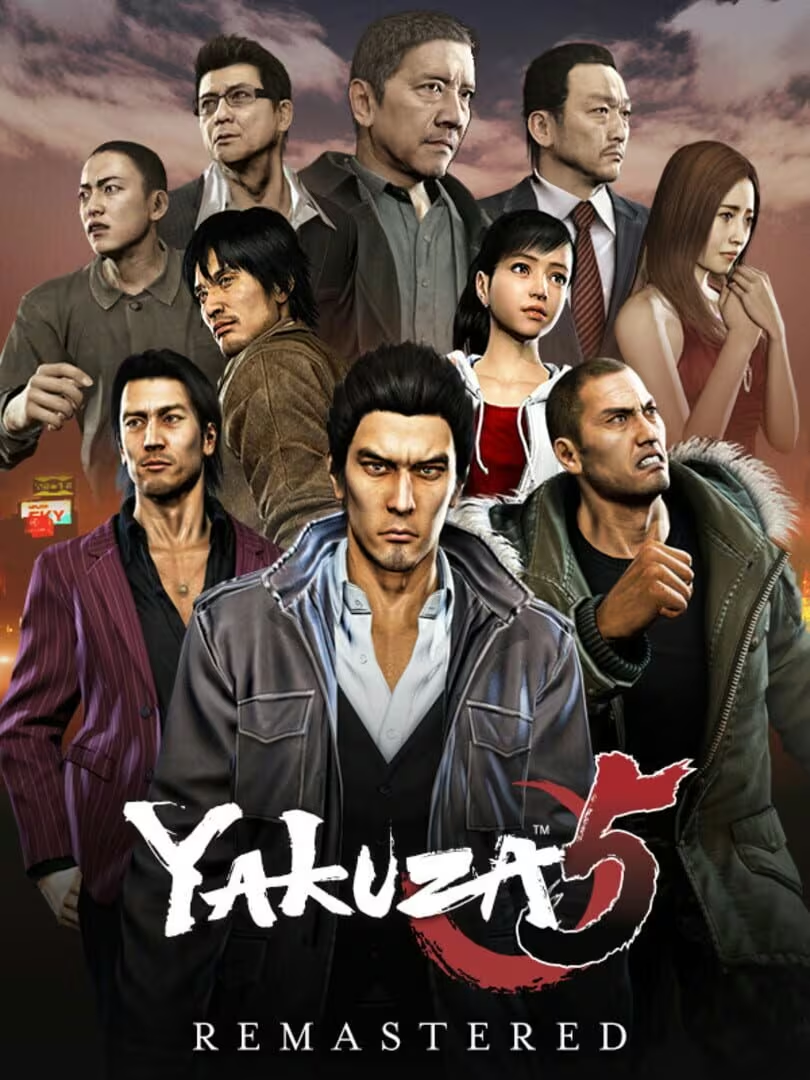 Yakuza 5 Remastered
"Large, detailed hub city and multiple locations encourage extensive exploration and discovery of secrets and side quests."
-
Expression
Game with the same Expression vibe
3"Players customize their character's augmentations and weapon loadouts, expressing different playstyles."
 Cruelty Squad
"Players customize augmentations and weapons, expressing their preferred playstyle and approach to missions."
-
Fantasy
Game with the same Fantasy vibe
4"Set in a futuristic cyberpunk world with imaginative sci-fi elements and narrative."
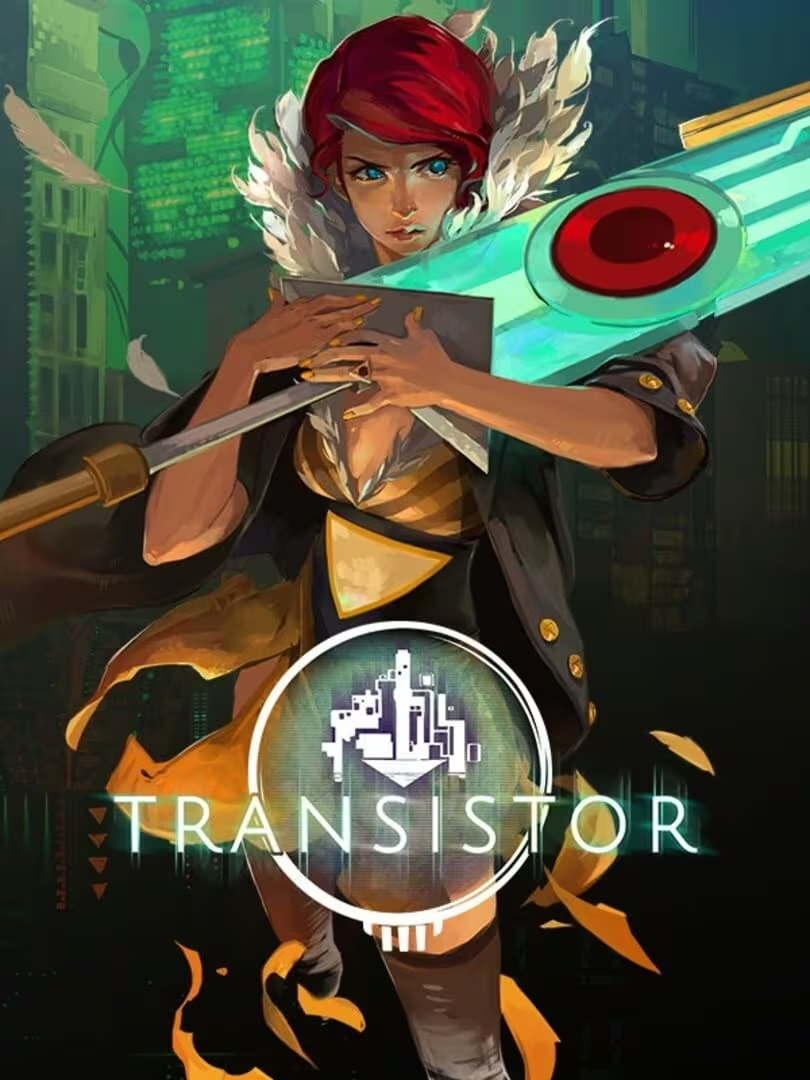 Transistor
"Set in a futuristic cyberpunk world with advanced augmentations and conspiracies, providing a strong imaginative fiction experience."
-
Fellowship
Game with the same Fellowship vibe
-4"Primarily a solitary experience with minimal social interaction beyond narrative NPC encounters."
 The Void
"Minimal social connection; mostly a solitary experience with NPC interactions limited to story and side quests."
-
Growth
Game with the same Growth vibe
3"Players develop skills, knowledge, and character builds through gameplay progression."
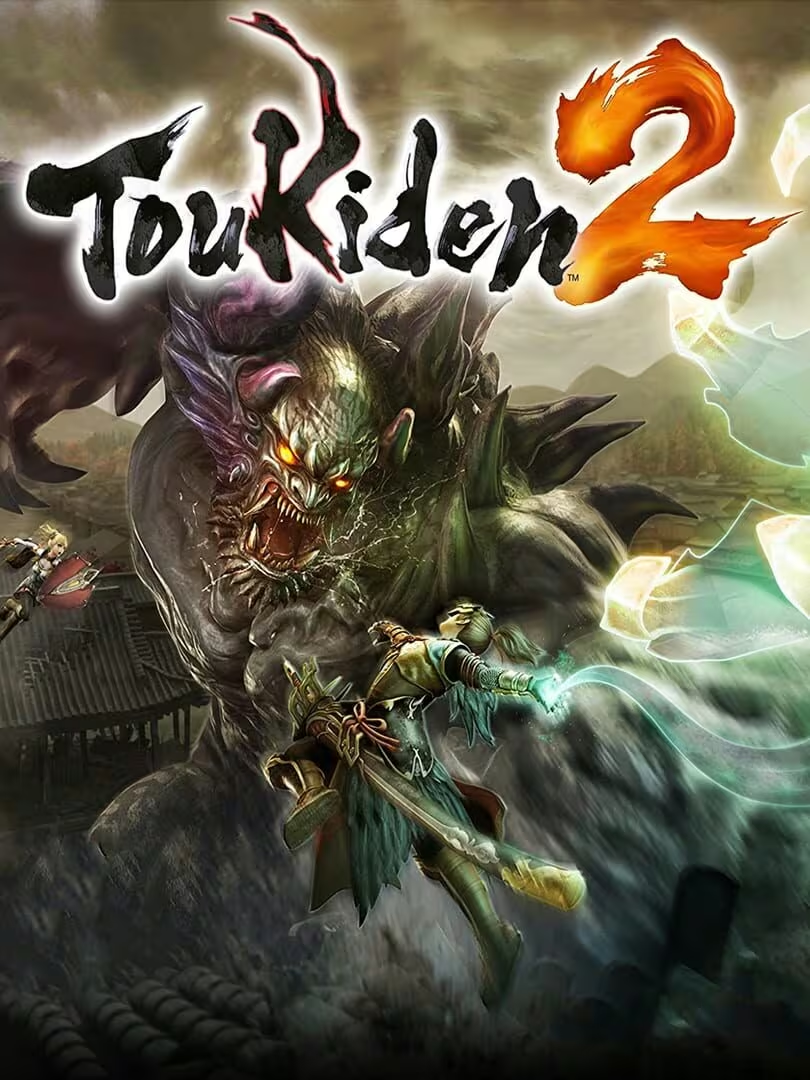 Toukiden 2
"Players develop skills and knowledge through augmentations and exploration, though some find progression limited late game."
-
Health
Game with the same Health vibe
-4"Primarily sedentary gameplay with no physical activity or health-related mechanics."
 Cloudheim
"Primarily sedentary gameplay with no physical activity or health-related mechanics."
-
Idle
Game with the same Idle vibe
-4"Requires focused attention and active engagement; not designed for casual or background play."
 Disgaea 2 PC
"Requires focused attention and active engagement; not designed for casual or background play."
-
Intimacy
Game with the same Intimacy vibe
-4"Limited social interaction; relationships with NPCs are functional and narrative-driven rather than emotional."
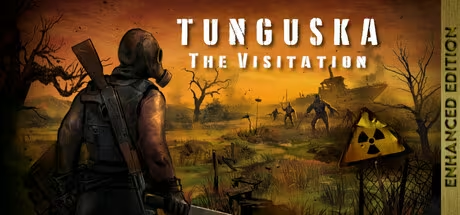 Tunguska: The Visitation - Final Cut
"Limited emotional or close relationships; NPC interactions are functional and narrative-driven rather than intimate."
-
Leadership
Game with the same Leadership vibe
-4"No leadership or group management roles; player acts individually within story."
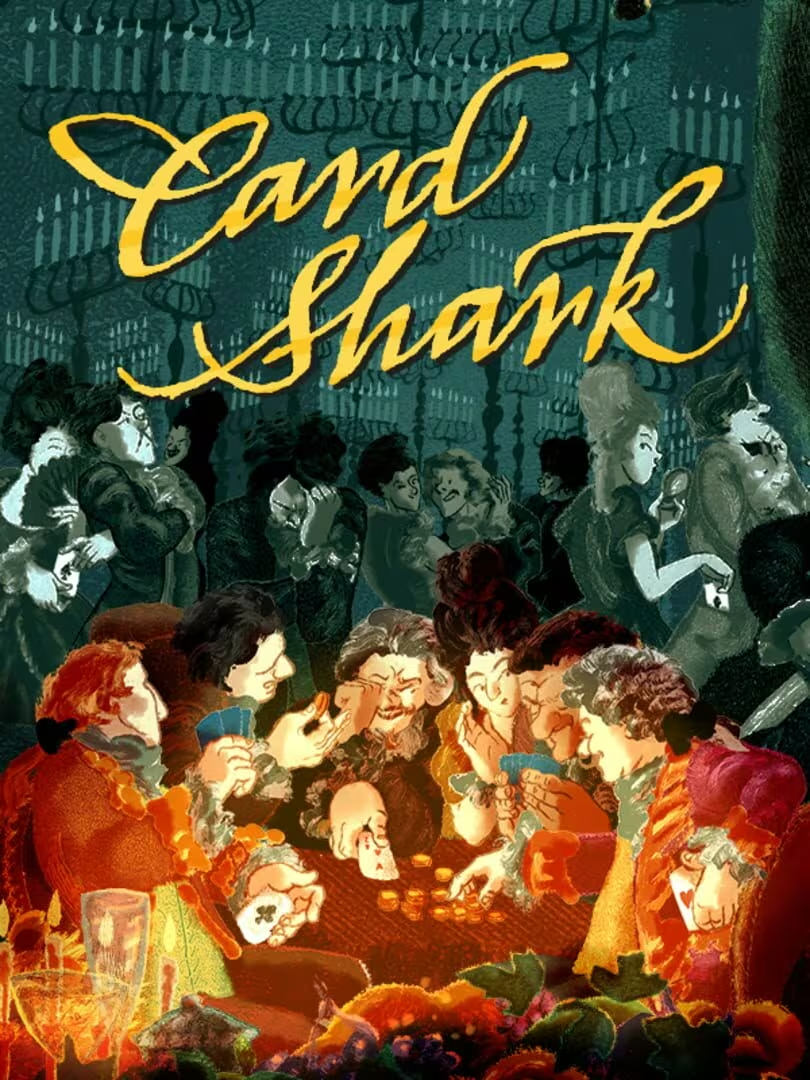 Card Shark
"No player leadership roles; interactions are individual and story-driven without group management."
-
Progression
Game with the same Progression vibe
4"Players accumulate upgrades, weapons, and resources, progressing through skill trees and crafting."
 The Evil Within 2
"Players accumulate augmentations, weapons, and upgrades, progressing through skill trees and mission completion."
-
Relaxation
Game with the same Relaxation vibe
2"The game offers moments of immersion and flow but also includes tension and challenge."
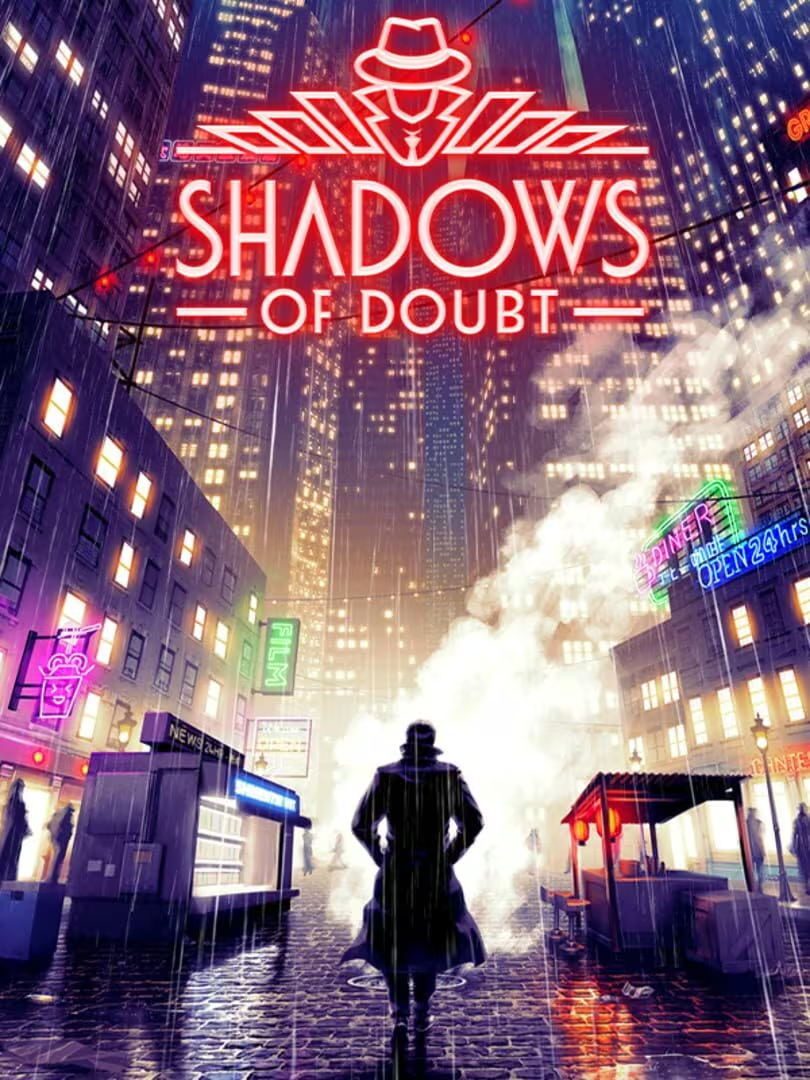 Shadows of Doubt
"Offers moments of flow and immersion but also tension from stealth and combat challenges."
-
Sensation
Game with the same Sensation vibe
3"Visual and auditory design praised for atmosphere and immersion, providing sensory stimulation."
 Steelrising
"Visual and auditory design praised for atmosphere and immersion, providing stimulating sensory experience."
-
Status
Game with the same Status vibe
-4"No social status or recognition mechanics; achievements are personal and not publicly ranked."
 The Last Spell
"No social status or recognition mechanics; achievements and progress are personal and not publicly ranked."
-
Story
Game with the same Story vibe
2"There is a narrative and quests, but story is not the main focus; some players find it engaging."
 Mist Legacy
"Narrative is engaging but considered short and incomplete by many; side quests add depth but main plot is abrupt."
-
Strategy
Game with the same Strategy vibe
4"Requires planning hacking approaches, stealth routes, and combat tactics."
 Watch_Dogs™
"Requires planning and problem solving in stealth, hacking, and combat approaches; multiple solutions to challenges."
-
Thrill
Game with the same Thrill vibe
3"Combat and stealth provide suspense and excitement, with risk and reward in encounters."
 The Outer Worlds 2
"Stealth and combat provide suspense and tension; players experience excitement from overcoming challenges."
-
Value
Game with the same Value vibe
3"Generally considered good value especially on sale; some complaints about DLC pricing."
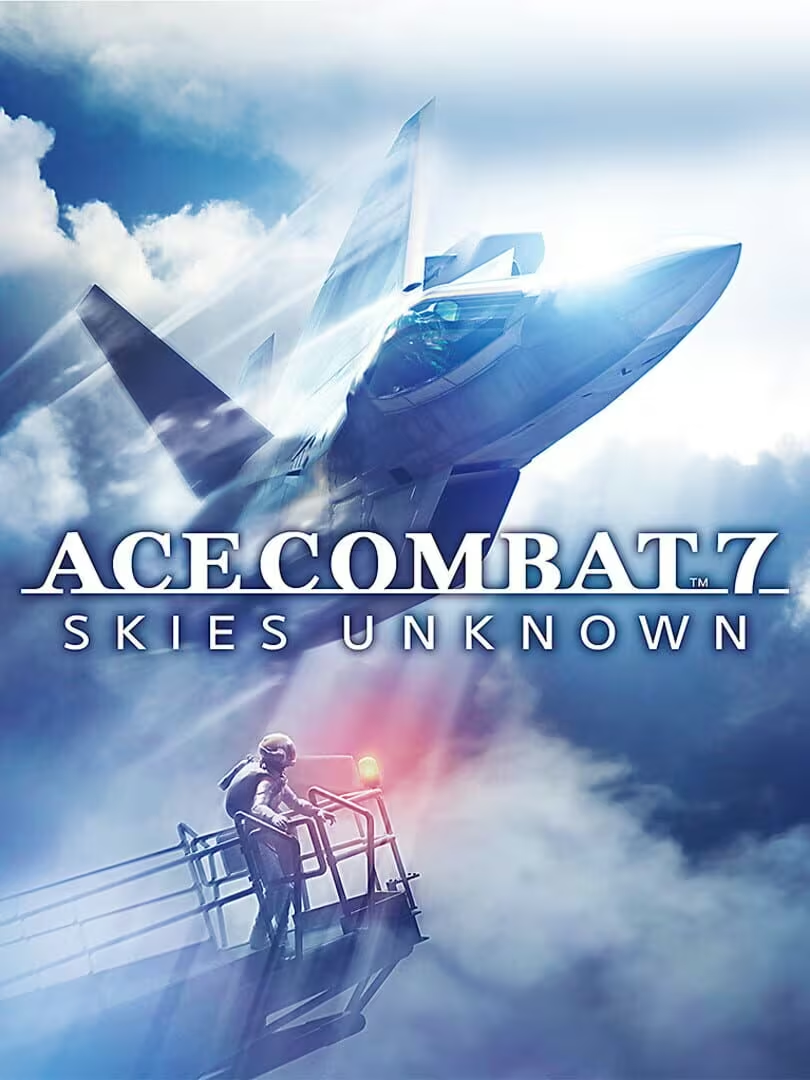 ACE COMBAT™ 7: SKIES UNKNOWN
"Considered good value especially on sale; criticisms mainly about microtransactions and DLC pricing, which are optional."
-
Violence
Game with the same Violence vibe
1"Violence is present but often avoidable; non-lethal options and stealth takedowns are encouraged."
 Tom Clancy's Splinter Cell Chaos Theory®
"Violence is an option but stealth and non-lethal approaches are encouraged; combat is balanced with non-violent play."
-
Survival
Game with the same Survival vibe
2"Players avoid detection and death through stealth and combat, managing resources and abilities."
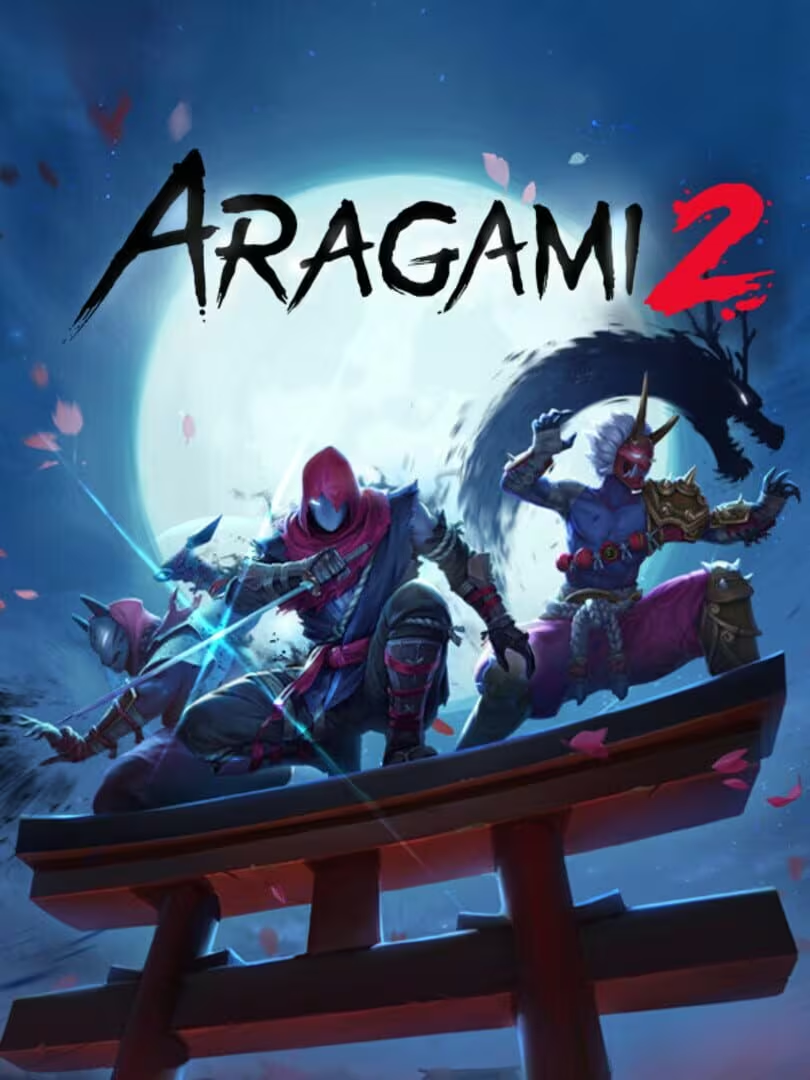 Aragami 2
"Players manage resources and avoid detection to survive missions; some challenge in combat and stealth."
Last update: 01/06/2026